
The fuel pump is one of the most critical components in any car, responsible for delivering fuel from the tank to the engine at the correct pressure. When it works properly, drivers rarely think about it.
When it fails, however, the car can stall, struggle to start, or even become undriveable. This makes fuel pump reliability an important factor for both long-term ownership and overall dependability.
Some manufacturers design cars with durable fuel pumps that last well past 200,000 miles with minimal trouble. Others, unfortunately, have produced models where fuel pump failures are a recurring issue, often leading to costly repairs and unexpected breakdowns.
This article takes a closer look at both sides: five cars that are known for dependable fuel pumps and five that often suffer from fuel pump troubles.
By highlighting both groups, the goal is to provide readers with a clear picture of which vehicles are safe bets in this area and which ones require extra caution.
Each entry will explain why the car belongs in its category, drawing on owner experiences, mechanical design, and long-term performance trends. For buyers, owners, and enthusiasts, understanding fuel pump reliability is an important part of smart car ownership.
Also Read: 5 SUVs That Rarely Lose Power vs 5 That Constantly Do
5 Cars With Dependable Fuel Pumps
Not all fuel pumps are created equal, and certain cars stand out for the long-lasting reliability of their systems. These models are often praised by owners because they rarely experience fuel delivery issues, even at high mileage.
Manufacturers that invest in durable pump designs, stronger components, and precise engineering tend to produce vehicles that avoid the costly and inconvenient problems associated with pump failure.
Cars with dependable fuel pumps also provide peace of mind for drivers who rely on their vehicles for long commutes or frequent travel. A solid fuel pump means fewer surprises on the road and a reduced chance of being stranded by sudden breakdowns.
These vehicles often show consistency across multiple generations, proving that their reliability is not just a one-time achievement but a hallmark of thoughtful engineering.
The following five cars are recognized for their strong records in this area. Each one has earned its place on the list through years of dependable performance, positive ownership reports, and a reputation for lasting longer without requiring fuel pump replacements.
For anyone seeking a car that avoids one of the more frustrating and expensive repair issues, these models deserve careful attention.
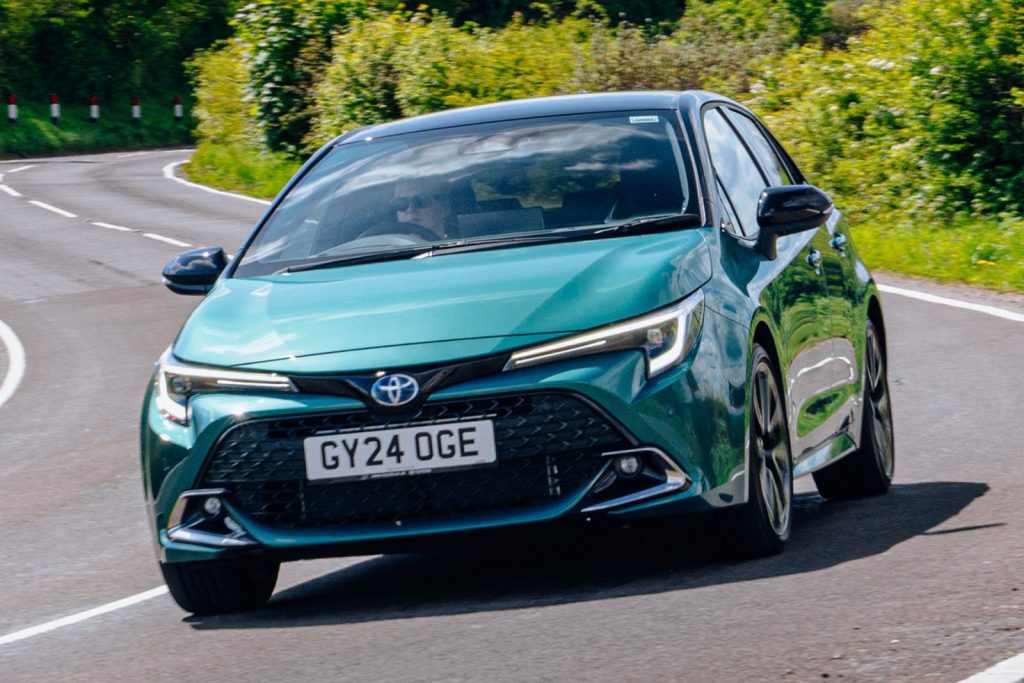
1. Toyota Corolla
The Toyota Corolla is often regarded as one of the most dependable compact cars ever produced, and its fuel pump reliability plays a major role in that reputation.
Owners frequently report that their Corollas run well beyond 200,000 miles without experiencing fuel delivery problems, provided that regular maintenance is performed.
Toyota’s engineering approach to the fuel system emphasizes simplicity, durability, and consistency, which reduces the chance of premature pump failure.
The Corolla’s fuel pumps are typically designed with high-quality components that withstand long-term wear, even in demanding driving conditions.
Unlike some manufacturers that use pumps prone to clogging or early motor burnout, Toyota has focused on durability and steady pressure delivery to the engine. This results in smoother performance and fewer incidents of stalling or hesitation that can plague cars with weaker fuel systems.
Another advantage is the Corolla’s global production scale. Because it is sold in such large numbers, Toyota has refined its fuel system design over multiple generations, identifying weaknesses early and making improvements. This has created a strong track record across decades of production.
Buyers searching for a dependable daily driver often choose the Corolla because of its low operating costs and long service life.
The dependable fuel pump is part of what makes this model so reliable. Its ability to deliver consistent performance without expensive surprises ensures that it remains one of the most trusted cars in its segment.
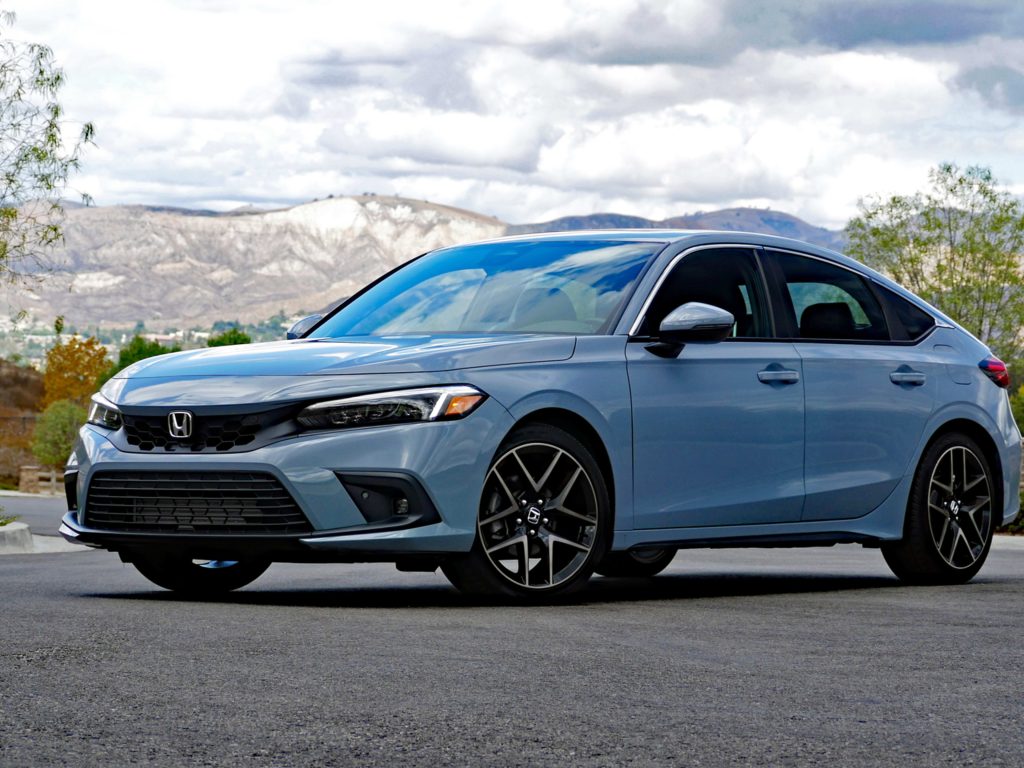
2. Honda Civic
The Honda Civic has long been a benchmark for reliability, and one of the reasons it maintains that reputation is the dependability of its fuel pump.
Unlike some competitors that suffer from recurring pump failures, Civics are known to run for years without major fuel system issues.
Owners commonly report mileage well above 150,000 to 200,000 miles without having to replace the pump, provided that routine fuel filter maintenance is performed.
Honda engineers designed the Civic’s fuel delivery system with simplicity and durability in mind. The pump provides consistent pressure, ensuring smooth starts and steady performance under a variety of driving conditions.
Even in older models, fuel pump failure is rare compared to many other vehicles in the same class. This makes the Civic a top choice for commuters, students, and anyone who prioritizes reliability over constant repairs.
Another factor is Honda’s reputation for incremental improvements. Across generations, the Civic’s design has been refined to address potential weaknesses before they become widespread problems. This means that both older and newer Civics carry a solid reputation for dependable fuel pumps.
For buyers considering a used Civic, the track record speaks for itself. With proper care, it’s unlikely they’ll face sudden breakdowns due to pump failure. This long-term dependability adds to the Civic’s appeal as one of the most practical compact cars available.
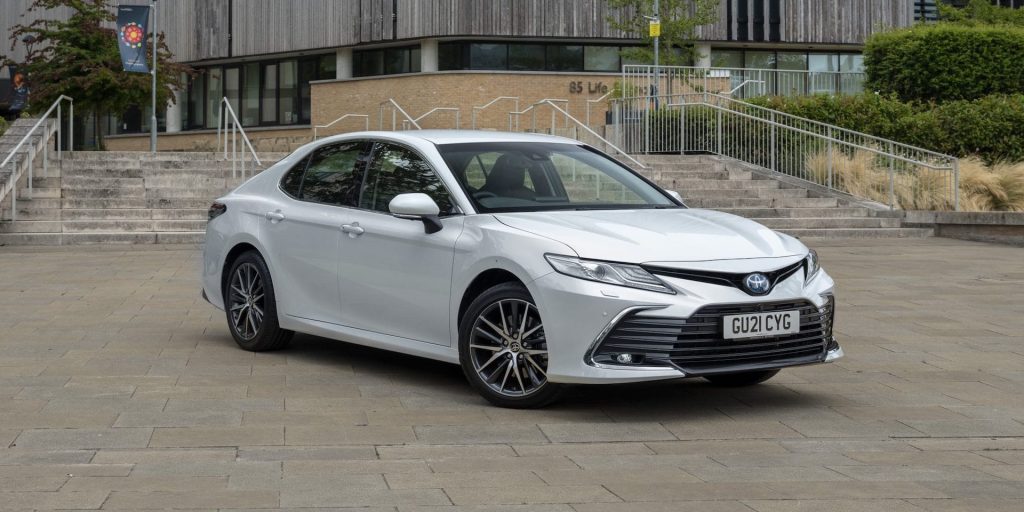
3. Toyota Camry
The Toyota Camry is one of the best-selling sedans worldwide, and its consistent dependability is partly due to its reliable fuel pump system.
Owners often note that their Camrys deliver years of service without ever needing a pump replacement, even after crossing 200,000 miles. This durability has helped the Camry establish itself as a family car that offers not just comfort and safety but also long-term peace of mind.
Toyota uses high-quality components in the Camry’s fuel system, ensuring that the pump can operate reliably under both city commuting and highway driving conditions.
By avoiding overly complex designs, Toyota has reduced the likelihood of early wear or pump motor failure. As a result, issues like sudden stalling, hard starts, or power loss which are common symptoms of weak fuel pumps, rarely affect this model.
Another benefit is Toyota’s emphasis on consistent engineering across generations. While other manufacturers sometimes experience lapses in quality between redesigns, the Camry has maintained its reputation for dependability.
Mechanics and owners alike often point out that the Camry’s fuel system is one of the least problematic areas of the vehicle.
For drivers seeking a midsize sedan with minimal risk of fuel pump problems, the Camry is a standout choice. Its combination of strong design, proven performance, and durability ensures dependable service for years.
4. Honda Accord
The Honda Accord, much like its smaller sibling the Civic, has earned a strong reputation for durability and long-term dependability. One of its most reliable components is the fuel pump, which rarely causes trouble for owners.
Many Accords easily reach 200,000 miles or more with the original pump still functioning properly. This is a significant advantage over vehicles where fuel pump replacement is a common repair by mid-life mileage.
Honda’s engineering philosophy emphasizes building parts that last, and the Accord’s fuel system reflects this approach. The pump is designed to deliver steady fuel pressure for smooth acceleration and consistent performance.
Even in older models, where wear might be expected, pump failures are relatively uncommon compared to competitors in the midsize sedan class.
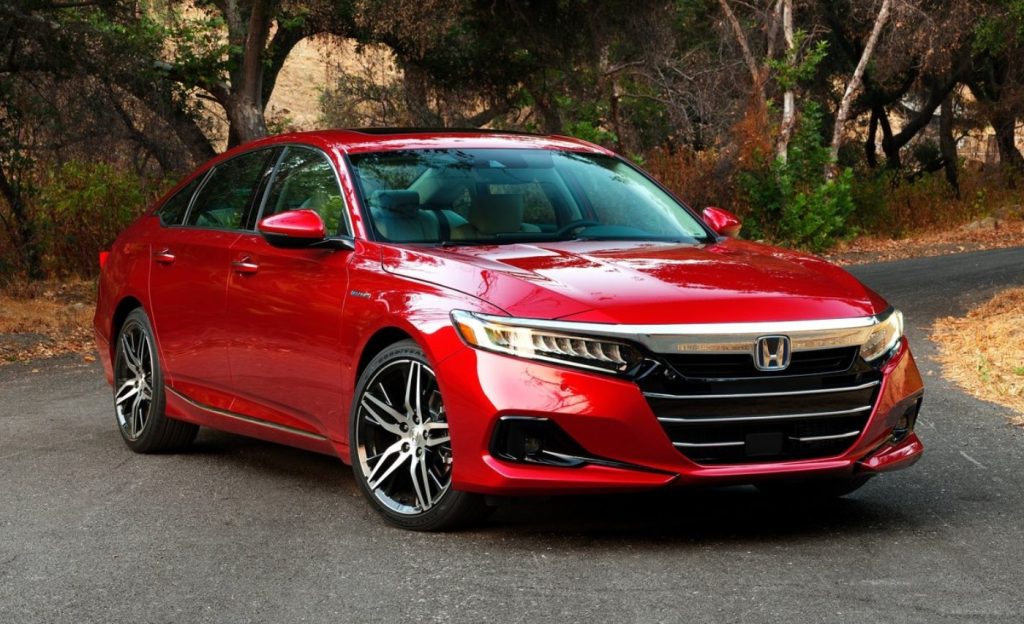
The Accord’s popularity also plays a role in maintaining high reliability standards. With millions sold worldwide, Honda has had the opportunity to perfect its fuel system design across multiple generations, reducing the likelihood of widespread issues. Mechanics often praise the Accord for its low incidence of fuel pump-related breakdowns.
For buyers looking at used Accords, this reliability provides an extra layer of confidence. The car’s reputation for long service life isn’t just about engines and transmissions it extends to the fuel pump as well, ensuring dependable performance year after year.
5. Lexus ES
The Lexus ES, Toyota’s luxury midsize sedan, combines comfort and refinement with the same reliability that Toyota’s mainstream models are known for.
A major contributor to its long-lasting dependability is the robust design of its fuel pump. Owners frequently report that their ES models run for years without any fuel pump issues, even as mileage climbs well past 150,000 miles.
Since Lexus is positioned as a premium brand, the ES benefits from higher-quality materials and tighter quality control.
The fuel pump is designed not only for durability but also for quiet operation, maintaining the smooth and refined driving experience Lexus drivers expect. Failures are rare, and the majority of owners never need to replace the pump during the car’s lifespan.
The ES also shares many mechanical components with the Toyota Camry, including proven fuel system designs.
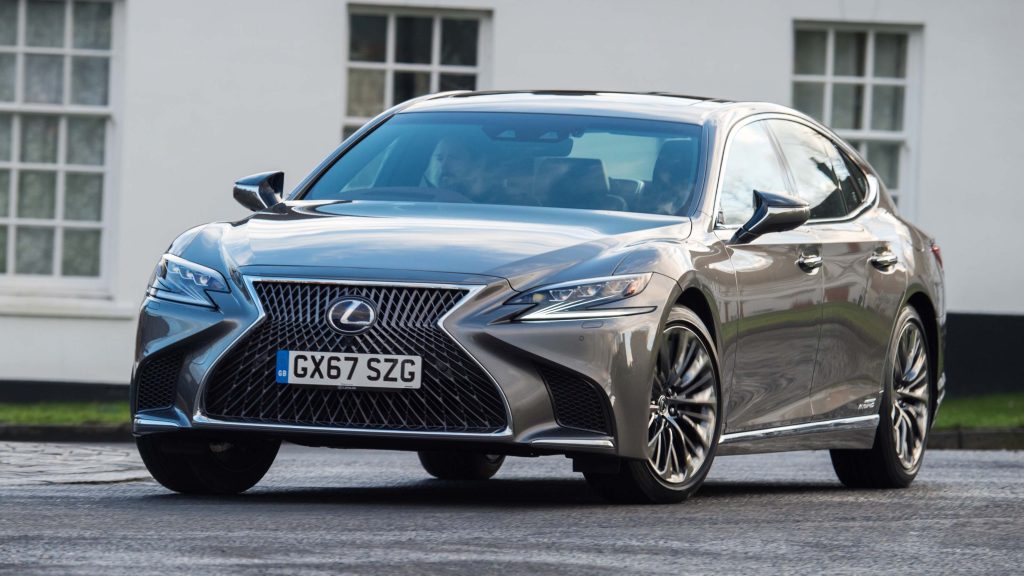
This shared engineering ensures that the ES enjoys both Toyota’s reputation for durability and Lexus’s attention to premium detail. The result is a sedan that rarely leaves owners stranded with fuel delivery problems.
For buyers seeking a luxury car with minimal risk of costly fuel system repairs, the Lexus ES is an excellent option. Its reliable fuel pump, combined with Toyota’s proven engineering, helps secure its position as one of the most dependable vehicles in its class.
5 Cars With Failing Fuel Pumps
While many cars feature dependable fuel delivery systems, there are also models where the fuel pump is a recurring source of trouble. A failing pump can create frustrating problems such as hard starting, stalling during acceleration, or complete engine shutdown.
For drivers, this often means unexpected breakdowns and repair bills that can climb into the hundreds or even thousands of dollars.
In some cases, these issues are linked to poor design choices, low-quality pump components, or placement of the pump in a way that makes it vulnerable to early wear.
Certain vehicles have developed reputations for fuel pump failures that happen earlier than expected, sometimes before 100,000 miles.
These problems can overshadow other strengths the cars may have, such as strong engines, smooth rides, or appealing features. For used-car shoppers especially, awareness of these weaknesses is essential.
The following five cars stand out because their fuel pumps are known to be less reliable compared to competitors.
Each entry highlights the reasons for failure, common symptoms experienced by owners, and the risks buyers should consider before committing to one.
By understanding these problem areas, drivers can make more informed decisions and avoid unnecessary frustrations on the road.
1. BMW 335i (2007–2010)
The BMW 335i from the late 2000s is a car that combined strong performance with luxury appeal, but it quickly gained a reputation for serious fuel pump problems. The culprit was the high-pressure fuel pump (HPFP) used in models equipped with the turbocharged N54 engine.
Owners reported issues such as rough idling, long cranking times, reduced power, and sudden stalling. For many, these problems appeared before the car even reached 60,000 miles, which is far earlier than expected for such a critical component.
The widespread failures prompted multiple recalls and extended warranty coverage from BMW, but the problem tarnished the 335i’s reputation.
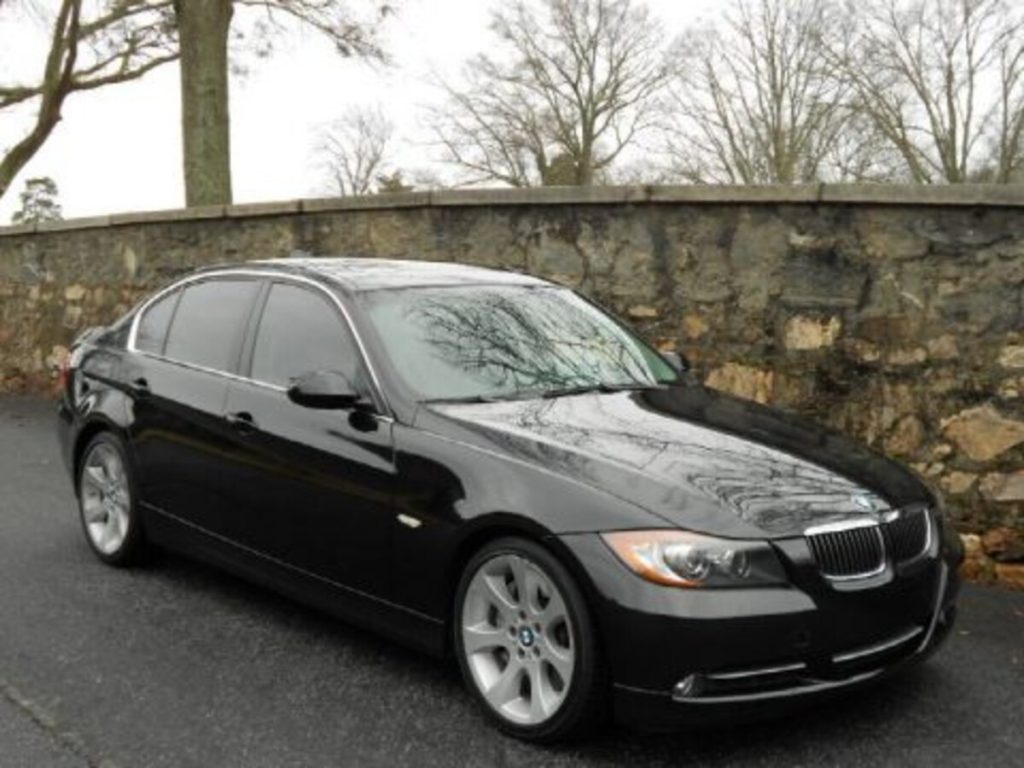
Even after repairs, some owners experienced repeated pump failures, creating frustration and concerns about long-term reliability. For a brand that markets itself on precision engineering, the HPFP failures were especially damaging.
Part of the issue was the complexity of the direct-injection system. While it improved performance and efficiency, it placed extra stress on the pump, which was not designed robustly enough to handle the demand over time.
For buyers today, the 335i from this era can be tempting due to its strong performance and relatively low resale prices. However, the risk of fuel pump trouble makes it a high-maintenance choice, and only those prepared for potential repairs should consider owning one.
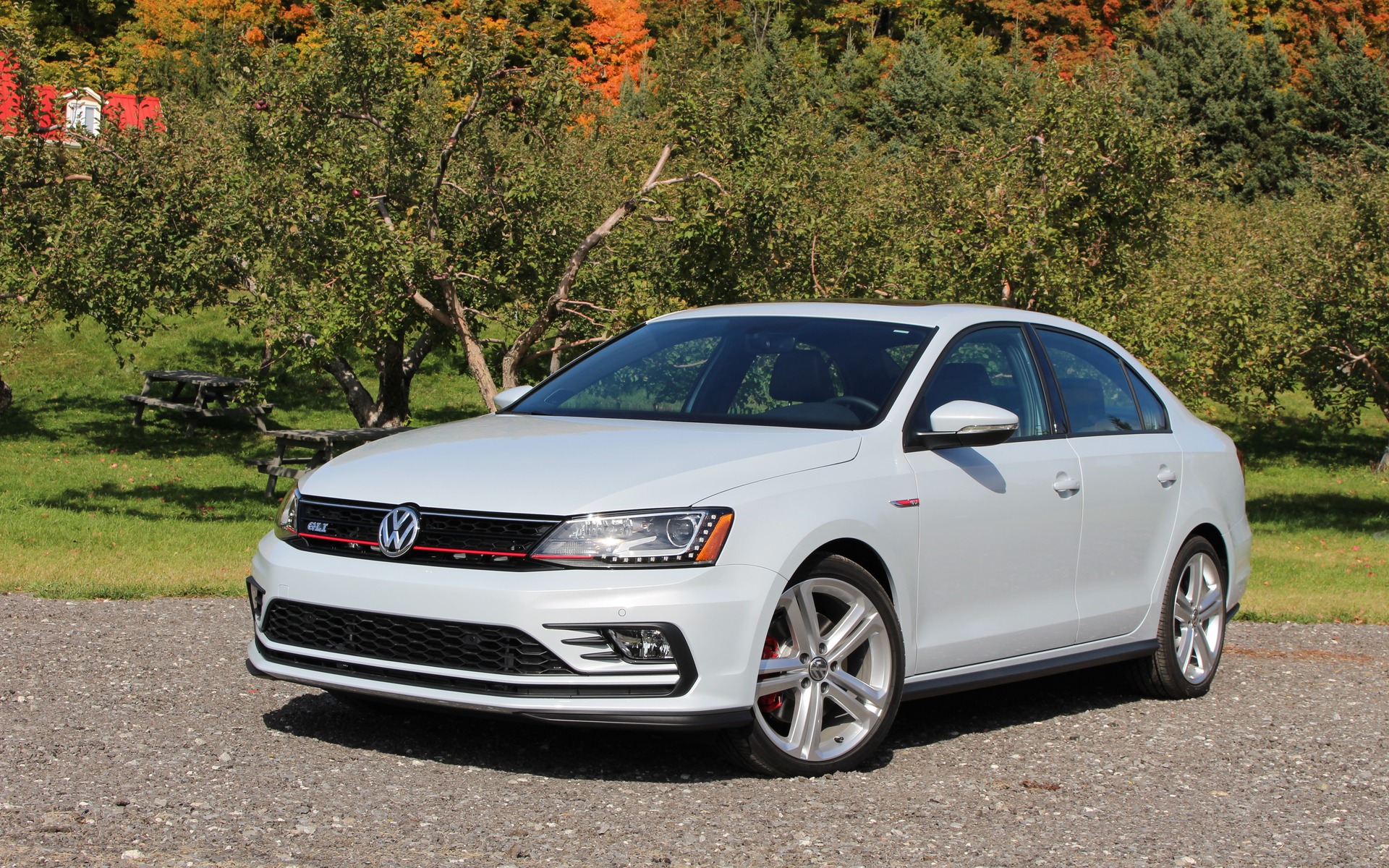
2. Volkswagen Jetta (2009–2014)
The Volkswagen Jetta has long been a popular compact sedan; however, certain models built between 2009 and 2014 developed a reputation for fuel pump issues. Many owners reported sudden engine stalling, difficulty starting, and loss of power while driving.
The failures often stemmed from the in-tank fuel pump module, which was prone to premature wear. In some cases, the electrical portion of the pump failed, cutting fuel delivery entirely and leaving the vehicle stranded.
Volkswagen issued recalls for specific Jetta models after regulators investigated the widespread complaints. However, even with these actions, many owners continued to face problems outside warranty coverage.
The situation was particularly frustrating because failures could occur at relatively low mileage, sometimes well before 80,000 miles. For a car marketed as reliable transportation, this created significant concern.

Mechanics familiar with these Jettas often point out that the issue wasn’t always with pump design alone, but also with electrical control modules and wiring that compounded the problem. Regardless of the root cause, the result was the same frequent pump replacements and high repair costs for owners.
For buyers looking at used Jettas from this era, a careful review of service history is essential. Unless the pump has already been replaced with a more reliable unit, the risk of breakdown is high.
3. Ford Focus (2012–2018)
The Ford Focus, particularly models from 2012 to 2018, has faced numerous complaints about fuel pump problems.
Owners frequently reported hard starts, stalling at low speeds, and sudden loss of power on the highway. These issues were linked to a defective fuel delivery module and failing in-tank pumps that struggled to maintain consistent pressure.
The problem was significant enough that Ford issued technical service bulletins and recalls for certain vehicles.
Unfortunately, the fixes did not always resolve the issue completely, leaving many drivers frustrated by repeated failures. In some cases, the faulty pumps also caused damage to other components in the fuel system, further driving up repair costs.
Part of the issue was related to Ford’s focus on efficiency and emissions systems during this period.

The design choices, while intended to improve performance and fuel economy, inadvertently placed strain on the fuel pump assembly. As a result, pumps often failed much earlier than expected, sometimes at fewer than 70,000 miles.
For buyers considering a Focus from this generation, fuel pump reliability should be a top concern. Unless there is documented proof that the pump has been replaced with an updated unit, the risk of costly repairs remains high.
While the Focus offered good handling and a comfortable ride, its reputation was damaged by recurring pump failures that undermined its practicality.
4. Chevrolet Cruze (2011–2015)
The Chevrolet Cruze, introduced as a global compact sedan, gained early attention for its styling and efficiency. However, models produced between 2011 and 2015 developed fuel pump issues that left many owners dissatisfied.
Reports of stalling, rough idling, and difficulty starting were common, with the root cause often traced to the high-pressure fuel pump in turbocharged variants.
These pumps were prone to premature wear, leading to loss of pressure and inconsistent fuel delivery. Some drivers also experienced secondary issues, such as misfires and poor acceleration, which compounded the frustration.
The failures sometimes occurred before 60,000 miles, leaving owners with unexpected repair bills well outside warranty coverage.
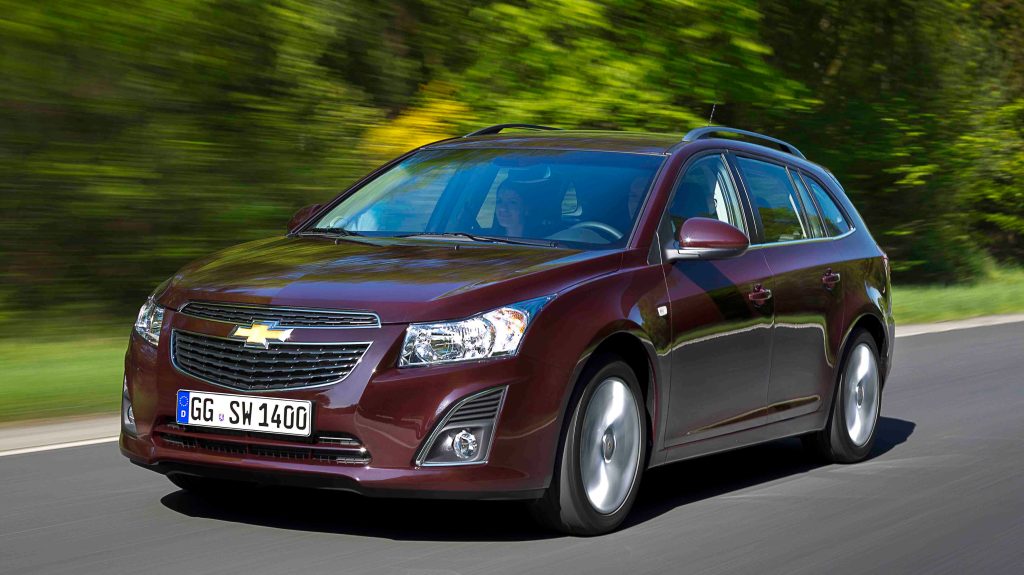
The Cruze’s problems were not isolated to one market; similar complaints surfaced in North America, Europe, and Asia, suggesting a widespread design weakness.
While GM issued technical service bulletins and extended warranties in some cases, the response was limited compared to the scale of the issue.
For a car marketed to budget-conscious buyers, the prospect of repeated fuel pump repairs was a serious drawback. Many owners eventually lost confidence in the Cruze, affecting its resale value. Today, used models from this era should be approached with caution.
Without evidence of a replaced or upgraded pump, buyers risk encountering the same reliability problems that frustrated so many first owners.
5. Subaru Outback (2019–2020)
The Subaru Outback is generally regarded as a dependable crossover, but certain 2019 and 2020 models faced widespread fuel pump failures.
Subaru issued a recall covering tens of thousands of vehicles after identifying that the low-pressure fuel pump’s impeller could deform and crack. When this happened, fuel delivery was disrupted, causing symptoms such as engine hesitation, stalling, or failure to start.
Unlike some older vehicles where pump issues develop gradually, the Outback’s problem could appear suddenly, creating safety concerns. Owners reported instances of engines shutting down unexpectedly at highway speeds, highlighting the severity of the defect.
Subaru’s recall involved replacing the faulty pumps with redesigned units, but many owners still faced the inconvenience of repeated service visits and delays in parts availability.
The issue was particularly disappointing because Subaru markets the Outback as a reliable adventure vehicle, trusted for long trips and rough conditions. Instead, the recall brought negative attention and reduced consumer confidence in newer models.
For used-car buyers, checking recall history is essential. An Outback with the original pump design poses a high risk, while one that has received the updated pump is generally reliable. Still, the episode serves as a reminder that even brands with strong reputations are not immune to serious fuel system flaws.
Fuel pumps play a critical role in keeping engines running smoothly, and their reliability often determines how dependable a vehicle will be over time. Across the two lists presented, clear differences emerge between cars with strong reputations for fuel pump durability and those known for recurring problems.

On the dependable side, models such as the Toyota Camry, Honda Accord, Ford Crown Victoria, Lexus ES350, and Toyota Land Cruiser stand out for consistent design and long-lasting components.
These vehicles demonstrate that with proper engineering, a fuel pump can operate reliably for hundreds of thousands of miles. Owners benefit not only from fewer breakdowns but also from greater confidence in daily driving and long-distance travel.
On the other hand, cars like the BMW 335i, Volkswagen Jetta, Ford Focus, Chevrolet Cruze, and Subaru Outback highlight the risks when pump design or materials fall short.
From high-pressure fuel pump failures in performance models to widespread recalls in newer vehicles, these issues often leave drivers with unexpected expenses and frustration. In some cases, pump failures directly impacted resale values and customer trust.
The contrast between the two groups reinforces the importance of researching a vehicle’s history before purchase. While some cars deliver years of trouble-free service, others carry risks that can add significantly to ownership costs.
By understanding which models are prone to dependable fuel delivery and which ones face repeated failures, buyers and owners can make informed choices, avoid costly repairs, and prioritize vehicles with proven reliability.
Also Read: 10 Cars That Still Sell Above MSRP in 2025
