
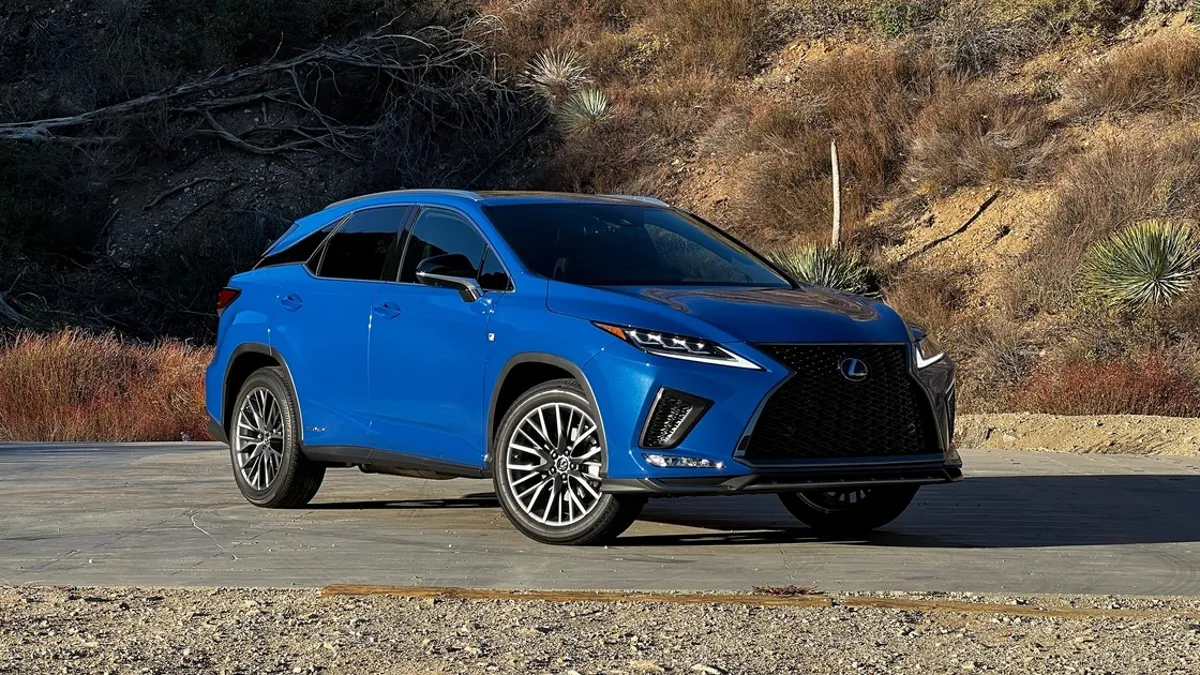
Lexus SUVs are often praised for reliability, luxury, and longevity, making them a popular choice for buyers seeking dependable vehicles.
However, not all Lexus SUVs perform equally over the long term. While some models have earned reputations for running flawlessly for hundreds of thousands of miles with minimal maintenance, others experience recurring issues that shorten their lifespan or increase ownership costs.
This article examines both sides of the spectrum. First, it highlights five Lexus SUVs that consistently demonstrate durability, robust engineering, and long-term reliability.
These models combine strong powertrains, corrosion-resistant bodies, and high-quality components that withstand years of driving under a variety of conditions. Following that, we explore five Lexus SUVs that are more prone to early mechanical or electrical issues.
These vehicles, while luxurious and comfortable, may suffer from transmission quirks, electronic malfunctions, or suspension wear that reduce their long-term dependability.
By analyzing these models, readers can better understand the factors that contribute to long-lasting performance versus early failures.
Knowledge of which SUVs are proven to endure and which are less reliable helps buyers make informed decisions, ensuring they invest in models that meet their expectations for comfort, safety, and longevity.
Also Read: 10 Engines That Keep Running With Zero Drama
5 Lexus SUVs That Run Forever
Certain Lexus SUVs have earned reputations for exceptional reliability and longevity. These models are designed with durable powertrains, high-quality materials, and thoughtful engineering that allow them to withstand years of use with minimal issues.
Owners often report reaching high mileage milestones well over 200,000 miles without major mechanical failures, reflecting the strength of both the engine and supporting systems.
Key factors contributing to longevity include robust engine construction, durable transmissions, corrosion-resistant bodies, and well-designed suspension systems.
Regular maintenance enhances durability, but even with minimal upkeep, these SUVs continue to perform reliably.
Components such as electronics, climate control systems, and infotainment are also engineered to endure long-term operation, avoiding the common pitfalls seen in other luxury vehicles.
The following five Lexus SUVs exemplify models that consistently run for decades. These vehicles are not only reliable but also maintain performance, comfort, and resale value over time.
Highlighting these models provides insight into the combination of engineering, component quality, and design practices that support long-term ownership satisfaction.
For buyers seeking a luxury SUV with proven dependability, these Lexus models offer reassurance that longevity does not come at the expense of comfort or performance.
1. Lexus LX 570
The Lexus LX 570 is the flagship SUV in Lexus’ lineup, renowned for its durability and long-term reliability. Built on a robust body-on-frame platform, the LX 570 combines luxury with the rugged engineering necessary for sustained high-mileage use.
Its 5.7-liter V8 engine is overbuilt for longevity, featuring durable internal components and a torque-rich design that reduces strain during towing or off-road driving.
Owners frequently report that these SUVs easily surpass 250,000 miles with routine maintenance, while many examples reach 300,000 miles or more without major engine or transmission issues.
The LX 570’s all-wheel-drive system is engineered for both smooth on-road handling and heavy-duty off-road conditions, distributing power effectively without stressing drivetrain components. Its suspension system, though sophisticated, is durable, absorbing years of use without significant degradation.
Durability extends to electronics and comfort systems as well. Climate control, infotainment, and safety electronics in the LX 570 are designed to last, minimizing the common failures that can plague luxury vehicles over time.
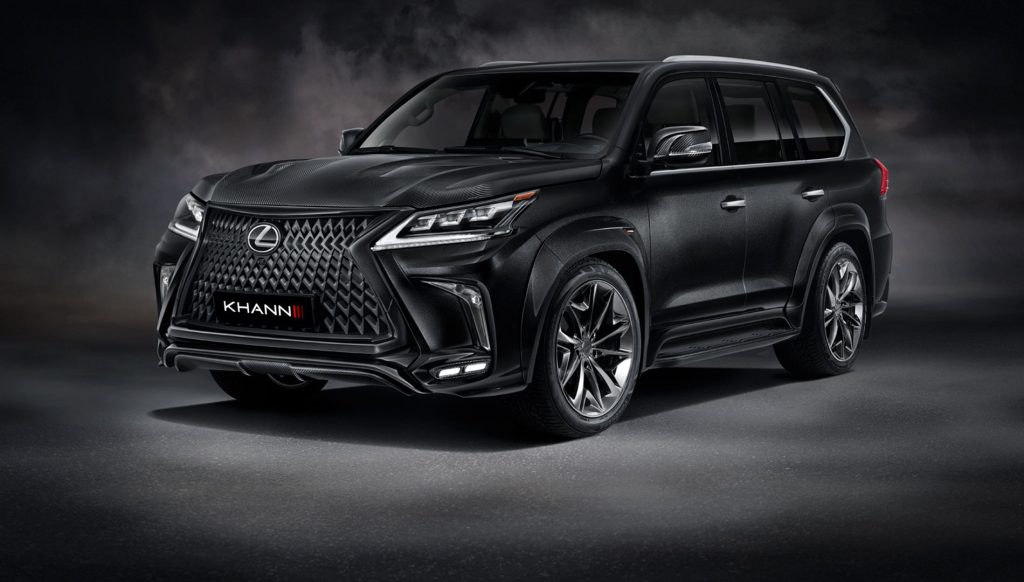
The body is corrosion-resistant, and parts are built to endure heavy usage, further contributing to the SUV’s longevity.
This combination of robust mechanical engineering, high-quality components, and thoughtfully designed systems makes the LX 570 one of the most reliable luxury SUVs available.
Its ability to maintain performance, comfort, and dependability over long-term ownership cements its reputation as a Lexus SUV that truly runs forever.
2. Lexus GX 460
The Lexus GX 460 is a mid-size luxury SUV celebrated for its long-term reliability and rugged build. Sharing a body-on-frame design with its Toyota Land Cruiser Prado platform, the GX 460 benefits from proven mechanical components known for durability.
Its 4.6-liter V8 engine is engineered for longevity, providing ample torque without over-stressing internal components, which helps maintain performance over hundreds of thousands of miles.
Owners often report surpassing 200,000 miles with minimal major repairs. The GX 460’s four-wheel-drive system is both capable off-road and durable in everyday driving, distributing power efficiently while reducing wear on the drivetrain.
Its suspension system is overbuilt relative to many competitors, absorbing rough terrain and long-term usage without frequent replacement.
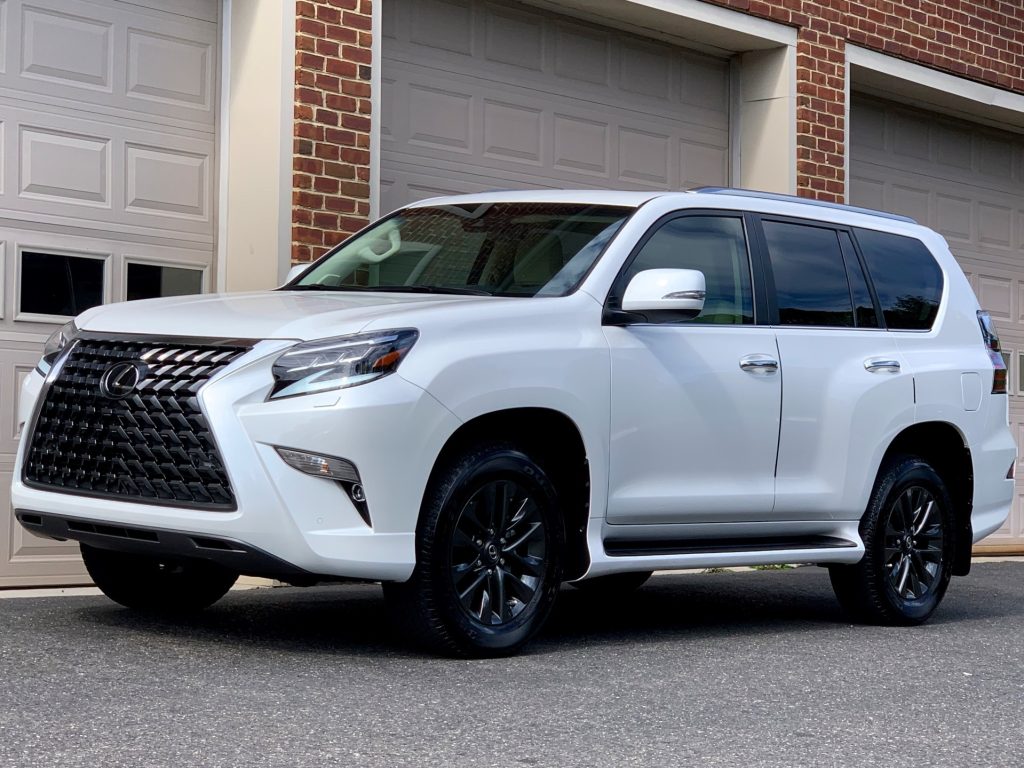
Durability extends to electronics and cabin systems. Infotainment, climate control, and safety electronics are designed to withstand years of daily operation, avoiding costly repairs common in luxury SUVs.
Corrosion-resistant materials and high-quality interior finishes further enhance the GX 460’s long-term ownership appeal.
With a combination of strong mechanical design, dependable drivetrain components, and quality electronics, the GX 460 is a benchmark for reliability in mid-size luxury SUVs.
Its consistent performance, low maintenance needs, and proven track record make it a standout choice for buyers seeking a Lexus SUV that will run for decades.
3. Lexus RX 350
The Lexus RX 350 is one of the most popular luxury crossover SUVs, celebrated for its reliability and long-term dependability.
Built on a unibody platform with a 3.5-liter V6 engine, the RX 350 balances performance, comfort, and durability. Its engine features durable internal components and a smooth torque curve, reducing stress and wear over long-term use.
Owners frequently report that the RX 350 surpasses 200,000 miles without major engine or transmission issues.
The continuously variable or automatic transmission (depending on the year) is engineered to handle high-mileage operation reliably, with proper maintenance ensuring longevity. Suspension components are robust, providing consistent ride quality and minimal wear over time.
Durable electronics and climate systems add to the RX 350’s long-term appeal. Infotainment, navigation, and safety systems are built to withstand years of operation, avoiding the frequent failures that can affect other luxury crossovers.
Corrosion-resistant body panels and high-quality interior materials maintain the vehicle’s appearance, further enhancing resale value and longevity.
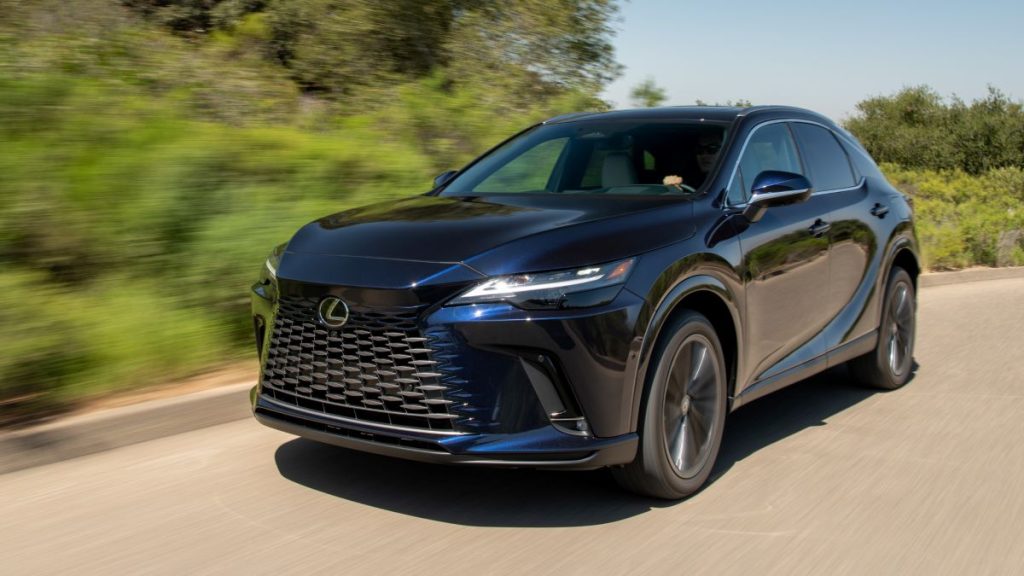
With a combination of strong mechanical engineering, quality materials, and reliable electronics, the RX 350 demonstrates that a luxury crossover can provide years of trouble-free ownership.
Its blend of performance, comfort, and durability makes it a dependable choice for buyers seeking a Lexus SUV that consistently runs for decades.
4. Lexus NX 300
The Lexus NX 300 is a compact luxury SUV praised for long-term reliability despite its smaller size. Powered by a 2.0-liter turbocharged inline-4 engine or naturally aspirated 2.5L in newer models, the NX 300 emphasizes durability alongside efficiency.
The engine design minimizes internal stress while providing sufficient torque for urban and highway driving.
Owners often report reaching over 150,000 miles with minimal major repairs, thanks to a reliable transmission and well-engineered drivetrain.
The all-wheel-drive system, when equipped, distributes power effectively while maintaining component longevity. Suspension components are durable, supporting consistent ride quality over years of daily driving.
Electronic systems, including infotainment, safety, and climate control, are engineered for long-term operation, minimizing the risk of failures that commonly affect compact luxury SUVs.
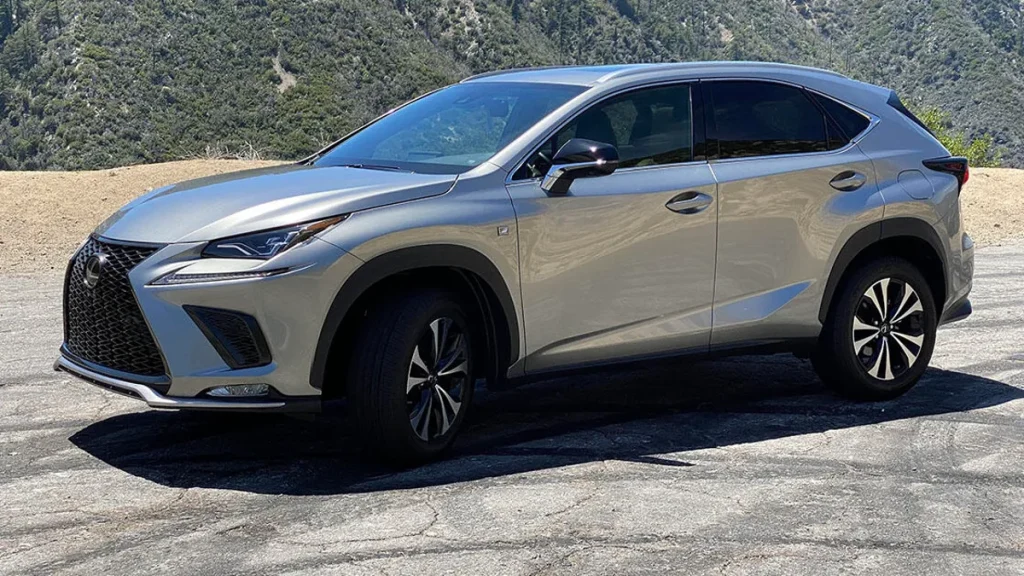
High-quality interior materials and corrosion-resistant construction further contribute to longevity and low maintenance costs.
The NX 300 combines reliability, efficiency, and comfort, making it a top choice for buyers seeking a compact luxury SUV with proven long-term performance.
Its balance of durable components and refined engineering ensures it remains dependable for many years, solidifying its place among Lexus SUVs that run forever.
5. Lexus RX 450h
The Lexus RX 450h hybrid SUV combines luxury, efficiency, and long-term reliability. Its hybrid powertrain, including a V6 engine and electric motor, is engineered for durability, with robust components designed to handle frequent stop-start cycles without compromising longevity.
Owners often report surpassing 200,000 miles with minimal mechanical issues, noting that the hybrid system’s regenerative braking and electric drive components reduce wear on traditional drivetrain parts.
The continuously variable transmission is reliable, and the suspension system maintains comfort and stability over time.
Durable electronics and climate systems are integral to the RX 450h, supporting infotainment, safety, and hybrid operation for many years. Corrosion-resistant body panels and high-quality interior materials further contribute to long-term ownership satisfaction.
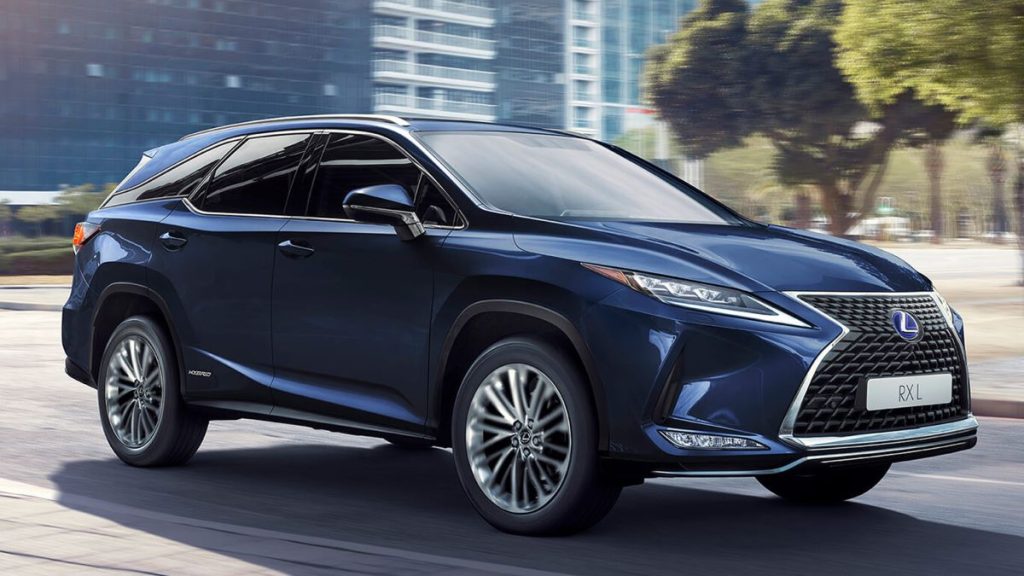
By combining a reliable hybrid system with proven Lexus engineering, the RX 450h demonstrates that hybrid SUVs can achieve longevity without sacrificing performance or comfort.
Its track record makes it a standout choice for buyers seeking a luxury SUV capable of running reliably for decades.
5 Lexus SUVs That Don’t
While Lexus is renowned for producing reliable luxury vehicles, not every SUV in its lineup lives up to the brand’s reputation for long-term durability.
Certain models, due to design choices, complex electronics, or sensitive drivetrain components, are more prone to mechanical or electrical issues that reduce their lifespan.
These SUVs may exhibit recurring problems with transmissions, suspension, engines, or infotainment systems, leading to higher maintenance costs and reduced reliability over time.
This section highlights five Lexus SUVs that are more likely to experience issues earlier in their ownership cycle.
Factors contributing to their reduced durability include sensitive turbocharged engines, overly complex hybrid systems, premature suspension wear, and electronic malfunctions.
While these vehicles still offer luxury, comfort, and safety, their long-term reliability does not match that of the brand’s more proven models.
Understanding which Lexus SUVs are prone to early issues is essential for buyers seeking dependable ownership.
Identifying models with known weaknesses allows prospective owners to make informed decisions, avoid potential repair costs, and select a vehicle that aligns with their expectations for longevity.
By examining these SUVs, readers gain insight into common problem areas and can better evaluate which models may fall short of the high durability standards typically associated with Lexus.
1. Lexus GX 400 (Early Models)
The early Lexus GX 400 models, introduced in the mid-2000s, have a reputation for recurring suspension and drivetrain issues that reduce long-term reliability.
While the SUV shares a body-on-frame platform with the more durable GX 460, the GX 400 was equipped with components that were prone to wear under normal driving conditions.
Owners often report problems with the front and rear suspension, including premature shock absorber and bushing failure, which can lead to a harsh ride and increased maintenance costs.
The drivetrain, including the transfer case and differential components, occasionally exhibits issues, particularly when the SUV is used for towing or off-road driving.
Electrical gremlins, such as sensor failures and intermittent 4WD system faults, can exacerbate these problems and require costly repairs.
While the GX 400 provides luxury and off-road capability similar to other Lexus SUVs, its combination of weaker suspension components and sensitive drivetrain electronics makes it less reliable in the long term. Regular maintenance is necessary to avoid severe wear, but even attentive owners may encounter recurring issues.
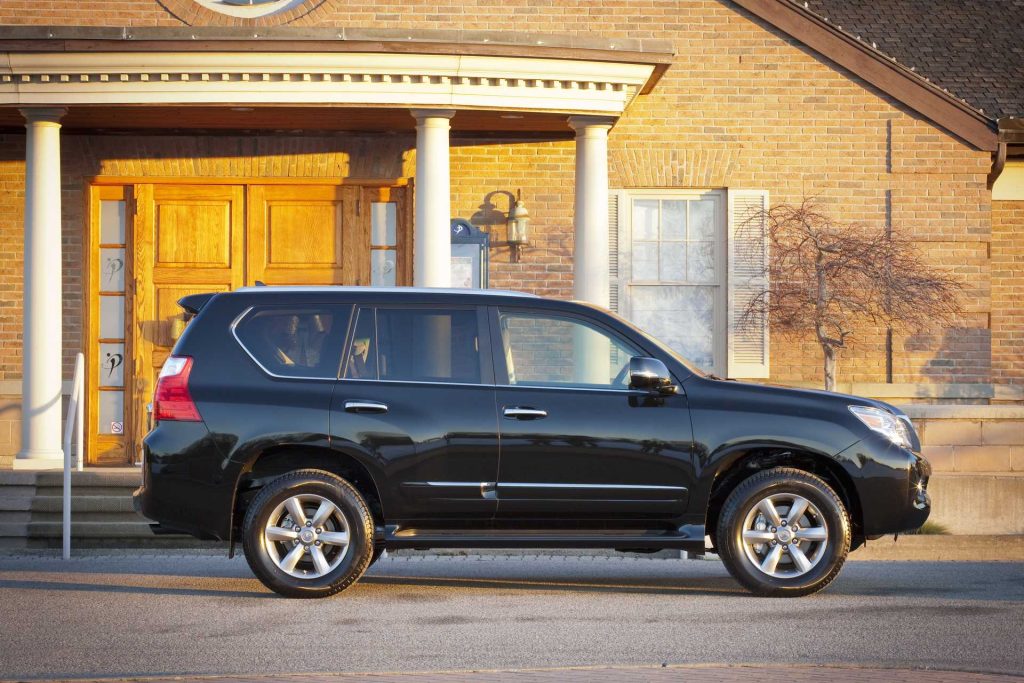
The GX 400 demonstrates that even within a brand known for durability, some models fall short due to component choices and early design limitations.
Buyers seeking a dependable, long-lasting Lexus SUV may prefer the GX 460 or other proven models, as the GX 400’s tendency for suspension and drivetrain failures reduces confidence in its longevity.
2. Lexus RX 330
The Lexus RX 330, part of the mid-2000s RX lineup, is known for comfort and luxury but has experienced early transmission and engine issues that affect long-term dependability.
Its 3.3-liter V6 engine, while generally reliable, sometimes suffers from oil consumption problems and timing chain wear in higher-mileage vehicles.
Transmission issues are more common, with owners reporting early failures in the automatic gearbox, including delayed shifting, slipping, or complete transmission replacement in some cases.
The SUV’s electronic systems, such as climate control and infotainment, can also develop faults over time, increasing maintenance costs and reducing owner confidence.
Suspension components, particularly struts and bushings, may wear prematurely, leading to a decline in ride quality. While the RX 330 provides smooth handling and a luxurious cabin, these recurring mechanical and electronic problems make it less dependable over the long term.
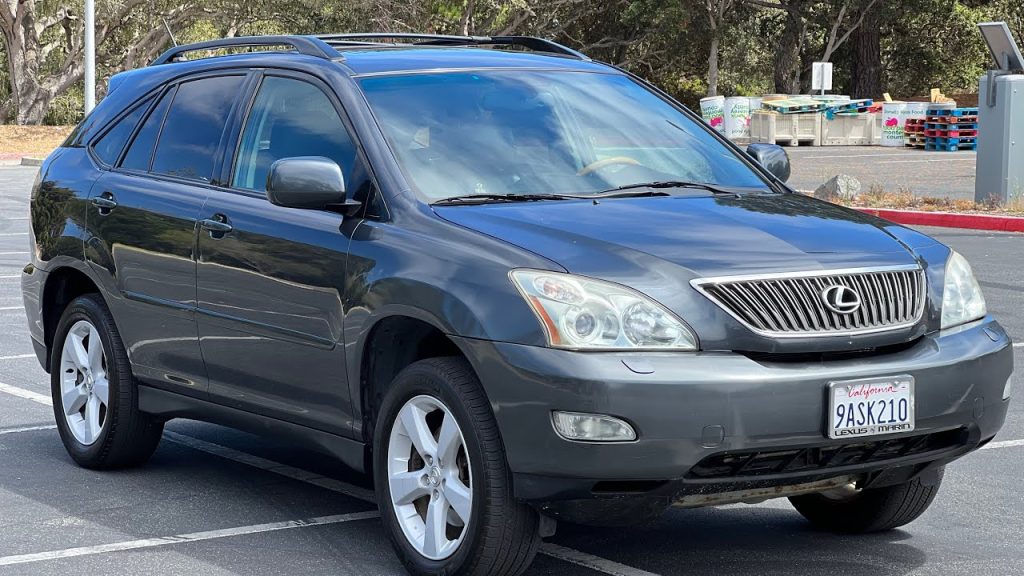
Despite being a comfortable and well-equipped SUV, the RX 330’s combination of transmission sensitivity, minor engine issues, and electronics that can fail prematurely positions it among Lexus models that don’t run forever.
Buyers seeking long-term reliability may prefer newer RX models or other Lexus SUVs with proven durability records.
3. Lexus RX 400h
The Lexus RX 400h hybrid, introduced in the mid-2000s, combines a V6 engine with an electric motor for improved fuel efficiency.
While innovative for its time, early RX 400h models have a reputation for battery, inverter, and hybrid system issues that reduce long-term reliability.
Owners frequently report hybrid battery degradation after 100,000–150,000 miles, sometimes requiring costly replacement. The inverter and power control modules can also fail prematurely, leading to reduced performance or complete power loss.
While the gasoline engine is generally reliable, the added complexity of the hybrid system introduces potential failure points that are not present in conventional models.
Suspension and braking systems also show signs of wear earlier than expected in some vehicles, particularly with heavier hybrid components adding stress to struts, bushings, and brake assemblies.
Electrical systems, including the infotainment interface and climate control sensors, can develop intermittent faults, further increasing maintenance costs.
While the RX 400h offers smooth performance and impressive fuel economy, its complex hybrid drivetrain and related components make it less reliable over time compared to conventional Lexus SUVs.
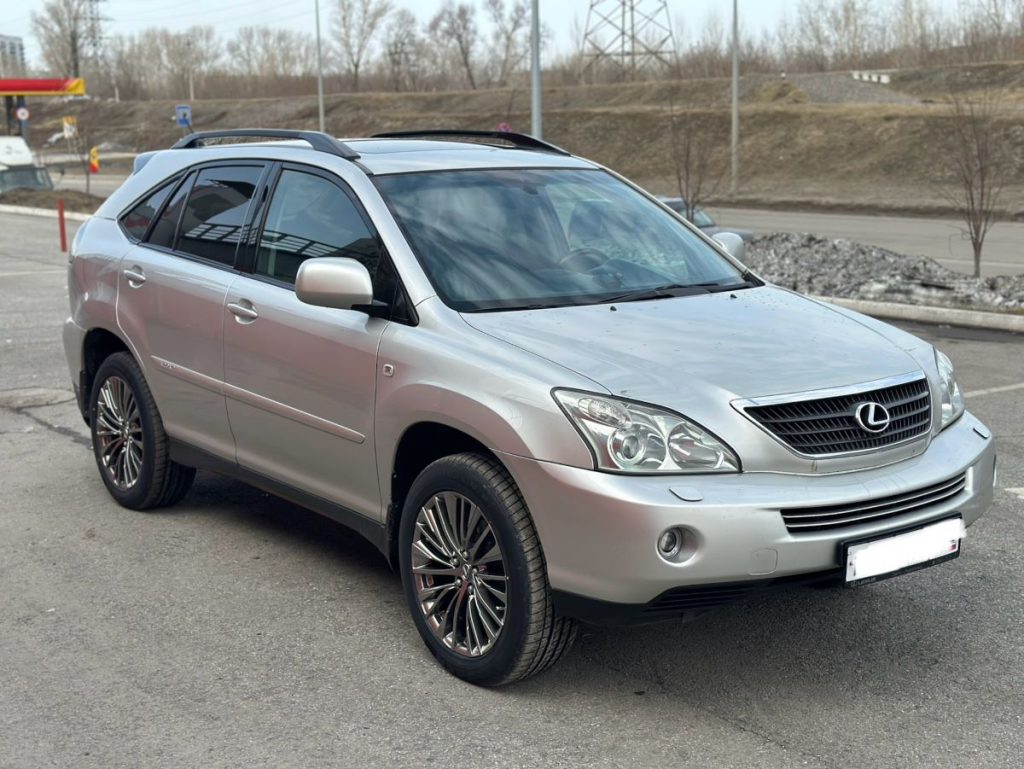
Prospective buyers seeking a long-lasting SUV may encounter significant repair costs with this model, particularly in high-mileage vehicles.
The RX 400h highlights how advanced technology, if not engineered for durability, can compromise the brand’s reputation for long-term dependability.
4. Lexus GX 460 (Early Hybrid-Enhanced Models)
Certain early GX 460 models, especially those with hybrid enhancements or advanced electronics, experienced issues that affected long-term reliability.
While the base GX 460 is renowned for durability, these early variations introduced components that were sensitive to heat, load, and frequent use.
Owners report suspension wear occurring earlier than expected, particularly with shock absorbers and bushings in SUVs used for towing or off-road driving. Electrical faults in 4WD and control modules occasionally lead to intermittent malfunctions or warning lights.
Transmission sensors and electronics also exhibited issues in some vehicles, resulting in delayed shifting or reduced drivetrain responsiveness.
While engines remained robust, the added stress from hybrid or electronic enhancements accelerated wear on other components.
Maintenance costs for these models are higher than for traditional GX 460 SUVs, and parts replacements are often expensive due to the complexity of the systems involved.
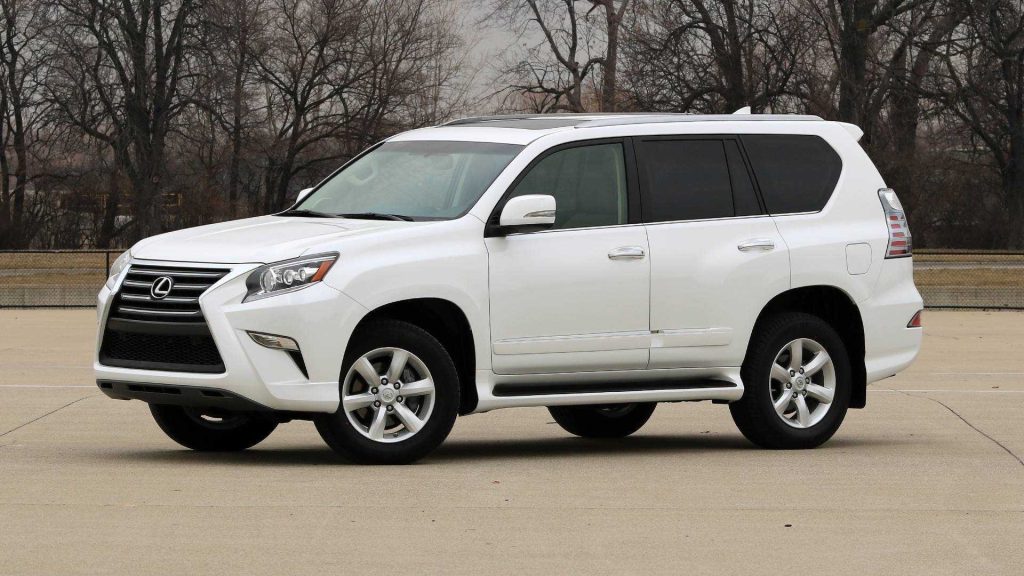
Although these early GX 460 variants offered advanced features and luxury, their sensitivity and early component wear make them less desirable for buyers seeking a dependable, long-lasting SUV.
The model demonstrates that even minor changes to a proven platform can impact durability and long-term ownership satisfaction.
5. Lexus RX 350 (Early 2010s Models)
Early 2010s Lexus RX 350 models are generally reliable but have been reported to experience premature electronic and suspension issues.
Owners report faults in infotainment, navigation, and climate control systems that may malfunction after moderate use. Electrical glitches, such as dashboard warning lights and intermittent sensor failures, reduce owner confidence and can require expensive repairs.
Suspension components, particularly struts and bushings, may wear sooner than expected, affecting ride comfort and handling.
While the 3.5-liter V6 engine remains durable, timing chain tensioners and water pumps have been reported to fail earlier than in other RX models, contributing to potential maintenance concerns.
The combination of sensitive electronics and premature suspension wear makes these RX 350 models less reliable over the long term compared to older or later-generation SUVs.
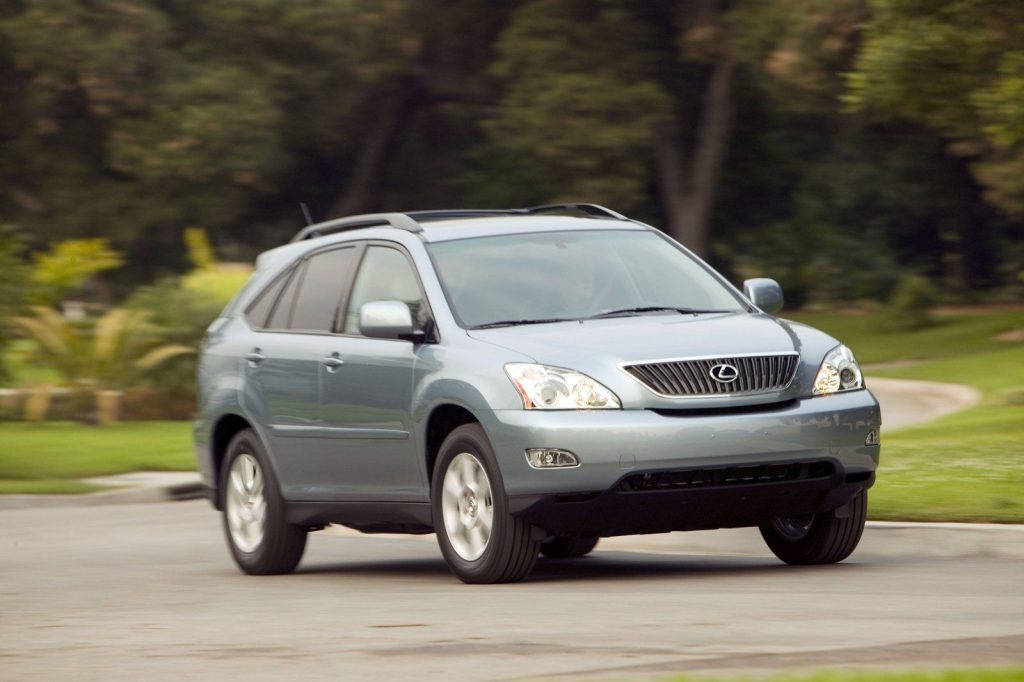
Owners seeking low-maintenance, long-lasting luxury SUVs may encounter higher repair costs and unexpected downtime with these early 2010s RX 350s.
Despite offering luxury, comfort, and a smooth driving experience, these issues place the RX 350 among Lexus SUVs that don’t consistently run forever.
Buyers should consider updated models or alternatives with proven track records for durability and minimal electronic complications.
Lexus has long been associated with luxury, comfort, and reliability, yet not every SUV in its lineup achieves the same level of long-term dependability.
Among its models, some stand out for consistently running for hundreds of thousands of miles with minimal issues, while others experience recurring problems that can reduce longevity and increase maintenance costs.
Understanding the differences between these vehicles is essential for buyers seeking both luxury and durability.
The Lexus LX 570, GX 460, RX 350, NX 300, and RX 450h exemplify SUVs that run forever. The LX 570, as the flagship SUV, combines a robust body-on-frame platform with a durable 5.7-liter V8 engine, strong suspension, and reliable electronics, making it capable of exceeding 250,000 miles with proper maintenance.
Similarly, the GX 460 benefits from proven Toyota Land Cruiser components, including a reliable 4.6-liter V8 engine, capable drivetrain, and overbuilt suspension, supporting long-term use under diverse conditions.
The RX 350 and NX 300, though unibody crossovers, demonstrate that durability is not limited to larger, body-on-frame SUVs. The RX 350’s 3.5-liter V6 engine, robust transmission, and durable electronics allow it to remain reliable beyond 200,000 miles.
The compact NX 300 combines a reliable powertrain with strong suspension components and high-quality materials, making it an excellent choice for buyers seeking a long-lasting compact luxury SUV.
The RX 450h hybrid further proves that advanced technology can coexist with longevity, as its hybrid system reduces stress on conventional drivetrain components, enabling high-mileage performance with minimal mechanical issues.
Conversely, some Lexus SUVs are less reliable, particularly early or complex models. The GX 400, RX 330, RX 400h, early hybrid-enhanced GX 460, and early 2010s RX 350 are more prone to mechanical, electronic, and suspension problems.
The GX 400, despite sharing a platform with the durable GX 460, suffers from premature suspension and drivetrain issues, while the RX 330 has experienced transmission failures and minor engine problems.
Hybrid systems, as seen in the RX 400h and certain GX 460 variants, introduce additional complexity, including battery, inverter, and power control issues that can lead to early repairs.
Even later RX 350 models show signs of premature electronic and suspension wear, highlighting how sensitive components can affect long-term ownership.
Key factors differentiating reliable Lexus SUVs from less dependable models include engine design, suspension robustness, drivetrain quality, and electronics durability.
Vehicles with proven, overbuilt mechanical components, simple yet effective drivetrain designs, and corrosion-resistant construction tend to last much longer.
Conversely, models with complex hybrid systems, sensitive electronics, or weaker suspension components are more prone to early failures and higher maintenance costs.
For buyers seeking long-term reliability, the lesson is clear: prioritize Lexus SUVs with strong, tested mechanical foundations, durable powertrains, and minimal complexity in electronics or hybrid systems.
While all Lexus SUVs provide luxury and comfort, selecting a model with a proven track record ensures durability, lower maintenance costs, and long-term satisfaction.
Understanding which SUVs consistently run forever versus those prone to early issues allows buyers to make informed decisions and invest in vehicles that maintain performance and dependability for years.
