

Diesel engines are renowned for their longevity and torque, often outlasting gasoline counterparts when properly designed and maintained.
Many drivers choose diesel-powered vehicles for long-term reliability, fuel efficiency, and heavy-duty performance. However, not all diesel engines share the same reputation.
While some models have earned legendary status for running hundreds of thousands of miles with minimal issues, others are prone to early failures due to design flaws, weak components, or maintenance sensitivity.
This article examines both ends of the spectrum. First, we highlight five diesel engines that have proven exceptionally durable, consistently delivering high mileage without major mechanical failures.
These engines combine robust construction, efficient cooling, precise fuel injection, and durable components to withstand the stresses of daily driving and heavy loads.
Following that, we explore five diesel engines that are notorious for self-destructing early, often due to overheating, weak internal components, or overly complex emissions systems that create maintenance challenges.
Understanding which engines run forever versus those that fail prematurely is critical for buyers, fleet operators, and enthusiasts. Diesel reliability can influence maintenance costs, resale value, and overall ownership satisfaction.
By comparing these engines, this guide provides clear insight into what makes some diesel powertrains reliable and others prone to costly failures, helping readers make informed decisions when selecting a diesel vehicle.
Also Read: 5 SUVs With Great Road Trip Comfort vs 5 That Are Miserable
5 Diesel Engines That Run Forever
Diesel engines are often chosen for their durability, torque, and ability to handle high mileage, but some models stand out for their exceptional longevity.
Engines that run forever are typically built with robust internal components, high-quality materials, and precise engineering that allow them to withstand the stresses of long-term use.
These engines can endure heavy loads, frequent highway driving, and even off-road conditions without suffering catastrophic failure.
The following five diesel engines have earned reputations for reliability and endurance. They combine strong engine blocks, durable pistons and crankshafts, and fuel systems designed to tolerate extended operation.
Many are naturally aspirated or feature turbochargers designed for longevity rather than extreme performance, which reduces stress on critical components.
Regular maintenance and proper care further extend their lifespan, but even with minimal intervention, these engines continue to operate reliably over hundreds of thousands of miles.
By highlighting these diesel powertrains, readers can understand what design choices and engineering practices contribute to long-lasting performance.
These examples show that with careful construction, strong materials, and balanced stress management, diesel engines can achieve remarkable durability. For anyone seeking a diesel vehicle built to endure, these five engines represent the benchmark of reliability and longevity in the segment.
1. Cummins 5.9L Inline-6
The Cummins 5.9L Inline-6 diesel engine has earned legendary status for durability and long life, particularly in heavy-duty pickup trucks and commercial vehicles.
Built with a robust cast-iron block, forged steel crankshaft, and high-quality pistons, this engine is designed to withstand extreme stress and extended operation.
Its simplicity is part of its strength: mechanically controlled fuel injection in earlier models and a straightforward design in later electronically controlled versions reduce potential points of failure.
One of the key factors contributing to the 5.9L’s longevity is its cooling system and oiling design.
The engine maintains consistent temperatures even under heavy towing or long-distance driving, while high-capacity oil flow ensures proper lubrication to all critical components.
Turbocharged versions are designed for durability rather than extreme performance, keeping internal stresses manageable and extending service life.
Owners regularly report surpassing 500,000 miles with minimal major repairs, and many engines exceed 750,000 miles with proper maintenance.

Routine servicing, including oil changes and injector care, is important but relatively straightforward, which further supports long-term reliability.
This engine’s reputation makes it a top choice for anyone needing a dependable, long-lasting diesel, whether for commercial use or personal vehicles.
Its combination of simple yet rugged design, strong materials, and intelligent engineering ensures it remains operational well beyond what many competitors achieve, solidifying its status as a benchmark for diesel durability.
2. Mercedes-Benz OM617 3.0L Inline-5
The Mercedes-Benz OM617 3.0L Inline-5 diesel is renowned for unmatched longevity, particularly in the W123 and early W126 chassis sedans and wagons.
Introduced in the 1970s, this naturally aspirated engine features a cast-iron block, forged steel crankshaft, and reliable fuel injection system, which contribute to its legendary durability. Its design emphasizes simplicity, avoiding overly complex electronics or emissions components that can create failure points.
Owners frequently report mileage exceeding 500,000 miles with minimal major repairs, and many engines have surpassed 700,000 miles with routine maintenance.
Its low-stress engineering, moderate power output, and overbuilt components allow the engine to operate consistently without excessive wear. Cooling and lubrication systems are designed to handle long-term use, preventing overheating and ensuring oil reaches all critical parts.
The OM617’s reliability is also supported by its turbocharged variants, introduced later, which maintain the robust construction of the naturally aspirated version.
Well-designed valve trains, fuel injection timing, and durable bearings ensure consistent performance for decades. Routine maintenance, such as timely oil changes and injector adjustments, is essential but relatively simple, making long-term care straightforward.

This engine’s combination of strong materials, simple yet effective engineering, and proven service history makes it one of the most dependable diesel engines ever produced.
It continues to be a favorite among enthusiasts and professionals who value durability and minimal maintenance over high performance, earning its reputation as a diesel that truly runs forever.
3. Volkswagen TDI 1.9L Inline-4
The Volkswagen 1.9L TDI diesel engine is widely recognized for its longevity, particularly in the Jetta, Golf, and Passat models produced from the mid-1990s through the 2000s.
Its durability stems from a robust cast-iron block, reinforced crankshaft, and high-quality internal components engineered to withstand extensive use.
The engine’s indirect injection and later direct injection fuel systems, when properly maintained, provide consistent performance and low wear.
Owners frequently report mileage exceeding 400,000 to 500,000 miles without major engine overhauls. Its naturally balanced design reduces vibration and stress on internal components, while the turbocharger is engineered for long-term reliability rather than extreme output.
Cooling and lubrication systems are designed to prevent hotspots and maintain oil flow, critical for the engine’s extended life.
Routine maintenance, including oil changes, timing belt replacement, and injector servicing, is essential but relatively straightforward.
The engine’s mechanical simplicity contributes to its reputation for endurance, as fewer electronic or emissions components reduce potential points of failure. The TDI also handles highway and city driving with equal reliability, making it a versatile choice for long-term ownership.

This engine’s combination of strong materials, thoughtful engineering, and proven service history has earned it a loyal following among enthusiasts and daily drivers alike.
Its ability to surpass hundreds of thousands of miles with minimal issues solidifies its status as a diesel that runs forever, offering reliable performance and efficiency over decades.
4. Ford Power Stroke 7.3L V8
The Ford 7.3L Power Stroke V8, produced in the late 1990s and early 2000s, is legendary for durability in heavy-duty trucks. Its cast-iron block, forged crankshaft, and robust pistons allow it to endure high-mileage, heavy-towing scenarios that would challenge many other diesel engines.
Designed with longevity in mind, the 7.3L Power Stroke is both simple and overbuilt, minimizing stress on critical components.
Turbocharged for performance, the engine’s turbo is engineered for reliability rather than extreme power, ensuring that repeated operation does not compromise longevity.
Owners frequently report mileage exceeding 500,000 miles, with some engines surpassing 700,000 miles. The electronic control systems, although introduced later in production, are reliable and complement the engine’s robust mechanical foundation.
Its cooling and lubrication systems are highly effective, preventing overheating and maintaining consistent oil flow even under heavy loads.
Routine maintenance, including injector servicing, oil changes, and turbo inspection, supports long-term durability but is relatively straightforward compared to modern, more complex diesel engines.
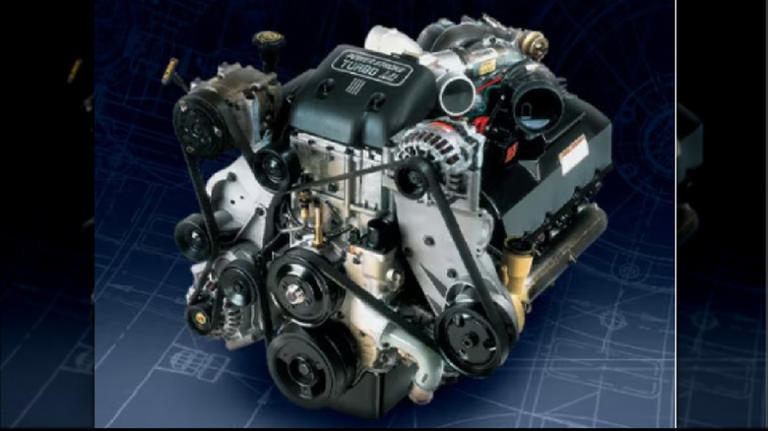
The 7.3L Power Stroke’s reputation extends to fleet operators and personal truck owners who rely on dependable, high-mileage performance.
Its combination of strong materials, conservative engineering, and proven design ensures that this diesel continues to operate efficiently and reliably for decades, making it a benchmark for engines that run forever.
5. Isuzu 4JJ1-TCX 3.0L Inline-4
The Isuzu 4JJ1-TCX 3.0L diesel engine, commonly found in D-Max pickups and similar utility vehicles, is renowned for reliability and high-mileage durability.
With a cast-iron block, forged internals, and a durable turbocharger, the 4JJ1-TCX is built to endure long-term operation under heavy loads and demanding conditions.
Its advanced direct injection system provides efficient fuel delivery while minimizing wear on critical components.
Cooling and lubrication systems are designed to maintain consistent operating temperatures and oil flow, essential for longevity, especially in trucks used for towing or commercial purposes. Owners report engines reaching 400,000–500,000 miles with minimal major repairs, demonstrating the robustness of the design.
The engine’s balance between performance and durability is notable. While producing respectable torque and power for utility applications, it avoids excessive stress on internal components, contributing to a longer lifespan.
Routine maintenance, such as timely oil changes, fuel filter replacement, and turbo inspection, keeps the engine operating efficiently for years.
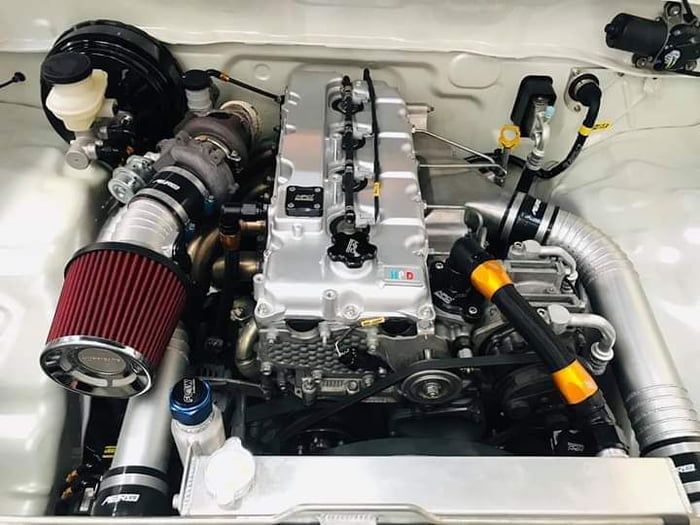
The Isuzu 4JJ1-TCX exemplifies how modern engineering and high-quality materials can create a diesel engine capable of running for decades.
Its combination of reliability, efficiency, and long-term durability makes it a favorite among commercial operators and private owners who prioritize longevity and minimal maintenance, solidifying its status as a diesel that runs forever.
5 Diesel Engines That Self-Destruct Early
While many diesel engines are celebrated for their longevity, some are notorious for failing prematurely, often leaving owners with costly repairs and downtime.
Early engine failure can result from weak internal components, poor cooling or lubrication design, complex electronics, or overly aggressive tuning that stresses the engine beyond its limits.
Even a diesel engine with strong fuel efficiency and torque can be undermined by these design or maintenance vulnerabilities.
This section highlights five diesel engines known to self-destruct early under normal use. These powertrains often suffer from issues such as cracked blocks, failed turbochargers, injector problems, or premature wear of pistons and bearings.
In some cases, complex emissions control systems like EGR (Exhaust Gas Recirculation) or DPF (Diesel Particulate Filter) contribute to overheating or oil contamination, accelerating internal damage.
Understanding which engines are prone to early failure is essential for buyers, fleet operators, and enthusiasts. Recognizing design flaws and potential weak points helps avoid vehicles that may require major repairs shortly after purchase.
By examining these engines, readers gain insight into the importance of robust components, proper cooling and lubrication, and thoughtful tuning in diesel design.
This knowledge enables informed decisions and highlights the contrast between engines that endure for decades and those that fail prematurely, often at significant cost to the owner.
1. Volkswagen 2.0L TDI Pumpe-Düse (PD)
The Volkswagen 2.0L TDI Pumpe-Düse (PD) engine, used in certain Jetta, Golf, and Passat models from the mid-2000s, is notorious for early failures.
While it offered impressive fuel efficiency and torque, its complex unit injector system placed significant stress on internal components.
The high-pressure Pumpe-Düse fuel injection design, although precise, created additional wear on the cylinder head and pistons, making the engine prone to premature issues if maintenance was not meticulous.
Owners frequently report injector failures, camshaft and follower wear, and cylinder head cracking after as few as 150,000–200,000 miles. Overheating and turbocharger stress further exacerbate these problems, especially in vehicles used for frequent city driving or towing.
Oil and fuel quality are critical; low-grade oil or infrequent changes accelerate wear, leading to catastrophic failures.
The engine’s timing and high-pressure fuel system require precise calibration. Any deviation, such as a worn timing belt or dirty fuel, can result in uneven cylinder pressures, reduced performance, and potential engine seizure.

The sophisticated emissions systems, including EGR and DPF, also contribute to early failure when clogged or improperly maintained.
Despite its initial performance and efficiency, the 2.0L PD TDI demonstrates how overly complex systems and delicate internal components can undermine reliability.
Owners seeking a long-lasting diesel may encounter costly repairs and significant downtime, illustrating that high efficiency does not always correlate with durability.
2. Ford 6.0L Power Stroke V8
The Ford 6.0L Power Stroke V8, produced in early 2000s Super Duty trucks, is infamous for early failures and costly maintenance.
While intended to provide strong towing capacity and performance, the engine suffered from design flaws, weak internal components, and sensitivity to poor maintenance.
One of the primary weaknesses is the factory-installed head gasket, which frequently fails under normal operating conditions.
The high-compression design, combined with a sensitive EGR cooler and oil cooler system, often leads to overheating, coolant leaks, and warping of the cylinder heads.
Turbocharger failures and injector issues are also common, with high-pressure fuel systems prone to clogging and malfunction if regular maintenance is overlooked.
Owners often report major engine problems before 150,000 miles, with repair costs running into thousands of dollars. Even minor lapses in oil quality, fuel cleanliness, or cooling system maintenance can precipitate serious failures.
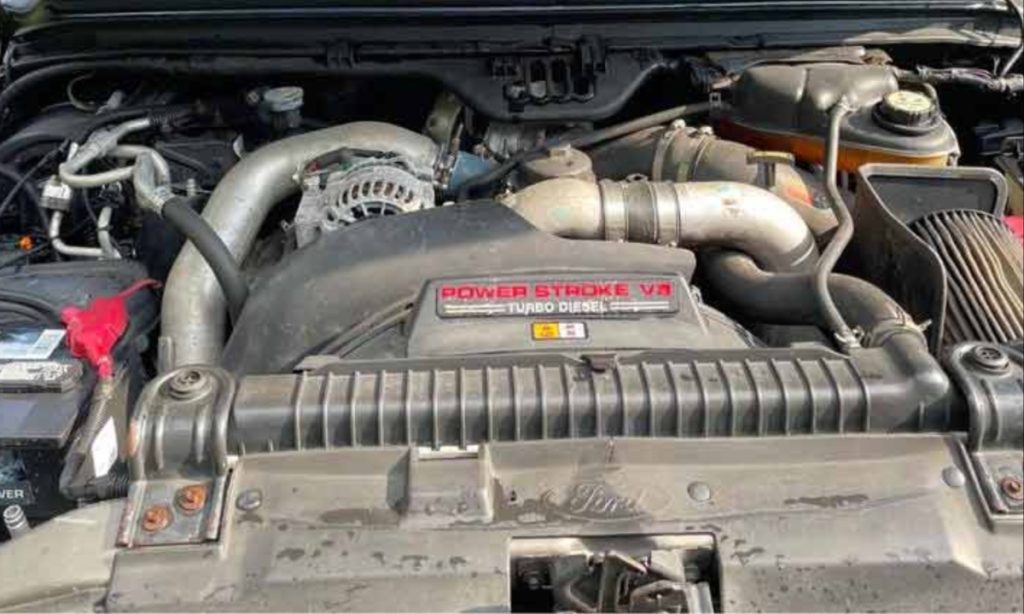
The engine’s electronics, including the fuel injection control system, are sensitive and can exacerbate mechanical issues when faults occur.
Despite strong performance and torque on paper, the 6.0L Power Stroke demonstrates how weak components and complex systems can compromise longevity.
Owners seeking a dependable, long-lasting diesel often avoid this engine, as it requires meticulous care and can still fail prematurely, highlighting the consequences of design and engineering shortcomings.
3. BMW N47 2.0L Inline-4
The BMW N47 2.0L diesel engine, introduced in the late 2000s, is notorious for premature timing chain failures.
While it offered strong torque and fuel efficiency, its timing chain design is prone to elongation and jumping, which can lead to catastrophic engine damage if not addressed early. The lightweight aluminum construction, though beneficial for efficiency, contributed to stresses on the chain guides and sprockets.
Owners often report failures between 60,000 and 100,000 miles, sometimes resulting in bent valves or complete engine replacement.
Turbocharger stress, high-pressure fuel system sensitivity, and complex emissions components, including EGR and DPF systems, further increase the likelihood of premature problems. Oil quality is critical, as low-grade oil accelerates wear on timing components and the variable valve timing system.
BMW attempted updates to timing guides in later production years, but the fundamental issue persisted in many vehicles. Regular maintenance, timely oil changes, and proactive inspection can mitigate risks, yet even attentive owners may experience failures.
The engine’s sophisticated electronics and fuel injection system, designed for performance and emissions compliance, complicate repairs and increase costs when issues arise.

The N47 exemplifies how a high-efficiency diesel can suffer from design shortcomings. Despite strong performance, reliability is compromised by weak timing components and sensitive supporting systems.
For buyers seeking a durable, long-lasting diesel, this engine is considered high-risk, as critical failures can occur far earlier than expected, leading to expensive repairs and reduced longevity.
4. Dodge/Ram 3.0L EcoDiesel V6 (Early Models)
The early 3.0L EcoDiesel V6, found in Ram 1500 trucks and Jeep models, faced numerous reliability issues shortly after release.
While marketed for efficiency and torque, early production engines suffered from problems including timing chain wear, oil leaks, and turbocharger failures.
Complex emissions systems, including EGR and DPF components, often clogged prematurely, exacerbating internal stress and increasing maintenance demands.
Owners frequently report timing chain elongation or failure around 80,000–100,000 miles, leading to potential catastrophic engine damage.
Oil starvation and weak oil pump designs in early units contributed to accelerated wear of bearings and piston components. Turbochargers, under repeated city driving cycles, sometimes fail prematurely, creating additional repair costs.
The engine’s electronics, including high-pressure fuel systems and emissions sensors, are sensitive to deviations or poor fuel quality.
Minor neglect can quickly escalate into major failures. While later revisions improved component strength and reliability, early owners faced costly repairs and reduced confidence in long-term durability.
Despite promising fuel economy and torque on paper, these engines highlighted the challenges of balancing emissions compliance with durability.
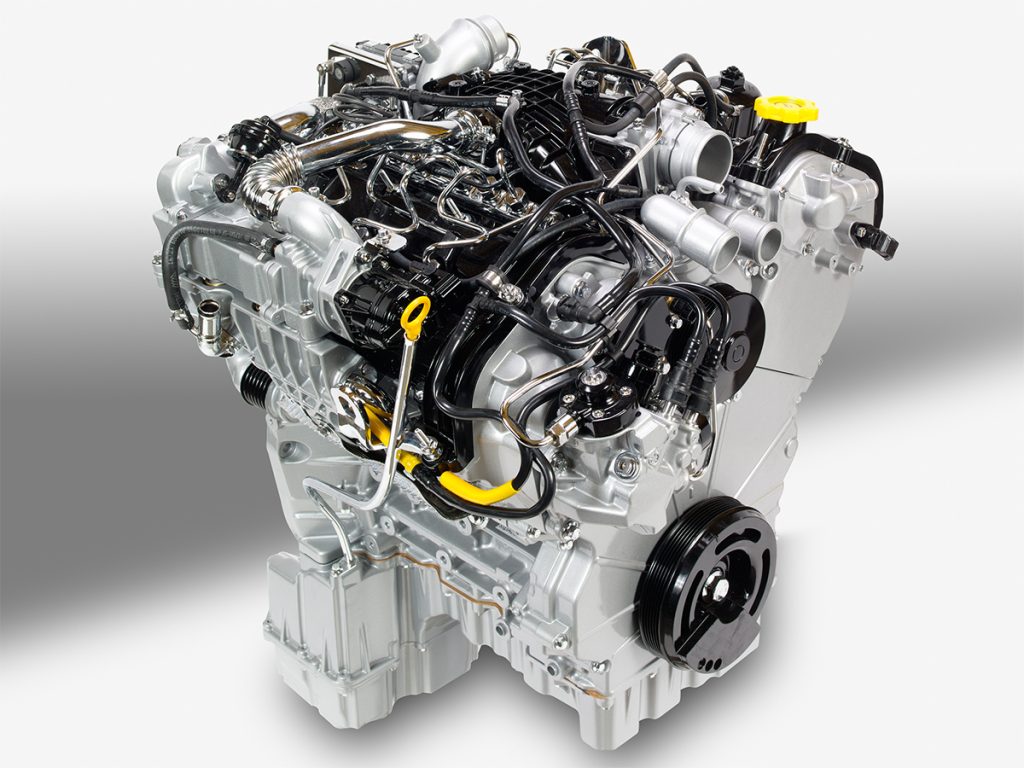
The combination of complex systems, weak timing components, and sensitivity to maintenance contributed to a reputation for self-destruction.
Buyers seeking long-lasting diesel performance are advised to research production year improvements carefully, as early units are high-risk for premature failure.
5. Volkswagen 3.0L V6 TDI (CR Engine)
The Volkswagen 3.0L V6 TDI CR (Common Rail) engine, particularly in early production Audi and VW models, is known for premature failures in turbochargers, EGR systems, and high-pressure fuel components.
While delivering strong torque and efficiency, the engine’s complexity contributes to early wear and potential catastrophic damage if neglected.
Owners report issues such as turbocharger shaft failure, EGR cooler cracks, and injector malfunctions often before 120,000 miles.
The timing chain and balance shaft system in early units are susceptible to wear, causing engine noise, misalignment, or failure. Clogged DPF and excessive soot accumulation exacerbate internal stress, particularly in city driving conditions.
Maintenance sensitivity is high. Only high-quality oil, fuel, and timely servicing prevent accelerated wear, yet even attentive owners can experience failures due to component design limitations. Repairs are expensive due to the integration of turbo, emissions, and fuel injection systems.
The 3.0L V6 TDI CR demonstrates how modern diesel engines with high efficiency and emissions complexity can compromise longevity.
Despite strong performance, the combination of delicate components, high-pressure systems, and sophisticated electronics increases the risk of early failure.
For buyers prioritizing durability and minimal repairs, this engine is considered high-risk compared to simpler, overbuilt diesel engines known to run for decades.
Diesel engines vary widely in reliability, and choosing the right powertrain can significantly affect long-term ownership costs.
The Cummins 5.9L Inline-6, Mercedes-Benz OM617 3.0L Inline-5, Volkswagen 1.9L TDI, Ford 7.3L Power Stroke, and Isuzu 4JJ1-TCX 3.0L exemplify diesel engines that run forever.

Their longevity is supported by robust cast-iron blocks, forged internals, durable turbochargers, and simple yet effective fuel and cooling systems. Regular maintenance further ensures these engines consistently achieve high mileage with minimal issues.
Conversely, the Volkswagen 2.0L TDI PD, Ford 6.0L Power Stroke, BMW N47, Dodge/Ram 3.0L EcoDiesel (early), and Volkswagen 3.0L V6 TDI CR demonstrate how design flaws, weak components, or complex emissions systems can lead to early failure.
Issues like timing chain wear, head gasket failure, or turbo and injector problems reduce reliability and increase repair costs.
These examples highlight the importance of durable materials, thoughtful engineering, and maintenance-friendly design in achieving long-term diesel performance.
