
Modern vehicles increasingly feature start-stop systems, designed to improve fuel efficiency by automatically shutting off the engine at idle and restarting it when the driver presses the accelerator.
While these systems can save fuel and reduce emissions, their effectiveness largely depends on engineering quality and implementation.
In some cars, the start-stop function operates seamlessly, providing noticeable efficiency gains without compromising comfort or convenience.
In others, poor execution leads to jerky restarts, delayed engine response, or unexpected shutdowns, leaving drivers frustrated.
This article examines both sides of start-stop system performance. First, we highlight five vehicles whose systems operate reliably, combining smooth engine restarts with consistent fuel-saving benefits.
These cars showcase thoughtful engineering, responsive electronics, and durable components that maintain functionality over time. Following that, we explore five vehicles whose start-stop systems often annoy owners.
These systems may suffer from inconsistent operation, frequent disengagement, or intrusive engine noise, undermining the intended convenience and efficiency.
By comparing dependable and problematic systems, this guide helps prospective buyers understand which models offer functional and user-friendly technology and which may introduce unwanted frustrations.
Understanding how start-stop systems perform in real-world conditions is essential for those who value efficiency without sacrificing smooth operation or driving enjoyment.
Also Read: 5 Hybrids That Are Cheaper To Maintain vs 5 That Cost A Fortune
5 Cars With Dependable Start-Stop Systems
Not all start-stop systems are created equal. Some vehicles feature engines, electronics, and battery systems that work in harmony to provide seamless, efficient operation, while others leave drivers frustrated with delayed restarts or inconsistent shutdowns.
A dependable start-stop system can reduce fuel consumption during city driving, minimize idle emissions, and operate quietly without disrupting the driving experience.
For these reasons, identifying cars with reliable start-stop technology is crucial for buyers who prioritize efficiency and convenience.
The following five vehicles are recognized for having start-stop systems that perform consistently under real-world conditions.
They combine responsive electronics, robust batteries, and precise engine management to ensure the system activates and deactivates smoothly, without noticeable lag or vibration.
In addition to fuel savings, these systems enhance overall driving comfort, as drivers rarely need to think about when the engine will restart or encounter abrupt engine behavior.
By examining each of these five cars, we can highlight the engineering choices that make their start-stop systems dependable. Factors such as battery type, starter motor durability, engine calibration, and software responsiveness all contribute to smooth operation.
These examples demonstrate that with proper design and attention to detail, start-stop technology can achieve its intended goals without annoying the driver, offering a reliable combination of efficiency, comfort, and long-term durability.
1. Toyota Camry
The Toyota Camry is well-regarded for its reliability, and its start-stop system is no exception. In this mid-size sedan, the system integrates smoothly with the hybrid and non-hybrid powertrains, providing consistent engine shutdowns at stops and seamless restarts when the driver presses the accelerator.
The key to its performance lies in Toyota’s use of durable starter motors and advanced engine management software, which precisely control the timing of shutdown and restart cycles.
Owners report that the system operates quietly, with minimal vibration or delay, making it feel almost invisible during daily driving.
This is particularly beneficial in city traffic, where frequent stops could otherwise result in noticeable lags or jolts in cars with less refined systems.
The Camry also uses a reinforced battery setup designed to withstand repeated cycles, ensuring the start-stop function remains reliable over long-term ownership.
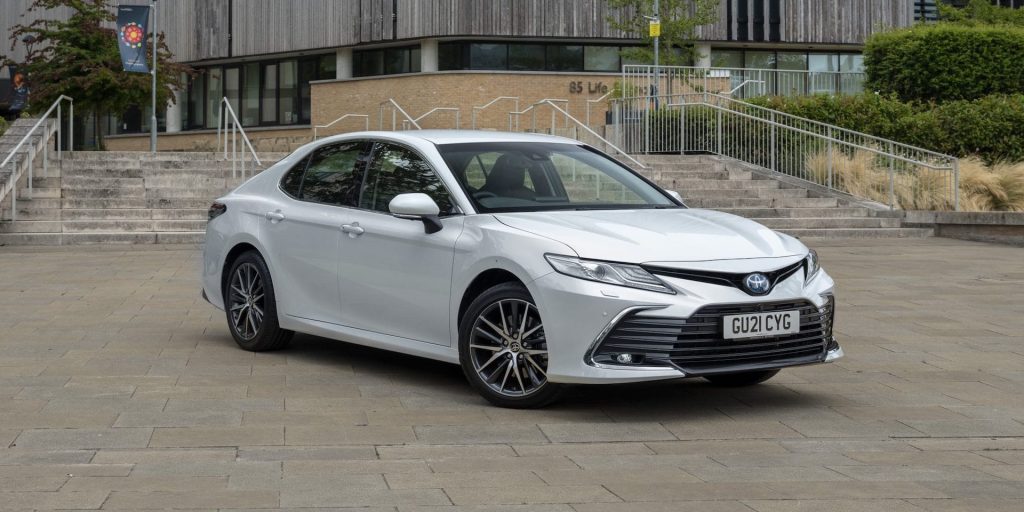
Another factor contributing to the Camry’s dependable system is the calibration of the engine and electronics. By anticipating driver behavior and adjusting for factors like climate control and battery charge, the system avoids unnecessary shutdowns while maximizing efficiency.
This careful integration ensures fuel savings without compromising comfort or responsiveness. Drivers benefit from reduced idle emissions and slightly lower fuel consumption, all without needing to actively monitor or intervene with the system.
For those who value consistent performance, quiet operation, and longevity, the Camry’s start-stop system sets a benchmark for reliability in its class.
2. Honda Accord
The Honda Accord pairs a refined start-stop system with its efficient engine, offering a combination of fuel savings and smooth operation.
The system works by shutting down the engine when the car comes to a complete stop, then restarting instantly when the accelerator is pressed. Honda focuses on precise control of engine timing and electronics to ensure the process is virtually seamless.
A notable strength of the Accord’s system is its integration with the battery and alternator. Honda employs reinforced batteries that tolerate frequent cycling, while the alternator charges efficiently to prevent any delay in restart.
The result is a start-stop experience that rarely interrupts the driving flow or causes vibration, even during stop-and-go traffic. Owners often report that after years of use, the system continues to function reliably without the need for repairs or adjustments.
Ergonomics and responsiveness are also key. The engine restarts immediately when needed, avoiding the hesitations that can frustrate drivers in other cars.
Additionally, the system intelligently recognizes conditions where engine shutdown would be inconvenient, such as during rapid acceleration, extreme temperatures, or heavy electrical load.
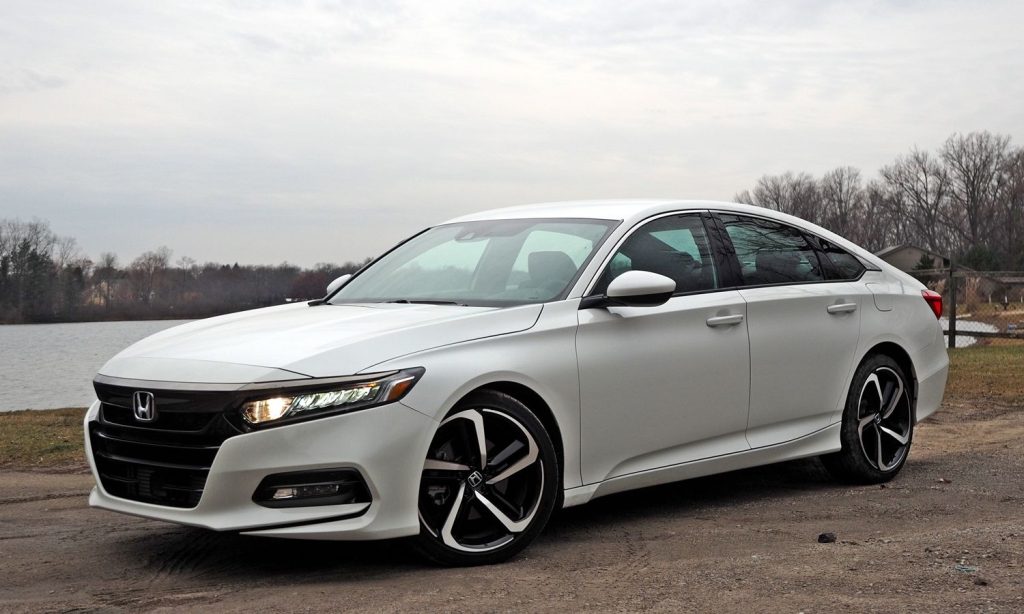
This ensures that the technology saves fuel without compromising comfort or performance. For commuters and city drivers, the Accord provides a dependable and unobtrusive start-stop system, demonstrating how careful engineering and durable components can make this technology a consistent advantage rather than a source of annoyance.
3. BMW 3 Series
The BMW 3 Series combines performance with efficient technology, and its start-stop system is engineered for reliability and smooth operation.
Integrated with the engine and electronics, the system automatically shuts off the engine during stops, then restarts immediately when the accelerator is pressed. BMW’s focus on precise software calibration ensures minimal lag, making the process almost imperceptible to the driver.
Key to the system’s dependability is the reinforced starter motor and AGM (Absorbent Glass Mat) battery, which withstand frequent start-stop cycles without losing efficiency.
These components are designed to handle the high electrical demands of modern vehicles, including climate control, infotainment, and advanced safety systems.
Owners frequently note that the system continues to perform consistently even after several years and high mileage, reflecting BMW’s emphasis on durability and long-term reliability.
The 3 Series also benefits from intelligent engine management. The system evaluates driving conditions such as engine temperature, battery charge, and cabin climate before deciding to shut off the engine, reducing unnecessary restarts while maximizing fuel savings.
Additionally, the vehicle’s design minimizes vibrations during restarts, so passengers rarely notice the transition.
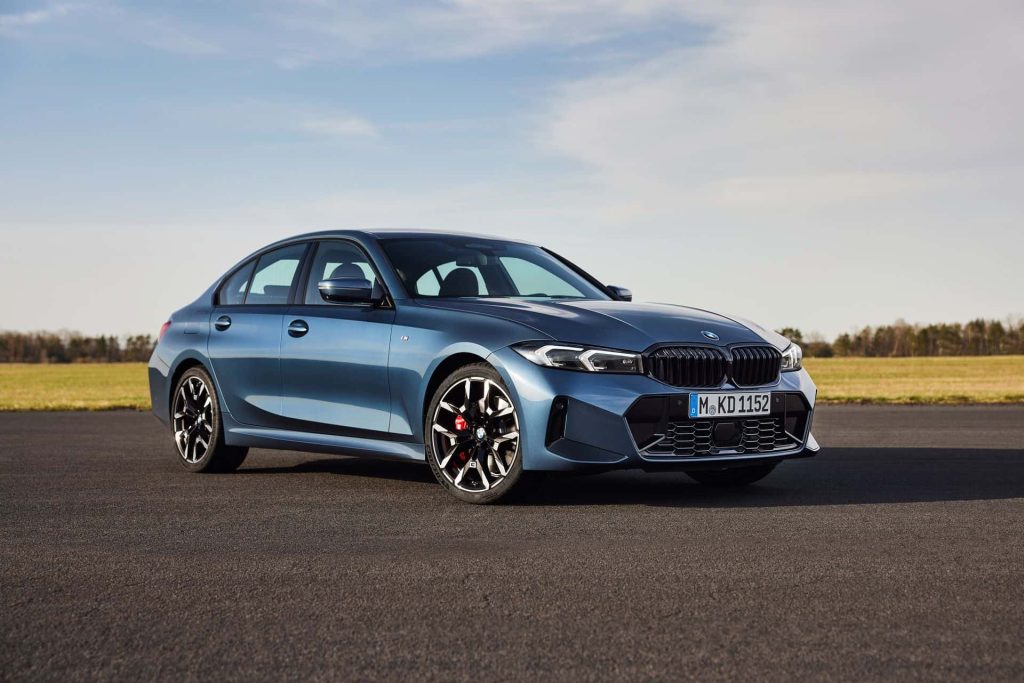
For drivers who value performance without sacrificing efficiency, the 3 Series demonstrates how a carefully engineered start-stop system can operate reliably while maintaining the brand’s signature driving feel.
Its combination of smooth functionality, intelligent controls, and durable components makes it a benchmark for dependable start-stop technology in luxury sedans.
4. Ford Escape
The Ford Escape features a start-stop system designed to enhance fuel efficiency without compromising driver comfort. Integrated into both gasoline and hybrid variants, the system automatically shuts off the engine at idle and restarts when the driver presses the accelerator.
Ford’s calibration ensures restarts are quick and smooth, reducing the typical jerk or hesitation seen in less refined systems.
Durable components, including reinforced starter motors and high-cycle batteries, ensure that the system remains functional over many years of daily use.
The Escape’s electronics are also designed to prevent unnecessary shutdowns under conditions that could annoy drivers, such as heavy steering input, rapid acceleration, or extreme temperatures. As a result, the system maximizes efficiency without becoming intrusive.
Driver feedback highlights the Escape’s start-stop system as virtually seamless. Many owners report that it operates quietly, even during frequent city stops, and that fuel savings are noticeable over time.
Ford also integrated the system with its safety and comfort systems, including air conditioning and infotainment, so engine shutdowns do not reduce cabin comfort or performance.

For daily commuting or urban driving, the Escape provides a reliable and unobtrusive start-stop experience.
Its combination of thoughtful engineering, durable components, and smooth operation demonstrates how mid-range SUVs can offer efficient technology without frustrating the driver.
5. Hyundai Sonata
The Hyundai Sonata’s start-stop system is engineered to balance fuel savings with driver convenience.
The engine automatically shuts down at idle, such as at traffic lights, and restarts instantly when the accelerator is pressed. Hyundai’s careful calibration of electronics and engine timing ensures the process is smooth, with minimal vibration or delay.
The Sonata uses reinforced batteries and robust starter motors, capable of handling frequent cycles over the vehicle’s lifespan. Owners consistently report that the system functions reliably even after years of city driving.
Intelligent engine management further enhances performance, as the system evaluates factors such as engine temperature, battery charge, and electrical load before activating.
This prevents unnecessary shutdowns and ensures a consistent, predictable experience for the driver.
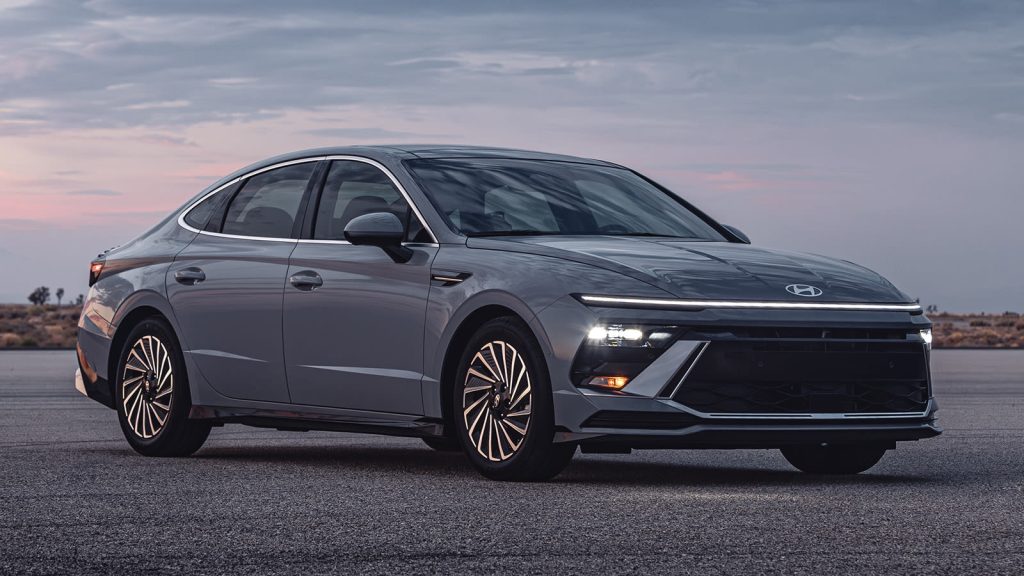
Ergonomics also play a role in the Sonata’s reliability. Restarts occur immediately and quietly, avoiding the jerks or hesitations that can make other start-stop systems frustrating.
In addition to fuel savings, the system operates without interfering with comfort features such as climate control or audio.
For drivers seeking a mid-size sedan with efficient technology that operates dependably, the Sonata offers a well-integrated, user-friendly start-stop experience.
Its combination of durability, smooth operation, and intelligent control demonstrates that start-stop systems can provide real-world benefits without becoming a source of annoyance or inconvenience.
5 Cars That Annoy Owners
While start-stop systems are intended to improve fuel efficiency and reduce emissions, not all implementations succeed. Some vehicles feature systems that frequently frustrate drivers with delayed restarts, sudden engine vibrations, or inconsistent shutdown behavior.
Rather than providing a smooth and unobtrusive experience, these systems can make stop-and-go driving uncomfortable, interfere with cabin comfort, and diminish the enjoyment of daily commuting.
This section highlights five cars whose start-stop systems often fail to meet expectations. These vehicles may experience jerky engine restarts, excessive noise, or repeated disengagements, frustrating owners who anticipate a seamless experience.
Common contributing factors include low-quality starter motors, insufficient battery support, poor software calibration, or engines that respond sluggishly under repeated stop-start cycles. Even if a vehicle performs well in other areas, a troublesome start-stop system can significantly impact daily usability.
By examining these five vehicles, readers can gain insight into which designs and components contribute to subpar start-stop performance.
Understanding these shortcomings helps prospective buyers avoid models likely to cause frustration, while also highlighting the importance of integrating durable components, responsive electronics, and proper calibration in start-stop systems.
Awareness of these issues ensures drivers can prioritize vehicles that combine efficiency with reliability, rather than being caught off guard by a system that frequently annoys.
1. Nissan Rogue
The Nissan Rogue’s start-stop system is frequently cited by owners as frustrating and inconsistent.
While designed to save fuel in city driving, the system often hesitates during restarts, causing noticeable delays or jerks when the driver presses the accelerator. This can make stop-and-go traffic feel unpredictable and reduce overall driving comfort.
A key issue is the combination of a standard starter motor and conventional battery that struggles under frequent cycling.
The electronics, while intended to manage engine shutdowns intelligently, sometimes fail to anticipate driver actions or changes in load, leading to abrupt or repeated engine starts.
This inconsistency is particularly noticeable during heavy urban traffic or quick acceleration, where the system may disengage unexpectedly or fail to react promptly.
The Rogue’s system also interacts poorly with other vehicle systems. Climate control, infotainment, and electrical accessories may continue drawing power, increasing strain on the battery and prolonging restart times.
Owners often report that these quirks persist even in newer model years, resulting in repeated frustration during daily commutes.
While the Rogue remains a practical and fuel-efficient SUV, its start-stop system undermines the driving experience for some users.
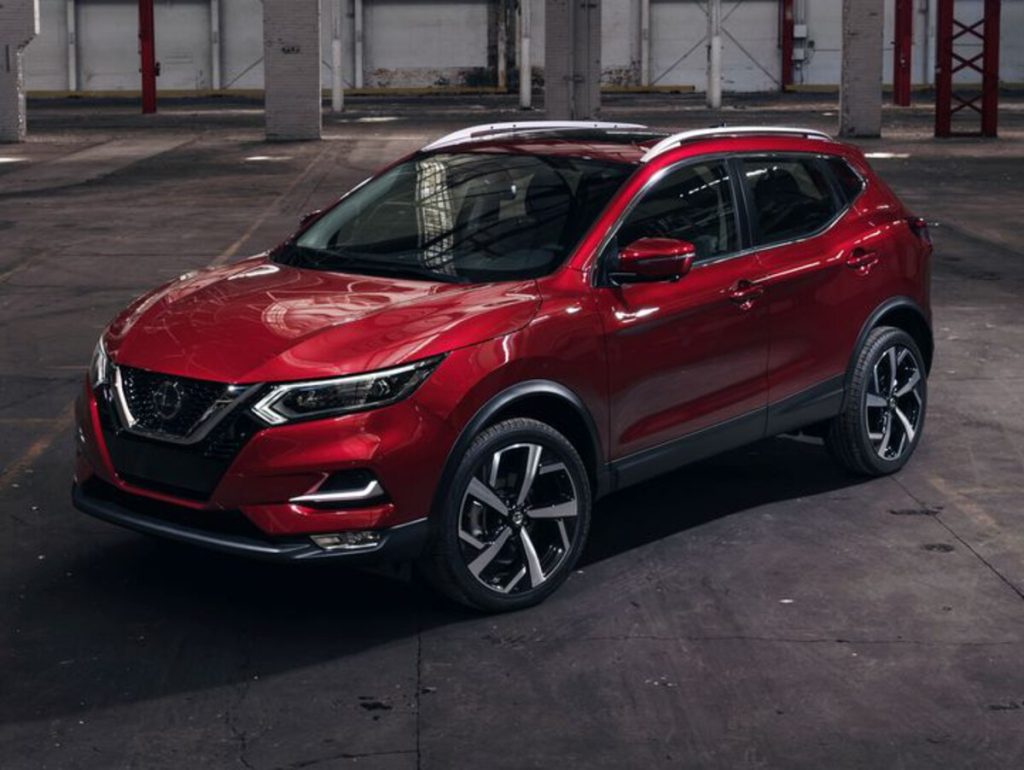
The jerky restarts and delayed engine response highlight the importance of durable components, proper software calibration, and battery support for seamless start-stop operation.
Drivers who prioritize a smooth, unobtrusive system may find the Rogue’s implementation disappointing, despite its other strengths.
2. Chevrolet Equinox
The Chevrolet Equinox’s start-stop system is a common source of annoyance for owners. While it is intended to reduce idle fuel consumption, many drivers experience noticeable lag and engine vibrations when the vehicle restarts, especially in city traffic or during frequent stop-and-go driving.
Part of the problem lies in the system’s calibration. The Equinox sometimes delays engine restarts due to overly cautious electronic controls, resulting in sluggish response when the driver presses the accelerator.
In addition, the starter motor and standard battery components are not as robust as those in vehicles with smoother systems, which contributes to inconsistent performance over time.
The system also struggles under moderate electrical loads, such as air conditioning or audio usage, causing temporary disengagements or repeated shutdowns.
This can disrupt the driving experience, making starts feel abrupt and unnatural. Owners report that even with updated software, the Equinox can continue to exhibit jerky or unpredictable behavior.
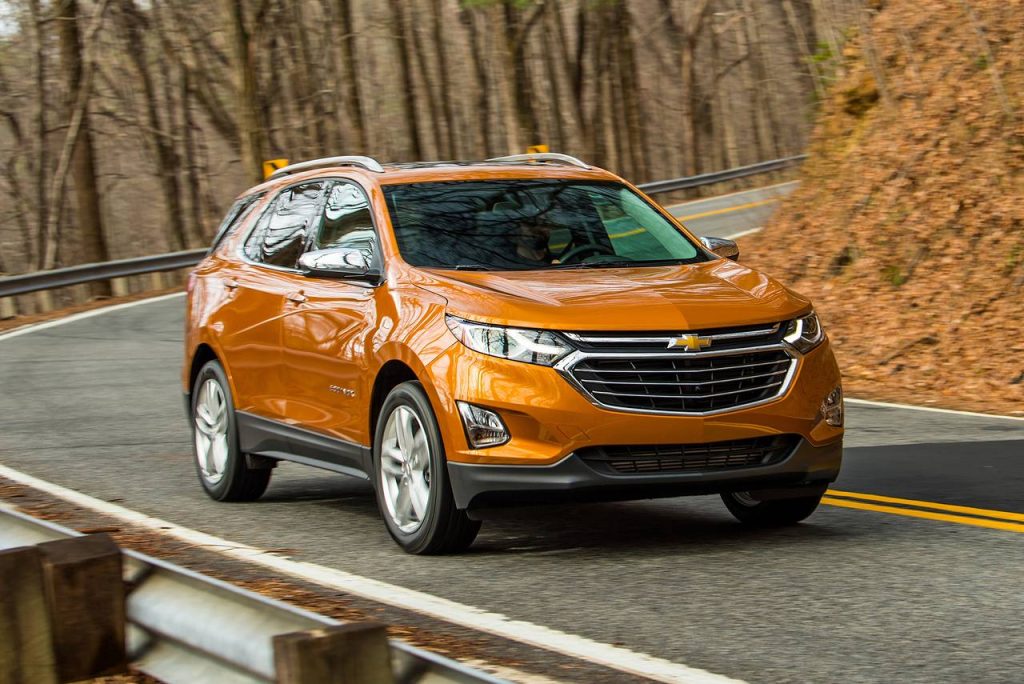
Although the Equinox performs well in handling, safety, and fuel economy, the start-stop system often detracts from daily usability. Drivers seeking a smooth, unobtrusive system may find these quirks frustrating, particularly during long commutes or in dense urban traffic.
This example underscores the importance of combining responsive electronics, durable components, and proper calibration to ensure start-stop systems fulfill their intended purpose without creating new annoyances.
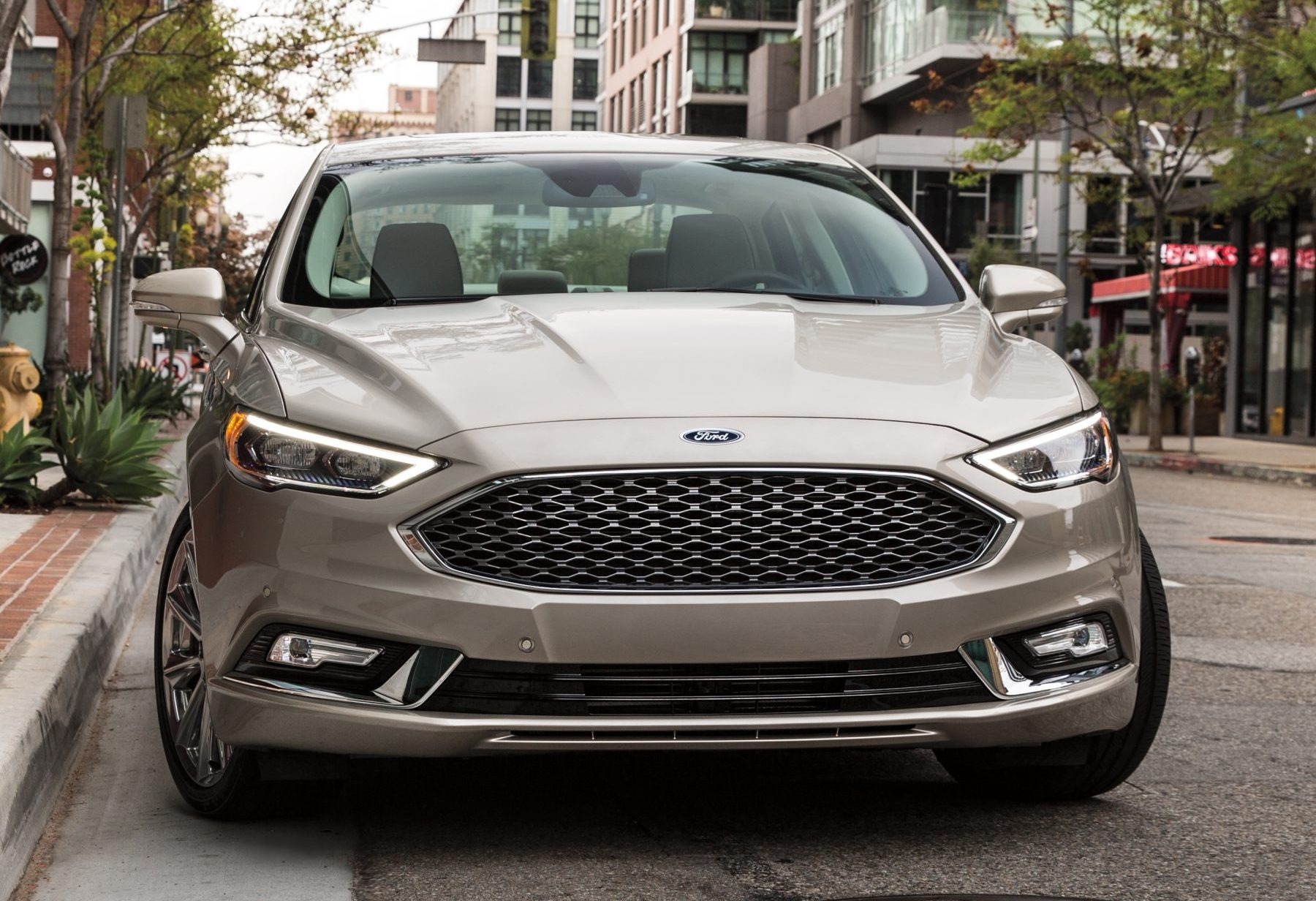
3. Ford Fusion
The Ford Fusion’s start-stop system is known among owners for being unpredictable and occasionally intrusive. Although the system is intended to save fuel by shutting off the engine at idle, many drivers report noticeable delays or jerks when restarting, particularly during urban commuting with frequent stops.
The issue often stems from the starter motor and battery setup, which, while adequate for occasional cycles, struggles under repeated start-stop conditions.
The electronics, tasked with managing shutdowns and restarts, can misjudge driver intent or vehicle load, resulting in inconsistent engine responses.
For example, during rapid acceleration or when air conditioning is heavily used, the system may disengage unexpectedly, leaving the driver momentarily without the anticipated smooth restart.
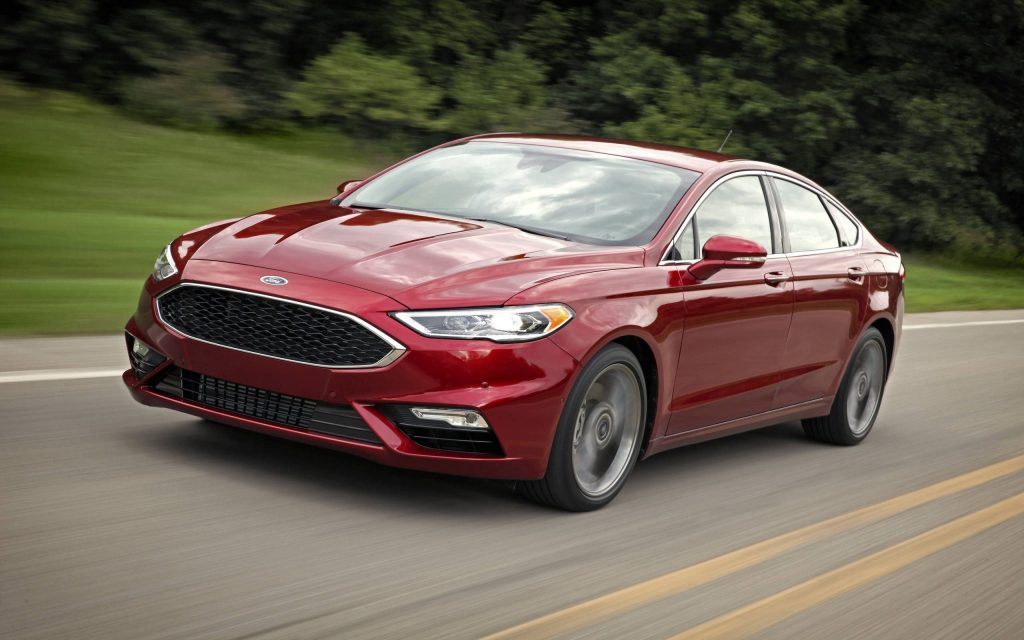
Owners also note that the Fusion’s system can behave inconsistently based on temperature or battery charge. In colder climates or when the battery is not fully charged, the engine may remain running unnecessarily, defeating the fuel-saving purpose and creating frustration.
These quirks persist even after software updates in certain model years, indicating a design that struggles to balance efficiency with driver comfort.
While the Fusion is otherwise praised for ride quality and overall performance, the start-stop system remains a notable drawback for some owners.
The jerky restarts, delayed response, and occasional unpredictability highlight the importance of combining durable hardware, intelligent software, and robust electrical support to deliver a truly seamless start-stop experience.
Drivers who value a smooth and unobtrusive system may find the Fusion’s implementation less satisfying.
4. Volkswagen Tiguan
The Volkswagen Tiguan’s start-stop system often frustrates drivers with its delayed engine restarts and sudden engagement. While designed to improve fuel efficiency, the system can interrupt driving flow and cause vibrations that are noticeable to passengers.
A contributing factor is the starter motor and battery combination, which is sometimes insufficient for the frequent cycles demanded by city driving.
The electronic controls, which manage when the engine shuts off and restarts, occasionally fail to respond promptly to driver input, especially under partial throttle or heavy electrical load. This leads to a jerky or lagging restart experience.
Owner reports highlight repeated disengagements as another problem. The system may turn off the engine only to immediately restart, creating an inconsistent driving experience.
Even minor fluctuations in climate control or electrical demands can trigger these behaviors, making the system feel intrusive. Drivers frequently express frustration with the Tiguan’s start-stop system, despite the SUV’s strong handling, comfort, and overall efficiency.
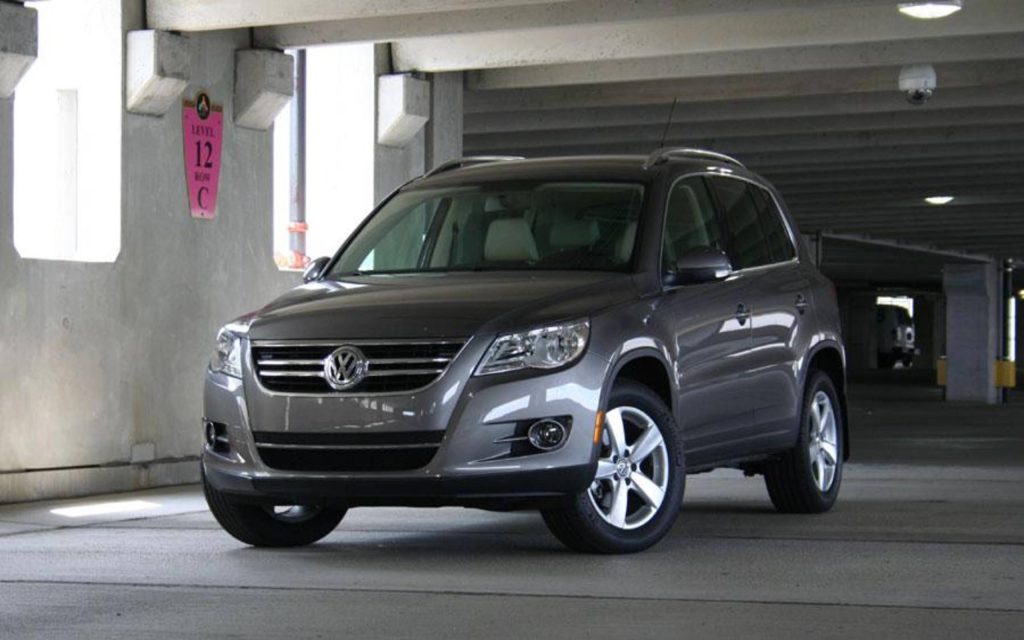
The Tiguan demonstrates how a start-stop system can detract from usability when components are not robust or software calibration is insufficient.
Although the vehicle performs well in most areas, the start-stop system’s inconsistent behavior can make daily commuting less pleasant.
Volkswagen owners often wish for smoother restarts and a more reliable system that operates transparently without interrupting driving comfort.
5. Jeep Cherokee
The Jeep Cherokee features a start-stop system intended to improve efficiency, but many owners find it annoying in daily use. The engine often exhibits delayed restarts or noticeable vibrations, particularly in stop-and-go city traffic, which can be uncomfortable and disruptive.
The problem originates from a combination of software calibration and hardware limitations. The starter motor and battery, while suitable for occasional use, can struggle with frequent cycles, leading to slower engine engagement.
The electronics sometimes fail to anticipate driver behavior, such as quick acceleration or heavy electrical loads, causing the system to disengage or react inconsistently.
Owners also note that temperature and battery state affect performance. In cold or hot weather, or when accessories like climate control are active, the engine may remain running when it should shut off, or restart too slowly when needed. These behaviors reduce the system’s effectiveness and make it feel unpredictable.
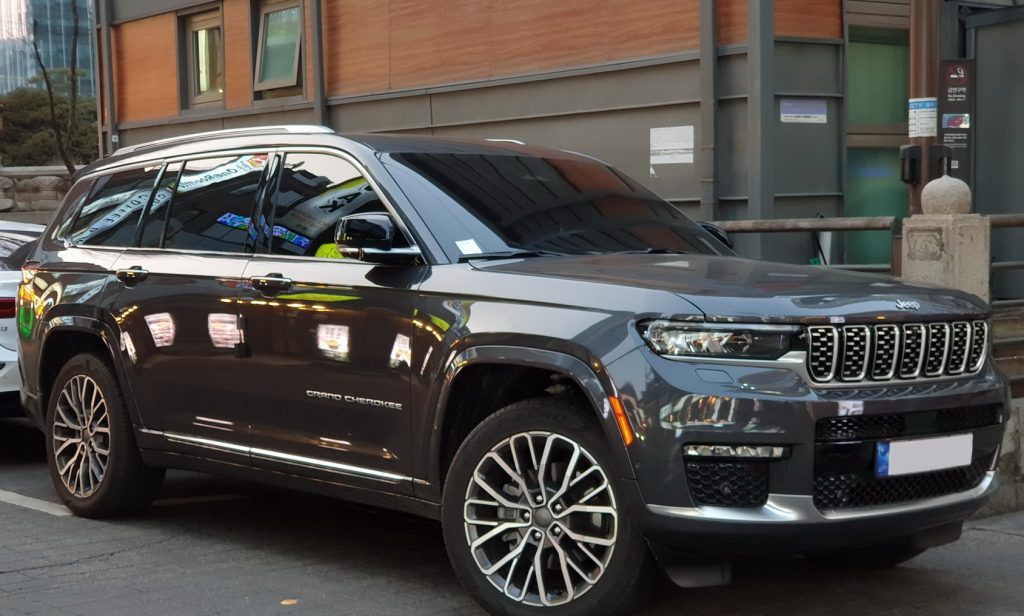
While the Cherokee offers strong off-road capabilities and overall reliability, its start-stop system is often cited as a source of frustration.
Jerky restarts, delayed responses, and occasional disengagement highlight the need for durable hardware and carefully calibrated software to achieve a seamless experience.
Drivers looking for a quiet, unobtrusive start-stop function may find the Cherokee’s system less satisfying, despite the vehicle’s other strengths.
Start-stop systems are intended to improve fuel efficiency and reduce emissions, but their effectiveness depends heavily on engineering quality.
Among the ten vehicles examined, the Toyota Camry, Honda Accord, BMW 3 Series, Ford Escape, and Hyundai Sonata demonstrate that seamless integration, durable starter motors, reinforced batteries, and precise software calibration are key to reliable operation.
These cars provide smooth, quiet restarts, responsive engine behavior, and minimal disruption to driving comfort, allowing drivers to benefit from fuel savings without annoyance.
Intelligent systems that account for engine load, temperature, and electrical demand further enhance usability and longevity.
Conversely, the Nissan Rogue, Chevrolet Equinox, Ford Fusion, Volkswagen Tiguan, and Jeep Cherokee illustrate how poor calibration, underpowered starter components, or inconsistent electronics can lead to frustration.
Owners report delayed restarts, jerky engine engagement, and unexpected disengagements, particularly in stop-and-go traffic or under high electrical load. These issues reduce comfort and undermine the intended benefits of start-stop technology.
This comparison highlights the importance of combining robust hardware, intelligent software, and thoughtful integration for a functional start-stop system.
Buyers who value efficiency with seamless operation should consider vehicles with proven reliability, while avoiding models where early frustrations are common. Proper design can make start-stop technology an asset rather than a source of annoyance.
Also Read: 10 Engines That Keep Running With Zero Drama
