

Car seats are more than just a place to sit they define comfort, support, and longevity. While some vehicles maintain their seats’ structural integrity and upholstery for decades, others suffer from sagging cushions, worn stitching, or fading material after just a few years.
Choosing a car with durable seats can save money, reduce hassle, and provide consistent comfort over time. This makes the topic especially relevant for anyone planning to own a vehicle for the long term or who frequently drives for extended periods.
This article examines two sides of car seat durability. First, we highlight five cars whose seats have proven exceptionally resilient.
These models are recognized for high-quality materials, strong frame construction, and upholstery that withstands regular use without significant wear. Following this, we explore five vehicles whose seats tend to deteriorate prematurely.
Understanding which seats age gracefully and which ones fall apart quickly helps prospective buyers make informed decisions and avoid unexpected maintenance costs.
By focusing on real-world reports, owner experiences, and manufacturer design choices, this comparison aims to provide a clear perspective on how different cars approach seat construction and long-term comfort.
Whether comfort or durability is your priority, knowing how seats hold up over time is a key factor in any car purchase.
Also Read: 5 SUVs That Rarely Lose Power vs 5 That Constantly Do
5 Cars With Seats That Last Forever
When it comes to cars with seats that endure the test of time, certain models stand out due to their careful attention to materials, design, and construction quality.
Long-lasting seats are a combination of supportive frames, high-density foam, and durable upholstery that resists sagging, tearing, or fading even after years of use.
For drivers and passengers alike, these features translate into consistent comfort and confidence that the interior will remain reliable over the life of the car.
The following five vehicles are recognized for seats that retain shape, comfort, and appearance for well beyond what is typical in the industry.
These selections are based on owner feedback, durability testing, and manufacturer standards that emphasize premium seat construction.
Whether leather, high-grade fabric, or synthetic blends, these cars maintain structural integrity while providing long-lasting comfort in everyday use.
Highlighting them provides insight into how thoughtful engineering and quality materials can prevent premature wear, reducing repair or replacement costs.
By examining each of these five vehicles, readers can better understand what makes a car seat truly durable and why certain models consistently outperform others in longevity.
These examples also show how investing in a vehicle with high-quality seating pays off over time for both casual and long-distance drivers.
1. Toyota Land Cruiser
The Toyota Land Cruiser has long been celebrated for its legendary durability, and its seats are no exception. Built for both off-road adventures and long-distance touring, the Land Cruiser features seats designed to endure heavy use without losing comfort or support.
The frame is constructed from reinforced steel, which resists bending or sagging even under significant weight over time. This sturdy foundation ensures that the seat maintains its shape through years of use.
Beyond the frame, Toyota uses high-density foam that is resilient yet comfortable. This foam resists the flattening common in less carefully engineered seats, keeping the Land Cruiser’s interior feeling supportive and fresh even after hundreds of thousands of miles.
Leather versions of the seats receive premium tanning and stitching treatments, making them resistant to cracking, fading, and wear, while the fabric options are tightly woven to reduce stretching or pilling.
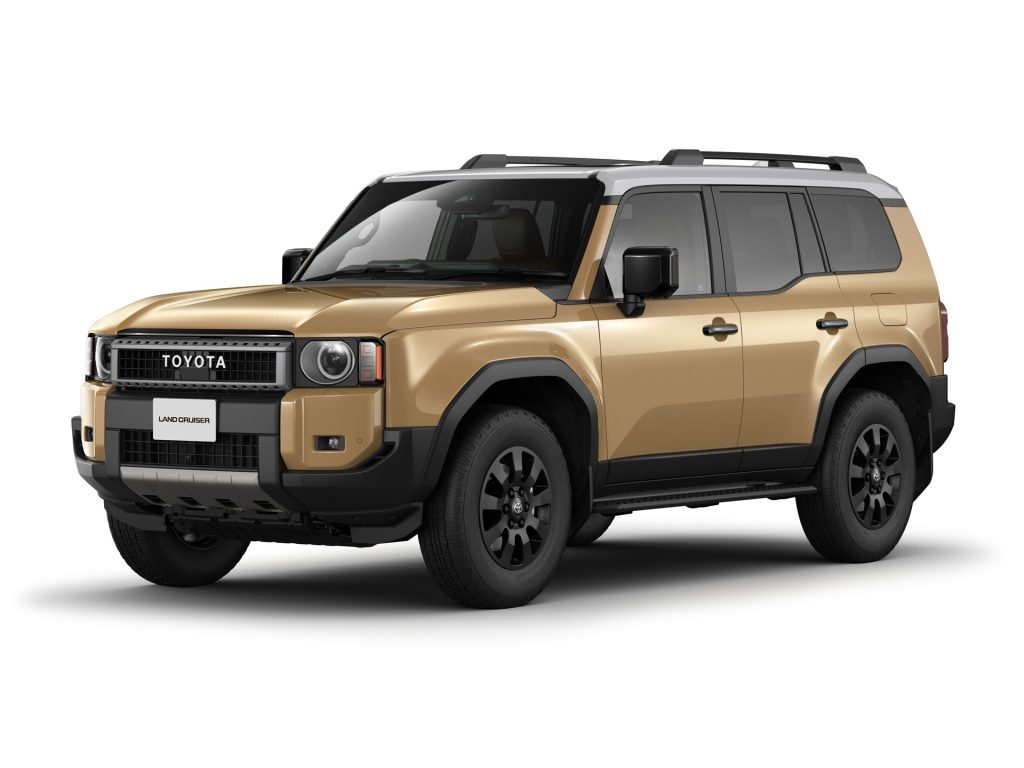
The ergonomic design also plays a role in seat longevity. Well-distributed pressure points prevent early breakdown in high-stress areas such as the bolsters or lower cushion, while adjustable lumbar support maintains structural integrity over years of adjustment.
Many owners report that even vehicles exceeding 300,000 miles maintain seats that feel nearly new, a testament to Toyota’s focus on long-term comfort.
For those seeking a car that balances off-road capability, luxury, and a lasting interior, the Land Cruiser sets a benchmark for how seats can combine durability with comfort.
2. Lexus LX 570
The Lexus LX 570, closely related to the Land Cruiser, extends the tradition of longevity into a more luxurious package.
Its seats are constructed with reinforced frames and high-resilience foam, designed to withstand daily wear while offering maximum comfort. Unlike many luxury SUVs, the LX 570’s seats resist sagging even with heavy use over multiple years.
Lexus emphasizes materials in its seating, opting for supple semi-aniline leather on higher trims. This leather is treated to resist fading, staining, and cracking, and stitching is reinforced in high-stress areas to prevent tears.
Fabric versions also use premium tightly woven materials that maintain shape and appearance over extended periods. Adjustable bolsters, lumbar support, and memory settings ensure even pressure distribution, reducing early wear in localized areas.
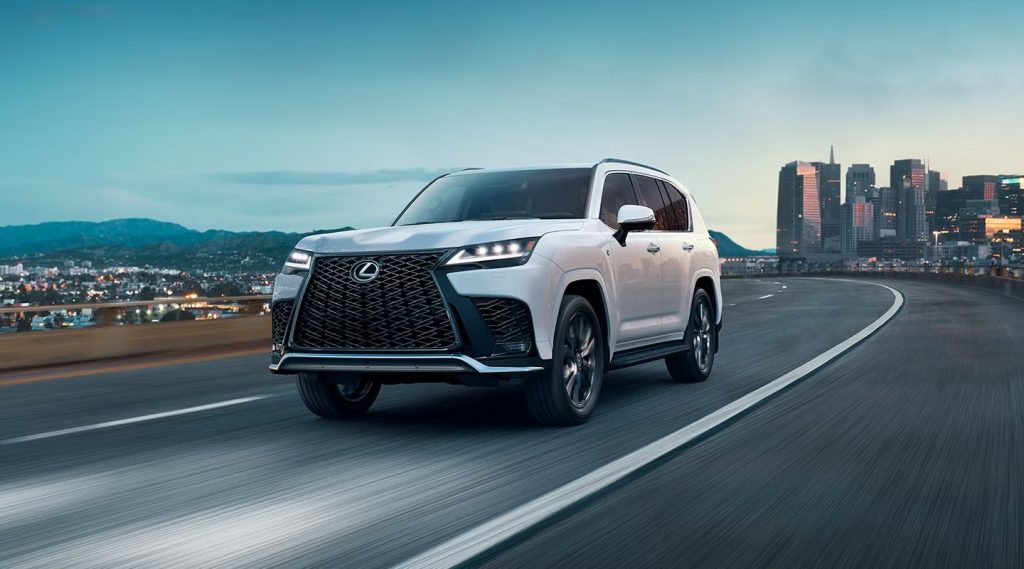
Owners frequently report that after years of commuting, off-road driving, or transporting passengers, the LX 570’s seats show minimal wear.
The combination of luxury materials, robust construction, and thoughtful ergonomic design makes this SUV an excellent choice for anyone prioritizing comfort that lasts.
For long-term ownership, it demonstrates how high-end vehicles can maintain interior quality over decades without compromise.
3. Honda Accord
The Honda Accord is widely praised not just for reliability but also for interior durability. Its seats, especially in recent generations, are constructed with high-density foam and reinforced frames that prevent sagging or loss of support.
The upholstery, whether cloth or leather, is designed to withstand frequent use while remaining resistant to wear and stretching.
Honda’s focus on ergonomics ensures that weight is evenly distributed across the seat, which helps maintain structural integrity over time. Adjustable lumbar support and contoured cushions reduce pressure points, limiting premature breakdown of the foam.
Cloth versions feature tightly woven, stain-resistant fabrics that continue to look new even after years of daily use. Leather options are durable and carefully stitched to resist tearing in high-use areas.
Long-term owners often note that even after 200,000 miles, the seats retain their original comfort and shape, a rarity in midsize sedans.
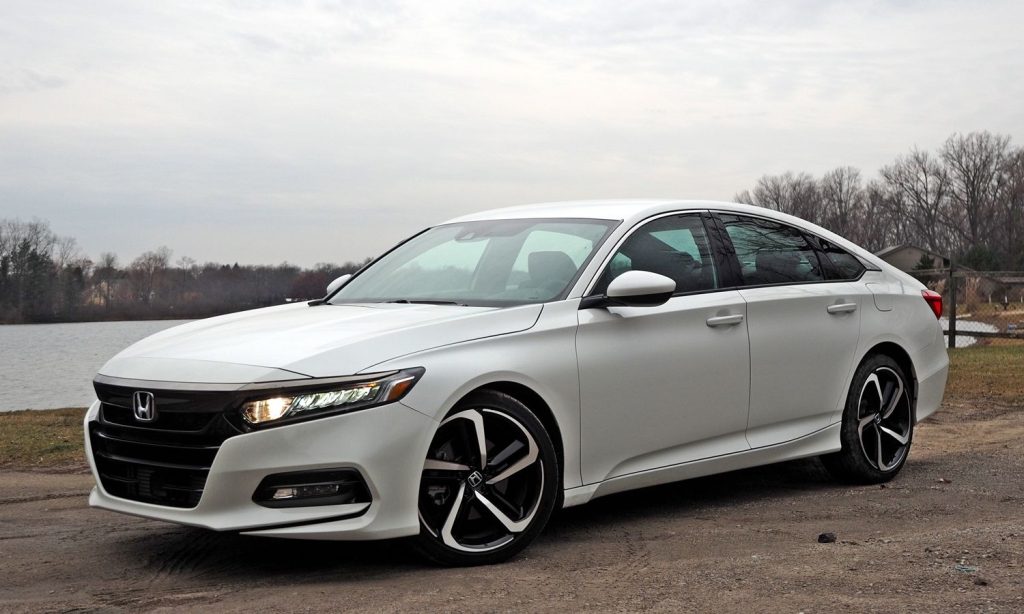
The combination of thoughtful design, quality materials, and Honda’s attention to long-term reliability ensures that Accord drivers experience consistent comfort without worrying about early seat failure.
This durability makes it an appealing option for anyone seeking a dependable sedan with interiors built to last.
4. Ford F-150
As one of America’s best-selling trucks, the Ford F-150 is engineered for rugged use, and its seats reflect this priority.
Built with reinforced steel frames and high-density foam, these seats are designed to endure heavy loads, frequent entry and exit, and long hours behind the wheel without sagging or losing support.
Upholstery choices include durable cloth, vinyl, and leather. Cloth seats use tightly woven fabrics resistant to wear and staining, while leather and premium vinyl options feature reinforced stitching and treatment against cracking or fading.
The ergonomic design distributes weight evenly across cushions and bolsters, reducing stress on high-use areas and extending the seat’s lifespan.
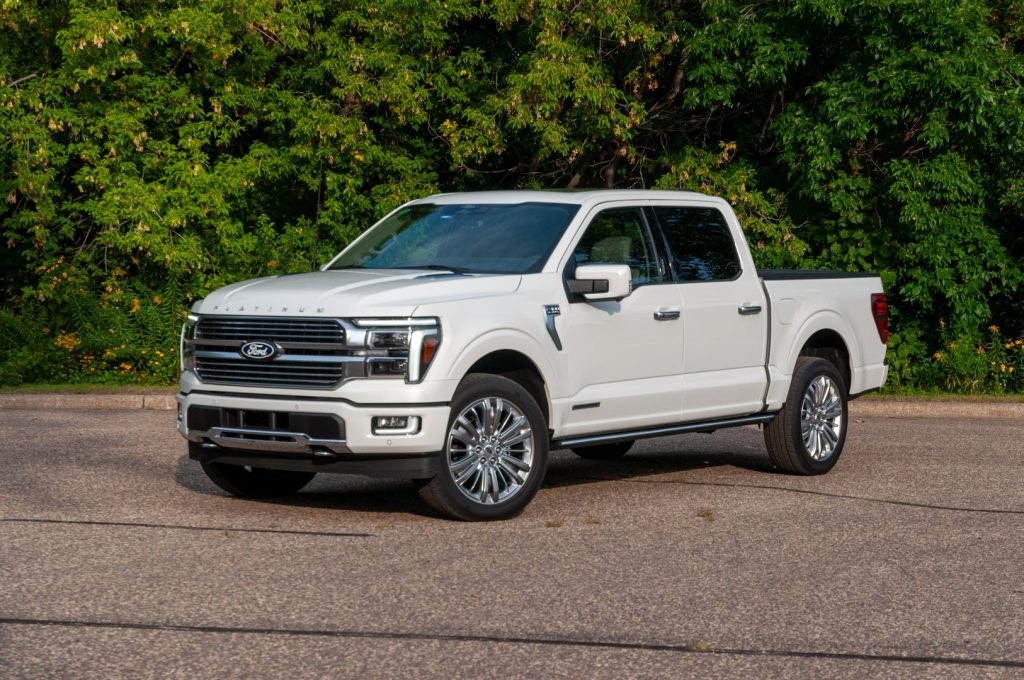
Owners frequently report that F-150 seats maintain comfort and shape even after intensive daily use, towing, or off-road driving. Whether used as a work truck or a family vehicle, the interior retains its integrity far longer than many competitors.
The combination of strong construction, durable materials, and practical design ensures the F-150 delivers both comfort and longevity, making it a standout choice for anyone requiring seats that last through heavy-duty use.
5. Subaru Outback
The Subaru Outback blends utility and comfort, and its seats are designed for both long drives and rugged adventures. Reinforced frames prevent sagging even under heavy weight, while high-density foam cushions maintain support over years of frequent use.
Subaru focuses on materials that resist wear, including high-quality cloth and durable leather in higher trims.
The ergonomic design features well-placed bolsters, lumbar support, and contoured seating surfaces that distribute pressure evenly, reducing premature foam breakdown.
Stitching is reinforced, and materials are treated to resist fading, stretching, or cracking, which helps maintain a near-new feel over thousands of miles.
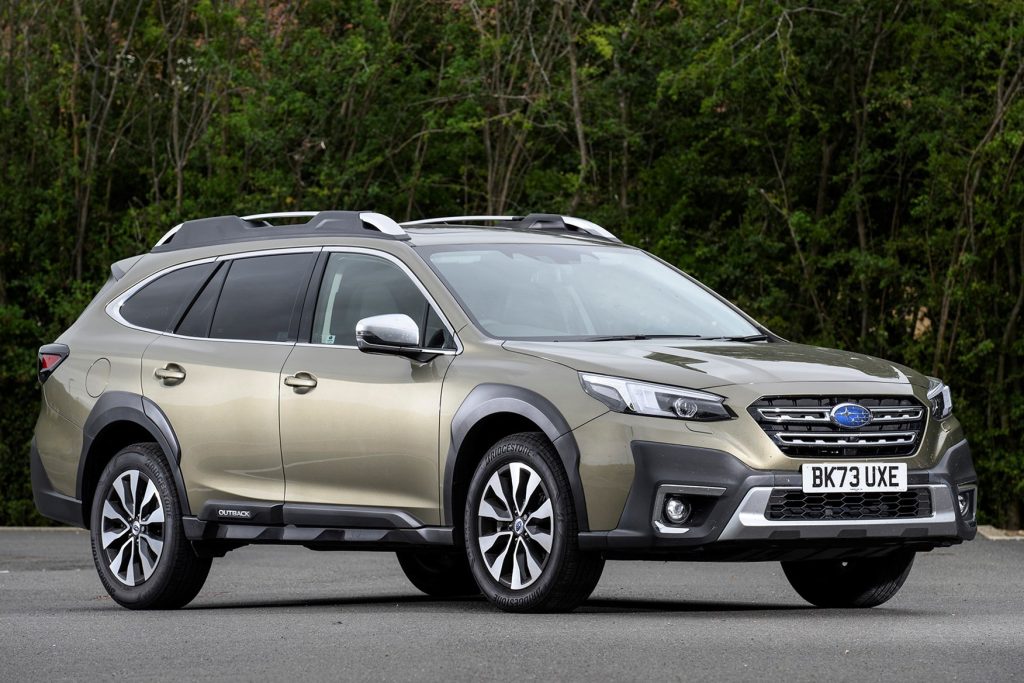
Owners frequently note that Outback seats remain supportive and comfortable even after extended off-road trips, long commutes, or transporting passengers.
The combination of resilient construction, thoughtful design, and durable materials makes the Outback an excellent choice for anyone who prioritizes seat longevity. It demonstrates how a versatile crossover can offer both long-term comfort and interior durability.
5 Cars That Fall Apart Early
Not all car seats are built to last. Some vehicles, despite initial comfort and aesthetic appeal, suffer from seats that wear out quickly. Common issues include sagging cushions, torn upholstery, faded materials, and weak seat frames.
For drivers and passengers, early seat deterioration can compromise comfort, reduce resale value, and lead to unexpected repair costs.
Understanding which models have a history of poor seat longevity is valuable for both prospective buyers and current owners.
This section highlights five cars whose seats tend to deteriorate prematurely. These selections are based on owner feedback, maintenance reports, and material choices that fail under extended use.
While some may offer luxury finishes or attractive designs, the underlying construction often cannot withstand everyday wear, leading to sagging, tearing, or loss of support within just a few years.
By examining the factors behind these failures such as low-density foam, inadequate frame reinforcement, or substandard stitching readers gain insight into the risks of poor seat durability.
Recognizing which vehicles are prone to seat issues helps buyers make informed decisions, whether prioritizing long-term comfort, durability, or maintenance costs.
This comparison provides a clear perspective on the importance of seat quality in vehicle longevity, highlighting both the pitfalls of early wear and lessons for choosing cars built to endure.
1. Nissan Altima
The Nissan Altima, while popular for its affordability and fuel efficiency, has earned a reputation for seats that degrade faster than expected.
Many owners report that after just a few years of regular commuting, the seat cushions begin to sag, losing their initial support and comfort. This is often due to the use of low-to-medium density foam, which compresses under repeated use, causing the seat to feel flat or uneven.
In addition to the foam issues, the seat frames in earlier generations were built with less reinforcement compared to higher-end competitors. This structural weakness contributes to premature wear, especially in the driver’s seat, which bears the most weight and movement.
Fabric upholstery, while initially soft, can develop pilling, fading, or stretching within a few years, and leatherette or synthetic options may crack or peel when exposed to sunlight or temperature changes.
The Altima’s ergonomic design also does little to mitigate pressure in critical areas. Bolsters may flatten quickly, and the lack of reinforced stitching in high-stress zones leads to tearing over time.
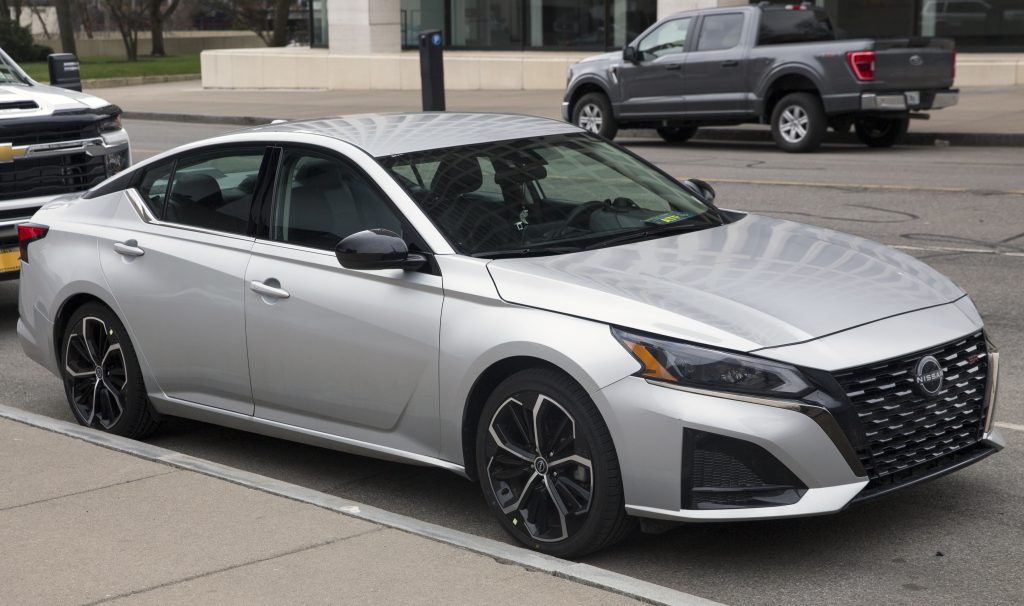
Owners have reported having to replace cushions or even entire seats well before 100,000 miles, an unexpected cost for a mid-sized sedan. While the Altima offers a smooth ride and a stylish interior initially, its seat longevity is one of the areas where it falls short.
Buyers seeking a car for long-term use should carefully consider this aspect or be prepared for earlier-than-expected seat maintenance. The Altima serves as a reminder that initial comfort does not always guarantee long-term durability.
2. Ford Focus
The Ford Focus has long been recognized for its handling and compact design, but the seats are a known weak point in terms of longevity. Many owners note that after several years, the driver and passenger seats lose their cushioning and structural support.
The main culprit is the use of foam that compresses quickly under weight, which results in a sagging seat bottom and less comfort during longer drives.
Seat frames in certain model years are prone to bending or creaking under repeated stress. Combined with foam degradation, this contributes to an overall feeling of instability in the seating surface.
Fabric seats often develop visible wear patterns, including thinning areas and small tears along the seams, particularly on bolsters and edges.
Leatherette or synthetic leather options are prone to cracking and peeling with sun exposure or friction, further shortening their lifespan.
Ergonomic design flaws also play a role in accelerating seat wear. Focus seats often fail to distribute weight evenly, concentrating stress on the seat cushion edges and lower back areas.
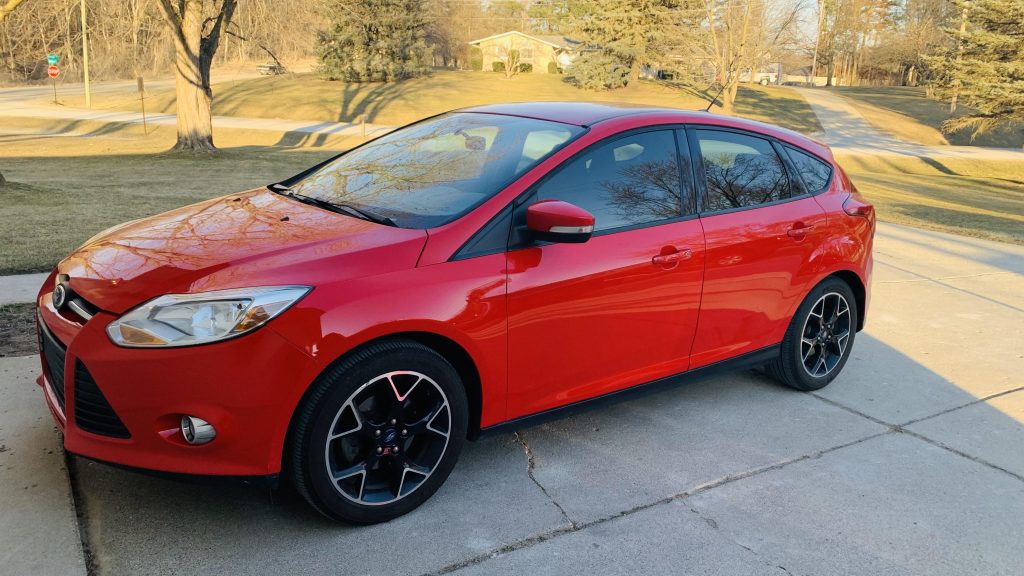
Adjustable features, while convenient, sometimes exacerbate wear if frequently used or improperly aligned. Many owners report needing seat repairs or replacements after 60,000–80,000 miles, which is considerably earlier than expected for a compact car.
While the Ford Focus offers affordability and performance, the long-term durability of its seats is a significant drawback, making it less appealing for those who prioritize interior longevity over initial comfort or styling.
3. Chevrolet Malibu
The Chevrolet Malibu has consistently faced criticism for interior seat durability, particularly in its mid-range trims. The foam used in the seat cushions tends to compress quickly, especially on the driver’s side, leading to sagging and reduced support after a few years.
This issue becomes more noticeable during long commutes or when carrying multiple passengers frequently.
Seat frames, while sufficient for light use, lack reinforcement in high-stress areas such as the edges and bolsters.
Over time, this can result in squeaking, shifting, or even minor structural damage. Upholstery is another weak point; fabric seats often show pilling, fading, or stretching within a relatively short period, while leatherette options are prone to cracking and surface wear.
Sunlight exposure and temperature fluctuations accelerate these problems, leaving seats looking worn prematurely.
Ergonomically, the Malibu’s seat design does not adequately distribute weight, causing the foam to compress unevenly and lose shape in key areas.
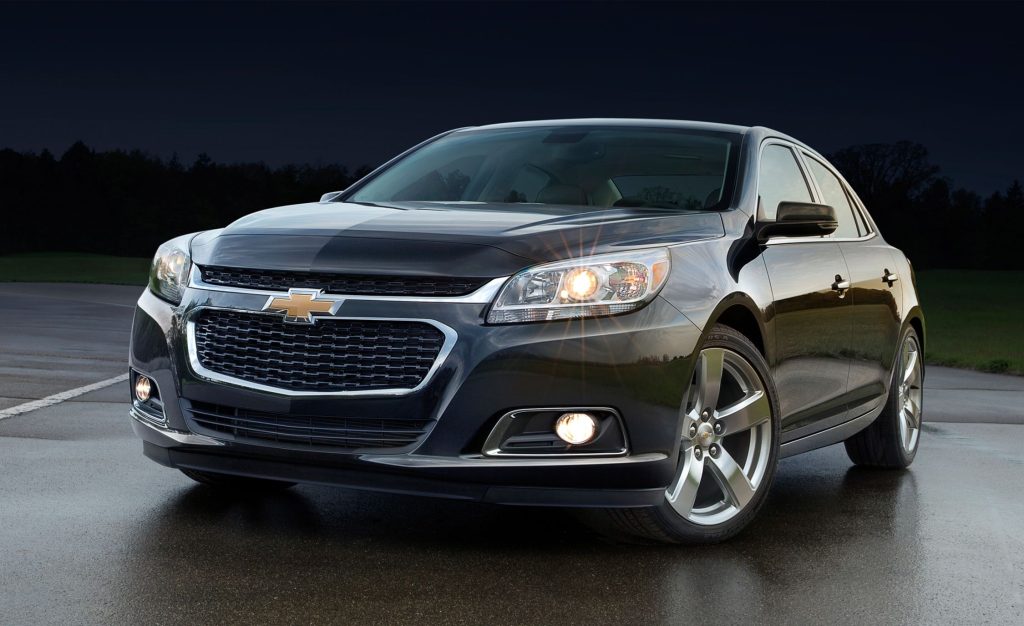
Adjustable lumbar support is often minimal or non-existent in lower trims, further contributing to discomfort and faster deterioration. Owner reports indicate that many Malibu drivers require seat refurbishment or replacement around 70,000–90,000 miles.
While the Malibu excels in ride comfort and handling initially, the long-term durability of its seating is a known concern. This serves as a cautionary note for buyers looking for vehicles with interiors that remain comfortable and supportive over time.
4. Hyundai Elantra
The Hyundai Elantra is widely praised for value and efficiency, but its seats have a history of early wear.
Low-density foam cushions tend to flatten quickly, resulting in sagging bottoms and less support for drivers and passengers. This becomes particularly noticeable in high-mileage vehicles or those used daily for long commutes.
In addition to foam compression, seat frames in earlier Elantra models are less robust than those in competitors. Weak reinforcement in the seat base and backrest can lead to bending or creaking, accelerating wear.
Cloth seats often develop thinning areas, fading, or pilling, especially along the edges where friction is highest. Synthetic leather options are prone to cracking and surface peeling, particularly when exposed to direct sunlight over extended periods.
Ergonomic shortcomings further compound the problem. Weight distribution is uneven across the cushion, leading to pressure points that break down foam faster.
Bolsters, which are intended to provide lateral support, often collapse after a few years, diminishing overall comfort.
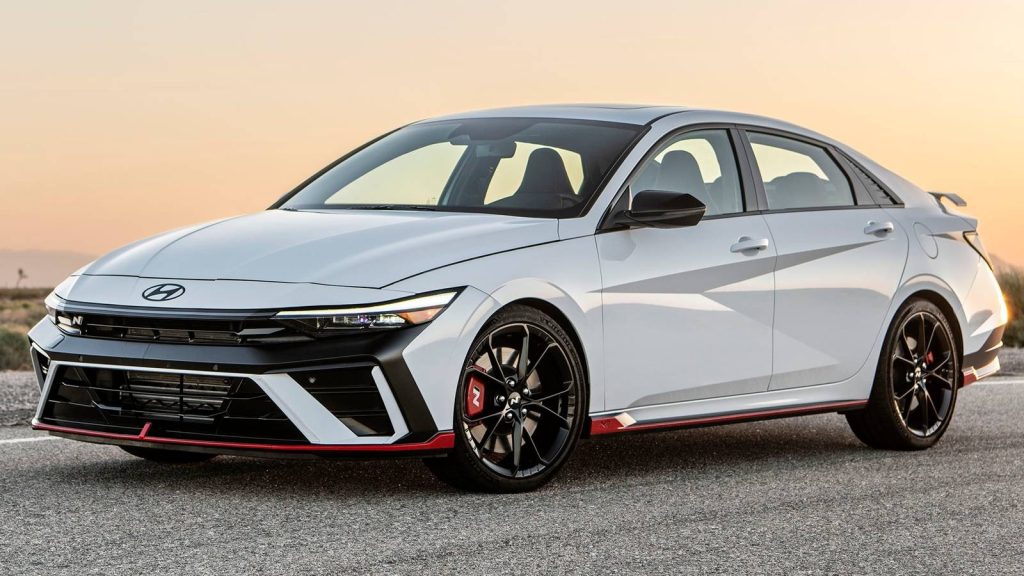
Owner feedback consistently notes the need for early seat repairs or replacement, typically between 60,000–90,000 miles, making the Elantra a less-than-ideal choice for those seeking long-lasting interiors.
Despite its affordability and modern features, the Elantra demonstrates that even a well-rounded compact car can have serious shortcomings in seat durability, highlighting the importance of material quality and frame design in long-term comfort.
5. Volkswagen Jetta
The Volkswagen Jetta has a reputation for solid driving dynamics, but its seats often do not match this longevity. Many owners report early signs of foam compression, sagging seat bottoms, and thinning bolsters, even with moderate use.
Low-to-medium density foam contributes to a loss of support over time, making long drives uncomfortable and accelerating wear in high-stress areas.
Seat frames, while adequate initially, are sometimes insufficiently reinforced. This can lead to squeaks, bending, or instability as the vehicle ages.
Cloth seats commonly exhibit pilling, fading, or stretching along edges and bolsters, while synthetic leather options are prone to cracking, peeling, and surface wear. Temperature fluctuations and sun exposure exacerbate these issues, leaving interiors looking worn sooner than expected.
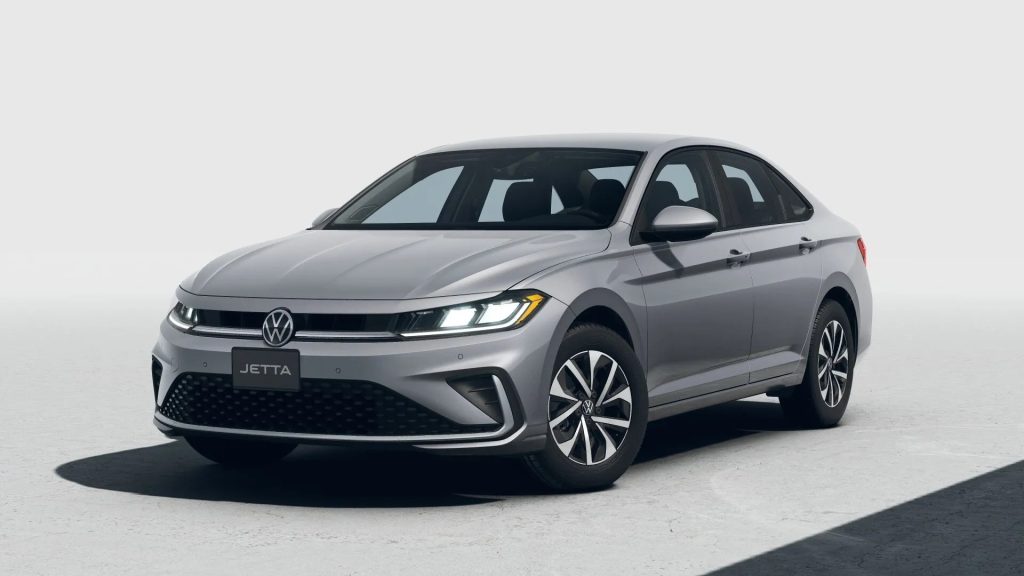
Ergonomic design limitations worsen the problem. Weight distribution is uneven, causing foam breakdown in concentrated areas such as the driver’s lower back and seat edges. Adjustable lumbar support and bolster options are often minimal, failing to protect the cushions from compression over years of use.
Many owners report needing seat repairs or replacements between 70,000–100,000 miles. While the Jetta performs well mechanically, its seats often fall short in long-term durability, serving as a caution for buyers who prioritize comfort and lasting interior quality.
Seat durability is a critical yet often overlooked factor when evaluating a vehicle’s long-term value and comfort. Among the ten cars examined, clear differences emerge between models designed to endure years of use and those whose seats show signs of wear prematurely.
The Toyota Land Cruiser, Lexus LX 570, Honda Accord, Ford F-150, and Subaru Outback demonstrate that high-quality materials, reinforced frames, and well-engineered ergonomics are essential for long-lasting seats.
High-density foam, sturdy seat structures, and durable upholstery whether premium leather or tightly woven fabric ensure these vehicles maintain comfort and appearance even after hundreds of thousands of miles.
Adjustable lumbar support and thoughtfully distributed pressure points further extend seat life, preventing sagging or flattening over time.
Conversely, the Nissan Altima, Ford Focus, Chevrolet Malibu, Hyundai Elantra, and Volkswagen Jetta illustrate how compromises in construction and materials can lead to rapid seat deterioration.
Low-density foam, inadequately reinforced frames, and poorly stitched or thin upholstery result in sagging, pilling, cracking, and discomfort within just a few years.
Even regular maintenance cannot fully prevent these issues, and owners often face repairs or replacements much sooner than expected.
Ergonomic shortcomings, uneven weight distribution, and minimal support in bolsters and lumbar areas accelerate foam breakdown, highlighting the importance of design alongside materials.
This comparison underscores that a car’s seating is not just about initial comfort or style; long-term durability depends on thoughtful engineering and premium materials.
Buyers prioritizing lasting comfort and minimal maintenance should favor vehicles with robust seat frames, high-resilience foam, and reinforced upholstery.
Conversely, vehicles with early seat degradation may offer short-term appeal but carry higher long-term costs and discomfort.
Understanding these differences allows consumers to make informed choices, ensuring their investment in a vehicle aligns with both comfort and longevity.
Also Read: 5 Cars Without Timing Belt Worries and 5 That Break Often
