
Hybrid vehicles are often praised for their fuel efficiency and lower emissions, but one concern that repeatedly comes up among buyers is battery longevity. While hybrid batteries have improved dramatically over the years, not every model is created equal.
Some hybrids are engineered to retain their battery capacity for decades, offering reliability and peace of mind, while others tend to degrade faster, requiring costly replacements sooner than expected.
Choosing a hybrid isn’t just about fuel savings; it’s about understanding how each model handles long-term durability, particularly regarding its battery system.
Battery performance in hybrids can vary due to factors like chemistry, cooling systems, charge management, and driving conditions.
A hybrid that keeps its battery healthy for 200,000 miles or more allows owners to maintain strong resale value and avoid significant maintenance costs.
Conversely, models that struggle with battery degradation can erode confidence and increase ownership expenses. This guide will highlight five hybrids known for preserving their batteries for the long haul, as well as five that are more prone to early battery issues.
By focusing on these specific models, readers can make informed decisions about which hybrid will provide lasting reliability and which may demand extra attention over time.
Also Read: 5 Hybrids That Are Cheaper To Maintain vs 5 That Cost A Fortune
5 Hybrids That Keep Their Batteries Forever
When purchasing a hybrid, battery longevity can make the difference between a stress-free decade of ownership and unexpected repair bills.
Certain hybrids have earned reputations for exceptional durability, with battery packs that maintain capacity far longer than the typical hybrid.
These models benefit from robust engineering, advanced thermal management, and conservative charge cycles that reduce stress on the cells.
For drivers who prioritize reliability, choosing one of these vehicles can provide peace of mind and a lower total cost of ownership.
The hybrids that keep their batteries intact are not always the flashiest or newest models, but they are proven performers. Many rely on nickel-metal hydride (NiMH) or advanced lithium-ion chemistries that age gracefully under normal driving conditions.
These vehicles often have a history of minimal battery replacements in real-world scenarios, showing that their systems are designed for longevity rather than short-term efficiency gains.
In this section, we will explore five hybrids that have demonstrated exceptional battery durability. Each entry will explain the reasons behind their reliability, supported by user reports, engineering practices, and long-term maintenance data.
By understanding why these hybrids excel in battery longevity, buyers can confidently select a model that meets both environmental and practical goals without the worry of early battery failure.
1. Toyota Prius
The Toyota Prius has long been the benchmark for hybrid reliability, particularly when it comes to battery longevity. First introduced in the late 1990s, the Prius has undergone multiple generations of refinement, with a strong focus on durability and efficiency.
One of the main reasons the Prius excels is its nickel-metal hydride (NiMH) battery chemistry, which resists degradation over long periods of use. Toyota also incorporates a sophisticated battery management system that prevents overcharging or deep discharging, both of which are common causes of premature battery wear.
Owners frequently report Prius models surpassing 200,000 miles without any need for battery replacement. Additionally, the vehicle’s regenerative braking system is designed to recharge the battery gradually, minimizing strain and heat accumulation.
This careful balance of charging and discharging ensures that the battery’s capacity remains stable even under heavy use.
Another factor contributing to longevity is Toyota’s conservative warranty coverage. While the standard hybrid battery warranty is 8–10 years depending on the region, many owners find their batteries last well beyond this period.
Service centers are also familiar with maintaining these systems, meaning that even older Priuses receive proper care.
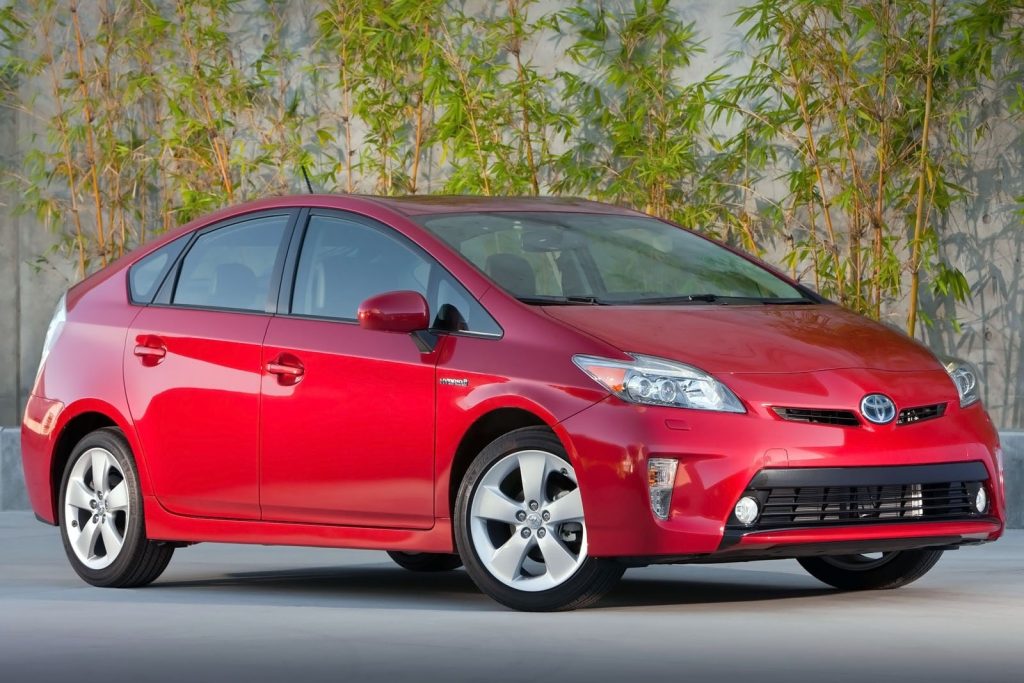
Choosing a Prius for battery reliability is a straightforward decision. Its combination of proven battery chemistry, intelligent energy management, and consistent maintenance practices makes it a standout option for anyone looking for a hybrid that can reliably retain its battery capacity for many years.
2. Honda Accord Hybrid
The Honda Accord Hybrid is another example of a vehicle that maintains battery performance over long-term ownership. Honda uses a lithium-ion battery system in its newer models, optimized for durability and consistent performance.
Unlike some hybrids that push for maximum efficiency at the expense of longevity, Honda balances energy output and heat management, ensuring the battery ages gracefully over time.
One key element is the Accord Hybrid’s thermal management system. Batteries are sensitive to heat, and prolonged exposure can accelerate degradation.
The Accord Hybrid’s design limits thermal stress, keeping cell temperatures within safe operating ranges during both charging and discharging. This approach has been validated by numerous owner reports of high-mileage vehicles with minimal capacity loss.
Honda also emphasizes software-based energy management. The system carefully regulates how the battery charges from regenerative braking and the internal combustion engine, avoiding rapid cycles that could weaken cells.
Combined with the car’s efficient hybrid drivetrain, this results in a vehicle that maintains both fuel economy and battery health over decades.
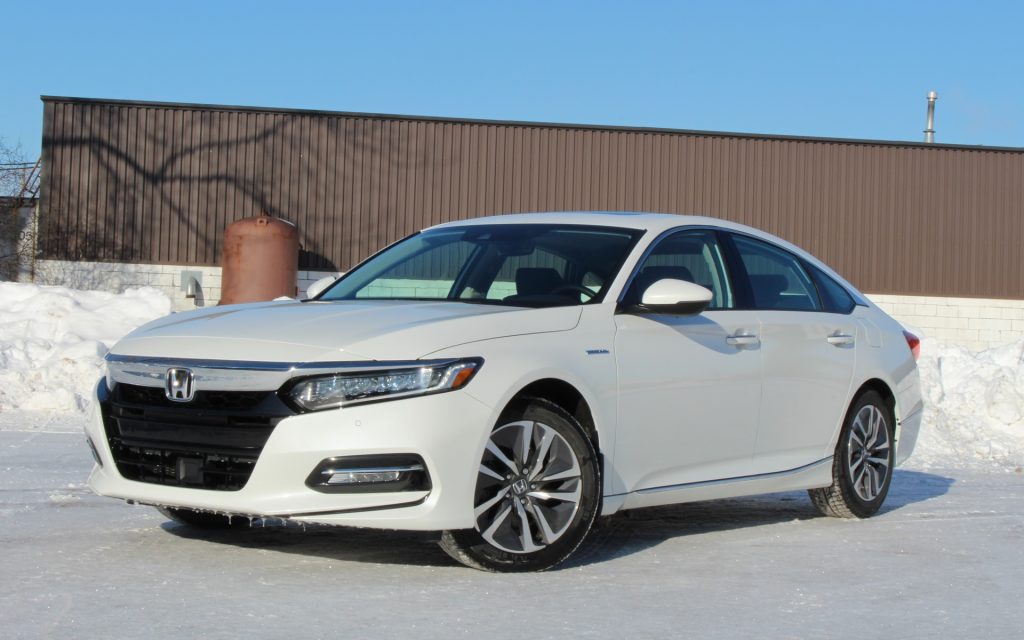
The Accord Hybrid’s track record demonstrates that a well-engineered system does not require frequent battery replacements.
Owners benefit from a smooth driving experience and reliable energy storage, making this model a smart choice for long-term hybrid ownership. Its combination of engineering and real-world durability highlights why it ranks among hybrids that keep their batteries forever.
3. Lexus RX 450h
The Lexus RX 450h is a luxury hybrid SUV that stands out for its long-lasting battery system. While many luxury hybrids focus on performance, the RX 450h achieves a balance between power and longevity.
Lexus relies on NiMH batteries with an advanced thermal management system that keeps cells cool under varying conditions. This careful attention to battery stress is crucial in an SUV, where additional weight and load could otherwise accelerate wear.
Owner experiences frequently confirm that the RX 450h maintains strong battery health even after 150,000–200,000 miles.
Lexus’ hybrid system is designed to keep the battery within safe voltage limits, preventing deep discharge and overcharge scenarios. This extends the battery’s usable life compared to less carefully managed hybrids.
The vehicle’s software also plays a significant role. Energy distribution between the battery, electric motors, and gasoline engine is continuously optimized to reduce strain on the battery while maintaining smooth acceleration.
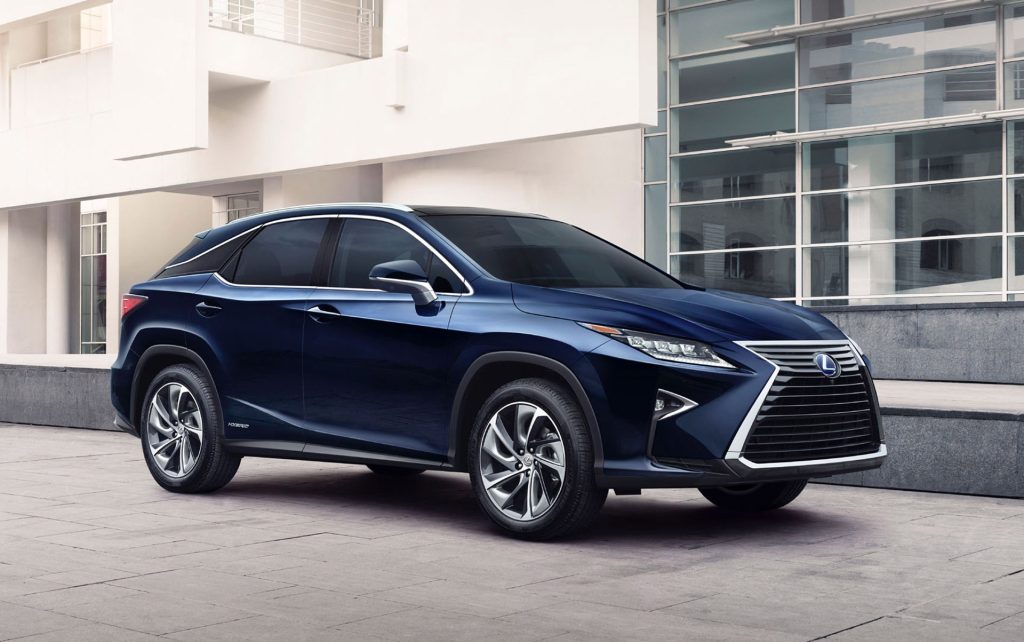
Regenerative braking contributes to efficiency without causing sudden battery stress, and long-term maintenance records show very few premature failures.
For drivers seeking a luxury hybrid with reliability at its core, the RX 450h proves that longevity and comfort can coexist.
Its combination of robust battery design, intelligent energy management, and real-world durability makes it a standout choice for a hybrid that truly keeps its battery forever.
4. Toyota Camry Hybrid
The Toyota Camry Hybrid shares many design philosophies with the Prius but offers a larger sedan experience. Its NiMH battery system has been refined over multiple model generations, emphasizing long-term stability over aggressive performance.
The Camry Hybrid’s engineering focuses on preventing overcharging and overheating, which are the primary causes of battery degradation.
Owners regularly report Camry Hybrids exceeding 200,000 miles without battery replacement. Part of this success is the vehicle’s conservative charging system, which moderates how much energy flows into the battery during regenerative braking or engine-assisted charging. This careful management ensures that the cells remain healthy even under daily commuting stress.
Another contributing factor is the Camry Hybrid’s relatively simple drivetrain layout. Fewer high-stress components reduce heat generation and mechanical strain, which indirectly benefits battery longevity.
Combined with Toyota’s rigorous quality control standards, the result is a hybrid that retains efficiency and reliability over decades.
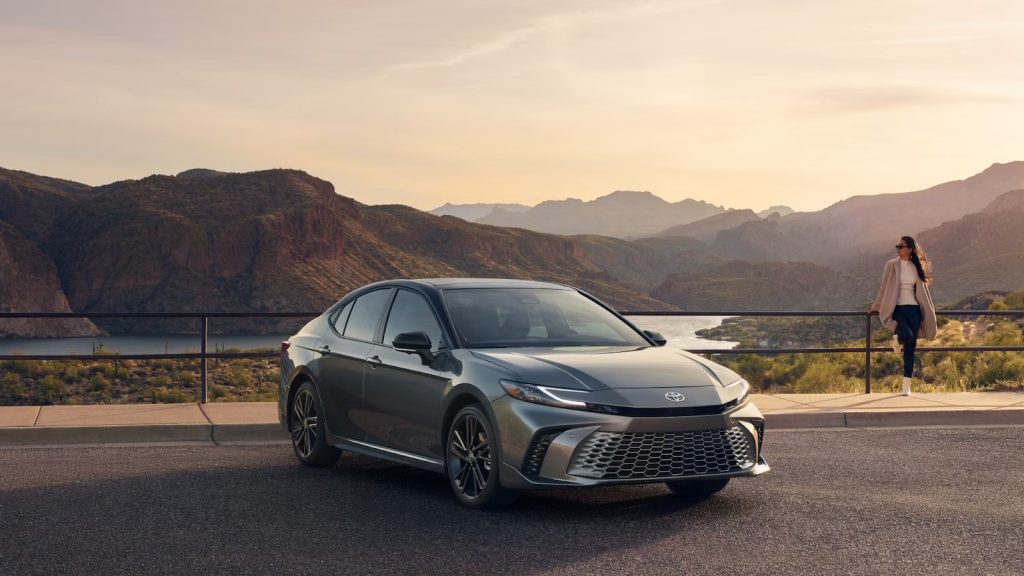
Maintenance practices are straightforward and well-documented, with service centers experienced in hybrid battery care.
This accessibility, along with a proven track record of durability, makes the Camry Hybrid a smart choice for drivers prioritizing long-lasting battery performance without sacrificing comfort or fuel economy.
5. Ford Escape Hybrid
The Ford Escape Hybrid represents an example of an American hybrid engineered for durability. Its lithium-ion battery system benefits from active thermal management and conservative charge cycles, both of which contribute to its long battery life.
Ford has focused on ensuring that the battery remains within optimal operating parameters, reducing the risk of premature degradation.
Reports from high-mileage owners indicate that Escape Hybrid batteries maintain strong capacity well past 150,000 miles.
The system’s software carefully controls energy flow between the battery, electric motor, and gasoline engine, balancing efficiency with longevity. Regenerative braking and controlled discharge cycles further protect the battery from undue stress.
Ford also emphasizes reliability through regular maintenance guidelines. Battery checks, cooling system inspections, and software updates are designed to sustain performance over time.
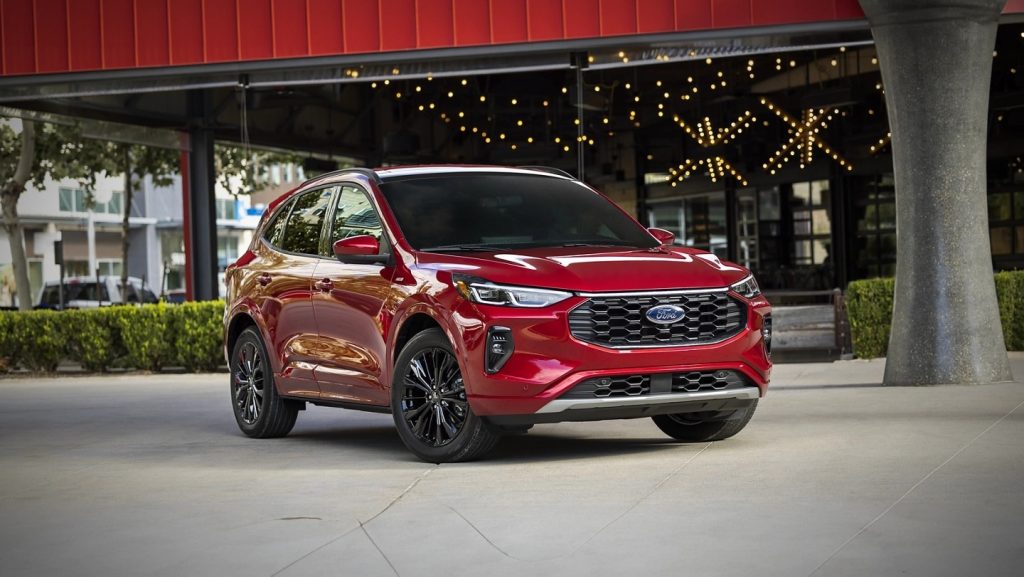
This approach has resulted in a hybrid SUV that combines practicality with long-term battery stability, appealing to drivers who need both utility and peace of mind.
Choosing the Escape Hybrid ensures that owners experience a dependable vehicle with minimal risk of early battery replacement. Its engineering and real-world performance demonstrate why it belongs among hybrids known for retaining their batteries indefinitely.
5 Hybrids That Don’t Keep Their Batteries Forever
While some hybrids are celebrated for their battery longevity, others are known to struggle with premature battery degradation. Factors such as aggressive battery chemistry, inadequate cooling systems, and high energy output can contribute to early capacity loss.
For owners, this can mean unexpected repair bills, reduced fuel efficiency, and declining resale value. Identifying these hybrids allows prospective buyers to make informed choices and anticipate potential challenges before committing to ownership.
Certain hybrids are designed with performance or compactness as priorities rather than long-term durability. Lithium-ion batteries, for example, can deliver excellent energy density but may degrade faster if not properly managed.
Similarly, hybrids that experience heavy heat, rapid charge cycles, or inconsistent maintenance may encounter capacity issues sooner than expected.
This section highlights five hybrids that, despite their appeal in other areas, are more prone to early battery problems. Each model will be analyzed based on real-world performance, design characteristics, and owner reports.
Understanding why these hybrids face battery longevity challenges helps owners prepare for maintenance and make practical choices when purchasing a hybrid.
By contrasting these models with long-lasting hybrids, readers can appreciate the engineering differences that influence battery reliability and total ownership experience.
1. Chevrolet Volt
The Chevrolet Volt is a plug-in hybrid with a focus on extended electric range and performance. While it offers impressive efficiency, its lithium-ion battery is more prone to degradation over time compared to some non-plug-in hybrids.
Volt batteries are subjected to deeper discharge cycles due to regular use of electric-only range, which increases stress on the cells.
Owner reports indicate that after 8–10 years or 100,000–150,000 miles, Volt batteries can lose a noticeable portion of their original capacity. Factors such as high ambient temperatures and frequent rapid charging exacerbate this decline.
Unlike hybrids designed for conservative battery management, the Volt prioritizes maximum electric performance, which comes at the cost of long-term battery durability.
Thermal management helps mitigate some degradation, but it does not fully prevent lithium-ion aging under repeated deep cycles. Replacement batteries are available but can be costly, making battery health a key consideration for prospective buyers.
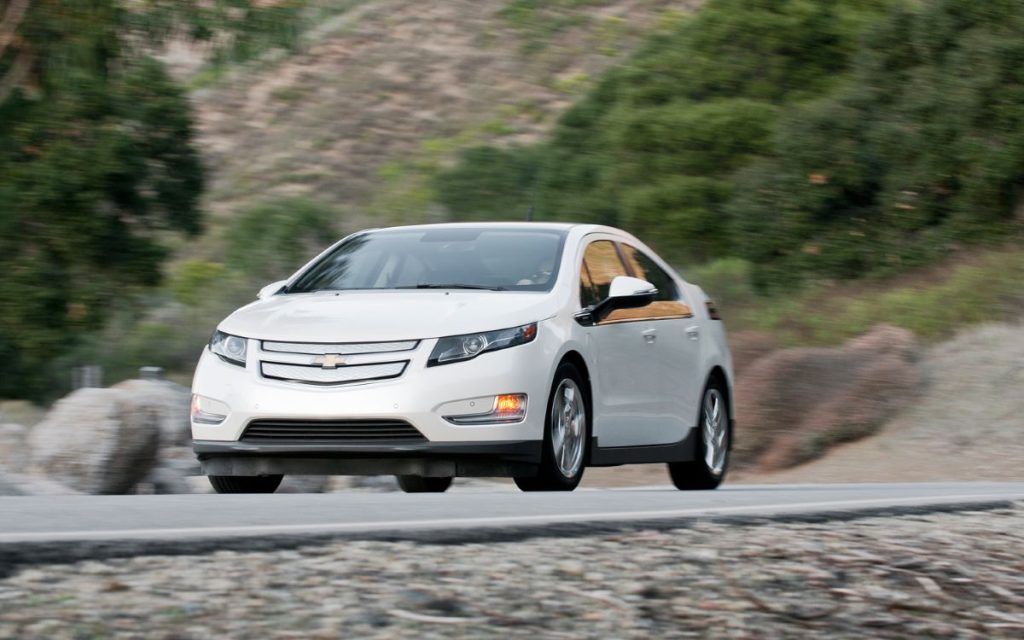
Despite these issues, the Volt remains a practical plug-in hybrid for short-range commuting, but owners should anticipate gradual battery wear and factor potential replacement costs into long-term ownership plans.
2. BMW 330e
The BMW 330e combines sport sedan dynamics with plug-in hybrid technology. Its lithium-ion battery provides significant electric-only driving, but this system is more sensitive to aging than traditional hybrid batteries. Frequent high-speed driving and rapid charge-discharge cycles can accelerate degradation.
Real-world reports show that some 330e owners experience noticeable capacity loss after around 80,000–100,000 miles.
The performance-oriented design prioritizes power delivery and agility, often at the expense of battery longevity. High cabin and battery temperatures during spirited driving can further reduce lifespan.
BMW’s thermal management and battery monitoring help slow degradation, but they cannot completely prevent it under heavy use. Replacement batteries are available but expensive, making this hybrid less practical for owners focused on long-term reliability.
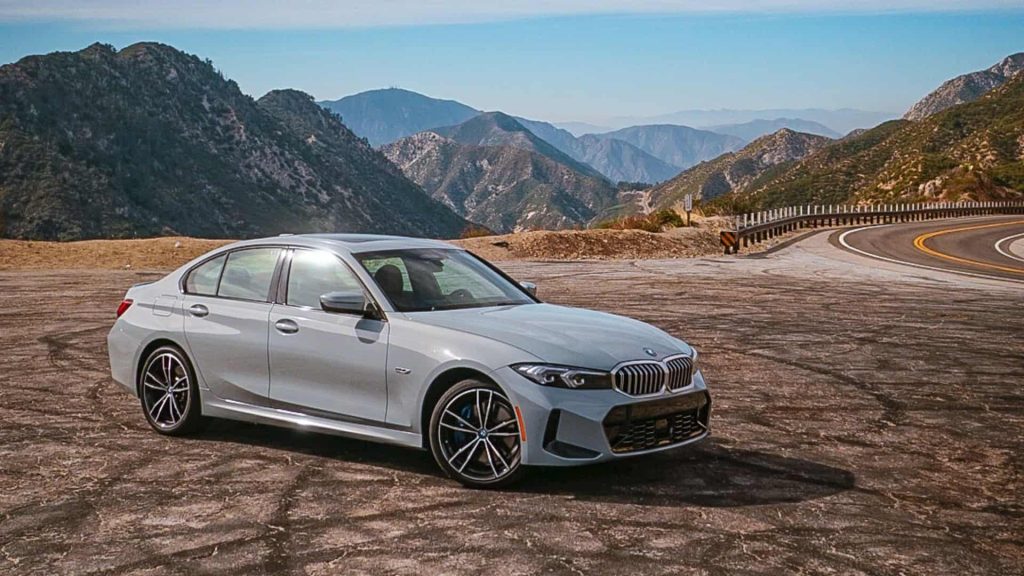
The 330e’s appeal lies in its sporty driving experience and efficiency in urban settings, but prospective buyers should be aware that battery capacity may decline faster than in models designed for durability. For some, this trade-off between performance and long-term battery life is acceptable, but it remains a significant factor in total ownership cost.
3. Ford Fusion Energi
The Ford Fusion Energi is a mid-size plug-in hybrid with a reputation for solid fuel efficiency, but its lithium-ion battery tends to degrade sooner than expected. Regular full charging cycles and limited thermal protection in earlier models can accelerate wear.
Owners frequently report diminished electric range after 6–8 years, even under moderate use. The battery’s smaller size and reliance on frequent charging cycles contribute to gradual capacity loss.
While Ford has improved battery management in later models, earlier versions remain vulnerable to noticeable performance reduction over time.
The Fusion Energi’s combination of electric and gasoline propulsion remains useful, but the declining battery limits electric-only operation, reducing overall efficiency. Replacing the battery is an option, though it is costly and requires specialized service.
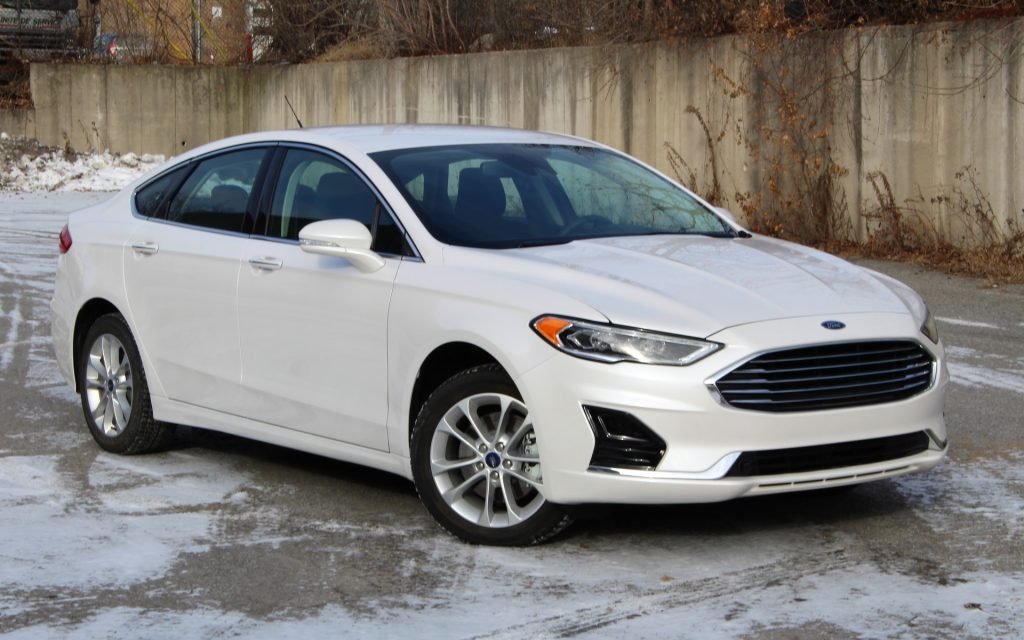
For drivers seeking a hybrid that lasts without major maintenance, the Fusion Energi is less ideal. Its performance and convenience are attractive, but prospective owners should plan for eventual battery capacity loss and possible replacement costs.
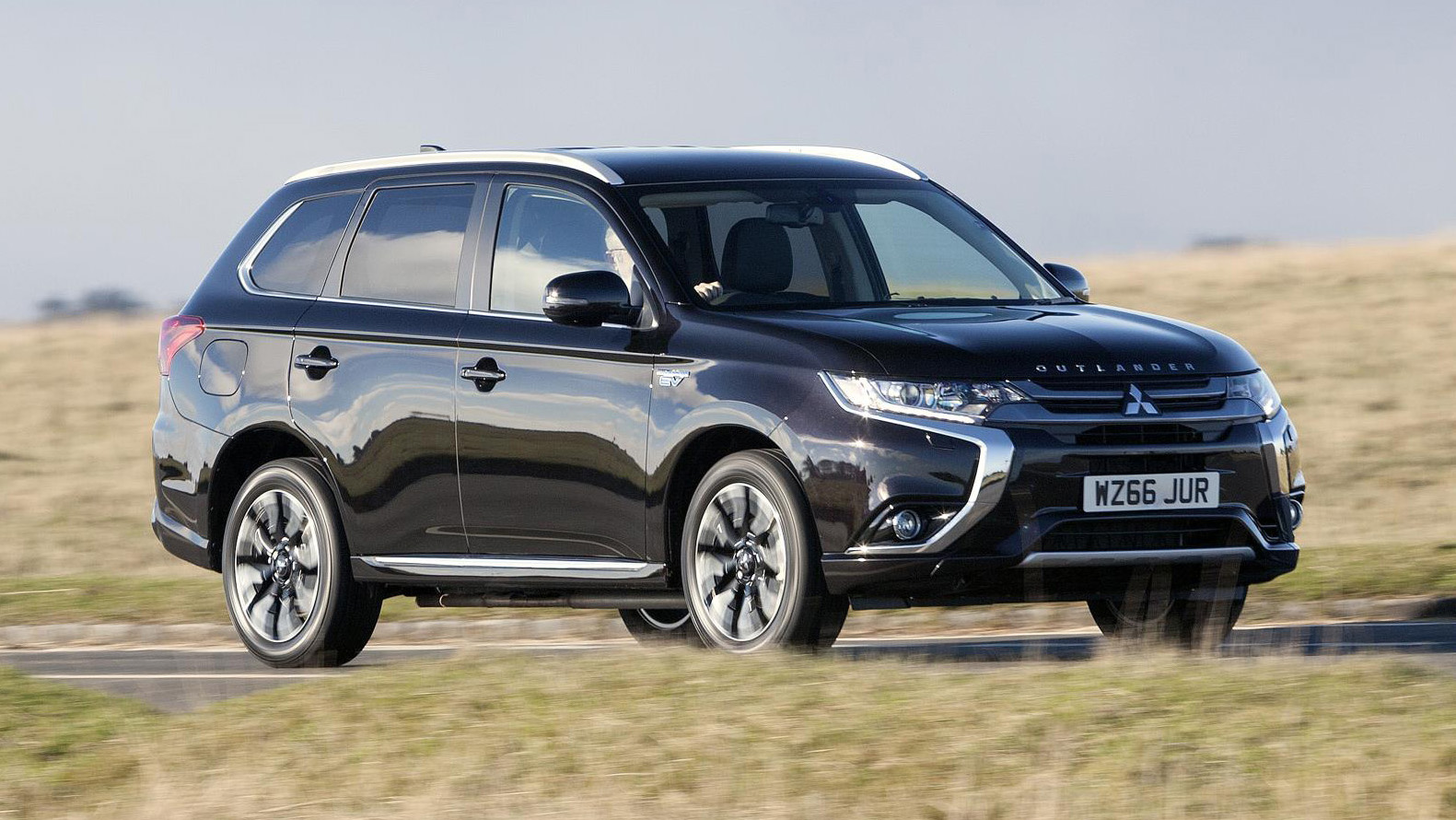
4. Mitsubishi Outlander PHEV
The Mitsubishi Outlander PHEV is a plug-in hybrid SUV designed for short electric trips and utility. While practical, its lithium-ion battery system is prone to degradation under repeated deep discharge and high-temperature conditions.
Several owners have reported capacity loss after 80,000–120,000 miles, with diminished electric range and reduced performance.
The cooling system is adequate but does not fully prevent aging in hot climates or during heavy use. Replacement batteries are available but expensive and less common than those for mainstream hybrids.
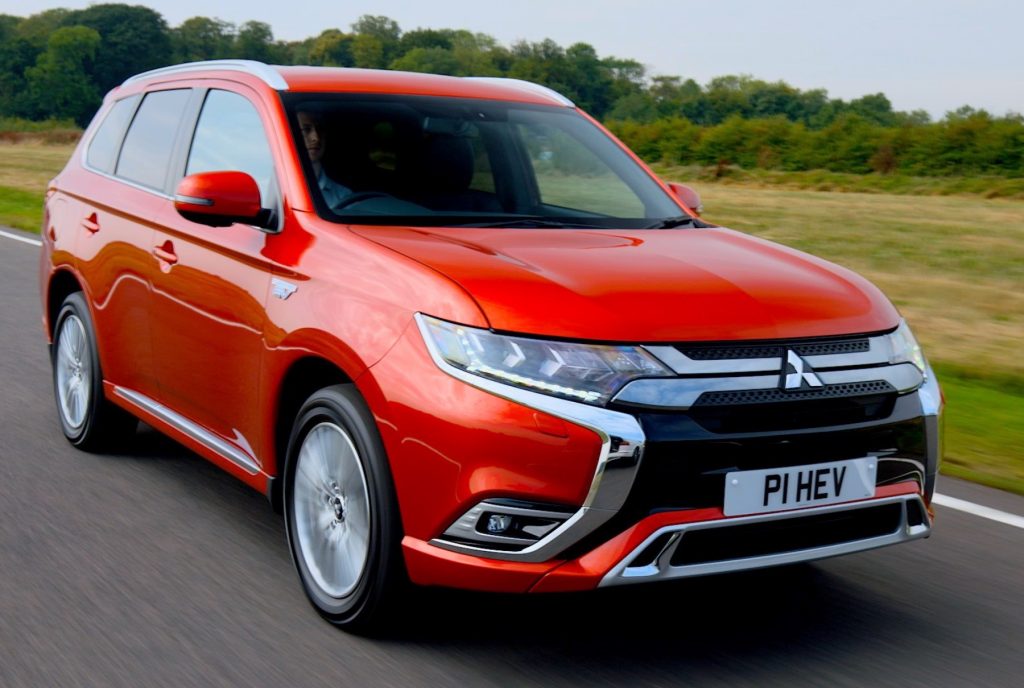
The Outlander PHEV remains a convenient SUV for urban commuting and occasional off-road use, but its battery issues make it less appealing for buyers prioritizing long-term reliability. Awareness of potential capacity decline is crucial when considering ownership and future resale value.
5. Volkswagen Jetta Hybrid
The Volkswagen Jetta Hybrid offers a compact and fuel-efficient experience but has a smaller, higher-strain lithium-ion battery that can degrade prematurely.
Owner reports suggest capacity loss may occur after 70,000–100,000 miles, particularly in hot climates or with frequent short trips.
Thermal management is present but limited compared to hybrids designed for longevity. The vehicle’s battery is engineered for efficiency and lightweight design rather than long-term durability. As a result, owners may see reduced electric contribution over time, impacting fuel economy and driving experience.
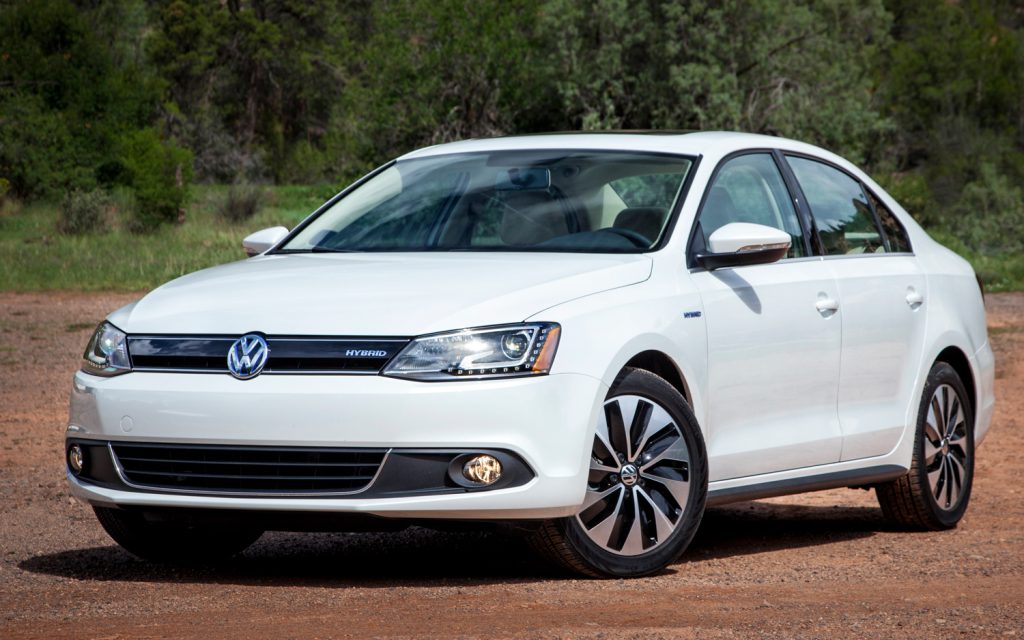
Replacement batteries are available but can be expensive, making early degradation a significant consideration for prospective owners.
The Jetta Hybrid delivers strong efficiency and compact practicality, but it is not the best choice for buyers seeking a hybrid that keeps its battery indefinitely.
Battery longevity is a critical consideration when selecting a hybrid vehicle. While hybrids are generally designed to reduce fuel consumption and emissions, the durability of their battery systems varies widely between models.
Some vehicles maintain their battery capacity for decades, offering long-term reliability and lower maintenance costs. Others, particularly certain plug-in hybrids, experience earlier degradation, leading to reduced efficiency, diminished electric range, and costly replacements.
Understanding these differences helps buyers make informed decisions, ensuring that a hybrid aligns with their long-term needs.
The first group of hybrids such as the Toyota Prius, Honda Accord Hybrid, Lexus RX 450h, Toyota Camry Hybrid, and Ford Escape Hybrid demonstrates how engineering, chemistry, and management systems can extend battery life.
These vehicles benefit from battery chemistries like nickel-metal hydride or carefully designed lithium-ion packs, paired with robust thermal management systems.
By controlling charge and discharge cycles and preventing overheating or overcharging, these hybrids maintain capacity over high mileage and long ownership periods.
Owner reports and maintenance data consistently confirm that batteries in these models often last well beyond the warranty period, with minimal loss of efficiency.
Additionally, manufacturers provide guidance and service networks capable of sustaining battery health, further contributing to longevity. Drivers of these models enjoy reliable performance, predictable operating costs, and strong resale value.
In contrast, hybrids such as the Chevrolet Volt, BMW 330e, Ford Fusion Energi, Mitsubishi Outlander PHEV, and Volkswagen Jetta Hybrid illustrate the challenges some vehicles face with battery degradation.
Many of these models rely on high-energy-density lithium-ion batteries optimized for performance, electric-only range, or compact packaging.
While this provides advantages in acceleration, efficiency, or weight savings, it comes at the cost of accelerated cell aging under repeated deep charge cycles or high-temperature conditions.
Real-world reports indicate that these batteries often lose significant capacity after 6–10 years, reducing electric range and efficiency. Replacement batteries are typically available but costly, making ownership less predictable from a maintenance perspective.
Drivers considering these models must plan for eventual battery replacement or diminished performance, particularly in climates or driving patterns that stress the battery.
Several patterns emerge when comparing these two groups. Vehicles that keep their batteries longer generally prioritize thermal stability, moderate charge-discharge cycles, and reliability over maximum performance.
They often employ NiMH chemistry or robust lithium-ion management systems and are backed by manufacturers experienced in long-term hybrid care.
Conversely, hybrids prone to early degradation often emphasize electric range, rapid performance, or lightweight design, which can increase stress on the battery. While these models may perform well initially, their long-term durability is less predictable.
For potential hybrid buyers, this distinction is crucial. Choosing a hybrid with proven battery longevity reduces the risk of expensive replacements and preserves efficiency over the life of the vehicle.
Evaluating warranty coverage, maintenance practices, and owner experiences can also provide valuable insight into expected battery life.
While high-performance or plug-in models offer certain advantages, understanding the trade-offs between short-term gains and long-term reliability helps buyers make practical decisions aligned with their driving habits and financial expectations.
Ultimately, the choice of hybrid should reflect both lifestyle and priorities. Those seeking a low-maintenance, durable vehicle will likely benefit from models like the Prius, Accord Hybrid, or Camry Hybrid.
Buyers focused on electric-only capability or sporty driving should be aware of the potential for faster battery degradation and associated costs.
By carefully considering these factors, drivers can select a hybrid that meets their environmental and efficiency goals without compromising long-term reliability.
Prioritizing battery longevity ensures a smoother ownership experience, lower costs, and confidence that the hybrid will remain dependable well into the future.
Also Read: 5 Cars That Rarely Need Transmission Work vs 5 That Constantly Do
