
The 2010s marked a turning point for the automotive world, blending modern technology with design philosophies that appealed to both enthusiasts and everyday drivers.
During this decade, carmakers balanced efficiency mandates with the demand for performance, and as a result, several models stood out not only as strong sellers in their time but also as future collectibles.
Collectors often look for cars that combine rarity, heritage, performance, and cultural significance. Many vehicles from the 2010s check all these boxes and are already commanding higher prices on the used market.
Part of it comes from the fact that cars today are becoming more complex, often moving toward electrification and automation. This makes vehicles from just a decade ago feel like the last generation of analog-inspired driving experiences.
Manual transmissions, naturally aspirated engines, and bold styling choices still existed, even as technology like advanced infotainment and safety systems began taking hold.
For collectors, this blend of old-school driving feel with new-age reliability makes certain models especially desirable.
Another reason these cars are growing in value is cultural impact. Enthusiast communities thrive online, and models with loyal followings quickly become icons.
Limited production numbers or special trims add to exclusivity, while motorsport ties or pop culture appearances can accelerate collectible status.
What’s striking about many of these cars is that they remain relatively new but are already gaining recognition from collectors who see their potential for long-term appreciation.
Buying one now can be a smart move, as their values are often lower than the peak prices expected in the decades to come. These cars offer a blend of nostalgia, innovation, and driving enjoyment that ensures they will be remembered as defining machines of the 2010s.
Also Read: 10 Pickup Trucks That Rarely Break Drivetrains
1. Toyota 86 / Subaru BRZ
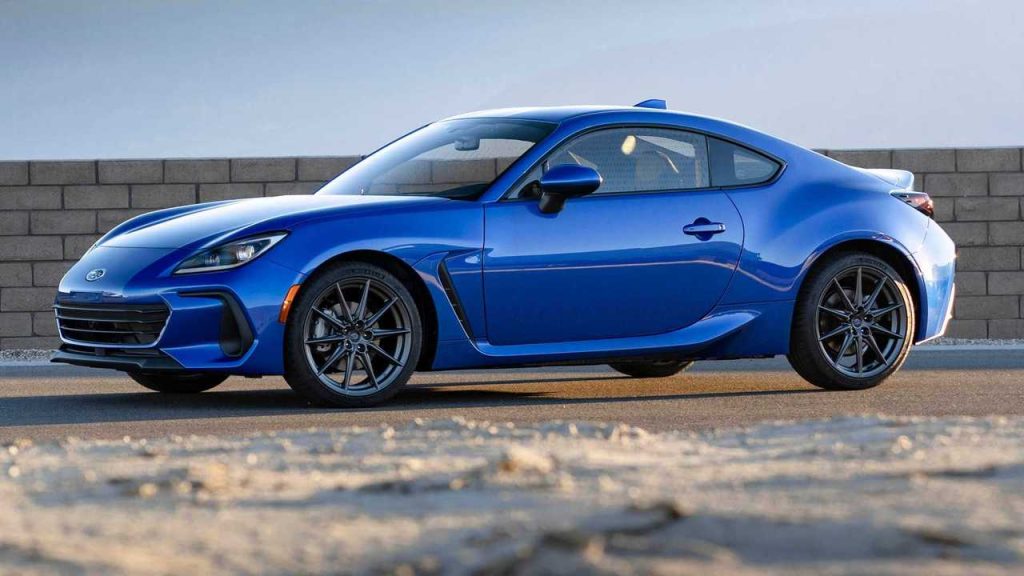
The Toyota 86, also known as the Subaru BRZ, was introduced in the early 2010s as a joint venture between Toyota and Subaru. These compact sports cars quickly built a following because of their pure driving character, lightweight design, and affordability.
While horsepower figures were modest compared to some performance cars, the 2.0-liter flat-four engine and rear-wheel-drive setup delivered balance and fun that appealed to enthusiasts seeking a driver-focused experience.
One of the reasons the 86 and BRZ are already becoming collector favorites is their emphasis on simplicity. At a time when cars were becoming increasingly heavy and packed with electronics, these coupes stood out by keeping things minimal.
A six-speed manual transmission, sharp handling, and engaging steering made them rewarding to drive. They were often compared to classic sports cars of past decades, which enhanced their appeal to purists.
Special editions and limited trims, such as the Series Yellow or Series Blue, have added to their collectibility. These versions came with exclusive colors, badges, or minor performance tweaks, which collectors often seek.
Their affordability when new also means many were purchased by enthusiasts who modified or raced them, so finding clean, original examples is already becoming harder, pushing up values for stock cars.
Cultural impact also plays a role. The 86 and BRZ gained recognition in motorsport, drifting competitions, and tuner communities. They became accessible entry points into performance driving, creating a loyal fanbase that continues to grow.
While they are still relatively young, early production years are already being recognized as modern classics.
Collectors see them as symbols of the 2010s sports car revival, and their values are steadily climbing. Clean, unmodified examples will likely become even more desirable in the coming years.
2. Dodge Challenger Hellcat
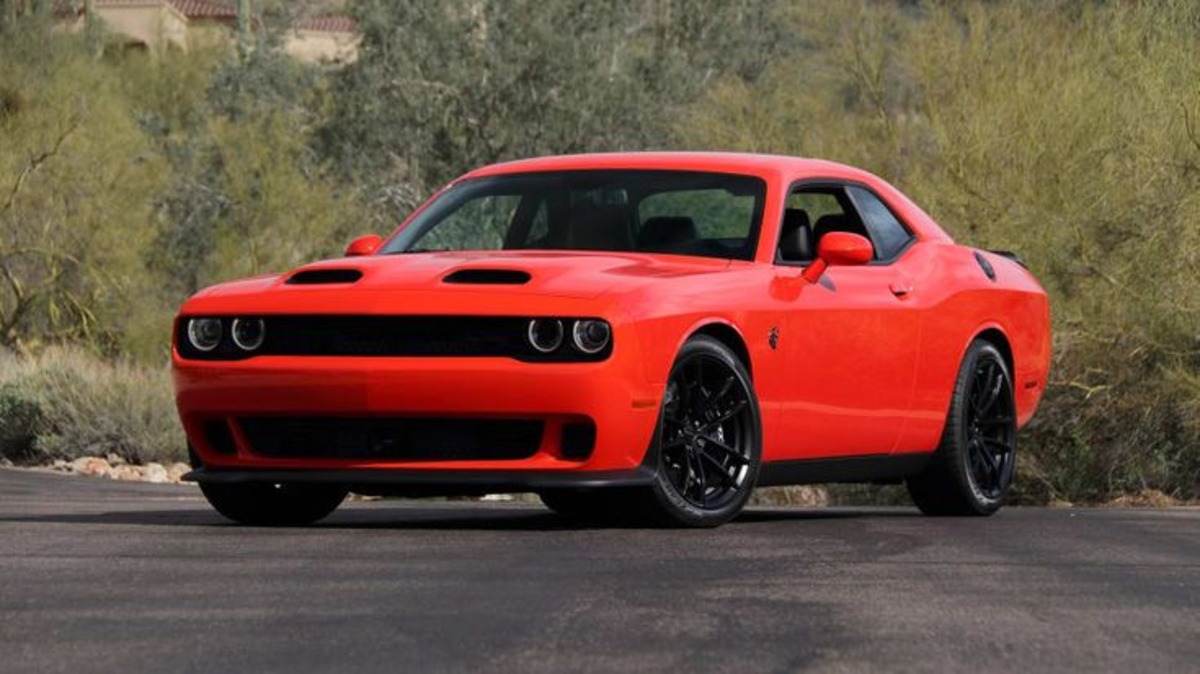
The Dodge Challenger Hellcat shook the automotive world when it debuted in 2015, offering muscle car enthusiasts an astonishing 707 horsepower from its supercharged 6.2-liter HEMI V8.
It was one of the first production cars to deliver that much power at a price accessible to a broader audience, instantly making it a legend.
Collectors are drawn to the Hellcat because it represents the peak of raw American muscle before stricter emissions standards and electrification began reshaping performance cars.
Its styling also played a major role in its success. The Challenger maintained a retro-inspired design, echoing the muscle car golden era while packing modern technology underneath.
Wide stances, aggressive lines, and available shaker hoods reminded enthusiasts of classic Mopars while proving that Detroit could still produce over-the-top performance machines.
Limited-run trims, like the Challenger Hellcat Redeye and the Demon, further cemented its status. These special editions offered even higher performance numbers, making them instant collector items.
The Demon, for example, was built in limited numbers and focused on drag-strip dominance, creating a halo effect that made even the standard Hellcat more valuable.
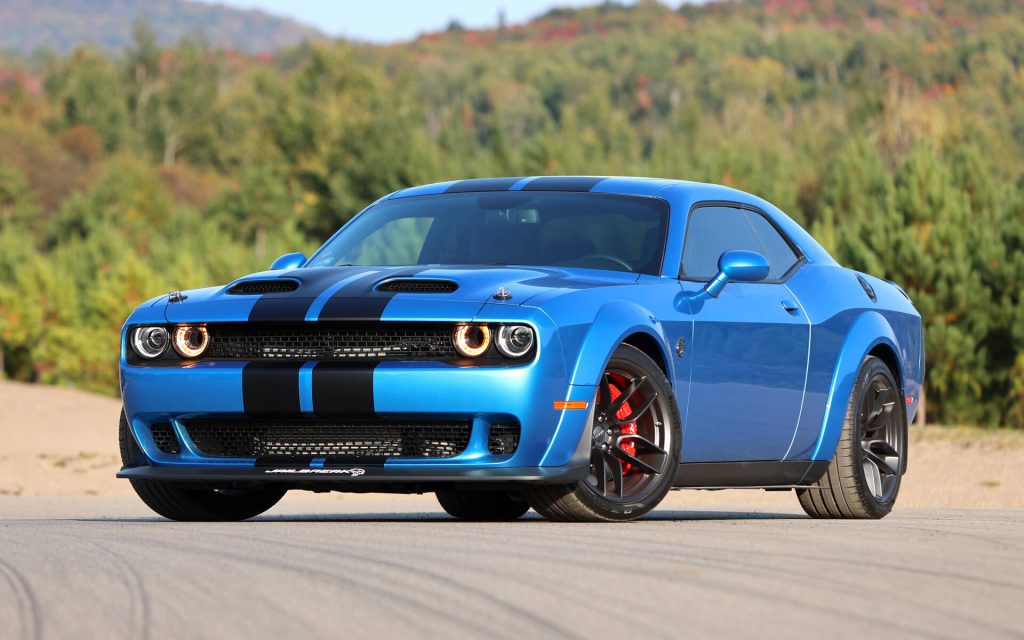
Cultural influence also matters. The Hellcat became a star in car media, YouTube drag races, and car enthusiast circles, often dominating discussions about bang-for-buck horsepower. It appealed not only to traditional muscle car fans but also to younger enthusiasts who appreciated its audacious power.
As Dodge transitions toward electrified performance, the Hellcat era is closing, which makes these models more significant for collectors. Early, well-kept examples are already commanding strong prices, and the limited editions are appreciating quickly.
It is rare for a car to combine this much performance, cultural relevance, and heritage in one package, making the Hellcat one of the defining collectible cars of the 2010s.
3. Ford Focus RS
The Ford Focus RS arrived in North America for the 2016 model year and instantly became a favorite among enthusiasts.
Packing a turbocharged 2.3-liter EcoBoost engine that produced 350 horsepower and paired with an advanced all-wheel-drive system, the Focus RS redefined what a hot hatch could deliver.
It offered blistering acceleration, razor-sharp handling, and the practicality of a five-door hatchback, creating a unique package that appealed to drivers who wanted everyday usability with track-ready performance.
One of its most distinctive features was the “Drift Mode,” a setting that allowed the car to send more power to the rear wheels, enabling controlled slides.
This quickly gained attention across automotive media and cemented the RS as a fun, spirited performer. It was not just a hot hatch; it was a showcase of engineering designed to deliver thrills in every driving condition.
Collectors value the Focus RS for its rarity in the U.S. market. Production numbers were limited, and it was only available for a few short years before being discontinued.
This scarcity has made clean examples, especially those with low miles and original parts, highly sought after. Special edition models with unique colors and slight performance upgrades have added to its appeal.
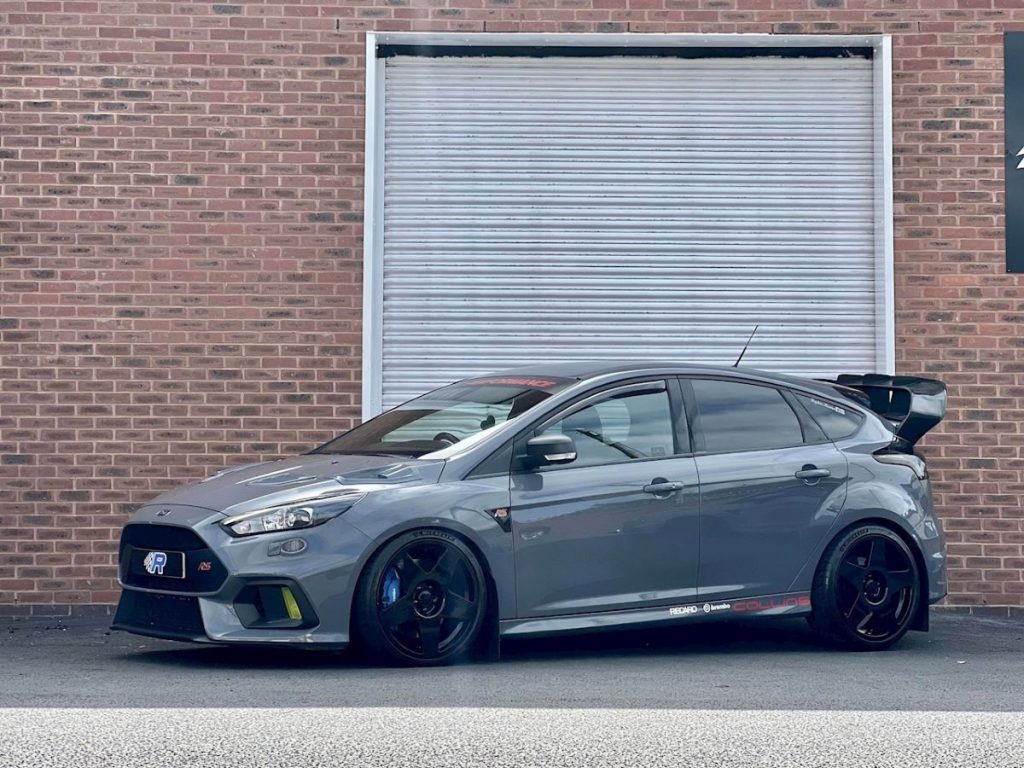
Beyond performance, the Focus RS carried forward Ford’s rally heritage, linking it to the storied RS badge in Europe. Enthusiast communities worldwide continue to celebrate this model, ensuring its place in collector circles.
As compact performance cars move toward electrification, the Focus RS stands as one of the last combustion-engine hot hatches of its kind. With its combination of power, handling, and limited availability, it has already earned a spot as a modern classic from the 2010s.
4. Chevrolet Camaro ZL1 1LE
The Chevrolet Camaro ZL1 1LE represented one of the most hardcore performance cars of the 2010s. With a supercharged 6.2-liter V8 producing 650 horsepower, it was designed not just for straight-line speed but for track dominance.
Chevrolet engineered the 1LE package to transform the Camaro into a precision instrument, adding aerodynamic enhancements, lightweight components, and a highly tuned suspension system.
Collectors are drawn to this model because it marked the high point of Camaro performance in the decade. While the standard Camaro ZL1 was already a beast, the 1LE package took it further by offering sharper cornering ability and reduced weight. It was a car designed to compete with European sports cars while keeping the muscle car heritage alive.
The Camaro’s aggressive styling added to its desirability. With its wide stance, prominent rear wing, and track-focused details, the ZL1 1LE stood out as a machine built with one purpose: speed. Its limited production numbers and specialized nature make it more valuable than standard models.
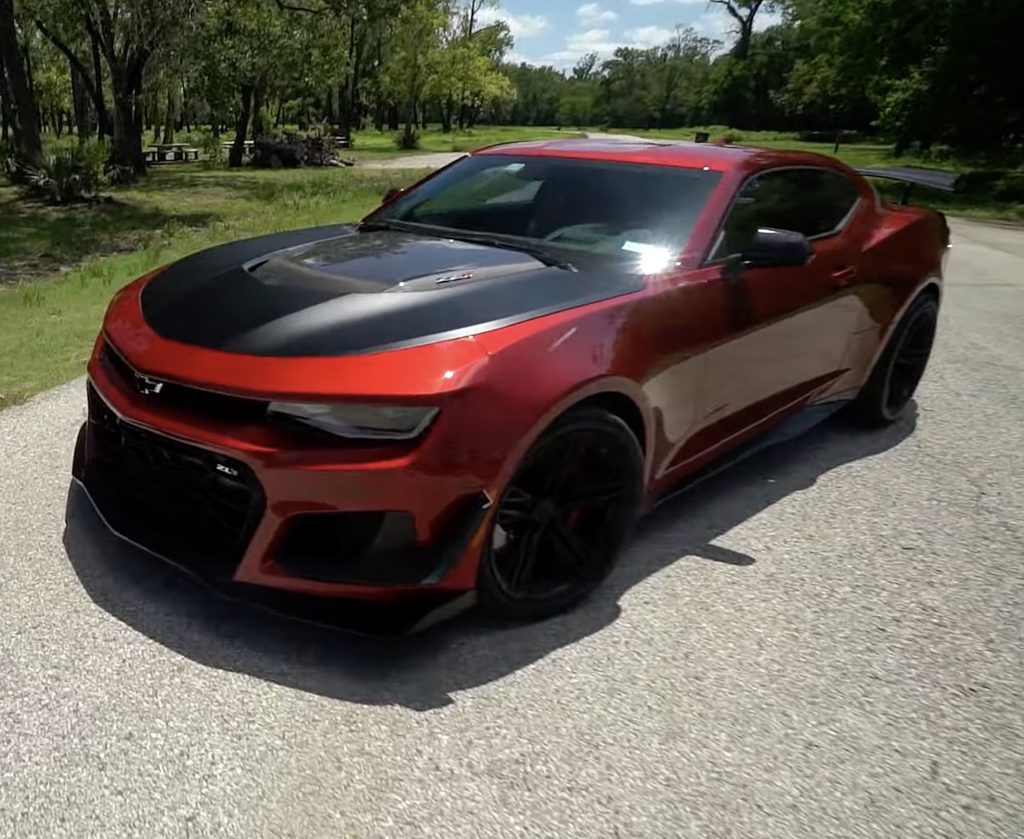
Cultural significance also plays a role. The ZL1 1LE was heavily praised by automotive journalists and track testers, often compared favorably against much more expensive performance cars. This recognition has helped boost its reputation among collectors who value performance credibility alongside heritage.
As the Camaro moves toward an uncertain future with electrification and possible discontinuation, the ZL1 1LE becomes even more meaningful.
It represents peak Camaro engineering from the 2010s and a testament to Chevrolet’s ability to deliver world-class performance.
Collectors who secure well-kept examples are holding onto a model that embodies the final glory days of raw V8 power combined with modern track engineering.
5. Lexus LFA
The Lexus LFA was one of the most surprising and ambitious cars of the 2010s. Launched in 2010 after nearly a decade of development, it showcased what Toyota’s luxury division could achieve when aiming for perfection.
Powered by a naturally aspirated 4.8-liter V10 that produced 552 horsepower, the LFA was praised for its breathtaking engine note, often described as one of the finest-sounding road car engines ever built.
What sets the LFA apart is its rarity and exclusivity. Only 500 units were produced worldwide, making it an instant collectible from the moment it was released.
Each car was meticulously hand-assembled, and Lexus ensured that no two were exactly alike by offering extensive customization options. Collectors value this individuality, as it means every LFA carries its own identity within a small production run.
The car’s design was equally striking. With sharp lines, lightweight carbon fiber construction, and a driver-focused cockpit, the LFA was built with an emphasis on performance and craftsmanship.
Its Formula One-inspired tachometer and lightning-fast gear shifts added to the sensation of driving something truly special.
While its high price tag kept sales limited at launch, the LFA has aged into a masterpiece of engineering.
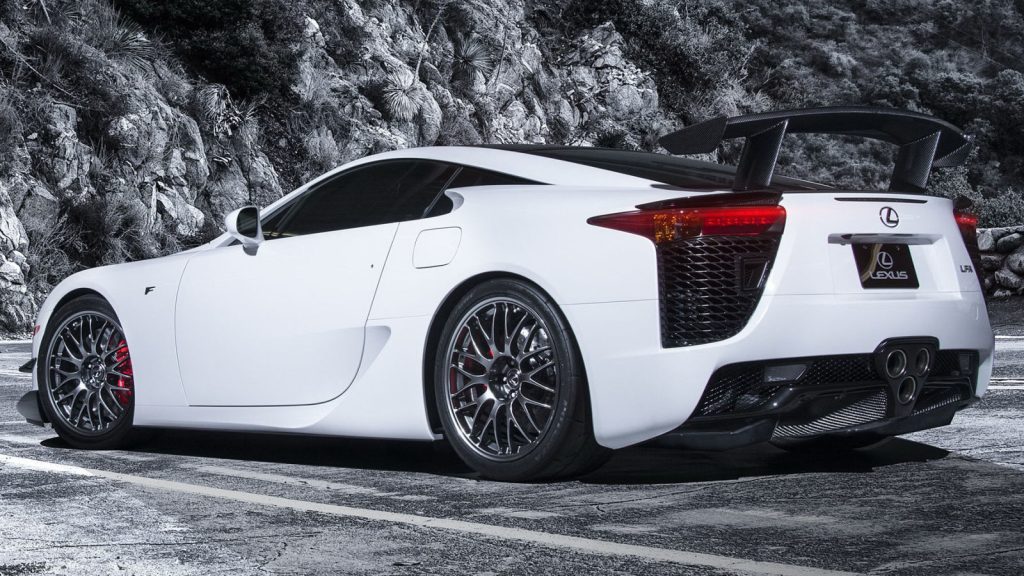
Many collectors now see it as the ultimate modern Lexus, a statement of ambition and artistry. Its reputation has only grown over time, with values climbing rapidly in recent years.
The LFA is remembered not just as a Lexus but as one of the greatest supercars of the 2010s. For collectors, owning one means holding onto a rare piece of automotive history that represents passion, sound, and craftsmanship unmatched by most rivals of its time.
6. Tesla Model S P100D
The Tesla Model S P100D was a game-changer for the automotive industry. Introduced in 2016, it became the flagship of Tesla’s lineup, offering groundbreaking electric performance with a mix of luxury and cutting-edge technology.
Its dual-motor all-wheel-drive system produced staggering acceleration, with the famous “Ludicrous Mode” allowing it to sprint from 0 to 60 mph in just 2.5 seconds, making it one of the fastest production sedans in history.
Collectors are beginning to recognize the Model S P100D as the car that redefined what electric vehicles could achieve.
While earlier EVs were often seen as practical but uninspiring, the P100D proved that electric cars could be thrilling, stylish, and luxurious. This transformation of perception ensures that the Model S will always have historical significance.
The design also plays a role. With its sleek, minimalist styling and spacious interior, the Model S was both futuristic and practical. Its massive touchscreen interface set a new standard for infotainment systems, influencing nearly every automaker in the years that followed.
Production numbers were not as limited as some collector cars, but the P100D stands out because it was the performance pinnacle of the Model S lineup.
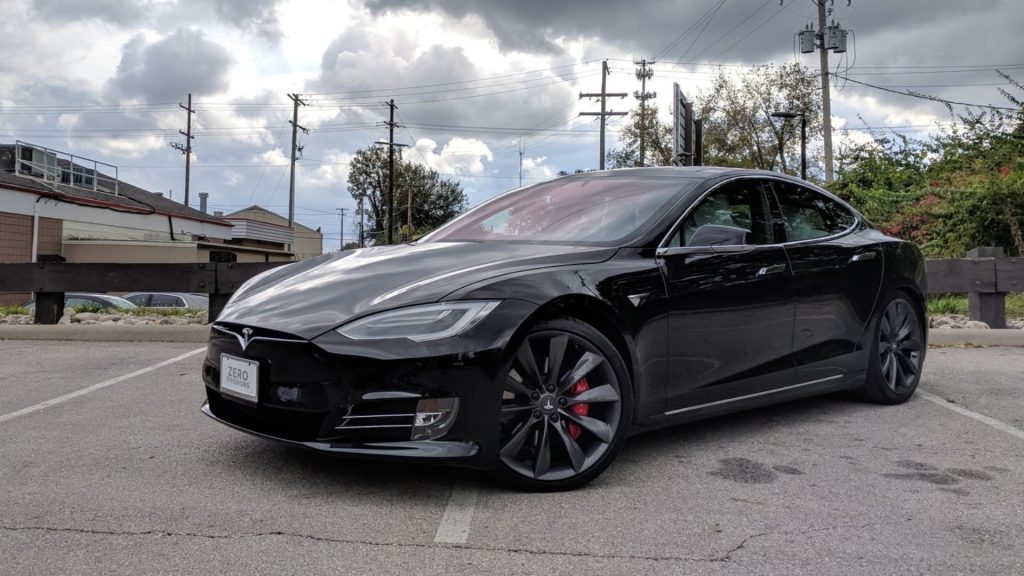
As Tesla continues evolving toward newer models and technology, early examples of the P100D are already being preserved by enthusiasts who see its importance as the car that brought electric performance into the mainstream.
Its collectible value lies not only in speed but also in cultural relevance. The P100D showed that electric cars could challenge supercars and win, creating a legacy that ensures it will always be remembered as a defining car of the 2010s.
7. BMW 1M Coupe
The BMW 1M Coupe, launched in 2011, is one of those rare cars that instantly becomes legendary. Built in limited numbers, it was created as a passion project by BMW engineers, blending parts from the M3 with the smaller 1 Series body.
The result was a compact, rear-wheel-drive coupe with a twin-turbocharged 3.0-liter inline-six producing 335 horsepower.
What made the 1M so special was not just performance but the driving experience. With a manual transmission as the only option, sharp steering, and balanced handling, it provided an old-school sports car feel in a modern package. Enthusiasts loved its raw nature, making it an instant favorite among purists who wanted a true driver’s car.
Exclusivity plays a huge role in its collectibility. Production was limited to fewer than 6,500 units worldwide, and demand far exceeded supply.
This scarcity has made the 1M Coupe one of the most sought-after BMWs of the modern era, with values appreciating significantly since its release.
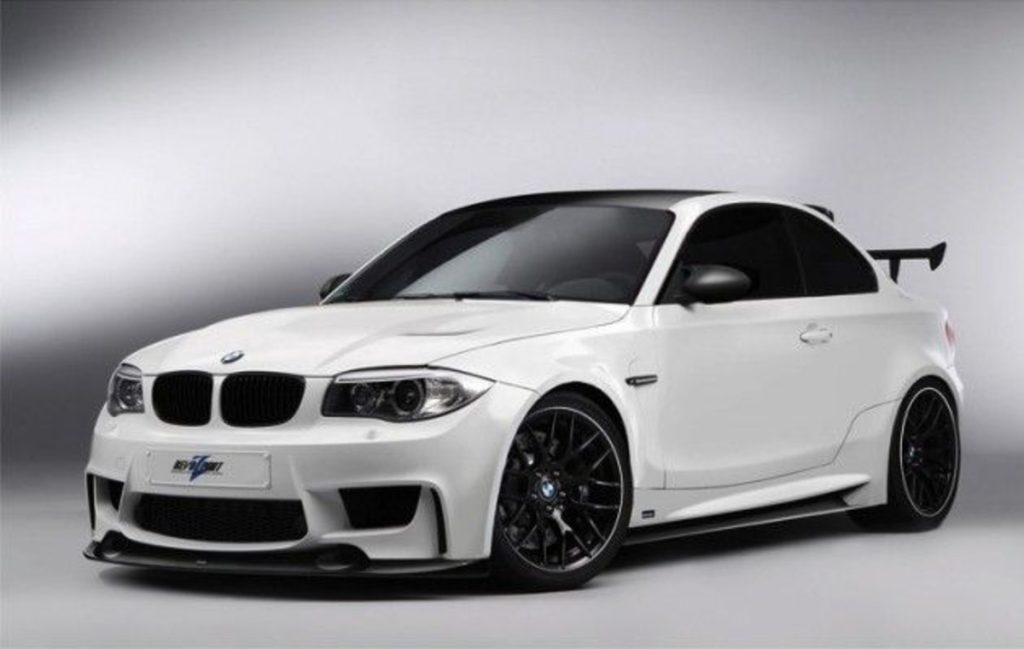
Design added to its appeal, with muscular fender flares, aggressive lines, and a stance that made it look more serious than a standard 1 Series. It had the appearance of a future classic from the start.
Collectors view the BMW 1M Coupe as a bridge between traditional BMW M values and modern performance engineering.
It represents a high point before turbocharged performance cars became too refined or automated. Today, it is already considered a modern classic and one of the most collectible cars of the 2010s.
8. Porsche 911 R (991)
The Porsche 911 R, introduced in 2016, quickly became one of the most coveted modern 911s. Built as a tribute to Porsche’s racing heritage, it combined lightweight construction with a naturally aspirated 4.0-liter flat-six engine producing 500 horsepower.
What truly set it apart, however, was the choice to pair this engine exclusively with a six-speed manual transmission.
At a time when most high-performance Porsches had moved to dual-clutch gearboxes, the 911 R catered to purists who longed for an engaging driving experience.
Collectors prize the 911 R for its rarity. Only 991 units were produced, making it an instant classic from launch.
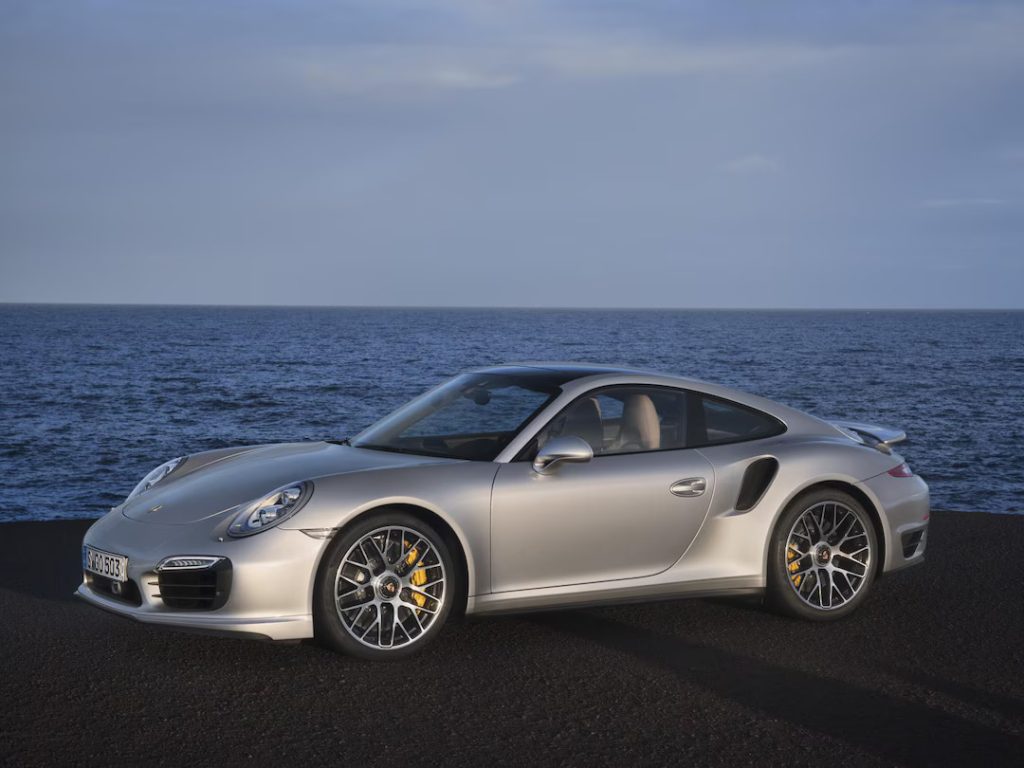
Many buyers held onto them, anticipating their future value, and they were proven right as prices surged far above original sticker within months. Its understated design, with subtle stripes and a focus on driving rather than flash, gave it a timeless appeal.
Performance was another highlight. Sharing much of its mechanical foundation with the track-focused GT3 RS but tuned for the road, the 911 R offered both precision and usability.
It was a car that could thrill on a backroad yet remain comfortable for long drives, a versatility that collectors greatly value.
Cultural importance is also undeniable. The 911 R marked Porsche’s acknowledgment of enthusiast demand for analog driving in an era of increasing automation. It symbolized a turning point where heritage and modern engineering blended seamlessly.
For collectors, the 911 R represents purity, rarity, and excellence. It is already one of the most desirable 911 models of the 21st century and will continue to hold legendary status in the decades ahead.
9. Acura NSX (Second Generation)
When Acura revived the NSX in 2016, expectations were sky-high, as the original 1990s model had become a legend. The second-generation NSX took a different approach, combining a 3.5-liter twin-turbo V6 with three electric motors for a combined 573 horsepower.
This hybrid supercar offered blistering acceleration, precise handling, and futuristic engineering that set it apart from traditional rivals.
Collectors view the second-gen NSX as significant because it showcased how hybrid technology could enhance performance rather than just improve efficiency.
Its all-wheel-drive system, advanced aerodynamics, and lightning-fast response created a driving experience that was both modern and thrilling. While some critics argued it lacked the raw feel of its predecessor, many enthusiasts appreciate its blend of technology and speed.
Production numbers were relatively low compared to mass-market supercars, which increases its long-term appeal.
Acura did not sell large volumes, especially in North America, making it rarer on the used market. Limited-run versions, such as special paint finishes and lightweight packages, are even more sought after.
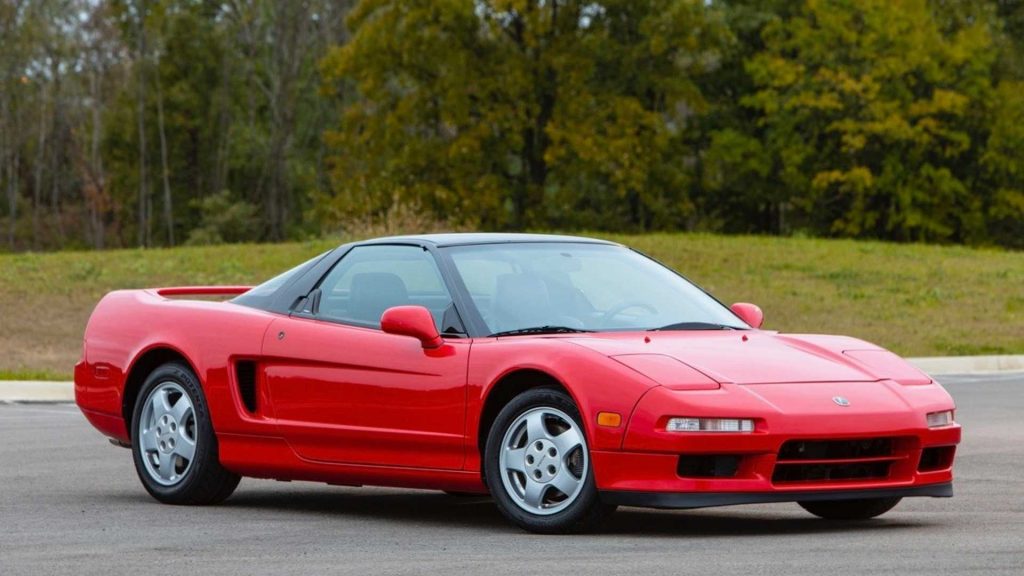
The styling also contributes to its collectible value. With sharp lines, aggressive proportions, and a futuristic cabin, the NSX stood out against European rivals. It carried forward the Japanese supercar identity into a new era.
As the car industry transitions further toward electrification, the NSX is likely to gain more appreciation for being one of the early hybrid supercars that successfully merged performance with efficiency. For collectors, it is both a technological milestone and a unique piece of Acura’s history.
10. Alfa Romeo 4C
The Alfa Romeo 4C, released in 2013, revived Alfa’s presence in the sports car market with a lightweight, driver-focused coupe. Built with a carbon-fiber monocoque chassis, it weighed under 2,500 pounds, making agility its greatest strength.
Its turbocharged 1.7-liter four-cylinder engine produced 237 horsepower, which, paired with the lightweight frame, delivered a thrilling driving experience.
Collectors value the 4C for its rarity and purity. It lacked power steering, providing raw, unfiltered feedback through the wheel, a characteristic that set it apart from most modern cars. The emphasis on weight reduction and direct handling made it feel more like a race car than a road-going coupe.
Production numbers were limited, particularly in North America, where Alfa Romeo relaunched its brand with the 4C. Both coupe and spider variants are considered collectible, with special editions like the 4C Launch Edition commanding even more attention.
Design is another factor. The 4C’s Italian styling, with sweeping curves and exotic proportions, gave it the appearance of a mini-supercar. It looked far more expensive than it was, and its distinctive character ensured it stood out wherever it went.
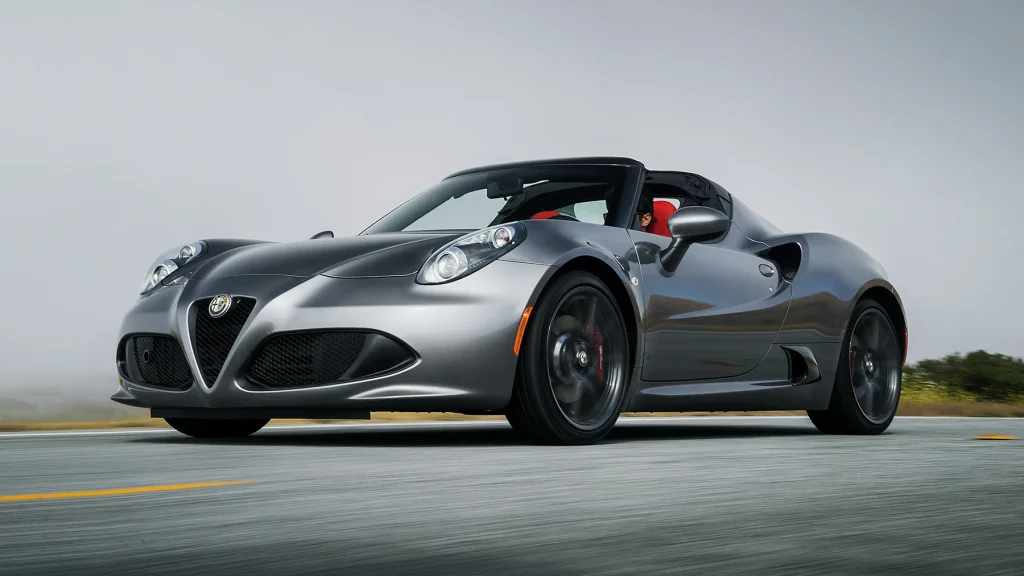
While it was not the most practical car, that was never the point. The 4C was built for enthusiasts who wanted a lightweight, analog-inspired sports car in a modern package.
As production ended in 2020, values have begun to rise, and collectors increasingly recognize it as a rare gem of the 2010s.
The Alfa Romeo 4C represents passion, design, and simplicity. For collectors, it is a modern Italian icon with all the makings of a future classic.
Also Read: 10 Cars That Survive Desert Driving vs 10 That Can’t Handle The Heat
