
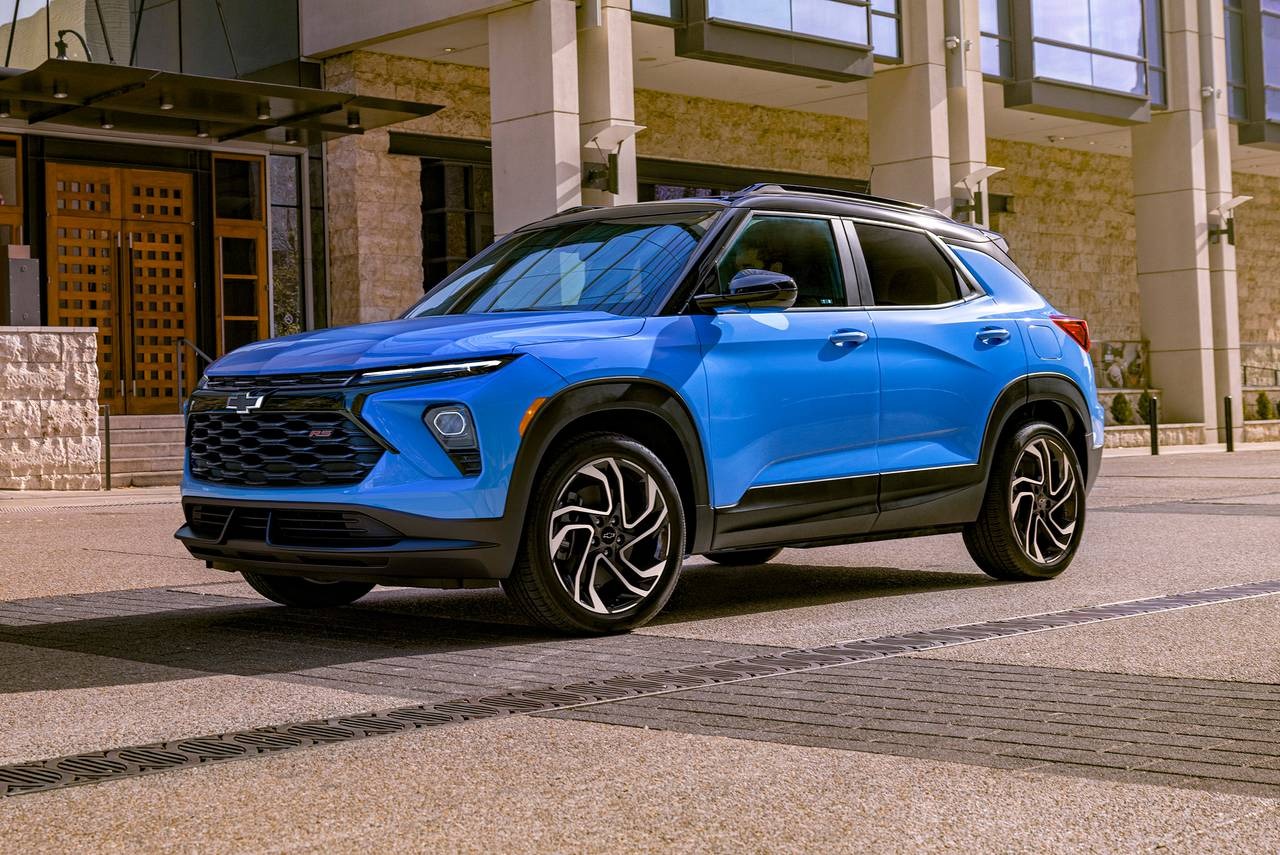
When buying an SUV, most buyers focus on engines, transmissions, and rust resistance. Yet, one of the most overlooked measures of long-term quality is how comfortable the vehicle remains after years of use.
Seats that sag, suspensions that stiffen, and cabins that rattle can transform daily driving into a chore. On the other hand, certain SUVs are engineered with materials, ergonomics, and build quality that allow them to feel supportive and composed even after 200,000 miles.
These vehicles prove that comfort is not just about luxury features but about durability that holds up over time.
This comparison highlights two distinct groups. The first celebrates five SUVs that maintain their comfort even past high-mileage marks.
They retain seat support, quiet cabins, and suspension setups that still provide balance between firmness and softness. These SUVs show that it is possible to combine durability with driver and passenger satisfaction.
The second focuses on five SUVs that often fall short in this respect. While they may still run reliably, their interiors wear prematurely, their rides become harsh, and comfort disappears as mileage piles up.
Together, these examples reveal which models keep daily driving pleasant and which struggle to age gracefully.
Also Read: 5 Subaru Outback Years Worth Owning vs 5 That Constantly Fail
5 SUVs That Stay Comfortable After 200k
An SUV that can last 200,000 miles is valuable, but one that stays comfortable while doing so is exceptional.
Comfort goes beyond simple luxury features; it means seats that don’t flatten out, cabins that remain quiet, and suspensions that can still absorb bumps without feeling worn or unstable.
These qualities make a high-mileage SUV feel newer than its odometer suggests, offering owners confidence in both longevity and daily usability.
The SUVs in this section are chosen because they combine durable engineering with thoughtful design that keeps drivers and passengers at ease.
Their manufacturers prioritized supportive materials, solid construction, and ride quality that doesn’t quickly deteriorate. While maintenance always plays a role, these vehicles consistently prove that they can hold onto their comfort longer than most competitors.
From well-cushioned seating to noise insulation and strong chassis design, these SUVs demonstrate how attention to detail pays off in long-term satisfaction.
They remind buyers that a dependable vehicle should also provide a pleasant ride even after hundreds of thousands of miles.
Here are five SUVs that remain remarkably comfortable beyond 200k, showing what sets them apart and why they continue to earn loyalty from owners.
1. Toyota Land Cruiser
The Toyota Land Cruiser has long been associated with durability, but one of its most overlooked qualities is how comfortable it remains even after crossing 200,000 miles.
Owners often report that the seats, while firm, maintain excellent support over long trips. The cushioning resists flattening, which makes a huge difference on high-mileage vehicles where lesser SUVs often suffer from sagging upholstery.
Part of the Land Cruiser’s comfort comes from its suspension setup. While designed for off-road use, Toyota engineered it to absorb road imperfections without transferring excessive vibration into the cabin.
Even with years of wear, the body-on-frame design paired with adaptive dampers on newer generations helps preserve ride quality.
Cabin noise is also kept low thanks to quality insulation and precise panel fitment, something that tends to deteriorate on other SUVs with age.
Another reason the Land Cruiser stays comfortable is the attention to interior durability. The leather, plastics, and trim materials are chosen for longevity, and they tend to resist cracking and creaking even after years of use in harsh climates.
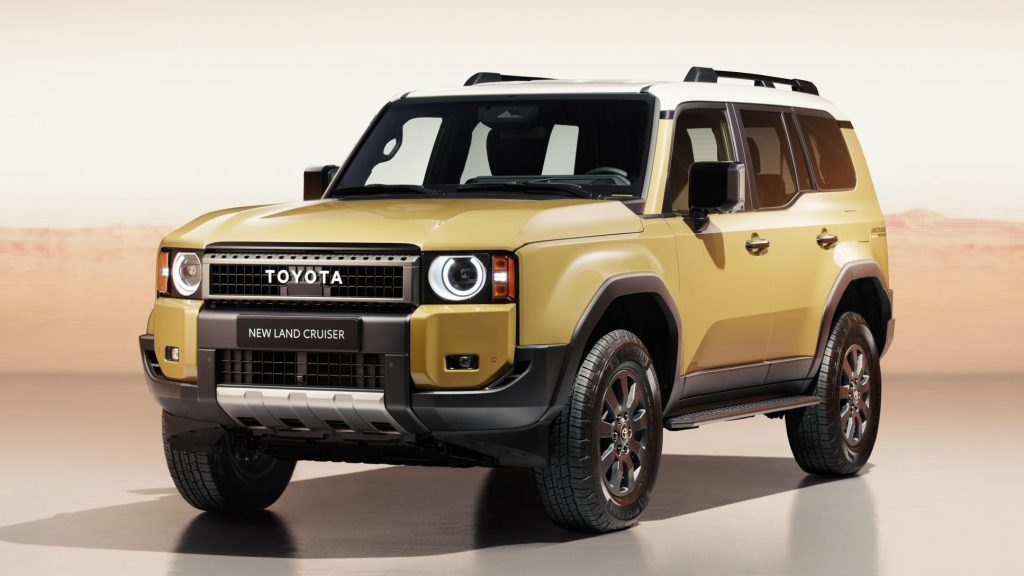
This combination of mechanical toughness and long-lasting comfort has earned it a reputation not only as a global adventure vehicle but also as a reliable family hauler.
The Land Cruiser is included here because it proves that comfort and endurance can coexist. For owners who keep vehicles long term, few SUVs maintain such balance between ruggedness and passenger satisfaction after 200k miles.
2. Lexus RX
The Lexus RX is widely regarded as one of the most reliable luxury SUVs, but what makes it stand out is how well it preserves its comfort over time. Even after 200,000 miles, many RX models still feel smooth, quiet, and supportive, qualities that matter to daily commuters and long-distance drivers alike.
The suspension is tuned for comfort rather than sportiness, which allows the RX to soak up road imperfections gracefully.
Unlike some SUVs that develop rattles or harshness with age, the RX maintains its calm ride thanks to robust suspension components and solid chassis construction.
The cabin remains insulated from wind and road noise, and many owners note that it still feels refined even when competing vehicles of the same age sound worn out.
Inside, the RX benefits from Lexus’s use of durable leather, resilient foam padding, and soft-touch materials that resist cracking.
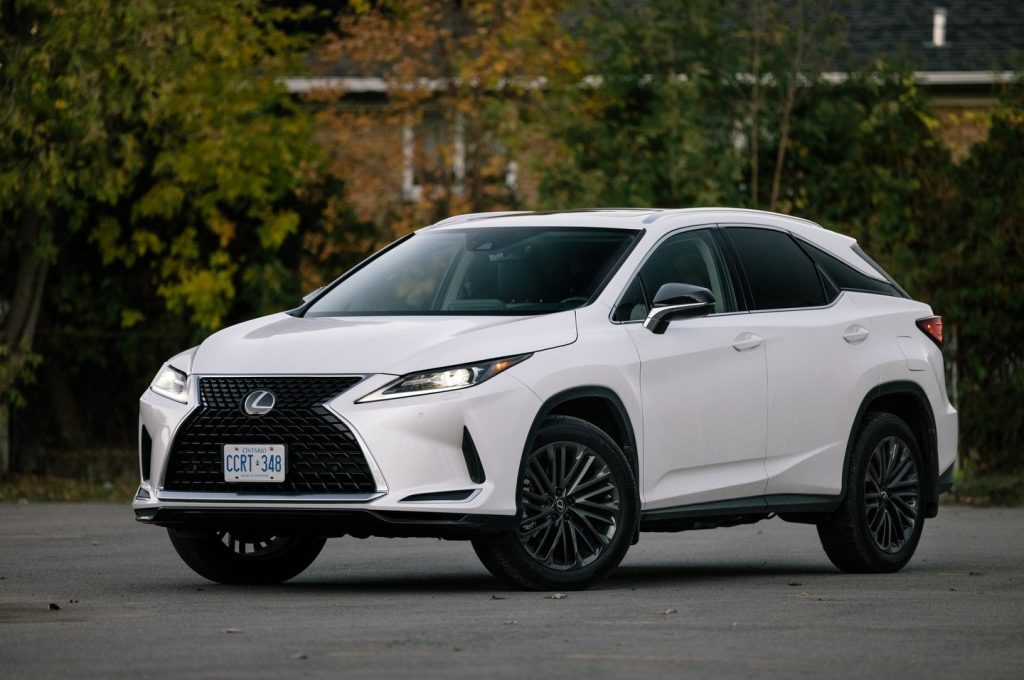
The seats remain supportive for long drives, and the ergonomics are designed in a way that reduces driver fatigue. Even controls and switches tend to hold up well, offering the same tactile feel after years of use.
The RX earns its place here because it highlights how careful engineering and high-quality materials contribute to long-term comfort.
For buyers seeking an SUV that balances reliability with a consistently pleasant driving experience, the RX is one of the few that truly holds up after 200k miles.
3. Honda Pilot
The Honda Pilot has earned its reputation as a practical family SUV, but what stands out is how comfortable it remains after years of service and high mileage.
Many owners report that even at 200,000 miles, the Pilot continues to deliver a smooth ride and supportive interior that make it an excellent long-term companion.
One of the reasons the Pilot holds up so well is Honda’s thoughtful approach to seating design. The cushions are firm enough to avoid sagging yet soft enough to reduce fatigue on long drives.
Unlike some competitors whose seats lose support after years of use, Pilots tend to retain their shape. Families who depend on them for daily commuting and road trips benefit from this durability.
The suspension is another strength. Tuned for a balance between comfort and control, it absorbs rough pavement without becoming floaty.
Even when bushings and shocks eventually need replacement, the Pilot responds well to fresh components, restoring much of its original smoothness.
Interior materials also play a role. Honda used sturdy plastics and fabrics that resist wear better than most in its class. While not luxurious, they age gracefully without excessive squeaks or rattles.
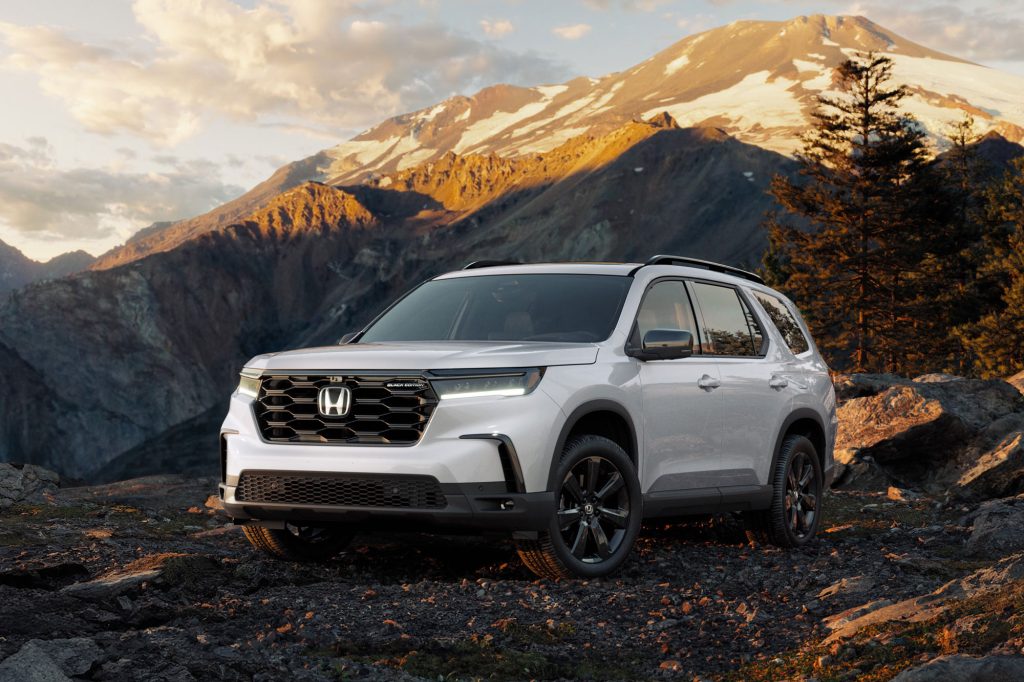
The Pilot earns its place here because it shows that comfort is not exclusive to luxury SUVs. Its long-lasting seats, composed ride, and dependable interior construction allow it to remain comfortable well past 200,000 miles, making it a reliable and pleasant choice for high-mileage families.
4. Mercedes-Benz ML350
The Mercedes-Benz ML350, particularly the W164 and W166 generations, demonstrates how a well-engineered luxury SUV can maintain comfort long after most vehicles feel worn.
Even beyond 200,000 miles, many ML350s retain their quiet cabins, cushioned ride, and refined seating, standing as proof of Mercedes’ commitment to long-term comfort.
The ML350’s suspension design is a major contributor. Many models feature AIRMATIC air suspension, which provides a smooth and adaptive ride.
Even when components eventually need replacement, properly maintained systems allow the ML350 to continue absorbing bumps with ease. Owners often note that the SUV still feels composed and planted, even on rough roads, long into its lifespan.
Interior quality is another highlight. Mercedes used high-grade leather, wood trims, and soft-touch plastics that resist cracking and fading.
The seats are wide, supportive, and built with durable foam padding, ensuring comfort for drivers and passengers over extended use. Cabin insulation also remains effective, keeping out wind and road noise to preserve a sense of refinement.
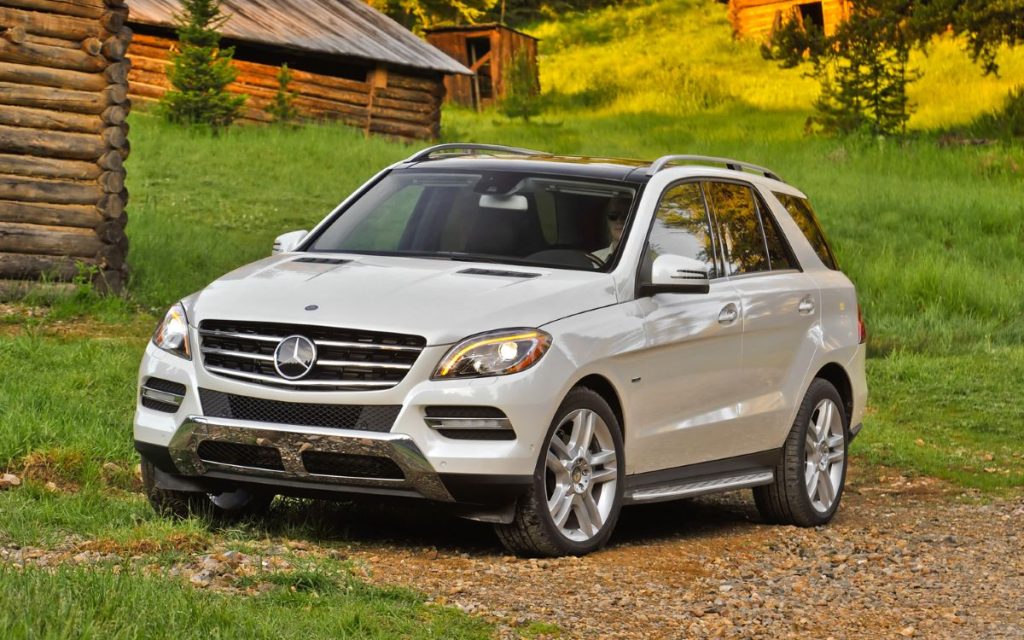
The ML350 is included here because it illustrates how premium engineering can translate into lasting comfort.
While it may require more attentive maintenance than some mainstream SUVs, its ability to retain smooth ride quality and a plush cabin after 200k miles makes it a standout in this category.
5. Chevrolet Suburban
The Chevrolet Suburban has been a cornerstone of large family SUVs for decades, and one of its most impressive traits is how comfortable it remains after racking up serious mileage.
Even past 200,000 miles, well-maintained Suburbans often deliver a smooth ride, roomy interior, and supportive seating that continues to make long trips enjoyable.
A big part of its comfort lies in the suspension. Built on a truck-based platform, the Suburban uses a coil-spring or independent rear suspension (depending on the generation) that is tuned for passenger comfort rather than pure toughness.
This design allows it to absorb bumps and highway expansion joints without transferring excessive harshness into the cabin. Even when towing or carrying a full load of passengers, the Suburban maintains a steady and composed ride.
The interior is another reason it holds up so well. The seats are generously sized, with durable foam and leather or cloth materials that resist sagging better than many competitors.
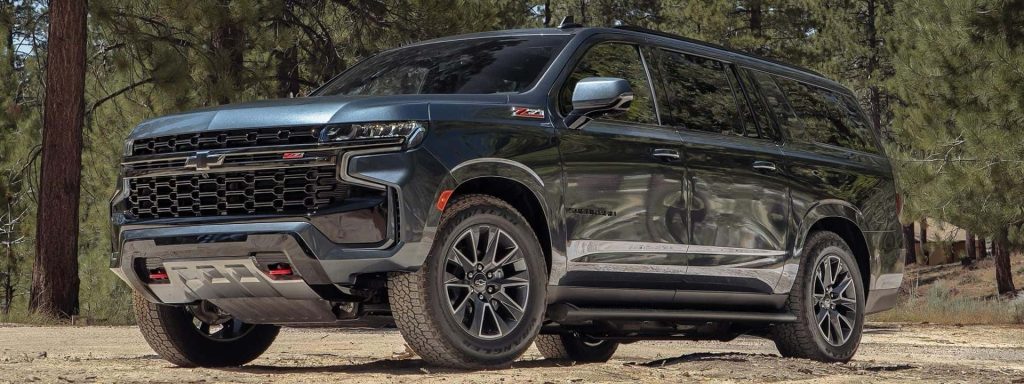
Families often note that even third-row seating remains usable for adults after years of service. Road noise is also kept to a minimum, thanks to good insulation and solid door seals.
The Suburban is included here because it proves that size and comfort can last together. Its roomy design, resilient suspension, and sturdy seating make it a top choice for families who keep their vehicles long term. Even with high mileage, the Suburban delivers the same comfort that has defined it for generations.
5 SUVs That Don’t Stay Comfortable After 200k
While some SUVs remain supportive and refined well into high mileage, others begin to show their age in ways that directly affect comfort.
Seats that flatten, suspensions that stiffen, and interiors that rattle can make even short drives tiring once the odometer climbs past 200,000 miles. These SUVs may still be mechanically dependable, but their ability to keep passengers at ease fades faster than expected.
Comfort decline can result from cost-cutting in seat materials, weak suspension designs, or insufficient insulation against road noise. Over time, these issues build up, leaving owners with a vehicle that feels older than it actually is.
For families, commuters, and long-distance travelers, the lack of support and refinement becomes one of the most noticeable drawbacks of keeping these SUVs into high-mileage territory.
This section highlights five SUVs that often struggle to hold onto their comfort. While they may have strengths in durability or affordability, their interiors and ride quality reveal shortcomings that surface earlier than many competitors.
By examining these models, buyers can better understand how long-term comfort varies across the SUV market and why some vehicles lose their pleasant character sooner than others.
1. Jeep Grand Cherokee (WK, 2005–2010)
The Jeep Grand Cherokee from the 2005–2010 WK generation is widely praised for its off-road ability and rugged appeal, but it often struggles to maintain comfort after high mileage.
Owners frequently report sagging seats, stiffening suspension components, and a cabin that grows noisy with age, making long trips less enjoyable than in earlier years.
One factor is the suspension design. While initially tuned for a balance between off-road capability and on-road comfort, control arm bushings, shocks, and air suspension components wear unevenly over time.
By the 200,000-mile mark, many vehicles develop a harsher ride, especially on rough or uneven pavement. The air suspension in particular is prone to leaks, which can dramatically reduce ride quality and cause uneven handling.
Interior materials also contribute to the decline. Leather seats often crease, foam cushions lose support, and plastics begin to rattle.
Even minor loosened trim pieces can magnify cabin noise, which reduces the overall perception of comfort. Road noise tends to increase as seals age, further diminishing the driving experience.
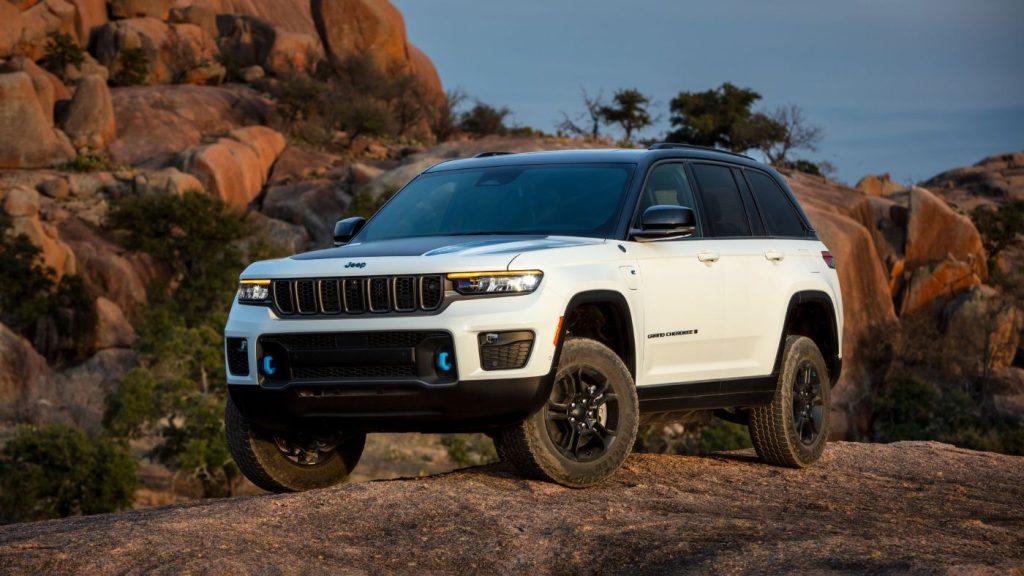
The Grand Cherokee is included here because it highlights how an SUV can remain mechanically capable yet fall short in comfort as mileage accumulates.
While it remains a durable vehicle in many respects, its cabin and ride quality often betray its age, reminding owners that high mileage doesn’t always mean lasting comfort.
2. Ford Explorer (3rd Generation, 2002–2005)
The 2002–2005 Ford Explorer was popular for its versatility, but it often loses comfort well before reaching 200,000 miles. Owners commonly report that seats flatten over time, the ride stiffens, and the cabin becomes noisier, making even routine commutes less pleasant.
One major issue is the suspension. Early third-generation Explorers used torsion bar front suspensions and solid rear axles, which were durable but prone to stiffness as bushings and shock absorbers aged.
Worn components translate to a harsher ride and a jarring feeling over bumps, particularly for passengers in the rear seats.
The interior is another concern. Foam padding in the seats compresses quickly, causing support to decline, while upholstery materials often show signs of cracking and wear.
Dash and door panels may develop rattles, contributing to an overall sense of aging inside the vehicle. Noise insulation also deteriorates, allowing more wind and road noise to enter the cabin.
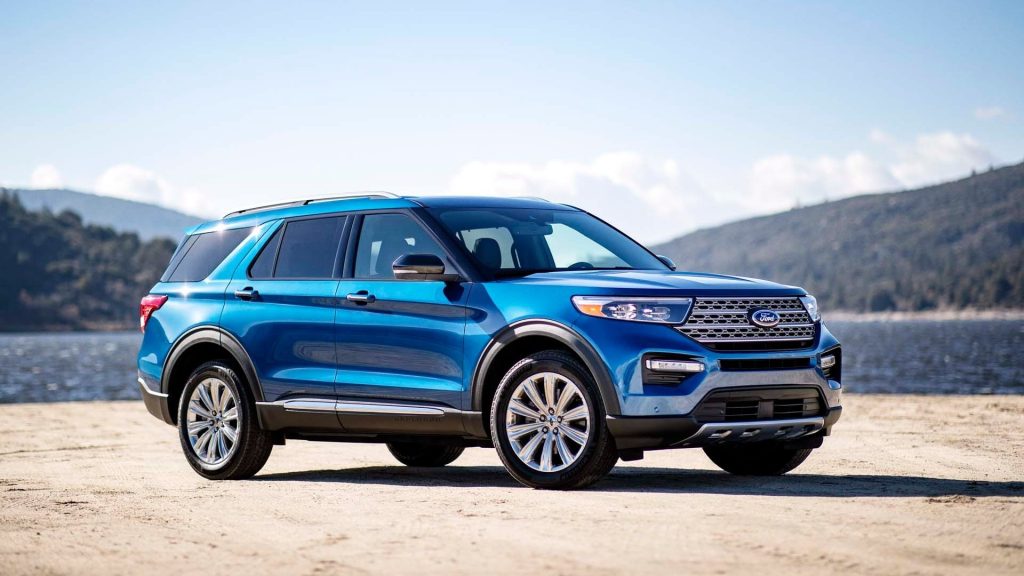
This Explorer earns a spot on this list because it demonstrates that mechanical reliability alone does not guarantee a comfortable ride.
Even with a strong drivetrain, the aging interior and suspension components cause the vehicle to feel rough and fatigued, highlighting the importance of material and design choices for long-term comfort.
3. Chevrolet Trailblazer (2002–2009)
The Chevrolet Trailblazer, particularly models from 2002 to 2009, is a midsize SUV that struggles to retain comfort with high mileage.
While it offered decent reliability and utility, many owners report that its ride quality and interior comfort deteriorate faster than expected, making it less enjoyable for long-term ownership.
One significant factor is the suspension. The Trailblazer uses a combination of independent front suspension and a solid rear axle, which was designed for durability but tends to become harsh as bushings, shocks, and sway bar components wear out. By 200,000 miles, many vehicles exhibit a stiff, jarring ride that transfers bumps and road imperfections directly into the cabin.
Seat construction also contributes to discomfort. Cloth and leather options both show premature sagging and loss of foam support, especially in the driver and front passenger seats.
Rear seats also flatten quickly, reducing comfort for long trips or family use. Interior materials such as plastics and door panels often begin to rattle, adding to the perception that the SUV has aged beyond its mileage.
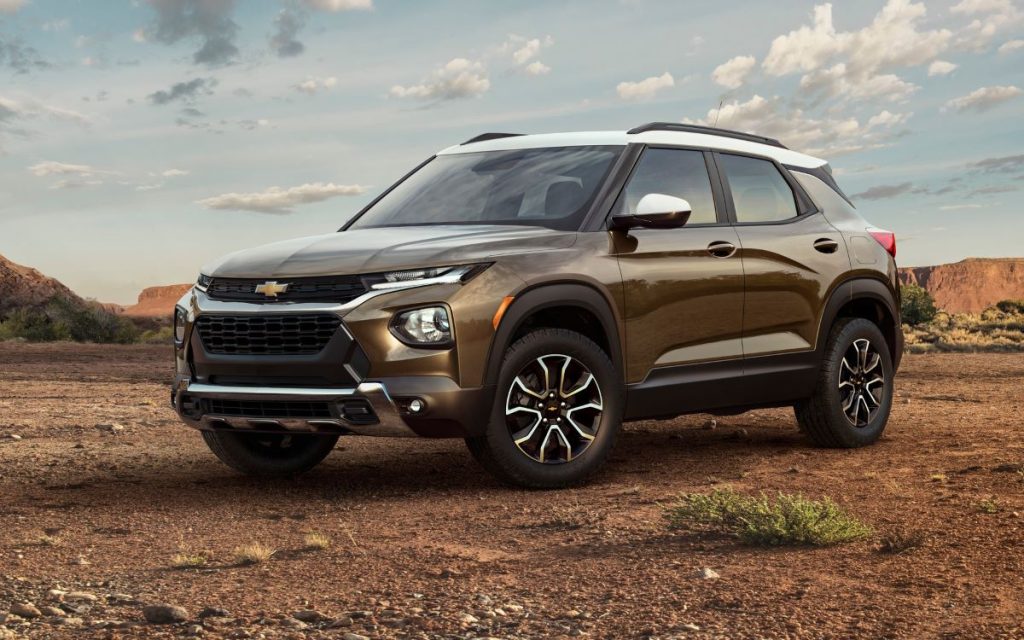
The Trailblazer earns a place on this list because it highlights how a vehicle can remain mechanically functional yet fail to deliver a pleasant ride over time.
While still capable of handling daily driving and moderate off-road work, its cabin comfort suffers significantly as mileage climbs, making it a less desirable choice for long-term comfort-conscious buyers.
4. Nissan Pathfinder (R51, 2005–2012)
The Nissan Pathfinder from the 2005–2012 R51 generation was marketed as a comfortable family SUV, but many high-mileage examples reveal significant declines in ride quality. Owners often report sagging seats, harsh suspension, and interior noise that increases with age, reducing the overall comfort level.
The suspension design contributes heavily to this issue. While initially tuned for balance between handling and comfort, the combination of aging shocks, worn bushings, and deteriorating ball joints leads to a stiff, unsettled ride.
Even on smooth highways, vibrations become noticeable, and rougher roads amplify discomfort. The Pathfinder’s solid rear axle setup, while durable, further magnifies this effect as components age.
Inside the cabin, seat cushions lose support and foam deteriorates faster than in some competitors. Leather and cloth surfaces often crack or crease, while interior trim pieces begin to loosen and rattle.
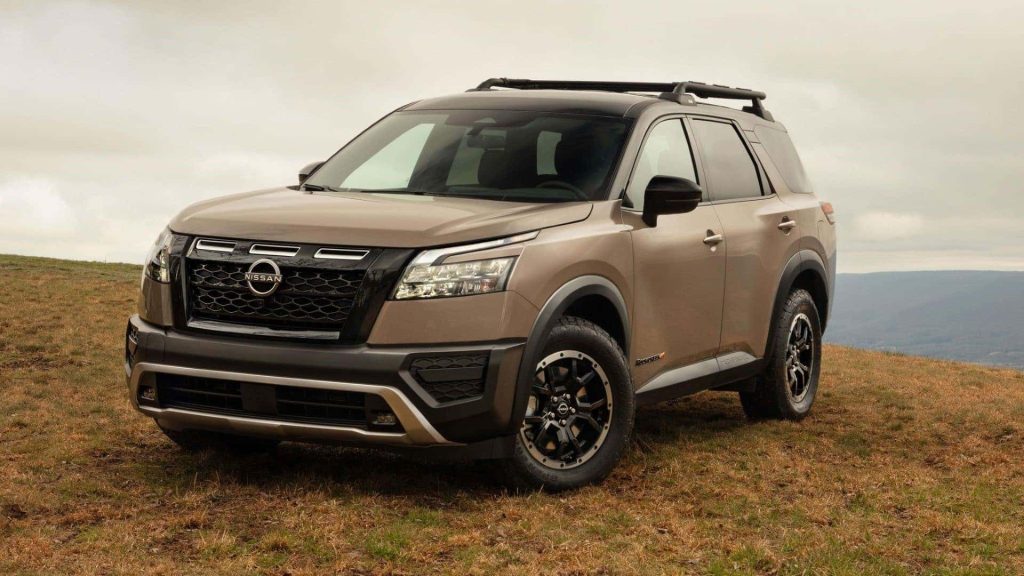
Cabin insulation also becomes less effective over time, allowing wind and road noise to penetrate more easily, which detracts from passenger comfort.
The Pathfinder is included on this list because it demonstrates how a well-loved SUV can fail to maintain comfort over the long haul.
While it may remain reliable mechanically, the aging interior and suspension make it a less pleasant experience for drivers and passengers after high mileage.
5. Ford Edge (2007–2014)
The Ford Edge, particularly the first-generation models produced between 2007 and 2014, is another SUV that struggles to maintain comfort over high mileage.
While it offers solid performance and modern features, many owners notice that the ride quality and interior support decline noticeably as the vehicle approaches or surpasses 200,000 miles.
A major factor is the suspension. The Edge uses a front independent MacPherson strut and a multi-link rear setup, which provide a smooth ride when new.
However, as shocks, struts, and bushings age, the SUV develops a stiffer, more jarring ride. Rear passengers, in particular, often feel the effects of worn suspension components, which reduces long-distance comfort.
Seats are another weak point. The foam in the driver and passenger seats compresses over time, leading to sagging and reduced support. Leather surfaces also tend to show early creasing, while cloth options flatten more quickly.
Door panels and dashboard trim can begin rattling with age, amplifying the perception that the interior has aged faster than the vehicle itself.
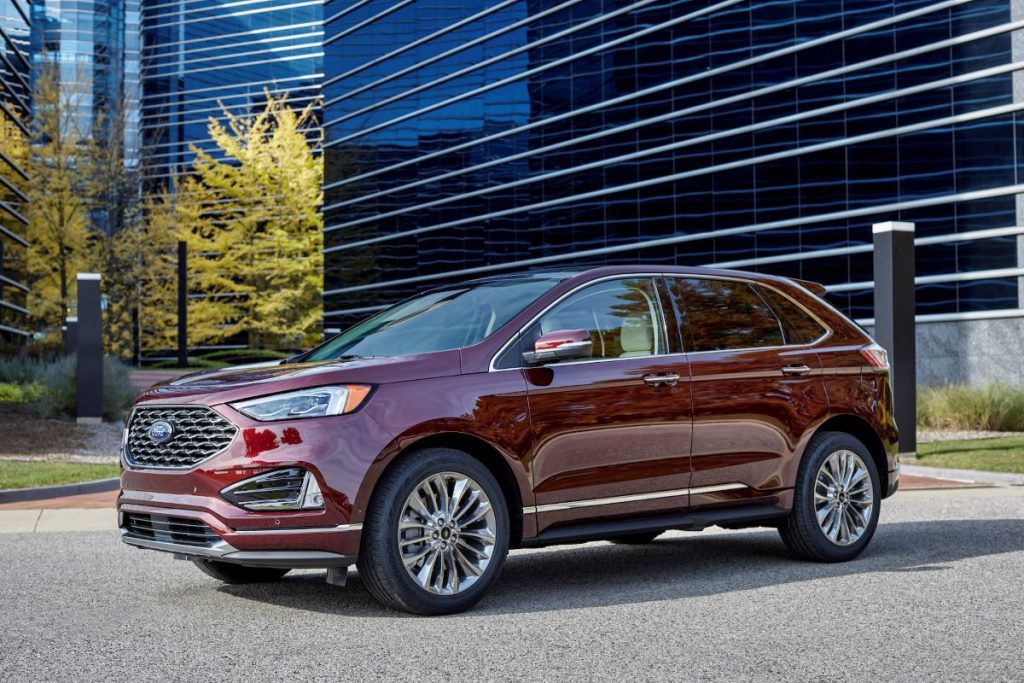
The Ford Edge earns its place on this list because it illustrates that even a modern, well-featured SUV can fail to hold up in comfort over the long term.
Despite maintaining mechanical reliability, the aging suspension and interior materials lead to a noticeable drop in ride quality and passenger support, making it a less ideal option for buyers seeking long-term comfort.
Comfort is a key measure of a vehicle’s long-term appeal, yet not all SUVs maintain it as mileage accumulates.
Some models retain supportive seating, smooth rides, and quiet cabins well past 200,000 miles, while others begin to feel harsh, rattly, or worn, even if their mechanical components remain functional.
The Toyota Land Cruiser, Lexus RX, Honda Pilot, Mercedes-Benz ML350, and Chevrolet Suburban demonstrate how thoughtful engineering, durable materials, and well-tuned suspensions can preserve comfort over time.
These SUVs maintain seat support, ride quality, and cabin quietness even as mileage climbs, proving that long-term satisfaction is about more than just reliability.
Conversely, the Jeep Grand Cherokee, Ford Explorer, Chevrolet Trailblazer, Nissan Pathfinder, and Ford Edge often lose their comfort early.
Flattened seats, stiffening suspensions, and rattling interiors reduce the driving experience, reminding owners that durability alone does not guarantee a pleasant ride.
The comparison shows that high-mileage SUVs vary widely in long-term comfort. Buyers who prioritize passenger support, smooth suspension, and quiet cabins should pay attention to these examples.
Selecting vehicles known for lasting comfort ensures that even at 200,000 miles, the SUV remains enjoyable, practical, and reliable for daily driving and long trips alike.
Also Read: 5 Trucks That Keep Strong Frames vs 5 Known For Frame Rot
