
Engines are the backbone of vehicle longevity, and how they perform after 200,000 miles often defines the true reliability of a car or truck.
While many powertrains start strong, only a select group can maintain smooth operation, consistent performance, and minimal vibration after crossing this milestone.
These engines are typically engineered with stronger components, better cooling, and thoughtful designs that reduce wear over time.
They show that durability is as much about quality engineering as it is about regular maintenance.
On the other hand, not every engine is able to retain refinement past the 200,000-mile mark. Some begin to develop rough idles, increased vibration, and uneven power delivery much sooner.
This may be the result of weaker materials, design compromises, or common issues that multiply as mileage climbs.
These engines might still run, but the difference in smoothness becomes clear when compared to more resilient options.
This comparison looks at ten well-known engines, splitting them into two groups. The first includes five engines celebrated for staying smooth long past 200k.
The second features five that often turn rough too quickly. For buyers and enthusiasts alike, knowing which engines maintain refinement is just as important as knowing which ones may falter with age.
Also Read: 9 Engines That Survive Hard Racing Conditions
5 Engines That Stay Smooth After 200k
When an engine crosses 200,000 miles, it’s more than just a number it’s proof of design strength, material quality, and owner-friendly engineering. Engines that remain smooth at this stage don’t just keep running; they keep running well.
They continue to deliver consistent power without the shakes, rattles, or rough idle that often signal wear.
These engines are valued not only for their longevity but also for the comfort they provide in daily driving, even when the odometer is well past what many cars ever reach.
The engines highlighted in this section share some important traits. They use robust block designs, reliable timing systems, and proven fuel delivery setups that withstand the test of time.
Their cooling and lubrication systems also help reduce internal stress, keeping wear minimal even under demanding conditions.
Importantly, these engines are supported by strong reputations in real-world use, with countless high-mileage examples still running smoothly.
These five engines are worth focusing on because they highlight the engineering approaches that deliver long-term refinement.
While many engines can be kept alive with constant repairs, the ones here show a rare ability to stay smooth naturally, reflecting both smart design and dependable manufacturing.
1. Toyota 2UZ-FE V8
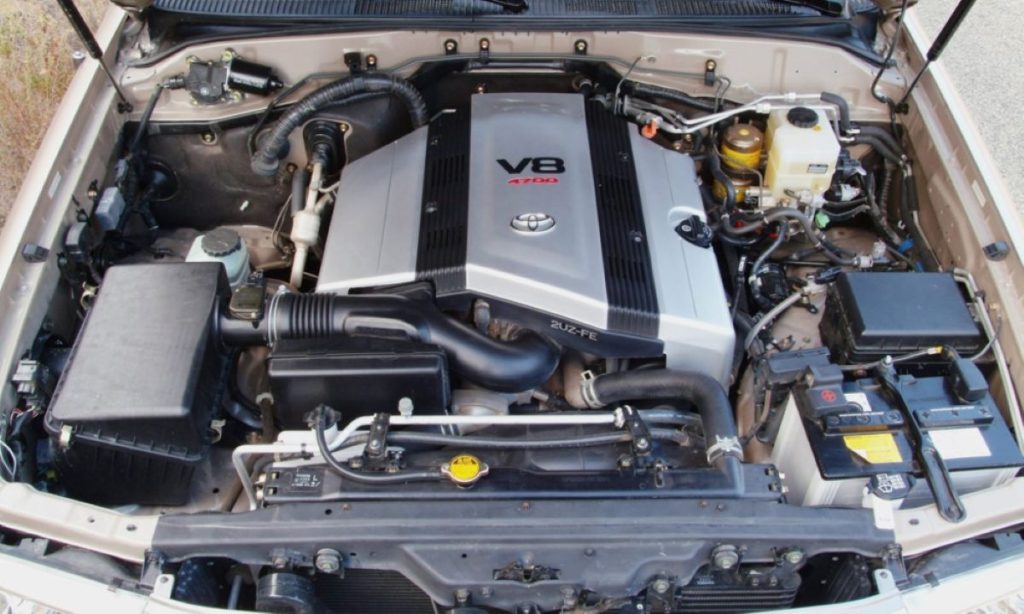
The Toyota 2UZ-FE 4.7L V8 is one of the most respected long-life engines, especially known for its smoothness beyond 200,000 miles.
Found in vehicles like the Toyota Land Cruiser, Sequoia, and Tundra, it has earned a reputation for reliability under both daily driving and heavy workloads. What sets it apart is Toyota’s focus on overengineering rather than cutting costs.
The 2UZ-FE uses a cast-iron block paired with aluminum heads, giving it a balance of strength and cooling efficiency. This design reduces wear on internal components, keeping vibrations low even at high mileage.
The timing belt system, when replaced at proper intervals, contributes to quiet and consistent operation. Owners often report that even with 300,000 miles, the engine idles smoothly and accelerates without hesitation.
Another factor is Toyota’s conservative tuning. Unlike some V8s designed for maximum output, the 2UZ-FE emphasizes steady, reliable power delivery.
This approach not only extends component life but also maintains refinement over the long haul.
This engine is included because it showcases how durability and smoothness can go hand in hand.
The 2UZ-FE proves that a well-built V8 can continue to feel solidly refined decades after leaving the factory, making it a favorite among long-term truck and SUV owners.
2. Honda J35 V6
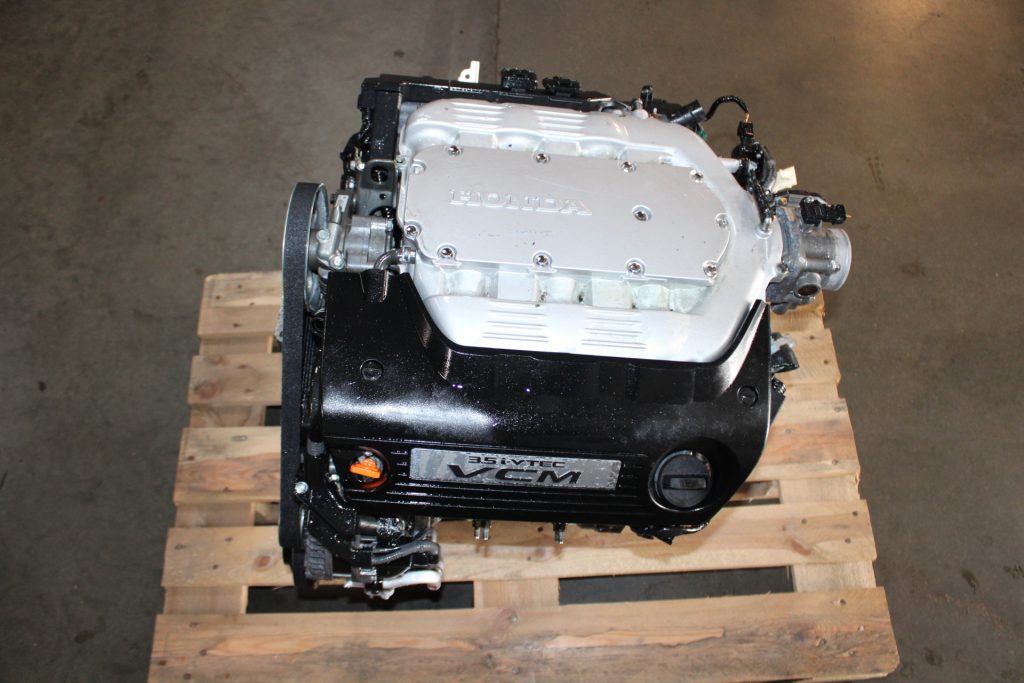
The Honda J35 3.5L V6 has powered millions of vehicles, including the Honda Accord, Pilot, Odyssey, and Ridgeline. Known for its balance of performance and refinement, the J35 is also one of the smoothest-running engines past 200,000 miles when properly maintained.
Its strong design and Honda’s attention to precision engineering allow it to deliver consistent operation even as the odometer climbs.
Key to the J35’s smoothness is its aluminum block and head construction, which keeps weight down while maintaining strength. The engine also uses a well-designed valvetrain and efficient cooling system, minimizing hot spots that could otherwise accelerate wear.
Later versions incorporated Honda’s Variable Cylinder Management system, though even earlier non-VCM versions remain exceptionally durable.
Owners frequently praise the J35 for its ability to retain a steady idle and linear power delivery well beyond 200k.
Timing belt changes and regular oil service are critical, but with proper care, the engine rarely develops the harshness seen in some competitors. Even transmission issues in certain vehicles don’t overshadow the engine’s inherent smoothness.
The J35 earns its spot here because it proves a high-volume engine can deliver long-lasting refinement. It continues to run quietly, efficiently, and smoothly for hundreds of thousands of miles, making it a standout example of Honda’s engineering philosophy.
3. Lexus/Toyota 1UZ-FE V8
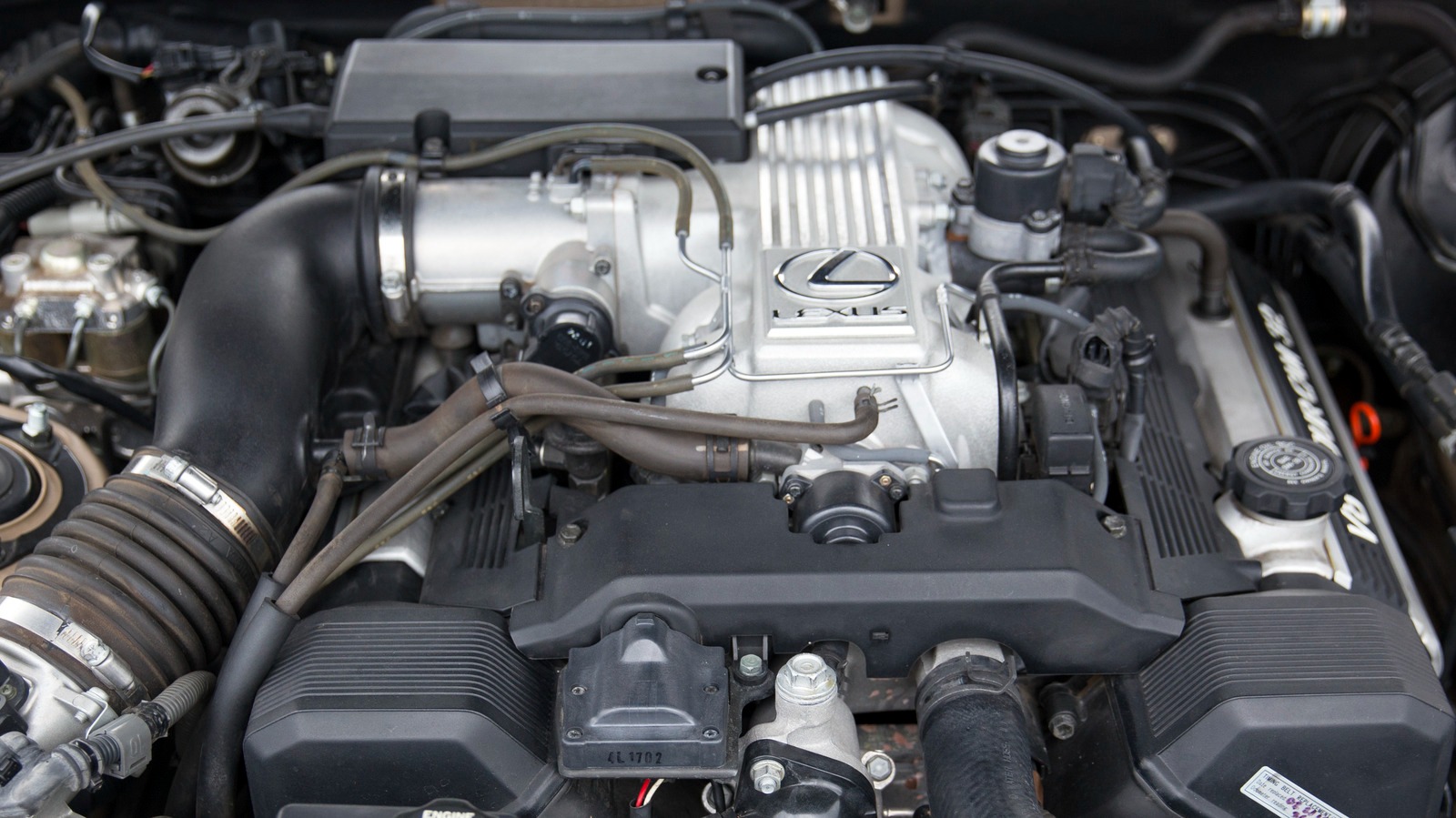
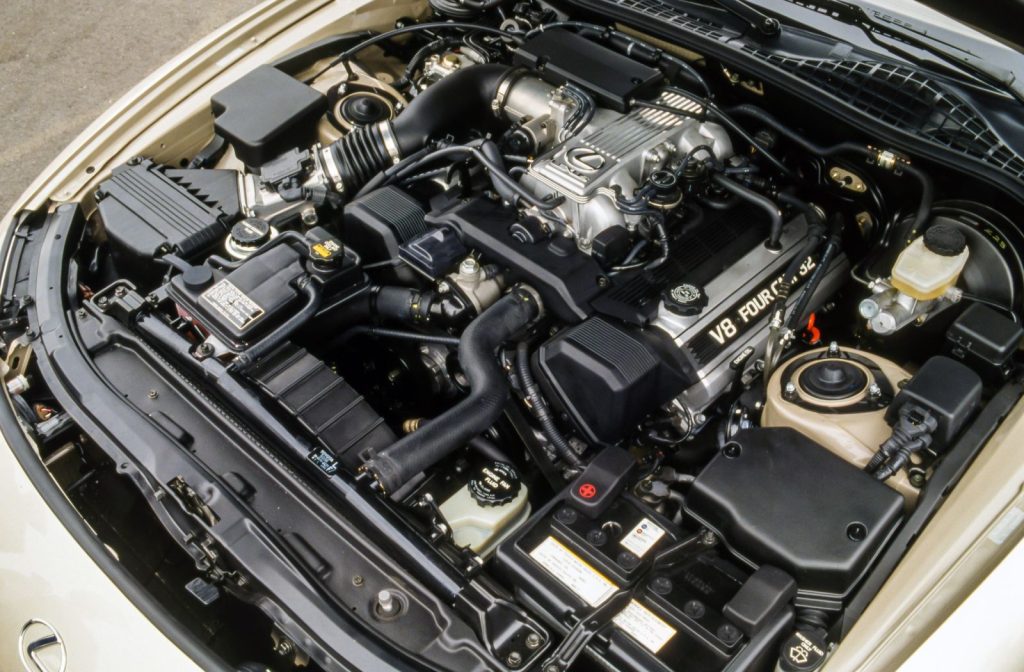
The Lexus/Toyota 1UZ-FE 4.0L V8 is widely regarded as one of the smoothest-running engines ever produced, and it keeps that reputation even past 200,000 miles.
Originally introduced in the Lexus LS400 in the late 1980s, the 1UZ-FE was engineered to demonstrate Toyota’s ability to compete with European luxury brands. The result was a masterpiece of refinement and durability that continues to impress decades later.
This engine features an aluminum block with six-bolt main bearing caps, which adds strength and stability under load.
The dual overhead camshaft design with four valves per cylinder promotes efficient airflow, helping the engine run smoothly even at higher RPMs.
High-quality materials and tight tolerances ensure minimal internal wear, allowing the 1UZ-FE to retain its balanced operation even at high mileage.
Owners often describe these engines as nearly vibration-free, with many examples exceeding 300,000 miles while still idling like new.
Regular timing belt replacements and oil changes are key, but there are few widespread issues that disrupt smoothness. Even as the rest of the car ages, the 1UZ-FE tends to remain one of its strongest assets.
This engine earns a place on this list because it shows what happens when an automaker prioritizes both refinement and longevity. Even today, enthusiasts admire the 1UZ-FE for its ability to stay buttery smooth long after 200,000 miles.
4. GM LS-Series V8 (5.3L Vortec)
General Motors’ LS-series 5.3L V8, commonly found in Chevrolet Silverados, GMC Sierras, and many SUVs, is one of the most proven American engines for smooth operation past 200,000 miles.
Part of the LS family introduced in the late 1990s, the 5.3L strikes a balance between power, efficiency, and long-term refinement.
The LS design uses an aluminum block in many versions, paired with a simple and durable pushrod valvetrain. While some might consider this layout less advanced than overhead cam designs, it contributes to the engine’s reliability and low-maintenance character.
With proper oil changes and cooling system care, the 5.3L resists the vibrations and harshness that often plague older high-mileage engines.
Owners regularly report that their trucks and SUVs with this V8 still idle smoothly and pull strongly after 250,000 miles or more.
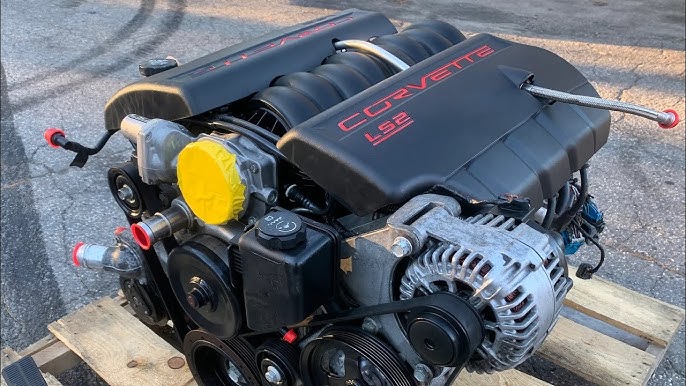
The engine’s ability to maintain refinement comes down to its sturdy bottom end, efficient combustion design, and strong aftermarket support that keeps parts readily available.
Common issues like intake manifold gaskets or AFM lifters don’t usually compromise overall smoothness when addressed.
The LS 5.3L earns a spot on this list because it demonstrates that a mass-market American V8 can combine durability with long-term smoothness.
It’s an engine trusted by countless truck owners who continue to rely on its steady performance well past 200k.
5. BMW M54 Inline-6
The BMW M54 3.0L inline-6, produced from 2000 to 2006, is a standout example of an engine that retains its smoothness well past 200,000 miles when properly maintained.
Found in models like the BMW 330i, 530i, X5, and Z3/Z4, it combines classic straight-six balance with solid engineering, resulting in refined performance that lasts.
One of the M54’s biggest strengths is the inherent smoothness of its inline-6 layout. Unlike V6 designs, which often require balance shafts, an inline-6 has natural harmonic stability.
This means less vibration reaches the cabin, and the engine maintains a silky character even at high mileage. BMW paired this layout with an aluminum block and cast-iron cylinder liners, providing strength without excessive weight.
With regular oil changes and cooling system upkeep, the M54 continues to idle evenly and rev cleanly long after 200k.
Common maintenance items such as valve cover gaskets, water pumps, and DISA valves are necessary but don’t undermine its smooth running once replaced.
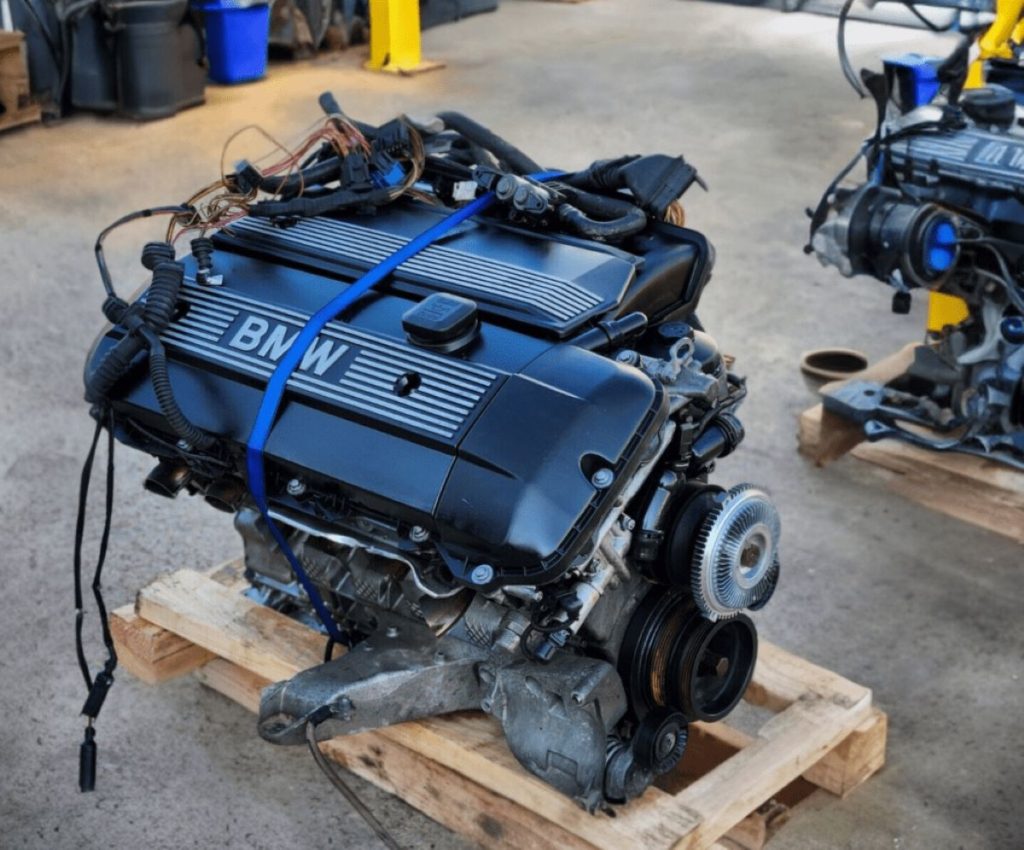
Owners who have cared for these engines often report that they still deliver refined performance well beyond what many expect from a two-decade-old European motor.
The M54 is included here because it illustrates how thoughtful engineering and a balanced layout can deliver exceptional long-term refinement.
For enthusiasts and everyday drivers alike, it remains one of BMW’s most beloved engines, thanks to its ability to stay smooth well past 200,000 miles.
5 Engines That Turn Rough Quick
Not every engine ages with grace. Some are known to lose their refinement quickly, often becoming noisy, harsh, and uneven long before they reach the mileage milestones of their more durable counterparts.
These engines may still run, but they lose the smoothness that drivers expect, leaving owners frustrated as vibrations increase, idle quality declines, and acceleration feels less polished.
The reasons vary, ranging from cost-cutting in materials to complex designs that wear unevenly over time.
This section highlights five engines that tend to turn rough well before the 200,000-mile mark.
These aren’t necessarily engines that explode or fail catastrophically, but rather ones that develop irritating traits like ticking noises, excessive vibration, or weak mounts that worsen driving comfort.
For truck owners, commuters, and enthusiasts alike, understanding which engines are prone to this decline can help set realistic expectations for ownership and long-term maintenance.
The engines on this list, such as certain Chrysler V6s and GM four-cylinders, represent common frustrations in the used market.
They remind buyers that durability isn’t just about lasting mechanically it’s about how pleasant an engine feels over the long haul. Here are the first two engines that lose their refinement faster than most.
1. Chrysler 2.7L V6
The Chrysler 2.7L V6, produced from 1998 through 2010, is infamous for issues that go far beyond reliability they also affect refinement.
Found in vehicles like the Chrysler Intrepid, Sebring, and Dodge Charger, this engine was intended to deliver smooth performance in midsize sedans.
However, many owners noticed that its character changed dramatically with mileage, often feeling rough and unbalanced long before crossing the 150,000-mile threshold.
One of the biggest reasons behind its decline is poor oil circulation. The narrow oil passages easily become clogged with sludge, starving critical components of lubrication.
As wear increases, the engine begins to rattle, tick, and lose the smooth operation it once promised. The V6 layout should naturally balance reasonably well, but when bearings and timing components suffer from lubrication issues, vibration spreads throughout the block.
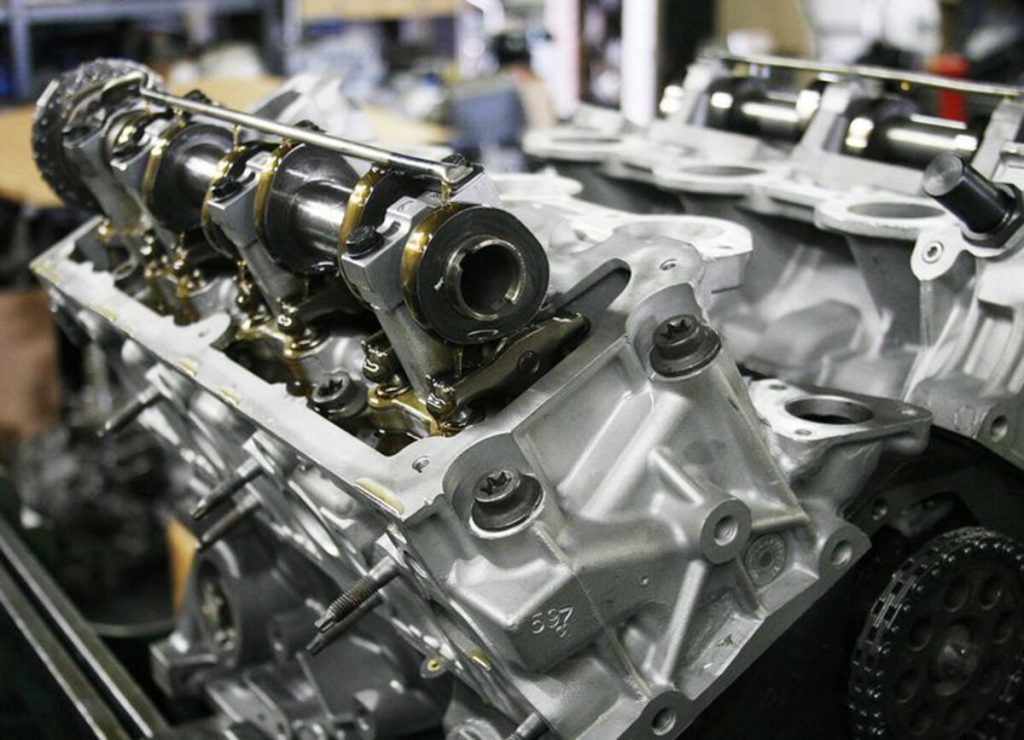
Even when sludge doesn’t destroy the engine outright, the buildup accelerates wear on chain tensioners, causing rough running and erratic idle.
Many owners who tried to maintain their 2.7L V6 carefully still reported that it never felt truly refined past 100k miles. This inclusion is important because it shows how poor design decisions can doom an engine’s smoothness long before its lifespan technically ends.
2. GM Ecotec 2.4L Inline-4
GM’s Ecotec 2.4L inline-4, used heavily from the mid-2000s through the mid-2010s in vehicles like the Chevrolet Malibu, Pontiac G6, and Chevrolet Equinox, is another engine known for turning rough too soon.
While capable of covering decent mileage, it often loses refinement as early as 80,000 to 120,000 miles, frustrating owners who expected more consistent performance.
The problem lies in both design and durability. The Ecotec 2.4L uses timing chains instead of belts, but the chains are prone to stretching. As the chain stretches, engine timing slips slightly, causing vibration, hesitation, and an uneven idle.
At the same time, these engines are known for excessive oil consumption, which accelerates internal wear. Low oil levels contribute to noisy valvetrain operation, further increasing harshness.
Another weak point is balance shaft wear. Unlike an inline-6, a four-cylinder has inherent imbalance that requires countermeasures. When balance shafts wear prematurely, vibration creeps into the cabin, especially at highway speeds.
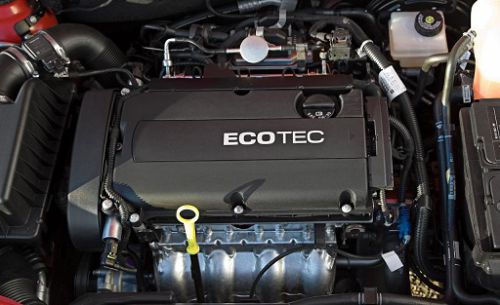
What starts as a relatively refined engine when new becomes coarse and unpleasant within a few years of ownership.
This engine is listed because it demonstrates how a design with potential can falter due to weak components. While not always catastrophic, its tendency to run rough quickly makes it a poor choice for buyers seeking long-term refinement.
3. Ford Triton 5.4L V8 (3-Valve)
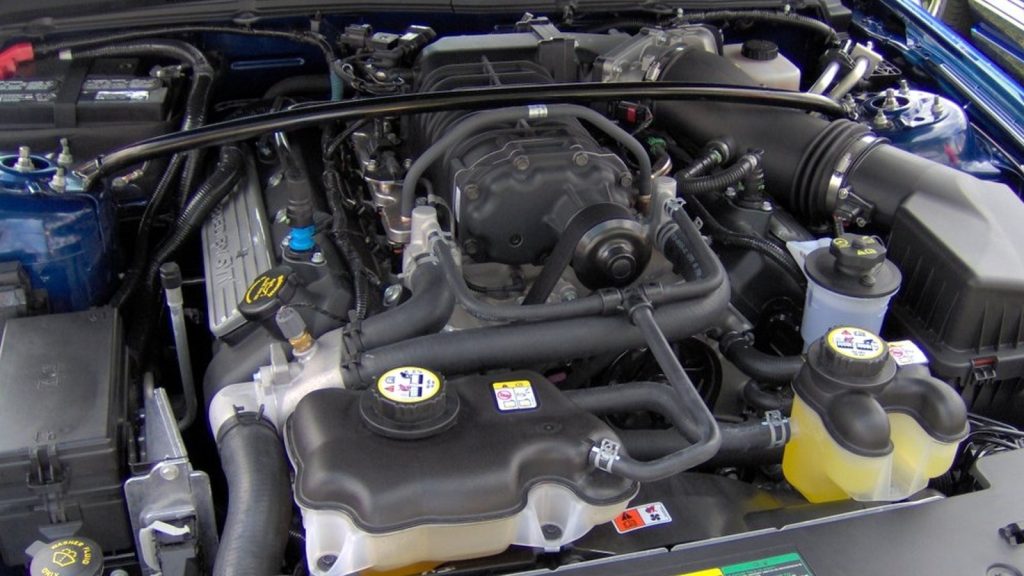
The Ford Triton 5.4L 3-valve V8, used in the F-150, Expedition, and Lincoln Navigator from 2004 through 2010, is well known for losing its smoothness as mileage climbs.
While the engine is capable of covering high miles, it often develops harsh vibrations, uneven idling, and rattling that leave owners disappointed.
A major contributor is the design of the cam phasers used in the variable valve timing system. As they wear, they produce a metallic rattle and cause timing inconsistencies, which lead to rough operation.
On top of that, stretched timing chains are common, further adding to noise and harshness. Many owners describe the idle as uneven and the acceleration as sluggish once these problems appear, often before 150,000 miles.
The engine also suffers from spark plug design flaws that make replacement difficult and sometimes result in broken plugs, compounding maintenance headaches.
With neglected service, ticking noises from worn lash adjusters only worsen the feeling of imbalance.
While the Triton 5.4L is not necessarily doomed to early failure, its refinement disappears long before it should.
It is included here because it illustrates how a strong block can still frustrate drivers when key design choices cause vibration and roughness to dominate after years of use.
4. Hyundai/Kia Theta II 2.4L Inline-4
Hyundai and Kia’s Theta II 2.4L engine, found in models like the Hyundai Sonata, Santa Fe, Kia Optima, and Sportage from 2011 through the late 2010s, has gained a reputation for losing smoothness prematurely.
While it delivers good performance when new, many owners notice excessive noise, vibration, and harshness as early as 60,000 to 100,000 miles.
One of the primary reasons is the tendency for connecting rod bearings to wear unevenly. As they degrade, they cause knocking sounds and vibration that progressively worsen until the engine feels far less refined.
Timing chain issues also appear, with slack creating rattling and imprecise operation. These problems are often accompanied by high oil consumption, which accelerates wear on moving parts.
Even when the engine doesn’t experience catastrophic failure, it frequently becomes unpleasant to drive.
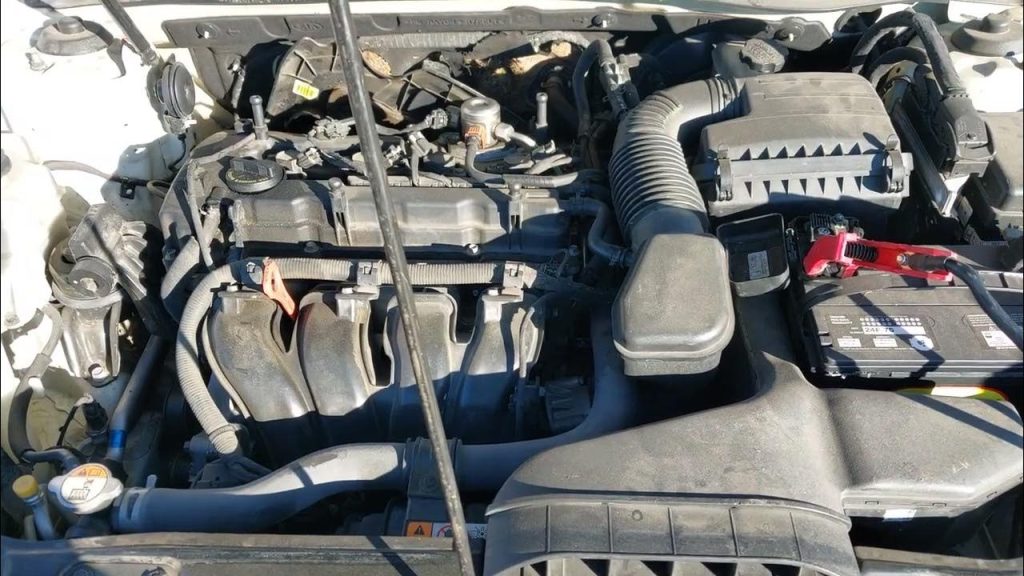
Drivers report coarse running at idle, harsh vibration at highway speeds, and a general loss of smoothness that makes the vehicle feel older than its years.
This engine is included because it represents how cost-driven design and manufacturing issues can rob a powertrain of refinement long before its expected lifespan.
While some last longer with strict maintenance, too many turn rough too quickly, tarnishing the ownership experience.
5. Subaru EJ25 2.5L Flat-4
The Subaru EJ25 2.5L flat-4, used in models like the Outback, Forester, and Legacy from the late 1990s through the 2010s, has long been associated with reliability concerns, but it also struggles with refinement as mileage climbs.
While Subaru’s flat-four layout should provide natural balance, many owners report roughness that increases with age, often becoming noticeable before 150,000 miles.
One issue is the well-known head gasket problem. When gaskets begin to fail, combustion gases and coolant leaks create uneven combustion, which quickly makes the engine feel harsh.
Even when repaired, repeated failures can leave the engine running less smoothly than before. The design also tends to develop piston slap, where loose piston-to-wall clearance produces knocking sounds and vibration during cold starts that sometimes never fully disappear.
Another factor is the flat-four’s horizontally opposed design, which relies heavily on proper maintenance of spark plugs, ignition coils, and timing components. When any of these age, misfires and imbalance magnify the roughness.
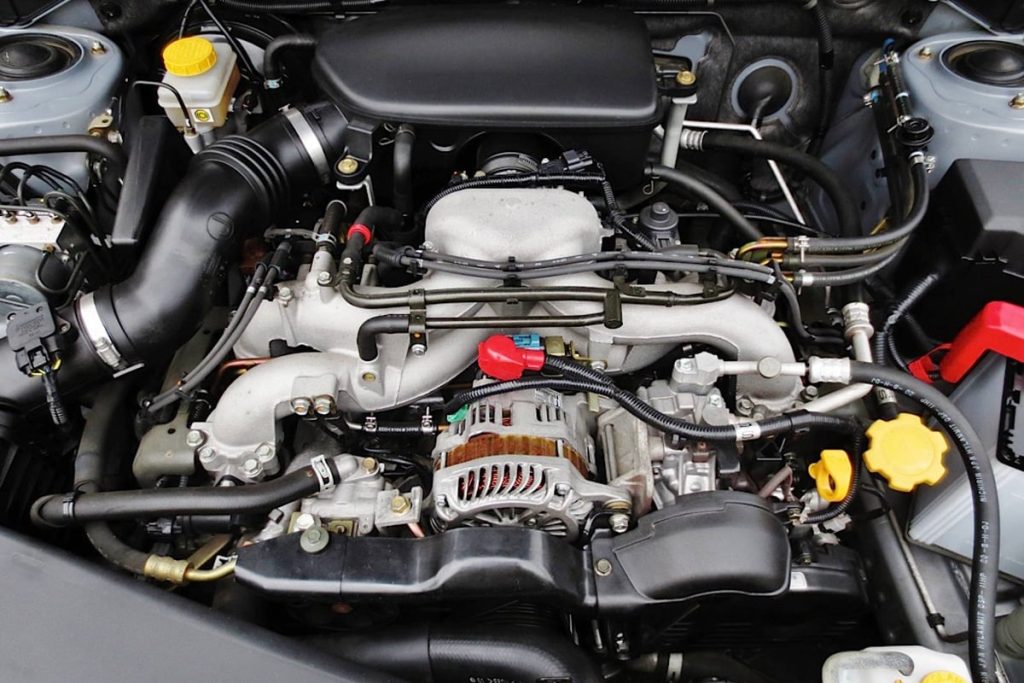
Unlike some engines that simply grow noisy, the EJ25 often feels uneven and unsettled, especially at idle or under load.
The EJ25 earns its place here because, despite its popularity, it highlights how design flaws and recurring maintenance issues can undermine long-term refinement. While capable of lasting many miles, it often loses its smoothness far earlier than owners expect.
Engines define not just a vehicle’s power but also its character over time. Some continue to run with impressive smoothness well beyond 200,000 miles, while others grow coarse, noisy, and unpleasant long before reaching that point.
The difference often comes down to design choices, material quality, and long-term durability.
Engines like Toyota’s 2UZ-FE V8, Honda’s J35 V6, Lexus’s 2GR-FE V6, Mercedes-Benz’s OM617 diesel, and BMW’s M54 inline-6 show how thoughtful engineering can deliver lasting refinement.
Their balanced layouts, strong construction, and proven reliability allow them to idle evenly and rev cleanly, even at mileages that many engines never reach.
For drivers who prioritize both durability and smoothness, these engines stand as benchmarks of long-term satisfaction.
By contrast, the Chrysler 2.7L V6, GM Ecotec 2.4L, Ford Triton 5.4L 3-valve, Hyundai/Kia Theta II 2.4L, and Subaru EJ25 flat-4 often lose their composure too early.
Sludge buildup, timing chain problems, excessive wear, and design flaws contribute to vibrations, rattles, and harshness that frustrate owners. While some of these engines can last mechanically, their refinement fades too quickly.
The comparison demonstrates that lasting smoothness is as important as longevity. Choosing the right engine means enjoying not only reliability but also comfort and refinement mile after mile.
Also Read: 10 Engines That Keep Running With Zero Drama
