
Trucks are built with toughness in mind, but their interiors tell a different story about long-term quality. While engines, frames, and suspensions often define durability, the cabin is where drivers and passengers spend the most time.
A truck’s interior should remain comfortable, practical, and sturdy even after years of daily use. Yet, not all pickups are created equal in this respect.
Some hold their shape and finish remarkably well, resisting cracks, fading, and wear. Others, however, show their age quickly with peeling dashboards, sagging seats, or broken trim.
This comparison takes a close look at ten well-known trucks, dividing them into two groups: five with interiors that consistently stand the test of time, and five where materials and design choices make them prone to deterioration.
Trucks with dependable interiors often feature higher-quality plastics, durable fabrics or leather, and layouts that minimize stress points.
By contrast, trucks with interiors that fall apart may cut corners in design or material, leading to faster wear, especially under work conditions.
The purpose here is to identify models worth considering for buyers who prioritize cabin longevity, while also pointing out which trucks might look good at first but disappoint as the years pass.
Also Read: 5 Trucks That Keep Strong Frames vs 5 Known For Frame Rot
5 Trucks With Interiors That Hold Up
When it comes to trucks that withstand years of use, a reliable powertrain is important, but a durable interior adds lasting value.
For many owners, a truck serves as both a workhorse and a daily driver, which means the cabin experiences constant exposure to dirt, sun, and rough handling.
Models with interiors that hold up well tend to use reinforced materials, supportive seating that doesn’t collapse easily, and trim pieces that resist scratches or fading.
Small details such as thicker seat stitching, better insulation, and resilient dashboard plastics can make the difference between an interior that still feels solid after a decade and one that looks worn out in just a few years.
The five trucks in this section are recognized for keeping their interiors in great shape even under heavy use. They’re often praised by owners who drive high mileage and still find the cabins comfortable and intact.
These trucks balance function with resilience, showing that manufacturers who invest in cabin durability deliver vehicles that age gracefully.
By examining these examples closely, it becomes clear which models offer not only mechanical toughness but also interiors that complement the rugged image they convey on the outside.
1. Toyota Tundra
The Toyota Tundra has built a reputation for being one of the longest-lasting full-size trucks on the road, and its interior durability is part of that story.
Owners who rack up hundreds of thousands of miles often report that the cabin remains solid even after years of hauling, towing, and commuting.
The dashboard is constructed with thick, textured plastics that resist fading, while the controls are large, simple, and durable. This no-nonsense approach means there are fewer delicate pieces to fail over time.
Seats in the Tundra, whether fabric or leather, are known to maintain their shape and comfort for the long haul. Toyota also engineered the truck with tighter cabin seals, keeping dust and moisture out, which preserves upholstery and electronics.
Sun exposure, a major cause of interior deterioration, tends to have less impact here thanks to higher-quality materials that resist cracking.
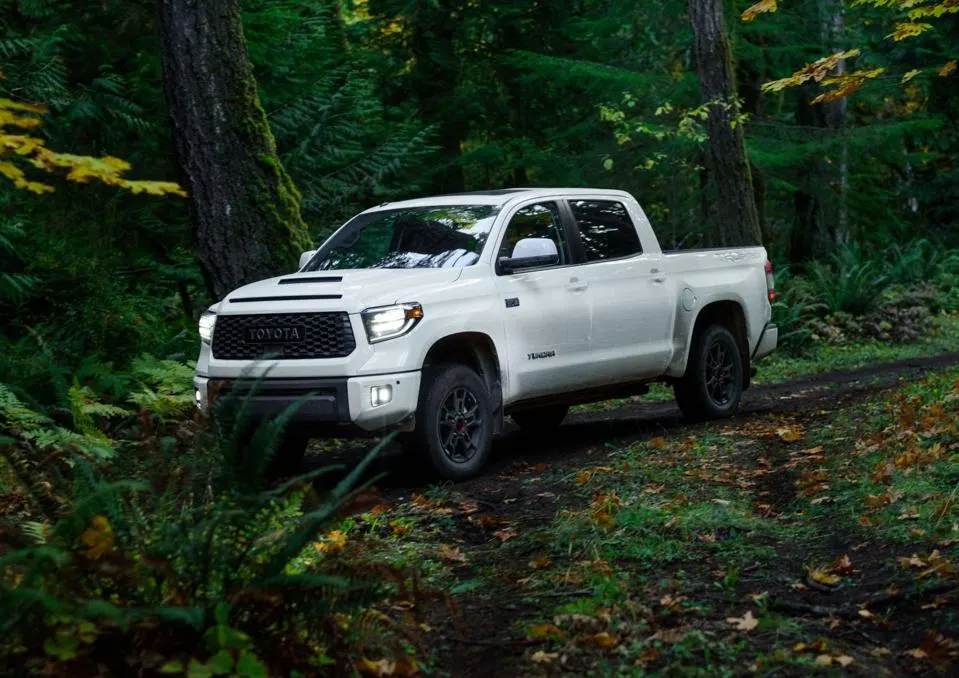
Why highlight the Tundra? Because it’s a clear example of a truck where interior design matches the toughness of the drivetrain. Many competitors advertise luxury finishes, but those often wear prematurely.
The Tundra demonstrates that durability matters more than gloss, and that makes it an excellent long-term choice for buyers who expect reliability inside and out.
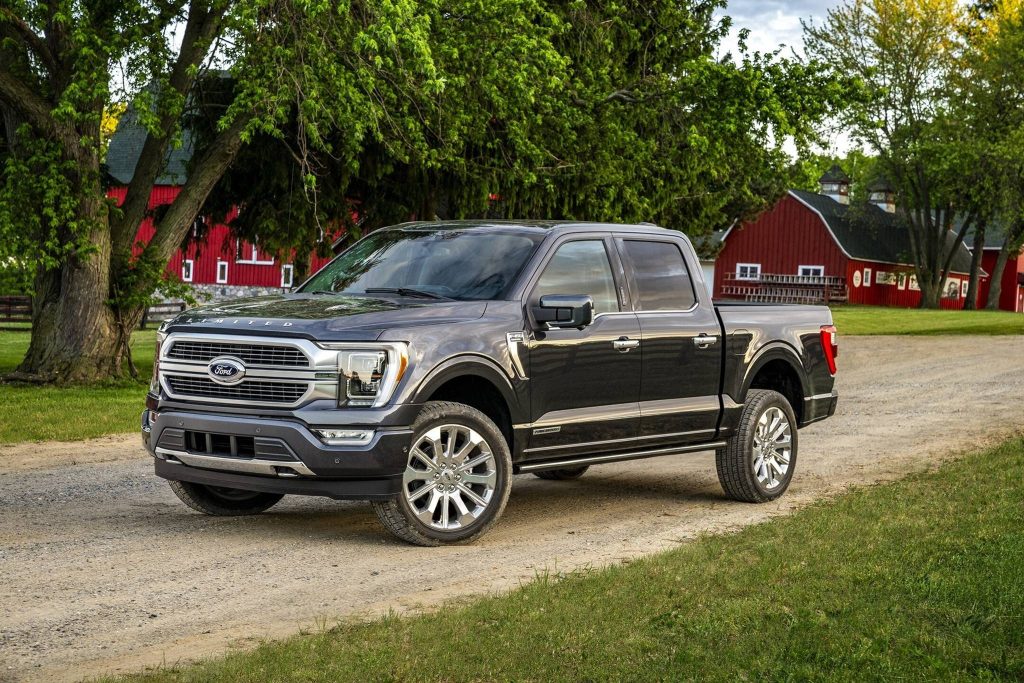
2. Ford F-150 (2015–2020 Models)
The Ford F-150 is America’s best-selling truck, and the 2015–2020 models stand out for interiors that hold up remarkably well.
Ford balanced comfort with practicality, using a mix of soft-touch materials in high-contact areas and durable plastics where wear is most common. This combination keeps the cabin looking fresher longer, even in work-focused trims.
Seats are a strong point in these models, with reinforced cushioning that doesn’t flatten as quickly as rivals. Leather options are thick and properly stitched, while cloth upholstery resists tearing and stains better than expected.
Owners who spend hours behind the wheel appreciate the fact that the padding retains support over time.
Another factor in the F-150’s cabin resilience is its thoughtful design. Switchgear and knobs are large, easy to use with gloves, and rarely suffer from breakage.
Even the center console and storage bins remain sturdy after years of being loaded with tools, gear, and personal items. Ford also made improvements in weather sealing, preventing the squeaks and rattles that often make cabins feel older than they are.
This truck earns a place on the list because it combines high production numbers with proven long-term interior reliability. Many F-150s stay in service past 200,000 miles, and their cabins continue to function comfortably, showing that durability can coexist with modern features.
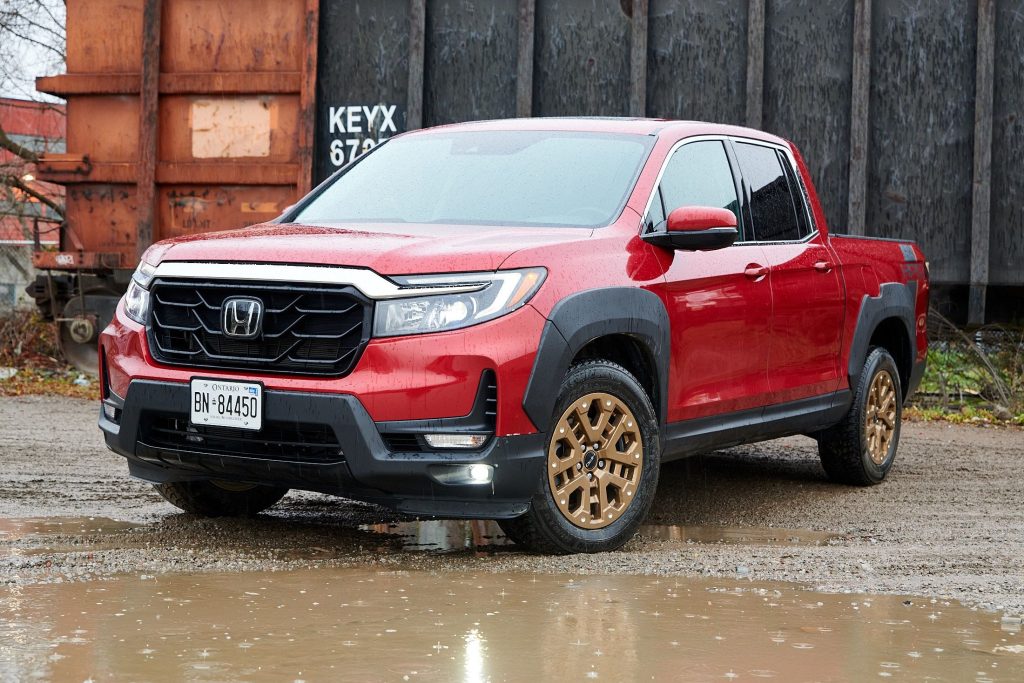
3. Honda Ridgeline
The Honda Ridgeline often gets attention for being different from traditional body-on-frame pickups, but one of its strongest qualities is the cabin durability. Honda took lessons from its long history of building reliable sedans and SUVs and applied them to this truck’s interior.
Owners frequently report that their Ridgelines, even after more than a decade, have dashboards free of cracks, seats that still feel supportive, and trim pieces that remain firmly in place.
The Ridgeline benefits from high-quality plastics that resist fading, especially important for drivers in hot climates where sun damage is common.
Upholstery, both cloth and leather, holds up well against wear, with stitching that doesn’t fray easily. Even the steering wheel and gear shifter, usually high-wear areas, age better than many rivals.
Another reason the Ridgeline deserves recognition here is Honda’s thoughtful ergonomics. Controls are straightforward and durable, with fewer delicate buttons that might fail under heavy use. Storage bins and cup holders are robust, designed for daily use rather than just showroom appeal.
Why include the Ridgeline? Because it proves that even a midsize truck can deliver long-lasting interior quality when built with attention to detail.
While some may question its truck credentials compared to heavier-duty models, its cabin durability is undeniable, making it a strong choice for buyers who want both utility and an interior that stands the test of time.
4. Ram 2500 (2019–Present)
The Ram 2500, especially from the 2019 redesign onward, deserves a spot among trucks with interiors that hold up well. Ram took a major step forward in cabin design, not just in comfort and luxury features but in durability too.
Heavy-duty trucks face harsher use than most, so interior toughness is critical. The 2500 delivers with thick, scratch-resistant plastics, strong seat construction, and tightly fitted trim that resists rattles even after years of towing and hauling.
Leather-trimmed versions use high-grade hides with reinforced stitching, while cloth options remain surprisingly durable.
Seats are built with dense cushioning that resists flattening, which is important for long-haul drivers. Owners often note that even after heavy work use, the cabin still feels solid and supportive.
Another strength lies in Ram’s attention to insulation and sealing. Dust, moisture, and noise are kept out effectively, which not only improves comfort but also extends the lifespan of electronics and fabrics. Controls, whether on the touchscreen or physical buttons, are sturdy and rarely fail prematurely.
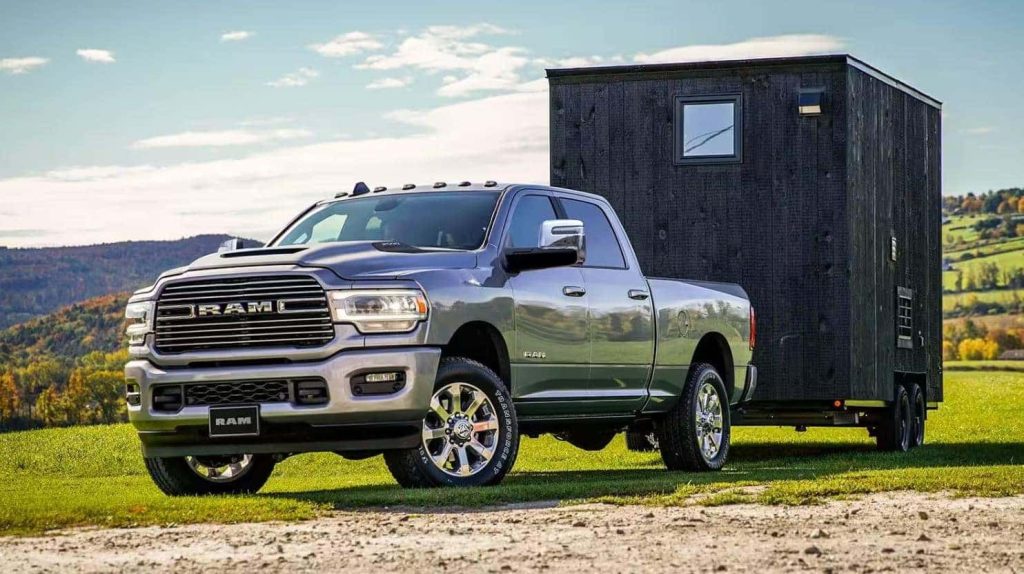
This truck is highlighted because it balances refinement with ruggedness. While the Ram 2500 competes with Ford and GM heavy-duty models, its interior durability gives it a unique advantage.
Buyers who put trucks through extreme conditions but still expect the cabin to hold up will find the Ram 2500 a dependable choice.
5. Chevrolet Silverado 1500 (2014–2018 Models)
The Chevrolet Silverado 1500 from 2014 to 2018 is a strong example of a truck with an interior built to withstand years of use.
While GM has made many design changes over the decades, this particular generation struck a balance between comfort and toughness, giving owners a cabin that remains functional and well-kept even after long service.
The dashboard uses a practical mix of textured plastics and soft-touch materials in high-contact areas, which helps prevent cracks and fading.
Unlike earlier GM trucks that had issues with peeling trim, this generation improved material quality, making everything from door panels to storage bins more resistant to scratches.
Seating is another strength. Both cloth and leather options tend to wear evenly without collapsing, which is critical for drivers who spend long hours behind the wheel.
Supportive cushioning and reinforced stitching keep the seats looking better than many rivals of the same age. Electronics, such as infotainment systems and switchgear, also prove more reliable, holding up well against frequent use.
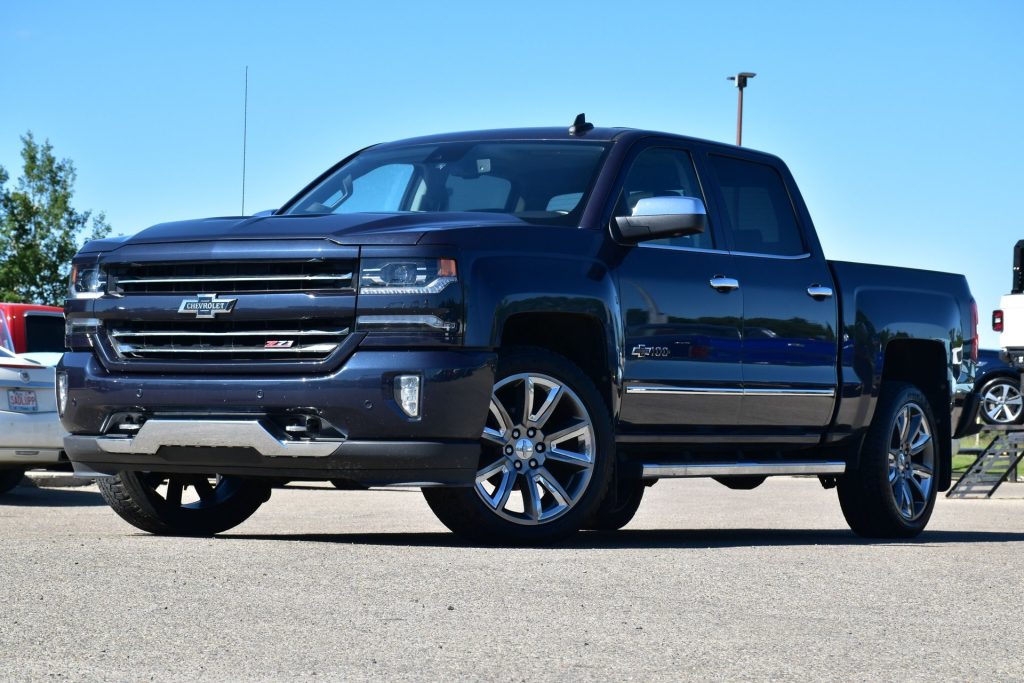
This Silverado earns its place because it corrected many of the interior issues found in older GM trucks. It demonstrates that thoughtful updates in design and material choice can lead to long-term cabin resilience.
For buyers considering a used pickup, these years of the Silverado are excellent because they deliver both mechanical dependability and interiors that still look and feel solid after years on the road.
5 Trucks With Interiors That Fall Apart
Not every truck is designed with long-term interior durability in mind. While some pickups keep their cabins looking solid after years of use, others develop problems much sooner.
Cracked dashboards, peeling plastics, sagging seats, and malfunctioning controls are all common complaints from owners whose trucks don’t age gracefully inside.
For buyers who use trucks as daily drivers and workhorses, an interior that falls apart quickly can make the ownership experience frustrating, even if the mechanical side of the vehicle remains strong.
The trucks in this section are known for interior issues that show up earlier than expected. Some problems stem from poor material choices, like cheap plastics that fade and crack under sunlight.
Others come from weak seat padding or stitching that can’t withstand regular use. In certain cases, electrical components tied to infotainment or climate systems fail too often, adding to the sense of decline.
Highlighting these models isn’t meant to dismiss them entirely, since many still offer capable performance.
Instead, it’s about pointing out where they fall short, so potential buyers know what to expect. By recognizing trucks with interiors that wear out prematurely, shoppers can make better choices when looking for a dependable long-term ride.
1. Dodge Ram 1500 (2002–2008 Models)
The Dodge Ram 1500 from the early 2000s is widely criticized for its poor interior longevity. While the truck’s engines and drivetrains could handle serious workloads, the cabin often let owners down.
One of the most notorious issues was the dashboard, which was prone to cracking, splitting, and even crumbling under sun exposure. Many owners reported large holes forming in the dash after just a few years, leaving the cabin looking far older than it was.
Seat quality was another weak point. Cloth options wore thin and stained easily, while the cushioning collapsed with heavy use.
Leather-equipped trims didn’t fare much better, with cracks forming quickly in hot climates. Over time, sagging headliners and loose trim pieces added to the impression of a poorly constructed interior.
Controls and electronics were also a sore spot. Switches, knobs, and even the HVAC systems often failed earlier than expected. These small frustrations built up, especially for drivers who relied on their trucks daily.
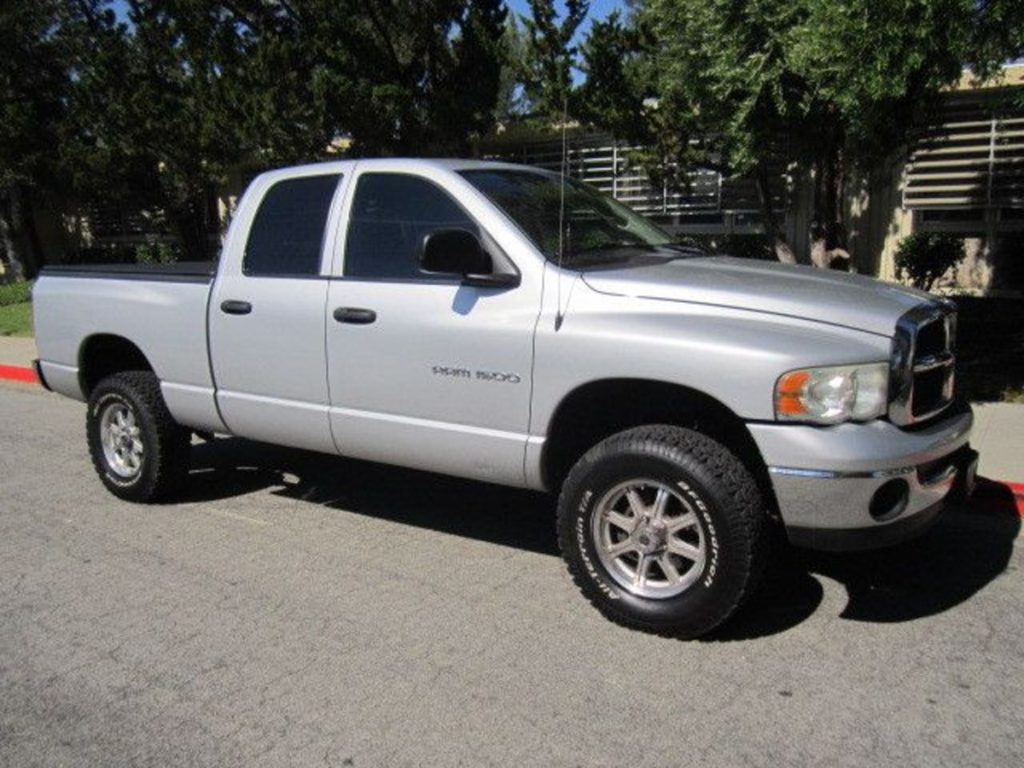
This Ram generation is included here because it serves as a cautionary tale. While the mechanical components earned respect, the interior quality lagged far behind.
Buyers looking at used trucks from this era need to know that the cabin often won’t hold up to long-term use, even with careful maintenance.
2. Chevrolet Silverado 1500 (1999–2006 Models)
The Chevrolet Silverado 1500 from 1999 to 2006 is a capable workhorse, but its interior doesn’t stand the test of time. GM cut corners during this era, and it shows in how quickly the cabin materials degrade.
The most common issue is the dashboard and door panels, which often crack, fade, and peel, especially when exposed to heat and sun.
Seats in this generation also struggle to maintain shape and comfort. Cloth options flatten out after moderate use, while leather trims develop cracks and tears long before they should.
Many owners report that the foam cushioning collapses, leaving the seating position uncomfortable during long drives.
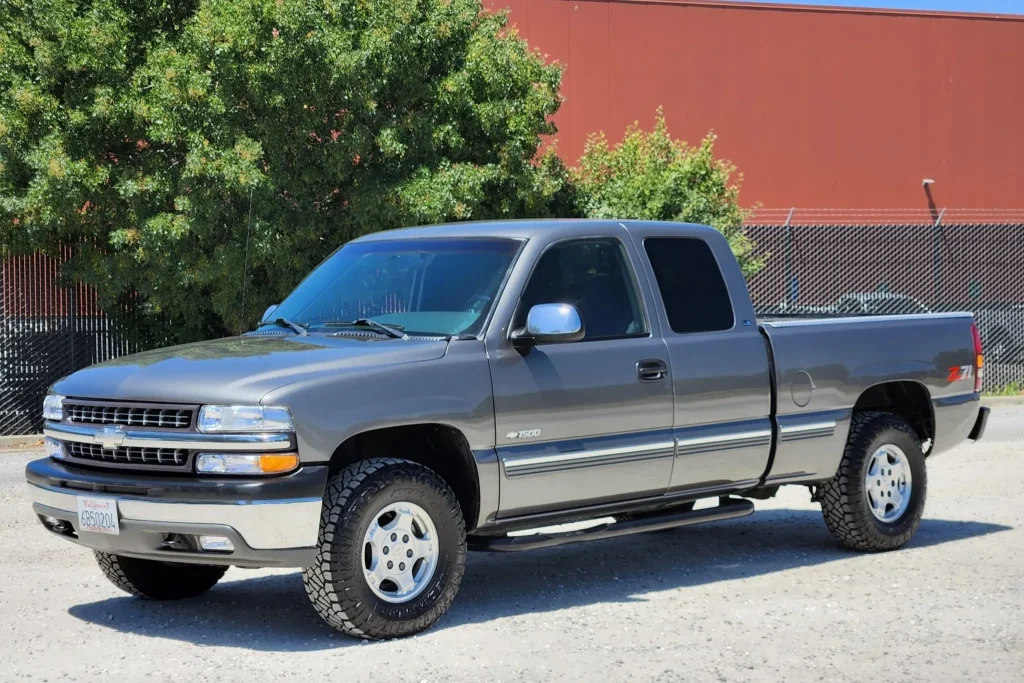
Switchgear durability is another concern. Power window switches, radio knobs, and other frequently used controls tend to wear out or break early, leading to a cabin that feels cheap as it ages. Even the center console and storage compartments are prone to loosening or breaking apart under regular use.
This Silverado makes the list because it highlights how even a mechanically solid truck can disappoint when interior quality is overlooked.
While many of these trucks still run strong, their cabins often look and feel tired, giving owners a daily reminder of cost-cutting measures that didn’t stand up to real-world use.
3. Nissan Titan (2004–2015 Models)
The first-generation Nissan Titan, introduced in 2004, was Nissan’s attempt to compete directly with American full-size trucks. While it delivered strong towing ability and decent performance, its interior quickly became one of the most frequent complaints from owners.
The dashboard plastics were thin and prone to cracking under heat, especially in southern climates where UV exposure is relentless. Door panels also loosened over time, creating squeaks and rattles that made the cabin feel cheap.
Seats were another area of weakness. Cloth upholstery wore out prematurely, often showing fraying and stains that resisted cleaning.
Leather trims didn’t hold up much better, with cracking and discoloration happening in trucks that were only a few years old. Foam cushioning in the seats compressed quickly, leading to discomfort on longer drives.
Electronics added to the frustrations. Early infotainment units were basic but still prone to failure, while HVAC controls often broke, leaving owners with costly repairs.
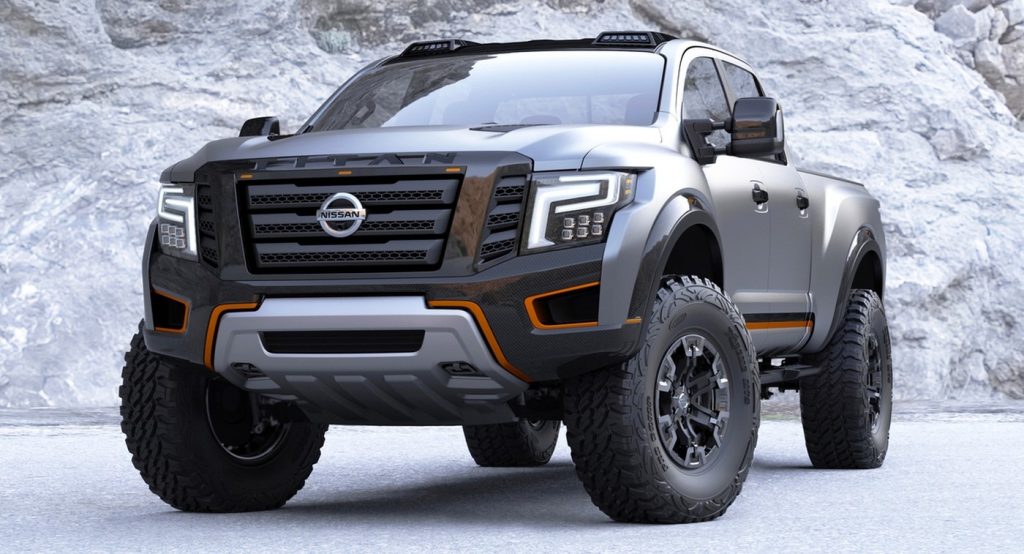
The overall fit and finish of the Titan’s interior lagged behind its domestic rivals, which meant it aged faster even under average use.
This generation of Titan is included because it represents how interior quality can drag down the long-term appeal of a truck.
Even though it had mechanical strengths, the cabin often showed its age far too quickly, leaving many owners wishing Nissan had invested more in durability.
4. GMC Sierra 1500 (2007–2013 Models)
The GMC Sierra 1500 from 2007 to 2013 is a popular truck that shares many components with the Chevrolet Silverado of the same era. Unfortunately, its interior suffers from similar weaknesses that lead to premature wear.
Owners frequently report dashboards that crack, sometimes splitting wide open, especially in areas with strong sun exposure. This issue became so widespread that aftermarket companies began producing replacement dash covers to address the problem.
Seats in these models are also known to age poorly. Cloth upholstery tends to flatten and sag, while leather surfaces develop cracks and creases that make the cabin feel older than it should. Cushioning compresses faster than in competitors, leading to discomfort on long trips.
Interior trim pieces add to the concerns. Door handles, console lids, and even steering wheel coatings wear down quickly, leaving a truck that looks tired despite still being mechanically reliable. Electronics, while modern for the time, don’t hold up well either, with common issues affecting power controls and audio systems.
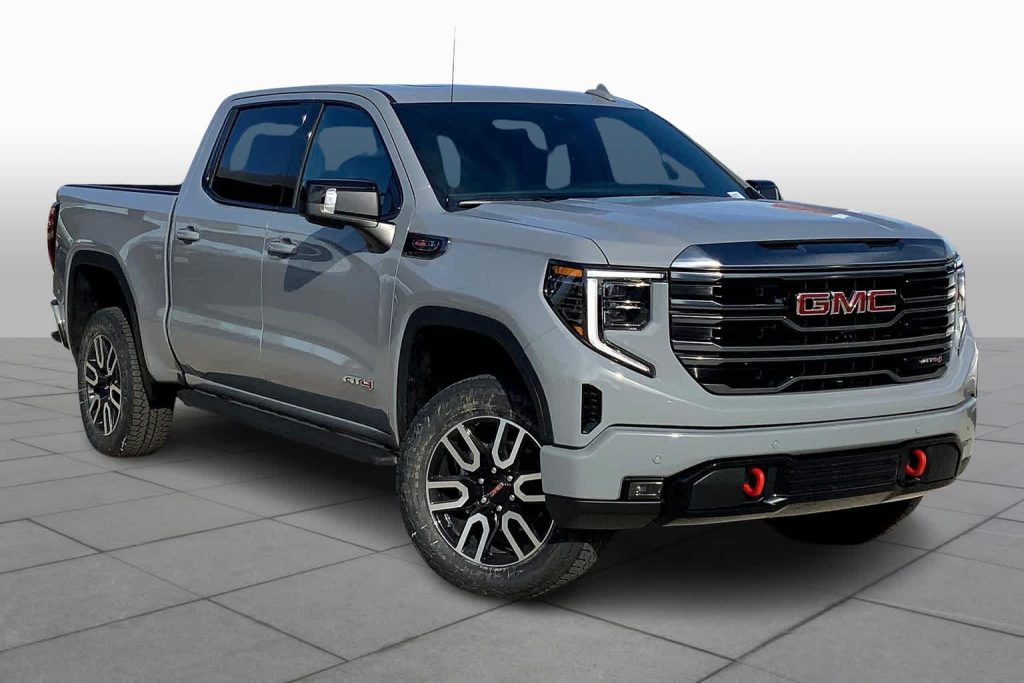
The Sierra of this generation earns a spot on this list because it demonstrates how inconsistent material choices can hurt the overall ownership experience.
Many of these trucks are still on the road with strong drivetrains, but their interiors often look far more worn than expected for their mileage, reducing resale value and owner satisfaction.
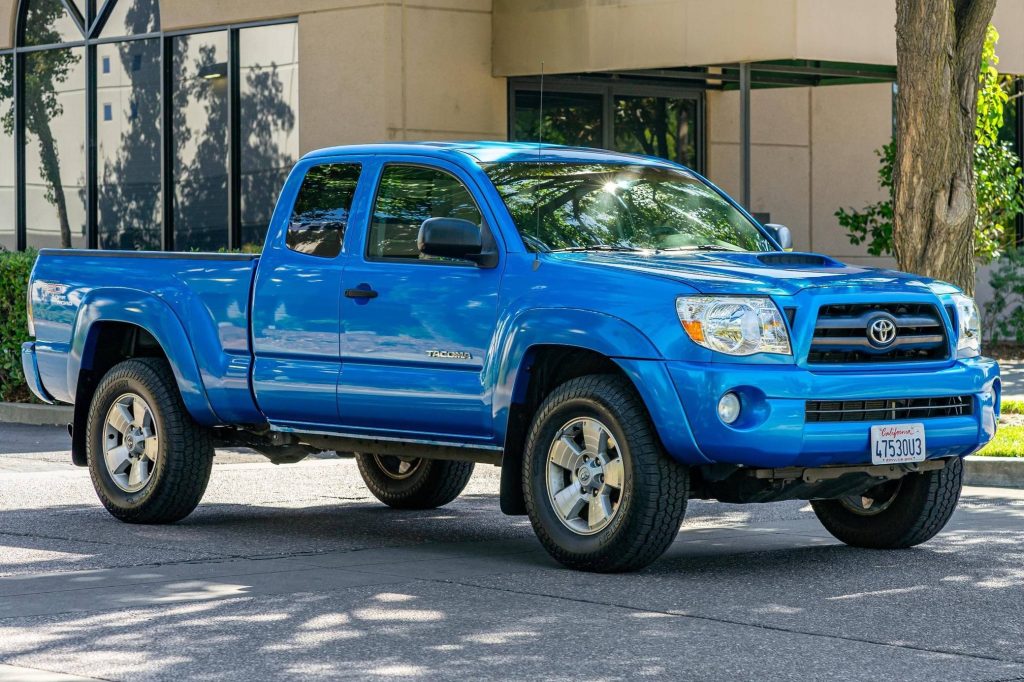
5. Toyota Tacoma (2005–2011 Models)
The Toyota Tacoma is often praised for its reliability and strong resale value, but the 2005–2011 generation had a serious weakness when it came to interior durability.
While the truck itself could handle years of use without major mechanical issues, its cabin materials did not stand the test of time. One of the most common complaints was the dashboard, which was prone to melting, cracking, or becoming sticky when exposed to heat.
This issue was so widespread that Toyota eventually issued recalls and extended warranties for certain interior components.
Seats in this Tacoma also struggled under heavy use. Cloth upholstery wore down quickly, often showing rips or fraying edges within a few years.
Foam padding compressed sooner than expected, leading to discomfort, especially on long commutes or work shifts. Leather-equipped trims, while initially attractive, developed cracks that made them look worn prematurely.
Other cabin details added to the frustration. Door panels loosened, interior trim pieces rattled, and some owners complained of headliners sagging before the trucks even reached high mileage. Electronics such as radio units and HVAC knobs also proved less durable than Toyota’s usual standards.
The Tacoma of this era deserves a place on this list because it shows that even highly dependable trucks can have interior flaws that hurt their long-term appeal.
While the mechanical side of the truck remains trustworthy, the cabin often looks and feels tired far earlier than it should, which is a disappointment for a brand known for durability.
Trucks are often judged by their engines, towing strength, and toughness, but the interior plays a major role in long-term satisfaction.
A well-designed cabin should remain supportive, functional, and attractive even after years of heavy use. This comparison highlighted two groups: trucks with interiors that hold up impressively and those that show wear far too soon.
Models like the Toyota Tundra, Ford F-150, Honda Ridgeline, Ram 2500, and Chevrolet Silverado (2014–2018) demonstrate how durable materials, sturdy seating, and thoughtful design create cabins that age gracefully.
These trucks prove that quality isn’t only about performance under the hood but also about how the inside feels after years of driving.
On the other side, trucks such as the Dodge Ram 1500 (2002–2008), Chevrolet Silverado (1999–2006), Nissan Titan (2004–2015), GMC Sierra (2007–2013), and Toyota Tacoma (2005–2011) reveal the consequences of cost-cutting or weak material choices.
Cracked dashboards, sagging seats, and unreliable controls leave many owners frustrated despite the mechanical dependability of the trucks themselves.
For buyers, the lesson is clear: durability inside the cabin matters as much as mechanical reliability. Choosing a truck with a strong interior ensures comfort, value retention, and satisfaction throughout years of ownership.
Also Read: 5 Durable Engines That Don’t Burn Valves vs 5 That Always Do
