
Radiators play a crucial role in maintaining a truck’s engine temperature, preventing overheating, and ensuring optimal performance. However, not all trucks maintain reliable radiator performance over time.
Some models are known for their durability, requiring little to no radiator service even after extensive use and high mileage.
Others are prone to leaks, corrosion, or internal blockages, leading to frequent repairs, potential engine damage, and increased maintenance costs.
Radiator reliability depends on several factors, including material quality, cooling efficiency, and system design.
Trucks with robust aluminum cores, reinforced tanks, and efficient coolant flow tend to resist wear, corrosion, and thermal stress, resulting in long-term durability.
In contrast, trucks with weaker materials, poor cooling efficiency, or complex routing may develop leaks, clogged passages, or other failures over time.
This article compares two categories: trucks that rarely need radiator work and those that frequently require attention. Each truck is evaluated based on design durability, real-world owner experiences, and maintenance requirements.
Understanding which trucks maintain reliable cooling performance helps buyers and owners avoid unexpected costs, reduce downtime, and ensure safe operation.
Highlighting these differences provides practical guidance for selecting trucks that combine reliability, durability, and peace of mind.
Also Read: 5 Trucks That Keep Strong Frames vs 5 Known For Frame Rot
5 Trucks That Rarely Need Radiator Work
Some trucks stand out for their ability to maintain reliable cooling systems over long periods and high mileage.
These models feature radiators designed with durable materials, effective coolant flow, and efficient thermal management, which reduces the likelihood of leaks, corrosion, or overheating.
For owners, this translates into fewer repairs, consistent engine performance, and lower maintenance costs.
Reliability in radiator performance is influenced by factors such as the type of material used for the core and tanks, the thickness and strength of fins, and the efficiency of coolant circulation.
Aluminum cores with reinforced tanks, proper sealing, and well-designed inlet and outlet placements help prevent failures under heavy-duty use, towing, or off-road conditions.
This section highlights five trucks that have earned reputations for dependable radiators. Each example will examine why the cooling systems last, including design choices, maintenance requirements, and real-world reliability.
Understanding these models provides insight into how proper engineering, material quality, and routine upkeep combine to deliver long-lasting performance.
Highlighting trucks with resilient radiators helps buyers select vehicles capable of handling demanding conditions while minimizing the risk of unexpected cooling system failures.
By focusing on these reliable trucks, this section demonstrates how durability and careful design contribute to overall vehicle longevity and owner satisfaction.
1. Toyota Tundra
The Toyota Tundra is widely recognized for its reliability, and its radiator system reflects the same durable engineering. Built with a high-quality aluminum core and reinforced tanks, the Tundra’s radiator resists corrosion, leaks, and pressure-related failures over extensive use.
Its fin density and coolant flow design ensure that heat is effectively dissipated, even during heavy-duty towing, long-distance highway driving, or off-road excursions.
One of the key reasons the Tundra’s radiator rarely needs work is its material selection. Aluminum cores offer excellent thermal conductivity while resisting corrosion better than traditional copper or brass units.
The reinforced tanks prevent warping under fluctuating pressures, which is particularly important for trucks subjected to high temperatures and heavy workloads.
Additionally, Toyota designed the inlet and outlet ports for optimal coolant distribution, reducing the chance of hotspots that could compromise engine performance.
Owners consistently report minimal radiator issues even after 200,000 miles, noting smooth operation, stable engine temperatures, and minimal leaks.
Routine maintenance is simple, requiring periodic coolant flushes and inspections of hoses and clamps, which rarely reveal significant wear. Replacement parts are widely available, allowing minor repairs to be performed quickly and cost-effectively.
The Tundra’s cooling system is also supported by a resilient fan assembly that provides consistent airflow across the radiator, further preventing overheating during low-speed maneuvers or heavy-load conditions.
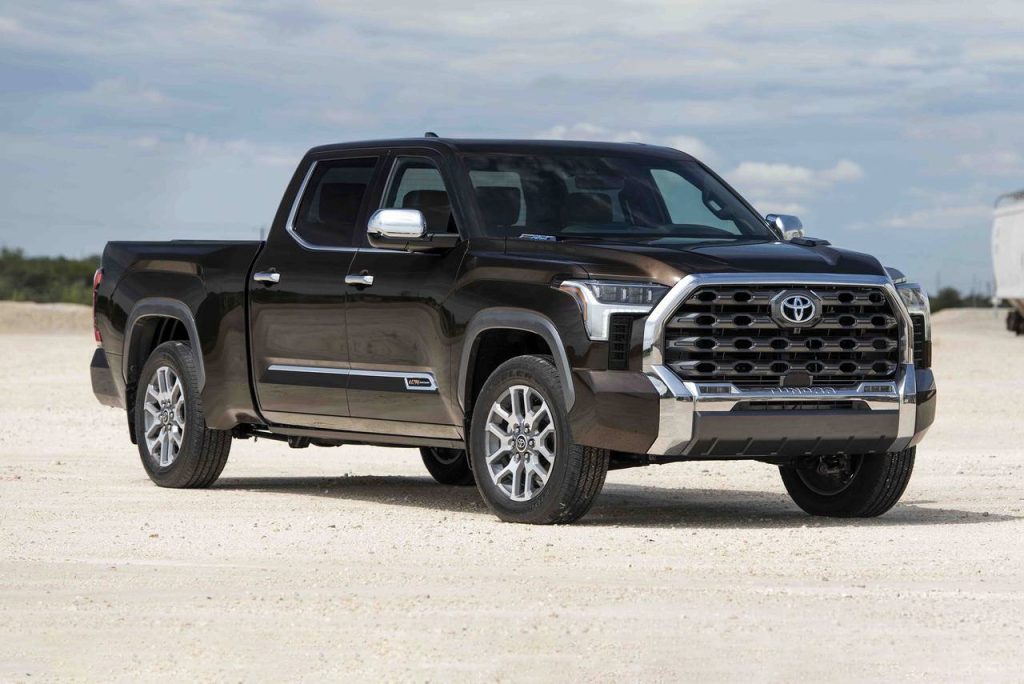
Its design ensures that engine temperatures remain stable in both urban and rugged environments.
Overall, the Tundra offers a radiator system that combines durability, practical maintenance, and high thermal efficiency, providing truck owners with long-term reliability and peace of mind.
2. Ford F-150
The Ford F-150 has long been praised for its dependable cooling system, particularly its radiator, which is engineered to handle diverse driving conditions and high mileage.
The radiator features a high-quality aluminum core with durable plastic or metal tanks that withstand fluctuations in pressure, vibration, and temperature without developing leaks or warping.
Strategic fin placement and efficient coolant routing allow for consistent heat dissipation, even under heavy-duty use such as towing or off-road driving.
The durability of the F-150’s radiator is reinforced by a well-designed fan assembly that maintains proper airflow, preventing overheating during low-speed driving or high ambient temperatures.
Owners frequently report long-term performance with minimal issues, citing hundreds of thousands of miles without significant radiator repairs.
The combination of corrosion-resistant materials and efficient coolant circulation minimizes the likelihood of leaks or blockages, reducing maintenance costs and downtime.
Routine maintenance, including periodic coolant replacement and inspection of hoses and clamps, is straightforward. Minor repairs, such as hose replacement or bleed valve checks, are cost-effective and simple to perform.
The F-150’s cooling system is designed to endure high stress, from heavy payloads to stop-and-go traffic, ensuring stable engine temperatures under all conditions.
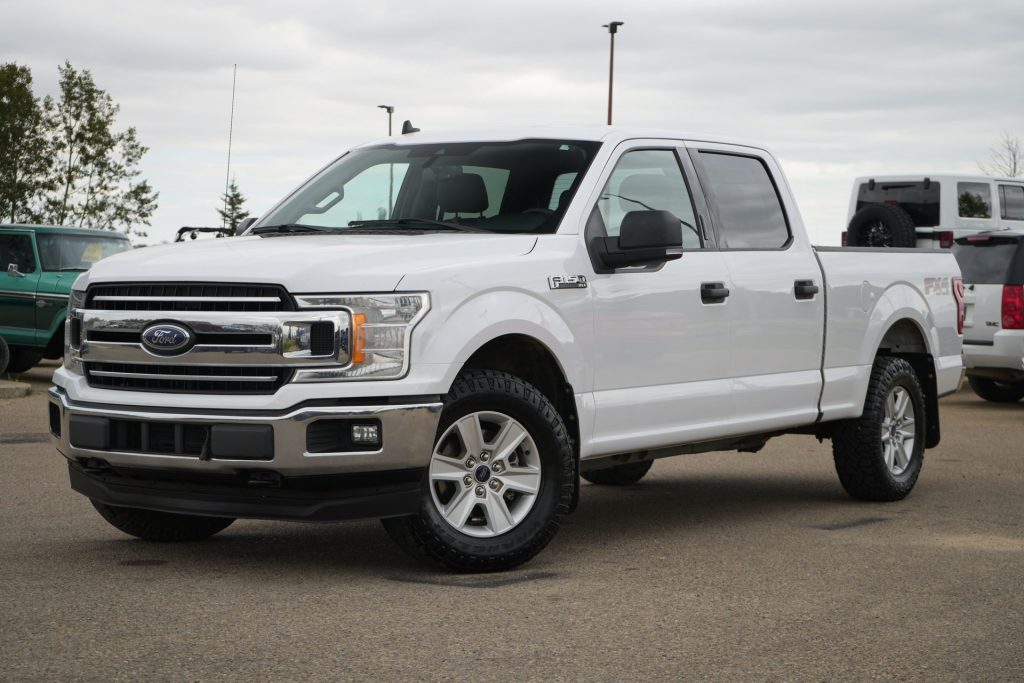
For truck owners, the F-150’s radiator is a standout feature. Its reliability allows drivers to focus on performance and utility without worrying about overheating or frequent service needs.
By combining durable materials, efficient thermal management, and accessible maintenance, the F-150 demonstrates how engineering excellence contributes to long-term cooling system reliability and owner satisfaction.
3. Chevrolet Silverado 1500
The Chevrolet Silverado 1500’s radiator is engineered for durability and consistent performance, even under demanding workloads.
With a robust aluminum core, reinforced tanks, and dense fin configuration, the radiator efficiently dissipates heat across a wide range of operating conditions.
The design ensures that coolant flows uniformly, preventing hotspots and maintaining optimal engine temperature during towing, long-distance travel, or stop-and-go city driving.
Owners frequently report high mileage with minimal radiator problems. Leaks, corrosion, and overheating are rare, a testament to the materials used and the radiator’s structural integrity.
The combination of a sturdy aluminum core and reinforced tanks ensures resistance to pressure fluctuations, while the fan assembly provides adequate airflow for both normal driving and heavy-duty use.
Maintenance for the Silverado’s cooling system is straightforward. Periodic coolant replacement, hose inspections, and checking for any debris in the radiator fins are usually sufficient to maintain long-term reliability.
Replacement parts are readily available, making minor repairs easy and cost-effective. The radiator is designed to withstand high thermal loads, vibrations, and heavy-duty stress, which are common in pickup truck operation.
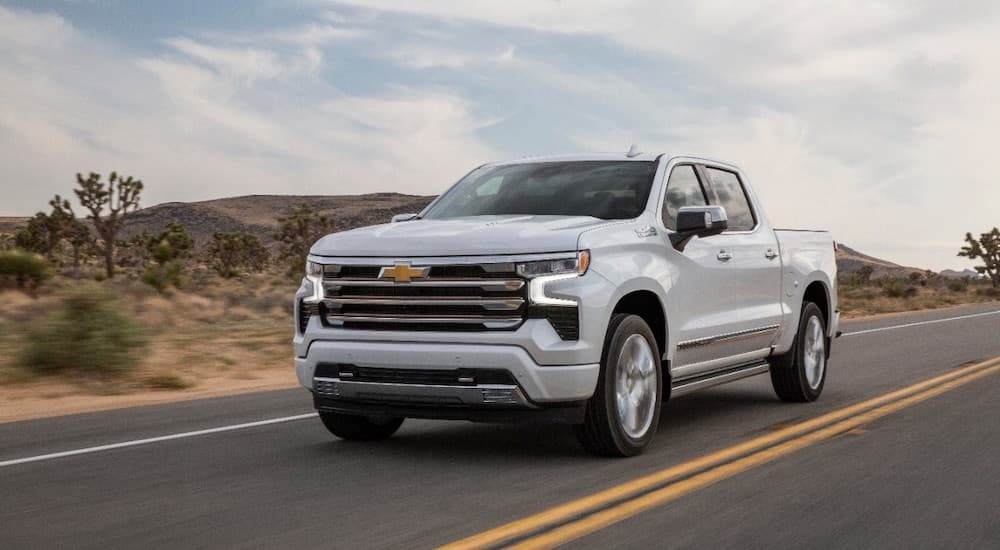
The Silverado 1500 demonstrates how proper engineering and quality materials can create a radiator system that rarely requires service. Its cooling system allows owners to maintain consistent engine performance, reduce downtime, and avoid unexpected repair costs.
The combination of thermal efficiency, durable construction, and straightforward maintenance makes the Silverado 1500 a model example of radiator longevity in full-size trucks.
4. Ram 1500
The Ram 1500 features a high-quality aluminum radiator with reinforced tanks designed to withstand heavy-duty operation and long-term use.
The radiator efficiently manages engine heat through a carefully engineered coolant flow system and fin placement that maximizes thermal dissipation.
Combined with a durable fan assembly, the system ensures consistent engine temperatures during towing, off-road driving, and extended highway travel.
Owners often report hundreds of thousands of miles without significant radiator issues, highlighting the system’s resilience.
Leaks, overheating, and corrosion are uncommon due to the use of high-quality materials, proper sealing, and efficient coolant routing. The radiator is designed to endure the pressure fluctuations and vibrations typical of full-size truck operation.
Routine maintenance is straightforward, generally involving coolant flushes and inspections of hoses, clamps, and the radiator surface. Minor issues, such as a hose replacement or cleaning of debris from the fins, can be addressed easily without costly repairs.
The Ram 1500’s cooling system provides consistent engine performance, ensuring that even under demanding workloads, the truck maintains stable temperatures and avoids common radiator failures.
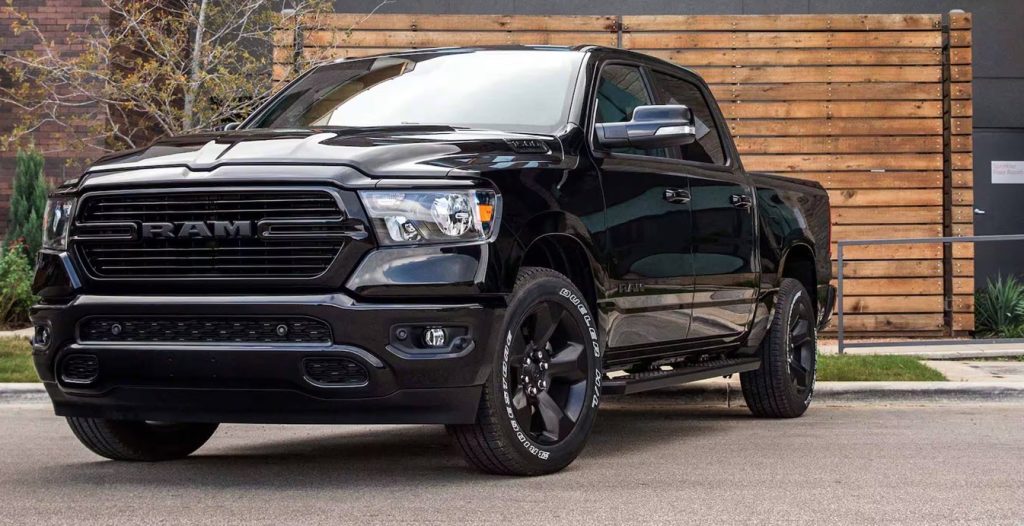
By combining durable materials, efficient thermal management, and accessible maintenance, the Ram 1500 demonstrates how a well-engineered cooling system can last for years with minimal intervention. Its radiator reliability contributes to the truck’s overall reputation for durability and long-term performance.
5. GMC Sierra 1500
The GMC Sierra 1500, sharing engineering similarities with the Chevrolet Silverado 1500, features a durable radiator system known for long-term reliability.
The aluminum core and reinforced tanks resist corrosion, leaks, and pressure-related failures, while optimized coolant flow and fin design ensure efficient heat transfer. The fan assembly is calibrated to provide consistent airflow, preventing overheating under heavy towing or demanding road conditions.
Owners report minimal radiator failures even after high-mileage operation, with the system maintaining stable engine temperatures throughout extensive use. The cooling system is resistant to vibration and thermal stress, which are common in full-size pickups, contributing to its long-term durability.
Routine maintenance, such as coolant replacement and system inspections, is simple and effective, extending radiator life. Minor repairs are straightforward, with widely available parts and cost-effective solutions.
The Sierra 1500’s radiator is designed to withstand the challenges of heavy-duty use, including towing, hauling, and off-road driving, while maintaining consistent engine performance.
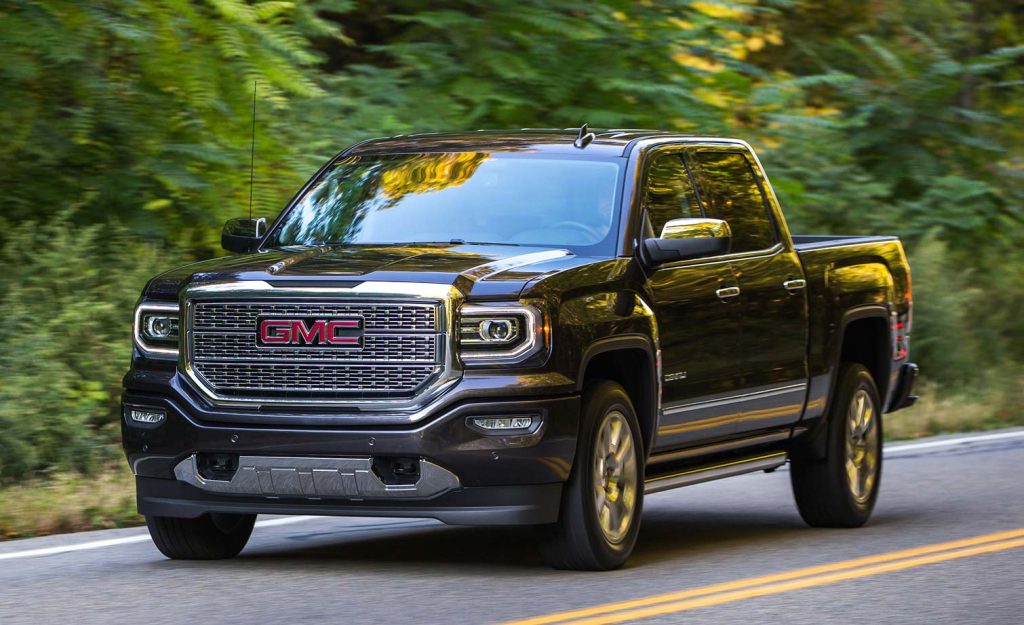
Its combination of quality materials, effective thermal management, and practical maintenance requirements makes it a reliable choice for truck owners.
The radiator’s longevity reduces downtime and repair costs, enhancing the overall ownership experience and ensuring the vehicle performs efficiently over its lifetime.
5 Trucks That Constantly Need Radiator Work
Not every truck maintains a reliable radiator over time, and some models are prone to recurring cooling system issues.
Radiator failures can manifest as leaks, corrosion, clogged passages, or cracked tanks, all of which can lead to engine overheating, reduced performance, and costly repairs. Trucks with less robust radiator designs may require repeated service, increasing maintenance costs and downtime.
Trucks that frequently experience radiator problems often share certain weaknesses. Materials such as low-grade aluminum or plastic tanks can deteriorate under thermal stress, while inefficient coolant flow can create hotspots that accelerate wear.
Tight engine bay layouts can make repairs difficult and expensive, while poorly designed seals or connections increase the likelihood of leaks. Overheating episodes exacerbate these issues, creating a cycle of recurring radiator failures.
This section examines five trucks known for radiator problems. Each example highlights design shortcomings, material vulnerabilities, and the types of maintenance challenges owners commonly face.
Real-world owner experiences illustrate how these weaknesses affect long-term reliability. Understanding which trucks are prone to radiator issues allows prospective buyers and current owners to anticipate potential problems, budget for repairs, and take preventive measures.
Recognizing these patterns emphasizes the importance of durable materials, effective thermal design, and accessible maintenance in ensuring a cooling system that performs consistently over the life of a truck.
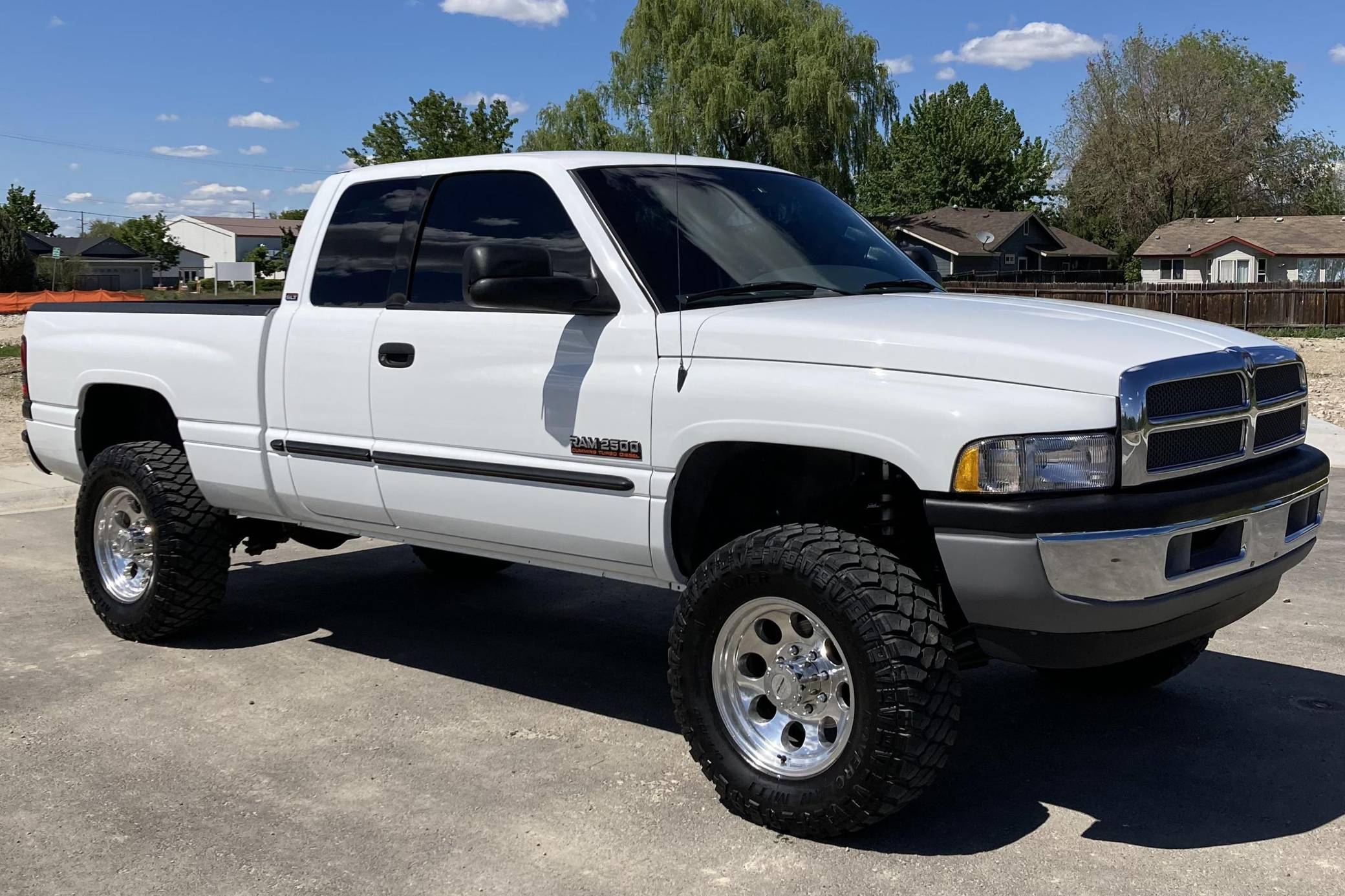
1. Dodge Ram 2500
The Dodge Ram 2500 has a reputation for radiator issues in several model years, particularly in trucks equipped with heavy-duty engines and towing packages.
Owners often report leaks in the plastic tanks, corrosion along the aluminum core, and occasional clogging in the coolant passages. These issues can result in engine overheating and may necessitate repeated radiator repairs over the truck’s lifespan.
One of the key problems lies in the radiator’s material construction. Plastic tanks, while cost-effective, are prone to cracking under high thermal stress and pressure fluctuations common in heavy-duty operation.
Additionally, some Ram 2500 models experience coolant flow inefficiencies, which can create localized hotspots and accelerate wear on the aluminum core. Vibration from hauling heavy loads further stresses hoses and connections, contributing to leaks.
Maintenance, while necessary, often cannot fully prevent these failures. Owners frequently need to replace pumps, hoses, or the entire radiator assembly before 150,000 miles, especially in trucks subjected to towing or off-road work. Tight engine bay layouts can make these repairs labor-intensive and costly.
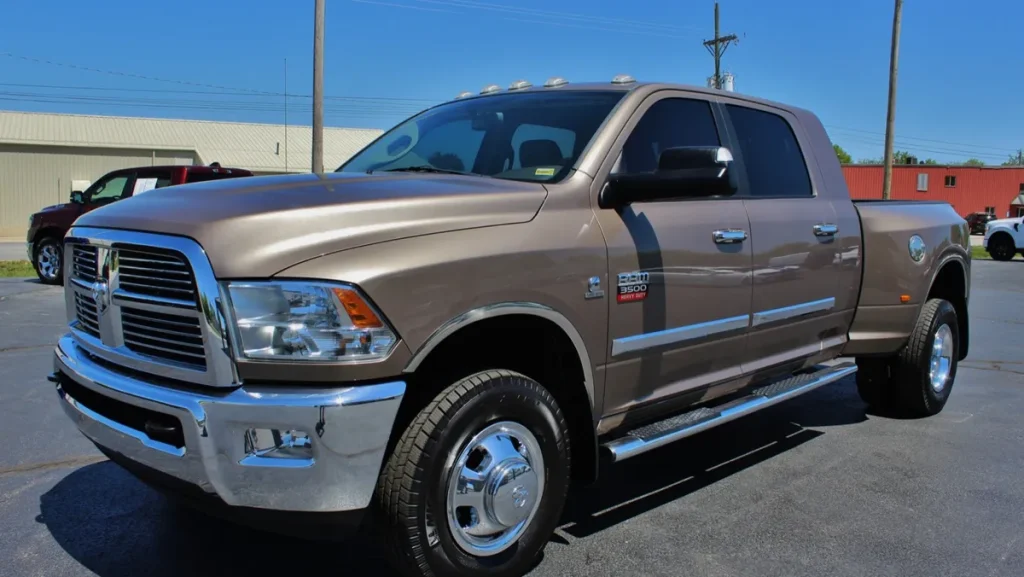
Despite its overall capability and power, the Ram 2500’s radiator is a known weak point. Prospective owners should anticipate potential cooling system problems, budget for maintenance, and monitor fluid levels regularly.
Understanding these weaknesses is crucial for ensuring engine longevity and avoiding unexpected overheating during heavy-duty use or long trips.
2. Nissan Titan XD
The Nissan Titan XD has faced recurring radiator concerns, particularly in models with Cummins diesel engines or V8 gas engines.
Reports include coolant leaks, tank cracking, and overheating during towing or high-load operation. The radiator core can also corrode prematurely, reducing its heat transfer efficiency and contributing to system failures.
Plastic end tanks and composite materials are a common source of problems. Thermal cycling and prolonged high engine temperatures can cause cracks or separation at weld points.
In some cases, poor coolant routing creates hotspots that strain the core and fan assembly, accelerating wear. Vibrations from heavy loads or rough terrain may exacerbate these weaknesses, leading to premature leaks.
Owners frequently encounter radiator repairs or replacements before 130,000 miles, especially in trucks used for towing, hauling, or off-road applications.
Repair costs can be high due to the labor involved in removing and replacing tightly integrated cooling components. Minor maintenance, such as coolant flushing and hose inspection, helps but cannot entirely prevent failures.
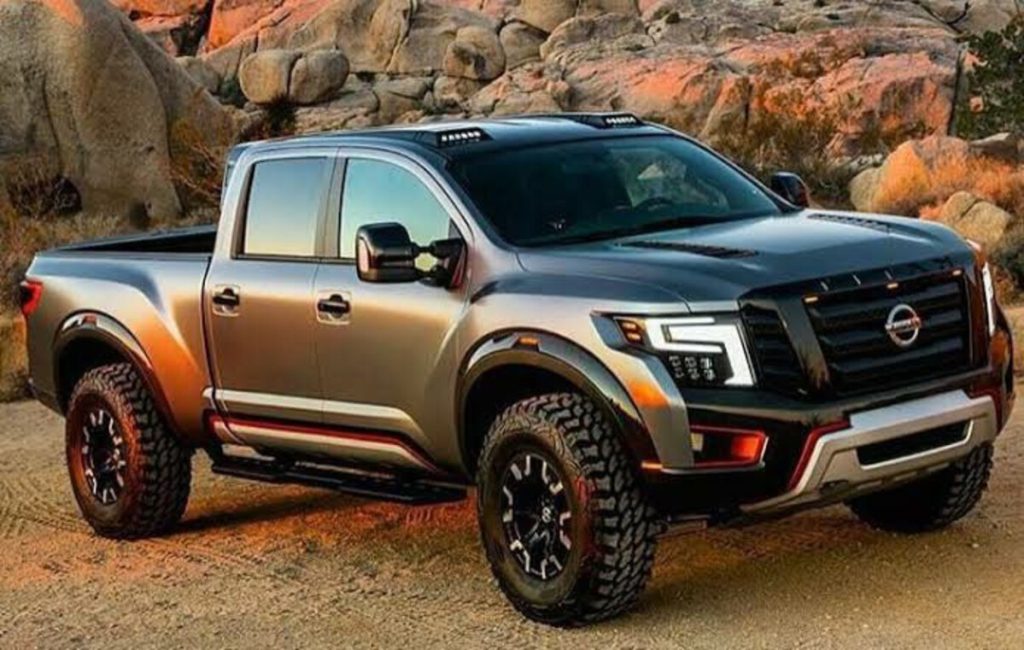
For Titan XD owners, awareness of radiator vulnerabilities is critical. Monitoring fluid levels, inspecting hoses and clamps, and addressing small leaks immediately can help reduce the likelihood of catastrophic overheating.
While the truck remains capable and powerful, its radiator design requires attentive care to maintain long-term reliability.
3. Chevrolet Colorado ZR2
The Chevrolet Colorado ZR2, a mid-size off-road truck, has exhibited recurring radiator problems in certain model years.
Owners report leaks in the aluminum core and occasional cracking of plastic tanks after high-mileage use, particularly when the truck is frequently used off-road or in hot climates.
The radiator’s core is efficient but thin in some designs, making it vulnerable to debris impacts or thermal stress.
High-load conditions, such as towing or climbing steep inclines, can cause the fluid to overheat, increasing the pressure on plastic tanks and hoses. These stresses contribute to premature leaks and potential core failure.
Routine maintenance like coolant flushing and hose inspections can reduce the risk of failure but cannot eliminate it entirely.
Owners often need partial or full radiator replacement before 120,000 miles, and repairs can be costly due to the tightly packed engine bay and integration with the intercooler and transmission cooling systems.
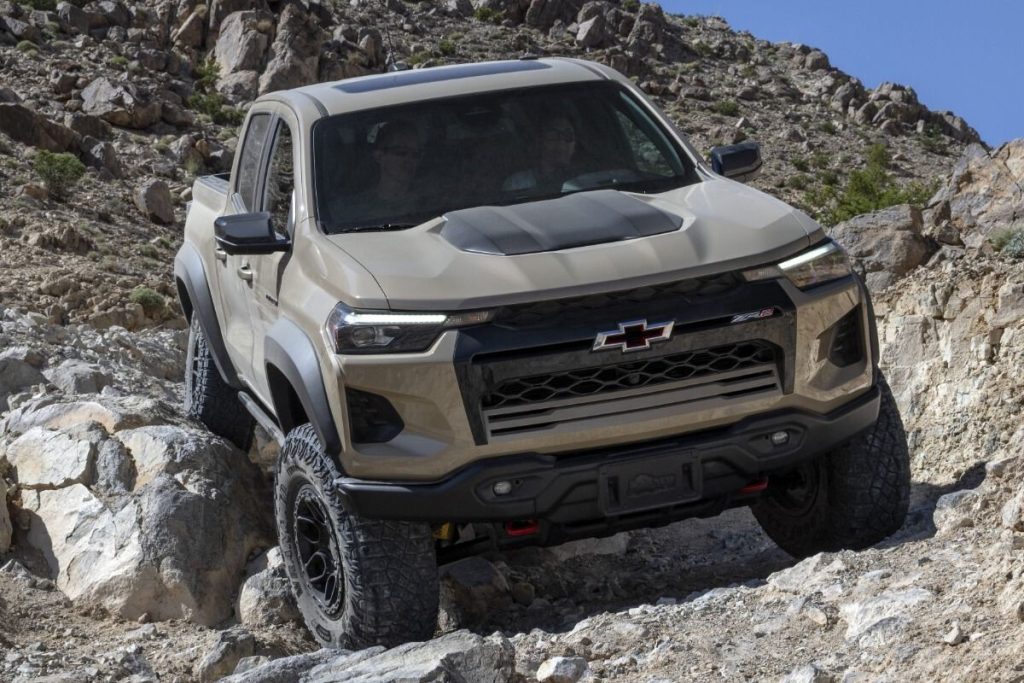
The Colorado ZR2 highlights the challenges of balancing performance, off-road capability, and radiator durability. Drivers must monitor coolant levels and engine temperature closely, particularly during heavy towing or off-road activity, to avoid overheating and costly repairs.
4. GMC Canyon Denali
The GMC Canyon Denali shares some components with the Chevrolet Colorado but has its own radiator vulnerabilities, particularly in diesel and turbocharged gas models. Owners frequently report leaks from plastic tanks, core corrosion, and overheating under heavy-duty use.
The radiator design includes plastic end tanks and thin aluminum cores, which are sensitive to thermal cycling and pressure fluctuations.
Extended towing, high ambient temperatures, and stop-and-go city driving accelerate stress on these components, resulting in leaks or even cracks. Vibration and minor impacts from road debris further contribute to failures.
Maintenance reduces risk but cannot fully prevent issues. Many owners require radiator repairs or replacements before 125,000 miles.
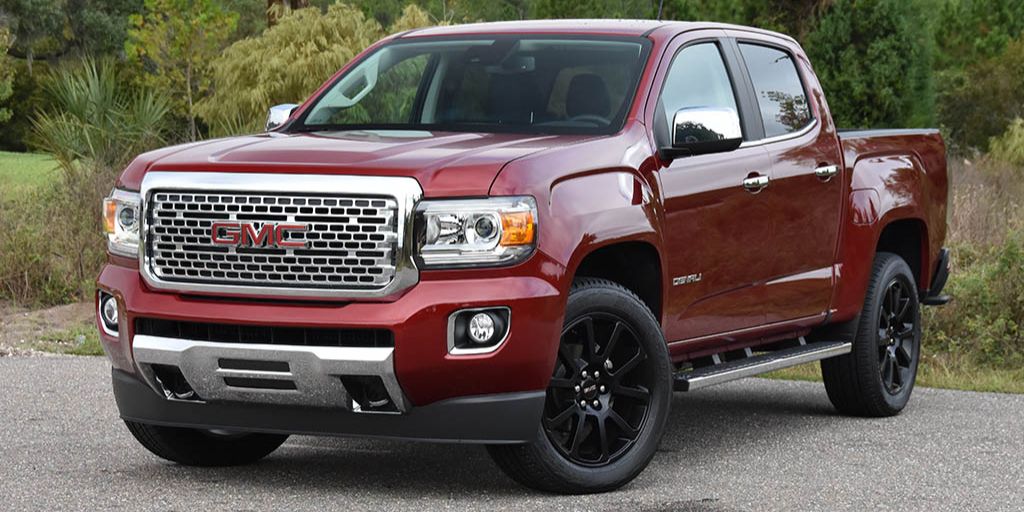
Repairing or replacing the radiator can be labor-intensive due to tight engine bay layouts and the integration with the cooling system for the turbocharger and transmission.
The Canyon Denali demonstrates that even premium mid-size trucks can suffer from cooling system weaknesses. Monitoring coolant levels, inspecting hoses, and replacing aging radiators proactively are essential to avoid overheating and maintain engine longevity.
5. Ford Ranger (2019–2021)
The Ford Ranger, particularly in the 2019–2021 models, has shown recurring radiator problems under moderate to heavy use.
Leaks in plastic tanks, corrosion of the aluminum core, and occasional clogging are common complaints. Trucks used for towing, off-road driving, or in hot climates are especially prone to failure.
Plastic tank cracking is the primary concern. Thermal expansion and pressure spikes during heavy-duty operation cause stress points that eventually leak.
Some models also have inefficient coolant routing, which leads to hotspots in the core, reducing heat transfer and increasing the risk of overheating. Vibration and engine movement can worsen these issues, causing premature failure.
Routine coolant replacement and inspections help extend radiator life but cannot fully prevent these recurring issues. Many owners report needing radiator service or replacement before 120,000 miles, and labor costs can be significant due to compact engine bay layouts.
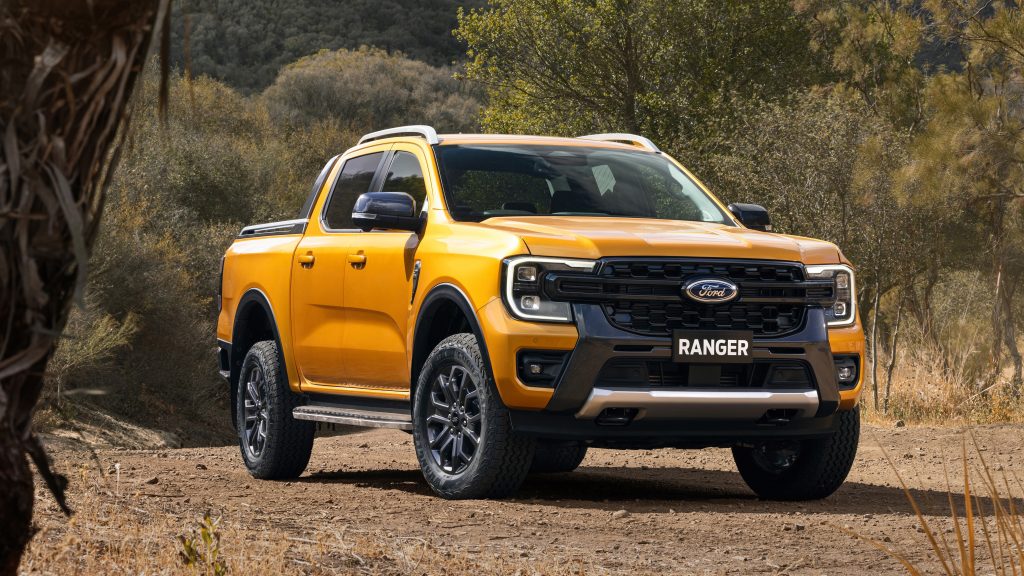
For Ranger owners, monitoring coolant levels and addressing minor leaks immediately is essential.
While the truck is reliable in many areas, radiator vulnerability remains a weak point, especially for high-mileage or heavily used trucks. Awareness and proactive maintenance can help avoid costly overheating repairs.
Radiator reliability is a critical factor for truck owners, as it directly affects engine performance, longevity, and maintenance costs.
Among the ten trucks analyzed, clear differences emerge between models that rarely need radiator work and those prone to recurring issues.
The Toyota Tundra, Ford F-150, Chevrolet Silverado 1500, Ram 1500, and GMC Sierra 1500 demonstrate exceptional radiator durability.
These trucks feature aluminum cores with reinforced tanks, optimized coolant flow, and efficient fan assemblies that maintain stable engine temperatures under heavy-duty use.
Material quality, thermal efficiency, and straightforward maintenance routines contribute to their long-term reliability. Owners report minimal leaks, corrosion, or overheating even after high-mileage operation, and repairs, when needed, are simple and cost-effective.
These trucks highlight how engineering decisions, such as robust materials and well-designed fluid routing, result in dependable cooling systems that support both everyday driving and demanding workloads.
In contrast, the Dodge Ram 2500, Nissan Titan XD, Chevrolet Colorado ZR2, GMC Canyon Denali, and Ford Ranger frequently experience radiator failures.
Common problems include plastic tank cracking, aluminum core corrosion, inefficient coolant flow, and leaks caused by thermal stress or vibration.
These failures often occur before 130,000–150,000 miles, especially in trucks subjected to towing, hauling, or off-road use. Repairs are labor-intensive and costly, and routine maintenance alone is insufficient to prevent recurring issues.
These trucks illustrate how material vulnerabilities, compact engine bay layouts, and design limitations can compromise cooling system reliability.
Overall, buyers seeking dependable trucks should prioritize models with durable radiators, efficient coolant routing, and accessible maintenance.
Understanding which trucks are prone to radiator problems allows owners to anticipate repairs, monitor fluid levels, and maintain engine performance.
The comparison underscores the importance of materials, thermal design, and system accessibility in ensuring long-term cooling reliability and reducing unexpected maintenance costs.
Also Read: 10 Trucks That Bring the Best Trade-In Value in 2025
