
Air conditioning is no longer considered a luxury in SUVs; it is a necessity that determines comfort during long drives and hot summers. A reliable AC system ensures steady cooling, minimal breakdowns, and long service life with only routine maintenance.
On the other side, weak or poorly engineered systems can make ownership frustrating, as frequent failures lead to uncomfortable rides and costly repairs.
The contrast between dependable AC systems and those that constantly give trouble highlights the importance of engineering quality and durability in automotive design.
Some SUVs are celebrated for their strong, long-lasting AC performance. Owners praise them for delivering steady cooling even in harsh climates, often lasting well beyond 150,000 miles without major problems. These vehicles show how good design and durable components can reduce stress on both drivers and mechanics.
Meanwhile, other SUVs are known for fragile compressors, weak evaporators, or leak-prone systems. For these models, drivers often face recurring AC failures that are both costly and inconvenient.
By comparing both groups, we can see which SUVs offer true dependability and which ones fall short. This makes it easier for buyers to make smart decisions when choosing a family vehicle.
Also Read: 5 SUVs That Keep Their Value Forever vs 5 That Depreciate Overnight
5 SUVs That Rarely Lose AC
Some SUVs stand out for their reliable air conditioning systems, providing consistent cooling even after years of use.
These vehicles are designed with quality compressors, durable condensers, and leak-resistant hoses, ensuring that owners enjoy a comfortable cabin without frequent repairs.
A strong AC system is particularly important for families, commuters, and anyone living in hot climates, where a failing system can make driving uncomfortable and stressful.
The five SUVs selected for this section are widely recognized for delivering long-lasting AC performance.
Their systems are less prone to refrigerant leaks, compressor failures, or clogged evaporators. Owners often report that these vehicles maintain optimal cooling throughout summer months, even after reaching high mileage.
By examining these SUVs, we can see how thoughtful engineering and attention to component durability create dependable AC systems.
These vehicles combine performance, comfort, and reliability, setting a benchmark for what drivers should expect from a well-maintained SUV.
Choosing one of these models means fewer trips to the mechanic, less worry about hot days, and a generally more satisfying ownership experience.
1. Toyota Highlander
The Toyota Highlander is renowned for its long-term reliability, and its AC system is no exception. Toyota designed the Highlander’s air conditioning with a robust compressor, efficient condenser, and high-quality refrigerant lines that resist leaks over time.
Owners frequently report that even vehicles surpassing 200,000 miles continue to deliver cool air on the hottest days without major repairs.
One of the key strengths of the Highlander’s AC system is its simplicity combined with durability. Toyota avoids overly complex components that can fail prematurely, focusing instead on reliability and ease of maintenance.
The cabin’s ducting system ensures even airflow, while the climate control module remains accurate over the long term. Many owners note that their AC never loses performance significantly, even after many years of regular use.
Routine maintenance, such as keeping the system charged with refrigerant and checking for minor leaks, is generally sufficient to maintain optimal performance.
Unlike some SUVs where minor leaks or worn compressors quickly lead to total AC failure, the Highlander continues functioning with minimal attention.
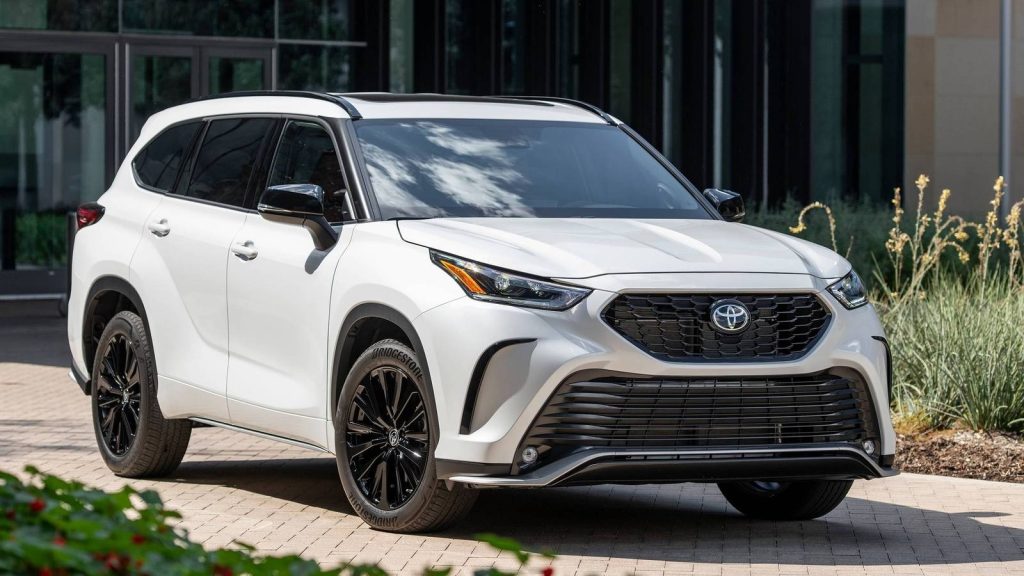
This consistent performance has made the Highlander a top choice for families and long-distance drivers. Its air conditioning reliability, combined with overall mechanical durability, ensures that occupants remain comfortable in a variety of climates.
For anyone prioritizing a dependable cooling system in a midsize SUV, the Highlander remains one of the best options available.
2. Honda CR-V
The Honda CR-V has built a reputation for reliability across multiple generations, and its AC system is consistently praised for longevity.
Honda engineered the CR-V with a durable compressor, corrosion-resistant condenser, and reinforced hoses, all of which contribute to a system that rarely fails.
Owners frequently report that the AC maintains strong cooling even in older vehicles with high mileage, making it one of the most dependable compact SUVs on the market.
A major advantage of the CR-V’s system is its simplicity. The AC components are accessible and designed to withstand frequent use without stressing the compressor or other critical parts.
Valve and gasket designs reduce the likelihood of refrigerant leaks, which are common failure points in many competing vehicles. Even during extended summer use, the system retains its performance without the dramatic decline seen in some rivals.
Preventive maintenance is straightforward. Regular refrigerant checks, occasional cabin filter replacements, and ensuring proper belt tension typically keep the system running efficiently for many years.
Many owners report using the CR-V daily in hot climates without ever experiencing a total AC failure, which speaks to Honda’s focus on durability.
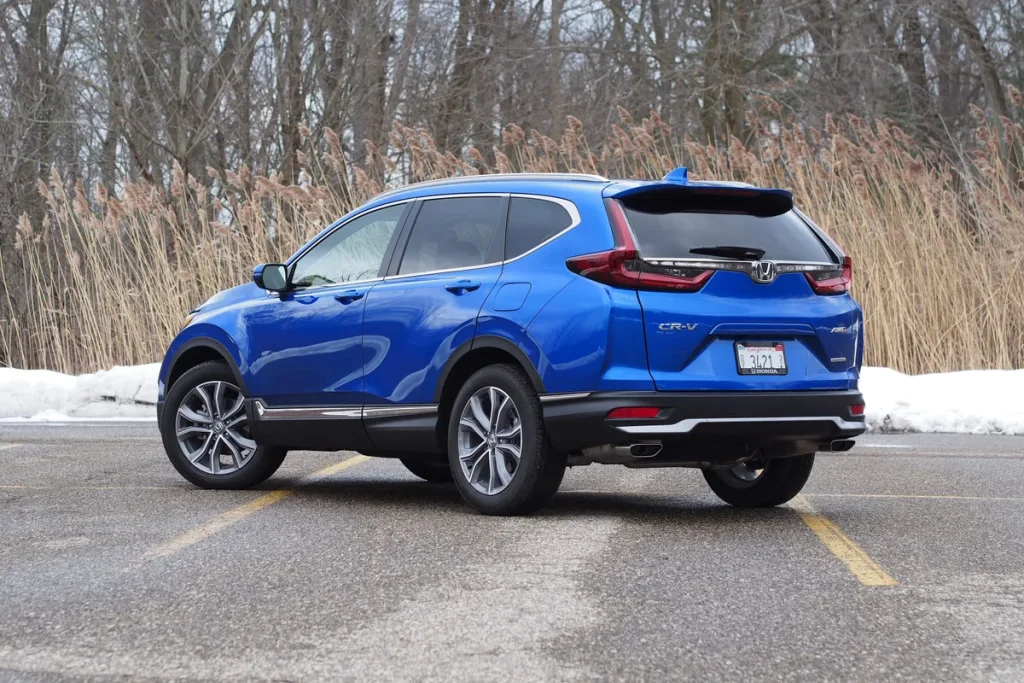
For buyers seeking a compact SUV that combines comfort, reliability, and efficient cooling, the CR-V is a standout. Its air conditioning system performs as promised, keeping occupants comfortable while minimizing repair concerns. This long-term reliability reinforces Honda’s reputation for engineering vehicles built to last.
3. Lexus RX
The Lexus RX, Toyota’s luxury SUV, is known for combining comfort, performance, and long-term reliability. Its air conditioning system is particularly resilient, providing consistent cooling for years without major issues.
The AC system in the RX features a high-quality compressor, durable condenser, and leak-resistant hoses that are engineered to withstand frequent use under demanding conditions.
One reason the RX’s AC lasts so long is the meticulous attention to component quality. Valve seals, gaskets, and refrigerant lines are built to resist wear, which minimizes the risk of leaks.
Unlike some luxury competitors where minor component failures can lead to full AC breakdowns, the RX rarely experiences such problems. Owners frequently report vehicles exceeding 200,000 miles with AC systems still performing as efficiently as when new.
The cabin’s climate control system is also designed for longevity. Controls remain precise over time, allowing drivers to maintain a comfortable temperature with minimal fluctuation.
Regular maintenance, such as checking refrigerant levels and replacing cabin filters, is typically sufficient to ensure continued performance.
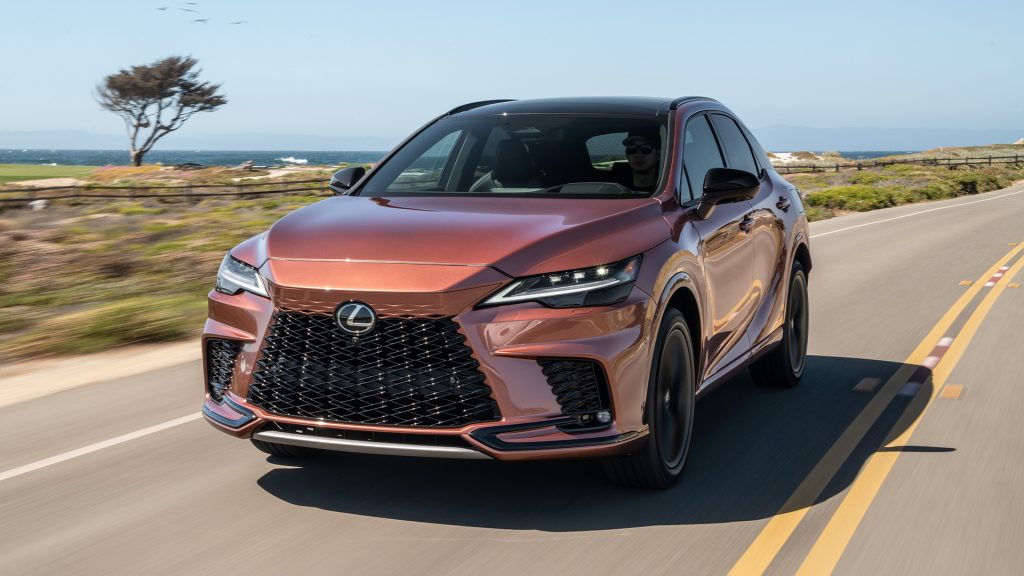
This reliability makes the RX an excellent choice for buyers who value both comfort and long-term dependability. Its strong AC system enhances the luxury experience, keeping passengers cool and comfortable even in extreme heat.
By combining engineering quality with thoughtful component selection, the Lexus RX demonstrates how a well-built SUV can maintain its air conditioning performance for many years.
4. Toyota 4Runner
The Toyota 4Runner is a midsize SUV celebrated for its rugged durability, and its air conditioning system is no exception.
Built with long-term reliability in mind, the 4Runner’s AC features a robust compressor, corrosion-resistant condenser, and reinforced hoses that rarely fail, even after heavy use.
This durability ensures that owners enjoy consistent cooling during hot weather, off-road adventures, and long commutes alike.
One of the system’s key advantages is Toyota’s focus on straightforward design. The AC components are engineered to minimize stress on the compressor and reduce leak-prone areas.
Valve seals, O-rings, and fittings are all constructed from materials that resist wear, while the ducting system ensures even airflow throughout the cabin. Owners frequently report that vehicles over 150,000 miles continue to provide efficient cooling with minimal maintenance.
Routine upkeep is simple and inexpensive. Checking refrigerant levels, maintaining belt tension, and replacing cabin filters typically keep the system running optimally.
Unlike some SUVs where a minor leak can quickly escalate into a full AC failure, the 4Runner’s system maintains performance without costly repairs.
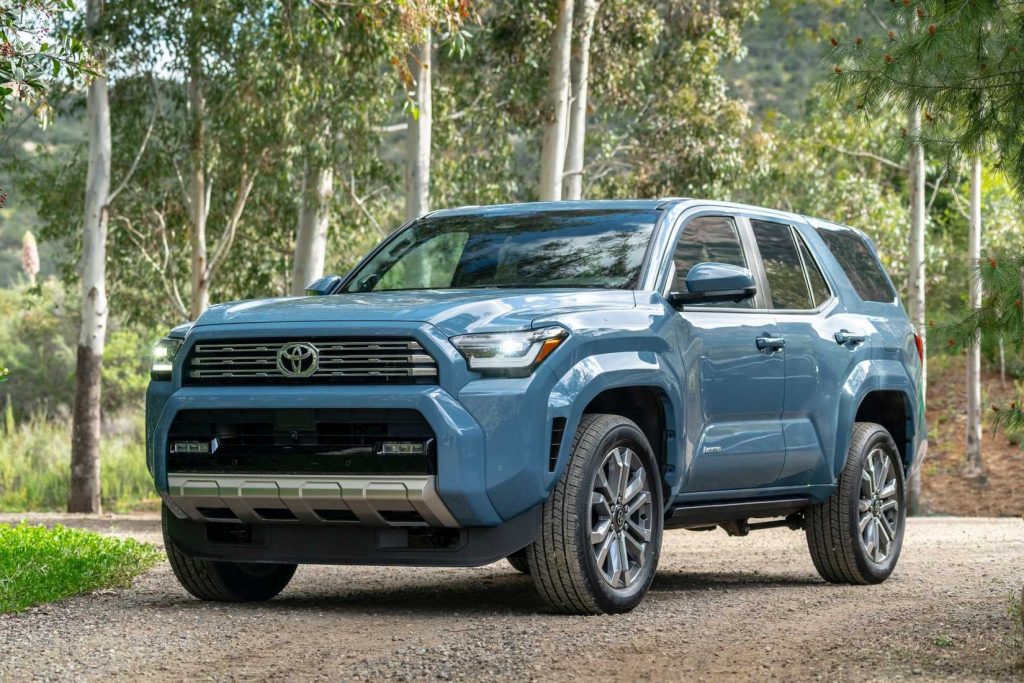
This combination of rugged reliability and durable air conditioning makes the 4Runner ideal for families and outdoor enthusiasts who need dependable cooling in challenging conditions.
Drivers can focus on their journey without worrying about frequent AC problems, reinforcing the 4Runner’s reputation as a long-lasting, all-around dependable SUV.
5. Subaru Forester
The Subaru Forester has earned a strong reputation for reliability, and its air conditioning system is one of the reasons owners continue to trust this compact SUV.
The AC system in the Forester features a durable compressor, high-quality condenser, and reinforced hoses, all designed to resist leaks and maintain consistent cooling over the long term.
Owners often note that even models with high mileage continue to deliver effective climate control, which is critical in regions with hot summers or humid conditions.
One key to the Forester’s AC longevity is Subaru’s use of robust materials and thoughtful component placement. Seals, O-rings, and fittings are designed to withstand temperature fluctuations and vibrations from normal driving.
The system’s simplicity further reduces the risk of premature failure, as there are fewer parts susceptible to leaks or malfunction.
Maintenance is straightforward. Regular checks of refrigerant levels, occasional cabin filter replacement, and inspection of hoses and belts usually ensure that the system continues to operate efficiently.
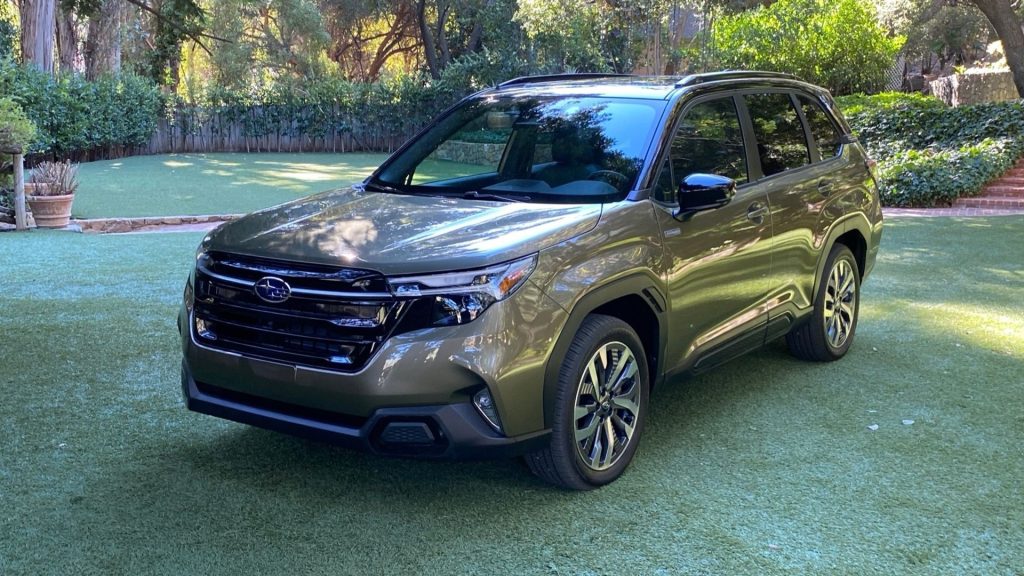
Unlike many competitors, the Forester’s AC rarely requires major repairs, saving owners both time and money over the life of the vehicle.
For buyers who prioritize a reliable, well-maintained AC system in a compact SUV, the Forester delivers consistent performance.
Its combination of engineering quality, durable components, and long-term dependability ensures that occupants remain comfortable, reinforcing Subaru’s reputation for building vehicles that handle both the elements and the passage of time with minimal issues.
5 SUVs That Constantly Do
While some SUVs maintain reliable air conditioning for years, others are notorious for frequent AC failures. Vehicles with weak compressors, leaky hoses, or fragile condensers can leave drivers uncomfortable during hot weather.
Persistent AC problems are not only inconvenient but often costly to repair, requiring replacement of major components such as compressors, condensers, or evaporators.
These five SUVs have earned reputations for AC systems that fail repeatedly. Owners often report refrigerant leaks, compressor failures, or faulty electronic climate controls, creating a cycle of repairs that can last the vehicle’s lifetime.
In some cases, even routine maintenance is insufficient to prevent recurring problems, making ownership frustrating and expensive.
By examining these SUVs, prospective buyers can see how design flaws, material weaknesses, and assembly issues contribute to unreliable air conditioning performance.
While these vehicles may have other redeeming qualities, their AC systems are a common source of dissatisfaction.
Understanding which models tend to struggle helps drivers make informed decisions, reducing the risk of costly repairs and uncomfortable drives during the hottest months.
1. Jeep Grand Cherokee
The Jeep Grand Cherokee has long been admired for its off-road capability and commanding presence, but its AC system has proven problematic across multiple generations.
Owners frequently report issues with the compressor, evaporator, and refrigerant lines, leading to diminished cooling performance or complete AC failure. Leaks are common, often originating from the condenser or hose connections, requiring extensive repairs.
One reason for the Grand Cherokee’s AC struggles is the complexity of its system. Multiple electronic controls regulate airflow and temperature, but these components are prone to malfunction, particularly in older models. When the system fails, it often requires costly part replacements rather than simple fixes.
Compressor failures are another recurring issue. Many owners experience complete loss of cooling when the compressor seizes, often necessitating full AC system replacement.
Even routine maintenance may not prevent these failures, as the components themselves are prone to wear and leaks over time.
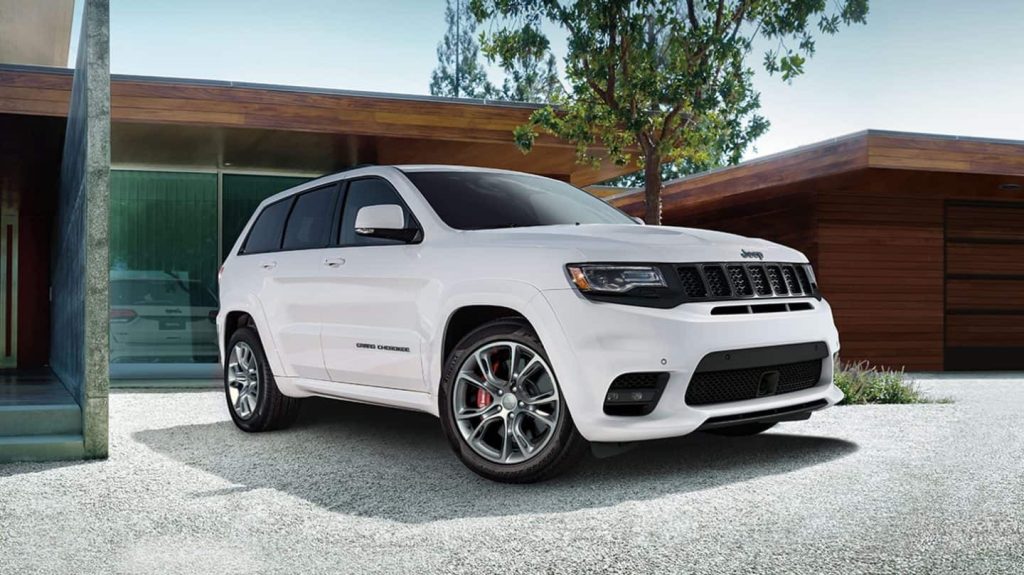
Despite its strengths as a rugged SUV, the Grand Cherokee’s AC unreliability frustrates owners who rely on consistent cooling in hot climates.
Repair costs and repeated failures have contributed to its reputation as one of the SUVs where air conditioning is a known weak point. Drivers who prioritize dependable cabin comfort may want to consider alternatives with stronger long-term AC performance.
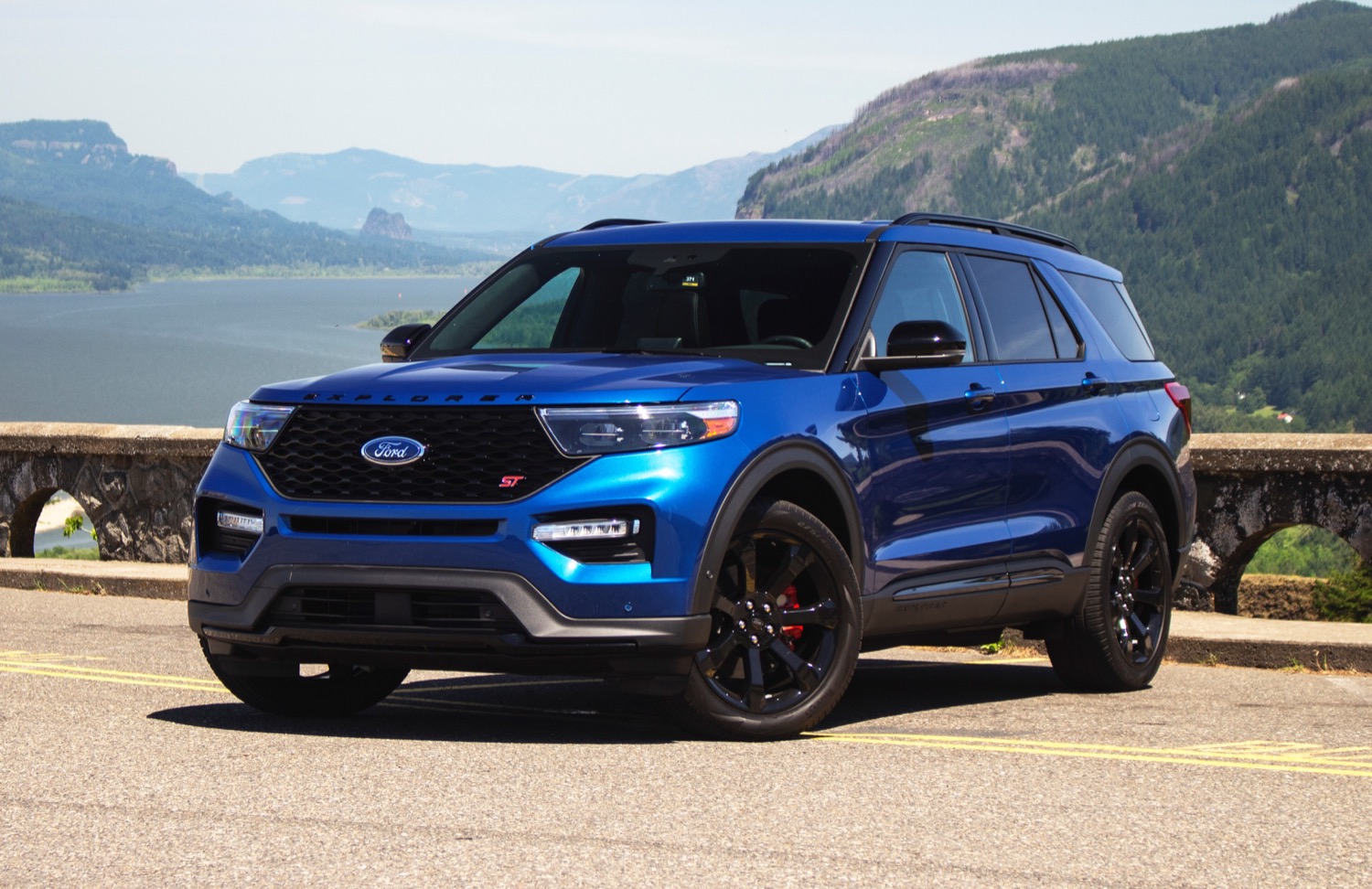
2. Ford Explorer
The Ford Explorer has long been a popular midsize SUV, but its air conditioning system has earned a reputation for frequent failures.
Owners often report refrigerant leaks, faulty compressors, and evaporator issues that lead to diminished cooling or complete system failure. Even relatively new models can experience problems, creating inconvenience and costly repairs.
One common issue is the compressor, which tends to wear prematurely. When the compressor fails, the AC system loses its ability to circulate refrigerant, causing the cabin to heat up quickly. Replacing the compressor often requires significant labor, as it is integrated deeply into the engine bay, adding to repair costs.
Leaks are another frequent problem. Hoses, fittings, and the condenser are prone to failure, often resulting in slow or ineffective cooling.
Electronic controls for the climate system can also malfunction, creating inconsistent airflow or temperature regulation. Many owners find themselves repairing one component only for another to fail shortly afterward.
While the Explorer excels in space and utility, its AC reliability is a persistent weak point. Drivers in hot climates frequently report dissatisfaction, and maintenance expenses can add up over time.
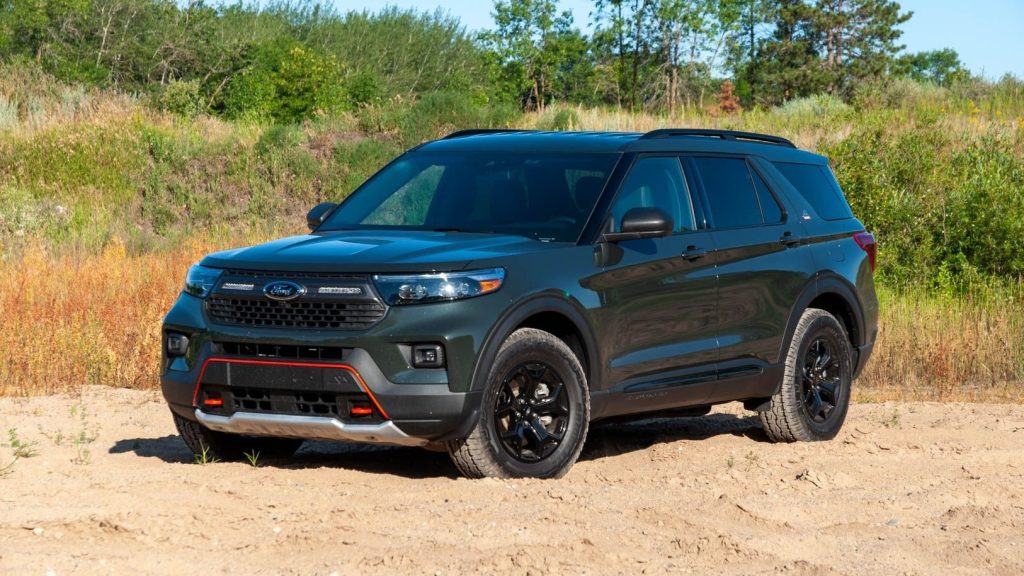
Those prioritizing dependable air conditioning may find the Explorer less appealing compared to rivals with proven AC systems.
Understanding these common problems helps potential buyers anticipate maintenance needs and make more informed choices when selecting a family-friendly SUV.
3. Chevrolet Tahoe
The Chevrolet Tahoe is a full-size SUV known for power and spaciousness, but its air conditioning system often disappoints owners with recurring issues.
Problems include failing compressors, refrigerant leaks, and faulty evaporators that reduce cooling efficiency or stop it entirely. Even well-maintained vehicles may experience AC failures sooner than expected.
Compressor reliability is a major concern. Many Tahoe owners report that the compressor seizes or loses efficiency, leaving the cabin uncomfortably warm. Repairs are costly because the AC components are tightly integrated, requiring significant labor to access and replace.
Leaks are another common source of frustration. Refrigerant lines and fittings can develop cracks or loose connections, leading to slow leaks that reduce system performance.
Condensers are also prone to failure, particularly in older models exposed to heat and road debris. Even minor leaks often require professional service to restore proper cooling.
Electronic controls compound the issue. Climate control modules may fail, causing uneven airflow or temperature fluctuations. Owners frequently find that fixing one problem does not prevent another, creating a cycle of repairs.
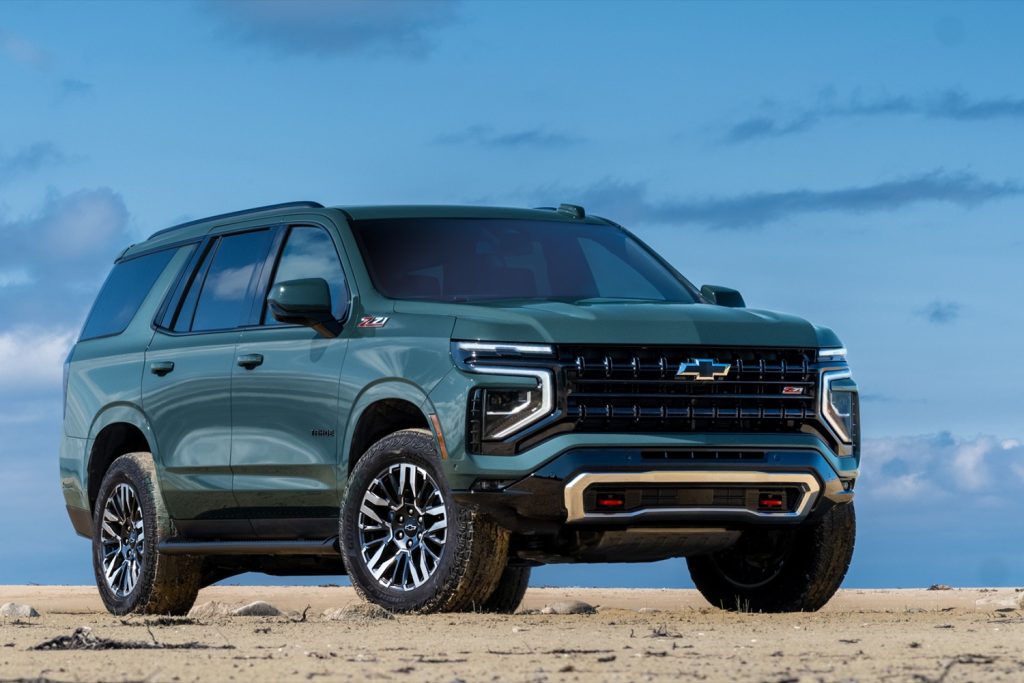
Despite the Tahoe’s strengths as a powerful, family-oriented SUV, its air conditioning system is a known weak point. Buyers in hot climates often face repeated failures and high repair costs.
Those seeking consistent cabin comfort may want to explore alternatives with more reliable AC performance, as the Tahoe’s cooling system can detract from its otherwise practical and capable design.
4. Nissan Pathfinder
The Nissan Pathfinder offers a versatile SUV platform, but its AC system has developed a reputation for frequent failures. Owners often report compressor malfunctions, refrigerant leaks, and evaporator issues that prevent effective cooling, particularly in hot weather.
Even vehicles with moderate mileage can experience recurring problems, making maintenance both inconvenient and expensive.
The compressor is a primary failure point. Many Pathfinder owners encounter premature wear or total seizure, which results in a complete loss of cooling.
Repairing or replacing the compressor requires extensive labor, as the system is integrated into the engine bay with limited accessibility.
Leaks are another persistent issue. Hose fittings, the condenser, and the evaporator are prone to developing cracks or deteriorating over time. Minor leaks gradually reduce AC efficiency and eventually necessitate major repairs. Electronic climate controls can also fail, creating inconsistent airflow or temperature regulation.
These recurring problems frustrate owners who expect reliable cabin comfort, particularly in regions with hot or humid summers. Even routine maintenance may not prevent system failure due to inherent design weaknesses and component vulnerabilities.
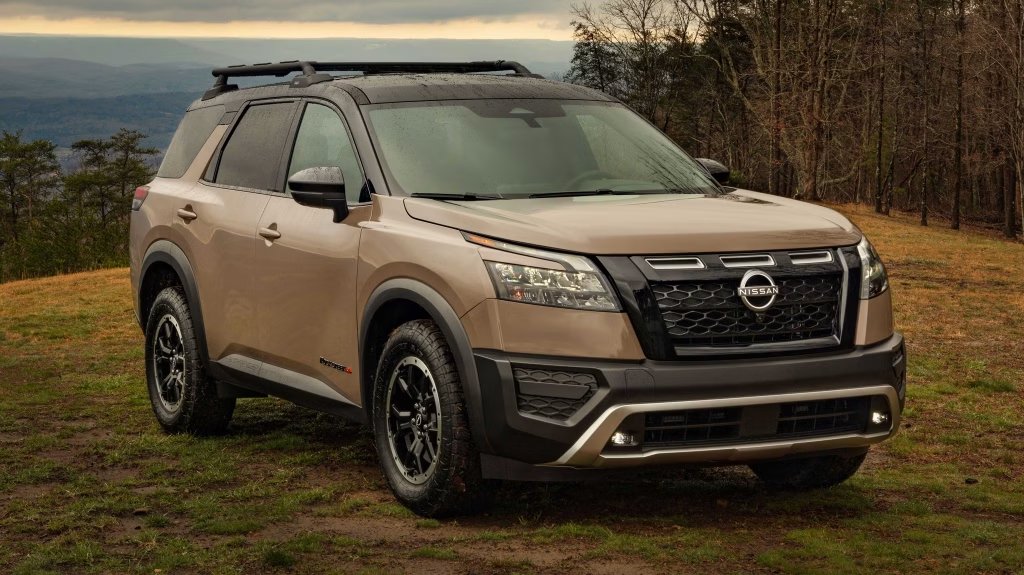
While the Pathfinder offers versatility and space, its AC reliability is a known drawback. Drivers seeking a dependable cooling system may prefer other SUVs where components and seals are designed to last longer.
Understanding the Pathfinder’s AC issues helps buyers make informed decisions and anticipate potential repair costs when considering this model for long-term ownership.
5. Jeep Compass
The Jeep Compass, a compact SUV, has gained popularity for its styling and off-road potential, but its air conditioning system is frequently reported as unreliable.
Common issues include compressor failures, refrigerant leaks, and evaporator problems that result in weak or nonexistent cooling. Owners often face recurring repairs, making AC performance a consistent source of frustration.
Compressor issues are particularly problematic. The Compass’s compact engine bay and integrated components make replacement labor-intensive and costly. Many owners report that even after a new compressor is installed, leaks or other failures appear soon afterward.
Leaks are another frequent concern. Hoses, fittings, and the condenser are prone to deterioration, allowing refrigerant to escape gradually.
Minor leaks often go unnoticed until cooling performance declines significantly, creating discomfort in hot weather. Evaporator problems further exacerbate the issue, reducing airflow and temperature control within the cabin.
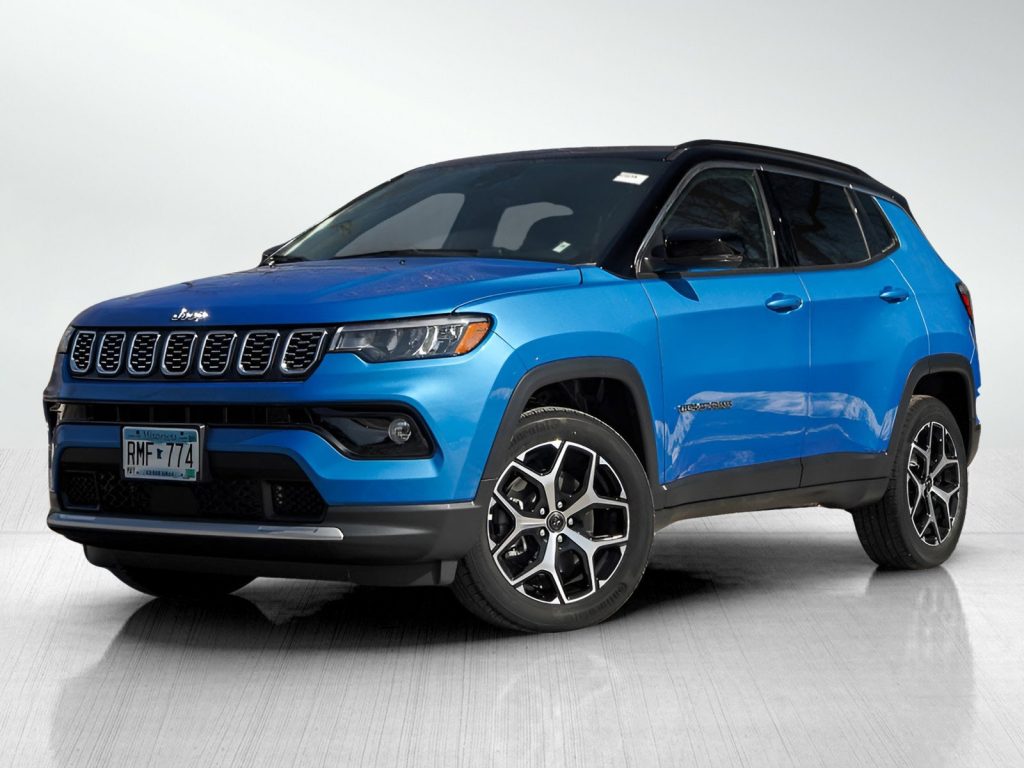
Electronic climate control failures are also common. Modules can malfunction, causing uneven temperature distribution or preventing the system from reaching the desired cooling setting. This combination of mechanical and electronic weaknesses makes the Compass’s AC system one of the least reliable in its class.
While the Jeep Compass offers affordability and style, its air conditioning system frequently undermines the ownership experience. Drivers in warm climates often face recurring failures and costly repairs, which diminishes comfort and convenience.
Those prioritizing reliable cooling should consider alternatives with proven long-term AC performance, as the Compass consistently demonstrates the challenges of a poorly executed climate control system.
Air conditioning reliability is a key factor in SUV ownership, affecting comfort, convenience, and long-term satisfaction.
Some SUVs, such as the Toyota Highlander, Honda CR-V, Lexus RX, Toyota 4Runner, and Subaru Forester, demonstrate how strong engineering and high-quality components create dependable AC systems.
These vehicles feature durable compressors, leak-resistant hoses, and corrosion-resistant condensers, allowing them to maintain consistent cooling even after high mileage.
Owners frequently report years of trouble-free performance, with minimal maintenance beyond routine refrigerant checks and cabin filter replacements.
In contrast, SUVs like the Jeep Grand Cherokee, Ford Explorer, Chevrolet Tahoe, Nissan Pathfinder, and Jeep Compass often struggle with recurring AC problems.
Common issues include compressor failures, refrigerant leaks, evaporator faults, and malfunctioning electronic climate controls.
These systems are prone to repeated repairs, creating frustration for owners and adding to maintenance costs. Even routine upkeep may not prevent failures, as component quality and design flaws contribute to long-term unreliability.
Comparing both groups highlights the importance of engineering quality, materials, and system simplicity. Choosing a vehicle with a proven AC system can save both time and money, ensuring that occupants remain comfortable in all conditions.
Reliable systems enhance ownership satisfaction, while weak systems can quickly turn everyday drives into a source of frustration.
Also Read: 5 SUVs With Affordable Parts and 5 With Sky-High Repair Bills
