
Oil leaks are one of the most frustrating maintenance issues for car owners. They not only stain driveways but also create costly repairs when ignored.
An engine prone to leaks can drain a driver’s wallet with frequent gasket replacements, cracked seals, or worse, internal damage caused by low oil levels.
On the other hand, some engines prove themselves remarkably resilient, going hundreds of thousands of miles without developing common leak problems. The difference often comes down to design quality, sealing materials, and overall engineering precision.
This comparison highlights ten engines five that have earned reputations for staying tight and reliable, and five that are notorious for developing leaks over time.
The reliable group demonstrates how solid engineering can spare drivers from constant oil-top offs and messy repairs. The unreliable group serves as a warning about engines that too often leave owners frustrated with recurring issues.
By examining both sides, drivers can better understand which engines stand the test of time and which ones tend to leave oil where it doesn’t belong.
Also Read: 5 Mercedes Engines That Run Forever vs 5 That Constantly Fail
5 Engines That Rarely Leak Oil
Some engines achieve legendary status not just because of performance, but because of their durability and resistance to common problems such as oil leaks.
These engines are engineered with stronger gaskets, high-quality seals, and careful tolerances that reduce the chance of seepage even as mileage climbs.
Drivers who own vehicles equipped with these motors often praise their long-term dependability, noting that oil consumption remains steady without the need for frequent repairs.
The five engines included here represent some of the most trusted designs from major automakers. They provide confidence for owners who want to avoid messy and costly leak repairs while enjoying consistent performance.
Each example was chosen not just for low leak rates, but also for how well it maintains reliability past 150,000 or even 200,000 miles. These engines stand out because they continue running smoothly while others in the same class often develop gasket or seal failures.
By focusing on engines that rarely suffer oil leaks, we can see how strong design and manufacturing quality can make a difference in long-term ownership costs.
These motors show why choosing the right engine matters as much as any other feature when buying a vehicle meant to last.
1. Toyota 2.4L 2AZ-FE
The Toyota 2.4L 2AZ-FE, found in models like the Camry, RAV4, and Scion tC, has earned a reputation for reliability, particularly when it comes to avoiding oil leaks.
Toyota designed this four-cylinder engine with a focus on efficiency and long-term durability, and one of its strengths is its ability to maintain tight seals over high mileage.
Unlike some engines where valve cover gaskets or oil pan gaskets begin to seep by 100,000 miles, the 2AZ-FE often runs well past that mark with no signs of leaking.
Part of its success comes from Toyota’s use of durable gasket materials and consistent manufacturing standards.
Owners frequently report that even after a decade of use, the engine shows no visible oil seepage. When leaks do occur, they are typically minor and result from neglected maintenance rather than design flaws.
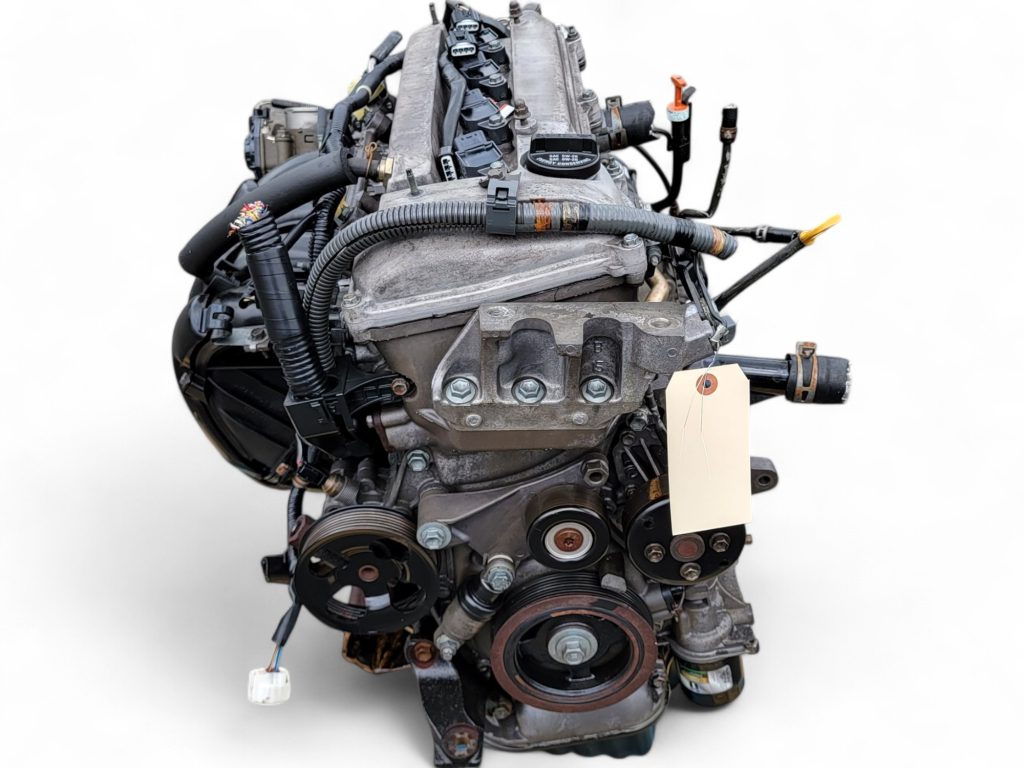
Another advantage is the simplicity of the design. The 2AZ-FE avoids overly complex oil pathways or fragile sealing points, which means fewer potential areas for leaks to start. Regular oil changes and proper care keep the system sealed and operating smoothly.
For drivers seeking an affordable, dependable engine, the 2AZ-FE continues to prove itself. While it may not be the most powerful in its class, it excels at providing years of trouble-free driving without the frequent oil leak headaches that plague many competitors.
This reputation has made it one of Toyota’s most respected four-cylinder engines for long-term ownership.
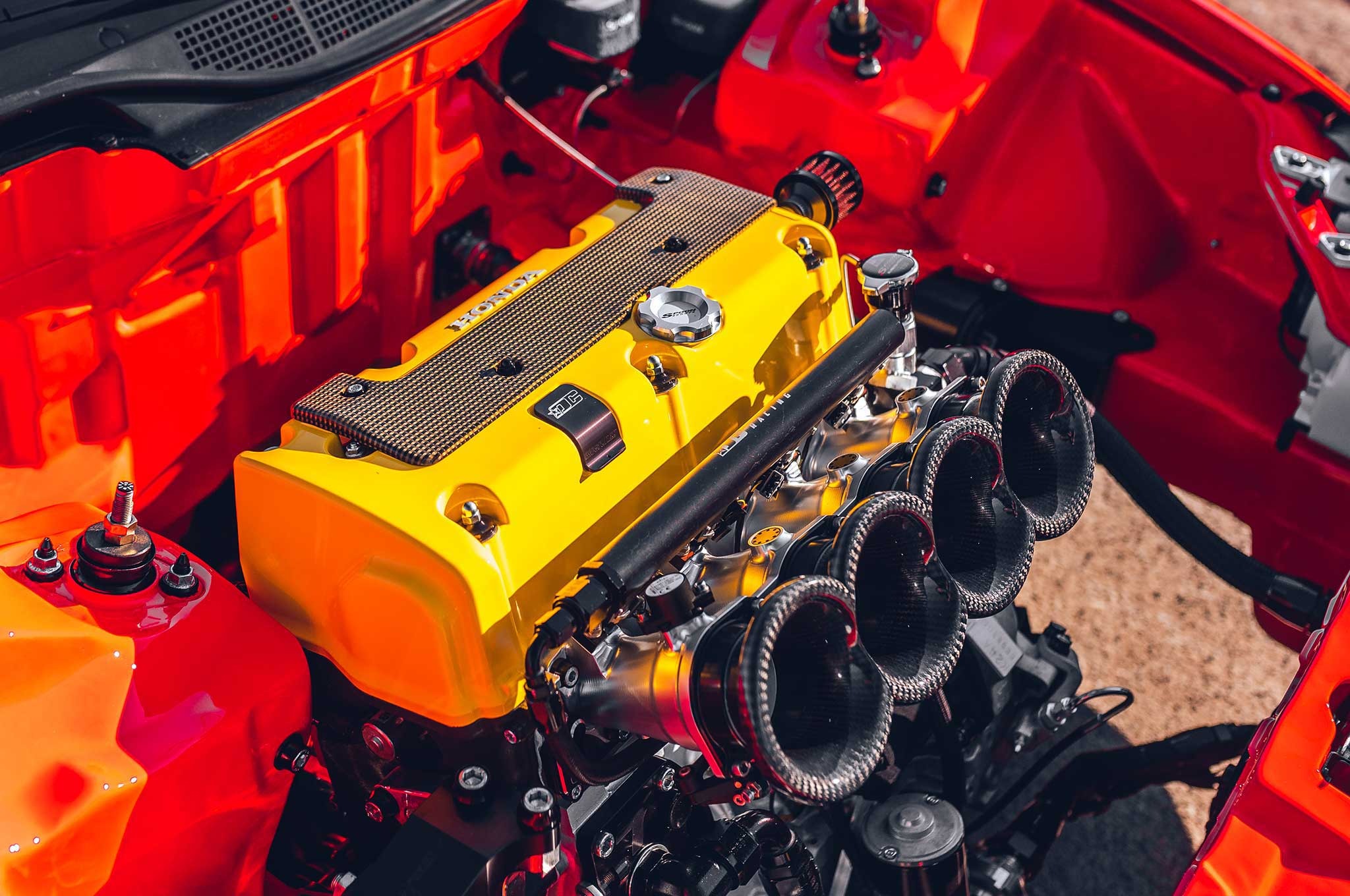
2. Honda K24
The Honda K24 engine, used in models such as the Accord, CR-V, and Element, is one of Honda’s most respected four-cylinder powerplants.
Known for its balance of performance and dependability, the K24 also has a reputation for resisting oil leaks, even as mileage climbs well past 200,000 miles. Many owners praise its ability to stay tight and clean under the hood, a testament to Honda’s precise engineering.
The K24 benefits from high-quality gasket materials and a straightforward design that minimizes weak points. Valve cover gaskets, a common failure area on many engines, typically hold up much longer on this Honda motor.
Oil pan and rear main seal failures are rare compared to rival four-cylinder engines of the same era. Even when leaks occur, they are usually minor and addressed easily during routine maintenance.
Another strength of the K24 is its tolerance for varied driving styles. Whether it’s used for daily commuting, long highway runs, or even spirited driving, the engine’s seals and components rarely give way.
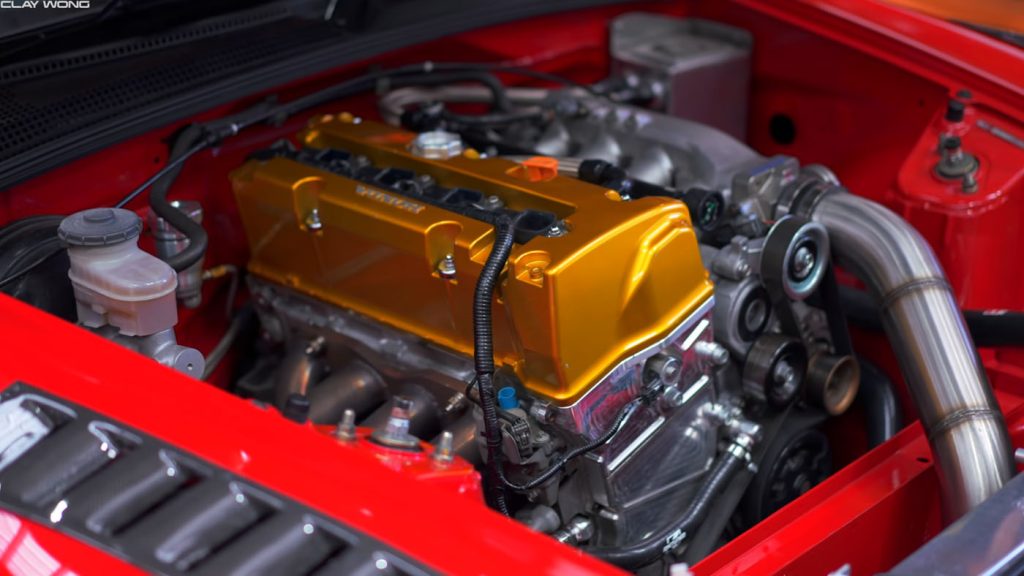
Honda’s commitment to machining precision means the mating surfaces of engine parts align perfectly, reducing stress on gaskets and preventing seepage.
Because of these strengths, the K24 has become a favorite among enthusiasts and regular drivers alike. It combines performance with long-term reliability, avoiding the oil leaks that often frustrate owners of other engines.
Its reputation proves that strong design and careful assembly make a measurable difference in keeping engines clean and dependable.
3. Toyota 3.5L V6 2GR-FE
Toyota’s 3.5L V6 2GR-FE, featured in models like the Camry, Highlander, Avalon, and Lexus RX, is widely respected for its strength and reliability.
Among its standout qualities is its resistance to oil leaks, even after years of use. Owners often report these engines running smoothly past 250,000 miles without significant oil-related issues.
The 2GR-FE’s success comes from Toyota’s focus on robust gasket design and strong sealing surfaces. The valve cover and oil pan gaskets hold up remarkably well over time, and rear main seal failures are much less common than in competing V6 engines.
Unlike many rivals that start to sweat oil as early as 100,000 miles, the 2GR-FE generally remains dry unless maintenance has been ignored.
Another factor in its durability is Toyota’s emphasis on simplicity and strength in the engine block. The aluminum alloy construction, combined with precise machining, helps ensure gaskets seat properly and stay in place.
Even under heavy loads, such as towing or long-distance driving, the 2GR-FE rarely develops the oil leaks that plague other V6 designs.
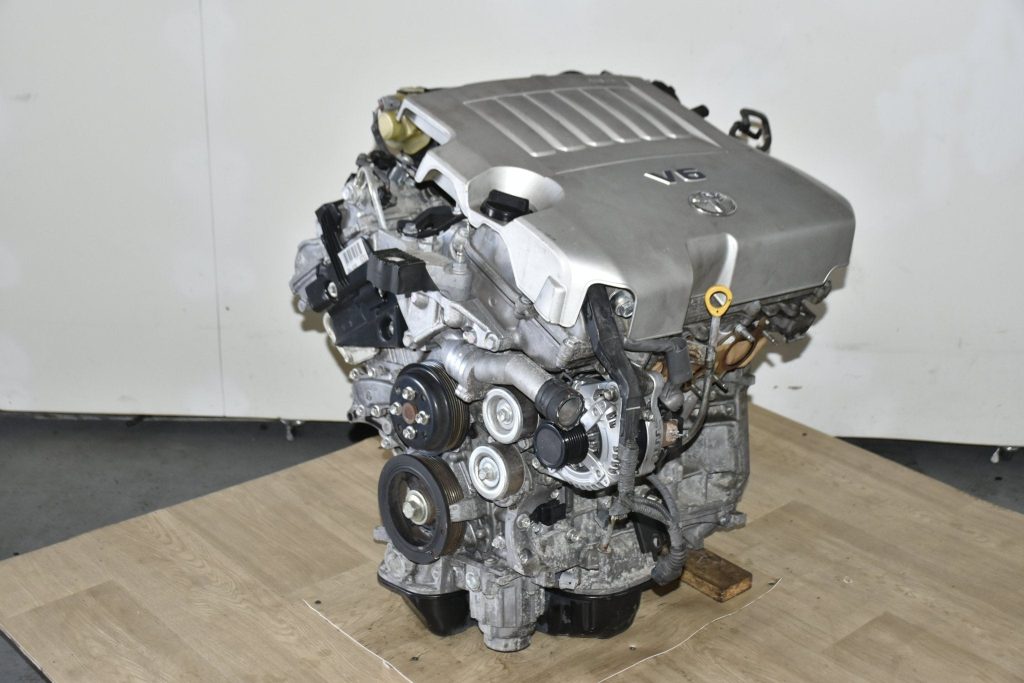
Drivers appreciate that the 2GR-FE combines solid reliability with smooth performance. It offers enough power for larger vehicles while remaining efficient and relatively easy to service.
For anyone looking for a V6 that avoids messy and costly oil leaks, the 2GR-FE stands out as one of the best. Its longevity has made it a key part of Toyota’s reputation for building engines that go the distance.
4. Ford 4.9L Inline-6
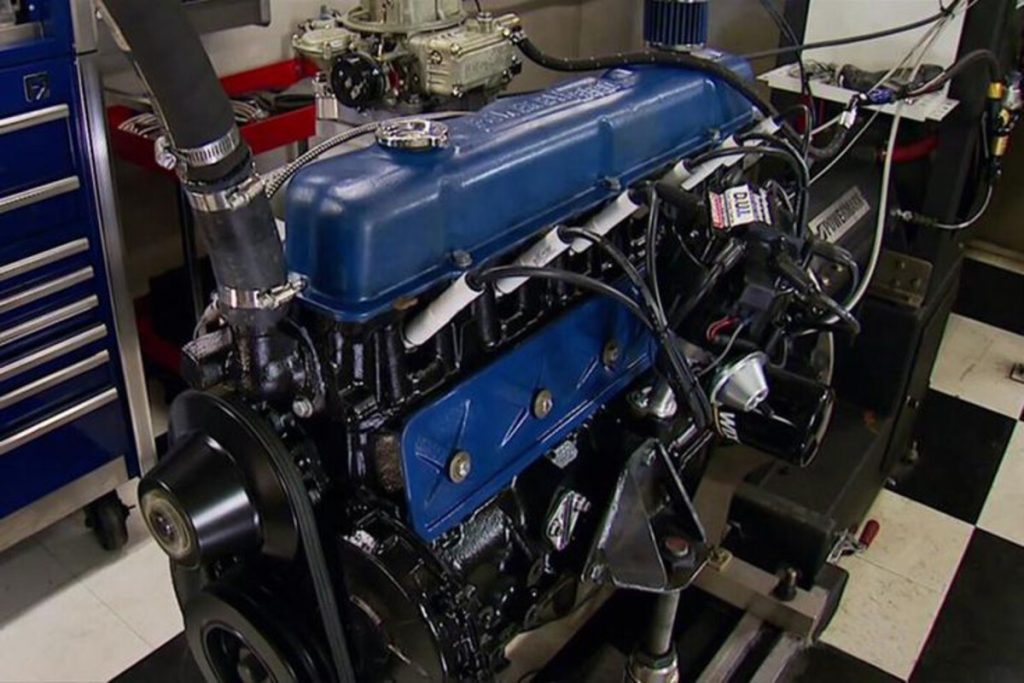
The Ford 4.9L inline-six, also known as the 300 cubic inch I6, is a legendary workhorse that powered F-Series trucks and Econoline vans for decades.
Renowned for its durability, this engine is also known for rarely suffering oil leaks compared to other truck engines of its era. Its straightforward design and sturdy construction make it one of the most reliable long-term engines Ford ever built.
A key factor in its leak resistance is simplicity. The 4.9L uses fewer complex gaskets and sealing points than modern engines. Its heavy cast-iron block and head create solid mating surfaces that hold gaskets in place, minimizing seepage.
Owners often report these engines staying dry even after hundreds of thousands of miles, a rarity among engines of similar age.
The valve cover and oil pan gaskets are robust, and failures are uncommon unless the engine has been neglected. When minor leaks do occur, they are usually the result of decades of use rather than poor design. Even then, repairs are straightforward and inexpensive, adding to the engine’s reputation as easy to maintain.
This motor’s reputation is particularly strong among truck owners who need reliability under heavy workloads.
Farmers, tradespeople, and fleet operators trusted the 4.9L I6 because it stayed dependable under stress and avoided the common leaks that plagued other engines.
For anyone who values strength and simplicity, this engine remains a benchmark in durability and oil-sealing reliability.
5. Lexus 1UZ-FE V8
The Lexus 1UZ-FE V8, introduced in the LS400 and later used across Toyota’s luxury lineup, has earned near-mythical status for its reliability.
Among its many strengths, one of the most impressive is its ability to resist oil leaks, even as mileage climbs past 300,000 miles. This engine helped establish Lexus as a brand built on long-term dependability.
The 1UZ-FE benefits from exceptional engineering precision. Toyota designed the engine with strong aluminum alloy construction and carefully machined surfaces, ensuring gaskets seat perfectly and maintain their seal over time.
Valve cover leaks, a common issue in many V8 engines, are rare on the 1UZ-FE. The rear main seal, another trouble spot for most V8s, is also unusually durable in this design.
Part of the secret is Toyota’s conservative engineering approach. The engine was designed to operate smoothly with minimal internal stress, which prevents premature wear on seals and gaskets.
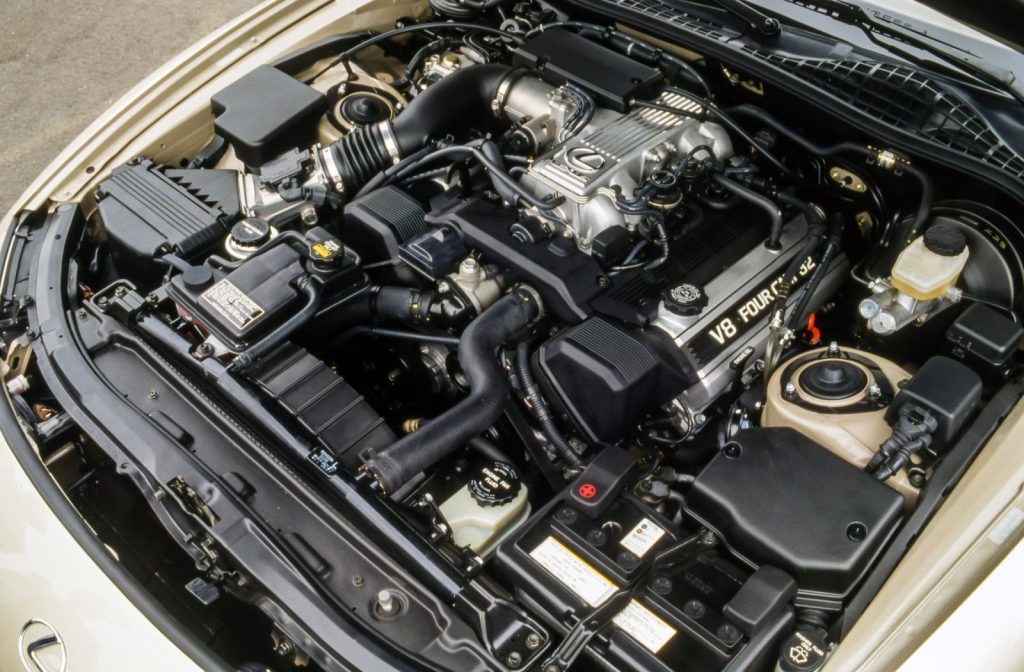
Combined with high-quality materials, this design philosophy results in an engine that remains tight and clean under the hood, even with extreme mileage.
Owners worldwide praise the 1UZ-FE for being one of the cleanest-running V8s of its era. It avoids the messy oil stains and frequent gasket replacements common to other luxury engines.
For drivers who want a smooth, powerful motor without the worry of leaks, the 1UZ-FE stands as one of the best examples ever built. Its record for reliability is unmatched in the luxury segment.
5 Engines That Always Do
While some engines remain clean and dependable for years, others are infamous for constant oil leaks. These engines frustrate owners with recurring problems that often appear well before high mileage.
Poor gasket materials, weak sealing surfaces, and flawed designs contribute to leaks that stain driveways and drive up repair bills. For some engines, leaks are so common that owners come to accept them as part of regular maintenance.
The five engines included here stand out for their reputation of failing to keep oil contained. In many cases, the leaks come from valve cover gaskets, rear main seals, or poorly engineered oil pans.
Some are further complicated by cramped engine bays that make even simple repairs expensive and time-consuming. Drivers often report that these engines require repeated fixes over their lifespans, making ownership more costly than it should be.
By looking at engines that frequently suffer from leaks, car buyers can better understand which models may require extra caution. These engines show how weak points in design can overshadow performance and reliability, leaving owners frustrated with ongoing repairs.
1. Chrysler 2.7L V6
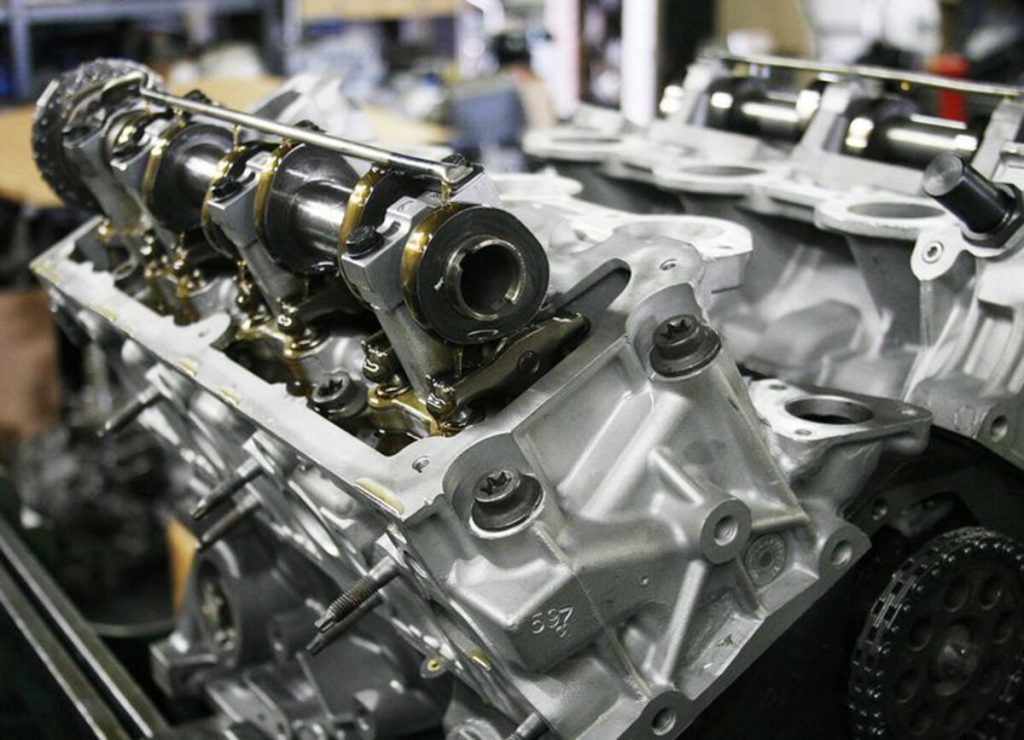
The Chrysler 2.7L V6, used in models such as the Dodge Intrepid, Chrysler Sebring, and Dodge Stratus, has one of the worst reputations for oil-related issues.
Beyond sludge problems, this engine is notorious for persistent oil leaks that plague owners throughout its lifespan.
Valve cover gasket failures are extremely common, often appearing well before 100,000 miles. Once these leaks begin, they tend to worsen quickly, coating the engine bay with oil and creating unpleasant odors.
The rear main seal is another frequent failure point. Replacing it requires extensive labor, often costing more than many owners are willing to spend on vehicles of this age and value.
Combined with the engine’s sludge-prone design, oil leaks can lead to severe internal damage if not constantly monitored.
Many mechanics consider the 2.7L one of Chrysler’s weakest designs because of how often leaks and lubrication issues lead to catastrophic engine failure.
Owners often describe a cycle of repair where fixing one leak is quickly followed by another. Even after replacing gaskets, the engine seems prone to developing new weak points. This has made the 2.7L V6 an engine to avoid for anyone seeking long-term dependability.
While some drivers have managed higher mileages with rigorous maintenance, the overall track record shows that this Chrysler V6 is almost guaranteed to develop oil leaks.
It serves as an example of how flawed engineering can overshadow otherwise respectable performance numbers.
2. BMW N62 V8
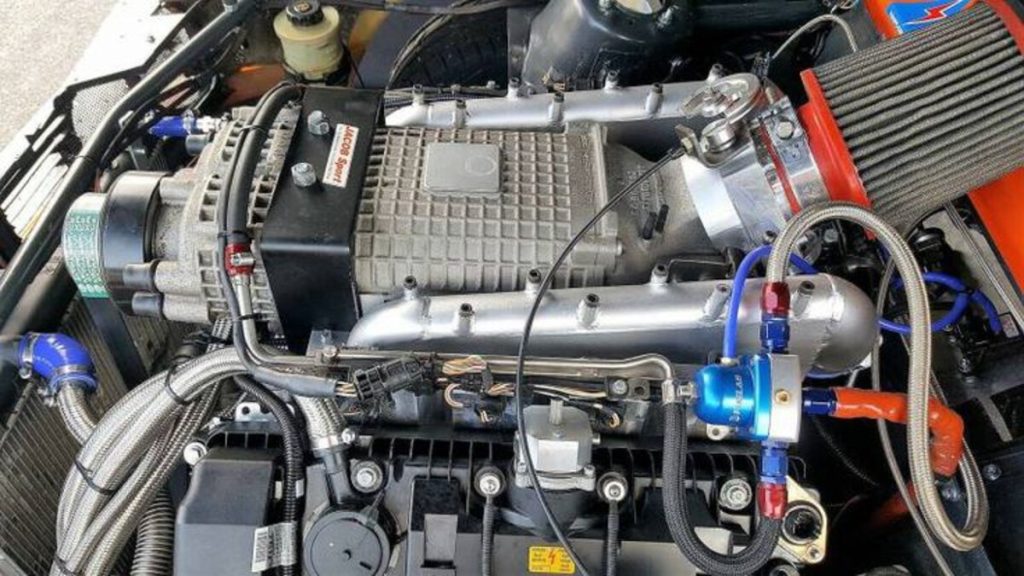
The BMW N62 V8, found in the 5 Series, 7 Series, X5, and other models from the early to mid-2000s, is admired for its smooth performance but infamous for oil leaks.
Its design incorporates complex valve stem seals, a vulnerable valve cover gasket system, and a timing cover prone to seepage.
The most notorious failure point, however, is the valve stem seal issue. These not only cause visible oil leaks but also lead to excessive oil consumption and blue exhaust smoke.
The engine’s integrated cooling and oil passage design further complicates matters. The valley pan gasket, which sits deep within the engine’s V-shaped block, is a notorious leak point that requires extensive labor to replace. A relatively inexpensive part becomes a multi-thousand-dollar repair because of the difficulty in accessing it.
Owners often report the frustration of repairing one leak only to have another appear shortly afterward. BMW enthusiasts know that the N62 can offer a refined driving experience, but it requires patience and a willingness to absorb high repair bills.
Because of its age, most N62-equipped vehicles now suffer from multiple overlapping oil leaks. Even well-maintained engines tend to require periodic resealing of gaskets and seals.
While performance remains impressive, the cost of maintaining this engine’s oil-tightness is a burden for many. The N62 has become an example of how German engineering, while advanced, can sometimes create reliability challenges that overshadow its strengths.
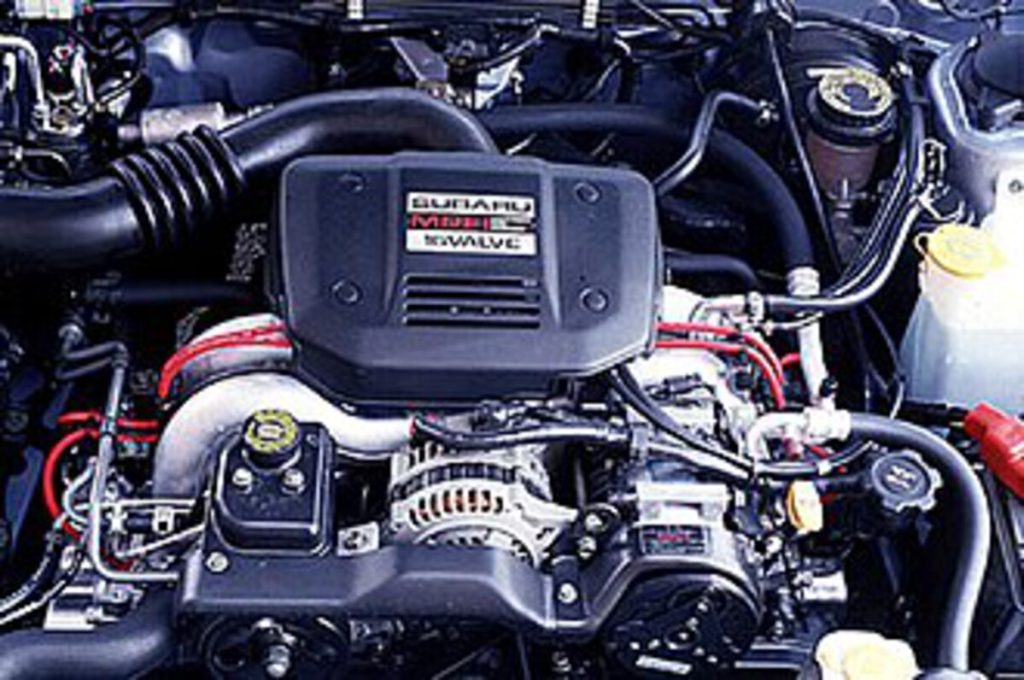
3. Subaru EJ25
The Subaru EJ25, used widely across the Outback, Forester, Legacy, and Impreza models from the late 1990s through the 2010s, has a dual reputation.
On one hand, it delivers solid all-weather performance thanks to Subaru’s AWD system. On the other, it has a well-known weakness in head gaskets and oil leaks.
The head gasket problem on the EJ25 is infamous, and in many cases, oil seepage accompanies coolant leaks.
Valve cover gaskets and camshaft seals are also frequent failure points. While these leaks may start small, they gradually worsen, leaving noticeable oil spots under the car and oil smells from the engine bay.
Repairing the EJ25’s leaks is often labor-intensive, particularly when both head gaskets require replacement. Subaru eventually improved the gasket materials, but earlier versions of this engine remain widely criticized for how often they develop leaks.
Owners often report that fixing one gasket doesn’t guarantee long-term relief. Many EJ25-equipped vehicles end up needing repeated repairs across their lifespans. For buyers considering older Subarus, budgeting for oil leak repairs is almost mandatory.
Despite its flaws, the EJ25 remains popular due to Subaru’s loyal fan base and the practicality of its AWD vehicles.
However, its track record makes it clear that oil leaks are not occasional mishaps but expected maintenance issues. Drivers who value mechanical durability over traction features may want to think twice about this engine.
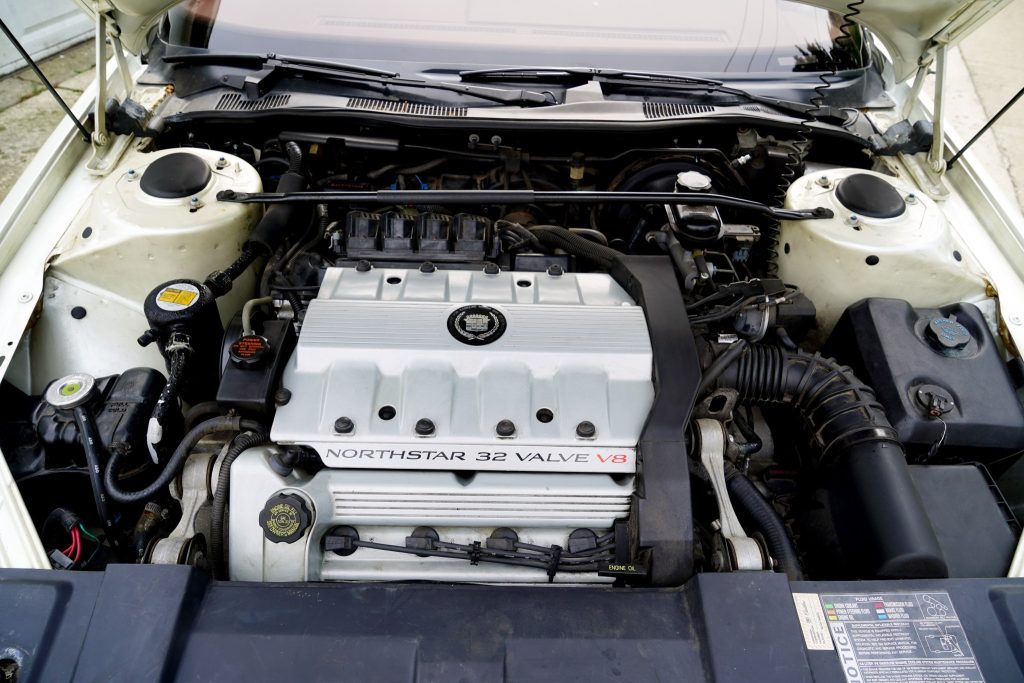
4. Cadillac Northstar V8
The Cadillac Northstar V8, introduced in the 1990s and used extensively in Cadillacs and even some Oldsmobile and Pontiac models, has earned a reputation for luxury performance paired with persistent oil leaks.
While innovative in design, the engine is plagued by sealing issues that have become a long-standing complaint among owners.
The most notorious problem is the rear main seal, which is prone to leaking and extremely expensive to repair due to the labor required.
Valve cover gaskets and oil pan gaskets also fail frequently, contributing to multiple leak points at once. Adding to the frustration, Northstar engines often consume oil even when leaks are not visible, creating confusion about whether the oil is burning or seeping out.
Head gasket issues also contribute indirectly to oil-related problems. Once a Northstar develops head bolt failures, which are common, oil can mix with coolant or leak externally. Repairing these issues usually requires specialized tools and knowledge, making it cost-prohibitive for many owners.
Although the Northstar V8 offered smooth power and respectable performance for its era, its tendency to leak oil and suffer from gasket failures overshadowed its strengths. Many mechanics consider this engine among the least reliable of its time.
Today, the Northstar is often seen as an engine to avoid, especially for buyers seeking long-term reliability. Its persistent oil leaks serve as a reminder that even premium designs can suffer from chronic flaws when engineering priorities fail to balance durability with performance.
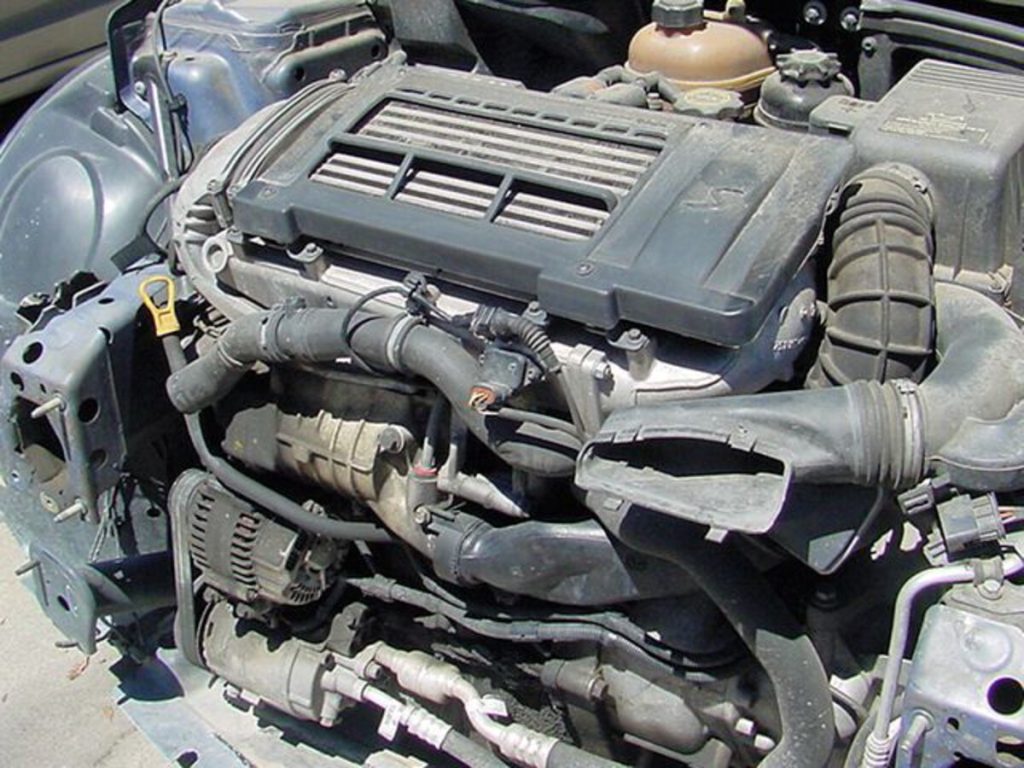
5. Mini Cooper 1.6L (Prince Engine)
The 1.6L Prince engine, developed through a partnership between BMW and PSA Peugeot Citroën, powers many Mini Cooper models from the mid-2000s onward. While it provides spirited performance in a small package, it has developed a reputation for frequent oil leaks and reliability concerns.
Valve cover gasket leaks are among the most common issues, often appearing well before 80,000 miles.
The timing chain cover is another frequent failure point, leading to visible oil seepage and unpleasant burning smells as oil drips onto hot components. Owners often note that these leaks worsen quickly if left untreated.
Compounding the problem, the Prince engine is also known for timing chain tensioner failures, which, when combined with oil leaks, create expensive repair situations. Because of its compact design, repairs are labor-intensive, and costs rise quickly even for relatively minor gasket replacements.
Many Mini owners experience a cycle of repeated oil leak repairs, with new leaks developing soon after previous ones are fixed. This reputation has hurt the long-term appeal of used Mini Coopers, as prospective buyers worry about high repair bills and constant maintenance.
Despite its charm and engaging driving experience, the 1.6L Prince engine has become one of the least-trusted small engines for reliability.
Its persistent oil leak issues make it clear that performance alone cannot outweigh poor durability. For those seeking a small, fun car, it’s essential to weigh these problems against the enjoyment the Mini provides.
