
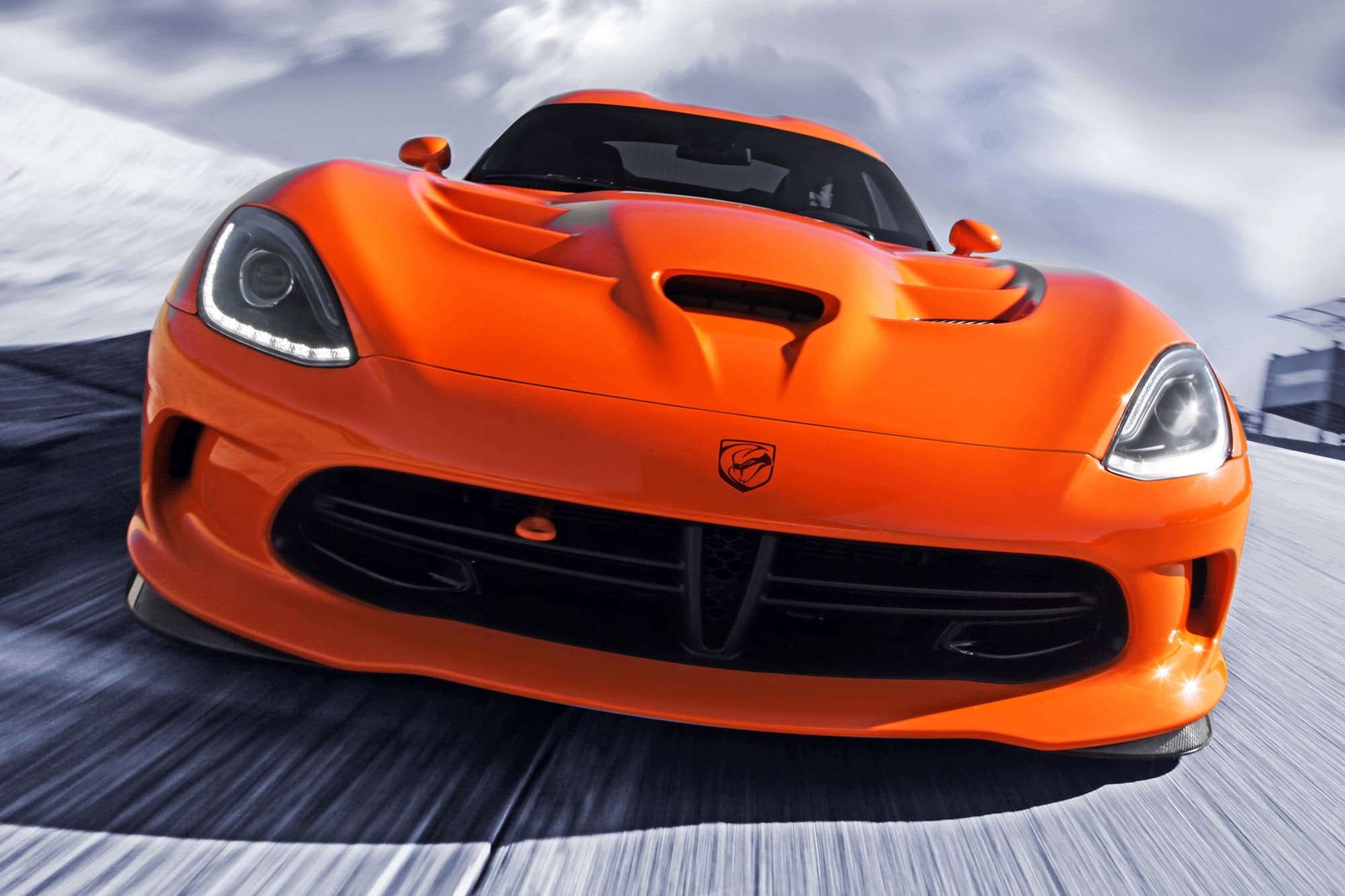
For many people, a muscle car is not just a means of transport but a statement of power, style, and heritage. These machines carry with them an identity that connects drivers to a long history of American automotive culture.
Their growling engines, aggressive designs, and commanding road presence continue to hold value decades after their first appearance.
What makes these cars unique is that, even after years of production, many of them still deliver the same raw strength and excitement as when they first rolled out of the factory.
Muscle cars gained popularity in the 1960s and 1970s, when manufacturers began producing high-horsepower vehicles that were affordable and stylish.
These cars became symbols of freedom, individuality, and thrill. With time, even as technology advanced and the market changed, many of these cars have remained relevant.
Some have been refreshed with modern engineering, while others maintain their original charm, proving that real power does not fade with years.
Drivers who own or admire these cars often describe them as timeless. The feeling of stepping into one, starting the engine, and hearing that distinct roar is unlike any other driving experience.
These vehicles carry a sense of pride and a spirit that continues to attract new generations of car lovers.
What sets them apart is not just their speed or looks but the way they remind people of an era where cars were built for pure performance and excitement.
However, let us take a closer look at ten muscle cars that still deliver the same roar, energy, and thrill as they did when they were first introduced. Each of these cars has its own story, design, and engineering that keep them alive on today’s roads.
1. Chevrolet Chevelle SS
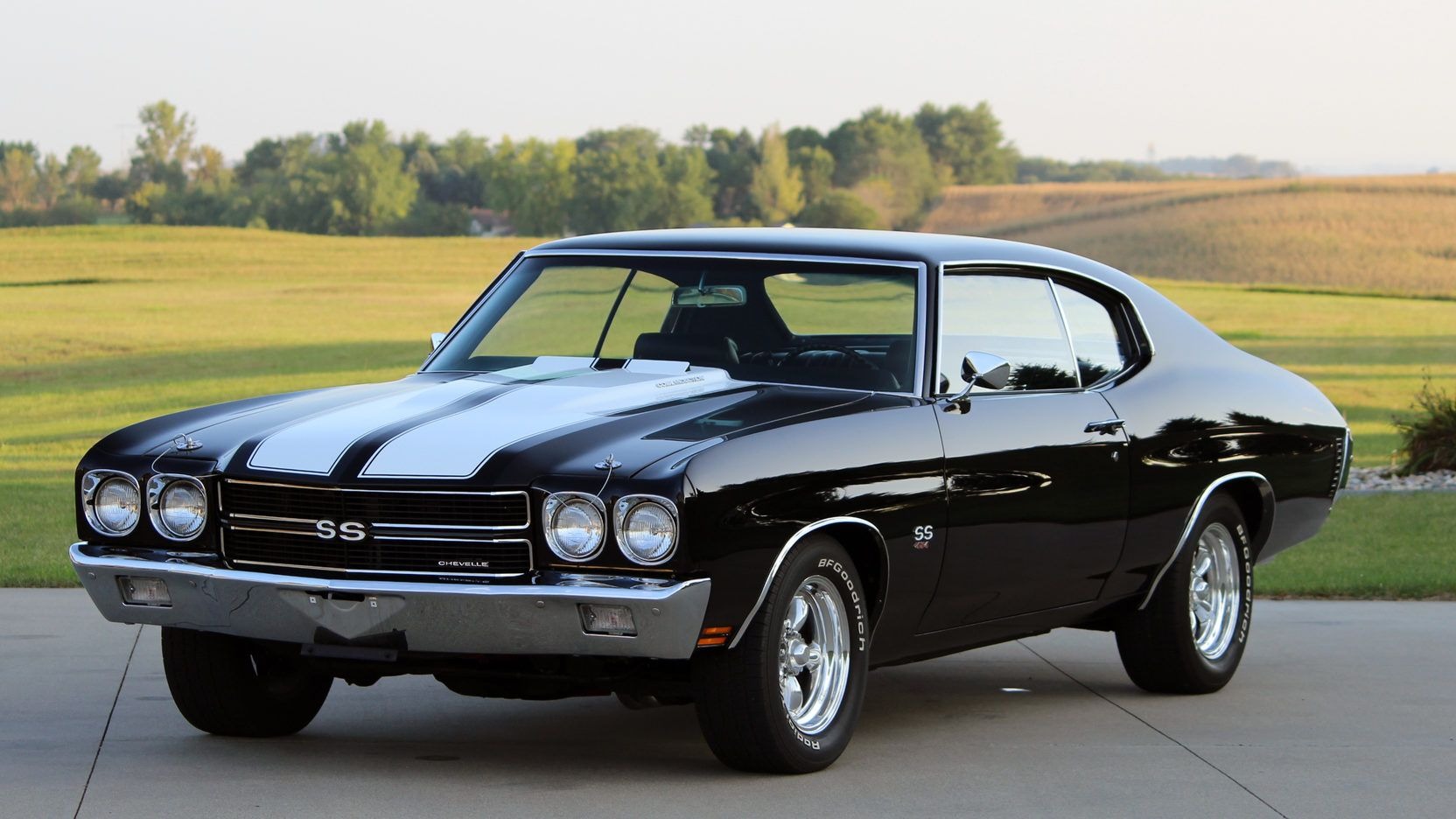
Among muscle car legends, the Chevrolet Chevelle SS holds a special place. Introduced in the 1960s, the Chevelle SS became one of the most desired cars of its time. Even today, it continues to be respected for its raw strength and timeless design.
The Chevelle SS is best remembered for its powerful big-block V8 engines. Models such as the 454 cubic-inch version produced impressive horsepower and torque, giving the car explosive acceleration and a roaring exhaust note.
These engines remain some of the most admired in muscle car history, and restored models still deliver thrilling performance.
Design was another reason for the Chevelle’s success. Its wide stance, muscular lines, and aggressive front end gave it a commanding presence on the road.
Even though decades have passed, the car still turns heads at shows and on the streets. Collectors and enthusiasts prize the Chevelle SS not only for its beauty but also for its heritage.
Driving a Chevelle SS offers a unique experience. The car feels raw, powerful, and mechanical, reminding drivers of an era when performance was prioritized above everything else. While it may not have modern technology, the driving feel remains unmatched.
The combination of roaring engine sounds, strong acceleration, and heavy steering creates a true connection between the driver and the machine.
Restoration and maintenance have kept the Chevelle SS alive. Many enthusiasts have invested in bringing these cars back to their former glory, using original or aftermarket parts to maintain authenticity.
When properly maintained, the Chevelle SS still roars like it did in the past, showing the durability of its engineering.
For those who value heritage and raw performance, the Chevrolet Chevelle SS continues to represent the golden age of muscle cars. It remains a roaring classic that has not lost its charm.
2. Dodge Challenger SRT Hellcat
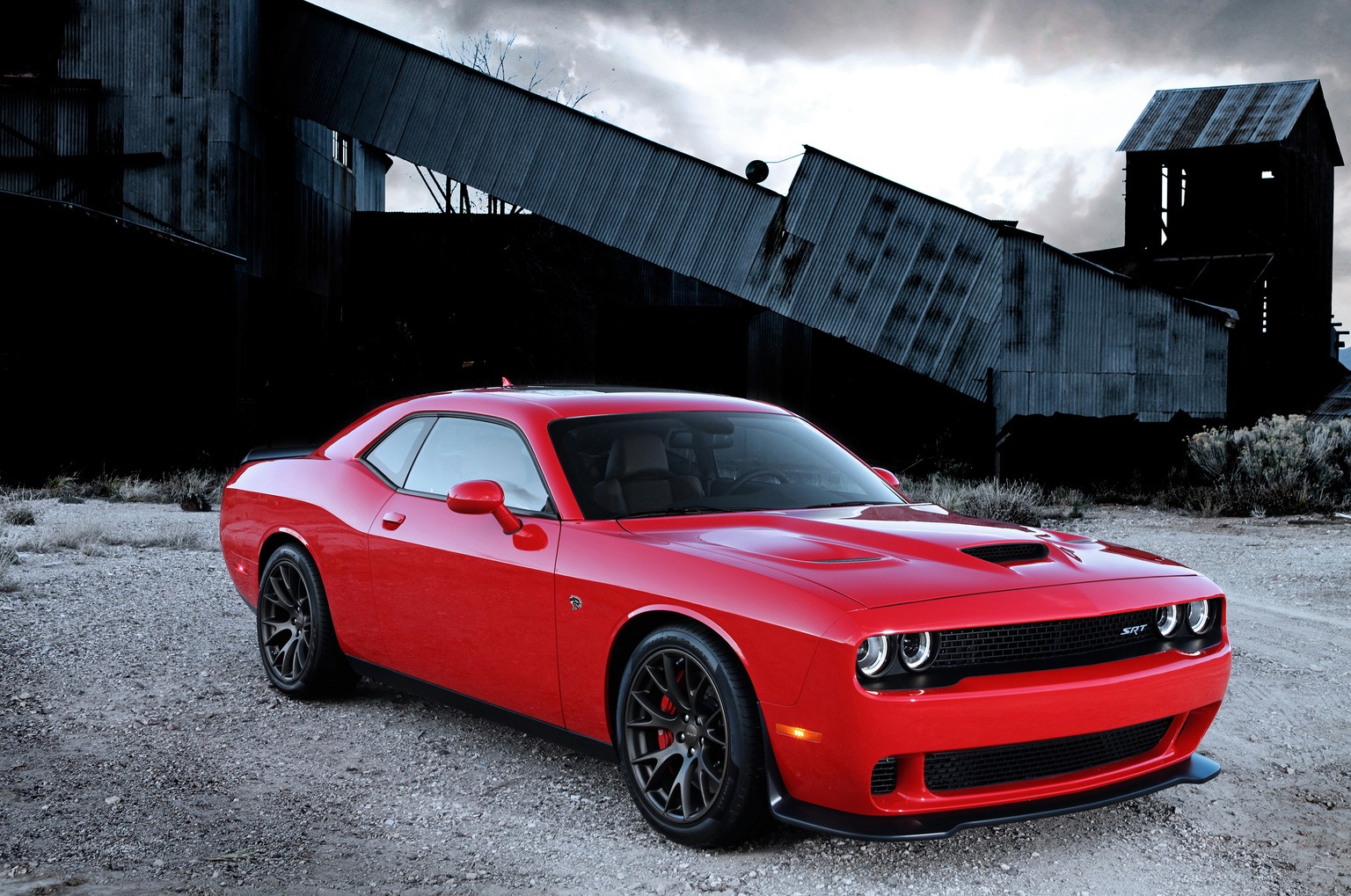
Among modern muscle cars, the Dodge Challenger SRT Hellcat has built a reputation for its raw strength and loud character. It is a machine that was designed to deliver power that excites drivers while holding onto the traditional feel of American performance cars.
The Hellcat stands out because of its supercharged 6.2-liter HEMI V8 engine that produces well over 700 horsepower, making it one of the most aggressive engines ever placed in a factory-built car.
For many drivers, this combination of speed and deep exhaust tone creates an experience that feels very close to the golden age of muscle cars.
The design of the Challenger Hellcat continues to reflect Dodge’s decision to keep the body bold and wide. Its long hood, large air intakes, and muscular stance give it a look that matches the strength under the bonnet. Despite being modern, it respects the heritage of muscle cars by maintaining the boxy and powerful exterior lines.
Many owners appreciate how the design carries a sense of history while still using updated materials and technology.
Inside the cabin, Dodge made sure the Hellcat balances comfort with its raw attitude. The seats are wide and supportive, the dashboard is simple but fitted with modern digital displays, and the materials are durable.
Although it is not a luxury car, the comfort inside makes it practical for daily driving while still delivering the thrill of an aggressive sports car when the driver presses the throttle.
Maintenance and durability are strong points for this car when properly taken care of. Regular oil changes, attention to the supercharger system, and keeping the tires in top shape allow the Hellcat to deliver consistent performance for years.
Many drivers keep their Hellcats in excellent condition by sticking to service schedules, ensuring the car’s performance does not fade with age.
The Dodge Challenger SRT Hellcat shows that modern engineering can still respect tradition. Its balance of speed, power, and endurance makes it a muscle car that continues to roar strongly while giving drivers confidence that it will stay reliable if cared for properly.
Also Read: 10 Cars That Survived Falling Into Rivers and Still Run
3. Ford Mustang GT
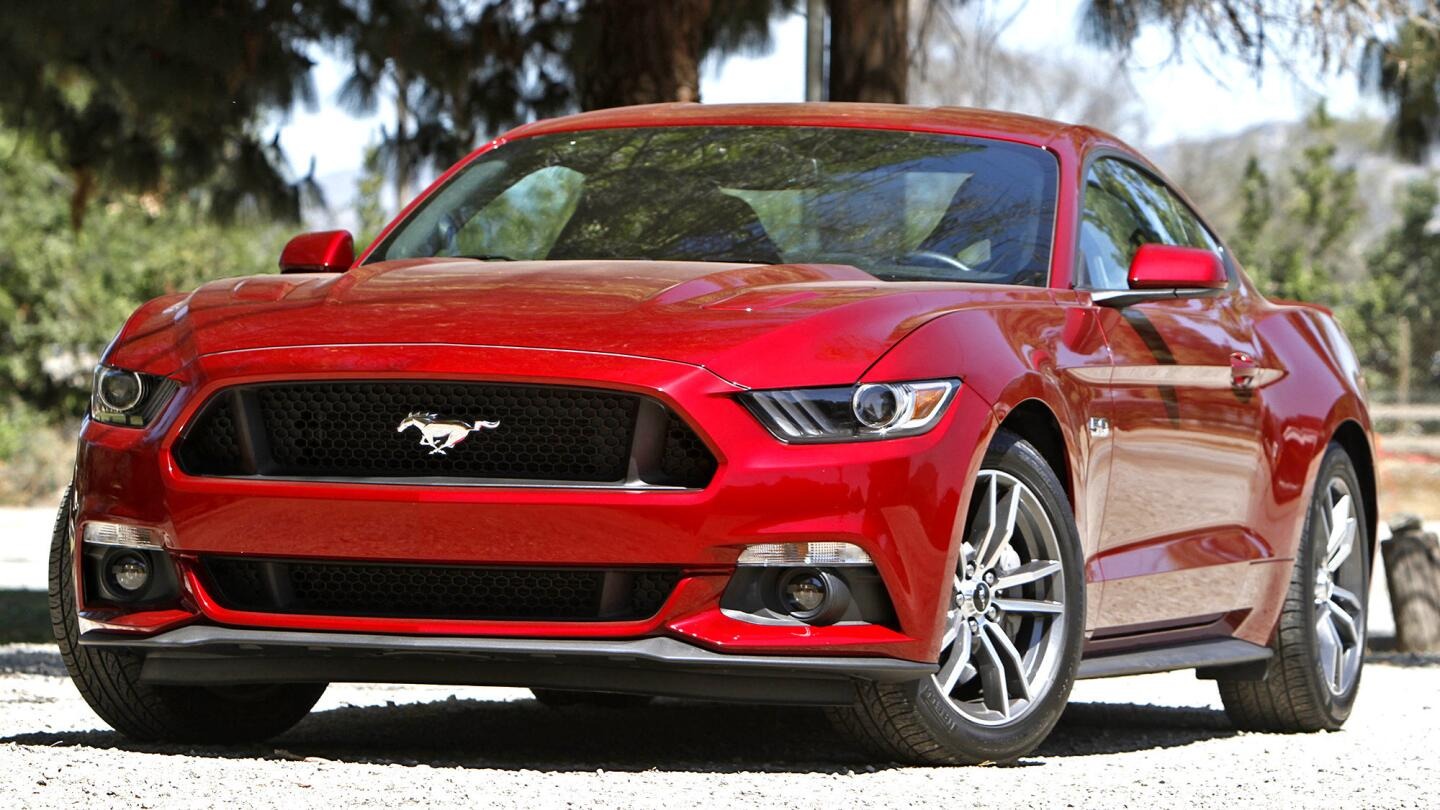
The Ford Mustang GT is one of the most familiar names when it comes to muscle cars, and it has managed to remain fresh through many generations. This car has been loved since its first release in the 1960s, and the modern GT models continue to show why it is still highly respected today.
With a naturally aspirated 5.0-liter V8 engine that produces impressive horsepower, the Mustang GT provides a combination of smooth delivery and strong acceleration.
The roar from the exhaust when the engine comes alive remains one of the most exciting sounds for drivers who enjoy traditional muscle car power.
Ford has managed to keep the Mustang GT attractive by balancing heritage styling with updated features.
The long hood, aggressive grille, and fastback shape bring back memories of older versions, while LED lights, aerodynamic improvements, and lighter materials remind drivers that this is a car designed for modern roads.
The Mustang GT looks stylish without losing its muscle identity, which is why it appeals to both younger drivers and older enthusiasts who grew up admiring the earlier models. Inside the car, the GT is fitted with an interior that combines practicality and comfort with technology.
The seats are supportive for both spirited driving and long trips, the dashboard is fitted with digital displays, and the infotainment system offers connectivity features such as Apple CarPlay and Android Auto.
Drivers can switch between driving modes to match their mood, whether they want comfort during city driving or sharp responsiveness during track sessions.
Maintenance for the Mustang GT is straightforward, as Ford designed it to be reliable even when pushed hard. Keeping up with oil changes, brake checks, and suspension servicing helps the car stay in peak condition. Owners who follow maintenance schedules often enjoy years of performance without major issues.
Parts are also widely available, which makes repairs easier and more affordable compared to some other high-performance cars.
The Ford Mustang GT continues to prove that muscle cars can adapt to new times without losing their original strength. It offers a blend of heritage, power, and reliability that ensures it still roars like new even after years of use.
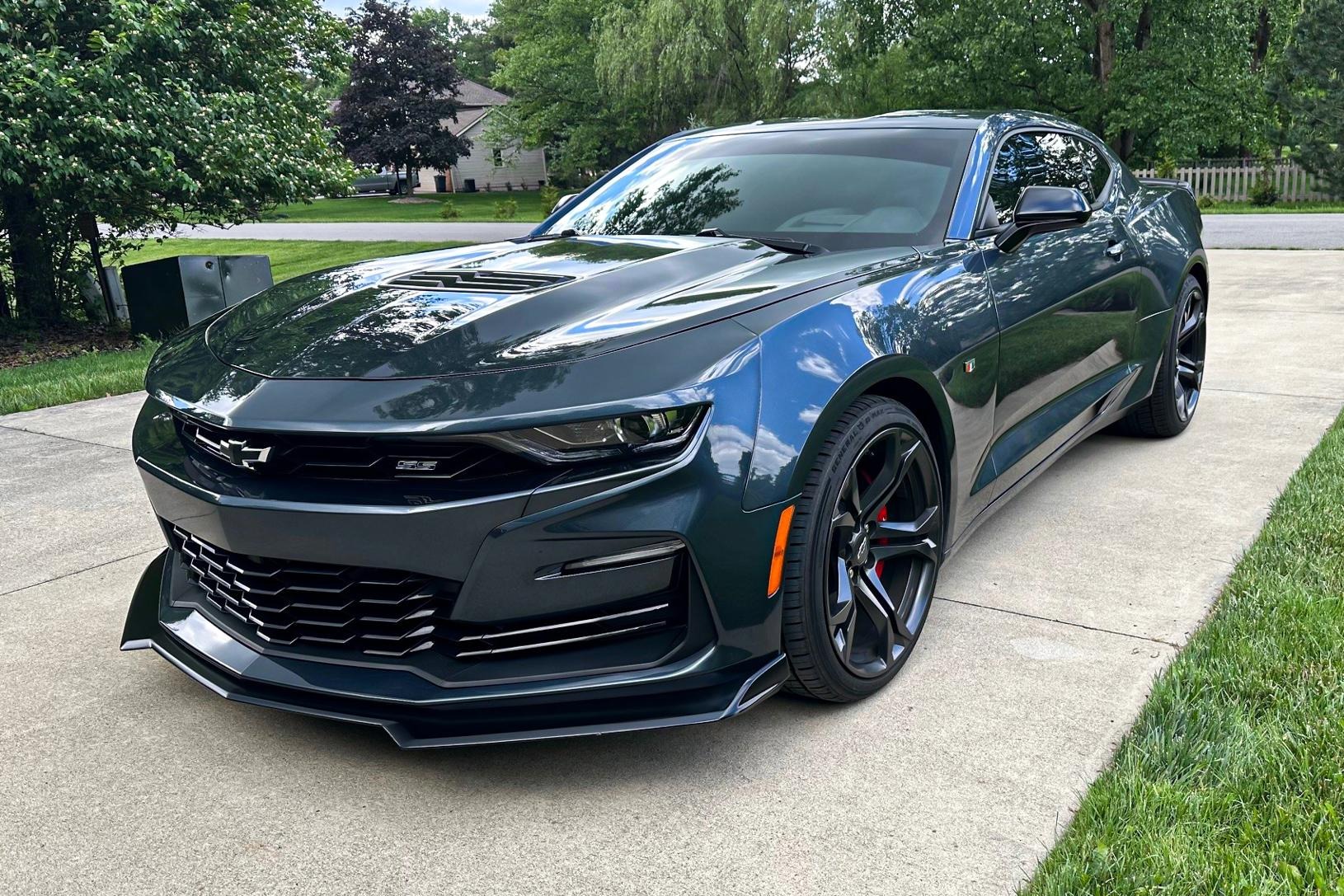
4. Chevrolet Camaro SS
The Chevrolet Camaro SS has long been positioned as one of the strongest rivals to the Ford Mustang, and it has never failed to show why it deserves respect among muscle cars.
The SS badge represents performance, and Chevrolet designed this model with enough strength to satisfy drivers who want speed, handling, and that deep V8 sound that has always defined American muscle.
With a 6.2-liter V8 engine under its hood, the Camaro SS produces raw power that translates to quick acceleration and an exhaust note that gives a thrilling reminder of its muscle heritage. What makes the Camaro SS stand out is not just the power but also the way it manages that power.
Chevrolet has improved handling over the years, giving the car sharp steering, balanced suspension, and brakes that are built to manage the heavy performance.
This makes the SS not only a straight-line speed machine but also a car that feels confident on winding roads. The ability to combine brute strength with agility gives it a unique position among modern muscle cars.
In terms of design, the Camaro SS carries bold and aggressive styling. Its low stance, wide body, and sculpted lines give it a commanding presence on the road. The front grille and headlight design enhance its sporty character, while the rear end with quad exhaust tips emphasizes its performance identity.
Many enthusiasts appreciate how the Camaro SS maintains a strong connection to its classic roots while still looking modern and sharp. The interior of the Camaro SS may be tighter than some rivals, but it offers a driver-focused cockpit that keeps performance at the center.
The seats are built to support spirited driving, and the dashboard is filled with features like digital gauges and a modern infotainment system. Connectivity options are included, along with driving modes that allow drivers to switch between relaxed cruising and aggressive performance settings.
Owners who maintain their Camaro SS properly often find that it continues to deliver the same strong performance for many years.
Regular servicing and attention to details such as tire health, fluid levels, and brake condition keep the car running smoothly. Chevrolet also provides durable parts, making long-term ownership less stressful for those who love to keep their cars in top form.
The Chevrolet Camaro SS remains one of the strongest names in muscle cars. Its mix of raw strength, sharp handling, and striking design ensures that it still roars like new and maintains its place as a respected competitor in the muscle car community.
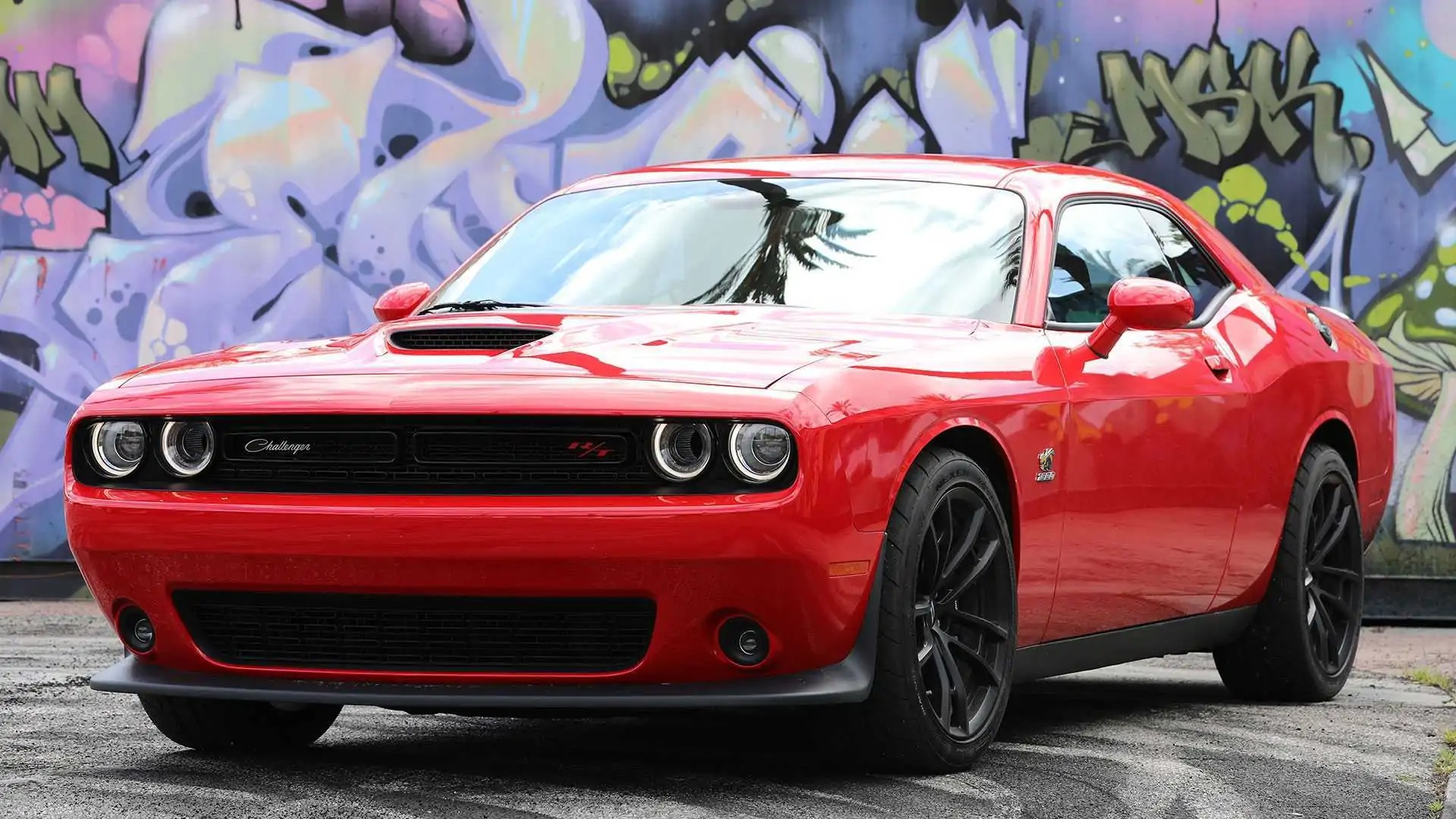
5. Dodge Challenger R/T Scat Pack
The Dodge Challenger R/T Scat Pack is one of those muscle cars that reminds drivers of what made this class of cars so beloved in the first place.
Dodge designed the Scat Pack trim to bring a balance of affordability, raw strength, and classic muscle style, and it has managed to live up to that reputation year after year.
With its large frame, wide stance, and bold styling, the Challenger R/T Scat Pack does not hide its identity. It looks aggressive, feels powerful, and delivers performance that matches its appearance. At the heart of the Scat Pack is a 6.4-liter HEMI V8 engine, producing well over 470 horsepower.
This engine gives the car an exciting punch when the driver steps on the throttle, and the sound it produces is equally rewarding. It is loud, deep, and instantly recognizable as the sound of American muscle.
Despite its size, the Challenger R/T Scat Pack can move quickly, handling straight-line performance with ease and putting down acceleration numbers that surprise many drivers.
The design pays homage to classic muscle cars of the 1970s, with retro-inspired cues blended with modern features. The long hood, split grille, and wide rear fenders give it that old-school character, while modern lighting and aerodynamic touches ensure it does not feel outdated.
This design approach has helped the Challenger remain appealing to both younger buyers and older enthusiasts who remember the golden age of muscle cars.
Inside, the Scat Pack continues with a comfortable and well-equipped cabin. The seats are supportive, with enough cushioning for long drives and bolstering for spirited ones.
Drivers benefit from a digital instrument cluster that complements the traditional gauges, while the infotainment system is intuitive and responsive.
Options such as premium audio and driver-assist features add to the experience, making it both practical for everyday driving and thrilling for weekend fun.
Durability has been one of the reasons why the Challenger R/T Scat Pack is highly valued. The HEMI engine is built for toughness, and with regular servicing, it maintains performance for many years. Many owners who drive their Challengers daily, even in traffic-heavy areas, report reliable operation and strong endurance.
As long as oil changes, tire checks, and cooling system maintenance are done, the Scat Pack continues to run like new. The Dodge Challenger R/T Scat Pack carries forward the spirit of traditional muscle cars while blending it with modern dependability and comfort.
Its powerful HEMI engine, bold looks, and long-lasting strength keep it roaring confidently, proving that this car is more than just a throwback; it is a performance machine that still delivers today.
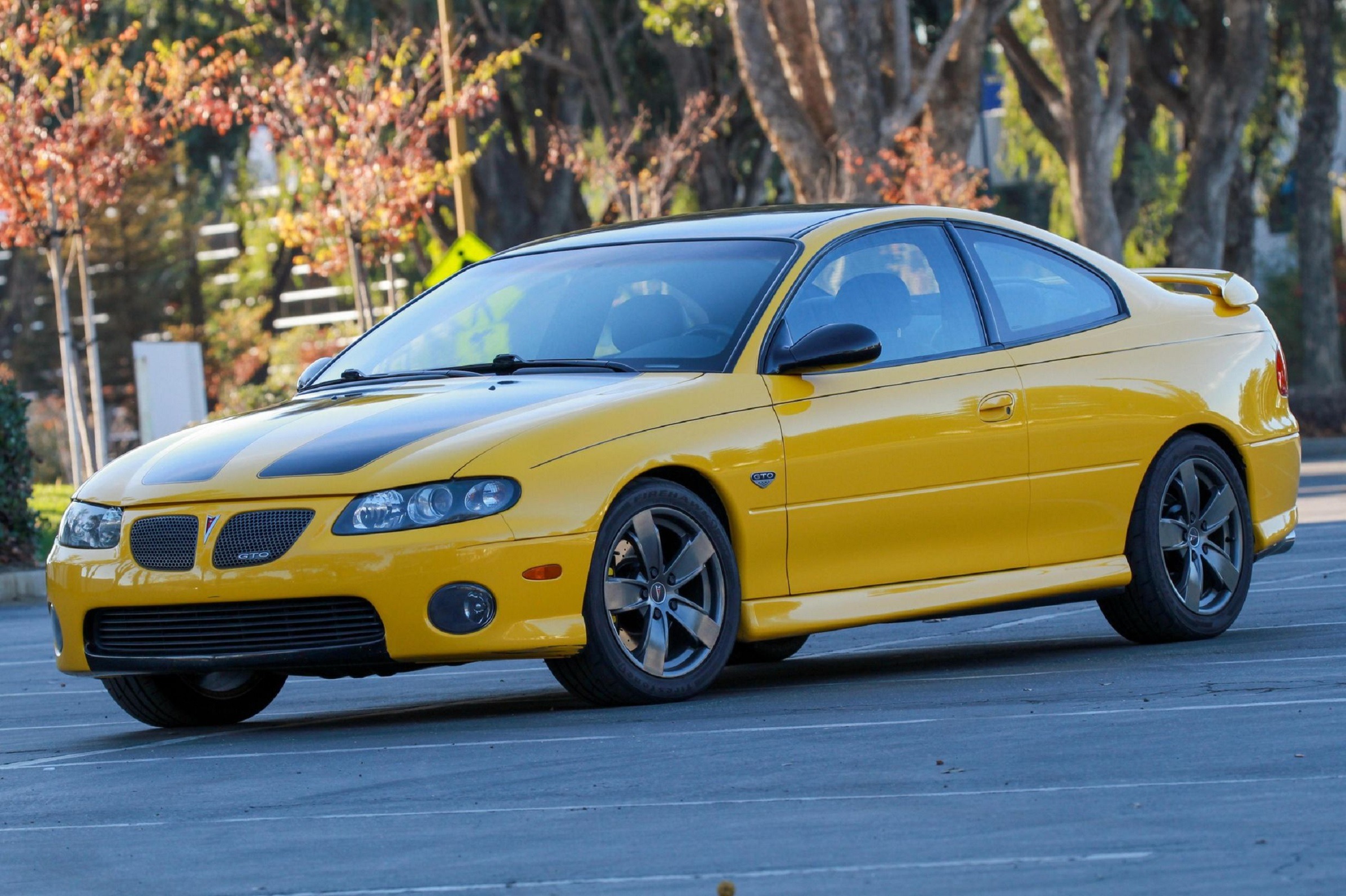
6. Pontiac GTO (2004–2006 model)
The Pontiac GTO that came back in the mid-2000s is one of those muscle cars that might not get as much attention as a Mustang or a Challenger, yet it carries a strong presence for those who appreciate power and endurance.
Pontiac brought the GTO name back with a model that had Australian roots, since it was based on the Holden Monaro.
Even though some people criticized its styling for being too simple compared to classic American muscle cars, the performance beneath the hood quickly silenced most complaints.
This GTO came with two different V8 engines during its short run. The 2004 version carried a 5.7-liter LS1 engine, the same one used in the Chevrolet Corvette of that era, producing about 350 horsepower.
In 2005 and 2006, Pontiac upgraded the GTO with the LS2 engine, increasing output to around 400 horsepower. These engines were famous for their reliability and strength. They were built to last, and even today, many GTOs from that period are still on the road, roaring like they did when new.
The car’s acceleration numbers were impressive, with the LS2 version capable of reaching 60 mph in under five seconds. This level of performance placed it directly against competitors from Dodge and Ford.
Drivers enjoyed the straightforward power delivery, the smooth transmission choices, and the responsive handling, which was better than many muscle cars of its time.
The independent rear suspension made the GTO more comfortable and stable in daily traffic compared to solid rear axle designs in some rivals.
The interior of the GTO was also one of its strengths. Pontiac made sure it felt refined, with leather seating, clear gauges, and supportive chairs that made daily driving easier.
It had a quieter cabin compared to older muscle cars, which allowed it to balance everyday comfort with strong performance. This made it a car that could be driven in stop-and-go traffic during the week and still perform powerfully on open roads during the weekend.
Maintenance for the GTO has proven manageable, thanks to its GM parts and shared engineering with other performance models.
Owners who took care of oil changes, cooling system servicing, and brake checks found their GTOs staying reliable. The LS-series engines are known to run high mileage without losing strength if properly maintained.
Even though Pontiac as a brand no longer exists, parts are still widely available, making upkeep less stressful than some might expect. What makes the 2004–2006 Pontiac GTO interesting is its balance between being modern and still carrying the soul of a muscle car.
It did not look as flashy as its rivals, but the strength of its engine and the durability of its components have helped it maintain respect. Those who own one today often say it still feels alive and ready to roar, proving that Pontiac’s last effort in muscle cars was a worthy one.
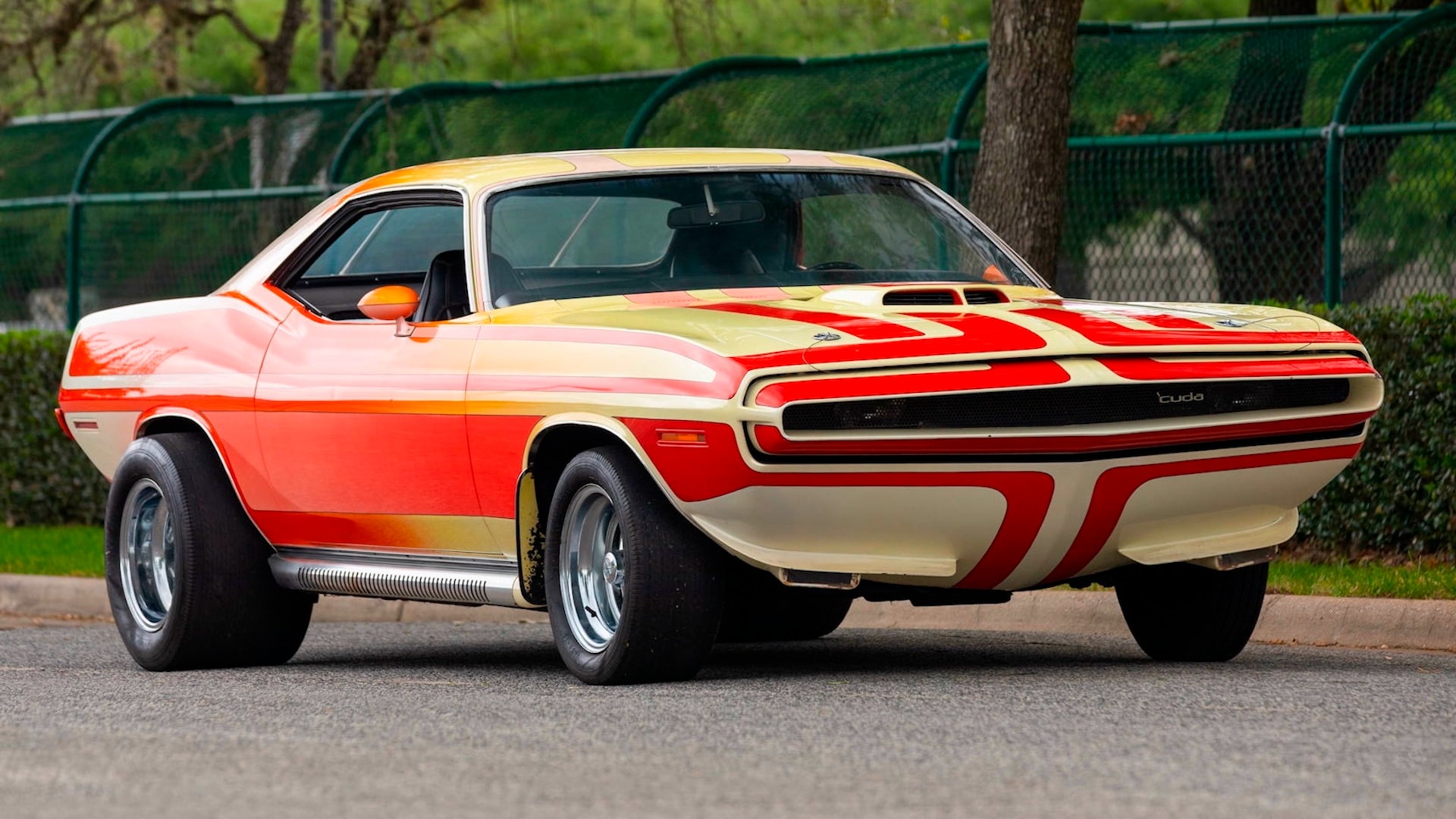
7. Plymouth Barracuda
The Plymouth Barracuda is one of the classic names in American muscle car history. It first appeared in the mid-1960s, and over the years, it became a serious competitor against cars like the Mustang, Camaro, and Challenger.
While production ended decades ago, many of the models from the late 1960s and early 1970s still remain strong today.
This is because the Barracuda was built with toughness, powerful engines, and styling that gave it a lasting identity. During its early years, the Barracuda was offered with different powertrains, starting from modest six-cylinder engines to some of the strongest V8s of that era.
The models that truly stand out are those built from 1970 to 1974, especially the versions carrying engines like the 383, 440, and the legendary 426 Hemi. These cars were fast and aggressive, and they had no problem keeping up with the best from Dodge and Chevrolet.
Even after so many years, the sound of a Hemi Barracuda starting up is enough to remind people of why muscle cars became a cultural force.
The Barracuda was not just about speed. The design of the third generation, which started in 1970, gave it a wide stance, bold lines, and an aggressive presence on the road.
The attention it drew then remains, which is why restored Barracudas are highly sought after today. Even though most muscle cars from that period were thirsty for fuel and not as comfortable as modern ones, the Barracuda delivered a raw driving experience that drivers loved and still respect.
Durability is another reason the Barracuda continues to roar like new when well-maintained. The engines were designed with strength in mind, and many have crossed decades with only moderate restoration.
Classic car owners know that maintaining a Barracuda requires effort, but the rewards are worth it. With the right care, the car not only performs well but also keeps its value, as collectors are always looking for clean models.
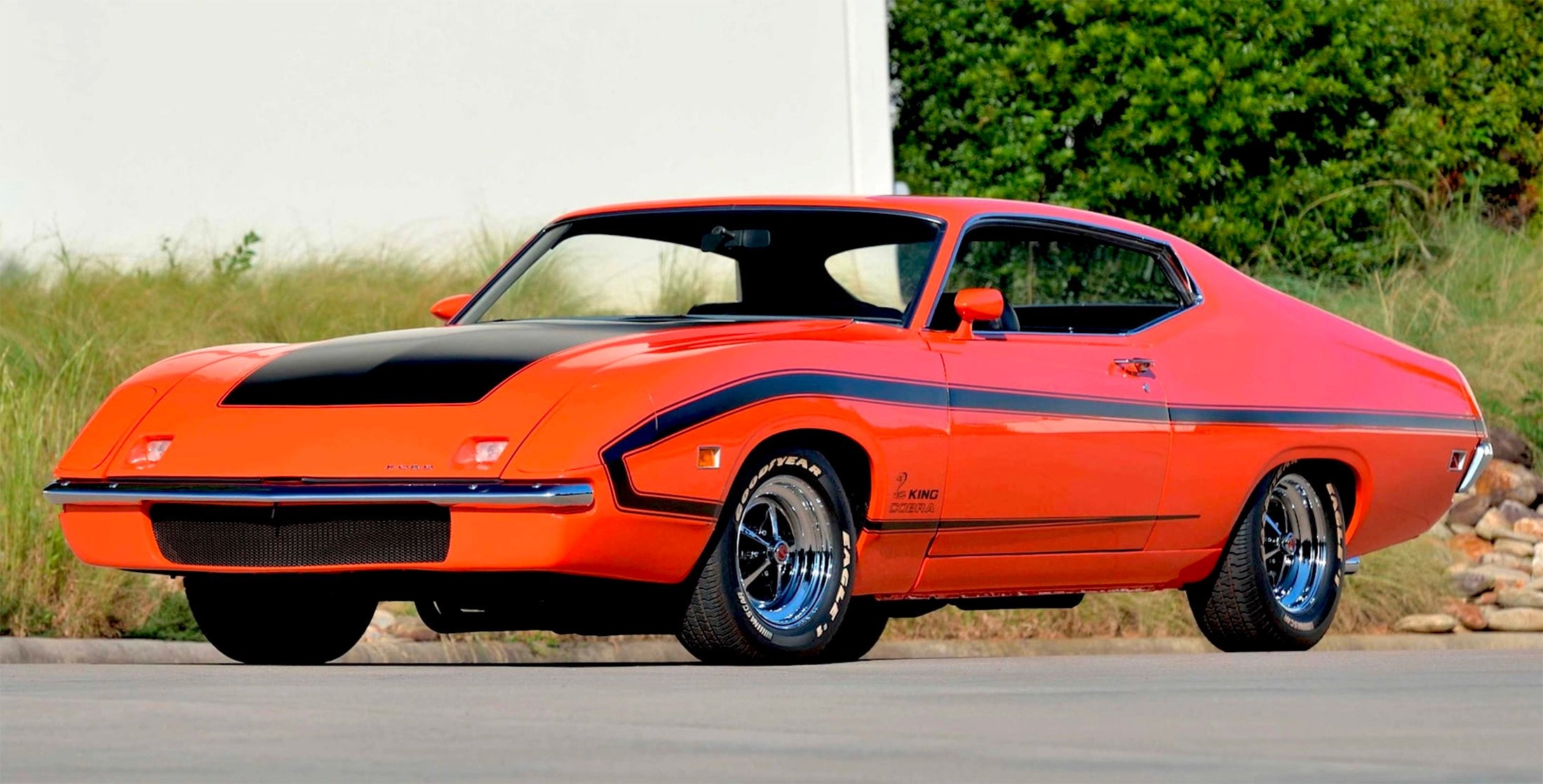
8. Ford Torino Cobra
The Ford Torino Cobra is another classic muscle car that still has the roar and strength to impress even decades after its first release. Produced mainly in the late 1960s and early 1970s, the Torino Cobra was Ford’s way of combining stylish design with raw American horsepower.
It might not always get the same attention as the Mustang or Camaro, but it has a loyal following, and when properly maintained, it continues to sound and feel as powerful as it did when new. One of the reasons the Torino Cobra still holds its ground today is the engines Ford placed under its hood.
Buyers at the time could choose from serious performance options such as the 429 Cobra Jet V8. That engine gave the car tremendous acceleration and a deep, rumbling exhaust that made it stand out wherever it went.
Even today, if you hear a Torino Cobra running, the aggressive note tells you immediately that this car was built for power. The torque was strong enough to push the car down highways and drag strips with ease, and those who keep these engines in shape still enjoy that thrill.
The design of the Torino Cobra was another reason it made an impression. With its long hood, muscular stance, and fastback styling, the car carried the look of speed even when parked.
Ford wanted it to look different from the Mustang by making it larger and more imposing, and this identity has aged very well. Restored models still attract attention at car shows, and collectors appreciate the mix of beauty and muscle that the Torino Cobra represents.
Durability is one of the Torino Cobra’s strengths. The car was built with a tough frame and heavy-duty parts that were designed to handle the stresses of big-block engines. This strength is why many of them remain roadworthy today, even after decades of use.
Of course, consistent care and restoration are necessary, but the fact that many are still running proves the quality of Ford’s design. Owners often rebuild the engines, refresh the suspension, and update the interiors, yet the soul of the car remains the same.
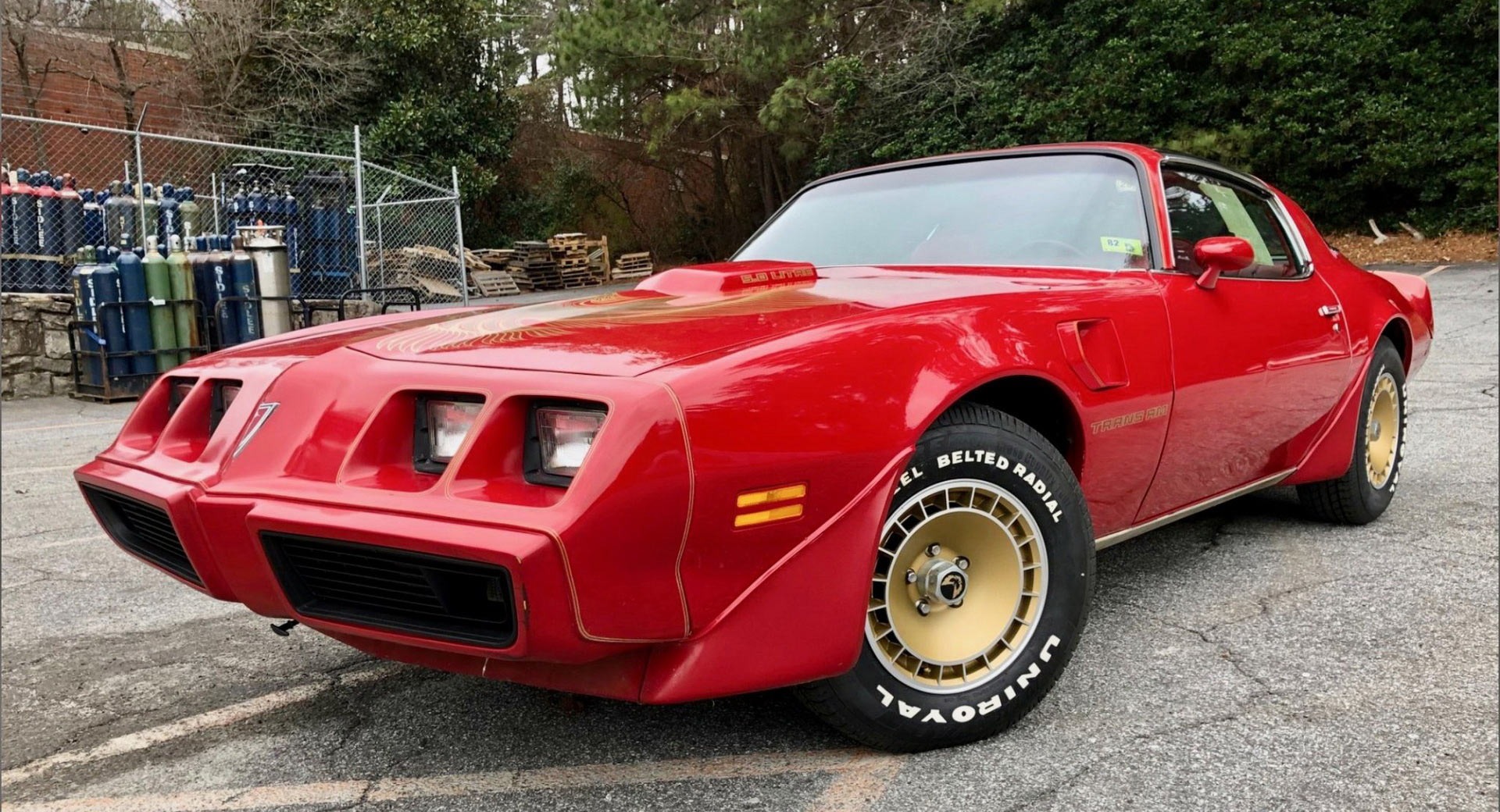
9. Pontiac Firebird Trans Am
The Pontiac Firebird Trans Am is one of the most recognizable muscle cars from the golden era, and it still manages to hold its roar even today.
Produced from the late 1960s through the early 2000s, the Trans Am built a strong reputation not only for its styling but also for the sound and power that came from its engine bay.
Many car lovers still remember it from movies and television shows, and that image helped it stay popular long after production ended. The Trans Am stood out because of its wide range of powerful V8 engines.
Pontiac offered everything from the 400 cubic-inch engines in the early years to the 455 Super Duty in the 1970s, which became one of the most respected powerplants of its time. These engines delivered serious horsepower and torque, giving the car thrilling performance.
Even decades later, if you start up a well-maintained Trans Am, the exhaust growl is strong enough to remind you of its roots.
The sound alone tells you that this car still carries muscle heritage. Design was another area where the Trans Am excelled. With its aggressive front end, wide stance, and bold graphics, it was never a car that blended into traffic.
The iconic hood scoop and the Firebird logo painted on the hood of many models gave it a unique presence. During the late 1970s, the black and gold edition featured in movies made it instantly recognizable, and those styling cues still turn heads today.
Many modern muscle cars try to copy that boldness, but the Trans Am has an authenticity that only a classic can carry.
Also Read: 10 Cars From the ’70s That Still Run Strong
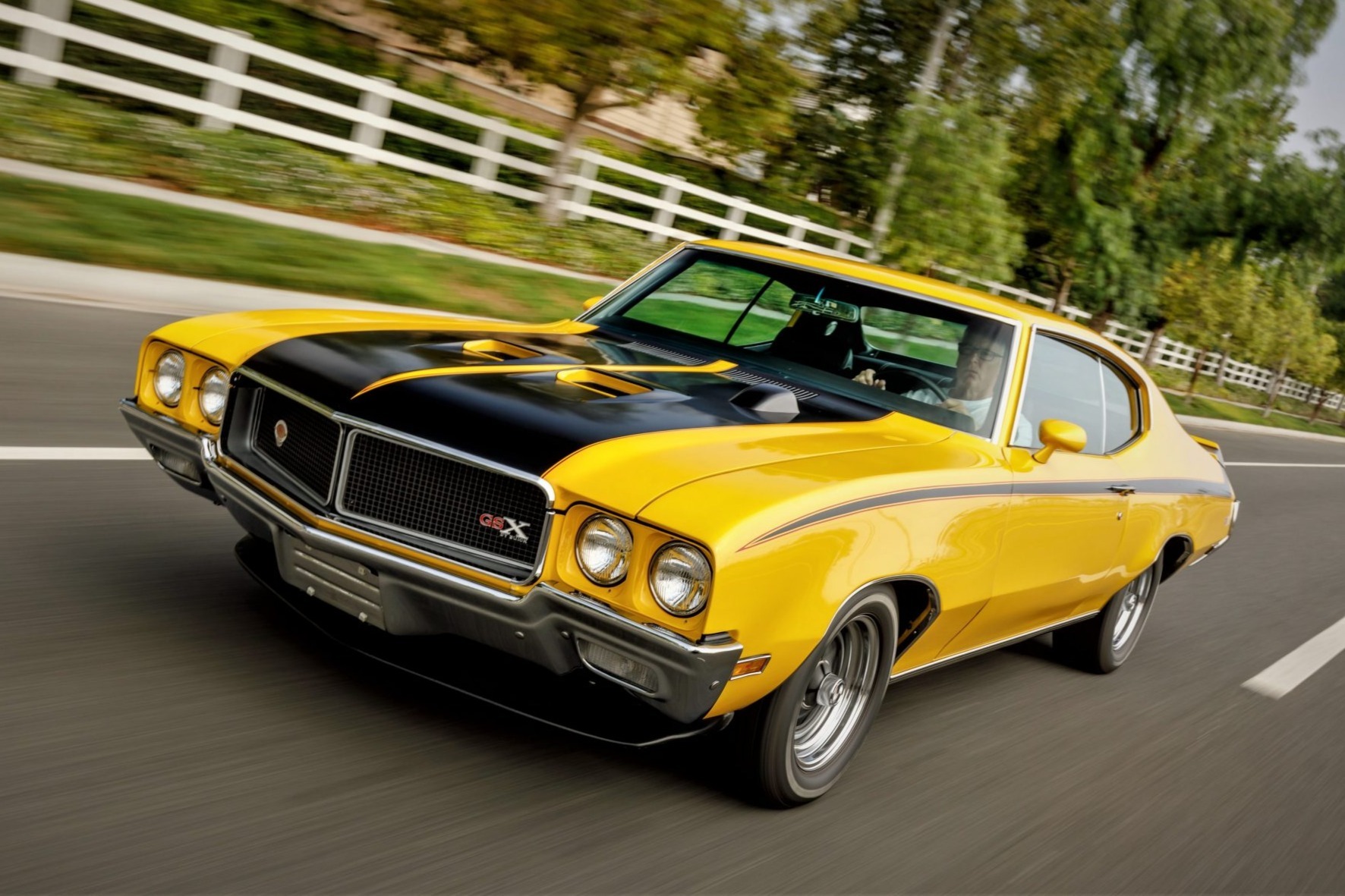
10. Buick GSX
The Buick GSX is one of those muscle cars that people sometimes forget when listing the biggest names of the muscle car era, yet it deserves just as much respect.
Produced in the early 1970s, the GSX was Buick’s answer to the muscle car craze, and it shocked many because Buick was mostly known for its comfortable and luxury-focused cars at that time.
The GSX changed that perception with its incredible power and bold styling. Even today, when you hear a GSX fire up, the sound is enough to remind you that this car still has the muscle it was built with.
The GSX came standard with Buick’s 455 cubic-inch V8, one of the largest engines of its era. The Stage 1 package boosted it to around 360 horsepower and well over 500 lb-ft of torque, which made it one of the strongest performers of its time.
Many tests from the early 1970s showed that the GSX could keep up with or even beat some of the better-known muscle cars from Chevrolet, Dodge, and Ford.
Its combination of size, torque, and quick acceleration made it a monster on the drag strip. Decades later, when these cars are restored properly, that same brute strength remains alive.
The design of the GSX was also eye-catching. It came with unique body stripes, a rear spoiler, and a bold stance that separated it from the standard Buick Skylark. Available in bright colors like Saturn Yellow and Apollo White, it was impossible to miss on the road.
While Buick had a reputation for being more formal, the GSX proved that the brand could also deliver muscle with style. Today, those rare paint schemes and original stripes make the GSX highly collectible.
