
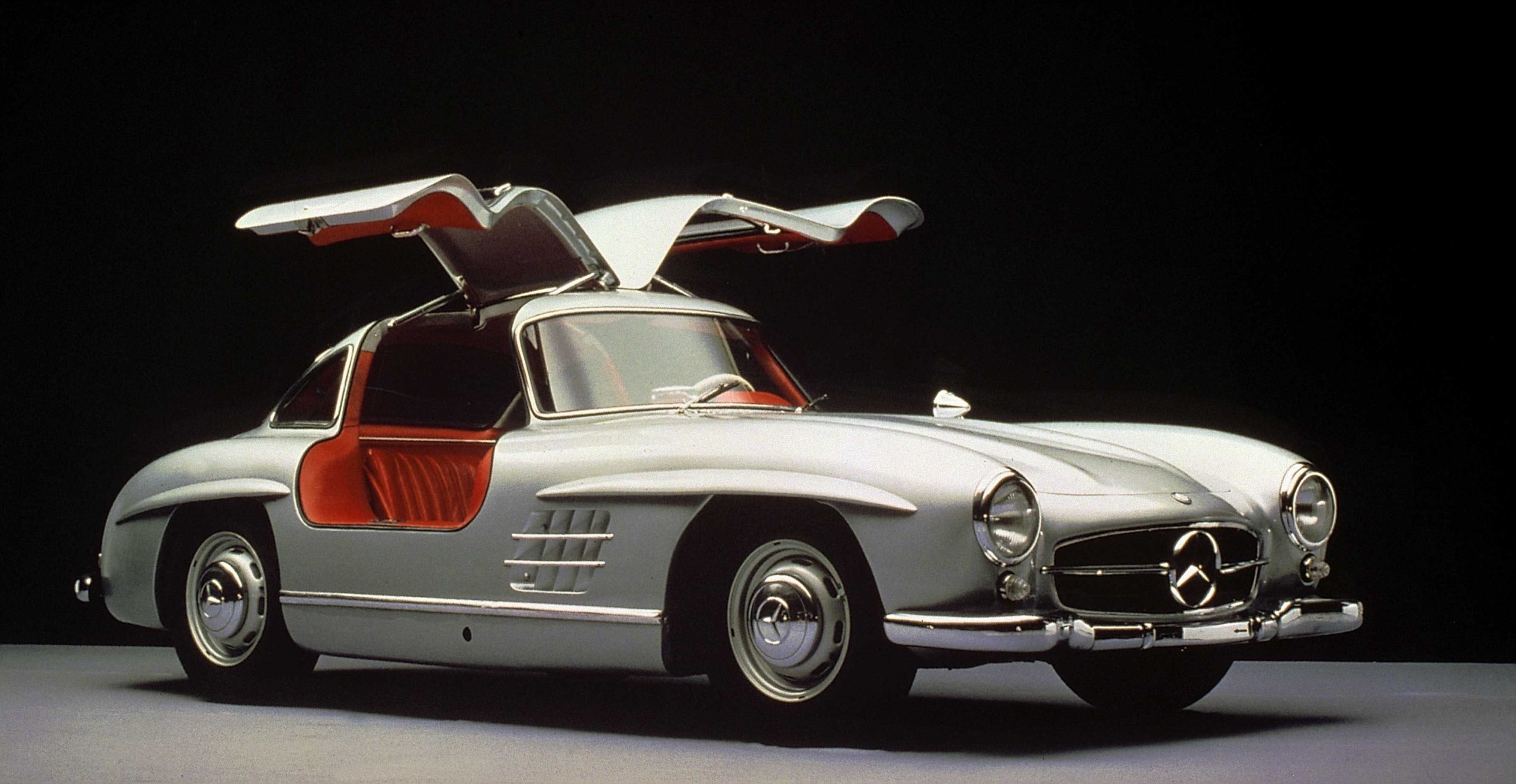
Many people still admire cars that were built years ago, not only for their designs but also for how well they perform even today. These cars were made during a period when manufacturers placed a strong focus on durability, simplicity, and mechanical strength.
While new cars now come with advanced technology, safety features, and smart systems, some older cars continue to surprise people because they still run with ease. They remind people of a time when cars were less dependent on electronics and more on solid mechanical engineering.
For some people, driving these cars gives a feeling of pride because they connect them to history. They also represent an age when cars were built to last long and not just to impress buyers for a few years. Many of these retro models are still driven today on American roads, while some are kept by collectors who admire their old charm.
Others are passed down from one generation to another, becoming family treasures. What makes them interesting is not only their age but also the fact that they still work without much struggle. Some of these models are easy to repair since their parts are simple and widely available.
Mechanics also find them easier to handle because the engines are straightforward compared to modern vehicles that require digital equipment. Drivers who use them enjoy how strong they feel and how reliable they remain after so many years.
This list will show ten retro cars that continue to run without stress. Each of them represents a period in car history and shows why older cars still hold value today. These vehicles are not just about looks. They still offer smooth rides, strong performance, and a sense of dependability that many drivers admire.
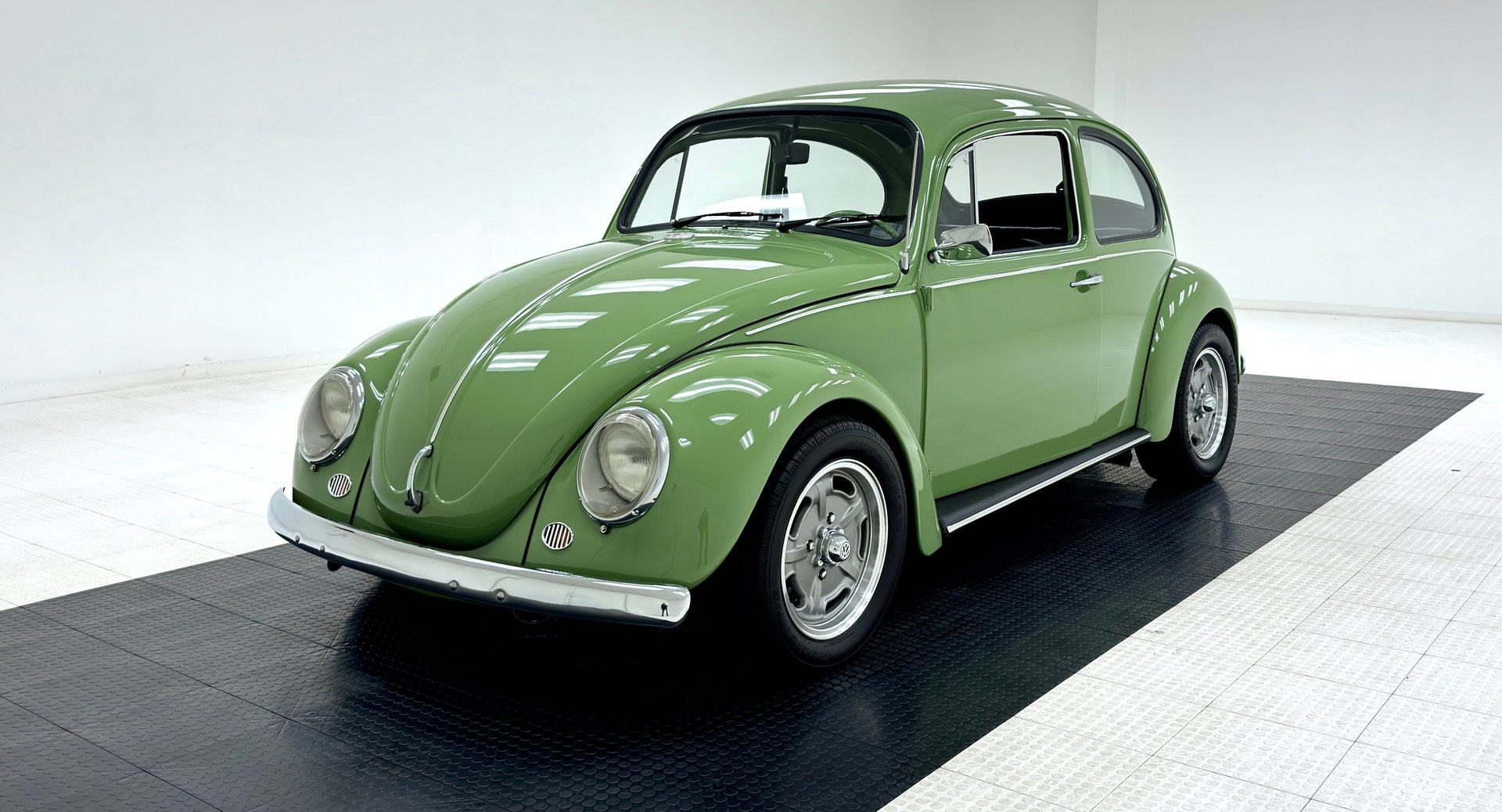
1. Volkswagen Beetle
The Volkswagen Beetle is one of the most recognised retro cars in history. Produced first in the 1930s, this car was designed to be simple, affordable, and easy for many people to own.
It quickly became popular in different parts of the world and remained in production for several decades. The round design, small size, and unique look made it stand out from other cars during its time.
What makes the Beetle impressive is how reliable it has been even after many years. The engine, which was placed at the back, was air-cooled and required very little maintenance. It could run long distances without major problems. Mechanics loved it because the parts were straightforward, and repairs could be done without expensive equipment.
This made the Beetle one of the most user-friendly cars of its time. Many people still keep their Beetles today because they continue to run smoothly.
Owners say the car gives them a feeling of nostalgia, while also saving them from spending much on repairs. Its small engine does not consume much fuel, which makes it budget-friendly for drivers who want a practical car.
The simplicity of the vehicle is one of its strongest qualities, as it does not depend on complicated systems to keep moving. In the United States, the Beetle became popular among young people in the 1960s and 70s. It represented freedom and individuality for many of them.
Even today, you can still find these cars being used for daily driving or displayed at car shows. Collectors see it as a treasure because of its long history and cultural influence.
The Beetle has remained more than just a car. It is a symbol of reliability, affordability, and simplicity. It shows how a well-built vehicle can stand the test of time and still be useful for drivers in modern days.
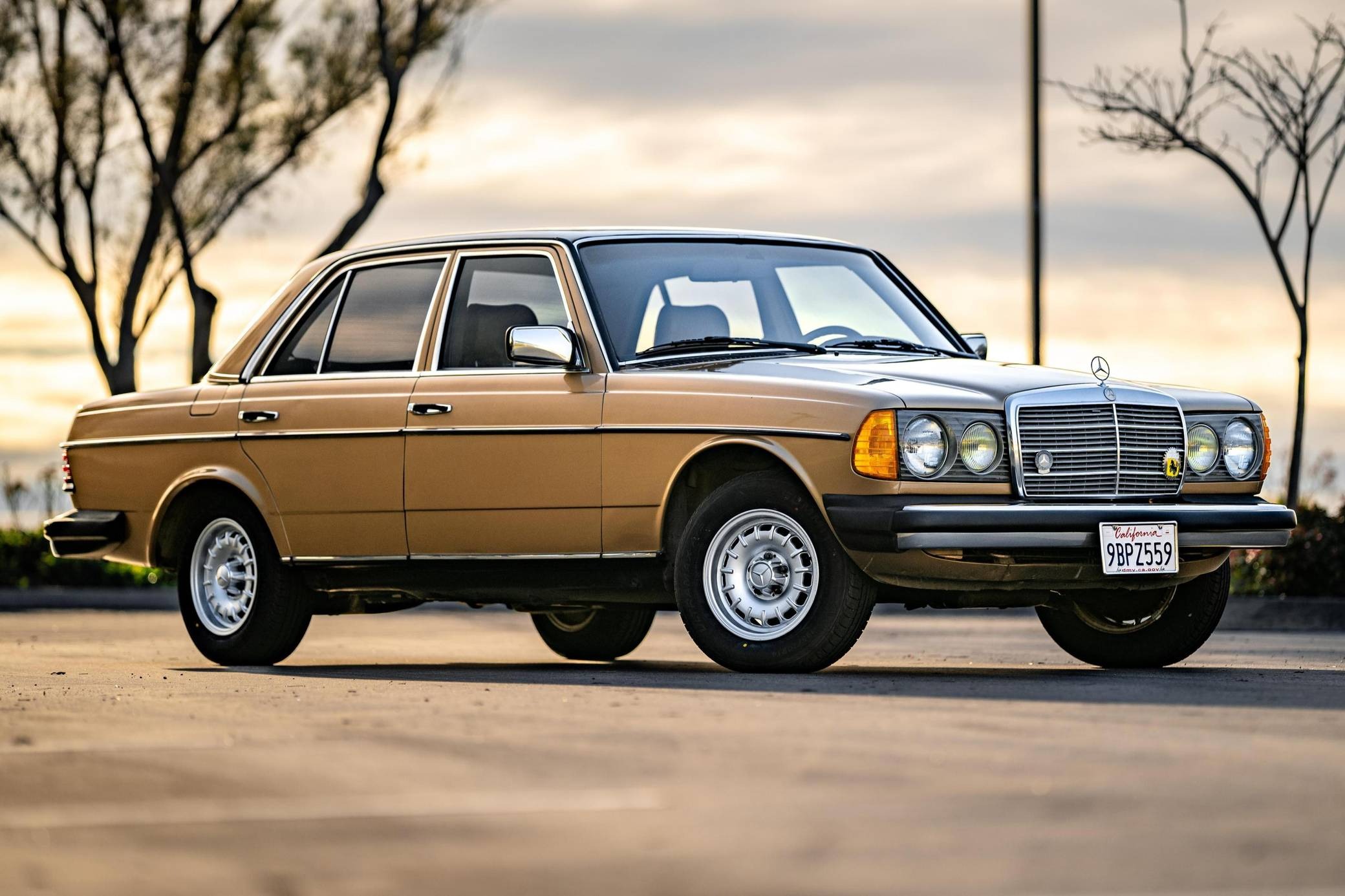
2. Mercedes-Benz W123
The Mercedes-Benz W123 is another retro car that has proven its strength through the years. Introduced in the late 1970s, this car quickly earned a reputation for being tough and dependable. Many drivers admired it not only for its stylish design but also for how long it could last without constant breakdowns.
The W123 was built with solid materials that made it durable even after decades of use. One reason why the W123 remains popular is its strong engine options. Mercedes offered both petrol and diesel versions, with the diesel models gaining attention for their ability to run for very high mileage without major issues.
Taxi drivers across different countries used this model because of its ability to cover long distances daily. Stories still exist of W123 cars crossing several hundred thousand miles while remaining in good condition. The interior was designed with comfort in mind. Seats were built to handle long journeys, and the driving experience was smooth compared to many other cars of its time.
While newer cars rely heavily on electronic controls, the W123 depended more on mechanical strength. This makes repairs easier and less costly. Many parts for the car are still available, which helps owners keep them running. Collectors and enthusiasts in the US still keep the W123 in excellent shape.
Its classic design makes it stand out, while its dependable engineering ensures that it continues to run with ease. Some people even prefer using the W123 for daily commutes because they trust its durability.
The W123 represents the old Mercedes philosophy of building cars that could last a lifetime. This model remains one of the strongest examples of how retro cars can stay reliable long after their production years.
Also Read: Top 10 Retro-Inspired Cars That Blend Nostalgia With Modern Tech
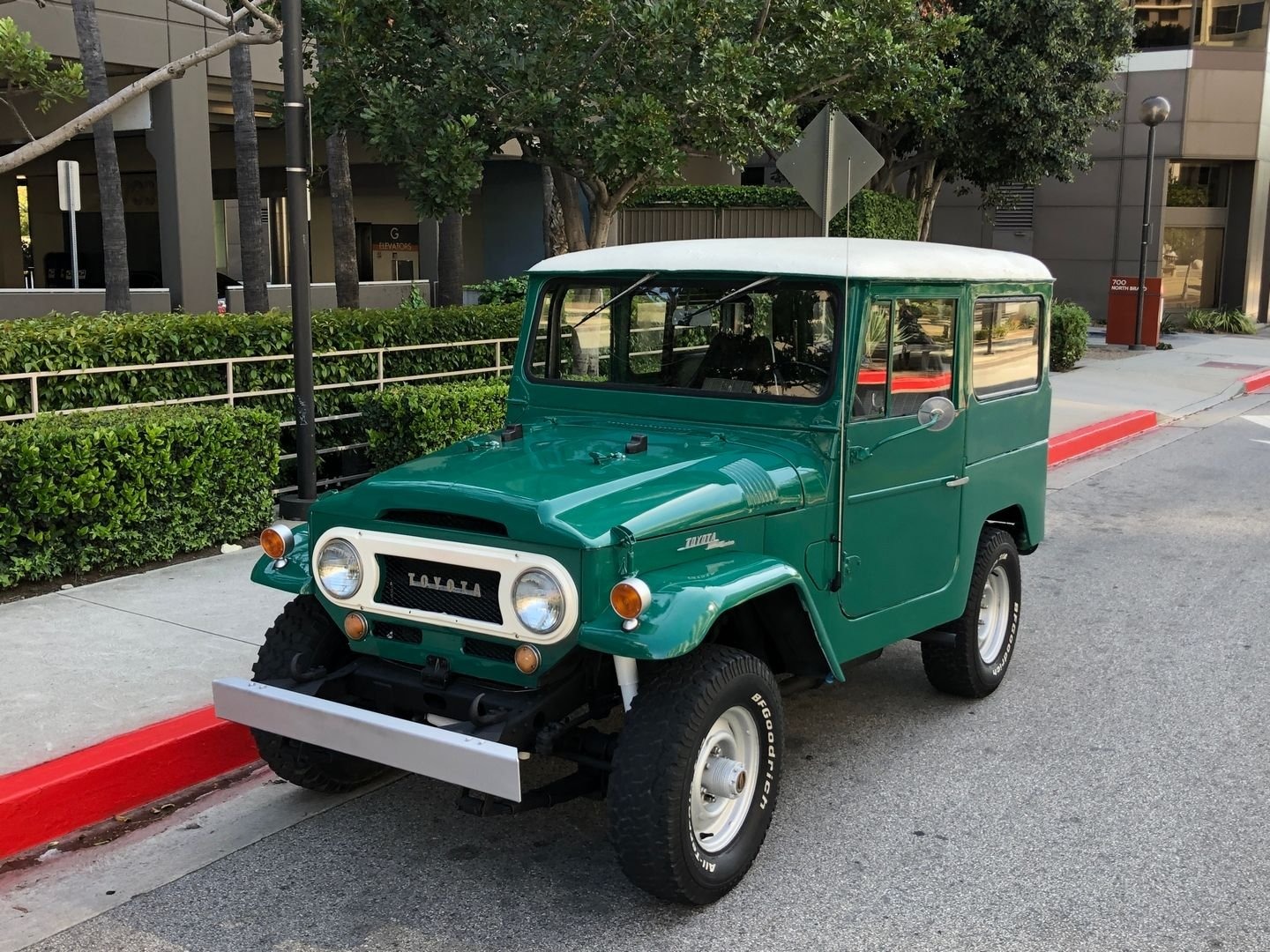
3. Toyota Land Cruiser FJ40
The Toyota Land Cruiser FJ40 was built during the 1960s and 70s as a tough off-road vehicle. It gained a reputation for being almost unstoppable on rough roads. Farmers, adventurers, and military forces trusted this vehicle because it was built to handle challenging areas with ease.
Its boxy design and strong suspension made it a reliable choice for people who needed a vehicle that could go anywhere. What makes the FJ40 unique is its toughness. The engine was built to withstand rough use, and the body frame was strong enough to handle heavy work.
Even after decades, many of these vehicles are still running, especially in rural areas where reliability is more important than style. Drivers appreciated the fact that the car could continue working with little maintenance. The FJ40 is still respected in the United States as a collector’s item.
Many off-road enthusiasts enjoy restoring and driving it because it offers an authentic driving experience that modern SUVs cannot match. It does not have luxury features or advanced electronics, but it makes up for this with raw strength and dependability.
Another reason why the FJ40 continues to run well is its simplicity. The design did not depend on complicated technology, which means owners can repair them with basic tools. Spare parts are still available, making restoration projects easier for enthusiasts.
Even though Toyota has moved on to more advanced models of the Land Cruiser, the FJ40 remains a symbol of durability. It continues to prove that a retro car can still function effectively in today’s world.
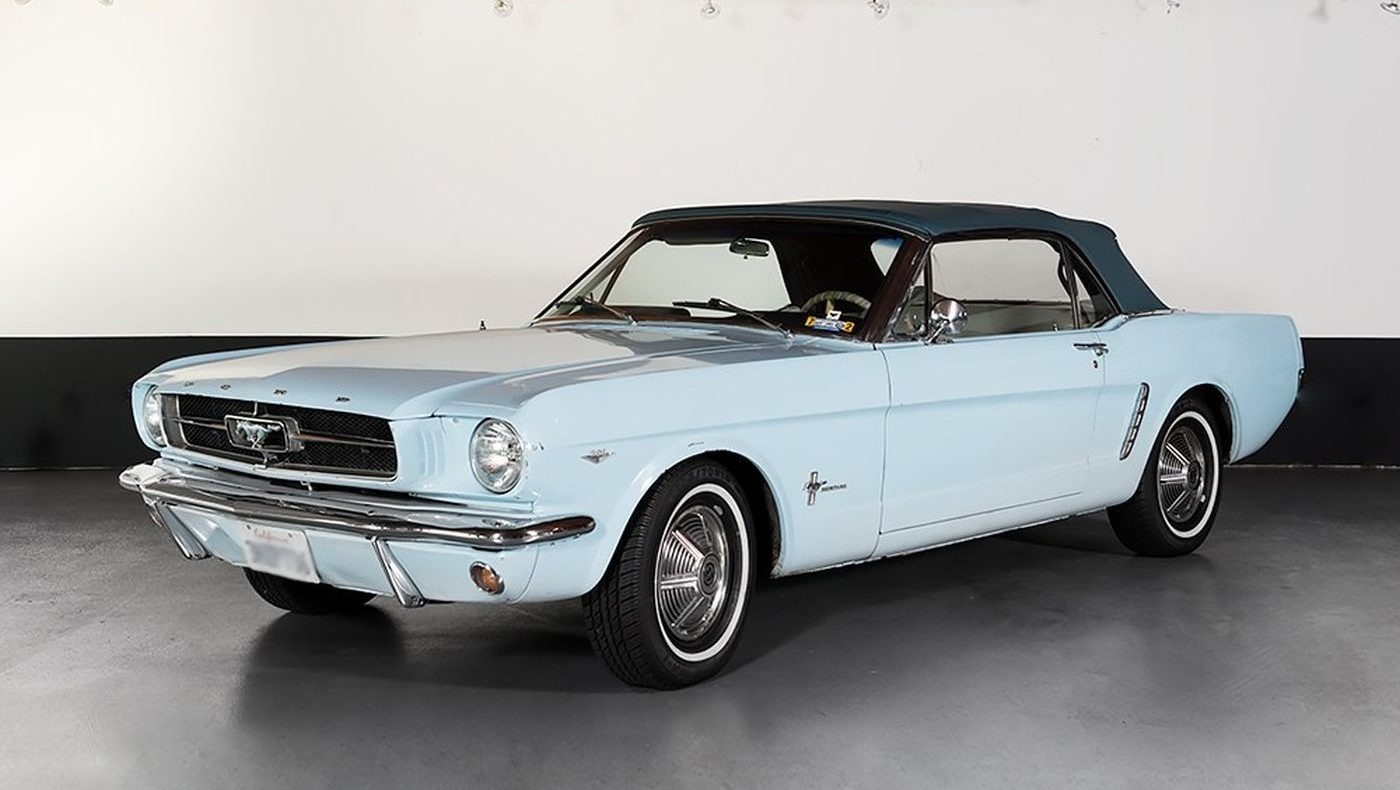
4. Ford Mustang First Generation
The first-generation Ford Mustang appeared in 1964 and quickly became an American icon. Its design was fresh, sporty, and attractive, which captured the attention of many drivers. People admired its long hood, short rear deck, and stylish profile.
Beyond looks, the car offered good performance for its time, making it a favorite among young drivers who wanted speed and style in a single package.
What makes the first-generation Mustang impressive today is how many of them still run with ease. These cars were built with strong engines and durable transmissions, allowing them to remain operational decades after production ended. Mechanics find them easier to maintain because the systems are simpler compared to modern vehicles.
The V8 engines, in particular, are known for their power and longevity, and many cars still hit the road with the original engine intact. Owners often report that these Mustangs deliver a driving experience that modern cars cannot replicate. The handling, acceleration, and engine sound provide a sense of connection between driver and machine.
Restoring these vehicles is also popular because their parts are widely available, and there is a large community of enthusiasts who share tips and support. These cars continue to appear in car shows and classic car gatherings, attracting attention for their combination of aesthetics and reliability.
Many Mustangs of this generation have been passed down from family to family, proving their value not only as a collectible but also as a dependable vehicle. They are also seen in movies and advertisements, representing a classic idea of American freedom and power on the road.
The first-generation Mustang continues to demonstrate that cars built with strong mechanical engineering can endure the test of time. Its ability to still run smoothly decades after it was produced shows why some retro cars maintain their appeal. Driving one today is not just about nostalgia; it is about experiencing the power and reliability that Ford invested in every vehicle of that era.
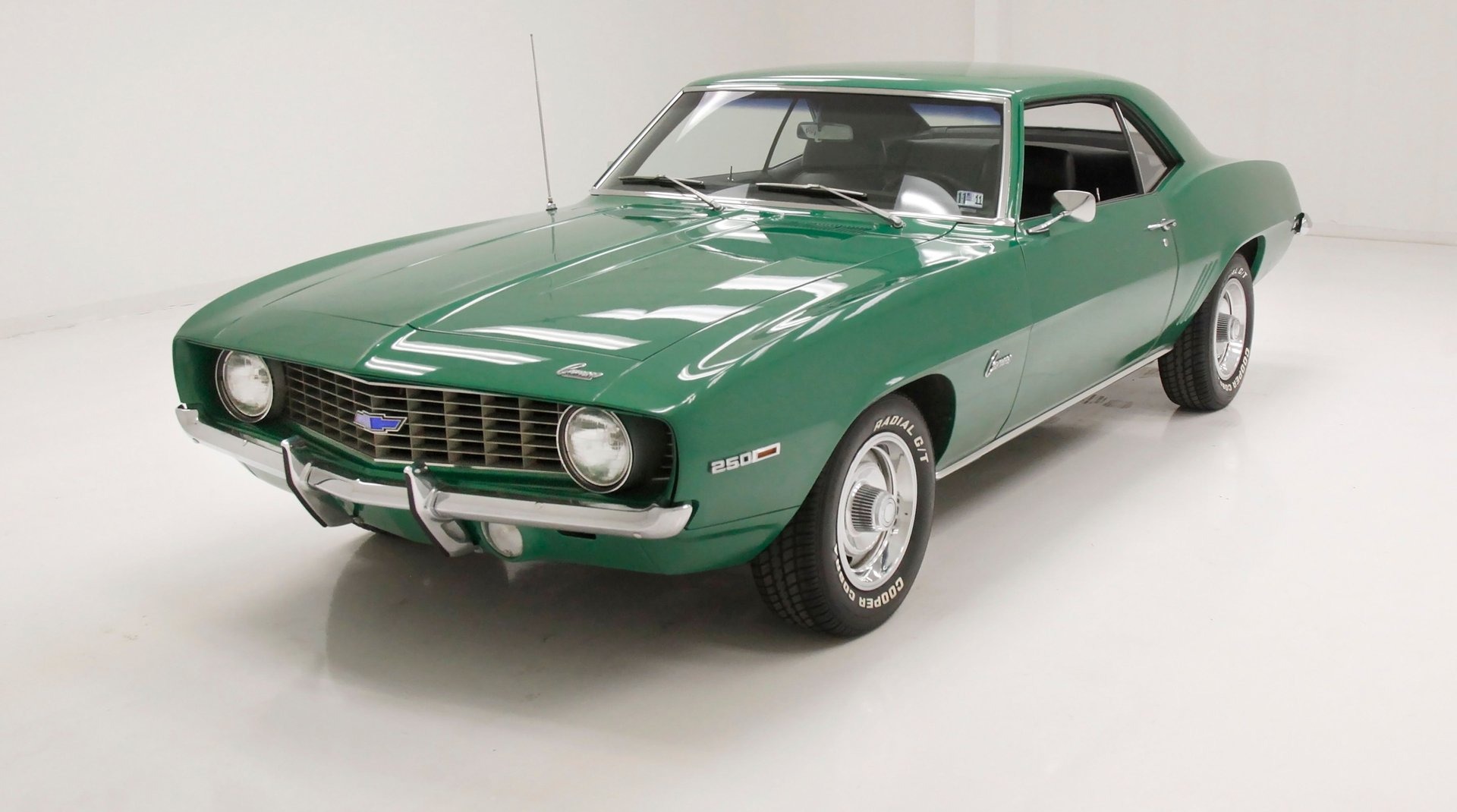
5. Chevrolet Camaro First Generation
The Chevrolet Camaro first appeared in 1967 as a direct competitor to the Ford Mustang. Its goal was to offer sporty performance and stylish design at a reasonable price. From the very beginning, the Camaro became a popular choice for drivers looking for a car that combined speed with practicality.
Its sleek design, strong engine options, and aggressive stance made it stand out among other vehicles. Even after more than fifty years, many of the first-generation Camaros still run without major problems. This is due to the strong engines, simple mechanical systems, and the care that owners have taken to maintain them.
The V8 models are especially respected for their power and durability. Many enthusiasts enjoy taking these cars on the road because of the smooth acceleration and handling, which remain impressive even today.
Restoration and maintenance of these Camaros are common. Spare parts are still available, and mechanics familiar with classic vehicles can handle repairs easily. Unlike modern cars that depend heavily on computers and sensors, these Camaros run mostly on basic mechanical systems, which makes them easier to fix when problems arise.
In the United States, collectors prize the Camaro not only for its performance but also for its cultural importance during the 1960s and 70s. Owning one today is a sign of appreciation for classic automotive design and engineering. People continue to drive these cars for daily use, weekend trips, and car shows, proving their reliability after a while.
The Chevrolet Camaro of this generation shows that a car designed for performance and style can remain dependable for decades. Its ability to still operate efficiently demonstrates how a well-built retro car can offer both pleasure and practicality in modern times.
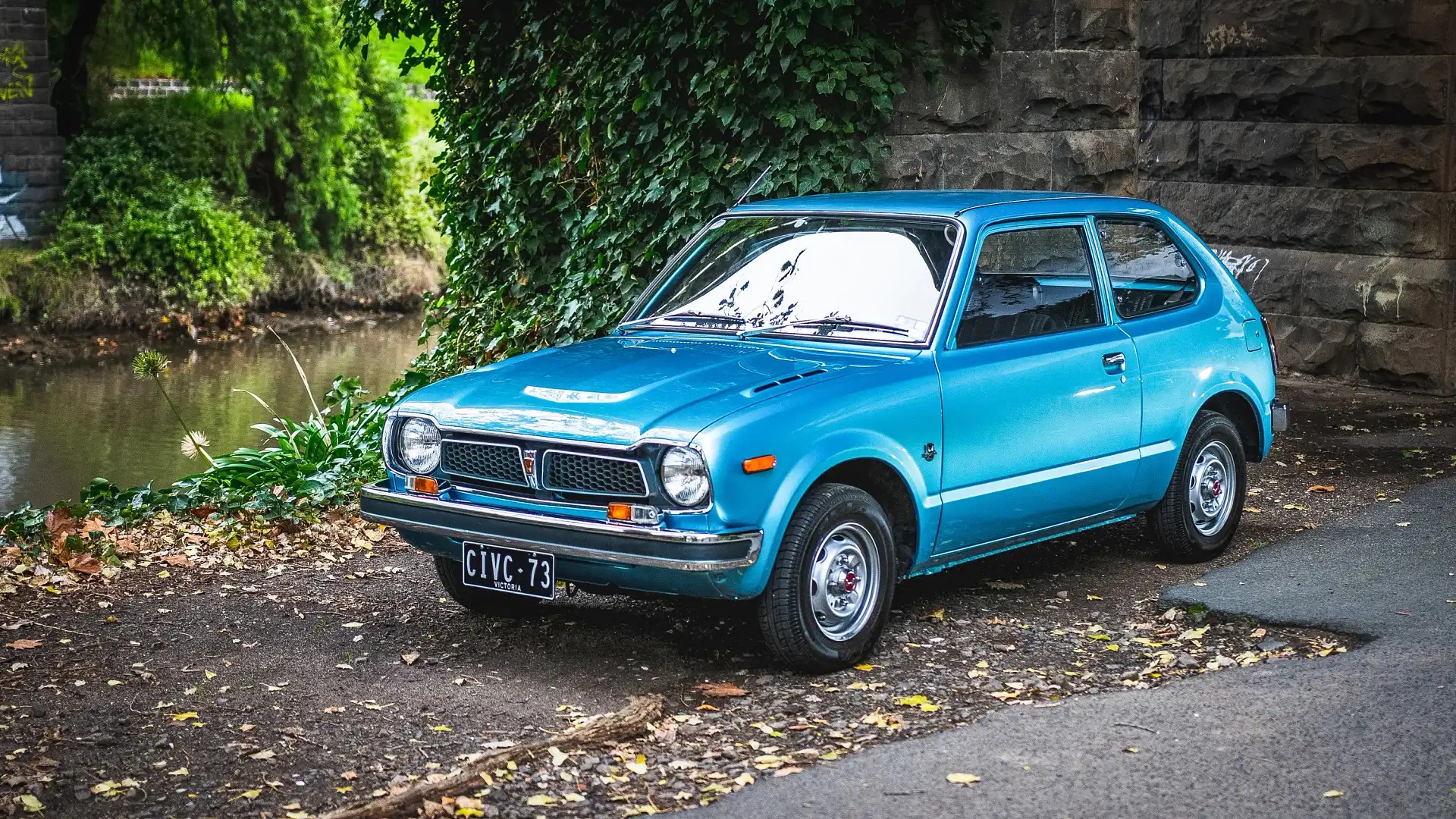
6. Honda Civic First Generation
The first-generation Honda Civic, introduced in 1972, represented a turning point for small cars. Its design was simple, compact, and efficient, making it easy to drive in cities and towns. People admired its economy and practicality. Even decades later, the Civic continues to impress with its ability to run with ease despite being an older model.
One of the reasons the first-generation Civic remains reliable is its small but strong engine. It is easy to maintain, consumes less fuel, and can cover long distances without frequent repairs. The mechanical simplicity means that mechanics can work on it without advanced equipment, making it ideal for people who want a dependable vehicle at low cost.
The interior of the Civic was straightforward, with controls that were easy to understand. It focused more on function than luxury, yet it delivered comfort for daily driving. Many owners have kept their Civics running by performing routine maintenance and replacing worn-out parts. Its simple design ensures that it does not suffer from the electronic failures that affect many modern cars.
In the United States, the first-generation Civic became a favorite among students and small families who needed a car that would not break the bank. Even today, vintage Civics are collected by enthusiasts who value their engineering and efficiency. They are also admired for being lightweight, nimble, and reliable on city roads.
The Civic shows that a small car can last for decades when built with quality and simplicity. Its ability to continue running smoothly makes it a standout among retro vehicles, and it proves that even compact cars can deliver reliability and practicality over the years.
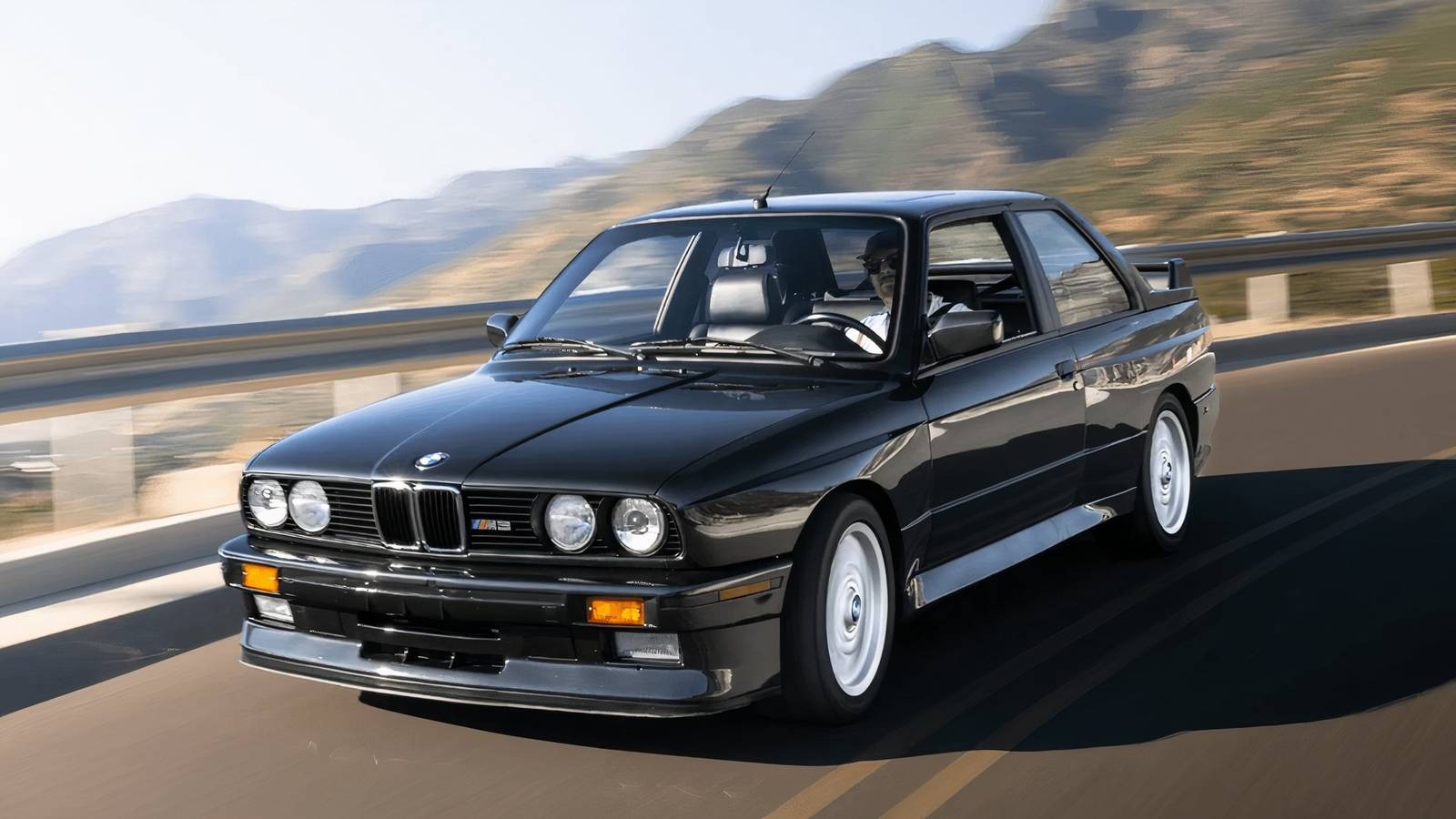
7. BMW 3 Series E30
The BMW 3 Series E30, introduced in the early 1980s, quickly became a symbol of performance and quality. Its design was elegant yet sporty, appealing to drivers who wanted both style and driving pleasure. BMW focused on building a car that delivered a balanced combination of power, handling, and comfort.
The E30 remains respected because it continues to perform well even after decades of use. Its engines, transmissions, and suspension were designed to last, and many vehicles have exceeded hundreds of thousands of miles. Mechanics appreciate this car because it is easy to repair with standard tools, and replacement parts are still accessible.
Drivers often praise its precision handling and smooth ride, which remain enjoyable even today. Many car enthusiasts keep the E30 for both daily driving and collection purposes. Its classic design makes it attractive, while its mechanical reliability ensures it can still be driven regularly without fear of frequent breakdowns.
The car represents an era when BMW focused on creating vehicles that would last long and provide a satisfying driving experience. The E30 also has cultural importance in motorsports. It was used in races and competitions, proving its strength and durability under challenging conditions. Owning one today is a sign of respect for classic engineering and attention to detail.
The BMW E30 3 Series demonstrates that a vehicle built with precision and care can remain functional and enjoyable for decades. Its performance, reliability, and timeless design make it one of the retro cars that still run with ease and continue to impress modern drivers.

8. Porsche 911 Classic
The Porsche 911 Classic, first launched in the 1960s, became an icon of sports car engineering. Its unique rear-engine layout, elegant design, and strong performance attracted attention from drivers who wanted both speed and style. Even decades later, many 911s remain operational and continue to deliver an exceptional driving experience.
The strength of the Porsche 911 Classic comes from its durable engine and robust construction. The air-cooled flat-six engine was simple enough for mechanics to work on without requiring advanced equipment, yet powerful enough to provide thrilling acceleration.
Owners of these cars often report that they still feel smooth and responsive on highways and city roads. This combination of simplicity and performance allows the 911 to continue running with ease even after many years of use.
Another reason why the 911 Classic is highly regarded is its balance of handling and comfort. Unlike modern sports cars that rely heavily on electronic stability controls, the 911 depends on precise engineering and driver skill. This gives drivers a raw and engaging experience that is difficult to replicate in newer vehicles.
The suspension and chassis were built to handle high speeds and sharp turns while remaining stable and reliable. Collectors and enthusiasts in the United States continue to preserve these vehicles. Many restore older 911s to pristine condition, while others enjoy taking them out for weekend drives.
The car’s design has remained timeless, and its performance continues to impress, making it more than just a classic vehicle. It represents an era of automotive excellence when engineering and driver connection were prioritized.
Even today, spare parts and maintenance resources are available for the Porsche 911 Classic. This accessibility allows owners to keep their cars on the road without major difficulty. It is a sports car that offers reliability alongside performance, which is why it remains popular among vintage car enthusiasts.
The Porsche 911 Classic demonstrates that a well-built sports car can endure decades and continue to perform at a high level. Its combination of durability, elegance, and driving enjoyment makes it a retro car that still runs with ease and inspires admiration among drivers and collectors alike.
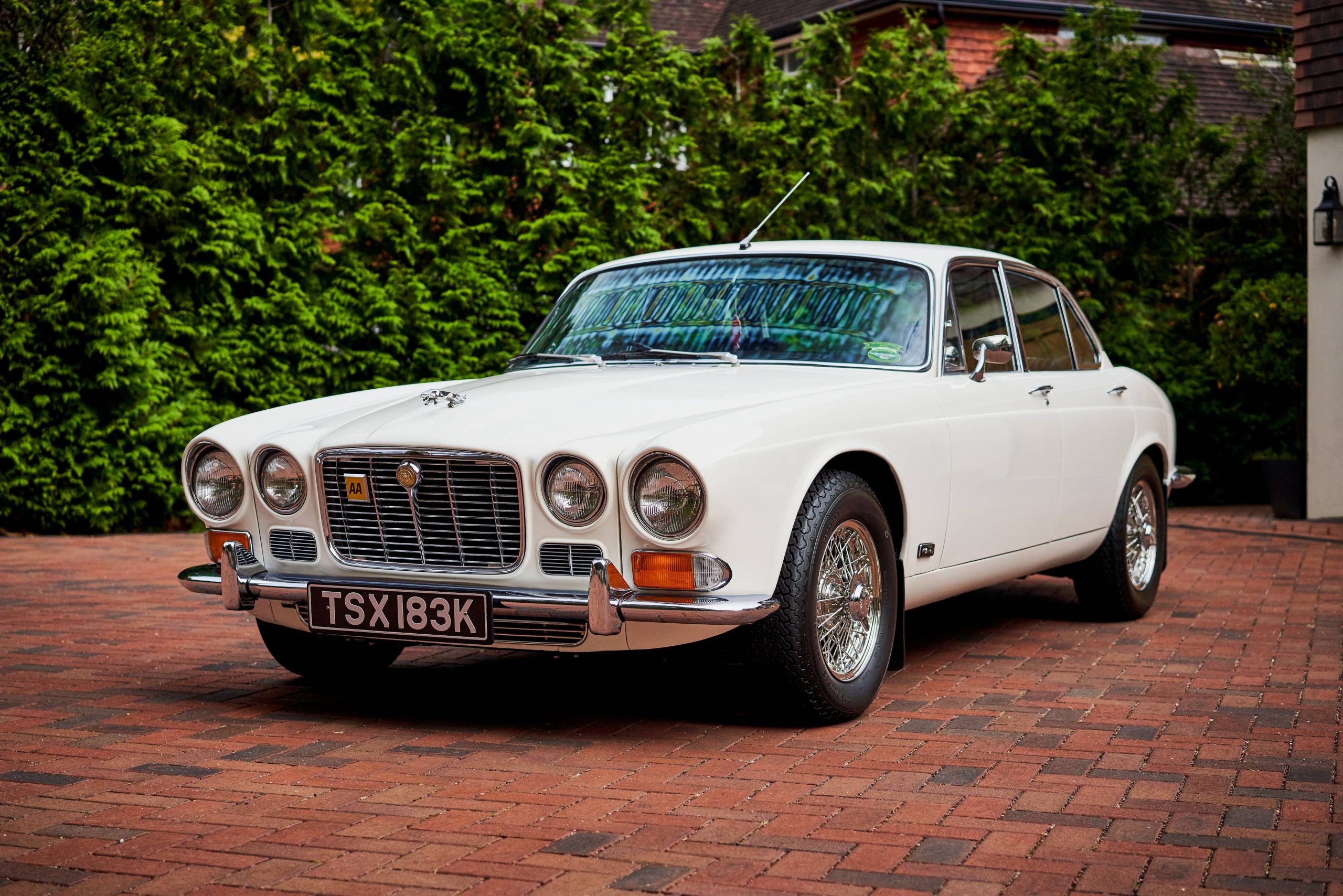
9. Jaguar XJ Series I
The Jaguar XJ Series I, introduced in the late 1960s, became a symbol of luxury and engineering quality. Its design was sleek, elegant, and refined, representing British sophistication at the time. Even today, many of these vehicles remain in use, and their ability to operate smoothly continues to impress drivers.
One of the vital features of the XJ Series I is its strong inline-six or V12 engine options. These engines were engineered to last long and provide reliable performance even after decades. Mechanics appreciate the car for its relatively straightforward mechanical systems, which allow for repairs without excessive costs or complications.
Owners who maintain their cars regularly find that these Jaguars continue to perform well and remain comfortable for daily use. The interior of the XJ Series I was designed for comfort and luxury. Soft leather seats, well-finished wood trim, and spacious legroom made it a vehicle that could handle long journeys with ease.
Despite being a retro car, it still offers a driving experience that combines smoothness, stability, and reliability. This makes it a popular choice among collectors and vintage car enthusiasts in the United States.
Many people restore these Jaguars not only for aesthetic purposes but also because the vehicles continue to function as reliable daily drivers. Spare parts are still obtainable, and skilled mechanics can maintain the car without major difficulty. The XJ Series I demonstrates how luxury and performance can coexist in a vehicle built decades ago.
Today, the Jaguar XJ Series I is admired for its elegant design and mechanical strength. It remains a testament to how cars built with quality materials and careful engineering can still run reliably. For those who drive or collect these vehicles, it is not just a car but a connection to an era of automotive craftsmanship and refinement.
Also Read: 10 Cars That Hold Up Well In The City vs 10 That Break Down In Traffic
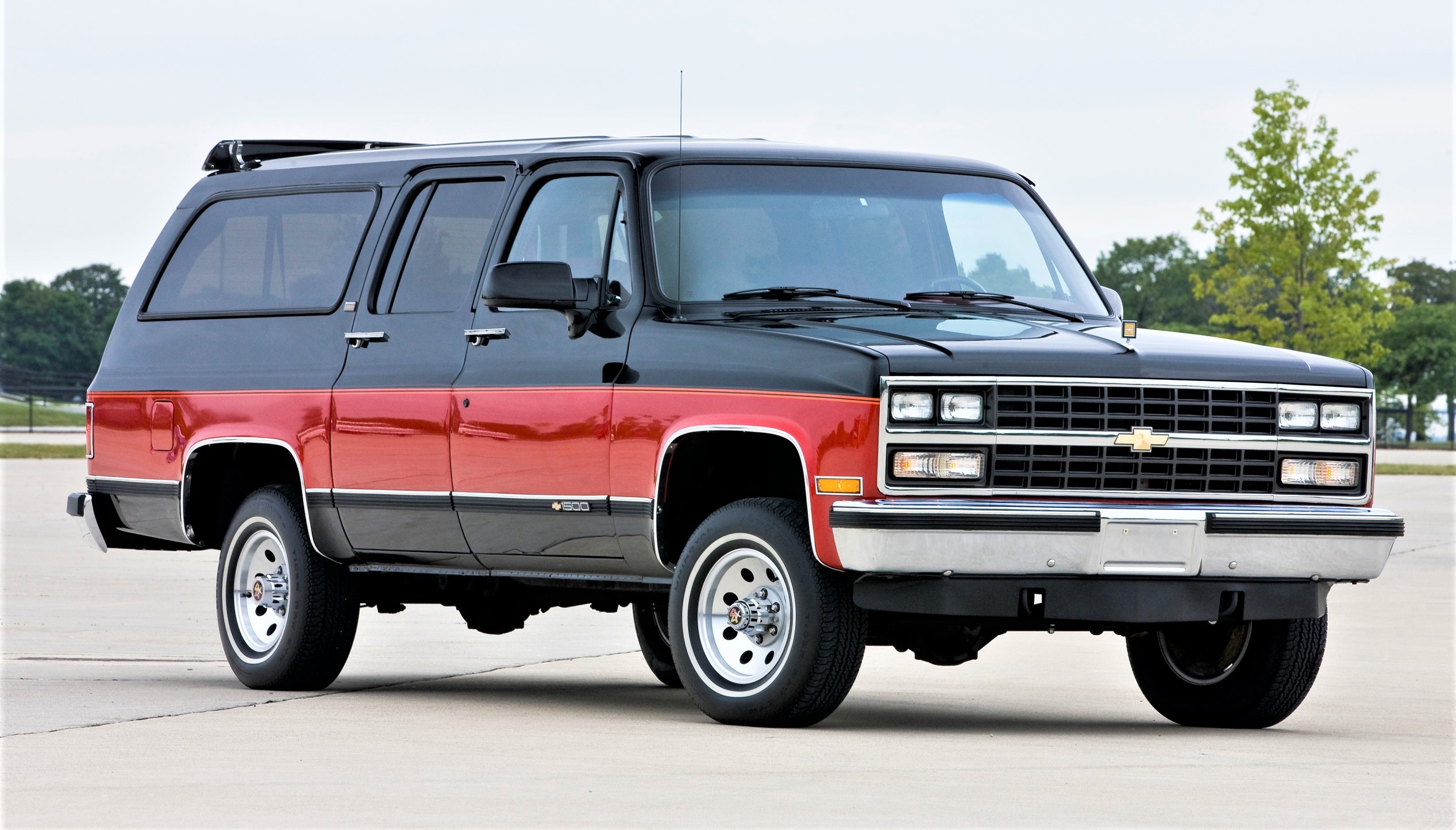
10. Chevrolet Suburban First Generation
The Chevrolet Suburban, first generation, produced during the 1930s through the 1950s, was designed as a large utility vehicle for families, businesses, and organizations that needed space and durability. Its strong frame, spacious interior, and robust engine made it highly dependable.
Even decades after production, many Suburbans remain operational and continue to serve their owners effectively. The Suburban was built to handle heavy loads, rough roads, and frequent use. Its large engine options allowed it to pull cargo, carry multiple passengers, and perform daily driving tasks without difficulty.
Mechanics and owners appreciate its straightforward construction, which allows for repairs and maintenance without expensive tools or technology. This makes the Suburban a vehicle that continues to run with ease even in modern times. People in the United States still value these early Suburbans for their strength, reliability, and practicality.
Families who inherit them often continue using them because they provide space and power that many modern SUVs cannot match. Collectors also restore these vehicles, enjoying their classic design and mechanical dependability. The vehicle’s large interior and rugged build make it suitable for both work and leisure purposes, which is why it remains relevant even today.
The first-generation Suburban also reflects the automotive philosophy of its time. Cars were designed to be durable, versatile, and reliable. This approach allowed the Suburban to continue performing efficiently decades after its initial production. Owners who maintain their vehicles often report that they remain smooth, capable, and dependable on roads.
Driving a Chevrolet Suburban from this era provides both nostalgia and practicality. It shows how a vehicle designed for utility and strength can continue to operate effectively over long periods. The Suburban demonstrates that some retro cars were not only about looks but also about enduring engineering and functionality.
The ten retro cars discussed in this list prove that some vehicles from past decades continue to run with ease. They combine durability, reliability, and mechanical simplicity, which allows them to perform well even after decades of use. From sporty models like the Porsche 911 to utility vehicles like the Chevrolet Suburban, these cars demonstrate how strong engineering can last.
Owners who maintain these vehicles can enjoy driving experiences that remain satisfying and dependable. These retro cars are more than just machines; they represent a time when vehicles were built to last. Their continued operation today reflects careful design, quality materials, and engineering intelligence.
Drivers who experience these vehicles find joy not only in their performance but also in their history and character. Classic cars will always hold a special place in the hearts of drivers who appreciate longevity, craftsmanship, and simplicity. These ten vehicles show that with proper care, retro cars can remain reliable, practical, and enjoyable even decades after production.
