
When it comes to car ownership, reliability and maintenance are two of the biggest factors that influence a buyer’s decision. Some vehicles are engineered with simplicity, durability, and practicality in mind, allowing them to perform reliably for years with only routine upkeep.
These cars are trusted daily drivers, often praised for their affordability and longevity, making them ideal for those who want worry-free transportation. On the other end of the spectrum, there are cars that, while thrilling and groundbreaking, demand constant care.
Exotic supercars and hypercars push the limits of technology and performance but require staggering amounts of time, money, and expertise to maintain.
This article explores both sides of the spectrum, highlighting five cars like the Toyota Corolla and Honda Civic that prove dependable ownership doesn’t need to be expensive, as well as five high-performance machines like the Bugatti Veyron and Mercedes-AMG ONE that redefine what “cost of ownership” really means.
5 Cars That Last With Minimal Maintenance
1. Toyota Corolla: Reliability and Everyday Value
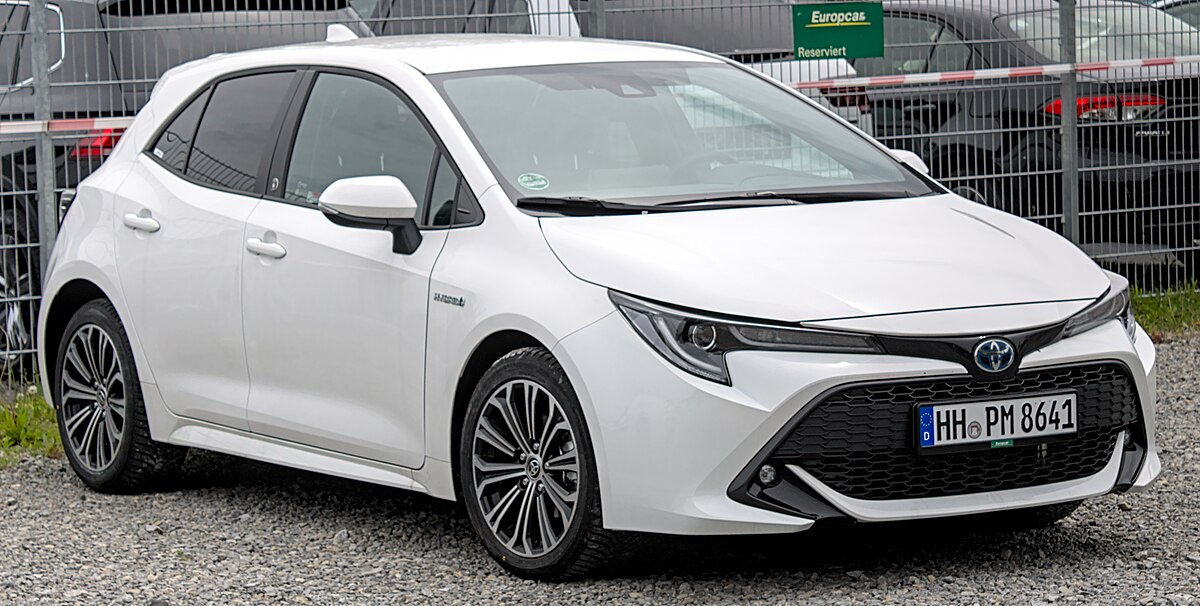
The Toyota Corolla has earned its place as one of the most reliable and affordable compact sedans on the market. Known for durability, low maintenance costs, and widespread availability, it has become a household name since its debut in the early 1970s. With over 12 generations, the Corolla remains a benchmark for practical, budget-friendly transportation.
One of the strongest appeals of the Corolla is its low upkeep. With an average annual maintenance cost of just $362, owners benefit from affordable replacement parts, simple engineering, and Toyota’s extensive global parts network. This design philosophy prioritizes longevity and reduces the likelihood of breakdowns, making the Corolla a cost-effective option for daily driving.
Its ubiquity is also a key factor. Many people either own a Corolla or know someone who does, reflecting its long-standing reputation for dependability and accessibility. While it’s not flashy, that’s precisely the point; it’s a car built for consistent, worry-free performance.
In terms of driving dynamics, the Corolla scores a 7/10. Its acceleration is modest, with the Corolla FX trim taking 8.8 seconds to reach 60 mph. Passing on highways requires extra effort, and cornering reveals body lean with limited grip.
Despite these shortcomings, the Corolla excels as a routine commuter car. Its maneuverability in city settings and smooth operation of the continuously variable transmission (CVT) make it user-friendly for everyday driving.
Comfort earns another 7/10. The ride quality is smooth across varying road surfaces, and the front seats offer good adjustability to accommodate drivers of all sizes. Cloth seats provide better breathability in hot conditions compared to synthetic leather. However, noise levels are a drawback on the road, and engine sounds become noticeable at higher speeds, often requiring a louder stereo to compensate.
The Corolla’s interior scores 8/10 for its simple, functional layout. Controls are logically placed, with just enough buttons to avoid clutter. Entry and exit are easy, and front passengers enjoy ample space with clear visibility. Rear seating, however, feels tight, especially in terms of headroom, an area where rivals like the Honda Civic perform better.
Technology is rated at 7.5/10. Standard features include an 8-inch screen, with an optional 10.5-inch upgrade. While visually sharp, the system sometimes suffers from lag and lacks integration with climate or driver-assist controls.
Toyota’s connected services, such as remote start and phone-as-key, require subscription fees, which may deter some buyers. On the positive side, driver aids like lane keeping assistance are reliable, and the JBL stereo system delivers excellent audio quality. Compatibility with Apple CarPlay, Android Auto, and USB-C ports ensures modern connectivity.
Storage earns a 7/10. The trunk offers 13 cubic feet, which is adequate but smaller than some competitors. Rear seatbacks don’t fold flat, limiting flexibility for larger cargo. Cabin storage is modest, though child safety seat installation is straightforward thanks to well-marked anchors.
Fuel economy is a standout at 8.5/10. The Corolla FX achieves 34 mpg combined, with the base LE slightly better at 35 mpg. In real-world testing, it surpassed expectations with an impressive 40.2 mpg. The Corolla Hybrid offers even greater efficiency, making it an appealing choice for eco-conscious drivers.
With a value score of 7.5/10, the Corolla delivers a balanced package of reliability, affordability, and practicality. Its solid build quality, two years of free scheduled maintenance, and Toyota’s trusted reputation reinforce its appeal. While not the most exciting car to drive, the Corolla remains a smart, economical choice for those prioritizing long-term dependability.
2. Honda Civic: Efficiency Meets Everyday Driving Confidence
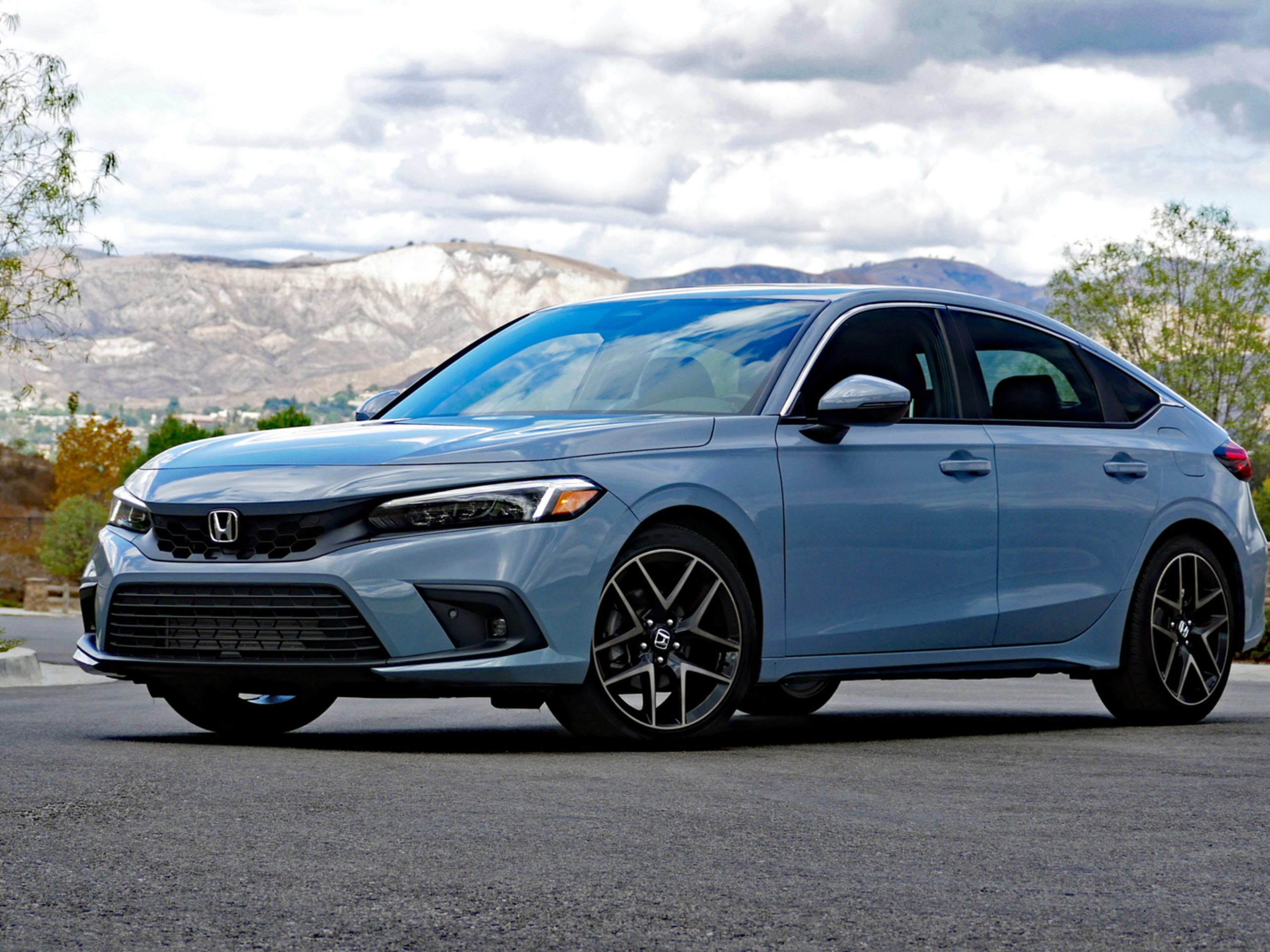
The Honda Civic continues to dominate the compact car market by blending reliability, fuel efficiency, and strong resale value. With an average annual maintenance cost of $368, it remains an affordable option for drivers who want both practicality and performance. Honda’s engineering approach, designing vehicles with fewer moving parts, keeps repairs simple and long-term costs manageable.
For decades, the Civic has built a reputation as a trustworthy compact sedan and hatchback. Owners benefit from low upkeep, accessible parts, and dependable engines that rarely require major repairs. These qualities make it a favorite among drivers who value vehicles that last well beyond 100,000 miles. Strong resale value further adds to its appeal, making it a smart investment for budget-conscious buyers.
Performance is one of the Civic’s standout qualities, with a rating of 8.5/10. The recently introduced hybrid powertrain delivers 200 horsepower and accelerates from 0 to 60 mph in just 6.6 seconds, faster than many rivals and even outpacing the Civic Si. This makes the hybrid both efficient and exciting to drive.
The base gas-powered engine is slower, taking nearly 10 seconds to hit 60 mph, but it still provides steady performance for everyday commutes. Across trims, the Civic exhibits precise steering, composed cornering, and a light, confident feel on city streets and highways alike.
Earning 8/10, the Civic provides a comfortable ride that balances firmness and smoothness. The hybrid’s added weight enhances stability, giving it a planted feel on uneven roads. Gas-powered models also deliver impressive composure, setting the Civic apart from many competitors in this class.
Seats are supportive, and ride quality is tuned for balance rather than plushness, appealing to drivers who value agility. Noise levels are controlled, with wind sound kept in check thanks to aerodynamic design. Road noise is present but less intrusive compared to some rivals.
The Civic’s interior design also scores 8/10, combining simplicity with modern touches. Controls are thoughtfully placed, and both tall and shorter drivers can find a comfortable seating position with ease. The front offers generous space, while the rear provides ample legroom and shoulder room. Taller passengers may find headroom limited due to the sloping roofline, a tradeoff for its sleek exterior styling.
Visibility benefits from slim front roof pillars and side mirrors positioned on the doors. The rear window is smaller, but the multi-angle rearview camera helps compensate.
Technology integration is rated 8/10. Standard equipment includes a full suite of driver assistance systems, such as adaptive cruise control and lane-keeping assist. The base touchscreen interface is intuitive, while higher trims gain a larger 9-inch display with Google Built-In, wireless Apple CarPlay, and Android Auto. These advanced features enhance usability, though they are limited to top trims.
Practicality is another strength, with the Civic sedan offering 14.8 cubic feet of trunk space unaffected by the hybrid’s battery placement. The hatchback variant significantly increases capacity to 24.5 cubic feet, and rear seats fold flat for larger loads. Small-item storage is well-designed, with a versatile center console and removable tray.
Fuel economy stands out with a rating of 8.5/10. The base Civic achieves up to 36 mpg, while the hybrid reaches 49 mpg combined in city and highway driving. These results are competitive with leading hybrids like the Toyota Prius and Hyundai Elantra Hybrid, and real-world testing confirms the Civic consistently meets these figures.
The Civic earns an 8/10 for value. It may cost slightly more than some rivals, but it compensates with better driving performance, a refined cabin, and high efficiency.
Standard warranty coverage includes three years/36,000 miles for basic protection and five years/60,000 miles for the powertrain. For buyers who prioritize reliability and engaging performance in a compact package, the Civic remains one of the most rewarding choices.
3. Hyundai Elantra: Style, Value, and Strong Warranty Coverage
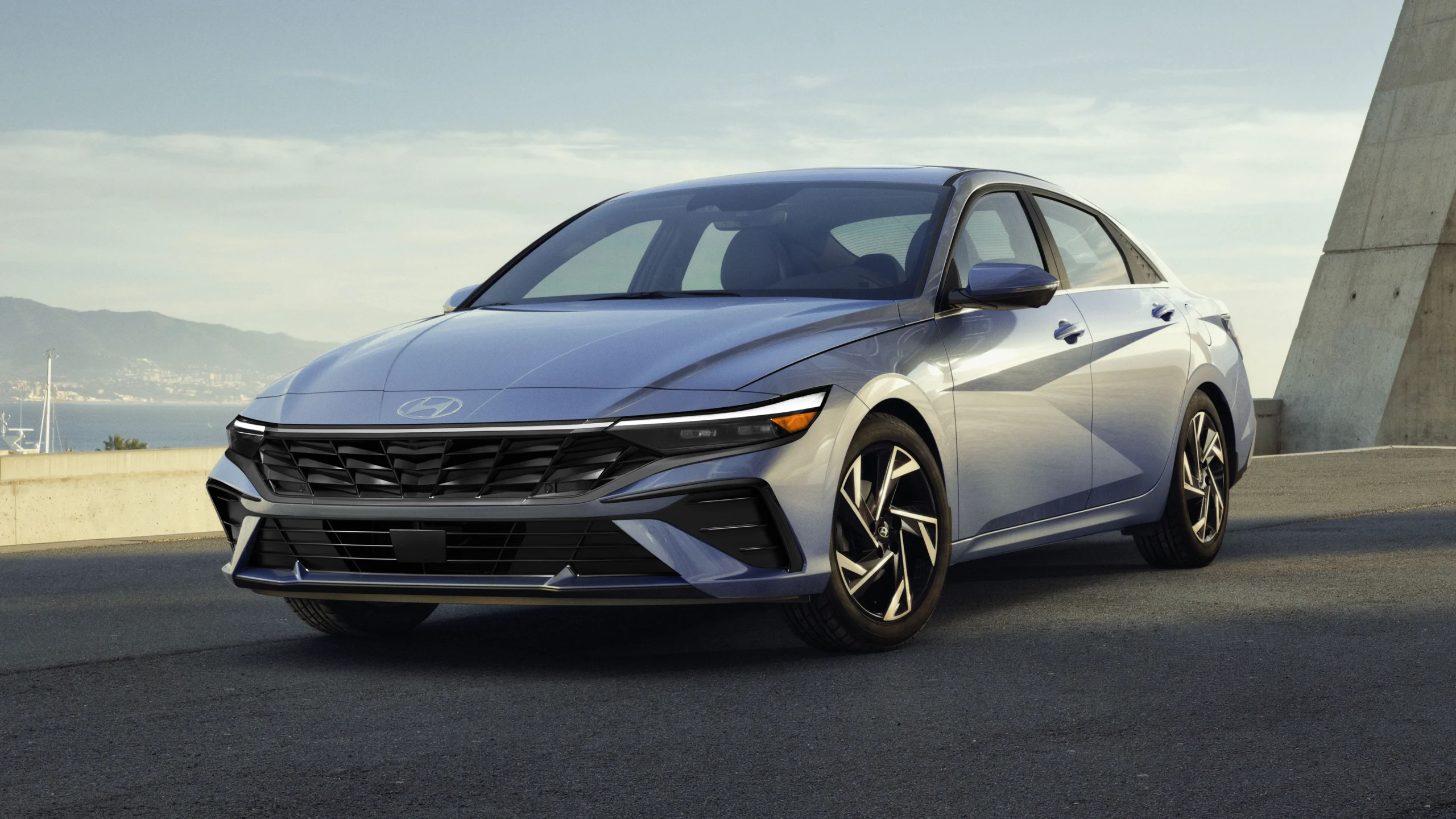
The Hyundai Elantra combines sharp styling with affordability, making it one of the most appealing compact sedans on the market. With an average annual maintenance cost of $452, it sits slightly higher than rivals like the Toyota Corolla and Honda Civic, but its standout warranty coverage offsets the difference.
Hyundai offers one of the strongest protection plans in the industry, often covering major repairs during the early years of ownership. Add in fuel efficiency and a reputation for dependability, and the Elantra becomes a compelling choice for budget-conscious drivers.
Hyundai has built the Elantra with a focus on long-term durability, backed by its 10-year/100,000-mile powertrain warranty and five-year/60,000-mile limited warranty. Free maintenance for three years/36,000 miles further adds to its affordability. This level of coverage outpaces most competitors, ensuring that early ownership is not only cost-efficient but also worry-free.
With a 7/10 rating for performance, the Elantra’s base 2.0-liter four-cylinder engine emphasizes economy over speed. In testing, it reached 60 mph in 9.4 seconds, slower than the class average. While adequate for commuting, passing on the highway requires patience. The continuously variable automatic transmission is tuned for efficiency, providing smooth, if unexciting, power delivery.
For drivers seeking more excitement, the Elantra N Line adds a turbocharged engine and sport-tuned suspension. It delivers significantly more power while still offering respectable fuel economy at 31 mpg combined.
Comfort scores 7.5/10. The Elantra’s suspension soaks up bumps effectively, giving passengers a smooth ride, though the driver’s seat cushion feels flat on long trips. Supportive bolstering is also limited, especially in spirited cornering.
Dual-zone climate control, heated seats, and intuitive dials add convenience, but cabin noise is a drawback. Wind intrusion is especially noticeable, leaving the Elantra behind quieter rivals.
The Elantra’s cabin earns 8/10. With spacious rear seating, it is one of the roomiest compact sedans for adult passengers. The wide adjustment range of the power driver’s seat and steering wheel makes it easy to find a comfortable driving position for both short and tall drivers.
Controls are thoughtfully arranged, and the balance between physical buttons and touchscreen functionality is user-friendly. Visibility is strong thanks to the cabin’s open design, while quality touches such as tactile button feedback add to its appeal. Some hard plastics, however, remind you of their budget-friendly price point.
Technology stands out with an 8.5/10 rating. Depending on trim, the Elantra comes with either an 8-inch or 10.25-inch infotainment screen. The smaller unit includes wireless Apple CarPlay and Android Auto, while the larger display requires a cord connection but provides a more upscale experience. Voice recognition in higher trims works impressively for navigation, web searches, and climate control commands.
Hyundai also equips the Elantra with an advanced suite of driver aids. Adaptive cruise control and lane centering work smoothly, and during testing, the system performed without false alerts.
Storage is rated 7.5/10. With 14.2 cubic feet of trunk space, it sits slightly above average in the class. Rear seats fold flat via remote release latches, adding versatility. Child seat anchors are easy to locate, and the spacious rear cabin allows installation without crowding the driver’s position. A wireless charging pad on higher trims enhances convenience.
Fuel economy is a major strength, earning 9/10. The base 2.0-liter model returns 34–36 mpg combined, and testing showed it could achieve an impressive 41.8 mpg on mixed routes. For even greater efficiency, the Elantra Hybrid is available, delivering class-leading mileage that surpasses many rivals.
Value also scores 9/10, largely due to Hyundai’s unbeatable warranty, generous feature list, and competitive pricing. While some interior materials and rear-seat design feel basic, the Elantra delivers more warranty protection and fuel efficiency than nearly any competitor. For buyers seeking a budget-friendly sedan with long-term peace of mind, the Elantra is a top contender.
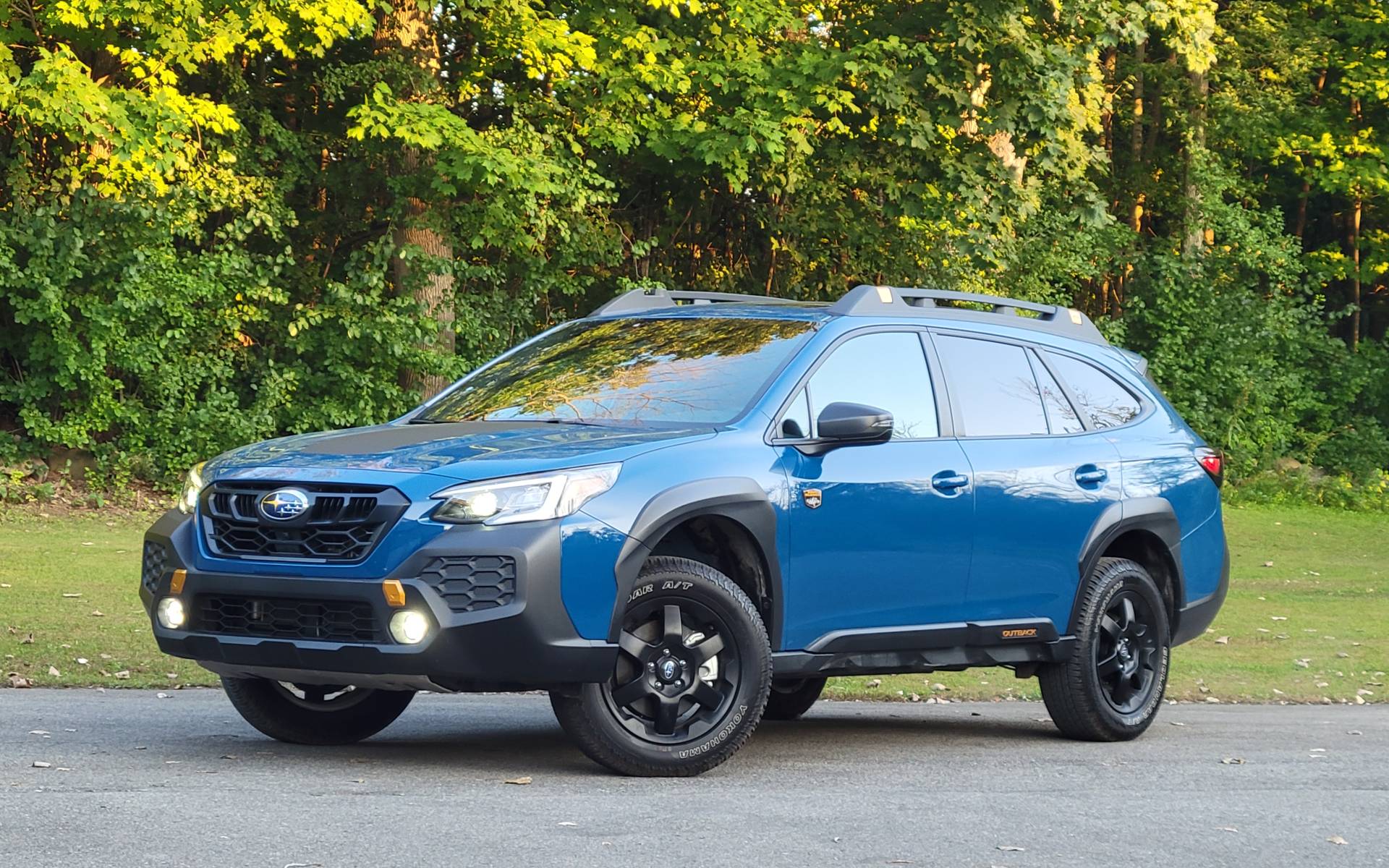
4. Subaru Outback: Rugged Reliability with All-Weather Confidence
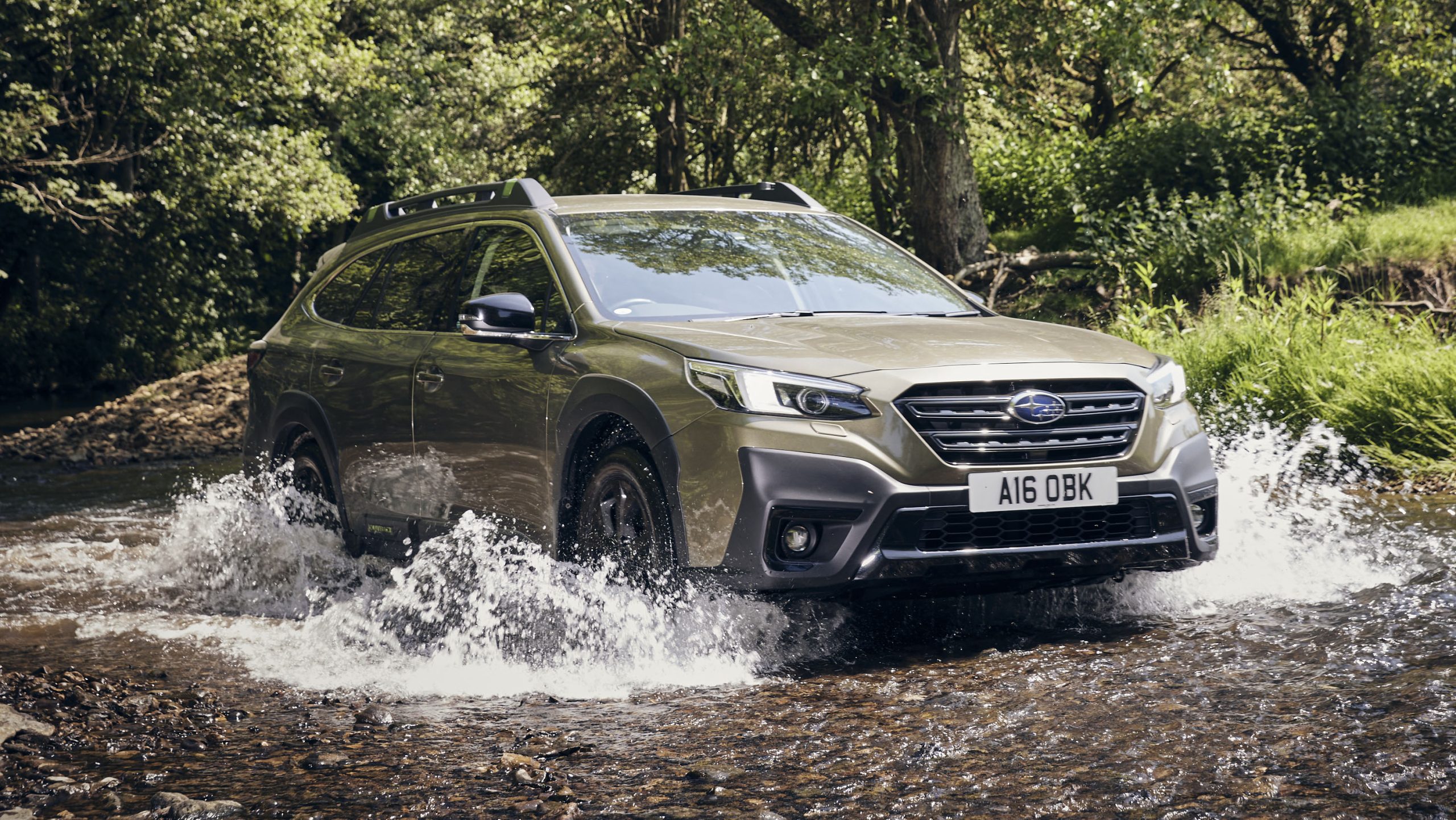
For nearly three decades, the Subaru Outback has been a go-to choice for drivers seeking a practical vehicle that performs well in all weather conditions. With an average annual maintenance cost of $657, ownership costs are higher than many compact sedans, but the Outback makes up for it with a long lifespan, standard all-wheel drive, and exceptional versatility.
Launched in 1996 as a lifted wagon with SUV styling, the Outback quickly defined what would later become the crossover segment. Subaru has kept this recipe consistent: extra ground clearance, rugged design cues, and practical interiors.
The Wilderness trim pushes these qualities further, offering 9.5 inches of clearance, all-terrain tires, durable synthetic leather upholstery, and copper-accented styling that emphasizes its outdoorsy character.
Driving performance is rated 6.2/10. The turbocharged 2.4-liter engine provides respectable acceleration, hitting 0–60 mph in 6.5 seconds. In contrast, the standard engine feels underpowered and sluggish when merging or overtaking. Steering response is slow, and body roll is noticeable in corners, giving it less composure than many midsize SUVs.
Where the Outback distinguishes itself is in capability. With 8.7 inches of standard ground clearance and full-time all-wheel drive, it handles snow, dirt trails, and unpaved backroads better than most competitors in its class. For adventurous drivers, this is a key advantage.
Comfort scores 6.5/10. The suspension absorbs potholes and rough surfaces with ease, delivering a cushioned ride. The front seats are supportive yet soft, making them suitable for long-distance driving. Heating and ventilation options add convenience, although the ventilation function is less effective than expected.
Interior space is excellent, with ample legroom for both rows. While some may prefer the taller seating position of traditional SUVs, the Outback’s lower stance provides car-like comfort while still offering SUV practicality.
Technology earns a 4.4/10, largely due to Subaru’s heavy reliance on its central touchscreen. Adjusting even basic settings requires multiple steps through an interface that is often slow to respond. The display resolution is dated, and smartphone integration through Apple CarPlay or Android Auto can lag or drop connections altogether.
Positives include a decent stereo system, plenty of USB ports, and the welcome presence of physical knobs for volume and tuning. Still, compared with modern competitors, the Outback’s infotainment system feels behind the curve.
Storage is rated 6.1/10. Cargo capacity falls slightly short of larger SUVs, but the flat and low cargo floor makes loading heavy items easier. Roof rails are simple to access, especially since the Outback sits lower than many competitors. Inside, storage cubbies are cleverly placed but not especially large. Installing child seats is easy, thanks to wide back seats and clearly marked anchors.
Fuel efficiency gets a 5/10. The turbo model achieves 25 mpg combined, which matches EPA estimates but trails more efficient crossovers and hybrids.
Value is rated 6.8/10. The base Outback offers good equipment for the price, while fully loaded trims remain cheaper than many premium rivals. Warranty coverage is average, and interior materials, though solid, lack the refinement found in some competitors.
The Outback appeals to buyers who want something different from the typical SUV. It excels at blending wagon practicality with SUV capability, offering an option that can handle road trips, outdoor adventures, and daily driving. For those willing to overlook dated tech and driver aids that feel intrusive, the Outback remains a reliable and versatile companion.
5. Ford F-150: America’s Best-Selling Pickup
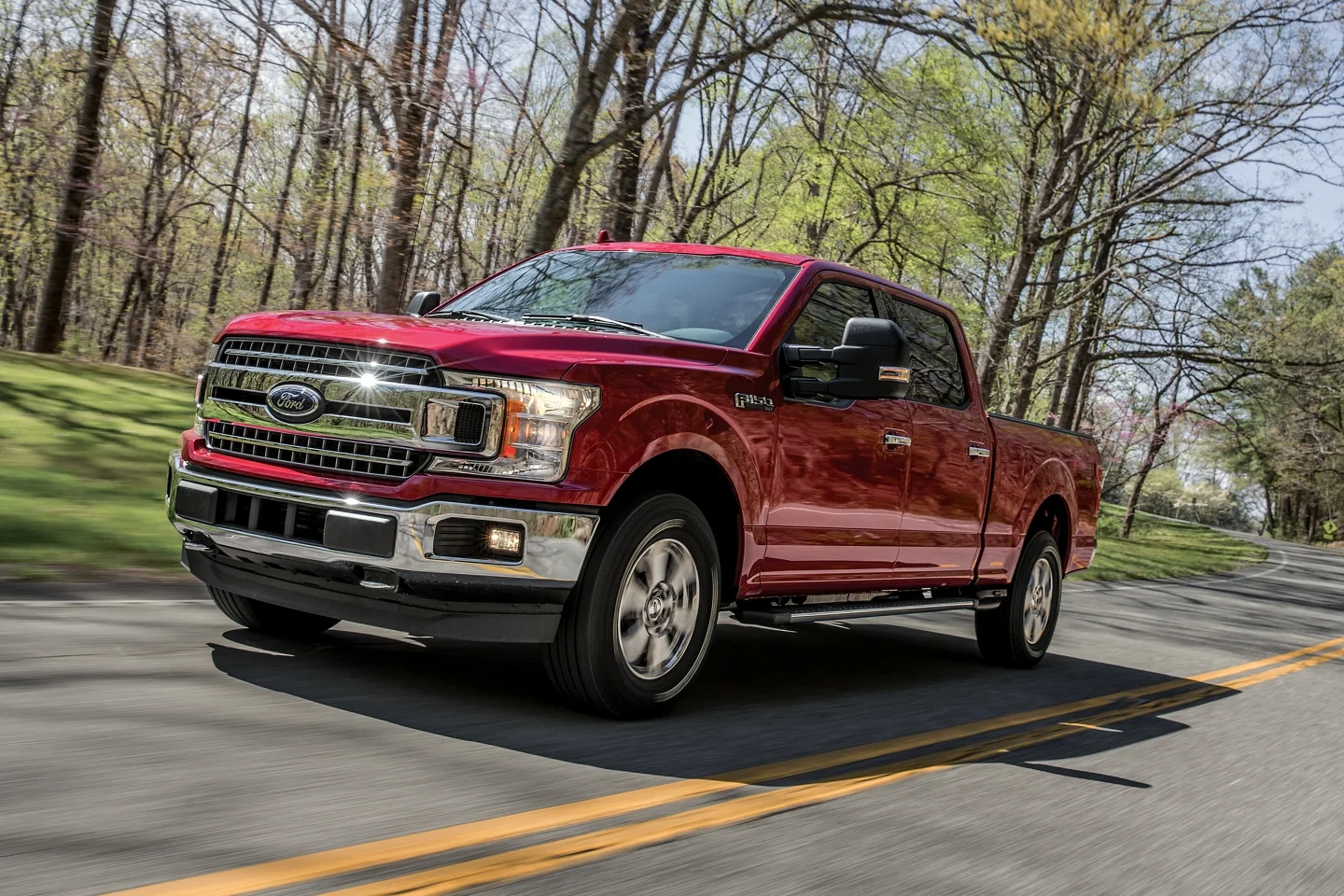
The Ford F-150 has long been the benchmark for full-size pickups, offering unmatched versatility, impressive capability, and relatively affordable maintenance for its class. With an average annual maintenance cost of $788, it is more expensive to own than compact cars but competitive among trucks. Thanks to its durability, wide range of trims, and readily available parts, the F-150 remains a smart choice for both work and everyday driving.
The F-150’s lineup is one of the most diverse in the industry. From the no-frills XL work truck to the luxurious King Ranch and off-road-focused Raptor, there is a configuration for nearly any need. For towing enthusiasts, properly equipped models can handle up to 13,500 pounds, supported by driver-assist features such as trailer backup assist, an integrated trailer brake controller, and extended blind-spot monitoring.
Ford even offers the F-150 Lightning, an all-electric variant, and the heavy-duty Super Duty lineup for those who need even more muscle. This breadth of options is a major reason why the F-150 has remained America’s best-selling vehicle for decades.
Performance is rated 8/10. Multiple engine choices, including a turbocharged V6, a traditional V8, and a hybrid V6, provide flexibility. The PowerBoost hybrid stands out for its blend of power and efficiency, reaching 0–60 mph in 5.8 seconds in testing.
The F-150 also drives smaller than it looks. Quick, direct steering makes it surprisingly nimble in parking lots while remaining stable on the highway. Strong brakes inspire confidence, even under heavy loads or when recovering energy in the hybrid system. Combined with its towing and payload abilities, the F-150 delivers a balanced and capable driving experience.
Comfort scores 8/10. With the right options, the F-150 can rival luxury vehicles. Available front seats offer heating, ventilation, and even a massage function, while the climate control system quickly maintains cabin temperature.
Ride quality is smooth for a truck of its size, with road and wind noise kept to a minimum. Most engines sound refined, though the hybrid version produces a coarse generator-like noise when charging its battery.
Interior quality earns 8.5/10. Ford designed the cabin to be both functional and accommodating, with intuitive controls that remain easy to use even while wearing gloves. Drivers benefit from wide adjustment ranges for seats, pedals, and steering, ensuring comfort for nearly any body type.
Crew cab models offer excellent rear passenger space, and outward visibility is enhanced by large windows and optional surround-view cameras. This makes the truck easier to handle despite its size.
Technology is another strong point, rated 8.5/10. The available 12-inch touchscreen is clear and user-friendly, supporting standard Apple CarPlay and Android Auto. Ford’s BlueCruise system allows for hands-free highway driving in certain conditions, easing long commutes and traffic.
A standout feature is Pro Power Onboard, which turns the F-150 into a mobile generator with multiple power output levels, making it an asset for job sites, camping trips, and tailgating.
When it comes to towing and hauling, the F-150 scores 8.5/10. Payload capacity reaches 2,445 pounds, and clever bed options like a split-opening tailgate and integrated step improve usability.
Fuel economy earns 8/10, with combined ratings ranging from 19 to 23 mpg depending on engine and drivetrain. The hybrid offers the best balance of power and efficiency, though rivals like the diesel-powered Chevy Silverado can surpass it.
Value is rated 8/10. The F-150 is well-built, highly configurable, and capable of being tailored to nearly any buyer’s lifestyle. Higher trims provide premium features at prices that rival luxury SUVs. Warranty coverage, however, is average for the segment, offering no distinct advantage over GM or Ram trucks.
The Ford F-150 remains the most popular pickup for good reason. Its extensive lineup, strong towing and hauling capability, advanced technology, and impressive comfort make it one of the most versatile vehicles on the road. For truck buyers seeking durability and personalization, the F-150 sets the standard.
Also Read: 5 Cars With Huge Cargo Space and 5 With Barely Any Room
5 Cars That Demand Constant Care
1. Lamborghini Murciélago: A Classic V12 with a Heavy Price
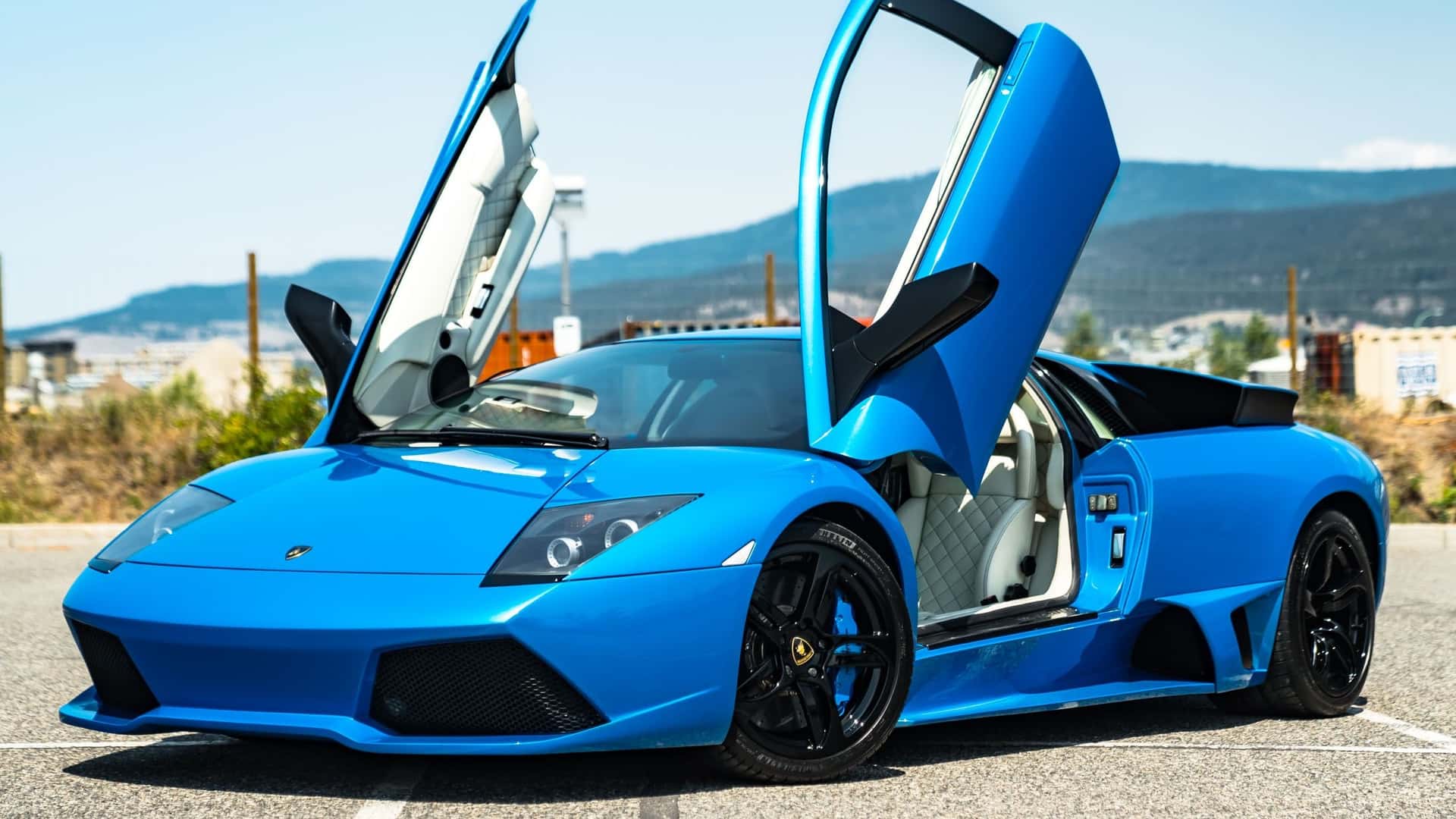
The Lamborghini Murciélago stands as one of the most iconic V12 supercars of the early 2000s, blending aggressive Italian styling with raw mechanical performance. Powered by a 6.5-liter naturally aspirated V12 producing 631 horsepower and 487 lb-ft of torque, it can sprint from 0 to 60 mph in just 3.3 seconds and reach a top speed of 211 mph.
Its all-wheel-drive system ensures stability, while its choice of a 6-speed manual or automated manual transmission appeals to enthusiasts seeking an unfiltered driving experience. However, the thrill comes with a cost: annual maintenance averages around $18,500. This figure reflects the combination of labor-intensive servicing, exorbitant part costs, and regular wear associated with aging supercars.
Maintaining a Murciélago involves complex and expensive jobs, including regular clutch inspections every 7,500 miles and a comprehensive service at 27,000 miles. A simple clutch replacement can run over $15,000, and E-Gear models demand even more due to their fluid and system intricacies. Owners must budget heavily just to keep the car roadworthy.
Despite the financial strain, many enthusiasts view the costs as part of the ownership experience, justified by the spine-tingling wail of its V12 engine. Unlike modern hybrids and turbocharged engines, the Murciélago delivers an old-school, analog driving feel that makes every outing special. Its design still turns heads decades after its debut, cementing its place as a timeless Lamborghini.
Ultimately, the Murciélago exemplifies the dual nature of exotic car ownership: exhilarating performance coupled with demanding upkeep. While it may not match the sophistication of newer hypercars, its rawness appeals to purists. For those willing to shoulder the bills, the payoff is a supercar that delivers emotion, heritage, and drama unmatched by many of its peers.
2. McLaren F1: Precision Engineering at a Premium
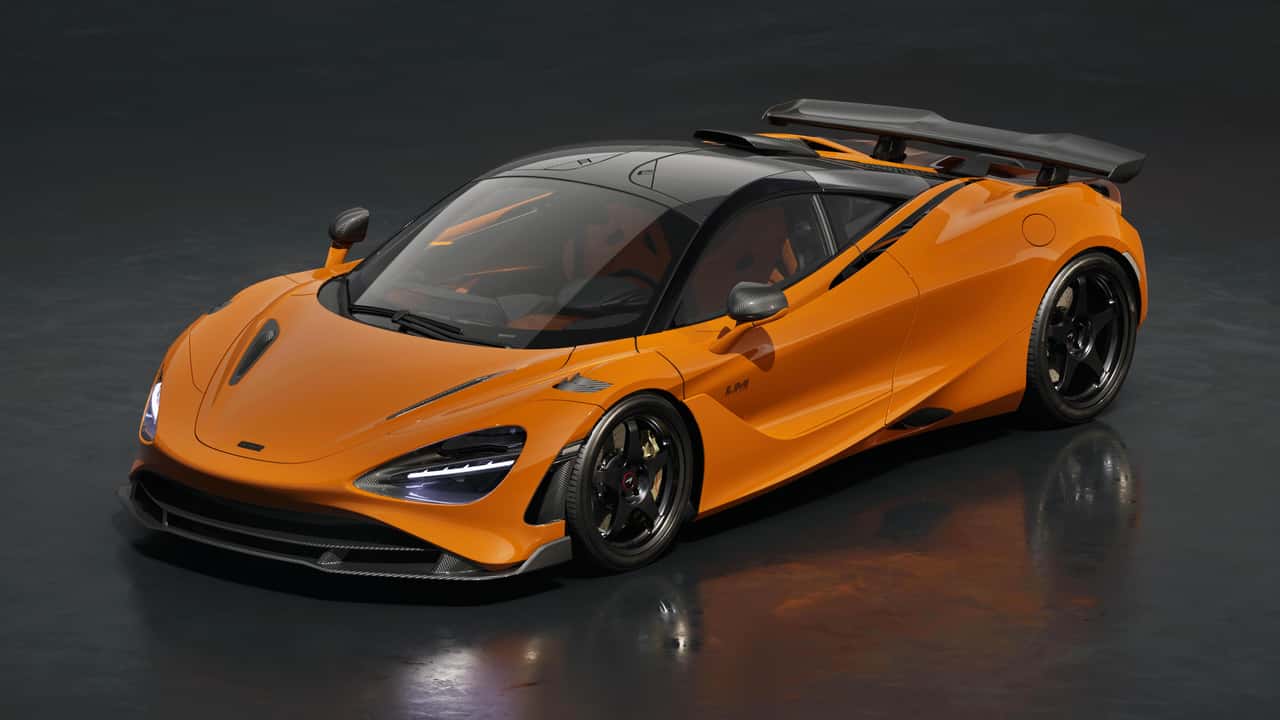
The McLaren F1 is often hailed as the world’s first true hypercar, a groundbreaking machine that set new performance benchmarks in the 1990s. With its 6.1-liter BMW-sourced V12 producing 627 horsepower and 479 lb-ft of torque, it remains an engineering masterpiece. Capable of hitting 240 mph, it held the record for the world’s fastest production car for nearly two decades.
Its iconic three-seat layout, with the driver centrally positioned, reflects McLaren’s racing DNA and obsession with balance. Yet, the F1’s uniqueness extends beyond performance; it also makes it one of the most challenging and costly vehicles to maintain, with an annual maintenance bill averaging $30,000.
The reason behind its costly upkeep lies in its precision engineering. The F1 is effectively a racecar built for the road, requiring meticulous attention to detail. Servicing often demands specialized tools, rare parts, and even quartz blocks to measure tolerances.
Only a handful of mechanics worldwide are certified to work on it, making maintenance logistically difficult and expensive. McLaren even operates a “flying spanners” program, sending engineers across the globe to service cars for wealthy owners. Alternatively, many F1s are shipped back to the U.K. factory for restoration, further driving up costs.
One of the most notorious service items is the fuel cell replacement, required every five years. Known as McLaren’s “84-hour service,” this procedure alone costs tens of thousands of dollars due to the complexity involved.
While regular service intervals were originally recommended every nine months, owners now typically opt for annual check-ups. This careful maintenance ensures the F1 continues to perform as intended, preserving both its rarity and legacy. For collectors, the cost is justified, as the McLaren F1 is not just a car but a piece of automotive history that continues to appreciate in value.
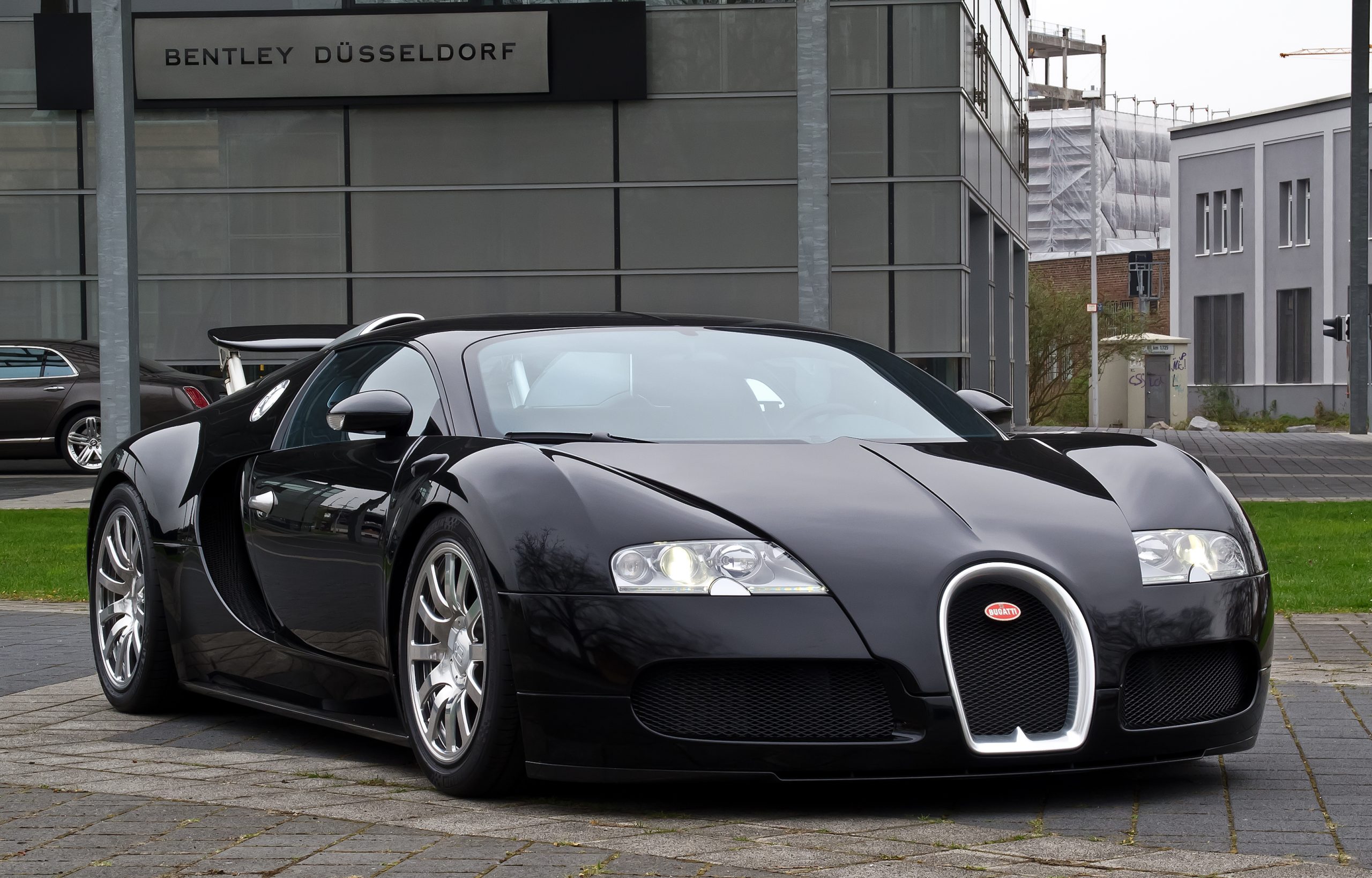
3. Bugatti Veyron: Extreme Performance, Extreme Bills
The Bugatti Veyron redefined what a supercar could be when it debuted, setting the bar with its quad-turbocharged 8.0-liter W16 engine delivering 1,001 horsepower and 922 lb-ft of torque. With an all-wheel-drive system and a 7-speed dual-clutch automatic transmission, it rockets from 0 to 60 mph in just 2.5 seconds and achieves a staggering 253 mph top speed.
As impressive as the performance is, ownership comes with an equally breathtaking price tag: annual maintenance costs average $42,500, with even routine procedures costing more than most luxury cars.
The most infamous example is the annual oil change, which costs around $25,000. The process requires draining oil from 16 different plugs and refilling with 16 quarts, all under the supervision of Bugatti-certified technicians.
The complexity of the Veyron’s engineering means no corners can be cut, and every detail must meet factory specifications to keep the car safe at extreme speeds. Beyond routine fluids, other maintenance jobs reach astronomical figures.
Replacing the Veyron’s massive brakes incurs a six-figure cost, while replacing wheels mandatory every 10,000 miles, sets owners back $50,000. These costs highlight the extraordinary demands placed on a car designed to operate well beyond the capabilities of traditional road vehicles.
Despite these expenses, the Veyron remains a milestone in automotive history. It combined refinement, luxury, and absurd power in a way no car had before, solidifying Bugatti’s reputation as the pinnacle of speed and engineering excellence.
For its owners, the costs are part of the privilege of accessing its record-shattering performance. Much like owning a private jet, maintaining a Veyron is not about practicality; it’s about indulging in the extraordinary.
4. Aston Martin Valkyrie: Formula One for the Road
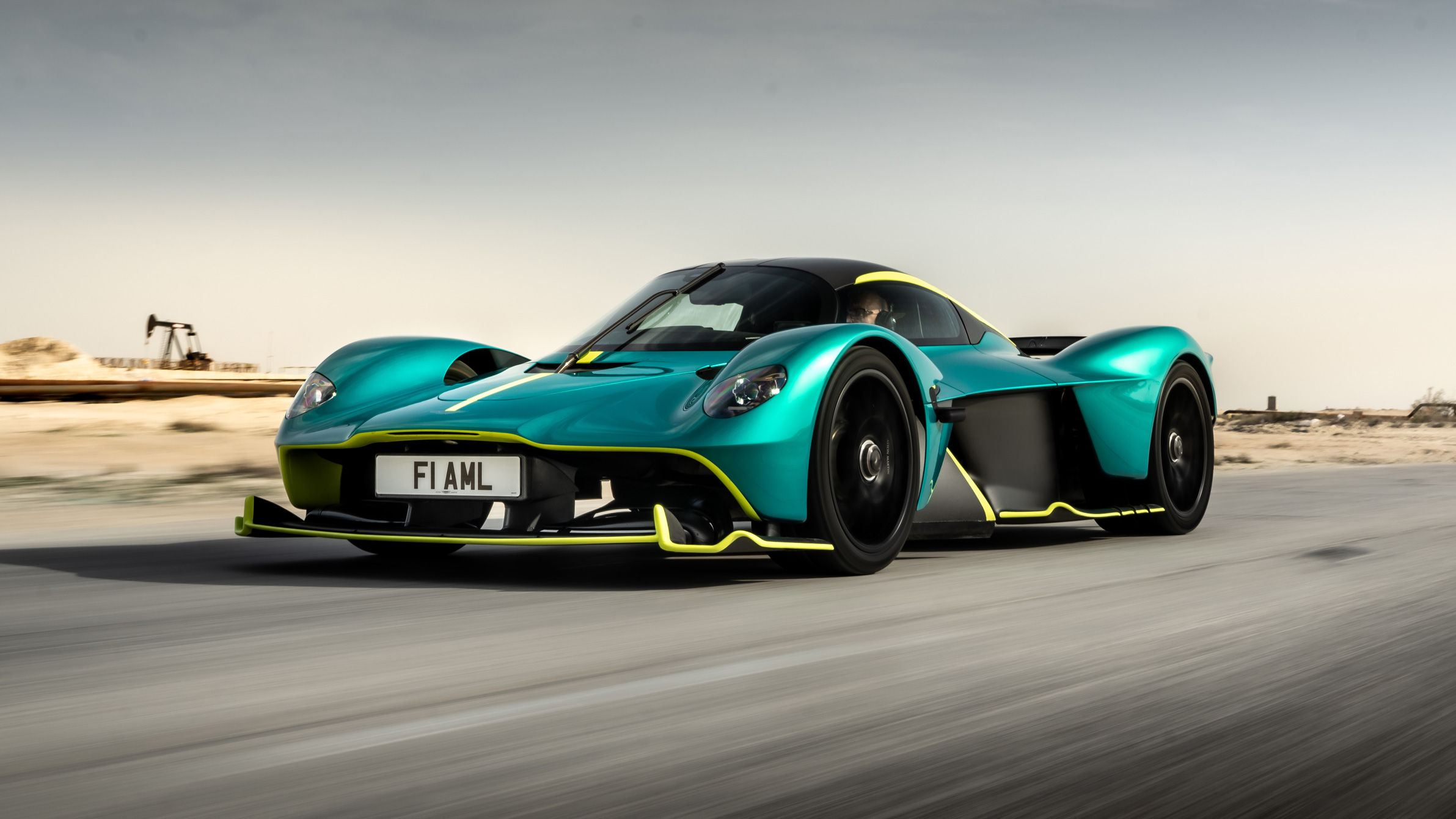
The Aston Martin Valkyrie is the closest thing to a Formula One car that can legally be driven on public roads. Developed in partnership with Red Bull Racing and designed by Adrian Newey, it features a naturally aspirated 6.5-liter V12 paired with hybrid technology to produce an astonishing 1,160 horsepower and 664 lb-ft of torque.
With a top speed of 250 mph and a 0 to 60 mph time of just 2.5 seconds, the Valkyrie’s performance is nothing short of breathtaking. However, such performance comes at a steep price, with annual maintenance costs averaging $113,500, enough to buy a brand-new Porsche 911 every year.
Bloomberg reports that owners can expect to spend about $450,000 on servicing over just three years, though a maintenance package can reduce this to $340,000. The cost stems from the Valkyrie’s reliance on a dedicated team of motorsport engineers who ensure every component operates at peak performance.
With complex hybrid systems, cutting-edge aerodynamics, and race-derived technology, the Valkyrie requires expertise beyond that of standard Aston Martin dealerships. Even small tasks require specialized attention, driving up costs.
For owners, however, these expenses are secondary to the experience. The Valkyrie offers an unparalleled connection between road and racetrack, providing sensations few cars can match. It is a celebration of engineering ambition, designed not for convenience but for pure driving ecstasy.
In many ways, the high maintenance cost reinforces its exclusivity; only those with the deepest pockets can both acquire and sustain it. While some may view the figures as excessive, Valkyrie owners are unlikely to complain, as the payoff is access to one of the most advanced and thrilling cars ever built.
5. Mercedes-AMG ONE: Formula 1 Technology at an Astronomical Price
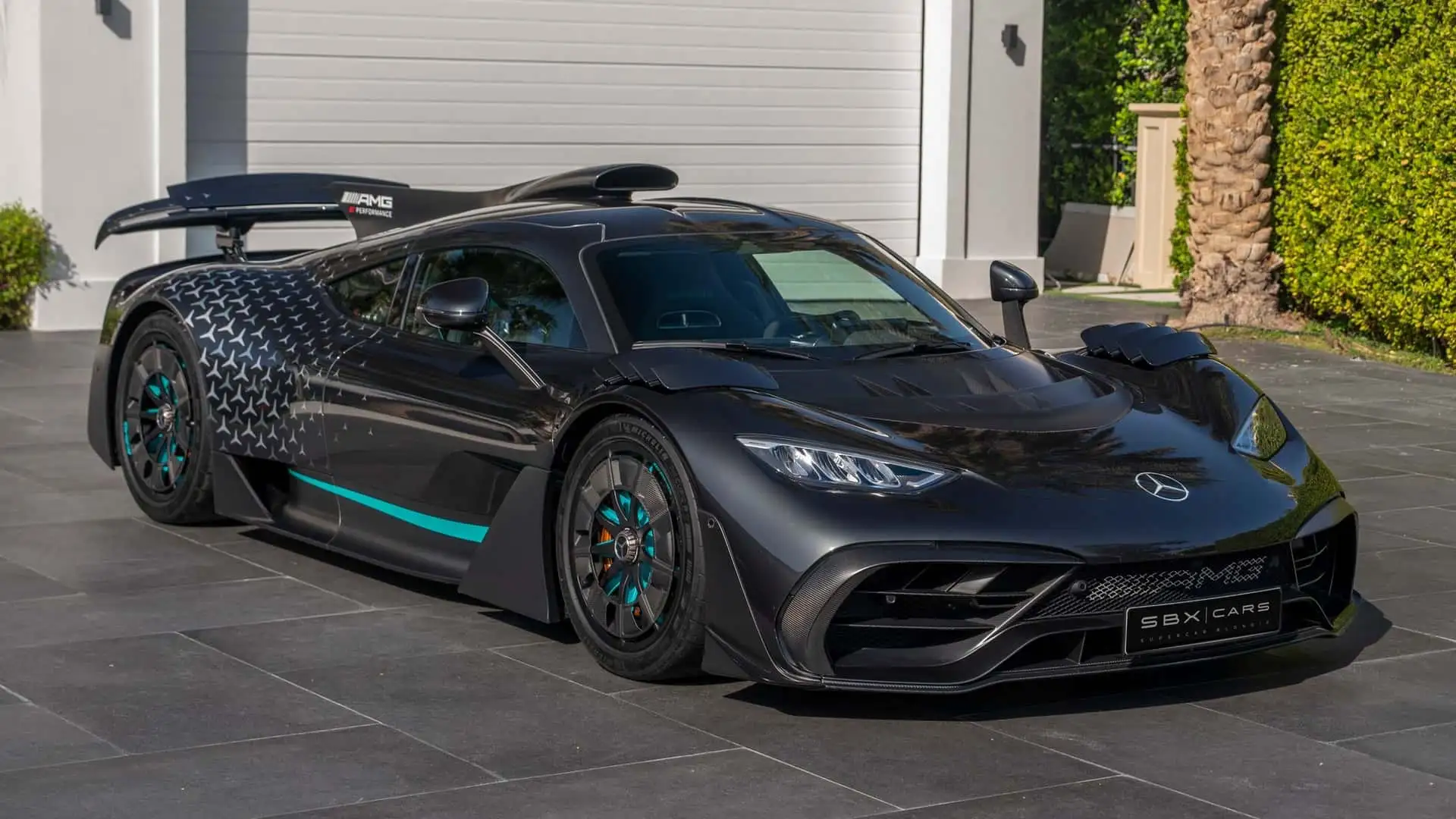
The Mercedes-AMG ONE is perhaps the most ambitious road car ever built, essentially transplanting Formula 1 technology into a street-legal package. Developed over five years, it uses a 1.6-liter V6 hybrid powertrain borrowed directly from F1, supplemented by electric motors, for a combined 1,063 horsepower.
With all-wheel drive, a 7-speed sequential transmission, and blistering acceleration from 0 to 60 mph in 2.9 seconds, it delivers a driving experience closer to that of a Grand Prix car than any road-going machine. Its top speed of 219 mph underscores its racing pedigree. Yet, all this innovation comes with staggering upkeep: annual maintenance can soar to $1,000,000.
Unlike conventional supercars, the AMG ONE demands ultra-specialized maintenance. Routine check-ups are mandated every 3,106 miles, while detailed inspections occur every 31,000 miles. Should the hybrid powertrain require replacement, owners face a bill approaching seven figures.
Even simple services, such as oil and filter changes, remain undisclosed in cost, but given the Formula 1 hardware involved, they are likely far beyond typical exotic car figures. Mercedes-AMG essentially requires owners to treat the car like a race team would treat a competition vehicle, with constant monitoring, servicing, and adjustment.
The astronomical costs reflect the difficulty of translating F1 technology into road use. Engines designed for short racing lifespans must be detuned for longevity, yet they still require intense oversight. For wealthy enthusiasts, however, these figures are part of the allure.
The AMG ONE is not simply a car; it is an engineering statement, proof that Formula 1 technology can exist beyond the track. For those fortunate enough to own one, the million-dollar upkeep is the price of experiencing the closest thing to driving an actual racecar on public roads.
Choosing the right car often comes down to balancing excitement, practicality, and long-term costs. Vehicles like the Toyota Corolla, Honda Civic, and Hyundai Elantra demonstrate that reliability doesn’t have to come at the expense of comfort or technology, offering drivers peace of mind with low maintenance needs.
These cars thrive on simplicity and smart engineering, making them ideal companions for everyday life. On the other hand, owning vehicles like the Lamborghini Murciélago, McLaren F1, or Mercedes-AMG ONE is less about practicality and more about passion. Their astronomical upkeep is the price paid for exclusivity, innovation, and unfiltered performance that only a handful of enthusiasts can afford.
Together, these examples reveal the two extremes of car ownership: accessible, reliable daily drivers versus extraordinary machines that require extraordinary care. Ultimately, whether you value dependability or dream of pushing the boundaries of automotive engineering, understanding what each type demands helps you choose the car that best fits your lifestyle.
Also Read: 5 Cars With Long-Lasting Suspension and 5 With Weak Suspension
