

Natural disasters can destroy everything in their path. From floods to earthquakes, hurricanes to wildfires, the power of nature can leave communities helpless in a matter of hours. Homes are damaged, roads are blocked, and vehicles are often left useless, either submerged in water, buried under debris, or scorched by fire.
However, some vehicles have shown extraordinary resilience. They survive extreme conditions and continue to function despite facing situations that would immobilize most cars. This post highlights eight vehicles that managed to keep running even after natural disasters.
Understanding why certain vehicles endure disasters while others fail involves looking at their design, engineering, and maintenance.
Factors like water resistance, robust engines, protective coatings, and off-road capabilities contribute to a vehicle’s survival. In some cases, it is the skill and preparedness of the driver that prevents permanent damage.
Vehicles that can maintain functionality after disasters play crucial roles in rescue operations, emergency response, and the recovery of affected areas.
They are more than just machines; they are lifelines during crises. Communities affected by natural disasters often rely on these resilient vehicles to restore order, deliver essential supplies, and evacuate people from dangerous zones.
From trucks that can drive through flooded streets to SUVs that survive landslides, the ability to operate in extreme conditions can mean the difference between life and death. Examining these vehicles also provides insight for individuals and organizations seeking durable options for disaster-prone regions.
While some of these vehicles are commercially available, others are specialized machines used by emergency services. In this post, we will look at eight vehicles that continue to run after natural disasters, detailing their features, capabilities, and the reasons they withstand harsh conditions.
Each vehicle shows a unique combination of engineering strength and adaptability that allows it to face the unpredictable forces of nature without giving up. Understanding these vehicles can guide choices for preparedness, safety, and survival in times of crisis.
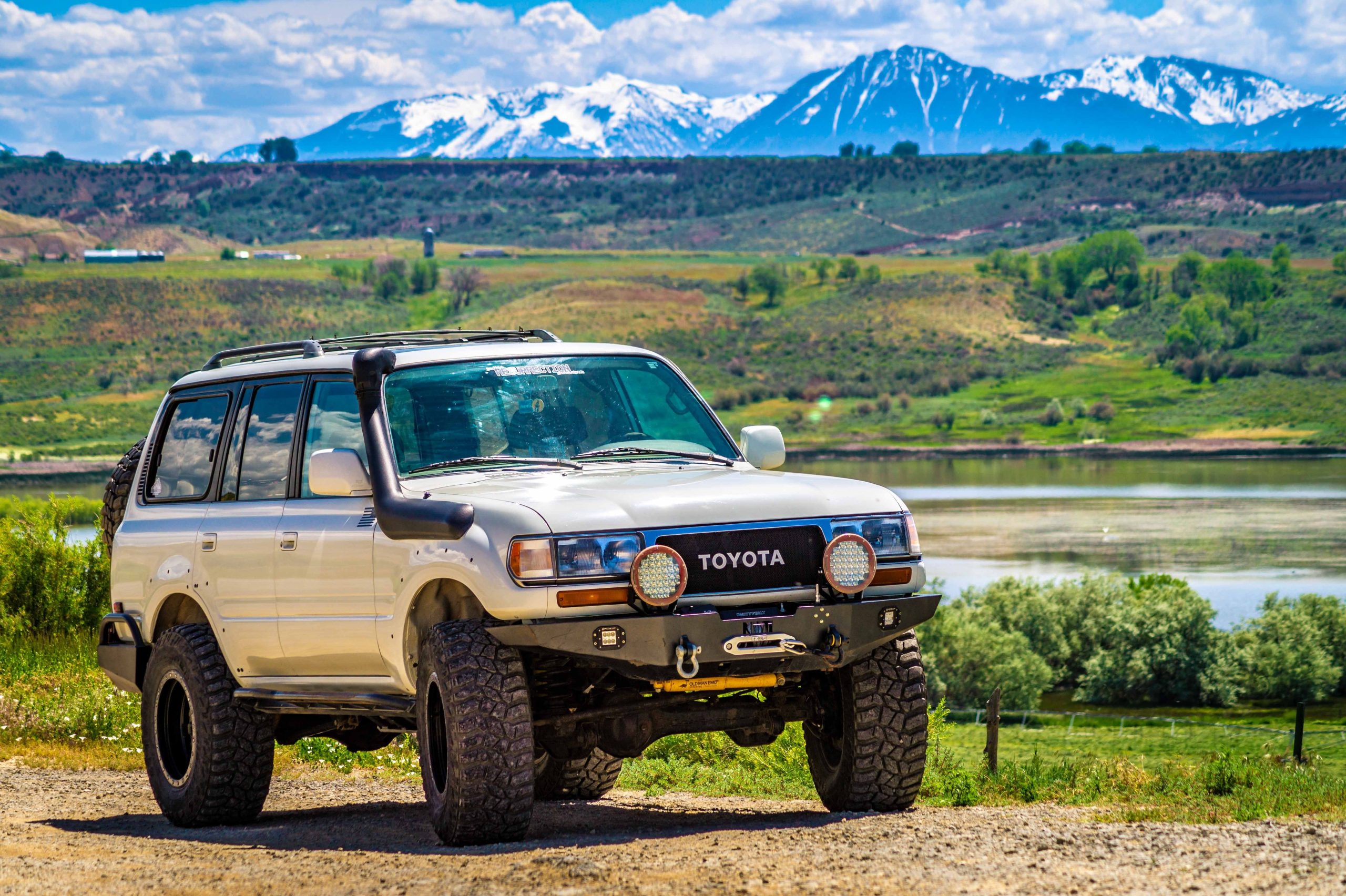
1. Toyota Land Cruiser
The Toyota Land Cruiser is often recognized for its durability and reliability, especially in extreme conditions. Its body is built to withstand heavy impacts, and its engine can operate under stress that would usually disable other vehicles. This SUV has been tested in floods, earthquakes, and storms, yet it has continued to perform remarkably.
The Land Cruiser’s suspension system is reinforced, allowing it to handle rough land, fallen trees, and debris without major damage. It also has a high ground clearance, which enables it to move through flooded streets without the engine flooding.
One of the strongest features of the Land Cruiser is its robust engine. Even when exposed to water and mud, the engine can continue running because it is sealed better than in many other vehicles.
Emergency services often use Land Cruisers during hurricanes and heavy rains because they can transport supplies and evacuate people from flooded areas.
Its four-wheel drive system provides excellent traction, making it possible to climb over obstacles left by landslides or storm debris. The durability of its tires also allows it to survive sharp objects, such as broken glass and scattered metal, that are common after disasters.
In addition to its physical durability, the Land Cruiser is also easy to maintain. Parts are widely available, and its engine can handle regular stress without failing. Drivers who rely on this vehicle in disaster-prone areas report that it requires minimal repair even after being submerged in water or driven over damaged roads.
The combination of strong construction, a reliable engine, and off-road capability makes the Land Cruiser a favorite for rescue teams, aid organizations, and adventurous individuals who live in regions where natural disasters are frequent. Its resilience is not just about survival but about enabling continued movement when most other vehicles would stop completely.
The Land Cruiser’s reputation is backed by years of real-world use in disaster scenarios. It is capable of driving through floodwaters that reach its doors, pulling other stranded vehicles, and maneuvering over rubble. Its electrical systems are protected against short circuits, and the interior remains functional even under challenging conditions.
For people living in areas prone to hurricanes, tsunamis, or heavy storms, owning a Land Cruiser can mean having a dependable lifeline when every other vehicle has failed. The vehicle’s ability to endure extreme weather and rough area has made it legendary among both emergency professionals and ordinary drivers who face environmental hazards regularly.
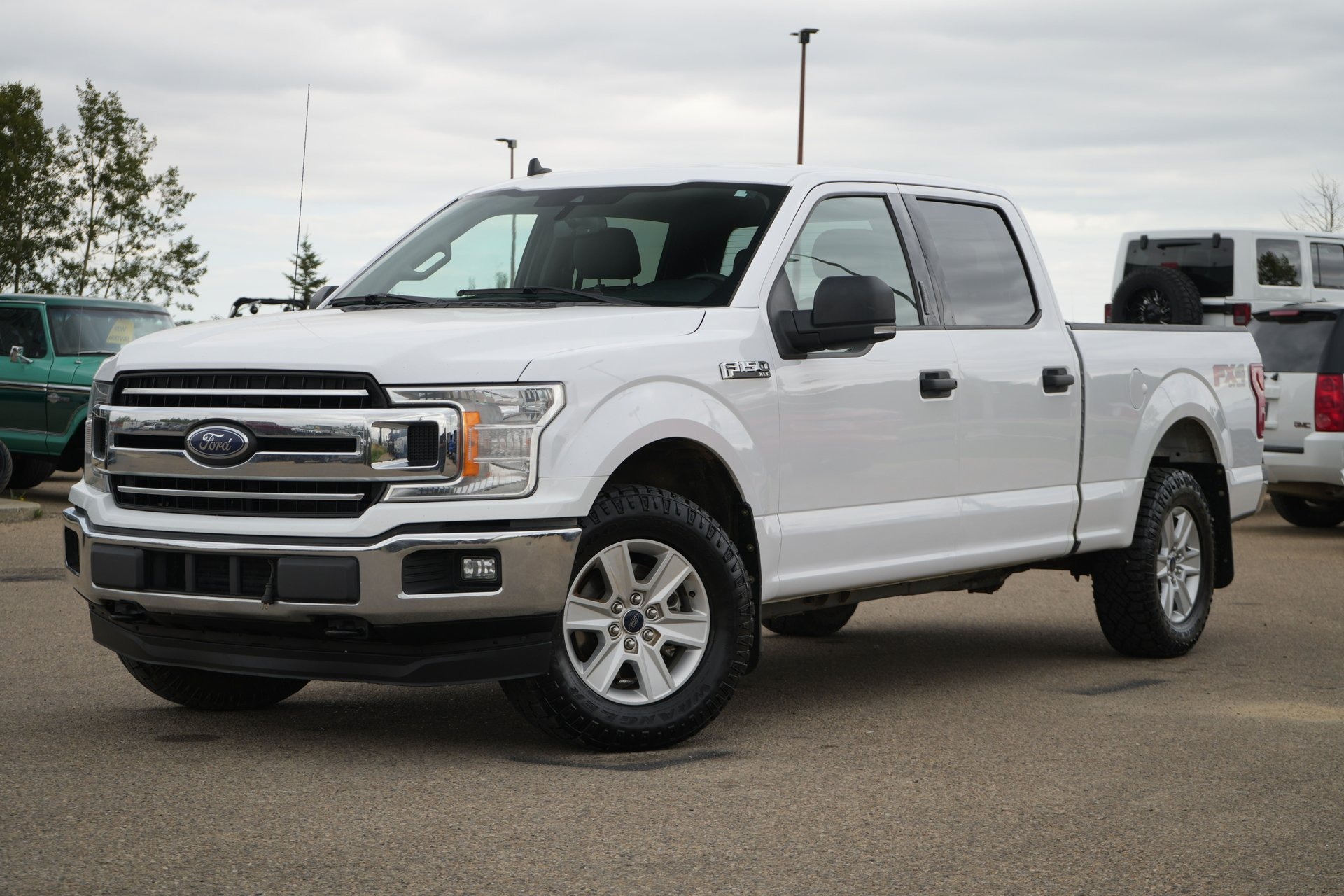
2. Ford F-150
The Ford F-150 has long been recognized as a rugged and dependable truck capable of handling extreme conditions. Its steel frame construction and durable suspension make it suitable for trying roads blocked by fallen trees, rocks, or mudslides.
In flood situations, the F-150’s engine and air intake are positioned to reduce the risk of water damage, allowing it to continue moving even when most cars would stall. Its truck bed can carry essential supplies, making it highly valuable in disaster response operations.
One of the reasons the F-150 survives natural disasters is its powerful engine combined with advanced drivetrain technology. Four-wheel drive systems in this truck allow it to maintain traction on slippery surfaces such as wet asphalt, mud, or ice.
Emergency responders often select the F-150 for rescue missions because it can tow stranded vehicles and carry heavy equipment to areas cut off by floods or landslides. Its tires are reinforced for off-road performance, which enables it to handle broken roads without losing control.
Maintenance and reliability also contribute to the F-150’s ability to function during disasters. Parts are easy to replace, and the truck can operate under heavy loads without overheating or breaking down.
The vehicle’s electronic systems are designed to withstand shocks and moisture, ensuring that crucial features like headlights and communication devices continue to work during extreme conditions. Drivers who rely on this truck in disaster-prone regions report consistent performance even in prolonged periods of rain or after driving through high water.
The F-150 also provides safety and comfort during harsh conditions. Its cabin remains protected from debris and flooding, allowing occupants to travel safely through dangerous zones. Visibility is enhanced with elevated seating, which helps drivers identify obstacles and avoid hazards that could otherwise immobilize smaller vehicles.
The combination of power, reliability, and off-road capability has made the Ford F-150 a trusted choice for disaster response teams, commercial operators, and private owners who need a vehicle that does not fail when others do.
Its performance in natural disasters demonstrates that thoughtful engineering and strong construction can create vehicles capable of surviving extreme events while maintaining essential mobility.
Also Read: 8 Cars That Rarely Break Down in African Roads

3. Jeep Wrangler
The Jeep Wrangler is widely celebrated for its off-road performance and resilience under challenging conditions. Its design prioritizes maneuverability, durability, and adaptability, which allows it to handle the results of hurricanes, floods, and landslides.
The vehicle’s body-on-frame construction contributes to its robustness, while its high ground clearance ensures the engine and other vital components remain above water in flood scenarios. The Wrangler is built to be driven over rocky areas, fallen trees, and uneven ground without sustaining critical damage.
The Wrangler’s four-wheel drive system and locking differentials are important to its disaster survival capabilities. These features provide maximum traction on slippery or loose surfaces, allowing it to climb steep inclines, cross mud, or traverse debris-filled roads.
Rescue teams and aid organizations frequently rely on Wranglers to access areas where ordinary vehicles cannot reach. The compact design enables it to maneuver through narrow streets and blocked passages, which is essential during evacuations or supply deliveries in disaster-hit zones.
Engine protection and simplicity are additional factors that help the Wrangler remain operational after disasters. Its air intake and critical components are positioned to avoid water ingestion, allowing the vehicle to drive through floodwaters without stalling. Electrical systems are minimal and robust, reducing the risk of failure during exposure to water or debris.
This simplicity, combined with a strong chassis, enables the Jeep Wrangler to be repaired easily if minor damage occurs, ensuring it can return to the field quickly. The Wrangler also provides safety and comfort in challenging conditions. Its cabin protects passengers from falling debris, while the seating arrangement offers elevated visibility to identify obstacles.
Many owners equip their Wranglers with off-road tires and additional protective gear, such as skid plates and winches, further enhancing their disaster resilience.
For those living in disaster-prone regions, the Jeep Wrangler has become a symbol of dependability and freedom. Its ability to maintain mobility in extreme scenarios highlights the value of engineering that emphasizes resilience, adaptability, and functionality.
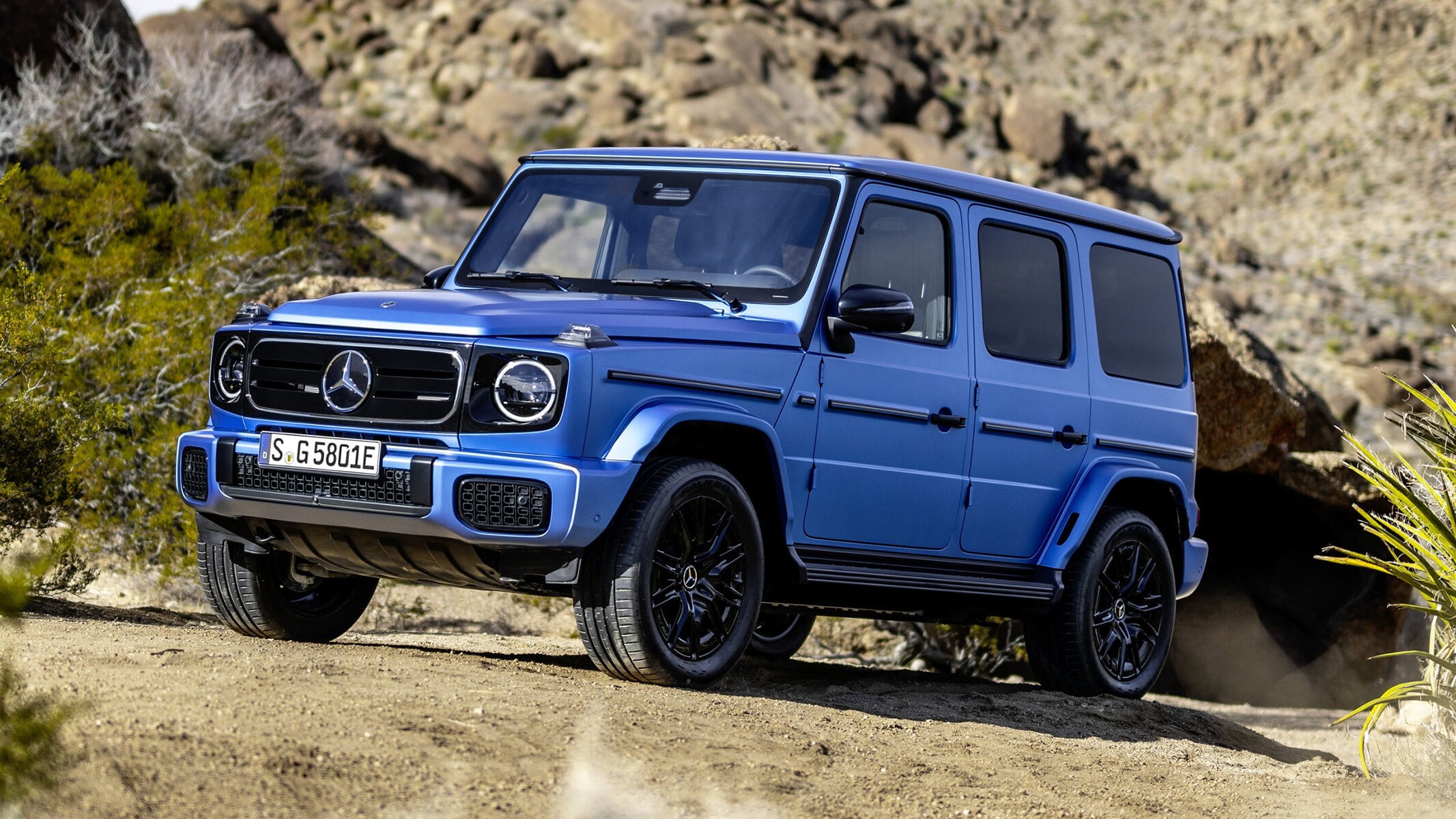
4. Mercedes-Benz G-Class
The Mercedes-Benz G-Class, often called the G-Wagon, is renowned for luxury, but it is also a vehicle built to endure harsh conditions. Its sturdy frame and high-quality engineering make it capable of surviving floods, earthquakes, and landslides.
The G-Class features a powerful engine, reinforced suspension, and excellent ground clearance, all of which contribute to its ability to continue running after natural disasters. Its four-wheel drive system ensures stability and traction on uneven or slippery surfaces.
The G-Class is also engineered to protect critical components from damage. Its air intake, transmission, and electrical systems are shielded to prevent water ingress, which allows it to drive through deep waters without engine failure.
The vehicle’s body is reinforced to withstand impacts from debris and falling objects, making it suitable for disaster zones where roads are blocked or damaged. Many rescue teams and emergency responders choose the G-Class for its reliability and performance, particularly in situations where other vehicles would be immobilized.
In addition to physical durability, the G-Class offers exceptional control and handling in extreme conditions. Its braking system and suspension provide stability on uneven areas, allowing drivers to maneuver through rubble, mud, and flooded areas with confidence.
The tires are designed to maintain traction on wet and loose surfaces, while the vehicle’s robust frame prevents bending or deformation under pressure. The G-Class’s combination of engineering precision and resilience allows it to serve both as a luxury vehicle and a capable disaster-response machine.
Maintenance and reliability are important factors that make the G-Class dependable in natural disasters. Its engine and mechanical systems are designed for longevity and can withstand stress. Repairs, when needed, are straightforward due to the vehicle’s solid construction and modular components.
Drivers in flood-prone or storm-affected regions report that the G-Class continues to operate even after extreme exposure to water, mud, or debris. Its ability to maintain performance in such conditions demonstrates the importance of robust design and careful engineering in producing vehicles that remain functional in the face of natural disasters.
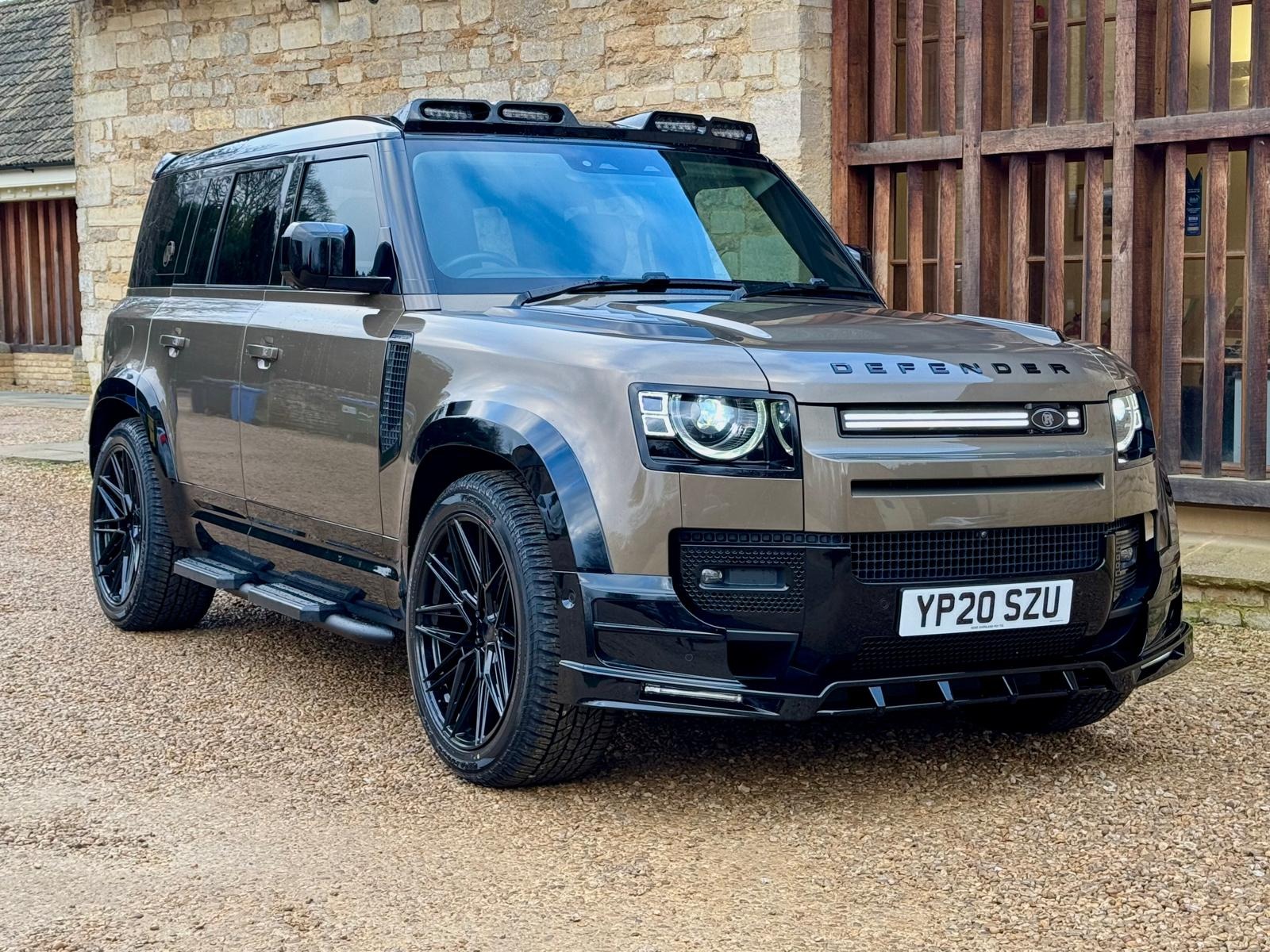
5. Land Rover Defender
The Land Rover Defender is synonymous with toughness and reliability. Its design focuses on off-road capability, making it ideal for areas affected by natural disasters.
Flooded streets, landslides, and debris-strewn roads do not stop this vehicle from performing. Its chassis is built to endure shocks and impacts, while the suspension allows for smooth travel over rough surfaces.
The Defender is equipped with four-wheel drive, providing excellent traction on wet and uneven land. Engine protection and vehicle layout enhance the Defender’s disaster resilience.
Critical components are elevated or sealed to prevent water and mud from causing damage. Its engine can continue running in flooded conditions that would disable most other vehicles.
Electrical systems are protected from short circuits, while the body structure resists deformation from falling debris. Rescue organizations and emergency responders often use Defenders for evacuations and delivery of supplies in disaster-hit areas because of these capabilities.
Tire design and ground clearance are additional factors that contribute to the Defender’s survival during disasters. Its tires are strong and puncture-resistant, allowing it to use roads filled with sharp objects or rubble.
High ground clearance ensures that water does not reach the engine or cabin, allowing the vehicle to continue functioning in flood conditions.
Off-road driving features such as hill descent control and traction management help drivers maintain control on slippery slopes or unstable land. The Defender also excels in passenger safety and comfort. Its cabin protects occupants from falling objects and debris, while its layout provides excellent visibility to go through disaster zones.
Drivers report that the vehicle remains operational after exposure to extreme conditions, including heavy rain, mudslides, and high winds.
Its combination of engineering strength, off-road capability, and protective design makes the Land Rover Defender a preferred choice for those seeking a vehicle that will continue to perform even when nature creates challenging circumstances.
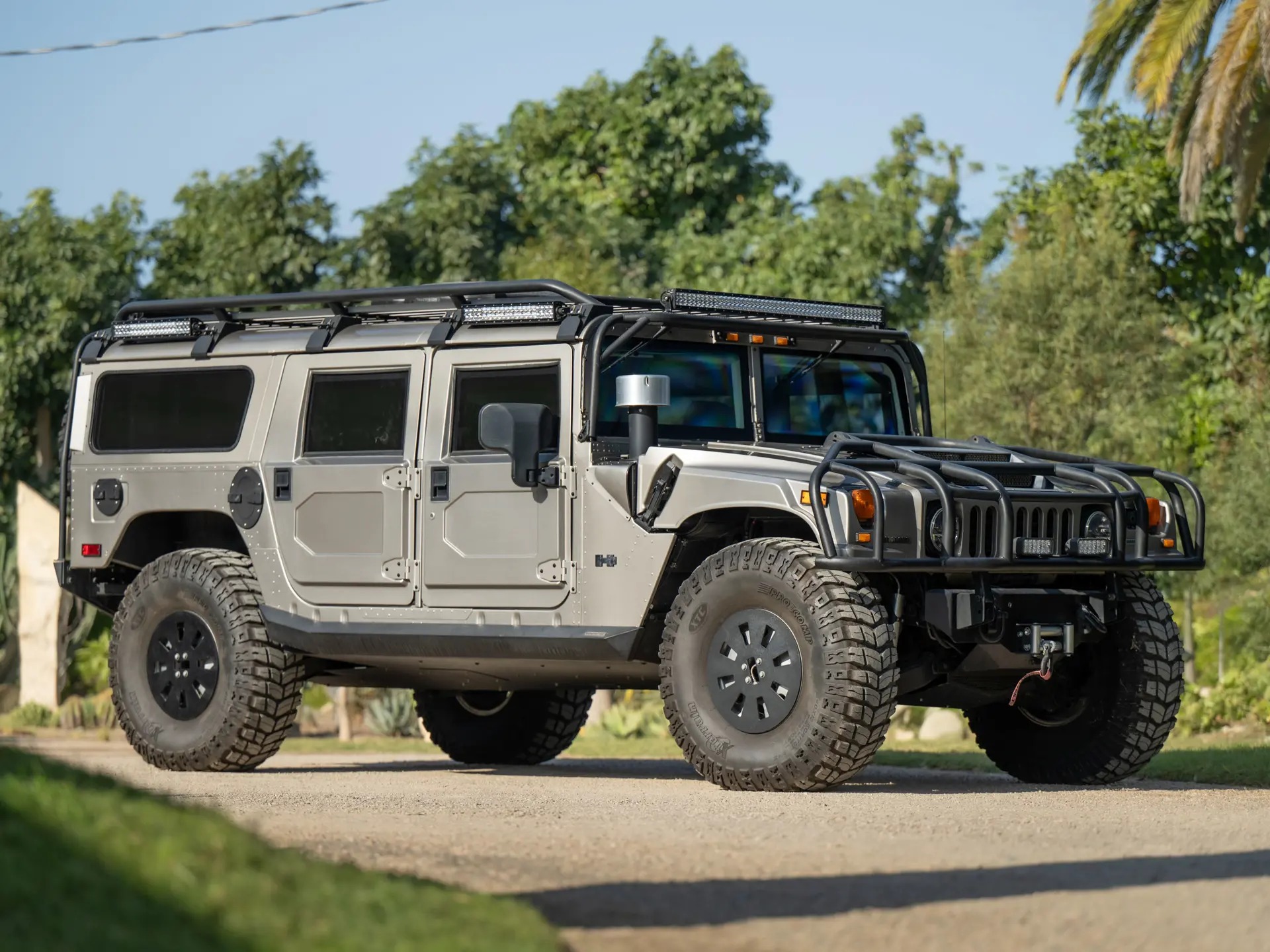
6. Hummer H1
The Hummer H1 was originally designed for military use, which explains its exceptional resilience. It can withstand extreme weather, floods, and debris without losing functionality. Its chassis and suspension are extremely strong, enabling it to carry heavy loads over uneven surfaces.
The vehicle’s high ground clearance and off-road tires allow it to cross rivers, flooded streets, and rough areas that would trap other vehicles. The H1’s engine and critical systems are well protected from environmental hazards. Its design prevents water from entering essential components, allowing the vehicle to drive through deep waters without stalling.
Military-grade construction ensures that the H1 can survive impacts, fallen trees, and debris. Emergency response teams and humanitarian organizations sometimes use Hummer H1s to reach areas inaccessible to standard vehicles. Its ability to tow other vehicles and transport supplies makes it invaluable during natural disasters.
Driver control and vehicle stability are important strengths of the H1. Its braking system, suspension, and traction management allow it to maintain control on slippery surfaces, steep inclines, and unstable land. Tires are built to endure punctures, sharp objects, and mud.
The vehicle’s reinforced body protects occupants and critical equipment inside the cabin. Its robustness ensures that even prolonged exposure to floods or rough roads does not immobilize it. Maintenance of the H1 is straightforward for those familiar with heavy-duty vehicles.
Its mechanical simplicity and modular design allow quick repairs when minor issues occur. Drivers report that the Hummer H1 continues to operate after exposure to extreme environmental stress, demonstrating why it was chosen for military and disaster operations.
The H1’s combination of engineering strength, protection, and off-road capability makes it one of the most reliable vehicles for surviving natural disasters while continuing to serve a practical purpose in recovery efforts.
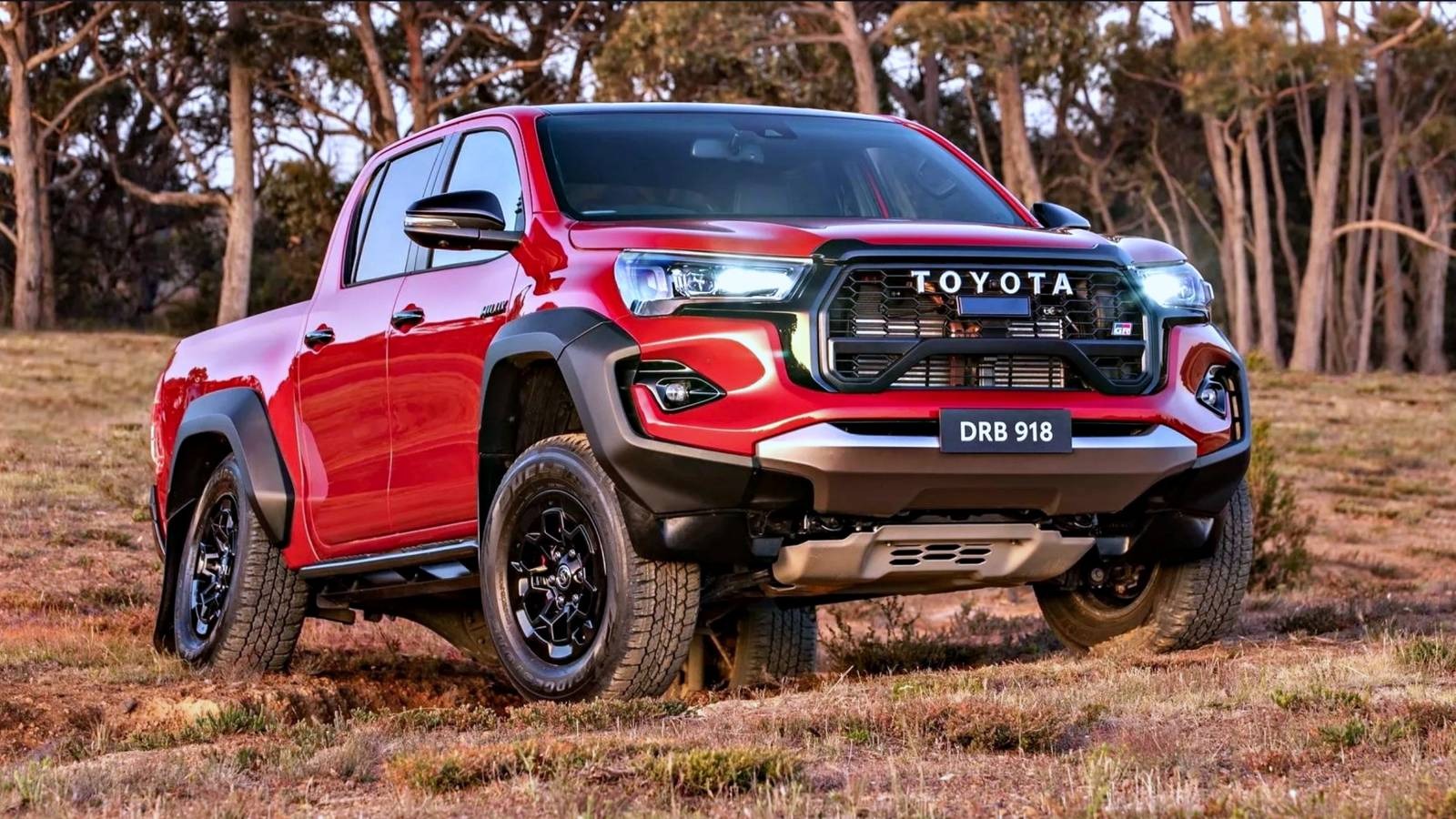
7. Toyota Hilux
The Toyota Hilux is famous for its toughness and reliability under harsh conditions. This pickup truck has been tested in floods, storms, and rough areas, and it continues to perform when many other vehicles fail. Its frame is reinforced to resist impacts, while its engine is capable of operating under stress that would stop ordinary vehicles.
The Hilux’s ground clearance allows it to traverse waterlogged roads, mudslides, and debris-laden streets without damage. One of the Hilux’s strongest points is its engine durability. The air intake is positioned to prevent water ingestion, enabling the vehicle to continue running even after partial submersion.
Four-wheel drive technology allows it to maintain traction in slippery or uneven conditions. Its tires are strong enough to handle sharp objects or debris commonly found after natural disasters. Rescue teams and aid organizations rely on Hilux trucks to transport supplies and evacuate people in affected areas due to these qualities.
Maintenance simplicity also contributes to the Hilux’s survival in extreme conditions. Its mechanical components are easy to repair, and parts are widely available. Drivers report that even after prolonged exposure to water, mud, and rough roads, the vehicle remains functional.
The Hilux provides a balance between durability, load capacity, and off-road performance, making it suitable for regions prone to natural disasters. The Hilux also prioritizes safety for passengers. Its cabin protects occupants from debris, and the elevated seating offers better visibility to go through obstructed roads.
Many owners equip the truck with additional protective gear, such as skid plates and off-road tires, to enhance its disaster resilience. The vehicle’s proven track record in extreme scenarios has made it a reliable choice for emergency responders, aid organizations, and private owners seeking a dependable vehicle that continues to run even when disasters strike.
Also Read: 8 Cars That Rarely Depreciate After 10 Years
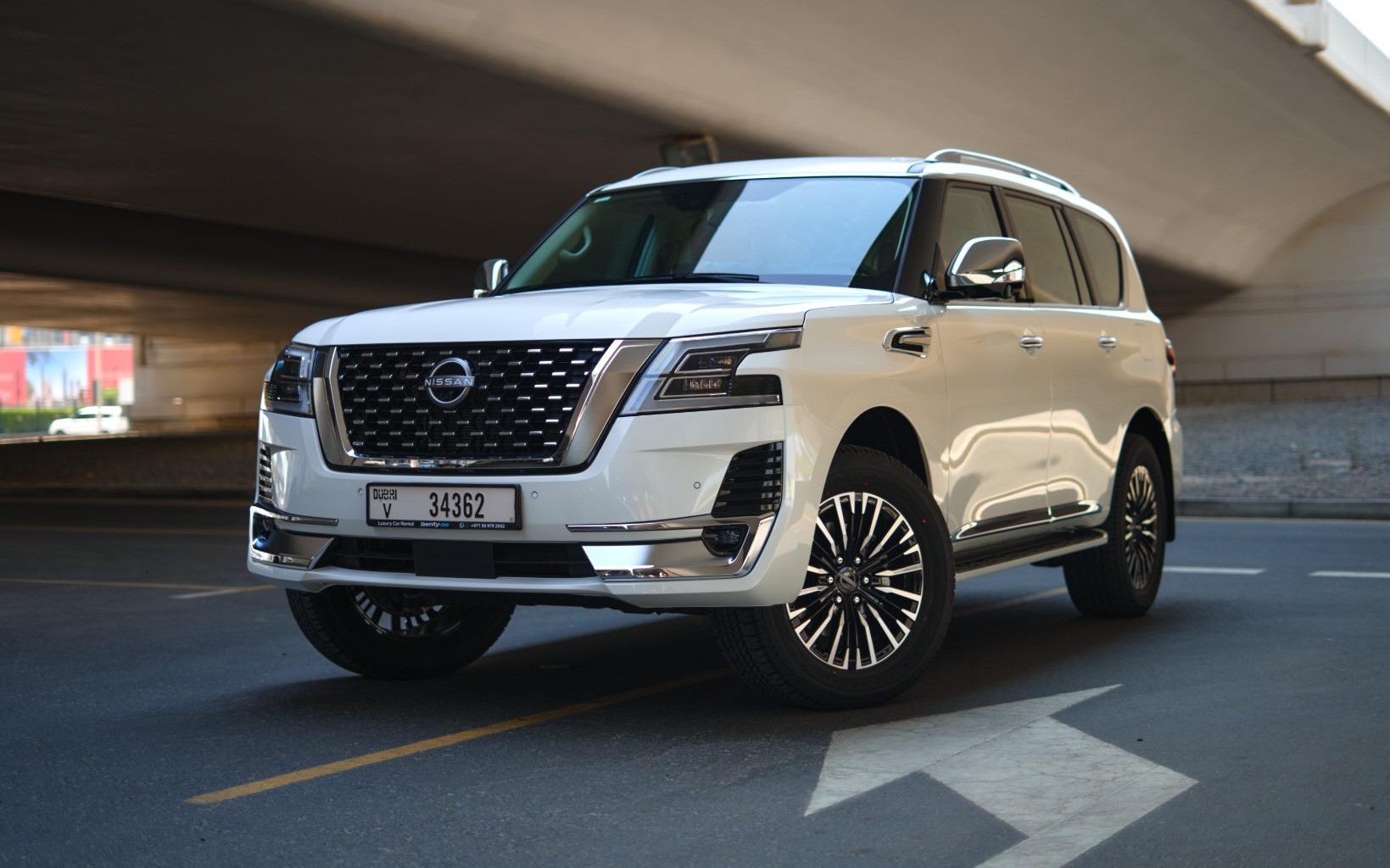
8. Nissan Patrol
The Nissan Patrol is a large SUV designed for off-road use and extreme conditions. Its strong chassis, powerful engine, and durable suspension allow it to remove floodwaters, debris-strewn roads, and rough land without failure.
High ground clearance prevents water from reaching critical components, while the four-wheel drive system ensures traction in slippery or uneven environments. Rescue teams and disaster response organizations often use the Patrol to deliver aid and evacuate people in dangerous areas.
Engine protection is an important feature of the Patrol. Its intake and exhaust systems are positioned to avoid water entry, allowing the engine to continue running in flooded conditions. The vehicle’s electrical systems are sealed against moisture, preventing short circuits that could immobilize less protected vehicles.
Its body construction provides resistance against impacts from fallen trees, debris, or minor landslides, making it suitable for disaster-hit zones. The Patrol also emphasizes passenger safety and control. Its cabin protects occupants from falling debris, while the elevated seating allows drivers to identify obstacles and maneuver through challenging areas.
Tire strength, suspension design, and braking performance all contribute to the vehicle’s stability and control in disaster conditions. Its ability to carry supplies and passengers makes it a practical choice for those responding to natural disasters. Durability and ease of maintenance further enhance the Patrol’s disaster survival capability.
Parts are widely available, and repairs are straightforward even after exposure to extreme conditions. Drivers report that the Patrol continues to function after floods, storms, and rough areas, demonstrating its dependability.
Its combination of engineering strength, off-road capability, and passenger protection ensures that the Nissan Patrol remains one of the vehicles most capable of maintaining mobility in situations where natural disasters threaten to halt every other form of transportation.
Vehicles that endure natural disasters share several common qualities. They have durable frames, protected engines, high ground clearance, reinforced tires, and reliable four-wheel drive systems. These features allow them to survive floods, storms, landslides, and debris-strewn roads while continuing to operate.
Vehicles like the Toyota Land Cruiser, Ford F-150, Jeep Wrangler, Mercedes-Benz G-Class, Land Rover Defender, Hummer H1, Toyota Hilux, and Nissan Patrol have proven their resilience under extreme conditions. Their survival is not only a testament to engineering excellence but also provides critical support to communities during crises.
They can transport people, deliver supplies, and facilitate rescue operations when ordinary vehicles fail. Understanding the capabilities of these vehicles can guide individuals, emergency organizations, and aid agencies in selecting machines that provide both mobility and reliability in disaster-prone regions.
These vehicles have shown that with proper engineering, durability, and preparedness, it is possible to maintain essential movement even in the most challenging situations caused by natural forces.
