
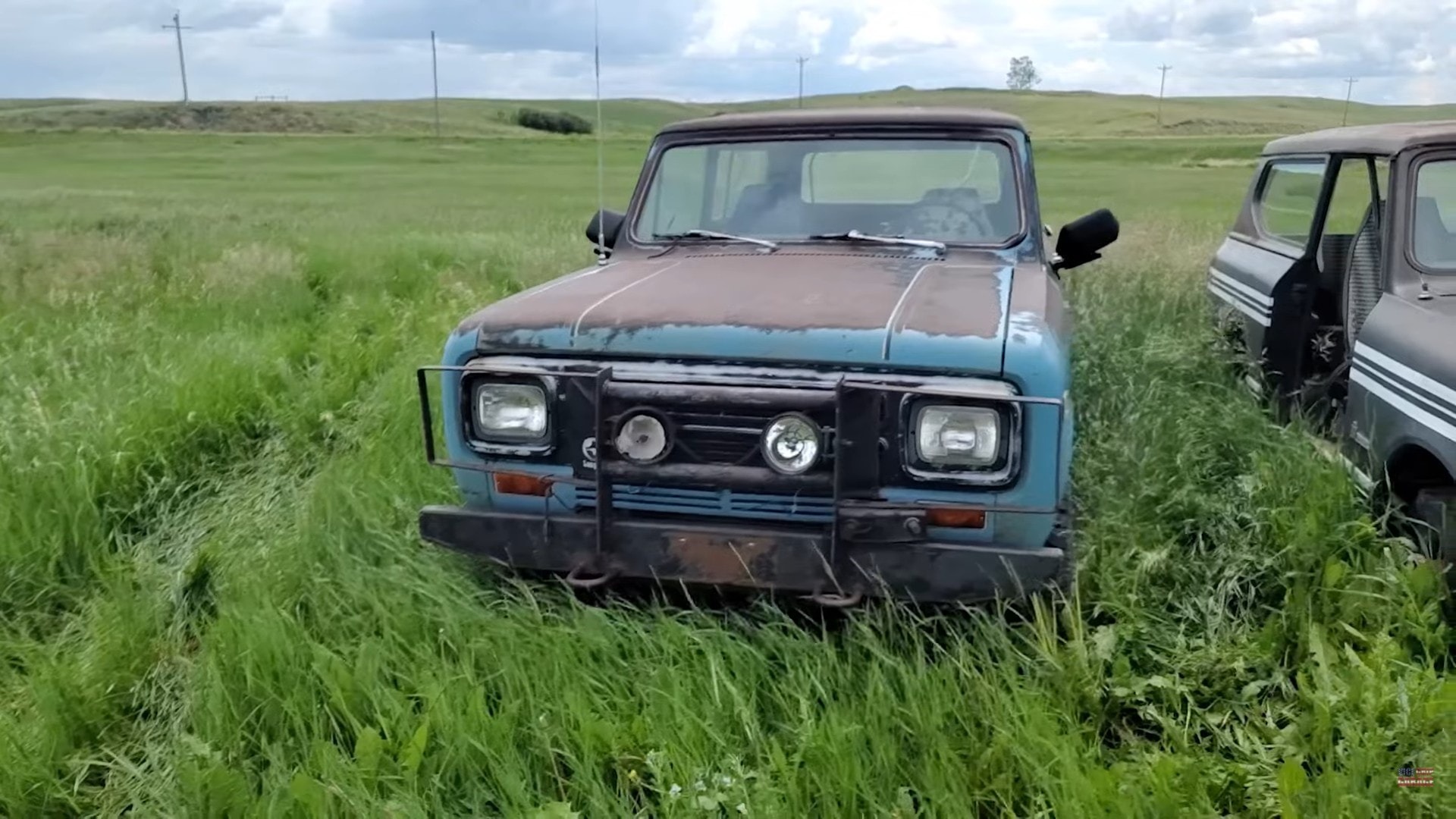
Abandoned vehicles in fields often tell stories that most people ignore. When a car is left to the mercy of nature, many assume it will quickly rust away or break down beyond repair. Surprisingly, some cars withstand years of exposure to harsh weather, soil moisture, and the slow encroachment of plants.
These vehicles maintain their shape, structure, and sometimes even their engines, despite the odds. Understanding why certain cars survive abandonment while others decay rapidly is not just about engineering. It also involves considering the materials used, the design of the car, and how well it was maintained before being left behind.
Fields can be particularly harsh environments. Rainfall, mud, and extreme temperature variations all play a role in how quickly a car deteriorates. However, some vehicles seem almost immune to these challenges. Their bodies resist rust, their interiors avoid complete disintegration, and their mechanical parts remain surprisingly intact.
Collectors and car enthusiasts often come across abandoned cars that appear almost new despite sitting in open fields for decades. These vehicles attract attention because they provide insight into the durability and reliability of certain models. The capacity of a car to endure abandonment can also affect its value in the resale and restoration market.
Cars that resist environmental damage often retain more of their original features and can be restored to working condition with relatively less effort. Researching which cars have this remarkable survival ability reveals patterns about engineering choices, brand quality, and even the type of materials that endure as time goes by.
Below, we will focus on twelve cars that have proven to survive in fields for years. These vehicles stand as examples of resilience and engineering excellence that continue to amaze observers.
1. Toyota Land Cruiser
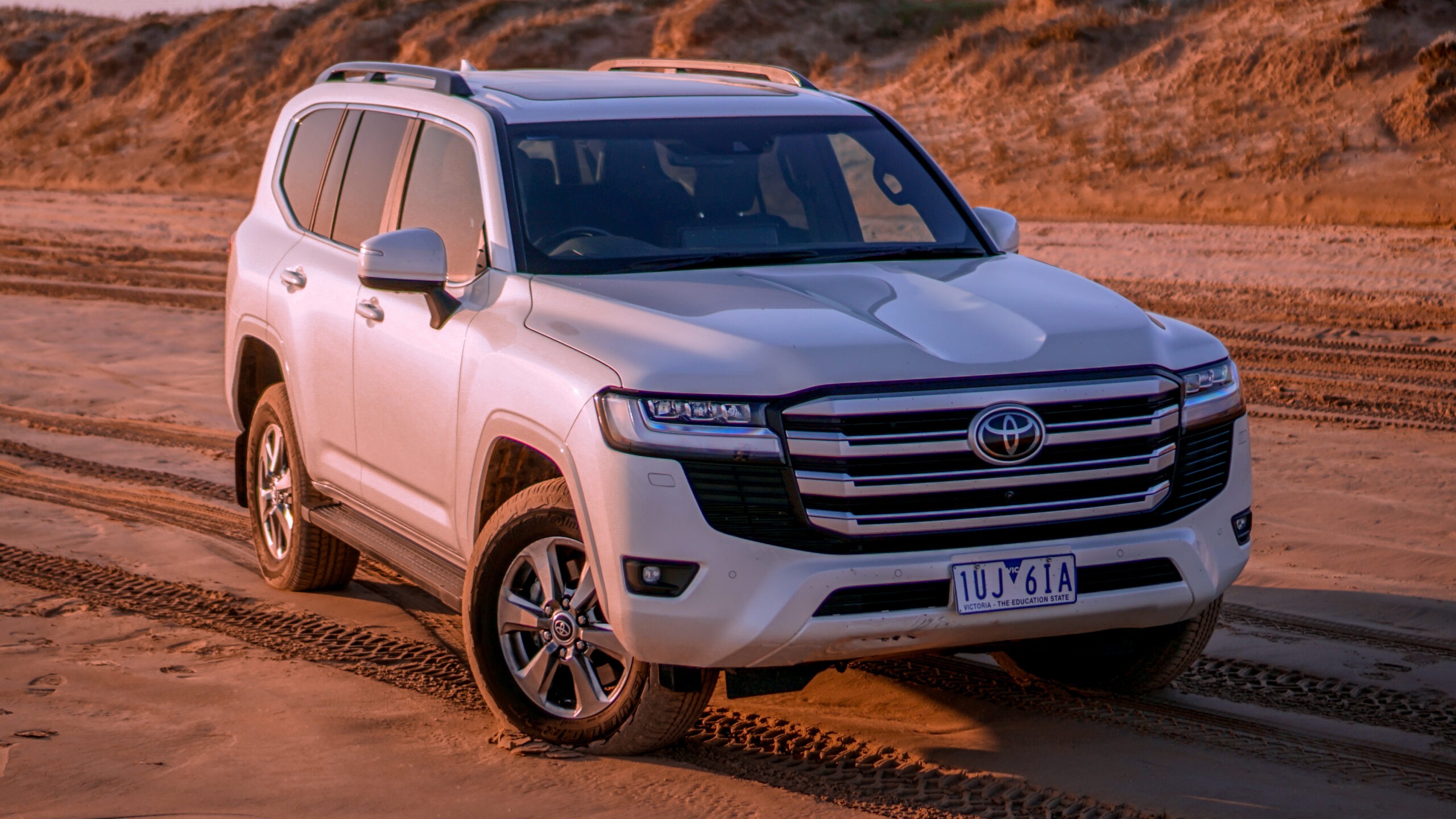
The Toyota Land Cruiser has earned a reputation for being one of the most enduring vehicles ever produced. Its survival in fields is largely due to its robust construction and reliable mechanical systems. The chassis is made from reinforced steel, which resists rust even when exposed to waterlogged soil or prolonged humidity.
The suspension and drivetrain components are built to handle extreme stress, which means they are less likely to fail even after long periods of inactivity. Land Cruisers are also designed with simplicity in mind. The less complicated the engine and transmission system, the fewer parts there are that can corrode or seize when a vehicle sits idle.
This contributes greatly to its ability to survive long-term abandonment. The body panels on the Land Cruiser are also thicker than those of many modern vehicles, and the use of corrosion-resistant coatings ensures that the exterior remains mostly intact eventually.
Interior components such as the dashboard, seats, and door panels are made from durable materials that can withstand exposure to moisture and heat. Many abandoned Land Cruisers found in rural or harsh environments still maintain their seats and dashboards in usable condition after years without human care.
In addition, the vehicle’s high ground clearance prevents water from easily reaching the undercarriage. This feature is especially useful when the vehicle is left in areas prone to flooding or water accumulation.
Mechanically, the Land Cruiser’s engine design supports longevity. Its engines are designed to operate efficiently for hundreds of thousands of miles, and the lack of overly sensitive electronic components reduces the risk of failure from environmental exposure. Even fuel systems and exhaust components are constructed to resist corrosion.
This combination of mechanical simplicity and sturdy materials is why abandoned Land Cruisers can often be restored to running condition with limited work. People who discover these vehicles frequently report that they only require minimal maintenance, such as cleaning and oil changes, to bring them back to life.
The Land Cruiser’s reputation for resilience is backed by decades of documented performance, making it a prime example of a car that thrives even when left alone in a field.

2. Mercedes-Benz G-Class
The Mercedes-Benz G-Class is another vehicle known for its ability to survive abandonment. Built originally for military use, the G-Class was designed to withstand tough environments, which contributes to its longevity in unmaintained conditions. Its frame is extremely rigid, which prevents bending or structural damage even when the vehicle sits in uneven land for long periods.
This rigidity ensures that body panels and doors remain aligned, reducing the risk of water intrusion that can lead to rust. Additionally, the G-Class uses high-quality steel alloys and corrosion-resistant paints that protect the exterior from moisture and environmental damage.
Inside, the vehicle’s interior materials are selected to resist wear and tear. Leather, vinyl, and other treated surfaces retain their integrity even after prolonged exposure to sunlight and moisture. The electrical system, though more complicated than simpler off-road vehicles, is carefully sealed to avoid water damage.
This attention to design detail makes it possible for abandoned G-Class models to maintain operational functionality even after years without attention. The drivetrain and suspension are built to endure heavy loads and difficult areas, reducing the likelihood of deterioration from inactivity.
One reason the G-Class survives so well is its simplicity in mechanical design despite being a luxury vehicle. Engine components, gearbox, and differential systems are robust and straightforward. This makes it easier to revive an abandoned G-Class than many modern vehicles that rely heavily on sensitive electronics.
In fields where other cars would quickly succumb to rust and mechanical failure, G-Class vehicles often remain surprisingly intact. Restoration experts note that these vehicles frequently only need minor repairs to become fully functional, highlighting their unmatched durability.
The combination of a strong frame, corrosion-resistant materials, and thoughtful engineering makes the Mercedes-Benz G-Class a vehicle that withstands long periods of abandonment with remarkable resilience.
Also Read: 12 Cars That Keep Driving on Original Parts

3. Volvo 240 Series
Volvo’s 240 series is legendary for its reliability, and this reputation extends to abandoned models in fields. The vehicle was designed with safety and durability in mind, and it shows in the materials and construction methods used.
The body is composed of thick steel panels treated to resist corrosion, while the undercarriage uses protective coatings to reduce rust even when in contact with wet soil. The simplicity of the engine design also allows the car to sit unused for long periods without visible degradation.
The interior of the Volvo 240 is built from durable fabrics and plastics that do not easily break down. Even when left exposed to the elements, the seats, dashboard, and door panels often remain in salvageable condition. Windows and door seals are robust, preventing water from penetrating the cabin and causing mold or corrosion.
The vehicle’s suspension and drivetrain are also designed to handle extended use under tough conditions, which contributes to its longevity when idle. Abandoned Volvos are often found in rural fields and old industrial sites, yet many remain in surprisingly good condition.
This survival capability is partly due to the attention given to corrosion prevention during manufacturing. Steel panels are treated, critical components are coated with protective layers, and the design avoids trapping moisture in vulnerable areas. Mechanically, these vehicles can often be restarted after years with just basic maintenance.
Fluids may need replacing and tires inflated, but engines, transmissions, and brakes often retain their original function. The combination of strong steel, durable interiors, and simple but effective mechanical systems makes the Volvo 240 series a reliable survivor in abandoned conditions.
Collectors and enthusiasts often seek these vehicles because they represent a rare blend of practicality and longevity that remains evident even after years of neglect.

4. Jeep Wrangler
The Jeep Wrangler is built to endure extreme conditions, which is why it survives well in abandoned fields. Its frame and body design emphasize strength and simplicity, reducing the risk of structural failure eventually. Steel panels are treated to resist corrosion, and the open design allows water to drain easily, preventing accumulation that could lead to rust.
This design also ensures that the interior remains less affected by environmental exposure. The seats and dashboard are constructed from materials designed to endure both heat and moisture, making it possible for a Wrangler to maintain a usable interior after years in the field.
Under the hood, the Wrangler’s engine and drivetrain are straightforward and robust. These components can tolerate long periods of inactivity without visible deterioration. Simple mechanical systems mean fewer parts are susceptible to corrosion or damage.
Suspension components and the solid axle design also enhance durability, allowing the vehicle to maintain its structure and functionality despite sitting in a challenging area.
Abandoned Wranglers often retain operational potential that surprises onlookers. With minimal intervention, such as battery replacement, fluid changes, and minor cleaning, many of these vehicles can return to running condition.
The high ground clearance prevents water from reaching critical underbody components, while the reinforced frame supports weight and prevents sagging or bending. Collectors and off-road enthusiasts often value abandoned Wranglers for their ability to survive long periods of neglect.
Their resilience makes them practical candidates for restoration, adventure, or use in challenging environments. The Jeep Wrangler’s combination of sturdy construction, corrosion-resistant materials, and straightforward mechanical design explains why it remains functional even after long-term abandonment.

5. Land Rover Defender
The Land Rover Defender is another vehicle with legendary durability. Built to withstand the toughest lands, the Defender can survive long periods of abandonment without damage. Its ladder-frame chassis and heavy-duty body panels resist bending and rust, while the undercarriage is designed to drain water and avoid corrosion.
This means that even when left in muddy or wet fields, the vehicle retains structural integrity. The interior materials, though simple, are robust. Seats, dashboards, and door panels are made from materials that tolerate heat, cold, and moisture.
Electrical systems are sealed and protected, which prevents water damage from disabling the vehicle. Mechanically, the engine and drivetrain are designed to function under harsh conditions. Components are easy to maintain, making it possible to revive an abandoned Defender with basic repair work.
The vehicle’s simplicity in engineering is a major factor in its survival. Fewer delicate components mean fewer points of failure. Collectors often discover Defenders that can be restored to full functionality after years of sitting untouched.
This combination of durable materials, protective design, and straightforward mechanics explains why the Defender remains a reliable survivor even in fields where other vehicles decay quickly.
6. Ford F-150
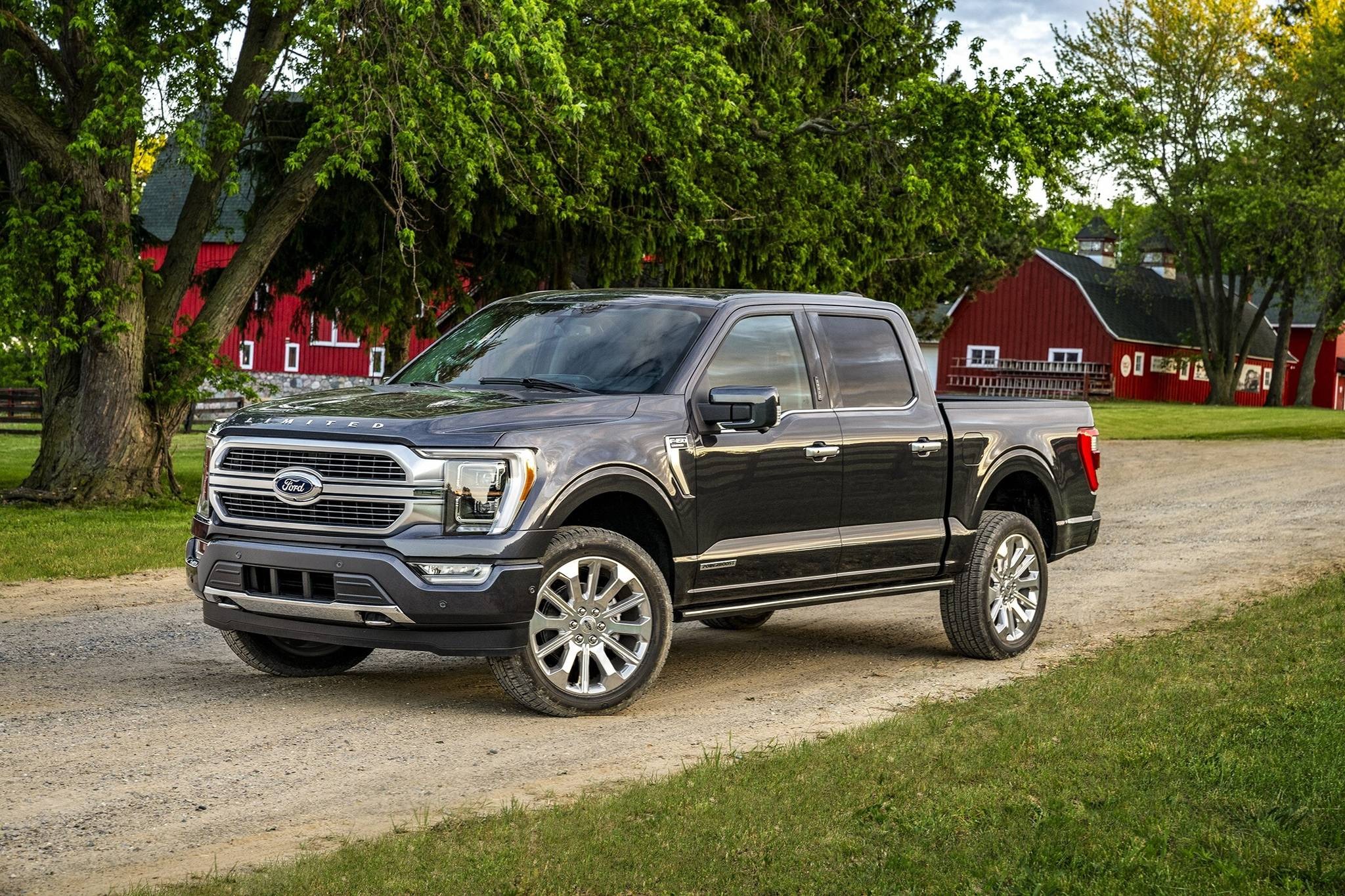
The Ford F-150 has earned a reputation as one of the toughest pickup trucks ever built, and this toughness extends to vehicles abandoned in fields. Its frame is made from high-strength steel that resists bending and corrosion, which helps it remain structurally sound even after years of exposure to rain, mud, and sun.
The truck’s body panels are thick and coated to prevent rust, while the undercarriage is designed to drain water effectively. This prevents prolonged moisture exposure, which is a common cause of deterioration in other vehicles left outdoors. Many abandoned F-150s remain surprisingly intact, with doors that open and close properly and panels that retain their shape.
Mechanically, the F-150 is simple compared to modern vehicles that rely heavily on electronics. Its engines are designed for longevity, and the drivetrain components are built to handle heavy loads. This means that even after sitting idle for long periods, the engine, transmission, and differential systems can often be restored with minimal repairs.
Fuel lines and brakes may require attention, but the core mechanical elements tend to remain in good condition. Tires may deflate, and batteries may die, but these are minor issues compared to full mechanical failure.
The interior of the F-150 is also made to endure tough conditions. Seat covers, dashboards, and door panels are made from materials that resist cracking and fading, which allows the vehicle to remain usable even after prolonged exposure to the elements. Electrical systems are relatively simple, reducing the risk of failure due to water intrusion or corrosion.
Collectors and restorers often find abandoned F-150s to be excellent candidates for revival, as the basic mechanics are easy to repair and replacement parts are widely available. This combination of structural strength, durable materials, and straightforward mechanical systems is why the Ford F-150 survives in fields longer than many other vehicles.
Additionally, the high ground clearance of the F-150 prevents water from pooling beneath the chassis. This is particularly important in fields where rainwater can create puddles that accelerate rusting. Suspension components are also built to withstand heavy loads and uneven land, further contributing to the truck’s survival.
Even after years without maintenance, many F-150s retain the ability to operate efficiently once basic service work is completed. This durability makes the F-150 a vehicle that not only survives abandonment but can also return to reliable use with proper care.

7. Honda Civic
The Honda Civic is a vehicle that surprises many when found abandoned because it seems too fragile to survive long periods outdoors. However, Civics are built with engineering that emphasizes reliability, and this includes resistance to environmental damage.
The body panels are made from steel treated with corrosion-resistant coatings, which slow the spread of rust even when exposed to moisture and sunlight. This protective treatment allows abandoned Civics to maintain their shape and exterior integrity for years. The simplicity of the engine design is another factor in its survival.
Civics use compact and efficient engines that are less prone to catastrophic failure when idle. The interior is made from materials that tolerate wear and exposure. Seat fabric, dashboards, and door panels are engineered to resist cracking and fading, even under harsh sunlight.
Electrical systems are minimal, which reduces the likelihood of failure due to corrosion or water damage. When abandoned in fields, Civics often retain functional engines, transmissions, and brakes, making them relatively easy to restore. The mechanical simplicity of the vehicle ensures that it can survive in a dormant state without extensive degradation.
Many abandoned Civics have been found in rural and suburban locations, and collectors often remark on their ability to remain structurally sound. The engine block, cylinder head, and transmission frequently show minimal wear even after years of inactivity.
Tires may require replacement, and the battery may need recharging, but these are minor repairs compared to complete mechanical failure. The car’s compact design also helps it avoid stress on suspension components, as the lighter weight reduces strain after some time.
Another factor contributing to the Civic’s durability is its fuel efficiency and engine management. Minimal leakage and corrosion-prone areas allow it to sit untouched without serious damage to fuel systems or carburetors. Civics abandoned for long periods can often be revived with simple maintenance tasks, such as oil changes, battery replacement, and tire inflation.
The combination of corrosion-resistant steel, resilient interior materials, and a reliable engine design explains why the Honda Civic can survive in fields for years and remain a practical vehicle for restoration or continued use.
8. Chevrolet Silverado
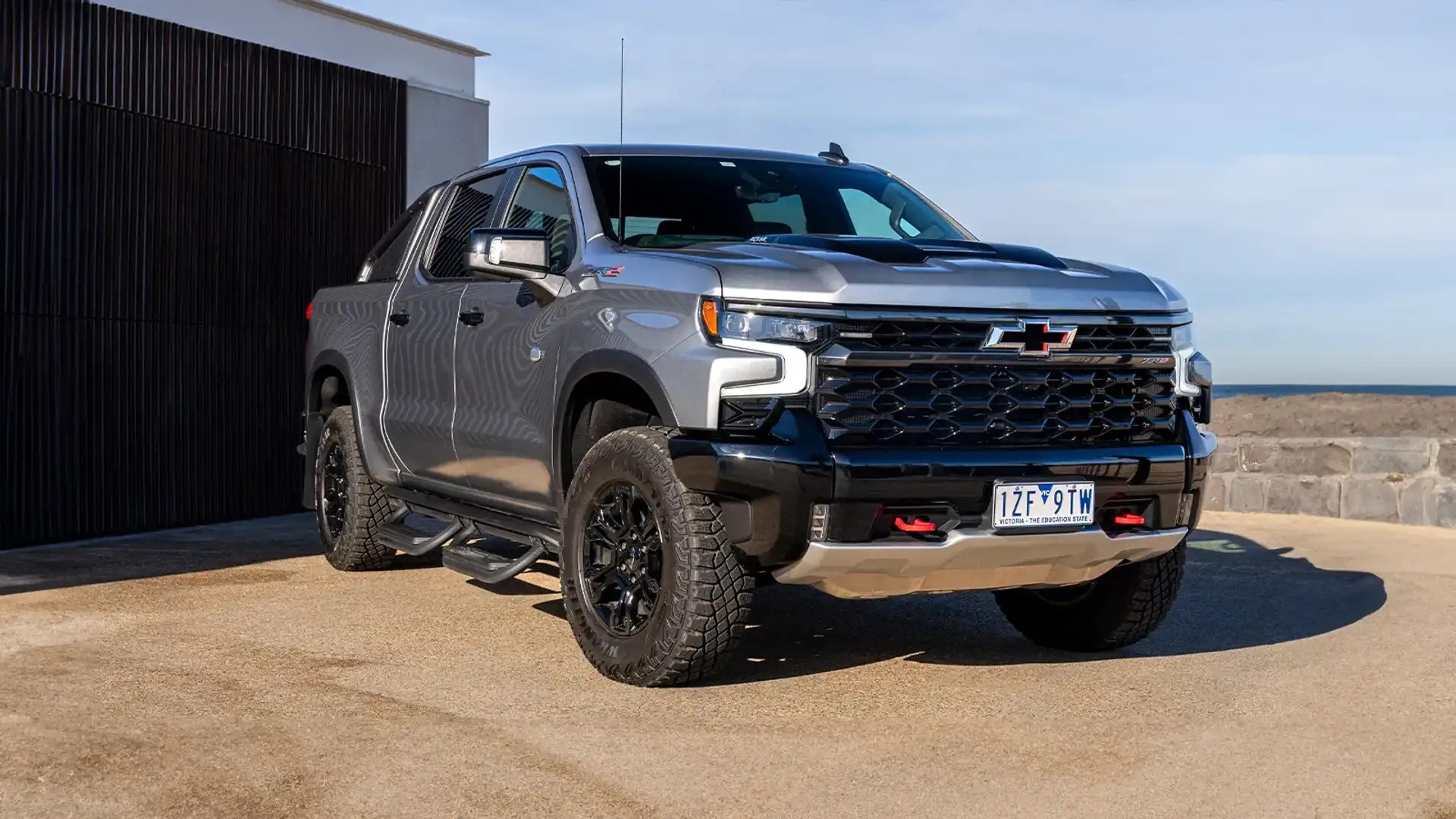
The Chevrolet Silverado is a heavy-duty truck built to endure harsh conditions, making it one of the vehicles most likely to survive abandonment. Its body is constructed with strong steel and protective coatings that resist rust. The truck’s frame and suspension are designed for heavy loads and uneven land, which reduces the risk of structural damage even after years without maintenance.
Many abandoned Silverados retain their shape and alignment, and doors can still function properly due to the solid frame and reinforced hinges. The interior of the Silverado is also durable. Seat materials, dashboards, and door panels are constructed to endure both heat and moisture.
This ensures that even after prolonged exposure, the cabin can remain usable. Electrical systems are simple compared to modern trucks, reducing vulnerability to corrosion and water damage. Engines and transmissions are designed for longevity, and drivetrain components are built to withstand years of inactivity without failure.
Collectors often discover abandoned Silverados that only need minimal servicing to become fully operational. High ground clearance is another reason the Silverado survives in fields. Water and mud do not easily accumulate around critical components, and the truck’s reinforced underbody prevents rust from forming in vulnerable areas.
Suspension parts are built to endure heavy use, reducing the risk of failure due to prolonged idleness. Additionally, the engine is capable of running efficiently even after periods of neglect, as the mechanical systems are straightforward and resilient.
Abandoned Silverados are often restored successfully with minimal effort. Common tasks include replacing fluids, inflating tires, and recharging or replacing the battery. The mechanical integrity of the truck allows it to return to reliable operation quickly.
The combination of strong steel construction, corrosion-resistant coatings, durable interiors, and resilient mechanical systems explains why the Chevrolet Silverado survives in challenging environments and remains a preferred choice for restoration enthusiasts.

9. Subaru Outback
The Subaru Outback is designed for rugged use, which contributes to its ability to survive in abandoned fields. Its body uses high-quality steel with protective coatings to resist corrosion. The undercarriage is treated to prevent rust, while the elevated chassis protects components from water accumulation.
Subaru also uses durable plastics and fabrics in the interior, ensuring that seats, dashboards, and panels do not disintegrate quickly. This allows an abandoned Outback to remain structurally sound and usable after years without attention.
The engine and drivetrain are also engineered for reliability. The Boxer engine layout helps maintain balance and reduces stress on components, even during prolonged inactivity. All-wheel-drive systems are robust and designed to handle challenging areas, meaning they do not fail easily when the vehicle is left unused.
Electrical systems are sealed to prevent moisture from causing malfunctions, which is critical in maintaining long-term functionality. Collectors and restorers frequently find abandoned Outbacks in fields where other cars would have decayed.
With basic maintenance such as fluid replacement, battery recharge, and tire inflation, many of these vehicles return to full operational condition. Subaru’s focus on durability and straightforward engineering allows the Outback to survive in environments that challenge lesser vehicles.
The combination of protective body coatings, resilient interior materials, reliable mechanical systems, and high ground clearance explains why the Subaru Outback can endure years of neglect.
Even when exposed to rain, mud, and sunlight, these vehicles maintain a level of functionality that makes restoration practical. Enthusiasts often seek abandoned Outbacks because their survival capability reduces the cost and effort required to return them to active use.
Also Read: 12 Cars Still Used as Police Cruisers After Decades
10. Toyota Hilux
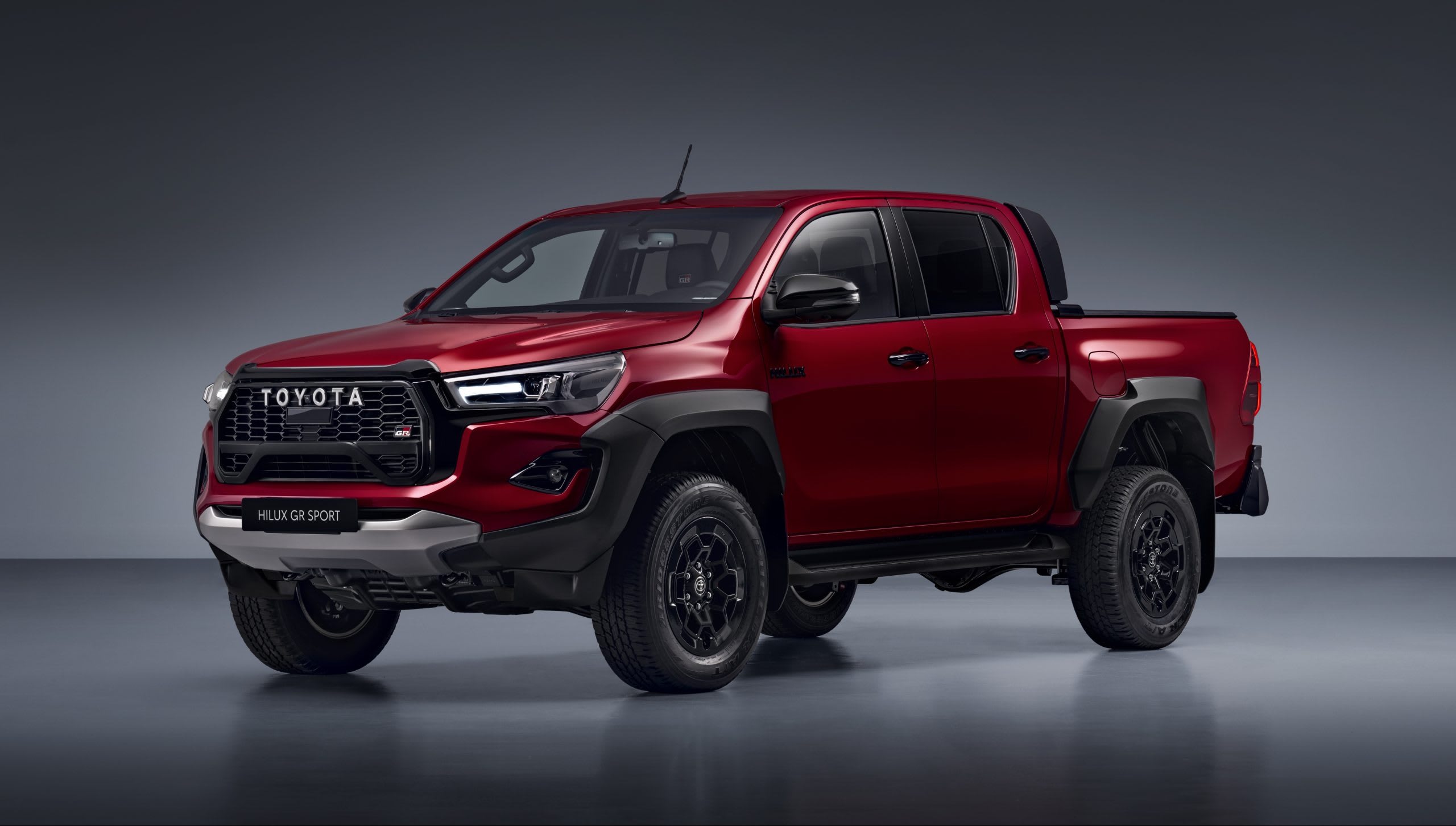
The Toyota Hilux is another vehicle famous for its durability. Its steel body and corrosion-resistant coatings allow it to survive long-term exposure to the elements. The chassis is reinforced, and the suspension is designed for heavy use, which prevents structural damage when the vehicle is left idle.
Abandoned Hilux trucks often retain doors that open correctly and panels that hold their shape, even after years of exposure to rain and sunlight. The interior is simple but resilient. Seat materials, dashboards, and door panels are engineered to withstand heat and moisture.
This ensures that the cabin remains usable and components do not crumble or break apart. Mechanically, the Hilux uses straightforward engines and transmissions that are less vulnerable to corrosion and failure when idle. Fuel systems and drivetrains are designed for longevity, which means they can endure periods of abandonment with minimal maintenance.
Abandoned Hilux trucks are often restored with basic repairs. Oil changes, battery replacement, and tire inflation are usually sufficient to return them to working condition. The vehicle’s simplicity, combined with durable construction and protective coatings, explains why it is frequently found in functional condition even after years in fields.
Collectors and farmers value abandoned Hilux trucks because their survival ability reduces restoration costs and effort. The combination of strong steel, corrosion-resistant materials, simple mechanical systems, and durable interiors makes the Hilux one of the most enduring vehicles ever produced.
11. Jeep Cherokee XJ
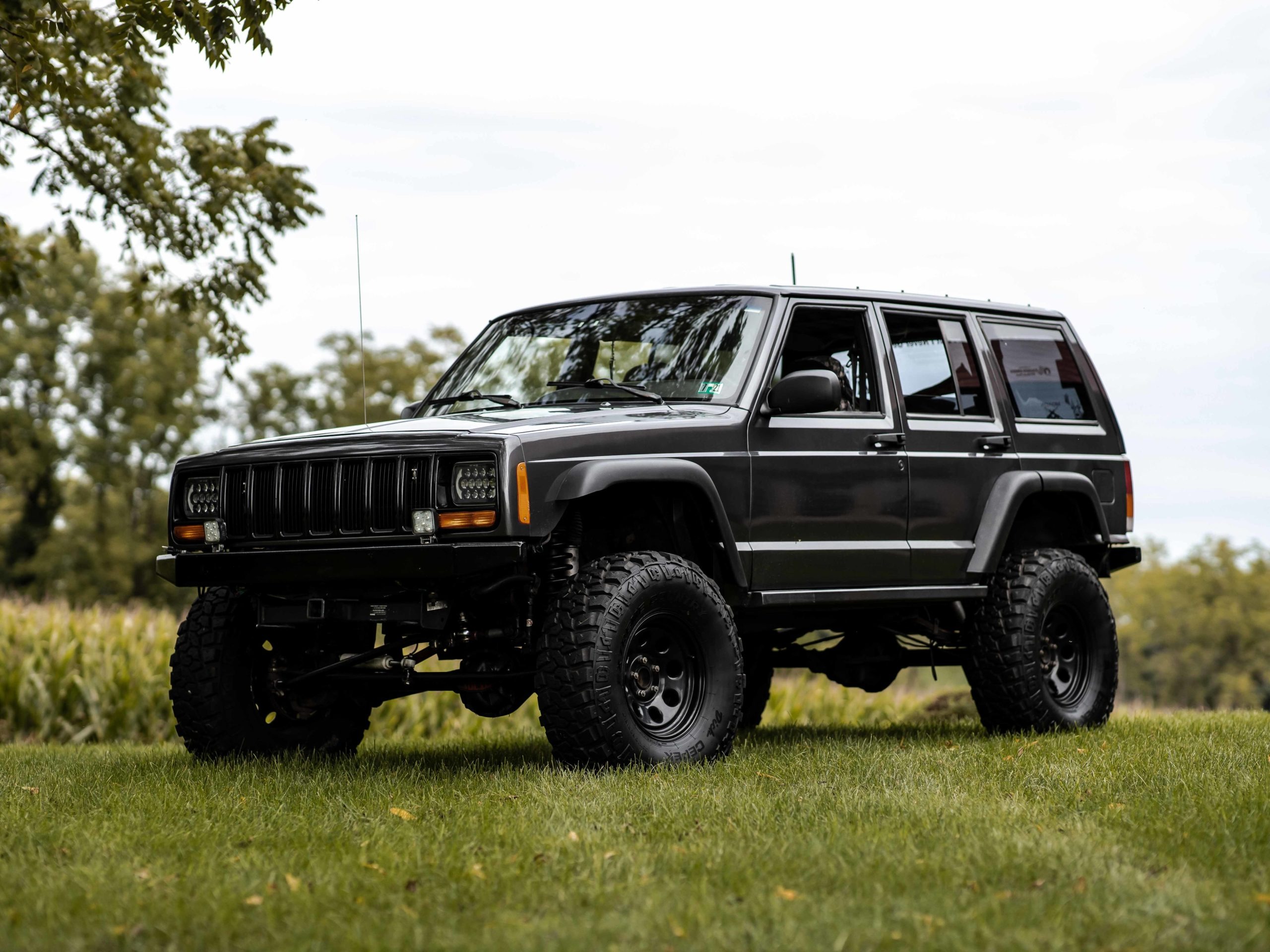
The Jeep Cherokee XJ is known for its durability and adaptability, which allows it to survive long-term abandonment. Its unibody construction is reinforced and corrosion-resistant, preventing structural deterioration. The suspension and drivetrain are designed to handle rough areas, meaning they do not fail easily when the vehicle sits idle.
Even when left in fields with mud, rain, and heat exposure, Cherokee XJs often retain operational components and maintain structural integrity. The interior materials are resilient. Seats, dashboards, and door panels are built to withstand environmental challenges, preventing disintegration or cracking.
Electrical systems are sealed to avoid water damage, allowing the vehicle to remain functional despite prolonged neglect. The engine and transmission are simple and robust, which means they can endure long periods without use and still operate once basic maintenance is performed.
Collectors often find abandoned Cherokee XJs with minimal rust and functioning interiors. With routine maintenance such as oil changes, battery replacement, and tire inflation, these vehicles frequently return to working condition.
The combination of durable construction, corrosion-resistant materials, resilient interior components, and robust mechanical systems makes the Cherokee XJ a strong survivor. Its longevity is a testament to practical engineering designed for endurance in both urban and rural environments.
12. Toyota Tacoma
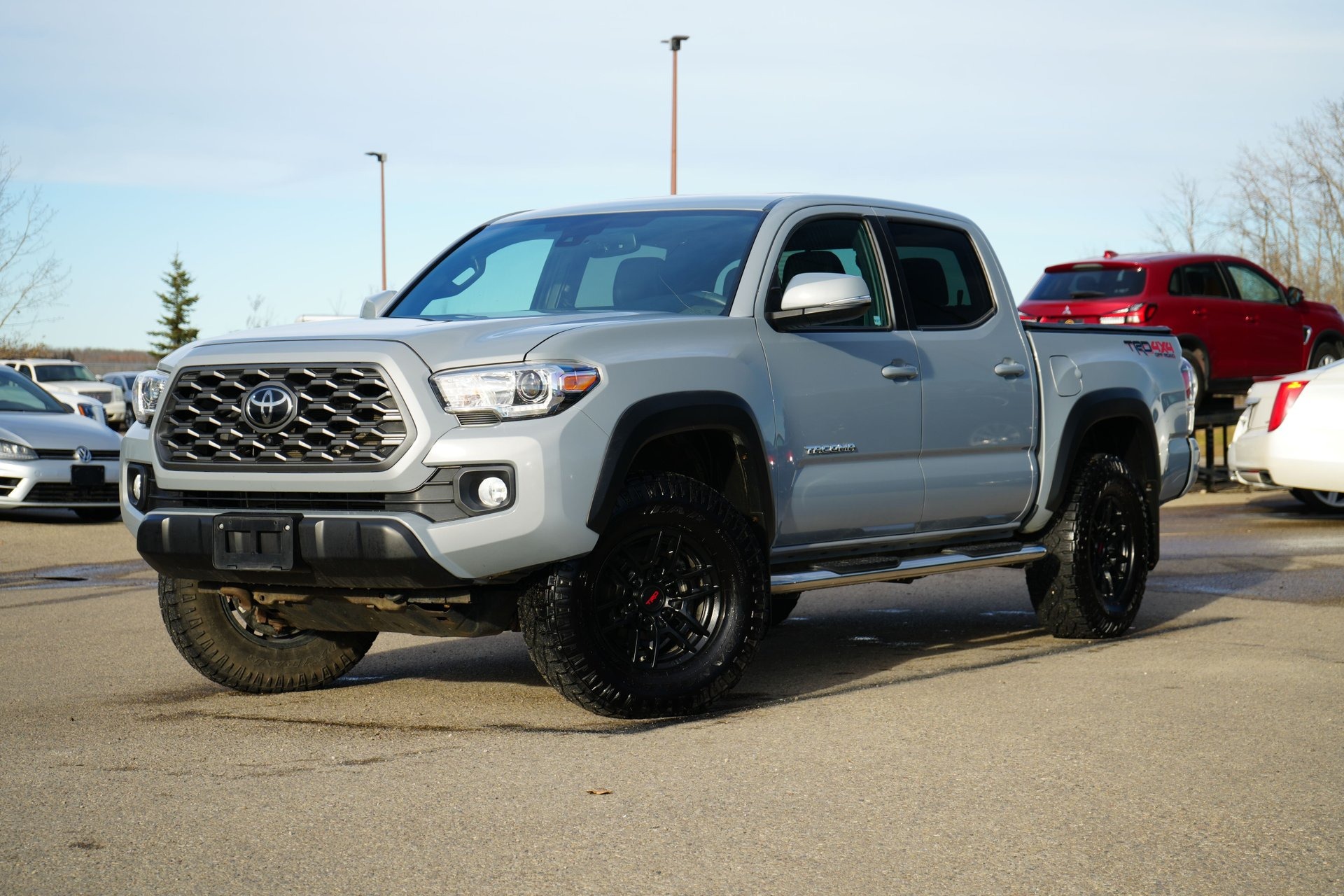
The Toyota Tacoma is a compact pickup truck designed for durability, which explains its ability to survive in abandoned fields. Its steel body is treated to resist rust, and the chassis is reinforced to endure rough areas. Suspension components are built to carry heavy loads without bending or breaking, which prevents structural damage after a while.
Many abandoned Tacomas maintain doors that operate correctly and panels that remain straight, even after years of exposure to sun, rain, and mud. Interior materials are durable, ensuring that seats, dashboards, and panels do not deteriorate quickly. Electrical systems are simple and sealed, reducing the risk of corrosion and malfunction.
Mechanically, the Tacoma uses engines and transmissions designed for longevity, meaning that idle periods do not really affect performance. Fuel systems, brakes, and drivetrains remain mostly intact even after prolonged abandonment.
Restoration of abandoned Tacomas is relatively straightforward. Routine maintenance, such as battery replacement, fluid changes, and tire inflation, often restores full operational capacity.
The combination of corrosion-resistant materials, robust construction, resilient interiors, and reliable mechanical systems explains why the Tacoma survives where many other trucks fail. Collectors and enthusiasts value abandoned Tacomas because they require minimal effort to restore, proving the truck’s reputation for endurance and reliability.
