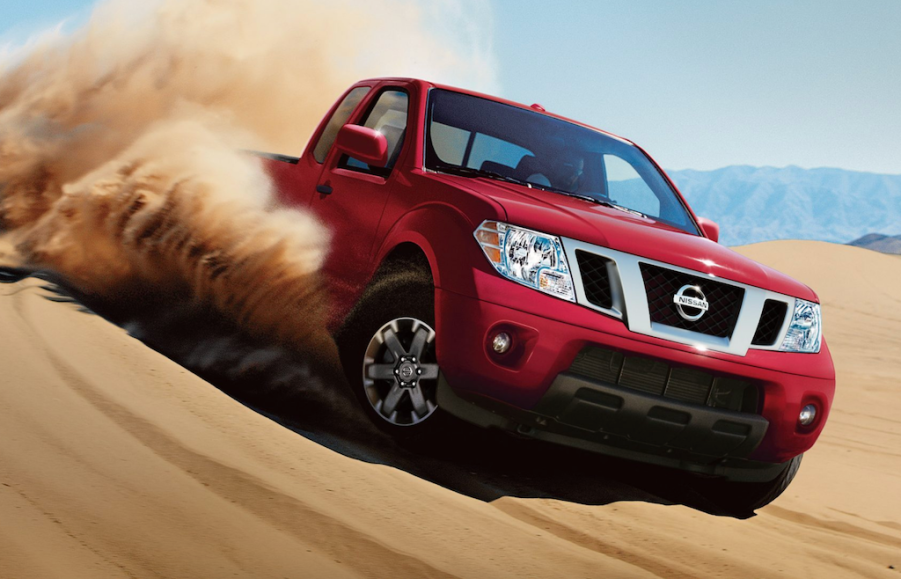
When it comes to pickup trucks, reliability is often the deciding factor for buyers who depend on their vehicles for work, recreation, and daily commuting.
Some pickups consistently deliver dependable performance year after year, earning high marks from J.D. Power and NHTSA ratings, while others struggle with recurring mechanical, electronic, and safety issues that result in frequent recalls.
Understanding these contrasts can help prospective buyers make informed decisions. In this guide, we explore five pickups with excellent reliability records, including models like the 2023 Jeep Gladiator, 2019 Nissan Frontier, and 2024 Ford Ranger, highlighting their strong performance, safety, and durability.
Conversely, we examine five pickups notorious for endless recalls, such as the Ford F-150 and Nissan Titan, revealing the challenges of balancing innovation, complex electronics, and mass production.
By comparing these two sides of the spectrum, readers can see how design philosophy, engineering, and quality control influence long-term dependability in the competitive pickup segment.
5 Pickups With Excellent Reliability Records
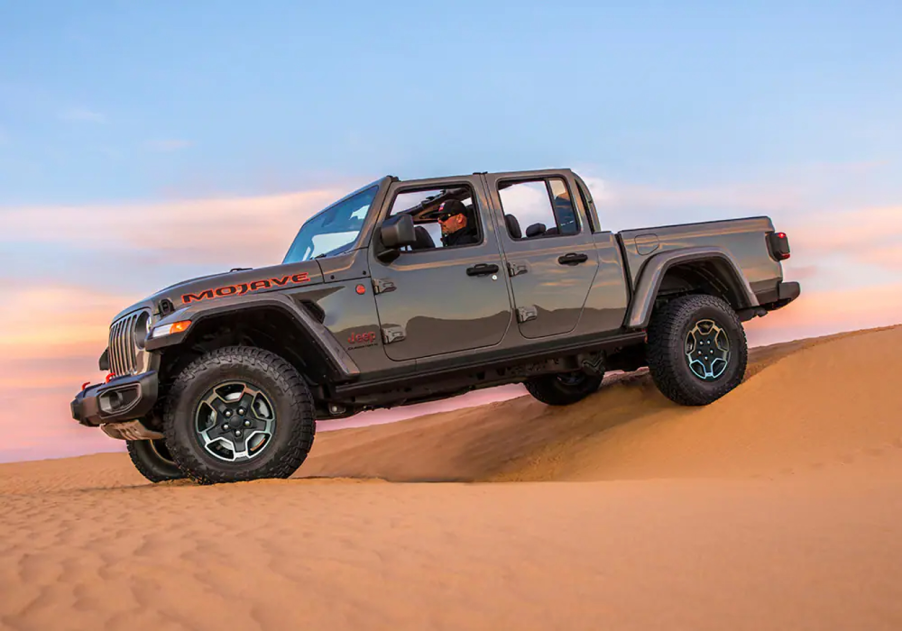
1. 2023 Jeep Gladiator: Reliability, Performance, and Features
The 2023 Jeep Gladiator stands out as the most reliable model year since its reintroduction in 2020. With a J.D. Power Quality and Reliability score of 87, it reflects strong dependability within the midsize pickup segment. The truck has faced four recalls and 21 NHTSA complaints, translating to 0.38 complaints per 1,000 units sold.
Reported issues mainly involve the electrical system and gas tank, but there are no ongoing investigations. The 2023 Gladiator demonstrates a steady improvement in Jeep’s pickup lineup.
The Gladiator nameplate returned in 2020 after a 32-year absence since Jeep’s last pickup, the Comanche, was discontinued in 1992. This model is essentially a pickup version of the Jeep Wrangler, retaining its adventurous spirit and rugged capability.
Positioned uniquely in the midsize segment, it caters to those who prioritize off-road performance and utility over everyday comfort. While competitors like the Chevrolet Colorado and Toyota Tacoma offer smoother driving experiences, the Gladiator excels in extreme conditions.
For 2023, Jeep introduced the Freedom special edition package for the Sport trim. This package adds LED lighting, body-colored fender flares, a steel bumper, rock rails, black wheels, and all-terrain tires, enhancing both durability and style.
Small updates were also made across other trims. The lineup continues to balance street-oriented versions with trail-ready trims such as the Rubicon and Mojave, which are tailored for rock crawling and desert driving.
Equipped with a V6 engine, the Gladiator achieves 0–60 mph in 8.5 seconds, slower than some rivals but sufficient for everyday use. The automatic transmission shifts quickly, and the truck demonstrates excellent traction and clearance off-road.
The longer wheelbase reduces agility compared to the Wrangler, but still delivers impressive capability on rugged terrain. On highways, handling is less precise due to oversized tires and a solid front axle, requiring more driver input than smoother-handling competitors.
Ride comfort is limited by the solid-axle suspension, leading to noticeable bumps, wind intrusion, and road noise. However, supportive seats, a strong climate control system, and rear passenger vents enhance cabin livability.
Inside, the Gladiator scores 7.5/10 with well-arranged controls, excellent visibility, ample rear-seat space, and convertible functionality. Storage options remain a drawback, with small compartments and minimal indoor solutions.
The Gladiator earns high marks for technology with an 8/10 rating. Its infotainment system combines responsive touchscreen controls with physical knobs, making it user-friendly. Available driver assistance features function well, and the optional premium audio system provides crisp sound.
On the utility front, the Gladiator offers strong towing and payload capacity, a thoughtfully designed bed, and adaptable rear seating for cargo or child seats. The narrow body limits rearward visibility when towing wide trailers, making aftermarket mirrors a practical addition.
Fuel efficiency is one of the Gladiator’s weaker points, rated 6/10. The V6 version averages 19 mpg combined, which aligns with other midsize 4WD trucks but lacks a more economical engine option.
Value is rated 6.5/10: while solidly built, the Gladiator is priced higher than many competitors. A manual transmission is standard, which appeals to enthusiasts but increases cost for those preferring an automatic. Warranty coverage is average compared to the segment.
The 2023 Jeep Gladiator delivers distinctive off-road capability and rugged styling, making it ideal for drivers who seek adventure and utility. It trails some rivals in comfort, handling, and efficiency, yet its reliability improvements, versatile trims, and convertible pickup design establish it as a standout choice for buyers prioritizing capability above refinement.
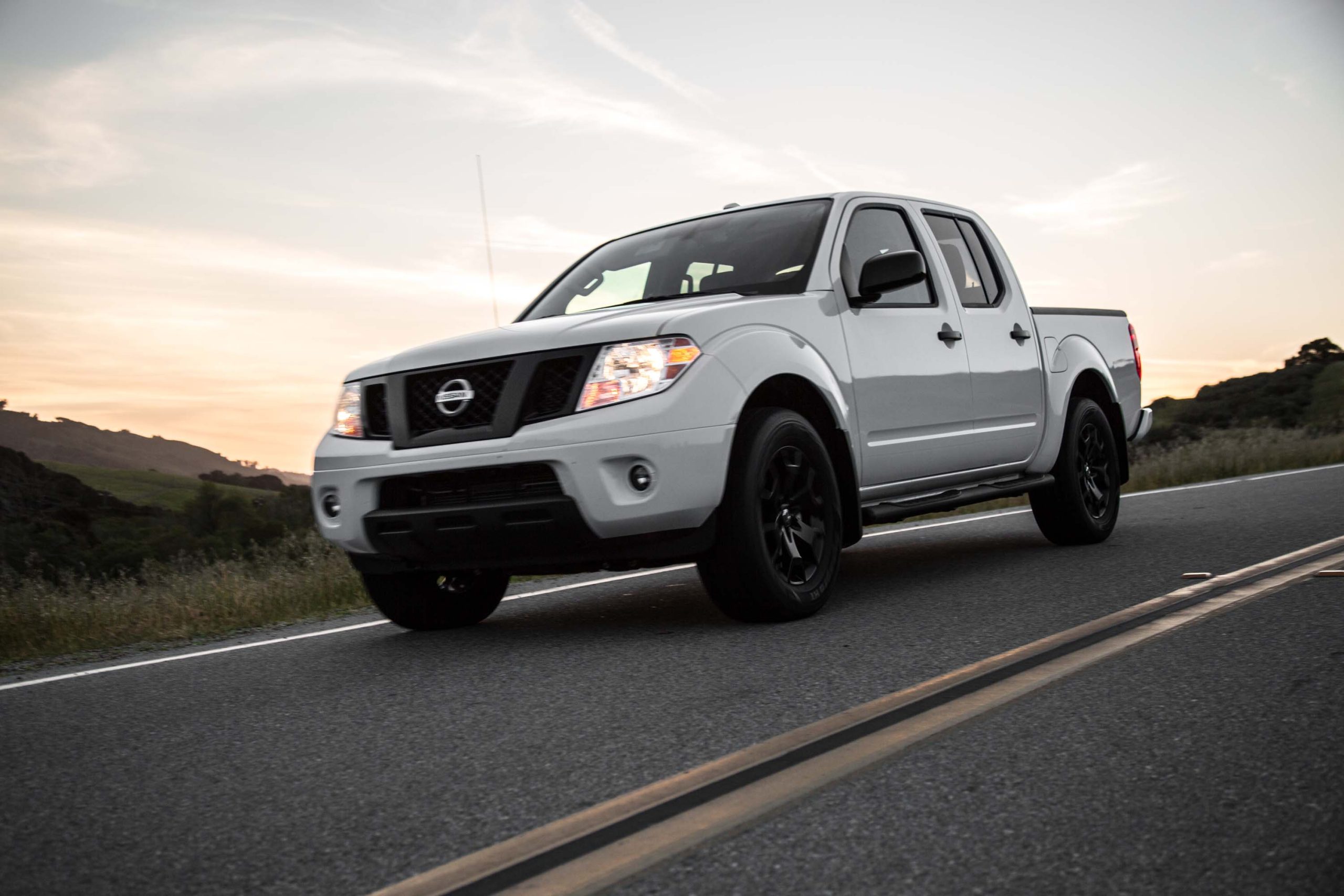
2. 2019 Nissan Frontier: Rugged Reliability with Old-School Charm
The 2019 Nissan Frontier maintains a strong reputation for dependability, earning a J.D. Power Quality and Reliability score of 87. It experienced just one recall, involving the backup camera, and posted a very low 0.23 NHTSA complaints per 1,000 units sold, the second-lowest rate among midsize pickups after the Toyota Tundra.
While earlier models had occasional issues with airbags or the electrical system, the 2019 edition is regarded as one of the most trouble-free midsize trucks of its era.
For many years, the Frontier was essentially a rebadged version of the global Nissan Navara. The 2019 model marked the tail end of the second-generation D40 platform, which dated back to 2005.
Despite its aging design, Nissan’s “if it ain’t broke, don’t fix it” philosophy kept the Frontier competitive by emphasizing simplicity and durability. While rivals like the Chevrolet Colorado, GMC Canyon, Honda Ridgeline, and Toyota Tacoma pushed modern tech and comfort, the Frontier stayed true to its utilitarian roots.
Changes for 2019 were limited. Base trims gained a larger touchscreen, and the stylish Midnight Edition package returned, adding blacked-out exterior accents. Beyond these tweaks, the truck’s design, technology, and powertrain remained virtually unchanged, underscoring just how dated the Frontier was by the end of its production cycle.
The Frontier earned mixed marks for driving. Its 4.0-liter V6 engine produced 261 horsepower and 281 lb-ft of torque, giving it more punch than numbers suggest. It posted a 0–60 mph time of 8 seconds, reasonably quick for a midsize truck. The five-speed automatic transmission may be old, but it pairs well with the engine, offering responsive throttle and a nimble feel in traffic.
Handling scored 7/10 thanks to compact dimensions and predictable stability. However, steering was sloppy and lacked precision, earning only 5/10. Braking also lagged behind rivals, needing 135 feet to stop from 60 mph, which is long even for a truck. Despite these shortcomings, the Frontier shone off-road, especially in the Pro-4X trim, boasting 8.9 inches of clearance and strong approach/departure angles.
Inside, the Frontier is basic but not punishing. It earned 7/10 for comfort, thanks to long suspension travel that smoothed most road imperfections. Ride quality felt softer than some rivals, though wind and tire noise were noticeable. Seats were supportive but plain, lacking adjustments and modern ergonomic design. Rear seating was cramped with upright backrests, making long rides uncomfortable.
The climate control system was refreshingly simple, with three knobs and effective heating and cooling. Some trims added dual-zone climate and heated seats, but reminders of the truck’s age, like old LCD readouts, were everywhere.
With a 7/10 interior rating, the cabin offered durability and straightforward functionality over luxury. Physical buttons made controls intuitive, while wide-opening doors and step rails eased entry. The upright seating position gave drivers good visibility, though oversized rear headrests hindered the rear view. Build quality was solid despite the dated look, and the interior felt tough enough to withstand heavy use.
Utility was practical but modest compared to newer competitors. The short bed limited large hauling jobs, though Nissan’s cleats and tie-down rails added versatility. Towing ranged from 6,100 to 6,500 pounds, below rivals like the Ford Ranger (7,500) and Jeep Gladiator (7,650). Payload capacity was also low, maxing at just over 1,000 pounds for popular crew cab 4×4 models.
Small-item storage was limited, but under-seat cubbies, flip-up cushions, and molded holders for tools and bottles provided some flexibility. The rear cab space worked for small cargo or child seats, though tight legroom made it less family-friendly.
The tech rating was 6/10, reflecting how outdated the Frontier was by 2019. The infotainment system was basic, with only one USB port, Bluetooth, and no Apple CarPlay or Android Auto. Navigation was optional on higher trims, and audio quality was surprisingly good for a simple stereo.
Driver assistance technology was nearly absent. The Frontier offered a rearview camera and optional parking sensors, but lacked modern aids such as blind-spot monitoring, automatic braking, or adaptive cruise control features that had become common in rivals.
The 2019 Nissan Frontier represents the final chapter of a truck that resisted modernization for nearly 15 years. Its strengths lie in rock-solid reliability, playful off-road ability, affordable pricing, and simple usability. Yet it trails modern midsize pickups in technology, towing, safety features, and interior refinement.
For buyers seeking a no-frills truck with proven durability and surprising comfort in daily use, the 2019 Frontier remains a solid choice. But shoppers looking for advanced tech, higher towing capability, or more refined cabins would be better served by newer competitors or the fully redesigned Frontier that debuted in 2020.
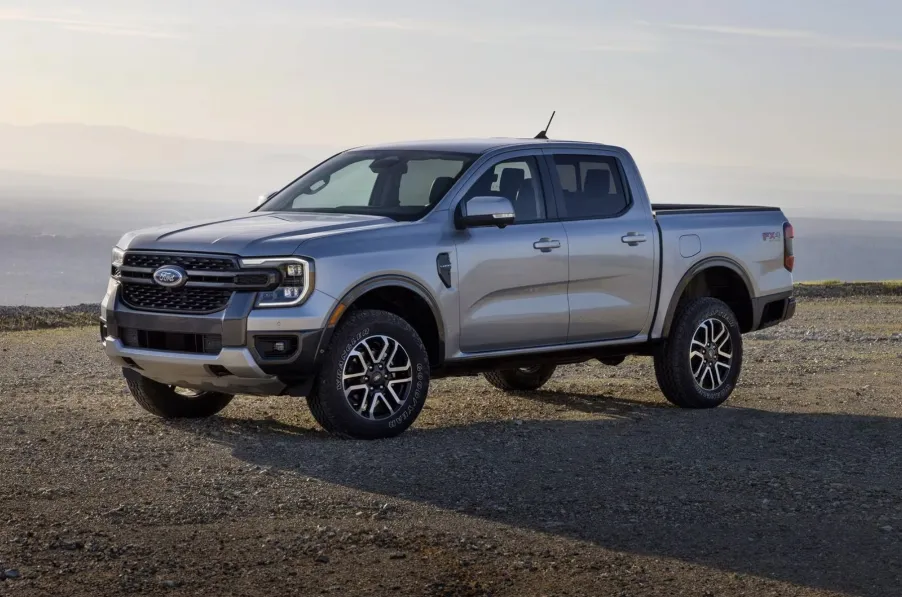
3. 2024 Ford Ranger: A Redesigned Midsize Contender
The 2024 Ford Ranger earns a J.D. Power Quality and Reliability score of 87, reflecting strong dependability. For this model year, only one recall has been issued, related to faulty power windows, and there are no NHTSA complaints on record.
The 2023 Ranger, which shares the same reliability score, was affected by two recalls, one for incorrect load-capacity labels and another for potentially loose lug nuts, the latter being a serious safety concern. In addition, 11 NHTSA complaints were logged for the 2023 model, with many centered on transmission issues. By contrast, the 2024 redesign positions the Ranger as a safer, more refined pickup.
The Ranger nameplate returned to the U.S. market in 2019 after an eight-year hiatus, reestablishing Ford’s presence in the midsize truck segment beneath the F-Series. The 2024 Ranger represents a full redesign, marking a new generation that focuses on improved comfort, capability, and modern technology.
Ford has simplified the lineup by offering the Ranger exclusively as a crew cab with a short bed. A notable addition is the Ranger Raptor, a hardcore off-road model designed to compete with adventure-ready pickups like the Jeep Gladiator Rubicon and Toyota Tacoma TRD Pro.
With a base turbocharged four-cylinder engine, the Ranger delivers impressive results. At the Edmunds test track, the four-wheel-drive Ranger Lariat accelerated from 0–60 mph in 6.7 seconds, beating a comparable Toyota Tacoma by a full second. A more powerful V6 option drops the time further to 6.2 seconds, making the Ranger one of the quickest in its class.
On the road, the truck feels stable and controlled, with steering that offers just the right balance of weight and responsiveness. The Ranger is easy to keep steady on highways and maneuverable in tighter spaces like parking lots. While low-speed driving can feel slightly sluggish, power delivery for merging and passing is plentiful.
The Ranger earns 8/10 for comfort, with ride quality that stands out in the midsize segment. Suspension tuning ensures a smoother ride than most rivals, and the front seats provide ample support for long journeys.
The Raptor trim enhances comfort with bolstered seats that also improve security during off-road driving. Noise levels are a minor drawback: the four-cylinder engine sounds coarse at full throttle, though this trait is common among turbocharged midsize trucks.
Inside, the Ranger impresses with a cabin rated 8/10. Front passengers enjoy excellent space, with wide seats and steering adjustments making it easy to find a comfortable driving position. Visibility is superior to most competitors’ thanks to the truck’s low hood. Rear legroom lags behind roomier rivals like the Honda Ridgeline or Jeep Gladiator, but remains serviceable for children or occasional adult passengers.
Controls are logically arranged, with frequently used features placed within easy reach. The central touchscreen is clear and responsive, though climate controls buried within the screen can be distracting to use while driving. Quick-access buttons for features like the camera system improve usability.
Technology is a standout feature, earning the Ranger an 8.5/10. Wireless Apple CarPlay and Android Auto integration come standard, and switching between smartphone mirroring and the native infotainment interface is seamless.
Driver assistance features also shine: lane-keeping aids, adaptive cruise control, and the available surround-view camera work smoothly and unobtrusively. Off-roaders will especially appreciate the forward-facing camera that projects tire paths on the screen to help navigate obstacles.
Utility receives high marks at 8.5/10. Despite being offered only with a short bed, the Ranger makes the most of its layout. Ford widened the bed to allow 4-foot-wide sheets of plywood to fit flat between the wheel wells, and the maximum payload capacity reaches 1,805 pounds, one of the best in its class.
Maximum towing capacity is 7,500 pounds, slightly below the Chevrolet Colorado’s 7,700, but supported by Ford’s advanced Pro Trailer Backup Assist system, which makes reversing with a trailer significantly easier. A new integrated step in the frame, rather than the bumper, enhances bed access.
The Ranger’s fuel economy earns 8/10. The base four-cylinder engine achieves an EPA-estimated 22 mpg combined, which is average for the class. During testing, results closely matched official ratings. The V6 option reduces efficiency slightly to 20 mpg combined, but offers a noticeable performance boost.
With an 8/10 rating for value, the Ranger is competitively priced against its rivals, though trims tend to cost slightly more than the Chevrolet Colorado. Buyers get their money’s worth with better cabin materials, modern tech, and refinement that surpasses the Toyota Tacoma. For those seeking a balance of capability, comfort, and technology, the Ranger delivers strong value even at a higher starting price.
The 2024 Ford Ranger emerges as one of the strongest entries in the midsize pickup segment. Its combination of quick acceleration, smooth ride quality, excellent towing tech, and advanced driver assistance systems makes it highly competitive.
While rear legroom is limited and pricing runs a little higher, the Ranger’s redesign gives buyers a truck that feels both modern and versatile, with reliability that matches its rivals. For those seeking a capable daily driver that can still handle off-road fun or serious towing duties, the 2024 Ranger is a top contender.
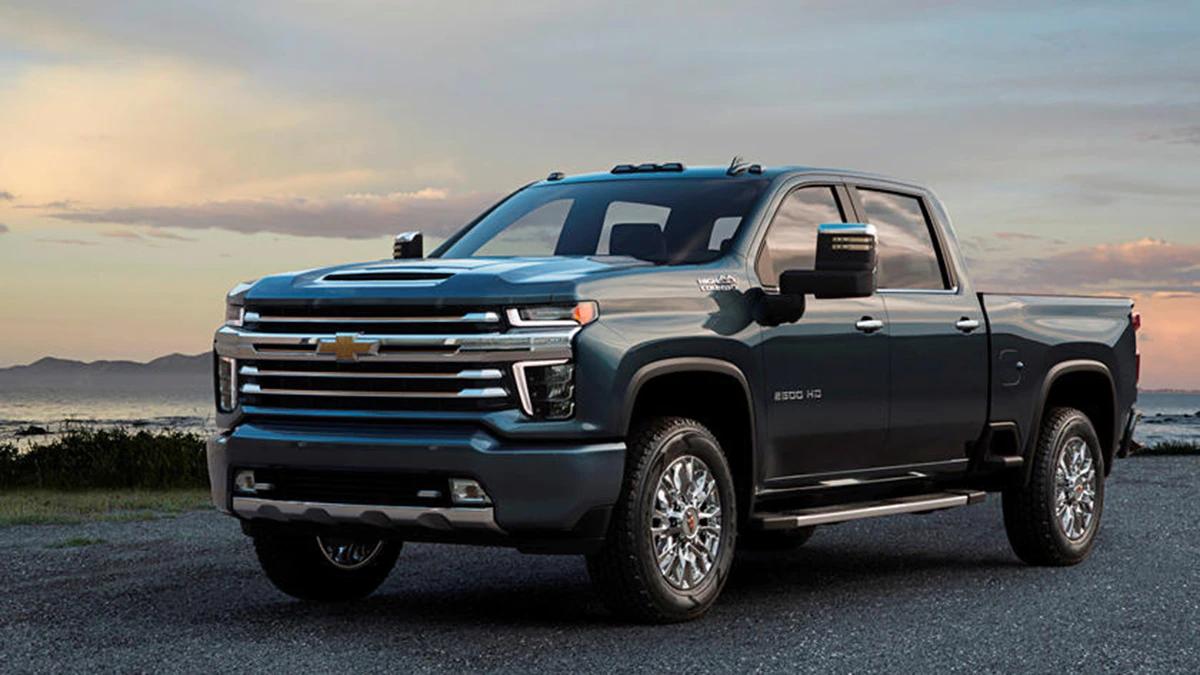
4. 2023 Chevrolet Silverado 2500HD: Heavy-Duty Powerhouse
The 2023 Chevrolet Silverado 2500HD earns a strong J.D. Power Quality and Reliability score of 88, making it one of the most dependable heavy-duty pickups available. This model year carries just one recall, tied to a faulty tailgate latch that also affects the 2024 version, and nine NHTSA complaints have been filed, most of which point to electrical issues. Despite these, the truck maintains a reputation for solid reliability within its class.
Sitting between the light-duty Silverado 1500 and the more capable Silverado 3500, the 2500 occupies the middle ground in Chevrolet’s truck hierarchy. The Silverado 1500 debuted in 2019, while the heavy-duty models followed a year later in 2020.
The 2500 is designed for buyers whose needs outgrow the lighter half-ton but do not quite require the full capacity of the 3500, making it a versatile option for both demanding work and recreational hauling.
The Silverado 2500 distinguishes itself with its rugged construction, including a reinforced frame, heavy-duty suspension, and a choice of two powerful engines.
A 6.6-liter gasoline V8 delivers 401 horsepower and 464 lb-ft of torque through a six-speed automatic transmission, while an optional 6.6-liter turbo-diesel V8 produces 445 horsepower and an enormous 910 lb-ft of torque paired with a 10-speed automatic.
Depending on configuration, the truck can carry nearly two tons of payload and tow more than 18,500 pounds, a significant jump from the Silverado 1500 and well within the competitive range of the Ford F-250 and Ram 2500.
Chevrolet allows buyers to tailor the 2500 to their needs with three cab sizes, two bed lengths, and either two- or four-wheel drive. Five trims are available, ranging from the basic Work Truck and Custom to the more refined LT, LTZ, and High Country. Not all combinations are offered across trims, but the variety ensures options for both work-focused and luxury-minded customers.
While its capability is impressive, the Silverado 2500 does show weaknesses compared to its rivals. The interior design feels dated when placed alongside the Ram 2500 and Ford F-250, and the high hood can limit forward visibility in tight spaces. Still, for buyers who value strength, durability, and heavy-duty performance above all else, the 2023 Silverado 2500HD delivers.
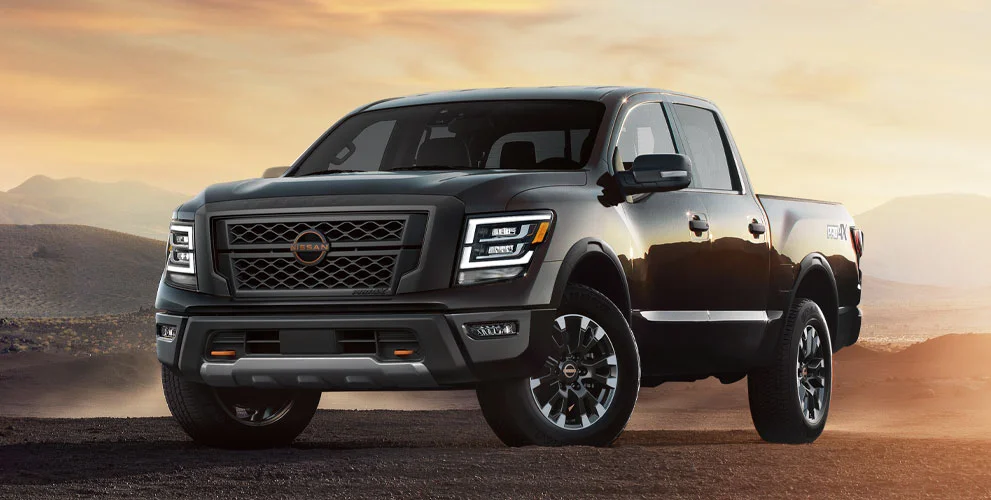
5. 2024 Nissan Titan: A Reliable Yet Outdated Full-Size Pickup
The 2024 Nissan Titan earns a J.D. Power Quality and Reliability score of 88, tying it with the Chevrolet Silverado for one of the top spots in the segment. Despite this, its future is limited, as Nissan has confirmed the Titan will be discontinued after 2024, ending production with this final model year.
The truck has two recalls, both related to airbags, and only three NHTSA complaints, which mainly involve powertrain issues. For a full-size pickup, this is a relatively low number of complaints, underscoring the Titan’s dependability.
Every Titan comes with a standard V8 engine paired with a nine-speed automatic transmission, a rarity in a segment increasingly focused on turbocharged six-cylinder options and hybrid systems. On the road, the Titan accelerates from 0 to 60 mph in 7.5 seconds, which is adequate but unremarkable given the V8’s presence.
Power delivery is smooth, yet the truck’s sheer size and heavy steering reduce maneuverability in tight spaces. Braking also demands a firm press, and the Titan’s weight is noticeable on winding roads, making it less agile than rivals like the Ram 1500 or Ford F-150.
Where the Titan does better is comfort. The suspension absorbs bumps and uneven pavement with ease, giving passengers a smooth ride. The front seats are wide, cushioned, and supportive, making long drives more pleasant. Automatic climate control works quickly to cool or heat the cabin, although loud fan operation and persistent wind noise reduce refinement, particularly at highway speeds.
Inside, the Titan’s cabin layout is straightforward, with large buttons, a column-mounted shifter, and intuitive controls. While hard plastics are abundant, higher trims add soft-touch surfaces and wood accents for a more upscale feel.
Passenger space is strong up front and acceptable in the rear, though competitors offer more generous accommodations. Visibility is mixed: the driving position provides a commanding view of the road, but large blind spots remain a concern even with convex mirrors, making the blind-spot warning system especially useful.
Technology is an area where the Titan holds its ground. A standard 9-inch touchscreen with Apple CarPlay and Android Auto ensures connectivity, though the display struggles with glare from polarized sunglasses, and the rearview camera quality looks dated.
The optional Fender audio system offers only average performance. Safety Shield 360 comes standard, bringing adaptive cruise control, blind-spot monitoring, and lane departure warning, making the Titan competitive in active safety. The NissanConnect app adds further value by offering live concierge support and remote services.
The Titan offers plenty of cabin storage but lacks the clever organizational touches found in rivals like the Ram 1500. Maximum towing capacity stands at 9,290 pounds with a maximum payload of 1,710 pounds, both of which are adequate but below segment leaders.
The bed is functional and easy to access, giving the Titan some practical appeal. Fuel economy is another weak spot. With four-wheel drive, the Titan averages 17 mpg combined, roughly on par with other V8 trucks, but the absence of a more efficient engine option makes it less flexible for buyers prioritizing economy.
The Titan’s biggest challenge lies in its value proposition. It isn’t significantly cheaper than competitors, yet it offers fewer engine choices, less towing and hauling capacity, and a dated design.
While it provides comfort, reliability, and standard V8 power, these strengths are not enough to offset its shortcomings in technology, fuel efficiency, and practicality. For buyers seeking a dependable truck that stands apart from the crowd, the 2024 Titan is worth considering, but with its discontinuation imminent, alternatives from Ford, Ram, and Chevrolet may be wiser long-term investments.
Also Read: 5 Cars With Reliable Sunroofs and 5 That Leak Water
5 Pickups With Endless Recalls
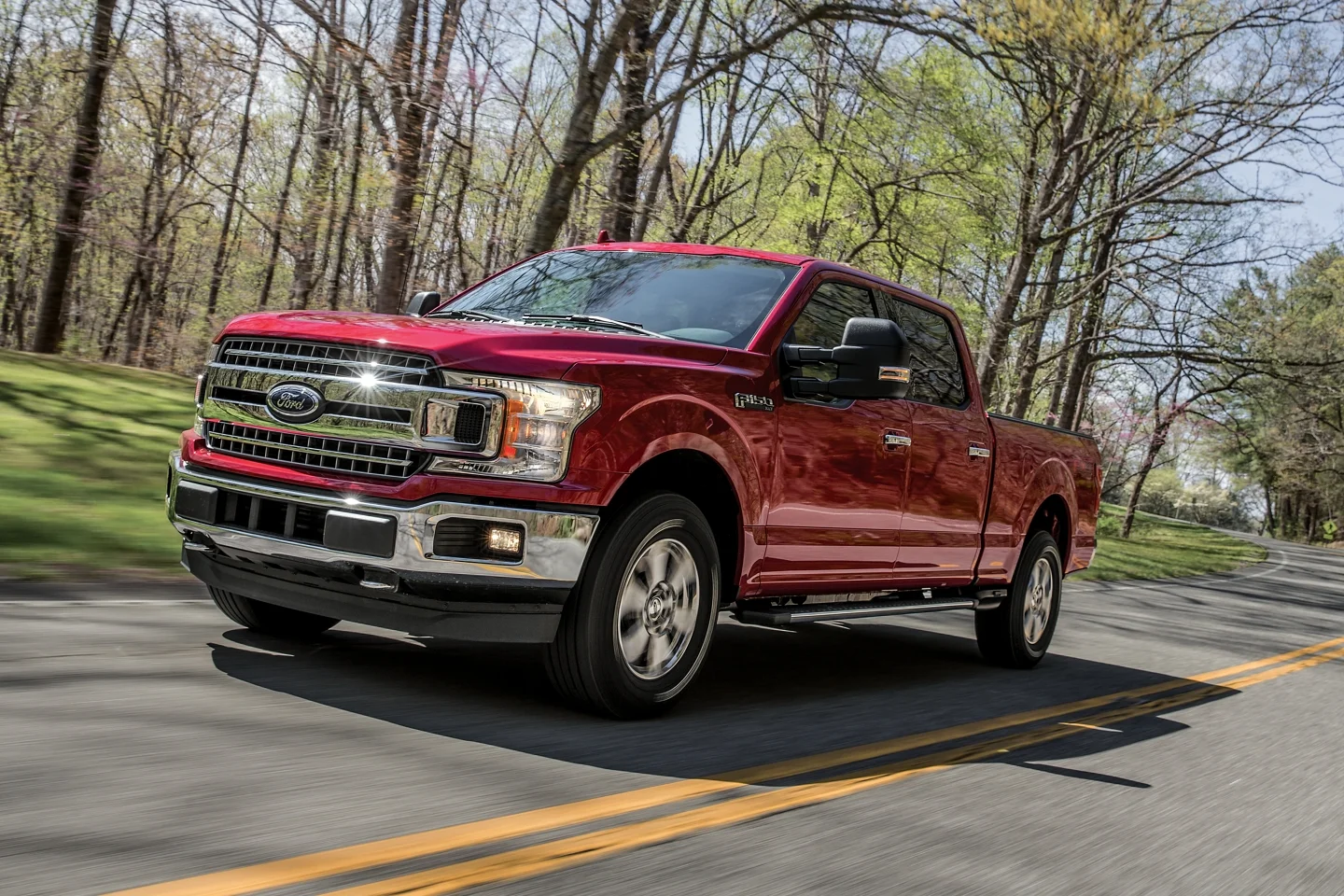
1. Ford F-150: Innovation and Recall Challenges
The Ford F-150 stands as the most iconic and best-selling pickup truck in North America, boasting a legacy of decades. However, its sheer production volume has inevitably made it prone to frequent recall campaigns.
Even minor defects affecting a small fraction of vehicles can balloon into large-scale recalls due to the millions of units sold. Ford’s aggressive pursuit of innovation, whether through new lightweight materials, EcoBoost powertrains, hybrid integration, or the all-electric Lightning variant, has introduced both advantages and risks.
This commitment to pushing boundaries sometimes results in unforeseen issues that require recalls. Common concerns include airbags that fail to deploy, fuel system leaks posing fire risks, and electronic malfunctions tied to the F-150’s increasingly advanced software and sensor suite.
The truck’s vast trim and powertrain diversity, from V8s to hybrids, adds to its complexity and the likelihood of isolated recalls. Despite these recurring issues, Ford has remained proactive in issuing recall notices quickly, leveraging its dealership network to provide timely fixes.
While its recall record may surpass some competitors, the F-150’s enduring popularity, capability, and aftermarket support demonstrate that recalls, though inconvenient, have not dented consumer loyalty or its dominance in the pickup segment.
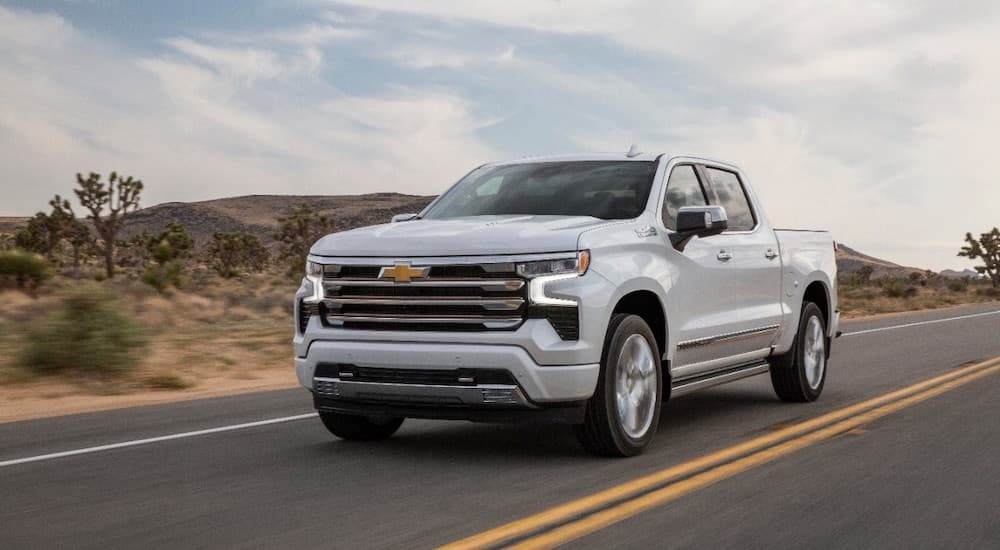
2. Chevrolet Silverado 1500: Technology Meets Vulnerabilities
The Chevrolet Silverado 1500, General Motors’ flagship pickup, has mirrored the F-150 in both sales volume and recall exposure. Produced in massive numbers, it has faced recalls tied to airbags, wiring harnesses, and fuel systems, with airbag inflators and sensors being notable recurring concerns.
Some recalls have focused on electrical shorts that risk fire hazards or engine shutdowns, underscoring the challenges of mass production. Furthermore, Silverado models have occasionally suffered from transmission and engine defects impacting performance and emissions compliance.
A key recall driver has been the introduction of advanced driver-assist technologies. Systems such as automatic emergency braking, adaptive cruise control, and lane-departure warning have enhanced safety but added complexity, leading to software glitches and calibration errors.
These recalls illustrate a broader automotive trend: as trucks grow more automated and electronic, software-related vulnerabilities rival traditional mechanical defects. Despite this, Silverado continues to thrive as a market leader, praised for its strong towing capacity, interior comfort, and versatile configurations.
Chevrolet’s reputation for addressing recalls swiftly and keeping owners informed has been central to maintaining trust. Thus, while recalls have been frequent, the Silverado’s reputation for durability, performance, and flexibility remains intact, cementing its place as a mainstay of the U.S. truck market.
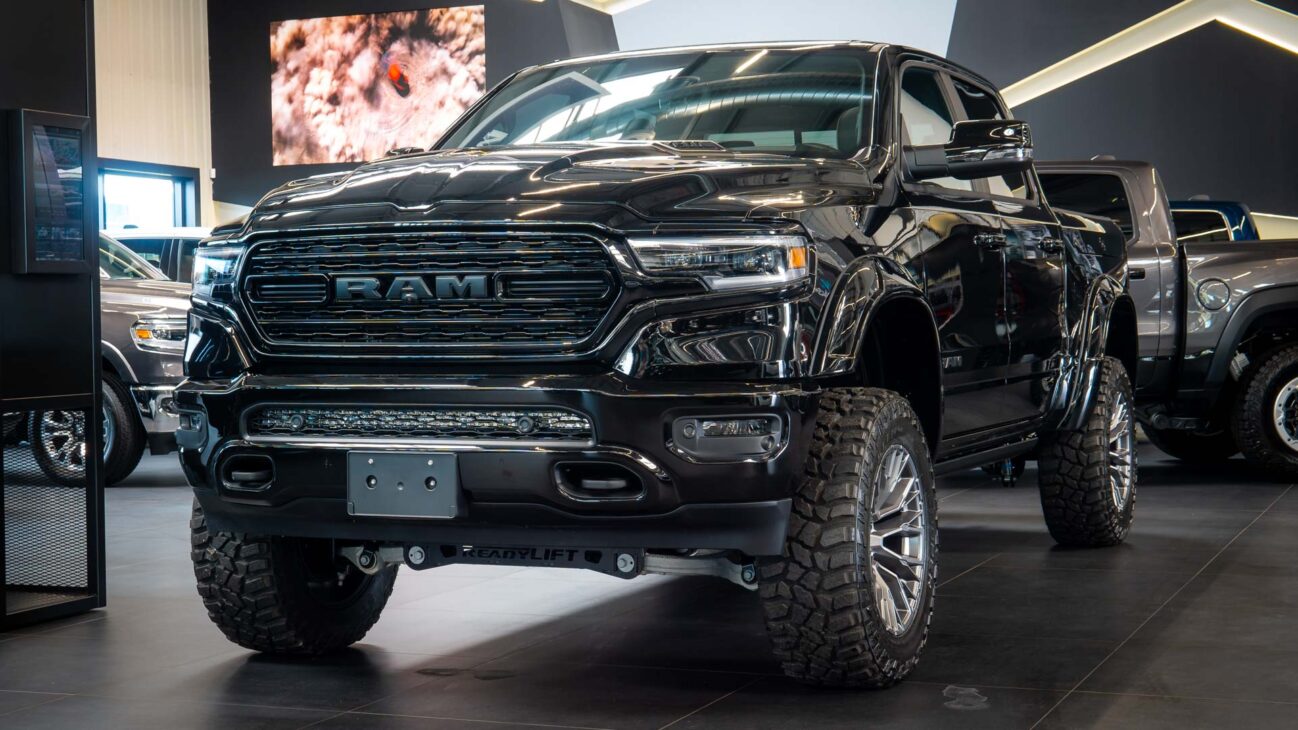
3. Ram 1500: Balancing Power and Safety Recalls
The Ram 1500, produced by Stellantis, has built its reputation on muscular engines, refined interiors, and innovative features. Yet, like its rivals, it has faced numerous recalls over the years, some highly publicized. Ram recalls often stem from safety-critical systems, such as airbags, seat belts, and brakes.
Faulty inflators, brake line corrosion, and hydraulic failures have prompted campaigns aimed at preventing severe safety risks. Beyond mechanical systems, the Ram 1500’s advanced technology, including electronic stability control and Uconnect infotainment, has occasionally suffered from vulnerabilities.
Software glitches, security flaws, and infotainment crashes have triggered recalls, reflecting the tension between innovation and reliability. The truck’s powertrain diversity, spanning HEMI V8s, diesels, and mild-hybrid systems, has also produced isolated recall cases, particularly related to emission controls and fuel delivery.
Despite these setbacks, Ram maintains a devoted fan base drawn to its balance of strength and luxury. The company addresses recalls with transparency, often offering loaner vehicles and comprehensive repairs, minimizing customer frustration.
While its recall numbers are significant, Ram’s sales momentum and critical acclaim show that buyers prioritize performance and comfort over occasional reliability issues. As the brand continues refining its lineup, its commitment to both safety and innovation underscores why the Ram 1500 remains a competitive force in the pickup market.
4. GMC Sierra 1500: Premium Design, Shared Risks
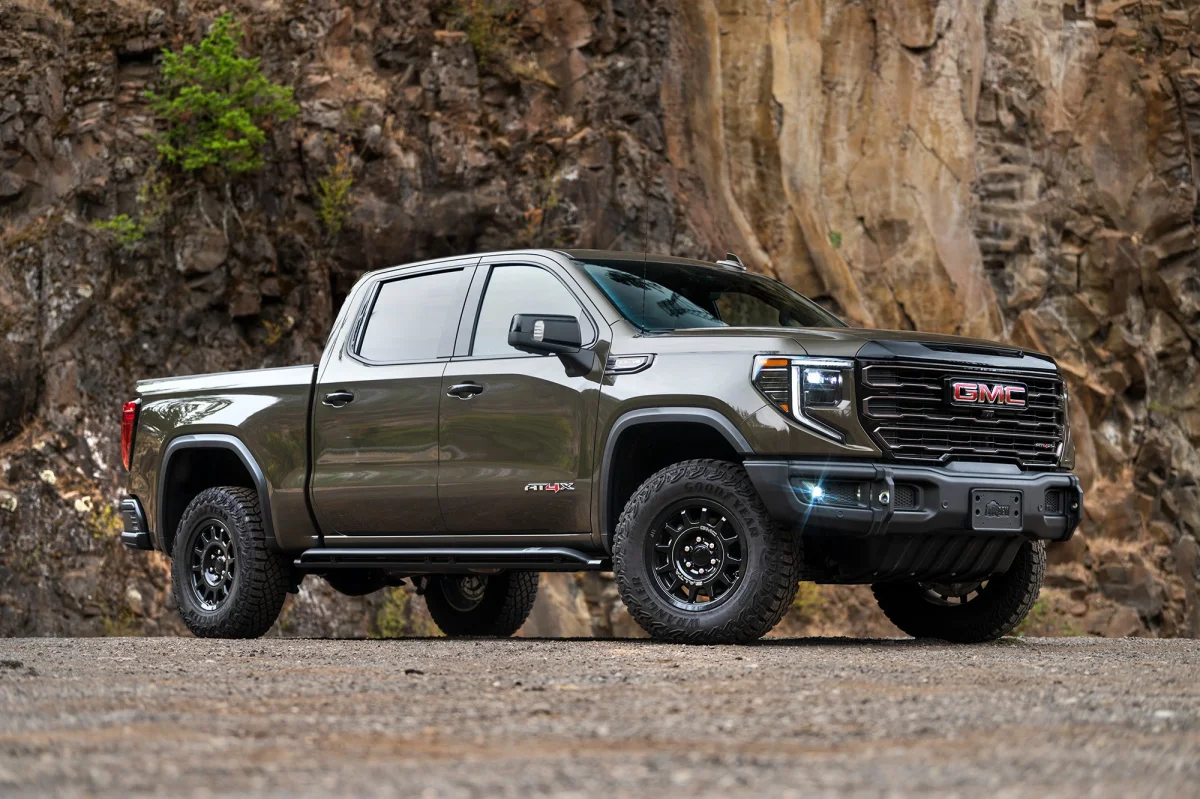
The GMC Sierra 1500, the upscale sibling of the Chevrolet Silverado, shares platforms, components, and, consequently, many recall histories with its GM counterpart. While marketed as a premium, feature-rich pickup, the Sierra has experienced recalls tied to airbags, electrical systems, and fuel components.
Widespread airbag inflator defects have plagued the industry, and the Sierra is no exception, with millions affected. Electrical wiring issues have occasionally posed risks of fire or unexpected shutdowns, spurring recall campaigns.
Adding to its challenges, the Sierra integrates advanced convenience and safety technologies, such as heads-up displays, lane-keeping assist, and parking sensors. While these features enhance appeal, they also heighten complexity, leading to software bugs or hardware failures requiring fixes.
GMC’s strategy has been consistent with GM’s larger approach: prompt recalls, targeted repairs, and frequent software updates to preserve customer confidence. Despite facing these recurring challenges, the Sierra distinguishes itself through its refined design, upscale trims, and towing capability, carving a niche among buyers who want both luxury and utility.
Customer loyalty remains strong, thanks in part to GMC’s focus on service quality and dealer responsiveness. In short, while its recall profile mirrors that of the Silverado, the Sierra’s premium positioning allows it to maintain a resilient market presence and consumer appeal.
5. Nissan Titan: Struggles with Reliability Amid Competition
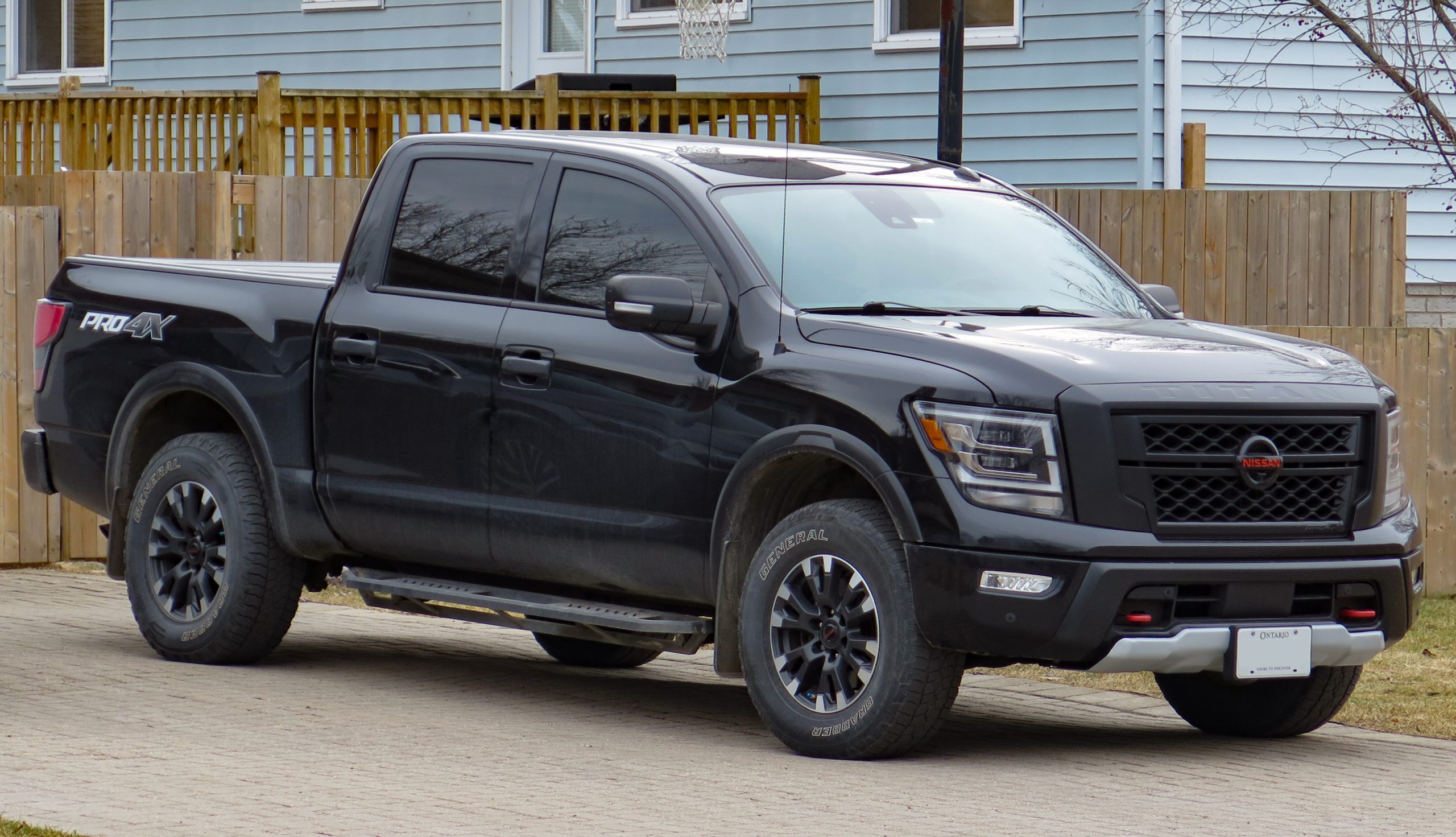
The Nissan Titan entered the U.S. pickup market with ambitions to rival the Detroit giants but has faced greater challenges with recalls relative to its smaller production volume. Titan recalls frequently involve engine and transmission issues, reflecting Nissan’s ongoing efforts to refine its V8 powertrains and automatic gearboxes.
Problems such as faulty fuel injectors, emission system faults, and software glitches have necessitated recalls, occasionally affecting its reputation for dependability. Safety-related recalls have also been significant, particularly those involving airbags, braking systems, and steering components, all critical for driver protection.
Additionally, electronic issues ranging from infotainment glitches to sensor calibration failures have plagued certain Titan models, requiring software patches or hardware replacements. These recurring issues highlight the difficulties of balancing innovation and reliability, especially for a brand competing against entrenched American leaders.
Nonetheless, Nissan continues to refine the Titan, with each new generation bringing improvements in durability and features. While its recall frequency remains high, Nissan’s proactive responses demonstrate a commitment to customer safety and satisfaction.
The Titan remains a solid choice for buyers seeking an alternative to domestic brands, even if its market share is smaller. In essence, the Titan underscores how challenging it is for a newcomer to achieve both innovation and reliability in the fiercely competitive full-size truck market.
The comparison between highly reliable pickups and those plagued by recurring recalls underscores the critical role of engineering, testing, and maintenance in vehicle longevity.
Trucks like the 2023 Jeep Gladiator, 2019 Nissan Frontier, and 2024 Ford Ranger demonstrate that a focus on durability, straightforward design, and thoughtful technology integration can yield dependable vehicles with minimal issues.
On the other hand, models such as the Ford F-150, Chevrolet Silverado 1500, and Nissan Titan highlight how ambitious innovation, advanced electronics, and large-scale production can introduce vulnerabilities, resulting in frequent recall campaigns. For buyers, understanding these differences is essential for aligning priorities, whether that’s cutting-edge features or proven reliability.
Ultimately, the pickup market offers choices that cater to both ends of the spectrum, rewarding those who value stability and performance, while reminding consumers to weigh potential recall risks when selecting a truck for the long term.
Also Read: 5 Cars That Last With Minimal Maintenance vs 5 That Demand Constant Care