Hybrids have come a long way since their early days of skepticism and experimentation. Today, they’re no longer niche vehicles but practical options for commuters, families, and eco-conscious drivers alike. Still, not all hybrids are created equal when it comes to ownership costs.
While some models are designed with durability, shared parts, and straightforward maintenance in mind, others pack in complex technology, luxury features, and proprietary systems that can turn routine upkeep into a financial nightmare.
Choosing the right hybrid isn’t just about fuel savings it’s also about long-term reliability and repair costs. In this guide, we’ll explore five hybrids that shine as budget-friendly workhorses and five that could drain your wallet with expensive repairs and scarce parts.
Whether you’re shopping for your first hybrid or weighing options for long-term ownership, understanding which models offer real value and which ones are best avoided can make all the difference.
5 Hybrids That Are Cheaper To Maintain
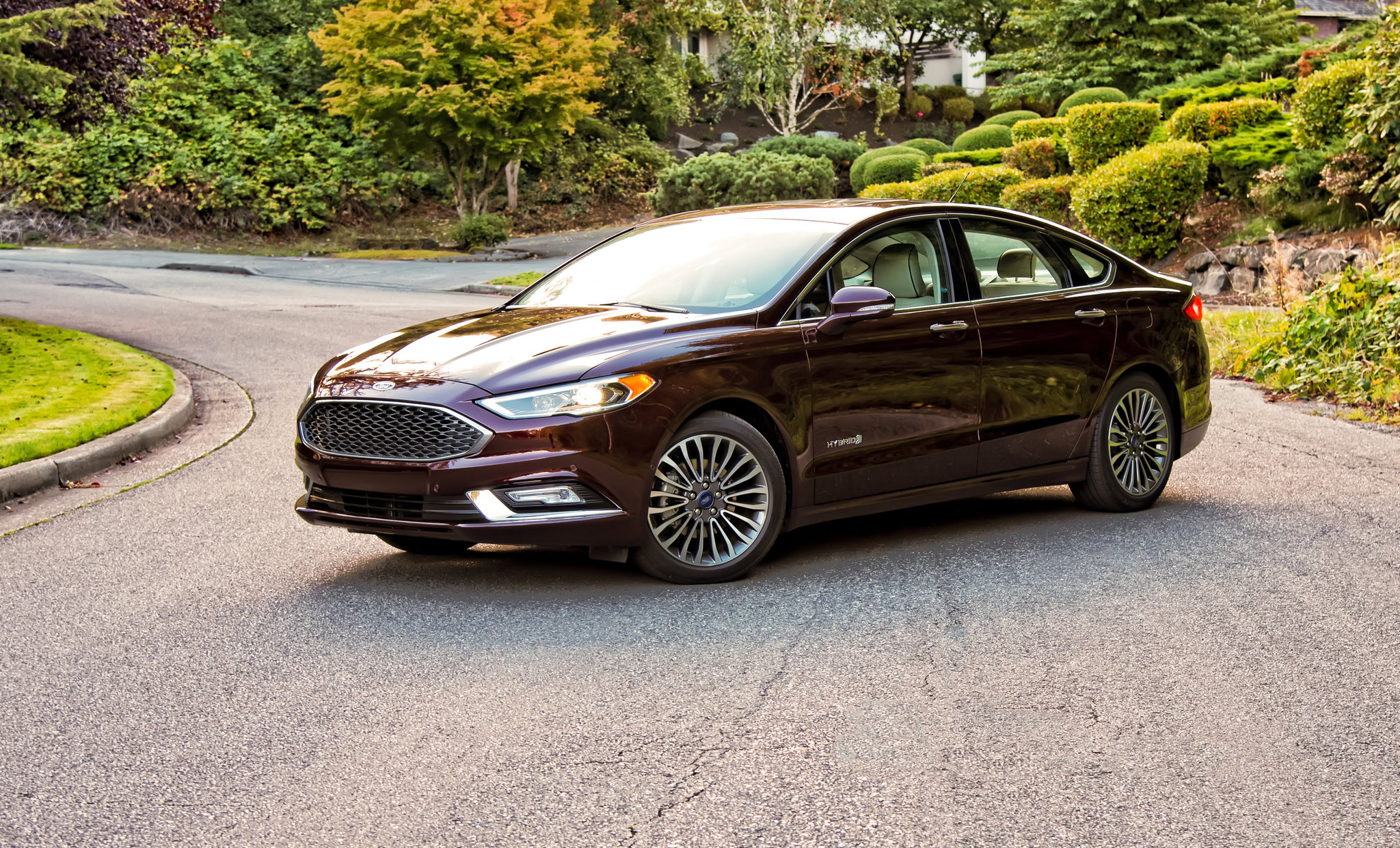
1. Ford Fusion Hybrid: Blending Familiarity with Hybrid Efficiency
The Ford Fusion Hybrid entered the market at a time when many American hybrids were struggling to earn trust. By leaning on technology co-developed with Toyota, Ford created a hybrid sedan that felt reassuringly familiar rather than experimental.
This foundation allowed the Fusion Hybrid to build a reputation for durability and affordability. Its hybrid battery packs typically last for years, issues with the motor and transmission are rare, and maintenance costs stay low thanks to shared parts with the standard Fusion sedan.
What makes the Fusion Hybrid stand out is its lack of gimmicks. It looks and drives like a conventional midsize sedan, avoiding the odd quirks of early hybrids. For many buyers, that sense of normalcy made it easier to embrace hybrid ownership without hesitation.
Behind the wheel, the Fusion Hybrid is not designed for speed but delivers enough performance for daily needs. Its 0–60 mph time of about 9 seconds places it squarely in the average range for the class.
The transition from electric to gasoline power can feel abrupt, yet the system still provides smooth and predictable driving. Braking is a highlight, with regenerative and friction braking blending seamlessly something that some competitors struggled to refine.
The Fusion Hybrid is also more enjoyable on winding roads than one might expect. Steering inputs are sharp and body roll is well-controlled, though the steering itself feels numb. This balance gives the car a planted feel without sacrificing its comfort-first identity.
If the Fusion Hybrid has one standout trait, it is comfort. The seats are supportive for long trips, and the suspension absorbs most imperfections in the road. While its body can feel floaty over larger dips, the ride is generally supple. Double-pane windows and the hybrid system’s quiet operation help keep the cabin serene, though the engine does sound coarse under heavy acceleration.
Passenger space is generous. Adults in both rows have plenty of legroom, and features such as rear air vents add to the appeal for families. In this sense, the Fusion Hybrid delivers something many early hybrids did not: midsize sedan comfort with hybrid efficiency.
Inside, the Fusion Hybrid’s layout is spacious and intuitive. The driver’s seat adjusts to fit nearly any body type, and most drivers will find outward visibility good. A thick rear roof pillar does create a noticeable blind spot, but safety aids like blind-spot monitoring and rear parking sensors help mitigate the issue.
Where the Fusion shines is in practicality. The trunk offers 12 cubic feet of space modest, but aided by a folding rear seat and pass-through that add flexibility. Cabin storage is plentiful, with a deep armrest bin, large cupholders, and trays for small items. Families will also appreciate the roomy rear bench, though child-seat anchors are buried deep in the upholstery and can be frustrating to access.
Ford’s Sync 3 infotainment system is widely considered one of the easiest to operate in its segment. Menus are responsive, smartphone integration is seamless, and natural voice controls add convenience. Standard Apple CarPlay and Android Auto ensure compatibility, though limited USB ports and a less impressive optional sound system are weak spots.
Fuel economy is rated at 42 mpg combined, with real-world driving often matching that figure. This places the Fusion Hybrid behind segment leaders like the Camry and Accord hybrids but keeps it competitive with rivals from Hyundai and Kia.
Value is another area of strength. Even base trims come with a long list of features, while higher trims offered rare options like ventilated front seats. Though warranty coverage is average, the Fusion Hybrid’s combination of features, comfort, and low ownership costs make it a compelling choice in the midsize hybrid sedan market.
The Ford Fusion Hybrid represents a successful blend of Toyota-influenced hybrid technology and Ford’s comfortable, midsize sedan design. It doesn’t boast the highest fuel economy or the sportiest dynamics, but it excels at providing a dependable, affordable, and approachable hybrid experience.
For families and commuters alike, it offered a reassuring step into hybrid ownership proving that practicality and efficiency could go hand in hand without sacrificing everyday comfort.
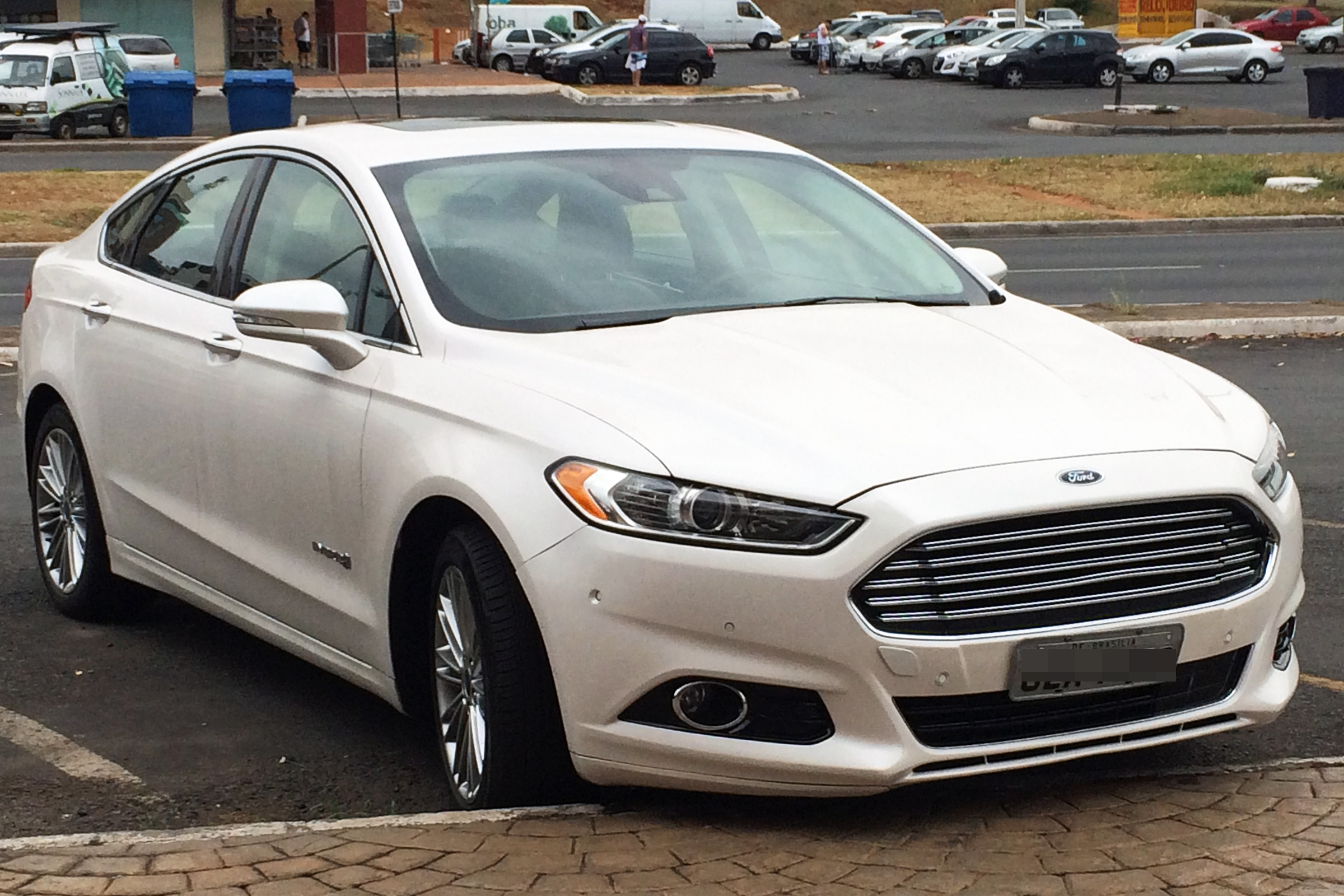
2. Toyota Prius: A Benchmark Hybrid That Keeps Delivering
The Toyota Prius has long been synonymous with reliability, and it continues to live up to that reputation. Owners regularly report surpassing 200,000 miles with few issues, especially when following routine maintenance schedules.
Toyota designed the Prius with long-term durability in mind, from its robust hybrid system to its surprisingly resilient battery packs. Early skepticism about battery replacement costs has faded, as many units last well beyond 10 years before needing attention.
Another advantage of the Prius’ longevity is familiarity. With more than two decades on the road, mechanics know the model inside and out. Parts are widely available, repairs are straightforward, and Toyota’s consistency across generations helps prevent unexpected failures. For city dwellers and rideshare drivers, this makes the Prius a dependable, low-cost workhorse that just keeps going.
The Prius’ headline feature has always been fuel economy, and the latest generation doesn’t disappoint. EPA testing places the front-wheel-drive LE trim at an impressive 57 mpg combined, making it the most efficient model in the lineup.
Opting for all-wheel drive trims fuel efficiency slightly to 54 mpg, while larger wheels on XLE, Nightshade, and Limited trims bring the figure down to 52 mpg. Even so, these numbers remain segment-leading and reflect the Prius’ ongoing mission: maximum miles per gallon with minimal compromise.
On the road, the Prius reliably matches its estimates. In real-world testing, the Limited FWD trim averaged 52.3 mpg, almost identical to the official EPA figure. Few vehicles deliver such consistency between advertised and actual results.
While efficiency dominates the Prius’ identity, its driving dynamics have improved. Acceleration from 0–60 mph takes 7.7 seconds, quicker than rivals like the Kia Niro but behind sportier hybrids such as the Honda Civic Hybrid.
Around town, the Prius feels smooth and composed, with seamless transitions between electric and gas power. The handling is stable, and while its economy tires don’t invite spirited driving, a set of grippier tires could unlock surprising agility.
It’s not a car designed for thrill-seekers, but it offers a refined, easy-to-drive character that suits commuters and eco-conscious buyers alike.
Comfort in the Prius is respectable, though not class-leading. The front seats provide adequate support for long journeys, and while the rear seats are serviceable, taller passengers may struggle with limited headroom. Ride quality is smooth over uneven pavement, but road and wind noise can intrude during acceleration.
Interior design is practical, with straightforward controls and a functional dashboard. However, the digital instrument cluster is cluttered and awkwardly positioned, sometimes obscured by the steering wheel. Rear visibility is another weak point due to the sharply raked rear glass and thick pillars, which may frustrate some drivers.
Where the Prius shines is in its technology suite. The available 12.3-inch touchscreen is crisp, responsive, and easy to navigate, while standard wireless Android Auto and Apple CarPlay integration add convenience. Multiple USB-C ports and a wireless charging pad are included, though the latter tends to overheat devices.
Toyota’s driver-assistance technology is equally impressive. Adaptive cruise control, lane-keeping assistance, and Proactive Driving Assist provide subtle yet effective support. Unlike some intrusive systems, Toyota’s aids feel natural, enhancing safety without distracting from the driving experience.
With 20.3 cubic feet of cargo space behind the rear seats, the Prius offers more practicality than most compact sedans, though it falls slightly short of SUV-style rivals. The hatchback layout makes it easy to load items, but the raised cargo floor eliminates the possibility of underfloor storage. Up front, clever storage spaces and large cupholders add to everyday convenience.
Toyota backs the Prius with strong warranty coverage, including 10 years/150,000 miles for the hybrid battery. Two years of complimentary maintenance further enhance value, and ownership costs remain low compared to many rivals.
That said, pricing for higher trims and all-wheel-drive variants pushes the Prius into competition with larger hybrids and even midsize sedans. While interior materials have improved, some hard plastics and lightweight doors remind buyers that the Prius is still, at its core, an economy-focused vehicle.
The Toyota Prius continues to dominate the hybrid space by excelling at what matters most: efficiency, dependability, and low ownership stress. It isn’t the flashiest or sportiest option, but it remains the benchmark for affordable hybrid motoring. For buyers who value substance over style and want a car that “just works,” the Prius is still one of the smartest choices on the road.

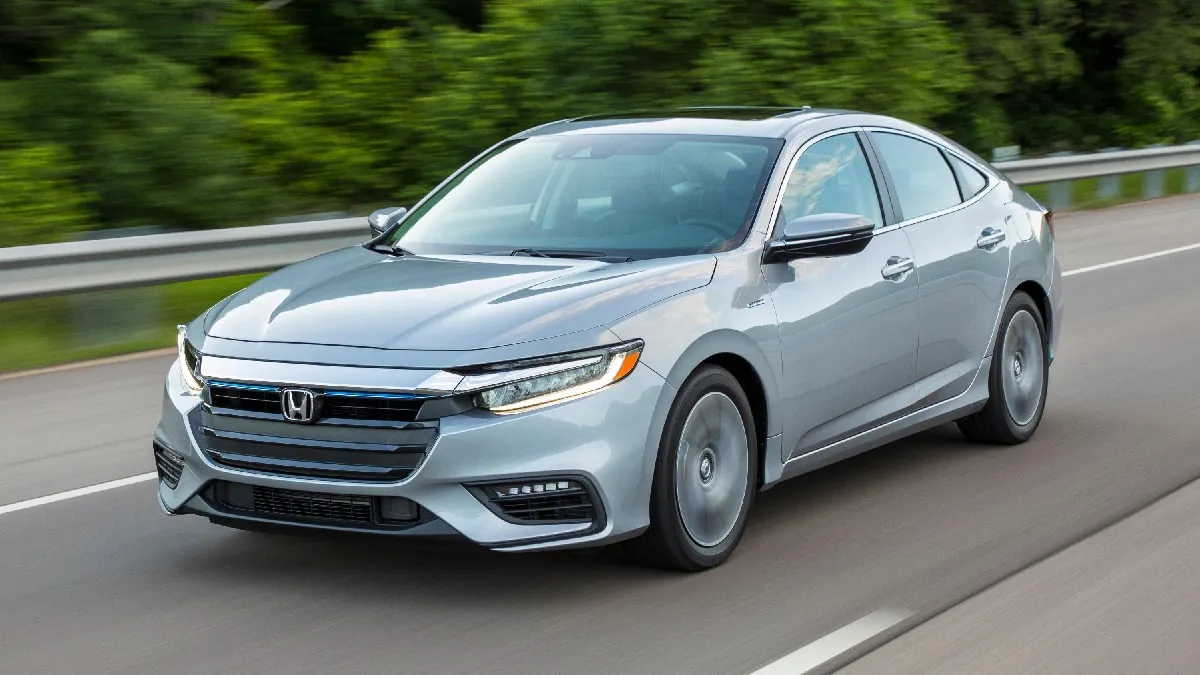
3. Honda Insight (Second Generation): A Reliable and Affordable Hybrid
The second-generation Honda Insight occupies a unique place in hybrid history. Unlike the more experimental first-generation or the high-tech versions that followed, this model prioritized straightforward engineering and affordability.
It shares many components with other Honda vehicles, making it less expensive to maintain compared to hybrids with more specialized systems. Owners regularly report excellent reliability, with many vehicles lasting well over 150,000 miles when given routine care.
One of its defining features is Honda’s Integrated Motor Assist (IMA) system. While not as advanced as Toyota’s hybrid synergy drive, the IMA system’s simplicity is a strength. Fewer components mean fewer potential failures, and repairs are often easier and cheaper. This practical approach makes the Insight a great choice for budget-conscious buyers seeking hybrid benefits without added complexity.
Battery replacement costs are often a concern with hybrids, but the Insight’s smaller pack is relatively inexpensive compared to rivals. Its lighter weight also helps efficiency. Honda’s broad service network and the availability of independent repair shops further reduce ownership costs.
On the used market, the Insight is one of the most affordable hybrids available. With low purchase prices, good fuel savings, and simple maintenance, it stands out as an economical option for drivers who want a dependable daily car.
Powering the Insight is a 1.3-liter four-cylinder gasoline engine paired with an electric motor and nickel-metal hydride battery. The system produces a combined 98 horsepower and 123 lb-ft of torque, delivered through a continuously variable transmission (CVT). Unlike full hybrids that can operate on electricity alone, the Insight’s gas engine is always engaged, with the motor providing additional power when needed.
Acceleration is modest, reaching 60 mph in about 10.8 seconds. This is on par with some compact hybrids but slower than conventional hatchbacks like the Volkswagen Golf TDI. Where the Insight shines is fuel efficiency: EPA estimates place it at 42 mpg combined (41 city/44 highway). While not record-breaking, this figure makes it one of the more efficient and economical hatchbacks of its era.
Safety features include antilock brakes, stability and traction control, front-seat side airbags, side curtain airbags, and active front head restraints. Higher trims offer a rearview camera when paired with navigation.
In crash testing, the Insight earned top “Good” ratings in several key categories, including frontal offset, side impact, and roof strength. Its head restraint design also scored well for whiplash protection. These results reinforce the model’s reputation as a secure and dependable hybrid.
On the road, the Insight behaves more like a conventional gas-powered car than many hybrids. Because the gasoline engine always propels the vehicle, it avoids the sometimes disconnected feel of hybrid systems that rely heavily on electric motors. Steering is precise, and the firm suspension provides better handling than some rivals, giving it an edge in driver engagement.
That said, the trade-off is comfort. The ride can feel too stiff over rough roads, and cabin noise is noticeable at highway speeds. Another quirk is the air-conditioning system, which shuts off with the engine at stoplights to save fuel. While efficient, this feature can frustrate drivers in hot weather.
Inside, the Insight keeps things simple. Base models are sparse, lacking a center console and offering only basic audio systems. However, controls are intuitive, and the eco-coaching displays stand out. These graphics encourage drivers to adopt fuel-efficient habits, with visual cues that change based on driving style.
The front seats provide decent comfort, but the rear bench suffers from limited head- and legroom, especially for taller passengers. Cargo space is practical: 15.9 cubic feet with seats upright and 31.5 cubic feet when folded. While competitive for a compact hatchback, rivals provide greater interior space..
The second-generation Honda Insight delivers what many hybrid buyers want most: affordability, reliability, and efficiency. Its straightforward design, manageable maintenance costs, and accessible pricing make it an appealing entry point into hybrid ownership.
While it doesn’t match the Toyota Prius in refinement or interior space, the Insight counters with simpler engineering and a slightly more engaging drive. For those seeking an economical and dependable hybrid without unnecessary frills, the Insight is a smart and enduring choice.
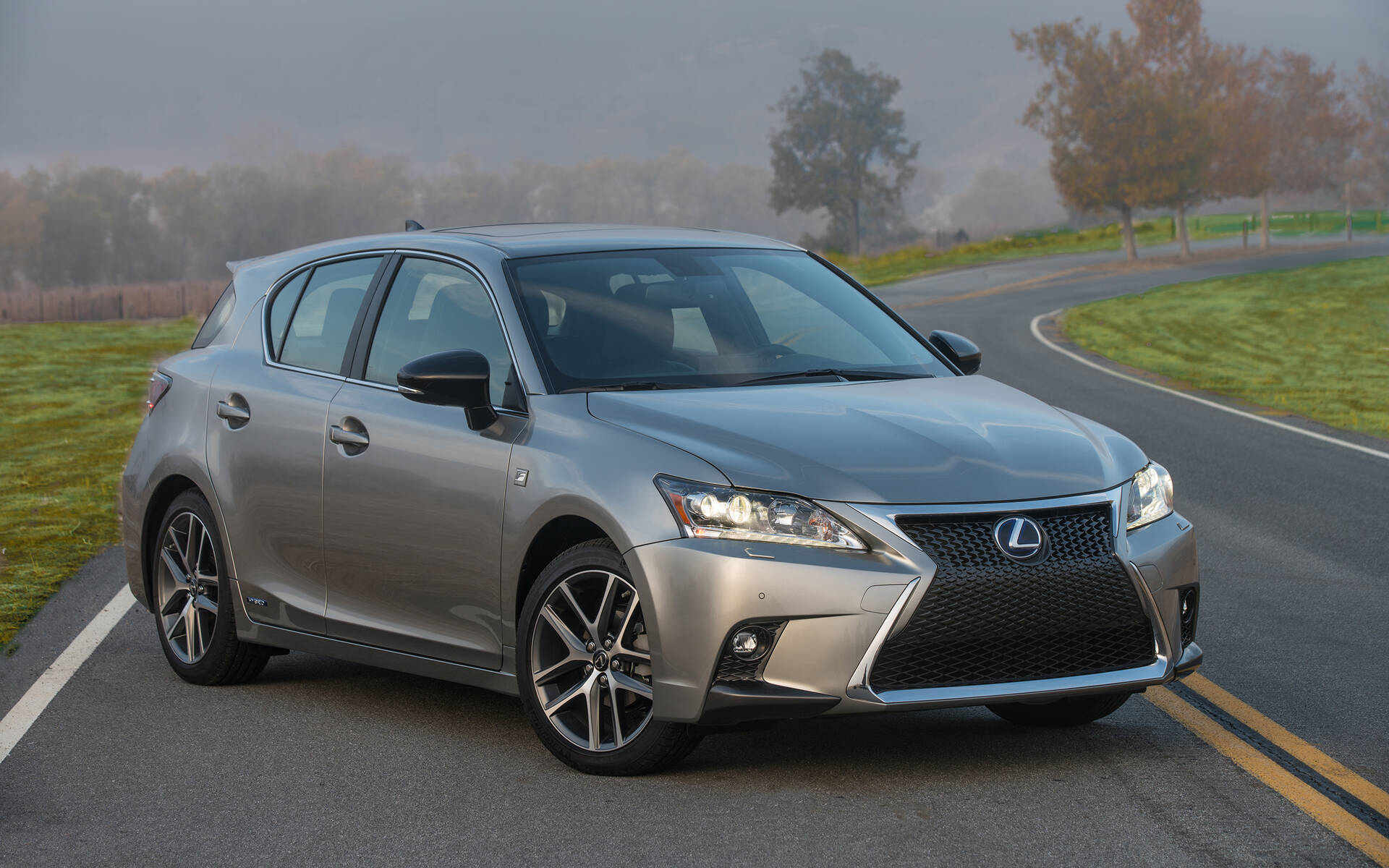
4. Lexus CT 200h: Blending Reliability with Luxury
The Lexus CT 200h was created for drivers who appreciate the trusted reliability of the Toyota Prius but prefer something with more refinement. Built on the Prius platform, it shares the same hybrid system while introducing Lexus’ premium design language. This combination delivers a car that looks and feels upscale yet runs with the dependable efficiency Toyota hybrids are known for.
Long-term durability is one of the CT 200h’s greatest strengths. With proper maintenance, many examples easily exceed 200,000 miles without significant issues. The hybrid system avoids unnecessary complexity, using components already proven in the Prius. This simplicity keeps repair costs manageable and makes ownership stress-free.
Another advantage is service flexibility. Owners can choose the premium treatment of a Lexus dealership or save money by visiting independent shops familiar with Toyota hybrids. Since many core parts are interchangeable with the Prius, upkeep remains affordable. Even years after being discontinued in 2017, the CT 200h continues to hold value on the used market a testament to its solid reputation.
Though the styling hints at sportiness, the CT 200h is not built for speed. Acceleration is modest, and the engine can sound strained under heavy throttle. That said, the car is more agile than most hybrids thanks to responsive steering and well-controlled handling. Ride comfort is generally good, though models with the F Sport suspension can feel harsh on uneven pavement.
For city and suburban driving, the hybrid system performs well. The switch between electric and gasoline power is seamless, and the stop-start feature works smoothly at traffic lights. The CT 200h is best viewed as a comfortable and efficient commuter rather than a performance-oriented hatchback.
Inside, the CT 200h blends eco-conscious design with Lexus refinement. Materials emphasize sustainability, with recycled and environmentally friendly options replacing traditional leather and wood. While not as plush as larger Lexus models, the cabin still feels upscale compared to most mainstream hybrids.
The front seats balance comfort and support, making them suitable for both long journeys and daily driving. Rear seats offer reasonable space for adults, though narrow door openings can make entry less convenient.
Practicality is limited. Storage options inside the cabin are modest, and cargo space 14.3 cubic feet behind the rear seats or 34.8 cubic feet with them folded is smaller than what many competing hatchbacks provide.
The CT 200h features simple, intuitive gauges and most controls are easy to operate. However, the available Remote Touch system for audio and navigation is less user-friendly. The joystick-style interface requires precision that can feel awkward, even with haptic feedback designed to guide the user. This remains one of the car’s few drawbacks.
The Lexus CT 200h stands out as a hybrid that successfully blends Toyota’s proven technology with Lexus style and refinement. While it lacks strong acceleration and generous cargo space, it delivers excellent fuel efficiency, low ownership costs, and the reassurance of long-term durability. For buyers seeking a hybrid with a touch of luxury and minimal maintenance concerns, it remains a strong contender on the used market.
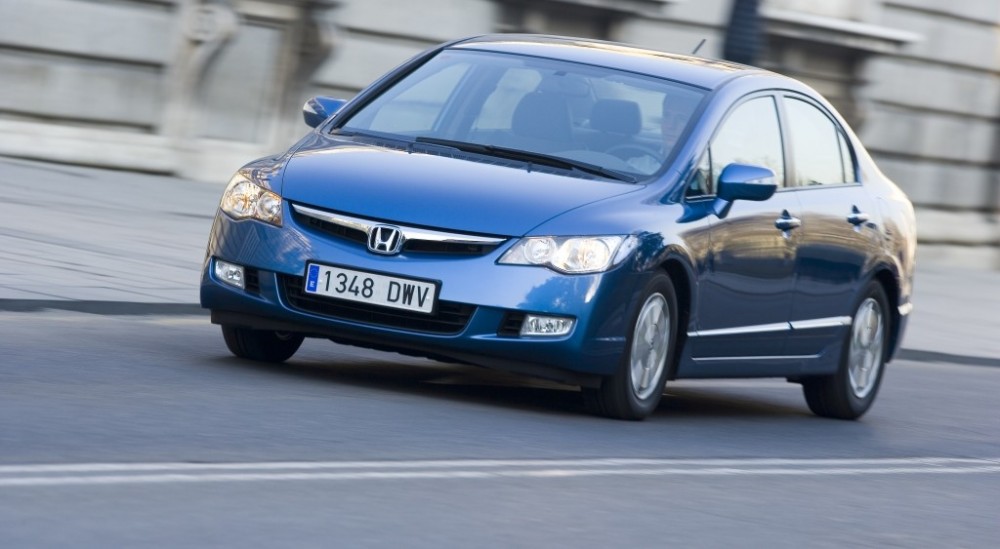
5. Honda Civic Hybrid (2006–2011): Dependable Efficiency on a Budget
When most people think of hybrids, the Toyota Prius comes to mind first. However, the Honda Civic Hybrid from 2006 to 2011 deserves recognition as a reliable and affordable alternative.
It combines the trusted qualities of the Civic line durability, efficiency, and practicality with hybrid technology designed to stretch fuel dollars further. For buyers seeking dependable performance without the premium price tag, this model stands out as a smart choice.
The Civic Hybrid relies on Honda’s Integrated Motor Assist (IMA) system, which pairs a 1.3-liter four-cylinder gasoline engine with an electric motor and a continuously variable transmission (CVT). Unlike Toyota’s more complex hybrid setup, the IMA system is simpler, with fewer moving parts and a design that emphasizes ease of maintenance.
While this simplicity means it cannot run on electric power alone for extended periods, it also means fewer costly components that could fail. For owners prioritizing reliability, this trade-off works in their favor. The hybrid battery, though smaller than those in other models, is less expensive to replace, and refurbished packs are widely available at reasonable prices.
One of the Civic Hybrid’s strongest assets is its ability to go the distance. Many owners report their vehicles surpassing 150,000 miles with minimal issues beyond routine wear and tear. Because it shares much of its engineering with the standard Civic, replacement parts are abundant and inexpensive, and most mechanics are already comfortable working on them.
When hybrid-specific repairs are needed, costs remain manageable compared to newer or more luxurious hybrid systems. The engine and transmission, when maintained with regular oil changes and fluid services, are also known for long-term dependability. This makes the Civic Hybrid a reassuring choice for budget-minded buyers who want durability without surprises.
Fuel economy was one of the Civic Hybrid’s key selling points. With EPA ratings averaging 40–45 mpg combined, it provided significant savings at the pump, especially for commuters. Real-world reports confirm that owners regularly achieved these figures, making it competitive even by today’s hybrid standards.
Performance is modest, with acceleration slower than many conventional compact cars and even slightly behind the Prius. The hybrid’s 110 horsepower is adequate for daily use but not designed for spirited driving. However, the Civic’s nimble chassis carries over, giving it an advantage in handling over some rivals. Its steering is responsive, and while not sporty, it delivers a more natural driving feel than many hybrids of its time.
The interior of the Civic Hybrid mirrors the design of the broader Civic range, offering practicality with a few unique touches. The two-tier dashboard, featuring a digital speedometer above and an analog tachometer below, divided opinion among drivers. Some appreciated the futuristic layout, while others found it distracting.
Seating comfort is a strong point, with supportive front seats and respectable rear legroom for a compact sedan. The flat rear floor provides extra space for middle passengers, making it more accommodating than some rivals.
Cargo space does shrink in the Hybrid, dropping to about 10 cubic feet due to the placement of the battery pack. While smaller than in non-hybrid Civics, it remains adequate for groceries, school bags, and daily needs.
Honda prioritized safety in this generation of Civic. Standard features included front-seat side airbags, curtain airbags, and active head restraints. Stability control was available on Hybrid trims, enhancing safety and security on the road.
Crash-test results were mixed but generally respectable. The Insurance Institute for Highway Safety awarded “Good” ratings for frontal-offset and side-impact protection in the sedan, though some government side-impact tests rated it lower. For everyday family driving, the Civic Hybrid still provided solid peace of mind.
One of the Civic Hybrid’s biggest advantages today is its affordability. Unlike the Prius, which retains strong resale value due to its popularity, the Civic Hybrid tends to be overlooked, meaning used prices are often significantly lower. This creates an excellent opportunity for budget-conscious buyers to access hybrid efficiency without overspending.
Low fuel costs, inexpensive parts, and durable engineering further enhance its value. For students, commuters, or families seeking a dependable second car, it represents one of the most cost-effective hybrid options available.
The Honda Civic Hybrid (2006–2011) may not have the fame or flair of the Prius, but it quietly excels in the areas that matter most: dependability, efficiency, and affordability. Its straightforward IMA hybrid system keeps costs low, while its connection to the broader Civic lineup ensures easy maintenance and parts availability.
With strong fuel economy, proven long-term reliability, and accessible pricing on the used market, the Civic Hybrid remains a practical and underrated choice. For buyers who value substance over hype, it delivers exactly what a hybrid should: worry-free ownership and lasting value.
5 Hybrids That Cost A Fortune
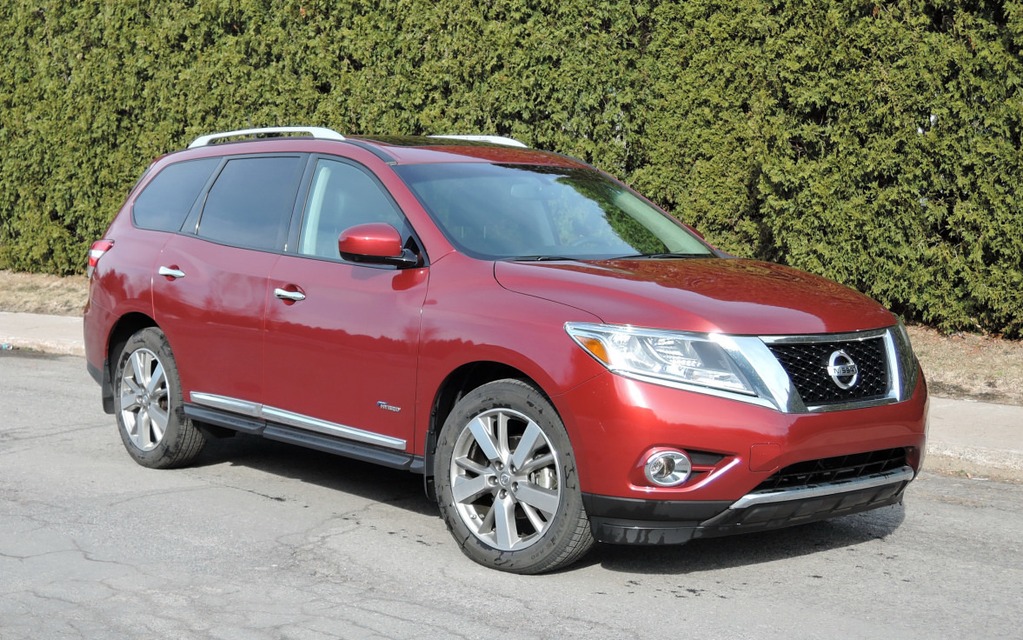
1. Nissan Pathfinder Hybrid: An SUV That Missed the Mark
Nissan attempted to combine family SUV practicality with hybrid efficiency in the 2014–2015 Pathfinder Hybrid, but the results fell short in both reliability and value. The vehicle paired a supercharged 2.5L engine with an electric motor and small lithium-ion battery, but the integration was flawed from the start.
The biggest problem was the CVT (continuously variable transmission), which was already notorious in Nissan’s lineup for reliability issues. In the hybrid Pathfinder, the CVT became even more complex, and many owners reported premature failures, shuddering, or slipping often just after warranties expired.
Replacing this specialized transmission typically costs $4,000–$6,000, an enormous sum for a vehicle with rapid depreciation. Battery issues also compounded ownership costs, as replacement packs were expensive and difficult to source due to low sales volume.
Because the hybrid version was discontinued so quickly, long-term parts support, software updates, and maintenance options became limited. Independent shops largely avoided working on it, forcing owners into dealerships where repair costs were higher.
To make matters worse, the hybrid’s fuel economy advantage over the regular gasoline Pathfinder was modest at best, and performance suffered from reduced power output. As a result, buyers didn’t gain much efficiency while inheriting much higher risks of mechanical failure.
For a family SUV meant to provide reliability, the Pathfinder Hybrid became an example of poor execution expensive to maintain, underwhelming in performance, and nearly impossible to recommend on the used market.
Families seeking dependable hybrids would be far better served looking elsewhere, as this one introduced risks instead of reducing them.
2. BMW 330e: Luxury Meets Expensive Reality
The BMW 330e attempted to bring together the sportiness of the iconic 3 Series with the promise of hybrid efficiency, but the reality for long-term owners has often been disappointing. The vehicle pairs a turbocharged gasoline engine with a plug-in hybrid system, producing excellent performance and responsiveness when new.
However, this complex combination quickly becomes costly once the warranty expires. Repairs to the hybrid system, turbocharger, or electronic modules frequently run into the thousands, and BMW’s notoriously high labor rates only add to the pain.
Routine maintenance such as brake service or coolant flushes costs significantly more than mainstream hybrids, eroding the potential savings from improved fuel economy. Major components such as the hybrid battery cooling system or electric motor often fail after 80,000–100,000 miles, leaving owners with eye-watering repair bills.
Worse still, independent mechanics generally avoid BMW hybrids because of the specialized tools and brand-specific software needed to diagnose and repair them, which forces owners back to dealerships for nearly everything.
Unlike Toyota and Honda, which designed hybrids for reliability and efficiency, BMW prioritized performance, sometimes at the expense of durability.
This makes the 330e a fine option for those who plan to lease it new or sell it before warranties run out, but for long-term ownership, it becomes a financial burden. Buyers looking for affordable hybrid savings will find little relief here, as the allure of luxury driving is overshadowed by long-term costs.

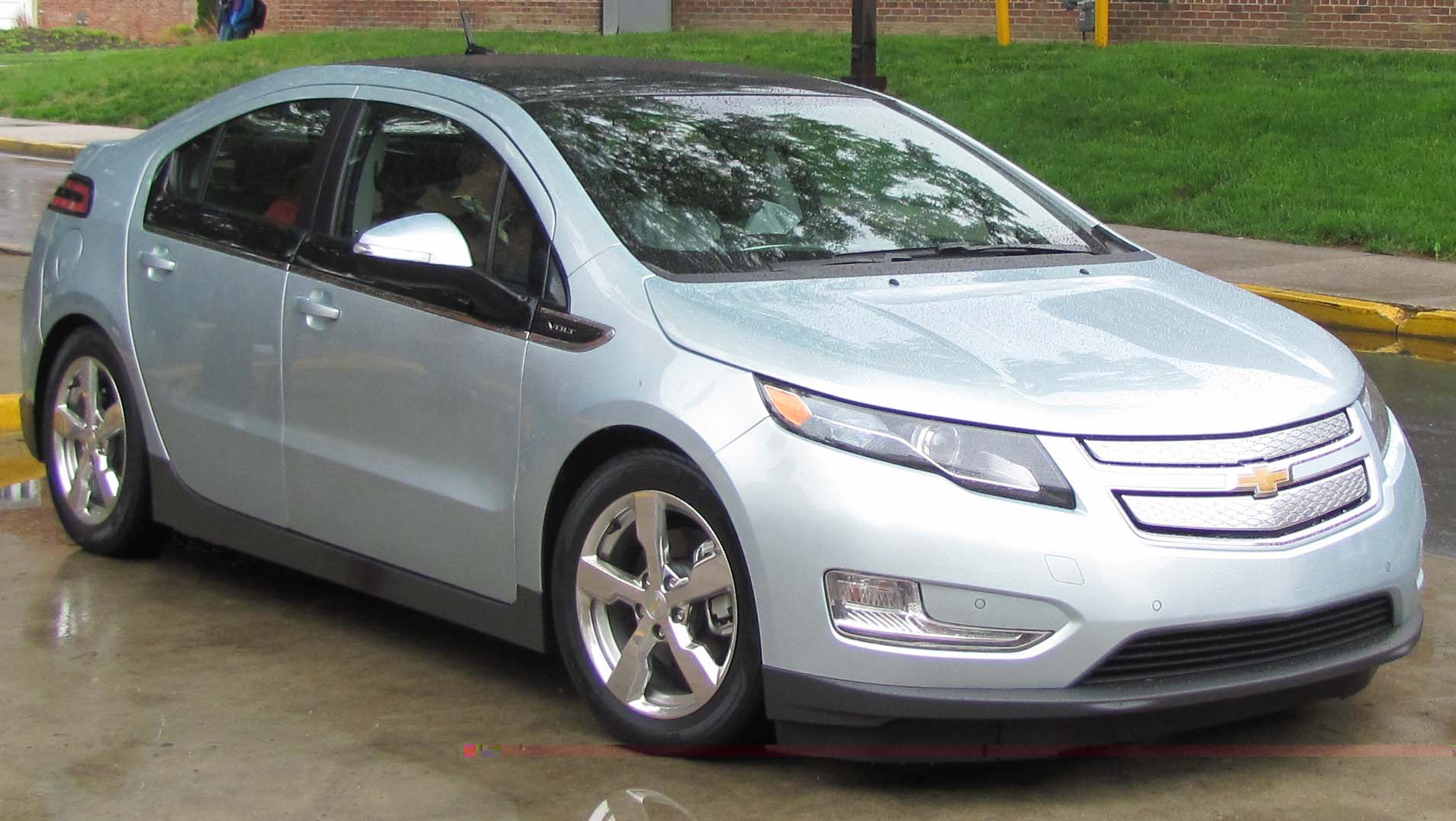
3. Chevrolet Volt (First Generation): Innovation That Aged Poorly
The Chevrolet Volt, introduced in its first generation from 2011 to 2015, was celebrated as a groundbreaking plug-in hybrid that pushed the limits of what was possible at the time. It featured a dual-motor electric drive unit and a large lithium-ion battery, allowing for a usable all-electric range before switching to gasoline.
Initially, this complexity gave the Volt a huge advantage over simpler hybrids like the Toyota Prius, but over time, it also became its biggest liability. The unique drivetrain, while impressive, required specialized knowledge for repairs, and many independent garages simply weren’t equipped to handle it.
As a result, owners were forced to return to dealerships for maintenance, where labor rates were significantly higher. The battery itself became one of the biggest financial risks of ownership.
Unlike smaller hybrid batteries, the Volt’s pack was closer in cost to those of full EVs, often leading to replacement quotes in the $7,000–$8,000 range sometimes more than the car was worth on the used market.
Combined with electronic modules prone to failure, such as those managing regenerative braking or the power inverter system, the Volt turned into a financial trap for many.
While it played a vital role in moving hybrid and EV technology forward, the first-generation Volt ultimately stands as a cautionary tale for used buyers, admired for its innovation but dreaded for its upkeep.
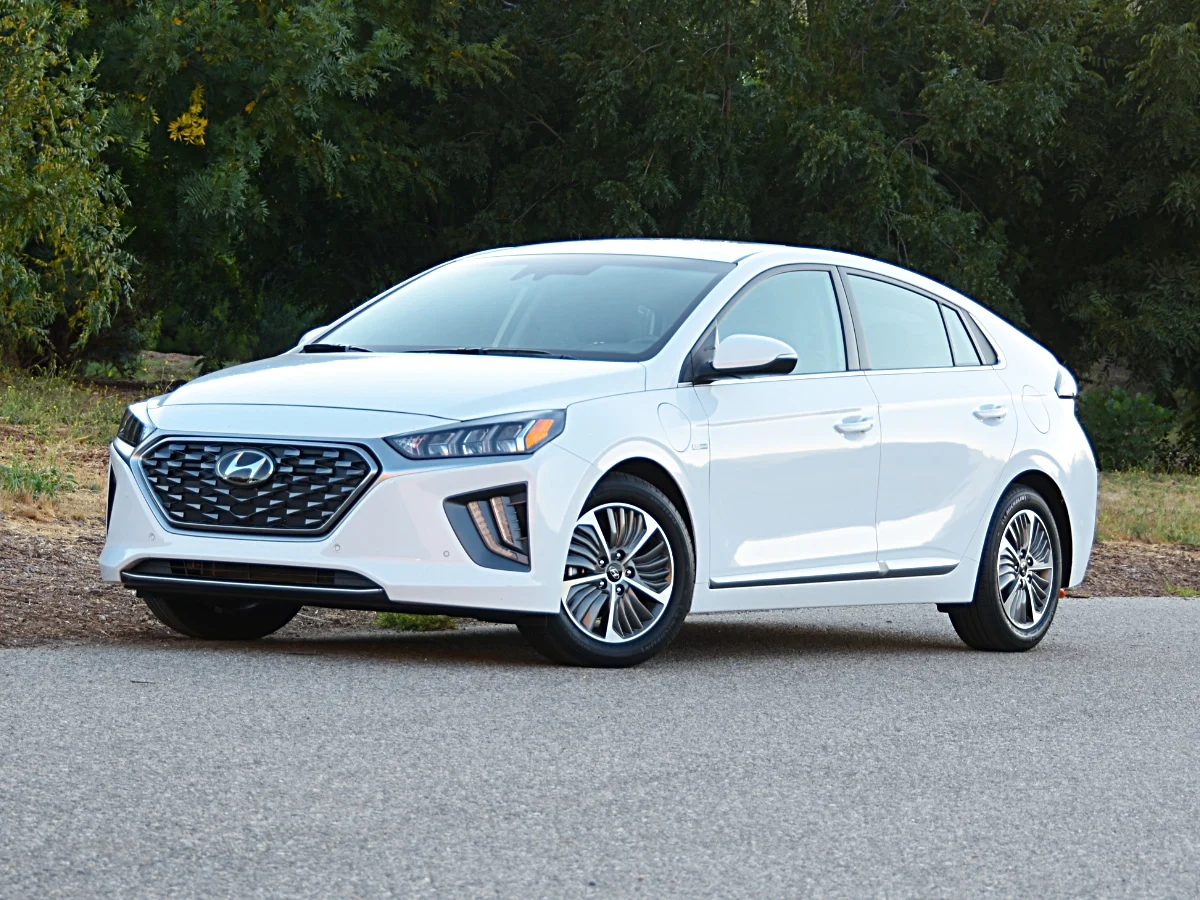
4. Hyundai Ioniq Plug-in Hybrid: Affordable Until It Isn’t
When it launched, the Hyundai Ioniq Plug-in Hybrid seemed like an unbeatable package: high fuel economy, a sleek design, and advanced features at a price point below many rivals. It quickly earned attention from budget-conscious buyers who wanted efficiency without sacrificing technology.
However, cracks in the ownership experience began to appear as these vehicles aged. The plug-in version carries a larger battery and more complex charging system than the standard hybrid, and when issues arise, they often require dealership-level service.
Independent garages usually lack the tools, parts, and software access necessary to handle high-voltage battery repairs or charger-related problems. Finding replacement parts has also proven difficult in some regions, with owners reporting long waits or inflated costs.
Software issues further complicate the picture, with infotainment glitches, charging timer malfunctions, and battery monitoring faults often requiring reprogramming rather than simple fixes.
These frustrations, while not always financially devastating, contribute to the perception that the Ioniq plug-in is less refined and less reliable than its more established competitors. Once warranty coverage expires, repair costs can quickly outweigh the fuel savings, leaving long-term owners questioning the car’s value.
For buyers seeking a short-term, warranty-protected hybrid, the Ioniq makes sense, but those hoping for a reliable 10+ year vehicle will likely be disappointed. The model’s affordability is its main selling point, but that advantage erodes significantly with age and wear.
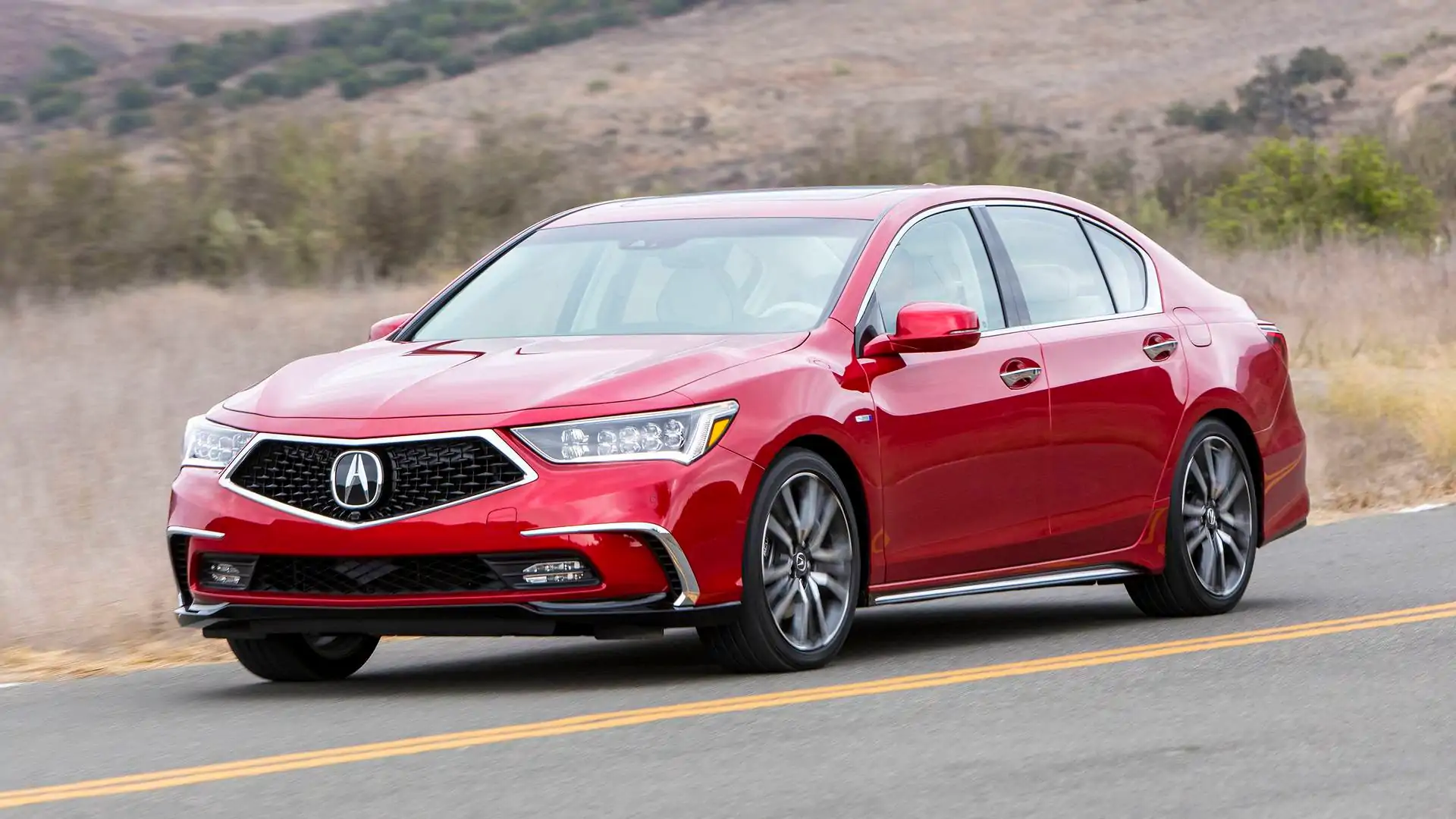
5. Acura RLX Sport Hybrid: Luxury Complexity at a Cost
The Acura RLX Sport Hybrid entered the market with a unique proposition: combining V6 power with a sophisticated hybrid SH-AWD (Super Handling All-Wheel Drive) system that used three electric motors and a dual-clutch transmission.
On paper, this made it a luxurious, high-tech competitor capable of delivering smooth acceleration and confident handling. However, the RLX Sport Hybrid’s complexity became its downfall in long-term ownership.
The intricate hybrid system is packed with potential points of failure, from motor controllers to sensors, and diagnosing problems often requires significant time and expertise. Few mechanics are trained to handle this model, and even Acura-certified technicians may lack experience due to the car’s relatively low sales volume.
That scarcity drives up labor costs and repair times. Battery replacements, power electronics, or even drivetrain components can cost $5,000–$7,000, an unsustainable burden given the RLX’s rapid depreciation and limited resale market.
While Toyota and Honda hybrids have thrived on mass adoption and proven reliability, Acura’s exclusive system feels more like an experiment that didn’t scale well. Owners who bought into the RLX expecting a worry-free luxury hybrid often find themselves paying repair bills more in line with exotic cars.
It is smooth and powerful when everything works, but as it ages, the financial risks outweigh the driving experience. For those considering it, the question isn’t whether it’s enjoyable it is but whether that enjoyment is worth the long-term costs.
When it comes to hybrids, the promise of efficiency and lower fuel bills can sometimes mask the reality of ownership costs. Models like the Ford Fusion Hybrid, Toyota Prius, and Honda Insight prove that hybrid technology doesn’t have to be intimidating or expensive to maintain, offering dependable service for years with minimal surprises.
On the other hand, vehicles like the BMW 330e, Acura RLX Sport Hybrid, or Nissan Pathfinder Hybrid remind us that complexity, luxury, and rushed execution often come at a steep price. For buyers, the key takeaway is simple: do your homework beyond the MPG figures.
Look into battery longevity, parts availability, and repair histories before making a commitment. A well-chosen hybrid can reward you with years of affordable, efficient driving, while the wrong choice could saddle you with costly headaches. In the end, the smartest hybrid is the one that balances performance, savings, and peace of mind.
Also Read: 5 Cars That Rarely Need Transmission Work vs 5 That Constantly Do