Car ownership is as much about reliability as it is about style, performance, or prestige. Some vehicles consistently deliver peace of mind, going the distance without frequent repairs, while others seem to invite frustration with recurring mechanical problems and high maintenance costs.
This comparison highlights two extremes: 10 cars that rarely fail their owners, praised for durability and dependable performance, versus 10 cars that constantly disappoint, notorious for breakdowns, costly fixes, and persistent reliability issues.
Understanding the difference between these two categories can save drivers both time and money, and influence choices that impact everyday convenience and long-term satisfaction.
Whether you’re hunting for a trustworthy family vehicle or a luxury car that lives up to its promise, this guide examines patterns, surprises, and the lessons each group offers about what truly defines a dependable car and what to avoid.
10 Cars That Rarely Fail Their Owners
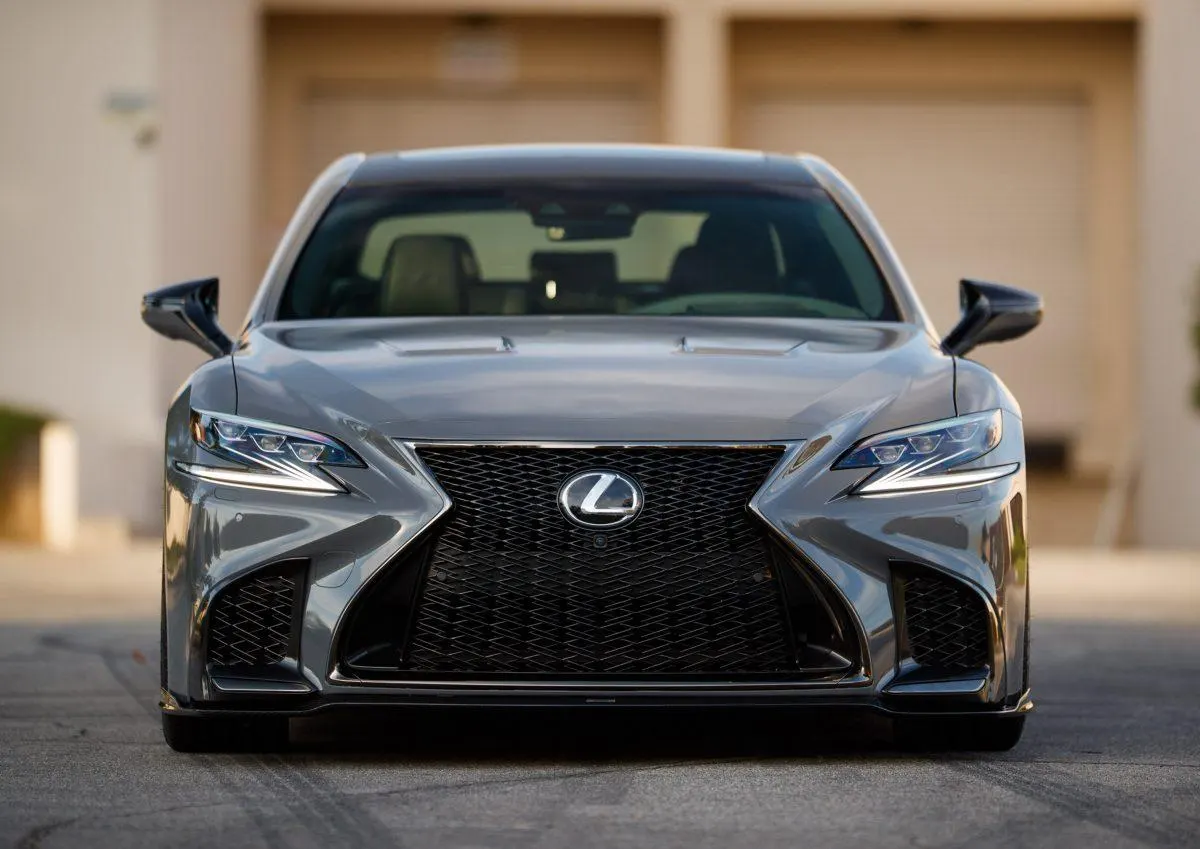
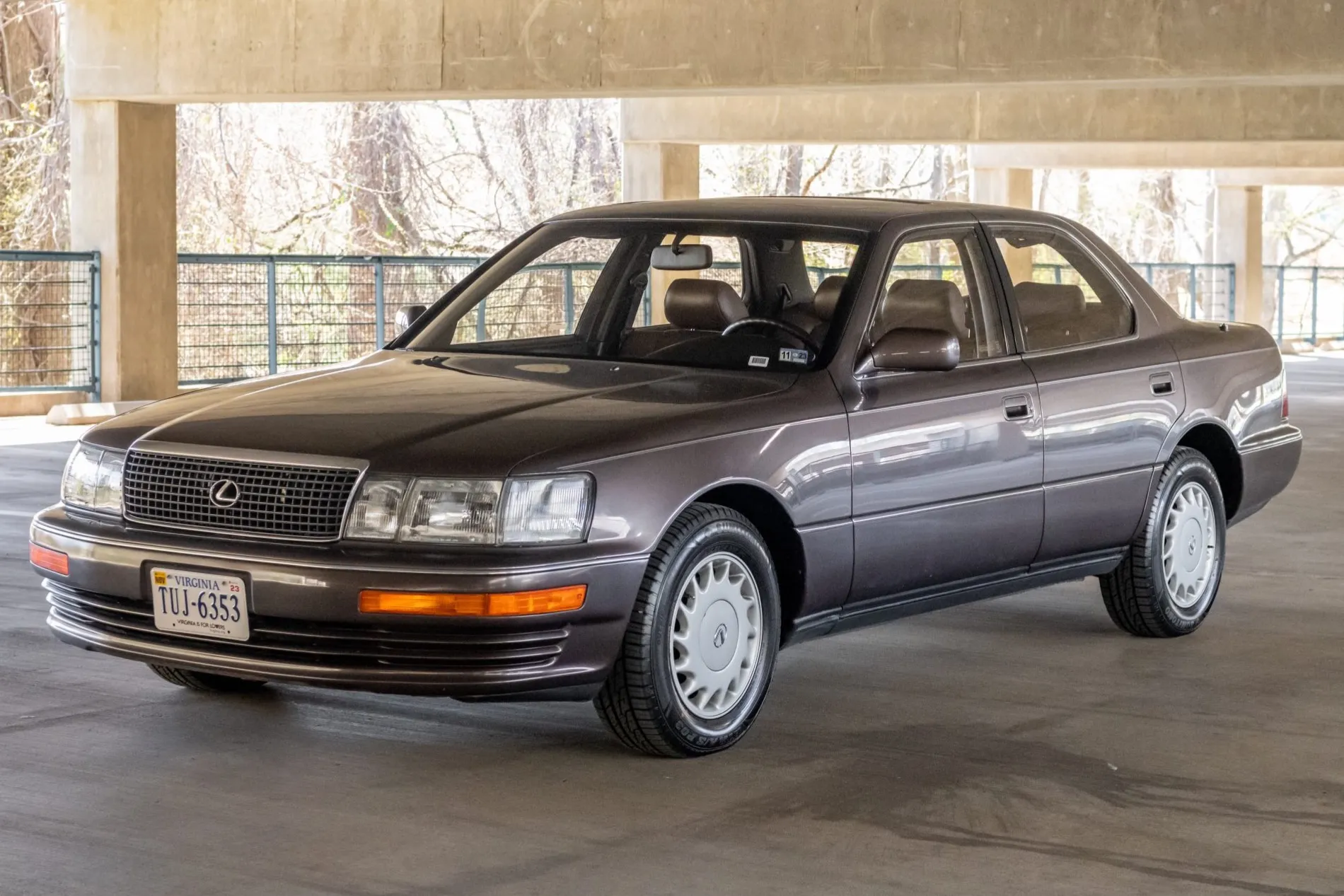
1. Lexus LS 400: The Over-Engineered Luxury Sedan
The Lexus LS 400, produced between 1989 and 2000, was Toyota’s ambitious attempt to challenge established European luxury brands. Development began in the early 1980s under a project known internally as “Flagship.”
Toyota spared no expense, assembling a massive team of 60 designers, 1,400 engineers, and 2,500 support staff. Their mission was clear: create a world-class luxury sedan capable of competing with Mercedes-Benz and BMW.
The development process was obsessive in its pursuit of perfection. The team tested 24 different types of wood and multiple kinds of leather over two years before selecting the final materials.
Even the damping on the buttons was fine-tuned by a dedicated specialist. The result was a car built with such attention to detail that, even decades later, a well-maintained LS 400 still exudes premium quality.
First launched in 1989, the LS 400 offered a unique combination of performance, refinement, and affordability. While it was priced lower than European competitors, it delivered a comparable if not superior level of engineering precision.
In its later years, the LS 400 was equipped with an upgraded V8 engine featuring variable valve timing and paired with a five-speed automatic transmission. This allowed the sedan to achieve 0–60 mph in just 6.5 seconds, impressive for a luxury vehicle of its era.
Not only did the engine deliver strong performance, but it also balanced fuel economy with reduced emissions, making it compliant even with California’s strict environmental standards.
Durability became one of the LS 400’s defining traits. Built to an almost indestructible standard, many examples from the 1990s remain on the road today with high mileage, a testament to Toyota’s engineering rigor.
The LS 400 set new benchmarks for comfort and interior innovation. Leather seating surfaces and finely crafted wood trim dominated the cabin. Lexus reported that the steering wheel alone required three weeks to produce due to its intricate combination of wood and leather.
Technological sophistication was another hallmark. A touchscreen interface managed climate, audio, and navigation functions. The navigation system relied on a 1.5-gigabyte hard drive, storing nationwide highways and detailed maps for 35 major cities, while GPS integration provided accurate location tracking.
Lexus also introduced innovative climate control features. A built-in pollution sensor automatically switched the ventilation system to recirculate mode when detecting high exhaust levels. The system also adjusted airflow when interior humidity levels rose, ensuring optimal comfort for passengers in all conditions.
The LS 400 excelled in delivering a quiet, refined, and luxurious ride. Its ability to isolate drivers from road imperfections made it an ideal long-distance cruiser. However, this very strength also became a point of criticism. Driving enthusiasts often felt disconnected from the road, as the car’s serenity minimized the sense of engagement.
Despite this, the LS 400 proved highly successful. It costs significantly less than German luxury sedans while offering equal or greater levels of refinement, reliability, and comfort. For many buyers, it was the perfect balance of value and prestige.
Model years such as 1990, 1994, 1995, and 1998 are noted for having the fewest complaints, underscoring the LS 400’s reputation for reliability. As Toyota’s first true luxury flagship, the LS 400 set the stage for Lexus as a brand, redefining expectations of what a luxury sedan could deliver.
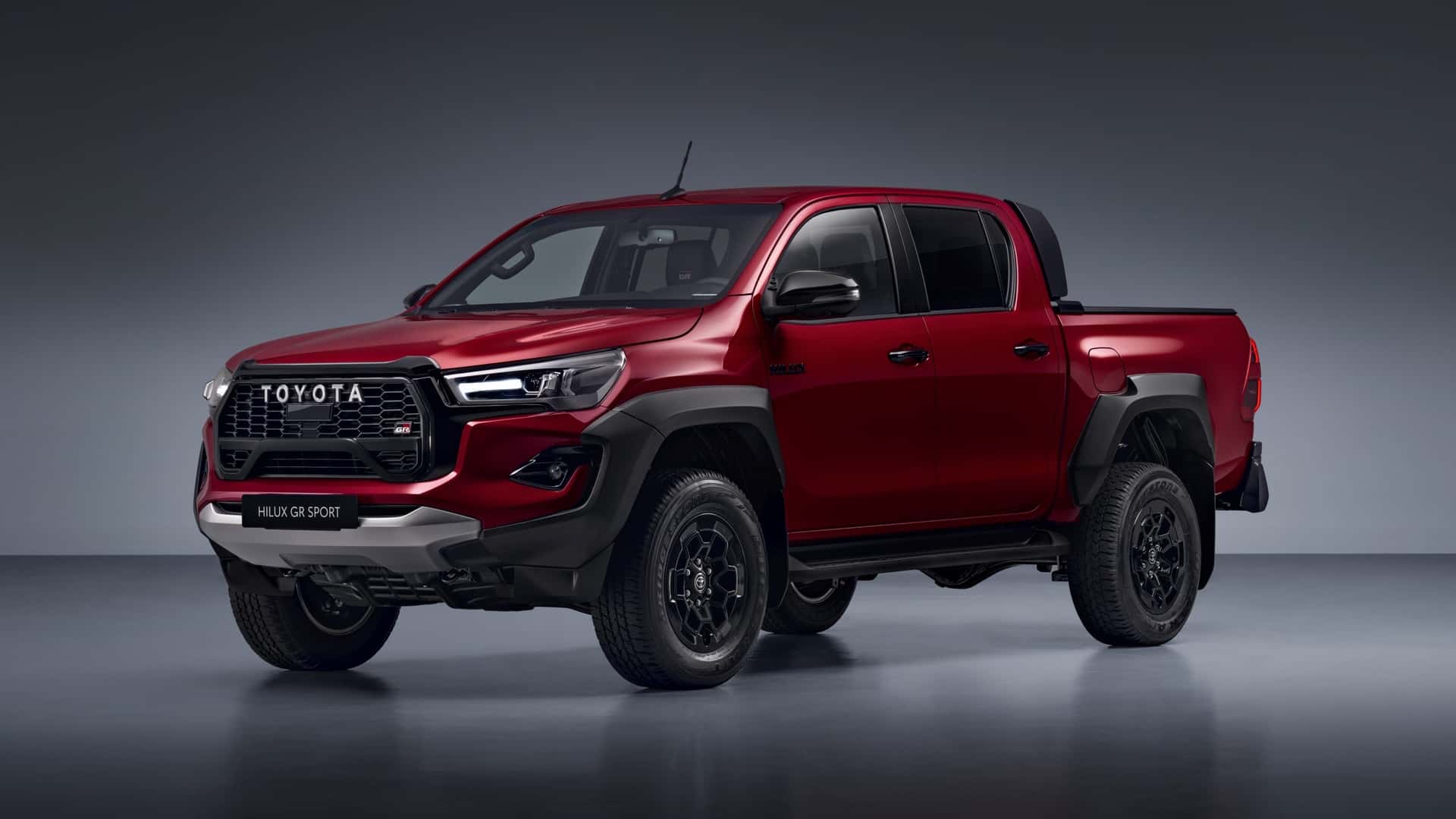
2. Toyota Hilux: The Ultimate Workhorse
The Toyota Hilux has been in continuous production since 1968, earning a reputation as one of the most robust and reliable pickup trucks in the world. Famously tested by Top Gear, the Hilux was subjected to extreme abuse for an entire season and yet remained virtually indestructible.
While all Hilux generations are known for reliability, the sixth generation (1997–2004) is widely regarded as the most robust. Its combination of a sturdy frame and dependable engines, including the naturally aspirated 3.0-liter diesel and the turbocharged 3.0-liter KZ-TE producing 123 horsepower and 218 lb-ft of torque, made it capable of decades of consistent use. Even in remote locations, spare parts are widely available, enhancing its reputation as a true workhorse.
Although not the top-selling pickup in the U.S., the Hilux has achieved phenomenal worldwide success. Since its introduction, Toyota has sold over 27 million units, serving a diverse range of users from farmers to adventurers.
The Hilux has also proven its durability and performance in motorsport, winning the Dakar Rally four times (2019, 2022, 2023, and 2025). Its blend of reliability, simplicity, and rugged capability has made it a globally recognized icon of practical utility vehicles.
In recent years, Toyota has adapted the Hilux to cater to the growing lifestyle pickup market, competing with models like the Ford Ranger and VW Amarok. The latest iterations focus on comfort, technology, and performance for both on- and off-road driving.
Modern Hilux models feature upgraded engines, including a 2.8-liter turbo-diesel option, delivering strong motorway performance without sacrificing durability. Interiors are now equipped with heated leather seats, automatic gearboxes, touchscreen infotainment systems, LED lighting, JBL audio, and dual-zone climate control, bridging the gap between a work tool and a modern lifestyle vehicle.
The 2025 Hilux introduced a 48-volt mild hybrid system, designed to improve efficiency and provide smoother acceleration. The hybrid system assists the 2.8-liter diesel with bursts of 16 bhp and 48 lb-ft, improving fuel consumption by approximately 7% and reducing noise during idle and restarts.
However, the hybrid does not enhance top-end performance, with 0–62 mph times remaining slightly slower than the non-hybrid six-speed manual. For daily drivers, the hybrid represents a step toward sustainability rather than a performance upgrade.
Toyota has also expanded the Hilux range with the GR Sport and GR Sport II models, drawing inspiration from its Dakar Rally success. These high-spec variants feature upgraded suspension, stiffer springs, new shock absorbers, all-terrain tires, sports seats, and enhanced multimedia systems.
Despite sporty aesthetics and suspension tweaks, these models maintain the Hilux’s core identity as a durable, dependable pickup rather than a high-performance vehicle.
The Hilux’s modern suspension is tuned for unladen comfort, addressing previous generations’ tendency for a bouncy ride when empty. While lifestyle-focused upgrades have smoothed out some rough edges, the Hilux remains a robust, no-nonsense machine.
It is not designed to impress with finesse or luxury, but rather to serve as a reliable, capable partner for work or adventure. Its steel-heavy construction, commanding presence, and utilitarian design reflect its practical focus.
In the UK, the Hilux is available exclusively as a four-door double cab, with Invincible trim starting at £35,807.50 and the hybrid topping £40,000. The 2.8-liter engine is recommended for most buyers, offering better performance under load, while the hybrid provides modest efficiency gains.
The Hilux continues to balance rugged dependability with modern conveniences, remaining an iconic and unpretentious pickup that satisfies both traditional users and lifestyle buyers alike.
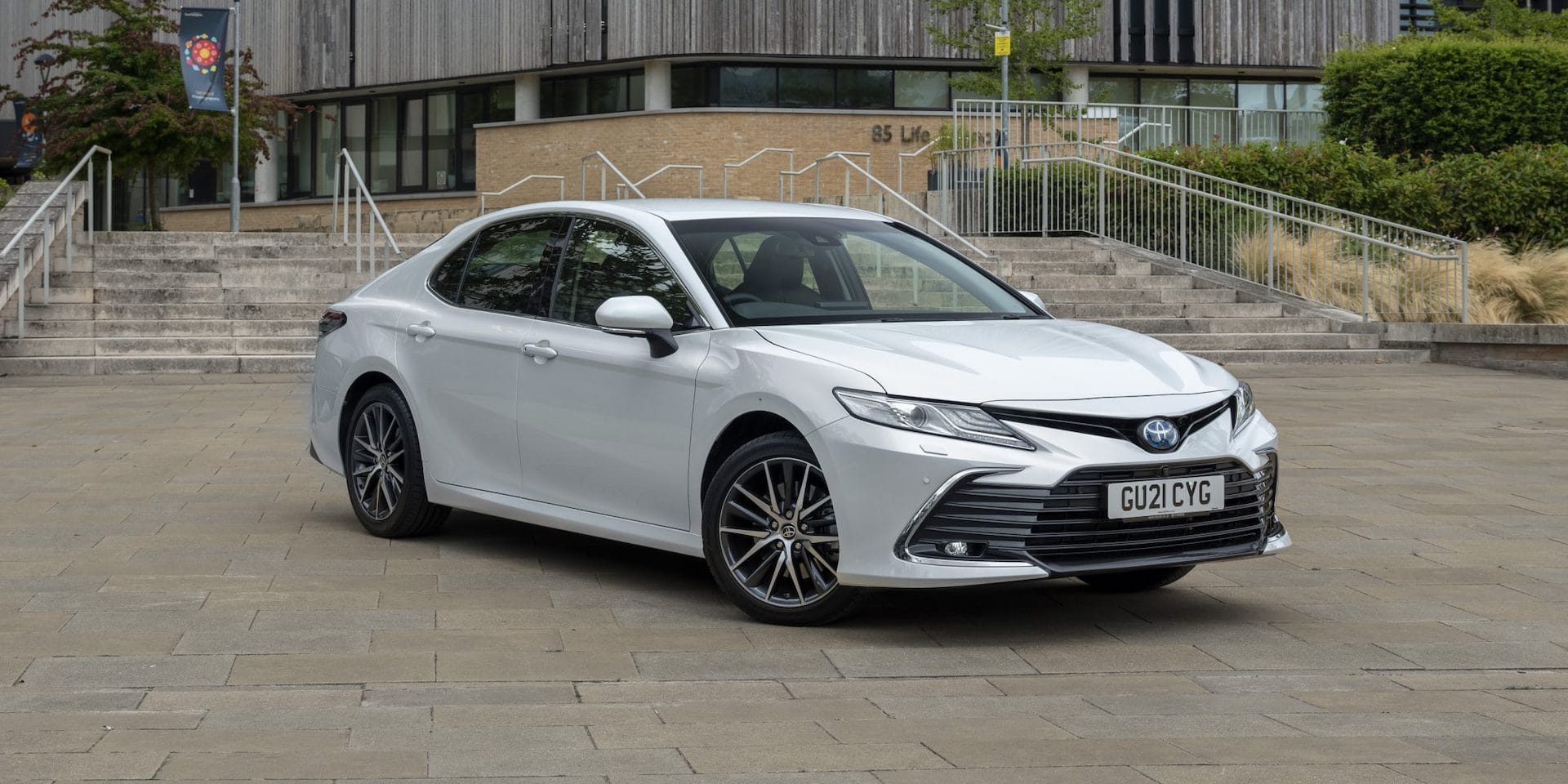
3. Toyota Camry: A Benchmark for Reliability and Comfort
The Toyota Camry has been in production since 1982, earning a reputation as one of the most reliable midsize sedans on the market. Certain model years, including 1987, 1988, 1989, 1994, and 1995, are noted for having the fewest complaints, highlighting Toyota’s consistent focus on durability.
Much like its luxury counterpart, the Lexus ES, which shares the Camry’s platform, the vehicle relies on a simple and proven formula: a transverse-mounted four- or six-cylinder engine, front-wheel drive (with optional all-wheel drive in later models), a spacious five-passenger cabin, and a large trunk.
This straightforward design has remained largely unchanged over decades, with hybrid variants enhancing fuel efficiency without compromising reliability. In studies, such as those by ISeeCars, the Camry consistently ranks among the vehicles most likely to exceed 250,000 miles.
The Camry delivers smooth and confident driving dynamics suitable for everyday use. For example, the 2025 Camry XSE with front-wheel drive accelerates from 0–60 mph in 7.8 seconds, slightly quicker than comparable hybrid sedans like the Honda Accord or Hyundai Sonata.
Steering is responsive, handling is stable, and brakes are strong and predictable. Sport-tuned suspensions, particularly in higher trims like the XSE, provide extra cornering stability, though standard trims remain secure and comfortable for most driving conditions.
Toyota has calibrated the Camry’s ride comfort well, creating a balance between stability and smoothness. Front seats, while slightly firm, offer excellent support for long journeys.
Cabin noise is minimal at highway speeds, allowing for a relaxed driving experience. Climate control is efficient, with strong airflow and an intuitive automatic setting, ensuring a pleasant environment regardless of weather conditions.
The Camry’s interior has improved considerably in recent generations, offering a practical yet refined layout. Physical switches below the touchscreen allow easy climate control adjustments, while steering wheel buttons are logically arranged for driver convenience. Passenger space is generous, with a flat roofline maximizing headroom in both rows.
Technology features are a standout, particularly in higher trims. XLE and XSE models feature a 12.3-inch touchscreen, wireless Apple CarPlay and Android Auto, and a nine-speaker JBL audio system. Safety and driver-assist systems are advanced, including lane-keeping aids, adaptive cruise control, and Traffic Jam Assist, which can allow hands-free driving at speeds up to 25 mph in certain conditions.
Cargo space measures 15.1 cubic feet, sufficient for groceries or luggage, though slightly less than some competitors. Interior storage is abundant, with compartments for phones, keys, water bottles, and other essentials. LATCH anchors for child seats are easily accessible, and the rear bench can accommodate multiple seats without difficulty.
The Camry’s hybrid powertrains offer excellent fuel efficiency, with combined city/highway ratings between 44 and 51 mpg depending on configuration. Independent testing of a front-wheel-drive XSE confirmed 45.9 mpg, closely aligning with Toyota’s estimates and outperforming hybrid competitors like the Accord in real-world evaluations.
The Camry delivers strong value, with hybrid technology available across multiple trims. This contrasts with competitors, which often reserve hybrid models for higher-end versions.
Toyota provides a solid warranty package, including two years/25,000 miles of complimentary maintenance, eight years/100,000 miles on hybrid components, and two years of roadside assistance. These factors, combined with fuel efficiency, reliability, and comfort, make the Camry a compelling choice for buyers seeking a dependable and practical midsize sedan.
4. Mercedes-Benz E-Class (W124): The Over-Engineered Classic
The Mercedes-Benz W124, produced between 1984 and 1995, represents one of the most over-engineered and reliable cars in automotive history. Early models predate the official “E-Class” designation, which was introduced in 1993, but all W124s share a reputation for durability, comfort, and understated performance.
These vehicles are renowned for covering extraordinary mileages, 500,000 miles or more, with minimal maintenance. The series includes saloons, estates (S124), coupes (C124), and cabriolets (A124), providing a wide range of options for buyers seeking both practicality and style.
The W124 was a technological benchmark in its era, introducing features like multi-link rear suspension, ABS, traction control, and highly aerodynamic bodywork. Traditional Mercedes engineering ensured that even four-cylinder engines, including diesels, were extremely robust, while six-cylinder and V8 engines offered smooth performance.
Models like the 500 E/E500, developed with Porsche, combined discreet styling with sports-car-level performance, while AMG variants (“Hammers”) offered raw power but came with higher maintenance requirements.
The W124 engines ranged from simple, tough four-cylinder petrols and diesels to smooth six-cylinder petrols and even V8s, with diesel turbocharged variants like the 300 D Turbo available in later models. Early engines are praised for reliability, while post-1993 four- and six-cylinder engines provided smoother, more powerful performance but introduced potential electrical issues in wiring looms.
Despite its conservative exterior, the W124 is a satisfying car to drive. The multi-link rear suspension ensures excellent ride quality and handling, even with older, well-maintained examples.
Steering employs a traditional recirculating ball system, which may feel slow compared to modern standards, but complements the car’s emphasis on comfort and refinement. Six-cylinder engines suit coupes and cabriolets, providing sufficient power without compromising smoothness, while V8 models and the Porsche-assembled 500 E offer Autobahn-level performance.
Inside, the W124 is simple yet exceptionally well-built. Interiors are minimalist but highly durable, with attention to detail evident in every panel and trim. Saloon models offer spacious seating for families, estates provide excellent cargo capacity, and coupes and cabriolets add style with pillarless windows and optional Sportline trims.
Features like power windows, sunroofs, and air conditioning require careful inspection, as older cars may experience functionality issues.
The W124 is famously tough, but rust is now a concern, particularly on front wings, crossmembers, jacking points, and rear subframe mounts. Earlier cars were generally easier to maintain, while later facelifts introduced water-based paint prone to corrosion.
Mechanical simplicity means these cars can run for decades if properly serviced, but high-spec models like cabriolets and AMG variants require more costly upkeep. Replacement parts for rare models, especially AMG Hammers or Porsche-built 500 E, may be expensive or difficult to source.
Performance Example: E320 Estate (1993 onwards)
- Engine: 3.2-liter six-cylinder petrol
- Power: 220 PS (162 kW) @ 5,500 rpm
- Torque: 310 Nm (228 lb-ft) @ 3,750 rpm
- Transmission: Five-speed automatic (optional), rear-wheel drive
- 0–62 mph: 8.2 seconds
- Top Speed: 220 kph
- Kerb Weight: 1,590 kg
The E320 estate with Sportline trim and optional five-speed automatic is considered one of the most practical and stylish W124 variants, balancing performance, comfort, and usability.
The Mercedes-Benz W124 remains a modern classic due to its combination of over-engineered reliability, refined driving manners, and timeless design. Saloon models offer affordability and durability, estates provide practicality, and coupes or cabriolets deliver style and performance.
High-mileage examples are still running today, reflecting Mercedes’ commitment to quality. While maintenance for certain variants can be expensive, the W124 remains a highly desirable choice for collectors, enthusiasts, and anyone seeking a dependable, long-lasting vehicle.
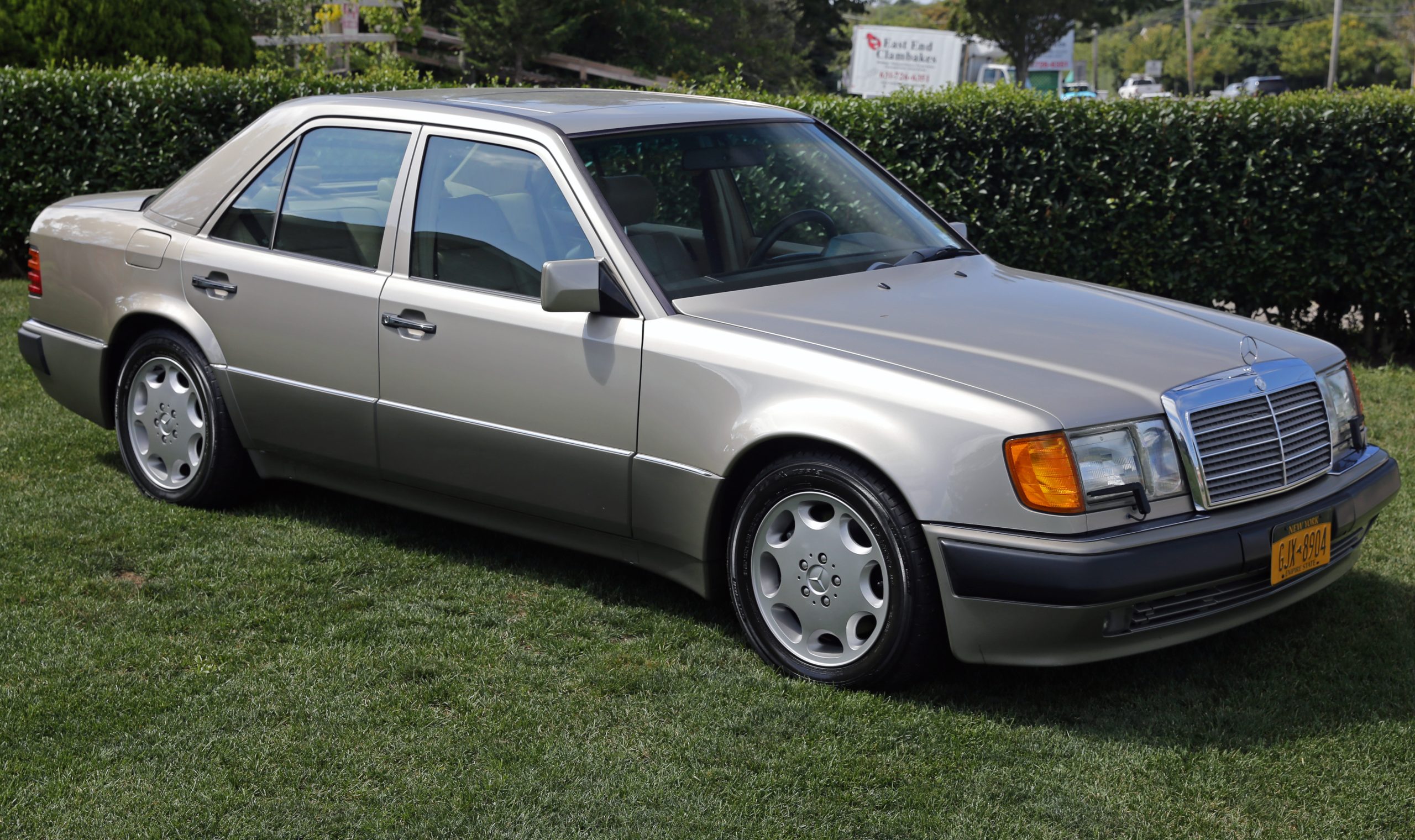
5. Honda Civic: Reliable, Efficient, and Practical
The Honda Civic has been in production since 1972 and is renowned for its durability, affordability, and ease of maintenance. Certain model years, including 1988, 1989, 1990, 1991, and 1992, have been noted for having the fewest complaints.
Like the Toyota Corolla, the Civic emphasizes simplicity and thoughtful ownership, making it ideal for first-time buyers or those on a budget. Honda ensures a consistent supply of affordable parts, making maintenance easy and inexpensive, and all models, including sporty Type R and hybrid variants, are built to a high standard.
The Civic offers a range of powertrains, including standard gasoline engines, sporty Si models, and hybrid options. The hybrid delivers 200 horsepower, matching the Civic Si, while providing excellent low-end torque and 49 mpg in EPA combined testing.
On the test track, a hybrid Civic accelerated from 0–60 mph in 6.6 seconds, faster than most small sedans and some hybrid competitors. Gasoline-only Civics are less powerful, taking nearly 10 seconds to reach 60 mph. All Civics handle well, with precise steering, composed handling, and a balanced on-road demeanor, making them enjoyable in city traffic and on winding roads.
Ride quality varies slightly between hybrid and non-hybrid versions. The added weight of the hybrid system stabilizes the vehicle and smooths out bumps, while gas-powered Civics remain comfortable and composed on a range of road surfaces.
Road noise is present but controlled, and the Civic’s aerodynamic design reduces wind noise. Seats are firm but supportive, providing comfort for long journeys. The Civic offers a balanced ride with sharper handling than most competitors in its class.
The Civic’s interior is attractive and practical, with intuitive controls within easy reach. Front seats accommodate taller and shorter passengers comfortably, while rear-seat headroom may be limited by the sloping roofline. Outward visibility is generally good, aided by narrow pillars and well-placed mirrors, with a multi-angle rearview camera assisting in tight spaces.
Technology is straightforward but functional. Higher trims offer a 9-inch touchscreen with Google Built-In, Apple CarPlay, and Android Auto integration. All Civics include standard driver-assistance features, although adaptive cruise control is less smooth compared to some competitors. The cabin balances modern tech with simplicity, ensuring user-friendly operation.
The Civic sedan provides 14.8 cubic feet of trunk space, unaffected by the hybrid battery, making it more spacious than similar hybrid sedans. The hatchback hybrid offers 24.5 cubic feet of cargo space, surpassing rivals like the Prius, with rear seats folding flat for larger items. Small-item storage is ample, with a large armrest tray and conveniently positioned compartments throughout the cabin.
Fuel efficiency is a Civic’s strong point. Gasoline models achieve up to 36 mpg combined, while the hybrid reaches 49 mpg, confirmed by real-world testing. Although slightly behind some competitors like the Prius or Hyundai Elantra Hybrid, these numbers are impressive and practical for daily driving.
The Civic is priced slightly higher than some competitors, such as the Hyundai Elantra or Toyota Corolla, but justifies the cost with superior performance, better fuel economy, a refined interior, and additional features.
Honda’s warranty includes three years/36,000 miles of basic coverage and five years/60,000 miles on the powertrain. The Civic provides excellent value for buyers seeking a reliable, efficient, and enjoyable small sedan.
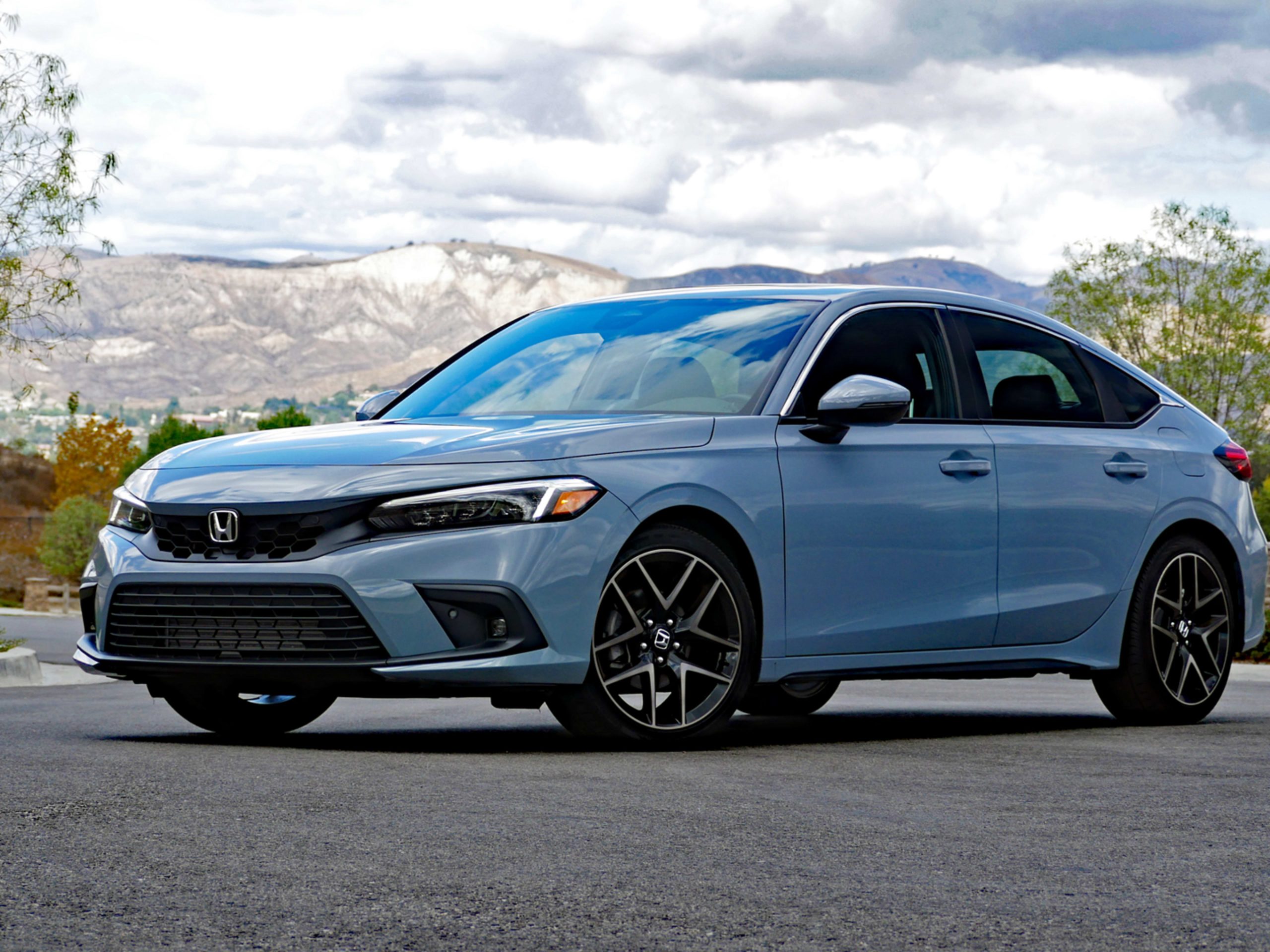
6. Subaru Legacy: The Underrated All-Wheel-Drive Sedan
The Subaru Legacy has been in production since 1989 and continues to the present day, with model years 1991, 1992, 1995, 1996, and 1997 standing out for reliability and fewest complaints. Often overshadowed by its rally-bred sibling, the Subaru Impreza WRX, the Legacy remains one of the most underrated midsize sedans. Its appeal lies in spacious interiors, standard all-wheel drive, and an inherently enjoyable chassis.
Enthusiasts often highlight the fourth-generation Legacy, available with a 3.0-liter flat-six engine producing 245 hp and 215 lb-ft of torque. Prodrive’s tuning enhanced the automatic transmissions, making gear shifts more responsive. Later models lost some character due to less engaging CVT transmissions and simpler exterior styling.
The Legacy balances comfort with capable performance. With the base 2.5-liter engine, it accelerates from 0–60 mph in 8.5 seconds, slightly slower than some rivals. The optional turbocharged engine delivers much stronger performance, making the car more enjoyable on winding roads.
Handling is confident, with the all-wheel-drive system providing better grip than many midsize sedans. Steering feels natural and responsive. Braking is slightly affected by nosedive, and the automatic stop-start system can feel abrupt, restarting with noticeable force during low-speed stops.
Comfort is a strong suit for the Legacy. Front seats provide firm but supportive cushioning, while rear seats are sculpted for passenger comfort. The ride is cushioned without feeling disconnected, absorbing bumps effectively. Wind and road noise are more noticeable than in some competitors, but engine noise is minimal.
The dual-zone climate system is effective, though some settings require effort to adjust. Heated seats transition from mildly warm to hot, providing sufficient warmth in colder conditions.
The cabin is roomy and inviting, offering excellent headroom and toe space in both rows. Entry and exit are easy, and the large windows provide good visibility. Some functions, including disabling the engine stop-start system, are controlled via the central touchscreen, which can be slow to respond.
The Legacy includes multiple USB ports, Apple CarPlay, Android Auto, and Subaru’s EyeSight suite of driver-assistance features. The infotainment system can be slow, and voice controls are often unresponsive. Forward collision warnings and adaptive cruise control may react too aggressively in certain traffic situations, requiring the driver to intervene.
Trunk capacity measures 15.1 cubic feet, with a deep and tall cargo area suitable for bulky items. Rear seats fold down easily via levers or seat-mounted buttons, though the middle seat belt can obstruct the flat load area. Small-item storage is plentiful, including a two-tier center console, door pockets, and bins around the shifter and passenger area. Car seat anchors are easily accessible.
The base Legacy achieves 29 mpg combined, and real-world testing often matches or exceeds this. Front-wheel-drive competitors may have slightly better mileage, but the Legacy’s all-wheel drive balances that difference.
The Legacy costs more than many midsize rivals but justifies its price with standard all-wheel drive, higher-quality materials, and a comfortable cabin. Warranty coverage is average for the class, with no complimentary scheduled maintenance, but the car’s combination of safety, comfort, and capability makes it a solid choice for buyers seeking a dependable AWD sedan.
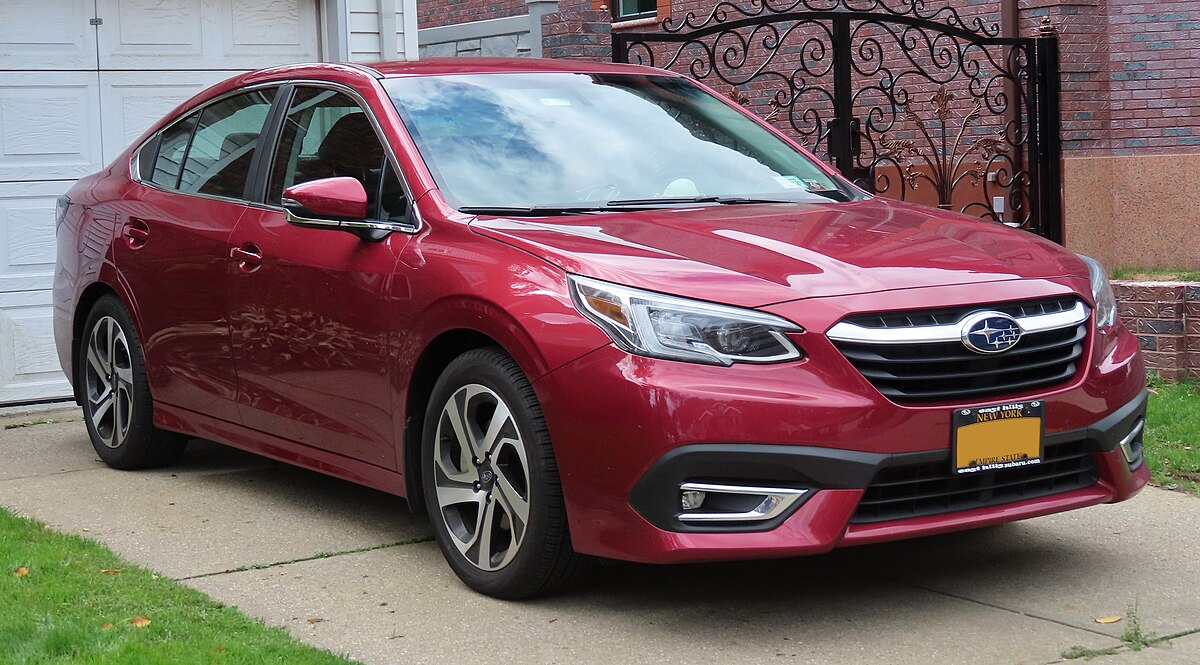
7. Chevrolet Suburban: The Giant Family SUV
The Chevrolet Suburban has been in production since 1934, making it one of the longest-running vehicle nameplates in history. It has a reputation for durability, but new generations often face reliability issues during their first year of release. Complaints typically drop in later model years, making final-year models the most dependable. Notable years include 1991, 1992, 1993, 2000, and 2006.
The Suburban is ideal for buyers who prioritize space, towing capacity, and family-oriented features. It remains a strong choice for those who want a large SUV without opting for alternatives like the Toyota 4Runner or Ford Expedition, particularly if purchasing a well-developed final-year model of a generation.
The Suburban, tested with the 6.2-liter V8 engine, accelerates from 0–60 mph in 6.7 seconds, powered by a smooth 10-speed automatic transmission. It has strong braking and remains composed despite its large size. While steering lacks feedback and prefers straight roads, the Suburban handles curves safely, though it feels heavy on winding paths.
Suspension upgrades such as Magnetic Ride Control and adaptive air suspension improve ride quality, softening bumps and reducing cabin harshness. The Suburban can feel somewhat “boat-like,” but these features make it one of the more refined rides in its class. Adaptive cruise control and lane-keeping assistance enhance safety on long drives, though mastering the controls takes practice.
Front seats are wide, soft, and equipped with optional power lumbar adjustment, though some may find them too flat. High ground clearance requires steps to enter, mitigated by power running boards in higher trims.
The cabin is exceptionally spacious. The first and second rows offer abundant headroom and legroom, while the third row can accommodate adults, albeit with firm seating. Rear entertainment monitors can interfere with child seats, though in-cushion LATCH points simplify installation. The Suburban excels in space but lacks a sense of cozy, supportive comfort compared with smaller SUVs.
Chevy updated the Suburban’s infotainment system, offering larger, brighter screens with smartphone-style app layouts. Wireless Apple CarPlay, Android Auto, and multiple USB-C ports provide connectivity, though system glitches occasionally require a hard reset.
Wireless charging is standard. Driver-assistance features like adaptive cruise control and lane-keeping aid improve usability on long drives, but high-tech features can be finicky initially.
Cargo space is a defining feature of the Suburban. The third-row area offers 41.5 cubic feet, expanding to 93.8 cubic feet with the seats folded down. In-cabin storage is limited for a vehicle of this size; front cupholders are small, and the center console lacks versatility. Towing capacity reaches 8,300 pounds, though some trailer-assist features require additional packages.
Fuel efficiency is limited due to the Suburban’s size and V8 engine. Testing with the 6.2-liter V8 4WD returned 18.7 mpg combined, slightly exceeding the EPA estimate of 16 mpg. Cylinder deactivation helps save fuel at highway speeds, but premium gasoline is required, increasing running costs.
Base models provide good value for their power and cargo capacity. Higher trims, such as the High Country, can be costly relative to interior material quality. Warranty coverage includes three years/36,000 miles basic and five years/60,000 miles powertrain, with additional rust protection and roadside assistance. The Suburban is built for families and long-term utility rather than luxury refinement.
The Suburban is defined by its sheer size. It can feel cumbersome in city driving, yet its scale allows for impressive cargo capacity, towing ability, and family accommodation. This SUV excels for extended trips, recreational towing, and large-family use, but drivers must accept its unwieldy dimensions and less agile handling compared with smaller vehicles.
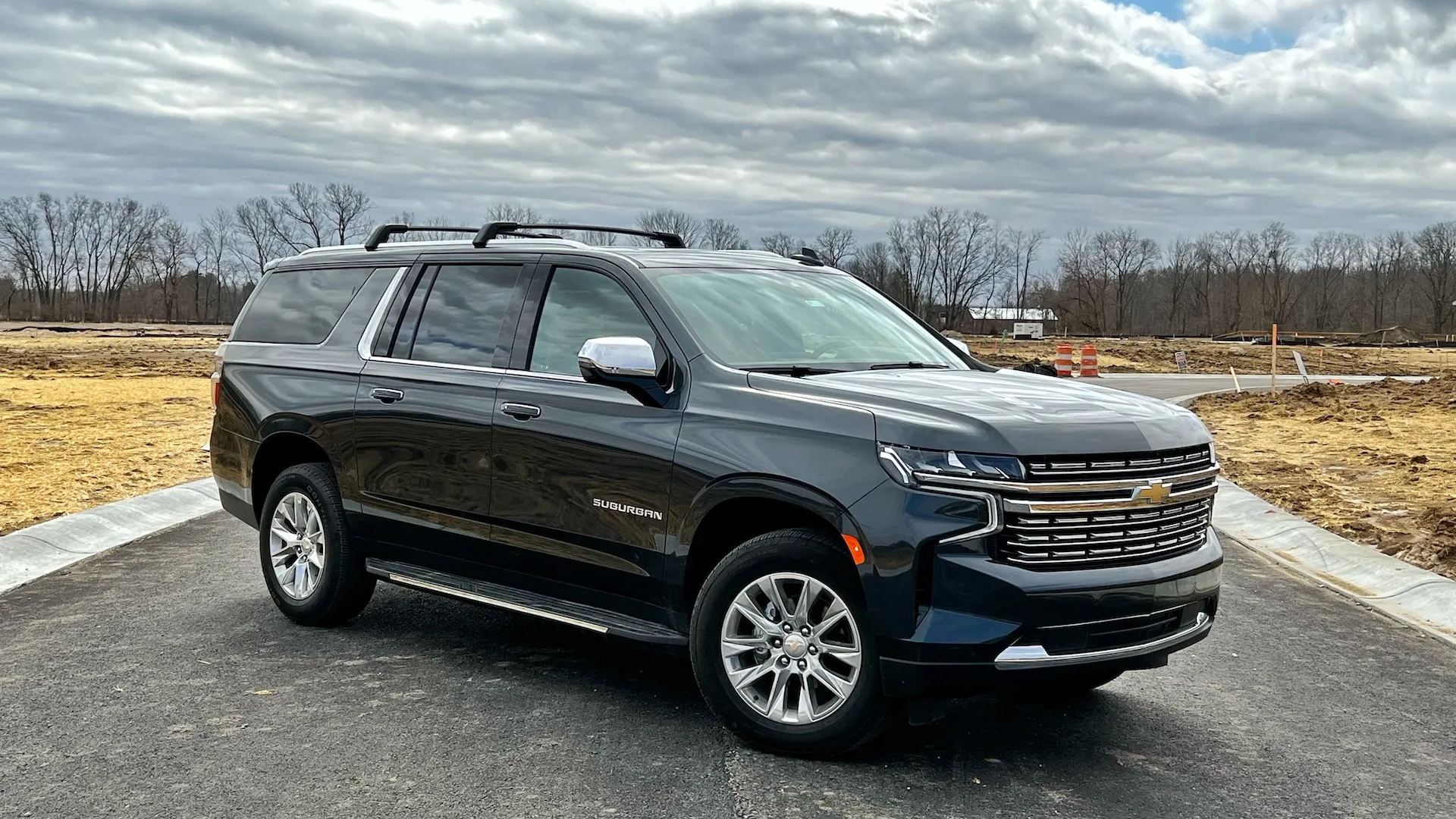
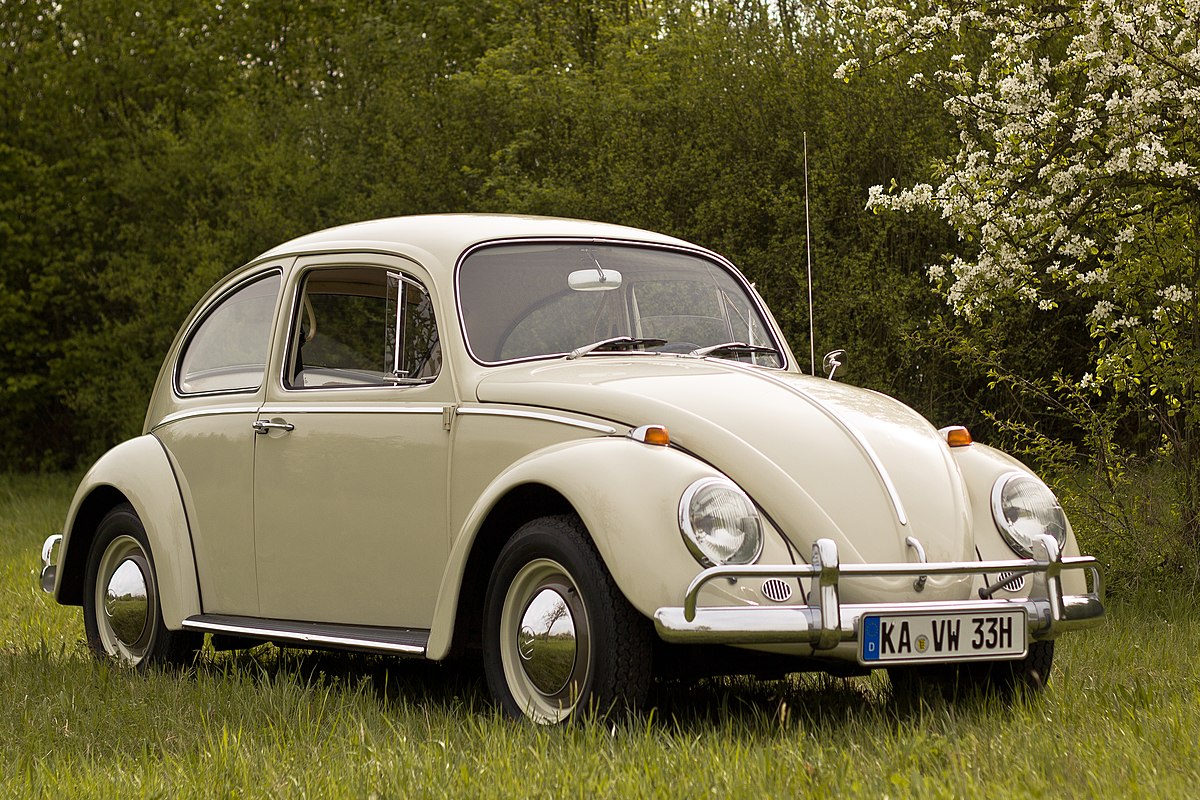
8. Volkswagen Beetle: Iconic and Enduring
The Volkswagen Beetle is one of the most recognizable and long-running cars in automotive history, produced from 1938 to 2019. Though initially designed under Hitler’s direction, it was British Major Ivan Hirst who revived production after World War II, transforming the Beetle into a symbol of peace and practicality.
Over its 81-year production span, more than 23 million Beetles were sold, cementing its legacy as a durable and simple vehicle with a loyal following. Its air-cooled flat-four engine and widely available parts make maintenance straightforward, contributing to its reputation as a first car for many young drivers.
The Beetle delivers a modestly spirited driving experience, with adequate acceleration for city and highway use. Braking, however, requires a bit more effort, and the car lacks the sharp handling of performance-focused models like the GTI. Despite this, its light steering and small size make it easy to maneuver in urban environments.
The Beetle provides a comfortable ride with supportive front seats and suspension that smooths out road imperfections. Noise from the exterior is minimal, and the cabin feels bright and open thanks to large windows and a high roofline.
The rear seats, however, are best suited for small children. Interior trim relies heavily on hard, body-colored plastics, which can feel basic but durable. Visibility to the rear is limited by a small window and thick pillars.
Cargo space is modest but adequate for everyday needs. Infotainment is straightforward, featuring Apple CarPlay and Android Auto on most trims, along with standard safety features like a rearview camera, blind-spot monitoring, and rear cross-traffic alert. While not cutting-edge, the system is functional and easy to use.
The Volkswagen Beetle remains a timeless, robust, and accessible car that balances charm, simplicity, and practicality, making it an enduring choice for drivers seeking a classic yet reliable vehicle.
9. Citroën 2CV: The Quintessential French Icon
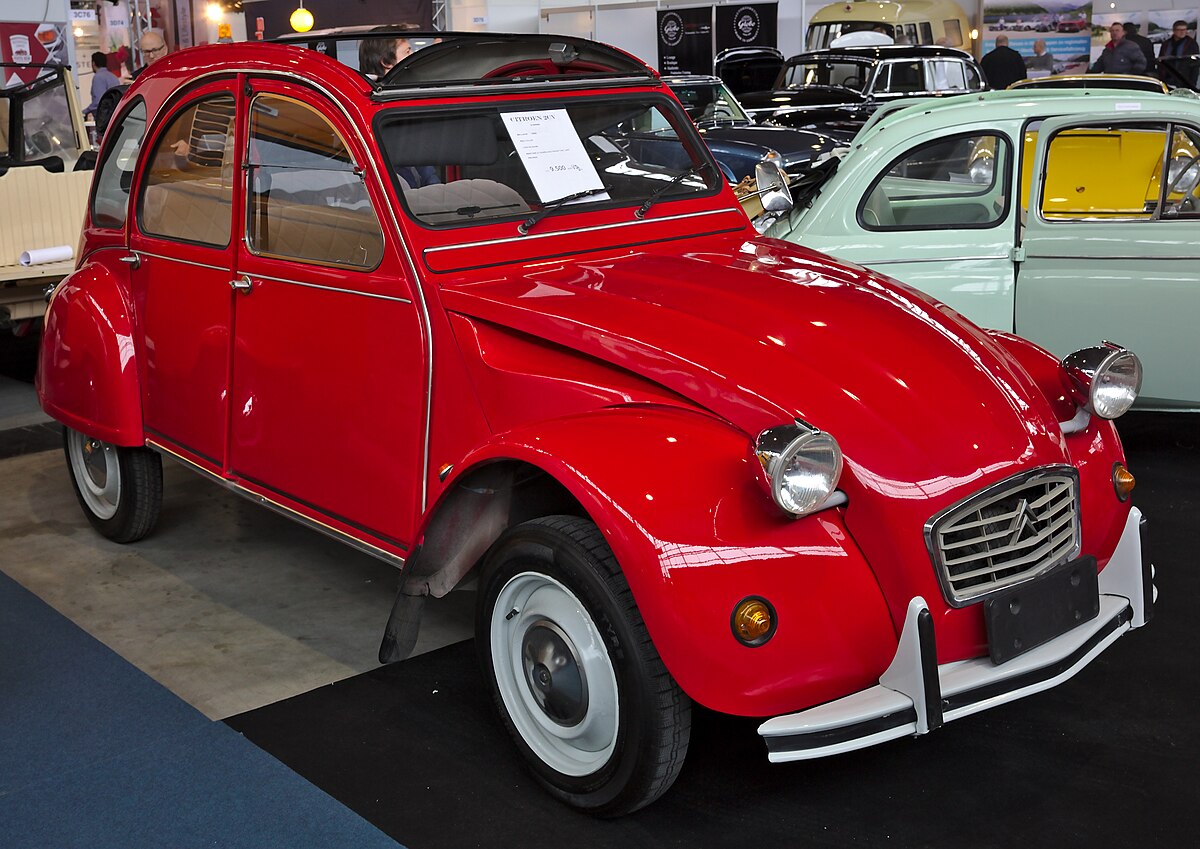
The Citroën 2CV, produced between 1948 and 1990, stands as one of the most enduring and characterful cars in automotive history. Designed by Pierre-Jules Boulanger, the 2CV was conceived as a rugged, practical, and affordable vehicle for rural France.
Its design brief was famously ambitious: the car had to carry four passengers and 50 kg of goods at 30 mph across unpaved roads, and it had to transport a basket of eggs across a ploughed field without breaking them.
Fuel efficiency was equally important, with an expected consumption of around 80 miles per gallon. Despite its modest specifications, the 2CV delivered on these goals and became a symbol of resourcefulness and simplicity.
The 2CV’s longevity and charm stem from its innovative yet minimalist engineering. It used a separate steel tube chassis, reducing susceptibility to rust, and featured lightweight, replaceable body panels that made repairs straightforward and inexpensive.
The suspension system was a linked fore-and-aft design, allowing long wheel travel for comfort and surprising stability, even when cornering. This system, combined with narrow front tires, made the car nearly impossible to roll over. The car’s air-cooled two-cylinder engine was simple and easy to maintain, capable of being disassembled and reassembled in a single day, making it highly practical for self-servicing owners.
The 2CV started with a 375cc engine producing 9 horsepower, enough to reach a top speed of 40 mph. Over the decades, engine upgrades increased power to 14 bhp, then 16 bhp in the 1960s, and eventually a 602cc motor delivering 33 bhp in the 1970s.
Acceleration was slow, with the original model taking over 40 seconds to reach its top speed. Speed was never the point; the car prioritized durability, efficiency, and functionality. A rare 4×4 “Sahara” version featured dual engines, gearboxes, and fuel tanks, enabling it to tackle challenging terrains.
The 2CV prioritized comfort for its era. Its soft, long-travel suspension smoothed out rough roads, while the cabin offered adequate space for passengers. Though basic and utilitarian, the interior was thoughtfully designed to maximize functionality. Its lightweight design made handling easy, and the car remained a reliable companion for decades of service, even under challenging conditions.
Prices for the 2CV today vary depending on condition and rarity. A restoration project may cost around $1,000, while a fully functional, later-model 2CV can sell for $6,000–$7,000. Sahara versions command even higher prices.
Beyond its practicality, the 2CV holds cultural significance. Its playful design, distinctive silhouette, and robust engineering have earned it a devoted following, and it remains an enduring symbol of French ingenuity and automotive history.
The 2CV’s clever engineering, ease of maintenance, and enduring charm make it much more than a simple economy car; it is a legendary vehicle that combines practicality, personality, and a unique slice of 20th-century innovation.
10. Mazda MX-5 Miata: The Iconic Affordable Sports Car
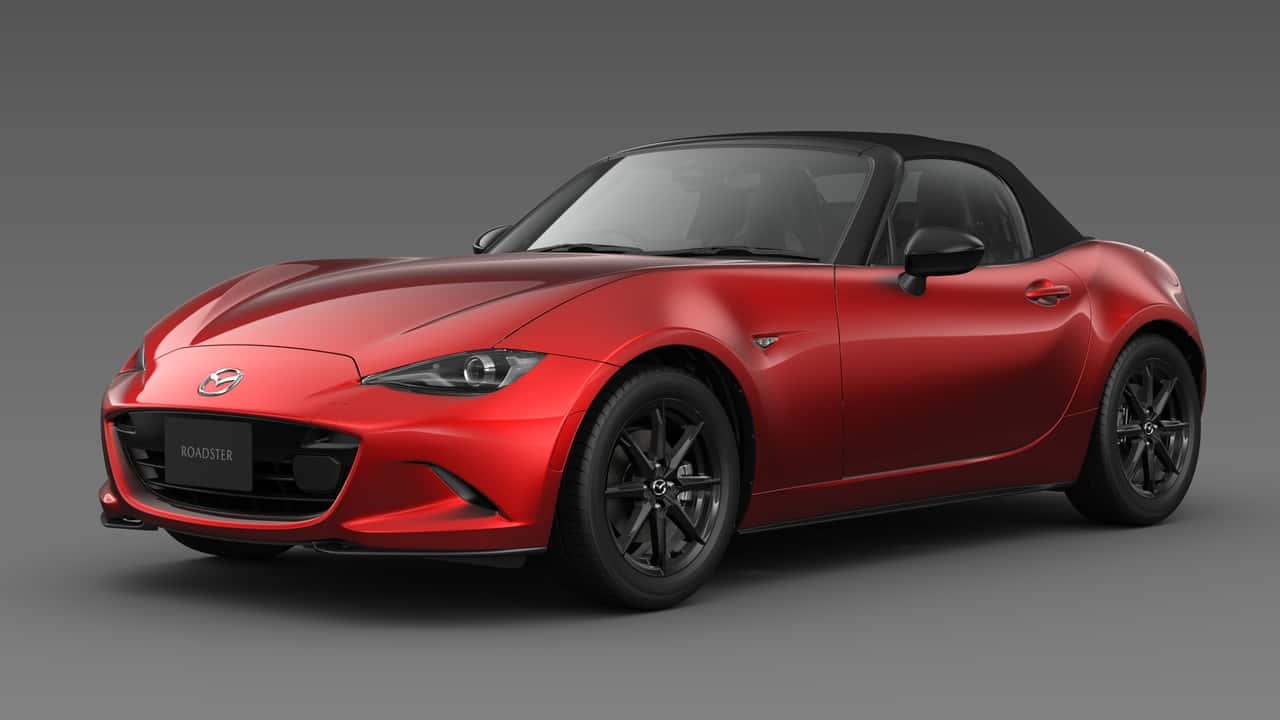
The Mazda MX-5 Miata, in production since 1989, is widely recognized as one of the most enjoyable, reliable, and accessible sports cars ever built. Celebrated for its nimble handling, light weight, and precise driving dynamics, the Miata is designed to deliver pure driving pleasure without the complexity or cost of many high-performance vehicles.
Certain model years, including 1994, 1995, 1996, 1998, and 1999, have been noted for their reliability and minimal complaints. Its enduring popularity stems from a balance of fun, affordability, and long-term durability, particularly from the NC generation onward.
The Miata is a lightweight, rear-wheel-drive roadster engineered for agility and responsiveness. During testing, a manual-equipped Miata accelerated from 0 to 60 mph in 6.4 seconds. While slightly slower than competitors like the Subaru BRZ or VW Golf GTI, the Miata offers a thrilling connection to the road.
Braking performance is solid, stopping from 60 mph in 113 feet. The car is predictable around corners, providing excellent feedback to the driver. Its modest powertrain allows drivers to explore handling limits safely, though body lean becomes noticeable under aggressive cornering.
As a small two-seat roadster, the Miata sacrifices some comfort for agility, yet it remains surprisingly livable for daily use. Its suspension handles smaller imperfections effectively, though larger bumps are more pronounced. Seats are supportive, though padding can feel oddly positioned for taller occupants.
Wind noise is significant on highways with the top up, but driving with the top down alleviates this issue. Cabin space is tight, with limited headroom and legroom for drivers over six feet, and the passenger footwell is particularly constrained. The soft top is easy to operate manually, adding to the car’s charm.
The interior is functional and driver-focused, with controls within easy reach. Infotainment features include Android Auto, Apple CarPlay, two USB ports, and an optional nine-speaker Bose audio system.
Some controls, such as the infotainment knob, are awkwardly positioned, but redundancy via touchscreen mitigates usability issues. Storage is minimal, with a 4.6-cubic-foot trunk and a small central bin for personal items. The Miata’s compact dimensions limit cargo capacity, making it suitable mainly for short trips.
The Miata delivers impressive fuel efficiency for a sports car, with EPA estimates of 29 mpg combined for the six-speed manual model. Real-world driving aligns closely with these figures, reinforcing the car’s practicality despite its performance orientation. The Miata also offers excellent value, combining high build quality, affordable maintenance, and a strong reputation for longevity.
Mazda’s warranty coverage is standard for the segment: three years/36,000 miles for bumper-to-bumper protection and five years/60,000 miles for the powertrain, with roadside assistance included for three years/36,000 miles. Parts are readily available and repairs are generally straightforward, making the Miata a cost-effective sports car for enthusiasts.
The MX-5 Miata’s combination of light weight, balanced handling, and mechanical simplicity has made it a legend in the affordable sports car market. Its fun-to-drive character, reliability, and reasonable upkeep costs have ensured that it remains a beloved option for both newcomers and seasoned enthusiasts alike. The Miata proves that a small, simple roadster can deliver an exhilarating driving experience without breaking the bank.
Also Read: 10 Cars From the 2010s Already Becoming Collectors’ Favorites
10 Cars That Constantly Disappoint
1. Mercedes-Benz GLC (2015–2022): A Luxury SUV That Fails to Deliver
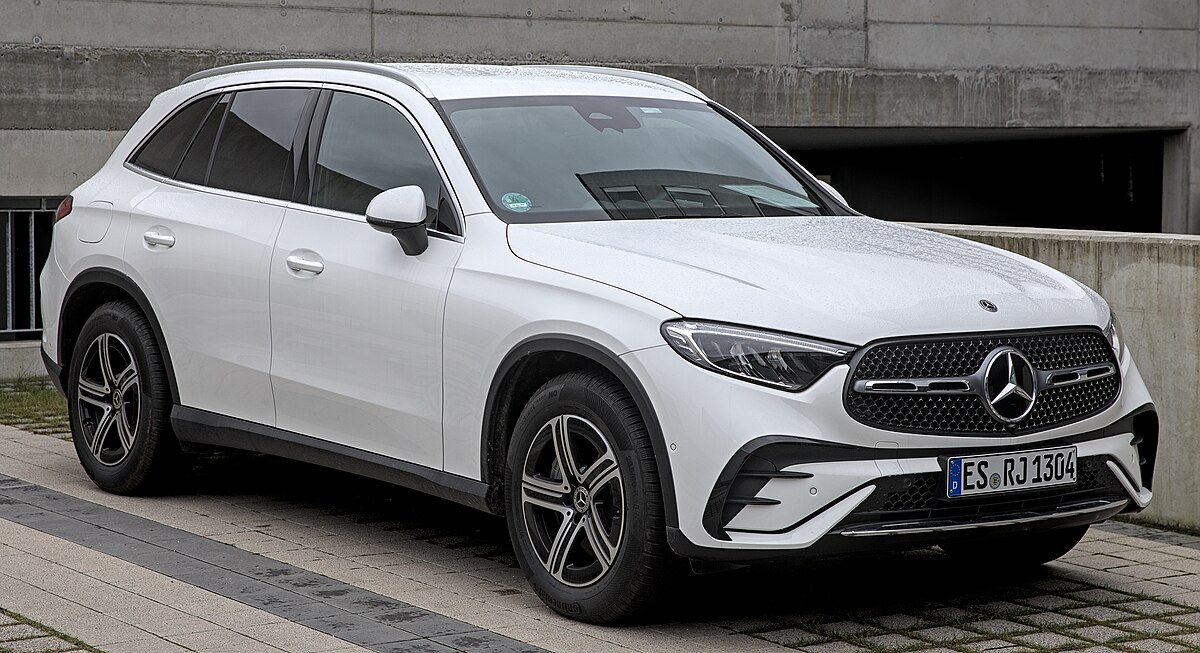
The Mercedes-Benz GLC, produced between 2015 and 2022, has earned the unenviable reputation of being one of the most disappointing luxury SUVs in recent memory.
Despite Mercedes’ long-standing reputation for German engineering excellence and high-end comfort, the GLC has consistently underperformed, scoring a mere 8.52 on a prominent reliability index. For buyers expecting a flawless driving experience, the reality has been far more frustrating, with frequent mechanical issues marring ownership.
Owners report a range of persistent problems, many severe enough to leave drivers stranded or necessitate repeated visits to service centers. These are not minor annoyances, but significant failures that often carry high repair costs, undermining the vehicle’s value proposition.
The frequency of these issues, combined with their expense, has contributed to widespread dissatisfaction among GLC owners, who invested heavily in the vehicle with the expectation of luxury and reliability.
Particularly concerning is the GLC’s failure to meet the standards set by its direct competitors, such as the BMW X3 and Audi Q5. While these rival SUVs are lauded for both performance and dependability, the GLC struggles to match them, often leaving owners disappointed and questioning the justification for its premium price tag.
The SUV’s chronic reliability issues are a stark contrast to the prestige and engineering precision typically associated with the Mercedes-Benz brand, highlighting a significant gap between expectations and reality.
The dissatisfaction with the GLC extends beyond isolated reports; it has been widely recognized in the UK, where the vehicle has been labeled the least satisfying car to own.
This consensus is drawn from the experiences of numerous real-world owners who have navigated the frustrations of repeated breakdowns, costly repairs, and diminished ownership satisfaction. It serves as a cautionary tale that even a luxurious badge and hefty price tag cannot shield buyers from disappointment when a vehicle fails to deliver on reliability.
Ultimately, the Mercedes-Benz GLC’s legacy is one of unfulfilled promise. While it may offer the aesthetic appeal and brand prestige associated with Mercedes, the combination of frequent mechanical failures, high repair costs, and general ownership frustration undermines its position as a dependable luxury SUV. For prospective buyers, the GLC exemplifies the risks of prioritizing brand cachet over proven reliability.
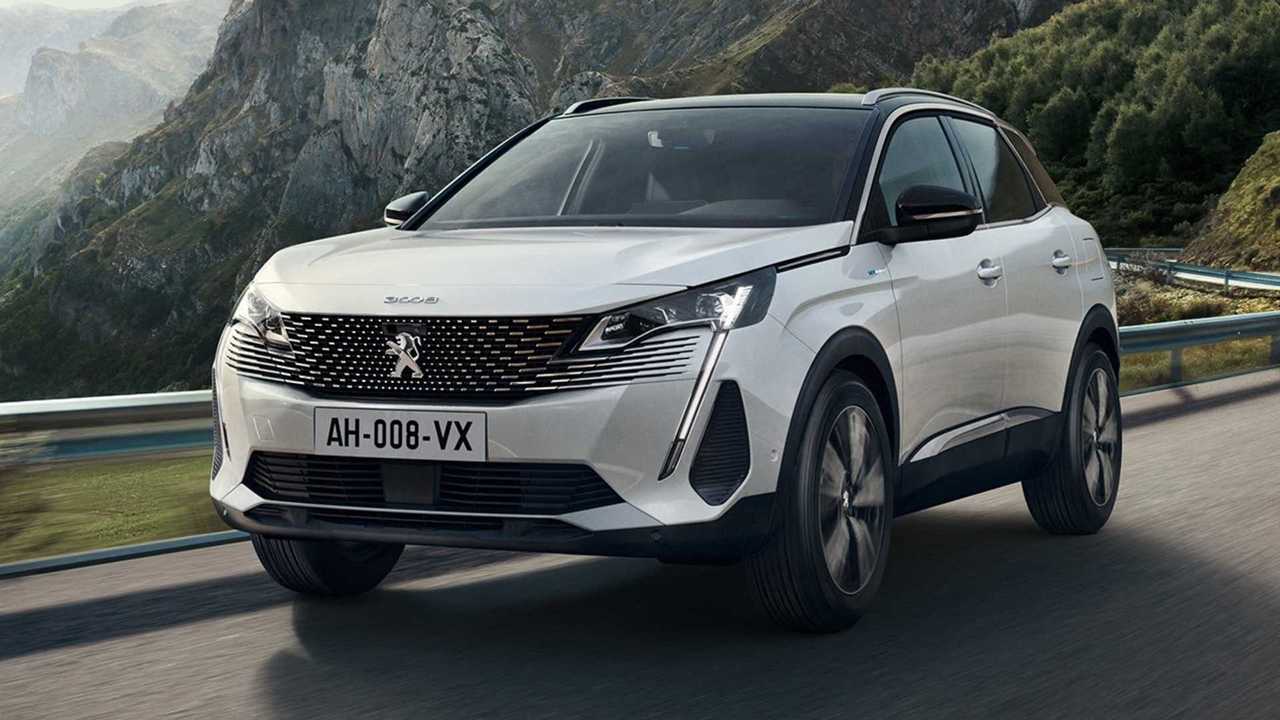
2. Peugeot 3008: Stylish Yet Struggling with Reliability
The Peugeot 3008 has long been celebrated for its striking design and engaging driving experience. Its sleek, modern exterior, paired with a cabin that balances practicality and style, initially appeals to buyers seeking a crossover with a touch of French flair.
The 3008 conveys confidence on the road, promising more than just basic family transport. However, beneath this attractive exterior lies a pattern of issues that have left many owners disappointed.
While the Peugeot 3008 scores 8.61 on reliability indexes, suggesting that it is not entirely flawed, the figure hints at significant concerns for long-term ownership. Owners frequently report problems with build quality and component durability, indicating that the car’s visual appeal does not consistently translate into robust engineering.
These issues often manifest as unexpected breakdowns and component failures, requiring costly repairs that quickly erode the vehicle’s initial charm and convenience.
Fuel efficiency, another critical factor for family-oriented buyers, further complicates ownership. Despite its modern design, the 3008 has been criticized for higher-than-expected fuel consumption, which can turn routine driving into a more expensive endeavor. This undermines one of the key practical appeals of the vehicle, its supposed suitability as a reliable and economical family crossover.
Despite its popularity among buyers attracted to its distinctive look and enjoyable driving dynamics, the Peugeot 3008 struggles to maintain owner satisfaction over time. The initial excitement of a stylish and fun-to-drive vehicle often fades as reliability issues, maintenance costs, and fuel expenses accumulate.
Families who invest in the 3008 for its practicality and comfort may find themselves dealing with frustrations that undermine the enjoyment and ease of owning the vehicle.
The Peugeot 3008 exemplifies a crossover that prioritizes style over substance. While it excels at attracting attention and providing an engaging drive, its persistent reliability concerns and operating costs reveal shortcomings that cannot be overlooked.
The vehicle demonstrates that aesthetic appeal and immediate driving pleasure are insufficient to secure lasting satisfaction, emphasizing the importance of durability and dependability in daily ownership.
For prospective buyers, the 3008 is a cautionary example: a visually appealing and fun-to-drive vehicle that may ultimately disappoint when practical realities set in.
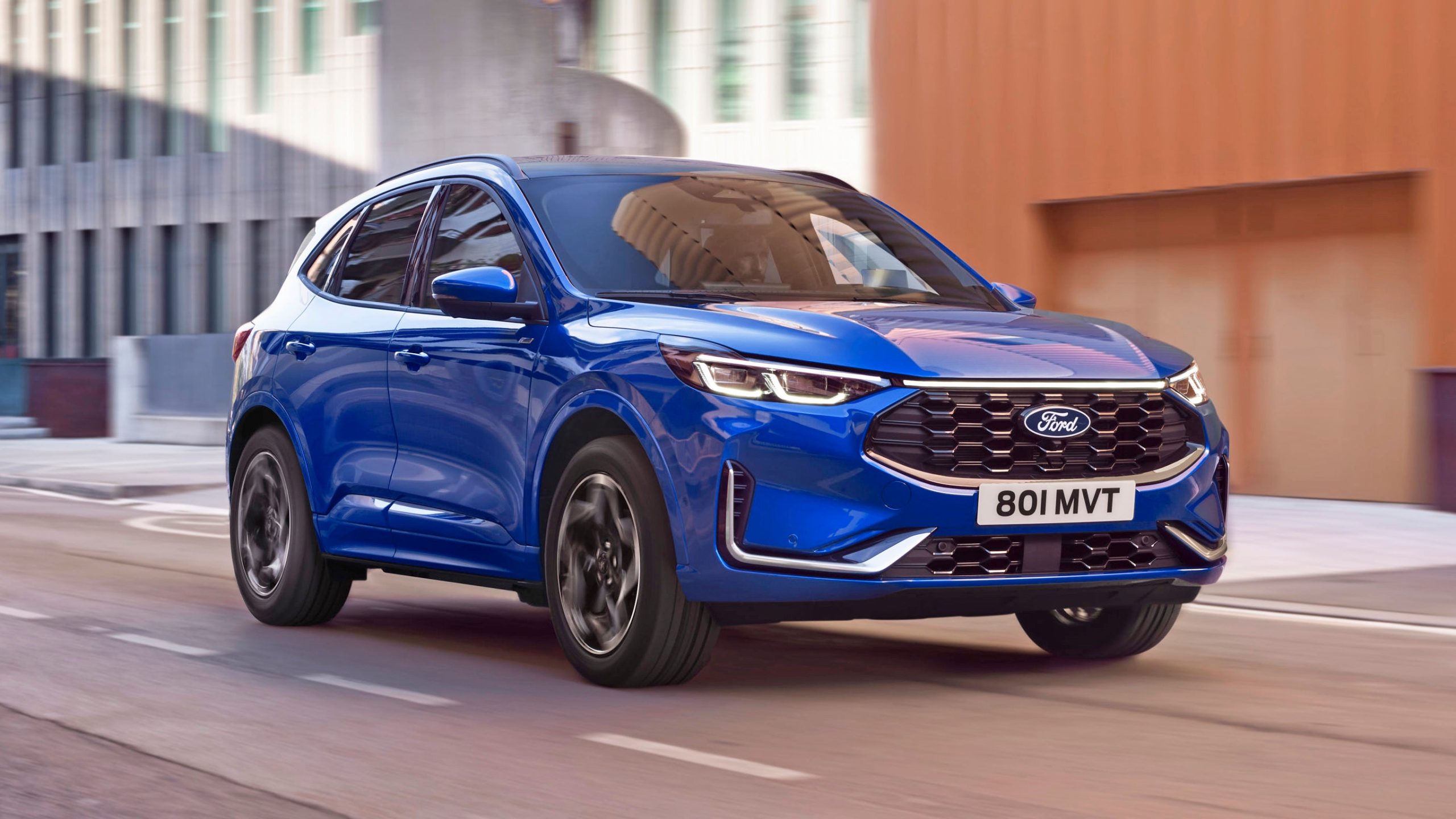
3. Ford Kuga: Reliability Shortfalls and Costly Repairs
The Ford Kuga, despite the brand’s longstanding reputation for practical and durable vehicles, has proven to be a disappointment in terms of reliability. Scoring an average of 8.70 on reliability indexes, the Kuga falls short of the dependable image Ford has cultivated over decades. For owners expecting a robust, family-friendly SUV, the reality has often been frustratingly different.
Frequent mechanical issues are a common theme among Kuga owners. These are not minor annoyances but substantial failures that can disrupt daily routines and leave drivers stranded.
The unpredictability of the vehicle’s performance creates a constant concern for reliability, diminishing the confidence and convenience that should accompany SUV ownership. What initially appears as a sensible, practical choice often transforms into a source of ongoing stress.
Adding to the dissatisfaction is the high cost associated with repairs. Owners report that servicing the Kuga can be expensive, with frequent garage visits further straining household budgets.
These unanticipated expenses compound the frustration of dealing with recurring breakdowns, making long-term ownership financially burdensome. For many, the combination of frequent issues and costly fixes turns what seemed like a rational investment into a regretful purchase.
The Kuga’s reliability struggles are particularly striking given Ford’s historical image as a manufacturer of sturdy, no-nonsense vehicles.
While the brand generally enjoys a reputation for producing resilient and practical cars, the Kuga deviates from this standard, leaving owners disappointed and questioning their loyalty to the Blue Oval badge. This inconsistency underscores the importance of thoroughly evaluating specific models rather than relying solely on brand reputation when choosing a vehicle.
The Ford Kuga illustrates the challenges of owning a vehicle that fails to meet expectations of durability and cost-effectiveness. Its frequent mechanical issues, coupled with expensive repair demands, overshadow the SUV’s potential appeal as a family-oriented, practical choice.
While Ford has historically delivered dependable vehicles, the Kuga serves as a reminder that even well-regarded manufacturers can produce models that underperform, highlighting the need for careful consideration and research before making a purchase.
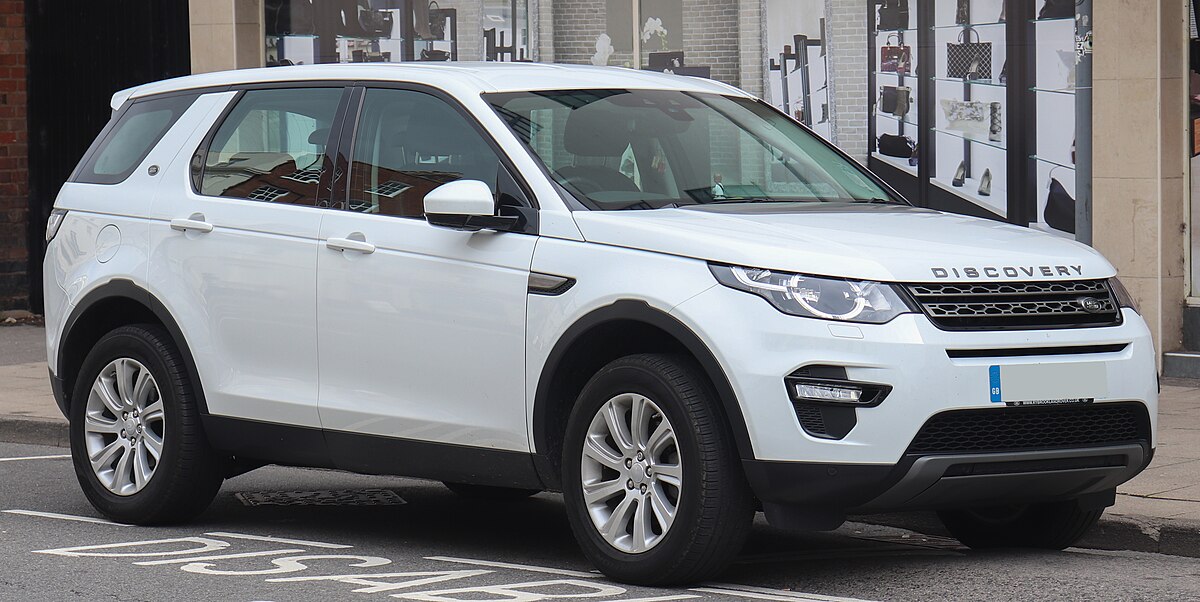
4. Land Rover Discovery Sport: Ambitious Design, Persistent Reliability Woes
The Land Rover Discovery Sport, a luxury SUV designed to combine rugged capability with premium comfort, has shown some signs of improvement over previous iterations, yet it still struggles with reliability.
With an average reliability score of 8.91, it remains a vehicle that promises adventure but often delivers frustration. For buyers seeking both sophistication and dependability, the Discovery Sport exemplifies the challenges of owning a high-end SUV that cannot consistently meet basic reliability expectations.
Despite incremental improvements, the Discovery Sport continues to suffer from recurring mechanical issues. Owners frequently report significant engine problems alongside ongoing concerns regarding build quality. These problems are not isolated; they are widespread and indicative of systemic flaws.
This pattern results in repeated trips to the repair shop, undermining the SUV’s appeal and reminding owners that even a premium badge cannot guarantee mechanical resilience.
The appeal of the Discovery Sport lies in its vision: an SUV capable of handling varied terrains while providing a refined driving experience. However, persistent reliability problems create a stark contrast to this ideal.
Owners often find themselves caught in a cycle of unexpected breakdowns and expensive repairs, which diminishes confidence in the vehicle’s capability. A car designed to embody strength and adventure paradoxically becomes a source of inconvenience and disappointment.
The dichotomy of the Discovery Sport is particularly striking. While it projects an image of rugged, go-anywhere performance, its day-to-day reliability frequently falls short of basic expectations.
Buyers investing in a Land Rover anticipate a vehicle that can perform reliably in both off-road and daily driving conditions without frequent mechanical failures. The Discovery Sport, unfortunately, does not always deliver on this promise, leaving owners grappling with unexpected expenses and ongoing maintenance challenges.
Ultimately, the Land Rover Discovery Sport demonstrates that premium design and adventurous branding cannot fully compensate for persistent reliability issues. While the vehicle’s aesthetics, comfort, and perceived capability may attract buyers, the underlying mechanical concerns can quickly erode satisfaction.
Prospective owners are reminded that even a renowned luxury brand like Land Rover can produce models where the allure of prestige and capability is tempered by the reality of ongoing repairs and unresolved technical problems.
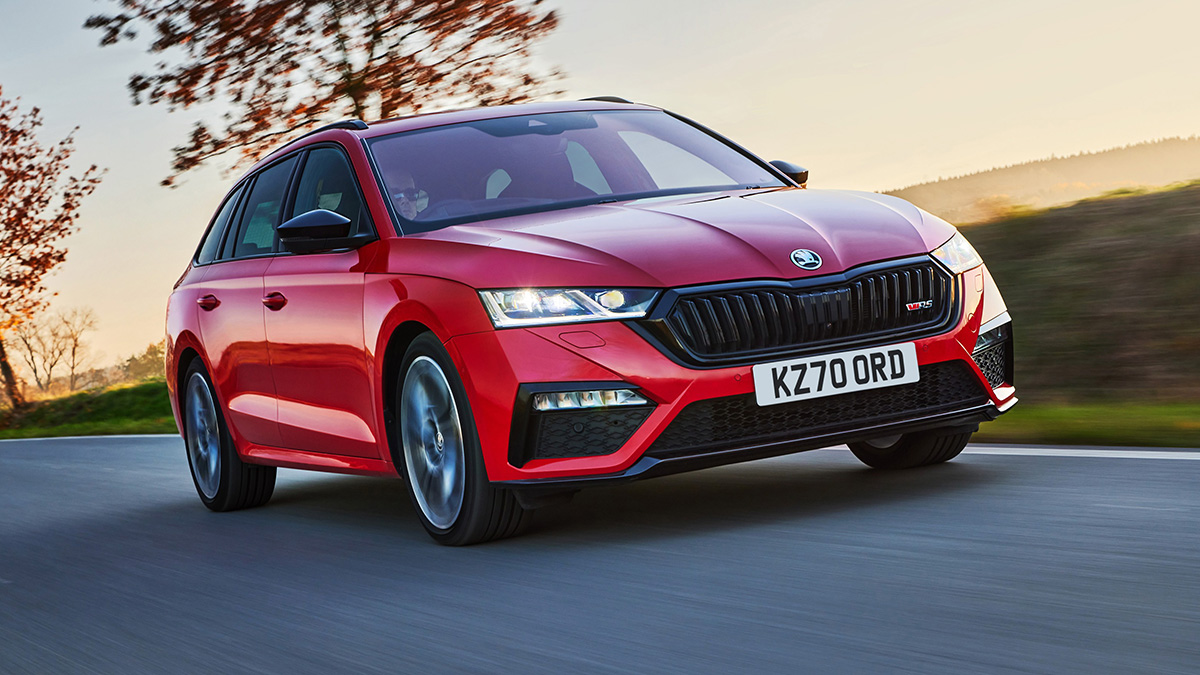
5. Skoda Octavia (2013–2020): Practical Benefits Undermined by Gearbox Issues
The Skoda Octavia has long been praised for its practicality, offering spacious interiors, a comfortable ride, and an affordable price point that appeals to families and fleet operators alike. Its reputation as a sensible, value-driven choice makes it a popular pick for those prioritizing functionality and efficiency.
However, despite these advantages, the Octavia struggles with significant reliability issues, earning an average score of 8.91 and highlighting the hidden challenges beneath its practical exterior.
The most serious concern for the Octavia is its gearbox, particularly the DSG automatic transmission found in the 2013 to 2020 models. This issue is far from minor; transmission failures are among the most disruptive and costly problems a car owner can face.
When the DSG malfunctions, it can lead to long periods out of service, high repair bills, and a level of stress that undercuts the vehicle’s otherwise practical nature. Owners often find themselves dealing with complex repairs, which further complicates ownership and diminishes confidence in the car’s dependability.
The DSG transmission, while designed to offer rapid shifts and efficient performance, has proven to be a consistent source of frustration. For a model celebrated for simplicity and reliability, this recurring problem stands out as a glaring flaw, overshadowing Octavia’s many positive attributes.
The contrast between its strengths, generous boot space, comfortable seating, and driver-friendly design, and the persistent transmission issues creates a sharp disconnect between expectation and reality.
Despite its affordability and practical appeal, the Skoda Octavia demonstrates that a single critical flaw can dramatically impact ownership satisfaction. Buyers drawn to its spacious interior, comfort, and value may find that the promise of trouble-free driving is compromised by the high likelihood of gearbox-related problems.
This underscores the importance of considering long-term reliability alongside everyday conveniences when choosing a car.
The Skoda Octavia (2013–2020) remains a practical, attractive option for many drivers, but its reputation is marred by serious mechanical issues. The DSG transmission problems highlight how even a well-designed, functional vehicle can be undermined by a fundamental flaw, reminding prospective owners that practicality alone cannot guarantee a trouble-free experience.
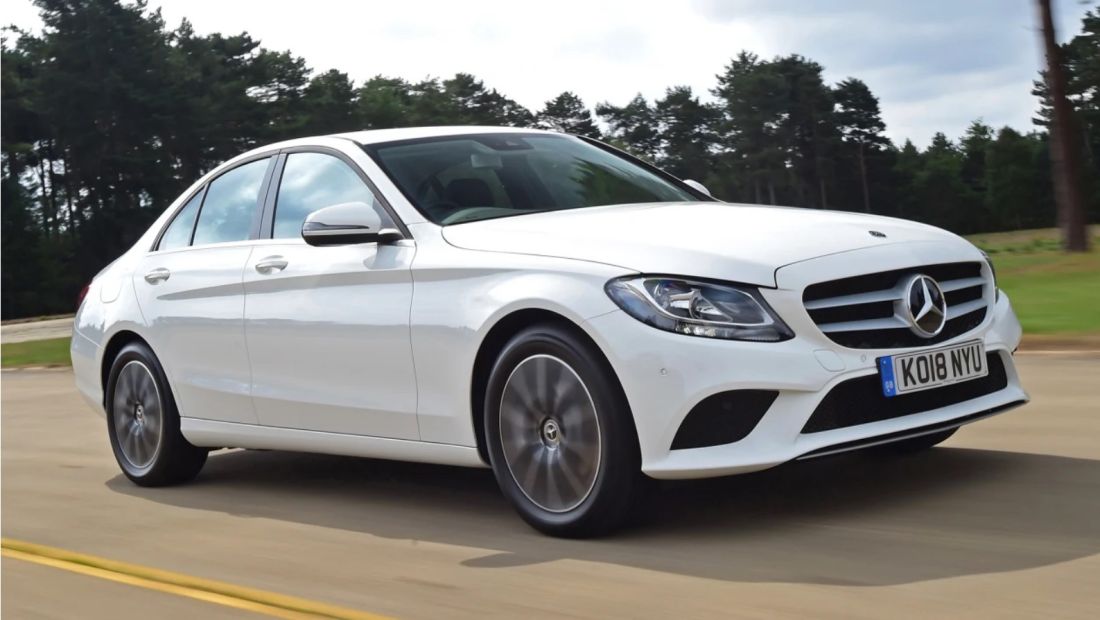
6. Mercedes-Benz C-Class (2014–2021): Luxury Marred by Costly Maintenance
The Mercedes-Benz C-Class, often considered the gateway to premium motoring, promises sophistication, comfort, and the prestige of the iconic three-pointed star. For many buyers, it represents a blend of engineering excellence and dependable luxury.
However, models produced between 2014 and 2021 have revealed a less flattering reality, earning a reliability score of just 9.05 on the Honest John Satisfaction Index and highlighting significant concerns for potential owners.
Despite its status as a stylish and comfortable compact executive sedan, the C-Class suffers from frequent mechanical issues that compromise its appeal. Owners report recurring failures ranging from complex electronics malfunctions to serious powertrain problems.
These are not minor inconveniences; they demand time, attention, and costly repairs. The result is a cycle of unplanned service appointments that erodes the joy of ownership and challenges the perception of Mercedes as a brand synonymous with reliability and peace of mind.
The premium positioning of the C-Class only amplifies the frustration. Buyers invest in the car expecting superior build quality, durability, and a stress-free driving experience. Instead, they often face a series of expensive maintenance demands that can feel like a betrayal of that promise. Even routine repairs or minor electronic faults can carry hefty price tags, making long-term ownership significantly more expensive than anticipated.
Beyond the financial strain, the C-Class’s reliability issues affect the ownership experience itself. What should be a point of pride, a smooth, comfortable ride with an aura of sophistication, becomes a source of anxiety and regret.
Owners frequently find themselves questioning their purchase as warning lights, rattles, and unexpected breakdowns disrupt daily use. The excitement of driving a premium sedan is overshadowed by the constant need for intervention, reminding buyers that even prestigious badges cannot always guarantee a trouble-free experience.
The Mercedes-Benz C-Class (2014–2021) illustrates how luxury and brand prestige alone cannot compensate for persistent mechanical and maintenance issues. While the car continues to appeal with its style, comfort, and reputation, the reality of frequent repairs and high ownership costs undermines the vehicle’s promise, leaving owners to weigh the allure of a premium badge against the practical challenges of reliability.
7. Nissan Qashqai (2014–2021): Popular Yet Plagued by Reliability Issues
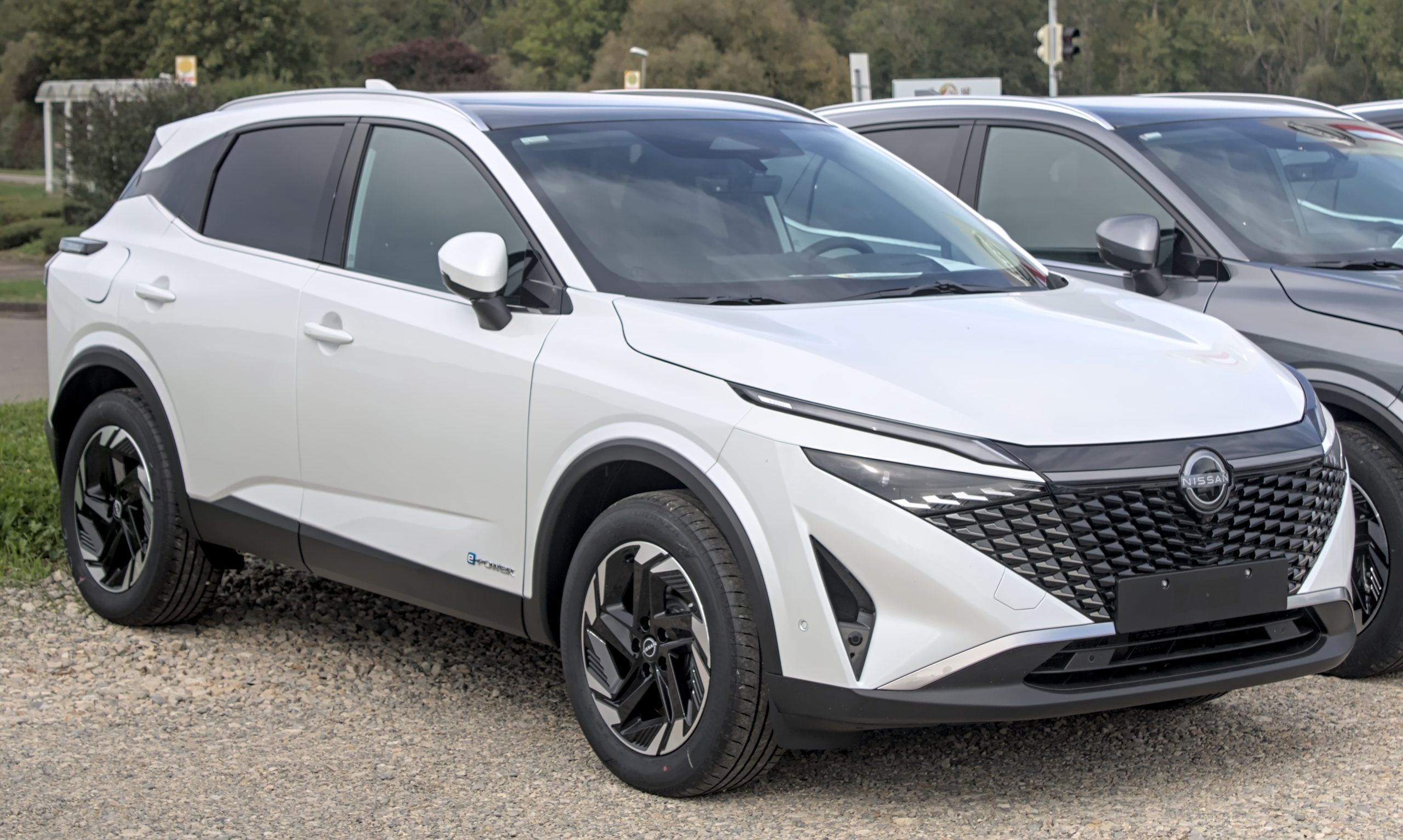
The Nissan Qashqai has long been celebrated as a practical, family-friendly crossover, consistently topping sales charts across the UK. Known for sensible design, comfort, and urban versatility, it earned a reputation as a reliable choice for modern families.
However, models produced between 2014 and 2021 tell a different story, with the Honest John Satisfaction Index assigning an average reliability score of 9.09. This demonstrates that high popularity does not automatically guarantee dependable performance.
The sheer number of Qashqais on the road makes its flaws more noticeable. Owners report frequent mechanical problems ranging from minor electronic glitches to significant engine and transmission failures.
These are not one-off complaints; they represent a recurring pattern of issues affecting multiple vehicles. Such systemic concerns suggest that design and manufacturing weaknesses have persisted across this generation, undermining confidence in the car’s long-term dependability.
For owners, these problems translate into both frustration and expense. Repairs, often unplanned and sometimes costly, quickly erode the vehicle’s appeal as a practical, budget-conscious family car.
What initially seems like a smart, reliable choice can become a financial burden as frequent garage visits chip away at savings. This shift from convenience to cost underscores the disconnect between the Qashqai’s perceived reliability and its real-world performance.
Despite its popularity and widespread adoption, the 2014–2021 Qashqai exemplifies how a well-regarded model can disappoint in critical areas like durability and maintenance. Owner feedback consistently highlights the recurring issues, emphasizing that even a bestselling vehicle is not immune to mechanical shortcomings.
Nissan has reportedly addressed many of these concerns in more recent versions of the Qashqai, but for those who invested in the 2014–2021 models, the damage has already been felt. Their experiences serve as a cautionary reminder: a car’s sales success or brand reputation should not overshadow careful consideration of its reliability record.
The Qashqai’s story illustrates that even a highly popular model can become a source of ongoing frustration when mechanical problems persist, highlighting the importance of scrutinizing long-term ownership experience alongside initial appeal.
8. Ford Fiesta: A Once-Loved Compact Facing Reliability Decline
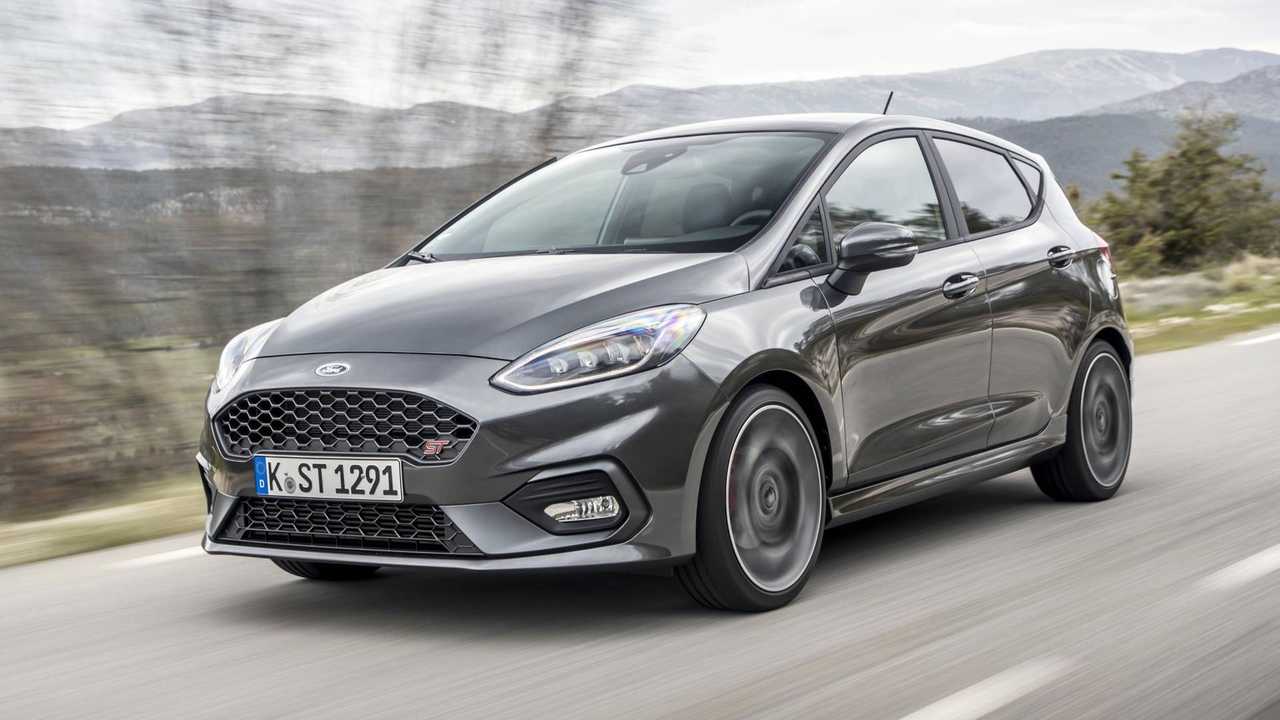
The Ford Fiesta has long been a cornerstone of British motoring, cherished as a dependable runabout, a fun-to-drive city car, and the first vehicle for countless new drivers. Its combination of affordability, practicality, and engaging performance made it a favorite across generations, holding the title of Britain’s best-selling car for many years.
However, recent models have seen a noticeable decline in reliability, earning a score of 9.12 on the Honest John Satisfaction Index, signaling a troubling shift for this once-iconic compact.
Current owners report a range of build quality and mechanical issues that were largely absent in earlier generations. Problems include interior trim pieces detaching unexpectedly, electrical faults affecting critical functions, and other manufacturing shortcomings that compromise the driving experience.
These tangible defects have transformed what was once a worry-free ownership experience into a cycle of repairs and frustration. Owners increasingly find themselves heading to service centers for issues that erode both convenience and confidence in the vehicle.
The Fiesta’s decline is further magnified by shifts in consumer preferences. Compact crossovers and SUVs, such as Ford’s own Puma, now dominate the market, offering a perception of greater reliability, comfort, and practicality.
In this competitive environment, lingering mechanical and build quality issues make the Fiesta less appealing, prompting buyers to consider alternatives that promise fewer headaches and longer-lasting performance.
While the Fiesta remains an attractive option for some due to its size, affordability, and historic charm, the persistence of reliability concerns has undermined its once-stellar reputation. Each report of mechanical or electrical issues chips away at public trust, making it increasingly difficult for the model to compete with newer vehicles that deliver consistent performance.
The Ford Fiesta illustrates how even a long-established favorite can struggle when reliability falters. Its enduring popularity is now tempered by persistent build quality issues, leaving current owners questioning what was once a simple, dependable choice.
The Fiesta’s story serves as a reminder that in today’s competitive automotive market, heritage and past success alone cannot compensate for recurring problems, especially when alternatives offer greater peace of mind for modern drivers.
9. Volvo V40 (2012–2019): Stylish but Struggling with Reliability
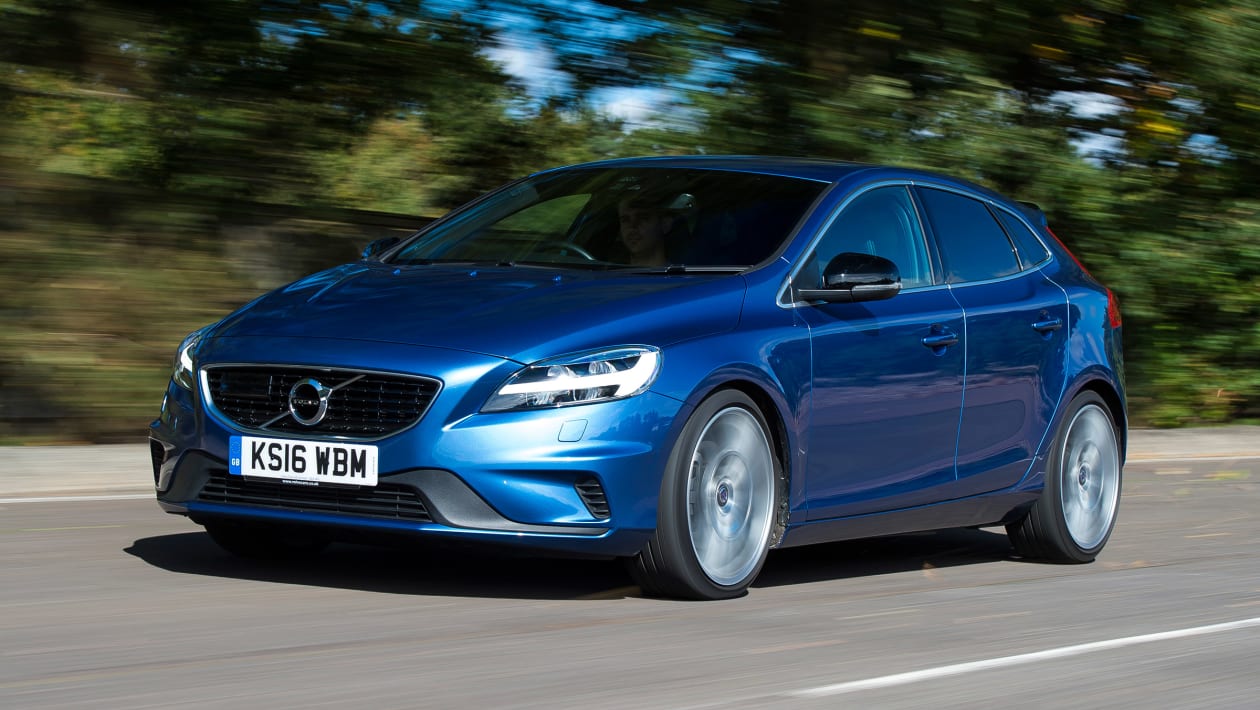
The Volvo V40, produced between 2012 and 2019, was Volvo’s compact hatchback aimed at combining Scandinavian style, practicality, and the brand’s hallmark safety credentials.
While it carried the premium design language and a reputation for sensible engineering, its reliability score of 9.13 on the Honest John Satisfaction Index tells a much harsher story. For a brand celebrated for durability, the V40’s shortcomings left many owners frustrated and disappointed.
Despite its contemporary styling, the V40 struggled with durability and mechanical dependability. Owners consistently reported issues with prematurely aging components, systems that failed unexpectedly, and a general lack of resilience that one would associate with the Volvo name.
These problems went beyond minor inconveniences, significantly affecting the driving experience and making routine ownership more complicated and costly than anticipated. The V40 often required repeated attention from garages, leaving owners questioning their investment in a car that should have symbolized reliability and peace of mind.
The V40’s performance in the reliability index positions it among the least dependable models across the market. This is particularly striking given Volvo’s long-standing reputation for engineering integrity and safety.
The model’s recurring issues indicate potential missteps in design or compromises in manufacturing, resulting in a vehicle that consistently fell short of expectations. For many owners, the experience was a stark contrast to the robust, trouble-free ownership typically associated with Volvo, leaving a sense of buyer’s remorse and frustration.
Volvo’s decision to discontinue the V40 appears to reflect these reliability challenges as much as market dynamics. Its replacement, the XC40 SUV, has been received more positively, suggesting that the brand has addressed the weaknesses highlighted by the V40.
For those who purchased the hatchback expecting dependable performance, however, the reality was often disappointing. The V40 serves as a reminder that even brands with strong reputations can occasionally produce models that fail to deliver on core promises of durability and reliability.
The Volvo V40 combined style and safety in theory, but in practice, its mechanical and component issues undermined the ownership experience. While it offered a premium feel and design, the persistent reliability problems overshadowed these strengths, leaving many owners wishing for the dependable performance typically expected from Volvo.
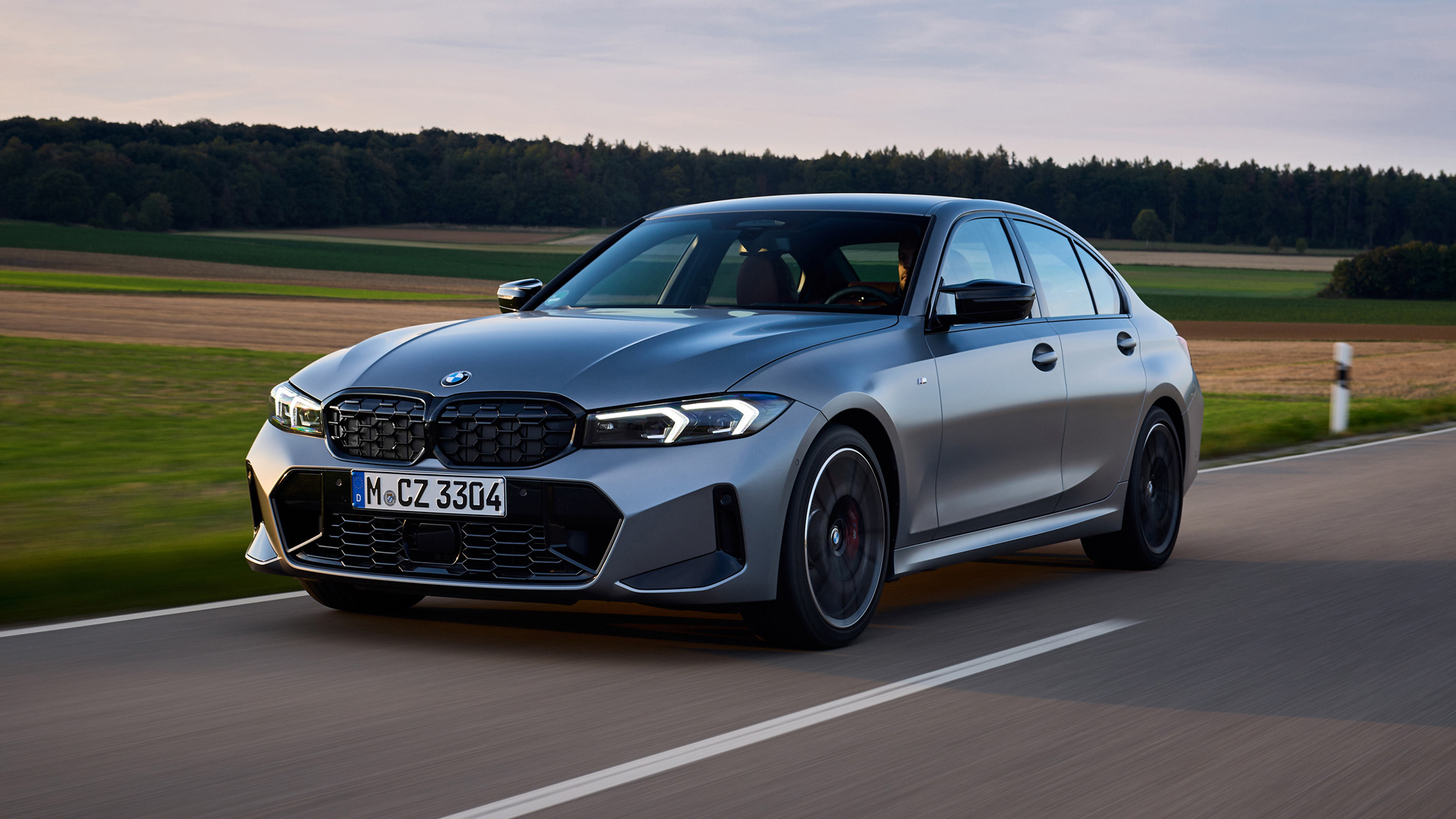
10. BMW 3 Series: Prestigious Looks, Questionable Reliability
The BMW 3 Series has long been regarded as the benchmark of the sports sedan segment, admired for its engaging driving dynamics, premium engineering, and unmistakable prestige. For decades, it has represented the “ultimate driving machine,” attracting enthusiasts and aspirational buyers alike.
However, models within the recent generations have struggled with reliability, earning a score of 9.20 on the Honest John Satisfaction Index. This reveals a stark contrast between the car’s celebrated image and the practical realities of ownership.
Owners frequently report issues related to build quality and material durability. Components often fail prematurely, and certain materials show signs of wear much sooner than expected, undermining the premium experience buyers anticipate from a German luxury sedan. These mechanical and structural shortcomings highlight a gap between BMW’s aspirational image and the everyday reliability that customers expect.
Ride comfort is another area of concern. While the 3 Series is designed for spirited driving, many owners find the ride excessively firm, making routine commuting or longer trips less comfortable than anticipated. Combined with recurring mechanical problems, this contributes to dissatisfaction among owners who expected a harmonious balance of performance, luxury, and practicality.
The disconnect between expectation and reality is particularly striking for a model that has historically symbolized precision engineering and quality. Owners invest in the 3 Series not only for its performance but also for its perceived reliability and long-term dependability.
Persistent issues with mechanical components, build quality, and comfort, however, compromise this perception, leaving some drivers frustrated despite the vehicle’s strong aesthetic and dynamic appeal.
The BMW 3 Series demonstrates that even the most esteemed marques are not immune to reliability challenges. While it continues to offer a premium driving experience and retains significant cachet on the road, its appearance on the Honest John Satisfaction Index underscores the importance of evaluating actual ownership experiences alongside brand reputation.
Buyers seeking a combination of luxury, performance, and durability should be aware that even icons like the 3 Series can present unexpected maintenance and comfort challenges, reminding us that prestige alone cannot guarantee a trouble-free ownership experience.
Reliability remains a decisive factor in the ownership experience, separating cars that inspire confidence from those that breed frustration. Vehicles that rarely fail their owners provide a consistent, stress-free experience, combining smart engineering with practical dependability.
On the other hand, cars that constantly disappoint serve as cautionary tales, reminding buyers that a prestigious badge, attractive design, or strong sales record does not guarantee longevity or hassle-free ownership.
Comparing these extremes empowers drivers to make informed decisions, choosing vehicles built to endure rather than those likely to demand repeated repairs. Ultimately, the satisfaction of driving, comfort, and peace of mind hinges on selecting a car that delivers on its promises because no one wants a beautiful vehicle that leaves them stranded or facing endless service bills.
Also Read: 10 Cars From the 2010s Already Becoming Collectors’ Favorites