Track days are the ultimate proving ground for sports cars. It’s where manufacturers’ claims of performance, handling, and engineering precision are put to the test under the most demanding conditions.
But while many sports cars promise blistering speed and corner-carving ability, not all of them can handle the relentless stress of repeated laps. Some thrive, proving themselves reliable companions for enthusiasts who want to push limits without constant breakdowns.
Others, however, reveal weaknesses that make ownership more frustrating than fun, whether it’s chronic mechanical issues, costly repairs, or components that simply can’t endure extended track use.
This contrast is especially important for buyers looking for a balance between driving excitement and dependability. After all, a car that spends more time in the shop than on the circuit isn’t much of a thrill. In this breakdown, we’ll look at five sports cars that have earned reputations for track-day reliability, machines that can take a beating and still deliver smiles lap after lap.
On the other side, we’ll examine five that fall short, where fragility or high maintenance demands turn potential dream cars into cautionary tales. Whether you’re shopping, dreaming, or comparing legends, this list highlights both sides of the sports car spectrum.
5 Sports Cars That Stay Reliable On Track Days
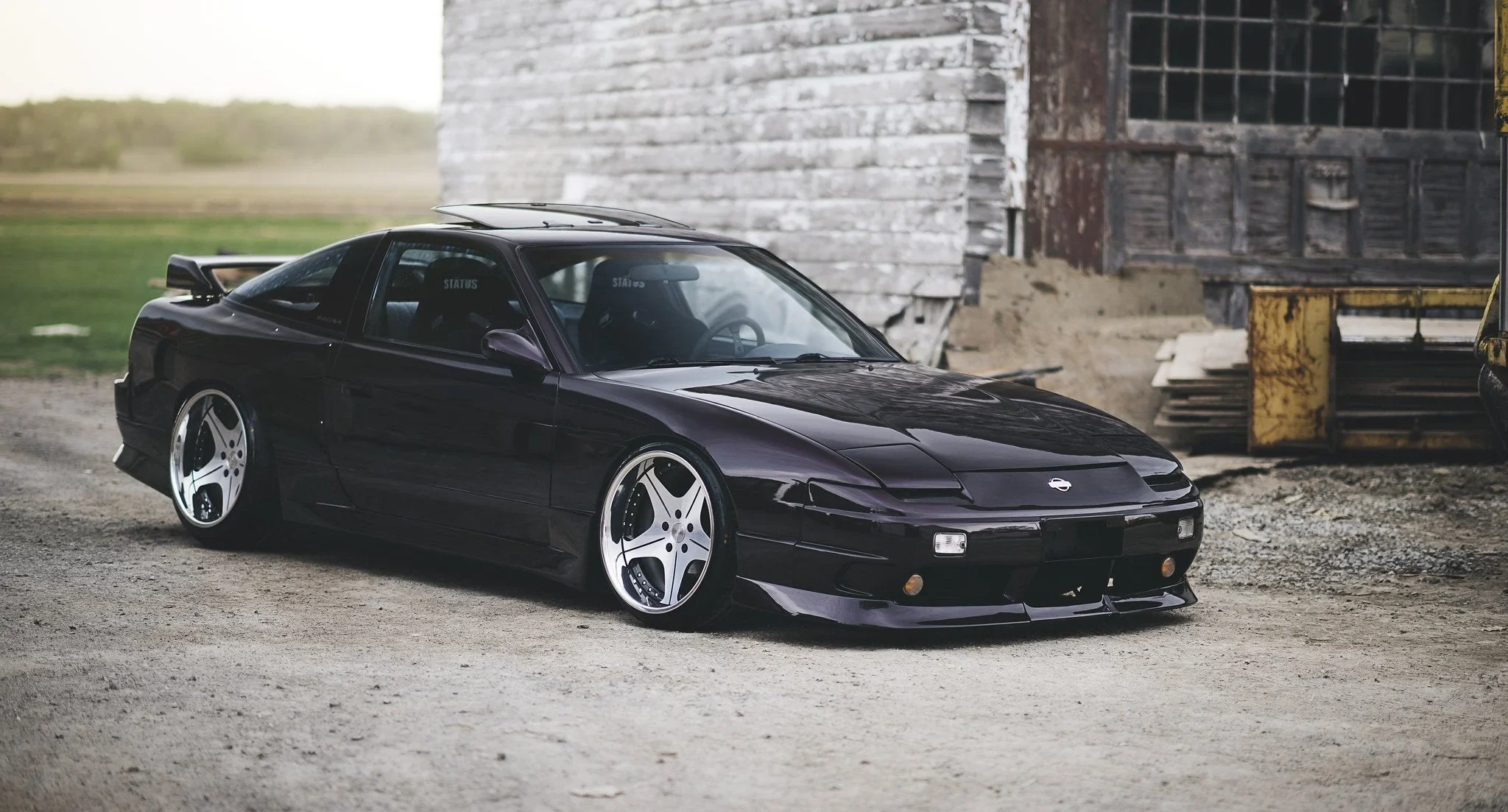
1. Nissan 240SX – An Enthusiast’s Classic Sports Car
The Nissan 240SX, priced at $25,000 with 50,000 miles on the clock, is one of the most iconic Japanese sports cars to reach U.S. shores. Introduced in 1989 as part of the Silvia/S-platform lineage, it was sold across two generations.
Powered by the naturally aspirated 2.4-liter KA24 four-cylinder engine, the car initially produced 140 hp and 152 lb-ft of torque, later upgraded to 155 hp and 160 lb-ft after 1991. While not a powerhouse, the 240SX’s rear-wheel-drive setup, lightweight design, and superb chassis balance made it a favorite among driving enthusiasts.
One of the standout qualities of the 240SX is its exceptional handling. Thanks to a well-balanced chassis, multi-link independent rear suspension, and responsive steering, the car delivers engaging performance, especially on winding roads and in autocross events. Its rear-wheel-drive configuration further enhances driving enjoyment, offering enthusiasts a platform that is both accessible and rewarding.
Although modest in stock form, the 240SX gained widespread popularity due to its tuning potential. The car’s lightweight design and strong chassis provide an ideal foundation for engine swaps and significant power upgrades. This has cemented its reputation in motorsports, particularly drifting, where its affordability, RWD setup, and aftermarket support made it a staple.
Despite its age, the 240SX has a reputation for reliability. With proper maintenance and mechanical care, owners report relatively few major issues. However, being a 30-year-old vehicle, common wear such as deteriorating bushings, fading paint, and other age-related concerns should be expected. Regular upkeep can keep the car performing consistently for decades.
The 240SX holds a strong place in the enthusiast community. Its availability in multiple body styles, including hatchback and convertible, increased its appeal, with hatchbacks often being the favorite. The car’s strong aftermarket support has also ensured a steady supply of modification options, though sourcing certain OEM parts is becoming more difficult as time passes.
While highly regarded, the 240SX is not without shortcomings. Its stock engine lacks low-end torque and can feel underpowered compared to modern sports cars. Later models, introduced in the mid-1990s, lost some of the raw charm of earlier versions as Nissan refined the car for a more upscale market, making them pricier and less accessible.
The Nissan 240SX remains an enthusiast’s gem, reliable, highly modifiable, and fun to drive. Its aging nature presents challenges, but its handling prowess and cultural impact secure its legacy as a beloved Japanese classic.
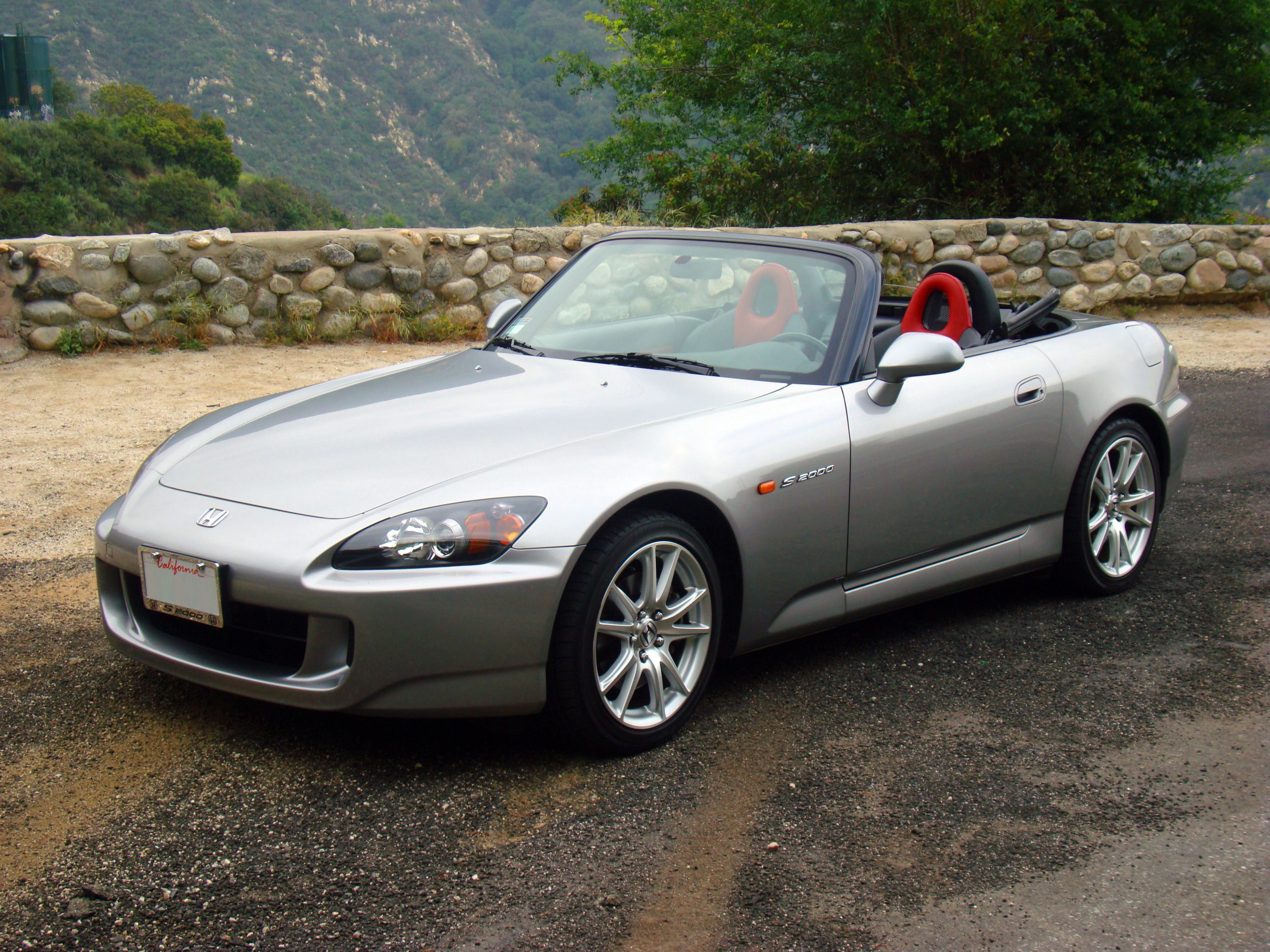
2. Honda S2000: A High-Revving, Reliable Sports Car
The Honda S2000 has earned its place as one of the most celebrated two-seat roadsters in modern automotive history. Priced around $35,000 for a 2007 model with 30,000 miles, the S2000 has grown into a collector’s favorite while remaining a thrilling driver’s car. It offers a blend of high-revving performance, rear-wheel-drive dynamics, and exceptional reliability, making it a standout among affordable sports cars.
At the heart of the S2000 is a 2.2-liter naturally aspirated four-cylinder engine producing 237 hp and 162 lb-ft of torque. Its hallmark is an extraordinarily high redline of 8,900 rpm, giving it one of the highest specific outputs (120 hp per liter) among mass-produced NA engines.
Power is routed through a six-speed manual transmission with short throws and a Torsen limited-slip differential, allowing precise control and responsive shifts. The car sprints from 0–60 mph in 6.2 seconds and reaches a top speed of 140 mph, delivering a visceral driving experience that few competitors can match.
The S2000 shines in handling thanks to a rigid chassis with near-perfect 50/50 weight distribution. Its four-wheel double-wishbone suspension, paired with electrically assisted steering, provides sharp, responsive feedback that rewards skilled driving.
Designed with track-inspired performance in mind, the S2000 can handle spirited driving and moderate abuse while maintaining reliability. Later models improved upon early versions, correcting issues like high oil consumption and valve retainer wear that affected pre-2004 cars.
Visually, the S2000 is compact and angular, with a power-operated convertible top and 16-inch wheels as standard. The rear window is plastic, reflecting its lightweight, performance-focused design.
Inside, the cabin offers leather seats, air conditioning, a digital instrument cluster, and a CD audio system, keeping the focus on driver engagement rather than luxury. Safety features include driver and passenger airbags, roll bars, and seatbelts with pre-tensioners, ensuring that performance does not come at the cost of security.
The S2000 emphasizes driving purity. Its engine start button, inspired by racing heritage, hints at the car’s enthusiast-focused design. Unlike city-oriented roadsters or luxury alternatives like the BMW Z3, Mercedes-Benz SLK, or Porsche Boxster, the S2000 is uncompromisingly performance-driven.
It may lack the prestige of European brands, but it delivers a raw, thrilling experience at a more accessible price point. Its combination of high-revving power, precise handling, and mechanical reliability makes it a standout in its class.
The S2000 is renowned for reliability, with most mechanical issues avoidable through routine maintenance at key service intervals. While early model years experienced higher oil consumption and valve retainer wear, later examples, especially the 2007 model, are robust and long-lasting. Owners praise its ability to endure spirited driving without frequent repairs, making it not only exciting but dependable.
The Honda S2000 remains a true enthusiast’s roadster: a high-revving, rear-wheel-drive sports car that balances reliability with an unforgettable driving experience, offering a performance-focused alternative to more expensive European competitors.
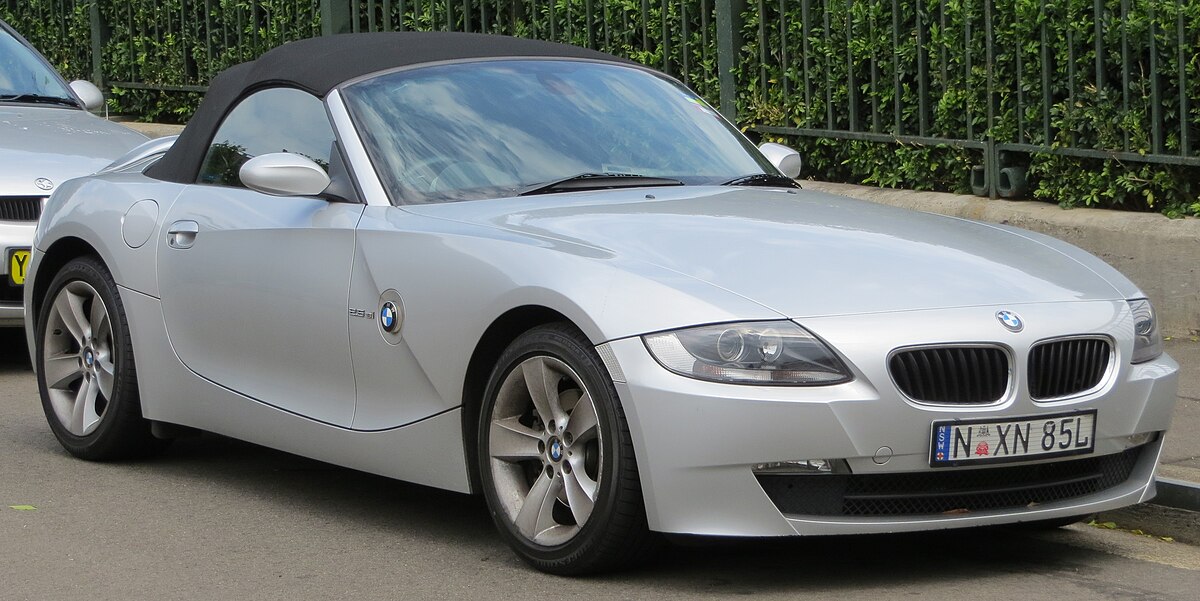
3. BMW Z4 Coupe (E85) – A Driver’s Car with Timeless Style
The BMW Z4 Coupe (E85), produced between 2003 and 2008, represents one of the brand’s most compelling entries into the sports car market. With its striking design, naturally aspirated inline-six engines, and driver-focused dynamics, the Z4 Coupe remains a sought-after option for enthusiasts seeking a balance of performance and prestige at a relatively attainable price point.
The E85 generation offered several six-cylinder engines, ranging from 2.2 liters to the 3.0-liter inline-six. The 3.0i delivered 215 hp and 185 lb-ft of torque, while the more potent 3.0si offered 255 hp and 220 lb-ft.
Paired with a standard six-speed manual transmission or an optional six-speed automatic with Steptronic sequential shift control, the 3.0si could sprint from 0–60 mph in just 5.6 seconds. Top speed was electronically limited to 155 mph.
Fuel efficiency was respectable for a performance-oriented sports car, rated at 20 mpg city/29 mpg highway with the manual and slightly better at 21/30 mpg with the automatic.
The absence of turbocharging meant a more linear power delivery and fewer fuel-related reliability issues, though the engines were not immune to known BMW quirks, particularly VANOS (variable valve timing) problems. Fortunately, these are generally manageable with proper maintenance.
The Z4 Coupe excels where it matters most: behind the wheel. Thanks to its fixed roof, it enjoys greater rigidity than the roadster, resulting in sharper handling and improved stability.
Acceleration, braking, and cornering are all exemplary, and the sonorous inline-six adds to the driving experience. While the optional Sport package delivers razor-sharp handling, some may find its ride quality overly stiff for daily driving.
In everyday use, the Z4 Coupe is relatively agreeable, though wind and road noise can be more pronounced in the roadster version. On scenic roads, however, the Z4 truly shines, rewarding drivers with precision, agility, and a strong connection to the road.
Standard safety equipment included antilock disc brakes, stability control, run-flat tires, a tire-pressure monitoring system, side airbags, rollover protection, and active knee protection.
In crash tests, the Z4 Roadster earned four stars in frontal impact protection and three stars in side-impact protection. While not class-leading, these ratings were competitive for a small sports car of its era.
Inside, the Z4 favors simplicity over luxury. The cockpit emphasizes driving with firm sport seats, clear gauges, and minimal distractions. Metallic trim comes standard, with optional wood for those desiring a more upscale look.
Cargo space in the coupe is modest but practical, while the roadster retains its 9-cubic-foot trunk capacity even with the top down, an advantage over rivals like the Mercedes-Benz SLK.
While generally robust, the Z4 Coupe isn’t without its quirks. Convertible roof mechanisms are a common failure point, though less of a concern for the coupe. Electronics, VANOS solenoids, and other typical BMW wear items can require attention, but when maintained properly, the Z4 remains a dependable machine. Importantly, it is best enjoyed in stock form, as extensive tuning can compromise its reliability.
The BMW Z4 Coupe (E85) blends seductive styling, classic BMW inline-six performance, and rewarding handling in a compact package. Competing against the Porsche Cayman and Mercedes SLK, it offered comparable driving excitement at a lower price. Today, it remains an enthusiast favorite, less about outright practicality and more about delivering a pure, engaging driving experience.
4. Porsche Cayman/Boxster (987) – The Sweet Spot of Modern Porsche
The Porsche Cayman and Boxster from the 987 generation (2005–2012) stand out as some of the most rewarding and reliable sports cars in Porsche’s history. Positioned as more affordable alternatives to the flagship 911, these mid-engine models offer exceptional handling, timeless design, and a pure driving experience.
Today, they represent an attractive entry point into Porsche ownership without sacrificing performance or prestige.
At the heart of the 987 Boxster is a 2.7-liter naturally aspirated flat-six, producing 245 hp and 201 lb-ft of torque. This allows a 0–60 mph sprint in 6.1 seconds and a top speed of 155 mph.
While not the most powerful Porsche, the 987’s true strength lies in its mid-engine balance and hydraulic steering, both of which deliver a level of precision and feedback that few cars at its price point can match. The six-speed manual transmission is highly praised for its direct and mechanical feel, enhancing the car’s engagement.
For those preferring convenience, Porsche later introduced the PDK dual-clutch gearbox, which offered lightning-fast shifts without diluting the driving experience.
The 987 is split into two phases:
987.1 (2005–2008): A refinement over the original 986, featuring improved styling, power, and interior quality. However, these early models were prone to Intermediate Shaft Bearing (IMS) issues and, in the case of the 3.4L ‘S’ models, cylinder bore scoring. While many of these problems can be managed with preventative maintenance, they are important considerations for buyers.
987.2 (2009–2012): Widely considered the sweet spot of the lineup, this facelift brought updated engines that resolved the IMS and bore scoring concerns. Alongside reliability improvements, the 987.2 offered sharper styling and the option of the PDK gearbox.
Unlike many sports cars, the 987 Cayman and Boxster combine performance with practicality. The Boxster’s twin-boot setup ensures ample luggage space, while the Cayman’s coupe body adds even more storage versatility. Comfortable interiors and a compliant ride make both cars viable for daily driving, while still being capable of thrilling weekend runs or track sessions.
When properly maintained, the 987 has proven to be reliable, especially the later 987.2 models. However, as with any Porsche, maintenance and repairs can be costly, so budgeting for upkeep is essential. Enthusiasts also appreciate that these cars are best enjoyed in stock form, as excessive modifications may compromise reliability.
The Porsche Cayman and Boxster 987 models hit a rare balance of affordability, reliability, and pure driving joy. With their analog feel, exceptional handling, and proven engines in later versions, they deliver an experience that modern cars, laden with electronics, often can’t replicate. For enthusiasts seeking a true Porsche experience without 911-level costs, the 987 remains one of the best buys on the market.
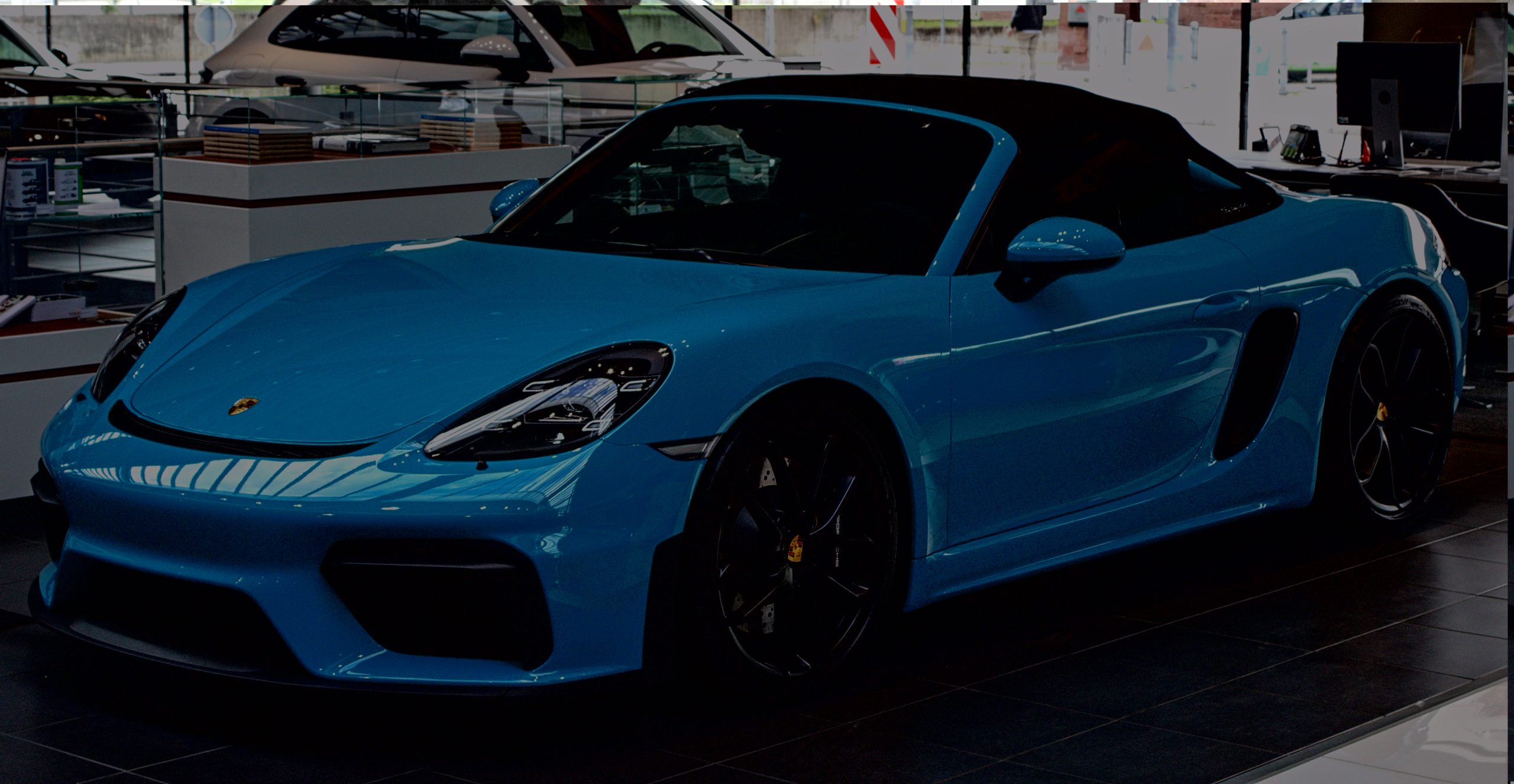
5. Chevrolet Corvette (C5) – Affordable American Performance Icon
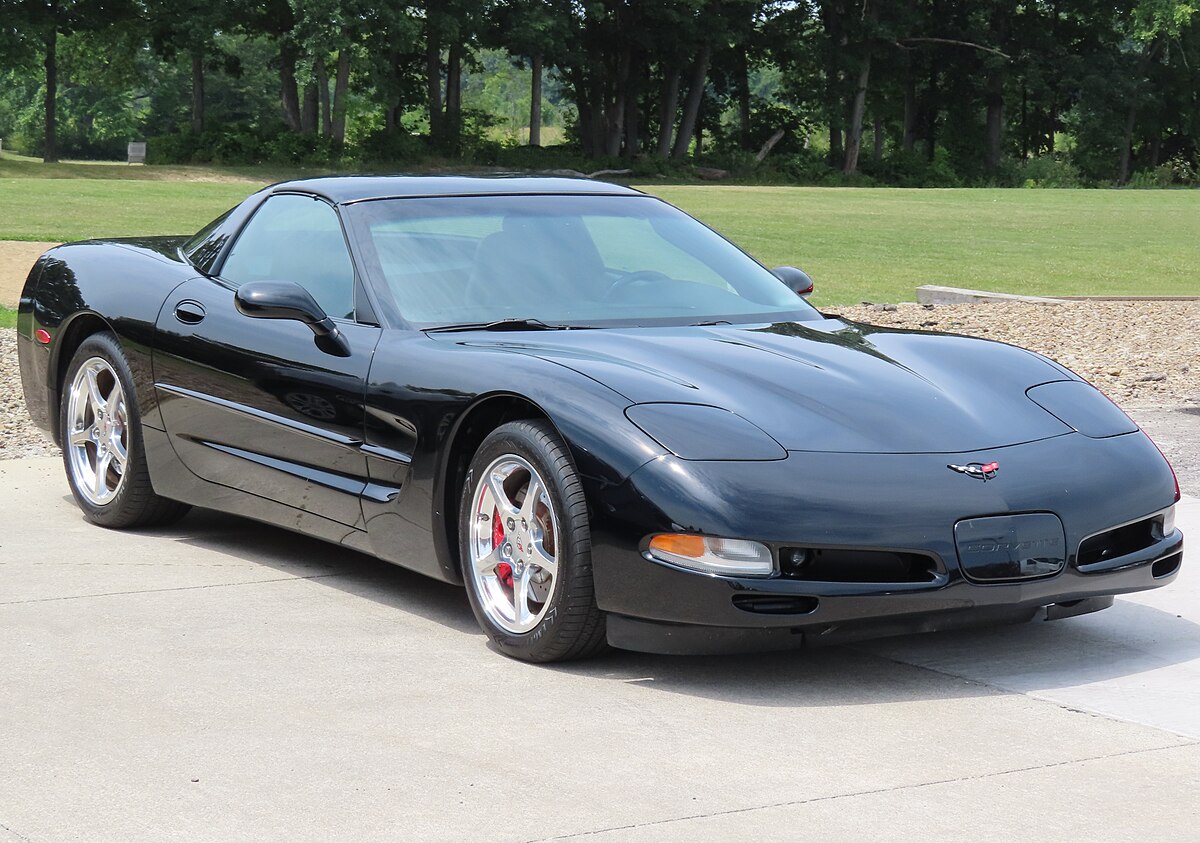
The fifth-generation Chevrolet Corvette (C5), produced from 1997 to 2004, remains a landmark in American sports car history. With its LS1 V8 power, stiffened chassis, and practical usability, the C5 delivered performance levels comparable to European exotics at a fraction of the price. Today, it continues to stand out as one of the best-value performance cars on the used market.
At its heart, the C5 features a 5.7-liter LS1 V8 producing 345–350 hp and 356 lb-ft of torque, propelling the car from 0–60 mph in just 4.7 seconds with a top speed of 175 mph. For enthusiasts seeking more, the Z06 variant came equipped with the high-revving LS6 engine, rated at 405 hp, cementing the C5’s reputation as a true performance bargain.
Beyond straight-line speed, the C5’s advanced layout, front-mounted engine paired with a rear-mounted transaxle, ensures near-perfect weight distribution, making it agile on both road and track.
The C5 introduced a stiffer, more modern chassis compared to its predecessor, the C4. This backbone design, combined with the independent suspension and advanced braking system, delivered superb handling.
On tight tracks, it could hold its own against newer sports cars, while still offering a refined ride for long-distance cruising. The available targa top added open-air enjoyment without compromising rigidity, making it especially popular among buyers.
Unlike many sports cars, the C5 offers notable practicality. It features a spacious trunk, comfortable ride quality, and ample legroom, making it suitable for both spirited weekend drives and cross-country trips. For many owners, it strikes a unique balance: thrilling performance combined with everyday usability.
The C5 is mechanically solid, especially in later model years (2001–2004) when many early issues were resolved. Engine problems are rare, though some cars suffer from oil consumption due to worn rings.
Known weak points include faulty steering column locks and wiring issues, often related to poor maintenance. As with any 20+ year-old car, wear items such as suspension components may need replacement, and specialized parts like magnetic shocks can be expensive.
Where the C5 falters is in its interior quality. Hard plastics, dated design elements, and pop-up headlights feel old-fashioned by today’s standards. Still, these shortcomings are often forgiven, given the car’s outstanding performance-to-price ratio.
The C5 Corvette is ideal for budget-conscious enthusiasts, track-day drivers, or anyone seeking a high-performance sports car with daily drivability. With its V8 power, strong chassis, and affordable market value, the C5 represents one of the greatest performance bargains of its era, an American classic that continues to deliver thrills without breaking the bank.
Also Read: 5 Cars With Dependable Start-Stop Systems and 5 That Annoy Owners
5 Sports Cars That Don’t Last
1. Porsche 718 Cayman: Performance Meets Fragility
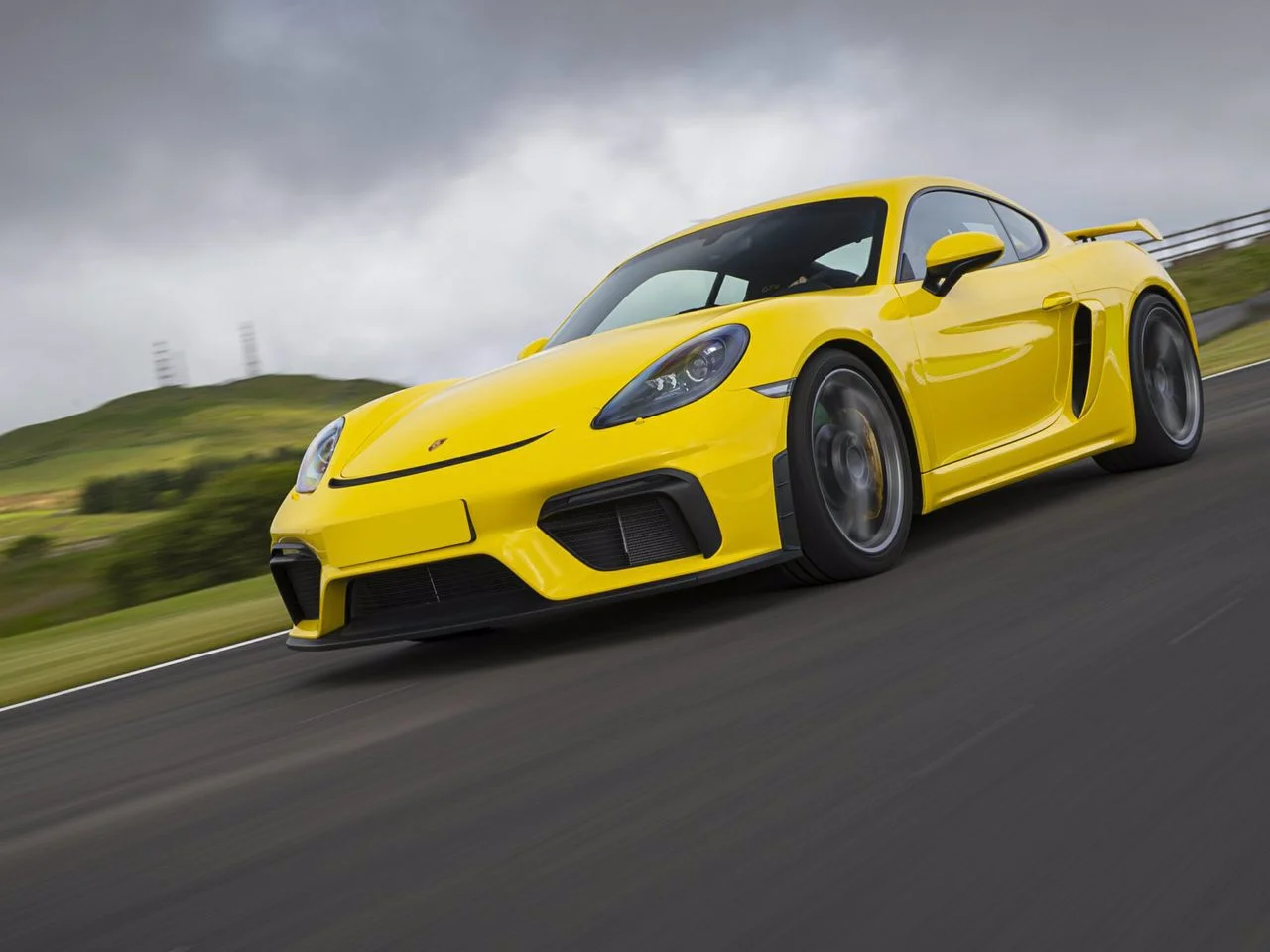
The Porsche 718 Cayman is one of the most admired sports cars on the market, largely due to its track-focused GT4 and GT4 RS versions. These high-performance models have proven their worth by competing closely with the more prestigious 911 GT3, making the Cayman an icon in its own right.
The base model, with its 2.0-liter turbocharged engine, offers lively acceleration and a refined driving experience that highlights Porsche’s engineering precision. However, while it shines in performance, the Cayman falters in reliability. Owners often report unsettling noises and recurring issues, undermining its otherwise thrilling drive.
Despite receiving a 4.7 reliability score from Kelley Blue Book, many real-world users find it less dependable. This creates a divide between expectation and ownership reality, where buyers must balance its exhilarating handling with the risk of costly and frequent repairs.
2. Nissan 370Z: Affordable Fun with Caveats
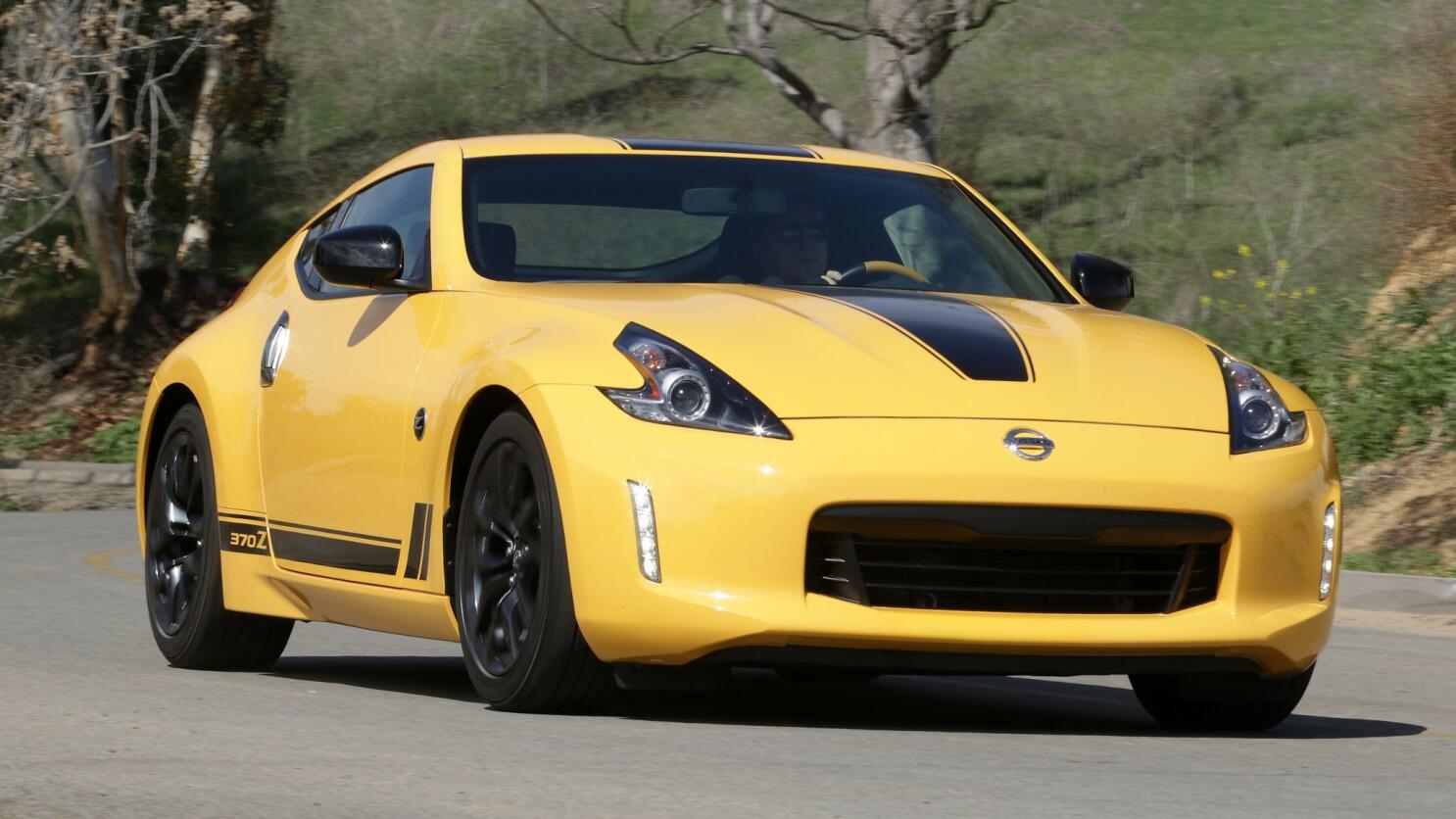
The Nissan 370Z is a long-standing favorite for budget-conscious enthusiasts seeking performance without the high price tag. Powered by a 3.7-liter V6 and employing a front-engine, rear-drive setup, it delivers plenty of power and driving enjoyment.
At current market prices, some examples can be found for around $15,000, making it an attractive entry point into the sports car world. However, this affordability comes at the cost of reliability.
Kelley Blue Book rates its reliability at 4.1, but issues such as oil consumption, gasket leaks, clutch problems, and exhaust failures are common, especially in higher-mileage examples.
While the 370Z is undeniably fun and engaging, these recurring mechanical problems reduce its appeal for those wanting long-term dependability. Enthusiasts may still value it for its visceral driving experience, but practicality and peace of mind are not its strongest suits.
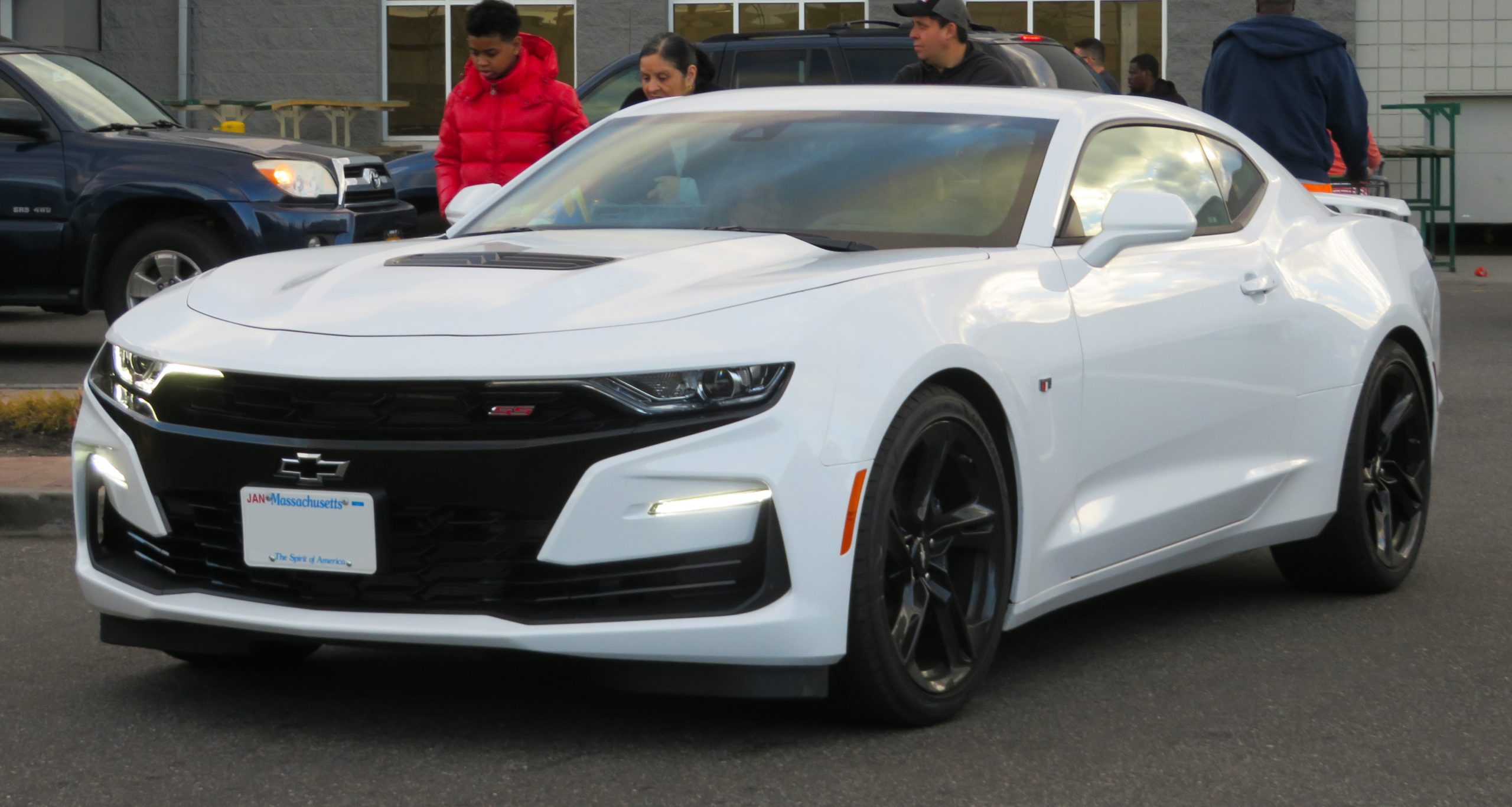
3. Chevrolet Camaro (Sixth Generation): Style with Reliability Risks
The sixth-generation Chevrolet Camaro continues the brand’s tradition of blending affordability with sporty performance. Offering muscular styling and powerful engine options, it attracts buyers who want an American muscle car experience at a reasonable price point. Yet, behind the excitement lies a concerning reliability record.
Kelley Blue Book gives the 2018 model just a 4.0 rating, highlighting its struggles with dependability. Issues like water pump leaks, engine overheating, window motor failures, and even water leaks inside the cabin plague ownership. These problems make maintaining a used Camaro a potentially expensive endeavor.
While its performance and looks are appealing, prospective buyers must consider the high cost of keeping it on the road. Ultimately, the Camaro offers plenty of thrills but comes with reliability compromises that may dissuade cautious buyers from taking the plunge.
4. Lotus Elise: Driving Purity with Dependability Concerns
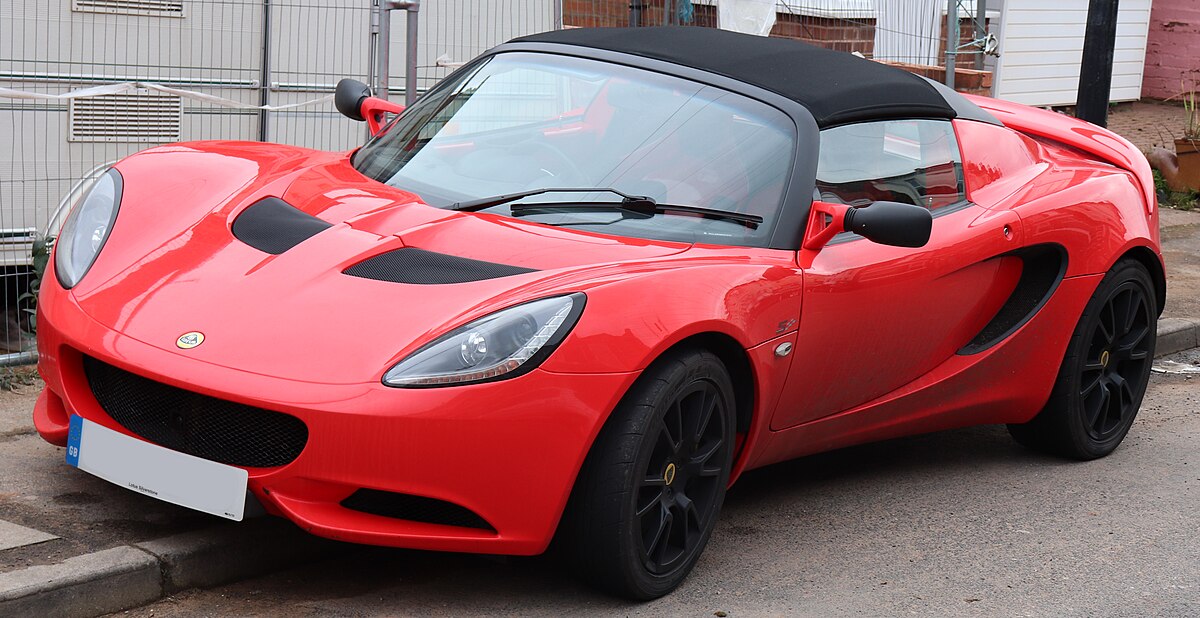
The Lotus Elise is renowned for its lightweight design and raw, driver-focused dynamics, making it a dream car for purists. Its superb power-to-weight ratio provides unmatched agility and thrills, offering a level of engagement that few cars can replicate.
Often considered a bucket-list vehicle for enthusiasts, the Elise exemplifies simplicity and performance in its purest form. However, its reliability record tells a different story. Lotus has long carried the tongue-in-cheek reputation of “lots of trouble, usually serious,” and the Elise reflects that.
Kelley Blue Book gives the 2018 Lotus Evora 400, a related model, a reliability score of just 4.5, reinforcing the brand’s challenges with dependability. Ownership requires a willingness to accept frequent issues and costly repairs. For those willing to embrace the risks, the Elise delivers an unforgettable driving experience, but it demands patience and financial readiness to truly enjoy.
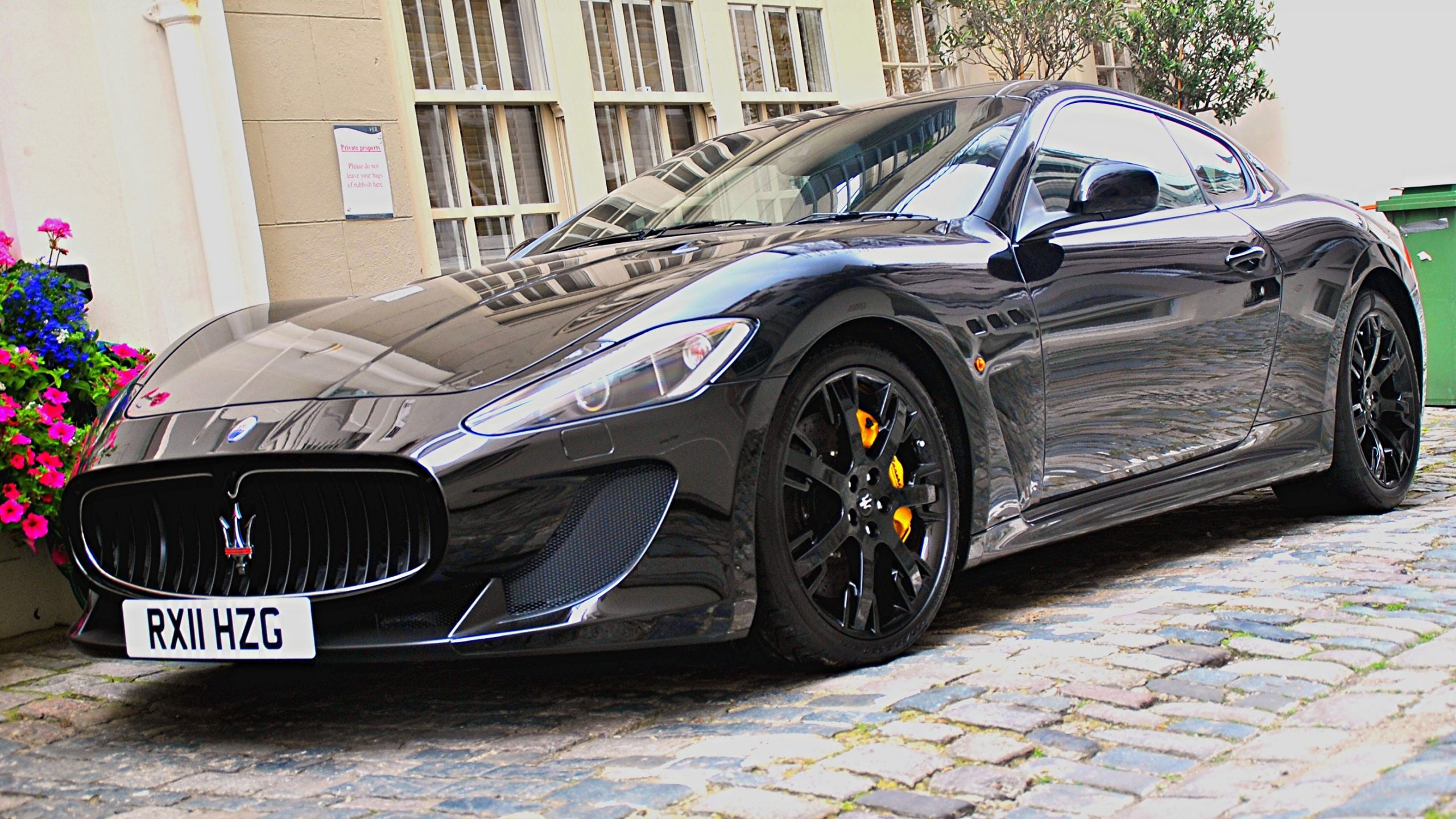
5. Maserati MC Stradale: Exotic Thrills at a Price
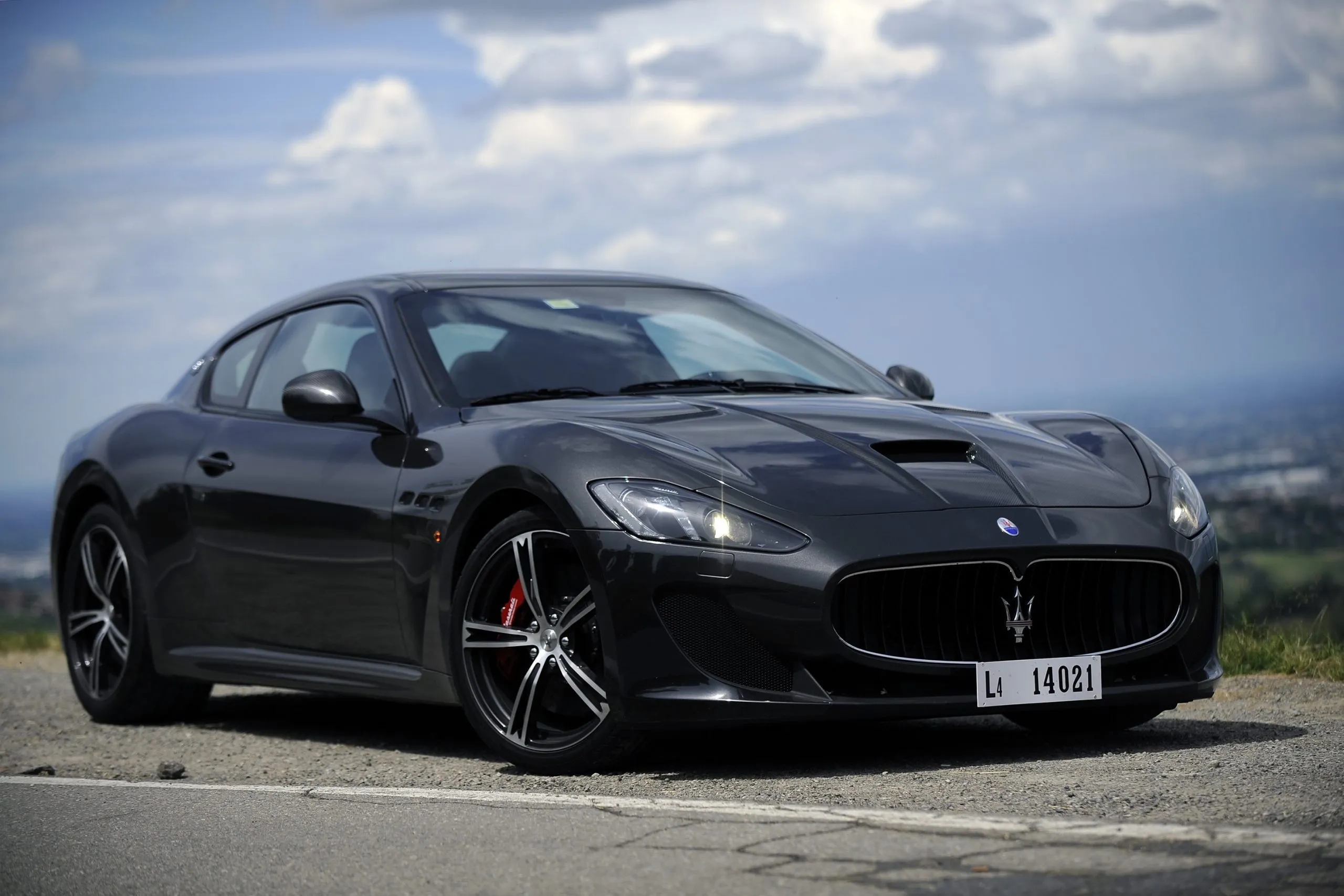
The Maserati GranTurismo MC Stradale combines Italian style, Ferrari-derived engineering, and breathtaking performance into a package that exudes exclusivity. Its 4.7-liter F136 V8 engine is praised for its durability and thrilling sound, giving it a stronger mechanical foundation than many rivals.
On paper, Kelley Blue Book awards the 2019 GranTurismo a reliability score of 4.8, one of the best in this group. Yet real-world ownership tells a different story. Problems such as rapid brake wear, clutch issues, and fragile bodywork make maintaining the MC Stradale extremely costly.
Even minor damages or repairs can result in eye-watering bills, reminding owners of the realities of Italian exotica. Despite these challenges, the Maserati offers unmatched presence and a unique driving experience. It represents the highs and lows of supercar ownership: sheer exhilaration tempered by the constant risk of financial strain.
Sports cars are designed to excite, but excitement alone doesn’t guarantee satisfaction, especially on track days, where stress tests expose every flaw. As we’ve seen, some cars like the Nissan 240SX, Corvette C5, and Porsche Cayman (987) prove themselves dependable companions, combining fun with durability.
They may not all have headline-grabbing horsepower figures, but their balance, engineering, and resilience make them favorites among drivers who want to push hard without fear of constant breakdowns. These models embody what enthusiasts love most: performance you can actually enjoy without constant setbacks.
On the flip side, not every sports car lives up to its promise. Machines like the Lotus Elise or Maserati MC Stradale may dazzle with style, sound, and raw excitement, but their fragility and high upkeep costs remind us that beauty often comes with compromise. Even respected names like the Porsche 718 Cayman or Nissan 370Z have shown reliability shortcomings that can sour long-term ownership.
Ultimately, choosing the right sports car means deciding what matters most: thrills at any cost, or thrills you can count on every time you hit the track. Reliability may not be glamorous, but for true enthusiasts, it’s what keeps the passion alive lap after lap.
Also Read: 5 Cars That Rarely Need Transmission Work vs 5 That Constantly Do