When it comes to cars, not every drive feels the same. Some vehicles are engineered to glide over rough pavement, soaking up imperfections with ease and delivering a ride so smooth you could almost forget the road beneath you. These are the models that stand out for their refinement, comfort, and composure the ones you’d want for long road trips or daily commutes alike.
On the flip side, there are cars that, despite their performance, practicality, or style, can turn every bump, rut, or uneven surface into a jarring experience. Whether it’s due to aging suspension setups, weight distribution quirks, or design compromises, these vehicles prove that not all rides are created equal.
In this feature, we’ll explore 10 cars celebrated for their smooth ride quality and contrast them with 10 that become bumpy, difficult companions when conditions are less than perfect.
10 Cars Known For Smooth Ride Quality
1. Lincoln MKZ
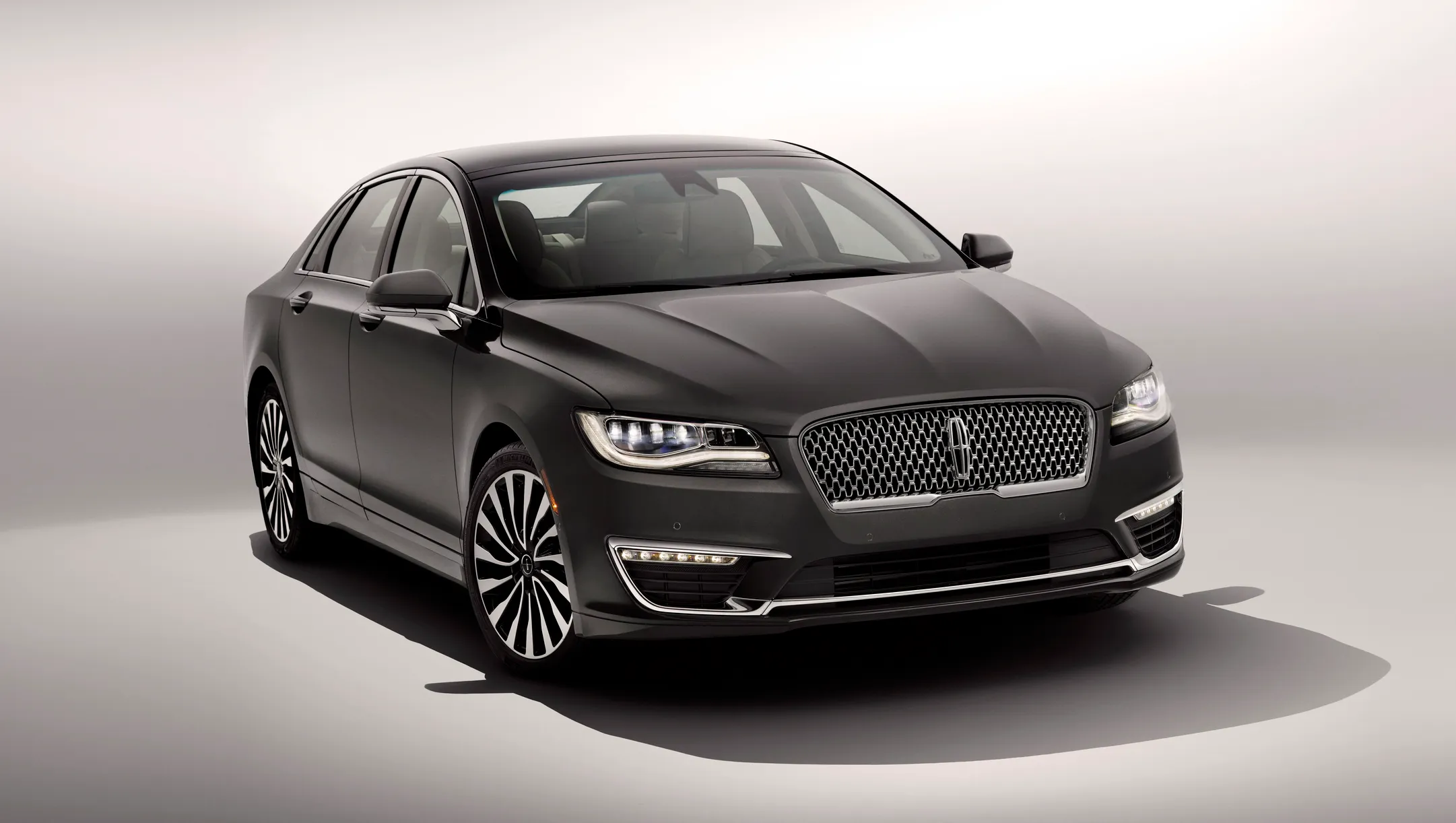
The Lincoln MKZ prioritizes refinement over sportiness. Its continuously controlled damping system, standard across the lineup, scans driver inputs and road conditions up to 500 times per second, automatically adjusting suspension for an even ride. Complementing this is a pothole detection system, which reduces wheel drop over rough surfaces, improving both comfort and durability.
Drivers can select from Comfort, Normal, and Sport modes, tailoring suspension behavior. The system is also included in the MKZ Hybrid, making it both efficient and smooth.
Performance depends on engine choice. The standard 2.0-liter turbocharged engine delivers enough pep for city driving, though highway acceleration feels underpowered. The AWD variant reached 0–60 mph in 7.6 seconds, trailing class averages.
For those who crave power, the optional twin-turbo V6 brings stronger acceleration and a livelier feel. Handling is composed, with minimal body roll in corners, but steering feedback is muted, leaving drivers somewhat detached from the road.
On the highway, the MKZ is quiet and refined, suitable for long-distance travel. Seats are well-padded and supportive, with ventilation and heating available on higher trims. Rear passengers can also enjoy heated seating with certain packages.
Despite its comfort, the MKZ rides a bit firmer than some expect in this segment. Rough pavement can send minor vibrations into the cabin, yet the ride quality still feels respectable. The climate control system is effective but requires effort to cool the car quickly after being parked in the sun.
The MKZ’s cabin is functional and easy to adjust for driver comfort, but its design and material quality lag behind premium competitors. The sloping roofline reduces rear headroom, and taller passengers will find space especially tight with the panoramic sunroof option.
Practicality is slightly hindered by limited outward visibility. A tall trunklid and thick roof pillars create blind spots, making lane changes and parking less convenient. While front seating is spacious, rear accommodations feel less generous compared to segment leaders.
Where the MKZ shines is in its technology integration. The Sync 3 infotainment system is straightforward and compatible with both Apple CarPlay and Android Auto. It responds quickly and is easy to navigate, making it user-friendly for tech-savvy drivers.
Optional tech packages bring adaptive cruise control, lane departure warning, and parking sensors. Adaptive cruise control operates smoothly, though false alerts from other driver aids can occur. The optional 20-speaker audio system promises luxury sound but doesn’t deliver standout performance compared to high-end rivals.
The MKZ’s trunk capacity is appropriate for the luxury sedan class, with folding rear seats expanding versatility. Small storage cubbies are well-placed throughout the cabin, making it practical for daily use. Families will find car seat anchor points in the rear seats, but the stiff cushions and recessed hooks make installation a challenge.
Fuel economy is one of the MKZ’s weaker traits. The AWD 2.0-liter model achieves an EPA rating of 23 mpg combined, though real-world testing showed just 18.4 mpg on average. Highway efficiency peaked at 25.8 mpg, still short of expectations. For buyers seeking efficiency, the MKZ Hybrid offers a far more appealing solution with its 41-mpg rating, combining luxury with eco-friendly performance.
The Lincoln MKZ offers attractive standard features, along with a generous warranty and lifetime roadside assistance. At its base price, it presents good value for buyers seeking comfort and technology. However, when fully optioned, the MKZ’s cost rises significantly, placing it against rivals with more premium interiors, sharper performance, and better fuel economy.
2. Cadillac XTS
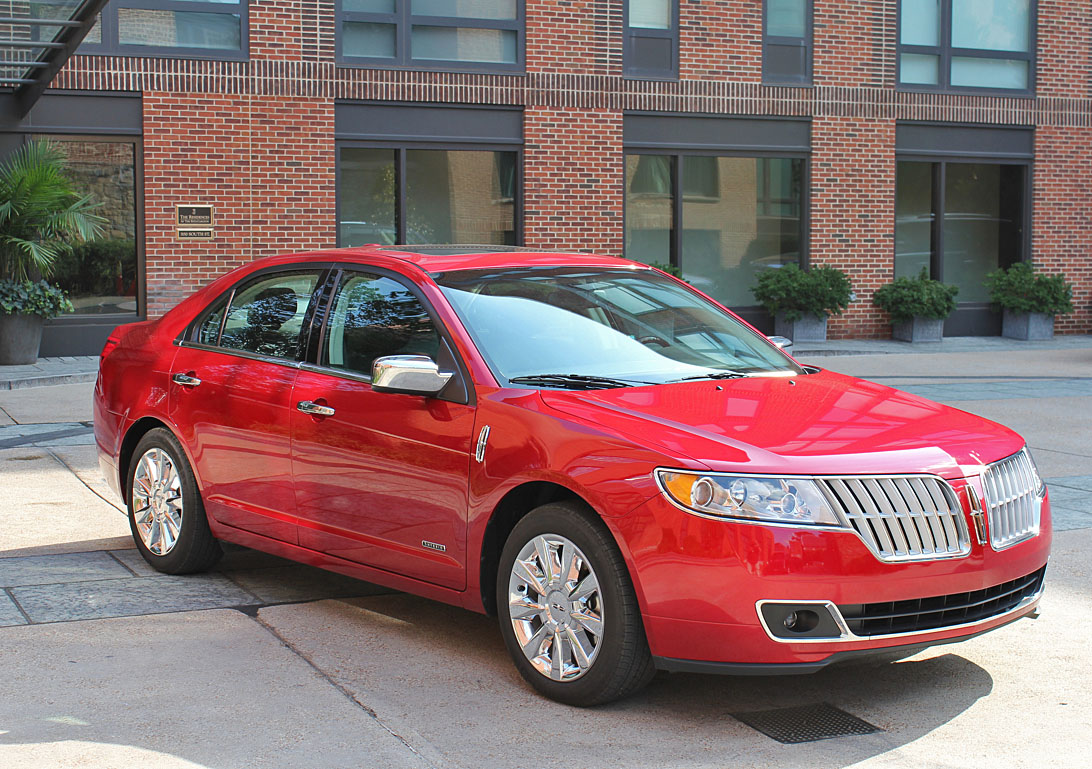
The Cadillac XTS distinguishes itself with advanced suspension systems that prioritize both comfort and handling. Its Magnetic Ride Control, touted as the world’s fastest-reacting suspension, evaluates road conditions 1,000 times per second and adjusts damping every 5 milliseconds.
Supporting this setup are rear air springs and a HiPer Strut front suspension, which reduce torque steer, improve steering feedback, and enhance impact isolation. An optional Haldex all-wheel-drive system further sharpens traction, distributing torque between axles and even across rear wheels when needed.
These technologies give the XTS a smooth, balanced ride, leaning slightly toward sportiness compared to Cadillac’s traditional “pillow-soft” feel.
At the top of the lineup, the XTS V-Sport Platinum features a 410-horsepower twin-turbo V6 paired with all-wheel drive. Power delivery is strong, though it peaks later than expected. The six-speed automatic transmission shifts quickly and smoothly, but it’s a generation behind competitors offering more gears.
Acceleration is brisk, with secure grip from the AWD system. Braking performance is equally impressive, thanks to Brembo brakes that stop the XTS from 60 mph in just 118 feet respectable for its size. The pedal has long travel but remains fade-free during heavy use.
Steering feel is generally confident, aided by hydraulic assistance, though some drivers found it overly light at high speeds. Torque steer can still creep in under certain highway conditions.
Handling is sharper than expected for a large sedan, with quick turn-in and tidy body control courtesy of the adaptive MagneRide system. However, occasional hard shifts and slow kick-down response affect drivability in demanding situations.
The XTS excels at long-distance comfort, with plush, supportive seats and a cabin insulated from most road and wind noise. The MagneRide suspension smooths sharp bumps while keeping the ride controlled rather than floaty.
The front seats are cushy and highly adjustable but lack side support for spirited driving. A massage function exists but feels weak. Rear seats are even softer, resembling a couch, with generously padded armrests.
Noise levels are generally low, though some minor squeaks and rattles from interior materials detract from the premium feel. The climate system disappoints, struggling to cool the spacious cabin quickly and relying on touch-sensitive controls that slow adjustment. Ventilated seats underperform, though heaters are effective.
The interior presents a mixed bag. While leather-wrapped surfaces and soft-touch materials enhance luxury, glossy trim and less precise switchgear undermine the upscale impression. Panel fit and finish lag behind top competitors.
Cabin space isn’t as generous as the exterior suggests. Front occupants have good legroom, but the large dashboard and center console eat into usable space. Rear passengers enjoy more freedom, though visibility is limited by thick roof pillars and a high trunklid. Surround-view cameras help mitigate these blind spots.
Ease of entry is enhanced by wide-opening doors and a driver’s seat with automatic easy-entry adjustment. The driving position sits slightly high, with good adjustment ranges, though steering wheel tilt and reach are only average.
One standout strength of the XTS is its large 18-cubic-foot trunk, larger than many rivals in the segment. Folding rear seats rare for this class add practicality, though a high liftover and narrow trunk width limit usability for bulky items like golf clubs.
Small-item storage is adequate but imperfect. Multiple bins and cubbies exist, but the touch-sensitive power compartment door can be activated unintentionally, frustrating some users. Car seat installation is possible but challenging due to stiff cushions and deeply recessed anchors.
Cadillac equips the XTS with a competitive technology suite, though execution has drawbacks. The CUE infotainment system looks polished but is clunky to operate, with a mix of haptic and non-haptic controls prone to smudging.
The Bose audio system delivers immersive sound with seat-mounted speakers, though it isn’t class-leading. Navigation is smartphone-like in responsiveness and accuracy, while Apple CarPlay, Android Auto, wireless charging, and a rear 110-volt outlet round out connectivity.
Driver aids include adaptive cruise control, blind-spot monitoring, cross-traffic alert, and surround-view cameras. While the cameras are excellent, adaptive cruise lacks finesse and lane departure warning relies on seat vibrations rather than steering correction. Voice controls integrate smartphone assistants but struggle with more complex commands.
The Cadillac XTS blends advanced suspension technology, strong V6 performance, and excellent trunk space with traditional Cadillac comfort. However, drawbacks like dated transmission, fussy tech controls, average material quality, and tight interior space limit its appeal in a highly competitive luxury sedan market.
3. Buick LaCrosse
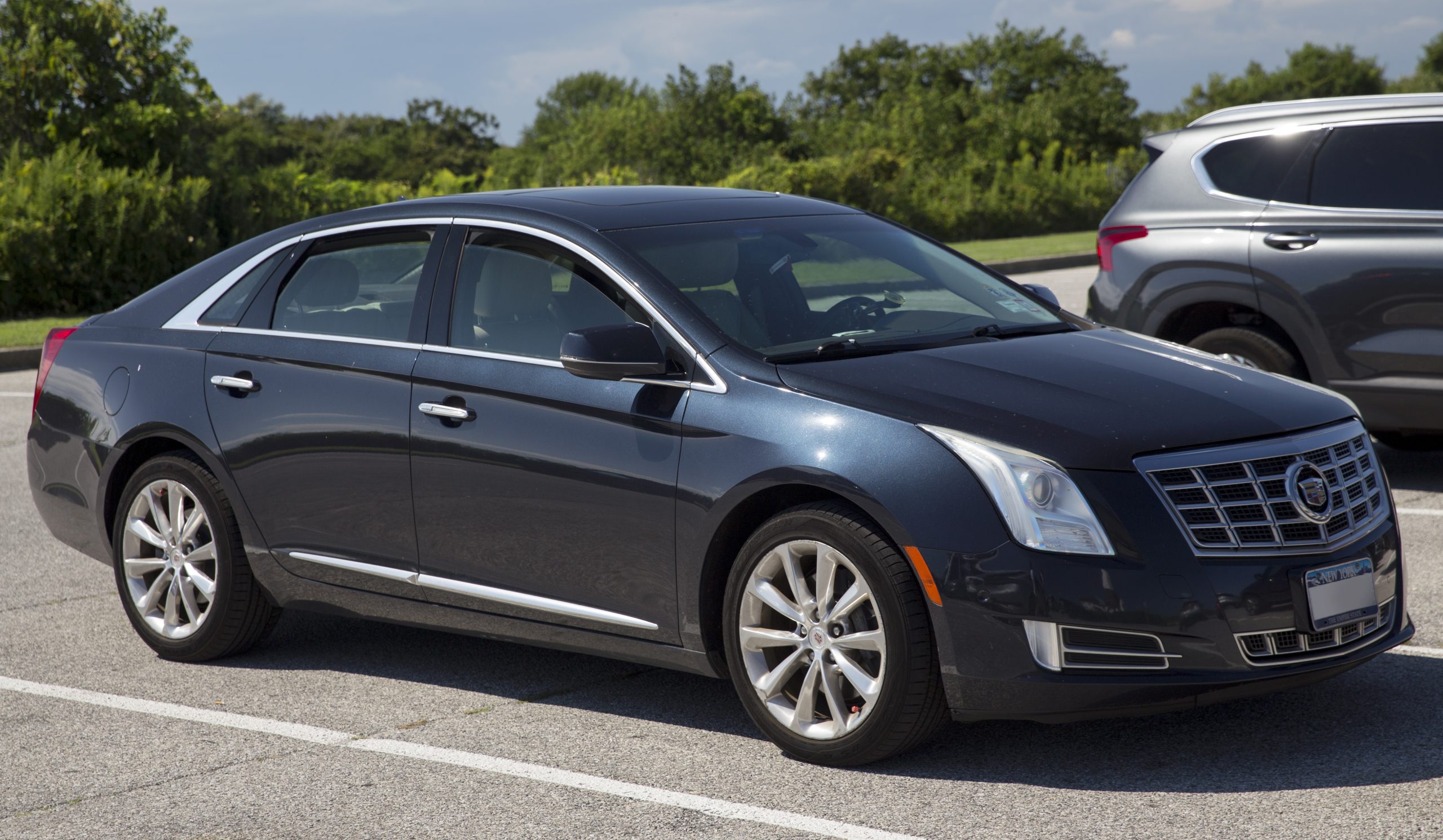
The Buick LaCrosse was redesigned with an emphasis on providing a more premium driving experience, supported by advanced suspension systems. At the front, the car offers an available HiPer Strut setup, while the rear introduces a five-link suspension designed to improve lateral stability and reduce roll motion.
For those who choose all-wheel drive, Buick includes a dual-clutch system that can shift power between wheels for better traction. Complementing all of this is the brand’s Continuous Damping Control, which actively adjusts damping to smooth out bumps and improve stability.
These systems help the LaCrosse provide a controlled ride, but the car falls short when compared with true luxury sedans. Its dynamics are tuned more for quiet cruising than for precision or excitement, and the eAssist mild-hybrid system feels underdeveloped for the demands of a large sedan.
Tested in Premium eAssist trim, the LaCrosse shows its limitations on the road. The 2.5-liter four-cylinder engine paired with a six-speed automatic is smooth but slow to respond. Reaching 0–60 mph in 8.3 seconds, it trails the competition, and highway passing requires patience. The optional V6 provides a much better experience for drivers who value stronger acceleration.
Braking is a bright spot, with stable, predictable stops. A panic-stop distance of 119 feet from 60 mph is impressive for this type of vehicle. Pedal feel is soft but linear, and the absence of obvious regenerative action makes stopping natural.
Steering is accurate on-center, making freeway driving simple, but it feels artificial and rubbery when turning. Handling is not a strong suit either. The car leans noticeably in corners, and its tires complain under even modest pressure. Combined with the sense of weight, the LaCrosse inspires little confidence during spirited driving.
Comfort is a priority for the LaCrosse, and the seats are supportive and well-padded. Heating and cooling functions are strong, making long trips pleasant. That said, the cushions are a bit narrow, and side bolstering is minimal, so drivers won’t feel held in place during cornering.
Ride quality leaves more to be desired. The suspension smooths small imperfections, but larger bumps cause the body to bounce. The car often feels unsettled rather than plush, which limits its ability to match rivals in refinement.
Noise is another issue: while the windows filter outside traffic well, there is noticeable road, wind, and tire noise at higher speeds. Engine noise also intrudes when the four-cylinder is pushed hard.
The climate system works reliably in automatic mode, but manual adjustments often require the touchscreen, which can be distracting while driving.
Inside, the LaCrosse tries to strike a balance between mainstream and luxury, but heavy use of plastics and faux trim makes the cabin feel less premium. Some surfaces are soft-touch, but the presentation lacks polish.
Space for passengers is mixed. The front seats are adjustable and comfortable, but the large center console cuts into knee room. The rear seats provide generous legroom but less headroom, especially for taller adults. Visibility is hindered by thick roof pillars and a short rear window, though the rearview camera helps in tight spots.
Entry is relatively simple thanks to wide door openings, though the high sill creates a stepover. Long rear doors can be tricky in narrow parking spaces, and the sloping roofline requires rear passengers to duck when getting in.
Despite being a large sedan, the LaCrosse disappoints with only 14.3 cubic feet of trunk space. Intrusions from the wheel wells and the hybrid battery limit usable floor area. Split-folding rear seats add some flexibility, but bulky items remain difficult to load.
Cabin storage is better, with a clever pass-through under the center console and several smaller bins. Door pockets and glovebox space are modest, while seatback pockets are unusually small. Installing child seats is possible, but stiff cushions make reaching the anchors a challenge.
Technology is competitive for the segment, though not standout. The infotainment system is user-friendly and supports Apple CarPlay, Android Auto, and Bluetooth. Wireless charging is available but tight for larger phones. The Bose audio system is serviceable but unremarkable compared with rivals.
Driver-assistance features such as adaptive cruise control and lane-keeping assist are available but not always standard. Adaptive cruise operates smoothly, but lane-keeping tends to overcorrect. Buick’s vibrating Safety Alert seat provides unique but sometimes distracting warnings. Voice control works reasonably well, though it lacks the sophistication of high-end luxury systems.
The Buick LaCrosse delivers comfort, strong braking, and useful technology, but it struggles to compete against true luxury sedans. Its weak eAssist engine, unsettled ride, limited cargo space, and average interior quality hold it back. Buyers who prioritize comfort and space may appreciate it, but those expecting luxury refinement will find more compelling options elsewhere.
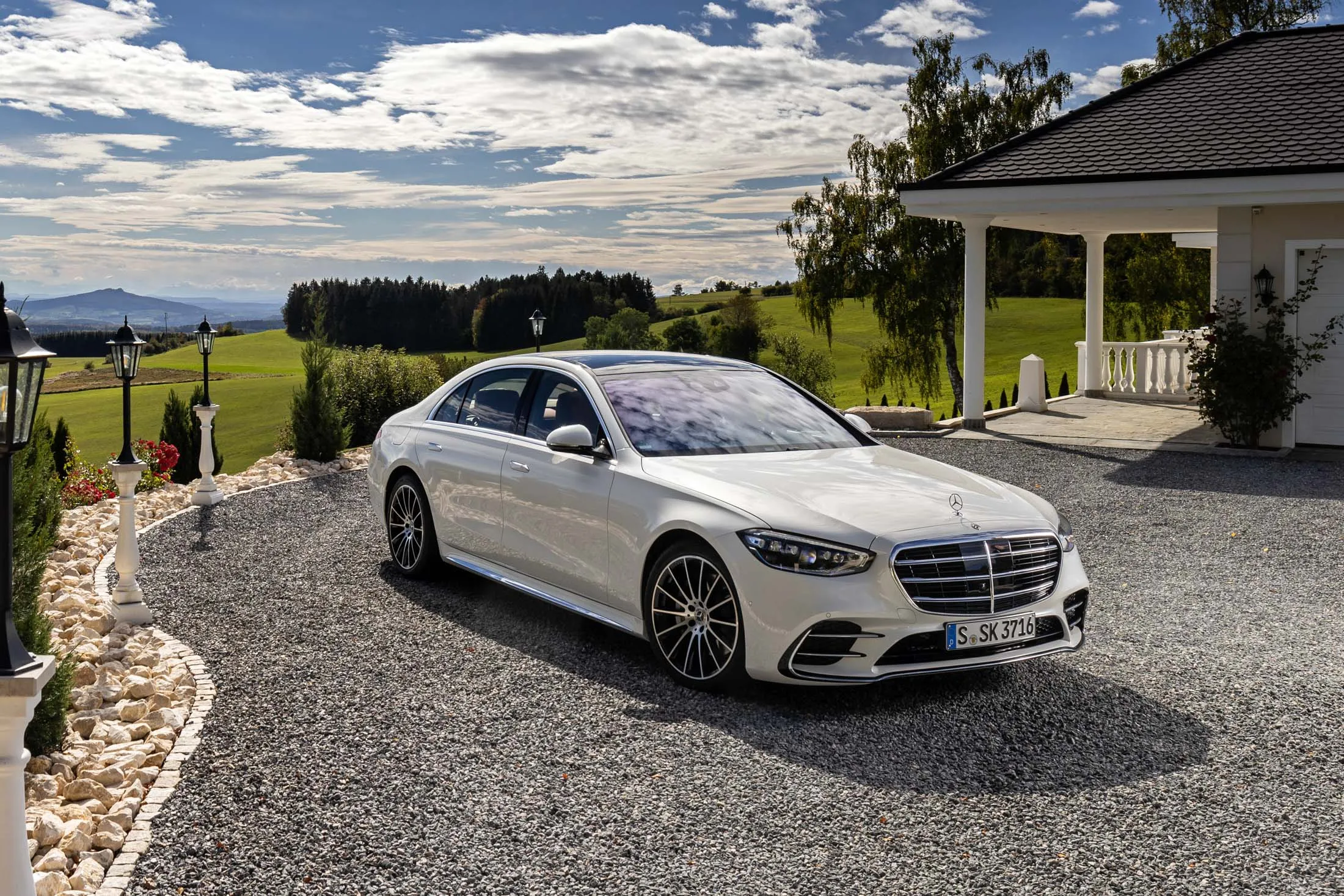
4. Mercedes-Benz S-Class
The Mercedes-Benz S-Class sets the benchmark for comfort through its innovative Magic Body Control system. Using road-scanning cameras, the system predicts surface changes and adjusts the suspension before the wheels even touch the bumps.
This provides exceptional ride quality, and the updated version also introduces a CURVE function that tilts the car slightly into corners, minimizing body roll and passenger discomfort.
On the road, the S-Class is not designed to be a sports sedan, but it now blends comfort with surprising agility. In the tested S 580 model with a V8 engine, acceleration from 0–60 mph in 4.7 seconds makes it one of the quickest luxury sedans in its segment. Smooth torque delivery allows effortless passing on highways.
The air suspension remains composed in corners, while rear-axle steering improves maneuverability at both high and low speeds. A lower ride height in Sport+ mode adds further stability when driving more aggressively.
Luxury is where the S-Class truly shines. Heated, ventilated, massaging seats are standard in the front, while available rear seating packages transform the back row into a first-class lounge with power adjustment, a footrest, heated armrests, and four-zone climate control. Every surface is designed to support long journeys in comfort.
Cabin noise isolation is exceptional. The S-Class maintains a whisper-quiet atmosphere across all speeds. A trace of wind or road noise exists, but the balance of insulation, suspension damping, and structural refinement ensures one of the calmest driving environments available today.
The cabin makes a dramatic first impression with its minimalist, tech-focused design. Most functions are controlled through the large central MBUX touchscreen, which reduces the number of physical buttons.
While this setup takes some getting used to, the menus are intuitive and the screen placement makes it easy to reach. The driving position is commanding yet relaxed, and visibility is better than expected for such a large sedan thanks to smartly designed windows and mirrors.
Passenger space is immense. Wide-opening doors reveal an interior with ample legroom, headroom, and shoulder space, easily accommodating adults in both rows. Materials set the standard for quality: soft leathers, solid switchgear, and finely crafted trims create a cabin that feels both elegant and durable.
Few cars match the technological breadth of the S-Class. Standard features include wireless Apple CarPlay and Android Auto, wireless charging, and multiple USB-C ports. The head-up display can project navigation cues from third-party apps, and the natural-language voice controls work seamlessly. The optional Burmester audio system delivers one of the best in-car sound experiences on the market.
Driver assistance is comprehensive, with adaptive cruise, lane-keeping, and other aids working smoothly. While it lacks a hands-free driving mode, the systems are refined and easy to operate.
Despite its length, trunk capacity is limited to 12.9 cubic feet, smaller than rivals like the BMW 7 Series or Porsche Panamera. However, the trunk is deep and easy to load. Interior storage is generous for a luxury sedan, with numerous compartments for small items in the front and rear. Wide rear doors and spacious seating make child seat installation straightforward.
The tested S 580 4Matic achieves an EPA estimate of 20 mpg combined. On a real-world evaluation, it returned 23.7 mpg, which is impressive for a V8-powered luxury sedan. This places the S-Class ahead of many direct competitors in fuel efficiency without sacrificing performance.
The S-Class represents the pinnacle of Mercedes-Benz engineering, combining craftsmanship, innovation, and comfort in a single package. Every element, from leather quality to switch feel, reinforces its premium positioning.
However, this comes at a high price: it often costs more than comparable versions of the Audi A8, BMW 7 Series, or Lexus LS. Mercedes also does not include complimentary scheduled service, unlike some rivals. Warranty coverage is standard at four years/50,000 miles for both basic and powertrain.
The Mercedes-Benz S-Class continues to set the standard for flagship luxury sedans. With unmatched ride technology, powerful yet refined engines, world-class comfort, and cutting-edge tech, it delivers an experience few competitors can match. Limited trunk space and high pricing are its main drawbacks, but for buyers seeking the ultimate blend of innovation and luxury, the S-Class remains the benchmark.
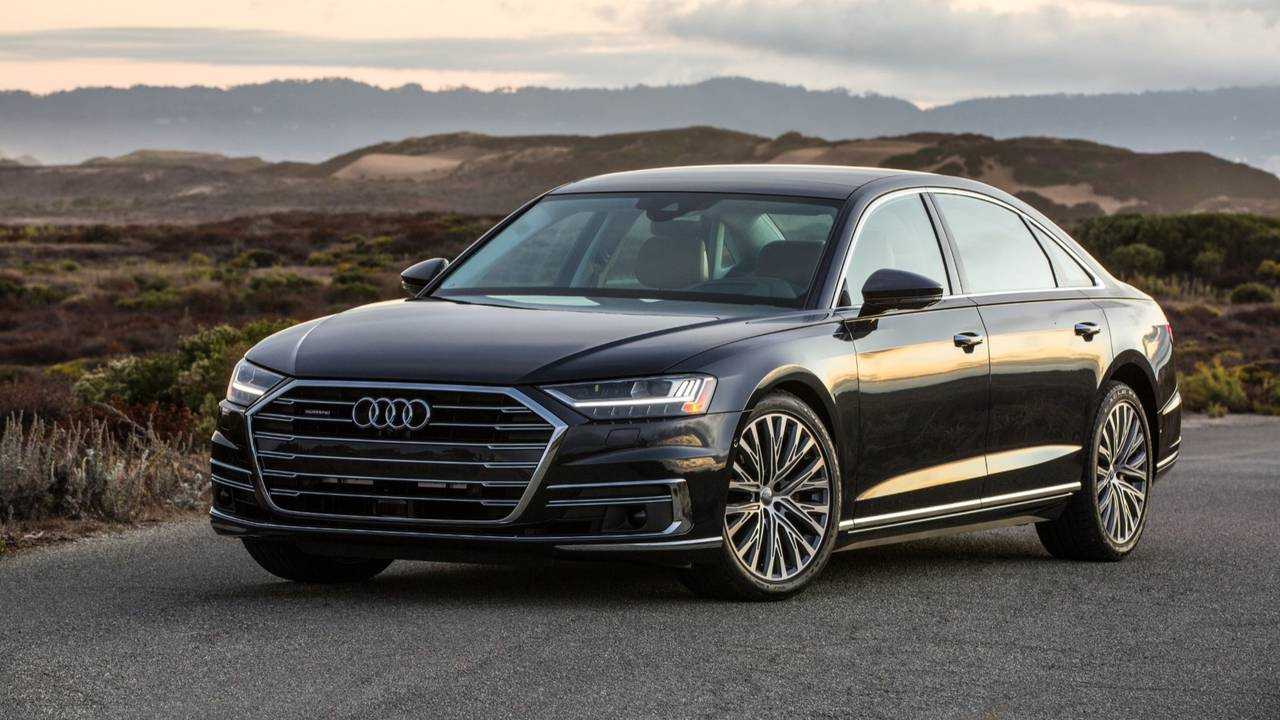
5. Audi A8 L
The Audi A8 L stands out with its adaptive air suspension and adaptive dampers, replacing conventional springs with advanced air chambers. This system reacts to changing road conditions in milliseconds, delivering a composed and cushioned ride expected of a German flagship sedan.
Rear passengers can enjoy an especially refined experience with the Comfort Rear Seat package, which includes heating, ventilation, massage functions, and power lumbar adjustment.
On the road, the A8 feels polished but not perfect. Power delivery is adequate, though not particularly thrilling compared with competitors. The transmission can hesitate when downshifting, slowing response during highway merges or passes.
Braking performance in testing was excellent, but in daily driving the pedal felt grabby, making smooth stops more difficult. Steering and handling are stable yet somewhat detached, leaving the A8 feeling heavy and less agile than rivals when pushed harder.
Seat comfort is a strength across all rows. Both front and rear passengers enjoy supportive cushions with excellent adjustability, and optional ventilation and massage functions make long trips easier. Ride quality, however, can feel inconsistent. On smooth highways, the suspension provides a plush and relaxing experience.
But on rougher surfaces, the car can feel unsettled too soft over dips and crests, yet firm over potholes and broken pavement. Road and engine noise are also more noticeable than expected for a luxury sedan, and the climate control system occasionally struggles to maintain cabin comfort in extreme conditions.
Inside, the A8 impresses with spacious dimensions, wide-opening doors, and thin roof pillars that support excellent visibility. Passengers in both rows benefit from ample headroom and legroom, giving the cabin a roomy, airy feel.
The dual-screen MMI infotainment system, while visually impressive, has a steep learning curve. It offers many features but is not especially intuitive, and the glossy touchscreens quickly collect fingerprints.
The digital instrument cluster is a highlight, providing sharp visuals and customization options. Cabin materials are high-quality, with careful attention to detail, though the reliance on touch-sensitive controls sometimes compromises usability.
Audi equips the A8 with strong standard technology, including a Bang & Olufsen audio system and Google Earth-based navigation. Both deliver excellent sound and crisp map visuals. Voice recognition and handwriting input work well, though our test vehicle occasionally showed graphical glitches.
Driver-assist systems are present but not class-leading. Adaptive cruise control, for example, felt slow to react in traffic, giving the impression of older tuning. While the A8 is filled with modern features, their execution lacks the refinement of rivals such as the Mercedes S-Class.
Sleek styling comes at the expense of trunk space. The A8’s luggage capacity is limited, with just enough room for a couple of large suitcases. Small-item storage inside the cabin is also modest, providing only basic space for essentials like phones, bottles, and sunglasses. For a car of this size, utility is not a standout trait.
The A8 carries an EPA estimate of 22 mpg combined, which is competitive within its class. However, real-world results may be less impressive. During testing, the car struggled to consistently meet this number, even with highway driving, leaving fuel economy somewhat short of expectations.
With pricing near six figures, expectations for the A8 L are high. It delivers outstanding build quality and an undeniably premium feel, but shortcomings in ride consistency, infotainment usability, and cargo practicality prevent it from dominating the segment.
Warranty coverage includes four years/50,000 miles for both basic and powertrain, along with four years of unlimited-mile roadside assistance. Some rivals offer more comprehensive support.
The Audi A8 L blends refined craftsmanship, modern suspension technology, and generous passenger space. It succeeds in delivering a luxurious driving experience under the right conditions but falters with inconsistent ride quality and an overcomplicated infotainment system.
Buyers seeking comfort and understated elegance will appreciate it, though others may find competing flagships more polished in blending performance, convenience, and technology.
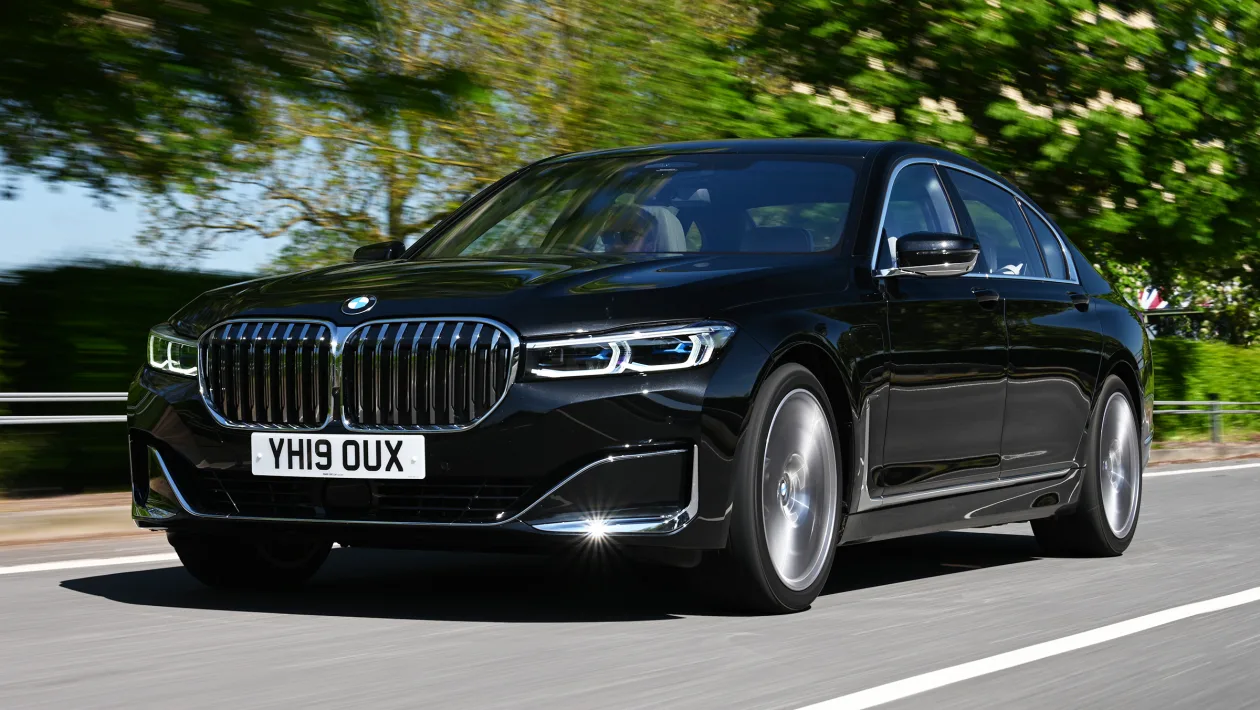
6. BMW 7 Series
The BMW 7 Series takes a technology-driven approach to ride comfort, beginning with a self-leveling air suspension and Dynamic Damper Control. Both “COMFORT” and “COMFORT+” settings let drivers adjust suspension softness depending on preference.
Buyers can also opt for Active Comfort Drive with Road Preview, which uses navigation data to anticipate road conditions and prepare the suspension in advance. This feature also minimizes body roll in curves while keeping the ride smooth on straighter stretches.
Powertrain choices include a turbocharged 3.0-liter inline-six, a 4.4-liter twin-turbo V8, and a plug-in hybrid option. At the top sits the 760i xDrive, producing 536 hp. In testing, it accelerated from 0 to 60 mph in just 3.8 seconds, placing it among the quickest luxury sedans in its class.
On the highway, acceleration is effortless, but in stop-and-go traffic, throttle response at low speeds can feel sluggish. Handling is surprisingly sharp for a sedan of this size, thanks in part to rear-wheel steering, which improves maneuverability in tight spaces. Braking is strong and confidence-inspiring.
Seating is a highlight across all trims. Both rows provide heated, ventilated, and massaging seats when properly equipped, while the available Rear Executive Lounge package allows backseat passengers to recline deeply and adjust settings via door-mounted touchscreens.
The air suspension system ensures a mostly smooth ride, but it shows imperfections at low speeds. During acceleration, the sedan leans rearward noticeably before rebalancing, creating a swaying sensation.
On the open road, however, the 7 Series absorbs bumps effectively and isolates passengers well, though competitors like the Mercedes-Benz S-Class remain slightly more composed in all situations. Cabin climate control is generally effective, though the vents feel weaker than expected for their settings.
The 7 Series cabin blends high-quality materials and bold design choices, including crystal accents and multiple displays. Automatic doors add a sense of drama, opening or closing with a single button press.
The driver benefits from a 12.3-inch digital instrument cluster and a wide infotainment display angled slightly toward the seat. Both front and rear passengers enjoy generous headroom and legroom.
Visibility is mostly excellent thanks to large side windows and thin roof pillars, though the short rear window limits the view. If the optional 31-inch rear theater screen is lowered, it blocks nearly the entire rearward sightline.
While that makes visibility a challenge, the crisp 8K display delivers an impressive cinematic experience, with streaming support via Amazon Fire or HDMI connectivity for external devices.
BMW equips the 7 Series with an expansive infotainment system, operated through touch controls, a rotary dial, or voice commands. The system’s menus are complex, but the excellent voice recognition helps simplify operation. Rear passengers can also manage their environment through door-mounted touchscreens, controlling seat functions and entertainment with ease.
Driver assistance features include Highway Assistant, which enables hands-free driving up to 85 mph. During testing, it performed smoothly, keeping the sedan well-centered and adjusting speed seamlessly. A surround-view camera system provides high-resolution imagery, which helps offset visibility challenges caused by the theater screen or the car’s size.
Trunk capacity is generous, with enough space for multiple suitcases or golf bags. However, interior storage options are less impressive. The small center console and shallow door pockets offer minimal space for larger items, leaving drivers to rely mostly on the glovebox.
Installing child safety seats is possible but somewhat inconvenient due to large headrests blocking access to the top tether anchors. Still, the wide rear bench and easy-to-access lower anchors help make the process manageable.
Fuel economy varies by powertrain. The base 740i achieves an EPA-estimated 27–28 mpg combined, while the V8-powered 760i xDrive is rated at 20 mpg combined. In testing, the latter returned 24 mpg in mixed driving, which is respectable for such a powerful sedan. The 750e plug-in hybrid offers the best efficiency of the lineup for buyers prioritizing economy.
The 7 Series commands a premium price, but it delivers in ways that justify the cost. Build quality, materials, and available features, including the unique theater screen, give it a distinctive edge.
Buyers should be cautious when adding options, as they can quickly push pricing well above expectations. Warranty coverage includes four years/50,000 miles for both basic and powertrain protection, aligning with most luxury rivals.
The BMW 7 Series blends powerful performance, cutting-edge technology, and luxurious comfort into one flagship sedan. Its innovative suspension system and available entertainment features distinguish it in a competitive field.
While it falls just short of the S-Class in terms of ride polish, it excels in agility, customization, and cabin experience, making it a compelling choice for buyers seeking both innovation and indulgence.
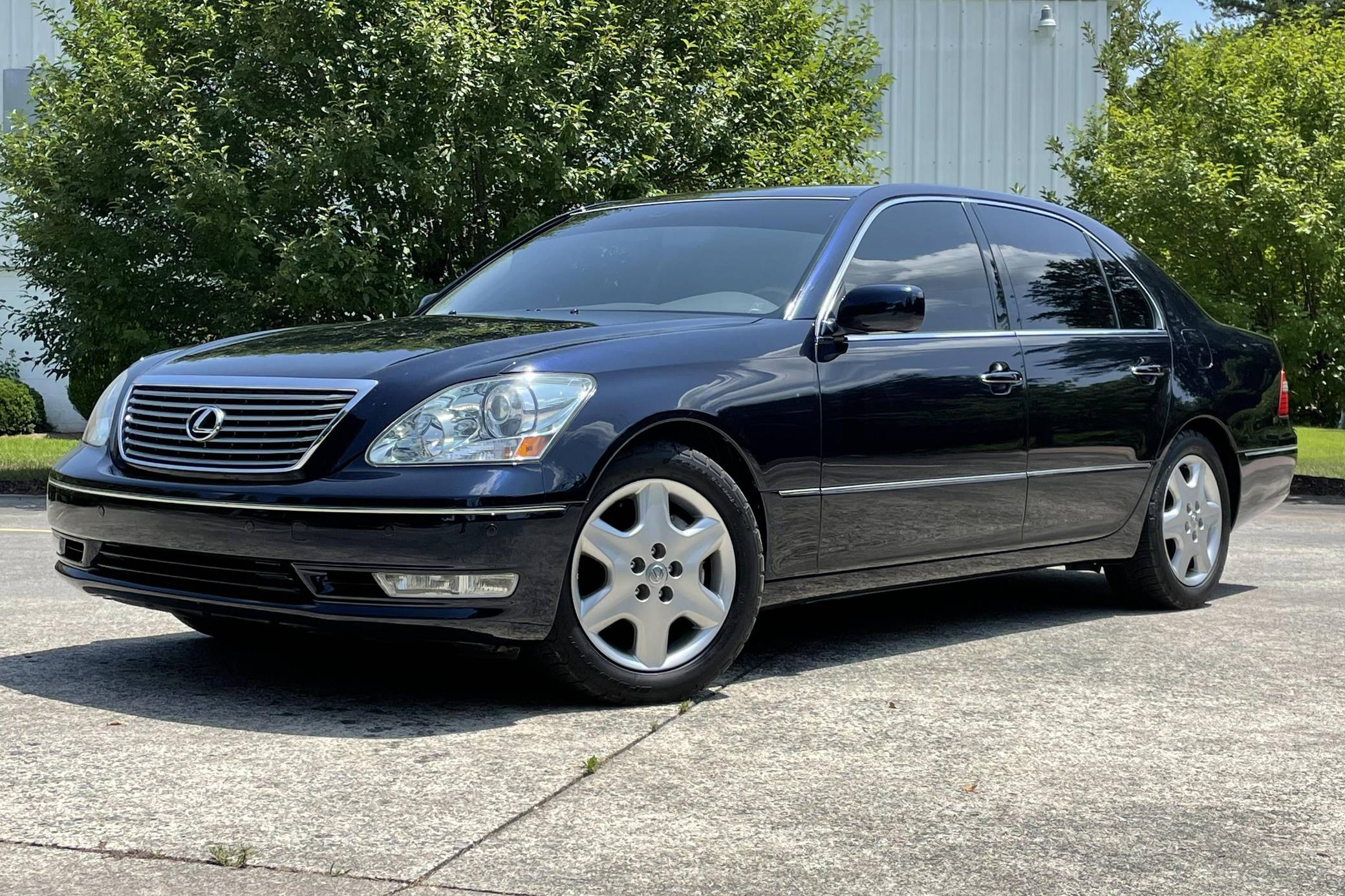
7. Lexus LS
The Lexus LS builds its reputation on ride comfort and refinement, supported by frequency-dependent dampers that adjust automatically to deliver a smooth yet controlled driving experience.
A multi-mode drive system lets owners tailor handling and suspension response, while an optional air suspension provides two distinct ride settings. In “Comfort” mode, the LS glides over most imperfections, staying true to Lexus’ long-standing focus on calm, composed travel.
Two powertrains are available: the LS 500, with a twin-turbocharged V6 producing 416 horsepower, and the LS 500h, which pairs a V6 with a hybrid system for improved efficiency. The LS 500 reaches 60 mph in 5.7 seconds, a competitive but not class-leading figure for six-cylinder luxury sedans.
The 10-speed automatic shifts seamlessly under light throttle but reacts slowly when sudden passing power is needed. Braking is smooth at low speeds but lacks the confidence of some German rivals in high-speed scenarios. Steering effort is light, with the option to firm it up in sport modes, but the car still prioritizes comfort over dynamic handling.
Comfort is a hallmark of the LS lineup. The available air suspension cushions almost all surfaces, making speed bumps and minor road imperfections nearly undetectable. Only on broken or uneven pavement does the ride feel unsettled. Road, wind, and engine noise are virtually absent, creating a serene environment for long journeys.
Seating is another strength. The front seats offer extensive adjustment, heating, ventilation, and massage. The rear outboard seats provide excellent support, though the middle seat is firmer and best for short trips. Climate control works well to keep the cabin at the desired temperature, and wide doors ease entry, though wide sills make exiting less graceful.
The LS interior is finely crafted and visually distinctive, with intricate detailing on the dashboard and door panels. High-quality materials are used throughout, from the soft leather to the precise stitching.
Space is generous for four passengers, with ample headroom and legroom, particularly in the rear. The driver benefits from a highly adjustable seating position and a clear view of the road ahead.
That said, usability is a weak point. While the addition of a 12.3-inch touchscreen has improved functionality, many features remain buried in layered menus. A more intuitive button layout would enhance ease of use.
As the brand’s flagship, the LS showcases Lexus’ most advanced systems. The optional Teammate driver-assistance suite, standard on the LS 500h, provides Level 2 semi-autonomous capability. It can accelerate, steer, and brake automatically, even handling lane changes, overtakes, and some parking maneuvers.
For infotainment, Lexus includes Apple CarPlay, Android Auto, and the Enform app suite, though the latter feels less intuitive than rival systems. The available 23-speaker Mark Levinson sound system delivers excellent clarity and balance, even if ultimate output is slightly restrained compared to competitors’ premium setups. Voice commands are functional but rely heavily on prompts rather than natural language recognition.
Safety technology is plentiful but sometimes overly cautious. Adaptive cruise control reacts slowly and leaves large following gaps, while the forward collision system can be too aggressive, occasionally braking when unnecessary.
The trunk is among the largest in its class, though its tapered shape narrows loading options for wider items. Inside the cabin, there are multiple storage areas, including bins under the armrests and door pockets for smaller belongings.
Installing child seats is relatively straightforward thanks to easily accessible lower anchors, though the rear deck’s tether points are recessed and harder to reach with taller headrests.
The rear-wheel-drive LS 500 achieves an EPA-estimated 22 mpg combined, dropping to 21 mpg with all-wheel drive. These figures align with competitors in the segment. On testing routes, the LS returned 21.9 mpg, confirming its real-world efficiency is consistent with estimates. The LS 500h hybrid offers better fuel economy for buyers seeking long-distance efficiency without sacrificing refinement.
The LS presents itself as a value-oriented flagship. While its price with options can approach six figures, it generally costs less than fully equipped German competitors, while still offering comparable levels of craftsmanship, comfort, and advanced technology. Build quality is superb, with tight panel gaps and premium materials throughout.
Warranty coverage includes four years/50,000 miles bumper-to-bumper and six years/70,000 miles for the powertrain, along with four years of unlimited roadside assistance. This matches or exceeds many European rivals.
The Lexus LS stays true to its mission as a luxury cruiser, emphasizing comfort, craftsmanship, and reliability. Its ride quality, quiet cabin, and cutting-edge driver-assistance features make it a strong contender in the flagship sedan class.
While it lacks the sharp handling of the BMW 7 Series or the absolute polish of the Mercedes-Benz S-Class, it delivers an appealing balance of luxury and value, especially for buyers prioritizing comfort and refinement over outright performance.
8. Genesis G90
The Genesis G90 sets its sights squarely on the luxury elite, distinguishing itself with a suspension designed to anticipate the road ahead rather than just react to it.
Its Electronically Controlled Suspension with Road Preview, standard on every G90, uses a forward-facing camera to scan the pavement and adjust spring and damper settings before the car encounters imperfections. This system, coupled with Sachs/ZF-engineered damping technology, delivers an impressively smooth ride, even on uneven surfaces.
Buyers can choose between a standard twin-turbocharged V6 and an upgraded mild-hybrid V6 with an electric supercharger. The hybrid model hit 60 mph in 5.4 seconds during testing plenty of pace for daily use but behind the quickest versions of the BMW 7 Series and Mercedes S-Class.
The G90’s steering is light and requires little effort, with slightly firmer resistance in Sport mode. While precise, it doesn’t provide much road feedback, and body roll reminds you that this sedan is focused on calm highway cruising, not athletic driving.
Comfort is where the G90 excels. The multi-chamber air suspension makes potholes and broken asphalt feel distant, giving the sedan a serene character. Noise insulation is equally impressive wind and road sounds are muted to the point where passengers can speak in hushed tones, even at highway speeds.
The front and rear outboard seats are deeply cushioned, supportive, and packed with luxury features such as heating, ventilation, and extensive adjustment. The middle rear seat, however, is raised and firm, making it suitable only for short trips.
Inside, the G90 emphasizes tactile luxury and thoughtful convenience. Soft-close doors add a high-end touch, and for the driver, stepping on the brake automatically closes the door for an effortless entry.
Genesis uses a mix of physical buttons and touchscreen controls, striking a balance between modern technology and intuitive use. Seating adjustment is extensive, making it easy to find a comfortable driving position.
Design-wise, the cabin showcases a mix of textures, contrasting color palettes, and detailed finishes that place it squarely in flagship territory. The only drawback is the touchscreen’s reach, which can be a stretch for some drivers.
Genesis fits the G90 with plenty of modern technology, though its infotainment doesn’t quite match the depth of the Mercedes MBUX or BMW iDrive systems. The 12.3-inch widescreen display is crisp, and for 2025, wireless Apple CarPlay and Android Auto are standard. The native navigation system feels clunky and outdated compared with rivals, requiring more effort to input destinations.
Audio, however, is a major highlight. Buyers can choose between an 18-speaker Lexicon system or a top-tier 23-speaker Bang & Olufsen 3D setup, both of which deliver audiophile-level clarity. Genesis’ voice control and driver assistance features work well but don’t quite push the envelope compared to the most advanced German competitors.
For a full-size luxury sedan, the G90’s cargo capacity is underwhelming. The trunk measures 12 cubic feet in base form and just 10.6 cubic feet in the mild-hybrid variant numbers more typical of compact sedans.
That’s enough for one large suitcase but not much more. Interior storage is also limited. While the cabin looks elegant, it lacks practical cubbies for larger items, and everyday essentials like wallets and smartphones don’t have ideal spots.
Fuel economy is competitive but not exceptional. The standard engine achieves an EPA-estimated 21 mpg combined, while the mild-hybrid returns 20 mpg. Interestingly, in testing, the mild-hybrid version exceeded expectations at 22.5 mpg. While this matches efficiency levels of rivals’ larger engines, competitors such as BMW and Mercedes offer higher-mileage variants, including plug-in hybrids.
Perhaps the G90’s strongest card is its pricing advantage. It delivers flagship-level comfort, design, and features while costing tens of thousands less than European rivals.
From its Bentley-inspired silhouette to its refined interior, the G90 proves that luxury doesn’t always require a storied badge. Buyers who prioritize prestige might lean toward a Mercedes or BMW, but those willing to embrace Genesis will find a sedan that blends craftsmanship, technology, and ride comfort at a compelling price point.
The Genesis G90 demonstrates that new players can compete with the most established luxury brands. Its smooth ride, hushed cabin, and lavishly appointed interior make it a true contender among flagship sedans. It may lack the most cutting-edge infotainment or the handling sharpness of its German peers, but its comfort-first philosophy and strong value proposition cement its status as a worthy rival to the old guard.
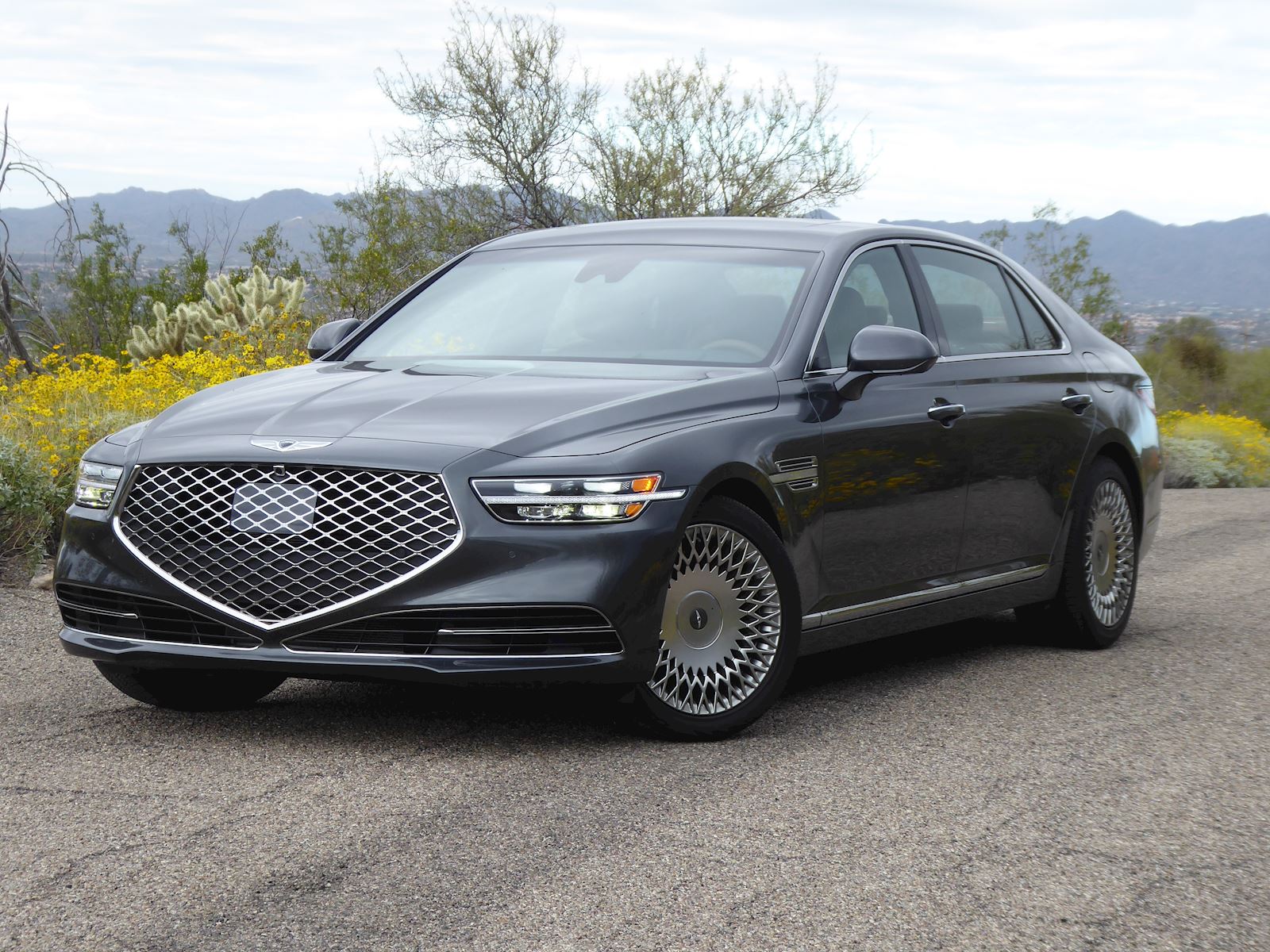
9. Chevrolet Impala
The Chevrolet Impala carries forward a distinctly American approach to large-sedan comfort. Rather than relying on cutting-edge suspension systems, the Impala makes the most of traditional engineering.
A MacPherson strut setup up front with internally mounted rebound springs helps smooth out rough pavement while improving body-roll control, while a four-link rear suspension with isolated chassis mounts and a widened track enhances composure. The result is a sedan tuned to prioritize steady comfort for long-distance drives.
The tested Impala LTZ trim came with the 305-horsepower 3.6-liter V6, paired with a six-speed automatic transmission and front-wheel drive. Despite the output advantage on paper, performance is average for the class, with a measured 0–60 mph in 6.7 seconds.
Still, the engine is smooth and provides more than enough power for merging and passing. Transmission shifts are quick and unobtrusive, reinforcing the car’s relaxed character.
Braking performance is equally steady. A panic stop from 60 mph required 120 feet, which is about par for the segment. Pedal feel is a bit soft but easy to modulate in everyday traffic.
Steering is light and precise, though sensitive on center, which requires the driver to stay engaged to avoid small lane drifts. Handling is obedient but never sporty; the Impala’s mission is to cruise confidently, not carve corners.
Comfort is the Impala’s strongest attribute. The suspension does a commendable job absorbing bumps without letting the car feel floaty. On long road trips, passengers remain relaxed and refreshed. Opting for smaller wheels helps maximize ride quality.
The cabin is notably quiet, with minimal wind and road noise filtering through. This sense of isolation approaches luxury-sedan territory, making it easy to hold conversations at highway speeds.
Seating is supportive, though not flawless. The front seats offer eight-way power adjustment but minimal bolstering, and optional ventilation feels weak. The rear seats are generously spacious, providing excellent legroom for adults, second only to the Toyota Avalon in the class.
The Impala’s interior design is tasteful, modern, and functional, though materials quality is a step down compared to some rivals. While the upper cabin surfaces look and feel premium, there are noticeable hard plastics in lower areas, particularly around the center stack.
Ergonomics are generally good. Controls are well-placed and intuitive, though the infotainment screen sits at an upward angle and can be a reach for shorter drivers. The high seating position and tall door openings make entry and exit easy for both front and rear passengers.
Cabin space is another highlight, with ample headroom and legroom in both rows. Visibility is mixed: the large front pillars hinder sightlines through tight turns, and the high trunklid reduces rearward vision, though the standard backup camera helps.
Chevy’s MyLink infotainment system is straightforward, quick to learn, and loaded with connectivity. Standard Apple CarPlay and Android Auto keep smartphone integration simple, and menus are clean and easy to navigate. However, advanced safety features such as lane-keeping assist and forward collision warning are limited to the top trims, while competitors like the Toyota Avalon make them standard.
Utility is where the Impala shines. Its 18.8-cubic-foot trunk is the largest in the segment, dwarfing competitors and capable of swallowing multiple large suitcases with room to spare. Rear seatbacks fold for added flexibility, and unique behind-the-touchscreen storage provides a clever spot for small valuables.
Cabin storage bins are adequate but not particularly generous. For families, rear LATCH anchors are easy to access, and the roomy second row easily accommodates rear-facing child seats.
Fuel economy is typical for the class. The V6-equipped Impala averages around 22 mpg combined, placing it in line with rivals but short of standout efficiency. The available four-cylinder improves numbers but at the cost of performance.
The Impala delivers what many large-sedan buyers want: space, quietness, and comfort at a competitive price. Its expansive trunk, roomy interior, and serene ride make it an appealing long-haul cruiser. However, the cabin materials and limited availability of advanced driver aids highlight its age compared to newer rivals.
The Chevrolet Impala may not boast the badge prestige or advanced technology of luxury sedans, but it honors the big-American-car tradition of smooth, quiet comfort and spacious practicality.
With a cavernous trunk, comfortable seating for four adults, and an easygoing ride, it’s an excellent value in the large-sedan class even if it lacks some of the sophistication and modern polish of its competitors.
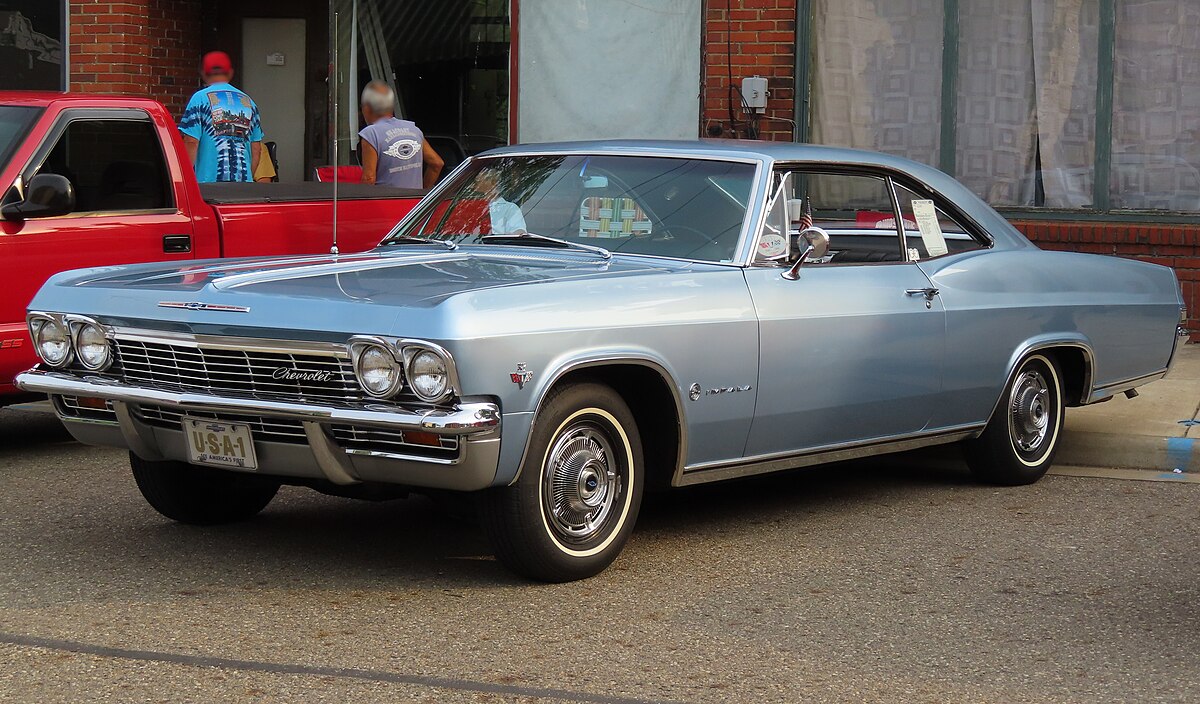
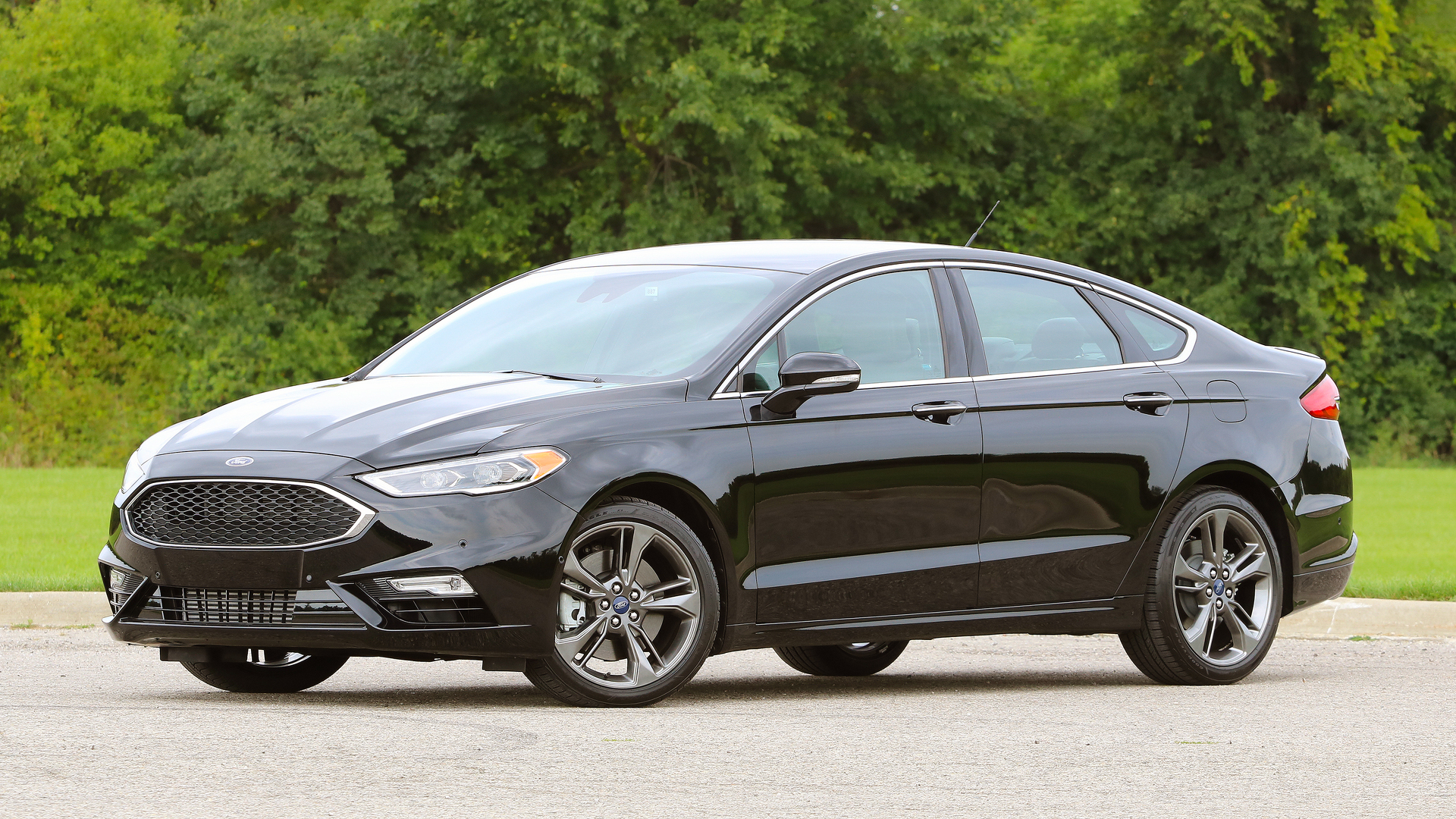
10. Ford Fusion Sport
While most of the cars with the smoothest ride hail from premium brands, the Ford Fusion Sport proves that mainstream sedans can also deliver a refined experience.
Its standout feature is a pothole-mitigation system, which uses sensors to detect road imperfections and then adjusts the dampers to reduce harsh impacts. Combined with sport-tuned suspension, the Fusion Sport manages to balance everyday comfort with sharp handling.
Under the hood lies the 2.7-liter twin-turbocharged EcoBoost V6, producing 325 horsepower and 380 lb-ft of torque the most powerful engine available in any midsize family sedan. Paired with a six-speed automatic and standard all-wheel drive, the Fusion Sport rockets from 0–60 mph in 5.1 seconds, making it quicker than many German luxury sedans.
In corners, the Fusion Sport feels planted and eager. Its standard 19-inch wheels and grippy tires provide strong traction, while steering delivers commendable feedback.
Pressing the Sport button enhances the car’s athleticism by tightening suspension response, sharpening throttle mapping, and increasing steering weight. Yet even with this dynamic setup, the Fusion Sport maintains a surprisingly comfortable ride for daily use.
Ford’s mid-sizer leans toward the sporty side of the spectrum, but it doesn’t sacrifice comfort. The heated and cooled leather-and-suede front sport seats are well-bolstered yet supportive enough for long trips. Rear seating is adult-friendly, though rivals like the Honda Accord and Volkswagen Passat offer more legroom.
Road and wind noise are well contained, even at highway speeds, though engine sound is intentionally amplified in Sport mode to add excitement. Families will appreciate touches such as rear-seat air vents and a 110-volt outlet, though onboard Wi-Fi standard on some rivals like the Chevrolet Malibu is not available.
Inside, the Fusion Sport blends upscale design with functional ergonomics. Materials quality is high, with precise switchgear and attractive trims. A rotary gear shifter replaces the traditional lever, freeing up space and adding a premium feel. Visibility is excellent forward, aided by relatively slender pillars, though some competitors still edge it out.
Cabin space is sufficient for five passengers, though the rear seat is tighter than class leaders. Getting in and out is straightforward thanks to wide door openings.
Ford’s Sync 3 infotainment system is a highlight. Its 8-inch touchscreen is responsive, with smartphone-like pinch-to-zoom navigation, plus Apple CarPlay and Android Auto compatibility.
The system is intuitive and easy to learn, a big step up from earlier Ford interfaces. Standard features across the lineup include Bluetooth, a rearview camera, push-button start, and Ford’s clever MyKey system, which allows parents to set driving restrictions such as speed limits or audio volume.
Driver assistance technologies are well represented, though some are reserved for higher trims. The Fusion Sport can be equipped with lane-keeping assist, blind-spot monitoring, rear cross-traffic alert, and adaptive cruise control. A self-parking feature is also available, handling steering while the driver works the pedals.
Interior storage is excellent. The two-tiered center console bin is large enough for tablets, and a deep cubby in front of the shifter provides extra flexibility. Generous door pockets with bottle holders and large illuminated cupholders add convenience.
The 16-cubic-foot trunk is about average for the class, with a wide opening and 60/40 split-folding rear seats to accommodate longer cargo. It’s not the largest in the segment, but it’s versatile enough for family use.
Fuel economy is where the Fusion Sport shows its compromise. Rated at 17 mpg city and 26 mpg highway, it trails its four-cylinder siblings and many competitors.
In real-world driving, expect an average of around 19 mpg. Buyers prioritizing efficiency should consider the Fusion Hybrid or Fusion Energi plug-in hybrid, which deliver significantly better mileage.
The Fusion lineup starts affordably, but the Fusion Sport commands a premium, with a base price of $34,645 and well-optioned examples climbing past $42,000. That’s steep for a midsize sedan, but buyers get unique performance and comfort features uncommon at this level. Compared to entry-level luxury sedans with similar power, the Fusion Sport still undercuts on price.
The Ford Fusion Sport is proof that a family sedan can be both practical and thrilling. With its powerful V6, advanced pothole-mitigation suspension, and well-appointed interior, it blends performance and comfort in a way few mainstream midsize cars can match.
While fuel economy and rear-seat space lag behind some competitors, the Fusion Sport’s unique mix of speed, technology, and refinement make it a standout choice for drivers seeking more excitement in their daily commute.
Also Read: 10 Cars From the 2010s Already Becoming Collectors’ Favorites
10 Cars That Become Bumpy Messes
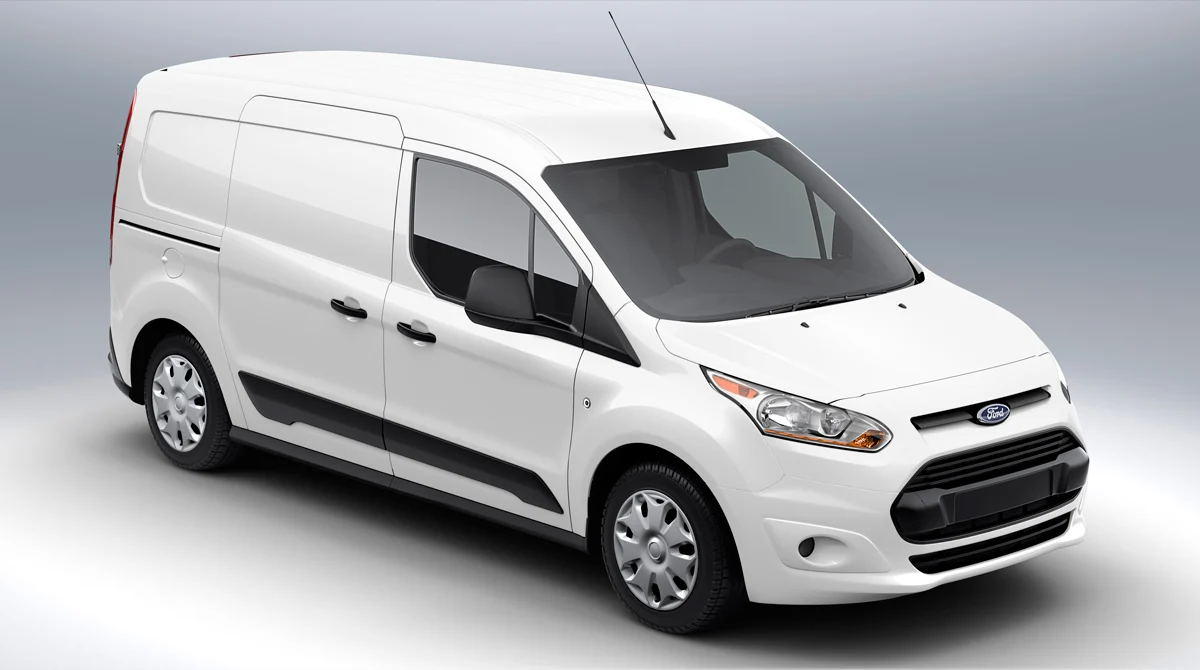
1. Ford Transit Connect (2014)
At first glance, the 2014 Ford Transit Connect seems like the simplest vehicle in the world to drive. With its compact footprint, front-wheel drive layout, and modest four-cylinder engine, it thrives in the urban environments it was designed for. Around town, it’s perfectly at ease, puttering along with just enough pep for errands or short trips. Its light steering and tight turning radius make it an excellent city runabout.
But the story changes once the Transit Connect ventures beyond its comfort zone. On the highway, its lack of power becomes obvious. Passing maneuvers require both patience and precision.
If you floor the gas in an attempt to quickly get around a semi, the transmission responds harshly, lurching and slamming into gear with an unsettling jolt. Smooth acceleration is possible, but it demands foresight a long runway of steady throttle rather than sudden inputs.
Things get even trickier in mountainous terrain. On steep inclines, the transmission clings to gears and sends the engine screaming near redline until you ease off and let it catch up.
Descending is no easier, with brakes that inspire little confidence and a transmission that reacts harshly under load. Together, the underpowered motor, crude gear changes, and mediocre braking system create a driving experience that can feel taxing in the wrong conditions.
What makes the Transit Connect difficult isn’t so much one glaring flaw, but rather the combination of its limitations when pushed outside its element.
It’s a practical, reliable, and surprisingly versatile van when used for city commuting or light-duty hauling, but long highway trips or mountain drives expose its weaknesses. For drivers expecting more composure at speed, the Transit Connect reminds you that not all vehicles are built for every task.
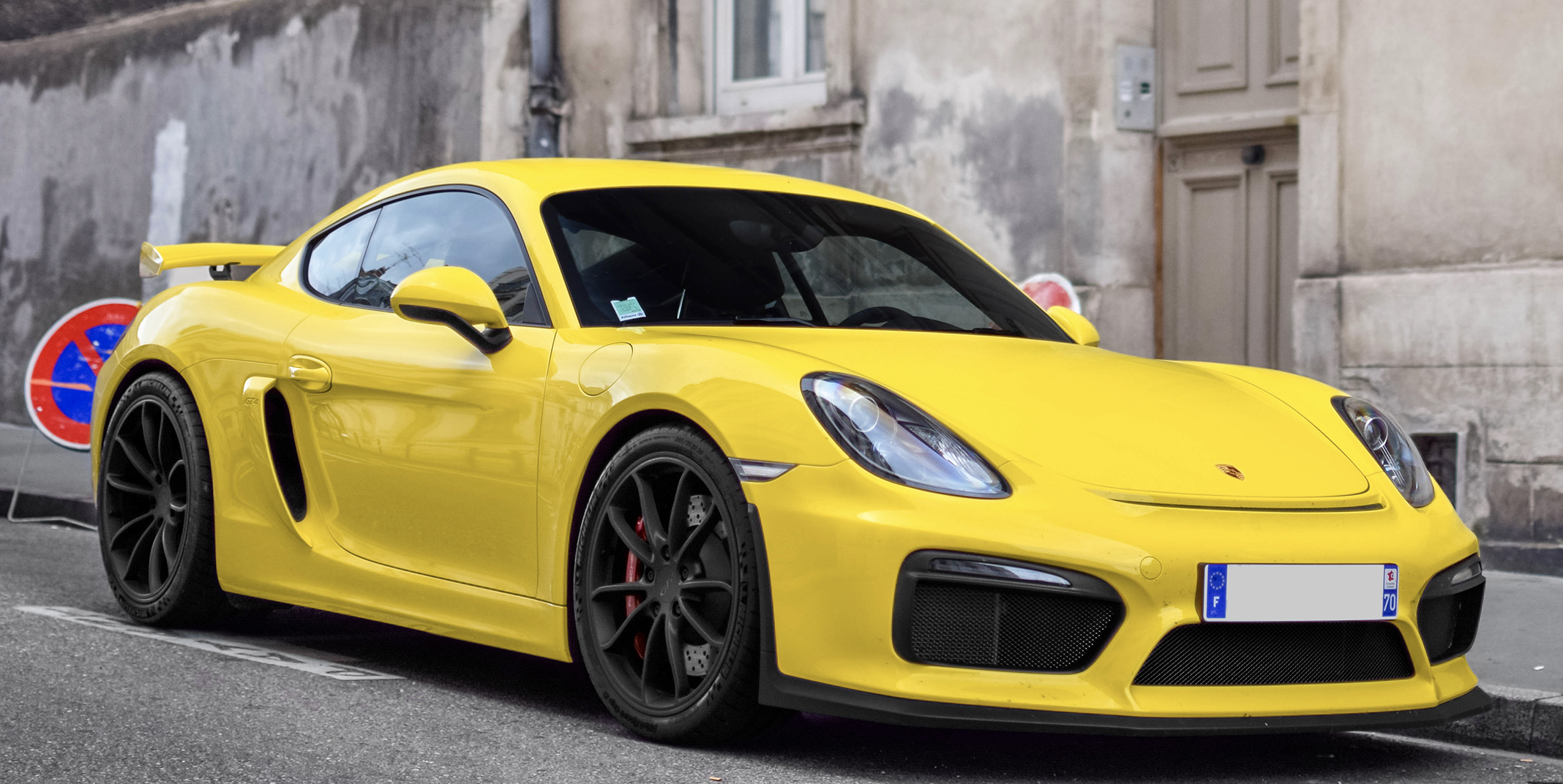
2. Porsche Boxster S (981)
The Porsche Boxster S (981) is celebrated for delivering pure driving engagement, but it also comes with quirks that can challenge even seasoned enthusiasts. Central to the experience is Porsche’s signature flat-six engine, paired with a crisp six-speed manual gearbox.
The setup offers mechanical delight, yet the clutch requires significant effort, often described as demanding “legs of steel.” Owners have noted stiffness, knee strain, and ankle discomfort, a reminder that this Porsche rewards strength and patience. While some view the heavy clutch as part of its character, it may give pause to those unaccustomed to such intensity.
The Boxster S also poses challenges beyond the drivetrain. With the convertible top raised, rear and over-the-shoulder visibility becomes extremely limited, especially in traffic-heavy environments.
Long stints on crowded highways, like California’s I-5 corridor, amplify the issue, where dealing with towering SUVs can feel more like survival than spirited driving. These visibility concerns diminish confidence and highlight a trade-off in practicality for its sleek design.
Despite these hurdles, few would argue for abandoning the manual gearbox in favor of an automatic. The tactile joy of shifting, combined with the mid-engine balance, makes the Boxster S a thrilling companion on open roads where its shortcomings fade. It remains a car best enjoyed in the right conditions: top down, road open, and the driver prepared to embrace its physical demands.
The 981 Boxster S is both rewarding and challenging. It represents the essence of Porsche’s driver-focused philosophy where imperfections are as much part of the experience as its strengths. For enthusiasts seeking involvement above all else, the Boxster S remains a standout, though not without requiring effort and adaptation.
3. BMW 5-Series (E60)
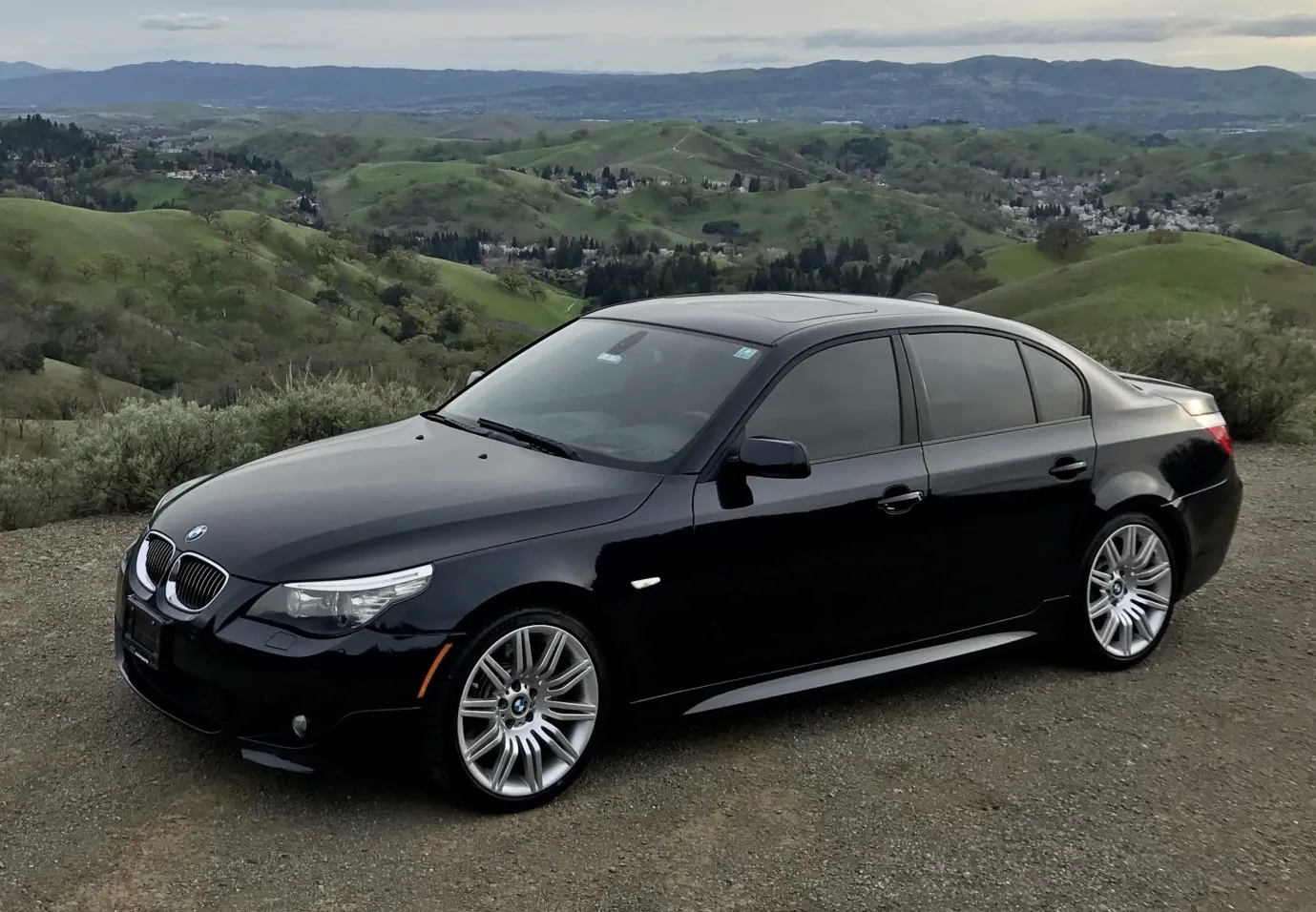
The 2007 BMW 530i, part of the E60 generation, promised the excitement and refinement BMW is known for, boasting the N52 straight-six engine with 255 hp, 220 lb-ft of torque, rear-wheel drive, and a six-speed manual transmission. On paper, it seemed like the ideal sports sedan for enthusiasts. However, firsthand experience revealed a different story.
Even with extensive manual-driving experience, shifting in the E60 proved frustrating. The clutch takeup was jerky, and identifying the bite point was difficult, making smooth gear changes a consistent challenge.
Moving between first and second gears felt particularly awkward, and upshifts and downshifts alike required more effort and precision than expected. This wasn’t an isolated problem many E60 owners report similar difficulties, suggesting it’s a common trait of the model rather than a quirk of individual cars.
While the 530i delivers impressive performance on paper, its manual transmission can make the driving experience unexpectedly demanding. For drivers used to BMW’s reputation for precision, the E60’s clutch and shifting behavior can feel frustrating, turning what should be a smooth, engaging ride into a lesson in patience.
Enthusiasts may still appreciate the engine’s performance and handling, but those expecting a seamless manual experience may be disappointed.
4. Mazda MX-5 Miata (ND)
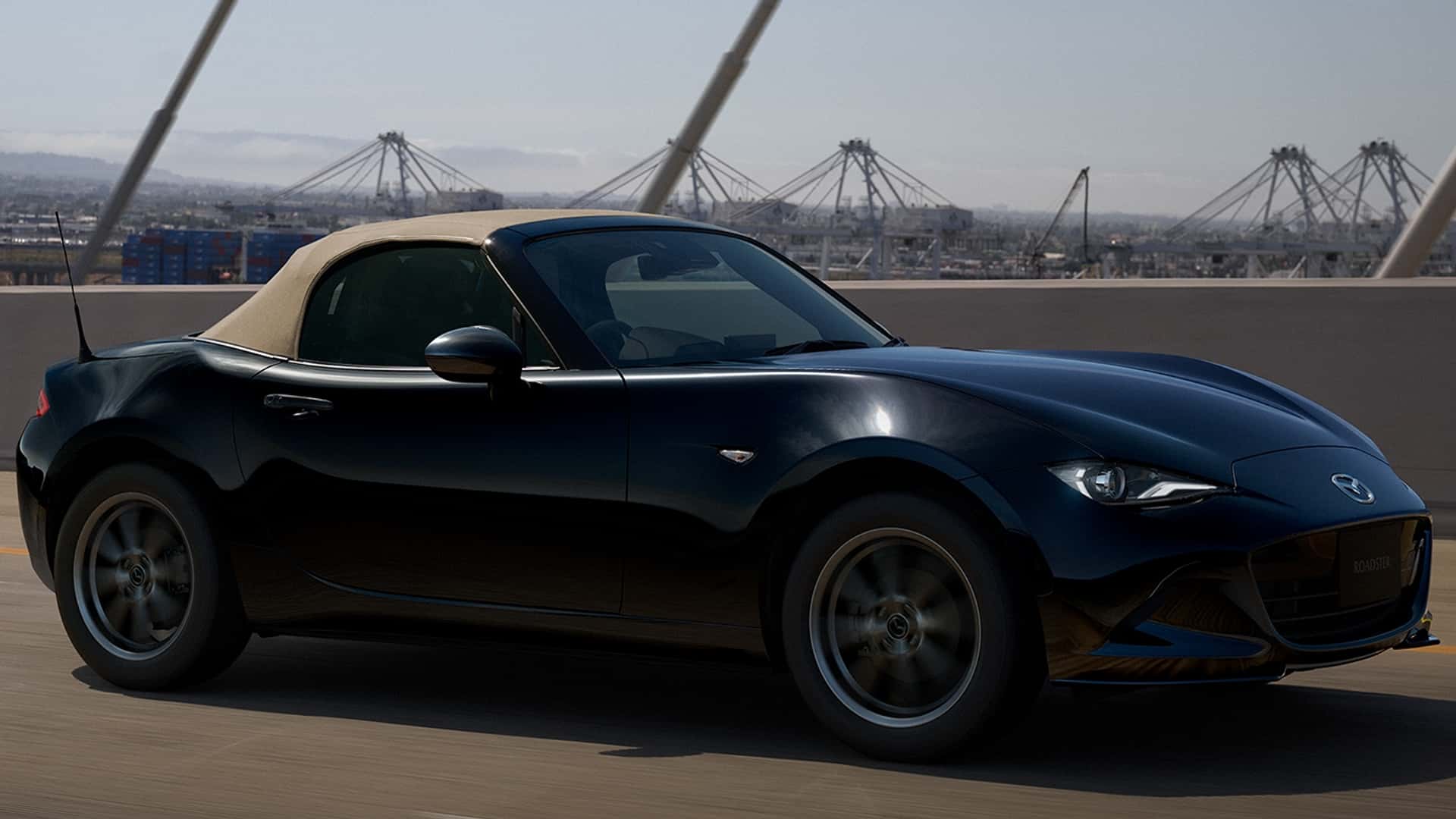
The Mazda MX-5 Miata (ND) has earned a reputation as one of the most engaging sports cars on the market. Praised for its balance, affordability, and charm, the Miata has collected numerous awards, including multiple Car and Driver 10Best wins.
It delivers joy in everyday driving, with a lightweight chassis, rear-wheel drive setup, and modest yet responsive 181-horsepower engine. At just 2,341 pounds, it feels agile and eager, offering an experience many describe as pure driving fun.
However, the Miata’s playful nature comes with a learning curve. While it is approachable in normal conditions, the car’s rear-wheel drive dynamics mean it can oversteer more readily than some drivers may expect.
Even in seemingly tame situations like a tight but casual U-turn drivers have reported the rear end stepping out abruptly. On the track, this tendency is even more pronounced, with some owners noting spinouts under spirited driving. For experienced enthusiasts, this characteristic is part of the thrill, but for newcomers, it can be intimidating and unforgiving.
The Miata’s lightweight design amplifies both its strengths and its challenges. With less mass to stabilize the chassis, the car reacts quickly to inputs, rewarding precision but punishing carelessness. Compared to heavier competitors like the Subaru BRZ, which is nearly 460 pounds heavier, the Miata feels more sensitive and reactive, especially when pushed near its limits.
In essence, the ND Miata embodies the spirit of a classic sports car: simple, light, and rewarding, yet demanding of respect. It’s not raw power that makes it difficult, but the way its responsiveness exposes driver skill or lack thereof. For those who embrace its personality, it delivers unmatched fun. For the unprepared, it can be less forgiving than expected.
5. Volkswagen Golf (Mk2)
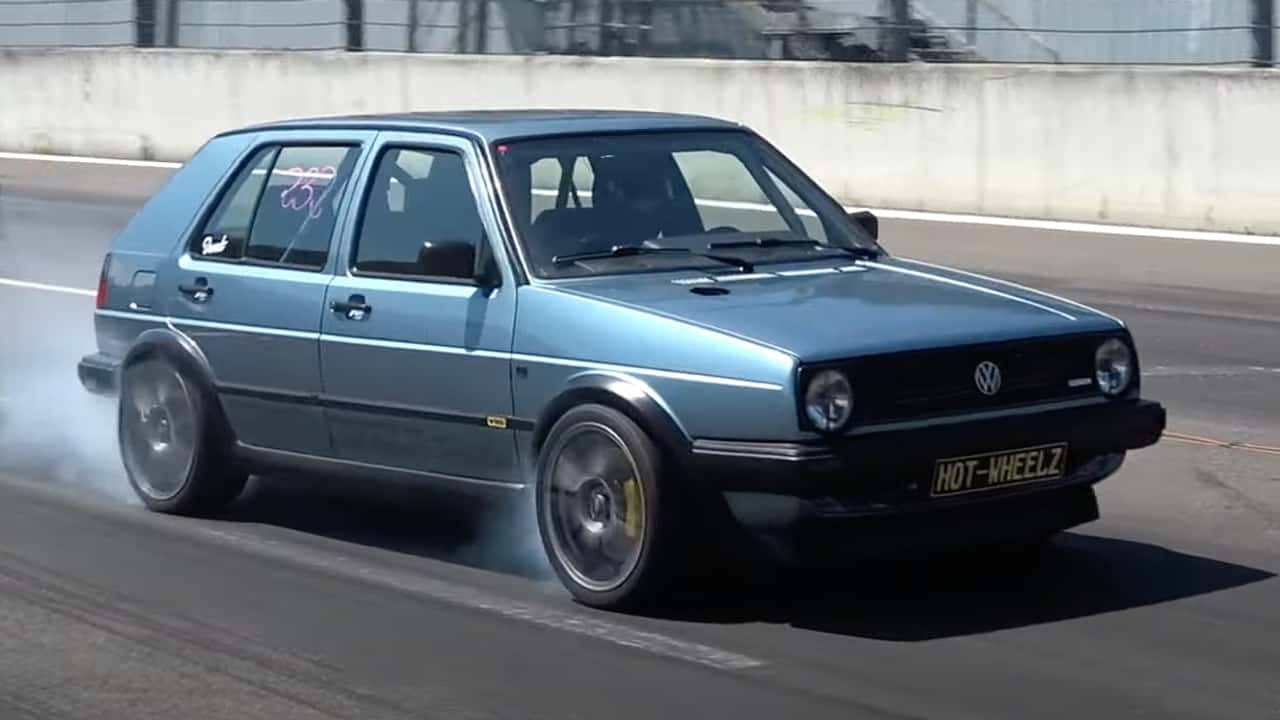
The second-generation Volkswagen Golf, particularly the 1985 model, wasn’t about power or refinement. Its single overhead cam inline-four delivered a modest 85 horsepower, leaving acceleration far from thrilling. What it lacked in speed, however, it compensated for with a sense of character and lively handling that captured the essence of German engineering at the time.
For many, including new drivers of the era, the Mk2 Golf was an introduction to the quirks of older cars. One of the most notable challenges came from the absence of power steering.
Unlike today’s feather-light systems, maneuvering the Golf required serious effort, especially at low speeds. Simple tasks such as backing out of a driveway or executing a tight turn demanded both hands firmly at 10-and-2 and a fair amount of upper-body strength. For inexperienced drivers, this made everyday driving feel like a workout.
The Golf also carried other reminders of its simplicity. Hand-crank windows, while charming in retrospect, could be cumbersome in real-world situations.
Managing toll booths or quick stops meant simultaneously cranking the glass, shifting gears, and wrestling with the unassisted steering a juggling act that tested patience and coordination. Compared to the convenience-laden crossovers of today, the Mk2 feels spartan, yet undeniably honest.
Despite these challenges, the Golf delivered something important: driver engagement. Its light weight, direct responses, and analog feel made it a car that connected drivers to the road in a way modern vehicles rarely replicate. While it could frustrate with its lack of conveniences, it also built skills, discipline, and a deeper appreciation for the act of driving.
In short, the Mk2 Golf wasn’t easy to live with, but it was memorable. Its charm lay not in comfort or performance, but in the character forged from its very limitations.
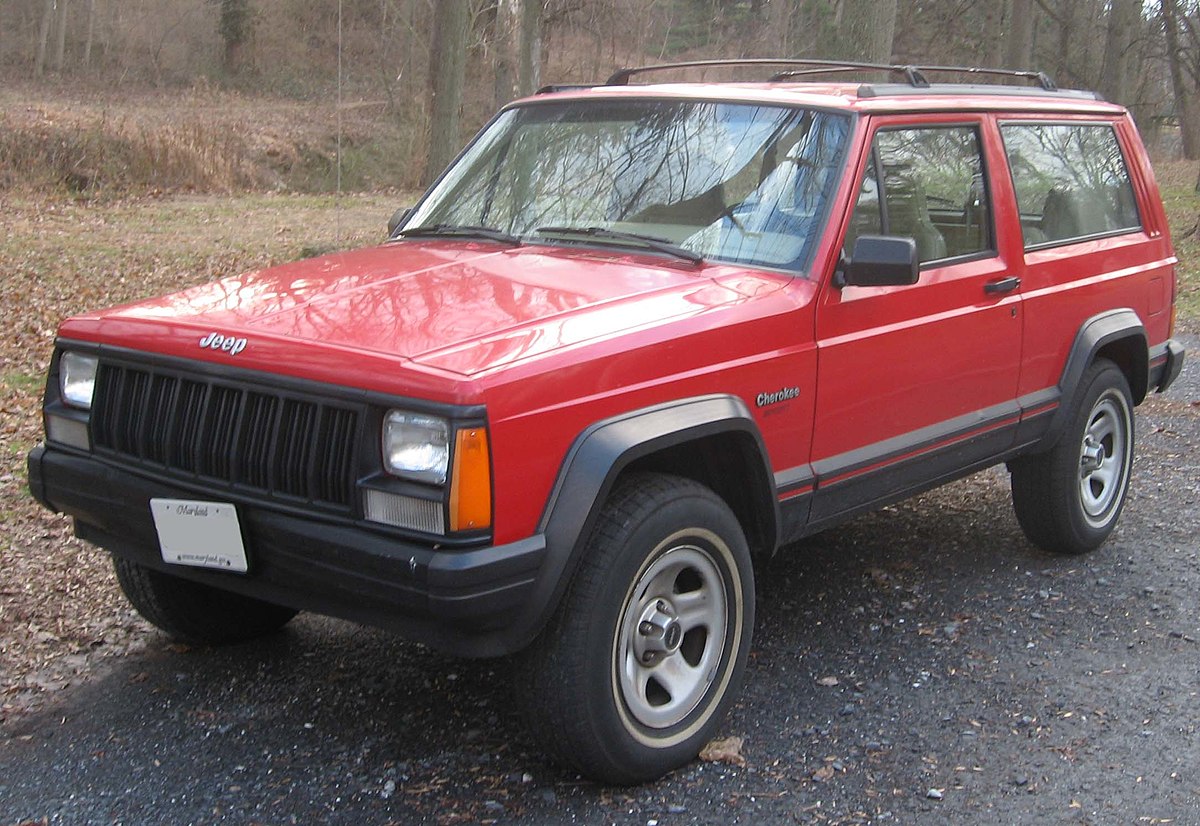
6. Jeep Cherokee (XJ)
The 1991 Jeep Cherokee XJ remains one of the most iconic SUVs of its era, remembered as much for its rugged durability as for its driving challenges. Equipped with the legendary 4.0-liter inline-six, it delivered 190 horsepower and 225 lb-ft of torque serious numbers compared to the economy cars of the day.
The engine was known to seep oil through the PCV valve, but it rarely quit, providing a reliable backbone to an otherwise demanding driving experience.
Much of the difficulty came from its manual setup. The clutch pedal had a long travel and heavy action, requiring significant leg strength to operate. Pair that with a shifter that felt loose and imprecise, and finding the correct gear was often a guessing game.
Sliding between second and fourth gear without realizing it wasn’t unusual, forcing drivers to rely on the tachometer or better yet, their ears to confirm whether the engine was in the right rev range.
Beyond the gearbox, the Cherokee demanded respect on the road. Its rear-wheel-drive dynamics, paired with a curb weight under 3,000 pounds, made it lively in slick conditions when four-wheel drive wasn’t engaged.
While this added excitement for seasoned drivers, it also made the SUV unpredictable for those unaccustomed to its behavior. What some might call frustrating, others would describe as character, and mastering its quirks was as much about patience as skill.
Despite its shortcomings, the Cherokee had a loyal following. Its combination of brawny power, durability, and raw driving feel made it a standout. For many, it was less about refinement and more about building a bond with a machine that rewarded persistence. The XJ wasn’t easy to drive, but that challenge was part of what made it unforgettable.
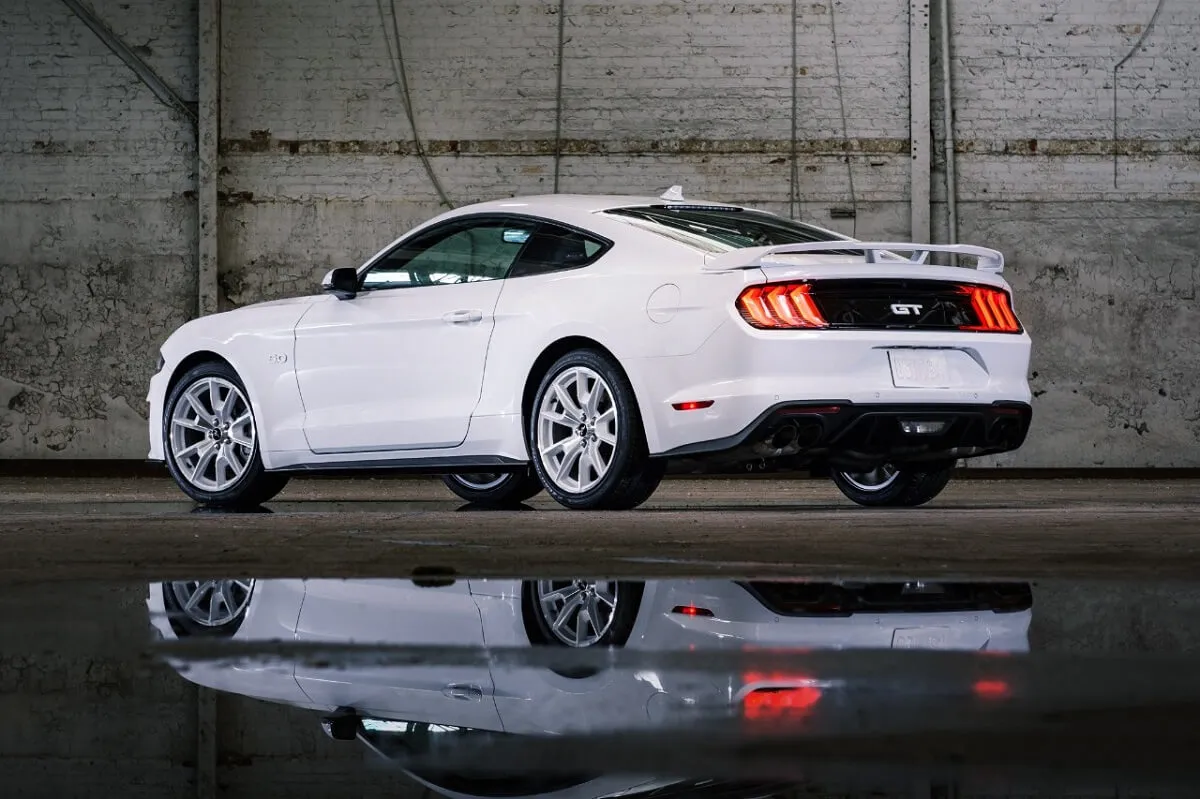
6. Ford Mustang GT (S550)
The 2015 Ford Mustang GT from the S550 generation exemplifies modern muscle-car excitement, thanks to its 5.0-liter Coyote V8 producing 435 hp and 400 lb-ft of torque.
Behind the wheel, it’s a visceral experience: the engine’s growl and low-end rumble almost feel like an invitation to unleash its full potential. On dry, straight roads, the Mustang rewards confident drivers with thrilling acceleration and that classic V8 shove into the seatback.
However, the S550’s raw rear-wheel-drive power can quickly overwhelm inexperienced or overconfident drivers. Its tendency to oversteer, especially in corners or on wet surfaces, demands respect and skill. With the convertible top down, the auditory cues can further encourage spirited driving, making it easy to misjudge the car’s limits.
For novices, the Mustang GT may feel like a handful, as its strength and responsiveness expose small mistakes immediately. While skilled drivers can harness the S550’s capabilities for a highly engaging drive, the combination of potent power, rear-wheel drive, and oversteer-prone behavior makes it a challenging car for those unprepared for its demands.
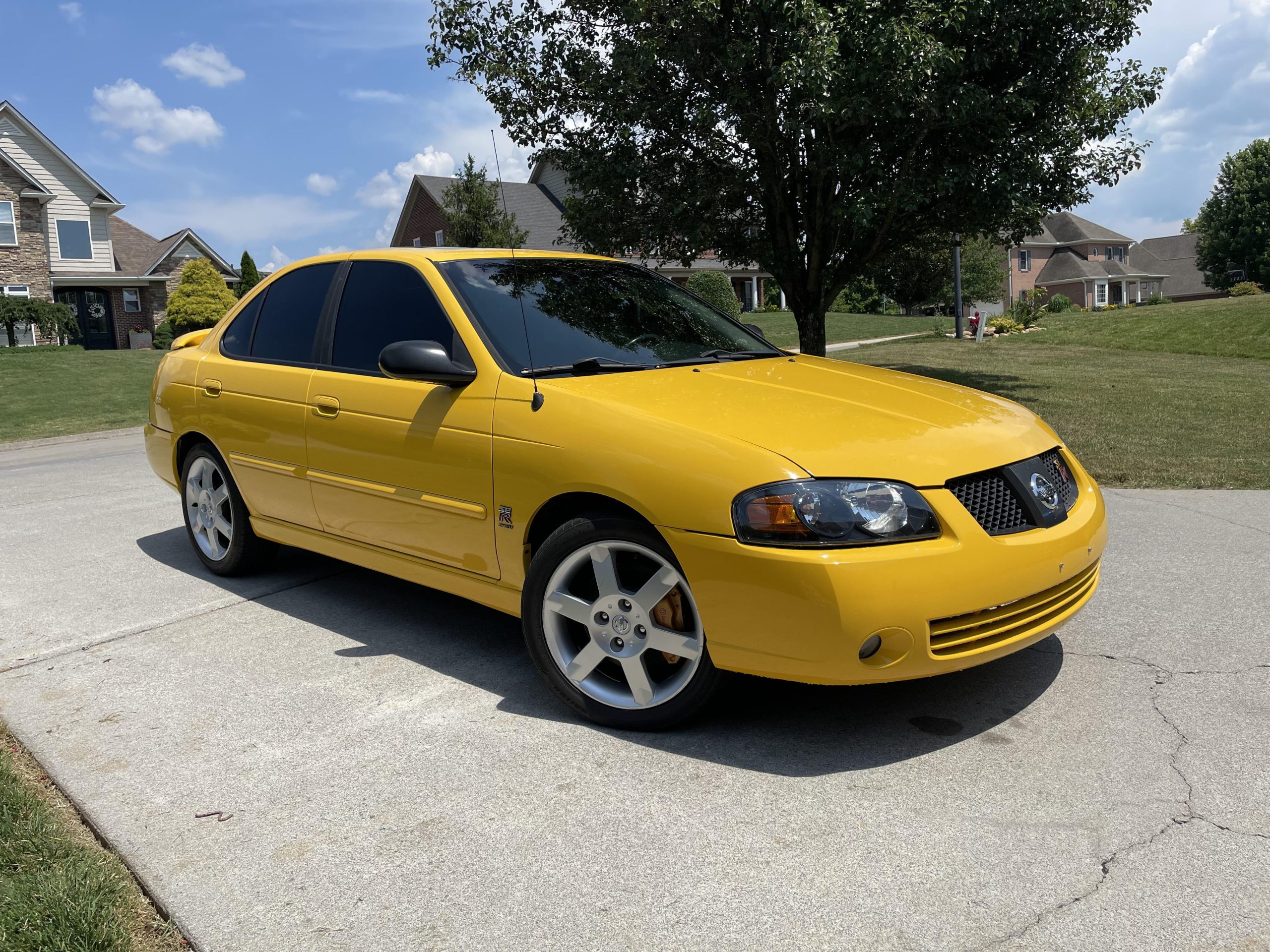
8. Nissan Sentra SE-R Spec V (B15)
The 2002 Nissan Sentra SE-R Spec V was Nissan’s attempt to inject real excitement into a compact sedan, and for better or worse, it succeeded. Powered by a 2.5-liter four-cylinder producing 180 horsepower and 180 lb-ft of torque, the Spec V weighed just 2,800 pounds, giving it a lively power-to-weight ratio for its era.
The trouble was, all that energy went straight to the front wheels, and the result was torque steer in its most dramatic form. Put your foot down, and the steering wheel seemed to wriggle like a wild animal, demanding constant corrections to keep the car straight.
At the time, this was considered part of the charm. Modern sport compacts like the Civic Type R employ sophisticated front suspension designs to cancel out torque steer, but the B15 Sentra had no such tricks. Instead, drivers were left to wrestle with the car, making wide-open-throttle acceleration a test of both strength and patience.
The quirks didn’t stop with the engine’s output. The six-speed manual gearbox came with an unusual collar-based lockout system for reverse gear. To engage reverse, drivers had to slide the collar upward before moving the shifter.
It wasn’t particularly intuitive, and even with practice, it could be clunky in execution. Those unfamiliar with the mechanism often forced the shifter through the lockout, sometimes damaging it entirely.
These flaws didn’t dampen the car’s reputation among enthusiasts. For many, they added character to a compact sedan that punched above its weight in performance and spirit.
The SE-R Spec V wasn’t refined, nor was it easy to master, but it delivered a raw, visceral experience. For a generation of drivers, it stood as proof that difficulty and fun often go hand in hand.
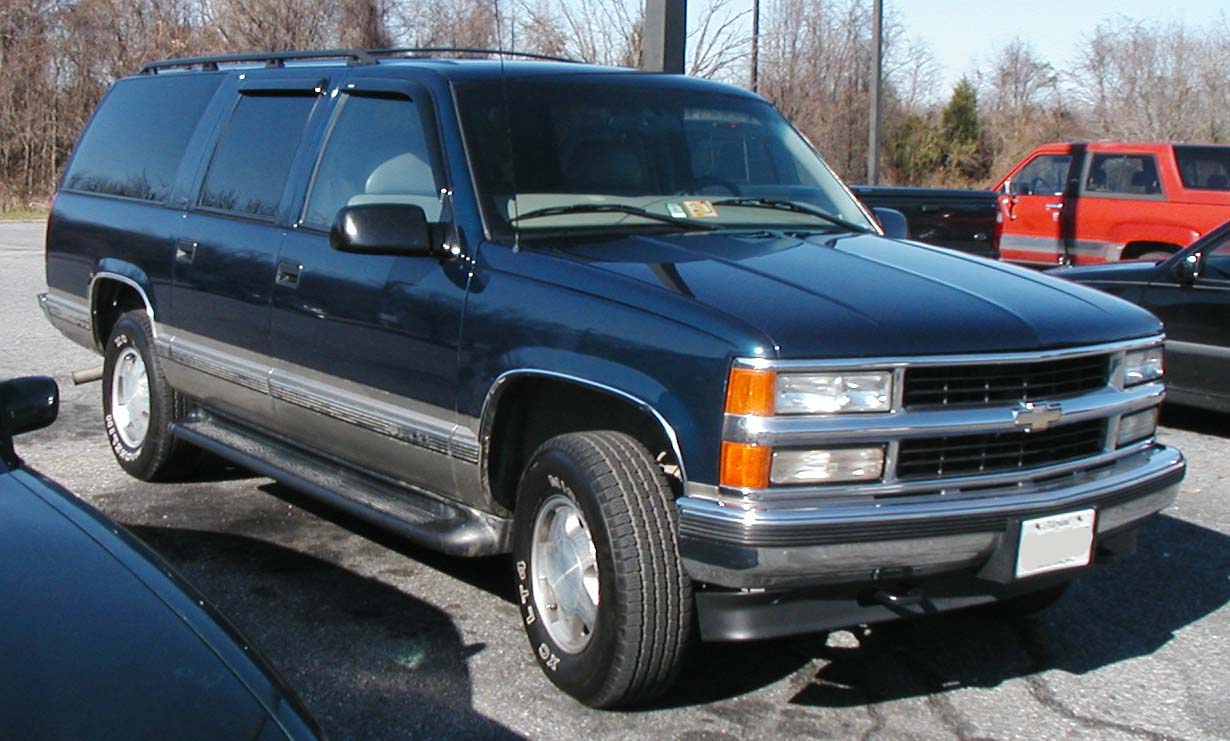
9. Chevrolet Suburban (GMT400)
At first glance, the 1995 Chevrolet Suburban might seem easy to handle. With its V8 engine, automatic transmission, and rugged truck-based build, it gave drivers the confidence to plow through anything in their path.
But once behind the wheel, its real challenges became apparent starting with the steering. On-center feel was practically nonexistent, leaving the steering wheel floating loosely around 12 o’clock. Precision driving wasn’t part of the Suburban’s vocabulary.
Some of this vague response could be blamed on years of family duty and high mileage, but the truth is that the GMT400 Suburban inherited much of its DNA from the Silverado pickup. Refinement wasn’t a strong suit, and drivers were left to contend with its sheer bulk using little more than instinct and experience. And size was arguably the bigger obstacle.
Modern Suburbans are loaded with cameras, sensors, and alerts to help drivers avoid obstacles. In 1995, none of that existed. Parking this nearly 19-foot-long SUV meant developing an almost sixth sense for space or simply “feeling out” a tight spot by nudging a bumper or two.
Parallel parking was particularly daunting. Combine its vast proportions with numb steering, and getting the Suburban into place without incident was an exercise in patience and skill.
Yet despite these difficulties, the GMT400 Suburban had undeniable charm. It was big, unapologetically capable, and represented the pinnacle of family-hauling utility in its day. For those who mastered it, the Suburban offered a commanding driving position and a sense of indestructibility.
For those who didn’t, it was a constant reminder that sometimes the hardest vehicles to drive aren’t underpowered sports cars or finicky manuals, but oversized machines that demand space, muscle, and respect.
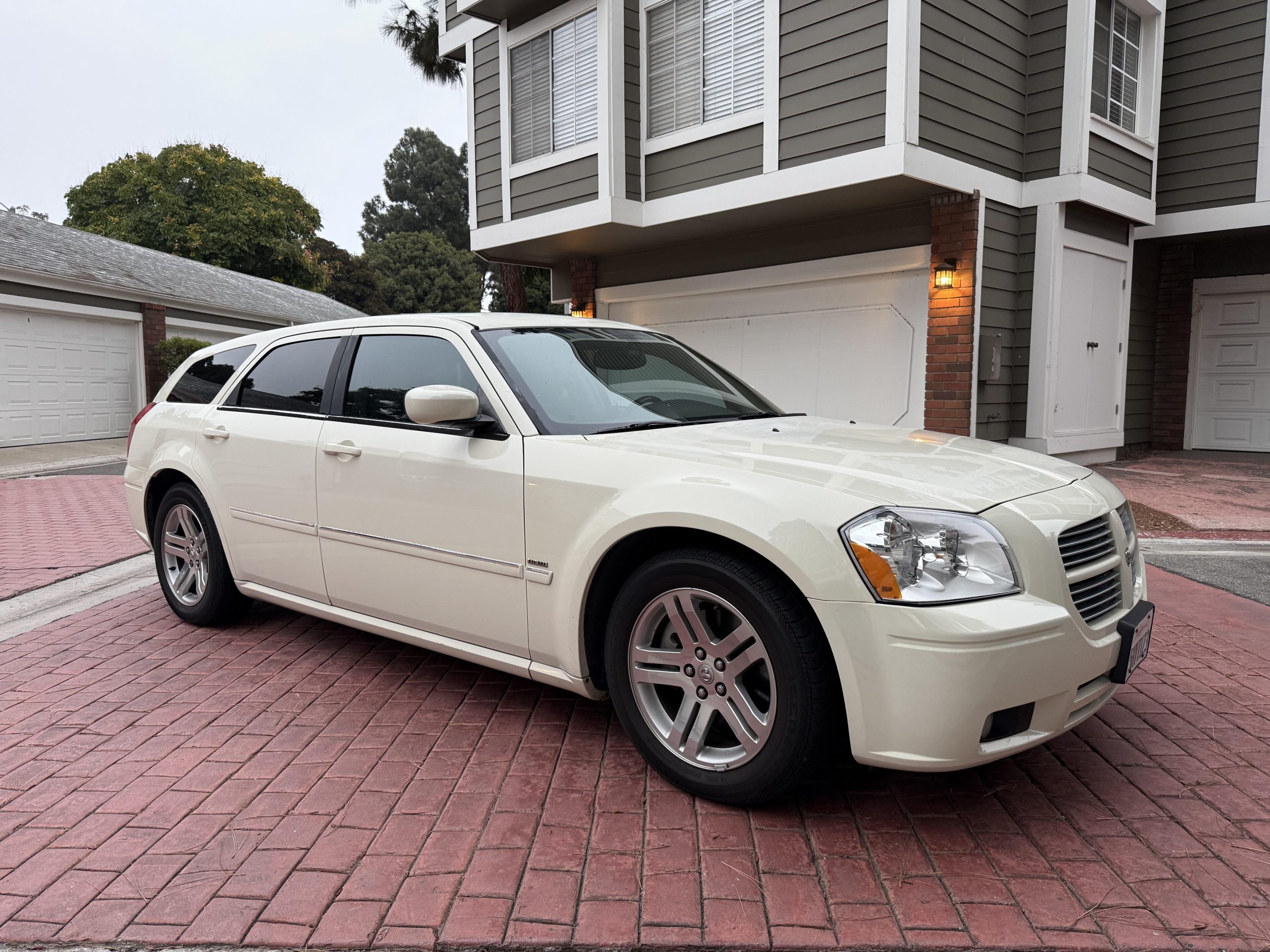
10. Dodge Magnum R/T (2005)
The 2005 Dodge Magnum R/T stood out as one of the boldest wagons of its era. With its long, low stance and sharp-edged design, it had undeniable presence. While the spotlight often fell on the fire-breathing SRT-8 with its 6.1-liter HEMI, the R/T was no slouch.
Its 5.7-liter HEMI V8 delivered 340 horsepower and 390 lb-ft of torque, powering the rear wheels in the version most enthusiasts preferred. Period testing showed it could sprint from 0 to 60 mph in just 5.8 seconds, giving it serious performance credentials for a family hauler.
On paper, the Magnum R/T looked like the perfect sleeper wagon, but behind the wheel it presented its own set of challenges. Chief among them was the steering, or more specifically, the lack of direct response.
The dead zone on-center stretched alarmingly wide, making the car feel disconnected from the road at times. Pair that with a hefty dose of V8 torque, and confident control required constant attention.
Visibility was another weak point. The Magnum’s rakish styling and high beltline gave it aggressive proportions but compromised practicality. The rear roofline sloped sharply, while the narrow side and rear windows left significant blind spots. In the days before backup cameras became standard, reversing or squeezing into a tight space was a nerve-wracking task.
The combination of raw power, vague steering, and poor sightlines meant that driving the Magnum R/T demanded patience and skill, particularly in crowded or urban environments.
Still, for enthusiasts who could look past its flaws, the Magnum offered something rare: a wagon with the heart of a muscle car. It wasn’t always easy to live with, but it was memorable, charismatic, and proof that Dodge wasn’t afraid to do something different.
Driving isn’t just about speed, style, or horsepower it’s also about how a car feels once the rubber meets the road. The smoothest-riding vehicles on this list prove that comfort and composure can make the difference between a stressful drive and a relaxing journey. Meanwhile, the bumpier contenders serve as a reminder that power and personality sometimes come at the cost of refinement.
Ultimately, whether you prioritize serenity behind the wheel or accept a bit of roughness for the sake of character, the right car depends on your own driving preferences.
But one thing is clear: when comparing these opposites side by side, it becomes easy to see why ride quality remains one of the most defining aspects of the driving experience.
Also Read: 10 Cars That Rarely Fail Their Owners vs 10 That Constantly Disappoint