
Flood-prone streets can quickly separate dependable SUVs from those that fail under pressure. Not all vehicles are built to handle rising waters, and the difference between a smooth, confident drive and an instant shutdown often comes down to engineering, ground clearance, and component placement.
SUVs like the Toyota Land Cruiser, Ford Bronco, and Jeep Wrangler are designed with durability at their core high ground clearance, sealed electrical systems, and elevated air intakes allow them to power through flooded roads and rough terrain with confidence.
Even luxury models such as the Mercedes-Benz G-Class and versatile options like the Subaru Outback Wilderness prove that flood resilience can coexist with comfort, style, and everyday usability.
On the flip side, many modern SUVs, particularly those focused on electronics, luxury, or performance, struggle in wet conditions. Vehicles like the Tesla Model X, BMW X5, Audi Q7, Range Rover Evoque, and Chevrolet Traverse can experience immediate shutdowns when water reaches sensitive components.
Knowing which SUVs can handle floods and which cannot is essential for safety, reliability, and avoiding costly repairs. This guide highlights these differences, providing a clear look at which SUVs thrive in wet conditions and which ones are best kept away from high water.
5 SUVs That Survive Flood Conditions
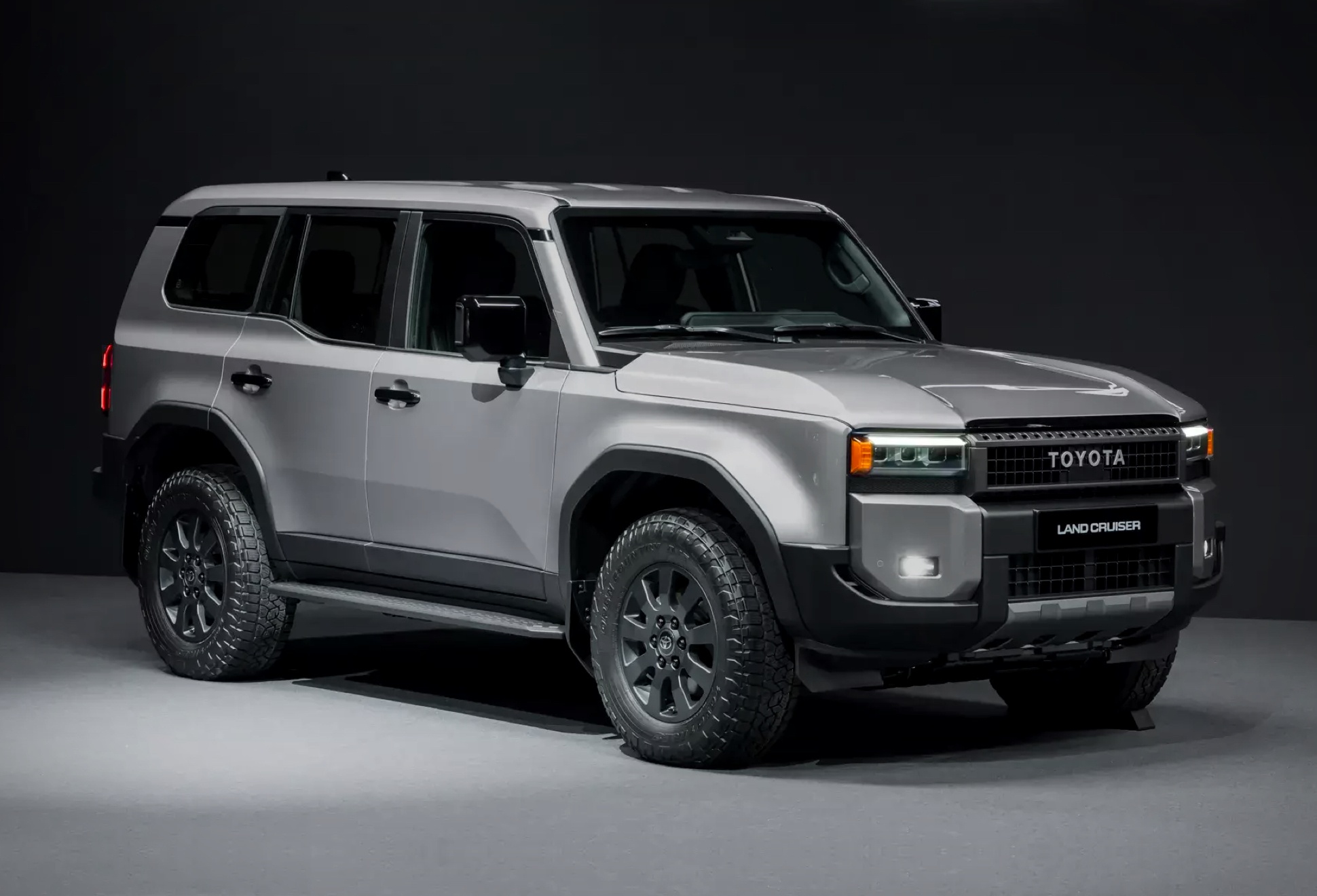
1. Toyota Land Cruiser: A Rugged SUV Built for Trust
The Toyota Land Cruiser has earned a global reputation for toughness, reliability, and long-term dependability. It is especially valued in regions with difficult terrain or frequent flooding, where vehicles must be both durable and trustworthy. Unlike SUVs that emphasize luxury first, the Land Cruiser focuses on resilience and practicality.
At the heart of its durability is its body-on-frame construction. This design provides a solid foundation and protects against water damage more effectively than unibody SUVs. High ground clearance keeps sensitive components such as the engine, battery, and electrical systems out of harm’s way.
Toyota also equipped the Land Cruiser with tight panel gaps, reinforced door seals, and a high-mounted air intake system to reduce the risk of water entering the cabin or engine bay. These details give drivers confidence when driving through floodwaters or unpredictable conditions.
Toyota has further safeguarded the vehicle with sealed electrical connectors in the engine bay, preventing shorts and moisture-related failures. Even when exposed to several inches of water, the Land Cruiser maintains reliable performance. This engineering explains why it is trusted in flood-prone areas and rugged landscapes worldwide.
Off-road capability is another defining trait. The Land Cruiser includes a full-time four-wheel-drive system, locking center and rear differentials, and a range of driver-assist technologies designed for rough terrain. Low-speed cruise control, traction control settings, and optional features like a disconnecting stabilizer bar enhance performance on trails.
Available cameras also provide clear views of the terrain, helping drivers place the vehicle with precision. These systems make the Land Cruiser one of the most capable off-road SUVs in its class.
On paved roads, its performance is more mixed. The hybrid powertrain delivers smooth acceleration in everyday use, but reaching 60 mph takes 8.2 seconds, which is slower than rivals like the Land Rover Defender 110. Steering feels heavy and lacks road feedback, while hard braking produces noticeable nosedive.
Despite these drawbacks, the Land Cruiser offers a calmer ride than hardcore off-roaders such as the Jeep Wrangler or Ford Bronco, absorbing bumps effectively and remaining composed.
The interior strikes a balance between rugged utility and comfort. Front and second-row seats are supportive, and headroom is generous, but rear legroom is surprisingly limited.
The seat cushions sit lower than ideal, which may reduce comfort for taller passengers. Controls are sensibly arranged, and the cabin is well insulated from wind and road noise. Cargo space measures 37.5 cubic feet useful but compromised by the hybrid battery placement, which raises the floor and prevents a flat load surface.
Technology and safety are well represented, with wireless Apple CarPlay, Android Auto, multiple USB ports, and advanced driver-assistance features. The hybrid system also provides an advantage in efficiency, with an EPA-estimated 23 mpg combined, outperforming many off-road rivals, though it does require premium fuel.
Although its price is high and interior space could be better, the Toyota Land Cruiser remains a strong choice for those who prioritize reliability, durability, and off-road capability. Blending retro-inspired styling with modern technology, it continues to embody trust and endurance in every drive.
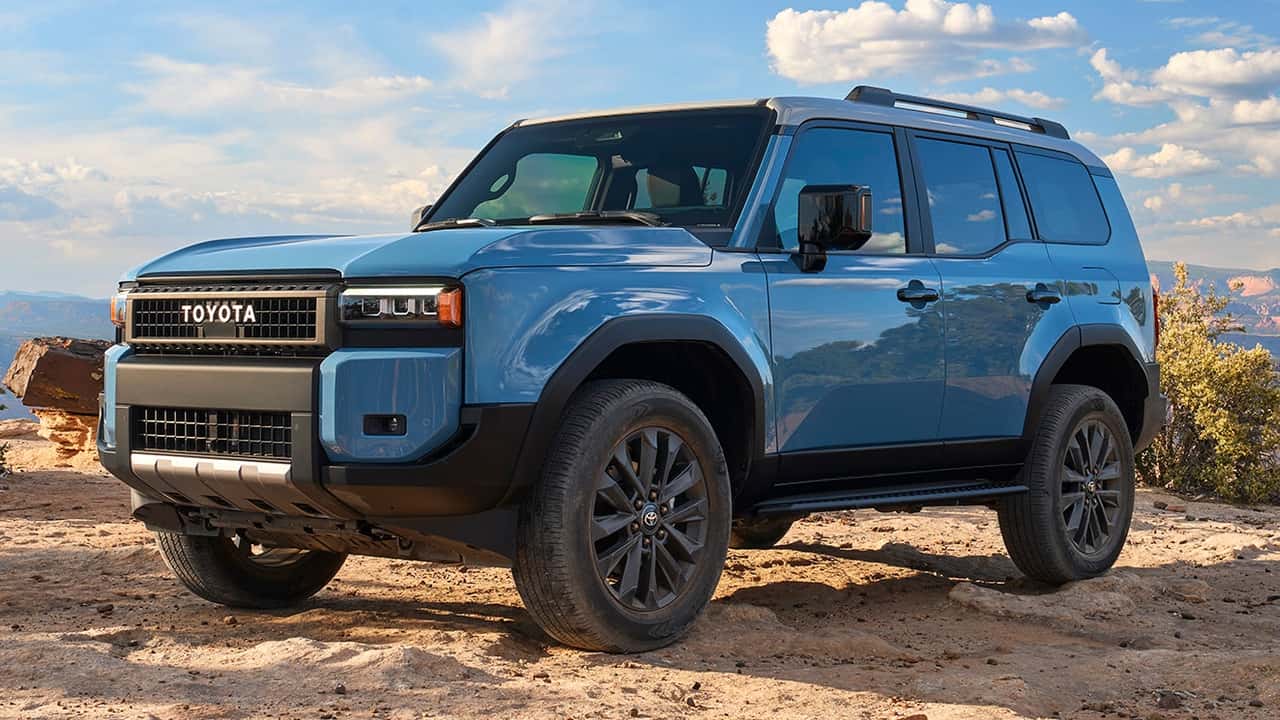
2. Ford Bronco: Retro Looks with Real-World Strength
The Ford Bronco’s return to the market was more than a nod to nostalgia. Ford designed the modern Bronco with genuine off-road performance and durability in mind, making it a capable SUV in varied environments, including flood-prone areas. Its blend of style, engineering, and toughness has quickly made it one of the most talked-about off-road vehicles available today.
One of the Bronco’s most impressive abilities is its water-fording depth. When properly equipped, it can pass through up to 33.5 inches of water over two and a half feet without stalling or damaging the engine.
This is made possible by its high-mounted air intake, reinforced underbody, and extensive skid plates that protect critical mechanical components. The suspension is also tuned for resilience on soft or uneven terrain, such as muddy ground after heavy rain.
Ford engineers placed special attention on water resistance throughout the vehicle. Electrical systems, including connectors and wiring, are sealed against moisture intrusion.
Even the body and cabin are built with water-resistant qualities, ensuring that mud, wet gear, and messy conditions won’t compromise the SUV’s durability. These features establish the Bronco as a strong choice for drivers dealing with flash floods, poorly drained roads, or trail crossings.
While its retro-inspired design grabs attention, the Bronco’s real advantage lies in its practical performance. It is not simply styled for the past but engineered for the present. Whether tackling city streets in a downpour or crossing a stream on an off-road adventure, the Bronco delivers confidence. This balance between classic aesthetics and real-world functionality is central to its appeal.
In the broader off-road SUV market, the Bronco sits alongside rivals such as the Jeep Wrangler, Toyota Land Cruiser, and Land Rover Defender. Both the Wrangler and Bronco offer excellent off-road ability and the option for roof and door removal, giving drivers an open-air experience.
However, they sacrifice some refinement and comfort compared to more upscale choices. The Defender provides luxury and capability but at a much higher price point, while Toyota’s 4Runner offers practicality and additional seating options. In this mix, the Bronco stands out for delivering serious performance at a more accessible cost while still offering everyday usability.
The Bronco is engineered to handle rough terrain, but Ford has also made sure it works as a daily driver. Its cabin is durable yet accommodating, designed to withstand mud, water, and gear without losing comfort. Seating is practical, controls are intuitive, and materials can handle rugged use. The focus on utility makes the Bronco feel like an SUV built to work, not just to look adventurous.
Ultimately, the Ford Bronco’s greatest strength is how well it blends looks and capability. It reassures drivers in flood-prone or wet conditions while providing enough comfort and utility for daily use. For those who want a vehicle that looks bold but also performs when weather and terrain turn difficult, the Bronco proves itself as more than just a nostalgic revival it’s a capable and reliable off-road partner.
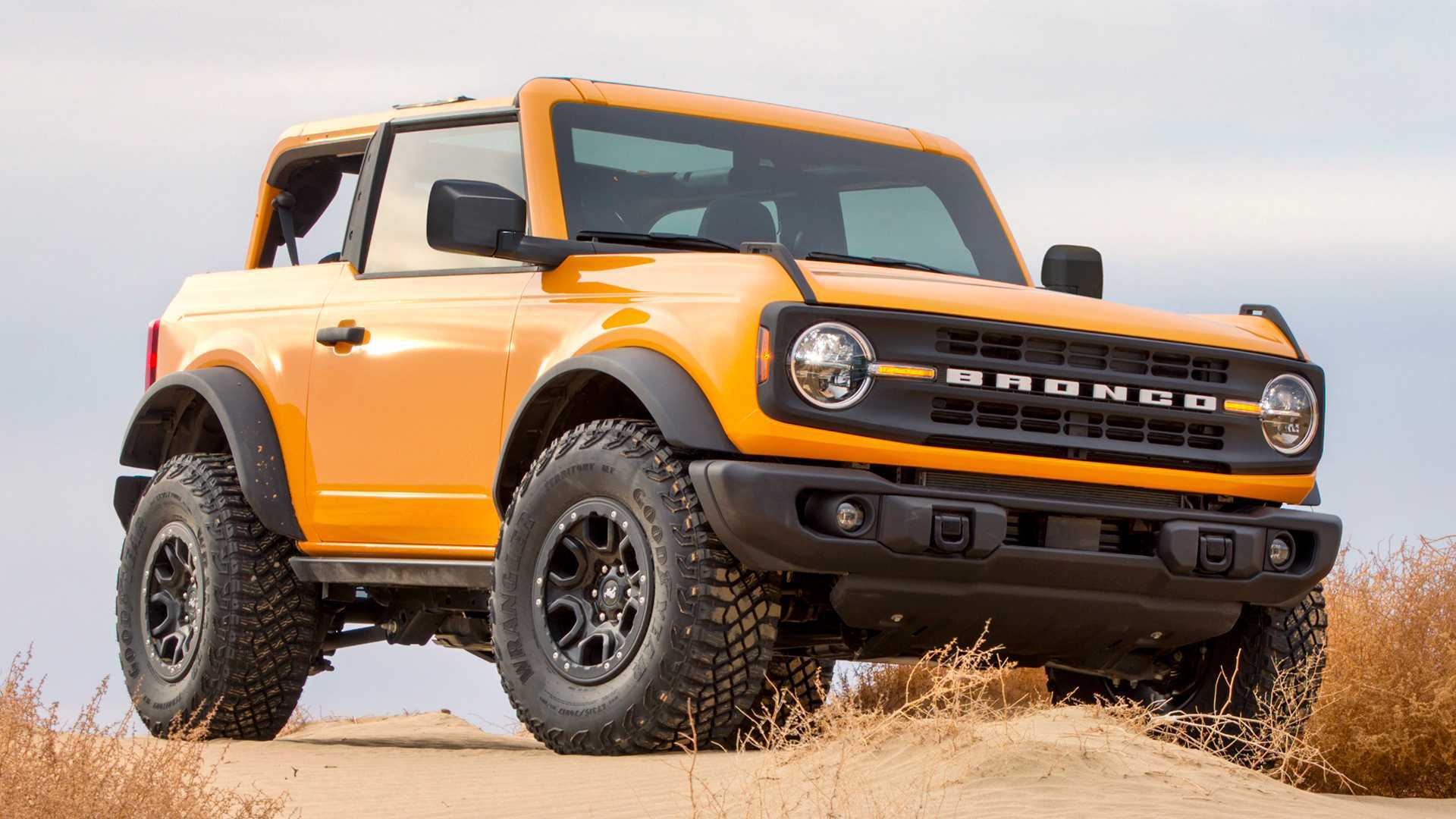
3. Jeep Wrangler: Iconic Design, Proven Capability
The Jeep Wrangler has long been a favorite among off-road enthusiasts, and its reputation is built on more than just rugged looks. Known for handling wet roads, rocky trails, and deep puddles with ease, the Wrangler combines decades of heritage with modern upgrades. Its ability to perform in tough weather and terrain makes it one of the most trusted vehicles for adventure seekers and those living in flood-prone areas.
One of the Wrangler’s standout abilities is its water-fording capacity. Depending on the trim and setup, it can cross up to 30 inches of water, keeping the engine, gearbox, and electronics protected.
Jeep designed its air intake system high in the engine bay to reduce the risk of water entering and damaging the motor. Many of the electrical components are also mounted higher and sealed with waterproof connectors, further protecting the vehicle from moisture.
Beyond water resistance, the Wrangler’s four-wheel-drive system ensures traction in slick, muddy, or uneven conditions. For drivers who want even more security, aftermarket options like a snorkel can be added to boost water protection. This makes the Wrangler an especially practical choice for rainy seasons, flood-prone regions, or trail adventures.
The Wrangler has always been about off-road excellence. Even in its base trims, it offers impressive capability, while models like the Rubicon add beefier axles, locking differentials, and off-road-tuned shocks.
Optional packages such as the Xtreme Recon outfit the SUV with 37-inch tires and additional ground clearance, giving it unmatched trail performance. Its narrow body and low hood improve visibility and maneuverability, making it easier to handle technical trails.
Customization is also a huge part of the Wrangler’s appeal. With two body styles, a variety of powertrains (including a plug-in hybrid), and countless factory or aftermarket accessories, owners can tailor their Wrangler for everything from overlanding to urban commuting. This versatility helps explain its cult-like following.
While exceptional off-road, the Wrangler feels less refined on paved roads. Steering is vague and requires frequent corrections at highway speeds, and the V6 engine delivers only average acceleration. Braking distances are long compared to rivals. However, the suspension absorbs potholes and ruts effectively, making city driving manageable.
On the trail, the Wrangler is in its element, easily handling rocks, sand, and mud. The Rubicon trim in particular shines with its specialized hardware, proving why the Wrangler remains the benchmark for off-road performance.
Daily driving comfort is not the Wrangler’s strong suit. The seats are flat and firm, wind noise is loud at higher speeds, and the cabin feels narrow compared to competitors like the Ford Bronco.
Still, the high driving position, simple controls, and durable interior materials make it functional. Cargo space benefits from the Wrangler’s boxy design, though the Bronco offers slightly more. Towing capacity tops out at 5,000 pounds, and it can also be flat-towed behind a motorhome.
Modern Wranglers feature user-friendly tech, including a responsive touchscreen, wireless Apple CarPlay and Android Auto, and off-road-specific apps. Safety technology is more limited features like blind-spot monitoring and adaptive cruise control are optional rather than standard.
Fuel economy is modest but competitive with other off-road SUVs, ranging from 17 to 21 mpg depending on trim and engine. Pricing is another strength, with a wide range of configurations from entry-level models to high-performance trims, ensuring options for different budgets.
The Jeep Wrangler remains one of the most distinctive and capable SUVs available. With its proven off-road hardware, water-handling ability, and customization potential, it continues to define the segment. While not the most comfortable or refined option, its heritage, community, and all-terrain performance keep it a standout choice for drivers who prioritize adventure over luxury.
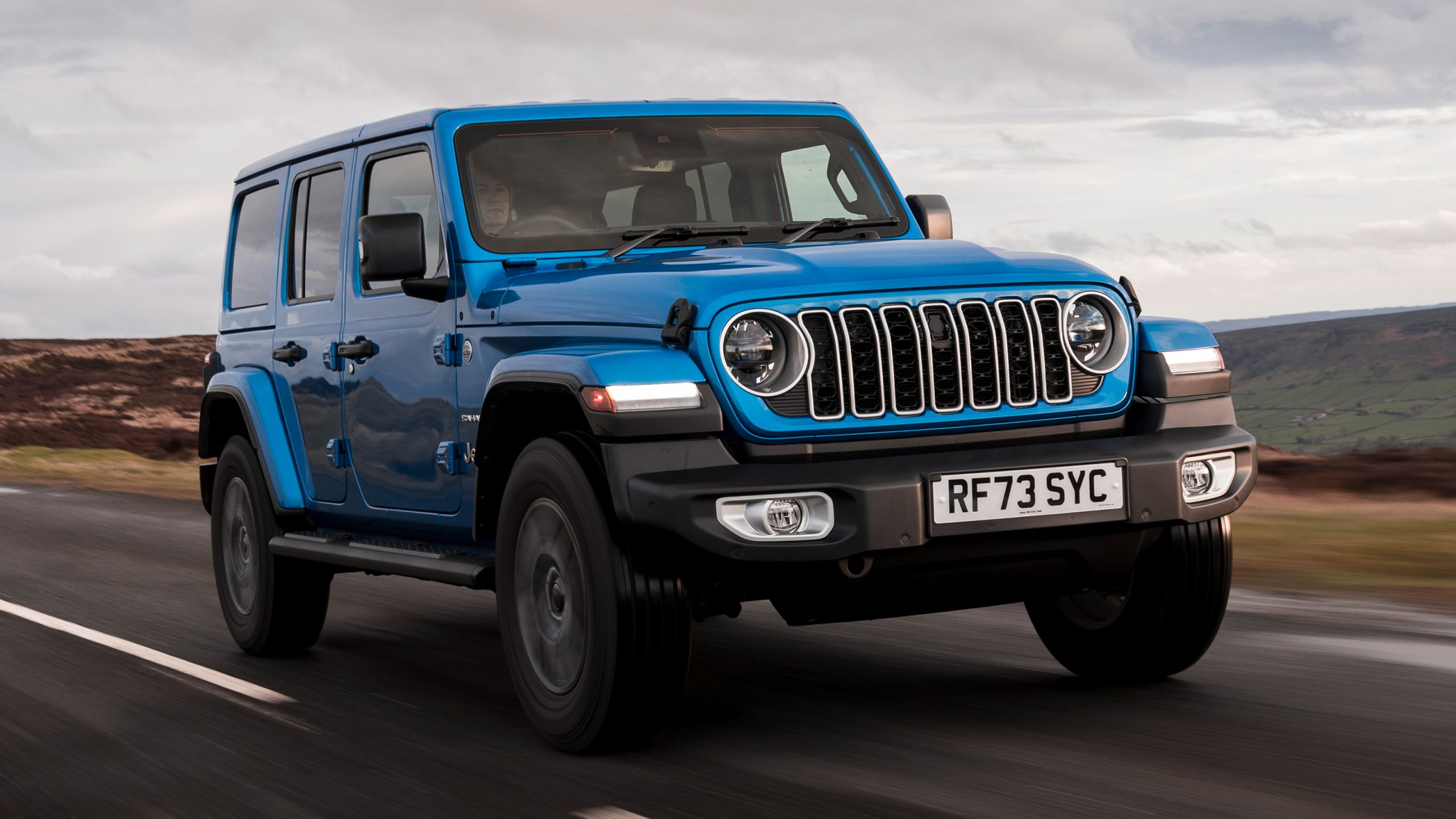
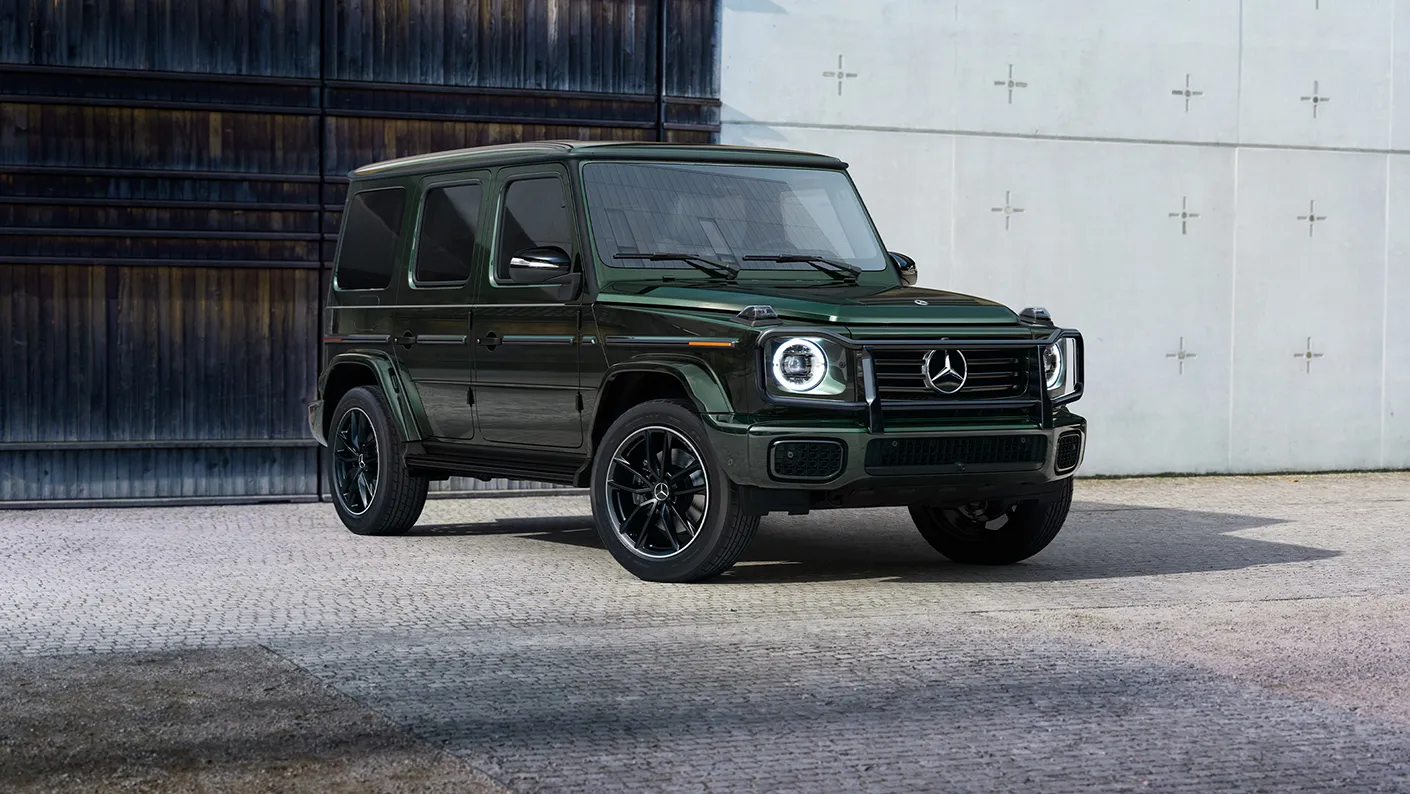
4. Mercedes-Benz G-Class: Strength, Style, and Lasting Capability
The Mercedes-Benz G-Class is often seen as a symbol of wealth and prestige, but its origins tell a different story. Built initially for military use, the G-Class carries a foundation of ruggedness that continues to influence its modern design. This SUV combines durability, advanced engineering, and comfort, proving that luxury and strength can go hand in hand.
Few vehicles handle challenging environments as well as the G-Class. Its tall frame and protective underbody give it the ability to pass through up to 27 inches of water, a feature that offers reassurance in areas prone to heavy rain or flash floods.
Mercedes engineers designed its electrical systems with extra care, sealing connectors and protecting wiring from moisture to prevent failures that plague other vehicles. With permanent all-wheel drive and three locking differentials, the G-Class maintains reliable traction on slippery roads, muddy trails, or flooded streets. Its substantial weight further improves stability in difficult conditions.
The G 550 model brings an inline-six engine that, while less dramatic than the traditional V8, delivers impressive results. It accelerates from 0 to 60 mph in just 5.1 seconds and completes a quarter mile in 13.7 seconds, making it quicker than earlier versions.
Braking has also improved significantly, requiring just 108 feet to stop from 60 mph. However, drivers will still notice body roll and limited grip when cornering, which reflects the SUV’s utilitarian roots.
Inside, the G-Class offers a blend of refinement and practicality. The suspension softens rough pavement, while cushioned seats provide adequate support for long drives. Still, the seating can feel narrow, and the upright stance of the SUV results in noticeable wind noise at highway speeds. The commanding driving position is a plus, but taller passengers in the rear may find the cabin restrictive.
Entry and exit are also less convenient than in some rivals. The tall step and smaller door openings make climbing in more challenging, particularly for families or older passengers. Despite these quirks, the cabin retains its sense of exclusivity, pairing durability with high-end finishes.
Mercedes has equipped the G-Class with its latest infotainment system, including a responsive touchscreen, Apple CarPlay, and Android Auto.
Driver-assist technologies such as blind-spot monitoring, parking sensors, and a surround-view camera improve safety and usability, especially when visibility is limited by the SUV’s boxy shape. Some features, like lane keeping assistance, can feel overly assertive, but the technology package as a whole improves the driving experience.
Utility is not the G-Class’ strongest area. The side-hinged cargo door requires extra clearance to open, and the high load floor makes loading heavier items more difficult. Rear seats don’t fold completely flat, leaving a ledge that reduces flexibility for bulky cargo. Interior storage for smaller items is also limited. Efficiency is another trade-off, with fuel economy averaging 18 mpg combined.
The Mercedes-Benz G-Class remains one of the most distinctive SUVs available. Its ability to manage floods, rough terrain, and unpredictable weather reflects its military heritage, while its interior and features provide the comfort expected from a luxury vehicle.
Though not the most practical or efficient option, the G-Class delivers a rare mix of toughness and sophistication that appeals to drivers who want both durability and prestige in one package.
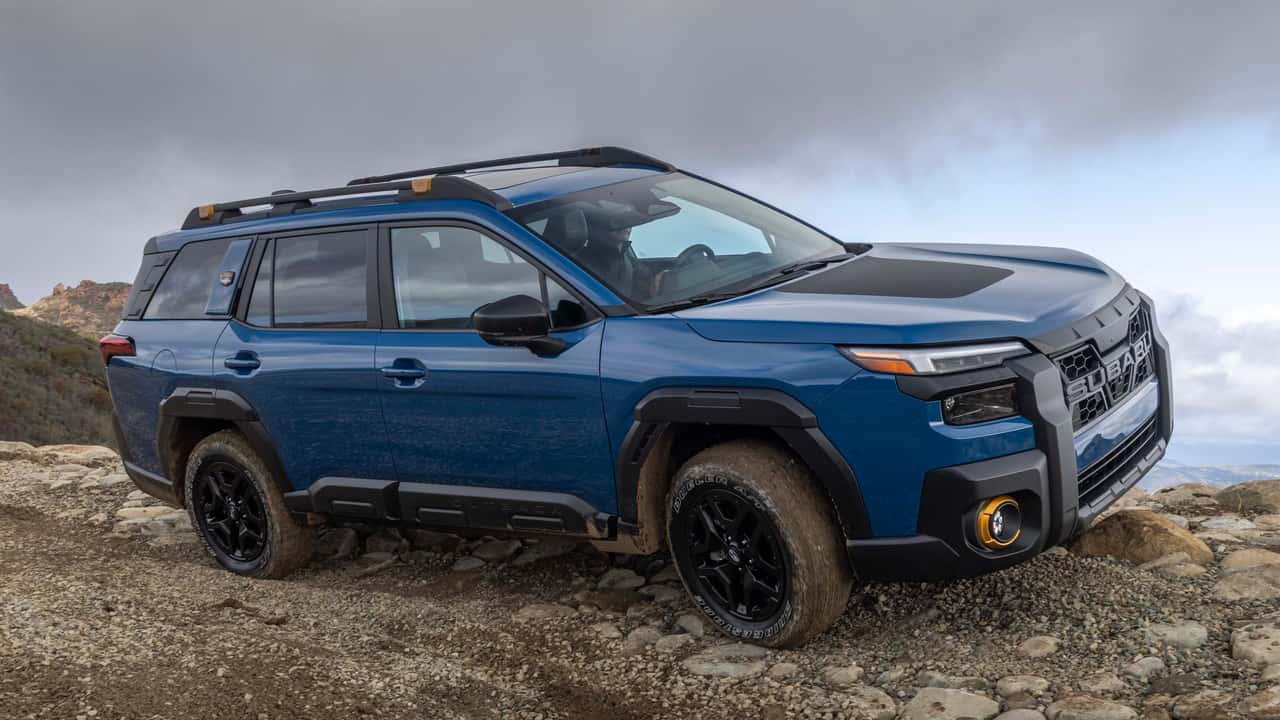
5. Subaru Outback Wilderness: Compact Ruggedness for Everyday Adventures
The Subaru Outback Wilderness is a versatile SUV designed to blend everyday practicality with off-road capability. While it may not have the height or imposing presence of larger SUVs, it is engineered to handle wet roads, flooded streets, and challenging terrain with confidence.
Its combination of raised ground clearance, protective underbody features, and thoughtfully positioned components allows it to manage water and mud better than many drivers expect.
The Wilderness edition stands out from standard Outbacks with increased ground clearance of up to 9.5 inches, allowing it to avoid contact with water and obstacles on rough roads. The suspension is tuned for more demanding conditions, while underbody shields protect critical components such as the oil pan, transmission, and fuel lines.
Subaru also ensures that electrical connectors are tightly sealed, and wiring is positioned away from areas prone to water accumulation, reducing the risk of short circuits.
The air intake is strategically placed to prevent water from entering the engine during shallow water crossings. Standard all-wheel drive is optimized for tougher terrain, improving stability on wet surfaces and during sudden shifts caused by water flow.
Equipped with the optional turbocharged engine, the Outback Wilderness accelerates from 0 to 60 mph in 6.5 seconds, offering better performance than the base engine. Steering can feel slow, and body roll is noticeable in sharp turns, reflecting the vehicle’s balance between comfort and ruggedness.
However, with 8.7–9.5 inches of ground clearance and its all-wheel-drive system, the Outback handles flooded streets, gravel paths, and off-road conditions competently, making it surprisingly capable for its size.
The Outback delivers a smooth ride over potholes, speed bumps, and uneven roads. Front seats are soft yet supportive, suitable for long trips, and the cabin provides generous space for passengers.
The seating position is lower than a traditional SUV, but adjustability helps accommodate a wide range of drivers. Climate control, available heated seats, and a heated steering wheel enhance comfort, though the ventilated seat function is less effective.
Subaru prioritizes minimal button clutter, routing most controls through the touchscreen. Unfortunately, this system is slow to respond, with laggy Apple CarPlay and Android Auto integration and occasional mirroring issues. A high-quality stereo and multiple charging ports improve convenience, and physical volume and tuning knobs remain.
As a lifted station wagon, the Outback Wilderness offers a low and flat cargo floor for easy loading, roof rails for extra gear, and accessible anchors for child safety seats. Interior storage is adequate but not abundant, with smaller center consoles and limited space for larger personal items.
The Outback provides solid value, with a practical base model priced lower than similarly equipped midsize SUVs. Turbocharged models come closer to traditional SUV pricing but still retain versatility. Fuel economy is respectable, with the turbo engine achieving approximately 25 mpg combined. Warranty coverage is average, and while materials are functional, they do not feel particularly premium.
The Outback Wilderness shines in its balance of everyday usability and off-road competence. Its off-road focus, flood resilience, and reliability make it an appealing choice for drivers who need a practical vehicle that can handle occasional adventures, despite dated technology and sometimes intrusive driver aids.
Also Read: 5 Cars Without Head Gasket Problems and 5 With Weak Head Gaskets
5 SUVs That Shut Down Instantly
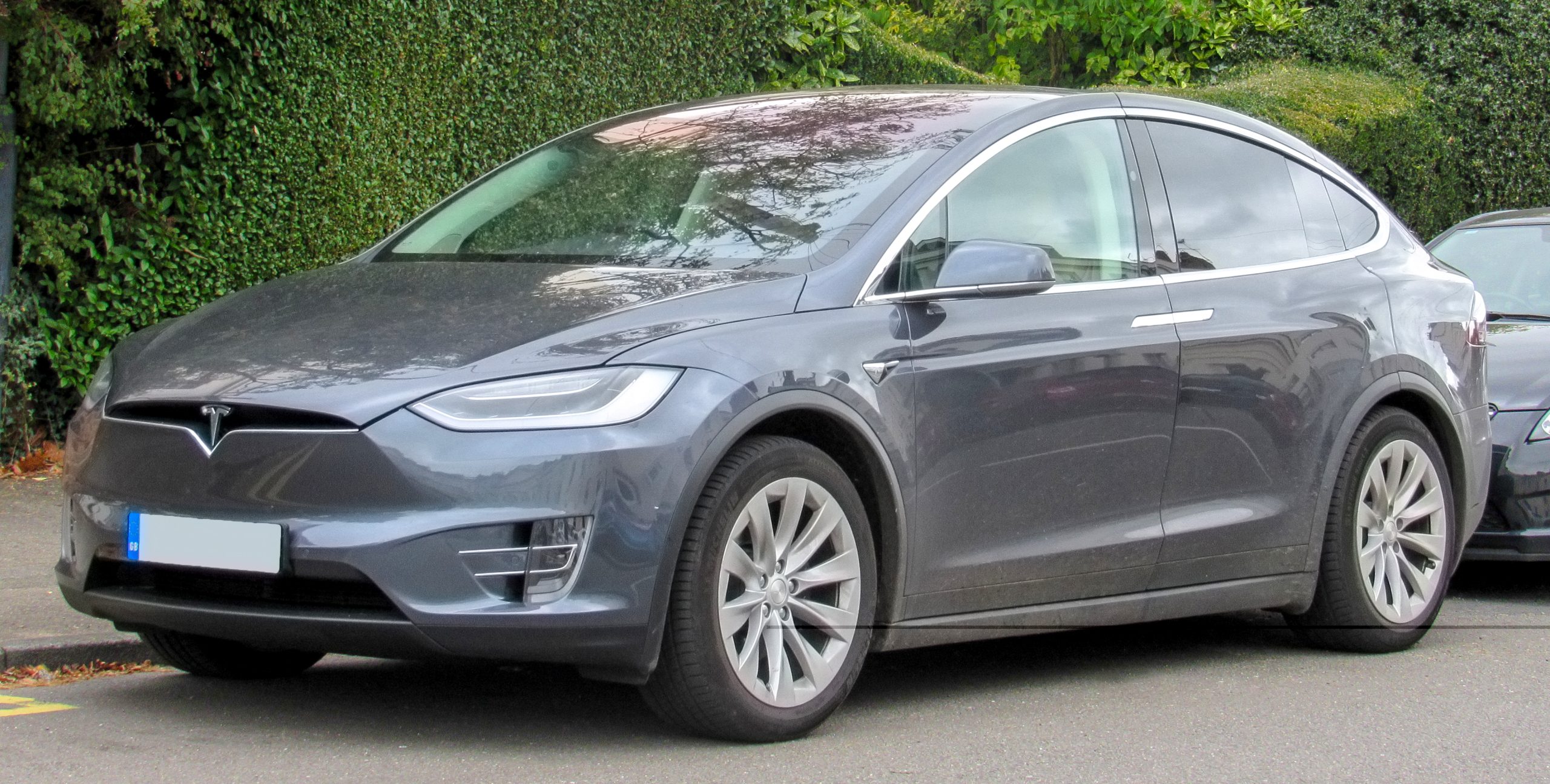
1. Tesla Model X: Advanced Technology Meets Flood Risk
The Tesla Model X is celebrated for its cutting-edge electric powertrain, high-tech features, and luxurious interior, but its design makes it highly vulnerable to water. Unlike conventional gas-powered SUVs, the Model X relies almost entirely on batteries and complex electronics for functions ranging from propulsion to door operation.
Tesla has taken steps to seal the battery pack and other key components, but these measures are not foolproof. Even brief exposure to deep water can affect the powertrain, sensors, or electronics, potentially causing the car to shut down or sustain permanent damage.
The Model X’s relatively low ground clearance increases the likelihood of water reaching critical components. In addition, features like the large touchscreen, electric door handles, and external sensors are particularly sensitive to moisture, which can trigger malfunctions in situations where reliability is most important.
Drivers who live in flood-prone areas face a heightened risk of costly repairs, as even minor water exposure can compromise the vehicle’s complex electrical systems. While the car excels in acceleration, technology, and comfort, these strengths provide little protection in wet conditions.
Until Tesla significantly improves water resistance, it is safest to avoid deep puddles, flooded streets, or storm-affected roads. The combination of electronic sophistication and low clearance makes the Model X a vehicle that prioritizes innovation and performance over flood resilience, highlighting a key trade-off for owners in high-rainfall regions.
2. BMW X5: Luxury SUV with Hidden Water Vulnerabilities
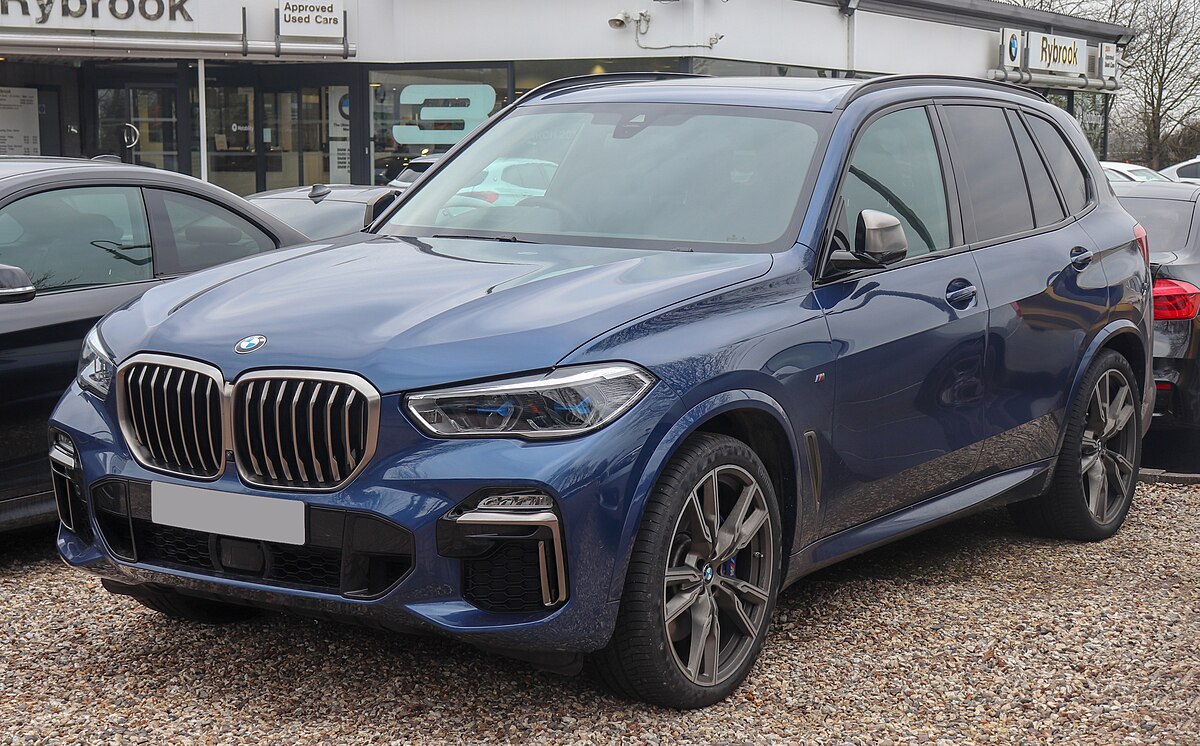
The BMW X5 delivers a refined driving experience, luxurious materials, and strong on-road performance, yet it is not built to withstand prolonged exposure to water. Advanced electronics and control modules are distributed throughout the vehicle, including beneath the seats, inside the engine bay, and under the carpet, where they are susceptible to moisture intrusion.
Even minor flooding can lead to short circuits or total electronic failure. Another concern is the placement of the air intake, which is relatively low, making it possible for water to enter the engine and cause hydrolock, a severe and expensive type of damage.
The cabin is also vulnerable, as water can penetrate through weak seals, potentially damaging dashboard electronics and interior wiring. While the X5 offers comfort, power, and a smooth ride on dry roads, its electronics-heavy architecture and moderate clearance reduce its ability to handle flood situations.
High repair costs are likely if the vehicle comes into contact with significant water. This combination of luxury and vulnerability makes the X5 less suitable for drivers in areas prone to flash floods, storms, or standing water.
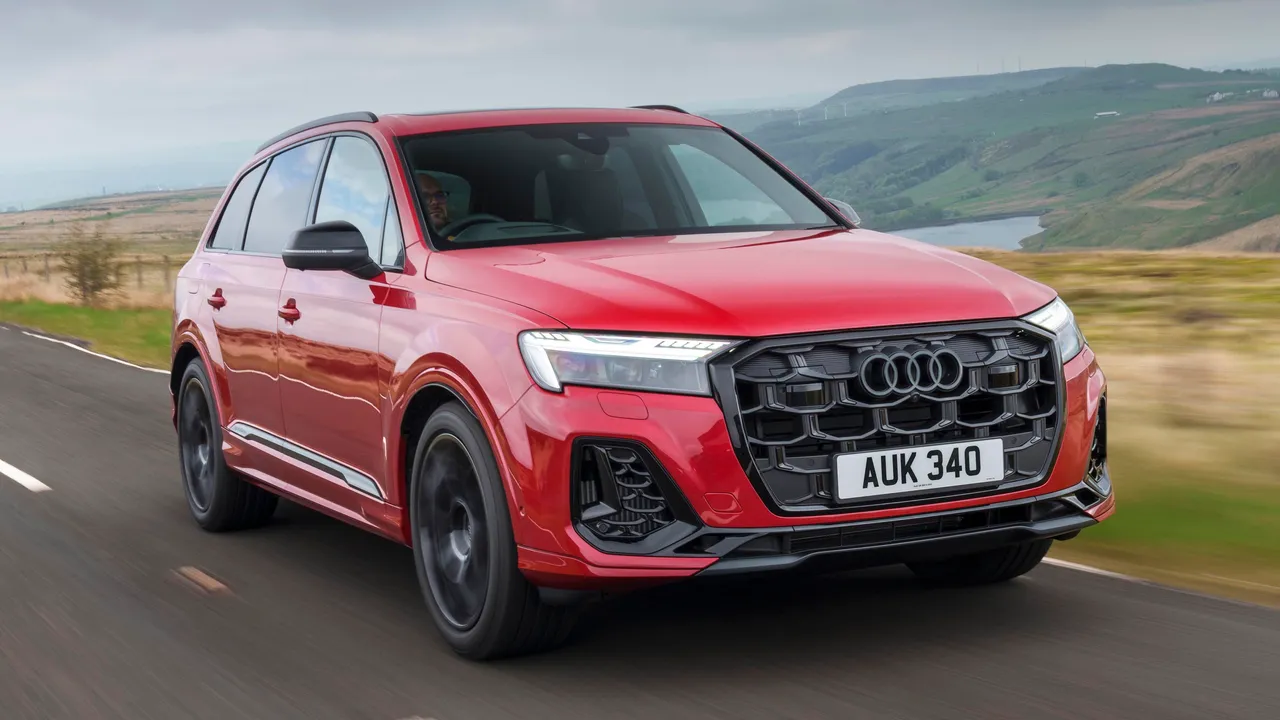
3. Audi Q7: Luxury Electronics Under Threat
The Audi Q7 blends luxury, performance, and refined design, yet its structure and electronics are not built to endure water exposure. Many control modules, wiring harnesses, and sensors are positioned near the floor or along door sills, creating risk during heavy rainfall or flooding.
Water intrusion can cause immediate electronic malfunctions or delayed issues, often appearing days after exposure. The engine is particularly vulnerable because the air intake is not elevated, making hydrolock a real threat even in shallow standing water.
Advanced electronics within the cabin, including touchscreens, digital clusters, and driver-assistance sensors, depend heavily on moisture-free operation. When water reaches these systems, malfunctions or unpredictable behavior can occur, leading to high repair costs.
While the Q7 provides a comfortable ride and strong on-road handling, it is ill-equipped for stormy or flooded conditions, making it a risky option for drivers in areas where water hazards are frequent.
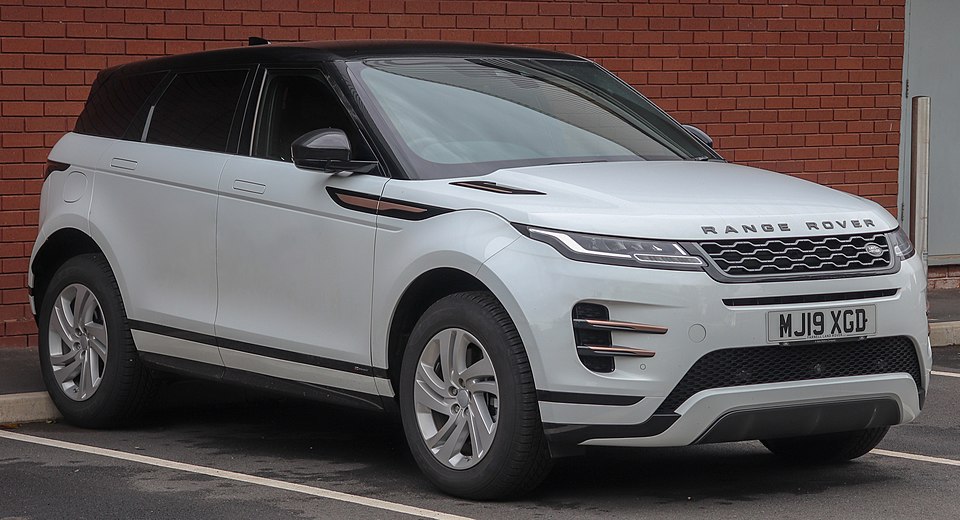
4. Range Rover Evoque: Style and Comfort Over Flood Safety
The Range Rover Evoque combines a compact luxury design with city-oriented features, but it is not optimized for water exposure. Despite the brand’s reputation for off-road performance, the Evoque focuses on aesthetics and urban comfort rather than flood resilience.
The engine air intake is positioned low, making it susceptible to water entry even in shallow puddles. Electronic modules controlling suspension, infotainment, and other features are located in areas prone to moisture, increasing the likelihood of malfunctions.
Weak door seals allow water to enter the cabin, affecting carpets, wiring, and under-seat electronics. Even minor exposure can trigger warning lights or dashboard errors, with repairs often being costly and time-consuming.
The Evoque’s low clearance and delicate electronics highlight the gap between its stylish urban design and flood-readiness. Drivers who regularly encounter heavy rain or floods would benefit from vehicles with stronger sealing and elevated air intakes.
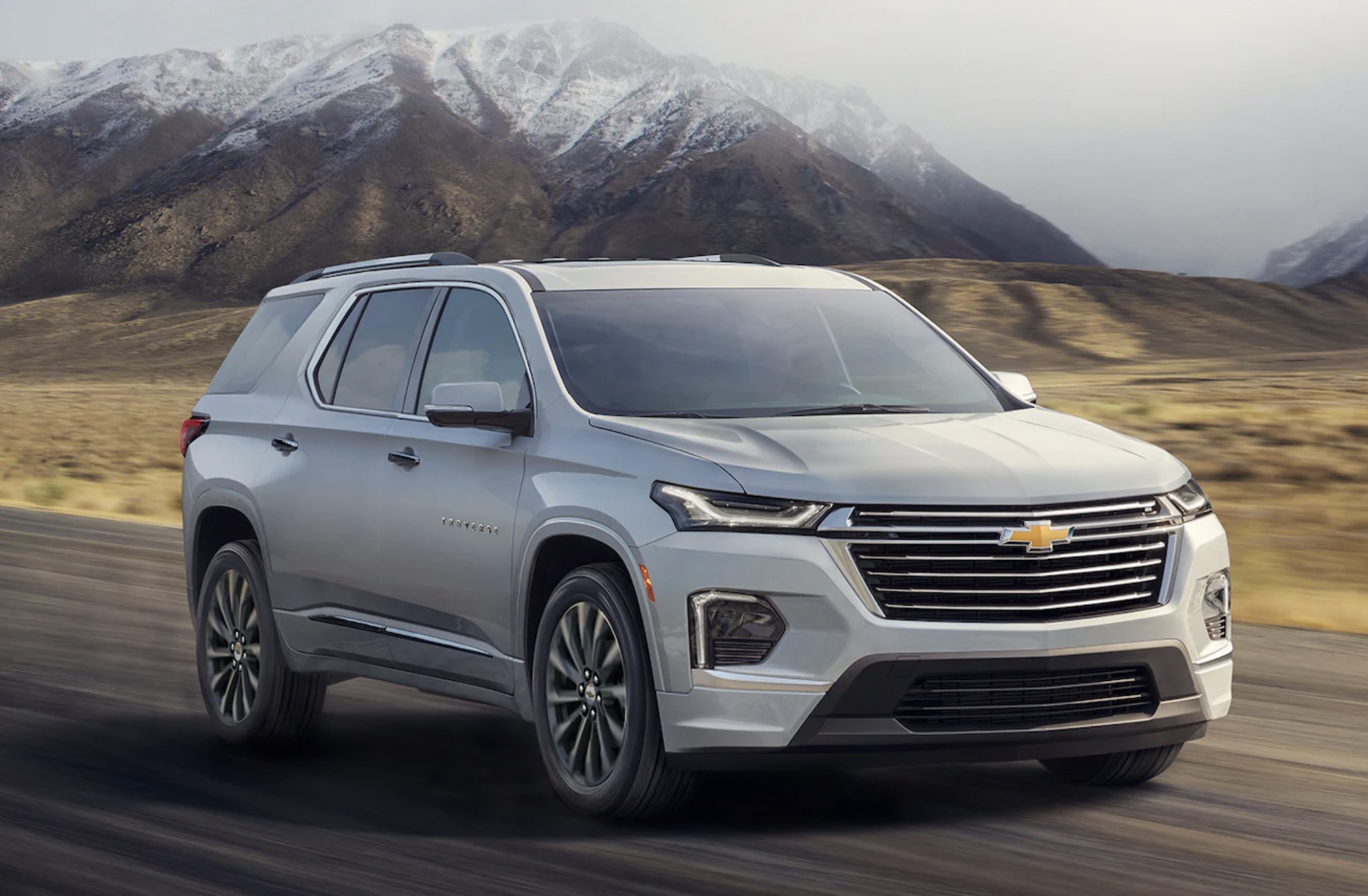
5. Chevrolet Traverse: Family SUV Not Designed for Water
The Chevrolet Traverse provides spacious seating and comfort for families, yet its performance in wet conditions is limited. The SUV’s low ground clearance allows water to reach the engine bay and cabin more easily during heavy rainfall.
Its air intake is positioned in a vulnerable spot, which can lead to hydrolock or stalling if water enters the engine. Electrical systems and control units are not fully sealed, making them susceptible to long-term damage from moisture, such as corrosion or sensor failure weeks after exposure.
The underbody lacks protective shields, leaving components like the fuel system, gearbox, and sensors exposed to water and debris. While the Traverse excels as a family-oriented road vehicle, repeated contact with floods can result in significant mechanical and electrical issues.
Drivers in regions with high rainfall should consider alternatives with higher clearance, stronger seals, and reinforced underbodies for better protection against water-related damage.
The contrast between SUVs that survive floods and those that shut down instantly highlights the importance of thoughtful engineering, protective design, and practical foresight. V
ehicles such as the Toyota Land Cruiser, Ford Bronco, Jeep Wrangler, Mercedes-Benz G-Class, and Subaru Outback Wilderness show that careful attention to ground clearance, sealed electronics, and elevated air intakes can turn an SUV into a reliable partner for wet roads and unpredictable conditions.
These models prove that durability, off-road capability, and even luxury can coexist without compromising safety in flood-prone areas.
In contrast, SUVs like the Tesla Model X, BMW X5, Audi Q7, Range Rover Evoque, and Chevrolet Traverse expose the risks of prioritizing technology, urban comfort, or low-slung performance.
Sensitive electronics, low air intakes, and limited protective measures make them vulnerable to sudden failure when water rises. Even brief exposure can result in costly repairs or leave drivers stranded.
Choosing the right SUV means considering more than horsepower, styling, or luxury it also requires assessing how a vehicle handles extreme weather. For drivers in flood-prone regions or areas with heavy rainfall, prioritizing water resilience can mean the difference between safe passage and a major breakdown.
Comparing flood-ready and flood-prone SUVs provides clarity on which models deliver reliability, capability, and peace of mind when water levels rise.
Also Read: 5 Cars That Rarely Need Repairs and 5 That Constantly Break Down
