
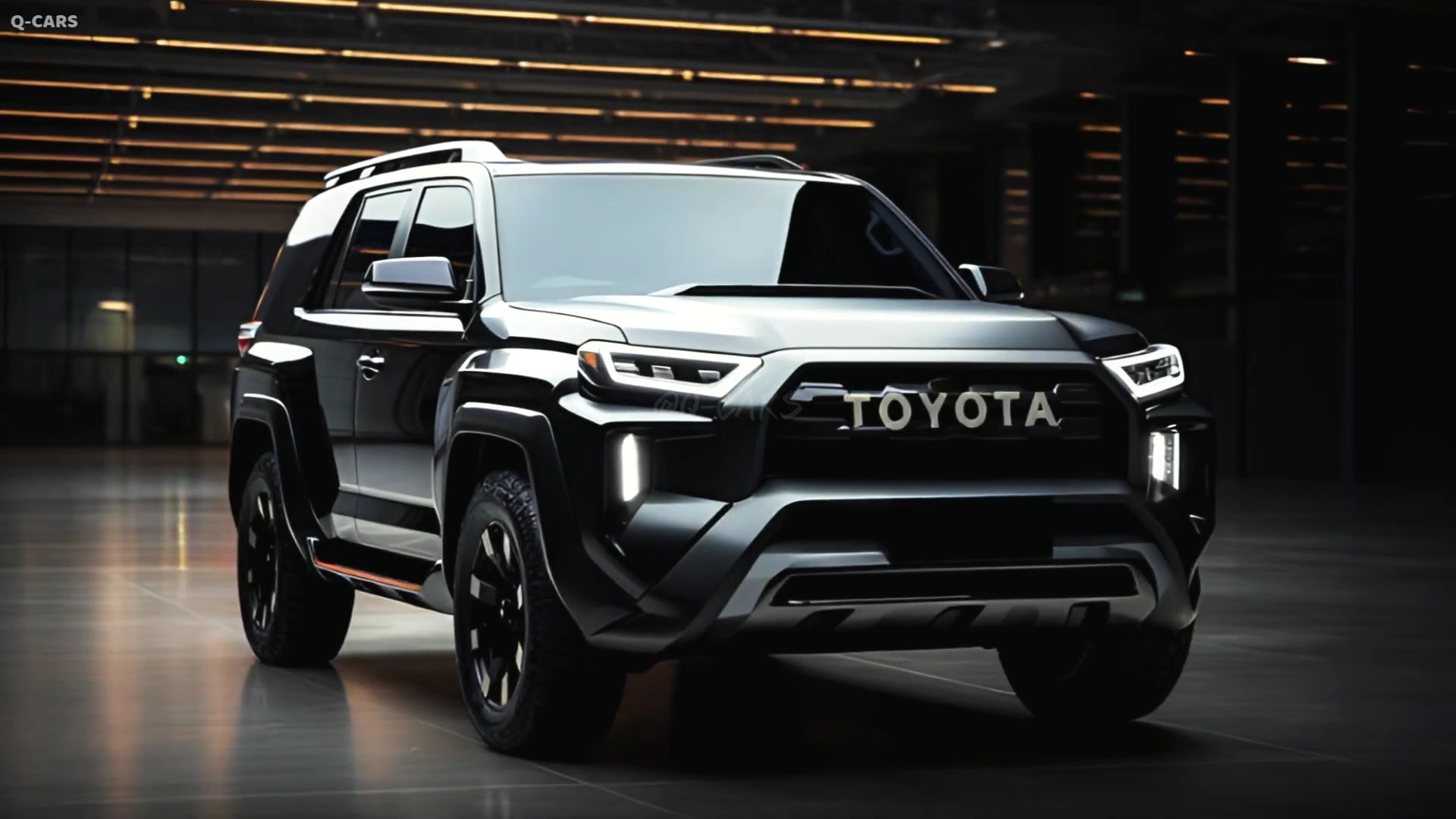
When it comes to choosing an SUV, reliability is often at the top of the priority list for American buyers. These vehicles are frequently used for families, road trips, towing, or off-road adventures, and a transmission failure can quickly turn a dependable SUV into a costly headache.
While modern SUVs have advanced in technology, comfort, and fuel efficiency, some models are notorious for transmission problems, while others have earned a reputation for lasting hundreds of thousands of miles without issues.
In this guide, we’ll explore five SUVs that rarely blow transmissions and five that frequently suffer from them, highlighting both mainstream favorites and lesser-known but reliable options.
5 SUVs That Rarely Blow Transmissions
When it comes to buying an SUV, reliability is often at the top of the list for American drivers. A vehicle with a strong, durable transmission can mean the difference between years of trouble-free driving and costly, stressful repairs.
While modern SUVs have made significant strides in technology, comfort, and efficiency, not all models are created equal when it comes to long-term drivetrain durability.
In this article, we’ll highlight five SUVs that rarely blow transmissions, focusing on models that combine performance, practicality, and longevity.
Whether you’re planning family road trips, daily commutes, or weekend adventures, these SUVs have earned their reputation for keeping drivers on the road with minimal transmission worries.
1. Toyota 4Runner
The Toyota 4Runner has long been synonymous with durability. Its body-on-frame design and simple automatic transmission often exceed 200,000 miles without issues.
Toyota’s conservative engineering approach emphasizes reliability over high-output performance, making the 4Runner ideal for families seeking a vehicle that can handle daily driving as well as off-road adventures.
The 2023 Toyota 4Runner stands apart from most mid-size SUVs and crossovers on the road today. Rather than adopting a car-based design, the 4Runner sticks to its old-school roots with a pickup-truck frame and genuine off-road capability.
In its most capable trims, it comes equipped with underbody skid plates, an electronic locking rear axle, upgraded suspension, and aggressive all-terrain tires. All models are powered by a 270-hp V-6 paired with an automatic transmission, with the choice of rear- or four-wheel drive.
While the 4.0-liter engine has proven reliable over time, it is outdated and thirsty compared to rivals like the Jeep Wrangler and Ford Bronco.
Inside, the 4Runner offers generous passenger and cargo space, but the materials feel dated. On pavement, its handling and ride are unmistakably truck-like, loose and rough around the edges. The 4Runner excels where true off-road ability is needed, but for everyday use, it feels undeniably behind the times.
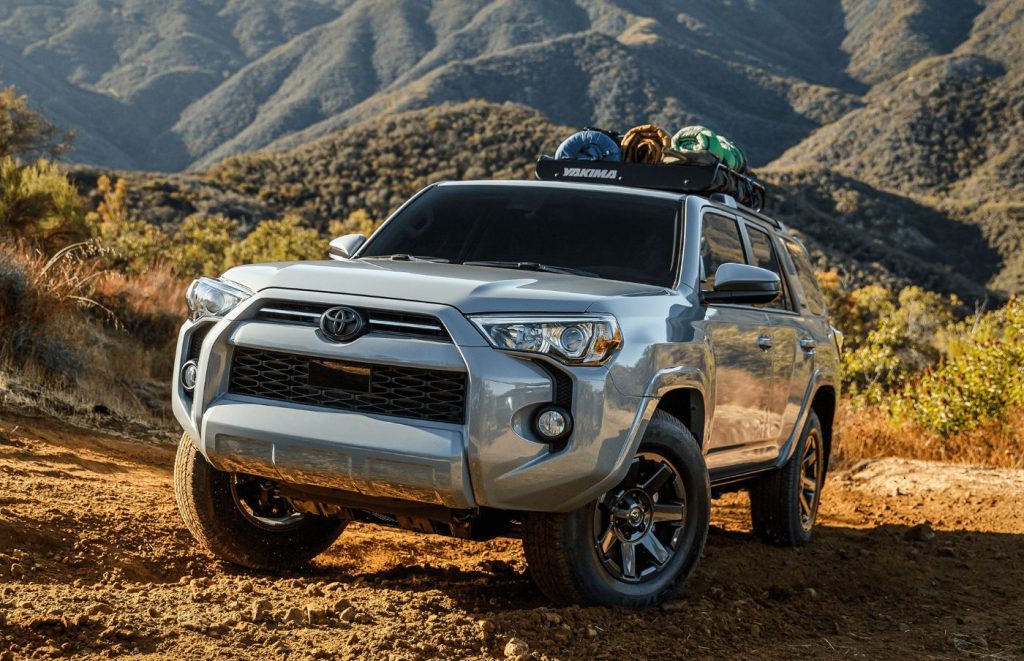
The 2023 model year celebrates the 40th anniversary of the 4Runner nameplate. To mark the occasion, Toyota introduced a limited-run 40th Anniversary Special Edition based on the SR5 trim, capped at 4040 units.
Offered in black, white, or red, this special edition features tri-color graphics on the body and grille, bronze 17-inch wheels, and bronze accent stitching inside on the leatherette seats and shift knob. Additional anniversary callouts appear on the headrests, floormats, and interior badges.
New across the entire lineup are standard blind-spot monitoring and rear cross-traffic alert. While it isn’t as extreme as the TRD Pro, its much lower cost makes it the smarter value.
It includes four-wheel drive, TRD-specific design details, and trail-focused features such as an electronically locking rear differential and selectable drive modes (Multi Terrain Select and Crawl Control).
Adding the optional Kinetic Dynamic Suspension further improves wheel articulation, making it even more capable off-road. We’d also choose the sliding rear cargo deck, which not only simplifies loading heavy items but doubles as tailgate seating.
Every 4Runner comes with a 270-hp 4.0-liter V-6 paired with a five-speed automatic transmission. Buyers can choose between rear-wheel drive or part- and full-time four-wheel-drive systems. While the engine is sturdy, acceleration is underwhelming, with our last test model hitting 60 mph in 7.7 seconds.
The transmission is slow to react, requiring firm throttle input to prompt downshifts. Still, the 4Runner feels more controlled on pavement than the Wrangler, and its soft suspension does a respectable job of absorbing uneven terrain.
Steering is light but vague, which diminishes sportiness but suits low-speed trail driving and maneuvering in tight spaces.
Though showing its age, the 4Runner remains competitive with rivals like the Dodge Durango V-6. It also boasts solid towing strength, with a 5000-pound maximum capacity—outpacing the Ford Edge and Wrangler, though trailing the Durango’s impressive 8700-pound rating.
2. Honda Pilot
The Honda Pilot balances practicality with long-term dependability. Its five- and six-speed automatic transmissions, paired with a robust V6 engine, handle towing, heavy traffic, and long commutes with minimal problems.
Families also appreciate the Pilot’s spacious interior, comfortable ride, and consistent reliability across multiple model years.
The 2021 Honda Pilot serves as a fashionable alternative to a minivan, though its third row isn’t especially spacious and it doesn’t exactly stand out in style.
Still, this SUV brings qualities that many crossover buyers value: available all-wheel drive, a high seating position, and decent ground clearance.
Power comes from a responsive and fuel-efficient V-6 that delivers solid performance. That said, drivers seeking a more engaging ride may be left wanting. On the practical side, the Pilot offers a roomy interior, impressive cargo capacity, and plenty of small-item storage.
A full suite of standard driver-assistance systems and modern infotainment tech also helps it remain competitive against rivals like the Toyota Highlander and Volkswagen Atlas. While not the flashiest mid-size SUV on the market, the Pilot’s versatility and inoffensive design make it appealing to a broad range of buyers.
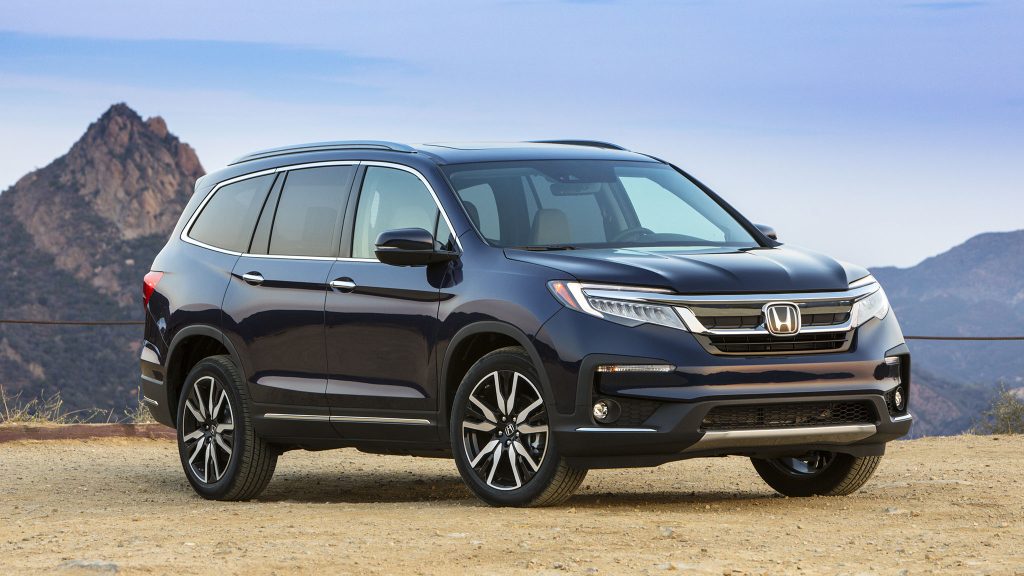
For 2021, Honda introduced a Special Edition trim and made the nine-speed automatic transmission standard across all models. Previously, lower trims came with a clunky six-speed while the nine-speed was limited to higher trims.
The Special Edition fits between the EX and Touring, featuring black 20-inch wheels, a hands-free power tailgate, and wireless charging. Every 2021 Pilot also now includes paddle shifters, dual-zone climate control, and an automatic stop-start system. These updates come with a $600 increase in the SUV’s starting price.
We recommend the Special Edition, which blends value and desirable equipment. It includes leather-trimmed upholstery, a sunroof, roof rails, second-row sunshades, black 20-inch wheels, wireless charging, and a hands-free power tailgate. For $2000, adding all-wheel drive is worthwhile, boosting the maximum tow rating from 3500 to 5000 pounds.
The Pilot’s V-6 is both strong and refined, and it pairs well with the smooth-shifting nine-speed automatic. While it isn’t the most athletic three-row crossover, its performance is confident enough for daily driving. The SUV’s size does become noticeable in corners, where it can feel a bit heavy.
Upper trims with 20-inch wheels sacrifice some ride comfort but add a sportier look to the otherwise understated design.
The Pilot handles bumps better when fully loaded, though body control is lacking, sometimes making it feel disconnected from the road. Light steering helps with maneuverability at low speeds but contributes to a detached sensation on the highway.
3. Toyota Highlander
The Toyota Highlander offers a strong track record for transmission durability. Its six- and eight-speed automatic transmissions rarely fail, and even the hybrid models’ eCVTs have proven remarkably reliable.
Many Highlander owners report driving beyond 250,000 miles without transmission issues, making it a standout option for long-term family use.
At Toyota dealerships, buyers will find three Highlander options: a gas-powered four-cylinder, a gas-powered V-6, and a hybrid. While the four-cylinder hasn’t been tested, the V-6 delivers 295 horsepower and pairs with a smooth-shifting eight-speed automatic transmission.
Throttle response is somewhat sluggish, and the transmission can be slow to downshift when extra power is needed, but overall, this setup should satisfy most drivers.
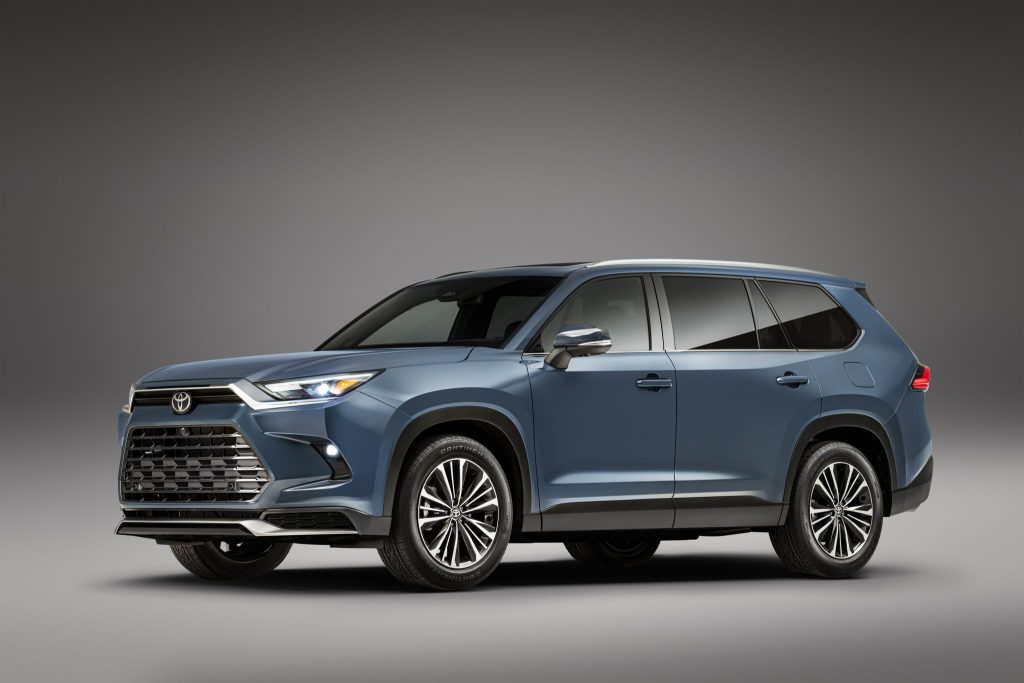
It’s offered with both front- and all-wheel drive. The hybrid combines a retuned V-6 with two electric motors to produce 306 horsepower, paired with a standard continuously variable automatic transmission (CVT) and all-wheel drive, offering a similarly relaxed driving experience.
Like other three-row crossovers, the Highlander isn’t aimed at driving enthusiasts, cornering aggressively isn’t its strength.
Handling is competent but uninspiring, while the ride remains comfortable and family-friendly, smoothing out rough roads without significantly affecting passengers. The steering feels slow to respond, requiring more input than expected even during gentle maneuvers.
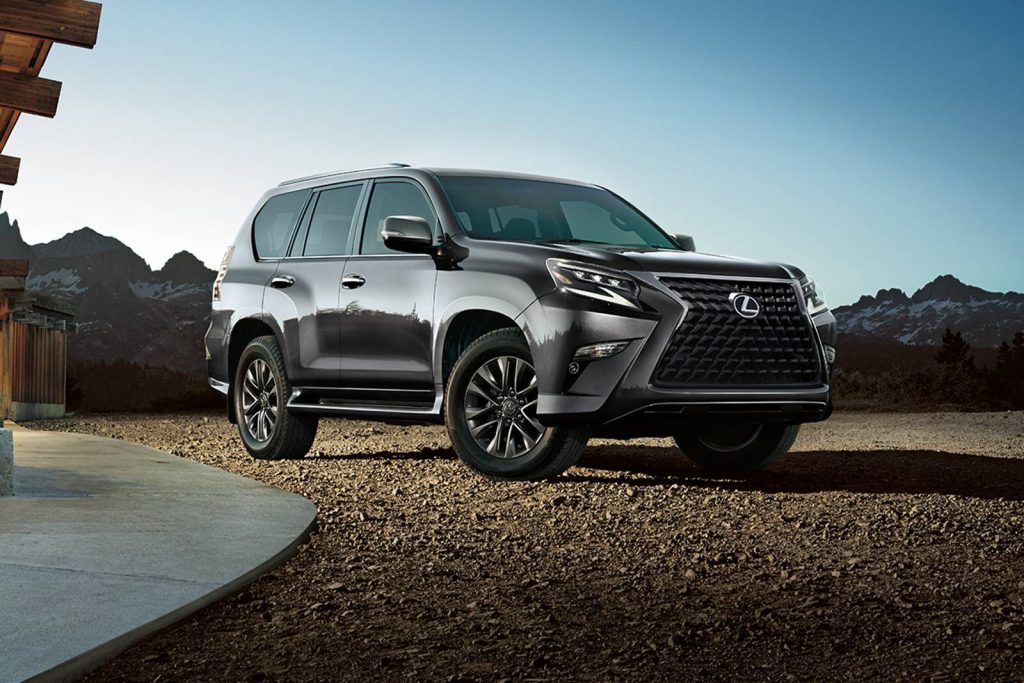
4. Lexus GX
The Lexus GX combines luxury and ruggedness. Sharing a platform with the 4Runner, it benefits from proven engineering. Its five-speed automatic transmission handles V8 power and off-road excursions without complaint.
Unlike many luxury SUVs that prioritize advanced technology over longevity, the GX focuses on tried-and-true systems that last for decades.
5. Subaru Outback
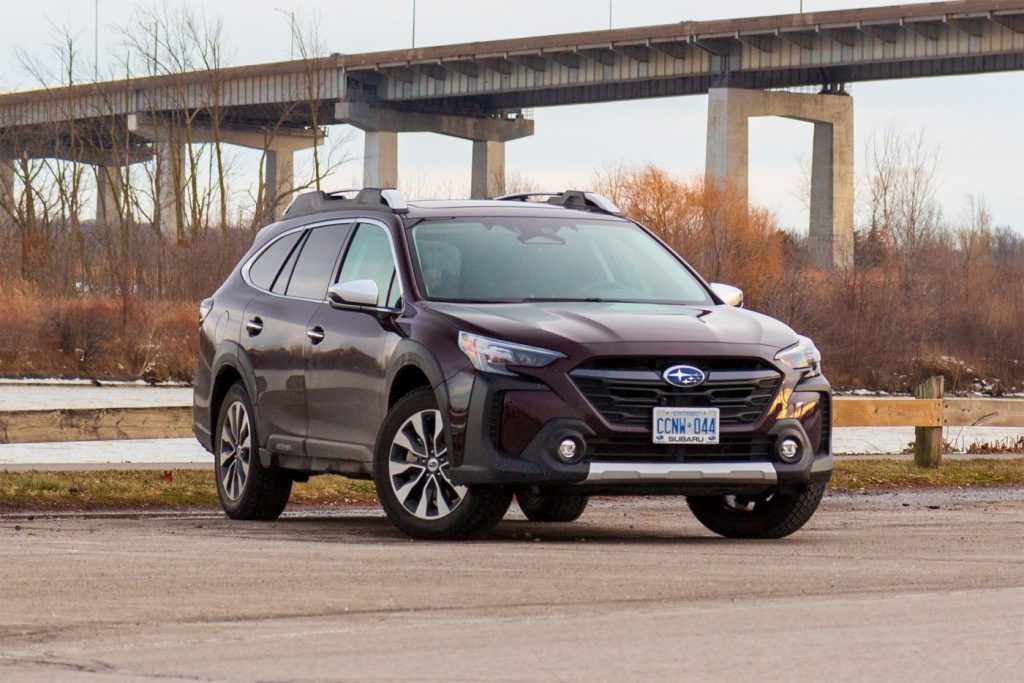
Though technically a wagon-SUV hybrid, the Subaru Outback earns its place for transmission reliability. Modern CVTs, especially in post-2020 models, are durable with proper maintenance.
Combined with standard all-wheel drive, the Outback is perfect for Americans in snow-prone regions or those who enjoy outdoor adventures.
5 SUVs That Constantly Blow Transmissions
When buying an SUV, few issues are more frustrating, or costly, than a failing transmission. While modern SUVs offer comfort, technology, and performance, some models have earned a notorious reputation for transmission problems that can strike long before their time.
For American drivers who rely on their SUVs for family trips, towing, or daily commuting, these failures are more than just an inconvenience, they can become expensive headaches.
In this article, we’ll explore five SUVs that constantly blow transmissions, highlighting the models most prone to drivetrain trouble and offering insight into what makes them less reliable than their peers.
1. Ford Explorer (2011–2019)
The Ford Explorer’s 6R80 six-speed automatic transmission is prone to overheating, fluid leaks, and premature failure. While newer models have improved, older Explorers remain associated with reliability concerns and costly repairs.
The Ford Explorer is a capable three-row crossover on paper, but in practice, issues like inconsistent build quality, compromised interior space, and a fuel-thirsty standard V-6 prevent it from fully living up to its reputation or specifications.
The addition of Sync 3 provides most 2017 Explorers with one of the better infotainment systems in the segment, and cargo space behind the third row is generous. Still, the Explorer ultimately lands squarely in the middle of the increasingly competitive three-row crossover market.
For 2017, changes are minor following a comprehensive 2016 refresh. A new Sport Appearance package gives the less powerful XLT model styling cues similar to the twin-turbocharged Sport, while Ford’s updated Sync 3 infotainment system becomes available across the lineup.
Under the hood, the standard engine is a 290-hp 3.5-liter V-6, with an optional turbocharged 2.3-liter four-cylinder producing 280 horsepower. Both engines come standard with front-wheel drive, while all-wheel drive is optional.
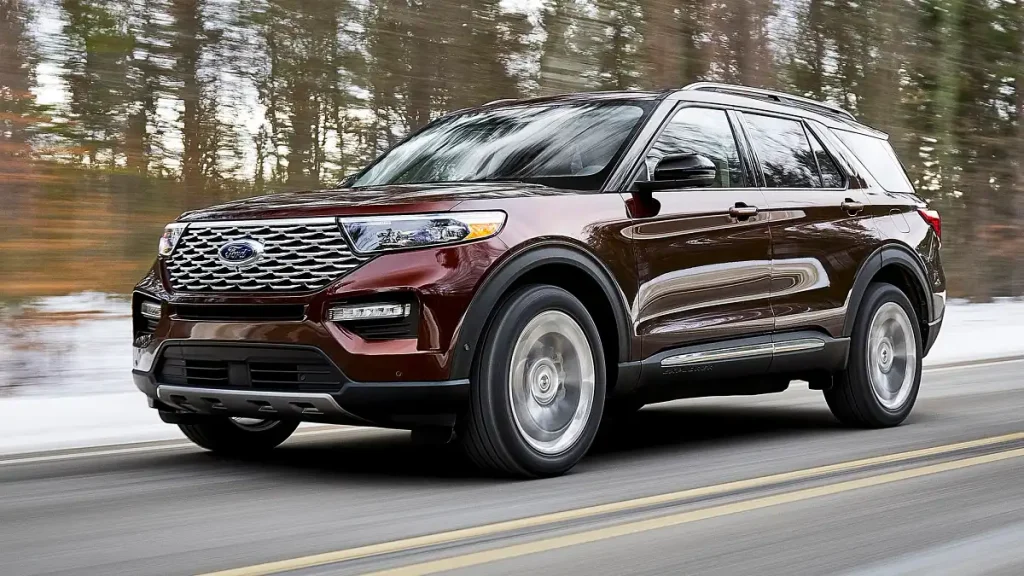
The twin-turbo 3.5-liter V-6, exclusive to the Sport and Platinum models, generates 365 horsepower through standard all-wheel drive. All Explorers use a six-speed automatic transmission.
The base V-6 and turbo four-cylinder are sufficient for most driving situations, though the six-speed can feel rough and the turbo four sometimes hesitates off the line. The twin-turbo V-6, by contrast, delivers strong, immediate power with minimal turbo lag, feeling both smooth and quick throughout the rev range.
Despite its size, the Explorer feels composed on the road. Its well-damped suspension favors comfort over sporty handling, which makes long drives or rough roads manageable but limits enthusiasm for twisty backroads.
Overall, its ride-and-handling balance meets the expectations of this class, with body control around corners in line with competitors.
2. Jeep Grand Cherokee (2011–2019)
The Jeep Grand Cherokee, particularly models with the 8-speed automatic, frequently experiences harsh shifts, delayed engagement, and even total transmission failure. While it excels in off-road capability, transmission issues can make ownership stressful.
The Jeep Grand Cherokee offers three engine choices, two transmissions, and five drivetrain options. The standard engine is a 3.6-liter Pentastar V-6, producing 290 hp and 260 lb-ft of torque, paired with a five-speed automatic transmission.
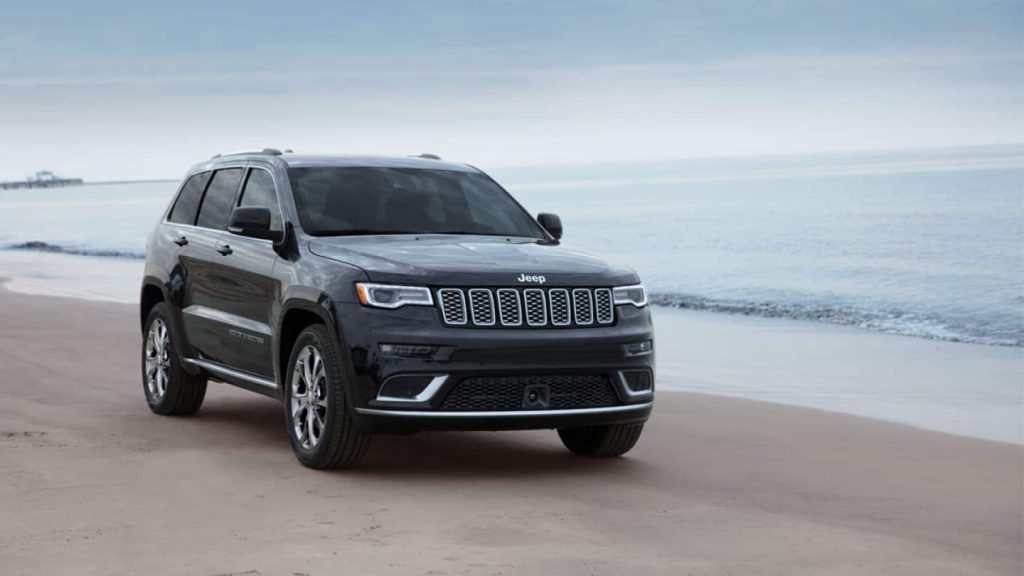
An optional 5.7-liter Hemi V-8 delivers 360 hp and 390 lb-ft of torque through a six-speed automatic. For the high-performance SRT8 model, a 6.4-liter V-8 generates 470 hp and 465 lb-ft of torque, paired with a five-speed automatic transmission.
Rear-wheel drive comes standard on the Grand Cherokee, while all-wheel and four-wheel drive are available, with the SRT8 featuring a performance-focused all-wheel-drive system.
Inside, the 2012 Jeep Grand Cherokee comfortably seats five, with available leather upholstery, numerous soft-touch surfaces, and tech features typically found in higher-end SUVs. The Grand Cherokee SRT8, meanwhile, features an interior designed with performance in mind.
3. Nissan Pathfinder (2005–2012)
The Nissan Pathfinder CVTs often suffer from slipping, shuddering, and failure around 100,000 miles. Although innovative for fuel efficiency, the early CVTs compromised long-term durability, making these models a risky choice for families seeking dependable daily drivers.
The original Nissan Pathfinder began as essentially a pickup truck with an enclosed body, but over the years it has transformed into a versatile three-row family SUV.
The current generation went on sale for the 2022 model year, featuring updated styling and a new transmission as key highlights. Its main competitors in the crowded three-row SUV segment include the Subaru Ascent, Chevrolet Traverse, and Kia Telluride.
For 2025, the Pathfinder introduces a few notable updates. The Nissan Maintenance Care program is now standard, providing up to three scheduled oil changes within two years or 24,000 miles. Additionally, a power-operated cargo liftgate comes standard on the SV and Rock Creek trims.
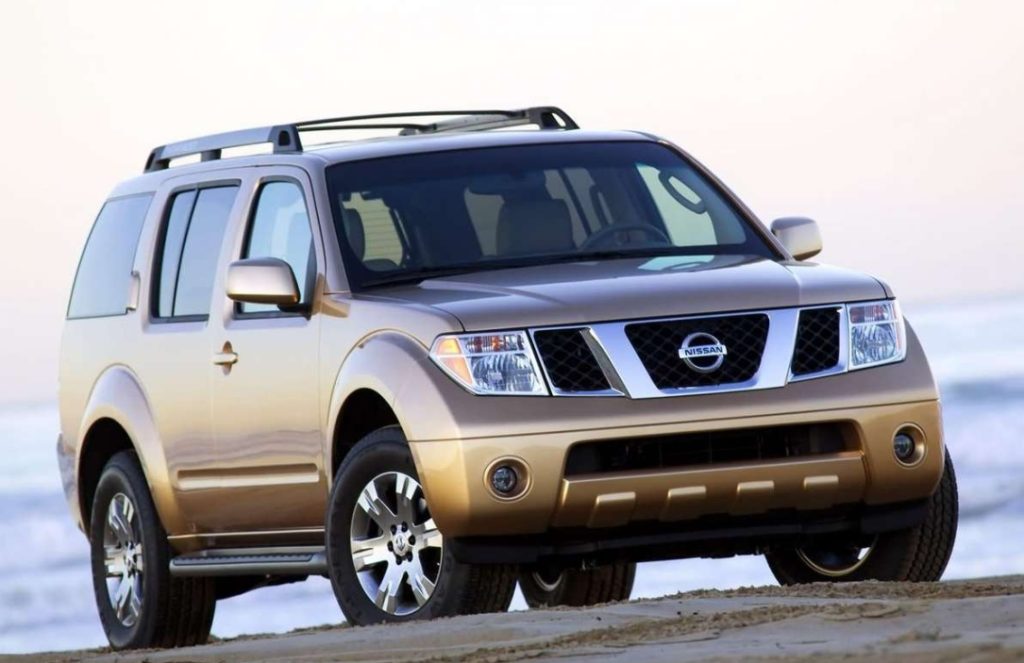
Even with these improvements, the Pathfinder ranks only mid-pack in its segment. In testing, the SUV’s V-6 engine delivered strong power at higher RPMs but felt weak at lower revs, which is where most everyday driving occurs.
A modern turbocharged or hybrid powertrain could significantly enhance both drivability and fuel efficiency. The Pathfinder’s name seems a bit ironic, as it struggles with even minor off-road challenges, though the Rock Creek model, with its lifted suspension and all-terrain tires, offers slightly better off-road capability.
Ride quality is generally smooth, but the steering is slow and the large turning radius can make maneuvering difficult. On the safety front, the Pathfinder is a 2024 IIHS Top Safety Pick+, joining a small group of competitors with the same recognition.
Getting in and out of the Pathfinder is made easy by wide-opening doors, even for accessing the third row. Rear-seat space is limited, though the first and second rows are reasonably roomy.
While some rivals offer more overall cabin space, the Pathfinder includes many practical storage areas. Interior materials and amenities are adequate for the segment, though they don’t stand out.
Overall, the Pathfinder fulfills the basic requirements for a three-row family SUV, but few aspects truly excel. Competitors may offer better driving dynamics, more attractive styling, or greater functionality, so buyers should compare carefully before making a decision.
For 2025, the Pathfinder retains its sole engine choice: a 3.5-liter V-6 producing 284 hp and 259 lb-ft of torque in standard form, or up to 295 hp and 270 lb-ft in the Rock Creek trim when using premium fuel.
Customers can choose between front-wheel drive and all-wheel drive, with a nine-speed automatic transmission in either setup. Fuel economy for FWD models is rated at 20/27 mpg city/highway, and AWD models achieve 20–21/23–27 mpg depending on configuration.
4. Chevrolet Traverse (2009–2017)
The Chevrolet Traverse’s six-speed automatic is prone to slipping, overheating, and early failure. Many owners experience transmission replacement before 100,000 miles. Although newer models have addressed some issues, early generations remain a concern.
For families needing a seven- or eight-seat crossover with ample cargo space, an adult-sized third row, and a smooth ride, reviewers say the 2010 Chevrolet Traverse is hard to beat. While it isn’t suited for serious off-roading or heavy towing, it performs exceptionally well for family use.
The base Traverse is powered by a 3.6-liter V6 engine and comes with either front-wheel or all-wheel drive. Its ride is comfortable and composed, though reviewers note that the comfort-oriented suspension and light steering make it less engaging to drive.
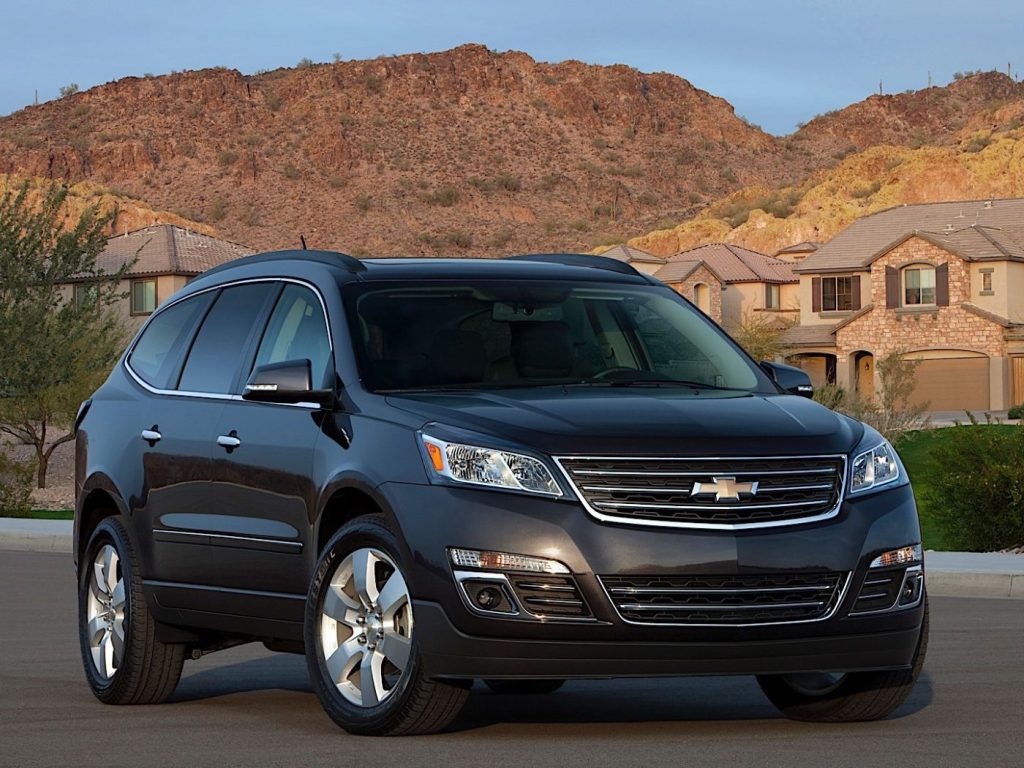
Fuel economy for front-wheel-drive models is rated at 17/24 mpg city/highway, while all-wheel-drive versions see a one-mpg reduction in both categories.
Inside, the Traverse seats eight, though models with second-row captain’s chairs accommodate seven. It offers one of the largest cargo capacities in its class at 116.4 cubic feet, and reviewers were impressed by the spaciousness of the third row.
However, interior quality was less impressive, with some inexpensive materials and basic standard features, including a six-speaker stereo with satellite radio and auxiliary input, OnStar, and power windows and door locks. On the upside, the Traverse’s available options are extensive, including navigation, leather upholstery, a rear-seat DVD entertainment system, and a backup camera.
5. Dodge Durango (2011–2018)
The Dodge Durango, especially V8 versions, struggles with harsh shifts and early transmission failure. While offering excellent towing and performance, these transmission problems make it a potentially costly choice for those seeking reliability.
Two other SUVs with transmission challenges include the GMC Acadia and Volkswagen Atlas.
Early Acadia models (2010–2016) had six-speed automatics prone to premature failure under heavy use, while the Volkswagen Atlas (2018–2021) experienced rough shifts and occasional electronic transmission malfunctions.
Both are spacious, family-friendly options but come with notable reliability risks.
When it launched, the 2011 Dodge Durango was widely praised as one of the standout vehicles in Dodge’s lineup. Despite a competitive three-row crossover segment, reviewers highlighted the Durango for its bold styling and the option of a V8 engine.
While the base V6 provides ample power for most buyers, the availability of a V8 sets the Durango apart from nearly all other three-row midsize SUVs, delivering both exhilarating performance and exceptional towing capability.
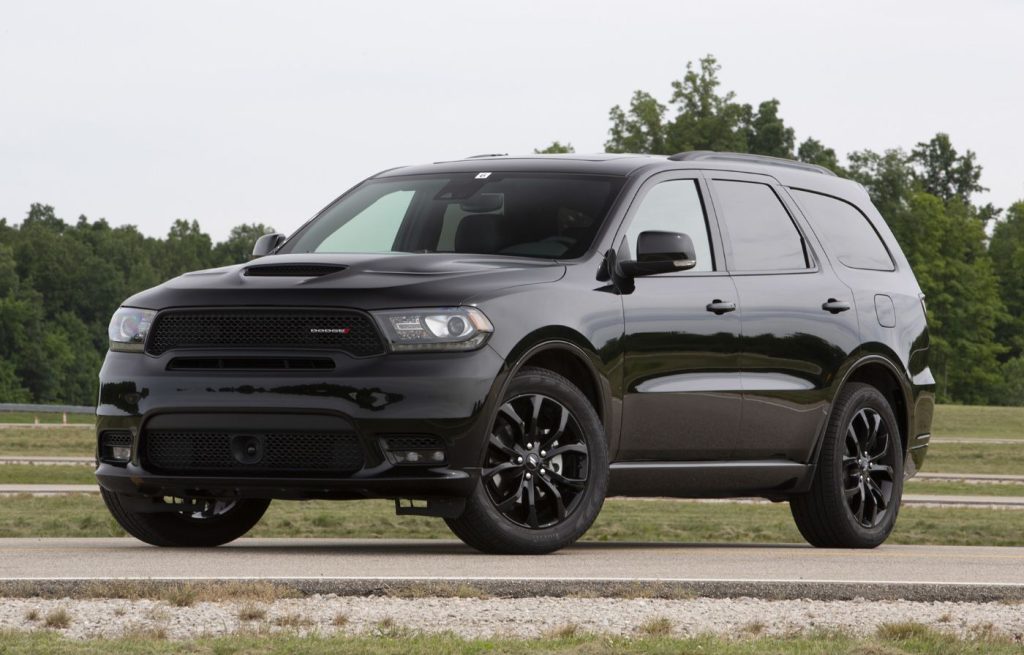
For shoppers seeking three rows of seating along with a vehicle that stands out and offers serious power, the Durango is a compelling choice.
The Durango comes standard with rear-wheel drive, with all-wheel drive available across the lineup. It is offered in five trims: Express, Heat, R/T, Crew, and Citadel.
The base Express trim includes features like tri-zone automatic climate control, a tilt-and-telescoping steering wheel, a six-speaker audio system, and satellite radio.
Higher trims add amenities such as a power liftgate, leather upholstery, a sunroof, and a navigation system. The R/T trim represents the sportiest option, featuring a standard V8, tuned exhaust, sportier styling cues, and a specially calibrated suspension.
Transmission reliability is a critical factor when choosing an SUV in the U.S., where long commutes, family duties, and towing put vehicles under constant stress.
SUVs like the Toyota 4Runner, Honda Pilot, Toyota Highlander, Lexus GX, Subaru Outback, Mazda CX-9, and Acura MDX prove that durability is achievable with careful engineering and proven designs.
Conversely, models such as the Ford Explorer, Jeep Grand Cherokee, Nissan Pathfinder, Chevrolet Traverse, Dodge Durango, GMC Acadia, and Volkswagen Atlas highlight the risks of complex or overstressed transmissions.
Understanding these patterns helps buyers save money, avoid frustration, and choose an SUV that performs reliably for years to come.
