
When people think about costly car repairs, alternators usually don’t top the list. Yet, for many U.S. drivers, a failing alternator can be just as inconvenient and expensive as a transmission or starter issue.
An alternator’s job is simple but vital: it keeps your battery charged and powers the vehicle’s electrical systems while the engine is running. If it fails, your car can stall on the road or refuse to start, leaving you stranded.
Some cars, thanks to thoughtful engineering and durable component sourcing, rarely suffer from alternator problems even after racking up high mileage.
Others, however, seem to have alternator issues baked into their design, with owners reporting frequent replacements as part of ownership. Below, we’ll look at five cars known for alternators that hold up well, and five where alternator replacement is far too common.
5 Cars That Rarely Need Alternator Replacement
When it comes to car ownership, unexpected repairs can quickly drain both time and money. One of the more common culprits is a failing alternator, which can leave you stranded if it goes bad.
Fortunately, some vehicles are known for their reliable charging systems and rarely suffer from alternator issues. In this article, we’ll look at five cars that stand out for their durability, giving drivers extra peace of mind when it comes to long-term ownership.
1. Toyota Camry
The Toyota Camry, one of America’s best-selling sedans, is famous for low maintenance costs, and alternators are no exception. Many Camry owners report going well beyond 150,000 miles without needing an alternator replacement.
Toyota’s reputation for sourcing robust electrical components plays a huge role, and the Camry’s popularity means replacement parts are both affordable and widely available if it ever does need service.
A longtime leader in the midsize sedan category for more than three decades, the Toyota Camry received a complete redesign for the 2018 model year, with engineers focusing on improvements in ride quality, handling, and exterior design.
Still, at its core, especially in the LE trim, the Camry remains the ideal option for drivers who want a low-profile, dependable four-door sedan.
For 2020, the Camry continues to deliver the safety and reliability buyers expect, with choices between four-cylinder, V-6, and hybrid powertrains. Notably, for the first time since 1991, Toyota reintroduced all-wheel drive, though it’s only offered with four-cylinder models.
The Camry’s strength has always been its ability to blend in, and that remains its defining trait. Whether powered by the four-cylinder or the V-6, its purpose is straightforward to the point of being forgettable.
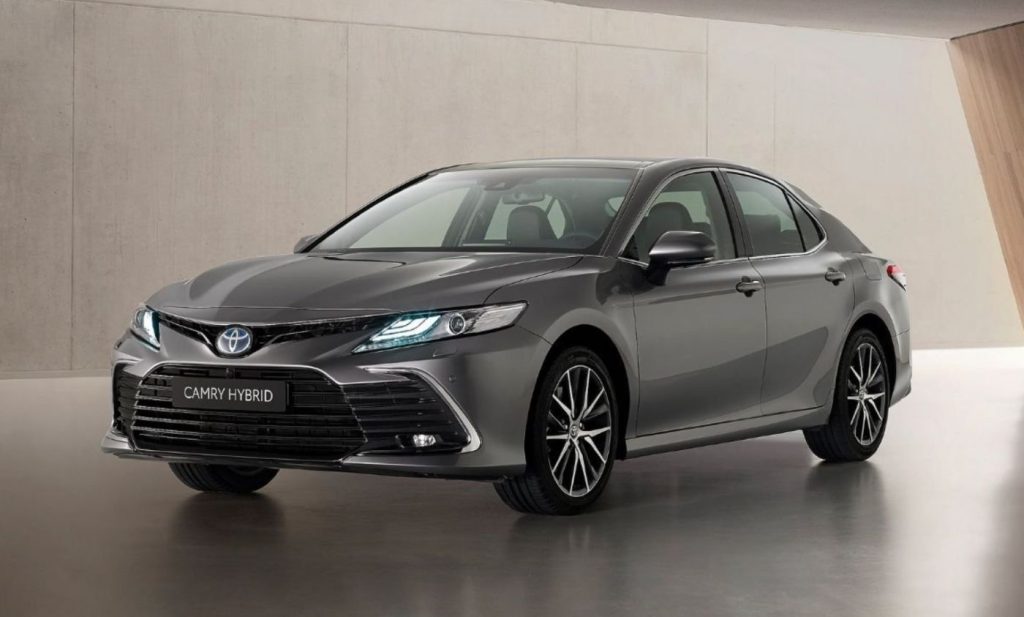
That said, Toyota hasn’t ignored buyers seeking a sportier flavor. The 2020 Camry TRD aims to attract enthusiasts, even if it doesn’t fully live up to the promise.
During our first drive, we appreciated the sharper handling, observing that the chassis feels noticeably firmer than the standard Camry and the brakes deliver a “better bite and feel.” However, vague steering and less-than-precise transmission tuning kept the TRD from being “the on-road performer it could and should be.”
The standard engine is a 2.5-liter inline-four producing 203 horsepower and 184 lb-ft of torque, paired with an eight-speed automatic transmission driving the front wheels. In XSE trim, output rises slightly to 206 horsepower and 186 lb-ft.
Camry L models are rated at 29/34 mpg city/highway, while the sportier TRD variant posts 22/31 mpg. LE and SE trims return 28/39 mpg, and XLE/XSE versions achieve 27/38 mpg.
For buyers wanting more power, XSE and XLE models offer an available 3.5-liter V-6 delivering 306 horsepower and 267 lb-ft of torque. Fuel economy checks in at 22/33 mpg for the XLE and 22/32 mpg for the XSE.
The Camry Hybrid pairs the 2.5-liter four-cylinder with an electric motor, generating a combined 208 horsepower. The Hybrid LE impresses with an EPA-estimated 51/53 mpg city/highway, while SE and XLE versions return 44/47 mpg.
Also Read: 5 Engines That Handle Stop-and-Go Traffic vs 5 That Break Early
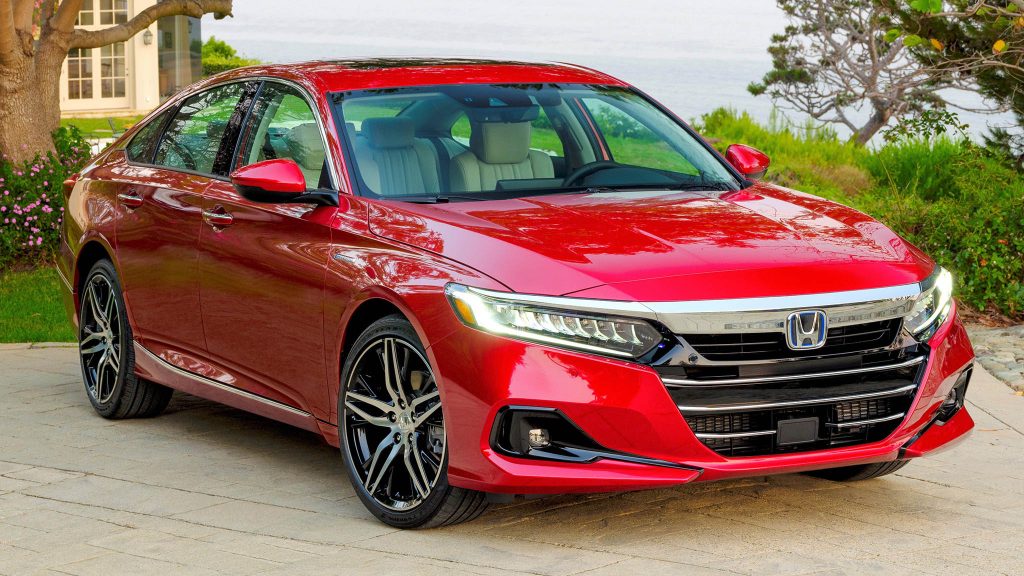
2. Honda Accord
The Honda Accord is another mid-size sedan with a stellar record for electrical reliability. Its alternators tend to last the life of the vehicle in most cases, provided the battery and electrical system are properly maintained.
Accord owners appreciate that Honda keeps things simple, avoiding overcomplicated alternator designs that plague some modern cars. In fleet use, many Accords surpass 200,000 miles before alternator replacement ever becomes a concern.
3. Lexus RX
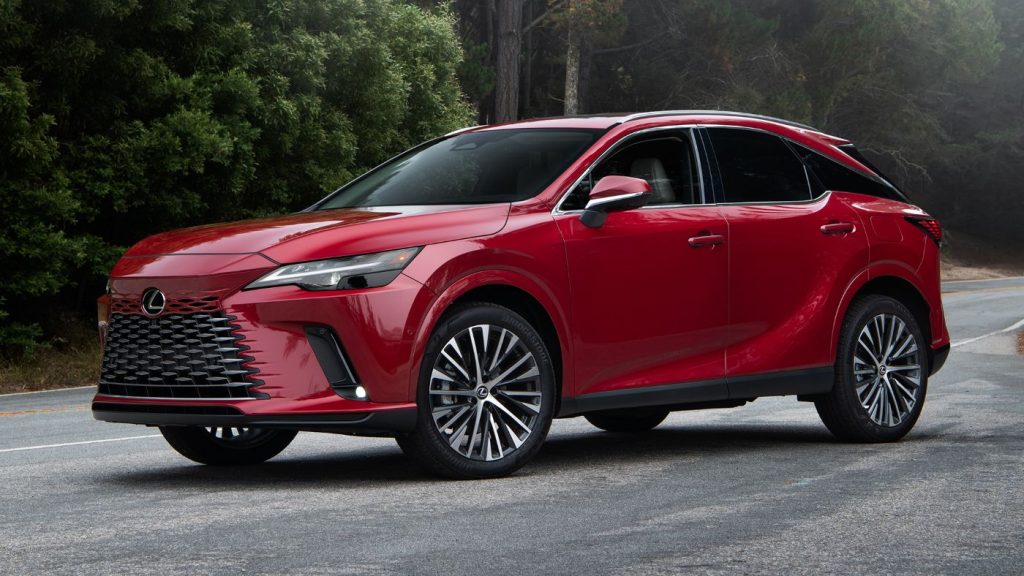
Luxury crossovers are often known for expensive electrical repairs, but the Lexus RX bucks that trend. Built with Toyota’s engineering philosophy, the RX uses alternators that are durable and long-lasting.
Owners in the U.S. frequently note that the alternator is one of the last things to fail, even on older RX 330 and RX 350 models with more than 200,000 miles on the odometer.
4. Ford F-150 (Naturally Aspirated V8 Models)
As America’s best-selling truck, the Ford F-150’s reputation rests on reliability as much as capability. The naturally aspirated 4.6L and 5.0L V8 versions are especially strong in this area.
Their alternators have a straightforward design, and failures are rare compared to more modern turbocharged setups with heavier electrical loads. For contractors and long-distance drivers, that means fewer roadside breakdowns and less downtime.
Pickup trucks have steadily evolved into luxurious, family-friendly cruisers, and the 2020 Ford F-150 is no exception.
While Ford will still sell you a straightforward work truck with a regular cab and an 8.0-foot bed, the majority of buyers gravitate toward the four-door versions with shorter beds, which are better suited to everyday family life.
An extended cab configuration is also available for those who need a mix of utility and convenience. With its wide range of engines, trims, and driveline options, there’s an F-150 to fit nearly every budget.
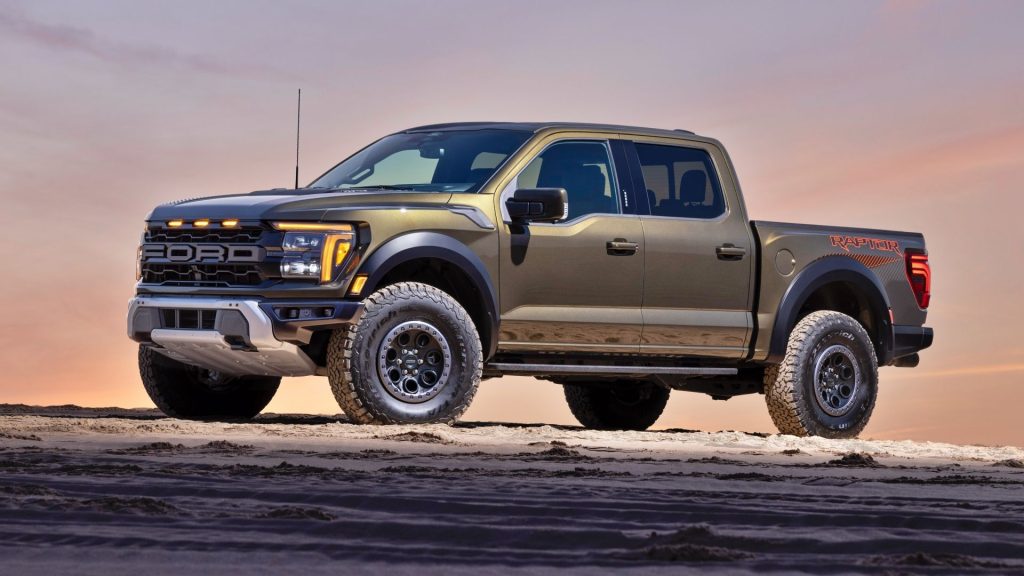
Unlike rivals that primarily rely on steel, Ford uses aluminum for all its pickup body panels. This model year brings only subtle updates.
The most notable change is the availability of the Power Stroke turbo-diesel V-6 on more affordable XLT trims. Moving up, Lariat models now come standard with Ford’s Co-Pilot360 suite of driver-assistance features.
Base XL trucks can be spruced up with the STX Sport Appearance package, while XLT and Lariat trims offer an optional Black Appearance package. Three fresh paint colors also join the lineup: Iconic Silver, Rapid Red Tinted Clearcoat, and Star White Metallic Tri-Coat.
For buyers balancing versatility, features, and value, the Lariat SuperCrew 4×4 with the 6.5-foot cargo bed stands out. Priced from $51,630, it comes well equipped, and while upgrades are available, such as the EcoBoost V-6 for $600 or the Power Stroke diesel for $3000, the standard 5.0-liter V-8 delivers plenty of power for towing and hauling.
The cabin includes modern amenities like an 8.0-inch touchscreen with Apple CarPlay and Android Auto, dual-zone climate control, and heated and ventilated front seats. For those planning to tow, the Trailer Tow package and integrated trailer-brake controller are highly recommended, both for utility and future resale value.
The F-150 offers an impressive range of engines, including a 3.0-liter turbo-diesel delivering 440 lb-ft of torque. Most pair with Ford’s 10-speed automatic transmission. In testing, the King Ranch model with its 375-hp V-6 ranked near the top against competitors equipped with larger V-8s.
The V-8-powered F-150 took 6.3 seconds to reach 60 mph, slightly slower than the V-6, but matched it in the 50-to-70-mph range. While the V-6’s 10-speed automatic could hesitate under hard acceleration, it otherwise shifted smoothly.
Ride comfort is respectable, though it doesn’t quite reach the plush levels of the Ram 1500’s available air-spring suspension. The F-150 feels composed on smooth roads, but harsher bumps can send jitters through the rear.
5. Subaru Outback (Non-Turbo Models)
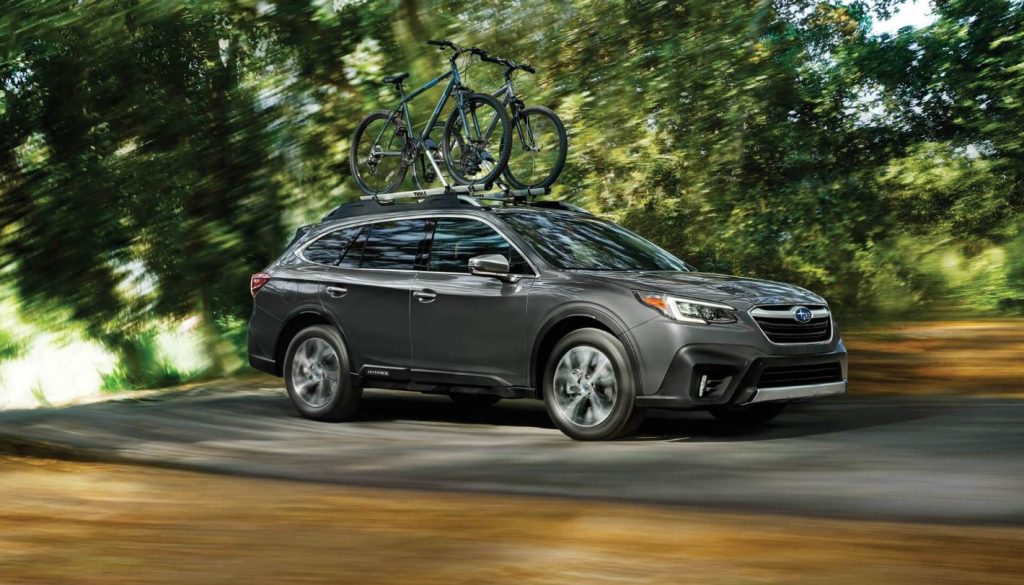
The Subaru Outback is a staple in states with harsh winters, where dependable electrical systems are essential. Thankfully, the Outback’s naturally aspirated flat-four engines come with alternators that rarely fail prematurely.
Many owners in colder climates, where electrical strain is higher due to heaters and defrosters, report well over 150,000 miles before alternator service is even considered.
5 Cars That Constantly Do
While some cars are praised for their dependable electrical systems, others earn a reputation for frequent alternator failures. A weak or faulty alternator can lead to dim headlights, drained batteries, and unexpected breakdowns, problems no driver wants to face.
In this piece, we’ll highlight five cars that are more prone to alternator issues, so you know which models may demand extra attention and repair costs down the road.
1. BMW 3 Series (E90/E92 Generation)
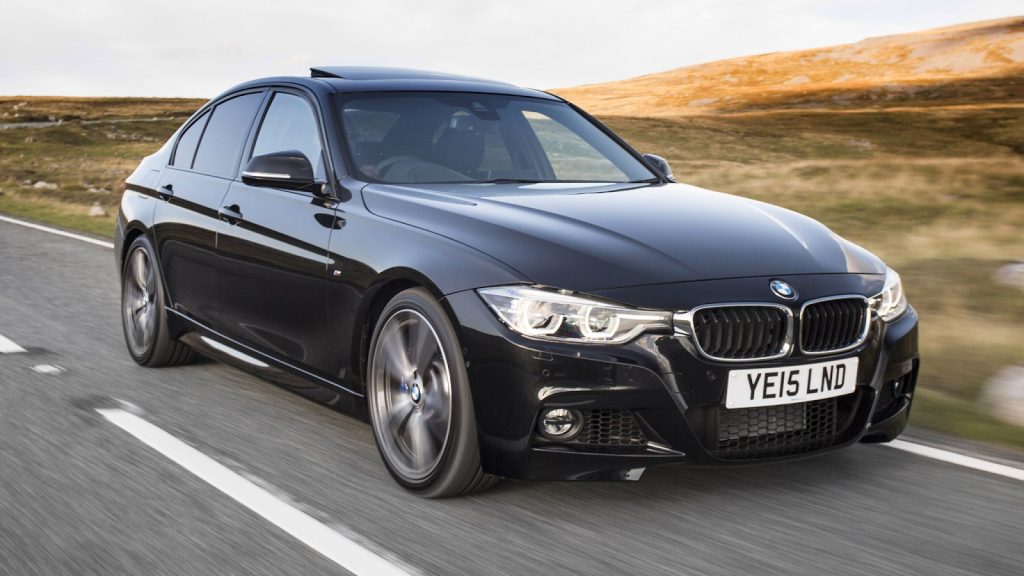
BMW’s 3 Series, especially the 2006–2011 models, is notorious for alternator issues. The electrical load of luxury features combined with tighter engine bays that trap heat often lead to early alternator wear.
Owners frequently report replacements before 100,000 miles, sometimes multiple times. It’s one of the hidden costs of owning an otherwise fun-to-drive European sport sedan in the U.S.
Powering the 2020 BMW 330i is an exceptional 2.0-liter four-cylinder engine. Turbocharged with a single unit, it delivers a smooth and refined 255 horsepower. In all-wheel-drive form, the 330i xDrive sprints to 60 mph in just 5.2 seconds, a genuinely quick time that places it on par with its closest rival, the Audi A4.
For drivers seeking even greater performance, the 2020 BMW M340i comes equipped with a turbocharged inline-six producing 382 horsepower. This engine is highly sophisticated, spinning effortlessly to 7000 rpm.
When paired with rear-wheel drive, the M340i blasts from zero to 60 mph in a blistering 3.8 seconds, significantly outpacing the 353-horsepower Audi S4 with all-wheel drive.
In a head-to-head comparison with the 2020 Genesis G70, we awarded the edge to the M340i, calling it the stronger sports sedan of the two. One drawback for purists, however, is BMW’s decision to discontinue the manual transmission across the 3-Series lineup.
Instead, every 2020 model now relies on an eight-speed automatic transmission that features both Sport and Manual modes.
Quick, seamless gear changes and refined operation make it one of the most impressive automatics available today, complemented further by standard steering-wheel-mounted paddle shifters. Looking ahead, a plug-in hybrid variant, badged as the 330i, is set to join the lineup for the 2021 model year.
2. Dodge Caravan / Chrysler Town & Country
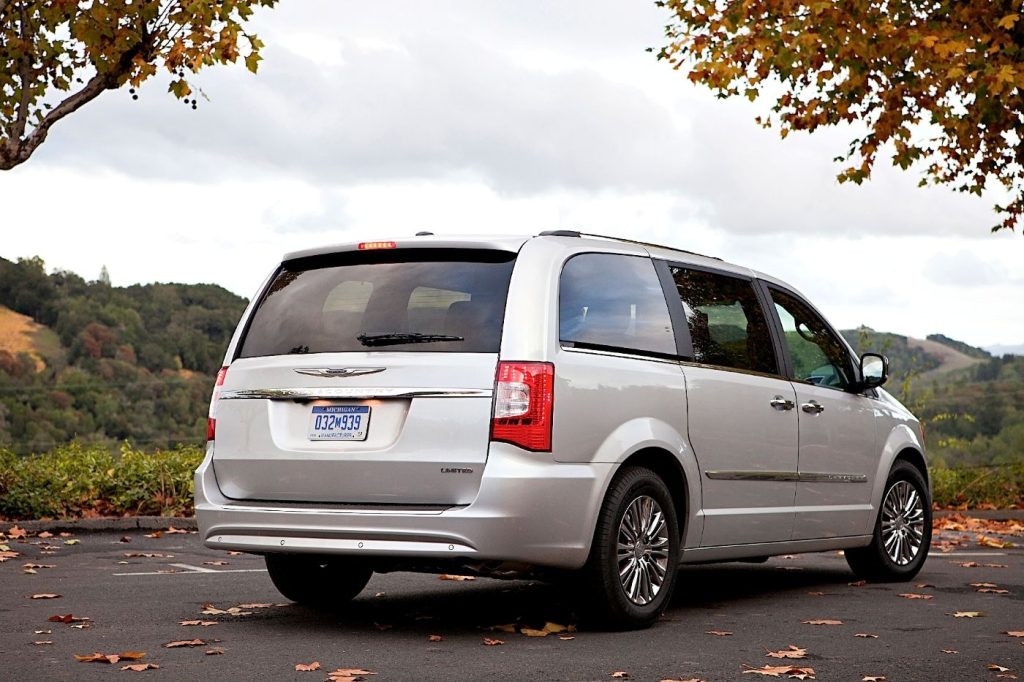
Minivans are supposed to be family workhorses, but the Dodge Caravan and Chrysler Town & Country often frustrate owners with alternator failures.
Between power sliding doors, entertainment systems, and other electrical loads, these vans put a heavy strain on their alternators. Many owners report replacements as early as 60,000–80,000 miles, making it a common repair item.
3. Jeep Grand Cherokee (2005–2014 Models)
The Jeep Grand Cherokee has long been a favorite SUV in the U.S., but electrical reliability isn’t its strong suit. The alternators in certain 2005–2014 models, particularly those with higher-output engines, are prone to failure.
Heat soak in tight engine compartments is a common culprit, and many owners find themselves replacing alternators well before 100,000 miles.
Even in a world where SUVs hadn’t taken over the market, the Jeep Grand Cherokee would still stand out. It was among the first sport-utility vehicles designed to treat passengers with comfort, proving equally capable of nudging against a parking stop in town or scrambling over rocky trails in Moab.
While the current generation has been around since 2010, subtle updates and its shared roots with the former Mercedes-Benz ML-class have kept it relevant. What makes the Grand Cherokee especially appealing is how it can be tailored to fit different owners’ needs.
The base Laredo trim delivers the brand’s well-known on- and off-road ability at a reasonable price, while the top-tier Summit wraps passengers in a cabin filled with premium finishes. No matter which trim you choose, the Grand Cherokee remains a capable and genuinely enjoyable SUV.
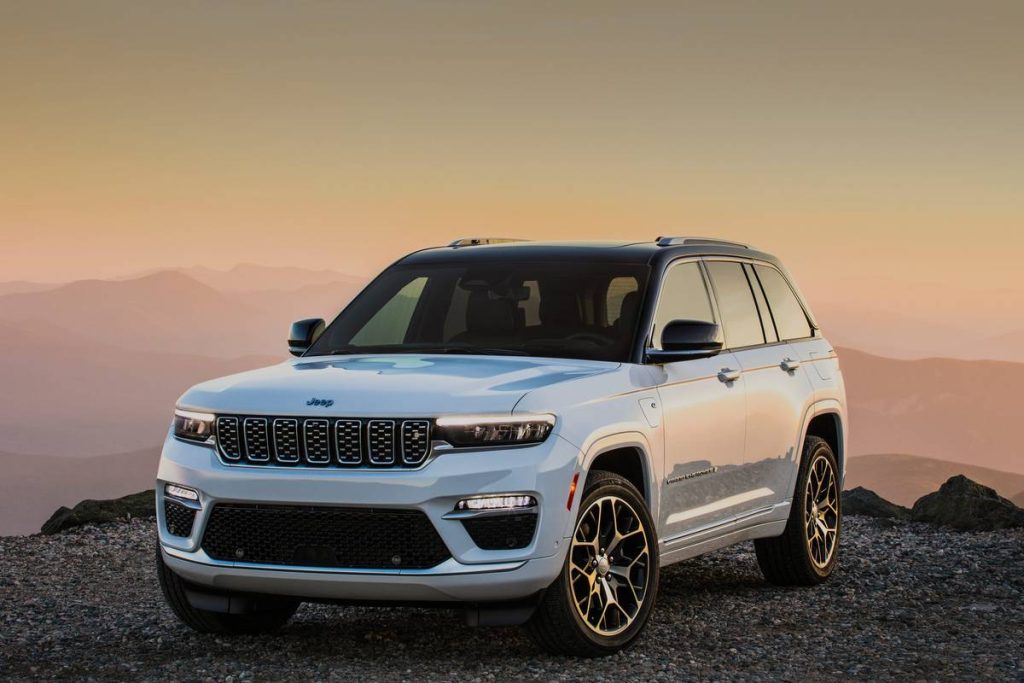
The diesel six-cylinder option has been discontinued. Limited and Trailhawk models now come standard with a single-pane sunroof. A new Premium Lighting Group is offered on the Laredo, Limited, and Trailhawk trims, bringing bi-xenon high-intensity discharge (HID) headlights, signature daytime running lights, LED fog lamps, and automatic high-beam functionality.
The High Altitude trim gets fresh wheel designs, and the Active Safety Group package, which bundles forward-collision warning, automatic emergency braking, active lane-keeping, and automatic high-beams, is now available for the Laredo, where previously it was restricted to the Limited and higher trims. In addition, Overland and Summit models add new interior color options.
This SUV isn’t built for sporty handling, but it remains steady and capable. In the 2019 model, uneven pavement could send noticeable jolts through the chassis and into the cabin, but opting for the available air suspension solves much of this, as demonstrated on our Trailhawk test model, which delivered a smoother ride.
Steering is accurate and reassuringly weighted, allowing the Jeep to track confidently on highways. The brake pedal feels soft at first but firms up quickly, offering performance comparable to rivals in the segment.
4. Volkswagen Passat (2000s Models)
Volkswagen Passats, especially from the mid-2000s, are notorious for electrical gremlins. Alternators are one of the most frequently replaced components, often failing before the car reaches six figures on the odometer.
Owners in the U.S. often describe it as part of the “VW ownership tax,” where electrical repairs are expected rather than rare.
Volkswagen has refreshed the 2020 Passat inside and out, giving the sedan sharper styling and a few added features to boost its appeal.
The lineup has also been adjusted, with entry-level models seeing a price reduction to make the car more accessible.
Styling upgrades include new LED headlights and taillights that shine more brightly, reshaped front and rear bumpers, fresh wheel designs, and bold Passat lettering stretched across the trunklid, clear visual cues separating the 2020 model from its predecessor.
On the inside, the Passat now offers available soft nappa leather upholstery and heated rear seats, though much of its equipment remains unchanged from last year.
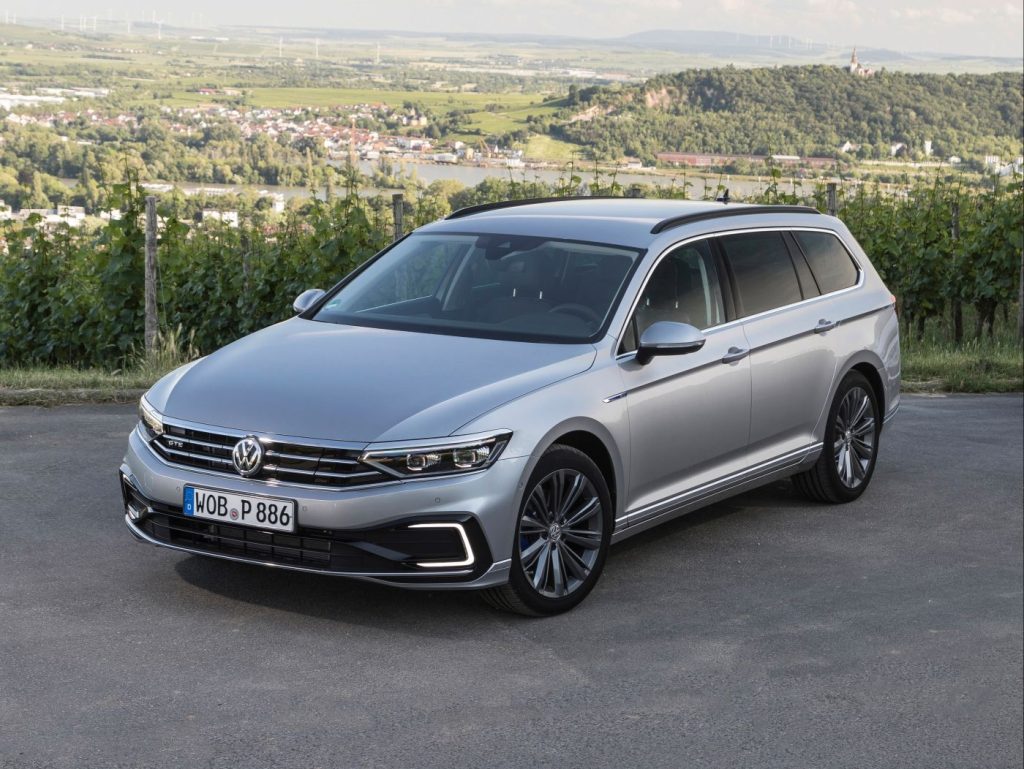
Among these, the Passat SE is the standout choice. It comes well-equipped with features family-sedan buyers will find appealing, including a touchscreen infotainment system with Apple CarPlay and Android Auto, heated front seats, 17-inch wheels, adaptive cruise control, automatic climate control, lane-keeping assist, and rain-sensing windshield wipers.
Every 2020 Passat comes powered by the same setup: a 174-hp turbocharged 2.0-liter four-cylinder engine paired with a six-speed automatic transmission.
In our testing, the engine impressed with its smooth and refined character, easily moving the sedan through everyday driving.
This year’s model delivers more torque than before, though we haven’t yet tested it fully. The automatic transmission generally shifts seamlessly, though it occasionally stumbled in stop-and-go traffic at low speeds.
On the road, the Passat proves versatile, whether cruising long stretches of highway or navigating winding back roads.
The suspension delivers a soft, almost luxurious ride while maintaining composed and predictable handling. Steering is accurate and well-balanced, though like many rivals in this class, it lacks the level of feedback enthusiasts might hope for.
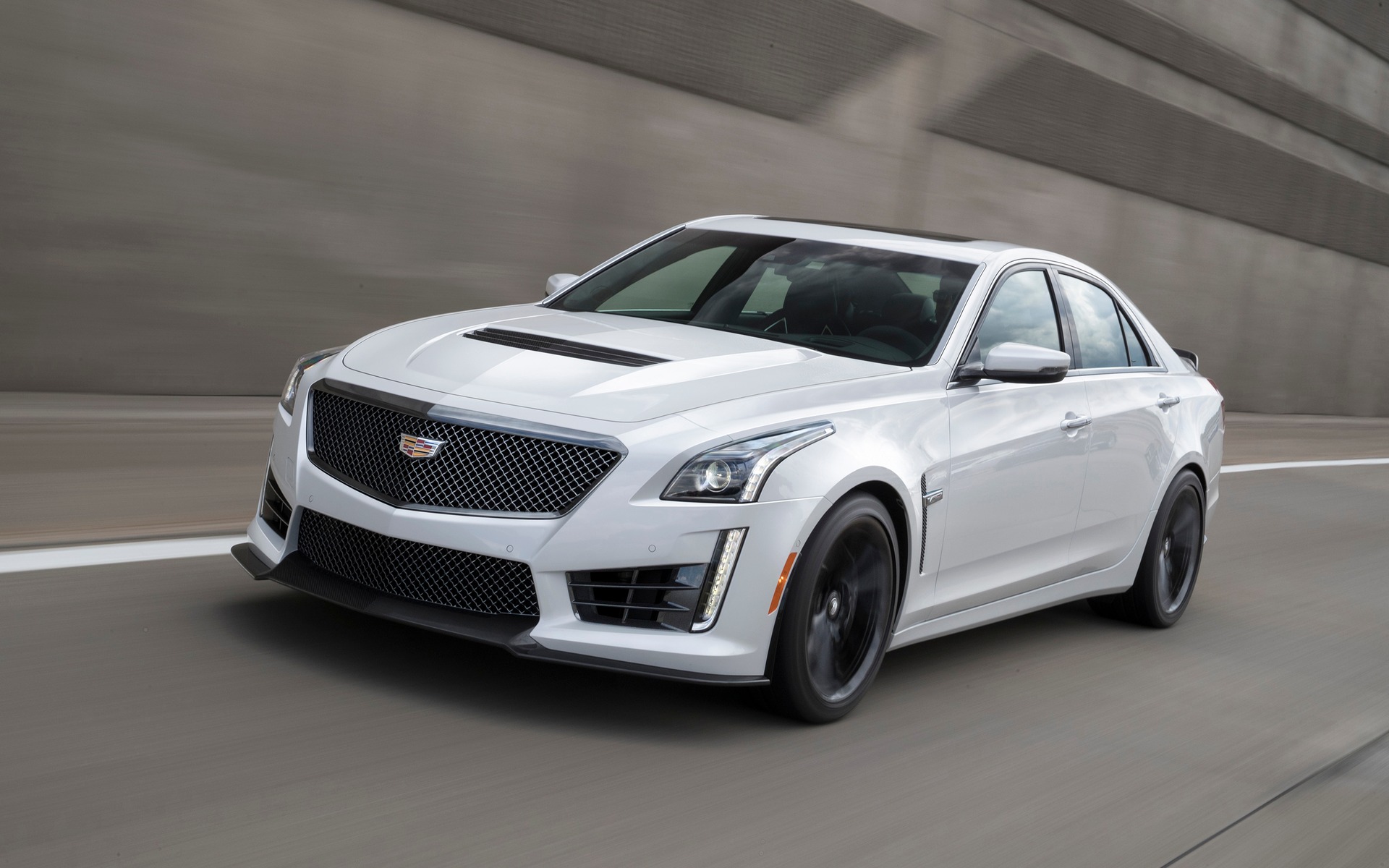
5. Cadillac CTS (First Generation)
The first-generation Cadillac CTS, while stylish and sporty for its time, was plagued by alternator issues.
Owners frequently dealt with dead batteries, dimming lights, and stalling, all tied back to failing alternators. Replacements are common even under 80,000 miles, and some owners reported multiple failures over the course of ownership.
For U.S. drivers, alternator reliability can mean the difference between a stress-free commute and a surprise breakdown.
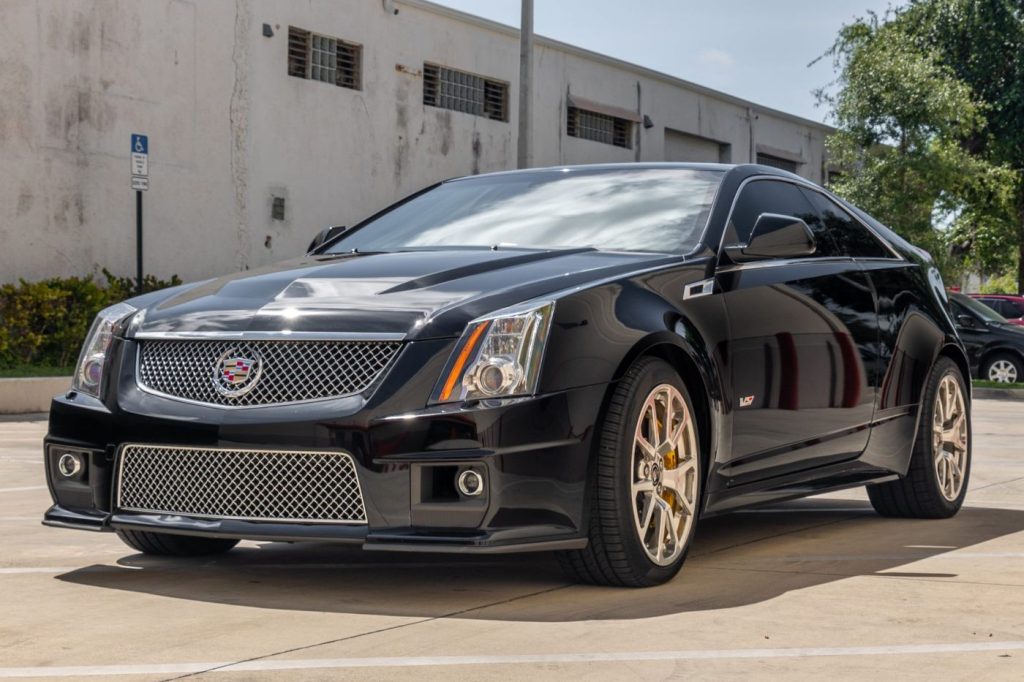
The third-generation Cadillac CTS sedan is a midsize luxury car that blends performance, refined comfort, and advanced technology. Even with newer models like the ATS and XTS joining the lineup, the 2013 CTS continues to serve as the core of Cadillac’s identity and sales.
For this model year, the CTS received a refreshed exterior, highlighted by a wider shield-shaped grille with brighter accents on the horizontal and vertical bars.
The headlights now extend upward along the hood line, incorporating a strip of LED lights that flows down toward the spoiler lip. With the Touring Package, the grille adopts darker accents, giving the car a sportier appearance.
Built on the rear-drive ATS architecture, the CTS is designed to be one of the most dynamic and agile sedans in its class.
It offers Cadillac’s all-new Twin-Turbo engine paired with an eight-speed automatic transmission, along with advanced suspension systems that include multi-link MacPherson struts in the front and a five-link independent setup in the rear.
All-wheel drive is available for added capability, while Cadillac’s Magnetic Ride Control enhances responsiveness and ride quality.
Inside, the CTS offers a cabin that is both spacious and driver-focused, with eight trim themes that combine wood, aluminum, leather, and carbon fiber accents.
Comfort and convenience are emphasized with features such as heated and cooled 20-way adjustable front seats, adaptive remote start, lane departure warning, panic brake assist, and an electronically locking glove box.
Notably, the 2013 CTS is the first Cadillac to feature Automatic Parking Assist, which enables the sedan to parallel park itself.
On the road, the CTS performs well but doesn’t deliver the same sharp athleticism as rivals like the BMW 3 Series or Audi A4. Instead, it strikes a balance of comfort and space, making it more appealing to drivers who prioritize luxury over razor-sharp handling.
Rear-wheel drive is standard, though an all-wheel-drive option is available. The 3.0 Luxury trim comes with a 3.0-liter V6 producing 265 horsepower and 220 lb-ft of torque, which increases slightly to 270 hp and 223 lb-ft with the Touring Package’s dual exhaust.
The six-speed automatic transmission is smooth in operation, though less engaging than some competitors’ gearboxes.
Cadillac placed a strong emphasis on safety, equipping every CTS with antilock disc brakes, traction and stability control, active front head restraints, front-seat side airbags, and full-length side curtain airbags.
OnStar provides additional protection with features such as automatic crash notification, emergency response, stolen vehicle assistance, and remote door unlocking. In government crash tests, the 2013 CTS earned a five-star overall rating, securing its place among the safest sedans in its class.
The 2013 CTS comes with its share of strengths and weaknesses. On the positive side, it offers a roomy interior, premium design, and excellent safety scores.
On the downside, its sport suspension may feel too firm for some, rear visibility is limited, and handling is less agile compared to leading European rivals.
Overall, the 2013 Cadillac CTS remains one of the strongest luxury sedans from an American automaker, though competitors such as the BMW 3 Series and Lexus GS 350 provide a more polished driving experience.
Cars like the Toyota Camry, Honda Accord, and Lexus RX prove that automakers can design alternators to last for the long haul.
Meanwhile, vehicles such as the BMW 3 Series or Dodge Caravan remind us that not all electrical systems are created equal.
If you’re shopping for a used car and want to avoid frequent alternator replacements, choosing from the “rarely need” side of the list can save you money and frustration.
On the flip side, if you already own one of the models known for constant alternator trouble, proactive maintenance, like monitoring battery health and avoiding unnecessary electrical loads, can at least help extend the life of your alternator.
