

When it comes to car maintenance, few components are as critical and often overlooked as the timing belt. Acting like the heartbeat of your engine, the timing belt keeps the crankshaft and camshaft in perfect sync, ensuring valves and pistons move in harmony.
A reliable belt can mean years of smooth driving, while a failing one can lead to sudden breakdowns or even catastrophic engine damage. For drivers, this raises an important question: which cars have timing belts that truly stand the test of time, and which ones tend to wear out too soon?
In this guide, we’ll take a closer look at 10 cars known for their durable, long-lasting timing belts and contrast them with 10 models notorious for premature failures. Whether you’re in the market for a dependable ride or want to avoid costly repairs, this breakdown will help you make smarter choices behind the wheel.
10 Cars With Long-Lasting Timing Belts
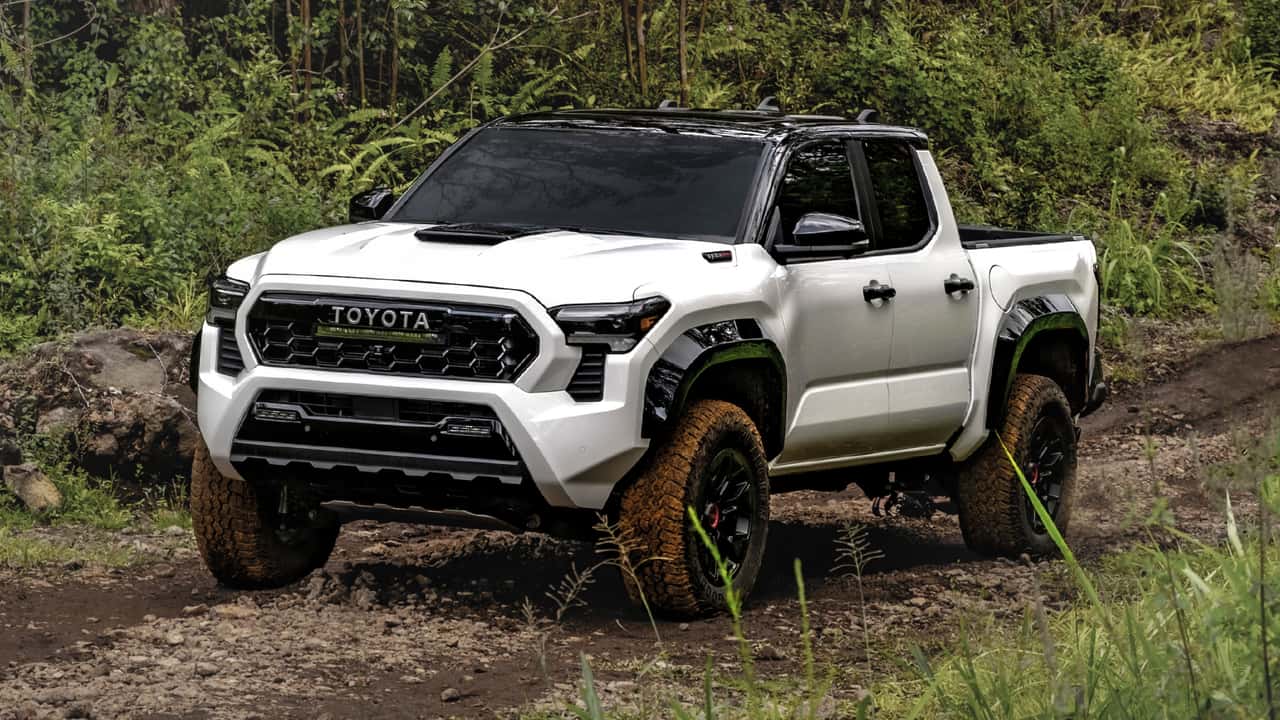
1. Toyota Tacoma: Reliable Timing Chain System
The Toyota Tacoma has built a strong reputation for ruggedness, durability, and long-term reliability. A key factor behind this reputation is its timing system. Unlike many vehicles that rely on rubber timing belts, the Tacoma often uses a metal timing chain, which is engineered for endurance and minimal maintenance.
This distinction plays a significant role in Tacoma’s long service life, lower ownership costs, and consistent reliability.
A timing belt is made of rubber composites and requires replacement every 60,000 to 100,000 miles or roughly every 5–7 years. This replacement is costly, often amounting to hundreds or even thousands of dollars when labor is factored in.
In contrast, a timing chain is constructed from durable metal links, designed to last the life of the engine. Since chains are housed inside the engine and continuously lubricated by oil, they face far less wear and exposure to contaminants compared to belts.
Many Tacoma models, particularly the 4-cylinder and 2005+ V6 versions, are equipped with timing chains rather than belts. Toyota designed these systems with advanced tensioners and guides that keep the chain properly aligned, minimizing risks of stretching or jumping.
As a result, Tacoma owners typically do not need to worry about timing system replacement under normal driving conditions, provided oil changes are performed regularly.
This feature translates into major cost savings over the vehicle’s lifespan. It also provides peace of mind, as timing chain failure is rare compared to timing belt breakage, which can lead to severe engine damage. For truck owners who demand reliability for towing, hauling, or off-road driving, this engineering choice ensures durability under even harsh conditions.
Toyota’s philosophy centers on building vehicles that are low-maintenance and long-lasting. The Tacoma is a prime example, often surpassing 200,000 miles while maintaining strong performance. Owner satisfaction surveys consistently rank the Tacoma high in reliability, with the timing chain system playing a crucial role in avoiding costly repairs.
However, not all Tacoma models use timing chains. From 1995 to 2004, V6 versions were equipped with timing belts that required replacement. By contrast, 4-cylinder models from the same era, along with all 2005+ V6 engines, rely on timing chains. This distinction explains why many Tacoma owners never need to worry about belt replacements.
If you own a Tacoma with a timing belt, proper maintenance is essential. Toyota recommends checking the owner’s manual for the exact replacement interval. Warning signs of a failing belt include squealing noises, rough idling, and difficulty starting. Proactive inspection by a certified technician is crucial, as belt failure can cause catastrophic damage by allowing pistons and valves to collide.
The Toyota Tacoma stands out in its segment for dependability, and the use of timing chains in most models is a major factor. Chains are designed to last the lifetime of the engine, reducing maintenance costs and preventing sudden failures. For Tacoma owners, this means fewer worries, lower long-term expenses, and confidence in their truck’s ability to handle demanding tasks for years to come.
2. Ford Mustang (2005–2010): Classic Muscle Without the Hassle
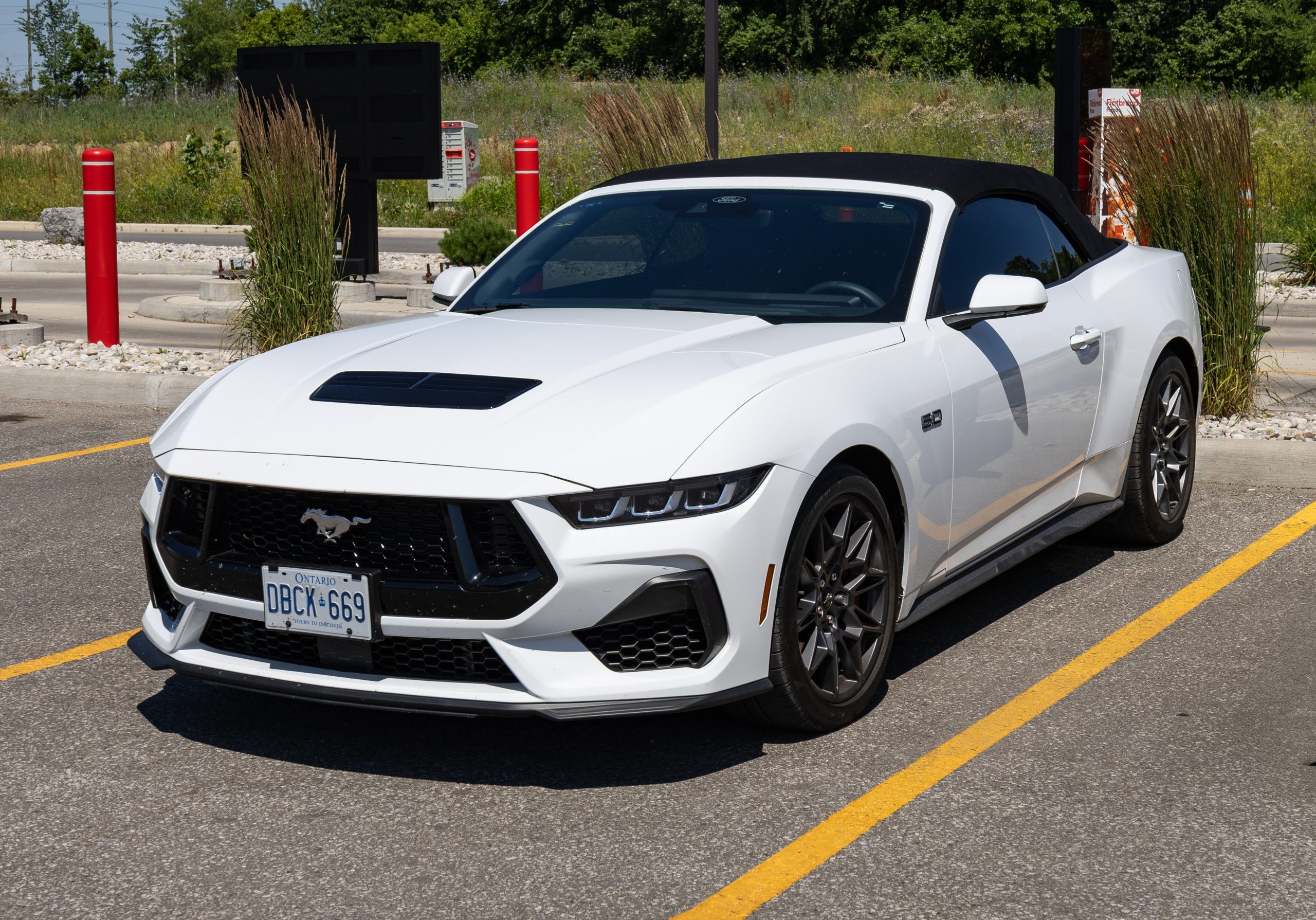
The 2005–2010 Ford Mustang delivers the essence of a true muscle car, blending retro-inspired design with dependable engineering. Powered by engines ranging from 210 to 315 horsepower, depending on the trim, this generation offers strong performance alongside a practical ownership experience.
One of the most notable engineering choices was Ford’s use of a timing chain system instead of the more common rubber timing belt.
Timing belts, found in many vehicles, are made of reinforced rubber and require replacement every 5 to 10 years or after a set mileage. This service can be expensive, often running into the hundreds or thousands once labor costs are included.
By contrast, the Mustang’s timing chain is built from durable metal and lubricated by engine oil, allowing it to withstand wear and last for the lifetime of the engine. The result is lower maintenance costs, fewer unexpected repairs, and stronger long-term reliability.
Although timing chains are highly durable, some owners of this Mustang generation have reported issues with the chain tensioner. Fortunately, these are not widespread problems and can be resolved with proper servicing.
It is important, however, for owners to remain attentive to warning signs such as unusual engine noises, starting difficulties, a check engine light, or rough idling, as these may signal the need for inspection.
Affordability further enhances the appeal of this Mustang. Used models from the 2005–2010 era can often be found for around $10,000, offering a combination of nostalgic styling, performance, and reduced long-term costs.
For drivers seeking the excitement of a classic American muscle car without the frequent timing belt replacements associated with other vehicles, this generation of the Mustang stands out as a smart and enduring choice.
3. BMW 3 Series: Luxury That Lasts
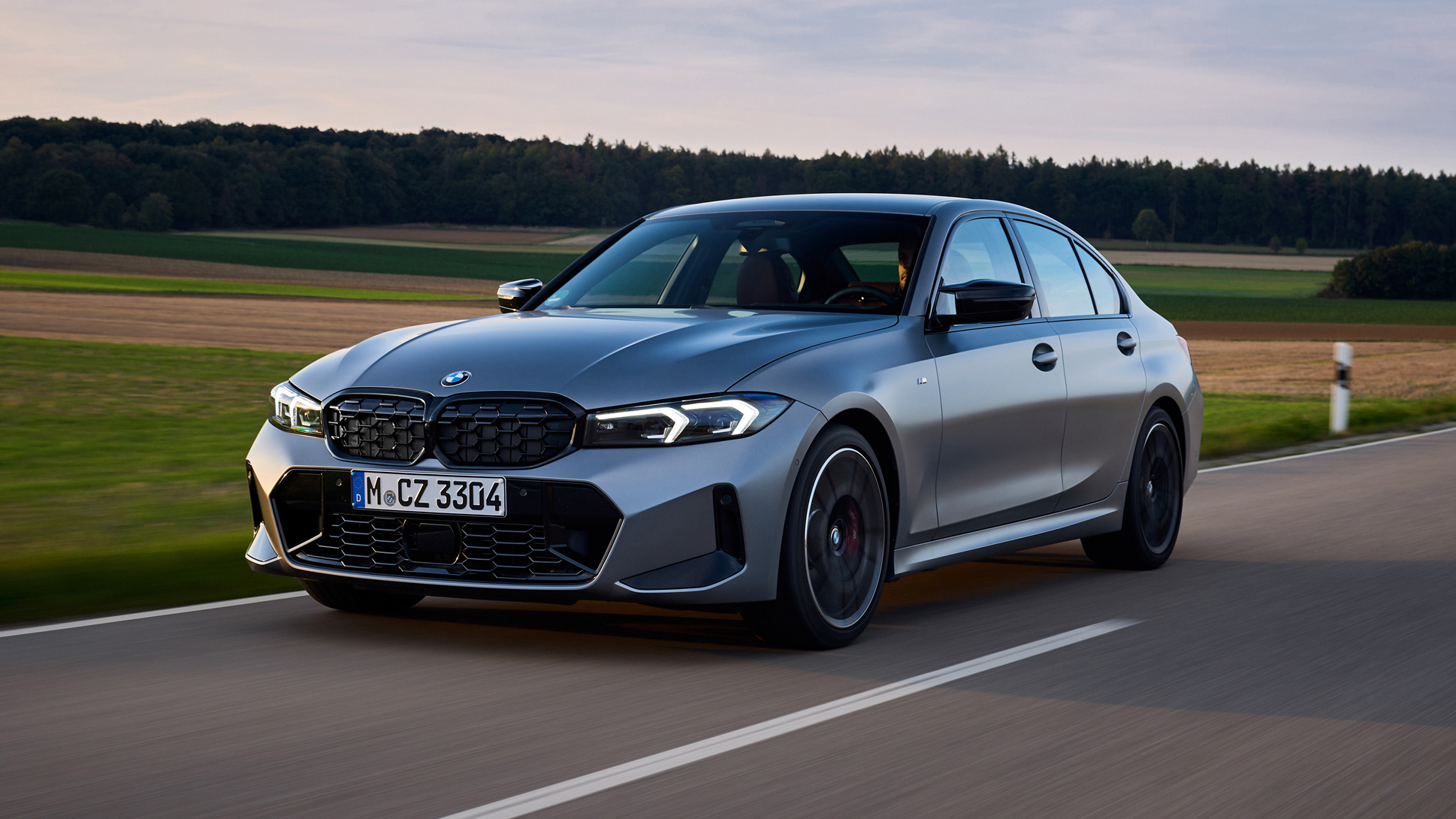
The BMW 3 Series has long been celebrated as the benchmark in the compact luxury sedan segment, blending sporty handling with refined design and advanced features. A key factor contributing to its reputation for longevity is the use of timing chains in most modern models.
Unlike rubber timing belts, which require regular replacement, timing chains are made from durable metal and are designed to last the entire life of the engine with proper maintenance. This design choice significantly reduces long-term upkeep, making the 3 Series both a luxurious and practical investment.
Current buyers can choose between a 2.0-liter turbocharged engine producing 255 horsepower or a more powerful 3.0-liter engine that delivers 382 horsepower.
Combined with BMW’s precision driving dynamics and a tech-savvy interior, the 3 Series offers a balance of comfort, performance, and reliability. Starting at around $44,000, it appeals to those who want a premium driving experience without the added hassle of frequent timing system maintenance.
That said, older BMW 3 Series models did rely on timing belts, which have a limited lifespan and typically need to be replaced every 60,000 to 100,000 miles, depending on model and driving conditions.
Owners of such vehicles must pay close attention to manufacturer guidelines, as neglecting timing belt replacement can lead to catastrophic engine damage. Signs of belt wear, such as cracking or fraying, should be addressed immediately to avoid costly repairs.
Determining whether a 3 Series uses a chain or a belt is best done by consulting the owner’s manual or a BMW specialist. While modern versions deliver the peace of mind that comes with a long-lasting chain system, older models require diligence. In either case, the BMW 3 Series continues to embody the blend of luxury, performance, and reliability that drivers expect from the brand.
4. Chevrolet Silverado: Built Strong with Timing Chain Reliability
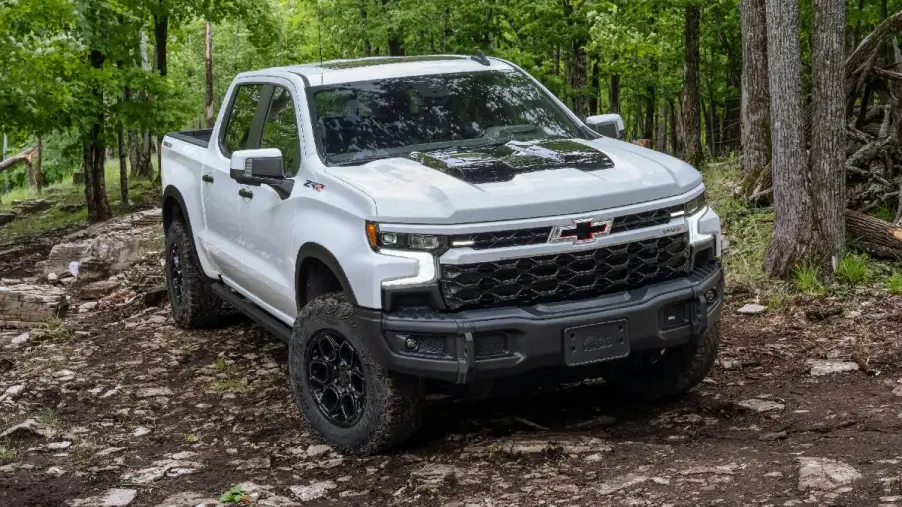
The Chevrolet Silverado is a symbol of American pickup truck strength, known for its power, utility, and durability. One of the engineering choices that reinforces this reputation is the widespread use of timing chains in many of its engines.
Unlike rubber timing belts, which require scheduled replacements, timing chains are made of metal and designed to last the life of the engine. This feature aligns with the Silverado’s role as a dependable workhorse, minimizing downtime and long-term maintenance costs.
Chevrolet engineers equipped many Silverado engines with robust timing chains built to withstand the heavy demands of towing, hauling, and high-mileage driving. These chains are located inside the engine block and lubricated by engine oil, which reduces wear and shields them from dirt, heat, and other environmental factors.
Because of their design, timing chains typically do not require replacement under normal conditions, provided that the engine is maintained with regular oil changes.
The chain-driven system also reduces the risk of sudden, catastrophic failure that can occur when a timing belt snaps. For truck owners who rely on their vehicles daily, whether for work or personal use, this reliability is invaluable.
Chevrolet further refined its timing chain systems over the years, incorporating stronger tensioners and guides to reduce noise and extend service life, even under demanding conditions.
Some older Silverado models, or specific trims, were built with timing belts instead of chains. Belts are made of reinforced rubber and are typically located outside the engine. Historically, they required replacement every 60,000 to 100,000 miles. However, advancements in material science have greatly extended their durability.
Modern timing belts often incorporate Kevlar or polyurethane, which resist wear and push replacement intervals closer to 100,000 miles or more. This reduces the burden of frequent servicing compared to older belts, though they still require eventual replacement.
In contrast, timing chains are designed to last as long as the engine itself, offering truck owners fewer maintenance worries and greater confidence during heavy use.
While timing chains eliminate the need for scheduled replacements, proper maintenance remains critical. Neglecting oil changes can accelerate chain wear or cause tensioner failure, leading to rattling noises, poor performance, or even serious engine issues.
Silverado owners should also listen for unusual ticking or rattling sounds, especially on cold starts, as these may signal chain wear. For belt-equipped models, regular inspections are essential.
Signs such as cracks, fraying, or missing teeth indicate that replacement is due. Consulting the owner’s manual is the most reliable way to determine whether a specific Silverado model uses a chain or a belt and to follow the recommended service intervals.
The Chevrolet Silverado’s widespread use of timing chains underscores the brand’s commitment to durability and reliability. By minimizing the need for frequent timing system replacements, the Silverado saves owners time and money while providing peace of mind for long-term ownership.
Whether equipped with a chain or an improved modern belt, the Silverado continues to deliver the rugged performance and low-maintenance appeal that have made it a cornerstone of the full-size pickup market.
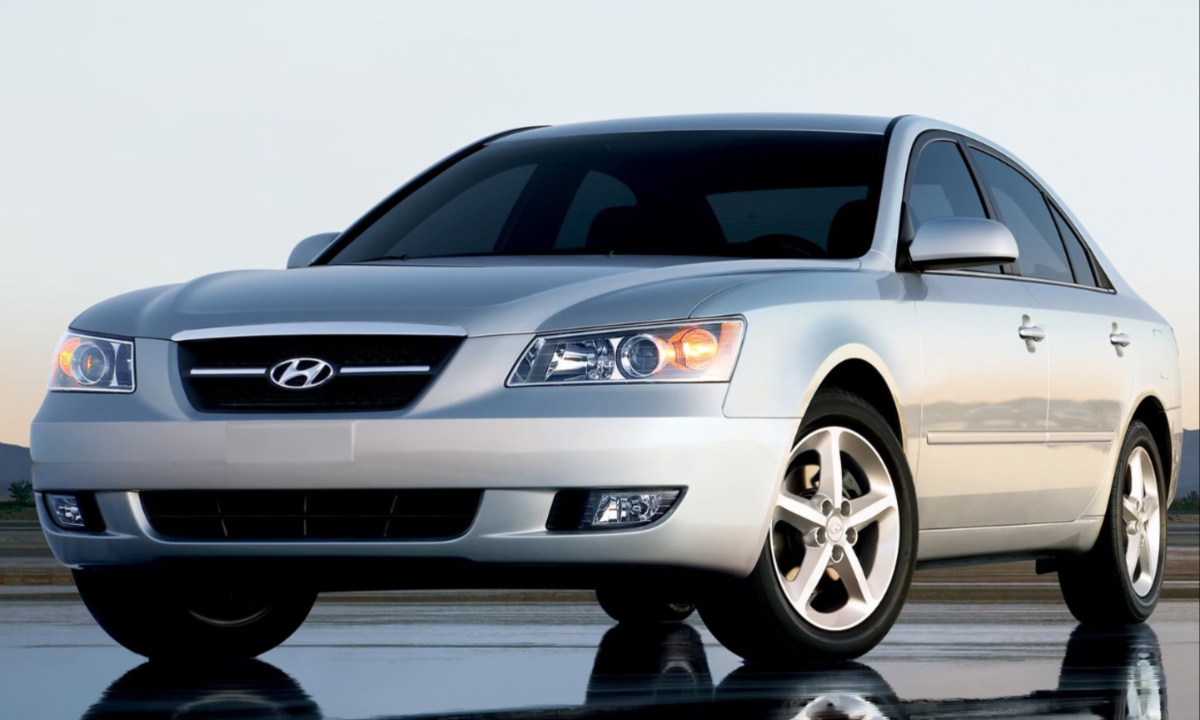
5. Hyundai Sonata (2004–2007): Affordable and Worry-Free
The 2004–2007 Hyundai Sonata stands out as an excellent option for buyers seeking a dependable sedan on a modest budget. With used models typically priced between $3,000 and $6,000, the Sonata delivers affordability without sacrificing durability. Many of these models are equipped with timing chains rather than rubber timing belts, meaning owners enjoy fewer maintenance concerns and lower long-term costs.
Producing around 138 horsepower in the 2.0L version, the Sonata is not built for performance thrills, but it is more than capable of handling everyday commutes with comfort and ease.
One of the Sonata’s most appealing features during this era is the widespread use of timing chains. Unlike belts, which are made of reinforced rubber and must be replaced every 60,000 to 100,000 miles, chains are made of metal and designed to last the life of the engine under normal conditions.
Chains operate within the engine, lubricated by oil, which minimizes wear and enhances reliability. This design choice significantly reduces the risk of unexpected failure and the costly repairs associated with broken belts.
While many Sonata engines from 2004–2007 feature timing chains, the specific component depends on the engine type. The 2.7L V6 used in 2004 and 2005 models, as well as the 3.3L V6 in 2006 and 2007, both come with durable timing chains.
The 2.4L four-cylinder introduced in 2006–2007 also benefits from a chain. However, some earlier 2.4L engines found in older Sonata models used a timing belt instead. Because of this, it is important for owners to verify their specific engine setup by checking the owner’s manual or consulting a mechanic.
The 2004–2007 Hyundai Sonata delivers strong value by combining low purchase prices, reliable engineering, and reduced maintenance thanks to its timing chain system.
For first-time buyers, families on a budget, or anyone seeking dependable transportation with minimal upkeep, this Sonata generation remains an appealing and worry-free choice.
6. Mazda3: Sporty Simplicity and Durability
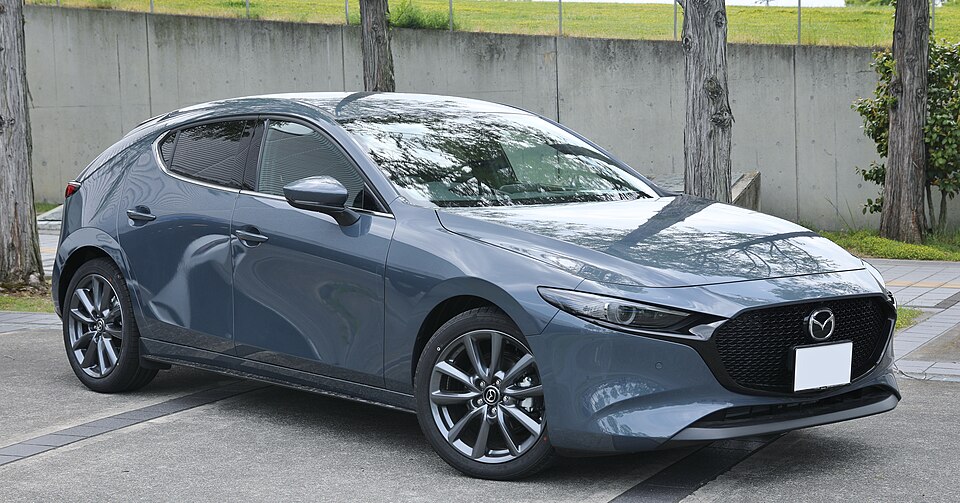
The Mazda3 has earned a reputation for blending driving enjoyment with everyday practicality. With sleek styling, agile handling, and a refined interior, it appeals to drivers who want both performance and value.
Equipped with Mazda’s Skyactiv-G engines, the standard 2.5-liter engine produces 191 horsepower, while the turbocharged version delivers up to 250 horsepower, offering plenty of excitement for those who want an extra boost. Priced from around $25,000, the Mazda3 strikes a balance between affordability and an upscale feel.
A standout feature of the Mazda3 is its use of a timing chain rather than a timing belt in most modern gasoline and hybrid models. Timing chains are constructed from metal and operate within the engine, continuously lubricated by oil.
This design allows them to last the entire lifespan of the engine without requiring scheduled replacement. In contrast, timing belts are made of rubber and must be replaced every 60,000 to 100,000 miles to prevent failure, which can lead to severe engine damage. By using chains, Mazda reduces the need for frequent maintenance and provides owners with greater long-term confidence.
While nearly all modern Mazda3 engines use timing chains, some older diesel variants in certain markets were equipped with timing belts.
Because of this, it is always advisable to confirm your specific model’s setup by checking the owner’s manual or consulting a mechanic. Owners should also remember that while the timing chain is built for durability, other components, such as the serpentine or accessory belts, may still require replacement over time.
The Mazda3 combines style, sportiness, and sensible engineering in a way that few compact cars can. Its timing chain system underscores its reputation for durability, lowering maintenance costs and eliminating the hassle of regular belt changes.
With a spirited driving experience and a design that emphasizes both fun and practicality, the Mazda3 remains one of the most appealing choices in the compact car segment.
7. Mercedes-Benz C-Class: Premium Performance With Lower Maintenance
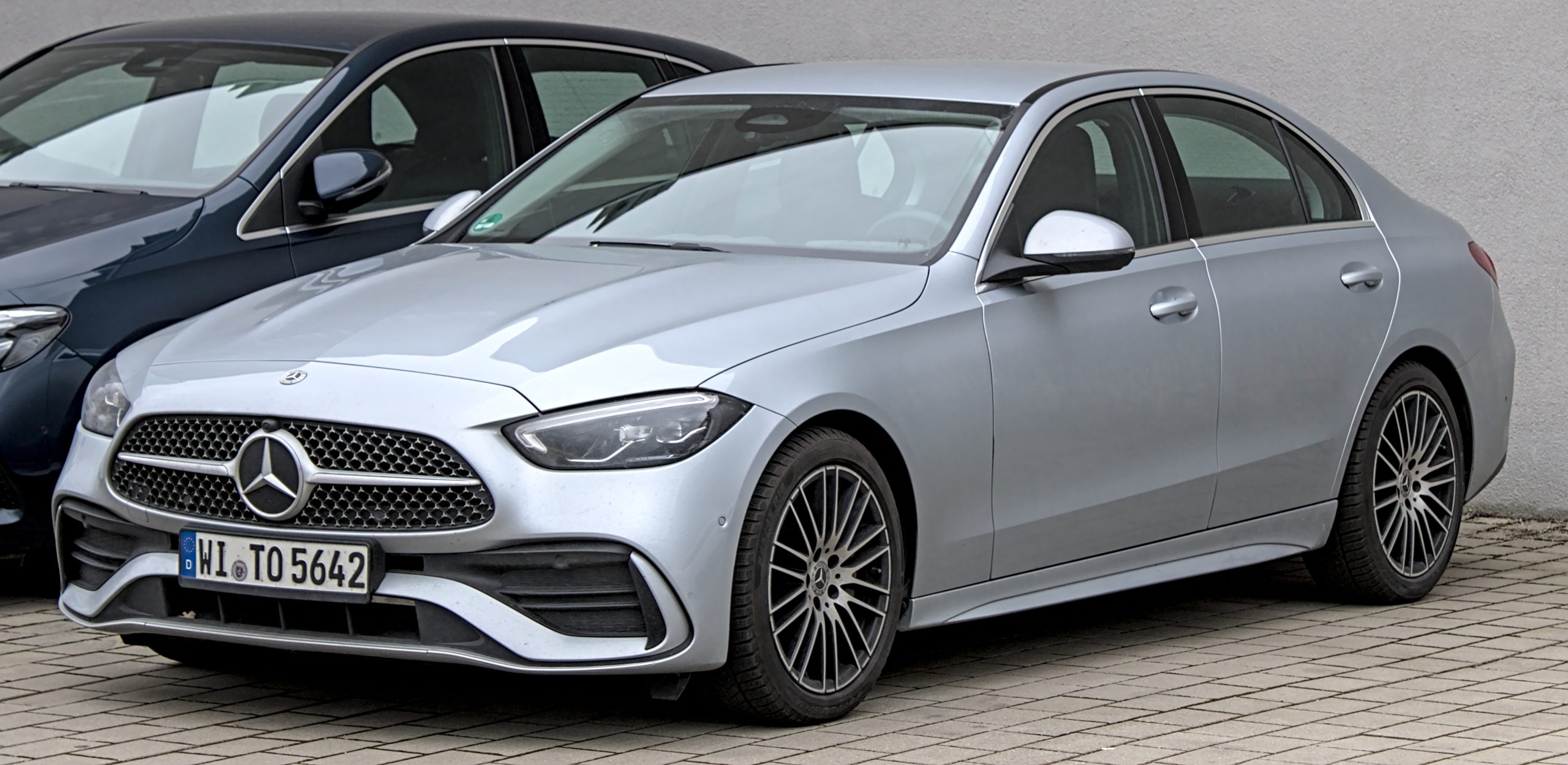
The Mercedes-Benz C-Class has long been a benchmark for entry-level luxury sedans, offering a blend of refined performance, elegant design, and enduring reliability. Its 2.0-liter turbocharged engine produces 255 horsepower, delivering smooth yet spirited acceleration that pairs seamlessly with the car’s poised handling and ride comfort.
Inside, the cabin reflects Mercedes’ commitment to sophistication, with high-quality materials, intuitive technology, and features that enhance both driver and passenger experience. Priced from around $45,000, the C-Class positions itself as a strong competitor in the luxury market, appealing to those who desire both prestige and practicality.
One of the less visible but highly valuable aspects of the C-Class lies in its timing system. Unlike many vehicles that rely on rubber timing belts requiring periodic replacement, the C-Class employs a metal timing chain.
Timing belts are designed with limited lifespans and typically must be replaced every 60,000 to 100,000 miles, often at significant expense. A timing chain, however, is engineered to last the life of the engine, running inside the block where it is lubricated by oil. This design greatly reduces the need for scheduled maintenance and helps avoid the sudden failures associated with belts.
Mercedes’ decision to rely on chains reflects both engineering foresight and a focus on ownership experience. Chains provide greater strength and durability, ensuring that the engine continues to perform reliably over many years. In fact, in most cases, the chain will outlast the engine itself, a reassuring feature for drivers investing in a premium vehicle.
Although chains require little attention, they are not entirely immune to wear. Signs such as rattling noises during startup, rough idling, or the illumination of the engine management light can indicate potential issues. Prompt attention from a qualified technician helps ensure long-term reliability.
The Mercedes-Benz C-Class, therefore, offers more than luxury and performance it delivers peace of mind. With its timing chain system reducing maintenance demands, owners enjoy the benefits of premium engineering without the inconvenience of frequent timing belt replacements.
8. Ford F-150: Tough Performance with Timing Chain Reliability
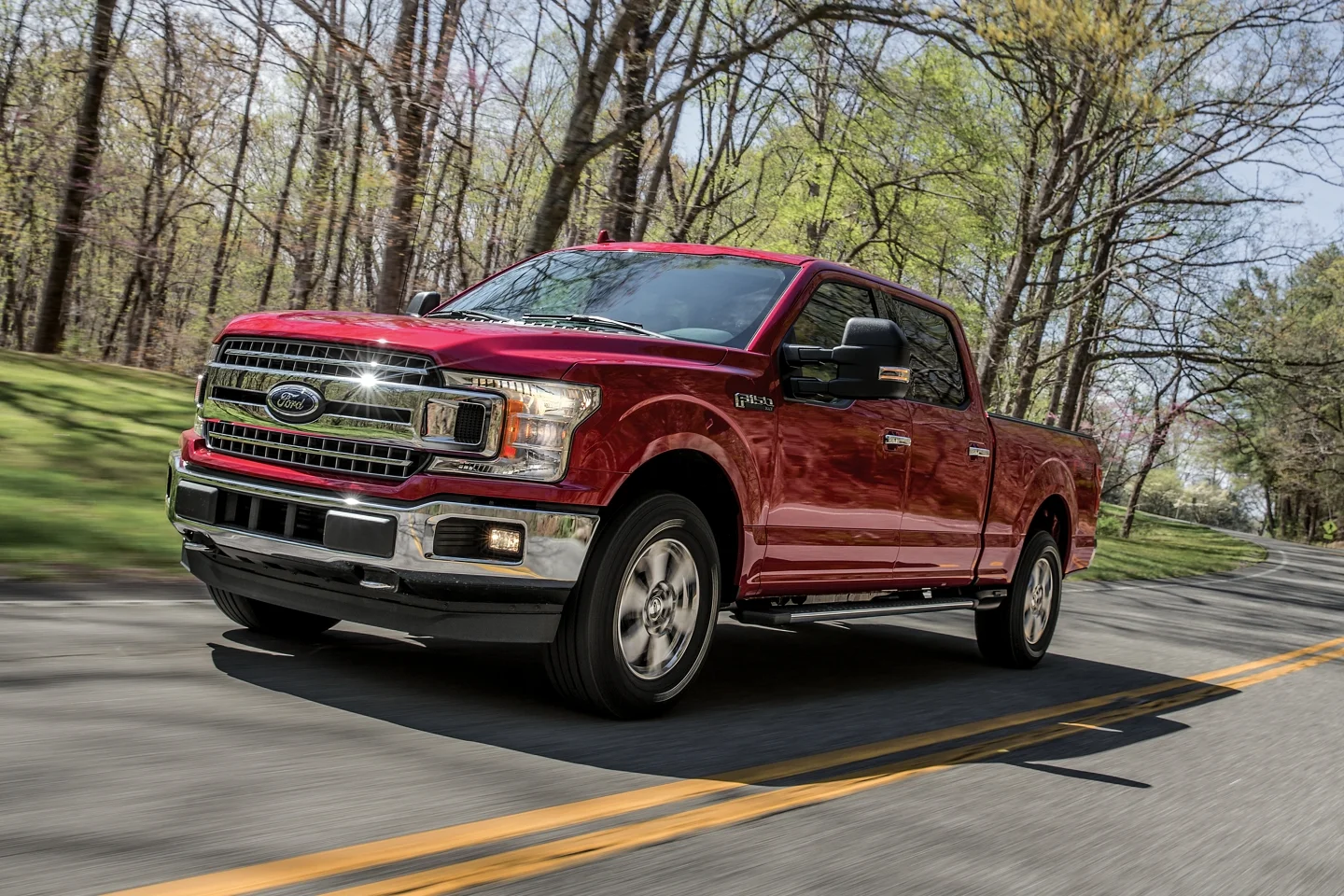
The Ford F-150 has long been a leader in the full-size pickup truck market, celebrated for its ability to handle heavy loads, tough driving conditions, and high mileage. To meet these demands, many of its engines are equipped with timing chains rather than rubber timing belts. This engineering choice reflects Ford’s commitment to building durable trucks that minimize maintenance needs while maximizing longevity.
Timing chains in the F-150 are constructed from hardened steel, making them far more resistant to heat and wear than belts. While rubber timing belts typically require replacement every 60,000 to 100,000 miles, timing chains are designed to last the lifetime of the engine.
Because they are housed inside the engine and continuously lubricated by oil, chains remain well-protected from environmental stress and degradation. This setup not only extends their lifespan but also reduces the likelihood of sudden, catastrophic failure.
Although timing chains rarely need replacement, their health depends on proper engine maintenance. Regular oil changes are essential, as dirty or degraded oil can accelerate wear on both the chain and its tensioners. If neglected, this can result in chain slack, noise, or, in rare cases, mechanical failure.
Ford has improved the design of its timing chain systems over time by incorporating stronger guides and tensioners that keep the chain in proper alignment, further reducing the risk of problems.
While most F-150 engines use timing chains, some newer EcoBoost engines feature advanced timing belt systems. These are not the traditional rubber belts of older vehicles. Instead, they are made from durable materials like polyurethane and Kevlar, significantly extending their service life.
Certain EcoBoost engines even use innovative “wet belts” that operate within the engine oil. By running in oil, these belts reduce friction, improve fuel efficiency, and offer greater durability compared to conventional dry belts.
Even though timing chains and modern belts in the F-150 are designed for longevity, owners should still remain vigilant. Symptoms such as rattling noises during startup, rough idling, or poor performance can indicate potential timing system issues.
Consulting the owner’s manual provides the most accurate guidance for identifying whether your truck uses a chain, a traditional belt, or a wet belt, and outlines the appropriate maintenance schedule.
The Ford F-150’s use of timing chains across most of its engines highlights the brand’s dedication to building reliable, long-lasting trucks. For owners who demand performance for towing, hauling, and off-road driving, the timing chain system minimizes maintenance downtime and enhances confidence in the truck’s endurance.
With a mix of rugged chain-driven setups and modern belt technologies in newer models, the F-150 continues to deliver both toughness and practicality, cementing its place as a dependable workhorse for generations of drivers.
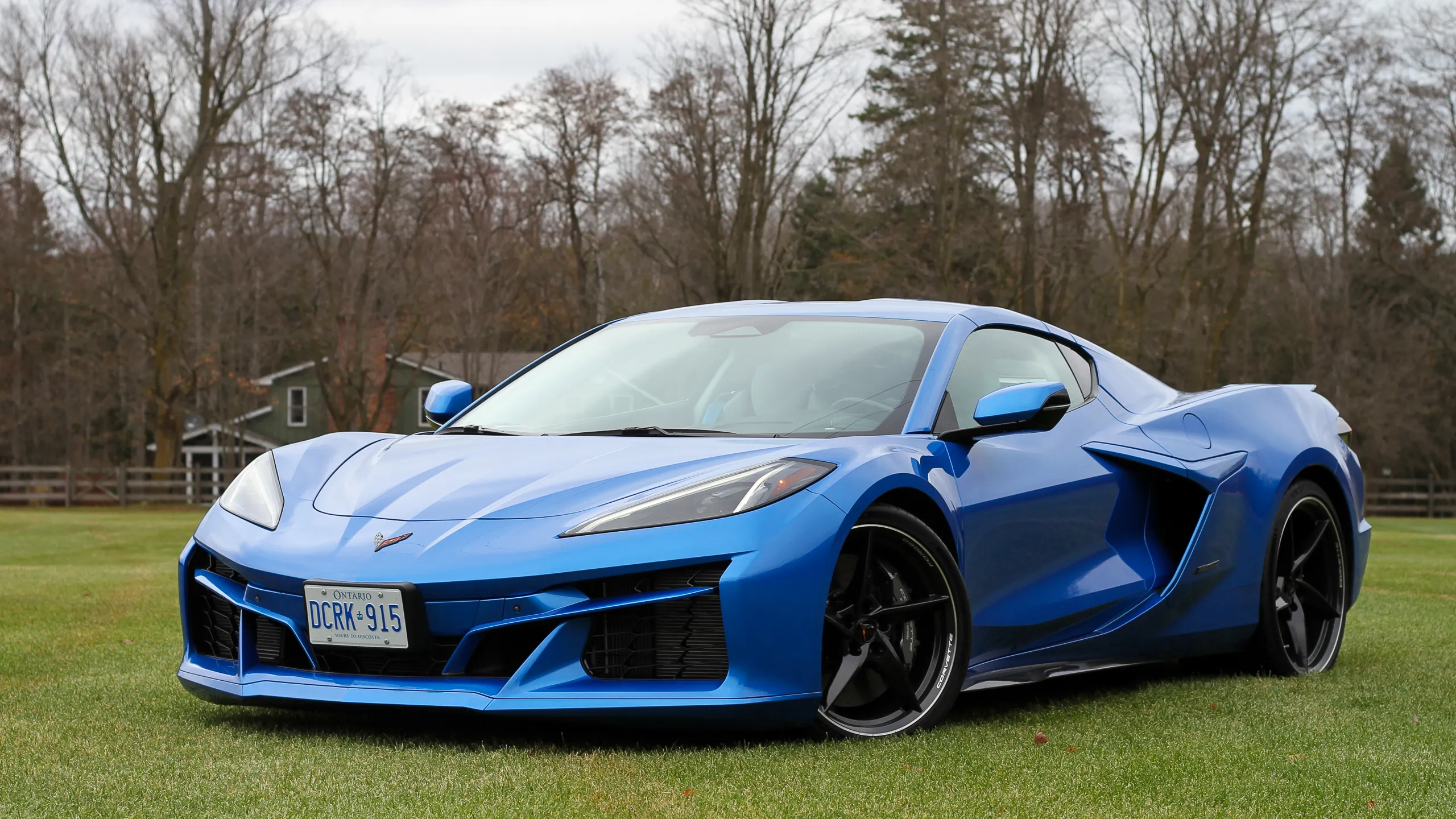
9. Chevrolet Corvette: High Performance, Low Worry
The Chevrolet Corvette has earned its reputation as one of the most iconic performance cars, combining exhilarating power with practical engineering that minimizes long-term maintenance.
At its core is a 6.2-liter V8 engine producing 495 horsepower, delivering breathtaking acceleration and track-ready capability. Starting around $65,000, the Corvette offers exotic-level performance at a price that remains relatively accessible compared to its rivals.
One of the Corvette’s most underrated strengths is its reliance on a timing chain instead of a timing belt. Timing chains are made of durable metal links, similar to a bicycle chain, and are designed to last the life of the engine under normal driving conditions. This means owners can spend more time behind the wheel and less time in the shop scheduling routine timing component replacements.
By contrast, timing belts are constructed from reinforced rubber, which makes them lighter but also more prone to wear, stretching, and eventual failure. Belts typically require replacement every 60,000 to 100,000 miles, creating an ongoing maintenance obligation that the Corvette avoids.
The chain’s metal construction also gives audible warning signs like rattling or slapping noises if it begins to wear, unlike belts that can fail suddenly and cause catastrophic engine damage without warning.
For high-performance vehicles such as the Corvette, this design choice is particularly valuable. Because the engine operates under significant stress, a reliable timing system is essential to prevent costly failures.
On interference engines like the Corvette’s V8, a snapped belt or chain could cause pistons and valves to collide, leading to extensive repairs. The chain’s robustness greatly reduces that risk, making it a crucial part of the car’s endurance.
However, while the Corvette’s timing chain is built for longevity, it is not completely maintenance-free. Owners must prioritize timely oil changes since the chain runs inside the engine and depends on oil for lubrication.
Neglecting oil maintenance can lead to premature wear on the chain and its tensioners. With proper care, though, the Corvette’s timing chain system ensures enthusiasts enjoy thrilling performance with fewer maintenance worries, cementing its place as a sports car that blends excitement with long-term value.
10. Nissan Altima: Dependability in Every Drive
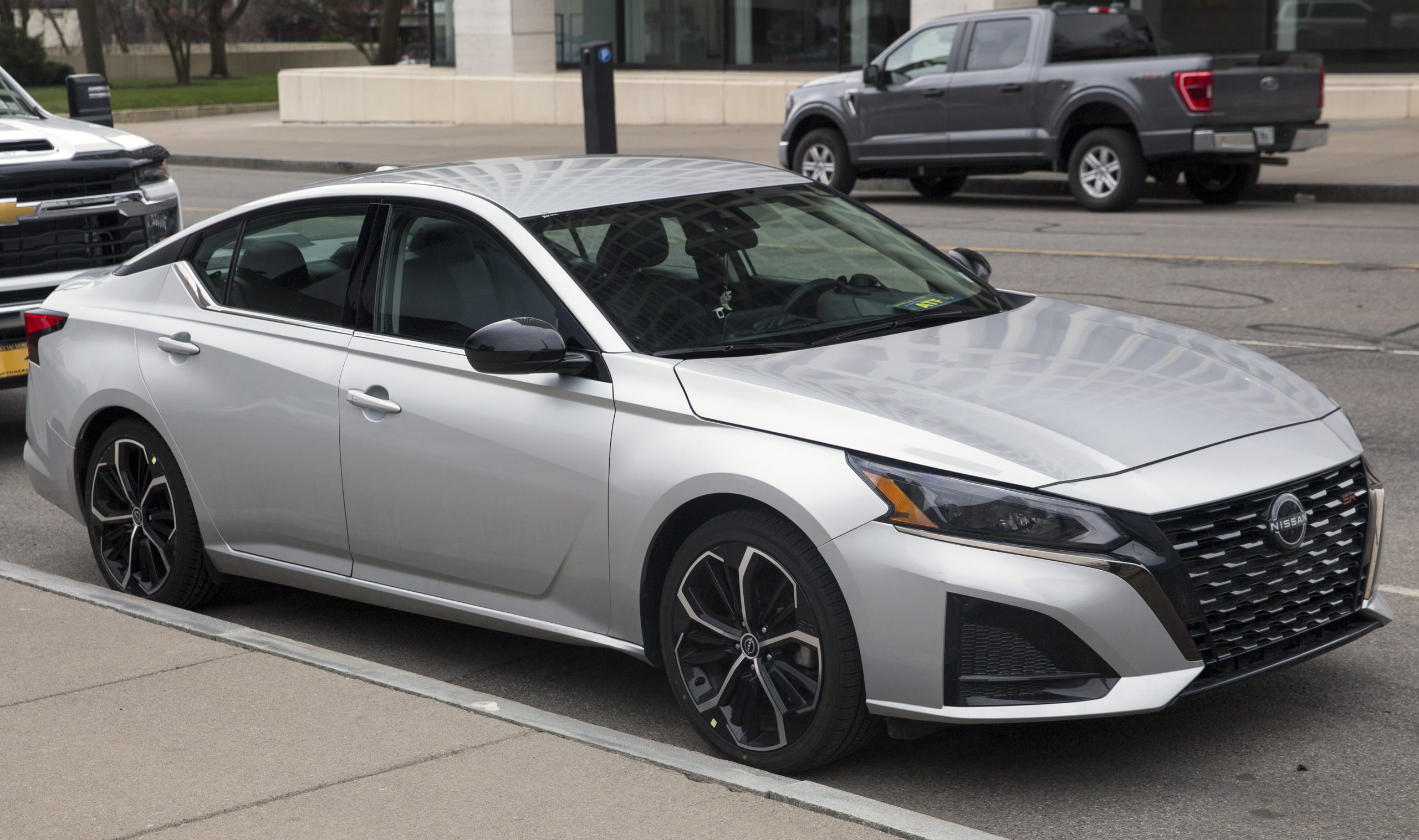
The Nissan Altima has built its reputation on being a dependable, well-rounded sedan that combines comfort, performance, and long-term reliability. With a starting price around $27,000, it remains an affordable option in the midsize sedan market while offering features that make it an appealing choice for both commuters and long-distance travelers.
Under the hood, the Altima comes with two capable engine options: a 2.5-liter inline-4 producing 188 horsepower and a more advanced 2.0-liter VC-Turbo engine delivering up to 248 horsepower. What makes these engines particularly noteworthy is their use of timing chains rather than timing belts.
Unlike rubber belts that require replacement every 80,000 to 100,000 miles, timing chains are made of metal and designed to last the lifetime of the engine. This significantly reduces maintenance demands and provides peace of mind to owners.
The placement of the timing chain inside the engine, where it is constantly lubricated by oil, enhances its durability and protects it from heat and external wear. However, like all engine components, the timing chain system does require proper upkeep.
Regular oil changes are critical to prevent excess wear on the chain and its tensioners. Ignoring oil maintenance can lead to tensioner failure, slack in the chain, and potential engine damage.
While timing chains rarely fail outright, drivers should remain alert to warning signs. A rattling or grinding noise, especially when starting the engine, often indicates a chain or tensioner issue.
Difficulty starting, engine misfires, or sluggish performance can also point to problems with timing chain alignment. Because the Altima’s engines are interference designs, a chain failure could cause pistons and valves to collide, leading to severe damage.
If issues are suspected, consulting the owner’s manual and having a professional mechanic inspect the engine is the best course of action. For most owners, though, the Altima’s chain-driven system ensures worry-free performance over hundreds of thousands of miles. This combination of efficiency, durability, and low maintenance makes the Nissan Altima one of the most dependable sedans in its class.
Also Read: 10 Cars That Rarely Fail Their Owners vs 10 That Constantly Disappoint
10 Cars With Timing Belts That Break Too Soon
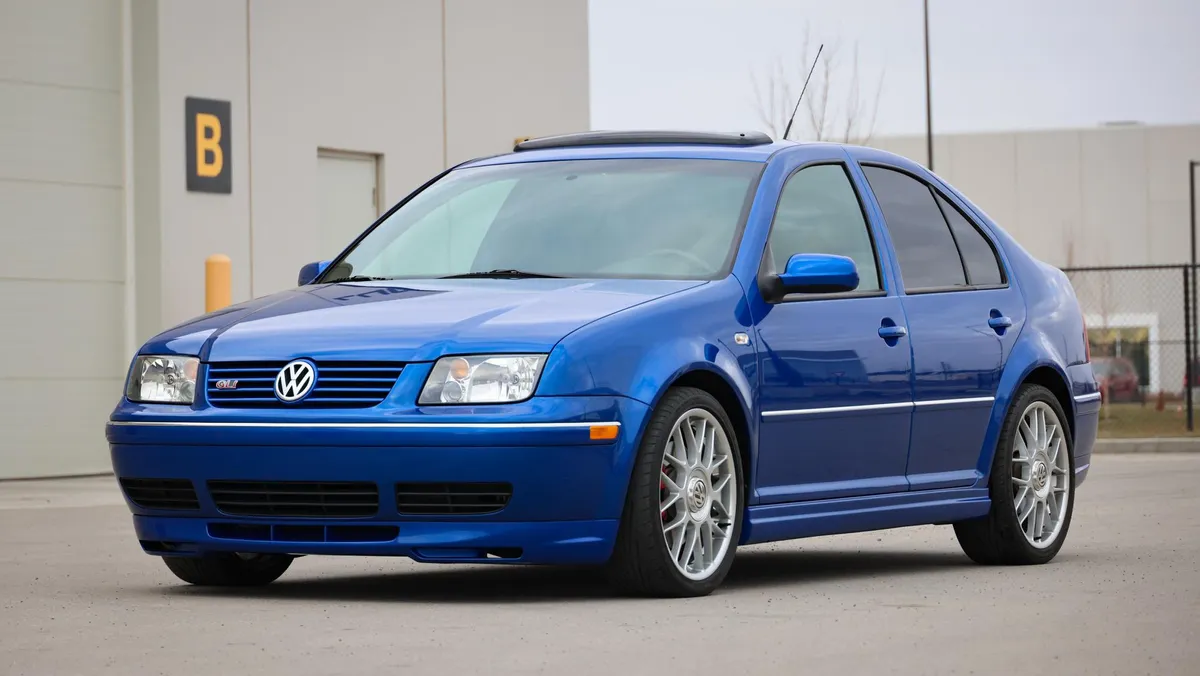
1. Volkswagen 1.8T (Early 2000s Models): A Balancing Act of Performance and Risk
In the early 2000s, Volkswagen’s 1.8T engine emerged as one of the most exciting four-cylinder options on the market. Compact, turbocharged, and full of tuning potential, it quickly became a favorite among drivers who wanted both everyday usability and a taste of European performance.
Yet beneath the praise, the 1.8T carried a hidden weakness that defined much of its long-term reputation: its fragile relationship with the timing belt.
The timing belt in the 1.8T was critical for engine operation, ensuring that the camshaft and crankshaft moved in perfect sync. Unfortunately, the belt was constructed from rubber composites, leaving it vulnerable to cracking and wear.
In an engine bay already running hotter than average due to the turbocharger, belt degradation often occurred more quickly than in non-turbo counterparts. Volkswagen recommended replacing the belt every 60,000 to 80,000 miles, but many owners, accustomed to more forgiving intervals on other cars, either stretched the schedule or ignored it altogether.
When that happened, the results were rarely minor. The 1.8T was built as an interference engine, which meant that pistons and valves occupied the same space at different times.
A snapped belt instantly destroyed this delicate rhythm, forcing the pistons into the valves with devastating consequences. Bent valves, ruined pistons, and shattered cylinder heads were common outcomes, and repair bills often soared into the thousands.
Even for those who followed the schedule, trouble was not entirely avoided. The belt’s supporting components, tensioners, and idler pulleys were known to fail prematurely. A failed pulley or tensioner could cause the belt to slip or jump teeth, throwing off the timing just as disastrously as a snapped belt.
Because of this, experienced mechanics urged owners to replace the entire timing system, not just the belt. However, the labor-intensive process and high cost meant many owners settled for partial repairs, leaving weak points behind.
Despite these notorious issues, the 1.8T remained popular with enthusiasts. Its balance of turbocharged excitement and relatively compact design made it a joy to drive and modify, and when properly maintained, it could deliver impressive longevity.
But this was never an engine for neglectful owners. Success with the 1.8T depended on strict discipline: timely belt replacements, careful attention to tensioners and pulleys, and unwavering commitment to preventative maintenance.
The legacy of the Volkswagen 1.8T is a study in contrasts. It symbolized innovation and fun at an accessible price point, but it also demanded an owner who respected its vulnerabilities.
For those who treated the timing system as seriously as the turbo boost, the 1.8T rewarded them with thrilling performance. For those who didn’t, it quickly became one of Volkswagen’s most expensive lessons in engine care.
2. Honda Civic (1990s–Early 2000s Models): Reliable but Demanding Timing Belt Care
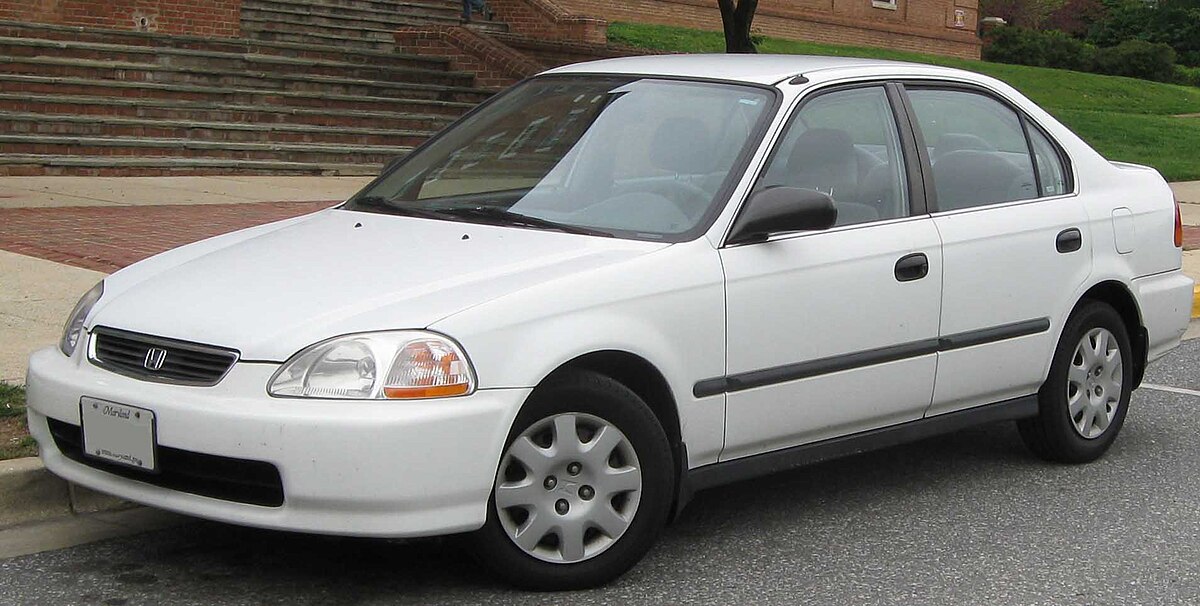
The Honda Civic has long been celebrated for its reliability, efficiency, and ability to run well past 200,000 miles. However, models from the 1990s and early 2000s equipped with timing belts reveal one caveat to that reputation: the necessity of diligent belt maintenance.
For these engines, Honda typically recommended timing belt replacement between 60,000 and 90,000 miles, depending on the year and variant. While reliable when serviced on schedule, neglect often led to costly problems that tarnished the otherwise bulletproof image of the Civic.
The Civic’s engines in this era were compact, high-revving, and efficient, but those same traits put extra strain on the timing belt. Oil leaks in the engine bay were another frequent issue.
When rubber belts are exposed to oil, they soften, crack, or lose structural integrity, making them far more likely to fail before reaching their recommended service life. Combined with harsh driving conditions or skipped maintenance, premature belt wear was not uncommon.
The consequences of failure were severe. The Civic’s engines were interference designs, meaning pistons and valves occupied overlapping spaces at different times. If a timing belt snapped or slipped, the synchronization vanished and pistons slammed into valves, bending or breaking them and sometimes damaging the cylinder head.
Repairs from such failures often cost more than the value of an older used Civic, which is why many mechanics stressed preventative maintenance as non-negotiable.
Even when belts didn’t break, problems arose from failing components in the timing system. Tensioners, which keep the belt taut, could weaken or seize, allowing the belt to slip or misalign.
Because of this, experienced mechanics recommended replacing the tensioner and water pump along with the timing belt, since these parts shared the same service interval and could shorten the new belt’s life if left unattended.
Owners who purchased used Civics without maintenance records often discovered the risks firsthand. Many reported unexpected failures when the belt had clearly been left untouched for too long. The lesson was clear: the Civic could indeed live up to its reputation for longevity, but only when timing belt care was taken seriously.
For drivers willing to follow Honda’s guidelines, replacing the belt, water pump, and tensioner every 60,000 to 100,000 miles, fixing leaks promptly, and inspecting the system regularly, the Civic remained as dependable as advertised. But for those who ignored the belt, one of the most reliable cars of its generation could quickly become an expensive liability.
The Subaru EJ25 engine, found in popular models like the Legacy and Outback during the early 2000s, has long been admired for its boxer design and dependable performance. However, what stands out just as much as its strengths is its vulnerability to timing belt issues that have sidelined many of these engines over the years.
Unlike newer Subaru engines that employ durable timing chains, the EJ25 relied on rubber timing belts. On paper, the 105,000-mile replacement interval offered by Subaru seemed generous, but in practice, the belts often deteriorated earlier.
The risk wasn’t just inconvenience; the EJ25 is an interference engine, meaning a failed belt often causes pistons to strike valves, resulting in bent components and potentially catastrophic damage to the cylinder head.
Part of the problem lies in the engine’s unique layout. The horizontally opposed boxer design routes the timing belt around several pulleys in a complex configuration. This puts extra stress on both the belt and its supporting hardware.
Tensioners and idler pulleys were known weak points, sometimes wearing down or failing altogether, which caused the belt to slip or jump teeth. In many cases, the engine would begin to run rough or misfire before suffering a complete breakdown.
Oil leaks only amplified the risks. Camshaft and crankshaft seals in these engines could seep oil onto the belt, softening the rubber and accelerating degradation. Owners who neglected to fix leaks or delayed belt replacements found themselves facing expensive engine repairs far sooner than expected.
Compounding matters was the high cost of servicing the EJ25. Replacing the timing belt was labor-intensive, often discouraging owners from doing the job on time. Yet skipping or delaying the work turned out to be far costlier in the long run, as a broken belt could damage the top end of the engine.
Subaru specialists often recommend a more aggressive maintenance approach: replacing not just the timing belt, but also tensioners, idler pulleys, and the water pump during each service. This all-in-one method minimizes weak links in the system and ensures the engine continues to operate reliably.
Ultimately, the EJ25 is a classic Subaru engine that rewards attentive ownership. For those who respect its maintenance needs, it delivers the brand’s hallmark durability and character. For those who don’t, its timing belt system has too often proven an expensive Achilles’ heel.
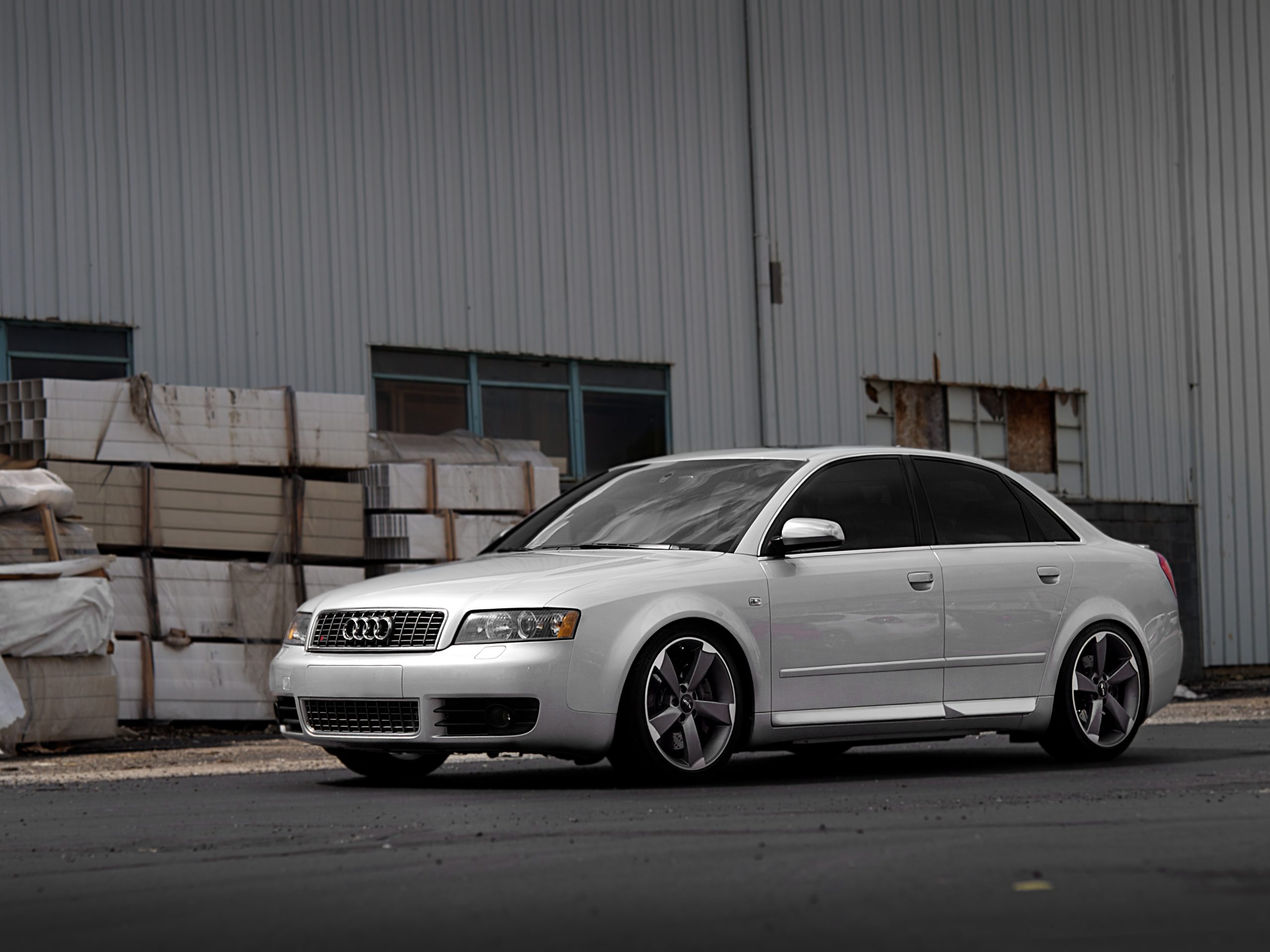
4. Audi A4 B5/B6 1.8T: Performance Meets a Costly Weakness
When Audi released the B5 and B6 A4 models with the 1.8T engine, they quickly became favorites among drivers who valued turbocharged performance and sharp handling. Yet, hidden beneath that appeal was a weak spot that owners soon learned to fear: the timing belt.
The 1.8T relies on a rubber timing belt to synchronize its camshaft and crankshaft. In itself, that isn’t unusual. The problem lies in the fact that this is an interference engine, meaning a failed belt causes pistons and valves to collide violently. The result? Bent valves, damaged pistons, and repair bills that can rival the car’s resale value.
What makes matters worse is the operating environment. Turbocharged heat and engine stress accelerate belt wear. Add to that the historically fragile timing belt tensioner, which has been known to lose grip or fail prematurely, and you have a recipe for early belt failures. In many cases, issues appeared even before the official service interval was reached.
Owners who delayed maintenance or relied on lower-quality replacement parts were often the hardest hit. Reports of brittle, stretched, or broken belts are common, particularly in cars without a well-documented service history. And when failure strikes, it rarely comes with much warning.
Replacing the timing belt system isn’t simple either. The job is labor-intensive, requiring the removal of key engine components, which inflates repair costs. Audi specialists strongly recommend replacing the entire system: the belt, tensioner, idler pulleys, and water pump in one go. Skipping any part of that process risks another failure down the road.
Despite these headaches, the B5 and B6 A4 models haven’t lost their charm. Enthusiasts still admire the 1.8T’s blend of responsiveness and tuning potential. But the reality is clear: owning one means respecting its maintenance needs. With meticulous care and timely timing belt service, the A4 1.8T can still deliver the rewarding drive that made it so popular in the first place.
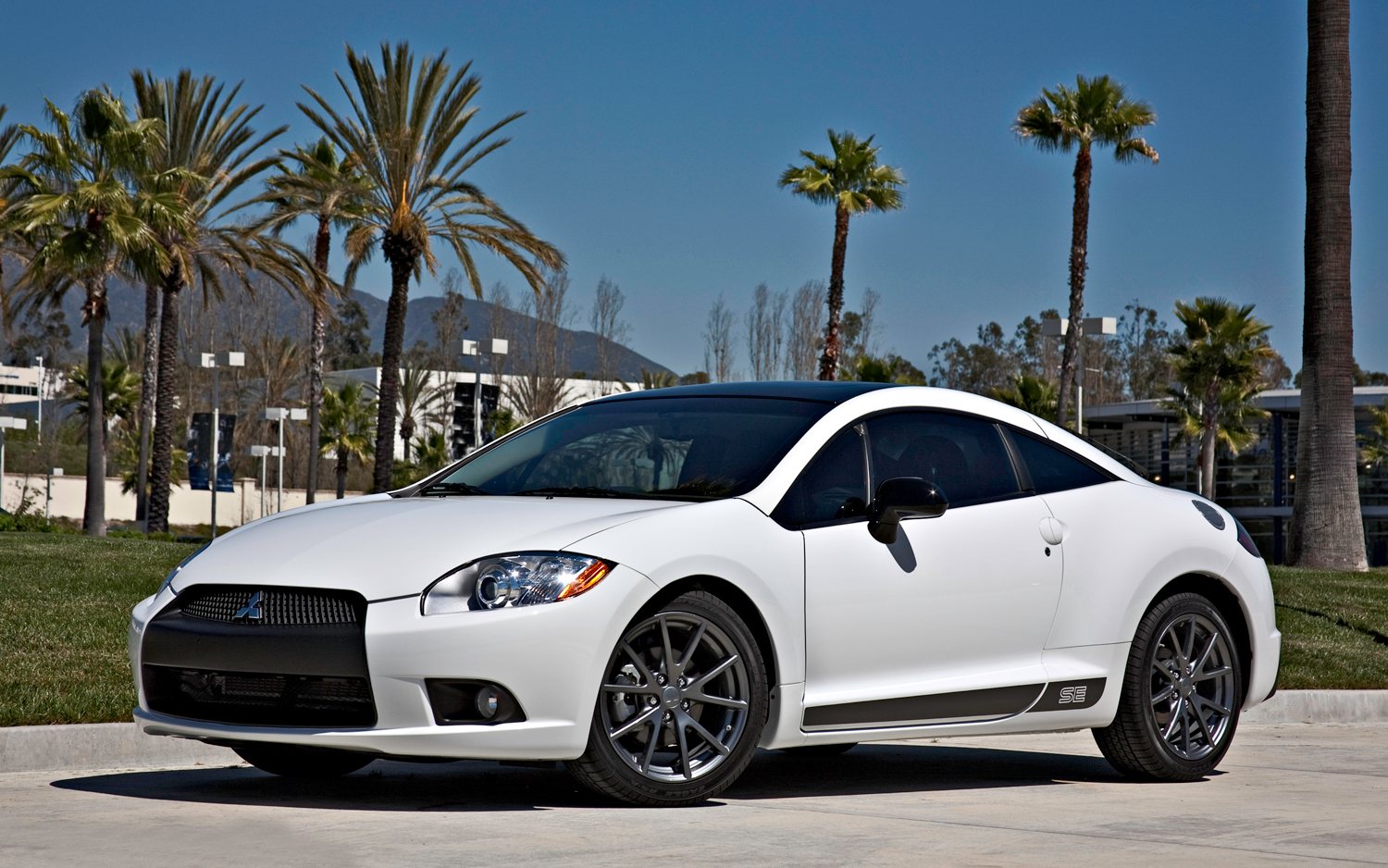
5. Mitsubishi Eclipse (Early 2000s): Performance With a Price
The early 2000s Mitsubishi Eclipse, particularly those powered by the 4G63 engine, carved out a reputation among enthusiasts as a fun, turbocharged performer. Unfortunately, that same engine became equally well-known for a major weakness: timing belt failures that could devastate the motor.
The 4G63 uses a belt-driven system in an interference engine design, which leaves no room for error. If the timing belt slips or breaks, the valves and pistons collide, resulting in bent valves, damaged pistons, and repair costs that often exceed the car’s value. This is not just an inconvenience; it’s a catastrophic failure waiting to happen if maintenance is neglected.
Several factors made timing belts in these Eclipses particularly vulnerable. The turbocharged environment generates extreme heat and higher RPM stress, both of which accelerate wear on the rubber belt. Compounding the issue, tensioner failures were not uncommon. A weak or failing tensioner could cause the belt to lose its grip, skip teeth, or snap prematurely, leaving drivers stranded with major engine damage.
Adding to the risk, oil leaks were another common enemy. Seals near the belt often seeped oil, which would soak into the rubber and speed up its breakdown. For owners unaware of these leaks or slow to fix them, the likelihood of a belt failure increased dramatically.
Mitsubishi recommended belt replacement every 60,000 to 90,000 miles, but in reality, many Eclipses required more frequent attention, especially if driven aggressively. Skipping or delaying service intervals proved costly, as many owners learned the hard way. Smart mechanics also advise replacing the belt alongside the tensioner, idler pulleys, and water pump, since each plays a critical role in the system’s reliability.
Despite its notorious maintenance demands, the Eclipse remains a cult favorite, particularly in turbocharged trims that highlight the 4G63’s performance potential. For enthusiasts willing to respect the timing belt’s limitations and follow a strict service schedule, the Eclipse delivers an exciting and rewarding drive. For those who don’t, however, the risk of catastrophic engine damage is always lurking.
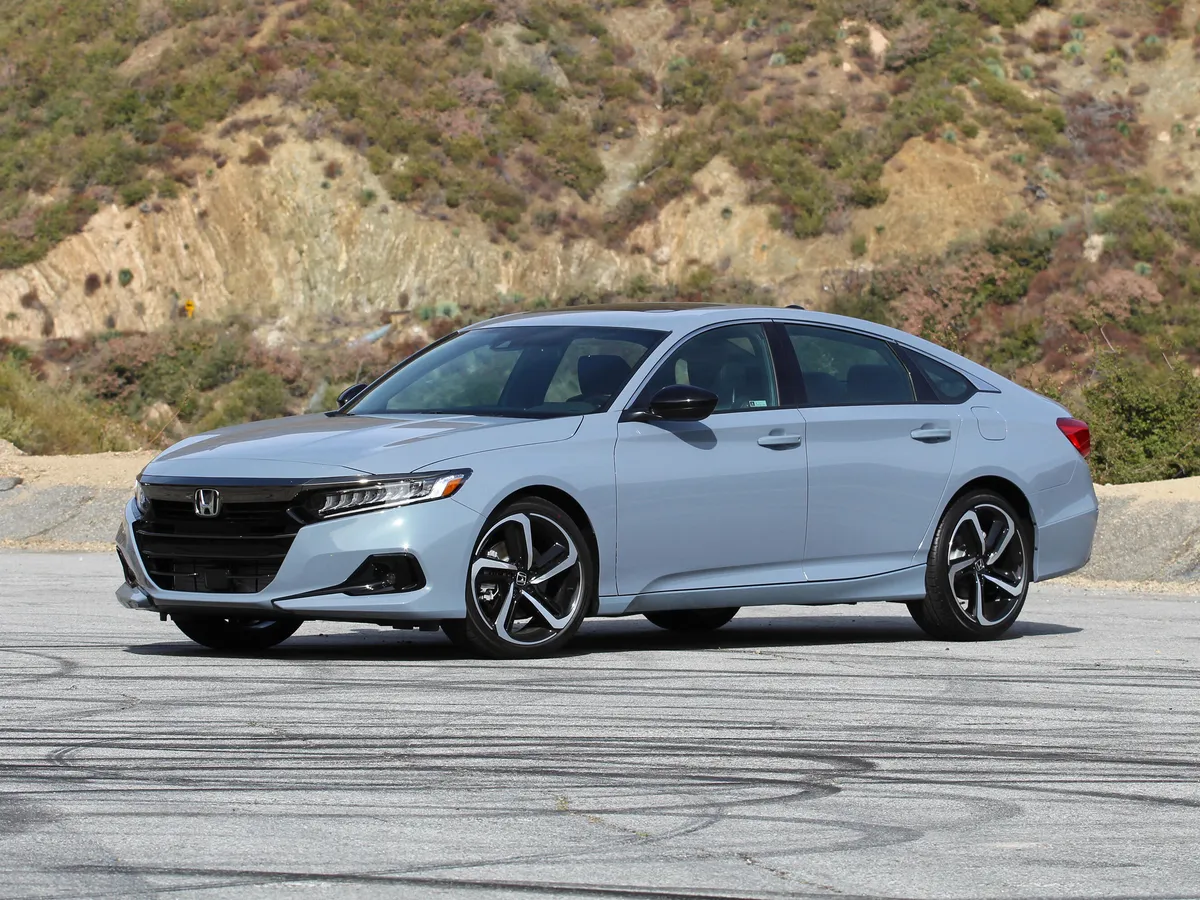
6. Honda Accord: Longevity With Timing Belt Concerns
The Honda Accord has been a cornerstone of the American mid-size car market for decades, celebrated for its reliability, comfort, and ability to last several hundred thousand miles when properly maintained. Yet, despite its stellar reputation, certain Accord engines, especially V6 models from 2017 and earlier, carry a well-documented risk: timing belt failures and related tensioner issues.
At the core of the problem is the timing belt tensioner, which relies on a spring to maintain the correct tension on the belt. Over time, this spring can weaken or fail, causing the belt to slip.
In interference engines such as those used in many Accords, this slip can result in the pistons striking the valves, leading to catastrophic and costly engine damage. Beyond tensioner problems, the belt itself is prone to deterioration with age and mileage, requiring regular replacement to prevent failure.
Drivers often receive early warnings when the timing belt system begins to fail. Common symptoms include ticking or rattling noises from the engine, misfires, rough idling, or, in more severe cases, the engine stalling suddenly or failing to start altogether. These signs indicate the belt may be stretched, slipping, or in danger of breaking, all scenarios that can end in major engine repairs if ignored.
Timing belts are made of rubber compounds reinforced with fibers, which inevitably degrade over time. Exposure to heat, friction, and oil leaks accelerates this process, leading to stiffness, cracking, or the wearing down of teeth.
In the Accord’s V6 engines, failures are compounded by weak tensioners that may lose strength before the belt itself is due for replacement. The combination of an aging belt and a faulty tensioner greatly increases the risk of sudden failure.
The key to avoiding catastrophic failure in a Honda Accord is preventative maintenance. Honda recommends replacing the timing belt at intervals of roughly 60,000 to 100,000 miles, depending on the model and engine type.
Importantly, when replacing the timing belt, mechanics advise changing the tensioner, idler pulleys, and water pump at the same time. Because all these components work together, leaving old parts in place can undermine the effectiveness of a new belt. Water pump wear, for instance, can directly impact belt life and the engine’s cooling system, making a comprehensive replacement the safest strategy.
For owners seeking replacements, specific timing belt kits are available based on model years and engines. Examples include the 2435-0329 kit for 2008–2017 Accord V6 3.5L engines and the 2435-0286 kit for 1998–2002 Accord V6 3.0L engines. Many kits also come bundled with water pumps to ensure complete servicing in one repair session.
While the Honda Accord remains one of the most reliable and best-selling sedans in America, its longevity depends heavily on proper care of the timing belt system.
Ignoring replacement schedules or failing to service related components like the tensioner and water pump can turn a dependable family car into an expensive repair project. For owners, vigilance and adherence to maintenance schedules are essential to keep the Accord’s reputation for long-lasting reliability intact.
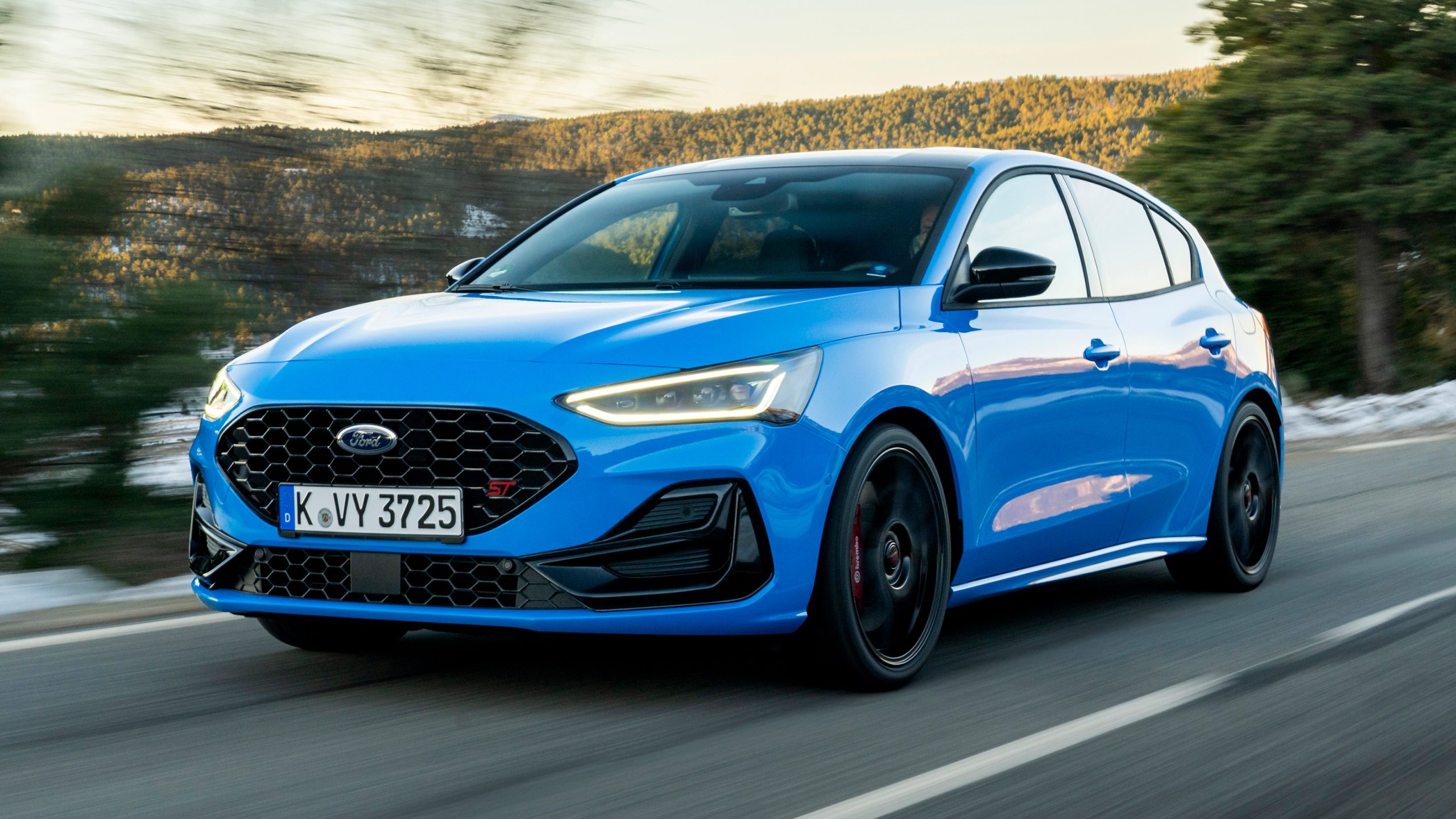
7. Ford Focus: Timing Belt Issues and Maintenance Essentials
The Ford Focus, particularly its first-generation models from 2000 to 2004, became one of the world’s best-selling compact cars thanks to its affordability, practicality, and reliability. Many of these early models are still on the road today, but as with any aging vehicle, timing belt maintenance is one of the most critical concerns for owners.
The majority of Focus models from this era were equipped with timing belts rather than timing chains. These belts, constructed from rubber compounds reinforced with fibers, naturally deteriorate over time. Cracking, stiffness, or worn-down teeth are common signs of aging. High mileage only accelerates wear, while environmental heat, oil contamination, or poor maintenance can shorten a belt’s life even further.
Fortunately for owners, the first-generation Ford Focus features a non-interference engine. This means that if the timing belt fails, the pistons and valves will not collide, sparing the engine from catastrophic internal damage. While a belt failure still leaves the car inoperable, repair costs are far lower compared to interference engines.
Several warning signs indicate that a Focus timing belt may be failing. Drivers might notice ticking or rattling noises from the engine, misfires, or rough running performance. In some cases, overheating or a complete failure to start can point to belt wear or breakage. These symptoms should never be ignored, as prompt repair can prevent secondary damage and expensive repairs.
Timing belt failures in the Ford Focus are linked to several factors:
- Age and wear: Even low-mileage belts can deteriorate as the rubber becomes brittle over time.
- Tensioner issues: A worn or failing tensioner can allow slack in the belt, leading to skipping teeth or misalignment.
- Water pump problems: Since the water pump is often driven by the timing belt, cooling system issues can shorten the lifespan of both components.
- Lack of maintenance: Delayed inspections or failure to follow replacement intervals increase the risk of failure.
Preventive maintenance is the most effective way to keep a Ford Focus running reliably. Experts recommend replacing the timing belt every 60,000 to 100,000 miles, depending on driving conditions and service history. It’s also strongly advised to replace related components, particularly the tensioner, idler pulleys, and water pump, during the same service window. Neglecting these parts can undermine the reliability of a new belt.
Several timing belt kits are available for first-generation Ford Focus models, including component-only kits and complete kits with water pumps. For example, kits like 2425-1294 and 3425-1294 are designed specifically for the 2.0L L4 engines used between 2000 and 2004. Choosing a full kit ensures that all critical parts are replaced together, reducing the likelihood of future failures.
The Ford Focus remains a beloved daily driver with a loyal following, but timing belt maintenance is a key factor in its long-term dependability. While the non-interference design provides a safety net against catastrophic engine damage, a failed timing belt still results in costly inconvenience.
By addressing wear early, replacing related components, and performing routine inspections, Focus owners can ensure their vehicles continue to deliver reliable service for years to come.
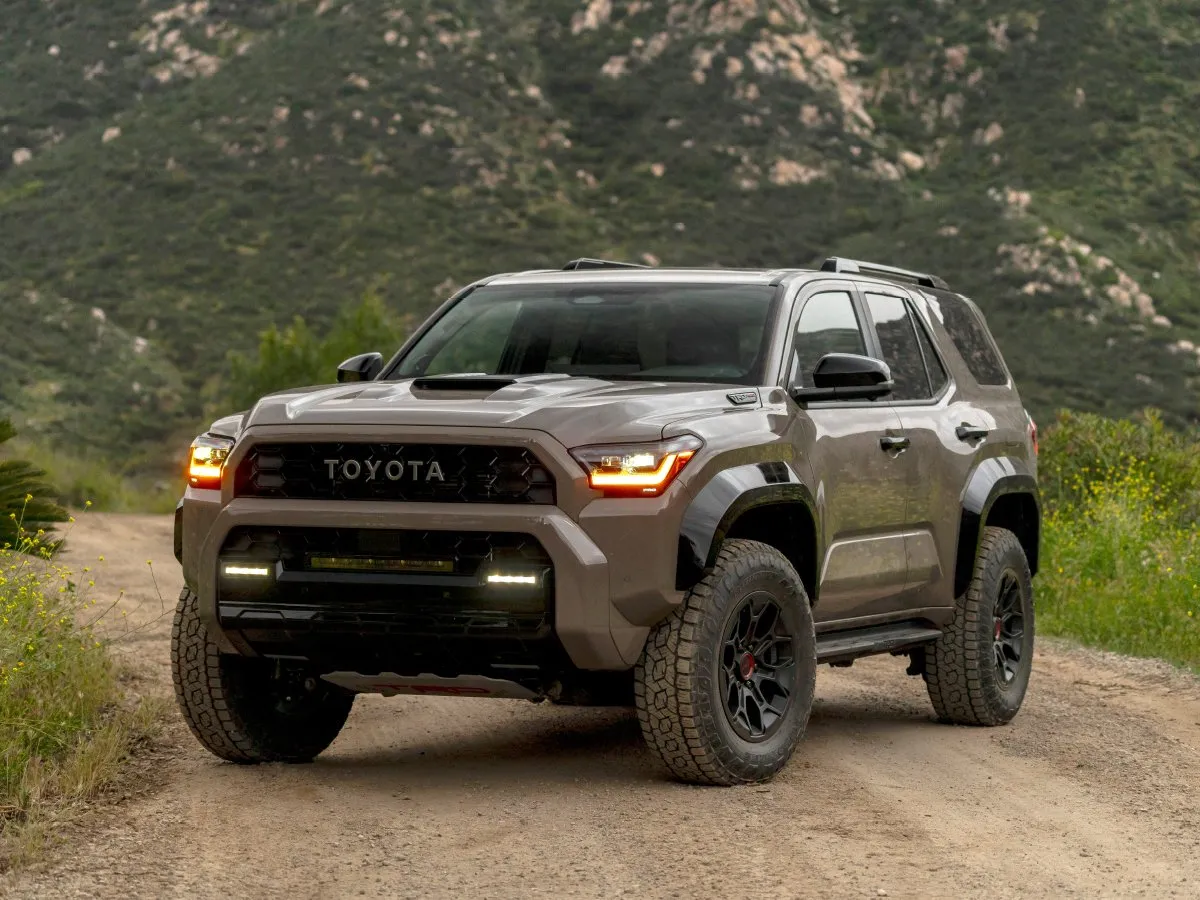
8. Toyota 4Runner: Timing Belt Wear and Maintenance Essentials
The Toyota 4Runner has long been celebrated as one of the most durable and capable SUVs on the road. Known for its rugged build and loyal following, it is a vehicle that many owners keep for several hundred thousand miles, testing both its on-road comfort and off-road resilience.
Like all vehicles that rely on timing belts, however, the 4Runner requires regular attention to this crucial component, particularly in models produced in 2009 or earlier. Newer 4Runners have transitioned to timing chains, which are designed to last the life of the engine, but older versions rely on belts that wear down over time.
The timing belt in a Toyota 4Runner is responsible for synchronizing the camshaft and crankshaft so that the engine’s valves and pistons move in perfect harmony. Over time, the rubber compound used in the belt becomes brittle, losing flexibility and developing cracks.
The teeth of the belt, which mesh with the sprockets, also wear down gradually through thousands of miles of use. While this wear is normal, a failed timing belt will leave the SUV stranded without warning.
Fortunately, unlike many vehicles that use interference engines, 4Runners equipped with timing belts are designed with non-interference engines.
This means that if the belt breaks, the valves and pistons will not collide, sparing the engine from catastrophic internal damage. Even so, a failed belt can be an expensive and inconvenient repair, particularly if it happens far from home or on a trail.
There are several symptoms drivers might notice when a timing belt begins to deteriorate. These can include ticking or rattling noises coming from the engine, misfiring or rough running during normal driving, overheating, or a complete inability to start.
Each of these signs indicates that the timing belt or its related components, such as the tensioner, may be failing. A tensioner that has lost its strength can allow the belt to slip or loosen, which disrupts the engine’s timing and can eventually lead to the belt breaking altogether.
Another factor that shortens belt life is neglect of the cooling system. Since the water pump is often replaced alongside the timing belt, failing to maintain the cooling system properly can place additional strain on the belt and the pump, accelerating wear.
Toyota recommends replacing the timing belt at intervals of roughly ninety to one hundred thousand miles. When performing this service, it is strongly advised that owners replace not just the belt itself but also the tensioner, water pump, and associated pulleys.
Replacing the entire system together prevents premature failure and ensures years of reliable performance. Toyota and aftermarket manufacturers provide complete replacement kits tailored to specific model years and engine configurations, making it easier for owners and mechanics to perform the job correctly.
The Toyota 4Runner is renowned for its ability to last far beyond the average vehicle lifespan, but this durability depends on consistent care. Timing belts do not fail earlier in 4Runners than they do in other vehicles, but as these SUVs age, the combination of high mileage, worn components, and neglected maintenance can create serious problems.
By replacing the belt, water pump, and tensioner at the proper intervals and maintaining the cooling system diligently, owners can avoid sudden breakdowns and keep their 4Runners running strong for decades.
9. Subaru Forester: Timing Belt Reliability and Maintenance
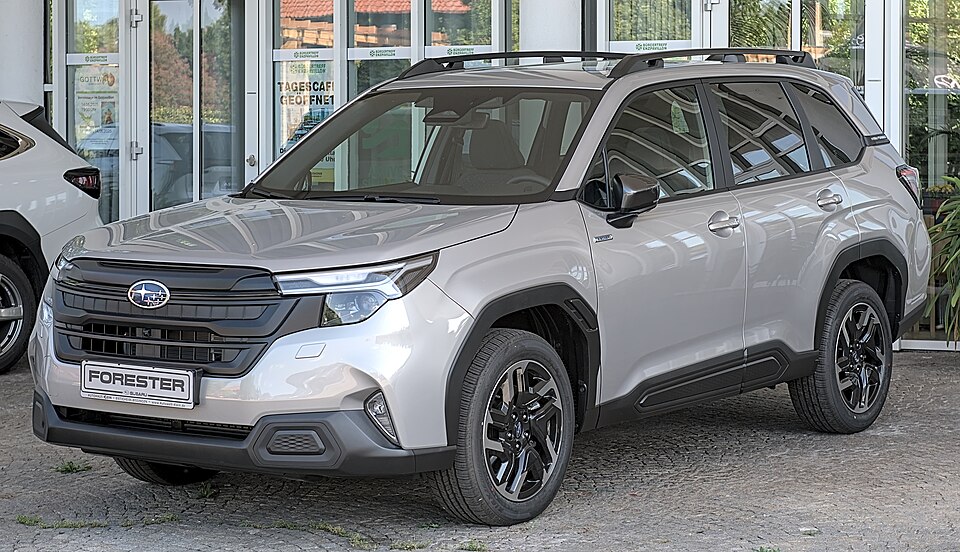
The Subaru Forester has long been a favorite among outdoor enthusiasts and families who appreciate its reliability, all-weather performance, and long-lasting engines. Many Forester owners keep their vehicles well beyond 200,000 miles, often putting them through demanding conditions.
Like most vehicles equipped with timing belts, however, these models are not immune to timing system wear and failure. For owners of 2013 or older Subaru Foresters, understanding the role of the timing belt, recognizing the symptoms of failure, and maintaining the system properly are crucial to preserving the life of the engine.
The timing belt in a Subaru Forester synchronizes the movement of the camshaft and crankshaft so the valves and pistons work together without interference. Over time, the belt experiences normal wear from heat, friction, and constant motion. Its rubber compound gradually loses flexibility and can begin to crack with age.
The belt’s teeth, which mesh with the sprockets, also wear down after years of use. This natural degradation is expected, but because Subaru Foresters with timing belts use interference engines, a failed belt has severe consequences.
In an interference engine, if the belt breaks, the valves and pistons collide, resulting in bent valves, damaged pistons, and often catastrophic engine failure.
Symptoms of a failing timing belt often appear before a complete breakdown. Owners may notice ticking or rattling noises from the engine, misfires, rough running, overheating, or even failure to start. While these issues can stem from other sources, they frequently signal timing belt deterioration or tensioner problems.
The tensioner is a vital component that maintains the belt’s proper tension. If it wears out or fails, the belt can slip or lose synchronization, accelerating wear and raising the risk of sudden failure. Oil leaks around the belt area can also contaminate and weaken the rubber, further shortening its lifespan.
Because of these risks, preventative maintenance is the best defense. Subaru typically recommends replacing the timing belt at scheduled intervals, and many mechanics strongly advise replacing the tensioner, idler pulleys, and water pump at the same time.
This is not only efficient, since the components are located in the same area, but it also ensures that related parts with similar lifespans are refreshed together. Neglecting to replace the water pump during a timing belt service, for example, can lead to cooling system problems that put additional stress on the belt and engine.
Replacement kits are widely available for different model years of the Subaru Forester, including complete sets with belts, pulleys, and water pumps. These kits simplify the process of performing a comprehensive service rather than piecemeal repairs. Although replacing a timing belt is a labor-intensive and sometimes costly procedure, it is far less expensive than rebuilding or replacing an engine after a failure.
The Subaru Forester has earned its reputation for durability, but longevity depends heavily on responsible ownership. Timing belt issues are not unique to Subaru; they are common to all vehicles equipped with belts.
Still, because of the interference engine design, Forester owners must be especially diligent about belt inspection and replacement. Addressing timing belt maintenance at the recommended intervals, while replacing the tensioner and water pump simultaneously, ensures the vehicle remains as dependable on the trail as it is on the highway.
10. Chrysler PT Cruiser (2.4L Engine): A Timing Belt Challenge
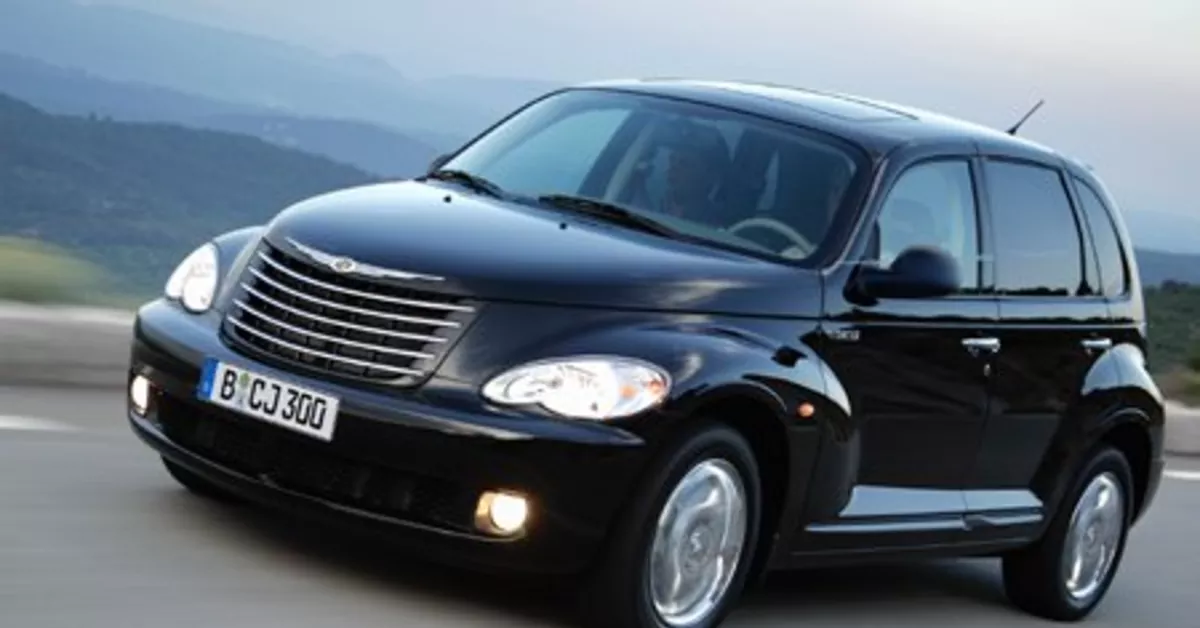
The Chrysler PT Cruiser, powered by the 2.4L engine, has always sparked strong opinions among drivers. Its retro-inspired styling and versatile wagon layout earned it a loyal following, but behind the charm lies a maintenance hurdle that owners cannot afford to ignore: the timing belt.
Unlike some engines that can survive a snapped belt with minimal damage, the PT Cruiser’s 2.4L is an interference engine. This means that if the belt fails, valves and pistons collide, often resulting in catastrophic damage and an unusable engine. To prevent this, Chrysler specifies a timing belt replacement every 60,000 miles, a far shorter interval than many competitors.
The real frustration for owners isn’t just the frequency, but the cost and complexity of the job. The PT Cruiser’s cramped engine bay makes the replacement notoriously difficult. Even seasoned mechanics face challenges accessing and removing components, which drives labor costs sky-high. It’s not uncommon for a timing belt service to exceed $900, an eye-watering expense for a vehicle originally marketed as affordable.
This issue compounds when shopping for used PT Cruisers. Many available models are already past the recommended service interval, meaning buyers must verify maintenance records carefully. A skipped belt change isn’t just a minor oversight—it’s a ticking time bomb that could turn a budget-friendly purchase into a costly mistake.
For current owners, the takeaway is clear: staying on top of timing belt maintenance isn’t optional. Setting aside funds for this service and planning ahead can extend the life of the car and avoid devastating engine failure. While the PT Cruiser offers practicality, unique styling, and a devoted fan base, its engine design did not age gracefully when it comes to maintenance demands.
In the end, owning a PT Cruiser means embracing both its quirks and its challenges. If cared for properly, it can still deliver reliable miles, but neglecting its timing belt is a gamble that few wallets can withstand.
The timing belt may not be the flashiest part of a car, but it’s one of the most vital for keeping your engine running smoothly. As we’ve seen, some vehicles are built with timing belts that can endure high mileage with minimal issues, while others carry reputations for unexpected failures that can leave drivers stranded and wallets drained.
Understanding which cars fall into each category empowers you to plan ahead, whether that means investing in a model with proven longevity or budgeting for earlier replacements if you already own a risk-prone vehicle. Ultimately, car ownership is about balancing performance, reliability, and maintenance costs.
By knowing the strengths and weaknesses of timing belts across different makes and models, you can drive with greater confidence and avoid unpleasant surprises. Remember, staying proactive with maintenance today often saves you from expensive headaches tomorrow.
Also Read: 10 Cars Known For Smooth Ride Quality vs 10 That Become Bumpy Messes
