Not all sedans are created equal when it comes to quietness and long-term refinement. Some maintain a serene cabin, smooth ride, and composed driving experience even after years and high mileage, while others gradually succumb to rattles, buzzing panels, and intrusive road or wind noise.
The difference often lies in engineering, materials, and attention to detail factors that determine how well a vehicle ages. In this article, we explore “5 Sedans That Stay Quiet At High Mileage vs 5 That Get Noisy,” highlighting the qualities that make a sedan enduringly comfortable versus those that make long-term driving fatiguing.
From superior noise insulation and vibration-dampening components to robust suspension design and well-sealed interiors, quiet sedans show how thoughtful construction can preserve refinement. In contrast, sedans that rely on lightweight materials, limited soundproofing, or cost-focused designs often develop creaks, rattles, and mechanical noises as mileage rises.
Understanding these patterns helps buyers make smarter choices, prioritizing vehicles that remain composed and pleasant over time rather than those that simply impress in the showroom.
5 Sedans That Stay Quiet At High Mileage
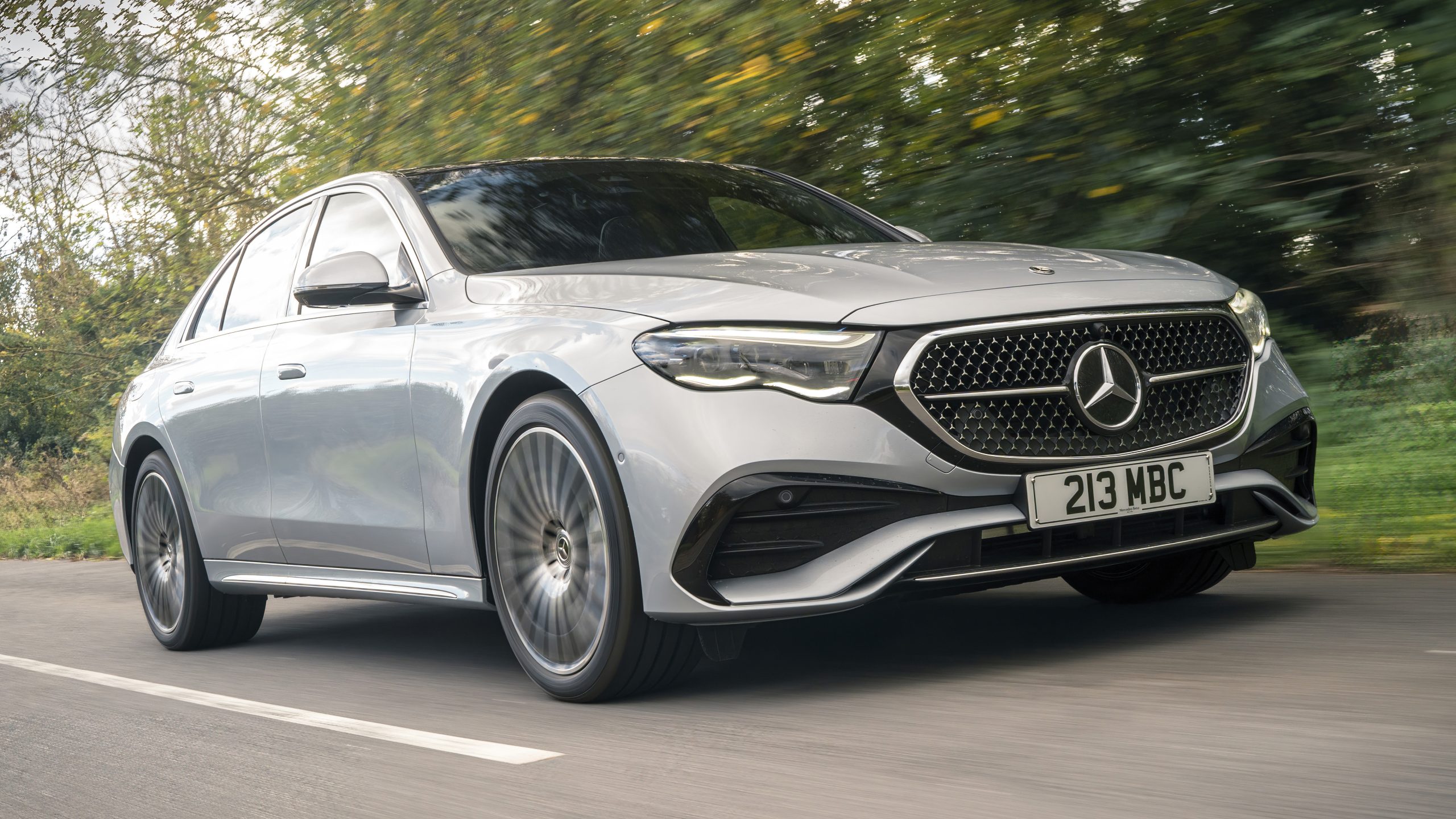
1. Mercedes-Benz E-Class: Quiet Luxury and Refined Driving
The Mercedes-Benz E-Class is a mid-size executive sedan that combines comfort, technology, and performance. Renowned for its quiet and luxurious cabin, the E-Class maintains a serene driving experience even in high-mileage models, making it ideal for long-term ownership.
The E-Class offers engines that balance power with smoothness. Inline-six and V6 engines feature advanced vibration damping and engine bay insulation, minimizing mechanical noise in the cabin. The nine-speed automatic transmission delivers nearly imperceptible shifts, contributing to a refined driving experience.
The four-cylinder E 350 performs adequately, though it can feel strained at higher speeds, while the six-cylinder E 450 accelerates to 60 mph in just 4.7 seconds, impressing with its responsiveness and smoothness.
The AMG E 53 variant pushes performance further with a plug-in hybrid powertrain producing 577 horsepower and an electric driving range of up to 42 miles. Upgrades such as rear-wheel steering, sport-tuned suspension, beefed-up brakes, and wider fenders enhance handling and cornering agility.
The E-Class is built for tranquility. Thick carpets, sound-deadening panels, acoustic window glass, and precision door seals reduce road and wind noise. Durable suspension bushings and mounts absorb vibrations, preventing rattles even after extensive use. Optional Airmatic suspension with adaptive dampers further smooths the ride, delivering comfort over rough or uneven roads.
Seats are soft and supportive, providing comfort for long drives, while cabin noise remains impressively low. The climate control system may struggle under extreme heat, but it does not significantly detract from the cabin’s serene atmosphere.
The E-Class interior is both elegant and tech-forward. The driver’s seat and steering wheel offer extensive adjustability, allowing a tailored driving position. Rear passengers have reasonable space, though taller individuals may find it slightly snug compared to competitors like the BMW 5 Series.
Technology is a highlight. The MBUX infotainment system includes bright displays, comprehensive navigation, and advanced voice controls. Optional features, such as the Burmester 4D surround-sound system, deliver premium audio quality. Some controls have a learning curve, and touch-sensitive steering wheel buttons can be distracting at first, but the system offers a modern and versatile user experience.
The E-Class balances style with practicality. The trunk fits several suitcases, and folding rear seats accommodate longer items. Interior storage spaces, including lined door pockets, hold everyday items efficiently. Child safety seats can be installed easily using clearly marked Isofix anchors.
Fuel economy varies by model. The E 350 4Matic achieved 25.9 mpg on our test route, slightly below the EPA estimate of 27 mpg, while the E 450 surpassed its rating with 28.6 mpg.
The E-Class is priced higher than rivals like the Audi A6 or BMW 5 Series, but its build quality, materials, and refined driving experience justify the premium. The four-year/50,000-mile warranty is standard, covering both bumper-to-bumper and powertrain components. The E 450, with its more powerful engine and smooth ride, represents the best combination of performance and comfort within the lineup.
The Mercedes-Benz E-Class delivers a compelling mix of quiet luxury, refined driving, and advanced technology. Whether choosing the efficient E 350, the more powerful E 450, or the high-performance AMG E 53, drivers benefit from a serene cabin, smooth handling, and premium features. Its enduring comfort, practicality, and sophisticated design make the E-Class a standout option in the luxury sedan segment.
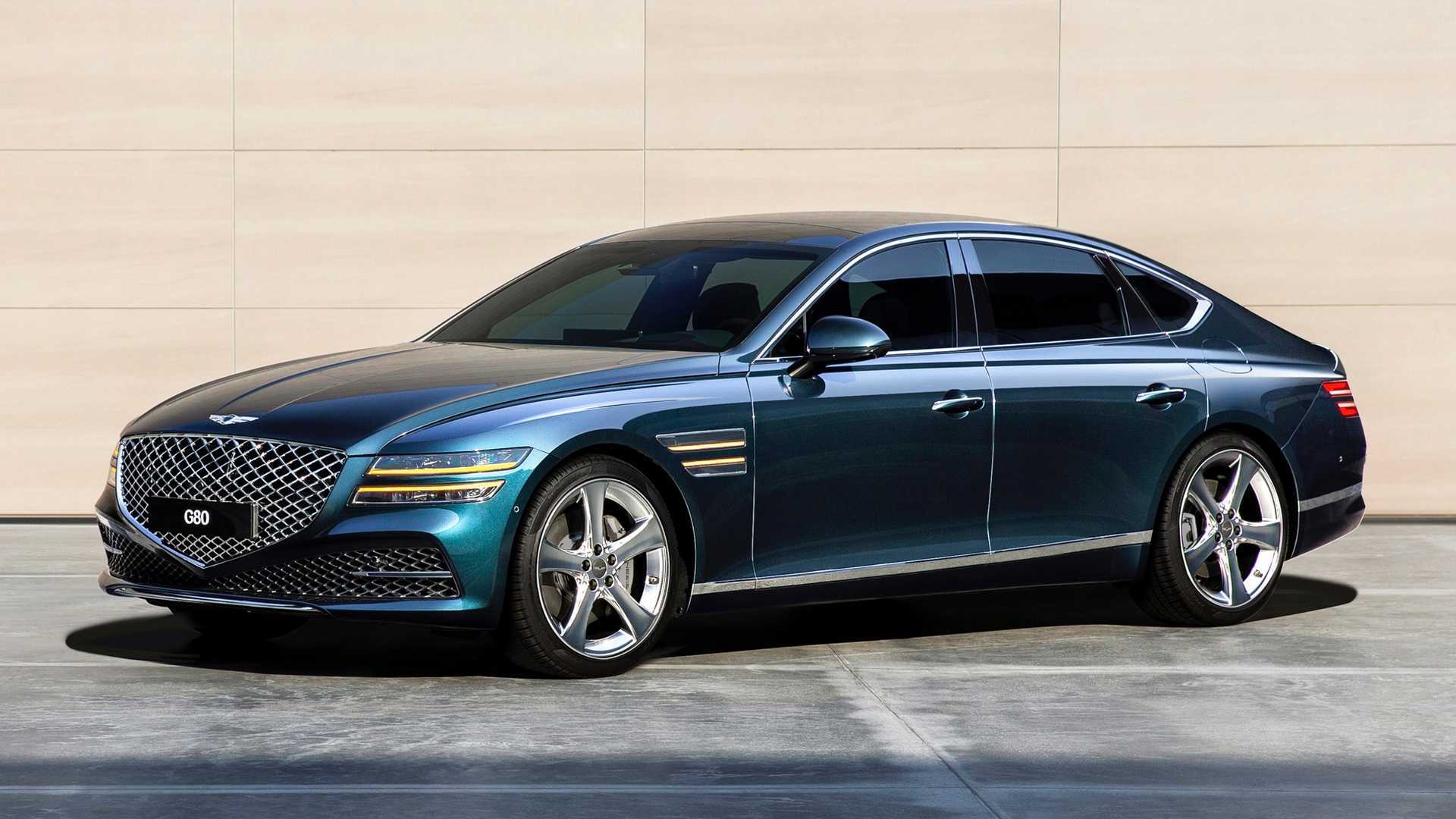
2. Genesis G80: Quiet Luxury and Refined Comfort
The Genesis G80 is Hyundai’s midsize luxury sedan, offering a premium experience focused on quietness, comfort, and quality. Advanced noise-reduction technologies, high-grade materials, and careful engineering allow the G80 to remain calm and composed even after high mileage, making it a compelling option for buyers seeking a long-lasting luxury sedan.
The G80’s engines deliver smooth, quiet performance. The V6 powertrain features sound insulation and vibration damping to minimize engine and transmission noise. Gear shifts are seamless and free from rattles or clunks, contributing to a serene driving experience.
Optional road-scanning suspension in the 3.5T Sport Prestige adjusts damping in advance of bumps, creating a cushioned and controlled ride. While the G80 is not designed for sporty driving, its stability and composed handling make it a comfortable cruiser for daily commuting and highway driving.
The cabin is designed for tranquility. Doors, floors, and firewall include thick soundproofing materials, while acoustic glass helps block wind noise. Door seals maintain a tight fit over time, preventing rattles and squeaks.
Suspension bushings and chassis mounts absorb vibrations, and the chassis is engineered to minimize creaks, preserving a quiet environment even on rough roads. These features ensure the cabin remains insulated from external noise, supporting a relaxing driving experience.
The G80’s interior is luxurious and sophisticated. Nearly every surface is covered with leather, open-pore wood, or soft-touch materials, creating a refined, upscale atmosphere. Front seats provide extensive adjustments, while rear outboard seats feature side bolsters for passenger stability.
Taller backseat passengers may need to watch for the sloping roofline and panoramic sunroof. The touch-sensitive climate controls require focus, and the infotainment dial can be confusing due to its similarity to the transmission selector. Despite these minor quirks, the cabin provides a high level of comfort for both driver and passengers.
The 2025 G80 comes with a 27-inch OLED screen that combines the driver information display and central touchscreen. Menus are intuitive with large, easy-to-use buttons. Navigation works reliably, although suggested routes may not always be the fastest.
Standard tech features include wireless Apple CarPlay and Android Auto, a wireless charging pad, four USB-C ports, and digital key functionality. Advanced driver-assist systems are standard, providing safety features that are optional on many luxury competitors.
The trunk offers 13.1 cubic feet of space, deep and wide enough for several suitcases. Interior storage is generous, with bins and trays throughout the cabin, including a large compartment under the front armrest. The 2025 model removed the hideaway storage at the base of the center stack, but the G80 still provides practical storage for everyday use.
Performance emphasizes comfort rather than sportiness. The turbocharged V6 is adequate for daily driving but does not match the acceleration or handling of German rivals.
Fuel economy varies by engine: the four-cylinder is rated at 24 mpg combined, while the V6 achieves 19 mpg combined. Real-world testing of the 3.5T Sport Prestige averaged 18.8 mpg, which is lower than competitors such as the Mercedes E 450 or BMW 540i.
The G80 delivers value through high-quality materials, advanced features, and a long warranty. Even higher trims include driver-assist technologies that are optional on other luxury sedans.
Top trims approach the price of German rivals, but the G80 offers a serene, comfortable, and feature-rich experience that makes it an attractive alternative for buyers prioritizing quietness, comfort, and refinement.
The Genesis G80 combines a quiet cabin, smooth ride, refined interior, and upscale design. It prioritizes comfort and practicality over sporty thrills, making it an excellent choice for buyers seeking a midsize luxury sedan that excels in serenity, quality, and long-term usability.
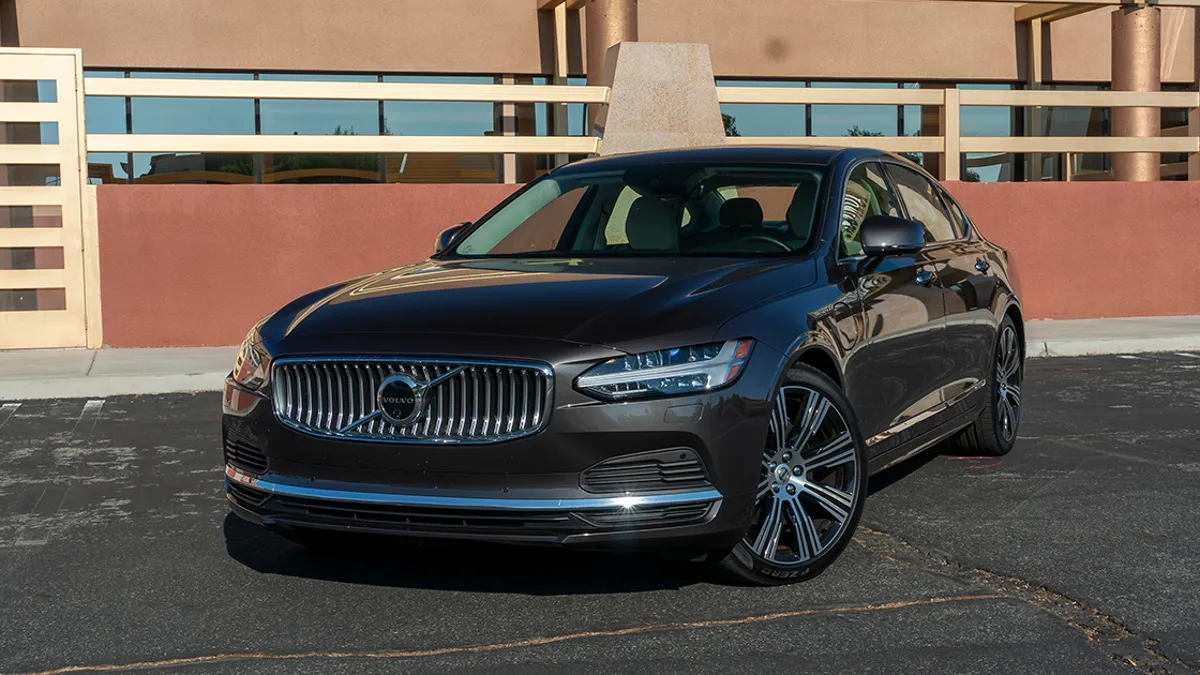
3. Volvo S90: Quiet, Safe, and Refined
The Volvo S90 is a luxury sedan that emphasizes comfort, safety, and a serene cabin environment. Known for its quiet ride and strong build quality, the S90 maintains composure even after high mileage, insulating passengers from engine, road, and wind noise. Its blend of technology, comfort, and refinement makes it a strong contender in the midsize luxury sedan segment.
The S90 is engineered for quiet and smooth operation. Advanced engine mounts and vibration-absorbing components reduce engine and transmission noise, while the transmission shifts seamlessly without clunks or harshness. The chassis and suspension use durable bushings and mounts to absorb vibrations, minimizing rattles and squeaks.
The plug-in hybrid T8 AWD variant delivers 455 horsepower and up to 38 miles of electric-only range, offering smooth acceleration and confident highway passing while keeping the ride composed. Steering is light and direct, aiding maneuverability, though it lacks road feel, reinforcing the sedan’s focus on comfort rather than sportiness.
The S90’s interior is spacious and well-appointed. Seats are soft yet supportive, wrapped in high-quality leather, and offer extensive adjustability. Heated and ventilated seats are available for both front and rear passengers, enhancing comfort in all conditions.
Rear legroom is generous, accommodating taller passengers with ease, though the sloping roofline slightly affects headroom. Climate control is effective and operates quietly, contributing to a calm cabin atmosphere. Entry and exit require a small climb due to the low seating position, but wide doors make it manageable.
Volvo integrates technology thoughtfully into the S90. The vertically oriented touchscreen consolidates most controls, while Google integration, including Google Maps and Google Assistant, simplifies navigation and voice commands. The audio system provides clear and powerful sound without distortion.
Standard driver-assist features include blind-spot warning and automatic emergency braking, enhancing safety. While some controls are nested within multiple touchscreen menus, the system remains intuitive and complements the luxury experience.
Passenger space is generous, but cargo capacity is limited. The trunk measures 13.5 cubic feet and is wide and low for easy loading, with rear seats folding in a 60/40 split to expand storage.
Interior storage is modest, with a shallow center console and functional door pockets. Installing child seats is straightforward due to the abundant rear space and easily accessible anchors. The S90 prioritizes passenger comfort and convenience over extensive cargo space.
The S90 T8 AWD plug-in hybrid delivers a strong combination of power and efficiency. The electric range covers up to 38 miles before transitioning to hybrid operation, and the system meets or exceeds EPA estimates in real-world driving.
While the sedan is not designed for sporty driving, acceleration is smooth and sufficient for daily driving, highway passing, and commuting. The ride quality remains composed, making long drives comfortable.
The S90 offers excellent value for its features, materials, and performance. The cabin is well-crafted with leather, wood, and soft-touch surfaces. Standard driver-assist technology adds safety without extra cost.
Volvo provides a four-year/50,000-mile warranty, four years of unlimited-mileage roadside assistance, and three years/36,000 miles of free maintenance, surpassing coverage from many competitors.
The Volvo S90 excels at creating a serene, safe, and comfortable driving environment. Its quiet cabin, upscale interior, and advanced safety systems make it an ideal choice for buyers who prioritize comfort, refinement, and long-term usability over sporty handling or maximum cargo space.
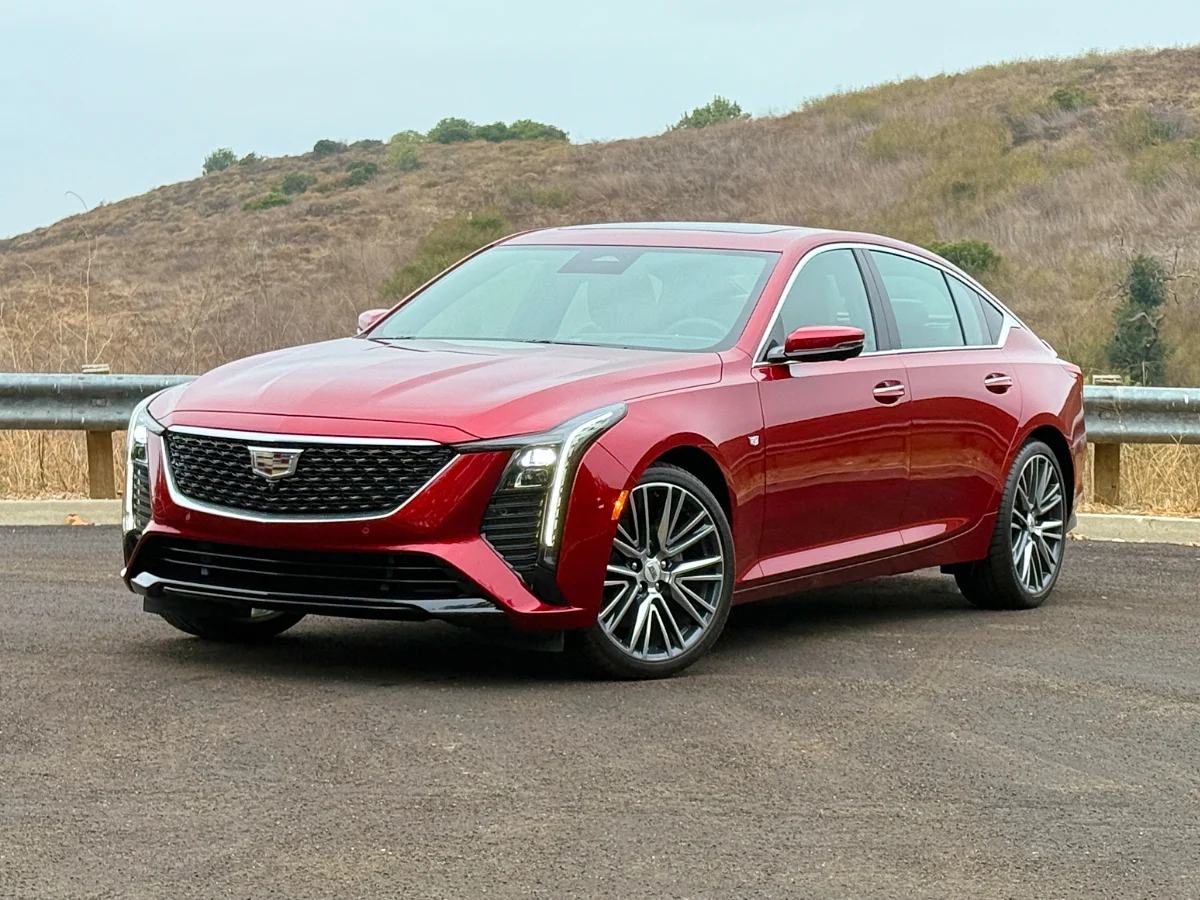
4. Cadillac CT5: Quiet Luxury with Modern Tech
The Cadillac CT5 is a midsize luxury sedan that emphasizes comfort, quietness, and refined driving. Cadillac’s focus on noise reduction and engineering ensures the CT5 remains composed even after high mileage. Drivers often note the cabin stays silent thanks to advanced insulation, well-damped engines, and durable chassis components.
The CT5 offers turbocharged engines engineered for smooth, quiet operation. Advanced engine mounts dampen vibration, while transmissions shift seamlessly without clunks or rattles, helping maintain cabin quietness over time.
The turbocharged V6 produces 335 horsepower, accelerating from 0 to 60 mph in 5.5 seconds, delivering respectable performance for a midsize luxury sedan. The 10-speed automatic transmission keeps engine revs steady, and the auto stop-start system is unobtrusive. While the CT5 is not a sport sedan, its handling is stable and confident, and the suspension provides competent road control.
Cadillac prioritizes comfort, but the CT5’s ride quality has limitations. Front and rear seats are supportive and comfortable, but the suspension can feel stiff over bumps, especially on non-Sport trims. Choosing the adaptive suspension in the Sport trim improves ride smoothness.
Climate control is fast-acting, and seat heaters work well, though fans can be louder than expected. Cabin insulation, thick door panels, and acoustic glass help maintain a quiet environment, ensuring the CT5 feels serene at highway speeds.
The CT5 interior benefits from a modern design and functional layout. The 33-inch curved digital display unifies infotainment and driver information, offering intuitive operation. Climate and driver-assist controls are easy to reach, and the touchscreen can also be operated via a dial.
Rear headroom is tight due to the sloping roofline, but front occupants enjoy generous space. The Super Cruise hands-free driving system works well on mapped highways, while adaptive cruise control, lane-keeping assistance, and other driver aids function reliably. Wireless Apple CarPlay and Android Auto are standard, and multiple USB ports provide convenience for charging devices.
The CT5 has limited cargo space, with an 11.9-cubic-foot trunk, smaller than many rivals. The rear seats fold in a 60/40 split to increase usability, and interior storage is generous for a luxury sedan, with ample bins, cupholders, and a vertical wireless charger.
Installing child seats is straightforward thanks to accessible anchors and sufficient rear legroom. The cabin balances passenger comfort with practical storage solutions for daily use.
Fuel economy depends on engine choice. The base engine achieves around 27 mpg combined, while the V6 with all-wheel drive delivers about 21 mpg. Real-world testing of the V6 rear-wheel-drive model produced approximately 21 mpg, confirming that EPA estimates are achievable, though efficiency is not class-leading.
The CT5 offers strong value with a long list of standard features and a lower option cost compared with some competitors. Build quality is good, though not class-leading, with some interior materials feeling less premium than expected. Cadillac provides a four-year/50,000-mile basic warranty and a six-year/70,000-mile powertrain warranty, offering competitive coverage for buyers seeking peace of mind.
The Cadillac CT5 blends quietness, refined driving, and modern technology. It excels at providing a serene cabin and intuitive infotainment, though ride quality can be firm on rough roads. Its combination of luxury, features, and performance makes it an attractive option for buyers who value a comfortable, well-equipped midsize sedan.
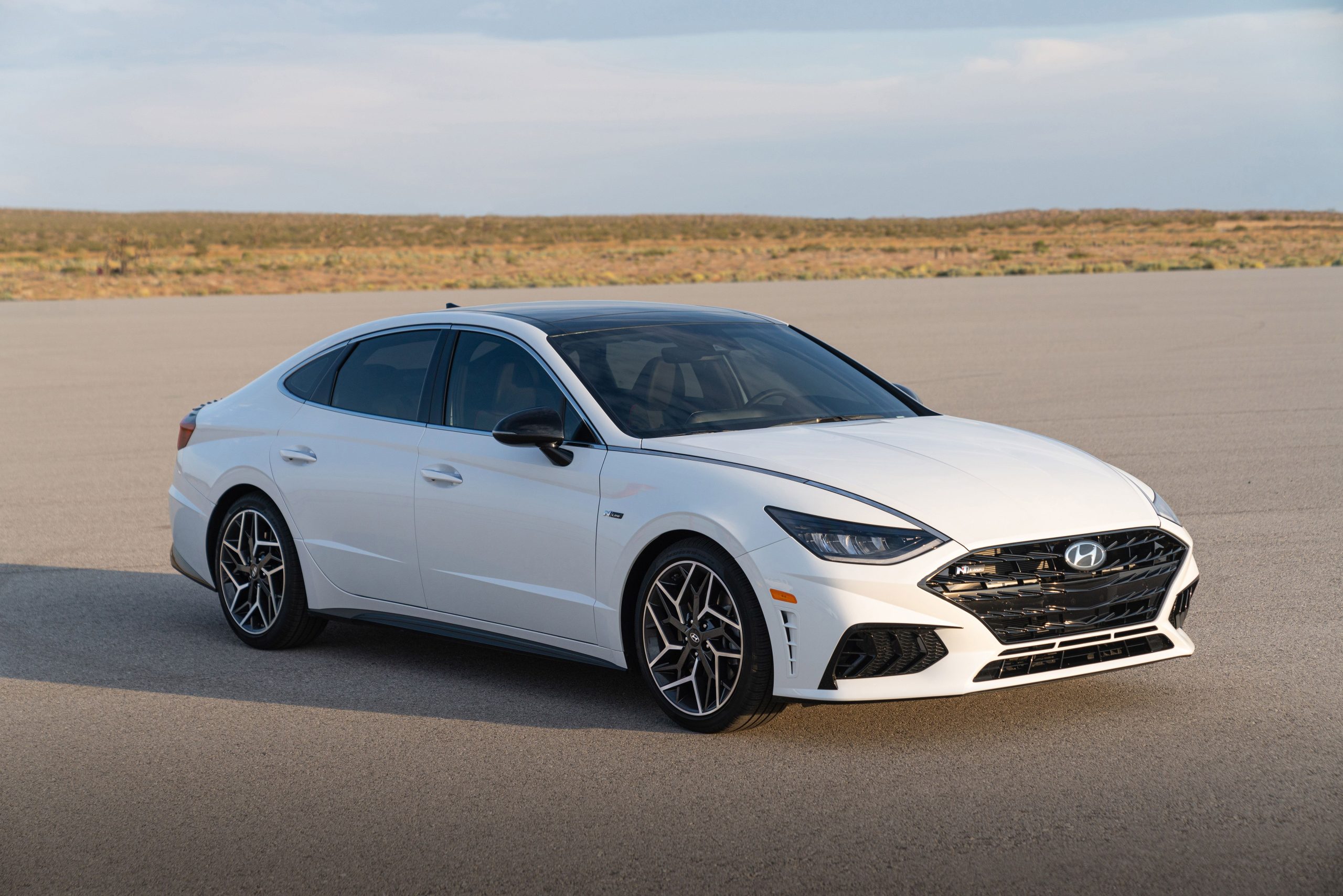
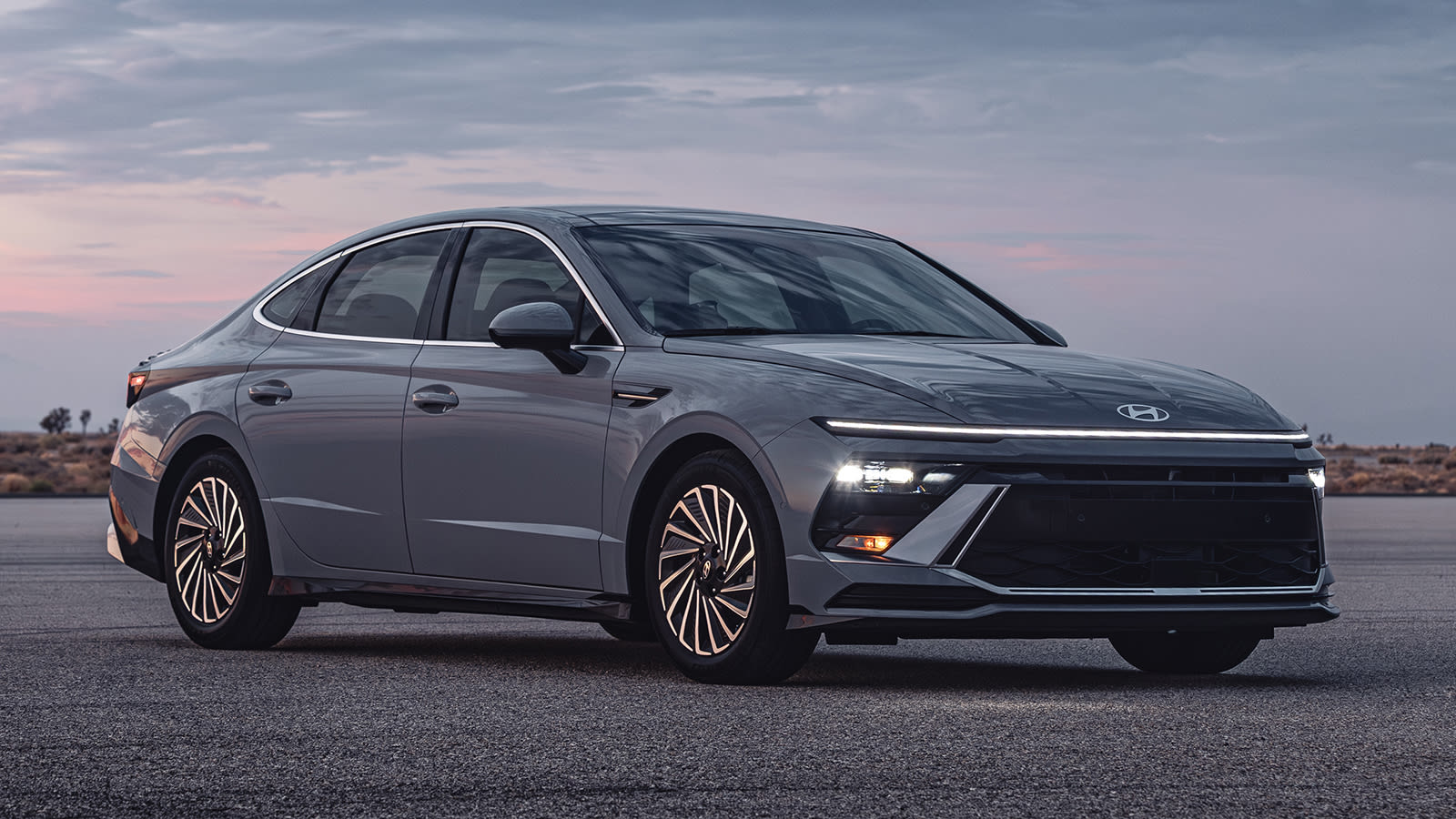
5. Hyundai Sonata: Quiet, Practical, and Efficient
The Hyundai Sonata is a midsize sedan that emphasizes quietness, comfort, and practicality. Through improved noise insulation and durable mechanical components, the Sonata remains serene even after accumulating high mileage. Its calm cabin and smooth driving characteristics make it a strong choice for daily commuting or long-distance travel.
The Sonata’s engines are engineered for smooth operation, with vibration isolators and sound-absorbing engine covers minimizing mechanical noise. Automatic transmissions shift seamlessly, avoiding the gear noise typical of aging vehicles.
For drivers seeking performance, the Sonata N Line offers a turbocharged 2.5-liter four-cylinder engine with 290 horsepower, delivering spirited acceleration and a sportier driving experience. The Sonata Hybrid, by contrast, is designed for efficiency and comfort.
Acceleration off the line feels strong, though it tapers at higher speeds, covering 0–60 mph in 8.3 seconds during testing. Braking is smooth and adequate for emergency situations, while the steering can feel remote, highlighting the sedan’s focus on comfort rather than sporty handling.
The Sonata cabin is designed to balance comfort and control. Front seats are shaped well, though some testers found the padding slightly firm on long drives. Rear outboard seats are cushioned, but the middle seat is stiff.
Suspension tuning absorbs road imperfections effectively, keeping ride quality composed even on uneven surfaces. Climate control is strong and efficient, providing quick cabin temperature adjustments. Road and wind noise is noticeable at higher speeds, but not intrusive, contributing to a relatively serene driving environment.
Interior space is generous for both front and rear passengers, with a wide range of seat and steering wheel adjustments allowing drivers to find a comfortable position. Visibility is good to the front and sides, though rear visibility is somewhat limited due to sloping rooflines and thick pillars.
The Sonata’s tech is advanced and user-friendly, featuring a 12.3-inch responsive touchscreen, intuitive on-screen menus, and seamless smartphone integration via wireless Apple CarPlay and Android Auto. Advanced driver-assist systems are comprehensive, working in concert to enhance safety, while sideview cameras assist during lane changes.
The Sonata offers practical storage for everyday needs. The trunk is deep and wide, with easy access, and hybrid battery placement minimally impacts cargo space. Rear-seat access levers enhance convenience, and the interior has multiple storage areas, including a center console capable of holding phones, passes, and small items.
Installing child safety seats is possible, though lower anchors are somewhat buried, requiring minor effort. Cupholders and bins are well-sized, accommodating larger bottles and personal items.
Fuel efficiency is a highlight of the Sonata Hybrid. EPA estimates the combined city/highway fuel economy at 47 mpg. In testing, the Sonata Hybrid exceeded expectations, achieving just over 51 mpg. This efficiency puts the Sonata in line with, or slightly ahead of, other top-performing midsize hybrid sedans, making it an attractive choice for drivers focused on fuel savings.
The Sonata provides strong value through feature content, fuel efficiency, and reliability. Hyundai offers a five-year/60,000-mile bumper-to-bumper warranty and a 10-year/100,000-mile powertrain warranty, giving buyers peace of mind.
Interior and exterior quality is solid, though some materials, such as dashboard plastics, feel less premium than competitors. Despite this, the Sonata delivers a well-rounded package that balances quietness, comfort, technology, and efficiency at a competitive price.
The Hyundai Sonata excels as a practical, quiet, and fuel-efficient midsize sedan. Its balance of comfort, technology, and long-term reliability makes it suitable for drivers who value a calm cabin, strong warranty coverage, and sensible performance, with the Sonata N Line offering an added punch for enthusiasts.
Also Read: 5 Cars That Look Cheap But Last Long and 5 That Don’t
5 Sedans That Get Noisy
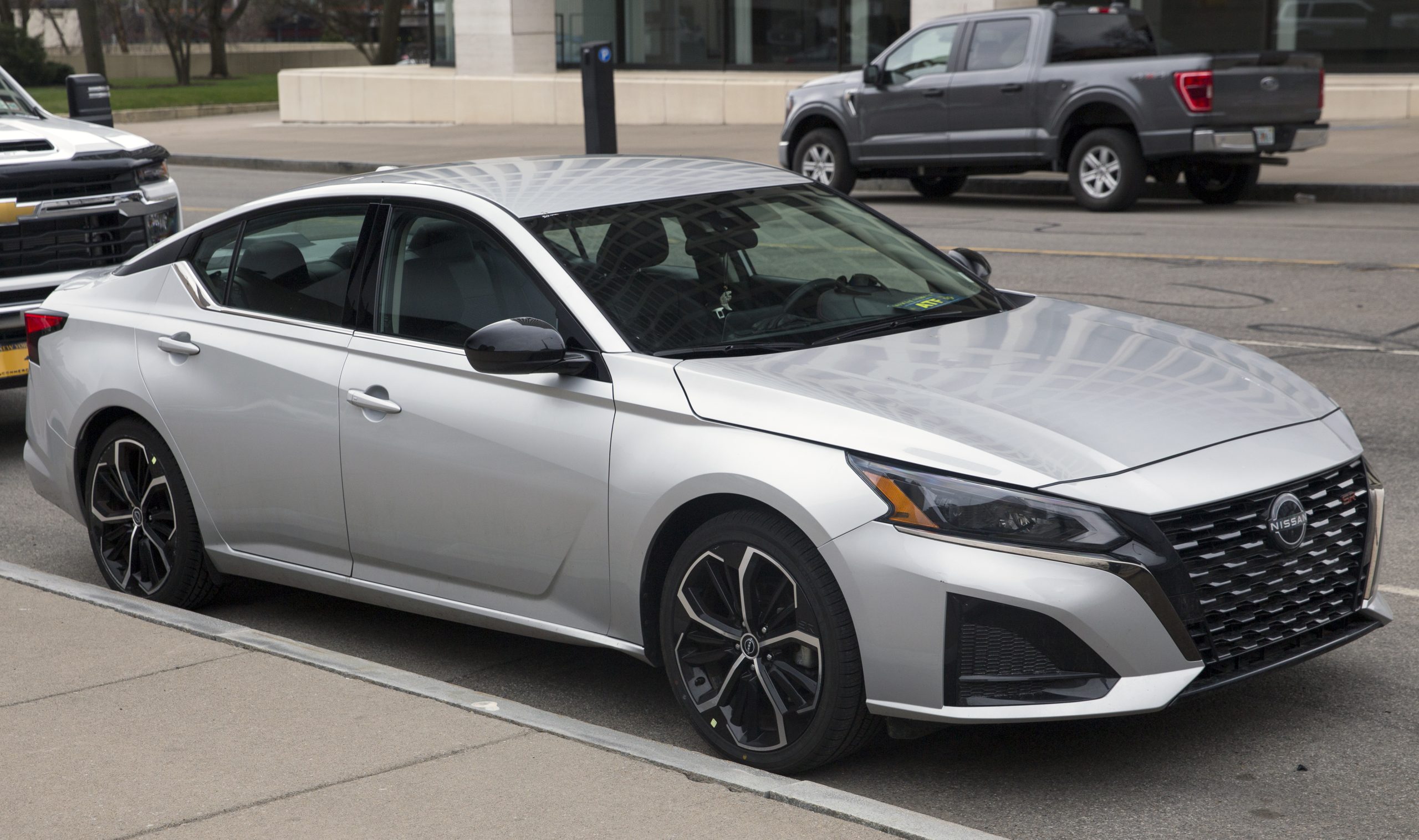
1. Nissan Altima (2013–2018, 5th Generation): Stylish but Noisy
The 2013–2018 Nissan Altima was a popular midsize sedan, praised for its attractive styling, roomy cabin, and solid fuel economy. Initially, the Altima felt smooth and refined, offering a comfortable ride for daily commuting or long-distance trips.
However, as these vehicles aged, many owners began noticing persistent interior noises that compromised the driving experience. By the 60,000–80,000 mile range, dashboards buzzed, door panels loosened, and trim pieces vibrated.
Highway driving amplified these imperfections, with wind and road noise highlighting every rattle and squeak inside the cabin. Interior panels, especially plastic dashboards, are a significant source of complaints, warping or rattling over time.
Beyond interior issues, the Altima’s drivetrain and suspension add significantly to the cabin noise. The continuously variable transmission (CVT) produces a droning, rubber-band-like whine under load, which makes cruising at highway speeds less relaxing.
Front suspension components such as sway bar end links and strut mounts wear early, creating audible thumps and groans. While the engine and transmission may remain mechanically sound, the accumulation of cabin and suspension noises gives the impression of an older, less solid car.
The Altima exemplifies how a vehicle can transition from smooth and quiet to noisy and unrefined as it ages, frustrating drivers who value a peaceful, long-term commuting experience.
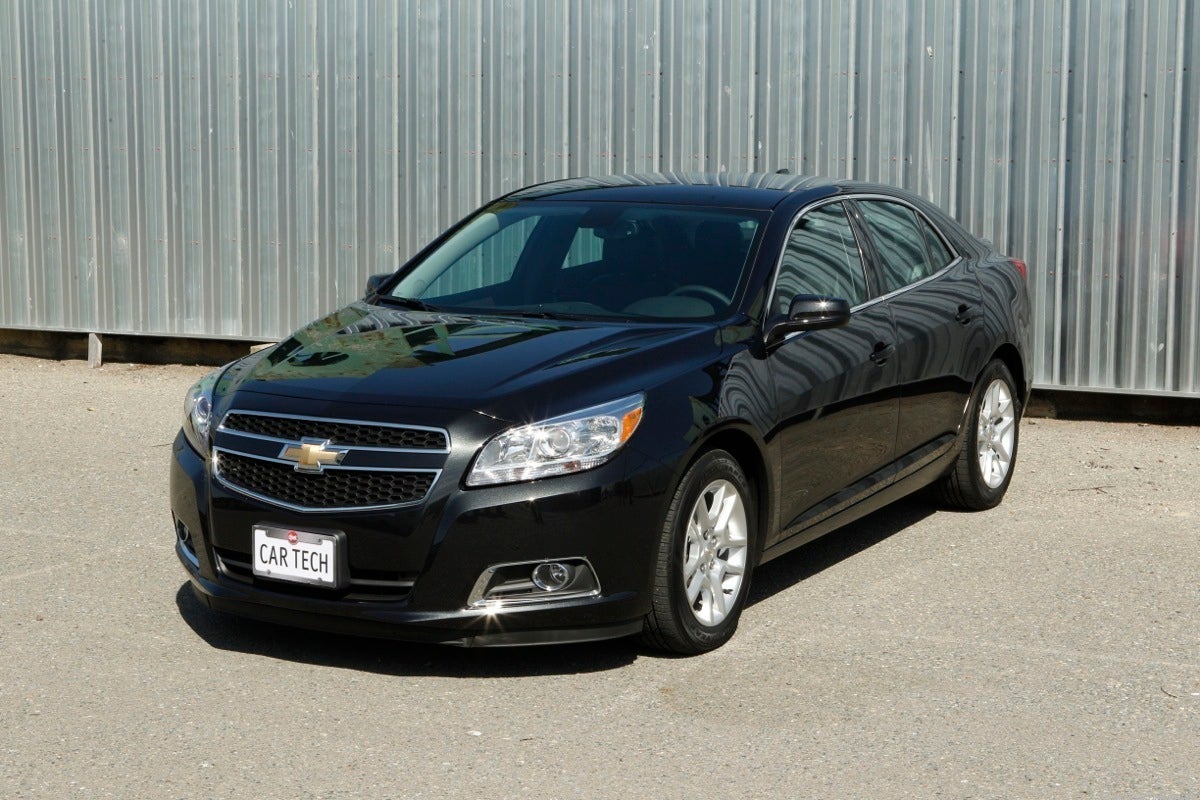
2. Chevrolet Malibu (2016–2021, 9th Generation): Hollow and Prone to Rattles
The 2016–2021 Chevrolet Malibu marked a significant redesign, with sleeker styling and improved fuel efficiency. On the showroom floor, the Malibu felt modern and quiet, but over time, it often develops rattles, creaks, and buzzing trim pieces.
By 60,000 to 80,000 miles, interior build quality becomes apparent as a weak point: dashboards, center consoles, and door panels made from lightweight plastics fail to maintain a solid feel.
Seat tracks may rattle, and touchscreen bezels can vibrate, particularly on rough pavement. Temperature fluctuations exacerbate these issues, causing plastic components to expand and contract, worsening NVH (noise, vibration, harshness) levels in the cabin.
Suspension wear further degrades ride quality. The Malibu’s soft-tuned suspension promotes early strut and bushing wear, producing thumping noises and a loose feel. Combined with modest sound insulation, wind and road noise intrude on highway drives, leaving the vehicle feeling hollow compared to competitors like the Toyota Camry or Honda Accord.
While aesthetically pleasing and initially quiet, the 9th-generation Malibu often disappoints long-term owners, as the interior and suspension issues become increasingly noticeable and detract from the car’s intended refinement.
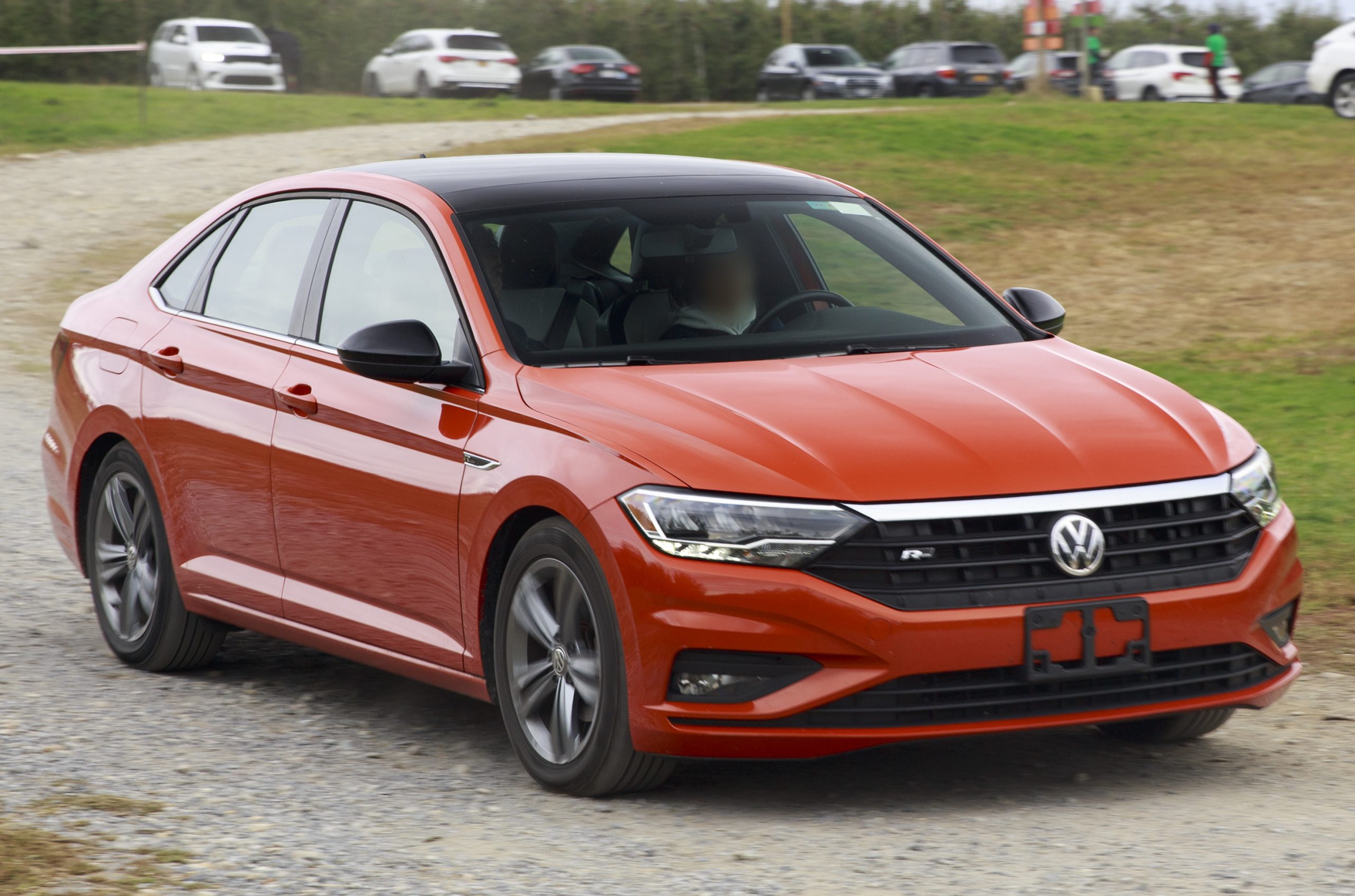
3. Volkswagen Jetta (2011–2018, 6th Generation): Affordable but Fragile
Volkswagen’s 6th-generation Jetta, produced from 2011–2018, shifted toward affordability, which compromised long-term refinement. When new, the Jetta delivered a quiet ride and Euro-inspired handling, but owners frequently report rattles, buzzing trim, and suspension clunks by 60,000–80,000 miles.
Cost-cutting led to more hard plastics and thinner sound-deadening materials, resulting in dash rattles, door panel creaks, and interior buzzes, especially on highways or in cold weather. Even models with higher trim levels and additional features such as sunroofs experience squeaks in the headliner and pillars.
Suspension components such as control arms, struts, and mounts are also prone to early wear, translating into clunks and a less composed ride. Aging window seals allow wind noise to become more intrusive, further reducing refinement.
While the Jetta maintains a stylish and competent appearance initially, its interior and suspension issues become a long-term headache for owners. The vehicle exemplifies how prioritizing affordability and styling over robust materials can lead to a noisy, less satisfying driving experience as the car ages.
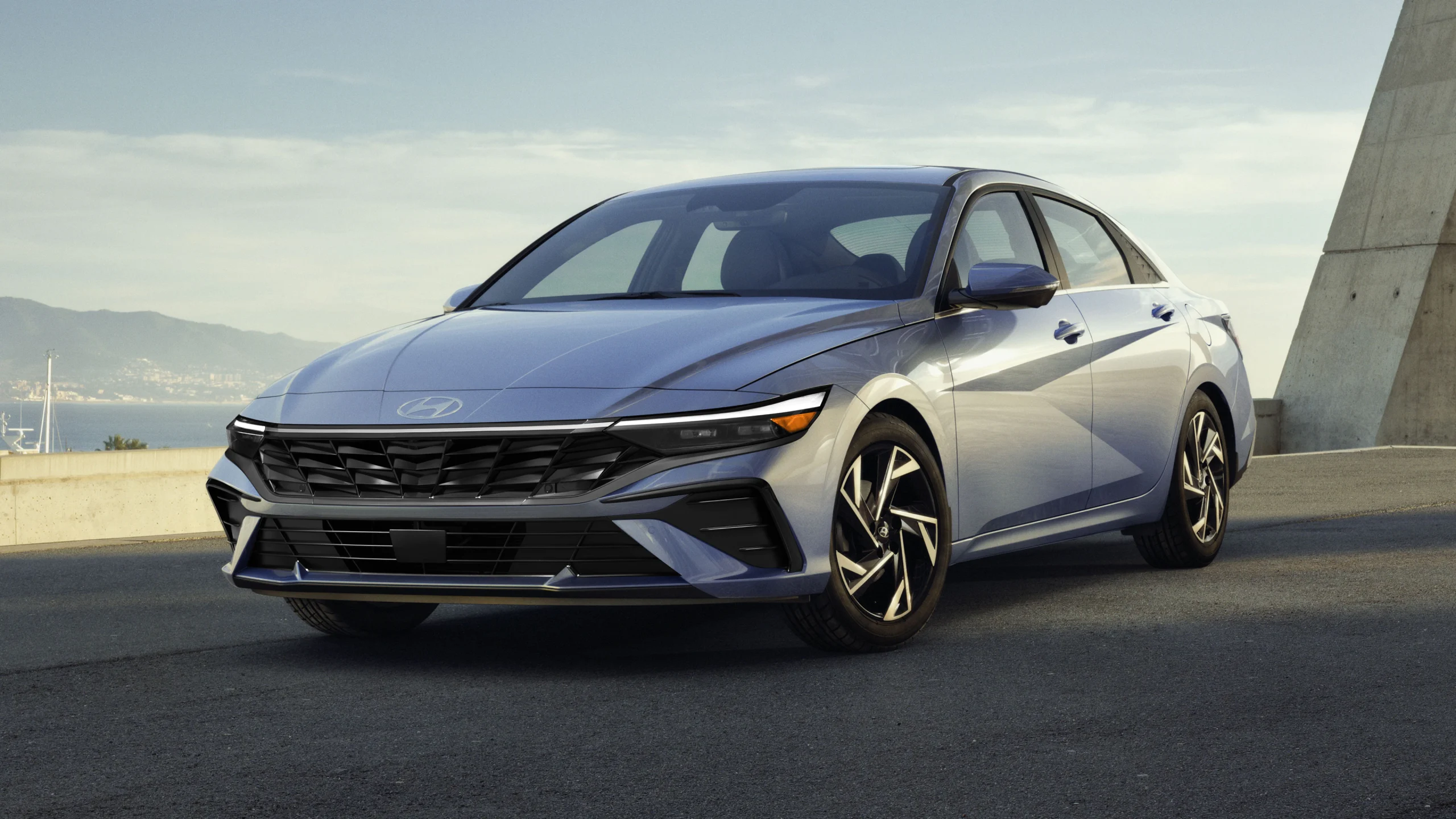
4. Hyundai Elantra (2011–2016, 5th Generation): Stylish but Unrefined
The 5th-generation Hyundai Elantra, produced from 2011–2016, was celebrated for styling, fuel economy, and value, helping boost Hyundai’s market reputation. However, the car struggles with long-term refinement, especially on highways.
Interior panels, including sculpted dashboards and door trims, do not age well; they develop rattles, squeaks, and a tinny feel by 60,000 miles. Headliners, sun visors, and center consoles are common sources of cabin noise, while limited sound insulation allows road and wind noise to intrude during longer drives.
Suspension durability is another weakness. Front struts and bushings wear prematurely, creating a bouncy and unsettled ride. Combined with the noisy cabin, this diminishes highway comfort and increases driver fatigue.
While the Elantra sells on value and initial appeal, its long-term performance reflects economy-level refinement rather than midsize sedan composure. For drivers planning extended ownership or frequent highway driving, the 5th-generation Elantra becomes noisy and tiresome relatively early in its life cycle.
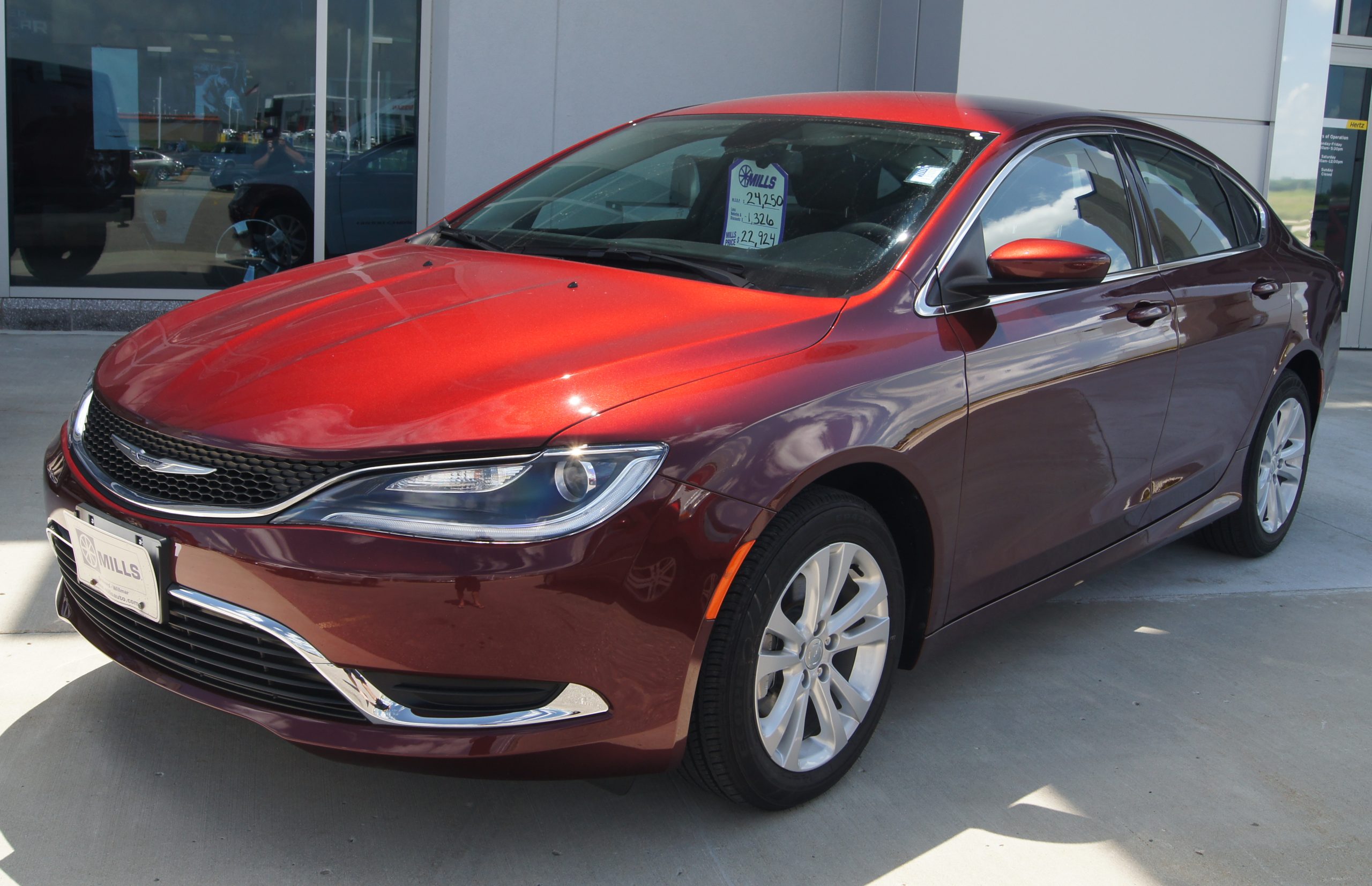
5. Chrysler 200 (2015–2017, 2nd Generation): Attractive but Flawed
The second-generation Chrysler 200, made from 2015–2017, offered sleek styling, modern technology, and optional all-wheel drive. Its exterior design and features turned heads, but the real-world driving experience often disappointed, particularly at highway speeds.
Interior trim, including the dashboard, center console, vents, and glove compartment, tends to loosen over time, producing rattles and creaks. Even moderate mileage exposes the cabin’s fragility, especially when combined with road vibration and poor sound insulation.
The 200’s drivetrain further contributes to noise issues. Its 9-speed automatic transmission was prone to harsh, erratic shifts, creating additional vibrations and cabin movement. Suspension components also wear prematurely, compounding thumps, rattles, and general ride instability.
Road and wind noise infiltrate the cabin, diminishing the car’s sense of refinement. While visually appealing and well-equipped, the Chrysler 200 often feels worn and unsettled by 80,000 miles, demonstrating that style and features alone cannot compensate for early aging and poor NVH performance.
Over time, sedans reveal their true character. Quiet, well-engineered vehicles maintain a comfortable, composed cabin, smooth suspension, and minimal noise intrusion, rewarding owners with fatigue-free driving even at high mileage.
Conversely, sedans that prioritize short-term appeal over durability often develop rattling trim, squeaky panels, and intrusive road and engine noise, making every day driving tiring. These differences underscore the importance of materials, soundproofing, and suspension design in determining long-term refinement.
By understanding what contributes to a sedan’s enduring quietness, buyers can make informed decisions, ensuring their vehicle remains pleasant, comfortable, and reliable for years to come.
Ultimately, choosing a sedan that stays quiet isn’t just about luxury it’s about selecting a car built to withstand the test of time while keeping every journey calm and enjoyable.
Also Read: 5 Cars That Rarely Blow Head Gaskets vs 5 That Constantly Do