
When it comes to buying an SUV in the United States, reliability isn’t just about the engine. For many owners, the transmission ends up being the most expensive repair lurking under the surface.
A strong transmission can mean years of dependable service, even past 200,000 miles, while a weak one can turn an otherwise great SUV into a money pit.
Since transmissions can cost anywhere from $3,500 to $6,000 to replace, choosing wisely is critical. Some SUVs have earned reputations for bulletproof gearboxes that handle abuse, towing, and daily commutes with ease. Others, unfortunately, are notorious for early failures, poor designs, and expensive rebuilds.
Below, we’ll take a look at five SUVs with transmissions that seem nearly unbreakable and five that too often leave owners stranded, helping you make an informed decision whether you’re shopping used or protecting your current ride.
SUVs With Bulletproof Transmissions
Some SUVs have earned a reputation for transmissions so durable that they can handle punishing conditions, heavy towing, and long-term abuse without faltering.
In this article, we dive into the world of SUVs with bulletproof transmissions, vehicles known for their ability to deliver decades of dependable driving.
From everyday family haulers to rugged off-roaders, these SUVs prove that a strong transmission can make the difference between a reliable companion and a maintenance headache.
Whether you’re shopping for longevity, peace of mind, or sheer mechanical resilience, these models stand out as benchmarks in drivetrain durability.
1. Toyota 4Runner (2003–Present)
Few SUVs in the US are as celebrated for long-term dependability as the Toyota 4Runner. Beyond its legendary 4.0-liter V6, the real hero is its transmission.
Toyota pairs the 4Runner with a 5-speed automatic that prioritizes durability over fuel economy tricks.
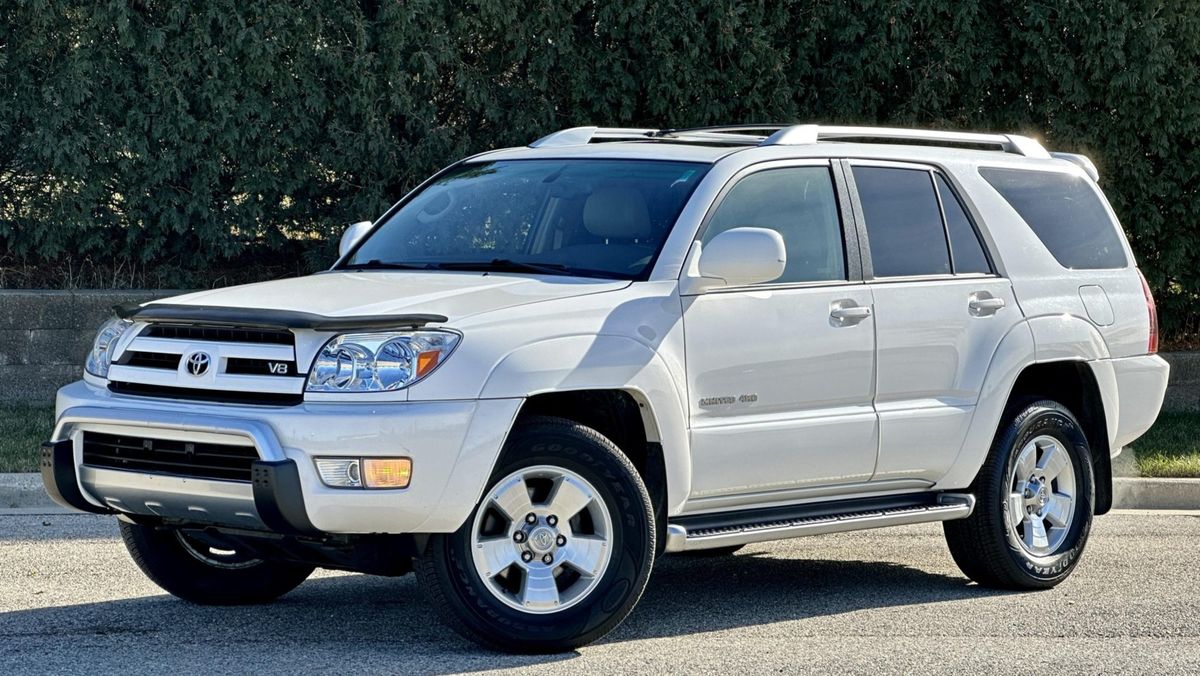
This gearbox is old-school in the best way it doesn’t hunt between gears, it doesn’t rely on fragile CVT technology, and it has proven itself in markets around the world under extreme conditions.
Many owners report crossing the 300,000-mile mark without even touching the transmission. For off-roaders, the 4Runner’s transmission can take the heat of rock crawling, sand, and snow without flinching.
The base V6 is now paired with a five-speed automatic transmission, while the optional V8 has been enhanced to produce 270 horsepower and 330 pound-feet of torque. The optional head curtain airbag system now includes a rollover sensor.
Additionally, a limited-slip differential has been integrated into the stability control system. SR5 models feature a chrome grille, color-matched bumpers, and black running boards, whereas the Sport model comes with a color-matched grille. All Limited trims are equipped with color-matched bumpers, illuminated black running boards, and a black roof rack.
Also Read: 5 Engines That Handle Stop-and-Go Traffic vs 5 That Break Early
2. Lexus GX 460 (2010–Present)
Built on the same rugged platform as the Toyota Land Cruiser Prado overseas, the Lexus GX is often praised for being overengineered. Its 6-speed automatic transmission is tuned more for smoothness than aggressiveness, but it’s also designed to last decades with minimal trouble.
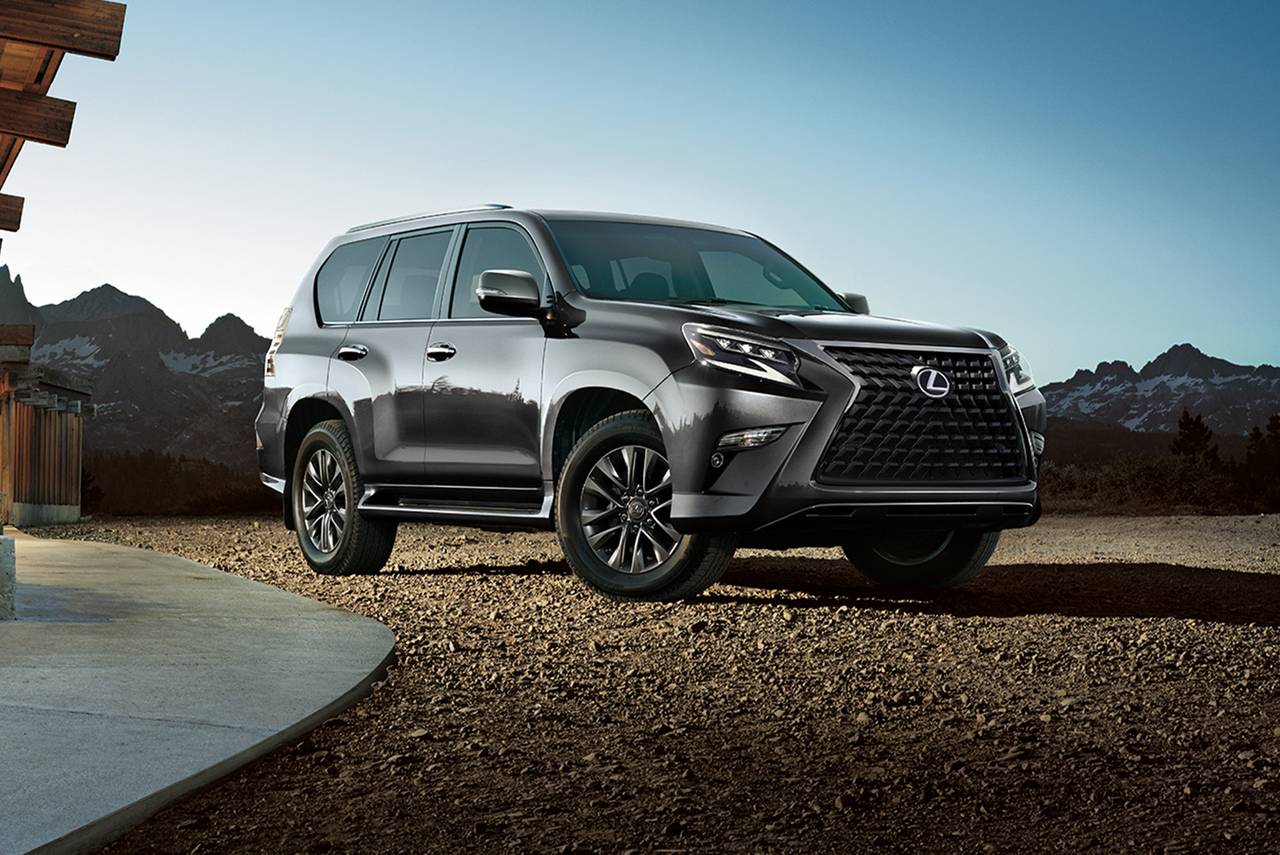
Unlike luxury SUVs from German brands, the GX rarely suffers from complicated transmission electronics or premature failures.
Owners love it for combining Toyota’s mechanical toughness with Lexus refinement. In the used market, this SUV may not be the cheapest, but its long-lasting transmission makes it an appealing investment.
3. Honda Pilot (2006–2015, 2016–Present)
Honda took a lot of criticism for early 2000s automatic transmission failures in the Odyssey and Pilot, but from the second generation onward, the Pilot turned things around. By 2006, Honda had redesigned its gearbox with better cooling and stronger internal components, and the results were dramatic.
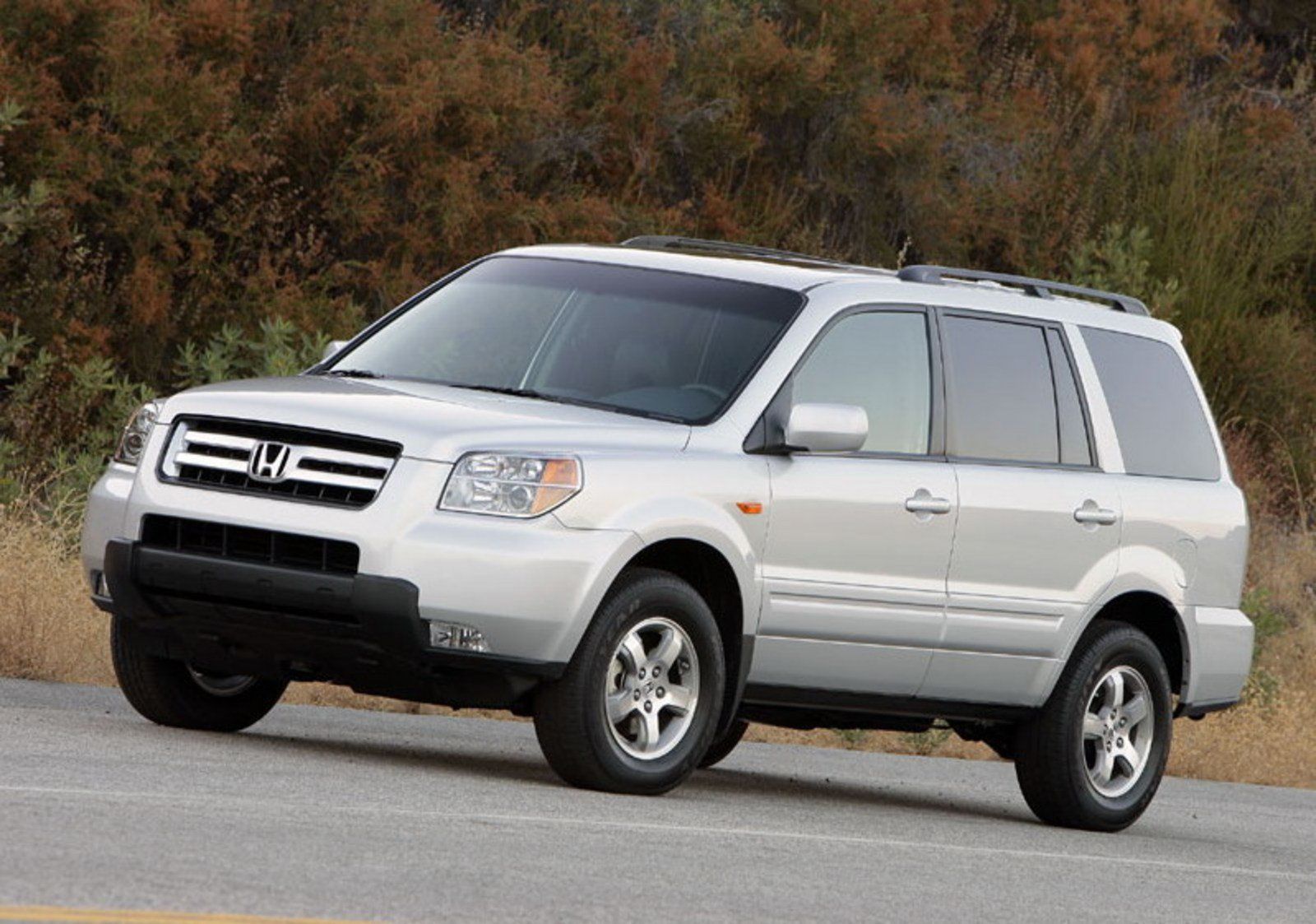
Today, Pilots regularly hit 200,000 miles without major transmission drama. The current 9-speed and 10-speed automatics have also been much more reliable than critics expected, making the Pilot one of the safer bets among family SUVs.
With three rows of seating, adequate power, and six trim levels, some offering both front- and all-wheel drive, the Pilot is a versatile option in a segment where choices matter.
A mid-range trim like the EX-L with all-wheel drive is particularly appealing, offering a mix of features such as a power tailgate, an advanced suite of safety systems, and leather seat surfaces.
The TrailSport’s refreshed styling and slightly improved usability make it a good pick for those who venture off-road regularly, though it comes at a higher cost. The Black Edition, the only addition for 2025, is essentially a $1,500 appearance package that adds no functional features and isn’t really worth considering.
As a family SUV, the Pilot is a practical people mover with a driving character that is functional yet unremarkable, much like many of its competitors. After testing, it lands squarely in the middle of the pack in terms of both driving dynamics and interior technology.
Its competitors dominate the heart of America’s auto market: three-row SUVs, many of which are very strong performers, which explains why the Pilot doesn’t truly stand out. Still, its highly practical cabin, wide range of trims and drivetrain options, and overall utility make it a dependable and sensible choice.
4. Toyota Land Cruiser (1998–2021)
The Land Cruiser has a cult following in the US, and a big part of that reputation is due to its indestructible transmission. Whether mated to the 5-speed or later 8-speed automatic, the Land Cruiser’s gearbox is built to handle extreme towing and brutal off-road conditions.
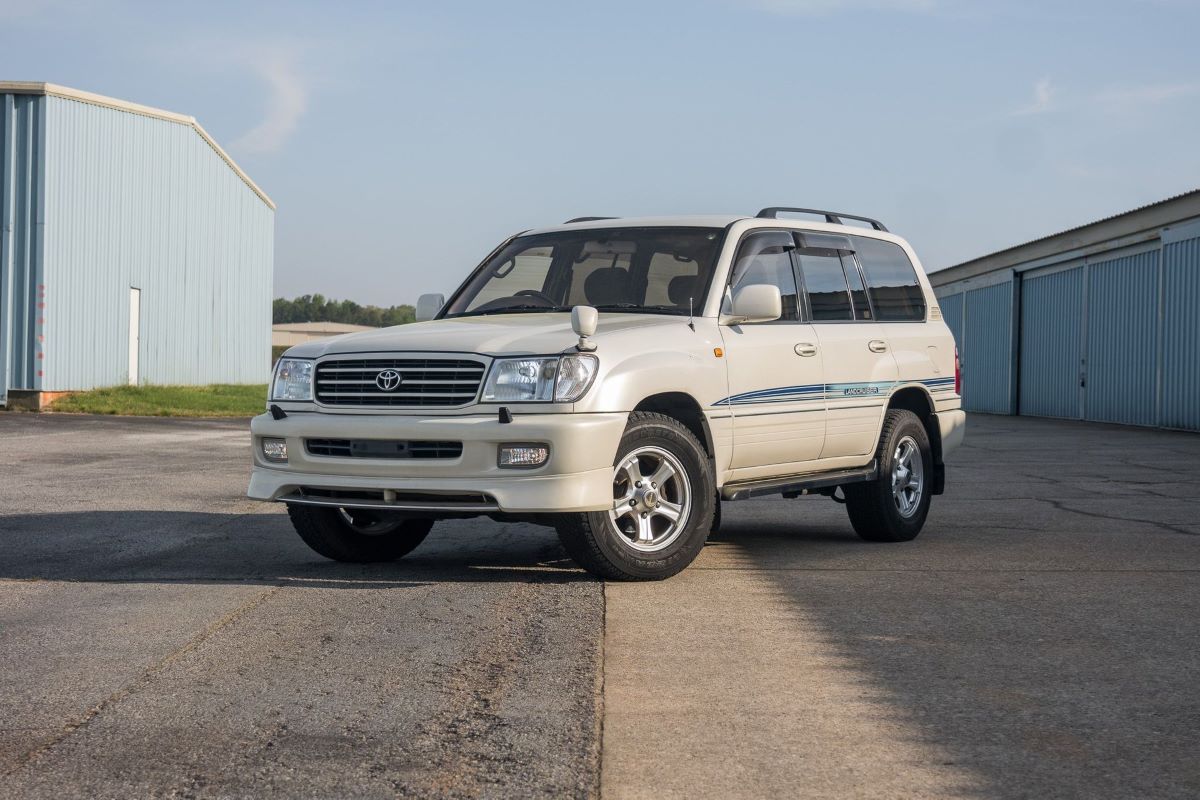
Toyota designed it with a conservative approach, avoiding untested technology in favor of proven reliability. These SUVs often serve in military and humanitarian fleets around the globe, where failed transmissions aren’t an option.
Stateside, used Land Cruisers often command high prices, but part of what you’re paying for is peace of mind that the transmission will outlast most rivals.
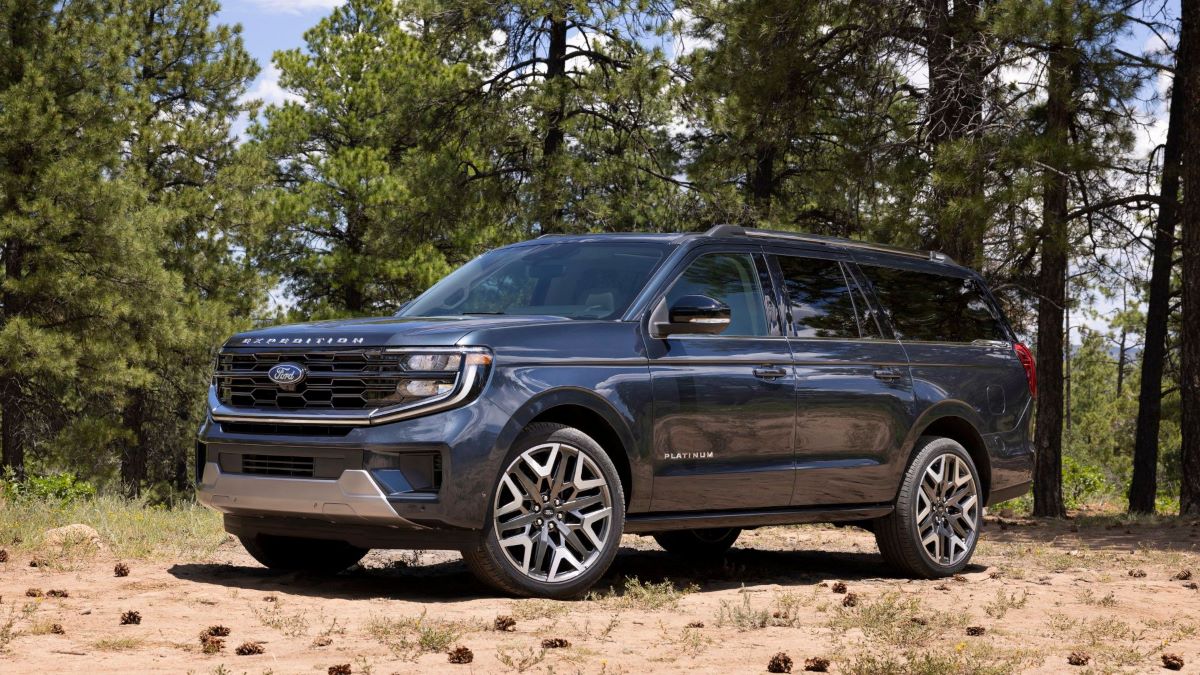
5. Ford Expedition (2011–2017)
American SUVs don’t always earn a reputation for bulletproof transmissions, but the Ford Expedition is an exception at least for certain model years.
The 6-speed automatic used in the 2011–2017 Expedition was shared with many Ford trucks, and it was engineered to handle serious towing loads.
Owners praise it for smooth operation and its ability to rack up mileage with basic maintenance. It lacks the complexity of Ford’s newer 10-speed, which has seen more mixed reviews, making this generation a sweet spot for reliability.
The Expedition now comes equipped with the latest version of Ford’s flagship hands-free driving assistant, BlueCruise 1.4. This update brings improved lane-centering assistance and the ability to slow down for upcoming road curves, preventing the system from propelling you through twisty highway bends at high speed if you don’t manually reduce the set speed.
However, during my drive, the system repeatedly prompted me to keep my eyes on the road and deactivated whenever it thought I wasn’t complying, even though I was staring straight ahead the entire time.
The constant alerts and deactivation became so frustrating that I switched off BlueCruise and reverted to adaptive cruise control for the long stretches of freeway driving.
Later discussions with BlueCruise engineers suggested that my height, 6 feet, 4 inches, may have prevented the sensors from accurately tracking my eyes. My taller stature seems to be the likely cause, as a co-driver of average height experienced no such issues.
Interestingly, I hadn’t encountered this many problems with the Ford Mustang Mach-E or F-150 Lightning from our One-Year Road Test fleet, even though they run earlier, less advanced versions of BlueCruise.
There are a few other minor quirks worth noting. Ford does not offer ventilated second-row seats, which is unusual for a family SUV that can top $90,000 with all options. Additionally, due to the tall floor, a result of the Expedition’s body-on-frame construction, the second-row seats sit quite high.
Taller passengers, like myself, might struggle to find a comfortable position without their head brushing the headliner. By comparison, the Kia Telluride delivers a spacious and ventilated second-row experience at roughly half the price.
Still, within the large SUV segment, the Expedition remains a standout, and its capability continues to impress.
SUVs With Failing Transmissions
Not all SUVs are built to last, and sometimes the weakest link isn’t the engine, suspension, or electronics, it’s the transmission. A failing transmission can turn even a capable and well-equipped SUV into a source of frustration, costly repairs, and unexpected downtime.
In this article, we’ll explore SUVs notorious for transmission issues, highlighting models where reliability has fallen short and owners have faced recurring problems.
From rough shifts and slipping gears to complete transmission failure, these vehicles serve as cautionary examples for buyers who prioritize long-term durability. Understanding which SUVs struggle in this critical area can save you both money and headaches while helping you make a smarter purchase decision.
1. Nissan Pathfinder (2005–2010, 2013–2016)
The Nissan Pathfinder has had multiple troubled generations when it comes to transmissions. The mid-2000s model suffered from a flawed design where coolant could leak into the transmission through the radiator, leading to catastrophic failures.
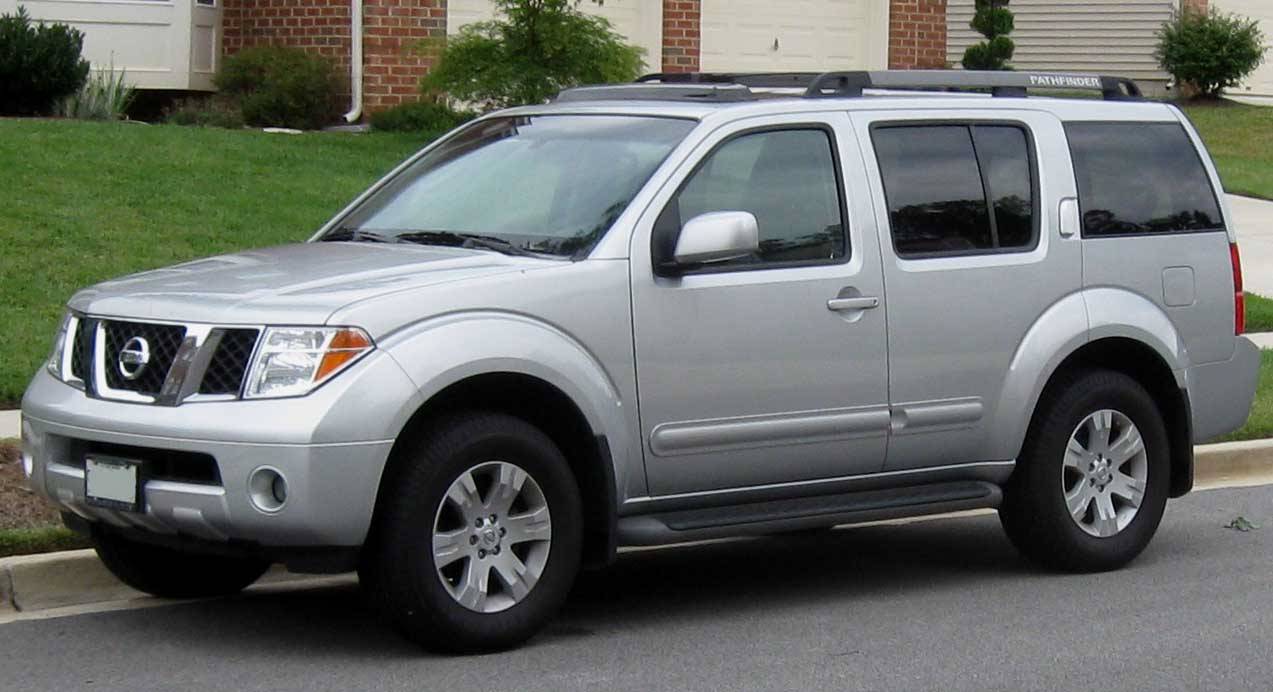
Later, Nissan’s decision to use continuously variable transmissions (CVTs) created more headaches.
While CVTs improve fuel economy, they’re notorious for shuddering, overheating, and failing well before 100,000 miles in Pathfinders. Many owners report multiple replacements under warranty, making this SUV a risky choice for long-term ownership.
2. Jeep Cherokee (2014–2019)
The Jeep Cherokee’s 9-speed automatic transmission promised smoother shifts and better efficiency, but instead it became one of the most complained-about features of the SUV.
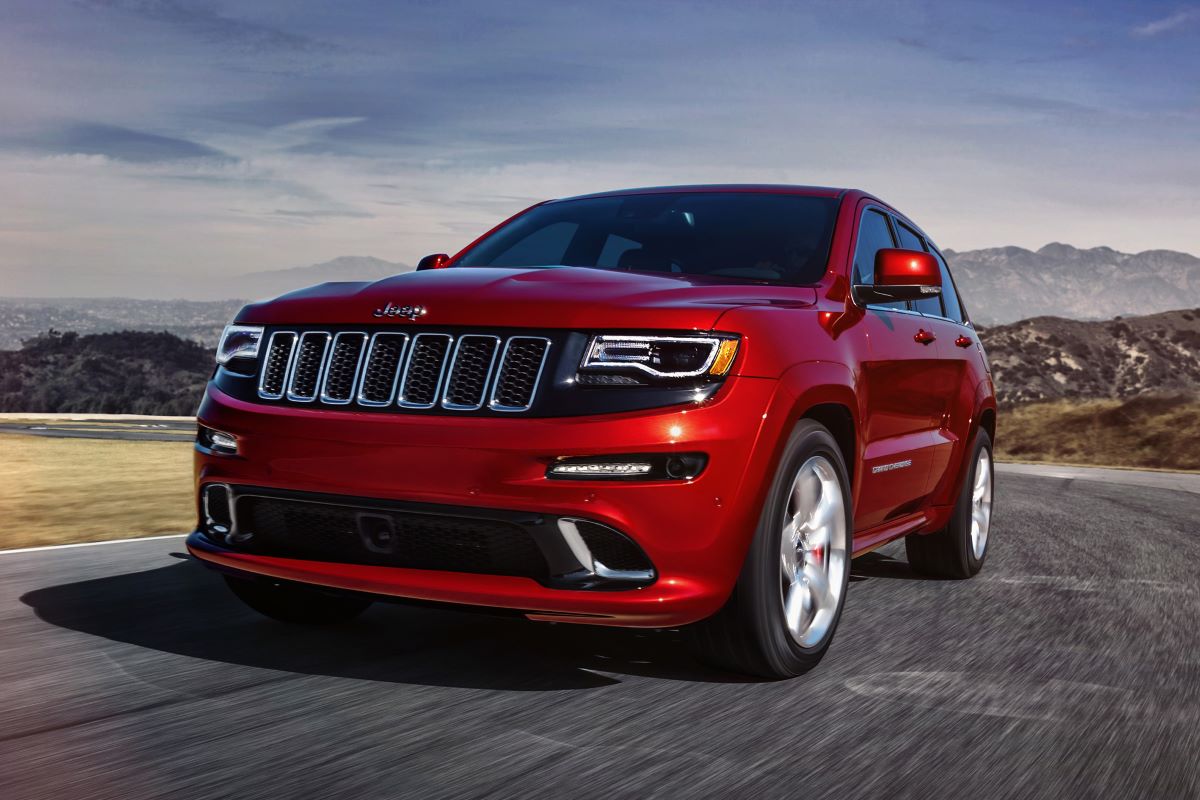
Early versions suffered from hard shifting, software glitches, and even outright failures. Owners frequently reported hesitation when accelerating, unexpected gear changes, or the SUV stalling at stoplights.
While Jeep issued updates and recalls to address some problems, the transmission’s rocky reputation still haunts used models. For anyone shopping a Cherokee, a thorough test drive is essential.
Jeep has attempted to translate its off-roading legacy to some of its more refined small crossovers, like the Compass and Patriot, but those efforts often fell short. The 2015 Jeep Cherokee, however, finally strikes a balance between real-world usability and capable off-road performance.
This crossover SUV comes in Sport, Latitude, Trailhawk, and Limited trims, with this review focusing on the Limited. The Cherokee impresses with a quiet, comfortable, and even plush ride compared to many other small crossovers.
Its thoughtfully designed interior is another advantage, complemented by a selection of excellent standard and optional tech features. The optional V6 engine is smooth, powerful, and delivers respectable fuel economy.
Off-road enthusiasts will appreciate the Trailhawk trim, which includes low-range gearing, a locking rear differential, and other specialized equipment that allow it to venture far beyond the capabilities of a typical all-wheel-drive crossover.
Despite its many strengths, the Cherokee has a few shortcomings. While the interior feels upscale, it may not be ideal for those needing extensive cargo space. The backseat is comfortable, but the rear cargo area is relatively small, particularly when compared with rivals whose rear seats fold down to create more storage.
The base four-cylinder engine is underwhelming, and the nine-speed automatic transmission can be frustratingly reluctant to downshift at cruising speeds.
All 2015 Jeep Cherokees come standard with a 2.4-liter four-cylinder engine producing 184 horsepower and 171 pound-feet of torque. Most trims, except the base Sport, offer an optional 3.2-liter V6 that delivers 271 hp and 239 lb-ft of torque. Both engines are paired with a nine-speed automatic transmission.
3. GMC Acadia (2007–2016)
The first-generation GMC Acadia looked like a promising family SUV, but its 6T75 transmission turned into a nightmare for many owners.
Known for premature clutch and wave plate failures, this transmission often failed before 100,000 miles, requiring expensive rebuilds or replacements.
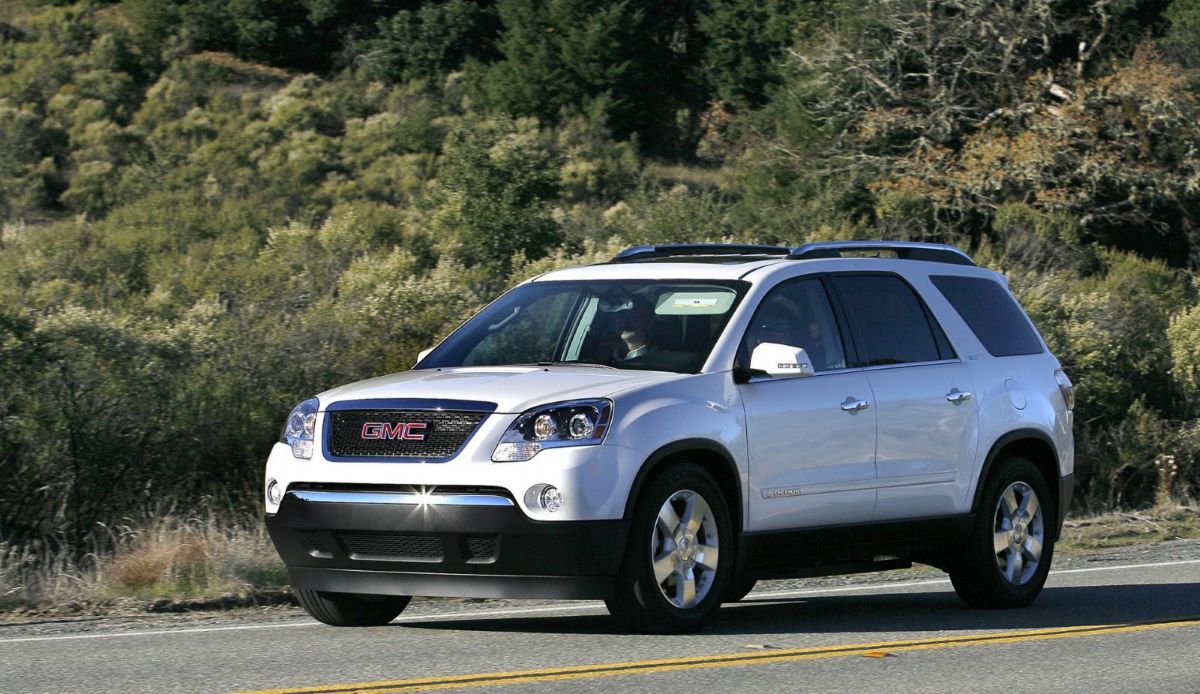
Even when repaired, some units continued to suffer from hard shifting and reliability issues. While later models have been improved, the early Acadia remains one of the most transmission-troubled SUVs on the used market.
As one of four siblings in GM’s large crossover lineup, the 2010 GMC Acadia faces a tough challenge in distinguishing itself. Still, it brings several appealing qualities to the table that help it stand apart from its platform-mates, even if having four versions of essentially the same vehicle seems excessive.
The Acadia is less luxurious than the Buick Enclave, but it’s also more affordable, and its interior is more refined than that of the Chevy Traverse or Saturn Outlook.
The Acadia is every bit as capable as its siblings, making it a strong contender among three-row large crossover SUVs. Its unibody construction gives it better handling, interior packaging, and crashworthiness than traditional body-on-frame full-size SUVs.
The Acadia’s smooth and potent direct-injected V6 pairs well with either front- or all-wheel drive. Families will appreciate its comfortable ride and the available rear-seat entertainment system, while its maximum cargo capacity of 117 cubic feet rivals most vehicles in its class—only a Suburban can really top it.
Of course, the 2010 Acadia isn’t without flaws. While its interior design is attractive, the material quality can feel lacking. The third row is less comfortable than that of the Ford Flex, a shortcoming shared across GM’s large crossovers, and outward visibility doesn’t match the Flex’s clear sightlines.
Some editors also note that the Acadia can feel a bit heavy and ponderous on the road compared to smaller, nimbler rivals, though its size brings other practical advantages.
4. Dodge Durango (2011–2015)
The Dodge Durango’s early 2010s models used a 5-speed automatic that was reasonably durable, but the real issues came with the shift to the ZF 8-speed automatic.
While praised for performance, the early versions in the Durango were plagued by software glitches, rough shifts, and frequent check engine lights.
Many owners complained about the SUV jerking when coming to a stop or lurching forward unexpectedly. Later refinements made the transmission better, but those earlier model years remain suspect on the used market.
When it first hit the market, reviewers praised the 2011 Dodge Durango as one of the strongest offerings in Dodge’s lineup. Even in the competitive three-row crossover segment, the Durango drew attention for its aggressive styling and the availability of a V8 engine.
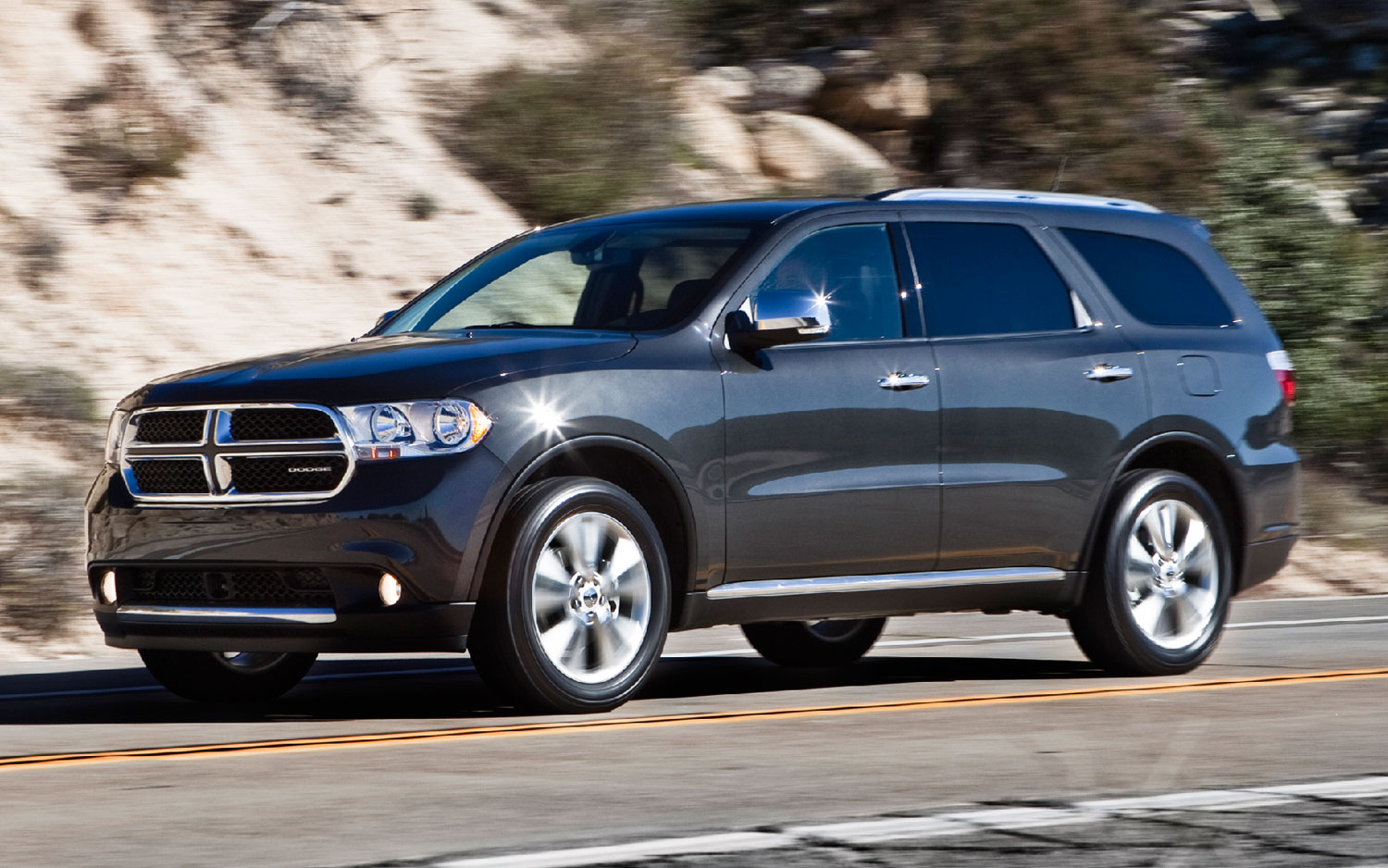
Most testers agreed that the base V6 provides adequate power for everyday driving, but the Durango sets itself apart as one of the few three-row 2011 midsize SUVs offering a V8, and reviewers were enthusiastic about the additional performance it delivers.
The extra power doesn’t just make the Durango enjoyable to drive, it also enables towing capacities higher than nearly any other crossover. For buyers who need three rows of seating but want a vehicle that stands out and offers serious capability, the Dodge Durango is an appealing option.
Rear-wheel drive comes standard, with all-wheel drive available as an option. The Durango is offered in five trims: Express, Heat, R/T, Crew, and Citadel. The base Express includes tri-zone automatic climate control, a tilt-and-telescoping steering wheel, a six-speaker audio system, and satellite radio.
Higher trims add amenities such as a power liftgate, leather upholstery, a sunroof, and a navigation system. The sportiest R/T trim comes standard with the V8, along with special exhaust tuning, sportier styling, and a unique suspension setup.
5. Ford Explorer (2002–2006, 2020–2022)
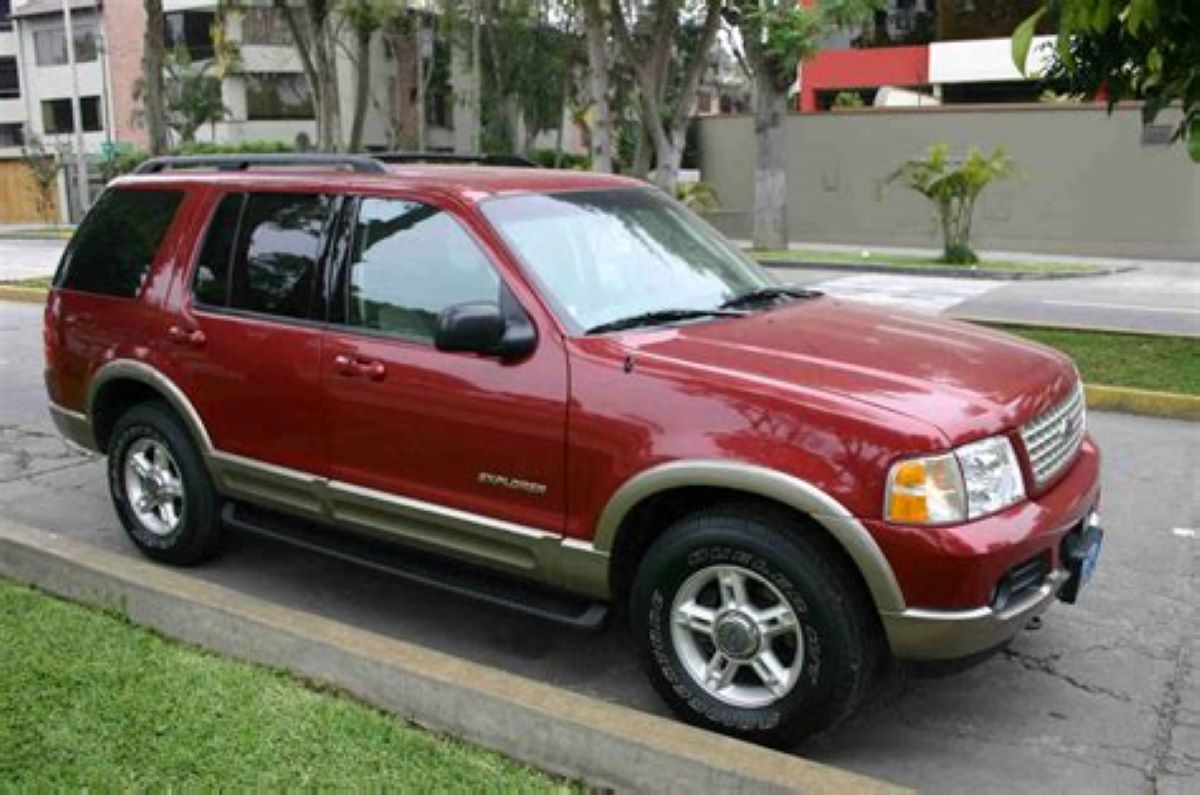
Few SUVs have as much baggage with transmissions as the Ford Explorer. The early 2000s models were infamous for their weak 5-speed automatics, which often failed before 120,000 miles.
Transmission rebuilds became so common that many mechanics could spot an Explorer from that era and predict the repair bill.
More recently, Ford’s modern 10-speed transmission in the Explorer has drawn complaints for rough shifting and hesitation. While Ford continues to refine the design, the Explorer’s legacy of transmission trouble is hard to ignore.
When shopping for an SUV in the US, it pays to know which models are more likely to provide years of worry-free driving and which ones could saddle you with a five-figure repair bill.
The Ford Explorer made its debut in 1990 as a 1991 model and quickly became a defining force in the SUV market, if not the vehicle that created it outright.
Built on the Ford Ranger pickup platform, the original Explorer offered the ideal combination of size, style, and utility that SUV buyers were seeking. Available as a volume-selling four-door or a less popular two-door, it replaced the Bronco II in Ford’s lineup.
Initially, only XLS and XLT trims were offered, with the Eddie Bauer edition joining in 1992 and the Limited trim shortly afterward. The Explorer received its first major overhaul in 1995, introducing an independent front suspension, updated styling, and a redesigned interior.
This generation continued largely unchanged through 2001, although the SUV’s reputation was marred by reports of tire failures and rollover accidents.
Ford attributed the issues to Firestone’s Wilderness A/T tires and their lower recommended inflation pressure of 26 psi, while Firestone cited the Explorer’s design as a factor.
Neither company publicly emphasized consumer behavior, such as overloading the vehicle, neglecting tire pressures, or inconsistent seatbelt use, which could also contribute to blowout-related accidents.
In 2002, just as the Explorer-Firestone controversy was winding down, Ford introduced a completely redesigned Explorer. This new model featured a wider track, longer wheelbase, fully independent suspension, and seating for up to seven adults.
Despite its improvements, the lingering media scrutiny prompted Ford to offer cash rebates and low-interest financing to maintain sales. Over time, the Explorer regained its position as the best-selling SUV in the United States.
The 2006 Ford Explorer received updates that kept it competitive without a full redesign. Enhancements included a new three-valve 4.6-liter V8 borrowed from the Mustang, additional sound insulation for a quieter cabin, and a stiffened frame for an even smoother highway ride.
Safety upgrades included standard front-seat side airbags, stability control, and the Volvo-engineered Roll Stability Control system, which helps prevent rollovers. These improvements made the 2006 Explorer a compelling option for buyers seeking a spacious yet agile family SUV.
The base engine is a 4.0-liter V6 producing 210 horsepower, while all trims except the XLS offer an optional 4.6-liter V8 with 292 hp and 300 lb-ft of torque. A five-speed automatic transmission comes standard, and both two- and four-wheel drive are available. Properly equipped, a V8 2WD Explorer can tow up to 7,300 pounds.
SUVs like the Toyota 4Runner, Lexus GX, and Honda Pilot are proof that strong, conservative transmission designs still exist, while models like the Nissan Pathfinder and Jeep Cherokee highlight the risks of chasing fuel economy or performance at the expense of reliability.
If you’re considering a used SUV, always check service records, ask about transmission fluid changes, and when possible have a mechanic inspect the vehicle before purchase.
A solid transmission can be the difference between a car you keep for decades and one you regret after just a few years.
