
When it comes to cars, not all are created equal. Some vehicles earn a reputation for lasting decades, running smoothly even after racking up hundreds of thousands of miles. Others, however, may look impressive on the showroom floor but quickly reveal flaws once the years and miles pile on.
Reliability and durability are two of the most important qualities drivers look for, and history has shown that certain makes and models consistently deliver while others struggle to hold up. In this list, we’ll explore 10 cars that always feel solid, the ones built to withstand time, wear, and the toughest roads.
We’ll also take a look at 10 cars that fall apart over time, vehicles that unfortunately don’t live up to expectations in the long run. Whether you’re shopping for your next car or just curious about automotive reputations, this breakdown is a must-read.
10 Cars That Always Feel Solid
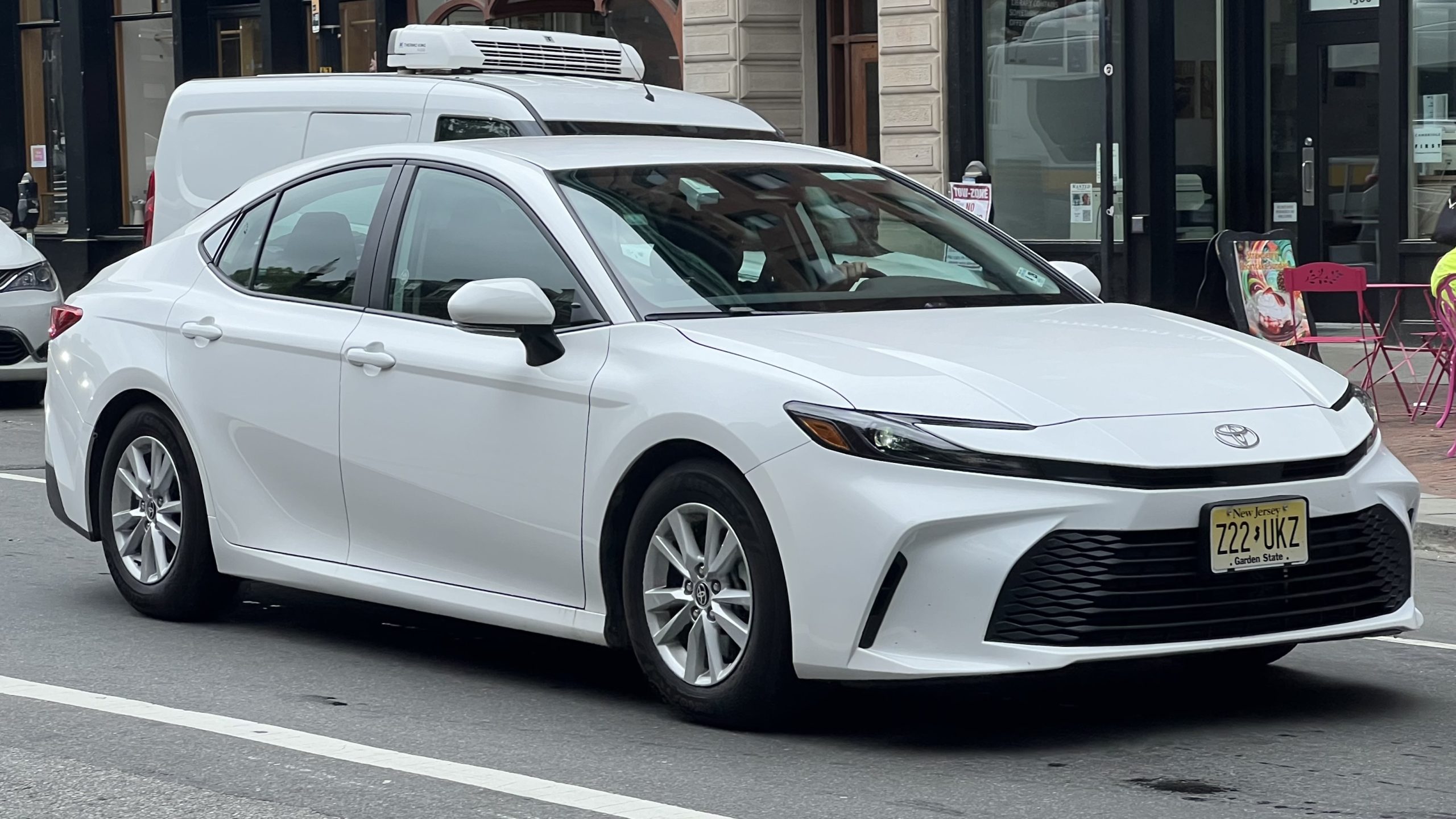
1. Toyota Camry: A Well-Balanced Midsize Sedan
The Toyota Camry continues its strong reputation as one of the most reliable and well-rounded midsize sedans on the market. With a starting MSRP of $28,400, low projected five-year maintenance costs of $3,181, and consistently high consumer satisfaction ratings, it offers excellent value in its class.
Toyota’s proven track record for reliability further enhances the Camry’s appeal, as Consumer Reports surveys indicate that Toyota models experience fewer problems than many competitors.
Behind the wheel, the Camry delivers a balanced mix of smooth acceleration and responsive handling. In tests, the XSE trim with front-wheel drive sprinted from zero to 60 mph in 7.8 seconds, edging out hybrid rivals such as the Honda Accord and Hyundai Sonata. Braking performance is equally strong and confidence-inspiring.
While the XSE’s sport-tuned suspension sharpens cornering, all trims maintain stability and a secure driving feel. The Camry’s driving dynamics strike a practical balance between comfort and agility.
The Camry’s interior comfort is generally strong, though its front seats lean slightly firm. On longer drives, however, they provide excellent back support. Ride comfort is a highlight, as the suspension absorbs bumps without making the car feel floaty. Road and wind noise are well-muted, keeping the cabin calm even at highway speeds.
The only noticeable disturbance comes from the engine, which can sound harsh when pushed hard. Toyota’s climate control system is another standout, offering strong airflow and intuitive automatic settings.
Inside, the Camry benefits from thoughtful updates. A redesigned layout places a row of simple physical controls beneath the touchscreen, improving usability. While steering wheel buttons take some getting used to, they become intuitive over time.
Seating position is more upright than some rivals, giving the driver excellent visibility, though it may feel slightly elevated for a sedan. Both rows provide generous passenger space, with good headroom thanks to the flat roofline.
Toyota equips the Camry with impressive technology across trims. The XLE and XSE versions feature a 12.3-inch touchscreen, while all models include wireless Apple CarPlay and Android Auto. Wireless charging is effective, and the available JBL nine-speaker system offers improved, though not class-leading sound quality.
Safety technology is a particular strength. Advanced driver aids work seamlessly, with adaptive lane and speed management, and the optional Traffic Jam Assist even allows limited hands-free driving at speeds up to 25 mph.
With 15.1 cubic feet of trunk space, the Camry trails the Accord and Sonata on paper, but it remains practical enough for large suitcases or groceries. Interior storage is excellent, with multiple compartments for phones, keys, and water bottles. Families will appreciate easy-to-access LATCH anchors and a wide rear bench that accommodates multiple child seats.
Every Camry in 2025 is now a hybrid, delivering impressive efficiency. Depending on configuration, combined fuel economy ranges from 44 to 51 mpg. Real-world tests yielded 45.9 mpg, beating hybrid Accord results.
Toyota also enhances value by offering hybrid powertrains across all trims, unlike competitors that limit them to premium versions. Buyers benefit from two years/25,000 miles of complimentary maintenance, eight years/100,000 miles of hybrid coverage, and roadside assistance.
The Toyota Camry stands out as a smart choice for drivers seeking reliability, efficiency, comfort, and modern technology in one package. Its competitive pricing, low ownership costs, and standard hybrid powertrain make it one of the most compelling midsize sedans available.
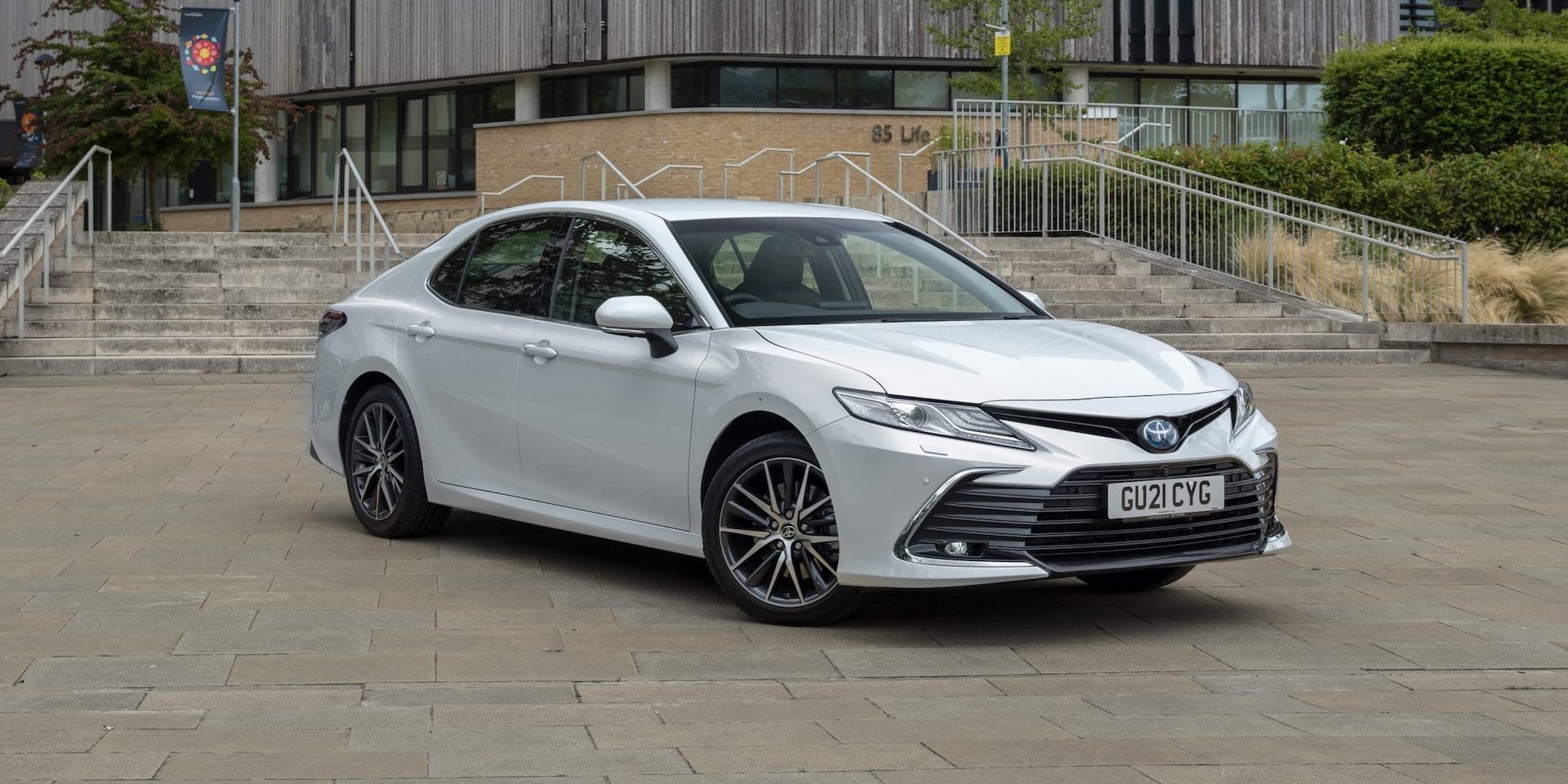
2. Toyota Prius: The Benchmark for Hybrid Efficiency
The Toyota Prius remains one of the most efficient and recognizable hybrid vehicles on the market. With a starting MSRP of $28,350 and estimated five-year maintenance costs of $4,707, the Prius continues to balance affordability, fuel savings, and Toyota’s renowned reliability.
As one of the first modern hybrids to reach the U.S., the Prius has consistently set the standard for eco-friendly driving, and the current fifth-generation model builds on that legacy with sharper styling, available all-wheel drive, and advanced technology.
The Prius delivers smooth, confident performance for everyday driving. The hybrid system transitions seamlessly between electric and gas power, making city commutes effortless. At the test track, the front-wheel-drive Prius accelerated from zero to 60 mph in 7.7 seconds, quicker than the Kia Niro hybrid but slower than the Honda Civic Hybrid.
Handling is secure and predictable, with enough stability to inspire confidence on winding roads, though the economy-focused tires limit grip. With stickier tires, the Prius could even be fun to drive. It’s well-suited for urban and highway use, with the added practicality of available all-wheel drive for winter climates.
Toyota has refined the Prius to provide a smooth, compliant ride that absorbs bumps effectively. The front seats are supportive for long journeys, while the rear seats, though fixed in position, are adequately comfortable. However, cabin refinement still lags behind some competitors.
Engine, tire, and wind noise become noticeable under acceleration, which can detract from the otherwise quiet driving experience. Most trims come with heated front seats, and the Limited trim adds ventilation for extra comfort. A downside is the single-zone climate system, which feels limiting compared to dual-zone setups found in rivals.
Inside, the Prius features a clean, functional design with logically placed controls and a conventional dashboard. However, the digital instrument cluster is cluttered and awkwardly positioned, often partially blocked by the steering wheel.
Rear-seat access is hampered by small door openings and a sloping roofline, which compromises headroom for taller passengers. Visibility out the back is also hindered by thick roof pillars and the sharply angled rear window.
Cargo capacity stands at 20.3 cubic feet, more versatile than a sedan’s trunk but less than what small SUVs like the Kia Niro provide. Practical storage solutions up front include a slim center console, a rubberized shelf, and large cupholders.
The Prius impresses with its updated technology package. Higher trims feature a 12.3-inch touchscreen with a responsive interface and Google-powered navigation. Standard wireless Apple CarPlay and Android Auto, along with multiple USB-C ports, enhance connectivity.
A wireless charging pad is available, though it tends to overheat phones during extended use. Driver-assistance systems are robust, including effective adaptive cruise control, lane keeping assist, and Proactive Driving Assist, which subtly encourages smoother driving habits without becoming intrusive.
Efficiency remains the Prius’ strongest attribute. The LE trim achieves an EPA-rated 57 mpg combined, while XLE and Limited trims reach 52 mpg. All-wheel-drive models reduce those numbers slightly, but real-world tests confirm the accuracy of Toyota’s estimates.
Buyers also benefit from extensive hybrid warranties, including coverage of hybrid components for eight years/100,000 miles and the battery for up to 10 years/150,000 miles. Toyota sweetens the deal with two years of complimentary maintenance.
The Toyota Prius excels at what it does best: delivering unmatched efficiency, everyday usability, and Toyota’s proven durability. While higher trims approach pricing levels of larger hybrid sedans and SUVs, the Prius remains the go-to choice for eco-conscious drivers seeking maximum fuel savings in a stylish, tech-forward package.

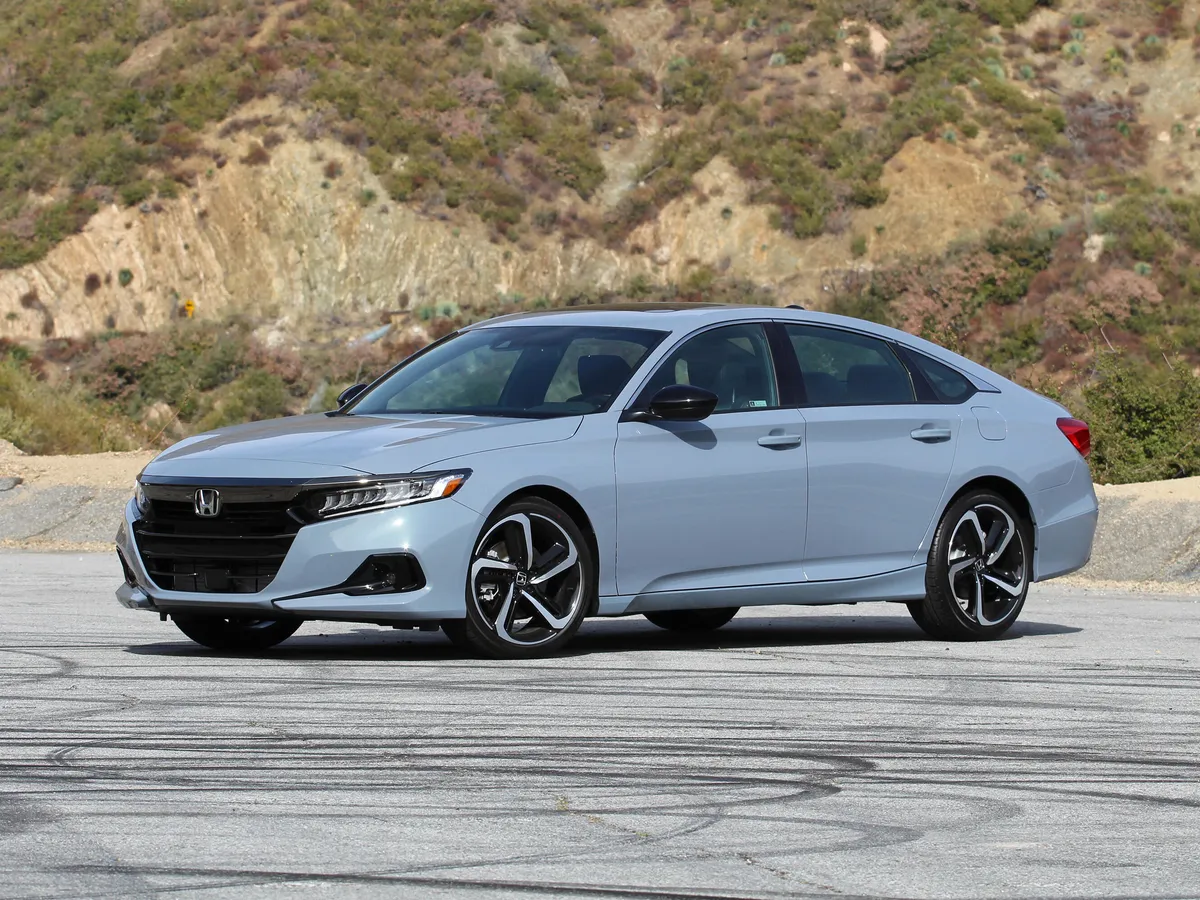
3. Honda Accord: A Premium-Like Sedan at a Mainstream Price
The Honda Accord maintains its status as one of the most respected midsize sedans on the market. With a starting MSRP of $28,295 and projected five-year maintenance costs of $3,777, it blends affordability, durability, and refinement in a way that often earns it comparisons to premium European brands like Audi.
Known for longevity, many Accords surpass 300,000 miles with proper care. The latest model continues Honda’s legacy of reliability and practicality while incorporating hybrid efficiency and modern technology.
In testing, the Accord Sport-L hybrid delivered a strong balance of performance and efficiency. It accelerated from zero to 60 mph in 7 seconds, making it about a second quicker than most hybrid rivals.
Instead of a traditional transmission, Honda uses a clever system that simulates gear changes by adjusting engine rpm, creating a familiar driving feel. Handling is stable and grippy, though it lacks the athletic edge of earlier generations. The Accord offers smooth, responsive driving that suits both daily commuting and highway cruising.
Comfort is a strong point for the Accord. The cabin is well insulated from outside noise, contributing to a calm ride. While the driver’s seat could use more padding, it provides good adjustability for a range of body types.
The climate control system is efficient, and ride quality remains impressive even on larger 19-inch wheels. The suspension absorbs bumps confidently, and smaller wheels on trims like the EX-L are likely to enhance comfort further.
Honda has taken a practical, user-friendly approach with the Accord’s interior. The layout is straightforward, with physical buttons and large knobs that minimize distraction. Wide door openings make entry and exit easy, though the sloping roofline requires taller passengers to duck when entering the rear seats.
Once inside, both rows offer generous legroom, though headroom may be tight for very tall occupants. Visibility is excellent thanks to slim windshield pillars and a large rear window, though shorter drivers may find the gauge cluster partially obscured depending on seat height.
The Accord’s technology offerings are solid, though some desirable features are restricted to higher trims. A 12.3-inch touchscreen with wireless Apple CarPlay and Android Auto is available and performs well. However, Google voice assistant integration is limited to the top Touring trim, which feels unnecessarily restrictive.
The Honda Sensing suite of driver aids is comprehensive, with effective adaptive cruise control and lane keeping, though the latter can sometimes feel too assertive.
Practicality is another Accord strength. The trunk provides a generous 16.7 cubic feet of space, enough for large items like golf bags. The cabin also offers ample small-item storage, with a roomy center console and well-designed cupholders that can handle larger bottles.
The rear seats are spacious enough for multiple child seats, with easily accessible LATCH anchors, though the sloping roofline can make installation slightly awkward.
Fuel efficiency varies by configuration. Base models achieve 32 mpg combined, while hybrid trims range up to 48 mpg. The Sport-L hybrid, with 19-inch wheels, carries an EPA estimate of 44 mpg, though real-world testing delivered a still-respectable 41.5 mpg.
Build quality is excellent, with a solid, premium-like feel throughout the cabin. On the downside, lower trims feel light on features compared to competitors like the Hyundai Sonata, which often offer more for less money.
The Honda Accord strikes an appealing balance of performance, efficiency, comfort, and practicality. While not the most feature-packed option at its price point, its long-term reliability, premium build quality, and hybrid efficiency make it a compelling choice for families and commuters alike.
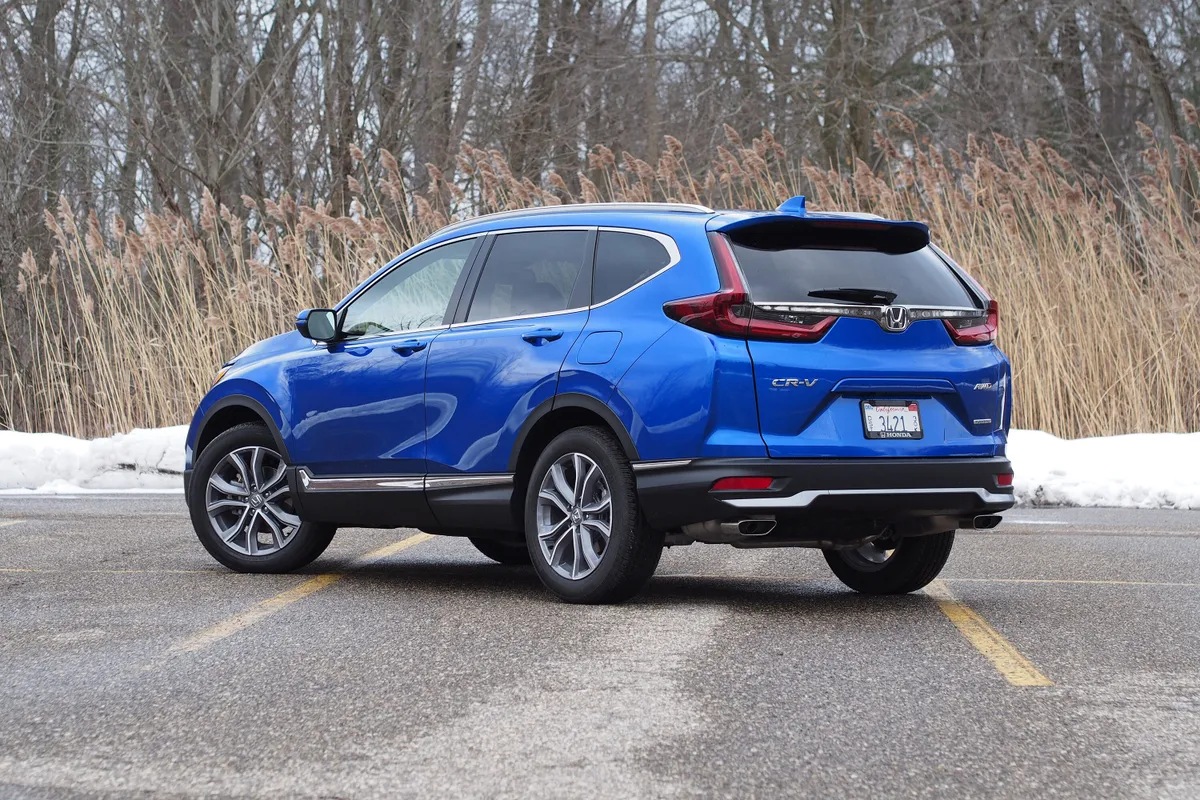
4. Honda CR-V: A Practical, Family-Friendly Small SUV
The Honda CR-V continues to stand as one of the most popular small SUVs in its segment, blending practicality, comfort, and reliability. With a starting MSRP of $30,100 and projected five-year maintenance costs of $5,729, the CR-V offers a slightly higher ownership cost than some rivals, but it balances that with long-term dependability and excellent usability. Whether for families or individuals, its roomy cabin, smooth ride, and solid build make it a versatile choice.
The Honda CR-V isn’t built for speed, but it delivers responsive and composed handling that makes daily driving stress-free. In testing, the hybrid Sport Touring model accelerated from zero to 60 mph in 8.0 seconds, an average result for the class.
The regular 1.5-liter turbocharged engine performs similarly. Braking is strong and predictable, while the steering provides good road feedback and precision. Around corners, the CR-V stays stable and controlled, avoiding the top-heavy feel some small SUVs suffer from.
The hybrid system operates smoothly, simulating gear changes for a more natural driving feel, though climbing steep grades requires a firmer push on the accelerator. Ride quality is a standout, offering comfort and composure over a variety of road surfaces.
Inside, the CR-V emphasizes comfort and convenience. Both front and rear seats provide ample space, with the back row offering above-average legroom for the class. Entry and exit are effortless thanks to large door openings and seat heights optimized for adults.
Seat comfort and adjustability are strong points, and visibility from the front is excellent thanks to large windows, though rearward views are less clear. The cabin feels airy and open, a big advantage for families and passengers on longer trips.
Tech offerings in the CR-V are practical, though not class-leading. The standard 9-inch touchscreen is responsive and straightforward to use, but smaller than rival systems. Wireless Apple CarPlay, Android Auto, and a wireless charging pad come standard, while USB ports are plentiful throughout the cabin.
The infotainment works well, but the absence of the Accord’s larger 12.3-inch screen makes the CR-V feel a step behind competitors. Driver-assist systems are effective, but rivals offer more advanced safety and convenience features as standard.
Cargo capacity is one of the CR-V’s strongest assets. Non-hybrid versions provide the most space, while hybrids sacrifice some capacity and a spare tire to accommodate the battery. Still, the rear cargo area is wide and tall, making it easy to load bulky items.
Interior storage is functional, with a deep center bin, generously sized cupholders, and large door pockets, though space has been slightly reduced compared to previous generations.
Fuel efficiency varies by model. Gas-powered CR-Vs average up to 30 mpg combined, while hybrids achieve up to 40 mpg (37 mpg with all-wheel drive). Real-world testing of the hybrid AWD version returned 33.3 mpg below EPA estimates but was still competitive for the segment.
Around-town driving typically yields better results, highlighting the hybrid’s efficiency in stop-and-go conditions. Build quality is excellent, with a quiet and sturdy ride, though some hard plastics in the cabin are noticeable. Pricing is slightly higher than some rivals, but Honda’s reputation for durability adds long-term value.
The Honda CR-V may not be flashy, but it excels at delivering what families and practical drivers need most: space, comfort, reliability, and efficiency. While its technology and styling may lag behind bolder competitors, its well-rounded nature ensures it remains one of the most appealing small SUVs on the market.
5. Toyota Tacoma: Rugged Utility Meets Modern Tech
The Toyota Tacoma remains one of the most popular midsize trucks, appreciated for its durability, practicality, and strong resale value. Starting at $31,590 with projected five-year maintenance costs of $5,486, the Tacoma continues to attract drivers who want a dependable pickup capable of handling both daily driving and demanding work.
Long known for reliability, many owners report reaching 300,000 miles or more, making it a long-term investment.
The Tacoma’s powertrains strike a balance between everyday usability and capability. The TRD Sport, equipped with a 278-horsepower engine, accelerated to 60 mph in 7.6 seconds, while the TRD Pro hybrid reached the mark in 7.4 seconds.
Despite the hybrid’s added torque, its off-road hardware increases weight, limiting the speed advantage. The transmission delivers smooth, decisive shifts, and both powertrains perform well on city streets and highways. Steering is light and precise for a midsize truck, giving the driver confidence on long stretches of road.
Braking performance stands out, with a responsive pedal that makes stopping predictable and easy. Off-road capability ranges from moderate in base trims to highly capable in models like the TRD Pro, which uses specialized shocks and advanced traction systems.
Comfort levels vary by trim. Base models ride firmly, reflecting their work-focused design, while higher trims feature upgraded suspension systems that soften the bumps and create a more composed feel.
The wide, supportive front seats accommodate different body types, though the standard cloth upholstery feels coarse. Optional synthetic leather adds a more refined touch. Rear seating is tight, as is typical for the segment, with cushions that are too short and low for taller passengers on long drives.
In the TRD Pro, the IsoDynamic front seats dominate cabin space, reducing rear legroom significantly. Climate controls are a strong point, with large, clearly marked knobs and buttons designed for ease of use.
Inside, the Tacoma pairs rugged design with modern technology. An 8-inch touchscreen is standard, while higher trims receive a massive 14-inch unit with sharp resolution and quick menus.
Wireless Apple CarPlay, Android Auto, and voice recognition are included, and multiple USB-C ports are available throughout the cabin. Wireless charging pads can be added, though their upright design may allow phones to slip out of place. The abundance of physical switches and buttons is appreciated, particularly for drivers who value straightforward controls in a truck.
Practicality remains a Tacoma hallmark. Two cargo bed lengths are offered, and available power outlets deliver up to 2,400 watts in hybrid models. Inside, the Tacoma has plenty of smart storage solutions: wide door pockets, a deep center console, and a shelf above the glovebox.
The XtraCab configuration replaces rear seating with extra storage space, while Double Cab models provide fold-flat seats and flip-up cushions for added versatility. Payload capacity tops out at 1,710 pounds, while maximum towing reaches 6,500 pounds. This is strong for most small and midsize trailers, though some rivals, such as the Chevy Colorado, can haul more.
Fuel economy remains steady across trims, with Toyota estimating around 21 mpg. A four-wheel-drive TRD Sport achieved 22.6 mpg in testing, slightly better than expected. The hybrid i-Force Max offers a power boost without sacrificing efficiency, making it attractive for drivers seeking stronger performance.
Importantly, regular gasoline is all that’s required. Toyota includes two years of complimentary maintenance and roadside assistance, plus standard warranty coverage of three years/36,000 miles for basic and six years/60,000 miles for powertrain protection.
The Toyota Tacoma blends proven durability with new technology and broad capability. While the rear seats remain cramped and lower trims feel spartan compared to some competitors, the Tacoma’s off-road strength, smart storage, and outstanding resale value make it a top contender among midsize pickups.

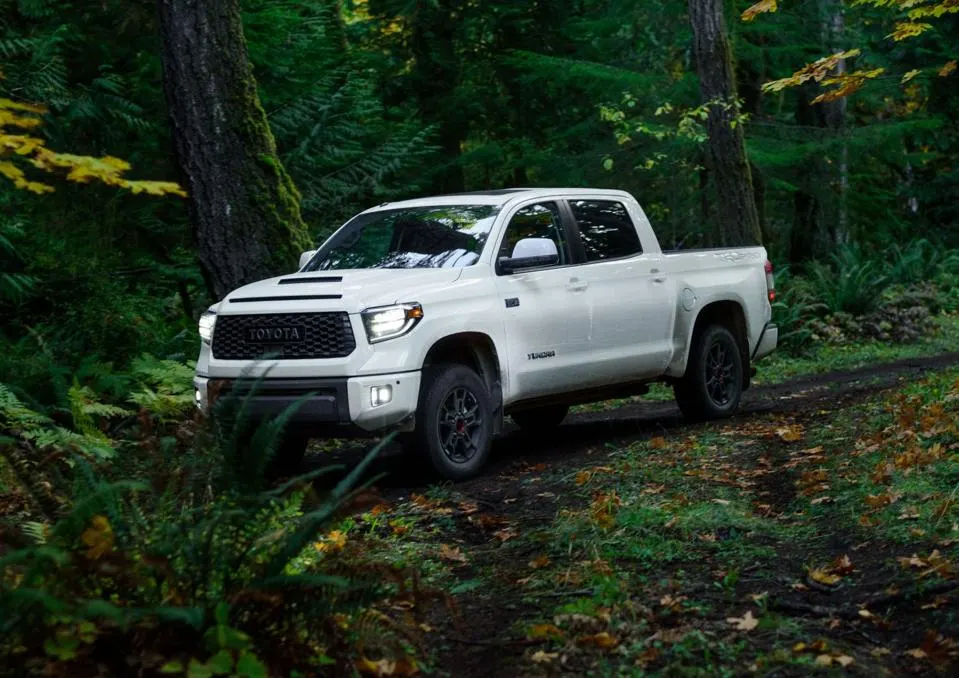
6. Toyota Tundra: A Capable Full-Size Pickup with Comfort and Tech
The Toyota Tundra enters the full-size truck arena with a strong reputation for reliability and long-term durability. Some owners have surpassed one million miles, a testament to the truck’s construction and engineering. With a starting MSRP of $40,090 and estimated five-year maintenance costs of $5,486, the Tundra balances cost with robust performance and longevity.
Under the hood, the Tundra uses a turbocharged 3.4-liter V6 paired with a 10-speed automatic transmission. Power delivery is confident, with torque available even at low rpm. During testing, a four-wheel-drive Tundra accelerated to 60 mph in 6.6 seconds, a quick figure for a truck this size. Passing maneuvers on highways are handled with ease, and the automatic transmission delivers smooth, timely shifts.
Braking is equally strong. From 60 mph, the Tundra stopped in 131 feet, a slightly better result than the segment average, even on more rugged TRD Off-Road tires. Steering is light and accurate, helping drivers feel in control whether on highways or narrow back roads.
Off-road, the TRD Off-Road package provides extra tools such as a locking rear differential and specialized drive modes. Still, the Tundra’s long wheelbase and large dimensions limit its capability compared to smaller trucks. Those who want serious trail performance will find the TRD Pro the better choice.
Comfort has taken a major step forward compared with previous Tundra generations. Seats provide strong support for long-distance driving, and both rows offer generous room. Noise levels are well managed, creating a calm cabin even at highway speeds. While the V6 engine lacks the deep rumble of the discontinued V8, it still produces a satisfying sound under hard acceleration.
Ride quality is well controlled, though rivals like the Ram 1500 remain smoother over broken pavement. Toyota equips the Tundra with large climate control knobs and buttons that are easy to use, though labeling can be harder to read in direct sunlight.
Inside, the Tundra emphasizes simplicity and usability. The available 14-inch touchscreen dominates the dashboard, offering crisp graphics and easy-to-navigate menus.
Standard Apple CarPlay and Android Auto are included, though many users may find Toyota’s native system intuitive enough to use on its own. The optional JBL sound system delivers strong performance, but the standard audio setup is more than adequate.
Visibility is good for such a large vehicle, but thick windshield pillars can block sightlines on two-lane roads. The available surround-view camera system is worth adding, as it makes maneuvering in parking lots or tight driveways much easier.
The Tundra is engineered to tow and haul confidently. In CrewMax 4WD configuration, it can pull up to 11,120 pounds when properly equipped. Payload capacity is similarly respectable, and the standard reinforced composite bed resists wear and tear. Interior storage is plentiful, with underseat bins and small compartments throughout the cabin, though rivals offer more thoughtful organization.
Fuel efficiency isn’t a Tundra strength. The EPA estimates 19 mpg combined for 4WD models, but real-world tests returned closer to 15–17 mpg, which is below average compared with other full-size trucks.
From a value perspective, the Tundra scores well. Interior build quality is high, with tight panel gaps and sturdy trim pieces. Warranty coverage is typical for the class, but Toyota includes two years or 25,000 miles of complimentary maintenance, an advantage over some competitors.
The Toyota Tundra delivers strong performance, a comfortable ride, and a well-built cabin backed by Toyota’s reputation for reliability. While its fuel economy lags behind rivals and off-road ability is limited by size, the Tundra remains a compelling choice for drivers seeking a capable and dependable full-size pickup.
7. Toyota Corolla: Affordable, Efficient, and Built to Last
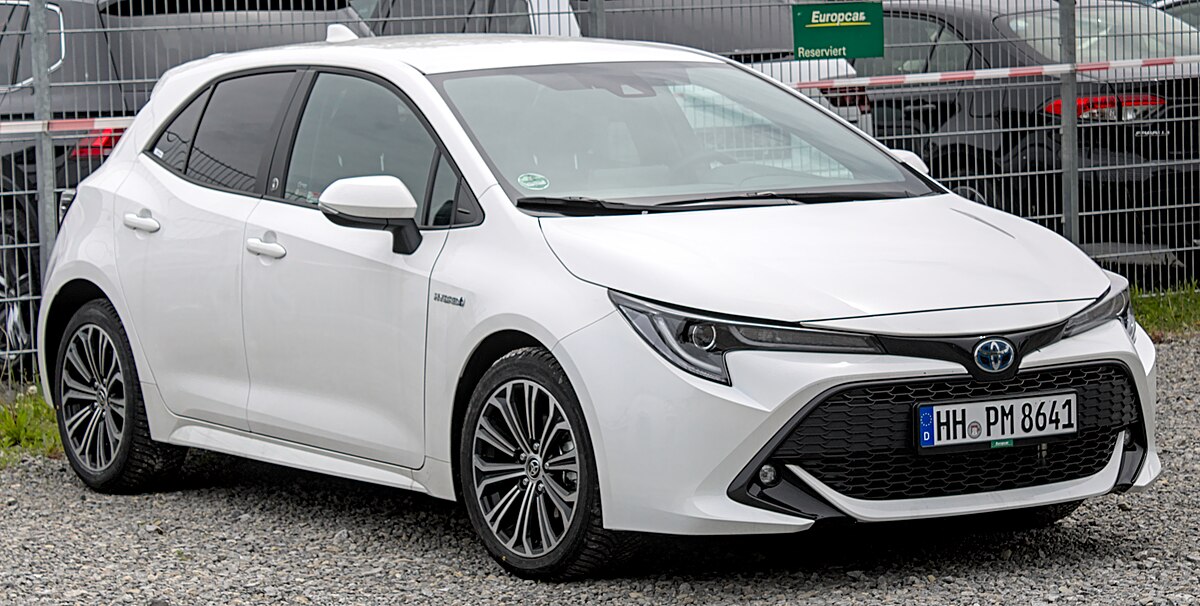
The Toyota Corolla has been a household name for decades, and the 2025 model keeps the tradition alive with a mix of affordability, efficiency, and durability. With a starting MSRP of $22,325 and estimated five-year maintenance costs of $5,486, the Corolla appeals to budget-conscious drivers who want a dependable compact car without unnecessary frills.
The Corolla’s 2.0-liter engine paired with a continuously variable transmission delivers adequate performance for daily use, though it won’t impress driving enthusiasts. In testing, the Corolla reached 60 mph in 8.8 seconds, slower than some rivals, meaning highway merging and passing require a heavy foot. Braking is predictable and smooth, giving drivers confidence in stop-and-go traffic.
Handling is tuned for everyday driving, not thrills. The Corolla leans noticeably around turns and lacks grip from its economy-focused tires. Still, it’s easy to maneuver in city traffic and parking lots. The CVT behaves unobtrusively, and Toyota’s use of simulated gear changes helps reduce the droning noise common with this type of transmission.
Inside, the Corolla provides comfort for most drivers and front passengers. The seats offer a wide range of adjustments, and the cloth upholstery breathes better than the available synthetic leather on hot days. Ride quality is smooth over a range of surfaces, making commutes and errands pleasant.
Noise, however, is an issue. Road and wind sounds become intrusive at highway speeds, and the engine feels strained under hard acceleration. Drivers may find themselves turning up the stereo to drown it out.
Toyota takes a simple and functional approach to the Corolla’s cabin. Controls are logically placed and easy to reach, with just the right number of physical buttons. Entry and exit are straightforward, and front passengers enjoy ample space with good visibility.
Rear seating is tighter, especially for taller passengers who may brush the roofline. The Honda Civic offers a roomier back seat, which could sway buyers prioritizing rear passenger comfort.
The Corolla comes with either an 8-inch or an optional 10.5-inch touchscreen. Both look sharp, but the system can lag when responding to inputs, particularly with navigation or voice commands. Virtual buttons are sometimes small and tricky to press while driving.
Standard Apple CarPlay, Android Auto, USB-C ports, and an available wireless charging pad keep the car modern. Toyota also offers remote start and connected services through its app, though these require a subscription. Advanced driver aids, including adaptive cruise control and lane centering, are standard and work smoothly. Blind-spot warning is useful, though it could benefit from an audible alert.
The Corolla’s 13-cubic-foot trunk is slightly smaller than its closest competitors, though adequate for everyday needs. The rear seatbacks fold down but don’t sit flat, which can complicate loading bulkier items. Small-item storage is limited, though child seat installation is straightforward thanks to clearly marked anchors.
Fuel economy is one of the Corolla’s biggest strengths. The 2.0-liter engine is EPA-rated at 34–35 mpg combined, and real-world testing yielded 40.2 mpg. For buyers prioritizing efficiency, the Corolla Hybrid offers even greater returns, with up to 50 mpg.
With a solidly built interior, strong reliability record, and two years of complimentary maintenance, the Corolla delivers strong value in the compact sedan segment. It isn’t flashy or fast, but it checks the boxes for affordability, practicality, and long-term dependability.
8. Honda Odyssey: Family-Friendly Space and Comfort
The Honda Odyssey continues to be one of the most practical and family-focused minivans on the market. Starting at $42,220 with five-year maintenance costs estimated at $3,659, it offers strong long-term value thanks to its reliability, versatile seating, and reputation for longevity. With the ability to last up to 300,000 miles, the Odyssey is designed for parents and families who need space, safety, and convenience in one package.
The Odyssey’s V6 engine provides confident acceleration, reaching 60 mph in 7.6 seconds. Power delivery is smooth and consistent, even with a cabin full of passengers. The 10-speed automatic transmission shifts seamlessly, and paddle shifters add some driver control when needed.
Handling is one of the Odyssey’s standout qualities. It feels composed and responsive for a minivan, with precise steering and stable braking. While not sporty, it’s enjoyable to drive and delivers a cohesive, well-balanced ride. The only drawback is the engine’s stop-start system, which can feel unrefined at stoplights.
Comfort is a major strength of the Odyssey. The front seats are excellent for long drives, while the second-row Magic Slide seats make it easy to adjust passenger placement or access the third row. Adults will find the third row usable for short trips, though space is limited compared to the first two rows.
Ride quality is smooth, even over rough roads, though models with larger 19-inch wheels can feel firmer. Wind and road noise are minimal, creating a quiet cabin environment. Features like the cabin intercom allow the driver to communicate easily with rear passengers, adding family-friendly convenience.
Honda has designed the Odyssey’s interior for maximum usability. Dual sliding doors make entry and exit easier than a crossover, and the seating height is ideal for both kids and adults. The second-row seats slide and recline, offering flexibility for car seats, extra space, or easier access to the third row.
Drivers benefit from a wide range of adjustments, but taller drivers may wish for more thigh support. The main drawback is visibility: large roof pillars and bulky mirrors limit sightlines, and unlike rivals, the Odyssey doesn’t offer a surround-view camera system.
The Odyssey’s technology is functional but dated. The 9-inch touchscreen feels small for the segment and runs on Honda’s older software, which lags behind the Google-based system found in newer models. Native navigation looks outdated, though wireless Apple CarPlay and Android Auto integration help bridge the gap.
There are plenty of USB-C ports throughout the cabin, including the third row, making it easy to keep devices charged. The cabin camera and intercom are useful family features, but advanced driver aids like adaptive cruise control are sluggish and prone to false alerts.
The Odyssey shines when it comes to storage. The deep well behind the third row is perfect for groceries, and folding the third row flat creates a large, versatile cargo space. With the second-row seats removed, maximum cargo capacity reaches an impressive 144.9 cubic feet. While the second-row seats are bulky and hard to take out, their sliding functionality still provides flexibility.
Installing car seats is easier here than in almost any other vehicle, with clearly marked anchors and kid-friendly seatbelt access.
The Odyssey is rated at 22 mpg combined, which is typical for a minivan. In real-world highway-heavy testing, it returned 21 mpg, slightly below estimates.
The Odyssey is more expensive in its higher trims, but even the base model delivers the core strengths: strong power, a roomy interior, and versatile seating. Warranty coverage and roadside assistance are standard for the class. For families who want a minivan that’s reliable, spacious, and thoughtfully designed, the Odyssey remains one of the best options available.

9. Ford F-150: America’s Best-Selling Truck
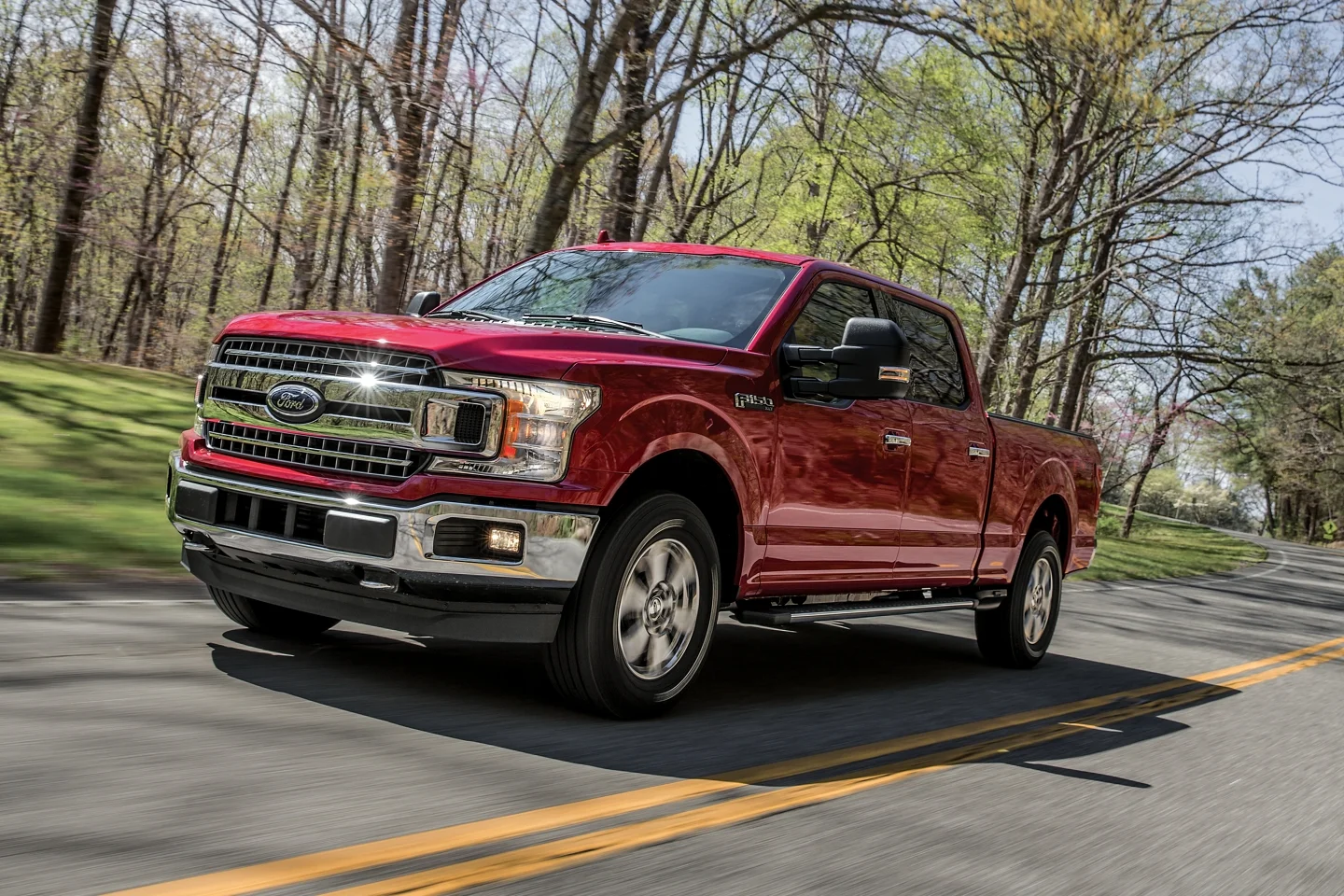
Starting at $36,645 with an estimated five-year maintenance cost of $5,184, the 2025 Ford F-150 remains the go-to choice for full-size truck buyers. Known for durability and a wide range of trims and configurations, it can last 150,000 to 200,000 miles when well cared for.
Whether you need a bare-bones work truck, a family-friendly daily driver, or a luxury-grade hauler, the F-150 lineup has something for everyone. With a maximum towing capacity of 13,500 pounds and the ability to double as a mobile generator, it’s no surprise this pickup is still America’s best-seller.
The F-150 offers multiple engine options, including a turbocharged V6, a traditional V8, and a V6-based hybrid. The PowerBoost hybrid, tested here, hit 60 mph in 5.8 seconds quick for a truck and plenty strong for daily merging, passing, or towing.
Steering feels direct and responsive, helping the F-150 feel smaller and more maneuverable in tight spaces. It’s also stable at highway speeds. Braking is firm and confidence-inspiring, even with the hybrid’s regenerative system at work. Considering its size and capability, the F-150 delivers an easy and controlled driving experience.
The F-150 can be as comfortable as you want it to be, depending on trim and options. Front seats provide solid support and can be equipped with heating, ventilation, and even massage functions. The climate control system works quickly and effectively.
Ride quality is composed for a full-size truck, keeping road, wind, and tire noise to a minimum. Most engine options sound satisfying without being intrusive, though the hybrid has a coarser note when charging its battery, which some drivers may find distracting.
The cabin layout is straightforward despite the wide variety of features and options available. Large knobs and buttons are glove-friendly, which is a plus for job site use. A wide range of adjustments for the seat, steering wheel, and pedals ensures drivers of all sizes can get comfortable.
Crew cab models provide expansive passenger space, making long trips more comfortable for everyone. Visibility is generally good thanks to large windows and clever cutouts in the front doors. The optional surround-view camera system helps make parking and maneuvering easier.
Ford packs the F-150 with tech to match its utility. A standard 12-inch touchscreen is user-friendly, and smartphone integration via Apple CarPlay and Android Auto is included. Optional features add more convenience, including Ford’s BlueCruise hands-free driving system, which worked smoothly during highway testing.
The standout feature is Pro Power Onboard, which essentially turns the truck into a mobile generator with outlets in the bed. Available in different output levels, it can power tools, appliances, or even an off-grid campsite, making the F-150 useful beyond traditional truck duties.
Towing is one of the F-150’s biggest strengths. Properly equipped, it can tow up to 13,500 pounds and haul 2,445 pounds in the bed. While not the largest bed in the class, available features like a split-opening tailgate, built-in tailgate step, and powered lift/lower function make it especially practical.
Fuel economy depends on engine choice. The standard 3.5-liter V6 is rated at 19 mpg combined, while the hybrid improves efficiency up to 23 mpg combined with rear-wheel drive. These numbers are competitive but don’t outpace the diesel-powered Silverado, which gets slightly better mileage.
The F-150 stands out for its versatility. With trims ranging from work-ready XL to the luxury King Ranch and off-road-focused Raptor, it offers unmatched customization. Build quality is solid, and luxury trims rival SUVs in comfort and features. Warranty coverage is class-average, but the sheer breadth of configurations makes the F-150 a top value pick for buyers who want a truck that can be tailored to their exact needs.
10. Mazda MX-5 Miata: Driving Joy Made Affordable
Starting at $29,530 with five-year maintenance costs totaling $4,130, the 2025 Mazda MX-5 Miata remains the definition of an affordable sports car with personality. It’s fun, reliable, and surprisingly efficient, making it just as appealing for weekend drives along the coast as for daily commuting. Light, nimble, and engaging, the Miata delivers excitement without requiring big horsepower numbers.
Under the hood is a 2.0-liter four-cylinder producing 181 horsepower and 151 lb-ft of torque. While that may not sound impressive on paper, the Miata’s lightweight build and rear-wheel-drive setup make the most of it. Paired with a short-throw six-speed manual transmission, it delivers a sharp and engaging experience.
In testing, the Miata reached 60 mph in 6.4 seconds. That’s slightly slower than the Subaru BRZ or VW Golf GTI, but the driving feel more than makes up for the gap. Braking is excellent, stopping from 60 mph in just 113 feet.
On winding roads, the Miata reacts instantly and predictably, giving drivers precise control. While body lean is noticeable during hard cornering, it adds to the car’s communicative character rather than detracting from it.
Despite being a compact two-seater, the Miata is livable for daily use. Road imperfections are noticeable, but smaller bumps are absorbed well. Seats are supportive and comfortable for most drivers, with effective heaters for colder trips. Some may find the padding oddly shaped in places, but for many, they’re a highlight of the cabin.
Wind noise is a given in a convertible of this size. With the top up, conversations can be difficult at highway speeds. The simplest solution? Drop the roof, roll the windows up, and enjoy the open-air experience.
The interior is focused on the driver. The cabin is tight but well laid out, with controls easy to reach. A manual soft top can be raised or lowered quickly, adding to the Miata’s appeal.
Space is the biggest limitation. Drivers taller than 6 feet may struggle with headroom and legroom, while passengers face a shorter footwell. Cupholders are awkwardly placed, and storage options are limited; there’s no glovebox, just a small center bin and a trunk offering 4.6 cubic feet of space.
The Miata balances driving simplicity with modern essentials. Standard features include Apple CarPlay, Android Auto, and two USB ports. Safety aids such as blind-spot monitoring are particularly useful with the top-up.
The optional nine-speaker Bose system delivers strong sound for such a small cabin, even competing well against wind noise. Voice controls are simple but accurate, while the available navigation system is functional if basic.
Cargo space is minimal, with the trunk able to fit a carry-on or a few grocery bags. With no back seats or glovebox, storage is limited to small bins. The Miata is not built for utility, but that’s part of the trade-off for its light, focused design.
With a manual transmission, the Miata achieves an EPA-estimated 29 mpg combined. That’s efficient for a sports car, and real-world results tend to match those estimates easily.
The MX-5 Miata proves that driving fun doesn’t have to come with a high price tag. Despite its size, the car feels solidly built with quality materials inside. While higher trims can push the price upward, the Miata remains a great value for anyone seeking a sports car that’s both affordable and reliable.
Warranty coverage is average for the class: three years/36,000 miles bumper-to-bumper and five years/60,000 miles for the powertrain, plus roadside assistance for three years.

Also Read: 10 Cars Known For Smooth Ride Quality vs 10 That Become Bumpy Messes
10 Cars That Fall Apart Over Time
1. Subaru Ascent: Reliability Concerns in an Otherwise Strong SUV
Subaru has long built its reputation on durable vehicles, with claims that 90% of its cars remain on the road after ten years. However, the Subaru Ascent, the brand’s largest SUV, has fallen short of this legacy. Consumer Reports gave the Ascent just 1 out of 5 for reliability, placing it below even the Ford Explorer, long known for its reliability struggles.
The problems are most pronounced in the first-generation 2019–2020 models. Owners have frequently reported Continuous Variable Transmission (CVT) failures, often requiring costly replacements at low mileage. Subaru responded by extending the CVT warranty on certain models.
The powertrain also faces strain, with the turbocharged four-cylinder engine paired to the CVT struggling under the Ascent’s size and weight. Additional issues include oil leaks, head gasket problems, and strained performance.
Beyond the powertrain, owners cite faulty brakes, electrical glitches such as battery drain and infotainment failures, and occasional exhaust system problems. Much of this is attributed to “first-year” design and quality control shortcomings, a common issue with new nameplates.
For buyers, caution is advised with used 2019–2020 Ascents. Certified Pre-Owned or extended warranty coverage is recommended. Fortunately, newer models from 2021 onward show marked improvements, aligning more closely with Subaru’s durable reputation.

2. Pontiac Fiero: Ambition Undone by Flaws
Launched in the 1980s, the Pontiac Fiero was marketed as an affordable American sports car but quickly gained notoriety for poor reliability and safety issues. Motor1 even ranked it among the “worst sports cars,” citing its heavy build, costly maintenance, and underwhelming performance.
The most infamous problem was the tendency of early 1984 models to catch fire, caused by design flaws in the engine, such as a low-capacity oil pan and weak connecting rods. Over 100 fire incidents were reported, permanently tarnishing the Fiero’s reputation.
Structural durability was another Achilles’ heel. While the plastic body panels resisted rust, the steel space frame beneath them did not. Hidden corrosion often spreads in areas like the rear trunk, subframe, and frame rails, compromising safety and making repairs expensive.
Coupled with weak mounts and reused components from budget GM cars such as the Chevette and Citation, the Fiero’s suspension and drivetrain lacked the refinement expected of a sports car.
Aging only worsened matters, with interiors degrading and drivetrain parts wearing out over time. Yet, despite its flaws, a passionate enthusiast community has kept many Fieros alive. Their dedication, combined with the car’s mid-engine chassis, ideal for modifications, ensures the Fiero remains a quirky but flawed chapter in automotive history.

3. Cadillac Escalade: Luxury SUV with Lingering Reliability Issues
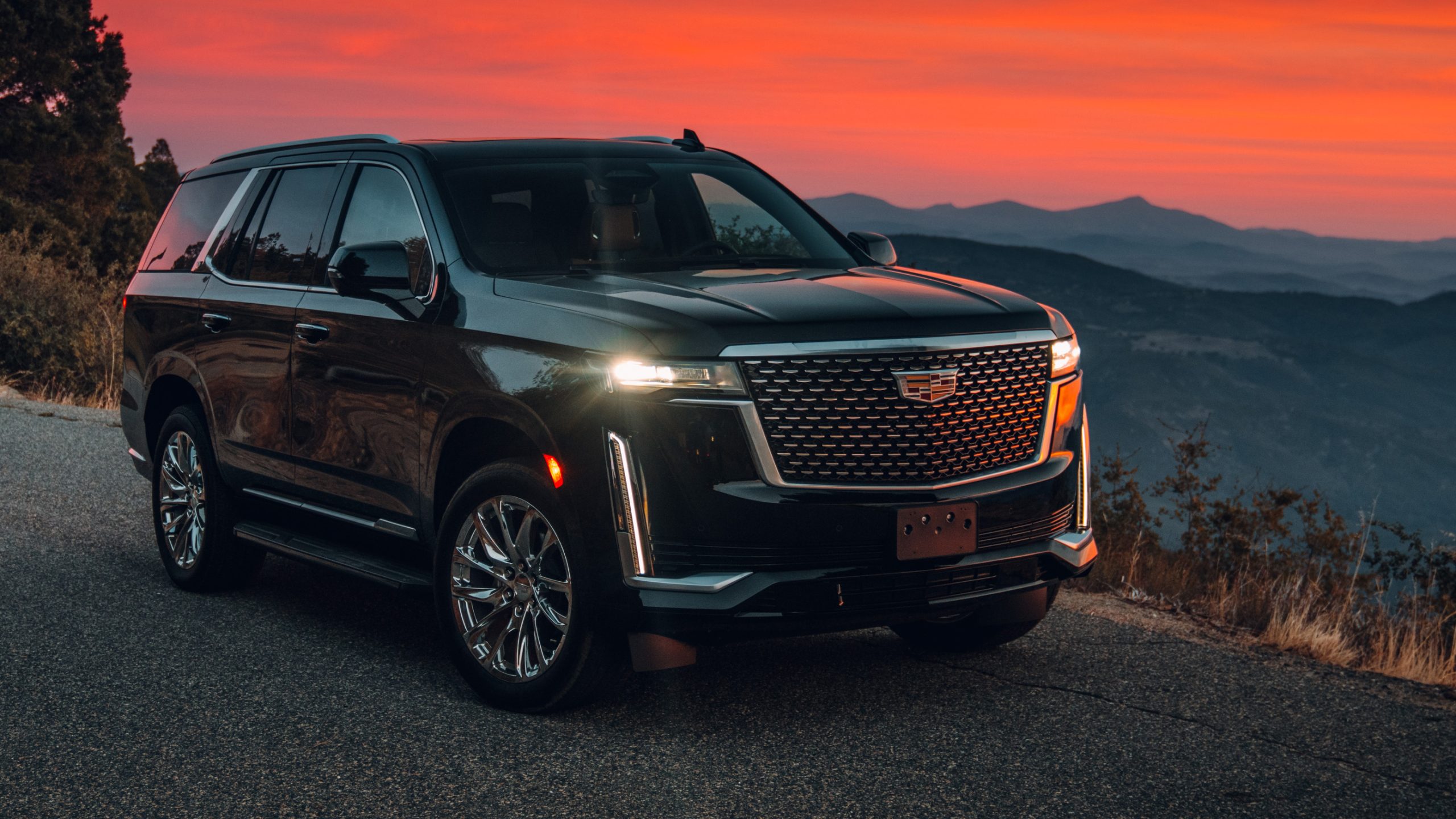
Since its debut in 1999, the Cadillac Escalade has been a staple in the luxury SUV market, but it has faced persistent reliability concerns. Consumer Reports even listed it among the “Least Reliable Cars” in 2017, citing issues with its infotainment system and frequent transmission problems.
Despite its imposing size and premium price tag, many owners complain about cramped interiors and questionable build quality, which undermine its luxury status.
One of the Escalade’s most notable problem areas lies in its engine and drivetrain. The 6.2-liter V8, particularly in 2021–2024 models, has been linked to excessive oil consumption, timing chain wear, and component failures. Earlier model years have faced similar struggles, with the 2015 version notorious for engine knocking.
Transmission failures, gear slipping, and rough shifting remain common in models from 2007, 2008, 2015, and 2016. Suspension issues also plague the SUV, with air suspension failures and shock absorber problems diminishing ride comfort.
Electronics add to the frustration. The Cadillac User Experience (CUE) infotainment system is known for freezing or rebooting, while faulty sensors, random warning lights, and unexplained battery drain create additional headaches. Interior and exterior durability also suffer, with flimsy door handles, cheap materials, HVAC malfunctions, and even water leaks reported.
Finally, rust remains a recurring problem, with peeling frame coatings, moisture-trapping design flaws, and undercarriage corrosion compromising longevity.
While the Escalade offers prestige and presence, its history of mechanical, electronic, and structural issues makes careful model-year selection and thorough inspection essential for buyers seeking lasting reliability.
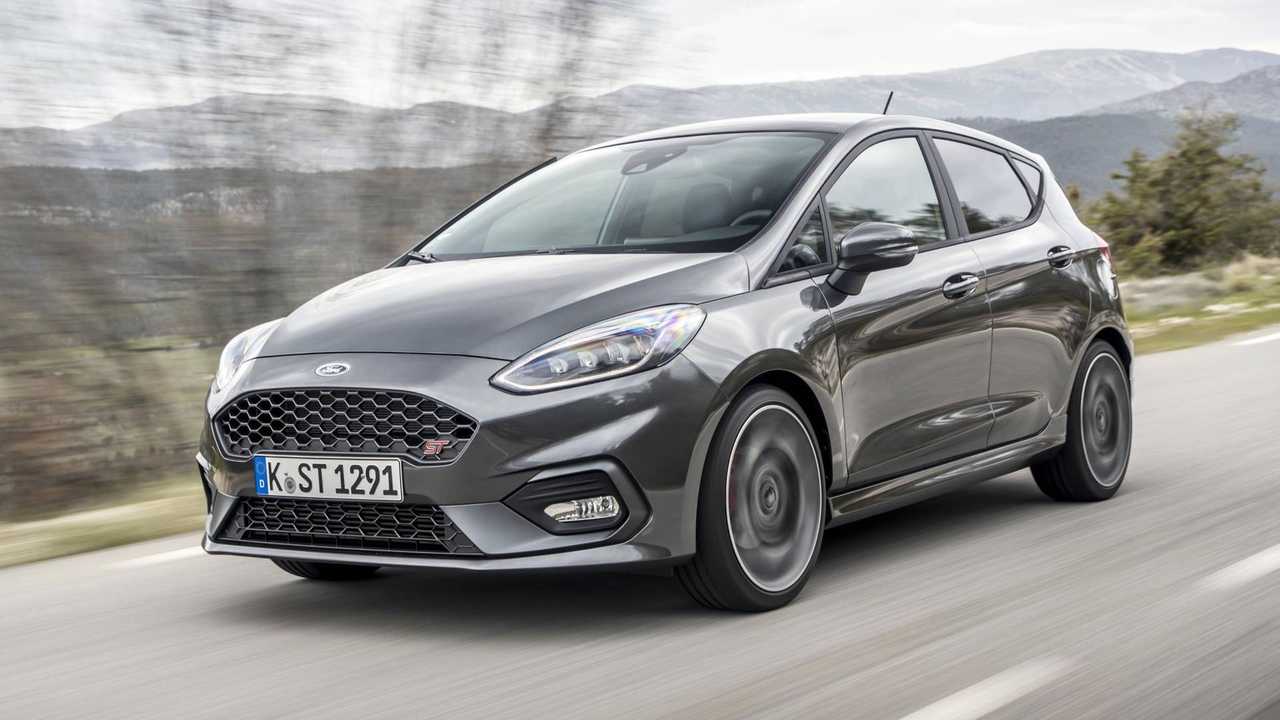
4. Ford Fiesta: Budget-Friendly but Plagued by Reliability Issues
The Ford Fiesta, once popular for its affordability and compact size, has since gained a reputation as one of the least reliable cars on the market. Sharing DNA with the Ford Focus, it was heavily criticized for its defective “PowerShift” dual-clutch transmission.
This flawed system caused widespread owner complaints, lawsuits, and even class-action settlements, cementing the Fiesta’s place on Consumer Reports’ least reliable cars list.
The most notorious problems stem from 2011–2016 models equipped with the PowerShift transmission. Designed with a dry-clutch system, it was unable to cool itself properly, leading to shuddering, slipping gears, hesitation, and stalling. Reports suggest Ford was aware of the defect before release, leading to lawsuits and investigations.
Beyond the transmission, certain EcoBoost engines introduced new issues: wet timing belts degrading and clogging oil pumps, causing catastrophic engine failure, and early nylon coolant pipes prone to overheating and recalls.
The Fiesta also struggles with common mechanical and structural weaknesses. Suspension components such as rear shock absorbers and roll-bar links wear prematurely, sometimes requiring full replacements.
Rust, particularly around wheel arches and sills, is a recurring issue, along with water leaks into footwells due to faulty weather stripping. Inside, owners have reported broken door latches, failing HVAC actuators, and unreliable stereos. Electrical problems, from battery drains to starter motor failures, add further frustration.
Ultimately, the Fiesta’s budget-oriented engineering contributed to its decline. While cost savings made it affordable upfront, corner-cutting in key systems has left many owners with expensive long-term repair bills, making certain model years best avoided altogether.
5. Dodge Ram: Strong Truck, Weak Reliability Track Record
The Dodge Ram, one of America’s most popular pickups, has faced recurring reliability issues over the years despite its reputation for strength and towing capability. In 2015, Fiat-Chrysler (now Stellantis) was fined $105 million for mishandling recalls mainly involving steering defects in more than half a million Rams.
Some owners waited years for repairs, and the delays were linked to 32 accidents and one death. This scandal highlighted long-standing concerns about quality control and safety.
Beyond recalls, several design and component flaws have contributed to the Ram’s reputation for deterioration. Certain DT-generation models (2021–present) have weak chassis designs, especially around coil towers and airbag mounts, which can bend or crack under heavy loads.
Earlier trucks suffered from brittle dashboards that cracked easily on rough roads. Mechanical problems are also widespread, with coolant leaks from faulty gaskets and water pumps leading to overheating, and broken exhaust manifold bolts plaguing 3.7L V6 and 4.7L V8 engines.
Electrical systems have been another Achilles’ heel. The Totally Integrated Power Module (TIPM) has a history of malfunctions, causing issues with power windows, cooling fans, or even airbag deployment. Certain model years, 2003, 2014–2016, and 2019, are particularly notorious for problems with engines, steering, brakes, and electronics.
For buyers, awareness is key. Regular maintenance, close inspection for leaks or cracks, and research into model-year weaknesses are critical. While many Rams serve owners reliably, others suffer costly failures, making cautious selection essential for long-term ownership.

6. Chevy Cruze: Compact Car with Big Reliability Problems
Introduced in 2008 as Chevrolet’s global compact sedan, the Chevy Cruze quickly developed a reputation for reliability issues that overshadowed its affordability. Consumer Reports has logged countless complaints ranging from rough rides and hard shifting to recurring electrical failures.
The problems were so severe that GM issued a recall impacting more than 110,000 vehicles and temporarily halted sales until fixes were implemented, an early sign of the model’s long-term struggles.
The first-generation Cruze, in particular, suffers from multiple weak points. The most significant is its cooling system: plastic thermostat housings and bypass hoses are prone to cracking, and water pumps often fail prematurely.
These issues can cause engine overheating, which frequently leads to blown head gaskets and catastrophic engine damage. Transmission problems are also common, especially in 2011 models, with symptoms such as loud rattling, hard shifts, and premature wear.
Electrical faults add another layer of frustration for owners, with reports of failing components throughout the cabin. Oil leaks from valve cover gaskets can cause rough idling and unusual engine noises, while additional complaints include suspension and steering issues, peeling paint, and trim defects.
For owners, these flaws translate into frequent and costly repairs. Without consistent maintenance, especially addressing cooling and transmission concerns, the Cruze’s lifespan can be significantly shortened.
Neglecting these issues risks severe engine failure that far outweighs the vehicle’s value. While budget-friendly upfront, the Chevy Cruze’s history of recalls and chronic mechanical weaknesses makes it a risky choice for long-term ownership.

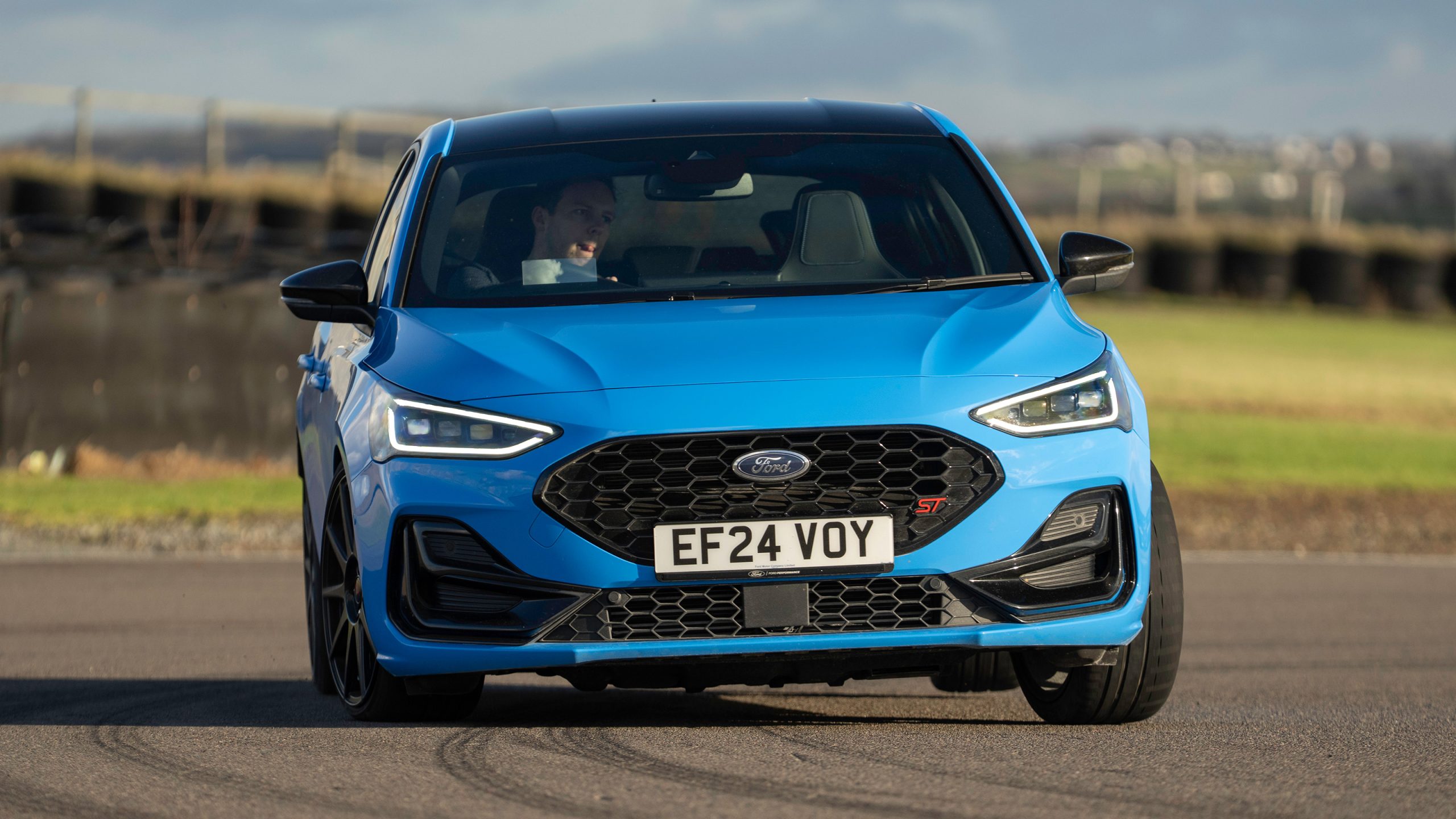
7. Ford Focus: Popular Compact, Plagued by Transmission Troubles
The Ford Focus, once a staple in the compact car market, has become infamous for reliability issues earning just 1 out of 5 from Consumer Reports. The most damaging problem came with the 2012–2016 models, which used Ford’s “PowerShift” dual-clutch automatic transmission.
Designed to improve fuel economy, the system instead caused widespread failures, leading to multiple class-action lawsuits. Many owners were compensated after their vehicles were deemed lemons.
The PowerShift transmission was notorious for jerking, shuddering, and hesitating at low speeds. Premature wear of its dry clutches often required expensive repairs or complete replacement. In some cases, slipping gears added to the danger and frustration of everyday driving.
Beyond transmission failures, the Focus has a history of other mechanical issues. A faulty purge valve led to stalling, inaccurate fuel readings, and potential fuel tank damage in 2012–2018 models.
Earlier cars, such as the 2000 Focus, suffered from engine stalling, while some 2012 models experienced sudden failures in the electronic power-assisted steering system. Performance-oriented Focus ST models with EcoBoost engines could also develop low-speed pre-ignition, risking severe internal damage.
Owners across different years have also reported failing motor mounts, alternators, and electrical glitches tied to the body control module.
Despite these shortcomings, not every Focus is destined for failure. Well-maintained models without the flawed PowerShift transmission can be surprisingly durable, with some lasting 200,000–400,000 miles. However, the Focus’s legacy is overshadowed by the serious mechanical faults that defined its most problematic years.
8. GMC Acadia: A History of Recalls and Reliability Struggles
Since its debut in 2007, the GMC Acadia has struggled with long-term reliability, earning consistently low marks from Consumer Reports. Even in recent years, recalls continue, such as those for defective fuel pumps that risk fire and faulty driveshafts that could cause rollaway accidents.
While not every Acadia is problematic, many model years, especially in the first generation (2007–2016), have been plagued with recurring issues that undermine durability and ownership satisfaction.
Transmission failure is among the most notorious problems. Early models frequently suffered from broken 35R clutch wave plates, leading to slipping gears, loss of reverse, or total transmission failure, often around 75,000 miles. The 2008 model year is especially infamous.
Some Acadias were also recalled for defective sun gears that could abruptly cut propulsion. Engine troubles compound the problem, with the 3.6-liter V6 known for timing chain failures, gasket leaks, and overheating. Early models like 2008 and 2011 saw frequent stalling, shutdowns, and even blown engines.
Electrical problems are another weak point. Owners report everything from faulty infotainment systems and backup cameras to dangerous shorts that could cause stalling. Corrosion in wiring harnesses and poor battery connections are recurring culprits. Steering and suspension parts struts, bushings, and ball joints, also wear prematurely, causing rattling and unstable handling.
Beyond mechanical woes, many Acadias reveal subpar build quality, with brittle interior plastics, malfunctioning liftgates, and corroded body hardware.
Buyers should be cautious with first-generation models, particularly 2008, 2012, and 2013, while later models (2018 onward) show marked improvements in reliability.

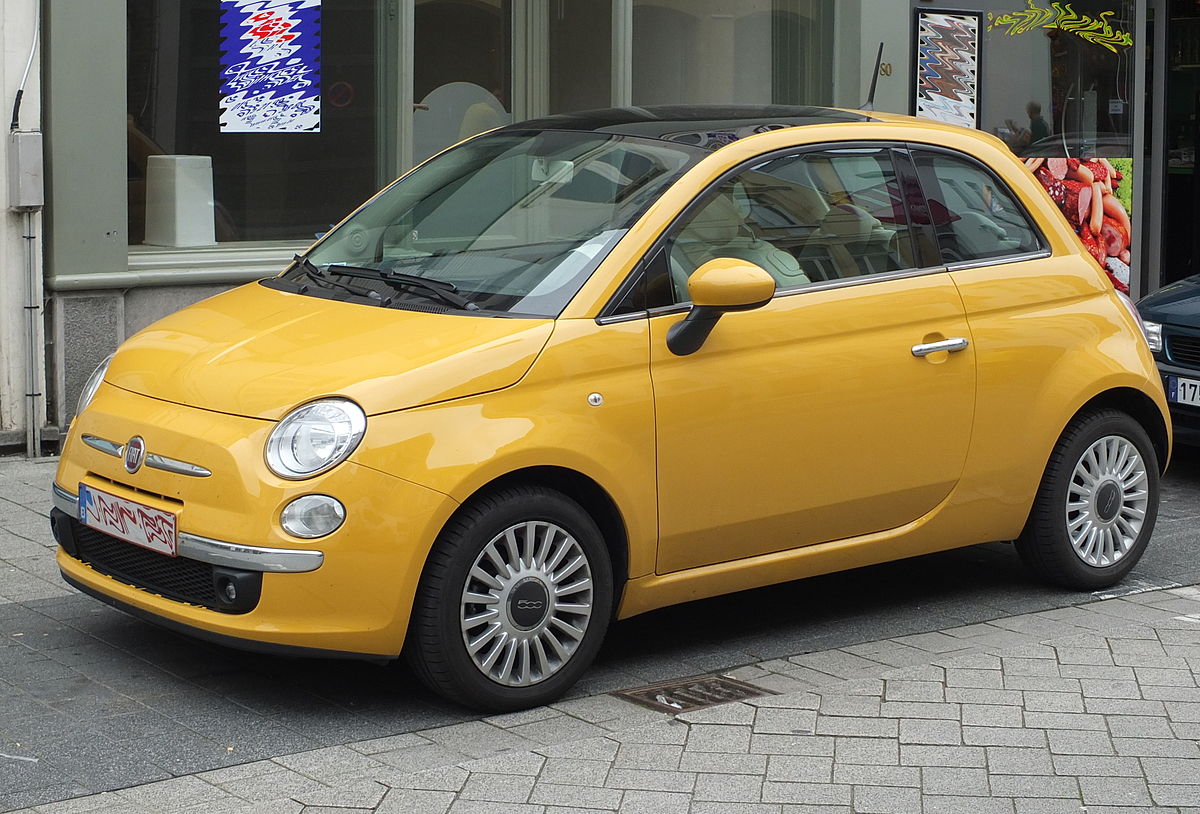
9. Fiat 500: Small Car, Big Reliability Problems
Launched in 2012 as a stylish, city-friendly compact, the Fiat 500 quickly earned a spot on Consumer Reports’ “Least Reliable Cars” list. Despite its charm, the model’s reliability declined each year it was produced, with 2014 standing out as one of the worst years due to unresolved issues from prior models.
While some owners enjoy long-term use, the 500 has developed a reputation for poor durability, stemming from cost-cutting design choices and the stresses of urban driving.
Electrical failures are among the most common complaints. Premature bulb burnouts, weak ground connections causing random battery drain, and wiring failures, particularly around the steering column and rear hatch, have plagued early models. Infotainment glitches, such as freezing or rebooting screens, add to the frustration.
Build quality also leaves much to be desired. Flimsy door handles, brittle trim, and rattling interiors degrade over time, while water leaks from worn seals, especially on convertible models, contribute to rust and interior damage.
Mechanical problems further diminish reliability. The Dualogic automated manual transmission is infamous for jerky shifting and failure, while manual versions often suffer premature clutch wear. Suspension components wear out quickly on rough roads, and oil leaks are frequent in TwinAir engines.
Externally, thin paint and poor rust protection accelerate wear, especially in accident-repaired or older models. Over time, neglect from second-hand owners combined with already fragile components magnifies these problems, reinforcing the car’s poor reputation.
In short, while the Fiat 500 shines in style and urban practicality, its chronic reliability issues make it a high-maintenance choice that often ages poorly.
10. Volkswagen Jetta: Reliability Struggles Behind German Engineering
The Volkswagen Jetta has long carried a reputation for questionable reliability, well before Volkswagen’s diesel scandal further damaged the brand’s image. According to Consumer Reports, the Jetta’s reliability rating has shown little improvement since 2000, with issues continuing into the 2017–2018 model years.
Transmission troubles dominated complaints in 2017, with owners facing costly repairs ranging from clutch and torque converter replacements to full transmission rebuilds.
Electrical faults are another recurring weakness. Older models frequently suffer from failing power window regulators, malfunctioning door locks, and corroded wiring harnesses. Faulty sensors can disrupt climate control, dashboard displays, or cruise control, while newer models like the 2019 have experienced infotainment glitches such as freezing and random reboots.
Transmission and engine reliability vary widely by year. The 2006, 2010, and especially the 2012 Jetta were notorious for harsh-shifting or failing automatics, with the DSG gearbox being particularly problematic. Engine misfires from failing ignition components are common, alongside leaks from valve cover gaskets and water pumps. Fuel system issues like failing pumps or injectors add to the reliability concerns.
Other persistent problems include cooling system failures, ABS module malfunctions (notably in 2009), and premature suspension wear affecting ride quality.
Still, not all Jettas are doomed. Many of the car’s issues are worsened by neglect. German engineering often demands specialized and consistent maintenance, and skipping routine services like timing belt changes or coolant flushes can lead to major breakdowns. With diligent care, some Jettas can surpass 150,000 miles, but without it, they often “fall apart” far sooner.

Cars often become more than just transportation; they’re investments, daily companions, and sometimes even part of the family. That’s why knowing which models can truly stand the test of time makes a huge difference.
The vehicles that always feel solid earn their reputation not just through performance, but through reliability, build quality, and the confidence they give drivers year after year. On the flip side, the cars that fall apart remind us that flashy designs or big promises don’t always translate into long-term satisfaction.
In the end, choosing wisely can mean the difference between years of dependable driving and costly headaches down the road. Whether you’re a seasoned enthusiast or simply someone planning your next purchase, keeping this balance in mind will help you make smarter choices. After all, a solid car doesn’t just get you from point A to B, it does so with lasting peace of mind.
Also Read: 10 Cars With Long-Lasting Timing Belts vs 10 That Break Too Soon
