Choosing a car is more than selecting a style or engine. It is about picking a vehicle that can endure daily use without frequent breakdowns. Some cars are built to handle years of commuting, errands, and long trips with minimal maintenance. Others quickly reveal weaknesses under routine stress.
Reliability becomes a critical factor when mechanical, electrical, and drivetrain problems interfere with everyday driving. Vehicles that struggle often have recurring failures in transmissions, climate control systems, suspension, steering, and electronic components.
Cars that withstand regular use combine robust engineering, durable components, and thoughtful design to provide consistent performance and peace of mind. This guide examines ten 2023 models that frequently encounter problems, highlighting the maintenance challenges owners face.
By exploring patterns in reliability, repair frequency, and component durability, buyers can differentiate between dependable vehicles and those likely to face constant service needs. Understanding these differences is essential for making informed decisions that protect time and money.
10 Cars That Withstand Daily Abuse
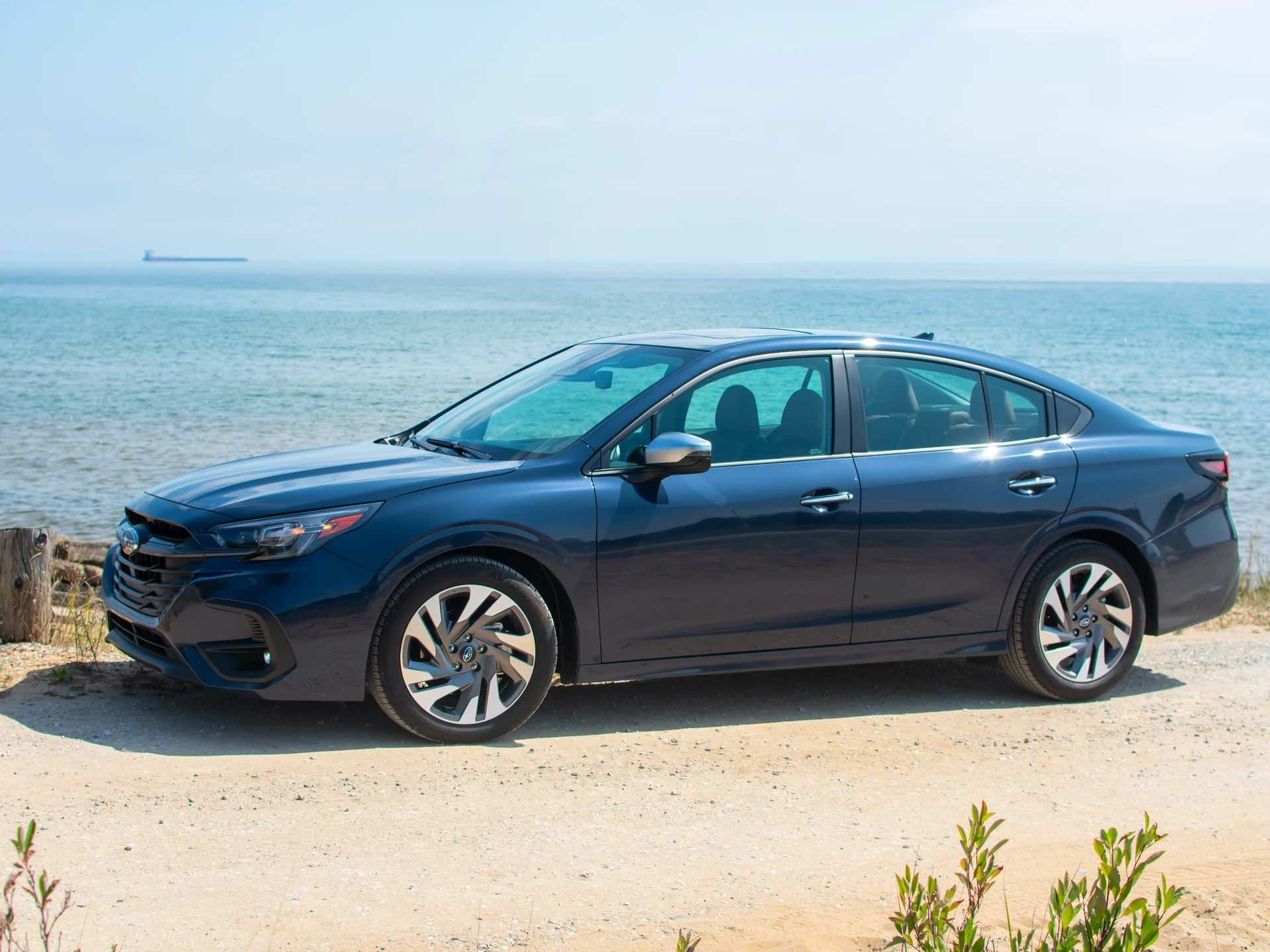
1. Volkswagen Jetta
The Volkswagen Jetta continues to stand as the final sedan in the company’s lineup, offering a practical and conservative alternative in a market dominated by compact crossovers. With a reliability rating of 78 out of 100, it is positioned as a steady and dependable choice rather than a flashy or experimental one.
For the 2025 model year, Volkswagen introduces updates that refresh both the exterior and interior, aiming to make the car more attractive to a broader range of drivers while retaining the characteristics that have long defined the Jetta
The Jetta is powered by a 1.5-liter turbocharged four-cylinder engine that produces 158 horsepower and 184 pound-feet of torque. Power is sent to the front wheels through an eight-speed automatic transmission, as the manual option has been removed from most trims.
Acceleration is modest, taking 8.4 seconds to reach 60 miles per hour. The engine feels capable in daily driving, but the transmission can be slow to respond during aggressive maneuvers. Activating the Sport mode helps sharpen the car’s reactions, though it still falls short of the sportier character found in some competitors.
Efficiency remains a strong selling point, with ratings of 29 miles per gallon in the city and 40 miles per gallon on the highway. Real-world driving tests have confirmed these estimates, achieving close to 38 miles per gallon.
With a 13-gallon fuel tank, the Jetta can cover nearly 500 miles on a single fill-up, making it an excellent companion for long commutes or road trips.
The driving experience in the Jetta emphasizes balance and stability rather than speed. The steering feels accurate, and the car remains composed around corners, giving drivers a sense of confidence on winding roads.
The braking system is equally strong, making it easy to bring the car to smooth and controlled stops. While the Jetta GLI offers more excitement for those who value performance, the standard model is designed to meet the needs of everyday drivers who prioritize a comfortable and steady ride.
Inside the cabin, comfort is a priority. The front seats provide firm but supportive cushioning, making them well-suited for longer drives. Rear seats are surprisingly accommodating for a compact sedan, offering shapes and padding that enhance passenger comfort. Ride quality depends somewhat on the trim level.
The SEL trim, equipped with 18-inch wheels, can feel a bit firm over rough pavement, while models with 16-inch wheels deliver a smoother ride due to their larger sidewalls. Noise isolation is less impressive, as wind and road sounds become noticeable at highway speeds despite the engine remaining quiet even under heavy acceleration.
The 2025 refresh brings notable changes to the Jetta’s interior. A redesigned dashboard and an eight-inch touchscreen, now standard across the lineup, give the cabin a more modern appearance.
Volkswagen has eliminated traditional knobs and buttons in favor of capacitive touch controls, which may frustrate drivers who prefer straightforward physical inputs. Upholstery choices have also been upgraded, lending a slightly more upscale feel.
Passenger space is generous, with easy entry and exit for both front and rear occupants. Taller passengers may find headroom limited in the back seat, but legroom remains competitive for the class. Visibility is excellent, thanks to large windows and an upright driving position.
Technology offerings are robust, with USB-C ports, a wireless charging pad, and wireless smartphone integration included on higher trims. Volkswagen’s native infotainment system, however, lags behind competitors due to dated graphics and confusing menu structures.
The optional Beats audio system is another weak point, delivering sound that favors heavy bass over clarity. Safety technology is more convincing. Volkswagen’s IQ.Drive suite, which includes adaptive cruise control and lane assist, is standard across the lineup. The systems perform effectively without causing unnecessary alerts, though the low-resolution backup camera detracts from the otherwise strong safety package.
The Jetta’s practicality is one of its most appealing features. Its 14.1-cubic-foot trunk is among the largest in its segment, with a wide opening that simplifies loading larger items. The rear seats fold down to expand storage, but the step created between the seatbacks and trunk floor complicates the transport of longer objects.
Inside the cabin, there is ample space for personal items, with a deep center console, generous door pockets, and a tray that doubles as a wireless charging pad. Installing child seats is straightforward, thanks to well-placed anchors and tethers.
Value plays a significant role in the Jetta’s appeal. It delivers a roomy interior, solid fuel economy, and a refined exterior design at a competitive price point. While the interior still relies on hard plastics that reduce the sense of sophistication, the feature content is strong for the class.
Where the Jetta distinguishes itself most clearly is in warranty coverage. Volkswagen provides six years or 72,000 miles of bumper-to-bumper and powertrain protection, surpassing most competitors. Roadside assistance is also included for three years or 36,000 miles, which enhances peace of mind for owners.
The Volkswagen Jetta remains a reliable and practical choice in the compact sedan category. It may not be the quickest or most technologically advanced option, but it offers a spacious interior, excellent fuel efficiency, and warranty coverage that is among the best in its class.
The refreshed design inside and out adds a touch of sophistication, while its conservative character makes it appealing to buyers who value comfort and stability over flashiness. For drivers seeking a sensible sedan that quietly does its job well, the Jetta continues to be a compelling option.
2. Hyundai Sonata
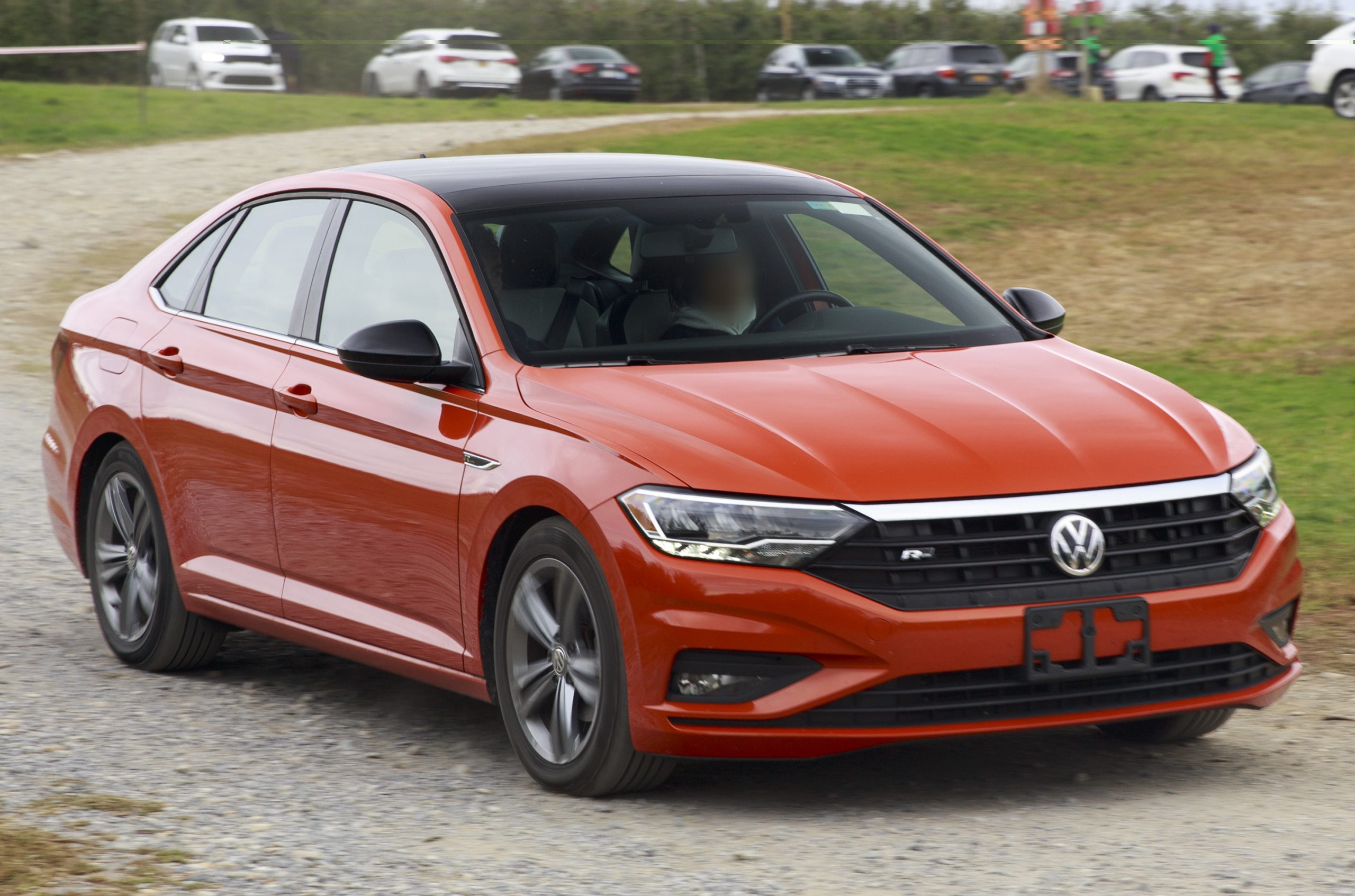
The Hyundai Sonata has long been recognized as one of the strongest contenders in the midsize sedan category, thanks to its reliability and long list of standard features. With a reliability rating of 81 out of 100, it is well-positioned to serve as a dependable daily driver.
Buyers have the option of a traditional gas-powered engine, a fuel-efficient hybrid, or the performance-focused N Line model, which broadens the car’s appeal across a wide range of drivers. The latest version introduces a futuristic exterior design while retaining its reputation as a comfortable and practical family sedan.
Among the Sonata’s most popular configurations is the 2.0-liter four-cylinder hybrid engine paired with a six-speed automatic transmission. This system produces 192 horsepower and 181 pound-feet of torque, delivering adequate performance for urban and suburban driving.
The hybrid stands out for its impressive efficiency, with an EPA rating of 44 miles per gallon in the city and 51 miles per gallon on the highway. In testing, the Sonata Hybrid exceeded those numbers, reaching more than 51 miles per gallon on mixed driving routes.
For those who desire more excitement, the Sonata N Line offers a turbocharged 2.5-liter four-cylinder engine with 290 horsepower, making it one of the most powerful sedans in its class.
Driving the Sonata Hybrid reveals a car that is easygoing and well-suited for commuting. It accelerates quickly off the line, but its power tapers at higher speeds, requiring extra planning for highway passing.
In performance testing, the Sonata Hybrid reached 60 miles per hour in 8.3 seconds, which is slightly slower than hybrid versions of the Toyota Camry and Honda Accord. The suspension delivers a compliant ride that absorbs road imperfections while maintaining good control, though the steering feels artificial and provides little feedback.
Braking performance is smooth and consistent, instilling confidence in emergency situations. For drivers who want a livelier experience, the N Line’s more aggressive setup offers sharper handling and a far quicker response.
The Sonata emphasizes comfort but does not entirely succeed in every respect. The front seats have a good shape and supportive bolsters, though the padding can feel stiff on longer trips.
Rear passengers enjoy generous legroom, with the outboard seats offering soft cushioning, but the middle rear seat is noticeably less comfortable. Ride quality is a high point, striking a balance between comfort and composure. The suspension handles bumps and imperfections effectively without becoming overly floaty.
Climate control is powerful and intuitive, keeping the cabin at a steady temperature in both manual and automatic modes. Cabin noise is more pronounced than expected for a midsize sedan, with noticeable wind and road sounds at highway speeds, though never to an intrusive level.
Inside the Sonata, space is plentiful. Front occupants benefit from a wide range of seat and steering wheel adjustments, making it easy to find a comfortable driving position. The rear offers ample legroom, although visibility from the back is slightly compromised by the thick rear pillars and sloping roofline.
The centerpiece of the interior is the 12.3-inch touchscreen, which is sharp, responsive, and easy to navigate. Most physical controls are logically arranged and intuitive to reach, making the driving experience less complicated. However, some interior materials feel cheap, especially in the dashboard area, where the gray textures and tan plastics diminish the premium impression.
Technology is an area where the Sonata excels. Wireless Apple CarPlay and Android Auto are included, and the system pairs quickly and seamlessly with smartphones. The available surround-view camera provides clear imagery for parking, and voice commands respond accurately to natural speech.
The Sonata also incorporates advanced driver assistance systems, including lane-keeping assist and adaptive cruise control. These features function smoothly, with warning systems that are occasionally sensitive but not disruptive.
A particularly innovative addition is the sideview camera system, which displays a live feed in the instrument cluster when signaling for a lane change, enhancing safety in traffic.
Practicality is another strength of the Sonata. The trunk is deep, wide, and easy to load, even in the hybrid model where the battery pack has minimal impact on cargo space. Rear seat access levers in the trunk further improve convenience when loading larger items.
The cabin offers numerous storage compartments, including a spacious center console, multiple trays for small electronics, and large cupholders. Child seat installation is possible without much difficulty, although the lower anchors are set slightly deep into the upholstery, requiring extra effort during setup.
Hyundai continues to excel in value, packaging a strong set of features into a competitively priced midsize sedan. Warranty coverage remains among the best in the industry, with five years or 60,000 miles of bumper-to-bumper protection and an impressive 10 years or 100,000 miles for the powertrain.
Build quality is commendable, with precise assembly and well-fitted panels, though the choice of some interior materials prevents the cabin from matching the polish of Toyota and Honda rivals. Despite this, the Sonata offers a generous mix of performance, technology, and efficiency that few competitors can match.
The Hyundai Sonata is a versatile midsize sedan that caters to a wide audience, from commuters seeking hybrid efficiency to enthusiasts drawn to the powerful N Line. Its blend of fuel economy, advanced technology, and interior space makes it a practical family car, while its long warranty coverage adds further peace of mind.
Though not as refined in interior quality or driving engagement as some competitors, the Sonata delivers strong value and a well-rounded ownership experience, making it a compelling option in today’s crowded sedan market.
3. Kia K5
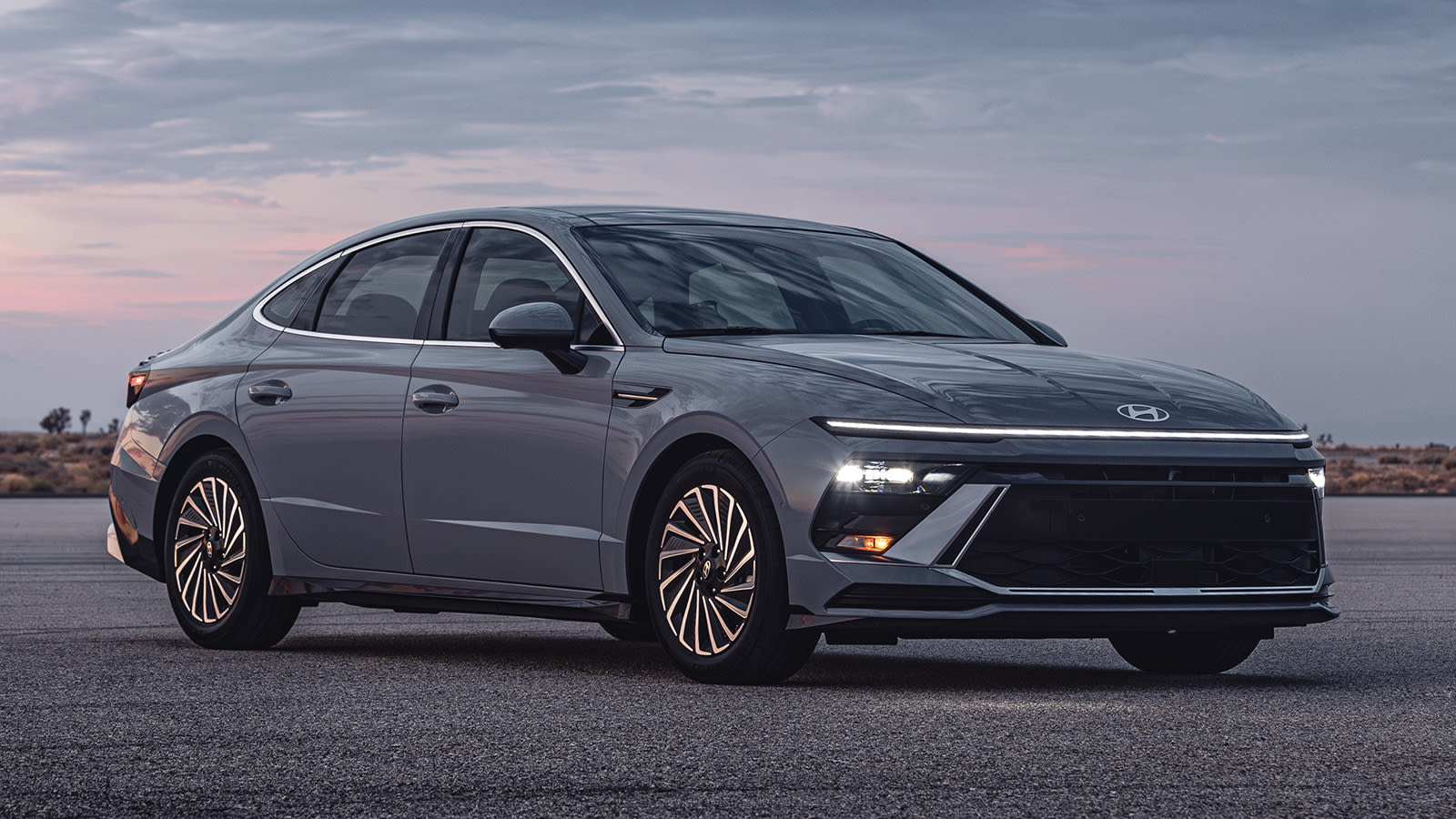
The Kia K5 has quickly established itself as one of the most stylish and appealing midsize sedans on the market. Introduced as a replacement for the Optima, it was not just a continuation of Kia’s sedan tradition but a significant leap forward in design, features, and refinement.
With a reliability rating of 82 out of 100, the 2025 K5 balances striking looks with practicality, offering buyers a car that feels more expensive than its price suggests. Its combination of sleek design, advanced technology, and long warranty coverage makes it an attractive option in a competitive segment.
The most common version of the K5 uses a 2.5-liter four-cylinder engine producing 191 horsepower and 181 pound-feet of torque. Power is routed to the front wheels through an eight-speed automatic transmission. This setup delivers smooth shifts and adequate performance for daily driving, though acceleration is not particularly brisk.
In testing, the base K5 reached 60 miles per hour in 8.5 seconds, which lags behind some of its competitors when merging or overtaking on the highway. Fuel economy is respectable, with an EPA estimate of 25 miles per gallon in the city and 36 miles per gallon on the highway, putting it right in line with class averages.
Unlike rivals such as the Toyota Camry or Hyundai Sonata, Kia does not currently offer the K5 in a hybrid configuration. For drivers who want more excitement, the GT trim adds a turbocharged engine and significantly improved performance that better matches the sedan’s sporty styling.
The K5 is tuned to provide an easygoing and comfortable driving experience rather than sporty thrills, at least in its standard trims. Around town, it feels composed and predictable, with steering that is light and responsive enough for urban settings.
On the highway, it cruises quietly and steadily, rivaling some entry-level luxury sedans in refinement. Handling is not particularly sharp, as the car tends to wallow slightly around corners, but this characteristic contributes to its smooth ride quality.
The GT trim is the clear option for those who want more agility and stronger acceleration, offering performance that elevates the K5 from a comfortable commuter to a surprisingly athletic sedan.
The K5 shines in terms of comfort, particularly during long-distance travel. The cabin remains impressively quiet at highway speeds, isolating passengers from most wind and road noise. The suspension is well-tuned to absorb imperfections in the road without becoming overly soft or floaty.
Front seats provide a solid balance of cushioning and support, making them suitable for extended drives. While rear passengers benefit from generous legroom, the sloping roofline compromises headroom and can make entry and exit less convenient for taller individuals. Despite these limitations, the K5 still offers a refined and relaxing ride that enhances its appeal as a family sedan.
Inside, the K5 demonstrates thoughtful design and user-friendly ergonomics. The layout is intuitive, with clearly labeled controls that are easy to use without needing to reference the owner’s manual.
The materials used in the cabin are a step above what is typical for this class, with higher-quality finishes placed in areas that receive the most contact. Although hard plastics are still present, they are strategically positioned away from high-touch points, ensuring the interior maintains an upscale impression.
Forward visibility is excellent due to narrow roof pillars, while rearward visibility is somewhat restricted by the tall decklid and sloping roofline.
The technology suite in the K5 is one of its strongest assets. A standard 12.3-inch touchscreen dominates the dashboard, offering crisp graphics and intuitive menus.
Wireless Apple CarPlay and Android Auto are included, and an available wireless charging pad with a built-in cooling fan ensures smartphones remain secure and functional during charging.
Kia also equips the K5 with a comprehensive suite of driver assistance features, all of which performed reliably during testing without generating false warnings. Taken together, the K5 provides one of the most impressive technology experiences in the midsize sedan segment.
Despite its fastback-inspired design, the K5 maintains the functionality of a traditional sedan. Its trunk offers 15.6 cubic feet of cargo capacity, which is slightly above average for the class. The trunk opening is wide and low, making it easy to load bulky items, and the rear seatbacks can be released from the trunk for carrying longer objects.
Inside, there are numerous storage compartments, including a generously sized center bin, a dedicated phone tray, and large cupholders. Installing a child seat in the rear is straightforward thanks to easily accessible anchors and sufficient rear space.
The Kia K5 distinguishes itself by delivering more features for the money than many of its competitors. Its price-to-feature ratio improves further as buyers move up the trim ladder, making even the higher trims strong value propositions.
While it lacks certain premium options such as genuine leather upholstery or a head-up display, the quality of materials and fitment give the cabin a more refined feel than many rivals.
Kia’s warranty coverage remains among the best in the industry, with five years or 60,000 miles of basic coverage and 10 years or 100,000 miles for the powertrain, giving buyers confidence in their long-term investment.
The Kia K5 offers a rare blend of style, comfort, technology, and value in the midsize sedan market. It may not match some competitors in raw performance or hybrid efficiency, but it makes up for those shortcomings with its striking design, spacious interior, and refined driving experience.
For buyers seeking a sedan that feels more premium than its price suggests, supported by one of the best warranties available, the Kia K5 makes a compelling case as one of the most desirable options in its segment.
4. Subaru Legacy
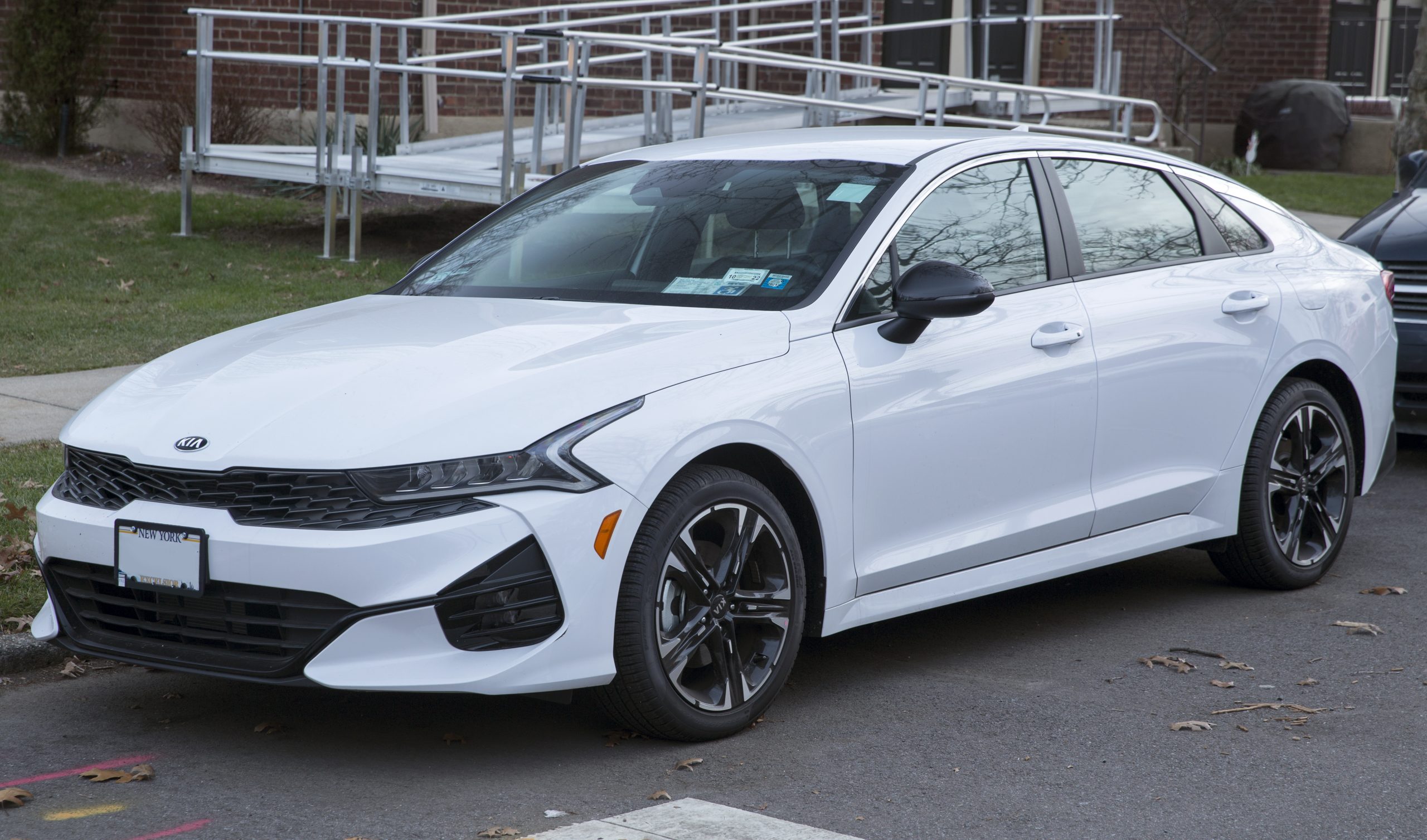
The Subaru Legacy enters its final model year in 2025, closing the book on a long-running sedan that has earned a loyal following. Known for its standard all-wheel drive, comfortable ride, and spacious cabin, the Legacy has always been positioned as a practical yet slightly unconventional choice in the midsize sedan segment.
For this last year of production, Subaru has enhanced the Limited trim with a sunroof, navigation, and a heated steering wheel, making the farewell edition more appealing.
With a reliability rating of 82 out of 100, the Legacy still represents a confident purchase for those who want a sedan that handles diverse road conditions without sacrificing comfort.
The most popular engine configuration for the Legacy is a 2.5-liter flat four-cylinder producing 182 horsepower and 176 pound-feet of torque, paired with a continuously variable automatic transmission.
This setup delivers smooth enough power for daily use, but acceleration is modest, taking 8.5 seconds to reach 60 miles per hour in testing. For drivers who value stronger performance, Subaru offers an optional turbocharged engine that delivers robust power and much quicker acceleration, making it the version most buyers will appreciate.
Fuel economy is competitive, with EPA estimates of 27 miles per gallon in the city and 35 miles per gallon on the highway, averaging 29 miles per gallon combined. These figures are respectable, especially given that all-wheel drive is standard across every trim, something that remains a rare advantage in this segment.
The Legacy’s standard all-wheel-drive system provides a distinct edge over its rivals, delivering surefooted traction in rain, snow, or other challenging conditions. On the road, the steering feels nicely weighted, and the car responds predictably to driver input, offering more composure than many front-wheel-drive competitors.
Braking performance is adequate, though there is a noticeable nosedive when coming to a stop, which can make deceleration feel less refined. The stop-start system, designed to save fuel, is another drawback, as it restarts abruptly enough to feel like a light jolt from behind. Despite these quirks, the Legacy delivers a stable and secure driving experience that emphasizes safety and confidence.
Comfort is one of the Legacy’s defining qualities. The seats are well-shaped with just the right amount of cushioning and bolstering, keeping passengers supported on long drives without feeling stiff.
Rear passengers benefit from sculpted seating that avoids the flat, bench-like feel common in competitors, making the back row more inviting for adults. The suspension provides a cushioned ride that absorbs road imperfections without feeling overly floaty, though wind and road noise are more noticeable than in some rivals.
On the positive side, the engine is quieter than many other cars equipped with a continuously variable transmission, making the Legacy a pleasant companion for long-distance travel.
Step inside, and the Legacy greets you with a warm, straightforward cabin. Space is one of its strongest assets, with plenty of legroom and headroom for both front and rear passengers. Tall adults will have no trouble finding comfort, and the large windows make entry, exit, and outward visibility easy.
The downside lies in Subaru’s reliance on its central touchscreen. With few physical buttons, simple adjustments like climate control or turning off the stop-start system require scrolling through menus, which can be distracting while driving.
While the design is clean and the materials are of above-average quality, the infotainment interface feels like the weakest link in an otherwise user-friendly interior.
The Legacy comes well equipped with technology, though the experience is mixed. Standard Apple CarPlay and Android Auto integration is convenient, but the Starlink infotainment system has been prone to sluggish responses and occasional crashes.
Voice controls add little value, and the navigation system struggles when searching for destinations. On the plus side, Subaru provides multiple USB ports in all but the base model, and higher trims include more advanced connectivity. Safety has always been a Subaru hallmark, and the standard EyeSight suite continues that tradition.
Features such as adaptive cruise control and forward collision warning are included, though both can be overly sensitive and react too aggressively in stop-and-go traffic. Even so, the comprehensive safety suite underscores Subaru’s emphasis on driver confidence.
The Legacy offers 15.1 cubic feet of trunk space, which is slightly below some class leaders but still versatile thanks to its deep and tall layout. Folding the rear seats expands the cargo area, and Subaru makes this process easy with release levers in the trunk and buttons on the seatbacks themselves.
The only frustration comes from the middle seat belt, which remains attached to the rear shelf and can get in the way when loading long items. Inside the cabin, storage is abundant, with large door pockets, a clever two-tier center console, and small bins for personal items. Installing a child seat is also simple, thanks to accessible anchors and generous rear seat space.
Compared with rivals, the Legacy carries a slightly higher starting price, but much of that difference can be attributed to its standard all-wheel-drive system. Interior materials feel a cut above the mainstream, and the cabin gives an impression of quality that holds up well against competitors.
Warranty coverage is less impressive, as Subaru offers average terms for both bumper-to-bumper and powertrain protection, while some rivals go further with extended coverage or complimentary maintenance plans. Despite that, buyers will find solid value in the Legacy thanks to its blend of space, comfort, and confidence-inspiring driving characteristics.
The Subaru Legacy closes its long run with a package that remains unique in the midsize sedan class. With standard all-wheel drive, available turbocharged power, and a spacious, comfortable interior, it brings strengths that many competitors cannot match.
Weaknesses such as the intrusive stop-start system, a slow infotainment interface, and slightly higher pricing are worth noting, but they do not erase the Legacy’s appeal as a practical, secure, and versatile sedan.
For drivers who value safety, comfort, and all-weather capability, the final edition of the Subaru Legacy is a fitting farewell to a nameplate that has served families well for decades.
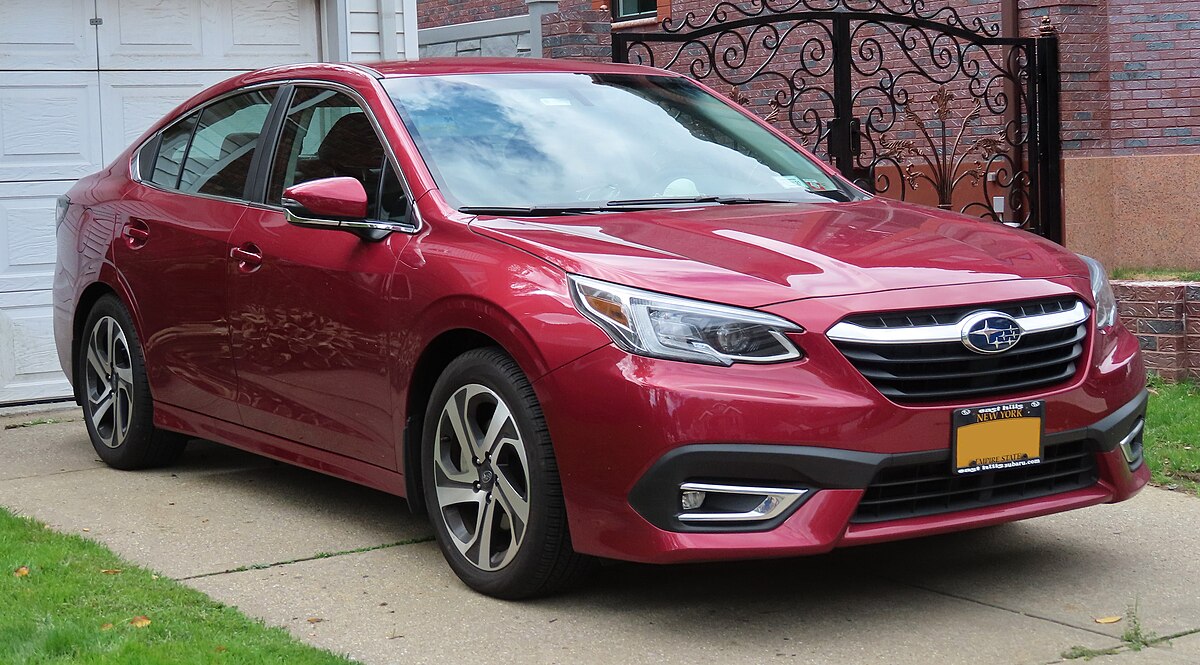
5. Nissan Altima
The Nissan Altima has been a mainstay in the midsize sedan segment since 1993, earning a reputation for practicality, comfort, and reliability. With a reliability rating of 82 out of 100, the 2025 Altima continues to offer a solid daily-driving experience with a straightforward design and usable interior.
While it does not seek to dominate in performance or luxury, it delivers dependable transportation with a calm and stable ride. Its combination of all-wheel-drive availability, fuel efficiency, and spacious seating makes it a sensible choice for families or commuters.
The Altima’s most common configuration uses a 2.5-liter four-cylinder engine paired with a continuously variable automatic transmission. This powertrain generates 188 horsepower and 180 pound-feet of torque, offering adequate performance for everyday driving.
Acceleration is modest, with the all-wheel-drive version reaching 60 miles per hour in about 8.4 seconds, which is typical for a sedan in this class. The CVT contributes to a smooth driving experience, keeping engine noise subdued and maintaining fuel efficiency.
The EPA estimates 27 miles per gallon in the city and 37 miles per gallon on the highway, while real-world testing showed the all-wheel-drive Altima achieving up to 34 miles per gallon on mixed driving routes, confirming its efficiency for commuting or long-distance travel.
The Altima is tuned for a stable and confident ride rather than sporty thrills. Handling around curves is secure, though the steering is light and lacks direct road feel, which reduces engagement during spirited driving.
Braking performance is sufficient, providing predictable stops, but the car does not deliver the crisp feedback of more performance-oriented sedans. Its all-wheel-drive system is an asset in adverse weather, giving drivers added confidence on wet or slippery roads. While it lacks the excitement of sportier alternatives, the Altima’s predictable and balanced behavior makes it a reliable daily companion.
Comfort is a central focus of the Altima’s design. The front seats are generally supportive, though some drivers may wish for more thigh support during long drives. Rear passengers benefit from spacious legroom, though headroom is slightly limited due to the sloping roofline.
The suspension absorbs small road imperfections adequately, but larger bumps can feel more pronounced, producing a busy ride over rough surfaces. Engine noise is well controlled, even under hard acceleration, contributing to a relaxed cabin environment. Climate control is intuitive and effective, keeping the interior at a consistent temperature.
The Altima’s interior emphasizes straightforward usability rather than flair. Controls are clearly labeled and easy to reach, allowing drivers to operate climate and infotainment functions with minimal distraction.
The cabin provides ample space for occupants, though rear visibility is hindered by the high rear decklid, and reflections from the dashboard can be distracting in bright sunlight. The materials quality is average, and some panel gaps or misalignments can be noticeable, but the cabin remains practical and functional for everyday needs.
Technology is a mixed strength for the Altima. The 12.3-inch touchscreen is large and responsive, supporting wireless Apple CarPlay and Android Auto. The built-in navigation system is functional, responding well to voice commands and providing accurate routing, although its graphics are dated compared with modern map applications.
The ProPilot Assist suite, which includes lane-centering and low-speed adaptive cruise control, performs reliably, requiring minimal intervention in traffic and enhancing comfort on long drives. The backup and surround-view camera displays, however, are low-resolution, which can make parking at night or in tight spaces challenging.
The Altima’s trunk offers adequate capacity for a midsize sedan, with a squared-off shape that makes loading larger items straightforward. Rear seats fold down manually, providing extra space for longer cargo. Interior storage includes a center console bin, door pockets, and small compartments for phones or personal items.
Cupholders are slightly shallow, but front passengers have access to ample small-item storage. Child seat installation is feasible, though the folding seat mechanism requires manual effort.
The Altima delivers value through a combination of comfort, fuel efficiency, and optional all-wheel drive. Its warranty coverage is average compared with competitors, and roadside assistance is limited.
While some interior materials and assembly details fall short of class leaders, the Altima remains a reliable and practical choice for commuters and families who prioritize dependable performance and efficient operation over high-end finishes.
The Nissan Altima offers a balanced midsize sedan experience, providing a comfortable and stable ride, solid fuel efficiency, and practical interior space.
Its all-wheel-drive option and easy-to-use technology suite enhance daily usability, though some shortcomings in steering feel, interior quality, and rear visibility limit its appeal for drivers seeking sportiness or luxury. For those prioritizing reliability, efficiency, and a calm driving experience, the Altima continues to be a credible choice in a crowded midsize sedan segment.
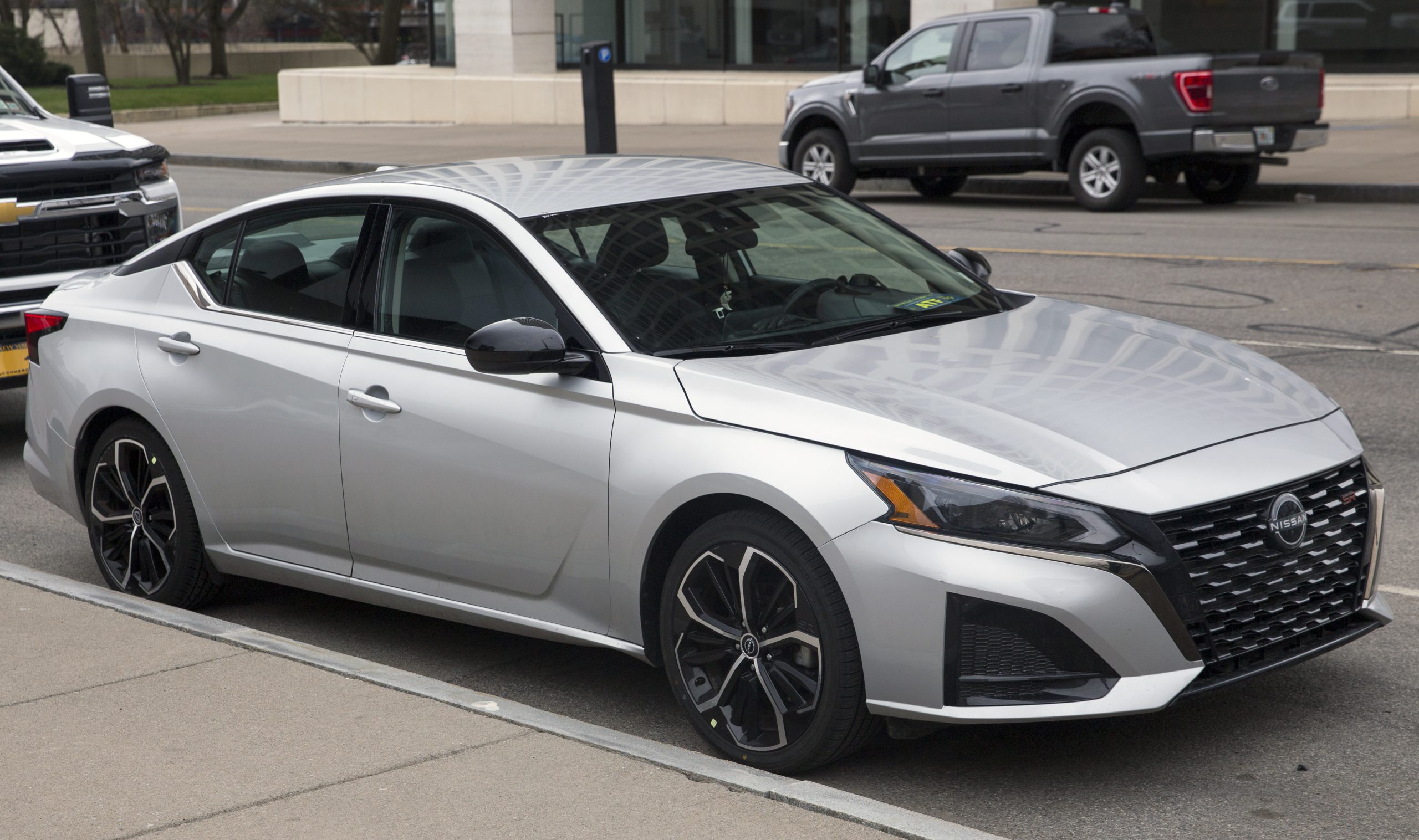
6. Hyundai Elantra
The Hyundai Elantra stands out in the compact sedan segment as a feature-packed, reliable, and practical option for daily driving. Despite its sporty and tight exterior proportions, the interior is surprisingly spacious, accommodating both drivers and passengers comfortably.
With a reliability rating of 83 out of 100, the 2025 Elantra combines comfort, fuel efficiency, and modern technology, making it a strong choice for those seeking a well-rounded compact car. Its combination of available performance, advanced driver aids, and competitive warranty coverage enhances its appeal for cost-conscious buyers.
The base Elantra is powered by a 2.0-liter four-cylinder engine producing 147 horsepower and 132 pound-feet of torque. This engine is paired with a continuously variable automatic transmission, tuned to optimize fuel economy rather than deliver quick acceleration.
In testing, the standard Elantra accelerated to 60 miles per hour in 9.4 seconds, which is slower than most rivals, making highway merging and passing feel a bit sluggish. For drivers seeking more performance, the turbocharged N Line version delivers a significant boost in power, along with a sport-tuned suspension, without sacrificing too much fuel efficiency.
The base Elantra achieves an EPA-estimated 30 miles per gallon in the city and 39 miles per gallon on the highway, and real-world testing has exceeded these figures, demonstrating that it is an economical choice for commuting and longer trips.
The Elantra handles predictably in everyday conditions, with stable and composed behavior over bumps and around corners. The CVT provides smooth operation, producing only minor droning during steady acceleration.
Steering is adequate but not particularly engaging, lacking the feedback and immediacy of sportier rivals. While the base trim emphasizes comfort and economy, the N Line enhances the driving experience with firmer suspension, sharper cornering, and a more responsive feel, catering to those who enjoy a sportier compact sedan.
The Elantra delivers a comfortable and smooth ride for most situations. The front seats provide sufficient cushioning, though the driver’s seat bottom can feel slightly flat during longer drives. Rear passengers enjoy generous legroom for a compact sedan, and headroom is sufficient for most adults.
The climate control system responds quickly and effectively, and heated seats are available for additional comfort. The cabin does allow some wind noise at highway speeds, which can reduce refinement on longer journeys, but the ride remains generally composed and suitable for daily driving.
Step inside the Elantra, and the interior feels spacious and functional. Forward visibility is good, and the driver’s seat and steering wheel offer ample adjustment, making it easy for both shorter and taller drivers to find a comfortable driving position.
Controls are logically arranged, and the combination of physical buttons and touchscreen interface allows for intuitive operation. Some interior materials are basic, and the rear seat area is relatively plain, but the functional design prioritizes usability and passenger comfort over aesthetic flourishes.
Technology is a standout feature of the Elantra. Depending on trim, it includes dual screens for the gauges and infotainment, with responsive menus and clear displays. Wireless Apple CarPlay and Android Auto are standard on the smaller screen, while the larger 10.25-inch display requires a wired connection.
The available suite of advanced driving aids provides adaptive cruise control, lane centering, and other features that function smoothly and reliably. Voice controls respond well to commands, including navigation, climate, and audio adjustments, contributing to a convenient and safe driving experience.
Trunk space measures 14.2 cubic feet, slightly above average for the compact segment, and rear seats fold flat using release latches accessible from the trunk. Interior storage is practical, with a center console, door pockets, cupholders, and a wireless charging pad in higher trims.
The rear seat includes anchors for child safety seats that are easy to access, and the generous rear legroom allows for rear-facing seats to be installed without compromising comfort for front passengers.
The Elantra offers exceptional value, combining a long list of standard features with competitive pricing. Hyundai provides a five-year/60,000-mile limited warranty, a 10-year/100,000-mile powertrain warranty, and three years/36,000 miles of free scheduled maintenance, which exceeds the coverage of many competitors.
While some cabin plastics are basic, the Elantra delivers strong reliability, economy, and feature content for its segment, making it one of the most compelling compact sedans available.
The Hyundai Elantra balances efficiency, comfort, and technology in a well-rounded package. While the base engine is modest and some interior materials feel basic, the roomy cabin, strong fuel economy, and long list of standard features make it an attractive choice for commuters and small families.
For those seeking added performance or sportier styling, the N Line elevates the driving experience without compromising the Elantra’s strengths as a reliable and practical compact sedan.
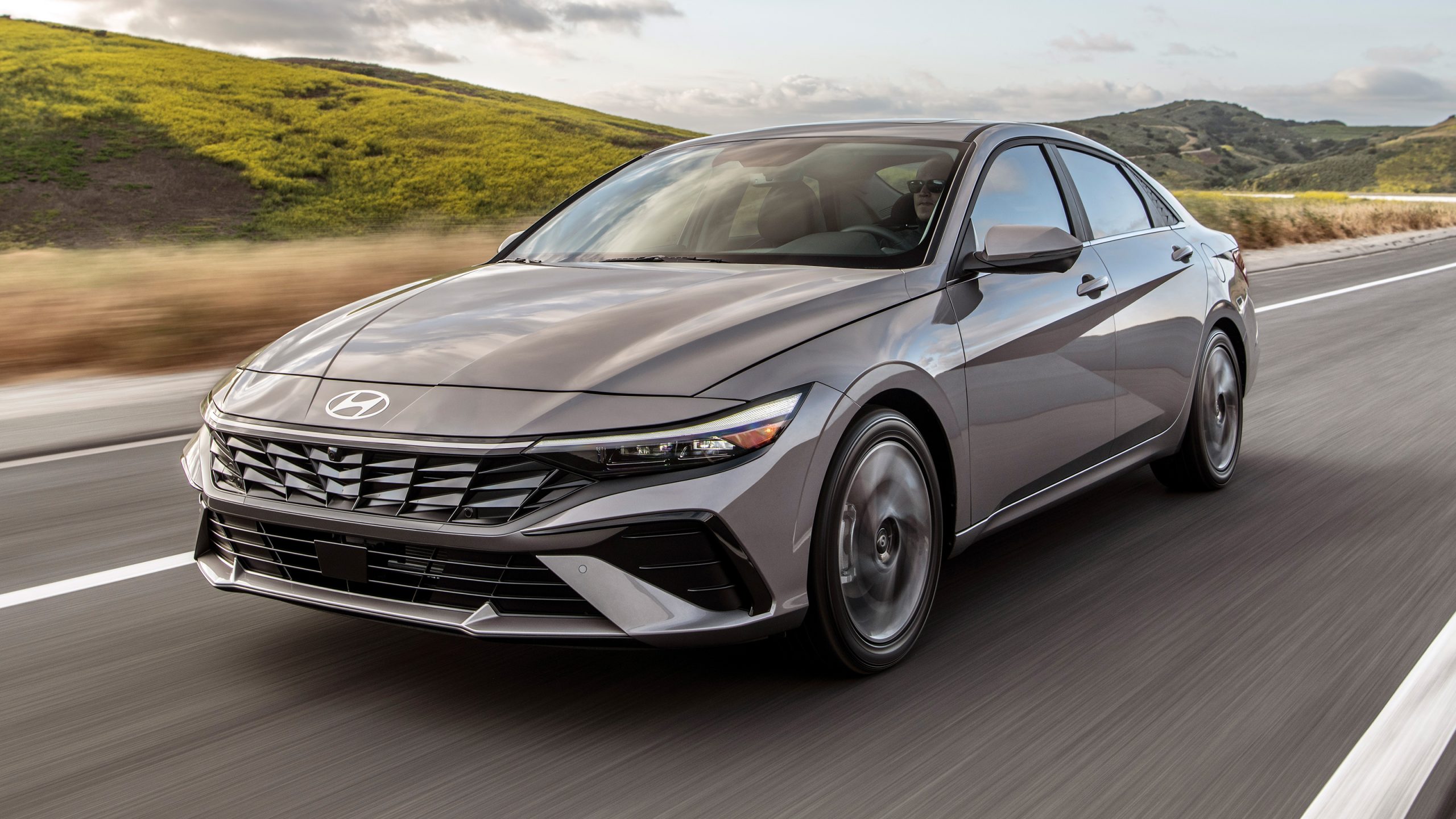
7. Toyota Camry
The Toyota Camry continues to set a high standard in the midsize sedan segment, combining style, efficiency, and reliability. Redesigned for this year, the Camry introduces a sportier, more attractive exterior while maintaining its reputation for solid engineering and long-term dependability.
With a reliability rating of 83 out of 100, the Camry is ideal for drivers seeking a fuel-efficient, comfortable, and technologically advanced midsize sedan. Its hybrid-only lineup enhances efficiency without sacrificing power, offering a competitive edge over many rivals.
Every 2025 Camry comes equipped with a 2.5-liter four-cylinder hybrid powertrain. Front-wheel-drive versions produce 225 horsepower, while all-wheel-drive models deliver 232 horsepower. This combination allows for smooth acceleration, confident passing on highways, and minimal compromise on fuel economy.
The CVT provides seamless power delivery, though the engine emits a slightly coarse sound under hard acceleration. The EPA rates the Camry at 48 miles per gallon in the city and 47 on the highway, while real-world testing of our front-wheel-drive XSE achieved nearly 46 miles per gallon. These numbers make the Camry one of the most fuel-efficient non-plug-in midsize sedans on the market.
The Camry strikes a balance between comfort and sportiness. In testing, the XSE accelerated from zero to 60 miles per hour in 7.8 seconds, slightly faster than hybrid competitors like the Honda Accord and Hyundai Sonata.
Steering is responsive, and the sport-tuned suspension of the XSE trim keeps the vehicle stable around corners while maintaining a composed ride over bumps. Braking is strong and predictable, providing confidence in everyday and emergency situations. While not a high-performance vehicle, the Camry delivers a smooth, confident driving experience suitable for commuting and longer trips.
The Camry’s interior provides a quiet and spacious environment for both front and rear passengers. Front seats offer firm support, which may feel slightly stiff at first but proves effective on long drives. Climate control is precise, and the system responds quickly even at high fan speeds.
Cabin insulation is strong, keeping road and wind noise to a minimum, although engine noise becomes noticeable under aggressive acceleration. Rear seat comfort is generous, with sufficient legroom and headroom for adult passengers. The ride strikes a balance between absorbing road imperfections and maintaining a connected feel to the road.
Toyota has enhanced the Camry’s cabin with intuitive controls and quality materials. Physical knobs and buttons for climate and media functions are positioned below the touchscreen, allowing for easy adjustments without taking attention away from driving.
The upright driving position provides a clear view of the road, while large windows enhance visibility. Passenger space is ample in both rows, and the flat roofline improves headroom. Materials quality has improved over previous generations, giving the interior a refined and contemporary feel.
The Camry offers a well-integrated technology suite. A 12.3-inch touchscreen is standard on higher trims, featuring responsive menus and wireless Apple CarPlay and Android Auto. Optional nine-speaker JBL audio systems deliver clear sound, though competitors’ Bose systems remain slightly superior.
Toyota Safety Sense includes an array of driver aids such as adaptive cruise control, lane-keeping assistance, and automatic emergency braking. Optional Traffic Jam Assist allows hands-off operation at speeds up to 25 mph in certain conditions, demonstrating Toyota’s commitment to safety and convenience.
The Camry provides 15.1 cubic feet of trunk space, enough for luggage or groceries, although slightly smaller than some rivals. Small-item storage is plentiful, including compartments for phones, keys, and water bottles.
Rear seats include easily accessible LATCH anchors for child safety seats, and the wide rear bench accommodates multiple seats comfortably. While headroom remains generous, the slightly upright entry angle may require attention when installing child seats.
The Camry offers strong value for buyers seeking a fuel-efficient, reliable, and technologically advanced midsize sedan. Standard hybrid powertrains and multiple trim options make it accessible across budgets.
Toyota provides two years/25,000 miles of complimentary maintenance, eight years/100,000 miles on hybrid components, and two years of roadside assistance. While the warranty coverage is average compared to competitors, the combination of fuel economy, safety features, and comfort ensures the Camry remains one of the most compelling midsize sedans available.
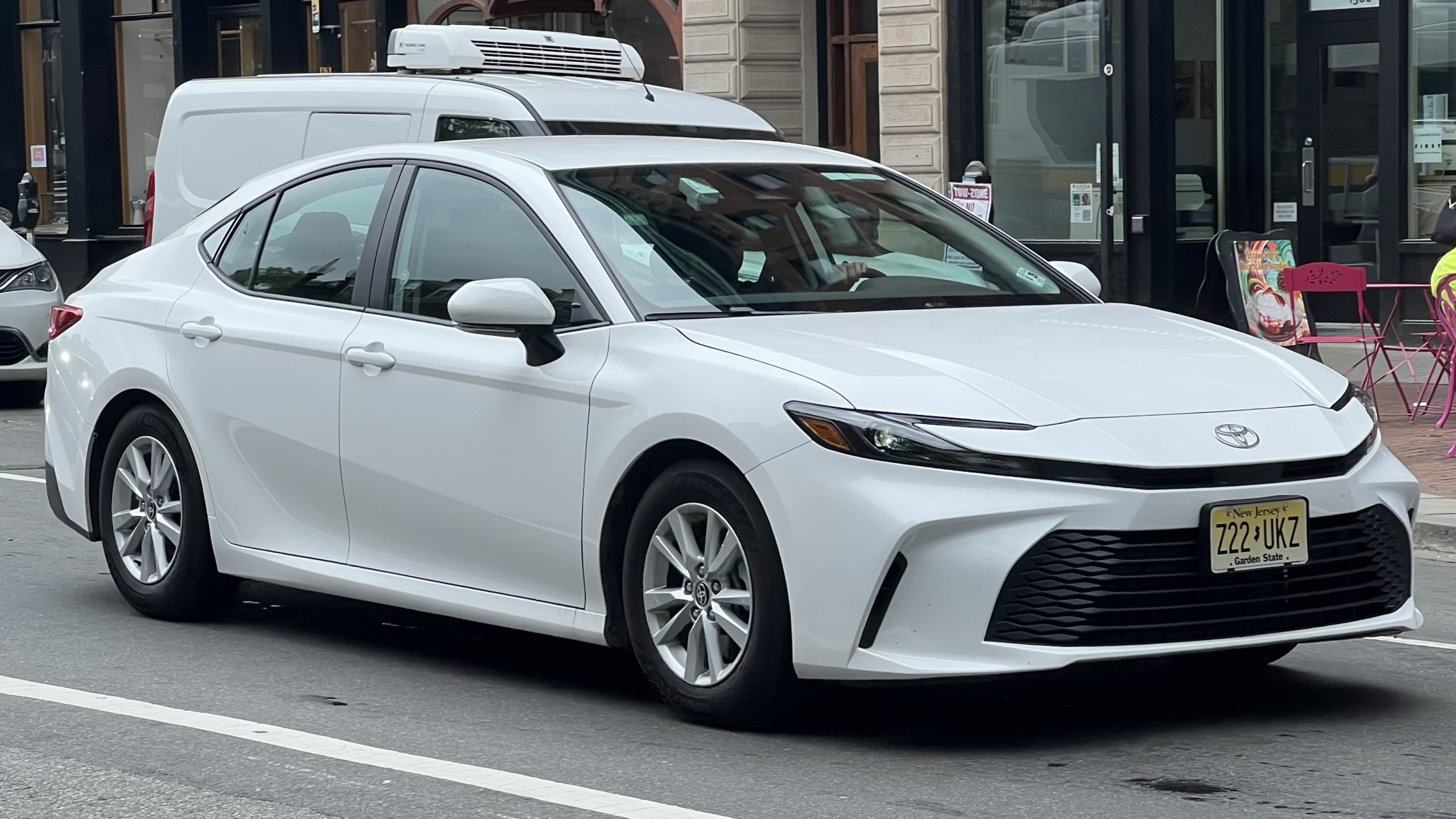
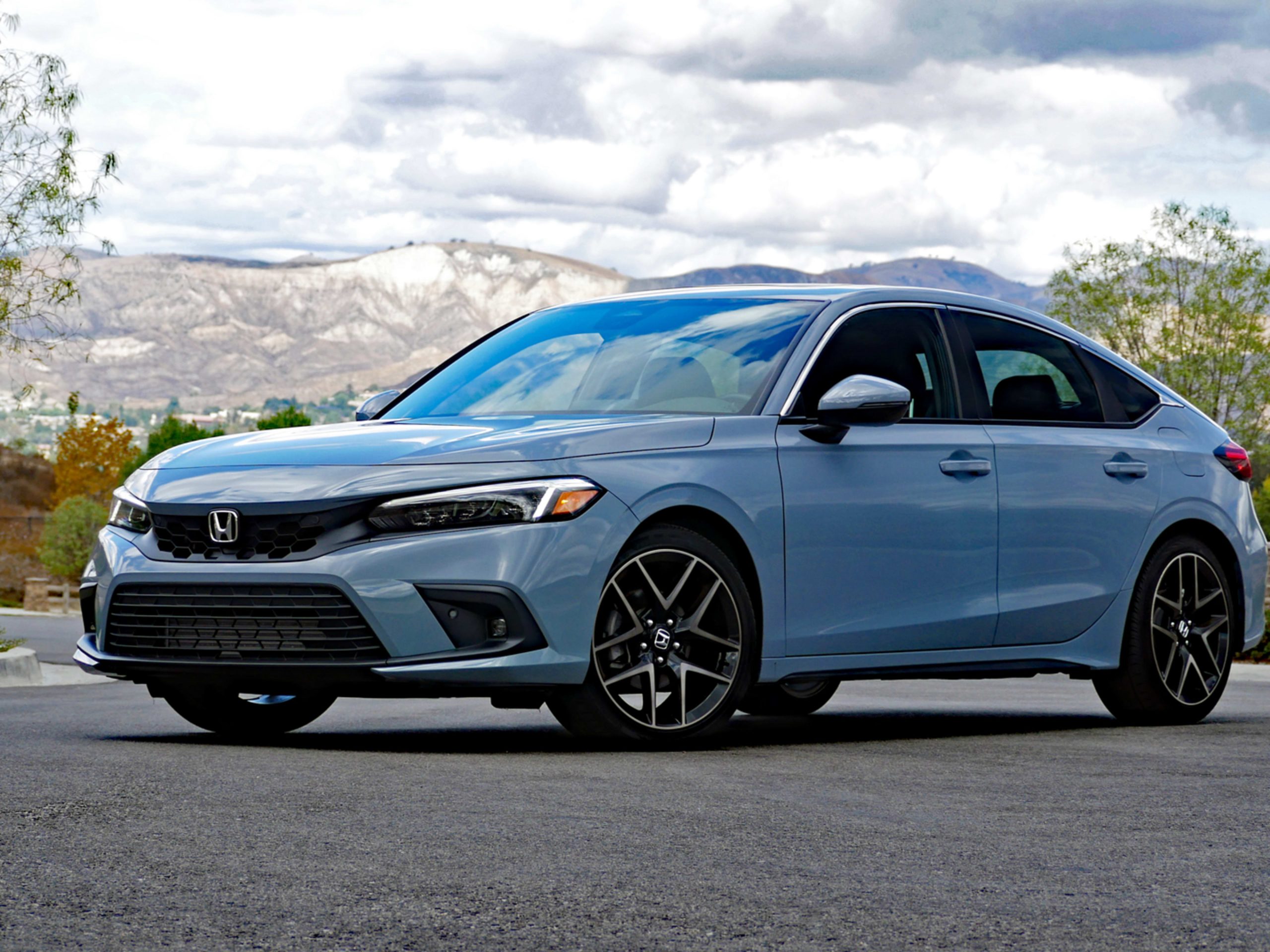
8. Honda Civic
The Honda Civic continues to uphold its reputation as one of the best compact sedans available. With a reliability rating of 83 out of 100, the Civic combines practicality, performance, and efficiency in a way few competitors can match.
This year, Honda has introduced a hybrid powertrain and updated exterior styling, giving the Civic a fresh, modern look while maintaining the qualities that make it an excellent daily driver. The top trims also include a Google-based infotainment system, enhancing connectivity and usability for tech-savvy drivers.
The standard Civic is powered by a 2.0-liter four-cylinder engine producing 150 horsepower, paired with a continuously variable transmission (CVT). The available hybrid powertrain increases efficiency significantly while also boosting acceleration.
In testing, the hybrid Civic reached 60 mph in just 6.6 seconds, making it faster than most small sedans and even outperforming the sporty Civic Si. The base gasoline engine is slower, taking nearly 10 seconds to reach 60 mph, but it still offers smooth performance for city and highway driving.
Fuel economy is impressive, with the hybrid model achieving up to 49 miles per gallon combined, while the standard engine reaches 36 mpg, allowing for extended trips without frequent refueling.
The Civic offers engaging handling that sets it apart in the compact class. Steering is precise, and the chassis responds well to driver inputs, making the car feel nimble through curves and on tight corners. The hybrid system adds weight, which contributes to stability and smooths out the ride without compromising maneuverability.
Road imperfections are absorbed with poise, giving a taut but comfortable ride. Wind noise is minimal, though some road noise can intrude at higher speeds. For drivers seeking a compact car that balances agility with comfort, the Civic delivers a confident and enjoyable experience.
Inside, the Civic provides a spacious and thoughtfully designed cabin. Front seats accommodate both short and tall drivers comfortably, although the front lumbar support is limited. Rear seating offers ample shoulder and legroom, though taller passengers may need to mind the sloping roofline.
The ride quality is firm but balanced, absorbing minor road irregularities without feeling floaty. Climate controls are intuitive, and the available heated seats warm up quickly. The cabin prioritizes functionality and comfort, making it suitable for daily commutes and longer journeys alike.
The Civic’s interior is practical and user-friendly. Controls are logically placed and easy to reach, while the cabin design feels open and modern. Visibility is aided by narrow front pillars and door-mounted mirrors, though rear visibility can be hindered by the sloping roofline.
The materials, fit, and finish are solid for the class, giving the interior a polished feel without being overly luxurious. Both sedan and hatchback variants offer versatility, with rear seats that fold flat to expand cargo space.
Technology in the Civic is clear and functional. The standard touchscreen interface is straightforward, and Apple CarPlay and Android Auto come standard, with wireless capability available on higher trims.
Honda’s full suite of driver-assistance features is standard across the range, including adaptive cruise control, lane-keeping assist, and automatic emergency braking. While braking and acceleration control in adaptive cruise is slightly less smooth than some competitors, the system enhances safety and convenience during daily driving.
The Civic sedan provides 14.8 cubic feet of trunk space, unaffected by the hybrid battery. The hatchback version expands cargo capacity to 24.5 cubic feet, offering flexibility for larger items.
Rear seats fold flat to accommodate long or bulky objects, and interior storage compartments for small items are plentiful and practical. The hybrid configuration does not compromise usable space, making the Civic both efficient and versatile.
While the Civic carries a slightly higher price than competitors like the Hyundai Elantra or Toyota Corolla, it delivers additional performance, fuel efficiency, and a refined interior.
Honda provides three years/36,000 miles of basic coverage and five years/60,000 miles of powertrain coverage. With its blend of reliability, technology, and engaging performance, the Civic remains one of the most compelling compact sedans for those seeking a long-term daily driver.
9. Kia K4
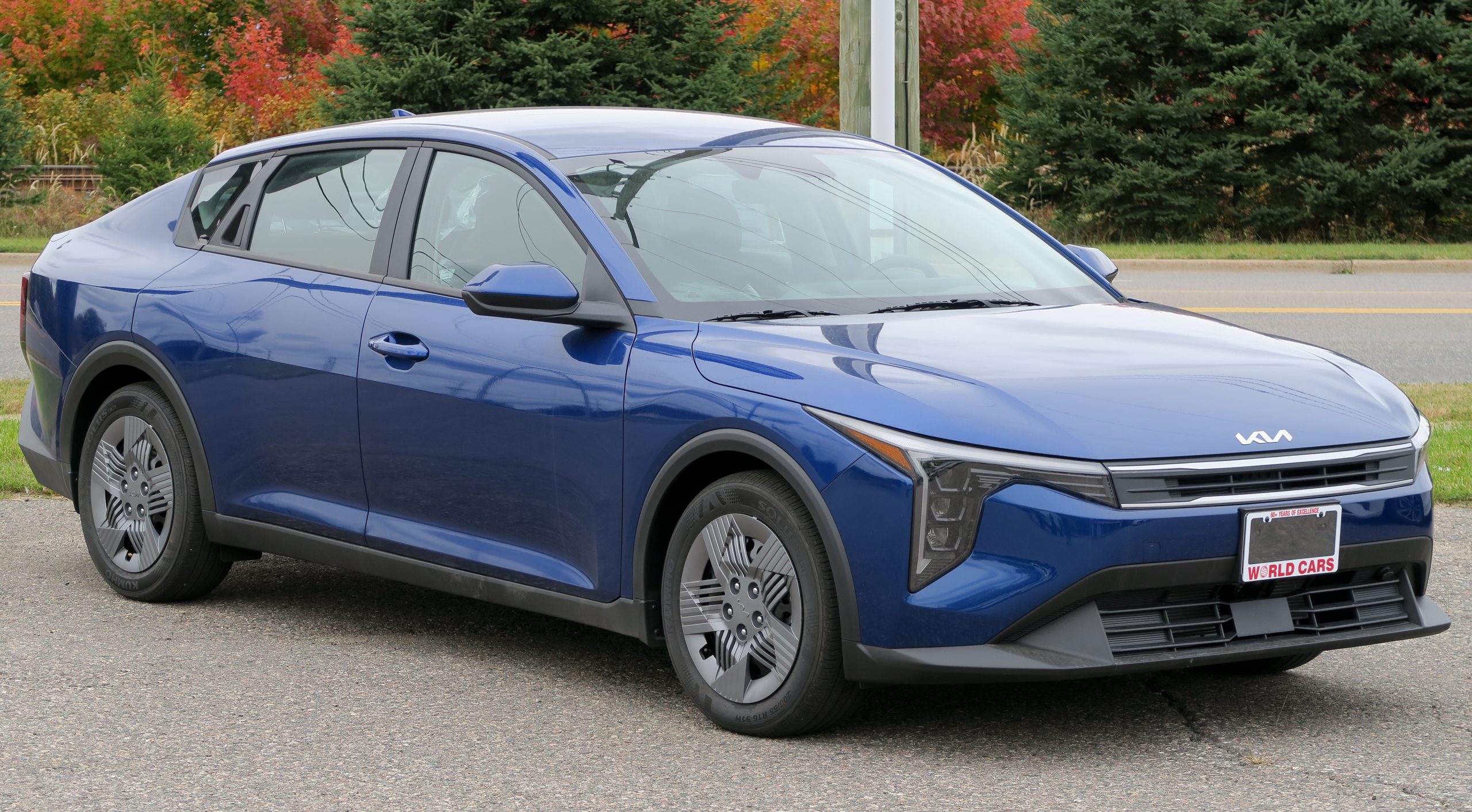
The Kia K4 replaces the Forte, bringing a fresh, sporty look to the compact sedan segment. With a reliability rating of 85 out of 100, the K4 offers a balanced package of style, comfort, and technology.
It is designed to appeal to drivers who want an eye-catching vehicle that remains practical for daily use. While it may not deliver high-octane performance, it provides a pleasant and composed ride for city and highway driving alike.
The K4 comes with two engine options. The standard 2.0-liter four-cylinder produces 147 horsepower, suitable for routine driving and commuting. The available GT-Line Turbo offers 190 horsepower, giving the car a noticeably quicker acceleration from zero to 60 mph in 7.3 seconds.
Despite the increased power, the turbo engine can feel slow to respond initially, particularly when starting from a stop or merging onto highways. The CVT provides smooth shifts, and the braking system is strong, offering confident stops in everyday conditions.
Around corners, the K4 leans noticeably and does not provide a highly engaging connection to the road, but its predictable handling makes it suitable for casual driving.
Inside, the K4 is comfortable for both front and rear passengers. Front seats provide good support, while rear seat cushions are slightly firm but adequately reclined for longer journeys. Headroom and legroom in the back are surprisingly generous for a compact sedan, almost comparable to some midsize models.
The ride quality could be improved; the suspension does not completely isolate occupants from bumps, and wind and road noise can become apparent at higher speeds. The engine drone under heavy acceleration is also noticeable, particularly with the turbocharged option.
The K4’s interior is modern and functional. Controls are easy to reach, and the touchscreen is well-positioned for both driver and front passenger use. A small climate control display is partially blocked by the steering wheel, but redundant physical buttons compensate effectively.
The cabin feels spacious, with wide door openings that make entry and exit simple. Attention to detail in materials and fit is strong, and the cabin layout enhances the perception of space despite the compact exterior.
Technology is a standout for the K4. A large 12.3-inch touchscreen comes standard, alongside wireless Apple CarPlay and Android Auto, and four USB-C ports across the cabin. Higher trims add a matching 12.3-inch instrument cluster. Kia’s infotainment system is straightforward and intuitive, complemented by an AI-powered voice assistant capable of recognizing natural speech.
Advanced driver-assist features are comprehensive, including adaptive cruise control, lane-keeping assistance, automatic high beams, and an optional surround-view camera system that provides clear visibility for parking. These systems operate smoothly, avoiding excessive alerts or false alarms.
Trunk space in the K4 sedan measures 14.6 cubic feet, with a wide opening that simplifies loading bulky items. The 60/40-split rear seats fold easily from the trunk, expanding cargo capacity when needed. Interior storage is well thought out, with large cupholders and a flexible center console bin.
LATCH anchors for child seats are easily accessible, and rear doors open wide enough to make installation straightforward. While the sedan lacks a hybrid option, it still provides a practical and versatile cabin for daily life.
Fuel efficiency varies by engine. The base 147-hp engine achieves up to 34 mpg combined, while the GT-Line Turbo drops to 29 mpg. This is solid for a compact sedan, though it falls behind hybrid competitors like the Honda Civic and Toyota Corolla. Those seeking higher efficiency will need to consider other options, as a hybrid is not yet available for the K4.
The Kia K4 delivers strong value across its lineup. Even the base model comes with a large 12.3-inch touchscreen and plentiful tech features, while the GT-Line Turbo adds upscale touches such as ventilated front seats and a surround-view camera system.
Kia’s warranty coverage reinforces this value, offering five years/60,000 miles of basic coverage and 10 years/100,000 miles for the powertrain, making it a compelling choice for buyers seeking a reliable, well-equipped compact sedan.
10. Nissan Sentra
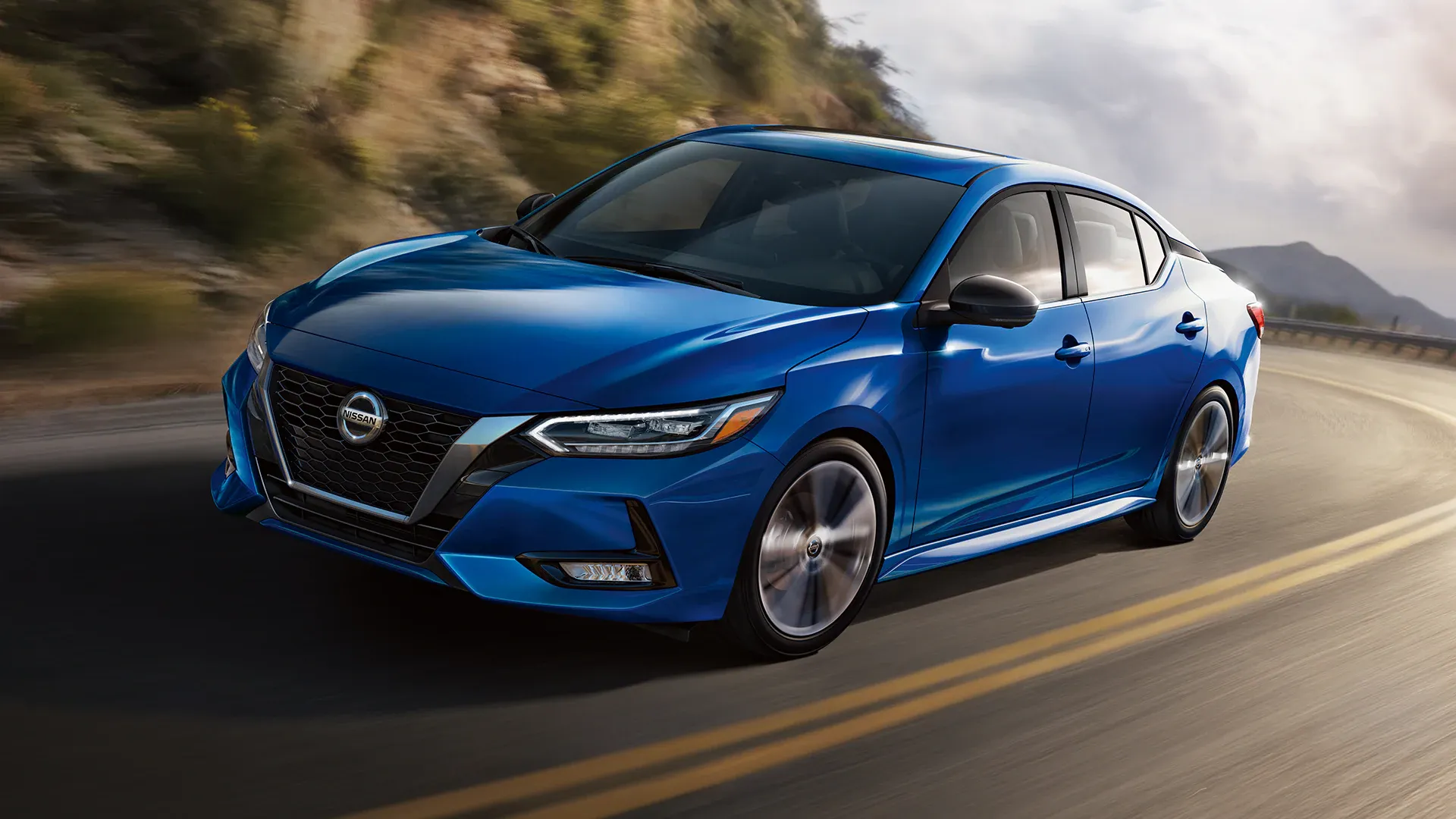
The Nissan Sentra remains largely unchanged from previous years, but that consistency works in its favor. With a reliability rating of 85 out of 100, the Sentra is a practical, stylish, and easy-to-drive compact sedan.
It blends comfort, technology, and everyday usability into a package that feels more upscale than its price suggests. For drivers seeking a dependable vehicle for commuting or errands, the Sentra continues to be a strong choice.
Under the hood, the Sentra is powered by a 2.0-liter four-cylinder engine producing 149 horsepower and 146 lb-ft of torque. A CVT smooths out shifts and keeps the ride effortless. In testing, the Sentra accelerated from zero to 60 mph in 8.8 seconds, which is modest for its class.
While acceleration is adequate for city driving and daily tasks, the car loses momentum as speed increases, making highway passes feel less sprightly. Steering and handling are straightforward and predictable, though they lack engagement for drivers who want a sportier feel. Engine braking is minimal, requiring more use of the brake pedal than some competitors, but the Sentra provides a calm and manageable driving experience.
Comfort is one of the Sentra’s strongest points. The suspension softens most road imperfections, giving a composed and easygoing ride. While this smoothness can make the car feel floaty at higher speeds, it enhances daily driving comfort. Road and wind noise are noticeable but rarely disruptive.
Front seats offer adequate cushioning and support for typical commutes, while the rear seats are surprisingly plush and accommodating, making them ideal for two adults on longer trips. Climate control performs well, with good airflow, though rear vents are not standard.
The Sentra’s cabin is user-friendly and thoughtfully arranged. Controls are straightforward and within easy reach for both driver and passenger. The 8-inch touchscreen is clear and responsive, though its graphics appear dated compared to rivals.
Interior space is generous for a compact sedan, particularly in the rear, where legroom is above average. Adjustments for the driver’s seat and steering wheel allow most people to find a comfortable position, and visibility is good in the front and sides. Rear visibility is somewhat limited by thick roof pillars and a sloped rear window.
The Sentra comes with a strong suite of standard safety features and driver aids. Options like adaptive cruise control and a 360-degree camera system enhance functionality, while the base package already includes useful protections.
Smartphone integration with Apple CarPlay and Android Auto is standard, though the infotainment system can feel sluggish at times. Nissan does not offer an onboard navigation system for this model, but the tech package is competitive for the class.
Cargo capacity is solid with 14.3 cubic feet in the trunk, above average for a small sedan. The 60/40-split rear seats fold down to accommodate longer items, though the release mechanism is only accessible from inside the car, and the seats don’t fold completely flat. Interior storage for small items is adequate, and LATCH anchors for child seats are present, although tight cushions may make installation slightly tricky.
Fuel efficiency is one of the Sentra’s strengths, with an EPA estimate of 33–34 mpg combined. Real-world testing yielded an average of 28.7 mpg over three tanks, with a best of 32 mpg. While slightly below EPA estimates, the Sentra remains an economical option for daily driving.
The Sentra delivers strong value with an appealing balance of features, comfort, and reliability at a competitive price. The cabin feels upscale for the segment, although some interior trim gaps were noted in testing.
Nissan backs the car with a three-year/36,000-mile basic warranty, five-year/60,000-mile powertrain coverage, and three years/36,000 miles of roadside assistance, which is standard for non-luxury vehicles. The Sentra is a practical, reliable, and well-equipped compact sedan that meets the needs of most drivers.
Also Read: 5 Cars That Rarely Need Alternator Replacement vs 5 That Constantly Do
10 Cars That Break Under Pressure
1. 2023 Ford Explorer
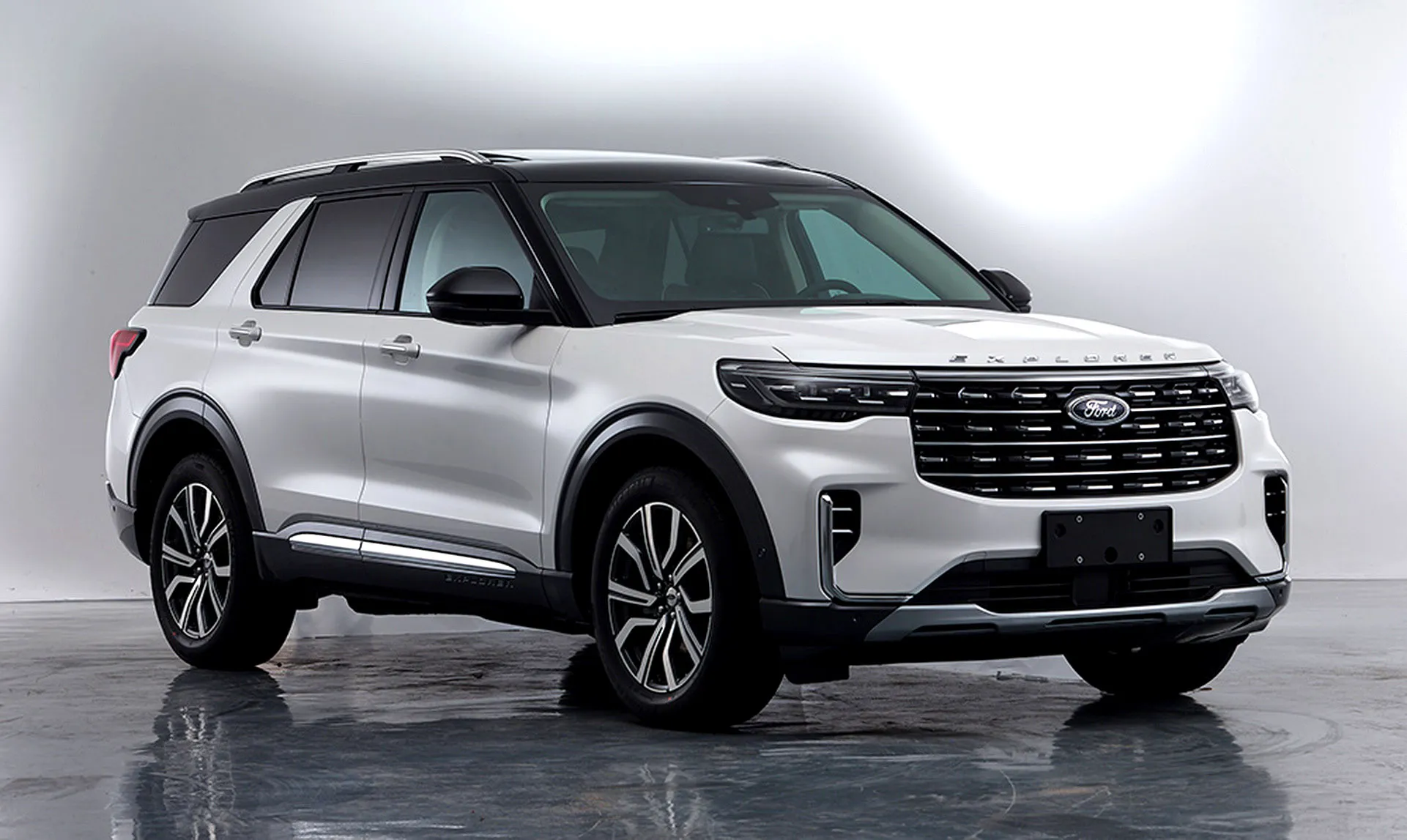
The 2023 Ford Explorer continues to be a popular midsize SUV, yet reliability issues remain significant. Consumer Reports gives it a predicted reliability score of 1/5, reflecting widespread owner complaints. Transmission problems are frequent, including harsh shifting, delayed engagement, and occasional failure.
Electrical malfunctions affect dashboard displays, infotainment systems, and power equipment such as windows and locks. Steering and suspension problems often produce noises, misalignment, and handling irregularities.
Climate control systems are prone to leaks and inconsistent performance, while paint, trim, and body hardware deteriorate prematurely. RepairPal estimates annual maintenance at $775, with CarEdge projecting 10-year costs of $9,017. There are three recalls addressing backup camera and powertrain defects.
The 2016 model is considered the worst used year, plagued by air and water leaks, transmission issues, steering and suspension failures, and recurring body hardware problems.
Frequent non-routine maintenance is common, making ownership costly and unpredictable. Owners should expect multiple service visits for both mechanical and electronic issues, and the combination of these failures can significantly affect reliability expectations.
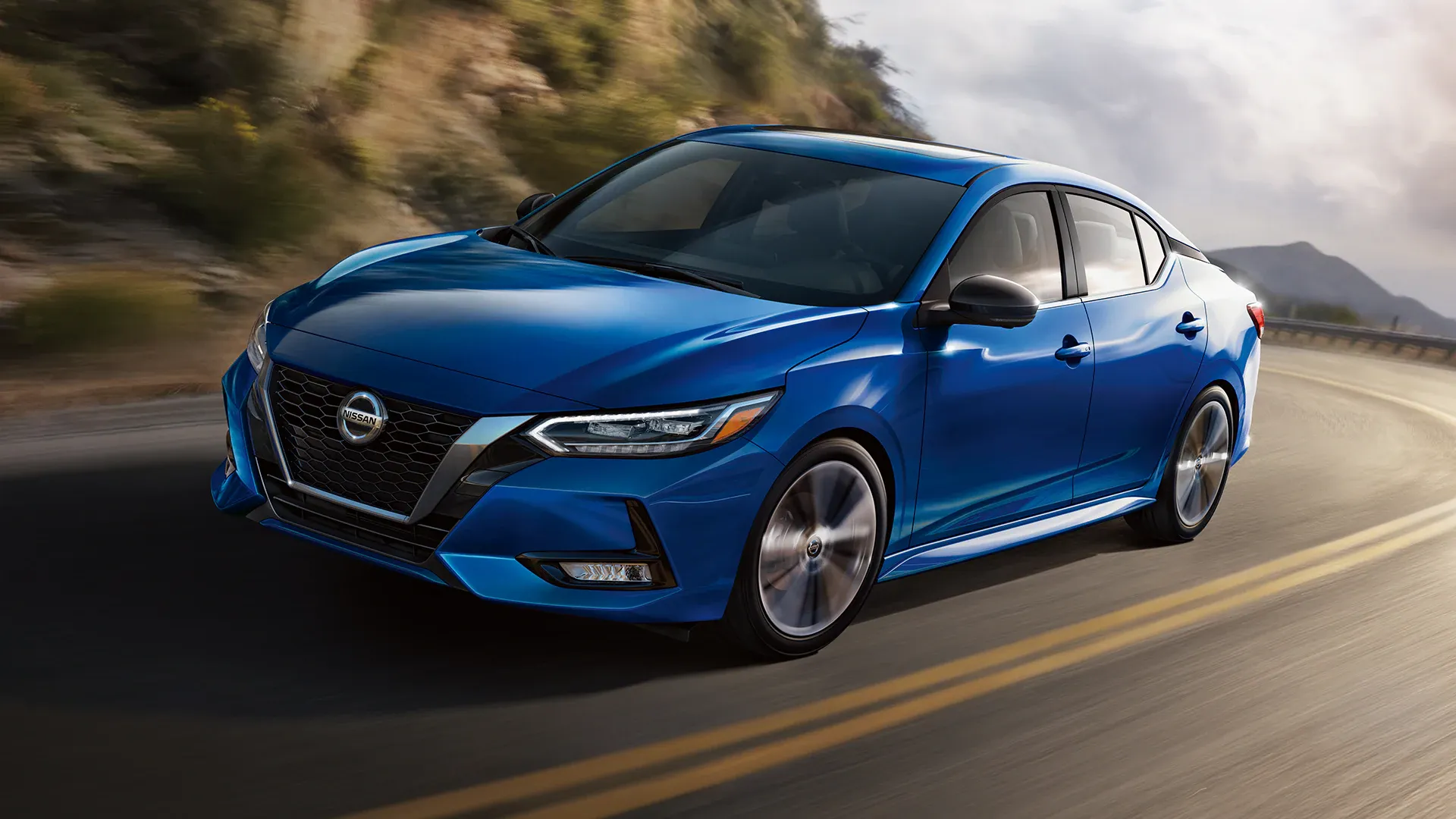
2. 2023 Nissan Sentra
The 2023 Nissan Sentra, an affordable compact sedan, carries a predicted reliability score of 1/5. Owners report recurring brake issues, including uneven wear and unexpected malfunctions. Electrical failures affect infotainment systems, dashboard warnings, and power equipment such as locks and windows.
Climate control systems frequently leak or malfunction, and cabin noise and trim durability are persistent concerns. Halogen headlights are weak and may require earlier replacement. RepairPal estimates yearly maintenance at $500, with CarEdge projecting $5,441 over 10 years.
Although no major recalls exist for the 2023 model, the 2015 Sentra is cited as the worst used year due to transmission failure, engine malfunctions, suspension problems, climate control issues, and body hardware failures. Non-routine maintenance is common, even with routine servicing.
Electrical and mechanical problems often cluster, increasing repair frequency and costs. Owners may experience repeated visits for multiple systems, which diminishes long-term reliability. Budget-conscious buyers should consider these recurring issues when evaluating the Sentra as a low-maintenance vehicle.
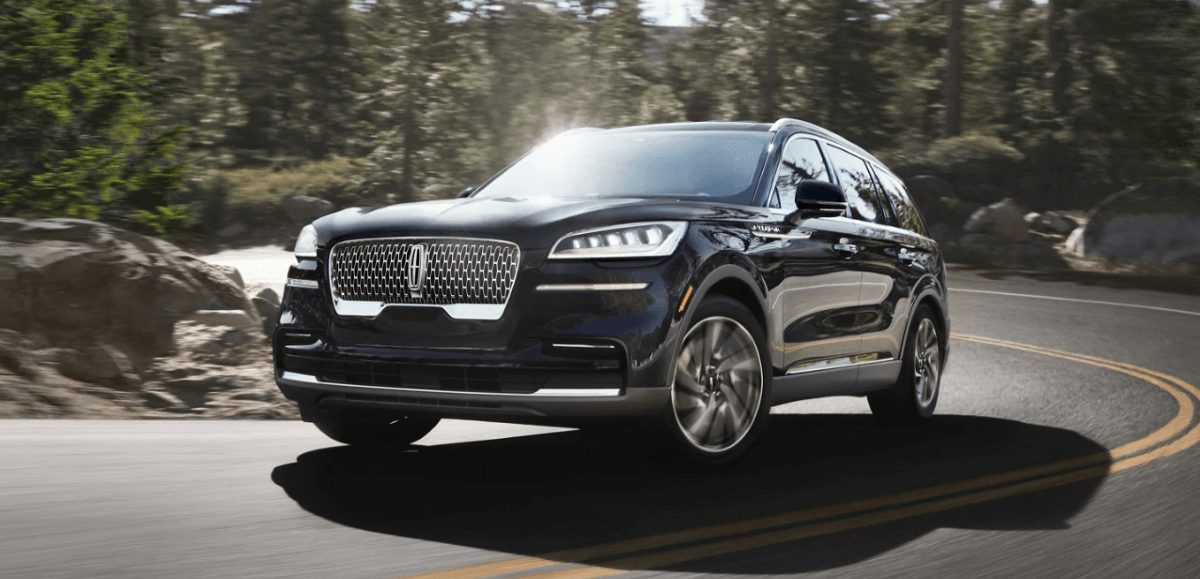
3. 2023 Lincoln Aviator
The 2023 Lincoln Aviator, sharing its platform with the Explorer, delivers luxury but continues to show reliability challenges, with a predicted score of 1/5. Owners report failures in climate control systems, including leaks, inconsistent temperatures, and broken components.
Steering and suspension problems can cause vibrations, alignment issues, and unusual noises. Infotainment and electronics frequently require resets or hardware replacement due to malfunctions. Paint and trim issues include premature fading and scratches. Five recalls exist for seat belts, seat mechanisms, and engine rails.
RepairPal estimates $879 per year for maintenance, with 10-year projections of $11,691. The 2021 model is the worst used year, with frequent electronics failures, suspension and steering problems, and water and air leaks.
Transmission reliability is better than the Explorer’s, but other failures make repeated service necessary. Non-routine repairs increase long-term costs, and steering, suspension, electronics, and climate control failures can limit usability.
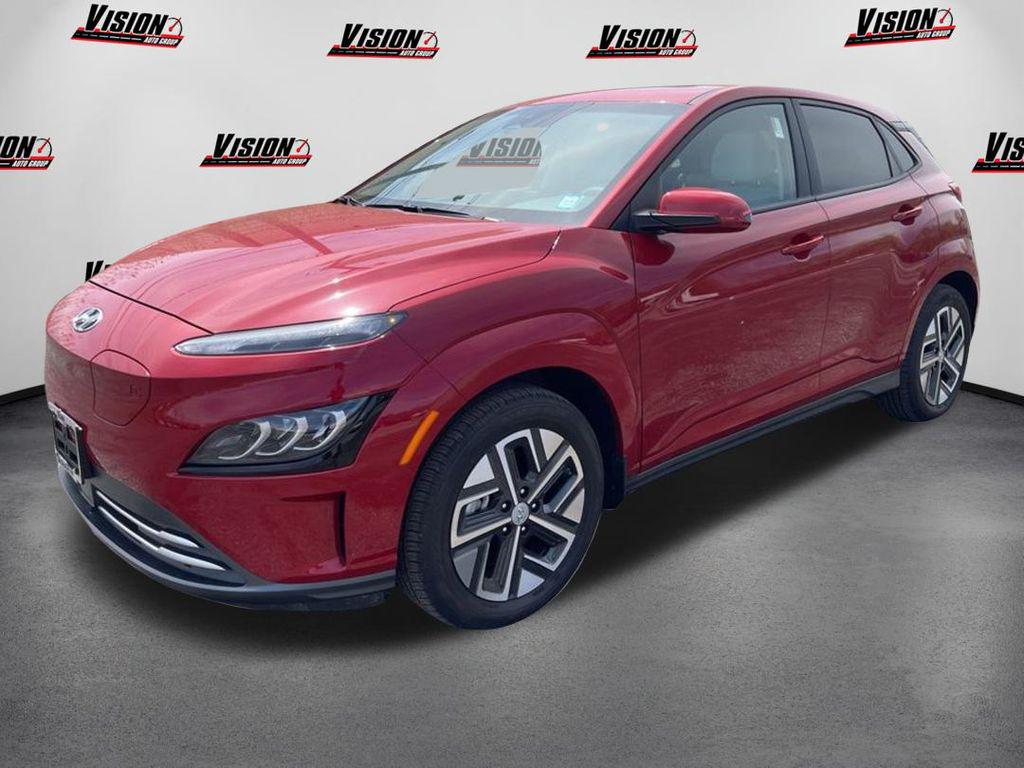
4. 2023 Hyundai Kona Electric
The 2023 Hyundai Kona Electric has a predicted reliability of 2/5. Electric drivetrain issues include battery pack malfunctions, electric motor problems, and charging system failures. In-car electronics, infotainment, and climate control units are prone to glitches or malfunctions.
Non-routine maintenance is common, and issues often arise even with routine service. RepairPal estimates $468 per year, with a 10-year projection of $7,871. The 2019 Kona Electric is flagged as the worst used year due to keyless entry failures, suspension and steering problems, brake issues, and electronic system failures.
Repairs for electric components are typically expensive, and failures in charging or battery systems can limit vehicle usability. Owners often report repeated trips to service centers for drivetrain and electronic repairs.
The combination of complex electronics, battery components, and climate control malfunctions makes long-term reliability a concern despite the Kona Electric’s efficiency and performance.
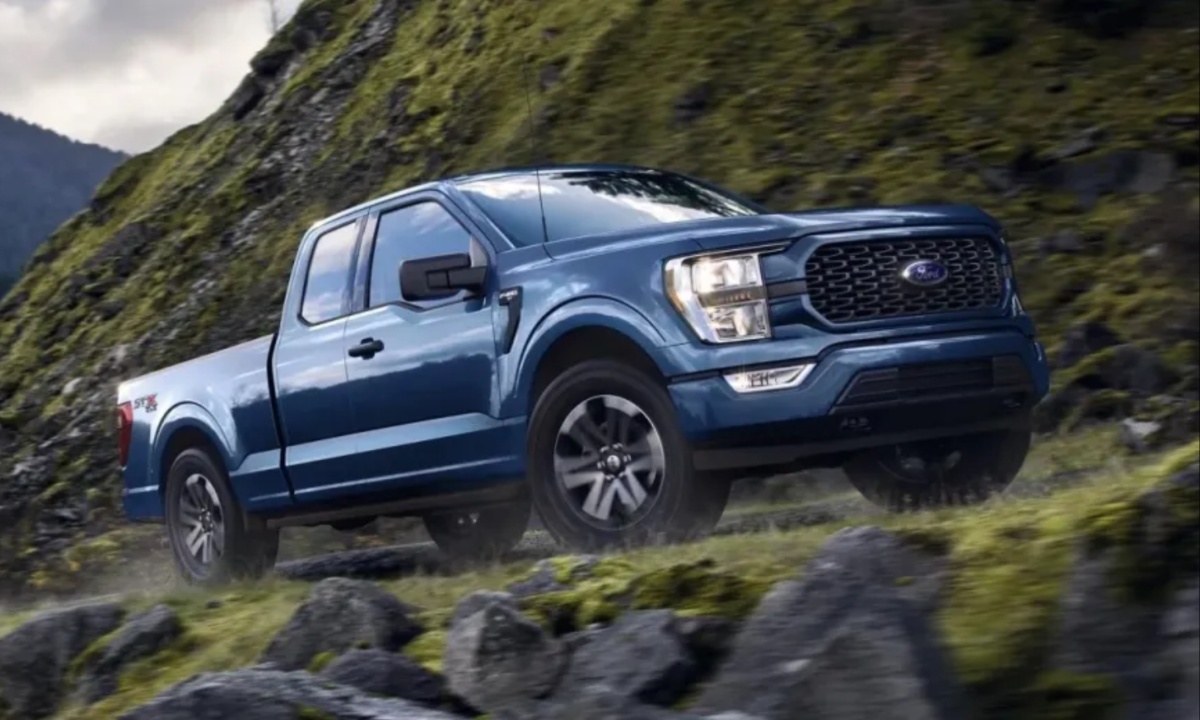
5. 2023 Ford F-150 Hybrid
The 2023 Ford F-150 Hybrid has a predicted reliability score of 1/5. Electrical system failures affect dashboard warnings, sensors, and infotainment components. Drive system issues include occasional malfunctions, noises, and reduced performance. Power equipment such as windows, locks, and seat adjustments frequently fail.
Suspension and steering problems produce vibrations and alignment issues. Non-routine maintenance is frequent, requiring hybrid-specific service. RepairPal estimates yearly costs at $775, with a 10-year projection of $10,245. The 2022 model is the worst used year, exhibiting engine, climate control, brake, and electrical failures.
Stiff ride and heavy handling add stress to suspension and drivetrain components, increasing repair frequency. Hybrid components require specialized parts and service, which raises maintenance costs. Owners may encounter repeated repairs, particularly in electronics, drivetrain, and suspension systems, which reduces predictability and reliability over time.
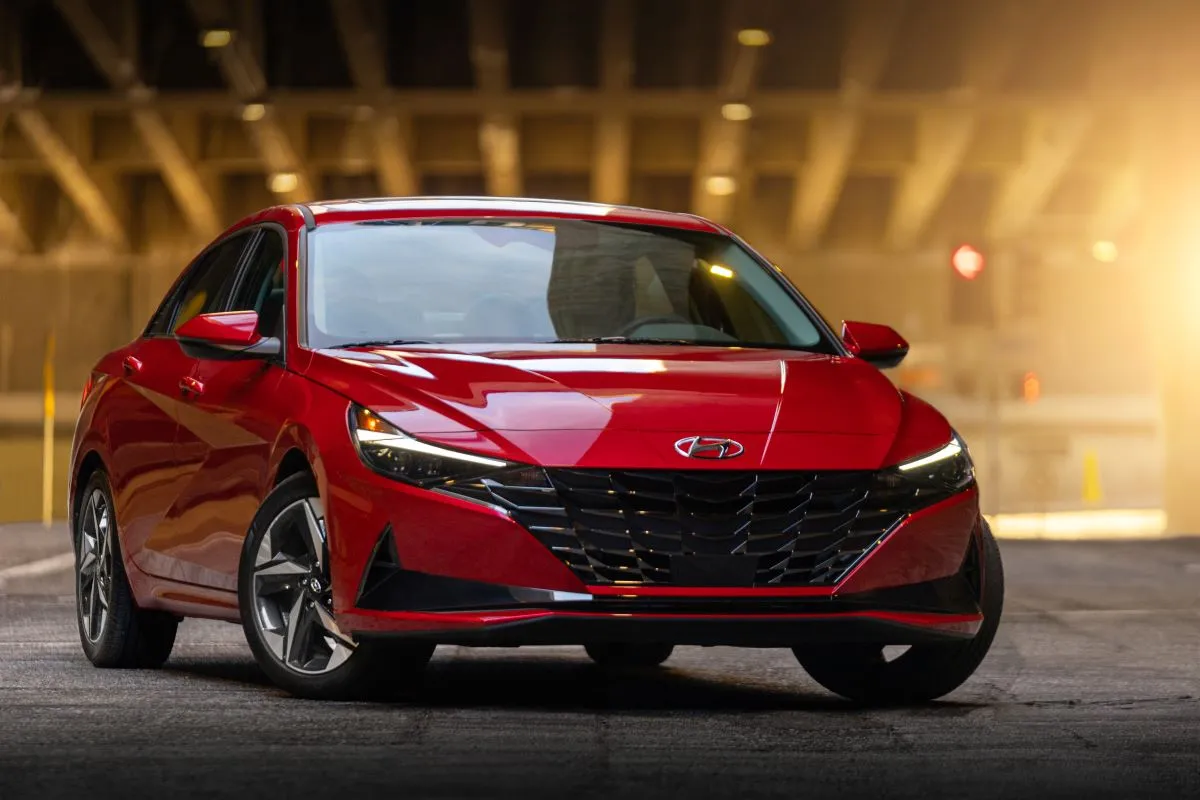
6. 2023 Hyundai Elantra
The 2023 Hyundai Elantra has a predicted reliability score of 2/5. Owners report issues with forward collision avoidance systems, electrical system malfunctions, and engine performance problems, even with routine maintenance. The ride is stiffer than competitors, adding stress to suspension components.
RepairPal estimates $468 per year, with 10-year costs projected at $5,880. One recall exists for the airbag cover. The 2013 model is cited as the worst used year due to widespread failures in brakes, suspension, steering, paint, trim, climate control, and electronics.
Electrical and mechanical problems often require multiple repairs, making non-routine maintenance frequent. Owners report recurring visits to service centers for repairs to multiple systems, including drivetrain, electronics, and safety features. Reliability concerns may affect long-term usability and costs, particularly for buyers seeking minimal maintenance.
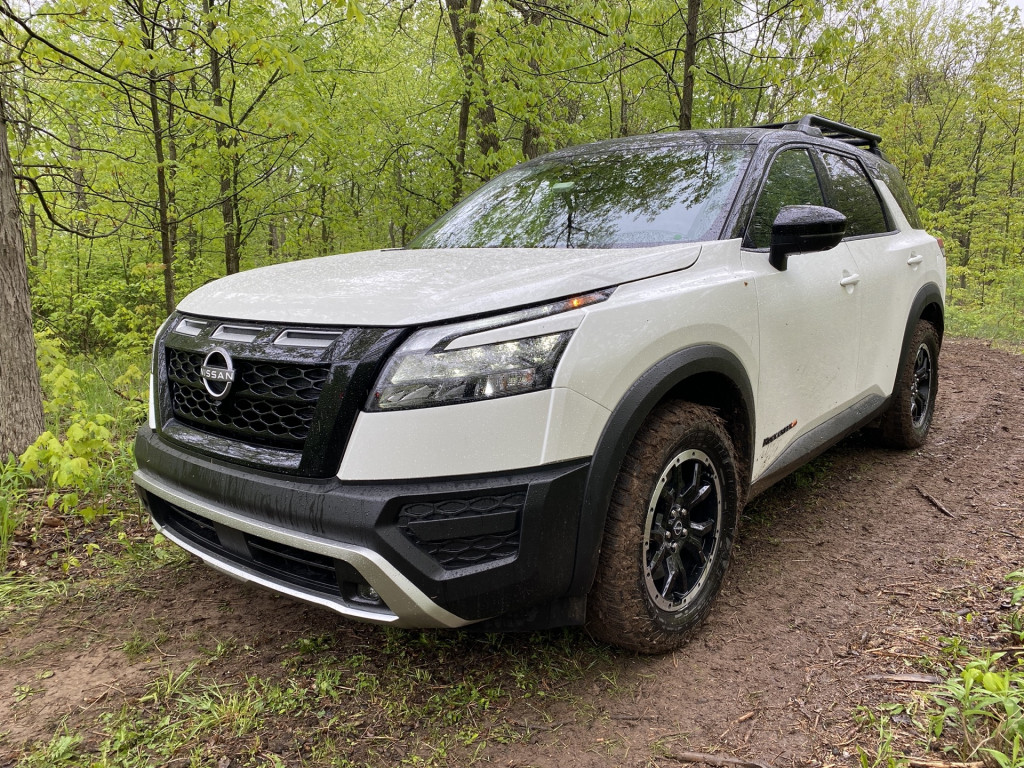
7. 2023 Nissan Pathfinder
The 2023 Nissan Pathfinder has a predicted reliability of 1/5. Transmission problems, including sensor failures, hard shifting, and occasional malfunctions, are commonly reported. Off-road performance is limited due to suspension and drivetrain concerns. Electrical failures affect dashboard warnings, infotainment, and power equipment.
RepairPal estimates $500 per year, with a 10-year projection of $7,558. One recall exists for broken seat welds. The 2017 model is flagged as the worst used year due to transmission sensor issues, engine failures, climate control problems, and drive system malfunctions.
Non-routine maintenance is frequent, and electrical, suspension, and drivetrain failures often require repeated service. Vehicle downtime and repair expenses can accumulate quickly, reducing usability. Owners report repeated trips to service centers, particularly for transmission and electronic components.
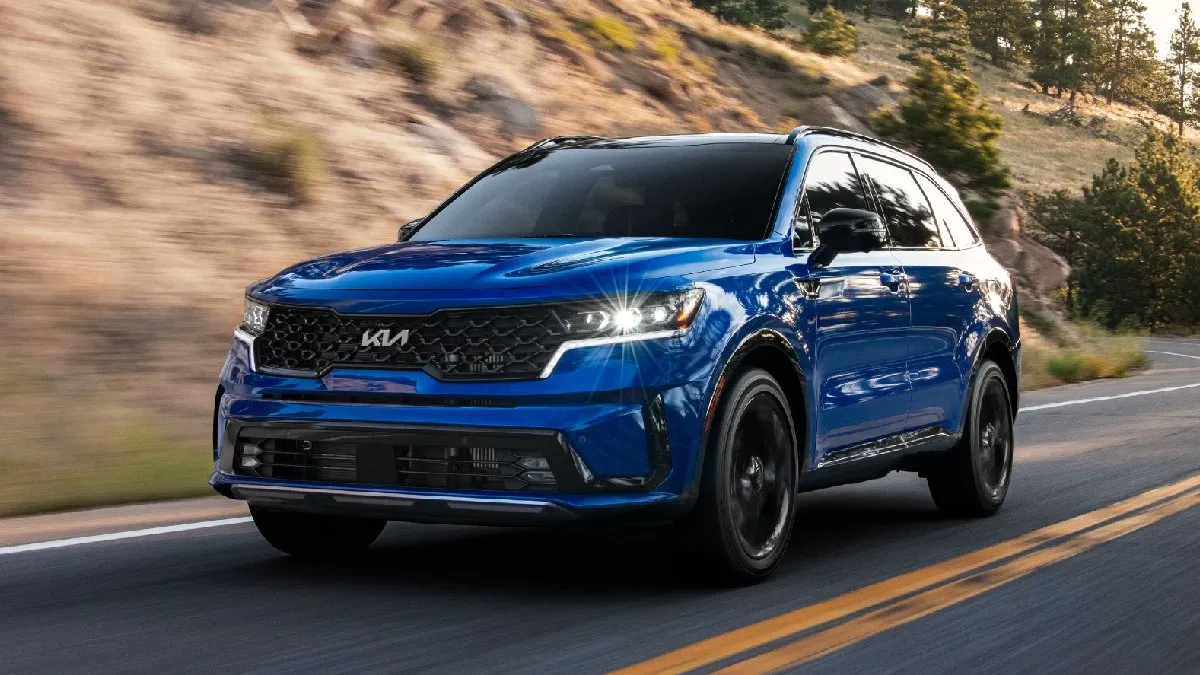
8. 2023 Kia Sorento
The 2023 Kia Sorento has a predicted reliability of 1/5. Owners report sudden power loss, cracked windshields, exploding sunroofs, and electrical malfunctions. RepairPal estimates $474 per year, with 10-year costs projected at $7,953. One recall exists for a trailer hitch harness fire hazard.
The 2014 model is the worst used year due to ABS failures, engine problems, body hardware issues, paint and trim deterioration, and air-conditioning failures. Non-routine maintenance is frequent, and repeated service is often needed for electrical and mechanical components.
Owners face recurring repair costs and downtime due to complex failures affecting multiple systems. Reliability issues reduce predictability for long-term ownership and make repair planning difficult.
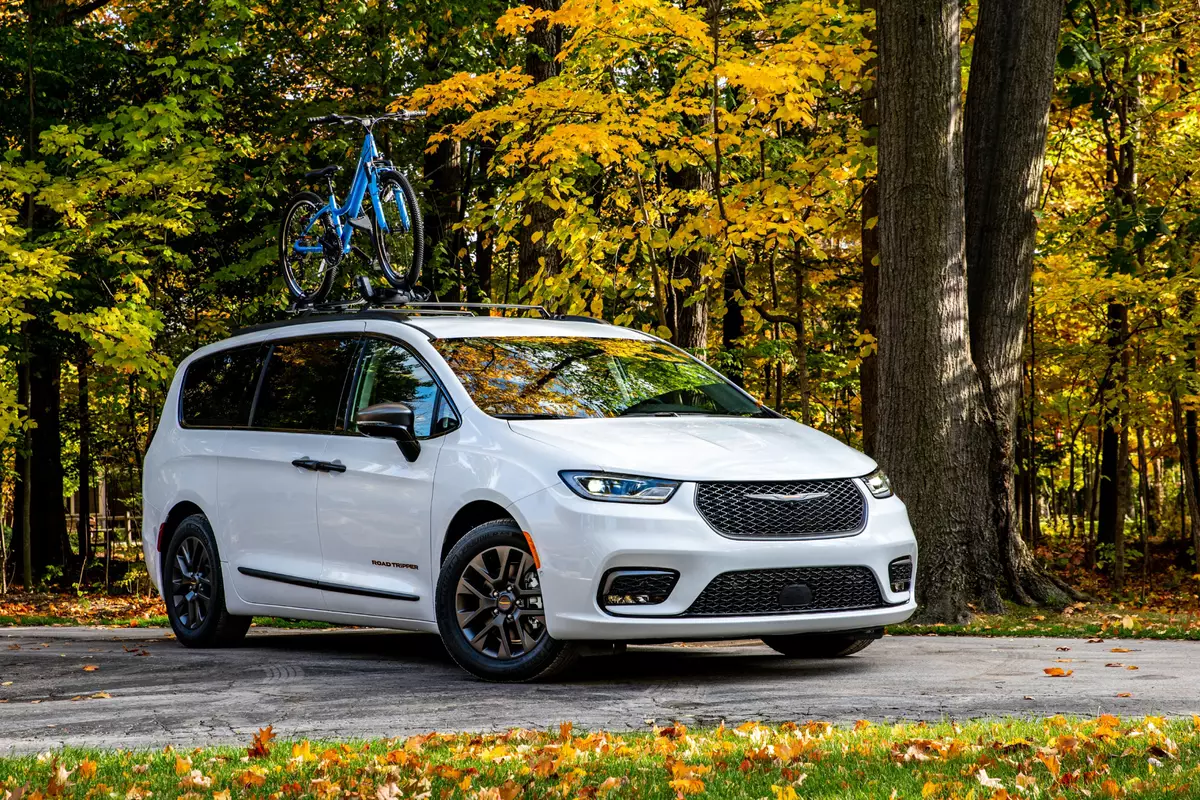
9. 2023 Chrysler Pacifica Hybrid
The 2023 Chrysler Pacifica Hybrid has a predicted reliability score of 1/5. Owners report defective wiring harnesses within the transmission, squishy brake pedals, and electrical failures affecting infotainment, climate control, and power equipment. RepairPal estimates annual maintenance at $608, with 10-year projections at $10,620. One recall addresses electrical shorts causing engine shutdown.
The 2018 model is considered the worst used year, exhibiting in-car electronics failures, paint and trim deterioration, engine problems, and power equipment malfunctions. Non-routine maintenance is frequent due to complex hybrid and electrical systems. Owners often require repeated service visits, increasing both cost and inconvenience.
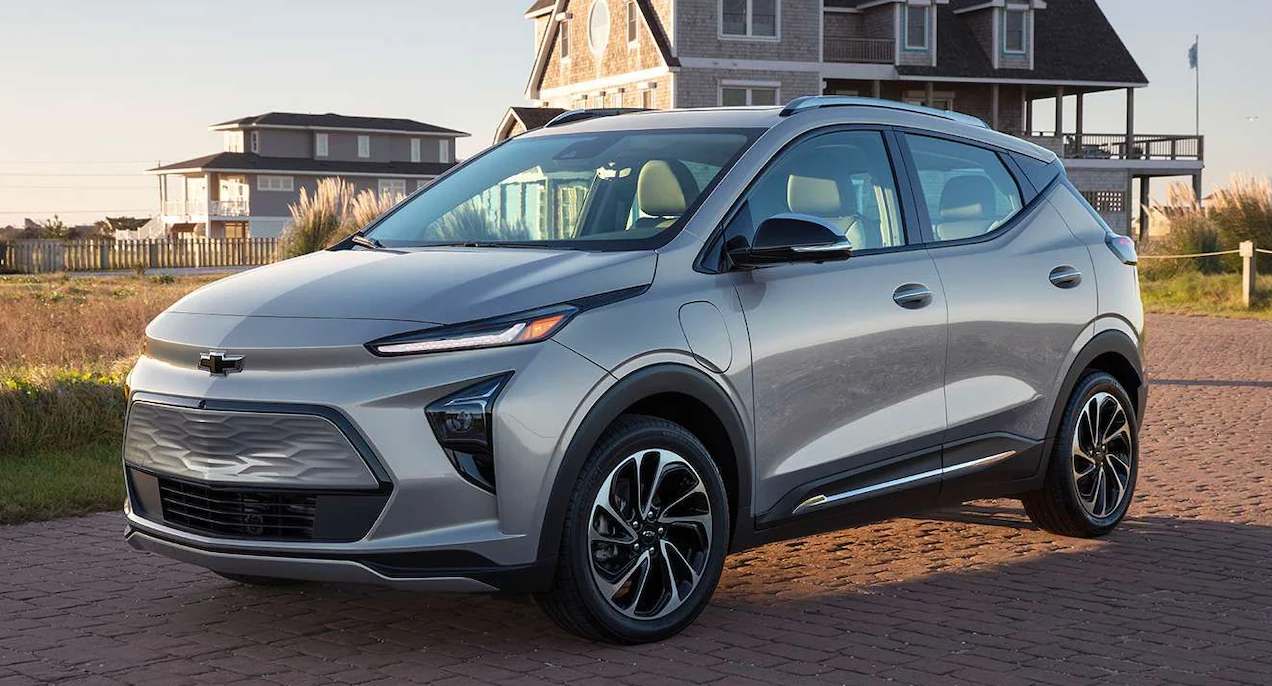
10. 2023 Chevrolet Bolt EUV
The 2023 Chevrolet Bolt EUV has a predicted reliability of 1/5. Electric motor failures, in-car electronics issues, and air/water leaks are commonly reported. Cornering roll has been noted, which may affect driving stability. RepairPal estimates yearly maintenance at $649, though long-term projections are unavailable.
One recall exists for a seatbelt pretensioner fire hazard. The 2022 model is flagged as the worst used year due to motor and electronic failures, as well as persistent air and water leaks. Repairs to electric drivetrain components and electronics can be expensive, and non-routine maintenance occurs frequently.
Owners report multiple trips to service centers for drivetrain, electronics, and climate system issues. Predictable maintenance scheduling is challenging due to recurring failures, making ownership of the Bolt EUV potentially costly and time-consuming.
Daily use exposes vehicles to the stress of commuting, cargo hauling, and varied road conditions. Cars that withstand abuse typically feature durable transmissions, strong suspension systems, well-built powertrains, and electronics that perform consistently over time.
Vehicles that break under pressure often struggle with recurring issues in steering, climate control, brakes, drivetrains, and in-car electronics. Frequent maintenance and unexpected repairs can significantly increase ownership costs and inconvenience.
Understanding these reliability patterns helps buyers avoid vehicles that require constant attention and expense. Reliability provides more than convenience. It ensures predictability, safety, and long-term usability.
Choosing vehicles with proven durability allows smoother daily driving, lower maintenance costs, and fewer unexpected setbacks. Buyers who focus on dependable cars can expect consistent performance under real-world conditions, protecting both investment and peace of mind. Reliable vehicles provide durability and confidence in every mile, making daily driving less stressful.
Also Read: 10 Cars That Always Feel Solid vs 10 That Fall Apart Over Time