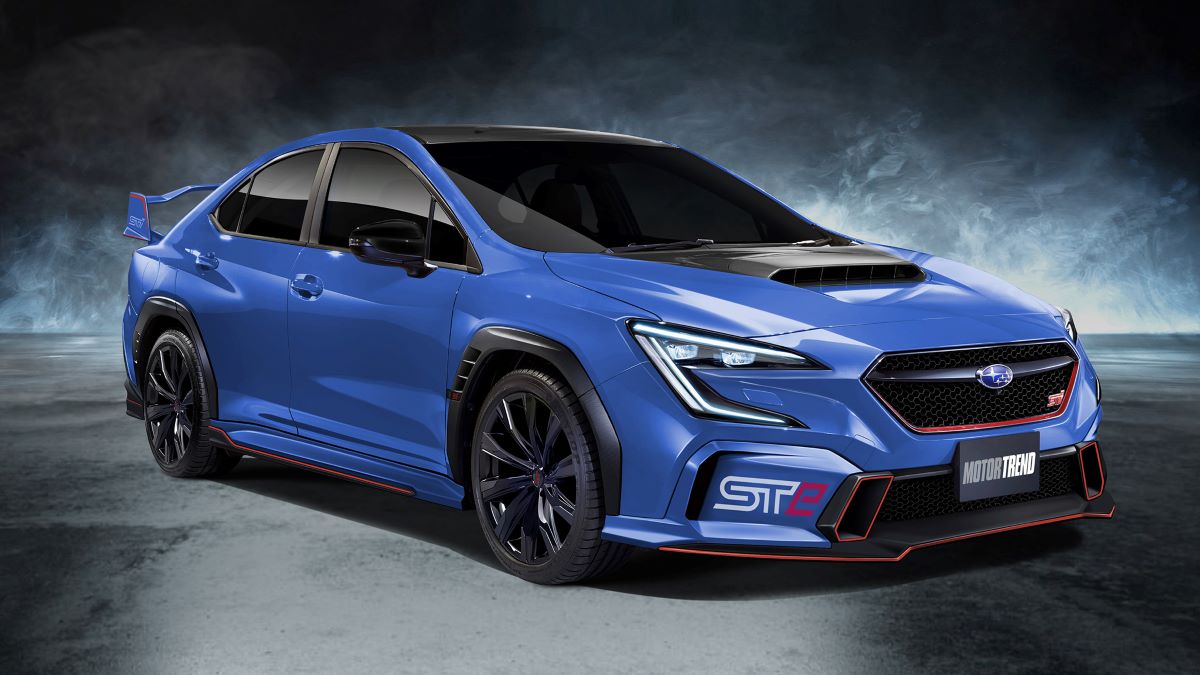
For decades, Subaru has carved out a loyal following in the United States by delivering vehicles that thrive where others falter.
Known for their standard all-wheel-drive systems, boxer engines, and rugged dependability, Subaru cars and SUVs have long been trusted by outdoor enthusiasts, commuters in snow-prone regions, and families who want a vehicle that feels safe and unshakable in all conditions.
While many automakers have shifted in and out of the utility and performance markets, Subaru has consistently held onto a reputation for building vehicles that simply don’t quit.
Across mountains, snowy backroads, rally stages, and city streets, certain Subaru models have cemented themselves as legends. These are the cars and SUVs that embody Subaru’s philosophy of practicality, durability, and capability, while also offering something uniquely fun to drive.
From iconic rally-bred machines to family workhorses that seem impossible to kill, these twelve Subaru vehicles have proven time and time again that they can take on pressure and come out the other side stronger.
1. Subaru Outback (1994–Present)
Few vehicles symbolize Subaru’s American success story like the Outback. First introduced as a lifted, wagon-based alternative to SUVs, the Outback pioneered the “crossover” concept long before it was trendy.
With its raised ground clearance, standard all-wheel drive, and cavernous cargo space, the Outback became the car of choice for families in snowy states like Vermont and Colorado.

Owners often boast of racking up well over 300,000 miles with minimal issues, thanks to Subaru’s rugged engineering. Today, the Outback remains Subaru’s best-selling model, a testament to its staying power under pressure.
The Legacy is a car that wears many hats; part family sedan, part sport-utility wagon, it offers a wide range of versatility. Try picturing another vehicle lineup that competes for buyers of both the Toyota Camry and the Jeep Cherokee. There aren’t too many that fit that description.
Styling on the Legacy sedan is appealing, and the availability of all-wheel drive on any trim level makes this car as attractive as a Toyota Camry or Honda Accord.
Unlike the Camry and Accord, however, the Legacy lacks the power to fully complement its sharp handling and striking design. An optional six-cylinder engine, or better yet, a revival of the 2.2 L turbo, would provide the boost needed to energize an otherwise appealing lineup of vehicles.
At the heart of the Legacy range is the wagon. For thirteen years, Subaru has sold more wagons in the U.S. than any other importer. The all-wheel-drive wagon in general, and the Outback wagon specifically, represents Subaru’s answer to the sport-utility buyer.
AWD, optional ABS, increased ground clearance, and numerous safety features not typically found on a truck make the Outback wagon an attractive option for anyone seeking the utility of a wagon, the comfort of a car, and the capability of a light truck.
2. Subaru WRX (2002–Present in the U.S.)
Born from Subaru’s rallying success, the WRX arrived in America in the early 2000s and immediately earned cult status.
Its turbocharged engine, symmetrical all-wheel drive, and rally-bred suspension gave everyday drivers the thrill of a performance car with the confidence to tackle harsh weather and rough roads.
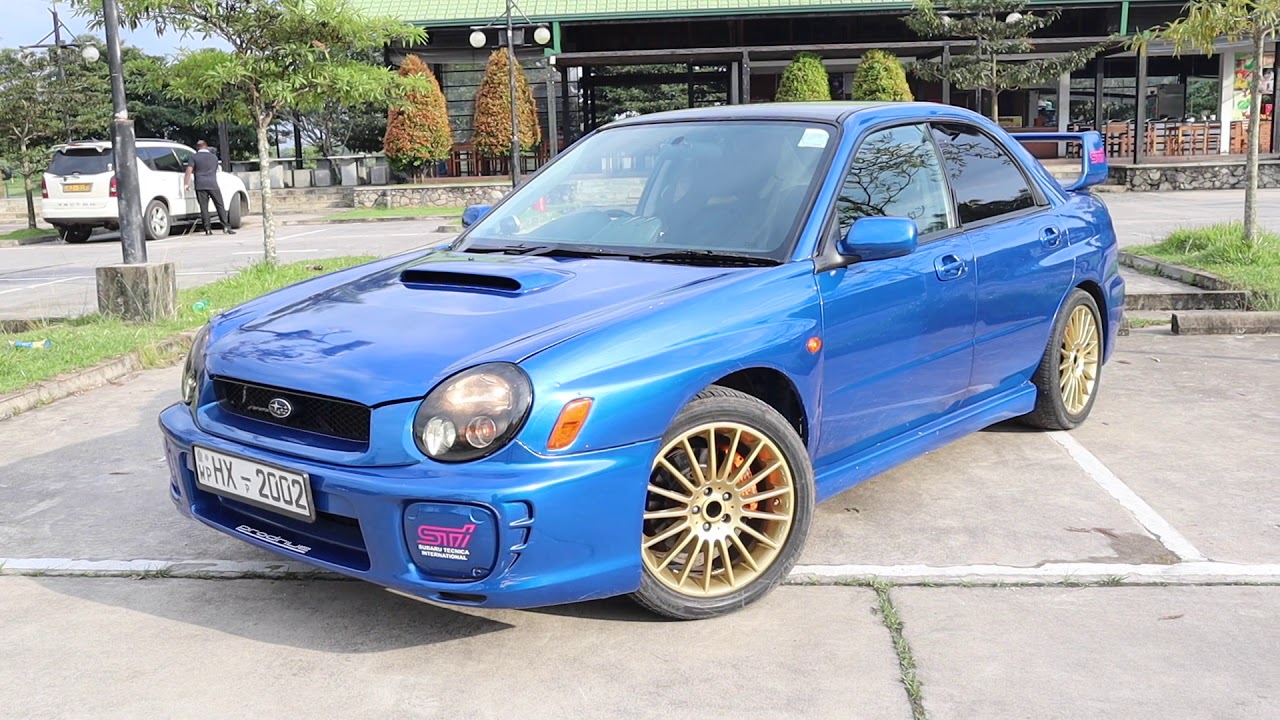
Unlike many performance sedans, the WRX could double as a daily commuter, making it a true enthusiast’s workhorse. Even under aggressive driving, WRXs have proven themselves remarkably durable, often serving owners for decades with proper care.
All 2004 Subaru Impreza models feature bolder front-end styling, highlighted by a sculpted hood that draws attention to the new, intricate headlights peeking out from behind triangular covers with circular inboard sections.
The upper grille retains the upside-down trapezoid shape of the previous model, but it now blends more seamlessly with a larger lower grille set within a flat lower bumper fascia, giving the car a more competition-ready appearance. The standard WRX engine remains unchanged for 2004, and no modifications were necessary.
While the compact horizontally-opposed turbocharged and intercooled 2.0-liter twin-cam, 16-valve engine produces 227 horsepower at 6,000 rpm and 217 lb-ft of torque at 4,000 rpm, figures that might seem modest compared to the STi’s 300 of each, the regular WRX’s output is far more manageable and accessible.
It delivers strong performance from the outset, with a robust midrange and minimal fade as it approaches redline.
Even with 13.5 lbs of boost, turbo lag is virtually nonexistent once engine speed exceeds 2,500 rpm; throttle response feels as immediate as that of a naturally aspirated engine, and power flows in a very linear manner. A five-speed manual transmission comes standard, with a four-speed automatic available as an option.
The five-speed is the ideal choice for performance, offering lighter weight and closer-spaced gear ratios, but the engine’s strong torque makes the automatic a viable option for anyone willing to accommodate the demands of modern commuting.
Also Read: 5 Cars That Survive Harsh Winters and 5 That Rust Immediately
3. Subaru WRX STI (2004–2021 U.S.)
If the WRX was Subaru’s performance icon, the STI was its ultimate expression. Equipped with more power, a stronger drivetrain, and advanced rally-derived technology, the STI became legendary in both motorsport and enthusiast circles.
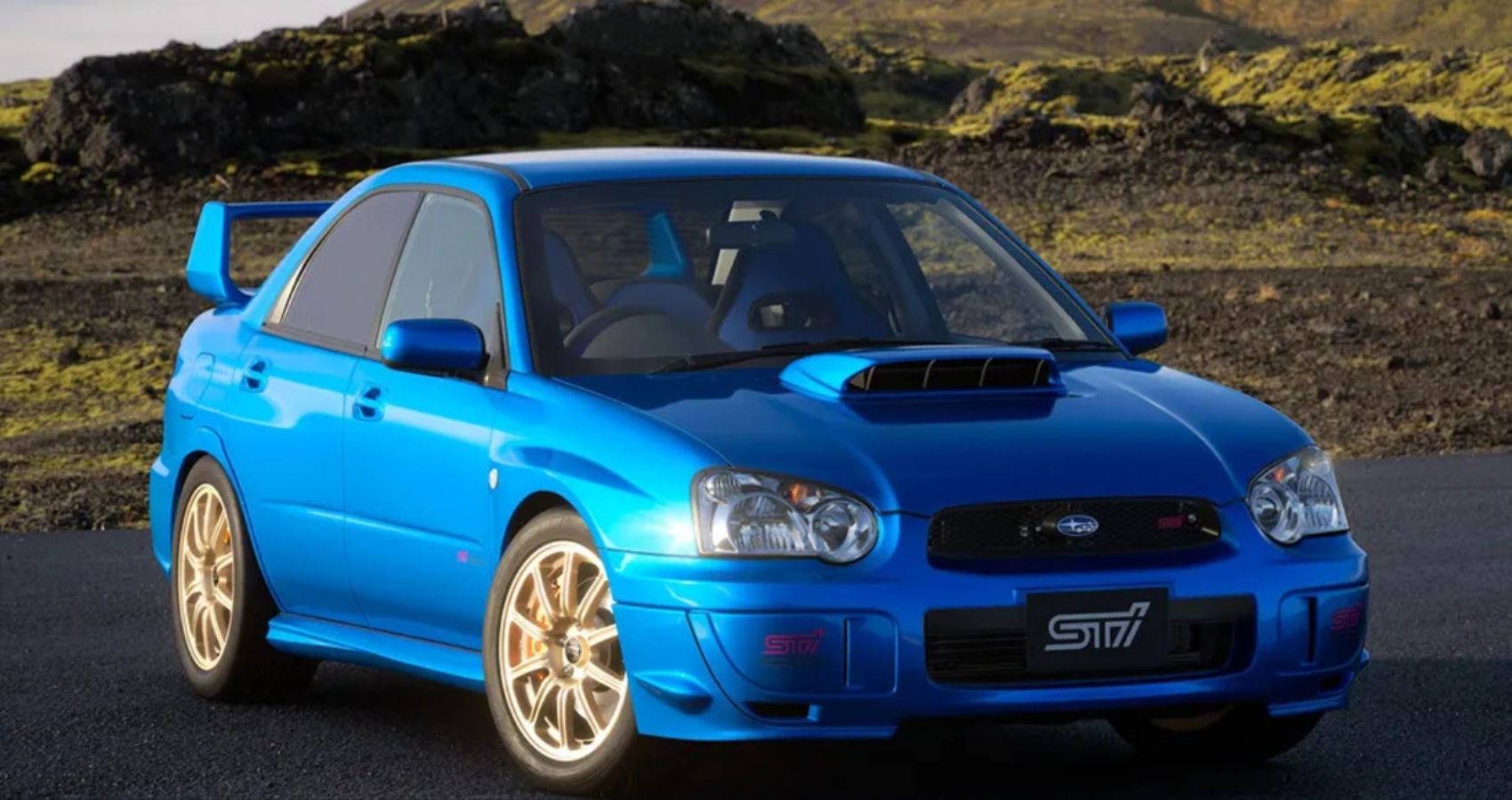
While the U.S. lost the STI after 2021, its legacy is sealed as a car that could handle the rigors of high-performance driving while still being a reliable partner for daily use. Few cars better exemplify Subaru’s ability to thrive under pressure than the STI storming down gravel rally stages.
4. Subaru Forester (1997–Present)
The Forester has always struck a sweet spot between compact SUV practicality and rugged durability. Early models gained loyal fans for their boxy design, excellent visibility, and ability to handle rough conditions better than rivals.
Families praised the Forester’s reliability, with countless examples still on the road today after decades of service. It also became a favorite of outdoor enthusiasts, offering the space of an SUV with the handling of a car.
Even under pressure whether it’s a snowstorm commute or a dirt trail the Forester has consistently delivered.
Built on the rally-proven Impreza platform, the Forester shares the same all-wheel-drive system used in other Subaru models. Its 2.5-liter boxer engine, borrowed from the Legacy Outback, produces 165 horsepower in the Forester.
Torque has been increased for 1999, earning this motor a Stage II designation. The Forester offers more power than most of its main competitors, though Suzuki’s new Grand Vitara V6 has narrowed the gap.
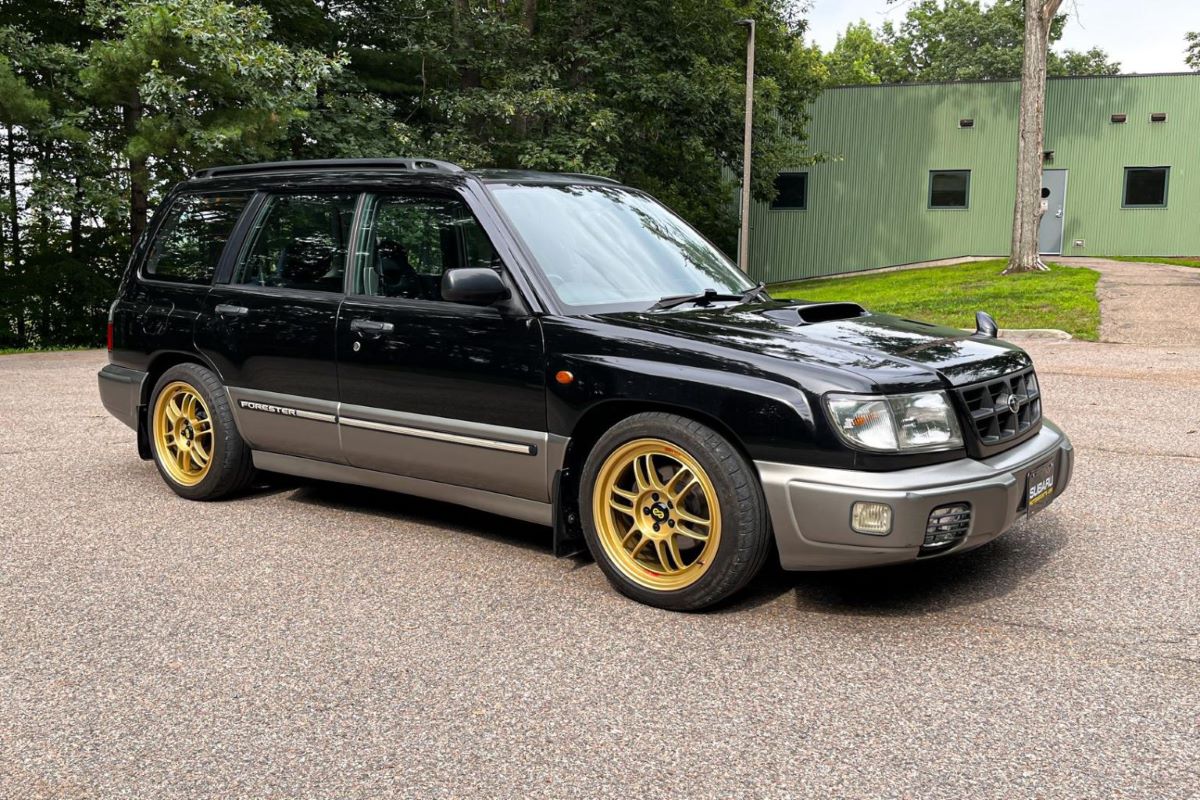
Thanks to its low-slung stance, low center of gravity, and car-based architecture, the Forester handles better than the Chevrolet Tracker, Honda CR-V, Suzuki Grand Vitara, and Toyota RAV4.
Inside, the Forester comfortably seats four adults, with a rear center spot available for a fifth occupant in a pinch. Cargo space matches what you’d expect in a RAV4 or Tracker, and there is plenty of storage room throughout the cabin.
The Forester comes in three trims: the base, the mid-level L, and the top-tier S. Standard on the base model are air conditioning, roof rack, rear defogger, tachometer, power windows, tilt steering, rear wiper/washer, and an 80-watt cassette stereo.
The L adds antilock brakes, power door locks, and cosmetic upgrades, and this year its standard features have been expanded to include power exterior mirrors.
With a base price just above $20,000 including destination charges, the L serves as Subaru’s volume seller. The premium S trim features a bold chrome grille, alloy wheels, larger tires, rear disc brakes, cruise control, and upgraded interior trim.
New for 1999 on the S is a standard All Weather Package that includes heated seats and exterior mirrors, as well as a windshield wiper de-icer.
Remote keyless entry and leather seating are optional on both the L and S. Additional options across the Forester lineup include CD player, alloy wheels, cruise control, trailer hitch, and various cosmetic upgrades. All Foresters are available in two new colors: Silverthorn Metallic and Aspen White.
Also Read: 5 Subaru Legacy Years Worth Buying vs 5 With Bad Reliability
5. Subaru Legacy (1989–Present)
Before the Outback rose to fame, the Legacy was Subaru’s backbone in the U.S. Known for its roomy interior and sedan practicality, the Legacy offered American buyers something different: a mid-size car with all-wheel drive as standard.
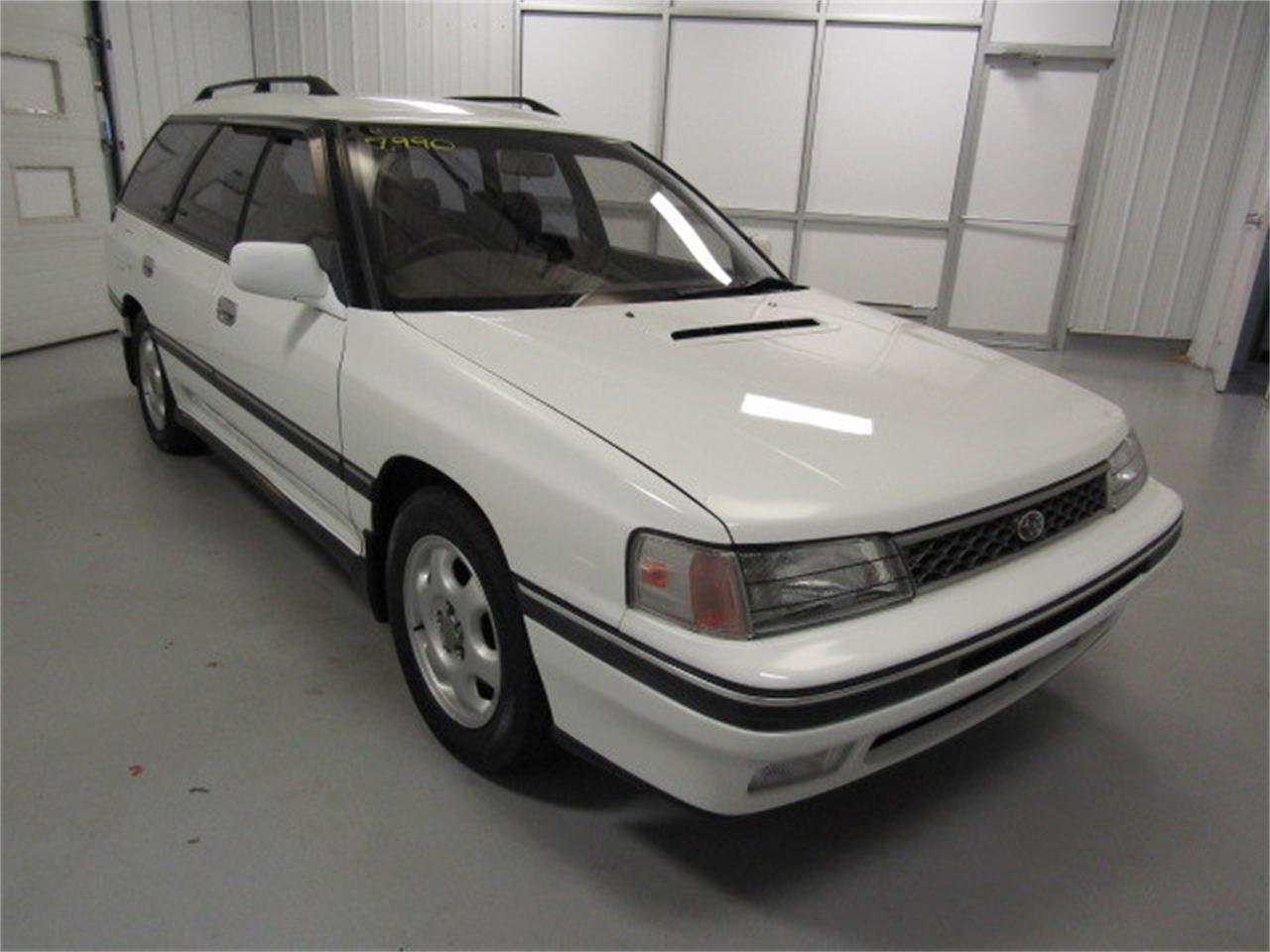
In snow-prone states, that made it nearly invincible compared to rivals from Toyota or Honda. Many Legacys from the 1990s and 2000s are still running strong, proving the car’s ability to handle pressure well beyond its expected lifespan.
6. Subaru Impreza (1993–Present)
The Impreza may have started as a humble compact car, but it became the foundation for Subaru’s rallying dynasty. In its standard form, the Impreza has been one of the most reliable, affordable AWD vehicles available in America perfect for young drivers, college students in snowy towns, and families who need a safe, efficient commuter.
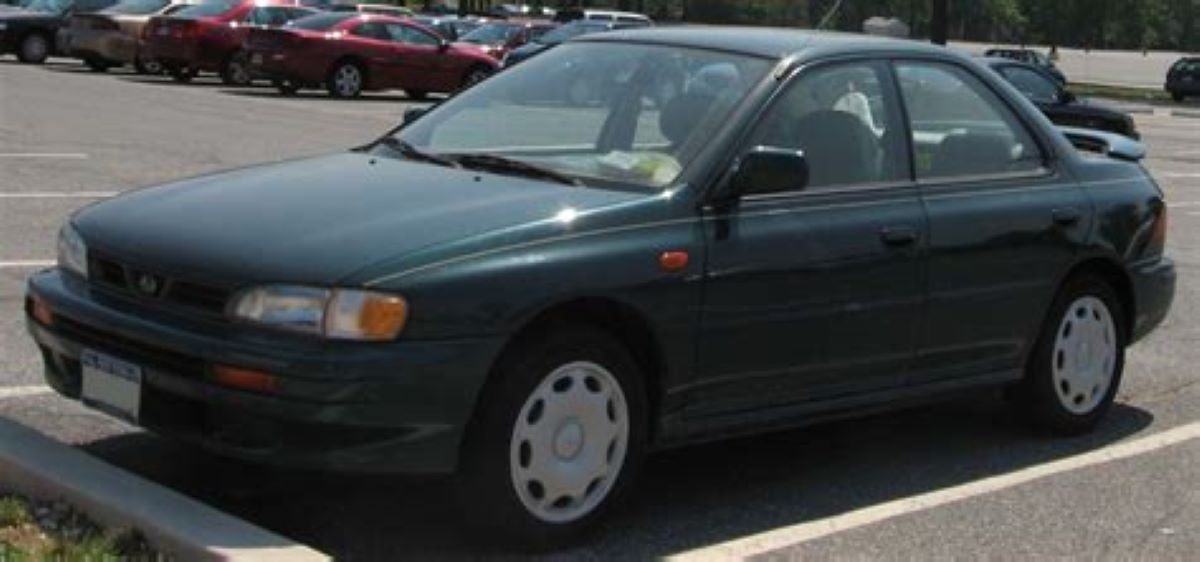
With proper care, Imprezas have been known to surpass 250,000 miles, showing their staying power despite their modest size.
The Subaru Legacy I 1.8, produced from 1989 to 1994, is powered by a 1.8-liter Boxer 4-cylinder petrol engine with a displacement of 1820 cm³ (111.1 cu-in). This naturally aspirated engine employs a singlepoint injection (SPI) fuel system and is mounted longitudinally.
It delivers 103 PS (102 HP / 76 kW) at 6,000 rpm and 147 Nm (108 lb-ft) of torque at 3,200 rpm. The engine’s bore and stroke measure 87.9 x 75.0 mm (3.46 x 2.95 inches), and it features a 16-valve configuration with a compression ratio of 9.7:1. Power is sent to the front wheels through a standard 5-speed manual transmission.
7. Subaru Baja (2003–2006)
Though it had a short production run, the Baja is now celebrated as one of Subaru’s quirkiest and toughest vehicles. Essentially a mix between an Outback and a small pickup truck, the Baja was designed for people who wanted both practicality and a bit of fun.
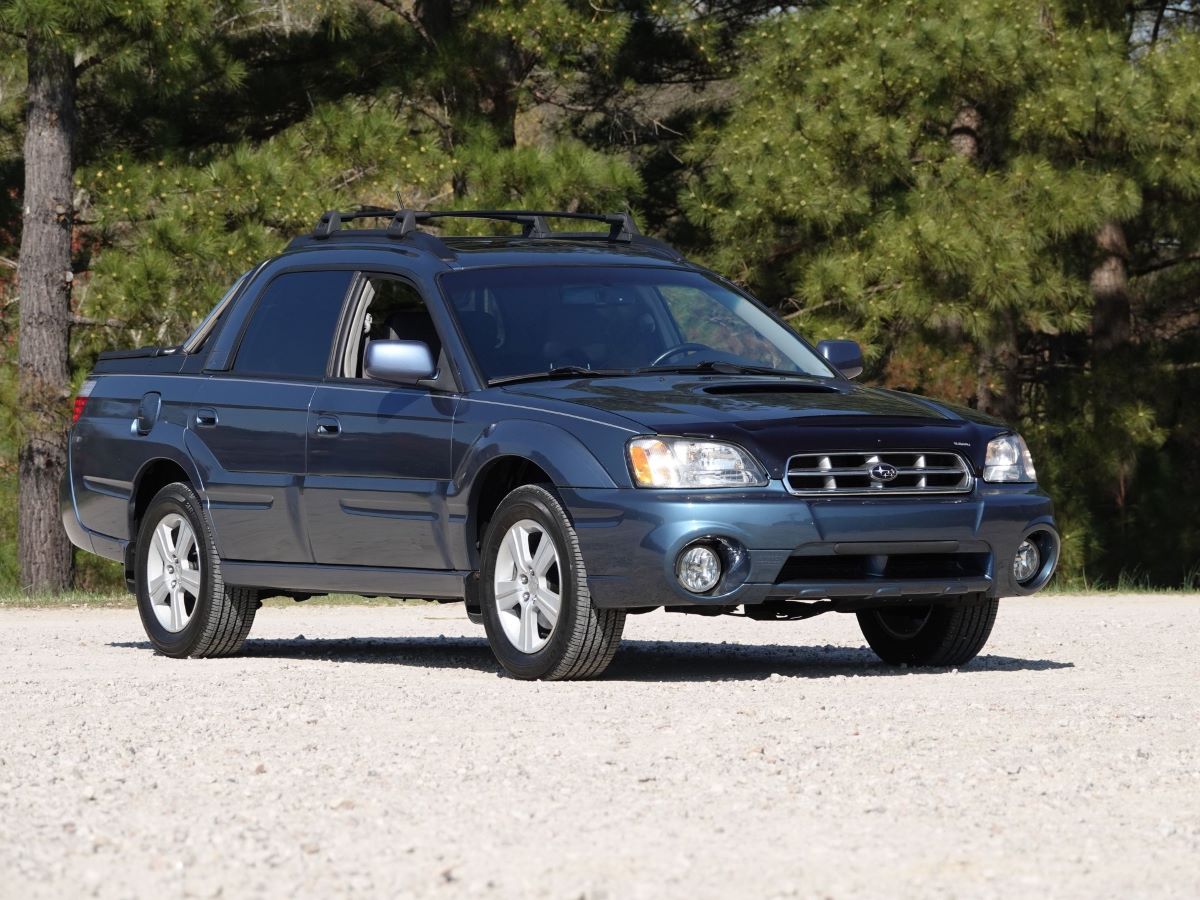
While its sales were limited, the Baja earned a cult following among owners who discovered just how capable and reliable it was under pressure. Today, surviving Bajas are rare but beloved, and they’ve proven remarkably long-lasting despite their unconventional design.
8. Subaru BRAT (1978–1994)
Long before the Baja, Subaru experimented with blending utility and playfulness in the BRAT (Bi-Drive Recreational All-Terrain Transporter). With its small pickup bed, all-wheel drive, and quirky rear-facing seats, the BRAT became a cult classic.
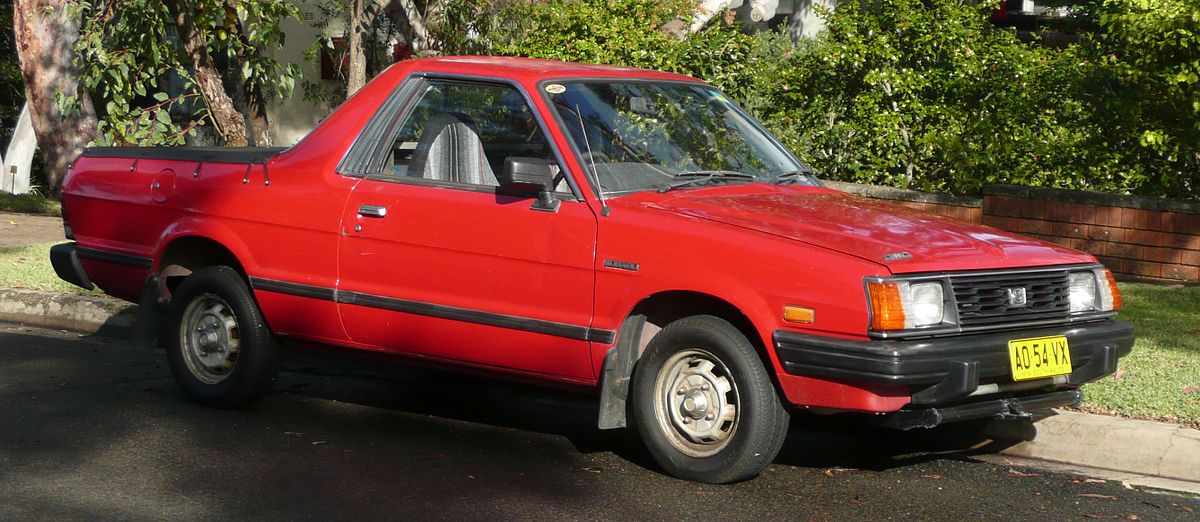
It was rugged enough to handle dirt trails and farm work, yet compact and light enough to be fun to drive. Many BRATs are still running today, decades later, proving that even Subaru’s strangest vehicles never quit under pressure.
The two-door Subaru BRAT, Japan’s ute-style take on a compact truck, was developed to meet the rising demand for smaller trucks in the U.S. market. It was not built on an entirely new platform; instead, it shared its underpinnings and all-wheel-drive system with the Subaru Leone station wagon.
By adding a cargo bed, Subaru created a vehicle that could compete in the growing compact pickup segment, which included car-based models like the Volkswagen Pickup produced in Pennsylvania, as well as larger body-on-frame pickups from other Japanese brands.
The BRAT featured a shorter wheelbase than most mini trucks and was roughly the same length as the single-cab pickups of the era.
In the United States, the Subaru BRAT had a relatively brief run, produced from 1978 to 1987. However, it remained available in overseas markets, Europe, Latin America, New Zealand, and Australia, until 1994.
Outside the U.S., it was marketed under a variety of names, including the 284, Brumby, Shifter, MV, and Targa. Interestingly, the BRAT was never sold in its native Japan, as there was little demand for this type of vehicle there.
When it debuted in 1978, the BRAT came with a single engine option: a 1.6-liter EA-71 H-4 boxer-four producing 67 horsepower and 81 lb-ft of torque, paired with a standard 4-speed manual transmission.
A few years later, the model received a facelift and a larger 1.8-liter engine, delivering 73 horsepower and 94 lb-ft of torque, along with a dual-range transfer case. For the 1983 and 1984 models, Subaru added a turbocharged variant, boosting output to 95 horsepower and 123 lb-ft of torque.
9. Subaru Crosstrek (2013–Present)
The Crosstrek represents Subaru’s modern take on adventure-ready compact crossovers. Affordable, fuel-efficient, and surprisingly rugged, it quickly became a favorite for younger buyers looking for a car that could double as a weekend escape machine.
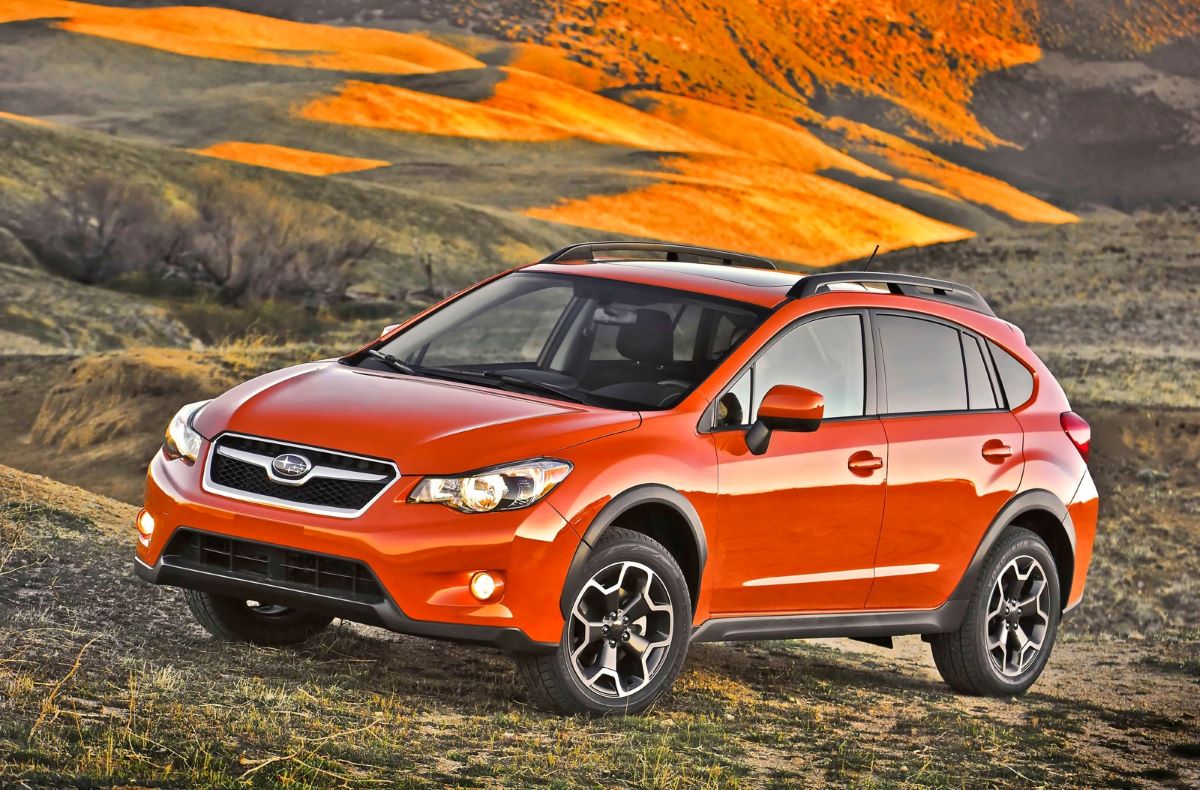
Despite its relatively recent introduction, the Crosstrek has already proven itself with outstanding reliability ratings and owner satisfaction. Whether navigating city streets or mountain trails, it rarely shows signs of weakness.
10. Subaru XT6 (1988–1991)
A lesser-known Subaru, the XT6 was an odd but beloved sports coupe with advanced technology for its time, including full-time all-wheel drive. Though not as common as other Subarus, the XT6 stood out for its durability and quirky charm.
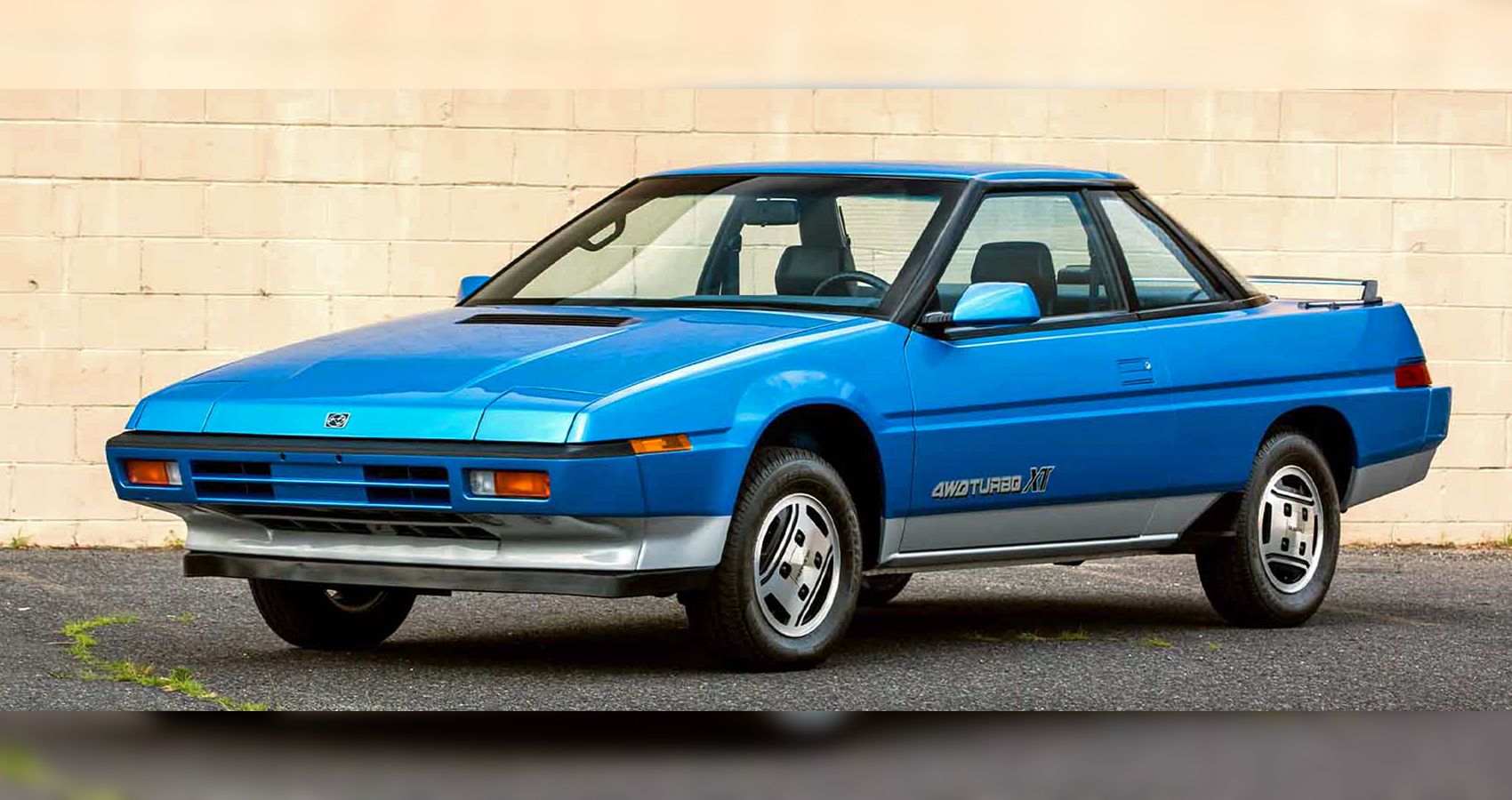
Many of the few surviving XT6s are still roadworthy today, showing how Subaru’s engineering has always leaned toward vehicles that could endure pressure and keep going strong, even when built in smaller numbers.
The 1987 Subaru Justy reinforced the company’s commitment to affordability and proved to be a significant success. It not only won back some previous customers but also attracted new buyers to the brand.
By the end of the 1987 sales period, Subaru’s fortunes were on the rise, and with a solid foundation in place, the company looked to expand further upmarket with the introduction of the XT6.
The XT6 is essentially a six-cylinder version of the XT coupe, sharing the same platform and, with certain modifications, its suspension components and interior features. At the heart of the XT6 is a single overhead-cam, 2.7-liter horizontally opposed six-cylinder engine, derived from Subaru’s 1.8-liter flat-four.
It retains the pistons, rods, and bore spacing of the four-cylinder unit but adds a revised fuel-injection system, a new camshaft drive, an oil-pan baffle, and a knock sensor. Additional refinements include friction-reducing improvements and the use of two silicone-filled engine mounts to minimize vibrations.
This six-cylinder engine produces 145 horsepower at 5,200 rpm, compared with 97 horsepower for the naturally aspirated four-cylinder and 115 horsepower for the previous turbocharged four-cylinder, which is no longer offered.
11. Subaru Tribeca (2006–2014)
The Tribeca may not have been Subaru’s most stylish or popular model, but it proved to be incredibly durable. As Subaru’s first attempt at a mid-size SUV for American families, the Tribeca offered all-wheel drive, a roomy interior, and a stout V6 engine that was practically bulletproof.
Many Tribecas are still on the road today, a decade after production ended, showing that even Subaru’s missteps often result in vehicles that keep pressing forward under stress.
Typically, an average ballplayer on an average team will see plenty of playing time, but place that same player on a roster full of talent, and he’s likely to spend most of his time on the bench.
The 2014 Subaru Tribeca is a similar case. Taken on its own, it’s a pleasant midsize crossover SUV. However, when compared with its three-row crossover rivals, it struggles to stand out, appearing like a .250 hitter in a lineup of .400 hitters.
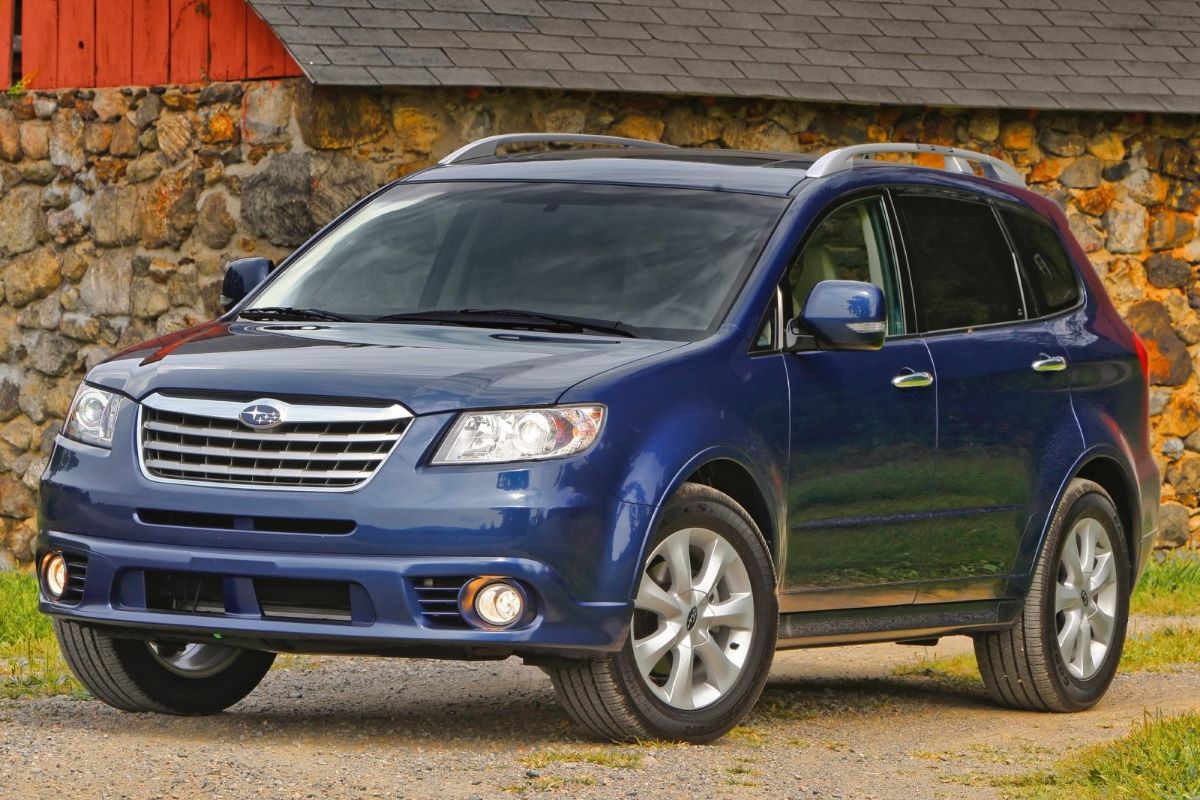
Subaru’s largest crossover does offer relatively attractive styling and benefits from the brand’s proven all-wheel-drive system. It comes in a single, fully equipped trim with standard seven-passenger seating, simplifying the buying decision. Still, these features alone aren’t enough to make the Tribeca competitive.
In addition, it faces a challenging trifecta: passenger and cargo space are below average, fuel economy is disappointing, and despite its decent equipment, the vehicle’s dated design and lack of modern features, such as blind-spot monitoring and Bluetooth/USB connectivity, limit its appeal and value.
Among the competitors that outperform the Tribeca are the 2014 Dodge Durango, 2014 Hyundai Santa Fe, 2014 Kia Sorento, and 2014 Nissan Pathfinder. Any of these alternatives would provide a more rewarding and practical choice for shoppers in the market for a seven-passenger SUV.
Under the hood, the 2014 Subaru Tribeca is powered by a 3.6-liter horizontally opposed six-cylinder engine delivering 256 horsepower and 247 pound-feet of torque. A five-speed automatic is the sole transmission option, and all Tribeca models come standard with Subaru’s all-wheel-drive system.
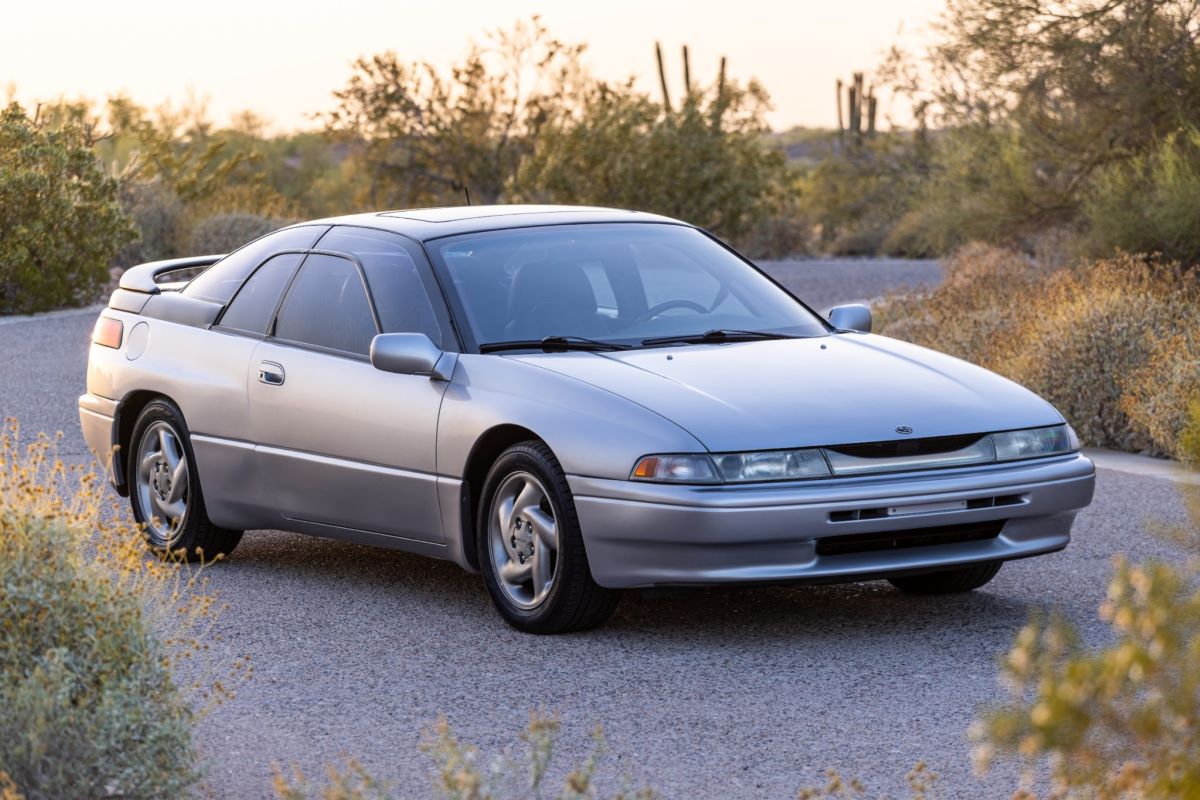
12. Subaru SVX (1992–1997)
The SVX was Subaru’s boldest attempt at a luxury grand tourer, featuring a futuristic design and a silky flat-six engine. While it was more of a niche car than a mass-market hit, the SVX built a reputation for being incredibly reliable for a performance coupe of its era.
Many examples continue to thrive today, proving that Subaru’s engineering could handle both everyday use and long-haul driving without faltering.
Subaru’s reputation for durability and resilience isn’t a marketing slogan it’s been earned through decades of vehicles that withstand the test of time and pressure.
When Subaru commissioned Giorgetto Giugiaro’s Ital Design to create a luxury performance coupe in 1985, few expected the sketches to ever materialize. However, when the drawings evolved into a show car and market test piece, curiosity grew.
After Subaru nearly became part of Nissan, most observers assumed the company would stick to the conservative refinement of the Legacy, leaving experimentation with unconventional Subaru models behind.
Clearly, the experts were wrong. The result is the SVX, a $25,000, four-seat showcase of four-wheel-drive technology and bold marketing.
At its heart is a 230-horsepower, microprocessor-controlled, DOHC, four-valve-per-cylinder 3.3-liter flat-six engine paired with a four-speed automatic transmission boasting more computing power than Albania.
This combination allows the SVX to stand out in the crowded world of sporty luxury coupes. If Subaru’s audacious entry into this market is even partially successful, it will redefine what the name “Subaru” represents and raise the performance benchmark for similar cars to come.
The SVX’s design strategy could be described as driver-friendly high tech. It is a car that allows the driver to go nearly as fast as desired with minimal effort or concern.
The powerful, technology-packed engine accelerates the 3,614-pound SVX from 0 to 60 mph in 7.6 seconds, reaching a top speed of 144 mph. The electronically controlled transmission thoughtfully and smoothly selects the appropriate gear, while the sophisticated all-wheel-drive system distributes power between the front and rear axles according to available traction.
On dry pavement, the SVX achieves 0.86 g of cornering grip, and the anti-lock brakes make excellent use of tire traction, bringing the car from 70 mph to a stop in just 172 feet.
Whether it’s the ever-reliable Outback, the rally-bred WRX, or quirky cult favorites like the BRAT and Baja, Subaru has consistently built cars and SUVs that refuse to quit.
For American drivers dealing with tough weather, long commutes, or a love of outdoor adventure, Subaru has provided vehicles that stand strong where others give up.
These twelve models highlight Subaru’s ability to merge practicality with character, creating a legacy of cars that not only survive but thrive under pressure.
That’s why, across snowy backroads, mountain passes, and highways alike, Subarus have become legendary companions for those who need a car they can trust no matter the conditions.