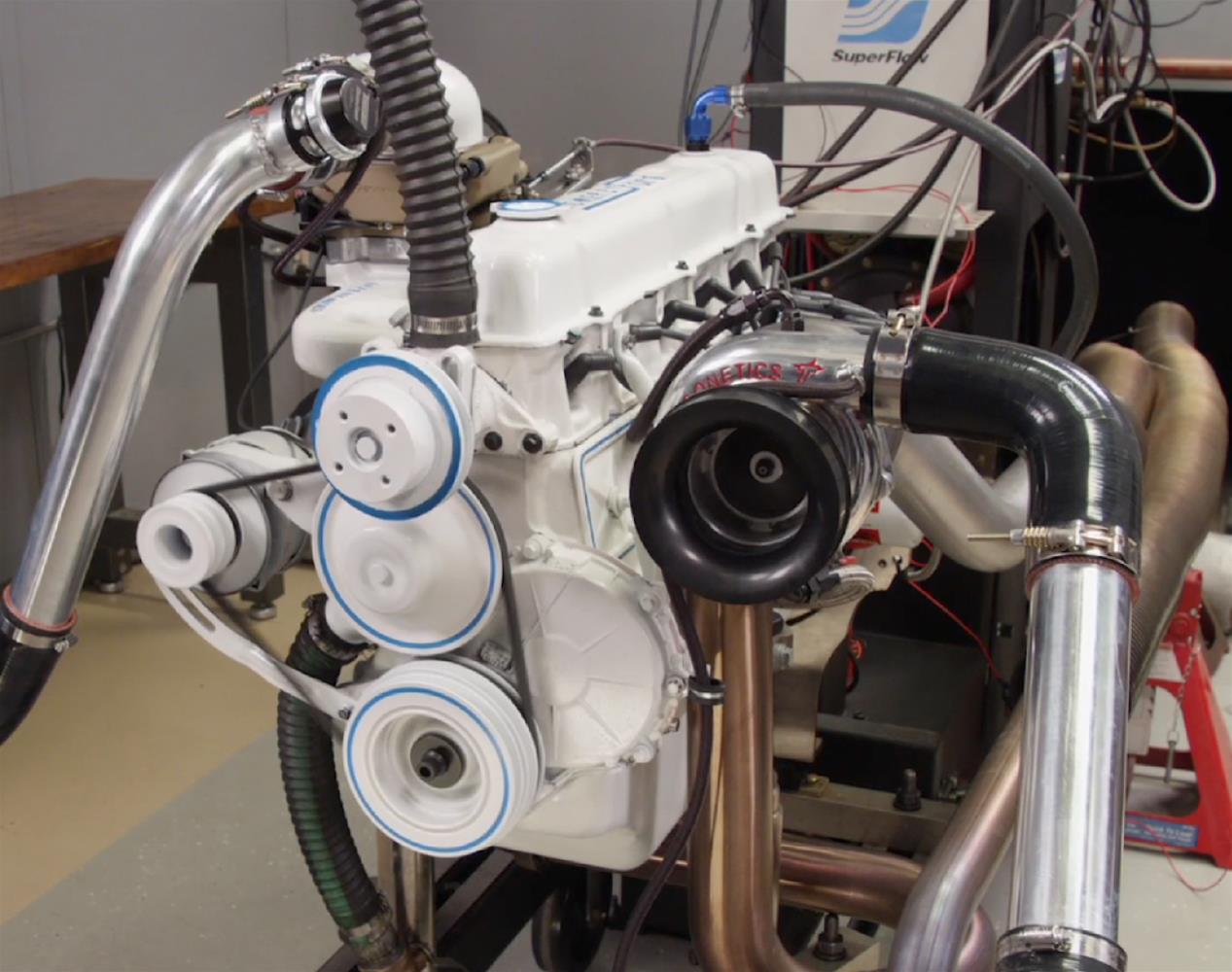
For most car owners in the United States, vehicle maintenance is an unavoidable part of life. Oil changes, coolant flushes, timing belt replacements, and transmission services all add up, and skipping them can often mean disaster.
Yet, not all engines are created equal. Some powerplants have earned a reputation for surviving owner neglect running reliably even when oil changes are rare, tune-ups are skipped, and the miles pile on without so much as a glance under the hood.
These engines aren’t just durable they’re legends in their own right, thanks to decades of real-world abuse and survival stories. Many of them were mass-produced in millions, bolted into family sedans, trucks, and SUVs that lived hard lives in rural towns, city streets, and everything in between.
If there’s one unifying theme, it’s that these engines prove how robust old-school engineering can be, especially compared to today’s more complex, delicate powertrains.
Here are 10 engines that have become famous for running on neglect alone.
1. Toyota 22R / 22RE
Few engines have become as synonymous with “bulletproof” as Toyota’s 22R and its fuel-injected successor, the 22RE. Found in everything from 1980s Toyota pickups to early 4Runners, this little 2.4-liter four-cylinder has achieved cult status.
The Toyota 22R/22RE engine has earned legendary status for its unmatched reliability and durability. Introduced in 1981 as the fuel-injected successor to the 2.2L 20R engine, the 22R/RE quickly became a cornerstone of Toyota’s lineup, powering a variety of vehicles for over a decade.
The engine’s evolution began with the 2.4L 22R, produced from 1981, followed by the 22RE in 1983, which featured early electronic fuel injection for improved fuel efficiency and performance.
By 1985, the 22RE had been upgraded with a more advanced engine management system, known as the “Laser Block,” featuring different head and deck heights than the earlier 1981–1984 blocks.
A brief turbocharged version, the 22RTE, was offered from 1986 to 1988 and remains highly sought after due to its limited North American production.
Production of the 22RE ended in 1995 for U.S. models, yet its legacy continues in countless Toyota vehicles renowned for longevity. This engine powered key models such as the Toyota Celica, 4Runner, and Pickup, cementing its place in automotive history.
Looking back at the 1981 Toyota Celica, this model was far more than a simple commuter car. It symbolized a new era for Japanese sports coupes, challenging established European dominance.
The Celica featured a sleek, aerodynamic design, with flowing lines and sharp angles hinting at the performance under the hood. Offered as a hatchback or coupe, it combined sporty appeal with practicality, the hatchback, in particular, provided ample cargo space for weekend getaways or trips to the track.
Power came from the newly introduced 22R engine, an evolution of the 20R, which increased the bore and provided a platform ripe for performance modifications. Beyond aesthetics and speed, the rear-wheel-drive Celica delivered excellent handling, balance, and control, earning the admiration of driving purists.
Its success helped solidify Toyota’s reputation for building reliable, exciting sports cars and paved the way for later iconic Celica models, including the GT-Four homologation special that dominated the World Rally Championship.
Today, the 1981 Celica is a prized classic among collectors, embodying a period when Japanese cars began rewriting the rules of performance, practicality, and design.
The Toyota Pickup, particularly the 1985–1995 models, was a perfect match for the 22RE engine. Known in some markets as the Hilux, this truck prioritized function over form with a boxy design, durable chassis, and suspension capable of handling rough roads and heavy loads.
Offered in multiple configurations, from standard beds to extended cabs, with rear-wheel or four-wheel drive, the Pickup was versatile and dependable. Under the hood, the naturally aspirated 2.4-liter 22R/RE four-cylinder engine emphasized reliability and efficiency over outright speed.
Its simple, robust construction allowed for minimal maintenance while providing impressive longevity. Together, the Pickup and 22RE engine created a workhorse capable of tackling anything from farm duties to construction tasks or off-road adventures, with many examples surpassing 300,000 miles with minimal issues.
Today, this duo remains beloved by enthusiasts for its durability, ease of modification, and parts availability, offering a glimpse into a time when vehicles prioritized simplicity, toughness, and practical performance.
For those seeking a no-nonsense, long-lasting truck, a well-maintained 1985–1995 Toyota Pickup with the 22RE engine remains an iconic choice, a legend built to endure.
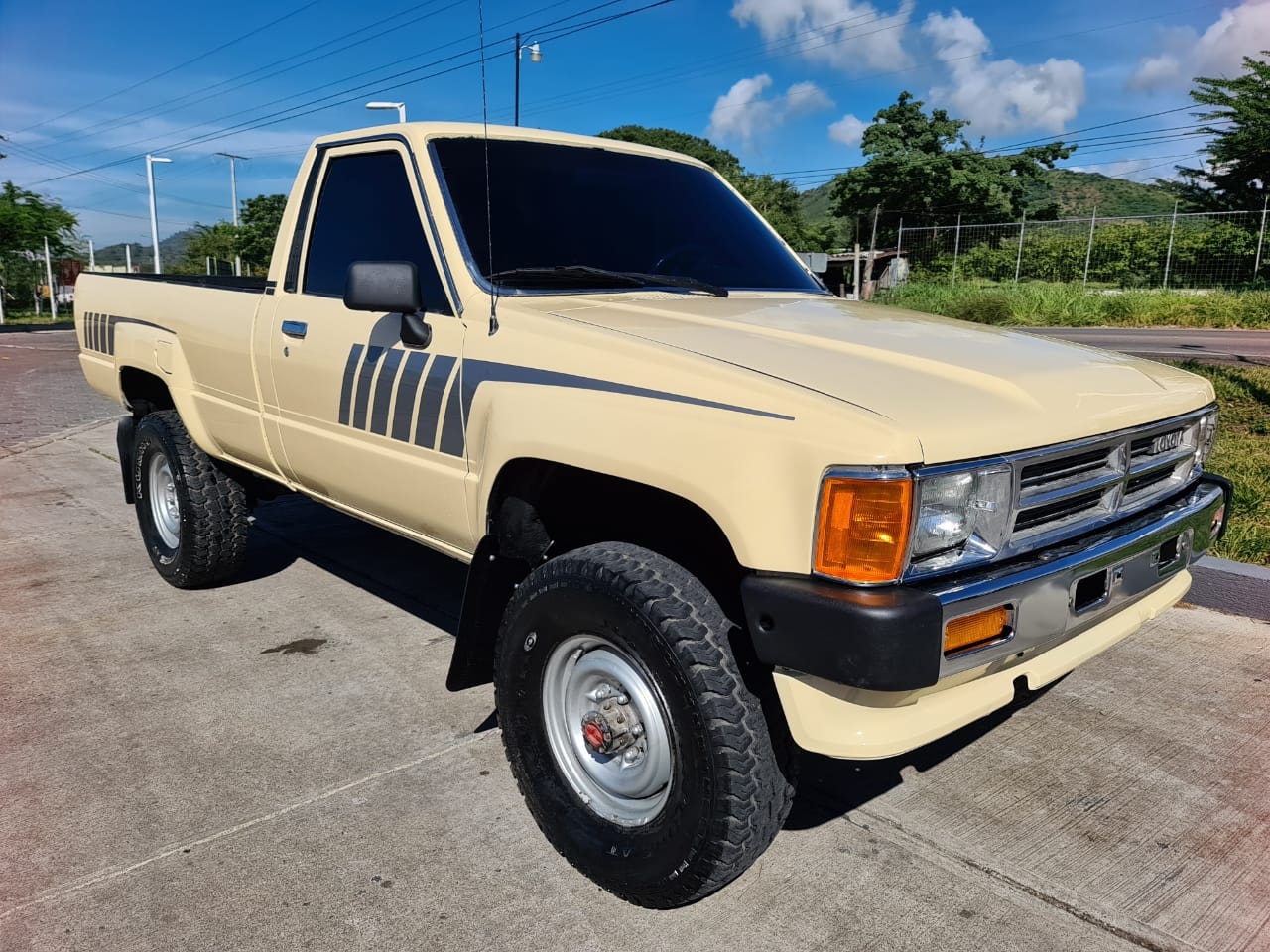
Farmers, contractors, and off-roaders ran these engines for decades without ever worrying about oil change intervals. They’d overheat, get filled with sludge, and even run on cheap gas and still keep going.
It’s not uncommon to hear of 22RE-powered trucks with over 400,000 miles that never had their valve covers removed. In fact, the only way many of these engines finally died was from body rust consuming the vehicle around them.
Also Read: 8 Checks That Stop a Chevy Colorado From Breaking Down Early
2. Honda D-Series
Honda’s D-series engines, found in Civics and CRXs throughout the 1980s and 1990s, are another perfect example of an engine that shrugs off neglect. While Civics became the car of choice for tuners, many Americans simply used them as cheap commuter cars, rarely changing oil or checking coolant.
The D-series’ non-interference design meant timing belt failures didn’t spell engine death, and the simple SOHC construction kept things stress-free. Stories abound of these engines surviving without oil for surprising distances or running with blown head gaskets far longer than expected.
Honda introduced the D-Series engines in the late 1980s as a modern replacement for the aging E-Series lineup. These engines were designed with fuel efficiency and affordability in mind, quickly becoming the backbone of Honda’s economy-focused models.
The D-Series made its debut in the fourth-generation Civic (1987–1991) and later expanded into other popular models such as the CR-X, Accord, and even the first-generation Honda CR-V.
Key milestones in the D-Series’ evolution include the 1988 D15B2 engine, which powered the Honda Civic DX with a focus on simplicity and low-cost maintenance. In 1992, Honda introduced VTEC-E technology with the D15B7 engine in the Civic VX, optimizing lean-burn combustion to achieve up to 50 MPG.
The D16Y8 arrived in 1996 for the Civic EX, offering a single overhead cam with VTEC to balance efficiency and spirited performance. Finally, the D17A1 debuted in 2001 with the seventh-generation Civic, marking the last iteration of the D-Series with a 1.7-liter displacement.
Unlike Honda’s performance-oriented B-Series and K-Series engines, the D-Series carved out a reputation as a reliable workhorse, though later VTEC variants proved surprisingly lively.
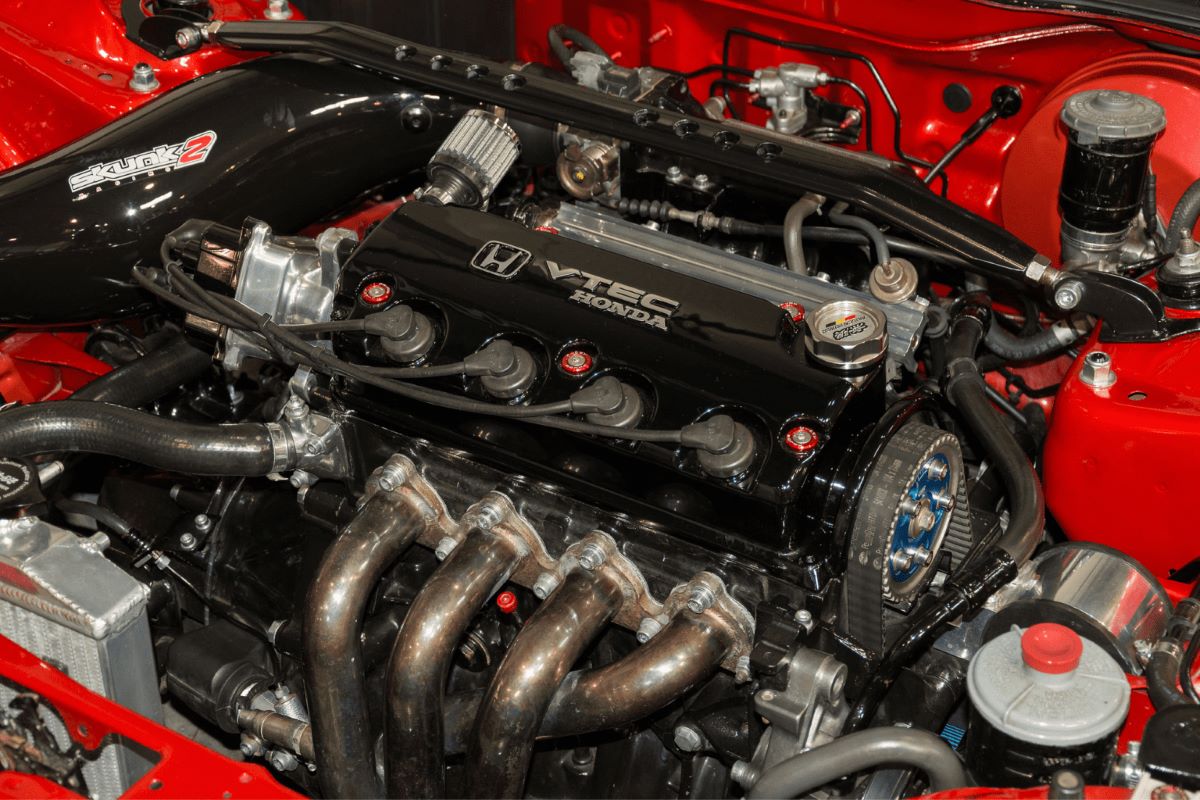
The D-Series engines feature a compact inline-four configuration ideal for transverse front-wheel-drive layouts, with both SOHC and select VTEC designs enhancing power delivery. Some early engines, such as the D15B2, use a non-interference design, while VTEC models like the D16Z6 are interference engines.
Lightweight aluminum construction for both the block and head helps improve fuel economy, and certain models, including the D15B7 VTEC-E, can achieve up to 50 MPG on the highway.
With extensive aftermarket support and affordable replacement parts, the D-Series remains a favorite among first-time tuners and enthusiasts seeking a balance of efficiency, reliability, and modifiability.
3. Chevrolet Small-Block V8 (350)
The Chevy 350 is one of the most famous American engines, and part of its legend comes from its resilience under poor care. Millions of trucks, vans, and sedans were powered by small-block Chevys, and many lived tough lives hauling, towing, or being daily drivers with minimal service.
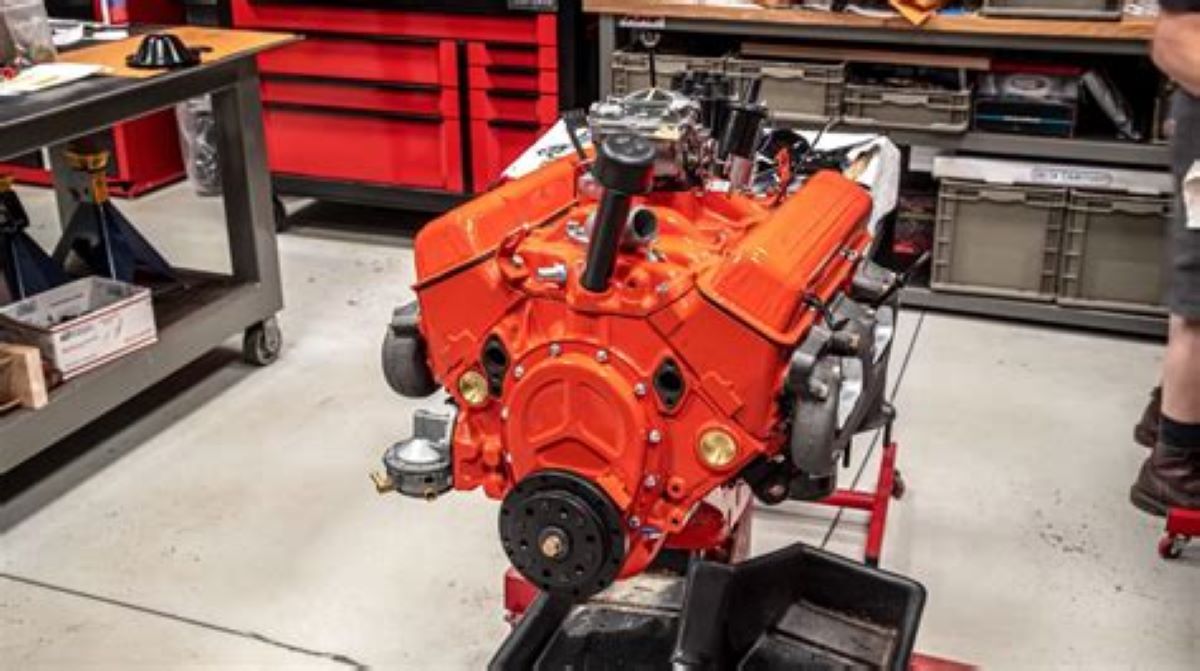
Farmers ran them on dirty oil, kids beat on them in their first hot rods, and yet they kept starting up every morning.
Its simplicity and abundance of parts made it nearly indestructible even if you neglected it, you could usually coax it back to life with a carburetor cleaning and a fresh spark plug.
4. Ford 300 Inline-Six
Ask any old-school truck guy in America what the toughest Ford engine is, and they’ll point to the 300 cubic-inch inline-six. This torque-heavy workhorse, found in F-series trucks from the 1960s through the 1990s, was about as close to unkillable as an engine could get.
Farmers, contractors, and ranchers regularly ran them on whatever fuel was handy, skipped oil changes, and even ignored coolant leaks.
The long-stroke design made it slow-revving but nearly impossible to blow. Many Ford trucks were retired with engines that still ran fine, even if the body had long since dissolved into rust.
The Ford 300 inline six-cylinder engine made its debut in the 1965 model year, primarily to power the popular F-Series pickup truck. Remarkably, Ford kept the 300 in production for over three decades, until 1996.
During its 31-year run, this extremely reliable inline-six found its way into a wide range of applications, from various Ford vehicles to tractors, wood chippers, and even the familiar big brown UPS trucks that still roam neighborhoods today.
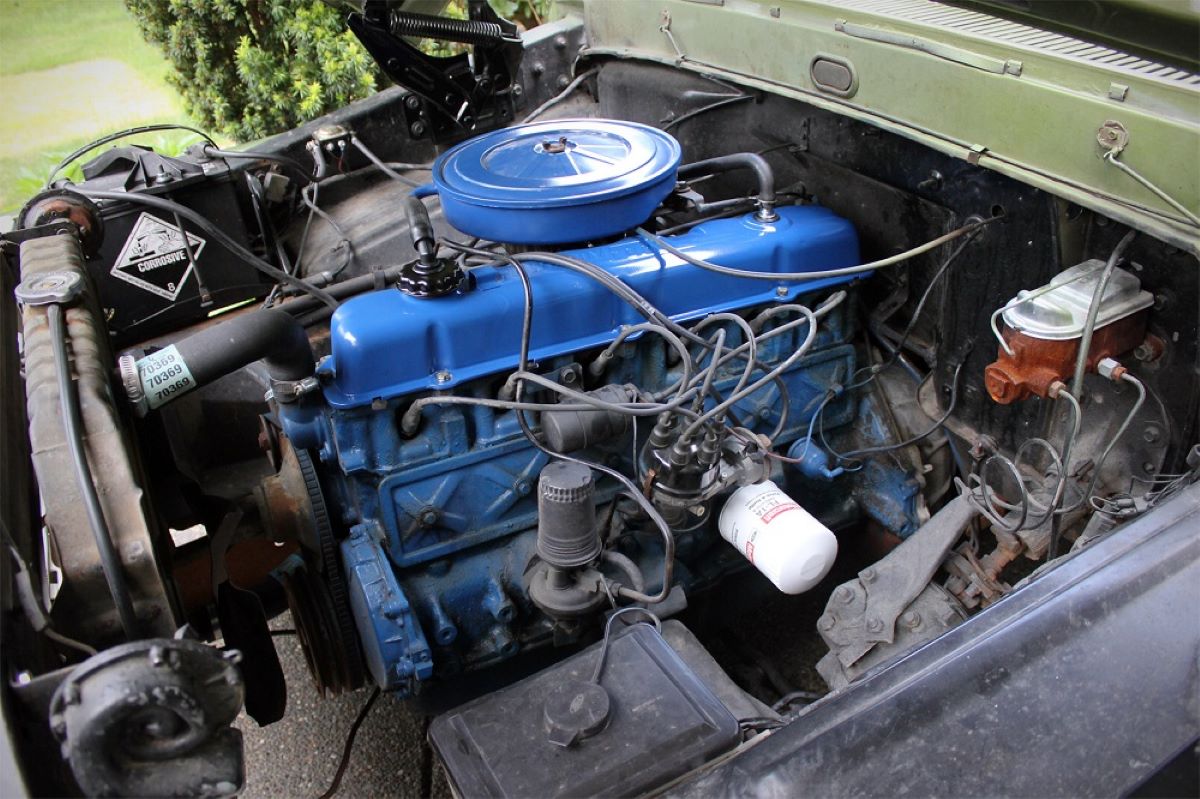
The Ford 300 was never designed to be a high-revving powerhouse. Early carbureted versions produced roughly 100 horsepower, while the strongest iteration in the late 1960s delivered up to 170 horsepower.
Torque, however, was where the engine truly shined, making it a favorite for hauling and towing. With a 4.0-inch bore and 3.98-inch stroke, the 300 produced 223 lb-ft of torque in its early years, and by the 1990s, torque had risen to over 260 lb-ft. The peak torque of all models was found in the late-1960s engines, rated at 283 lb-ft.
One of the key strengths of the 300 inline-six was its ability to generate the majority of its torque at low engine speeds, starting around 2,000 rpm.
This characteristic, combined with transmission options such as a 6.32:1 lower gear in the T-18 manual or a 6.69:1 lower gear in the NP-435, made the engine particularly effective for heavy-duty applications and off-road work.
Even today, it is not uncommon to see a Ford 300 reach 300,000 miles or more with minimal issues. Its reputation for durability, simplicity, and ease of maintenance has kept the 300 inline-six highly sought after among Ford enthusiasts and collectors alike.
5. Toyota 1UZ-FE
When Toyota introduced the Lexus LS400 in 1989, it shocked the luxury car market. At its heart was the 1UZ-FE, a 4.0-liter V8 designed with such precision that it could tolerate almost anything owners threw at it.
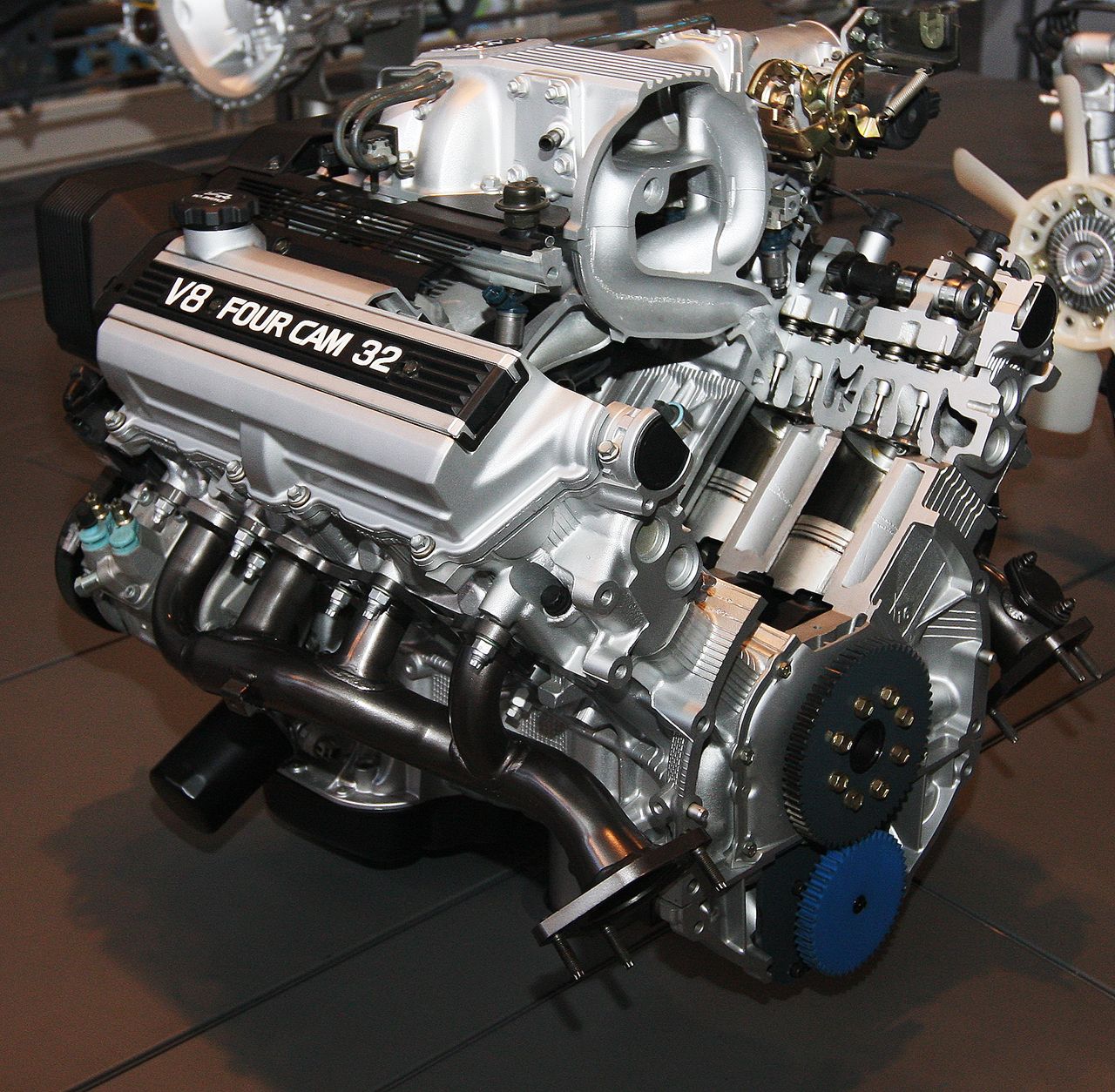
These engines were famously overbuilt, with a forged steel crankshaft, six-bolt main caps, and thick aluminum block walls.
Owners neglected oil changes, ran them hot, and drove them hundreds of thousands of miles without issue. Junkyard LS400s often have engines that still purr, even after decades of disregard.
Also Read: 10 Best Hybrids That Rarely Need Battery Swaps
6. Jeep 4.0 Inline-Six
The AMC/Jeep 4.0-liter straight-six is a legend in the off-road world. Found in Cherokees, Wranglers, and Grand Cherokees from the 1980s through the early 2000s, this engine had an almost mythical ability to keep running no matter what.
Overheat it, flood it, or drive it with leaks, and chances are it would still fire up. It wasn’t the most efficient or refined motor, but it was nearly impossible to kill. Jeep owners often joke that the 4.0 would run forever even if you forgot to put oil in it a claim supported by more than a few real-life stories.
The Jeep 4.0L inline-six engine, originally developed by American Motors, powered Jeep vehicles from 1987 through 2006. Producing 173 horsepower and 220 lb-ft of torque with a 9.5:1 compression ratio, the engine earned a reputation for reliability and near-indestructibility.
Its introduction played a significant role in boosting Jeep sales during the late 1980s and 1990s, helping to cement the brand’s popularity among American drivers.
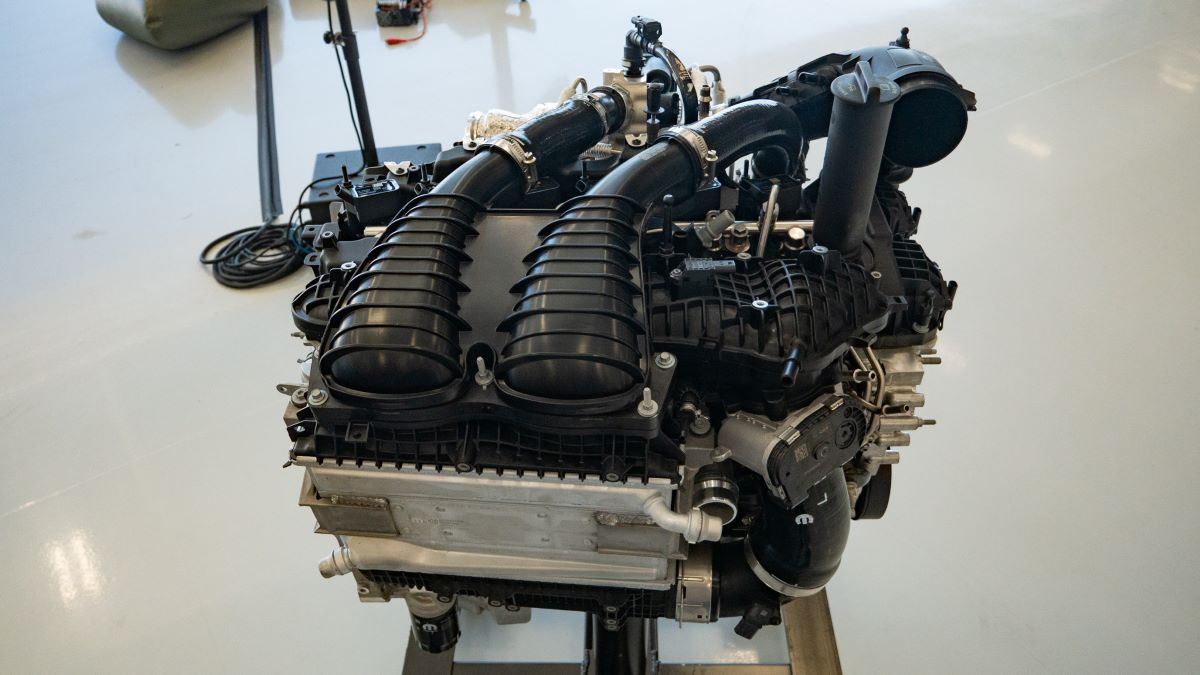
One of the most positive outcomes of Chrysler’s acquisition of Jeep in the late 1980s was the continuation and refinement of the 4.0L Inline-Six PowerTech engine.
The motor had already been in development before Jeep and Eagle were brought under Chrysler’s umbrella, and following the brand’s restructuring, the robust powerplant was allowed to continue.
Over the next two decades, the PowerTech engine became a favorite among loyal Jeep enthusiasts, forming a critical part of Jeep’s engineering legacy. While Chrysler made minor updates to the 4.0L motor over the years, it remained a cornerstone for Jeep vehicles, making them practical and reliable choices for families and adventurers alike.
Even today, classic Jeep models like the Wagoneer and Grand Cherokee continue to dominate backroads and trails, showcasing their off-road capability and rock-crawling prowess. The 4.0L inline-six stands as a testament to Jeep’s commitment to durability, versatility, and rugged performance.
7. Mercedes-Benz OM617 Diesel
The OM617 diesel, used in Mercedes sedans and wagons from the 1970s through the 1980s, is perhaps the most famous example of German overengineering.
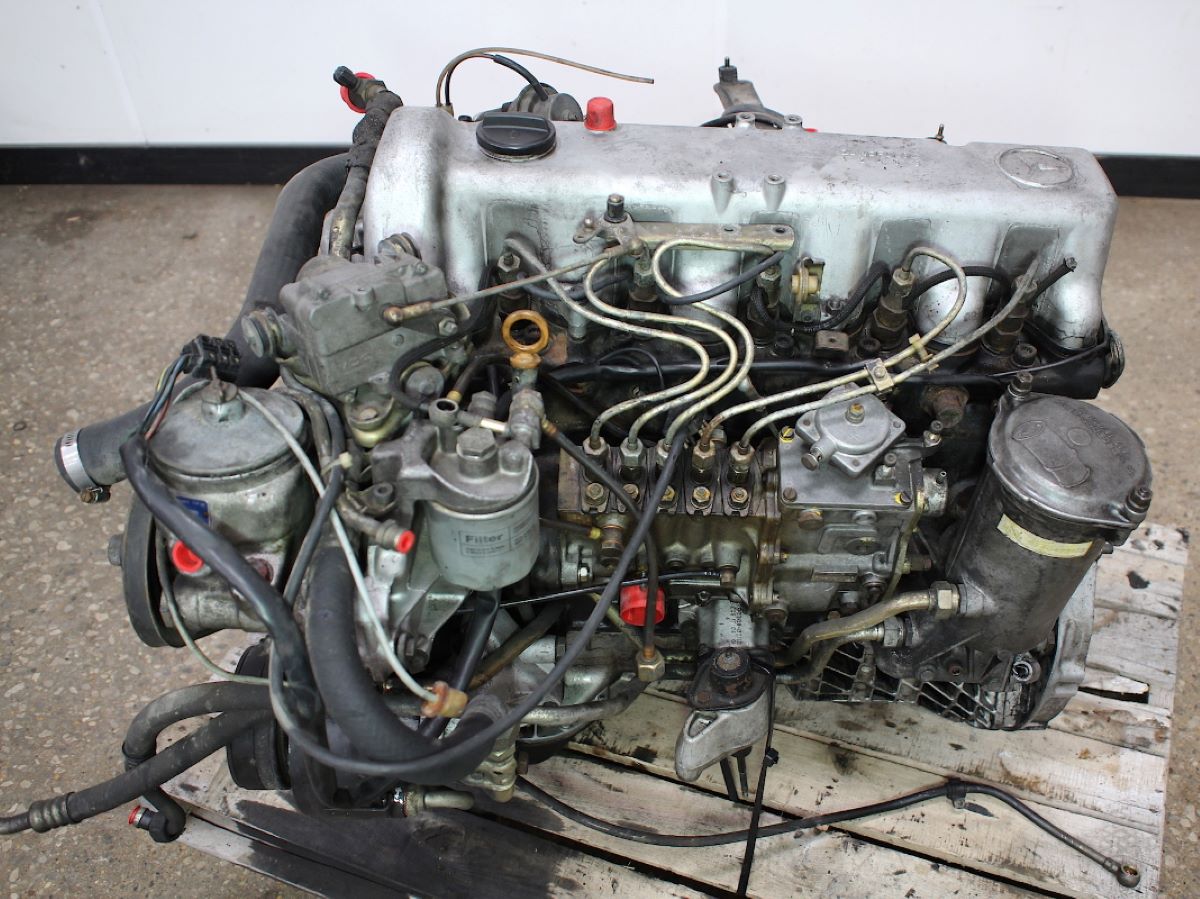
These five-cylinder diesels were slow very slow but their durability was unmatched. Many owners neglected oil changes, skipped valve adjustments, and poured in whatever diesel fuel they could find, but the engines refused to quit.
It’s not unusual to see OM617-powered Mercedes with half a million miles on their original bottom ends. Some are still daily-driven in the US today, four decades after they were built.
The Mercedes OM617 is widely regarded as a powerhouse in the world of diesel engines, celebrated for its robust design and impressive performance.
This inline five-cylinder engine has earned a reputation for exceptional durability and reliability, making it a favorite among enthusiasts and anyone who appreciates the engineering excellence of Mercedes-Benz.
Introduced in the 1970s, the OM617 emerged during a broader industry shift toward more fuel-efficient and environmentally conscious diesel engines. Its thoughtful engineering and solid construction have ensured its presence in multiple Mercedes models, keeping it relevant and respected even decades after its debut.
One of the OM617’s most notable qualities is its simplicity. Its straightforward design minimizes the number of moving parts, reducing the likelihood of mechanical failure compared with more complex powertrains.
Built with longevity in mind, the engine can accumulate extremely high mileage without a significant loss of performance. This remarkable reliability has made the OM617 a preferred choice for drivers seeking a dependable vehicle capable of handling both daily commuting and long-distance travel with confidence.
8. Dodge Slant-6
Chrysler’s Slant-6, offered from the early 1960s through the 1980s, was another engine that simply refused to die. Named for its angled cylinder bank, the Slant-6 was often paired with Dodge Darts, Plymouth Valiants, and Dodge trucks.
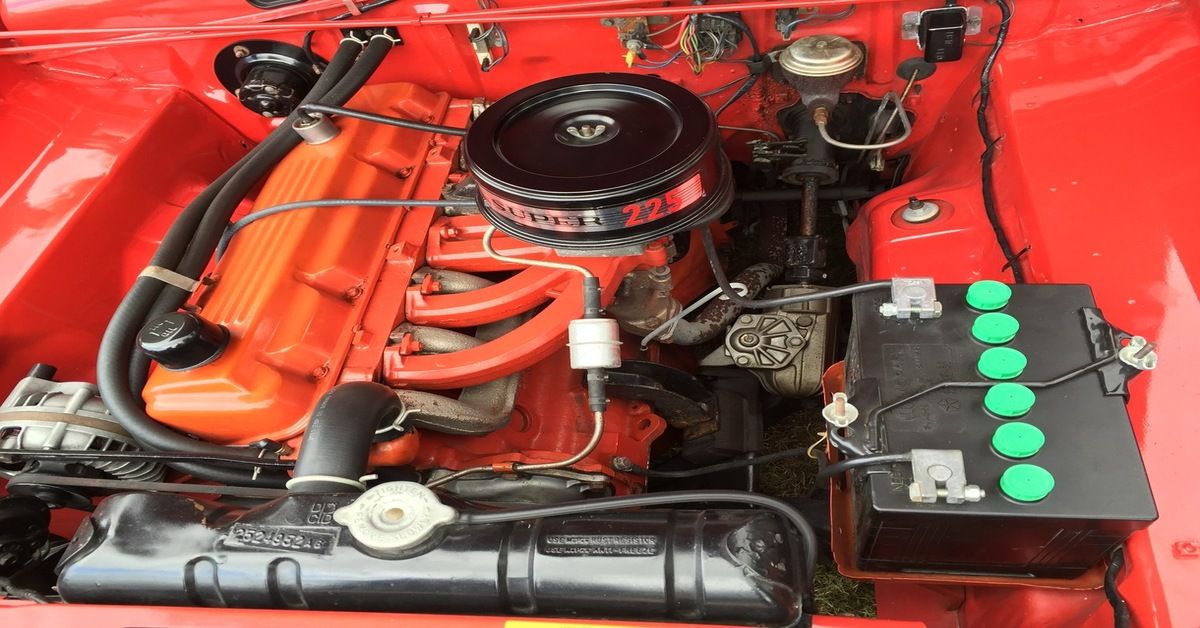
These engines tolerated incredible neglect low oil, dirty carburetors, overheating and kept running anyway. Fleet buyers loved them because they could be beaten into the ground and still function. Even today, you’ll find Slant-6 cars starting after decades in barns with minimal effort.
9. GM 3800 V6 (Buick V6)
One of General Motors’ most successful engines, the 3800 V6, powered everything from Buicks to Pontiacs to Chevrolets. Known for its smooth torque delivery and strong internals, the 3800 earned a reputation as one of the most reliable American V6s ever made.
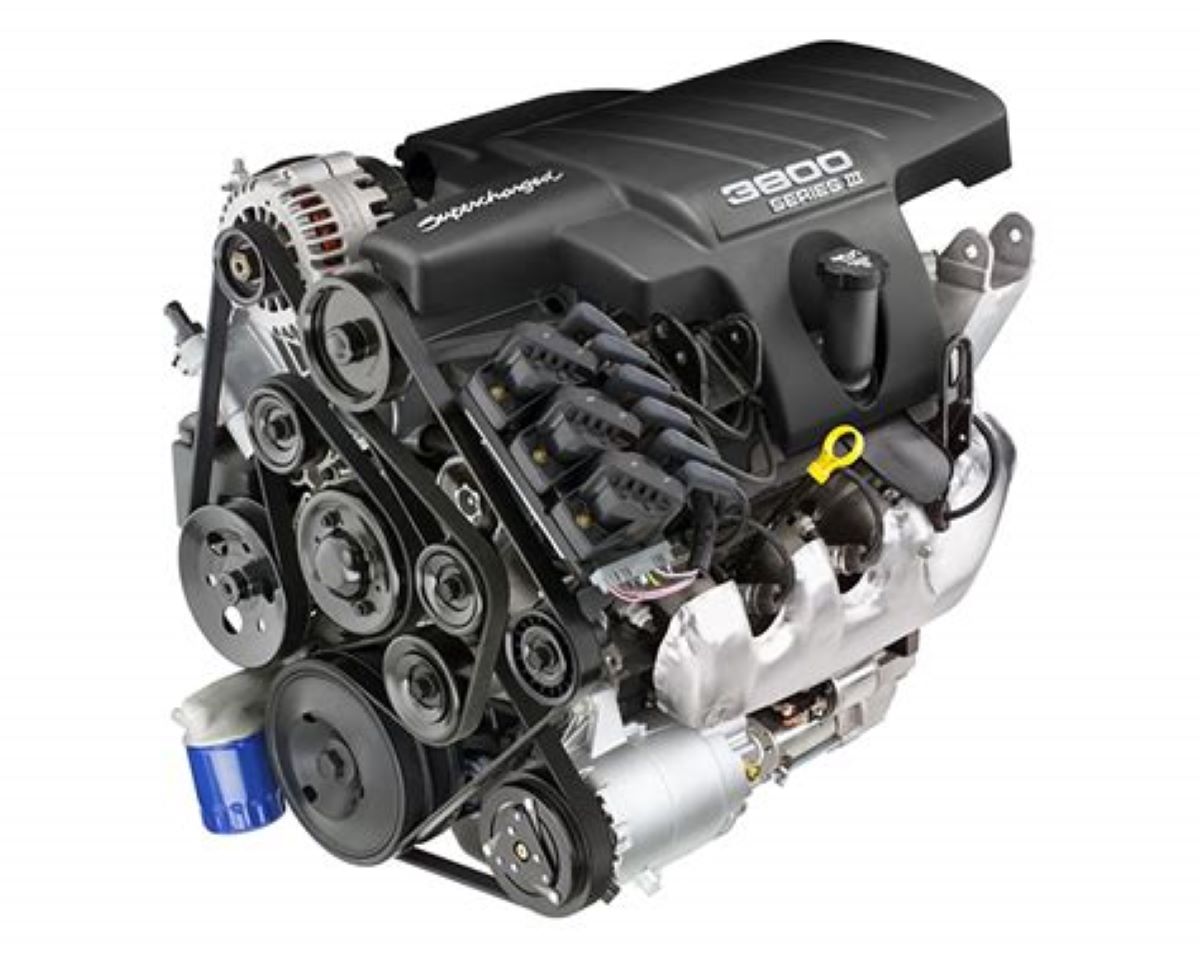
Owners frequently neglected maintenance, but the engine often survived abuse that would have killed other motors.
While intake gasket leaks were a common issue, the bottom end itself was nearly indestructible. High-mileage 3800s are still common across the Midwest, often outlasting the cars they were built into.
American automaker Buick introduced the Special in 1962, marking the first American car to come standard with a V6 gasoline engine.
Although the V6 and V8 shared many design elements, the V6 had two fewer cylinders and a cast-iron block instead of aluminum. Buick discontinued the V8 just two years later, leaving the V6 to become an enduring icon in American automotive culture.
The Fireball V6 wasn’t without its quirks. Its 90-degree cylinder bank angle combined with a firing sequence designed for 120 degrees produced a distinctive vibration.
Rather than adding a balance shaft, GM engineers opted for softer engine mounts to dampen the shakes. Despite this, the V6 earned praise for its excellent fuel efficiency and reliability, and Buick continued refining the engine over the years. In 1977, it finally received an even-fire offset-pin crankshaft to solve its characteristic vibration.
Even before turbocharging became common, the Buick 3800 V6 gained a reputation as a dependable workhorse. In 1978, the Buick Regal and LeSabre Sport introduced a turbocharged 3.8-liter V6 producing approximately 165 horsepower.
By 1981, the engine received reinforced connecting rods, a new flywheel, and a reconfigured harmonic balancer. In 1982, Buick unveiled the Regal T-Type and Grand National with a turbocharged V6 rated up to 180 horsepower.
The pinnacle came in 1987 with the Grand National eXperimental (GNX), which delivered 276 horsepower, a remarkable figure at the time.
With this power, the GNX could sprint from 0-60 mph in 4.7 seconds and run the quarter-mile in roughly 13 seconds, outperforming some Italian exotics on the dragstrip while remaining practical and comfortable for everyday driving.
The Buick V6 continued to evolve internally. In 1988, coinciding with the branding of the “3800 V6,” the engine received a new balancer shaft, steel camshaft, low-tension piston rings, and an electronic EGR system to reduce emissions.
The Series II model arrived in 1995 with further enhancements, including a higher 9.4:1 compression ratio, lightweight pistons, a lighter engine block, and a plastic intake manifold.
The 3800 V6 lived on into the 2000s as the Series III L26 variant in vehicles such as the Buick LaCrosse, Lucerne, and Pontiac Grand Prix. Production ended in 2008 to make way for the naturally aspirated LZ4 3.5L OHV V6 and the LY7 3.6L DOHC supercharged V6 with variable valve timing and aluminum blocks.
Over its decades-long lifespan, the Buick 3800 V6 became renowned for smooth operation, robust construction, and ease of service. Its longevity extended well beyond GM’s original 1999 estimates, and it earned a spot on Ward’s 10 Best Engines of the 20th Century for its combination of reliability, quiet performance, and enduring quality.
10. Nissan KA24E / KA24DE
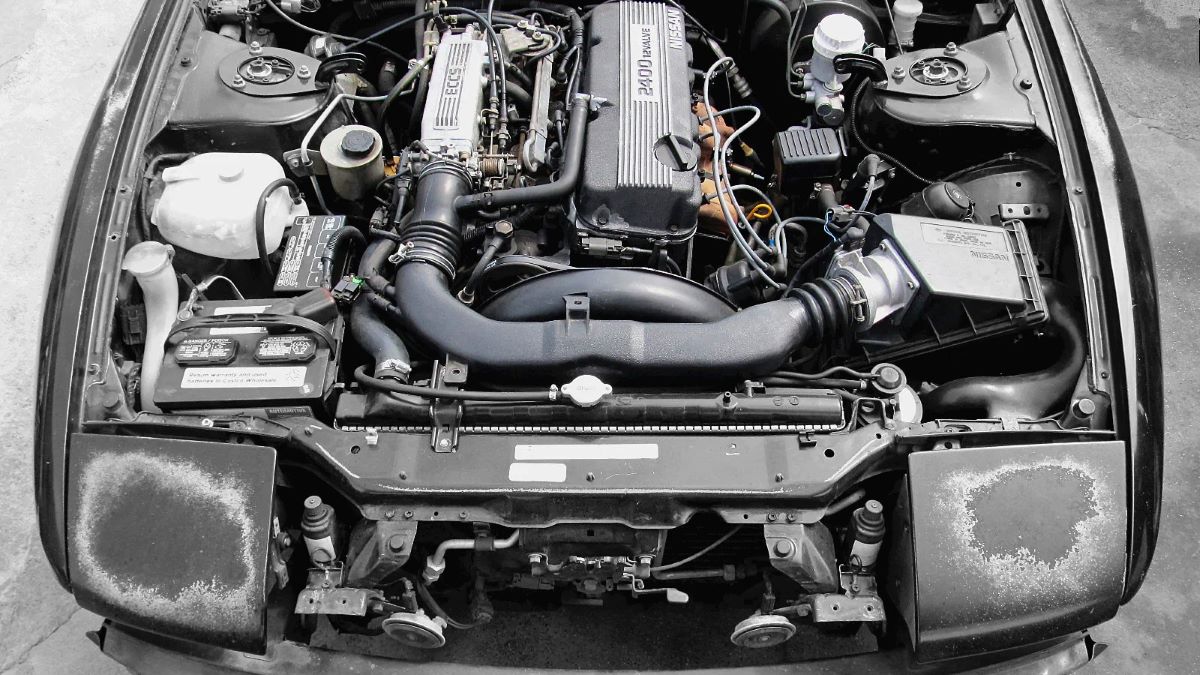
While Nissan fans often praise the SR20 for its performance potential, the KA24 four-cylinder used in 240SXs, Frontiers, and Altimas was far tougher when it came to durability.
Owners often neglected oil changes or over-revved them, yet these engines would keep running with little complaint.
The timing chain setup was robust, the iron block was nearly impossible to crack, and they tolerated abuse that would have sidelined many other small engines. In fact, many KA24s ended up in drift cars precisely because they were cheap and refused to die.
In an age where modern engines are filled with turbochargers, direct injection systems, and electronic complexity, it’s refreshing to look back at motors that could endure decades of neglect and still run strong.
For American drivers whether farmers, commuters, or road trippers these engines became trusted companions, often lasting longer than the vehicles around them.
They remind us of a time when engineering simplicity and overbuilt durability mattered more than squeezing out every last bit of horsepower or fuel efficiency.
While today’s engines demand strict adherence to maintenance schedules, these legends could shrug off neglect and keep moving, mile after mile.