When American drivers think about long-lasting SUVs, they often picture durability, off-road strength, and high mileage capability.
But one often-overlooked component that determines whether an SUV can endure scorching summers, steep mountain passes, or heavy towing is its cooling system.
A strong cooling system keeps the engine at the right temperature, preventing overheating that can lead to warped cylinder heads, blown head gaskets, or full engine failure.
The U.S. has no shortage of SUVs, but not all of them are engineered with equally robust cooling setups. Some are prone to radiator leaks, weak water pumps, or failing thermostats that make ownership frustrating and costly.
Others, however, are famous for their rock-solid cooling systems that can handle abuse, climate extremes, and long road trips without breaking a sweat.
Below are 10 SUVs with cooling systems built to last, each offering confidence to owners who want peace of mind whether they’re crawling through desert trails, towing a camper, or sitting in rush-hour traffic on a humid August afternoon.
1. Toyota Land Cruiser
The Toyota Land Cruiser has always been a legend for its ability to survive in the harshest climates, from Middle Eastern deserts to rocky trails in the Rockies.
Its cooling system is one reason why. Toyota engineers oversized the radiator and designed the water pump and thermostat to endure decades of use.
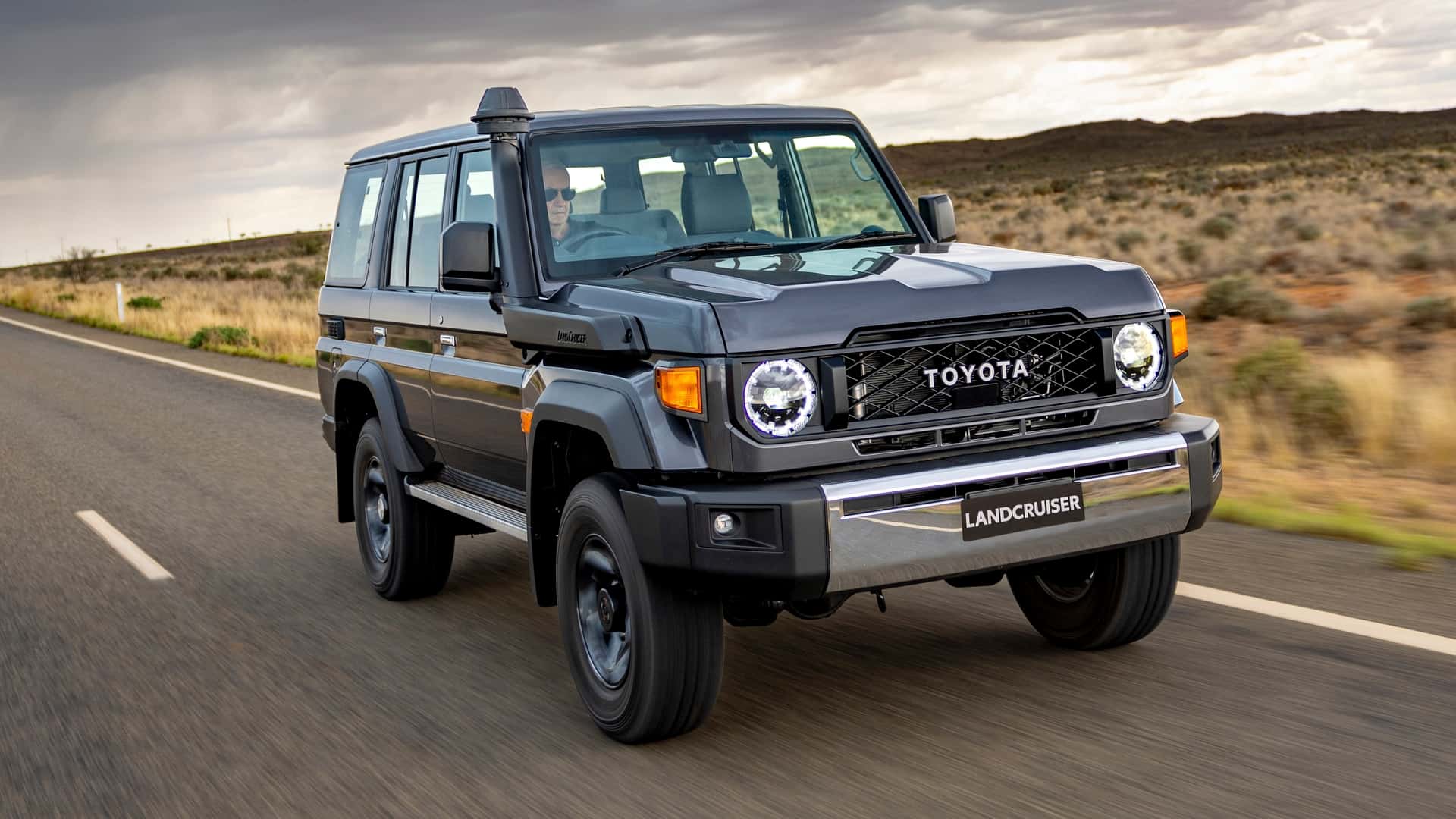
The SUV also uses a high-capacity fan clutch that can spin faster under stress, drawing more air when needed.
American owners often report hitting 300,000 miles or more without ever replacing major cooling components. That makes the Land Cruiser one of the safest bets for drivers worried about overheating.
The Land Cruiser has always been engineered like a truck, and the 2025 model stays true to that heritage. Drivers may notice a bit of body roll in corners, but overall handling is smooth, composed, and confidence-inspiring.
Its suspension effectively absorbs bumps and uneven pavement, keeping passengers comfortable on city streets as well as dirt trails. Staying faithful to its legacy, the Land Cruiser feels equally at home tackling highways as it does rock-crawling off-road.
Every model comes with Toyota’s new i-Force Max hybrid powertrain, pairing a turbocharged 2.4-liter four-cylinder with an electric motor.
Together, the setup delivers 326 horsepower and an impressive 465 pound-feet of torque. Power is sent through an eight-speed automatic transmission with standard four-wheel drive.
While acceleration may not feel blisteringly fast, the hybrid system provides strong low-end torque that improves drivability both on-road and when climbing over obstacles.
Fuel efficiency is one of the Land Cruiser’s biggest upgrades compared to past generations. The 2025 model earns an EPA-estimated 22 mpg in the city and 25 mpg on the highway.
For a midsize SUV with genuine off-road capability and standard 4WD, those numbers are highly competitive, making the Land Cruiser a more practical daily driver than its predecessors.
Step inside, and the Land Cruiser’s cabin tells a clear story: it’s built for function over flash. Some shoppers may find the design a bit plain, with plastics and harder materials more common than luxury touches.
Still, Toyota’s excellent build quality is evident, and the interior offers generous space. Both front and rear passengers enjoy supportive seating, ample legroom, and great visibility thanks to the SUV’s upright, boxy design.
The Land Cruiser seats five, with a cargo hold that provides 37.5 cubic feet of space behind the second row.
It’s a useful amount of room for luggage, camping gear, or groceries, though the slightly raised floor from the hybrid battery can make loading bulkier items less convenient. An available power liftgate helps smooth out the process, adding a dose of everyday practicality.
Also Read: 10 Tricks That Help a Lexus GX Stay Reliable for Life
2. Lexus GX 460
A close cousin to the Land Cruiser, the Lexus GX 460 combines luxury with the same rock-solid Toyota cooling engineering. It’s powered by a naturally aspirated 4.6-liter V8 that, unlike turbocharged competitors, generates less heat stress under heavy loads.
The GX features a beefy radiator and an engine bay with excellent airflow design, which prevents heat soak when idling in hot weather.
Many GX owners who tow boats or trailers praise the SUV’s ability to keep temperatures steady even on steep highway grades in the summer.
Few midsize luxury SUVs can match the off-road capability of the Lexus GX, a rugged model that pairs a bold exterior with a well-crafted interior.
Its styling is dominated by a large, eye-catching grille, while inside it delivers a cabin designed with comfort and refinement in mind. Underneath, however, the GX rides on an older body-on-frame architecture shared with the Toyota 4Runner.
It comes with a naturally aspirated V-8 engine, a six-speed automatic transmission, a two-speed transfer case, and a locking center differential.
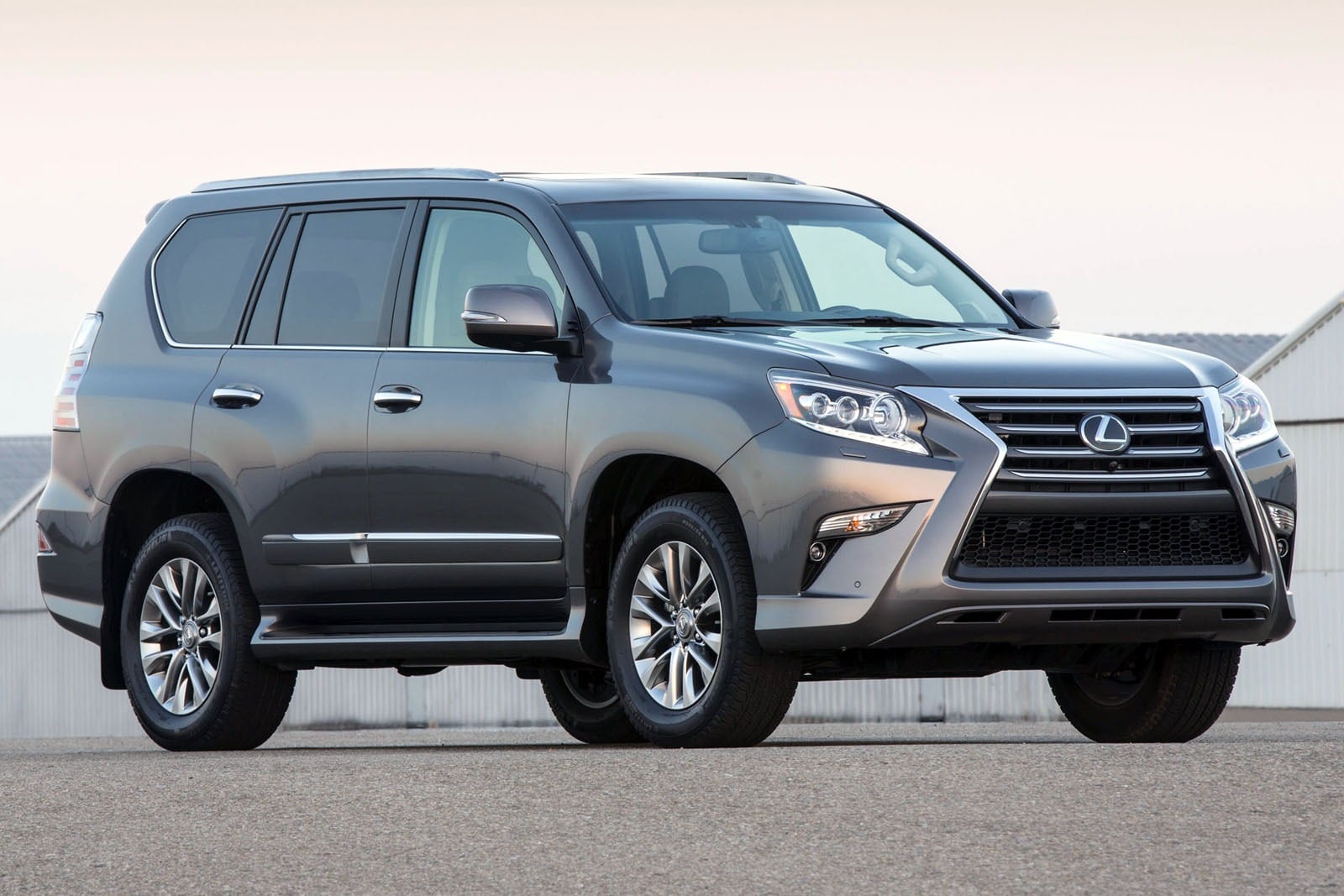
While these elements may feel traditional compared to more modern rivals, they’re exactly what give the GX its ability to go well beyond paved roads and far deeper into rough terrain than most competitors in this class.
Shoppers can also opt for a full Off-Road package that further enhances its trail-ready credentials. For buyers who value off-road strength as much as premium features, the GX makes sense.
But if you’ll spend nearly all your time on city streets and highways, there are more than two dozen rivals in the luxury midsize SUV segment that deliver a more balanced, upscale package.
Changes to the Lexus GX 460 are minimal for the 2023 model year. A new paint option, Eminent White Pearl, joins the color lineup, while the premium Mark Levinson audio system is now included as standard on the Luxury trim.
The Black Line Special Edition also makes a return for its second year, bringing slight updates such as a newly standard 360-degree camera.
Built on the Premium trim level, the Black Line is capped at 3000 units and will only be offered in three finishes: Obsidian, the new Eminent White, or the Black Line–exclusive Nori Green Pearl.
All trims also include driver-assist technology such as blind-spot monitoring and lane-keeping assistance. For those planning extensive off-road use, beyond dirt and gravel, Lexus offers an optional Off-Road Package.
This adds a transmission cooler, a fuel tank protector, Crawl Control, and Multi-Terrain Select, along with the option of a Multi-Terrain Monitor.
Every 2023 Lexus GX is powered by a 4.6-liter V-8 producing 301 horsepower. Unlike the Toyota 4Runner, which relies on a V-6, the GX maintains its traditional V-8 paired with a six-speed automatic transmission and standard all-wheel drive.
On paved surfaces, the GX offers composed and comfortable handling, but its true strengths shine off-road.
With a robust frame, 8.1 inches of ground clearance, and a maximum towing capacity of 6500 pounds, this SUV is a strong choice for those seeking both adventure and utility.
3. Jeep Grand Cherokee (5.7L HEMI Models)
While not all Grand Cherokee models have spotless reliability records, the versions with the 5.7L HEMI V8 stand out for their cooling durability.
Jeep equipped them with a large aluminum radiator and an electric cooling fan that can run at multiple speeds depending on demand. The design ensures steady coolant circulation during towing or off-road crawling.
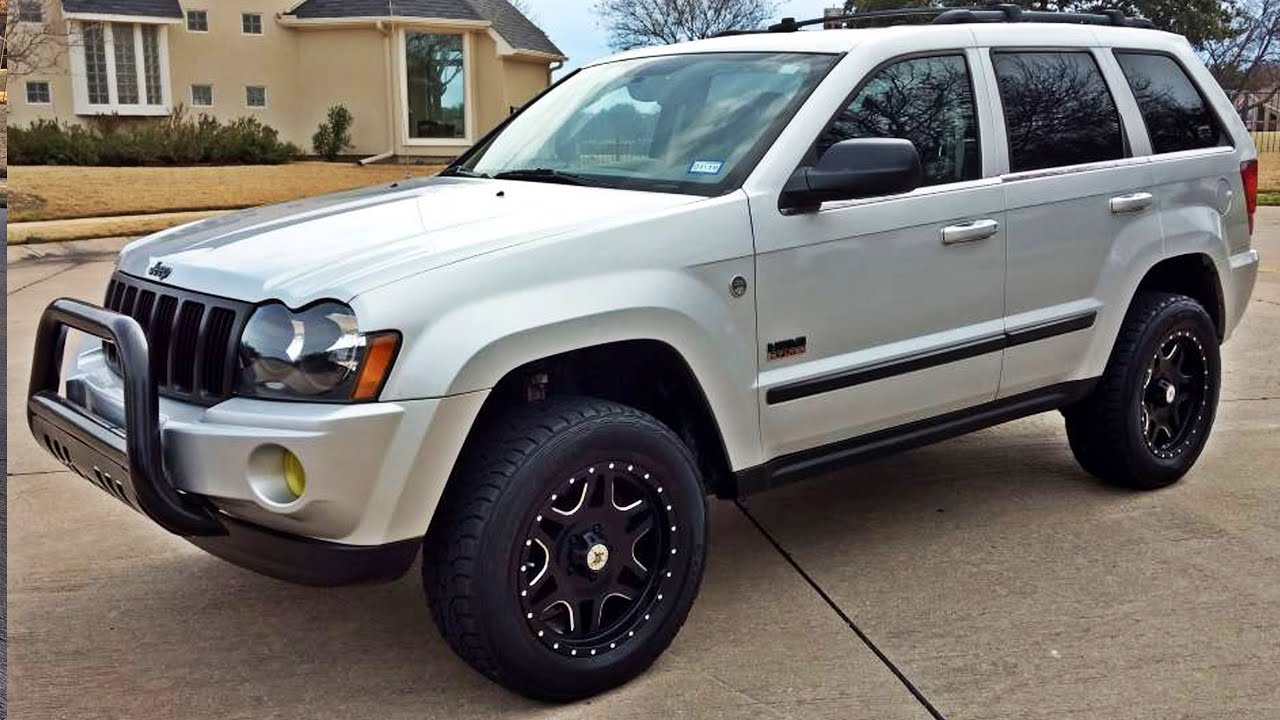
Compared to some of the V6 variants that suffer from radiator seam leaks, the HEMI-equipped Grand Cherokees tend to soldier on without major cooling complaints, making them a smart choice for SUV buyers who want power without overheating fears.
4. Toyota 4Runner
The Toyota 4Runner is practically bulletproof when it comes to long-term cooling system stability. Powered by the time-tested 4.0L V6, the 4Runner uses a simple yet highly reliable cooling setup with minimal weak points.
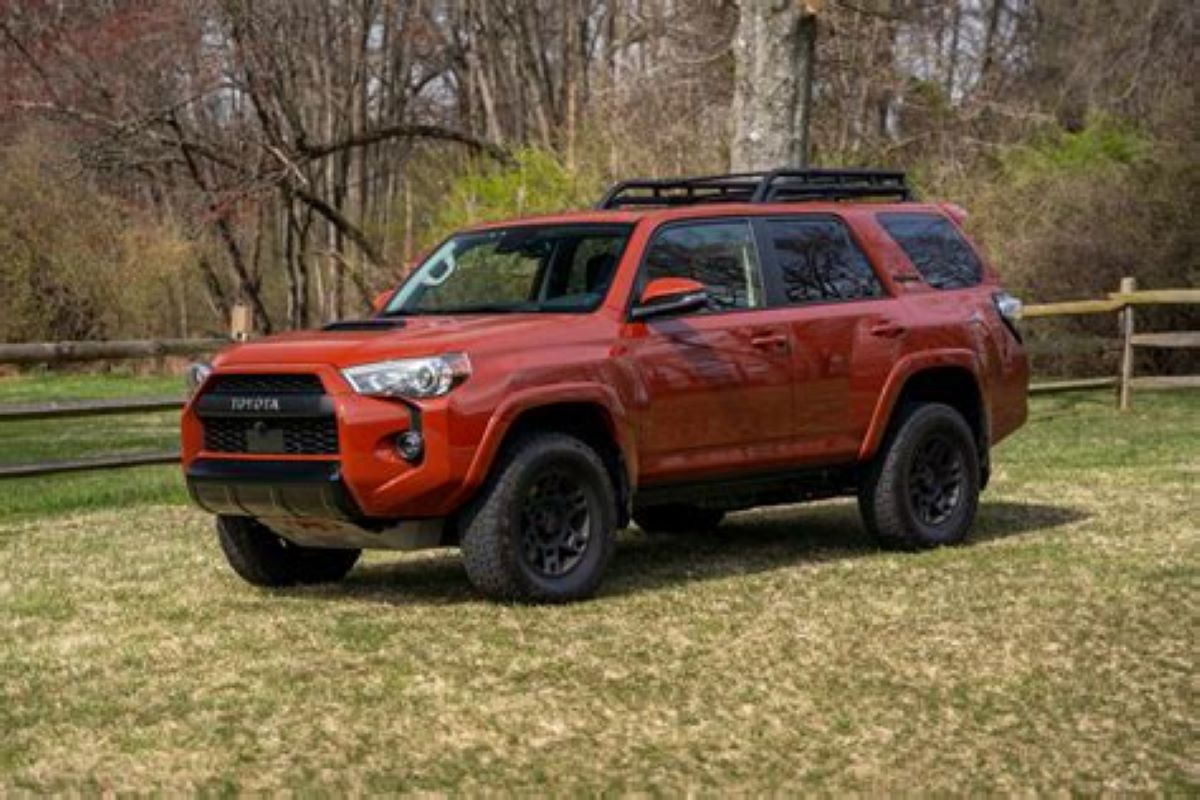
The water pump, radiator, and thermostat assemblies often last well beyond 150,000 miles before needing attention. Off-roaders especially appreciate the fact that the 4Runner rarely overheats, even when climbing slow, rocky inclines in hot climates.
In contrast, many modern turbocharged SUVs struggle to keep engine temps down in the same conditions.
Also Read: 5 Modern SUVs That Are Made for Off-Road Abuse vs 5 That Fall Apart
5. Honda Pilot
The Honda Pilot may not have the rugged off-road heritage of a Land Cruiser or 4Runner, but it excels in family SUV duties while delivering cooling system durability.
The 3.5L V6 under the hood has been used in various Honda and Acura models for decades, and engineers refined its cooling pathways to reduce hot spots within the engine block.
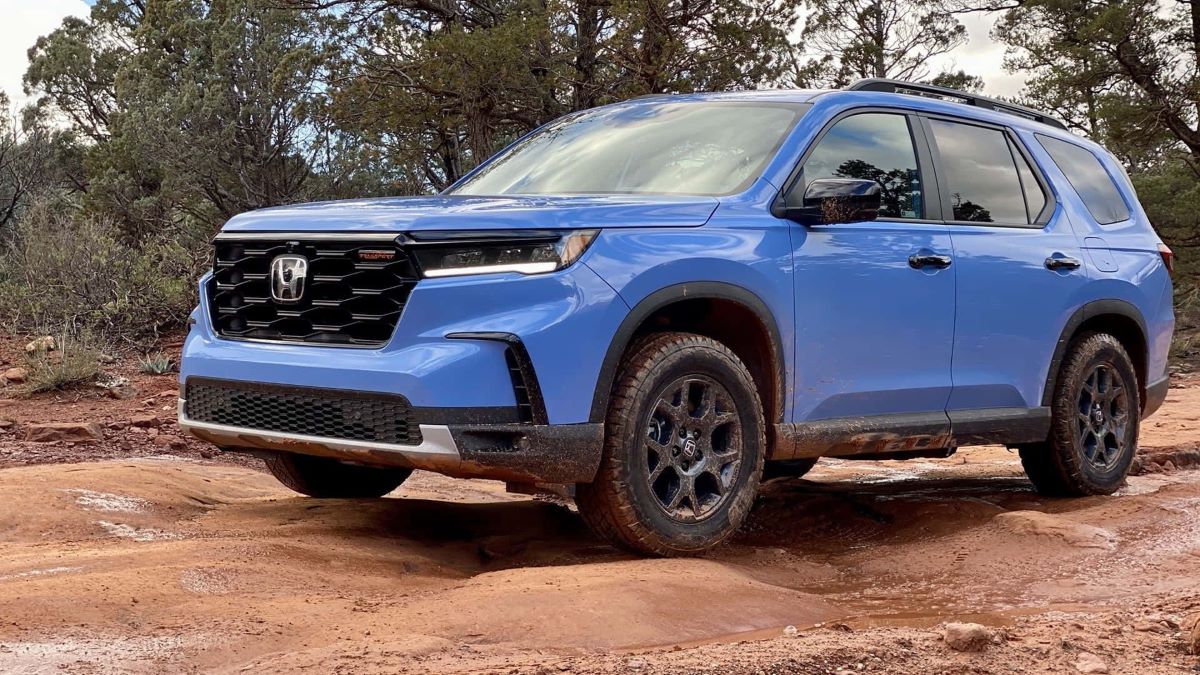
The Pilot’s radiator and water pump are both known for their longevity, with many units surpassing 200,000 miles before service is required. For U.S. families who value reliability on summer road trips, the Pilot stands tall.
6. Chevrolet Tahoe
The Chevrolet Tahoe has become one of America’s favorite full-size SUVs, and part of its dependability lies in its cooling system. GM designed the Tahoe to handle police, fleet, and towing duties, so its radiators and cooling fans are built with heavy-duty operation in mind.
The cooling system also benefits from wide grille openings and optimized airflow management across the condenser and radiator stack. Owners who tow boats or campers frequently praise the Tahoe for keeping engine temps stable even under maximum load.
The Chevrolet Tahoe is a full-size three-row SUV capable of accommodating anywhere from seven to nine passengers.
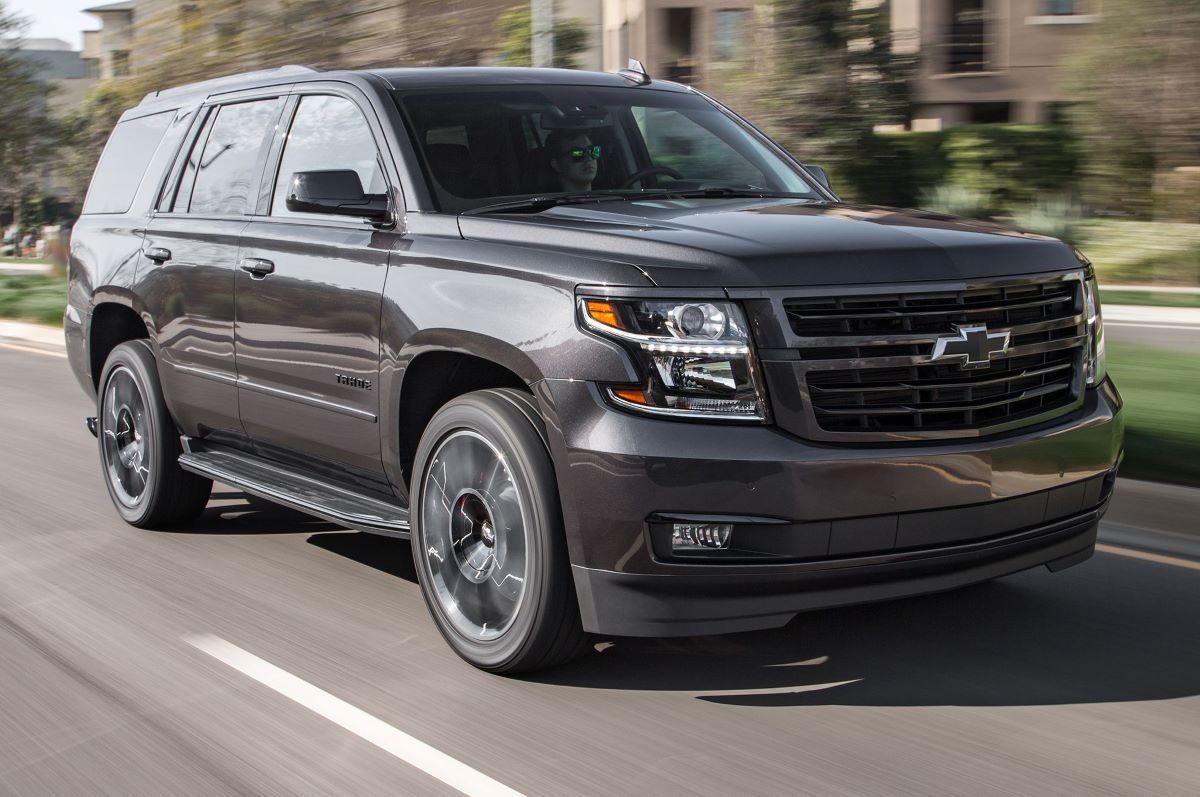
This current generation, introduced in 2021, marked a significant step forward for the model with the adoption of an independent rear suspension for the first time in its history.
That change greatly improved both ride comfort and handling while also making the third row far more practical for everyday use. Despite this move toward greater refinement, the Tahoe hasn’t lost the strength and utility it’s long been known for, maintaining impressive towing and hauling capability.
The Tahoe’s list of direct rivals is relatively short but includes major players such as the Ford Expedition, its closely related sibling the GMC Yukon, the all-new Jeep Wagoneer, and the Nissan Armada.
Shoppers may also want to consider the Chevrolet Suburban, a long-wheelbase version of the Tahoe that provides additional cargo capacity.
7. Ford Expedition
Ford’s Expedition is a staple of U.S. suburban driveways, known for its spaciousness and towing ability. Underneath, Ford engineered its EcoBoost turbocharged V6 engines with a surprisingly robust cooling system.
Unlike many turbos that run hot, the Expedition uses dual cooling circuits one for the engine and another for the turbos to keep everything in check.
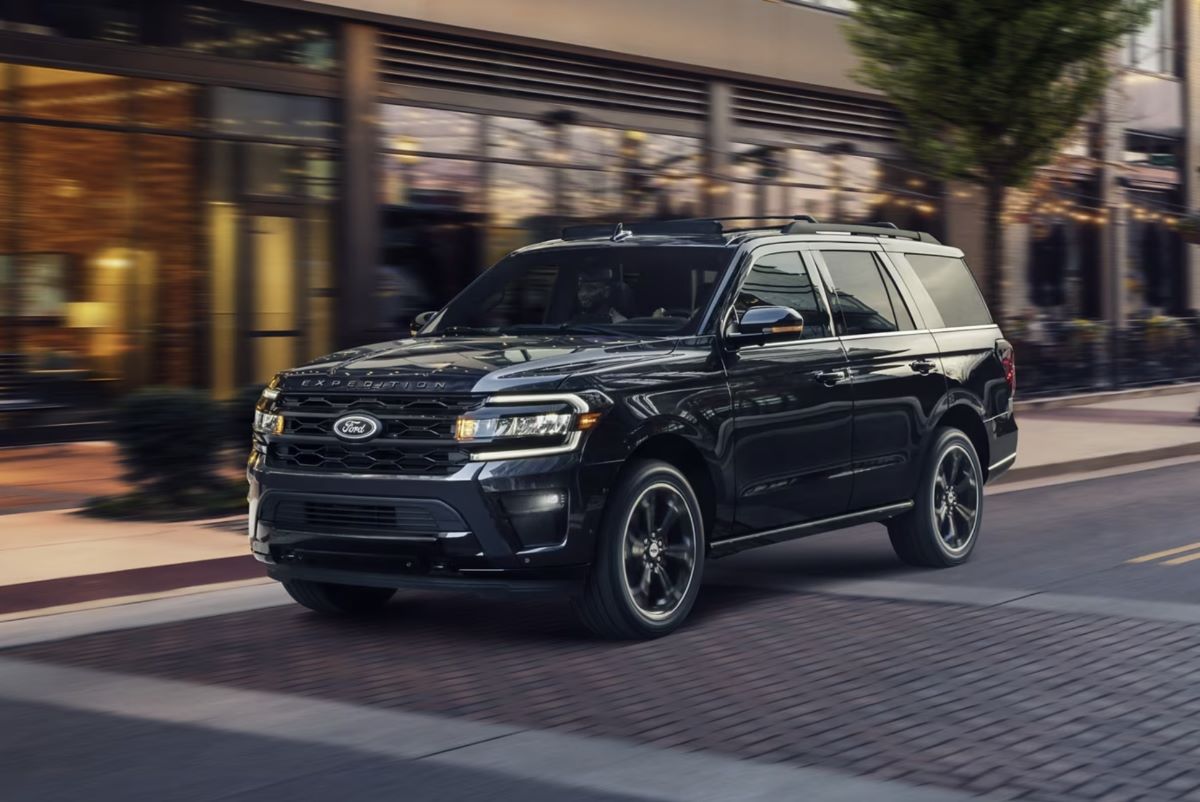
The large radiators and supplemental transmission coolers also help prevent overheating during heavy hauling. This makes the Expedition one of the few turbocharged SUVs that doesn’t buckle under heat stress.
The full-size, three-row SUV segment in the U.S. is largely commanded by General Motors, with its lineup of Chevrolet, GMC, and Cadillac models accounting for over 60 percent of sales. That dominance, however, hasn’t kept rivals from fighting for a share of the market.
For almost thirty years, the Ford Expedition has been the strongest American alternative to GM’s offerings. For the 2025 model year, Ford has thoroughly refreshed its family-sized SUV.
Updates include a redesigned front end with sleek new fascia and lighting, a suspension upgrade to improve ride comfort, and a creative split tailgate aimed at adding both practicality and fun to the mix. All told, it’s Ford’s most compelling entry yet in the full-size SUV rivalry.
Ford labels the 2025 Expedition as the start of the model’s fifth generation, though it still rides on the familiar T3 platform first introduced in 2018.
That doesn’t mean nothing has changed, the engineering team focused heavily on making the ride smoother, especially for passengers in the second and third rows.
Adjustments include revised suspension mounting points, retuned shocks, and reworked body mount dampers, all designed to minimize the truck-like qualities inherited from its F-150 underpinnings.
Despite the tweaks, that rugged chassis continues to give the Expedition class-leading towing capability, with a maximum rating of 9600 pounds.
Power comes from the proven 3.5-liter EcoBoost V-6, carried over with two available outputs: 400 horsepower and 480 lb-ft of torque, or 440 horsepower and 510 lb-ft depending on trim.
Complementing the updated styling, Ford has also redesigned the cabin, highlighted by a fresh pair of expansive digital displays integrated with built-in Google software.
8. Lexus LX 570
The Lexus LX 570 is the luxury version of the Land Cruiser, and it inherits the same bulletproof cooling design. Powered by a 5.7L naturally aspirated V8, the LX was engineered for both American freeways and Middle Eastern desert dunes.
Its oversized radiator, heavy-duty fan clutch, and reliable water pump give it a near-legendary reputation for temperature control.
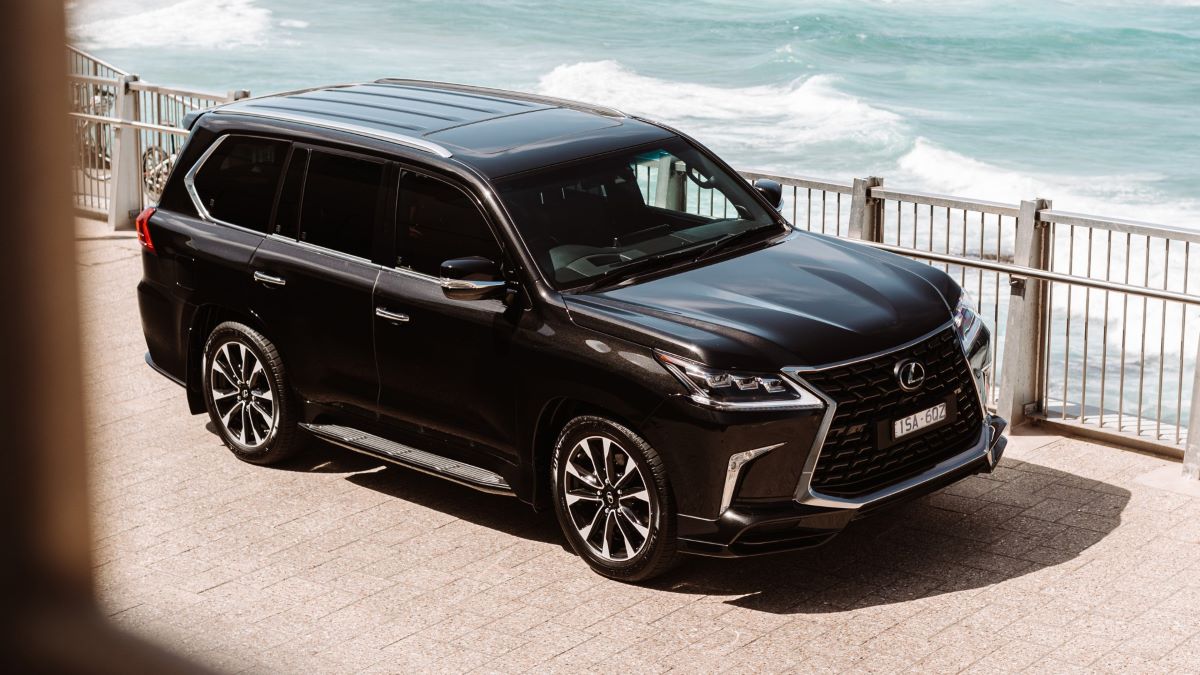
Even with the added weight of luxury features and electronics, the LX rarely experiences cooling-related breakdowns, making it a favorite among long-distance travelers who want comfort without compromise.
After years of waiting, Lexus has finally given its flagship full-size SUV a complete redesign. Following 14 years without major changes, the new generation arrives with numerous impressive updates.
The latest model is stronger, more efficient, and more luxurious than ever before. That said, there’s still room for additional improvements in the coming model year.
The V8-powered 2025 Lexus LX 570 is officially being phased out, replaced by a more fuel-friendly V6. Some reports also suggest that a hybrid version could join the lineup, alongside a dedicated off-road trim.
Regardless, the upcoming version will maintain the same overall design and familiar characteristics. This SUV continues to stand out with excellent off-road ability, a smooth and comfortable ride, and Lexus’ trademark dependability.
The refreshed interior and advanced infotainment system are highlights, though limited cargo space and a tight third row remain drawbacks. The updated model is expected to reach dealerships later this year.
Since this will be only the second year of production, few changes are anticipated. The redesign introduced a host of upgrades, most notably the adoption of the TNGA-F platform.
This new architecture brought significant improvements to ride comfort while reducing overall weight and improving efficiency.
For the second model year, Lexus is rumored to introduce an off-road-focused trim. According to early reports, this version could feature three locking differentials, front, center, and rear, along with revised suspension tuning and specialized off-road hardware.
It may also showcase subtle styling cues to distinguish it from the rest of the lineup. As always, smaller enhancements such as new paint colors or appearance packages are possible.
Inside, the LX is expected to carry over unchanged. The latest design is a major step up from the previous generation, offering top-tier construction quality, premium materials, and elegant design details that highlight Lexus’ attention to craftsmanship.
Some traditional buyers will appreciate that Lexus avoided overwhelming the cabin with screens, while still offering plenty of modern amenities.
As one of the best-equipped vehicles in its class, the LX blends sophistication with cutting-edge technology.
Available options include ambient interior lighting, a console cooler, extra USB ports, rear-seat wireless charging, a Mark Levinson 25-speaker premium audio system, and a rear-seat entertainment package with dual 11.4-inch displays.
The long-running V8 in the 2025 Lexus LX 570 is officially retired in favor of the new LX 600, which comes equipped with a more modern V6. This powerplant is a 3.4-liter twin-turbocharged V6 producing 409 horsepower and 479 pound-feet of torque.
Paired with a 10-speed automatic transmission, the setup provides smoother performance and improved efficiency compared to the outgoing V8.
Rumors also suggest Lexus may expand the powertrain lineup with a hybrid option, likely borrowed from the Toyota Sequoia.
That system would combine a V6 with an electric motor for a total of 437 horsepower and 583 pound-feet of torque, giving buyers an efficient yet powerful alternative.
9. Nissan Armada
The Nissan Armada, particularly in its newer generations, benefits from a well-built cooling system designed for heavy loads and big family hauling. The 5.6L Endurance V8 runs hot by nature, but Nissan countered this with a large-capacity radiator and high-volume coolant passages.
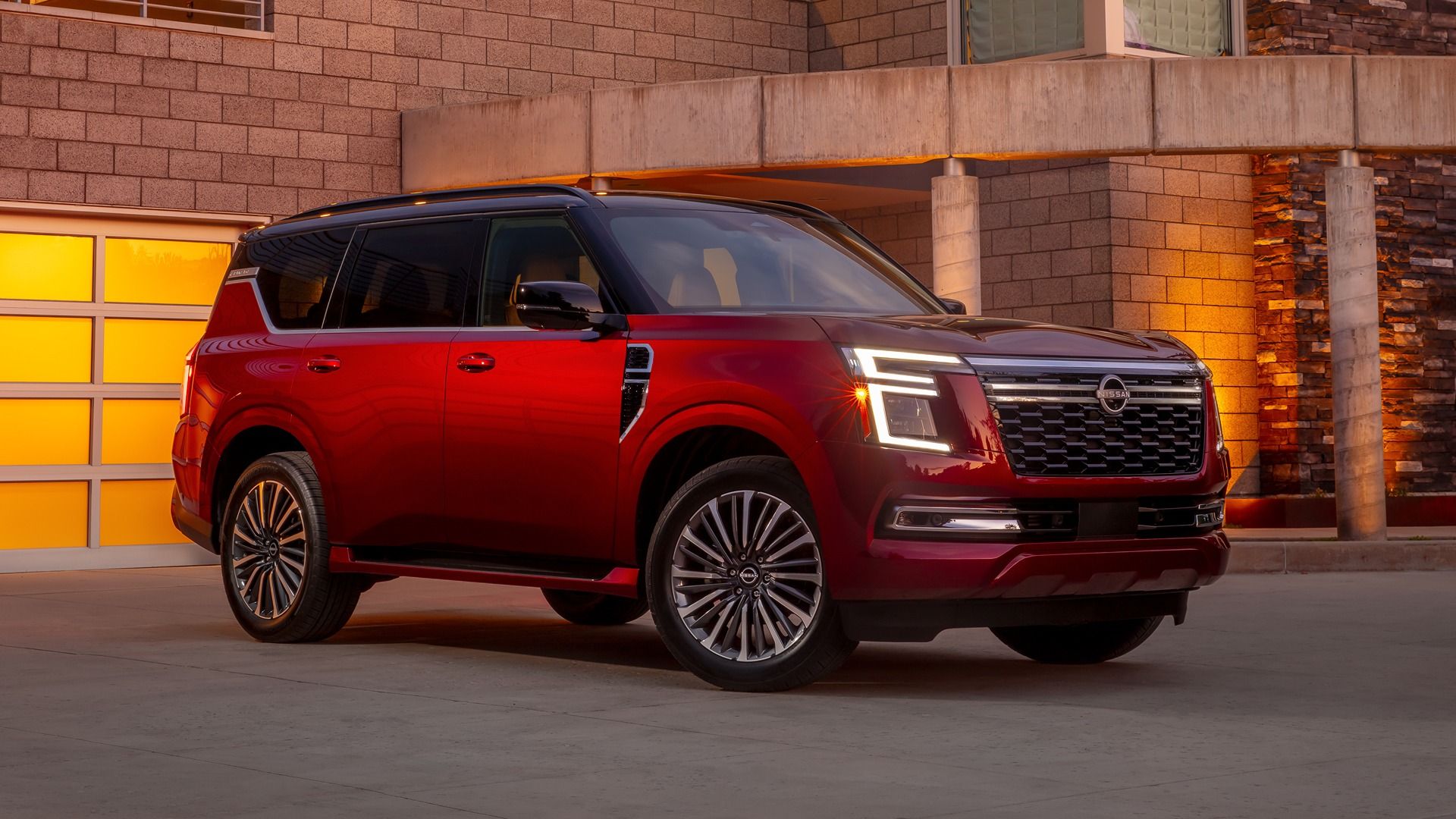
The Armada’s design also incorporates effective transmission cooling, reducing the risk of heat-related breakdowns during towing.
While Nissan reliability can vary across models, the Armada’s cooling setup stands out as one of its strengths, especially for buyers needing a dependable family hauler that won’t overheat.
10. Acura MDX
Rounding out the list is the Acura MDX, a luxury midsize SUV that shares much of its powertrain DNA with the Honda Pilot. The MDX benefits from Honda’s reliable 3.5L V6 engine and its well-balanced cooling design.
Owners routinely see these SUVs reach 200,000–250,000 miles without significant cooling issues. Acura also emphasizes airflow management, using well-placed vents and shrouds to direct air across the radiator efficiently.
The result is a refined SUV that blends luxury with mechanical dependability, particularly in keeping engine temps under control in hot U.S. climates.
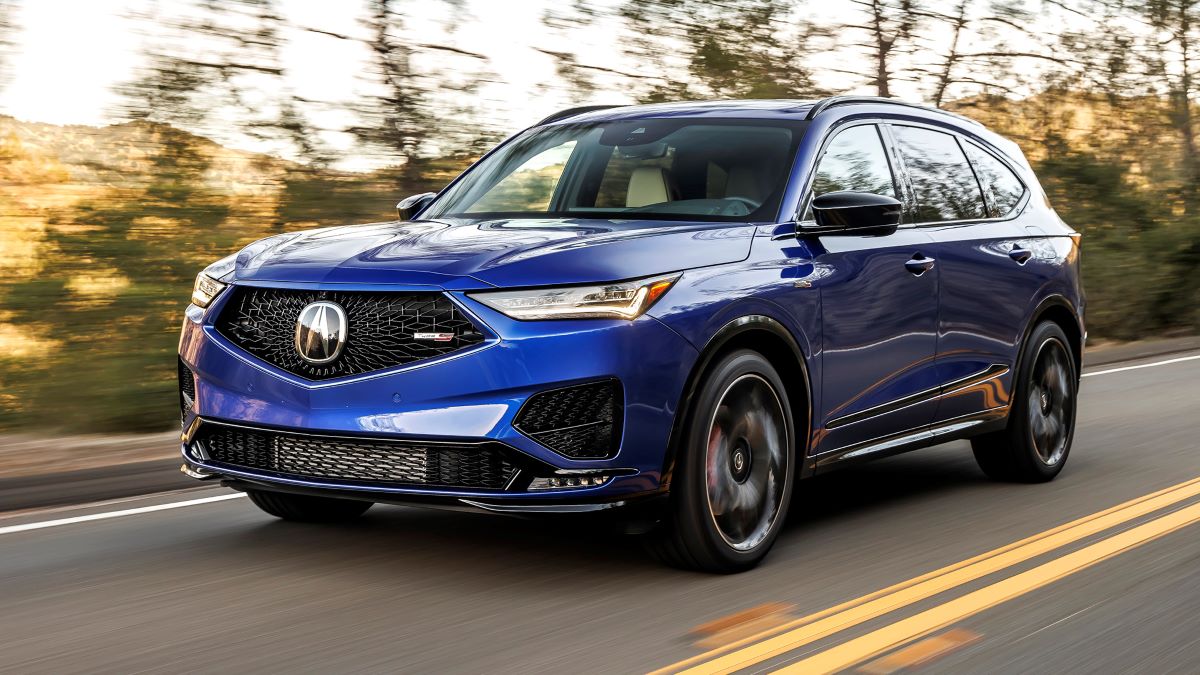
The Acura MDX was a trailblazer when it launched, establishing the luxury three-row SUV segment as the first-ever unibody crossover.
Over the years, it has grown into one of Acura’s top-selling models.
The current fourth-generation MDX debuted for the 2022 model year with a bolder design, more space, and an upgraded technology suite. For 2023, it continues largely unchanged but gains some additional perks for buyers.
Acura’s flagship SUV presents an upscale, athletic look while maintaining family-friendly practicality. Compared to its predecessor, the MDX is larger in every dimension, resulting in a roomier cabin and more versatile cargo space.
The 2023 Acura MDX comes powered by a 3.5-liter V6 engine producing 290 horsepower and 267 lb-ft of torque, paired with a smooth-shifting 10-speed automatic transmission.
Front-wheel drive is standard, while Acura’s SH-AWD system is available for enhanced traction.
The EPA rates the MDX at 19 mpg city and 26 mpg highway for FWD models, while AWD versions return 19/25 mpg. In testing, the SH-AWD A-Spec version accelerated from 0–60 mph in a brisk 5.7 seconds.
For buyers seeking more excitement, the MDX Type S takes performance a step further. It is powered by a 3.0-liter turbocharged V6 delivering 355 horsepower and 354 lb-ft of torque, paired with standard SH-AWD.
The Type S also introduces a first for Acura: standard air suspension. This system uses adaptive dampers and stiffer struts to deliver better ride control and allows variable ride height adjustment.
Depending on drive mode, the suspension can drop by 0.6 inches in Sport and Sport+ modes or raise by 2.0 inches in Lift mode for added clearance. The result is more balanced handling and a smoother ride than non-Type S models.
The MDX delivers sharp styling, a smooth and capable V6 engine, and a roomy interior that can comfortably accommodate families.
It also stands out with strong technology offerings, especially the available premium sound system and digital displays.
Despite these shortcomings, the 2023 Acura MDX remains a strong contender in the luxury three-row crossover segment.
With its spacious cabin, advanced features, and the addition of the sport-oriented Type S, the MDX continues to appeal to families who want premium comfort combined with a dash of performance.
For American drivers who tow, travel long distances, or simply want peace of mind in summer traffic, choosing an SUV with a rock-solid cooling system is one of the smartest decisions they can make.