When it comes to cars, suspension systems are often overlooked compared to engines, transmissions, or tech features. Yet, suspension is what connects drivers to the road, shaping both comfort and control. A well-engineered system absorbs bumps, maintains stability, and protects other components from premature wear.
On the other hand, poorly designed or cheaply built suspensions can turn every drive into a frustrating and expensive experience. Some vehicles gain a reputation for resilience, gliding over rough pavement with confidence year after year.
Others, however, become notorious for clunks, rattles, and repeated trips to the mechanic. In this guide, we highlight 10 cars with reliable suspension that deliver peace of mind, alongside 10 that constantly wear out and drain wallets.
Whether you’re shopping for a daily commuter, a rugged off-roader, or a luxury cruiser, knowing which models to trust and which to avoid can make all the difference in long-term satisfaction.
10 Cars With Reliable Suspension
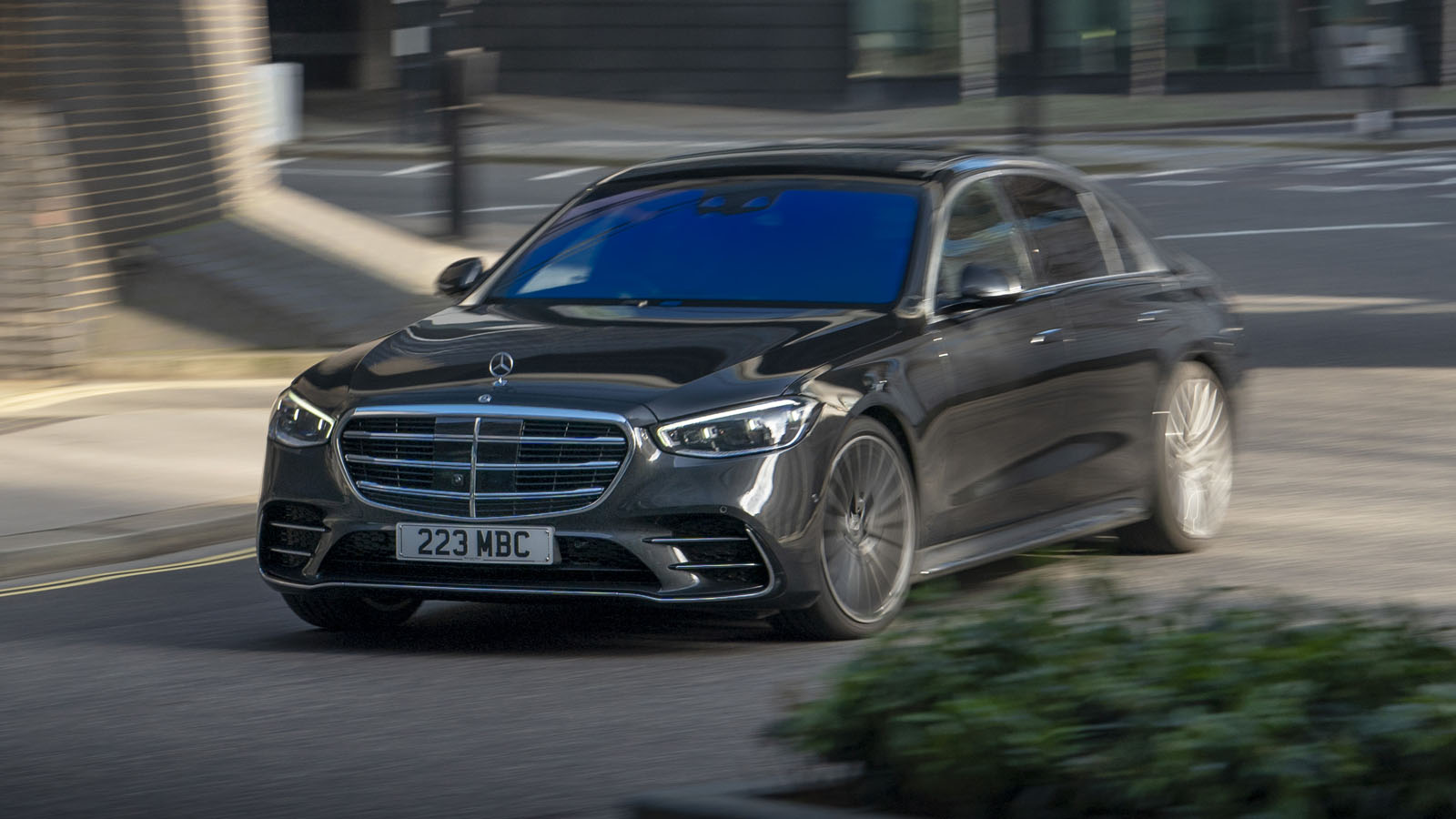
1. Mercedes-Benz S-Class (W223): Luxury, Technology, and Performance Refined
The Mercedes-Benz S-Class continues to define what a flagship luxury sedan should be, blending advanced technology, supreme comfort, and capable performance. A standout feature is the E-Active Body Control suspension system, which uses cameras to scan the road and adjust the suspension preemptively.
This predictive capability helps reduce body sway, compensates for side loads in corners, and ensures a smoother ride over long distances. Rear-axle steering further enhances agility in urban settings while improving stability at higher speeds, making the S-Class both composed and responsive.
Performance-wise, the S-Class strikes a balance between comfort and athleticism. The S 580 model with its V8 engine accelerates from 0 to 60 mph in 4.7 seconds, delivering smooth power and strong low-end torque that eases highway passing.
Air suspension maintains composure around turns and lowers slightly in Sport+ mode for enhanced handling. Rear-axle steering adds convenience during parking while preserving high-speed stability, reflecting Mercedes’ focus on blending driving dynamics with luxury.
Comfort in the S-Class is exceptional. Front seats are heated, massaging, and highly adjustable, while optional rear packages offer ventilated and massaging seats with footrests, heated armrests, and four-zone climate control. Cabin isolation is impressive, keeping road and wind noise minimal even at highway speeds.
The large interior is spacious, with generous legroom, headroom, and shoulder room. Outward visibility is surprisingly good for a vehicle of its size, complementing the relaxed driving position.
Inside, the S-Class interior is visually stunning yet features a learning curve due to the extensive technology. The MBUX infotainment system centralizes most controls on a large touchscreen, with essential physical controls limited to functions like volume. Placement is ergonomic and within easy reach, contributing to driver comfort.
The cabin offers ample small-item storage, despite the limited trunk space of 12.9 cubic feet compared to competitors like the BMW 7 Series and Porsche Panamera. Installing child seats is convenient, aided by wide doors and spacious rear seating.
Technology is abundant. Standard features include wireless Apple CarPlay and Android Auto, wireless charging, USB-C ports, and an advanced head-up display.
Voice controls support natural language commands, and optional Burmester audio delivers one of the best in-car listening experiences available. Driver assistance features are numerous and intuitive, though the system does not offer hands-free operation.
Fuel economy is reasonable for a V8 sedan, with the S 580 4Matic rated at 20 mpg combined and achieving 23.7 mpg in testing. Value is defined by luxury and refinement rather than cost savings. The cabin materials, leather, and controls feel meticulously crafted, offering unmatched polish compared to rivals.
However, the S-Class is typically pricier than comparable Audi, BMW, or Lexus models. Warranty coverage includes four years or 50,000 miles for basic, powertrain, and rust protection, plus roadside assistance, but does not include scheduled service visits.
The Mercedes-Benz S-Class W223 sets the benchmark in luxury sedans, combining predictive suspension technology, refined V8 performance, opulent comfort, and cutting-edge technology to deliver an unparalleled driving experience.
2. Audi A8: Comfort and Technology in a Luxurious Executive Sedan
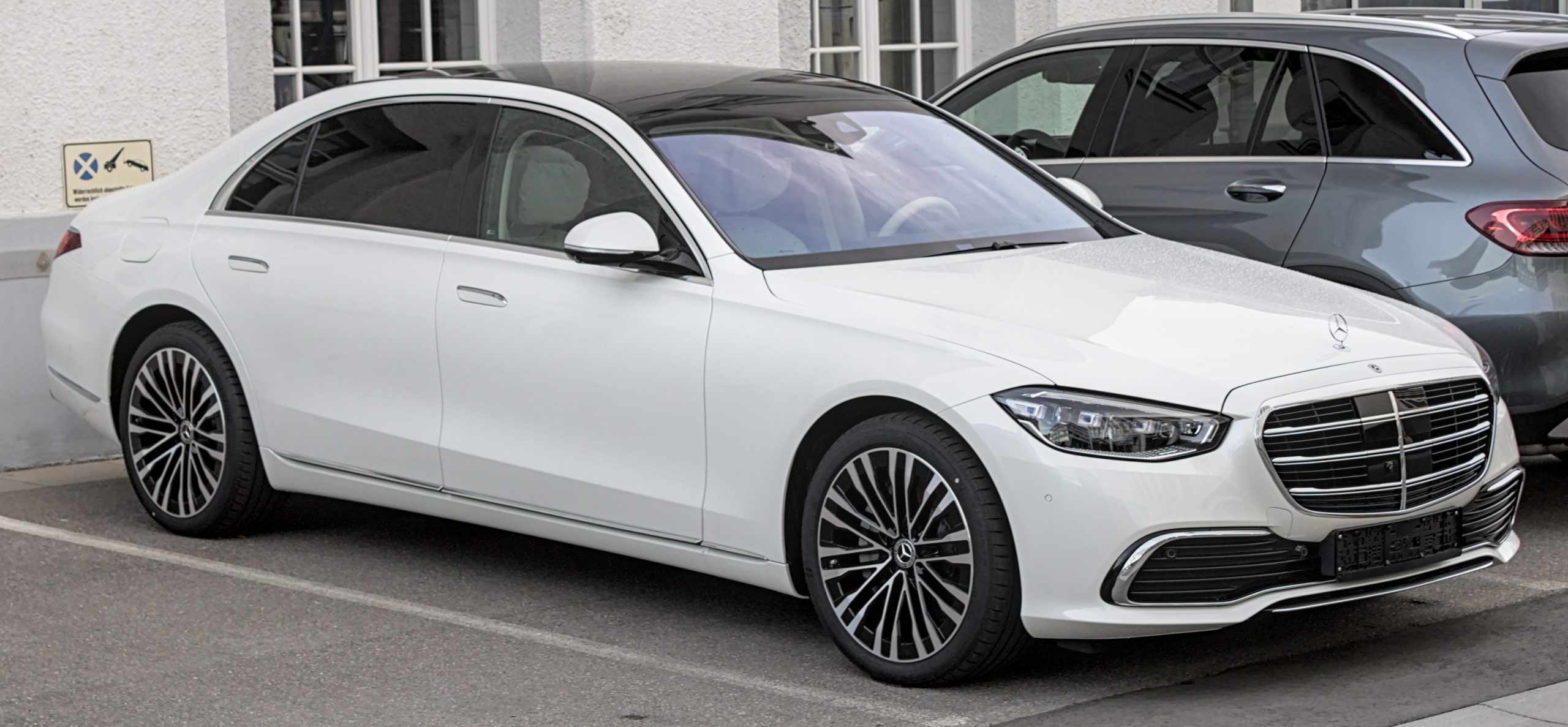
The Audi A8 is a large executive sedan that prioritizes comfort and refinement over sporty driving dynamics. Its predictive active suspension, supported by electromechanical actuators on each wheel, lifts the car side-to-side during cornering to counter body roll and adapts over speed bumps with nearly ghost-like smoothness.
In dynamic mode, the suspension firms up for more spirited driving, effectively offering two distinct driving experiences in one vehicle. With its extended wheelbase, the A8 provides exceptional interior space, making it ideal for passengers seeking maximum comfort.
Optional packages further enhance the rear and front seats with heating, ventilation, massage features, and noise-suppressing window glass, ensuring a premium experience for all occupants. The A8’s conservative styling exudes understated luxury, appealing to buyers who value quality and comfort over flashiness.
Performance in the A8 is competent but not thrilling. The car is quick but lacks the engagement some competitors provide. Brake performance can feel jumpy in traffic, and the transmission sometimes hesitates to downshift, which detracts from smooth driving.
The suspension, while highly capable on well-maintained roads, can feel inconsistent over dips, crests, potholes, and rough surfaces, leading to occasional wallowy body motion.
Despite these minor drawbacks, the V6 and V8 engine options deliver sufficient acceleration for everyday driving, while handling remains composed thanks to Audi’s engineering focus on comfort.
Comfort is a highlight of the A8. Both front and rear seats are exceptionally supportive, and the optional Comfort Rear Seat package adds ventilation and massage functions for outboard rear passengers. Cabin isolation is generally good, but engine and road noise can be noticeable in less ideal conditions.
Climate control works well, though it sometimes struggles to maintain perfect conditions in extreme heat or cold. Passengers enjoy a spacious interior with large windows and thin roof pillars, which improve visibility and make the car easier to park despite its size.
The interior features a dual-screen MMI infotainment system, which offers extensive functionality but has a steep learning curve. Standard features include a digital instrument cluster, Bang & Olufsen audio system, and Google Earth-based navigation.
Voice and handwriting recognition work well, although some graphical glitches were observed, and driver-assistance systems occasionally feel slow to respond in traffic.
Storage is limited by the A8’s sleek styling, with a trunk that holds only a few large suitcases and minimal cabin storage beyond essential items. Fuel economy is estimated at 22 mpg combined, though real-world results may fall slightly short, particularly in mixed driving conditions.
Value in the Audi A8 comes from its refined construction, luxurious appointments, and advanced technology. Pricing approaches or exceeds $100,000, and buyers receive a limited warranty typical for the segment, along with four years of roadside assistance.
While some competitors may offer slightly more generous coverage, the A8 delivers a first-class experience for those who prioritize comfort, technology, and understated elegance over sporty engagement.
3. Rolls-Royce Phantom VIII: The Ultimate Expression of Luxury
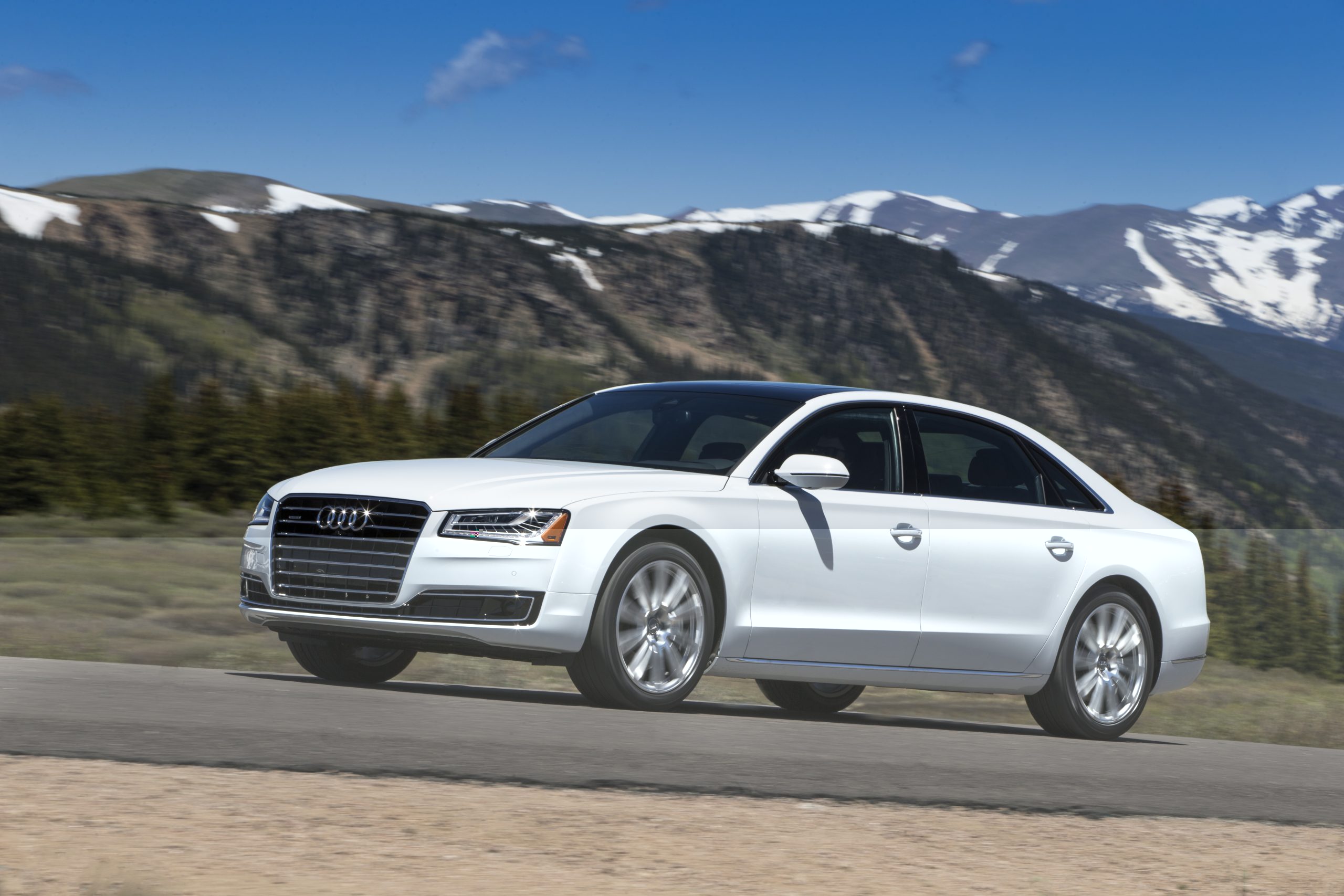
The Rolls-Royce Phantom VIII represents the pinnacle of automotive luxury, combining state-of-the-art engineering with handcrafted opulence. At over 6,000 pounds, this grand sedan maintains its composure thanks to the Flagbearer system, which uses stereo cameras to scan the road ahead and pre-set the suspension.
Combined with air springs and active anti-roll bars, the Phantom glides effortlessly over broken pavement, expansion joints, and imperfections, ensuring passengers experience unmatched serenity. This seamless blend of technology and traditional craftsmanship makes the Phantom one of the most refined vehicles in the world.
As Rolls-Royce’s flagship model, the Phantom sits above the Ghost, Spectre, and Cullinan in the brand’s hierarchy. It’s also available in a long-wheelbase Extended version for those who demand even more space and presence.
Powered by a V12 engine, one of the few remaining in the luxury segment, it delivers smooth, effortless performance in keeping with Rolls-Royce’s philosophy of “waftability.” Distinctive features such as reverse-hinged “coach doors” further set the Phantom apart, reinforcing its aura of exclusivity.
Personalization is central to the Phantom experience. Buyers can choose from an almost limitless range of exterior and interior colors, wheels, veneers, and bespoke details. Options include hand-painted coachlines, customized Spirit of Ecstasy emblems, unique dashboard designs, and interior stitching tailored to exact specifications.
Additional luxuries such as a Shooting Star headliner, refrigerated rear compartment, fold-out picnic tables, entertainment screens, and lambswool floor mats transform the cabin into a rolling sanctuary.
While the Phantom occupies a rarefied space, there are more accessible alternatives for those unable to reach its lofty price point. The Bentley Flying Spur, recently redesigned with a modern plug-in hybrid powertrain, offers sumptuous interiors and extensive customization at a significantly lower cost.
The Mercedes-Maybach S-Class is another contender, offering high-end luxury and advanced technology while maintaining a more conventional profile. For buyers loyal to Rolls-Royce but seeking something slightly more attainable, the Ghost sedan or Cullinan SUV provides similar craftsmanship and prestige with a lower entry point.
The Rolls-Royce Phantom VIII remains unmatched in blending engineering excellence with personalized luxury, standing as the definitive choice for those who demand the very best in automotive refinement.
4. Rolls-Royce Cullinan: The SUV Redefining Ultra-Luxury
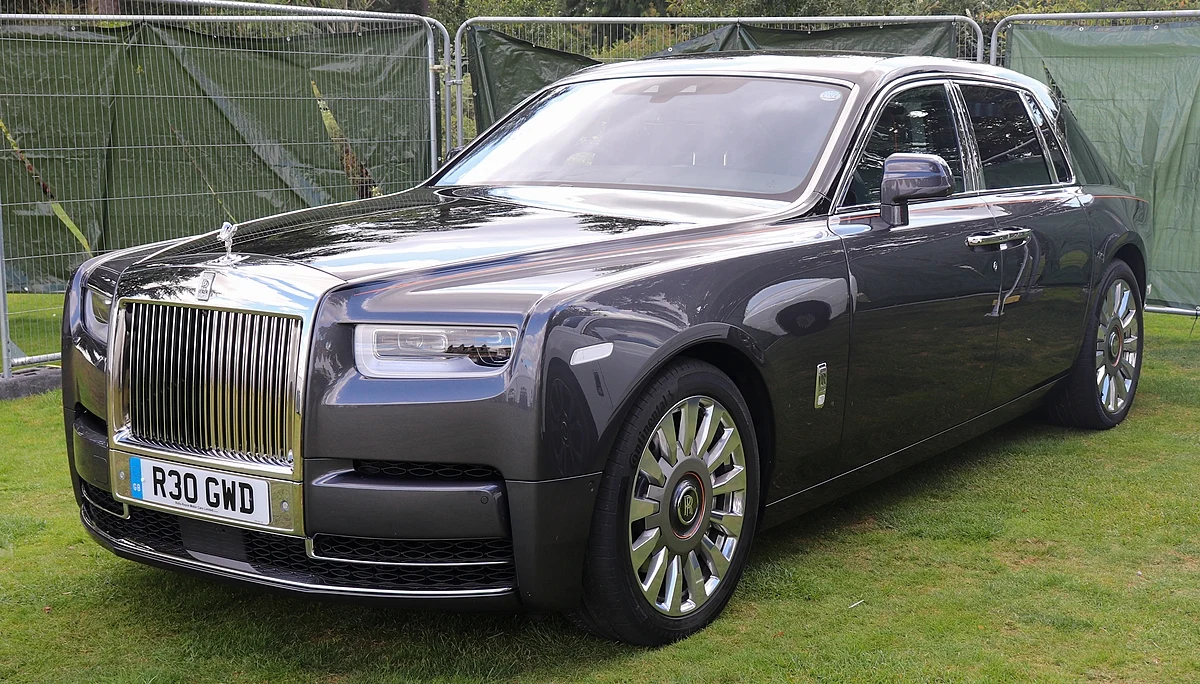
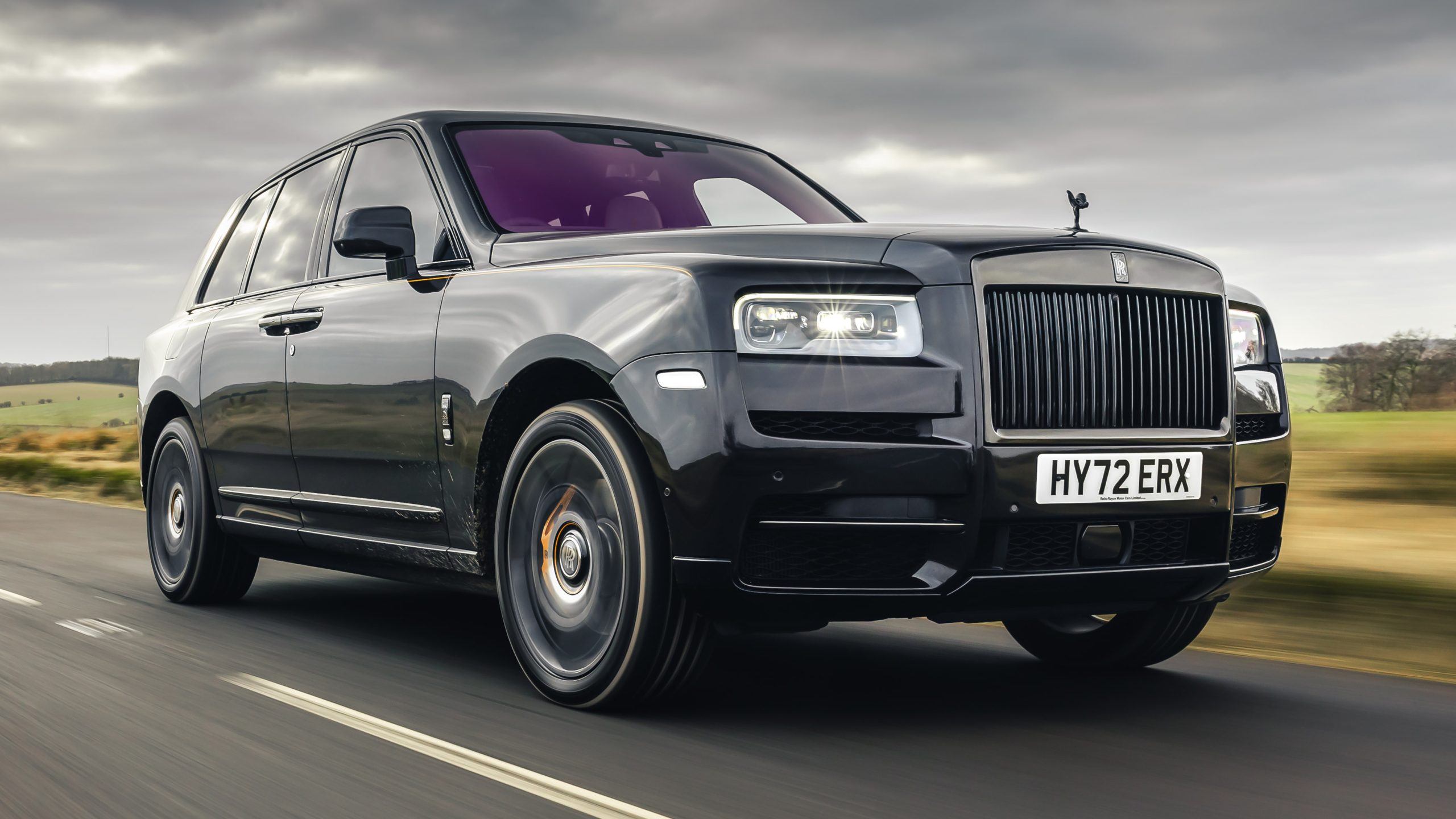
The Rolls-Royce Cullinan stands as the marque’s first and only SUV, merging the brand’s signature opulence with modern versatility. Known for crafting sedans like the Phantom and Ghost, Rolls-Royce embraced the SUV trend with a model that has quickly become its top seller.
Sharing the Phantom’s V12 engine and reverse-hinged coach doors, the Cullinan delivers immense power and presence while surrounding passengers in handcrafted luxury. For buyers who seek an even more exclusive experience, the Black Badge version offers enhanced performance and bespoke details.
At the heart of the Cullinan’s appeal is its self-leveling adaptive air suspension, which reacts in real time to absorb imperfections before they reach the cabin. This technology not only softens impacts but also maintains ride height during heavy braking, preventing nose dives and ensuring rear passengers remain undisturbed.
The suspension works in tandem with a double wishbone front axle, a five-link rear axle, electronically controlled air springs, and a sophisticated 48-volt anti-roll system. Together, these components create a seamless ride quality that is both controlled and cloud-like.
A stereo camera integrated into the windshield further enhances refinement by scanning the road ahead and allowing the suspension to adjust proactively. Unlike reactive systems that respond after an impact, the Cullinan anticipates changes, delivering remarkable stability whether cruising city streets or traversing rough terrain.
The standard all-wheel drive system with a balanced 50/50 power split ensures confidence on uneven or slippery surfaces, making the Cullinan not only a luxury statement but also a capable SUV.
Beyond its engineering, the Cullinan’s cabin reflects Rolls-Royce’s devotion to customization. Clients can personalize nearly every aspect, from exterior paints and hand-painted coachlines to interior veneers, leathers, and embroidery. Options include rear entertainment screens, reclining lounge-style seating, and even a bespoke tailgate “Viewing Suite” with deployable chairs.
The Cullinan embodies the future of ultra-luxury vehicles, seamlessly blending handcrafted elegance with advanced technology and all-terrain versatility, reaffirming its place as the most refined SUV in the world.
5. Porsche Panamera Turbo E-Hybrid (2025): Power Meets Precision
The 2025 Porsche Panamera Turbo E-Hybrid represents the fusion of hybrid efficiency with world-class performance. Anchored by a 4.0-liter twin-turbocharged V8 paired with an electric motor, this high-performance sedan delivers a remarkable 670 horsepower and 686 lb-ft of torque.
Power is routed through Porsche’s lightning-quick 8-speed dual-clutch transmission (PDK) and distributed to all four wheels via standard all-wheel drive, ensuring relentless traction and stability.
Performance data underscores its capabilities: the Panamera E-Hybrid rockets from 0 to 60 mph in just 3.8 seconds, while carbon-ceramic brakes provide outstanding stopping power with panic stops from 60 mph recorded in just 104 feet.
What truly sets the Turbo E-Hybrid apart is its advanced suspension technology. The car debuts Porsche Active Ride, a suspension system that uses electromechanical actuators to independently control compression and rebound at each wheel.
This eliminates body roll, actively counters pitch and dive during acceleration or braking, and enhances high-speed stability during rapid lane changes. Combined with adaptive air suspension and rear-axle steering, the Panamera strikes a rare balance between sports car agility and luxury sedan comfort.
The hydraulic system within Active Ride further refines handling by dynamically adjusting tensile and compressive forces, delivering unmatched ride precision.
Inside, the Panamera retains Porsche’s trademark blend of driver-focused ergonomics and upscale materials. Standard features include a leather steering wheel, power-adjustable seats, and intuitive infotainment, while options such as the Sport Chrono Package add enhanced performance modes.
Multiple drive settings, E-Power, Hybrid, Sport, and Sport Plus allow the driver to customize the experience, whether prioritizing efficiency or unleashing full performance.
Reliability is reinforced by the car’s predictive suspension technologies. Systems proactively counteract imperfections, distribute wheel loads dynamically for improved traction, and even lower the ride height during spirited driving for greater grip.
Conversely, the suspension can raise the car to aid passenger entry and exit, underlining its dual role as both luxury transporter and sports machine.
The Panamera Turbo E-Hybrid exemplifies Porsche’s ability to merge cutting-edge technology, hybrid power, and luxury, offering a sedan that feels equally at home on a racetrack or a cross-country journey.
6. Cadillac Celestiq: America’s Ultra-Luxury EV Vision
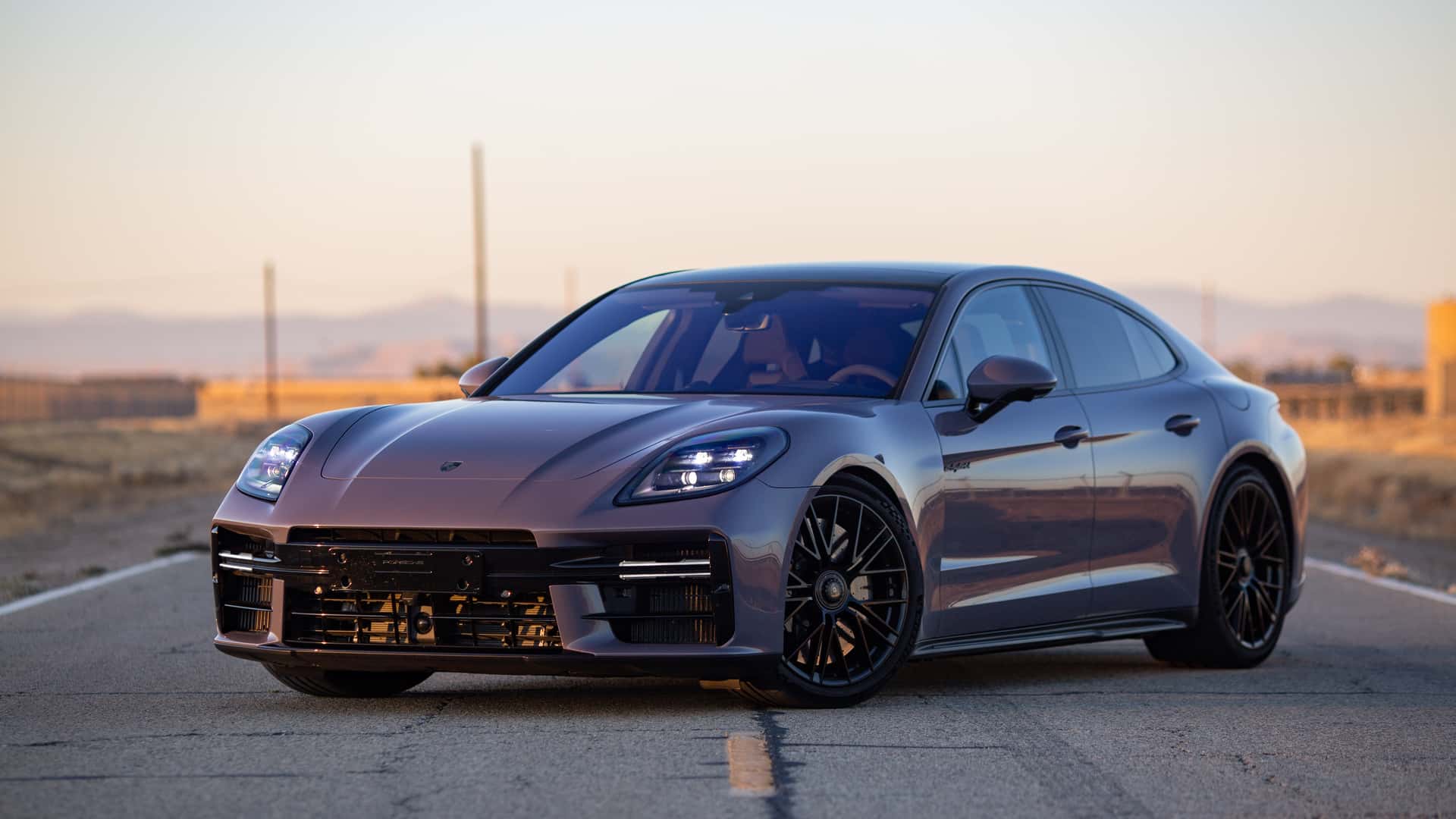
The Cadillac Celestiq represents a bold statement from General Motors, redefining the brand’s place in the ultra-luxury segment. Unlike previous Cadillac design studies, such as the Ciel or El Mirage, that never saw production, the Celestiq is not just a concept but a reality, hand-built with meticulous attention to detail.
Positioned as the most advanced Cadillac ever, this flagship sedan combines cutting-edge technology, sustainable design practices, and bespoke craftsmanship to compete directly with Rolls-Royce and Bentley.
Underpinning its refinement is Magnetic Ride Control 4.0 paired with adaptive air suspension. Using magnetorheological fluid, this setup adjusts damping in less than 10 milliseconds, ensuring seamless composure on any surface.
The result is a ride quality that isolates passengers from road imperfections and minimizes fatigue during long journeys. This technological precision cements the Celestiq’s reputation for reliability in comfort delivery, even under demanding conditions.
Inside, the Celestiq embraces both opulence and innovation. A 55-inch curved display stretches across the dashboard, allowing the passenger to view entertainment without distracting the driver. Rear passengers are equally catered to with individual screens, ensuring an immersive, first-class experience for all occupants.
The vehicle further incorporates a four-quadrant smart glass roof, letting each passenger adjust transparency levels independently. This personalized approach to comfort underscores Cadillac’s ambition to redefine luxury.
Beyond aesthetics, the Celestiq pushes manufacturing boundaries. Over 100 components are produced using 3D printing, both for structural integrity and cosmetic refinement. This highlights Cadillac’s commitment to blending advanced engineering with artisanal craftsmanship. The vehicle also debuts Ultra Cruise, GM’s next-generation hands-free driving assist, signaling Cadillac’s focus on autonomy in the luxury space.
Performance is equally formidable. Built on GM’s Ultium platform, the Celestiq employs dual electric motors producing around 600 horsepower and 664 lb-ft of torque.
Despite carrying a large 111-kWh battery, it promises a 0–60 mph time of 3.8 seconds and an estimated 300-mile driving range. While ambitious given its size and summer performance tires, the claim reinforces Cadillac’s intent to marry electric power with grand touring capability.
Priced at around $300,000, the Celestiq marks Cadillac’s most ambitious and expensive project to date. With its futuristic design, unmatched customization, and advanced ride technologies, it positions Cadillac as a serious contender in the ultra-luxury automotive segment.
7. Koenigsegg Regera: The Hybrid Megacar That Redefines Power and Comfort
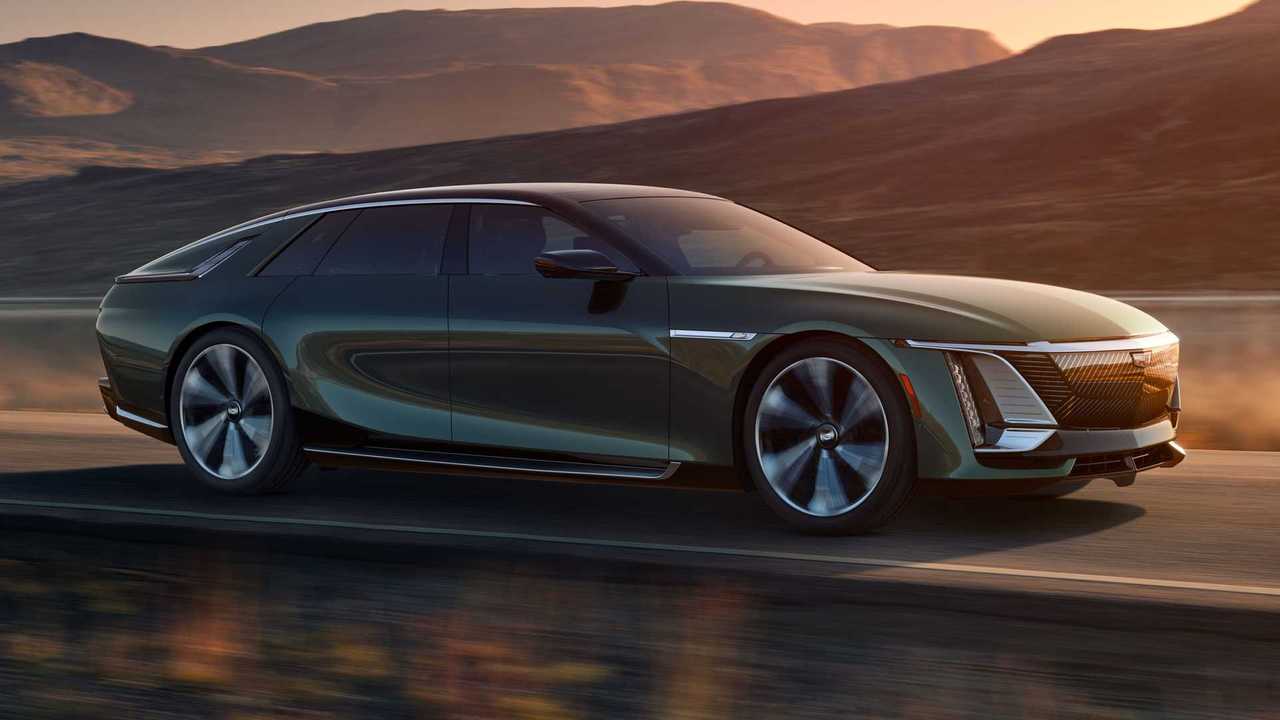
The Koenigsegg Regera stands as one of the most ambitious creations in the automotive world, merging breathtaking performance with surprising luxury.
True to its Swedish name, which means “to reign,” the Regera dominates the megacar space by combining a twin-turbo V8 engine with three electric motors, delivering a monumental 1,500 horsepower. Beyond sheer speed, the Regera demonstrates how advanced engineering and design can harmonize brute force with refinement.
At the heart of the Regera is Koenigsegg Direct Drive (KDD), a revolutionary system that replaces the traditional multi-gear transmission. By linking the engine directly to the rear axle with a hydraulic coupling, KDD reduces weight, improves efficiency, and delivers immediate torque without the lag of gear changes.
This innovation allows the Regera to surge forward seamlessly, making highway acceleration feel as effortless as track performance. The integration of three electric motors further refines responsiveness, ensuring the Regera is as controlled in daily driving as it is ferocious on open straights.
Supporting this immense output is the Triplex suspension system, featuring a third horizontal rear damper that prevents squat during acceleration. This keeps the chassis balanced and the power delivery linear, a crucial element when dealing with speeds well beyond 250 mph.
The Regera’s design and aerodynamics are as functional as they are beautiful. Active front and rear wings adjust in real time for downforce, while the car boasts the first fully foldable, top-mounted rear wing of its kind.
Distinctive daytime running lights with a constellation pattern highlight Koenigsegg’s flair for detail, turning the Regera into a rolling artwork.
Inside, the cabin is insulated for quiet cruising and fitted with 8-way adjustable memory-foam seats, ambient lighting, and a 9-inch infotainment system with Apple CarPlay, Wi-Fi, and remote diagnostics. This balance of high-tech features and comfort ensures that the Regera is not just a track star but also a refined grand tourer.
Adding to its futuristic personality, the Regera introduces Autoskin, a fully robotized body system that allows the driver to open doors, hatches, and the rear engine cover via remote control. Hydraulics and sensors manage these movements seamlessly, and a special “Show Mode” even displays the car with its spoiler raised for dramatic effect.
Another standout is the custom titanium exhaust system, developed with Akrapovic. Featuring a rare fishtail outlet design last seen on production cars over 50 years ago, it produces a distinctive sound that bridges modern performance with echoes of a forgotten era.
The Koenigsegg Regera is more than a megacar; it’s a statement of engineering artistry. By pairing hybrid efficiency with visceral power and blending extreme performance with comfort and technology, it demonstrates that the future of high-performance driving can be both sustainable and exhilarating. Few vehicles, if any, manage to reign over both worlds as convincingly as the Regera.
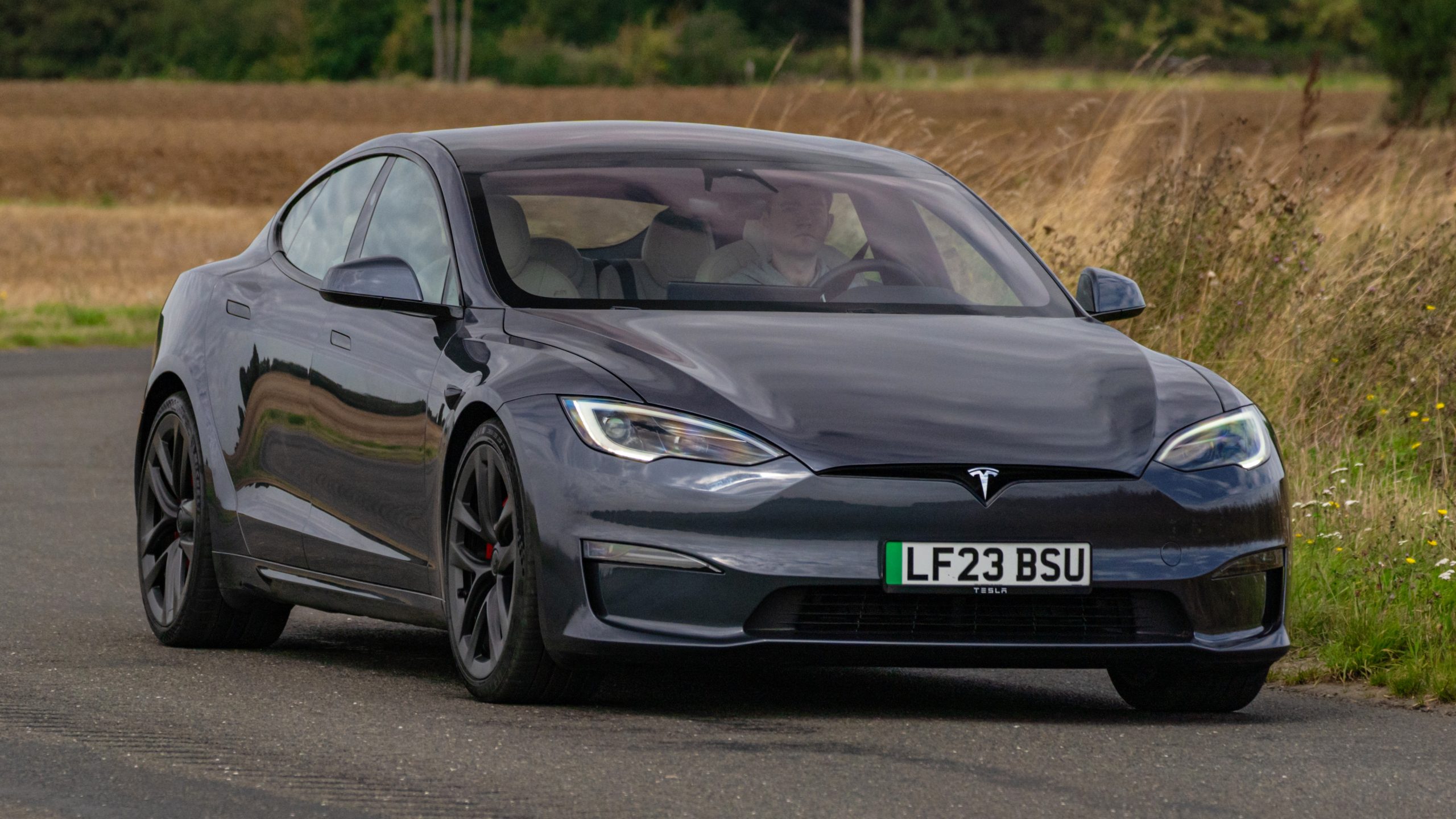
8. Tesla Model S Plaid: Blending Extreme Speed with Everyday Usability
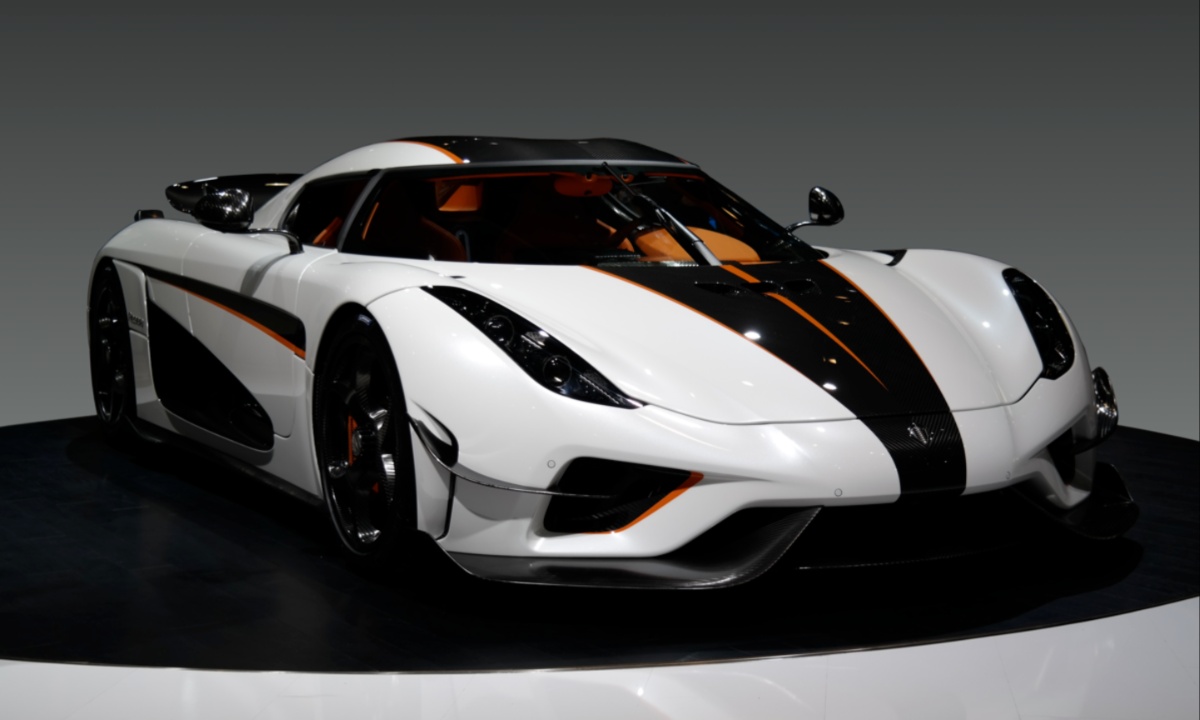
The Tesla Model S Plaid has long been a benchmark in the electric performance sedan category, offering astonishing acceleration while still maintaining practicality for daily use. Its Smart Air Suspension enhances both comfort and efficiency, automatically lowering the ride height at highway speeds to improve aerodynamics and range.
The system also uses terrain-sensing technology to adjust damping and allows drivers to set “comfort zones” via GPS, saving preferred ride settings for specific locations. This adaptability ensures that the Model S is not only lightning quick but also refined in real-world driving conditions.
The Plaid trim sits at the top of the Model S lineup and remains one of the quickest cars ever tested. With a tri-motor setup producing 1,020 horsepower, it launches from 0 to 60 mph in just 2.3 seconds and covers the quarter mile in 9.4 seconds at 150 mph.
Despite these staggering numbers, the car is simple to operate, behaving with the effortlessness of a commuter EV. For serious driving, the available Track package adds carbon-ceramic brakes and ultra-grippy Goodyear Eagle F1 tires, providing the stopping power and durability necessary to match the Plaid’s thrust.
Tesla has also listened to driver feedback, offering a traditional steering wheel in place of the controversial yoke, improving precision and control.
Speed hasn’t come at the expense of comfort. The adaptive suspension smooths out imperfections with surprising finesse, even on the larger optional 21-inch wheels. Climate control is tri-zone, while heated and ventilated seats enhance long-distance usability.
Still, the seating falls short for a luxury sedan: front cushions lack lateral support, and the high rear floor compromises passenger comfort. Noise insulation is good compared to combustion rivals, though electric motor whine and some road noise are still noticeable.
The interior design reflects Tesla’s minimalist philosophy, but not all changes are improvements. The removal of column stalks in favor of touch-sensitive buttons makes routine actions like signaling more distracting. A massive 17-inch central touchscreen controls nearly all functions, with a steep learning curve but powerful navigation thanks to Google Maps integration.
Storage space is ample, especially with the hatchback layout, and the infotainment system includes a premium 22-speaker audio setup. Still, the absence of Apple CarPlay and Android Auto integration remains a drawback in a segment where rivals offer both.
With both a rear hatch and a front trunk, the Model S outpaces many competitors in cargo capacity. The rear seats fold flat, expanding usable space, and new sliding compartments in the cabin improve small-item storage. Installing child seats is fairly straightforward, though rear headroom is somewhat limited due to the car’s sloping roofline.
Efficiency has always been a Tesla strength, and the Plaid continues this tradition. On 21-inch wheels, it carries an EPA estimate of 348 miles, while real-world testing achieved 345 miles, nearly matching expectations.
Energy consumption was measured at 32.1 kWh/100 miles, impressive considering the performance levels. Charging is equally strong: in independent testing, the Plaid averaged 523 miles of range per hour of charging, slightly edging out the Lucid Air Grand Touring.
Compared with rivals such as the Porsche Taycan Turbo GT and Lucid Air Sapphire, the Model S Plaid delivers unmatched acceleration at a relatively lower price point. While its cabin materials and usability quirks leave room for improvement, the combination of long range, blistering speed, and practical hatchback utility makes it a compelling choice in the high-performance EV space.
The Tesla Model S Plaid demonstrates that electric vehicles can be both record-shattering and road-trip ready, maintaining its position as one of the most remarkable blends of speed, range, and everyday usability available today.
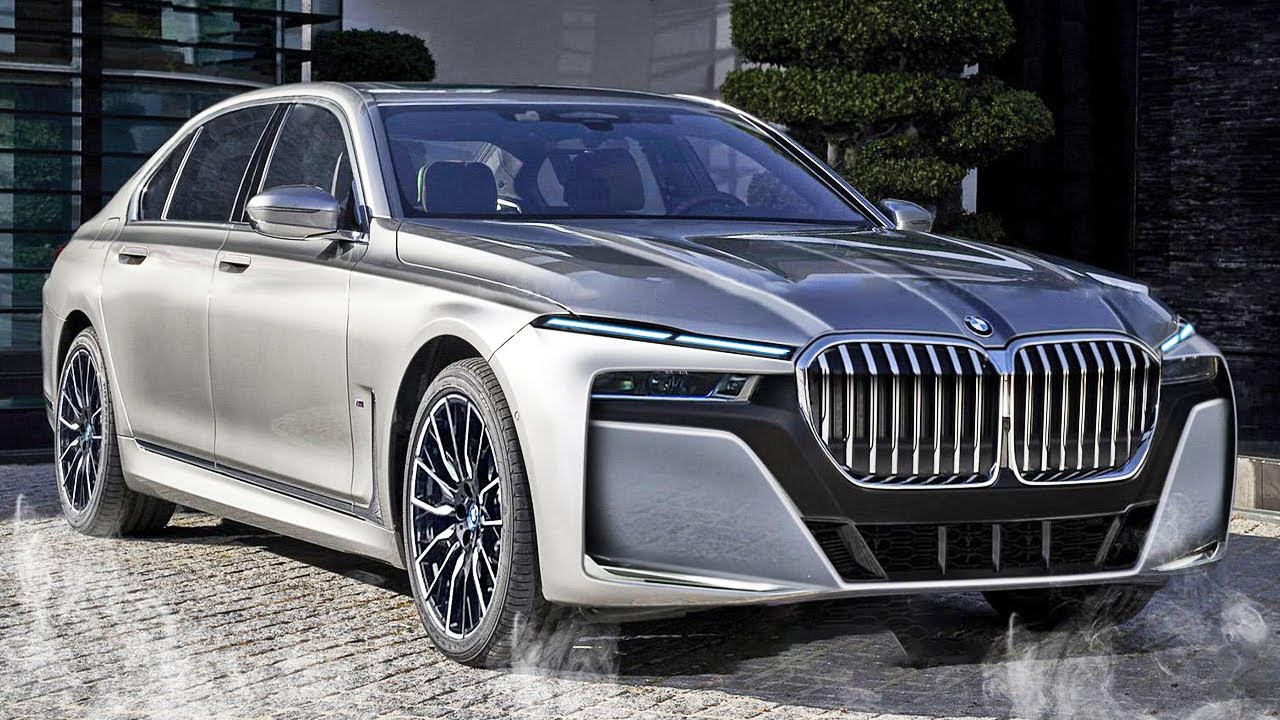
9. BMW 7 Series (G70): Flagship Luxury with Modern Tech and Power
The BMW 7 Series (G70 generation, launched in 2023) represents the brand’s most advanced take on a flagship luxury sedan. It blends performance, comfort, and cutting-edge technology with distinctive design features and a focus on passenger indulgence.
Equipped with a double-wishbone front suspension, multi-link rear setup, self-leveling air springs, and electromechanical anti-roll bars, the 7 Series prioritizes ride comfort while maintaining control. An adaptive system continuously adjusts to road conditions, while rear-axle steering sharpens maneuverability for a car of this size.
The lineup includes models like the 740i, 750e plug-in hybrid, and the powerful 760i xDrive, which delivers 536 horsepower. In testing, the 760i accelerated from 0 to 60 mph in just 3.8 seconds, impressive for such a large sedan. Power delivery is smooth at higher speeds, though slightly hesitant in stop-and-go traffic.
The 7 Series surprises with agility, offering precise steering, strong braking, and rear-wheel steering that enhances nimbleness and reduces its turning radius. Even the less powerful trims deliver sufficient thrust and refinement, making the range versatile for different buyers.
Luxury is where the 7 Series shines. Both front and rear seats are plush and supportive, with the Luxury Rear Seating package allowing back seats to recline nearly flat. Integrated touchpads in the rear doors let passengers adjust heating, ventilation, and massage functions, making long journeys effortless.
Climate control is tri-zone and effective, though the vents can feel underpowered. The air suspension absorbs most imperfections, and a road preview system preps the suspension for incoming bumps or potholes.
While supremely comfortable, the ride isn’t quite as isolating as the Mercedes S-Class or BMW’s own electric i7, particularly when accelerating from a stop, where some swaying occurs.
Inside, the cabin balances modern opulence with high-end materials. Crystalized trim pieces and large digital displays dominate the dashboard. Automatic doors add theater to the experience, opening or closing with the touch of a button.
Space is abundant, and it’s easy for drivers to find the perfect seating position while enjoying the 12.3-inch digital instrument cluster. Visibility is good in most directions, though the rear view is limited if the optional 31-inch 8K theater screen is deployed.
This massive display drops from the ceiling for rear passengers and supports streaming through Amazon Fire, HDMI connections, or gaming consoles, making the back seat one of the most indulgent in the segment.
BMW’s iDrive system is controlled via a wide central touchscreen angled toward the driver, supported by a rotary controller and excellent voice recognition. While the menu structure takes time to learn, the voice interface helps simplify tasks. Rear passengers benefit from their own touchscreens to adjust seating and entertainment functions.
Driver-assist features are extensive, highlighted by Highway Assistant, which enables hands-free driving at speeds up to 80 mph. The surround-view camera system is sharp and provides multiple angles, helping drivers manage the sedan’s large footprint.
Trunk space is generous, easily accommodating luggage or golf bags. Interior storage is less impressive, with small door bins and a tight center console leaving little room for everyday items. Installing child seats is straightforward in terms of space, but top anchor points are awkward to access because of the large headrests.
Fuel efficiency varies across trims. The 740i achieves up to 28 mpg combined with all-wheel drive, while the 760i xDrive returns around 21 mpg, though real-world testing produced a respectable 24 mpg. The 750e plug-in hybrid offers the best efficiency, making it attractive for eco-conscious buyers who still want flagship luxury.
Though not inexpensive, the 7 Series justifies its price with cutting-edge features, an indulgent interior, and technology that rivals or exceeds competitors. Options like the theater screen make it stand out in the luxury sedan space, though they can quickly inflate costs. Warranty coverage is in line with other premium brands, offering peace of mind alongside exclusivity.
The BMW 7 Series (G70) combines commanding performance, modern luxury, and some of the industry’s most advanced technology, establishing itself as a true rival to the Mercedes S-Class while carving its own distinct identity.
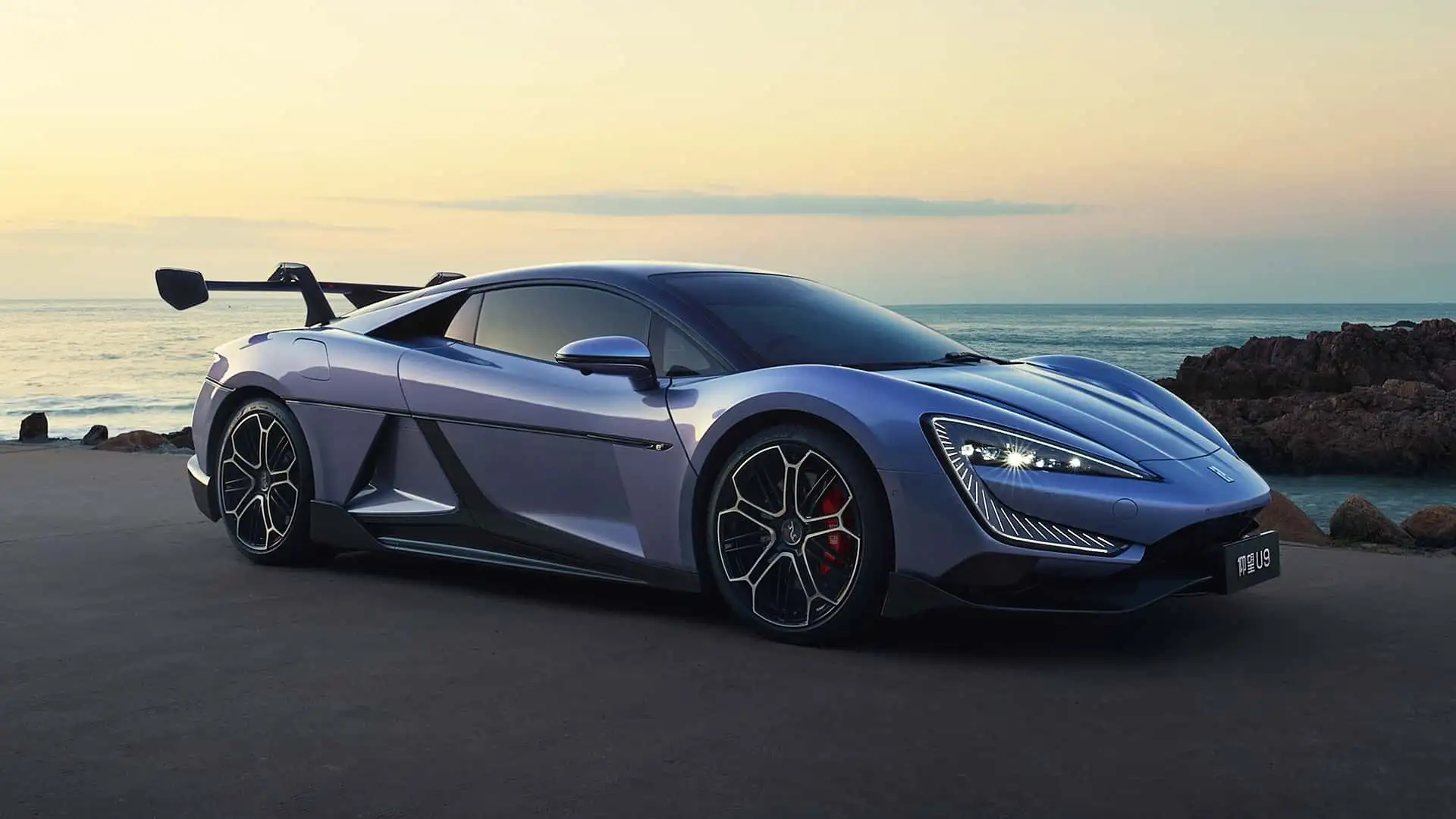
10. Yangwang U9: A 1,300-Horsepower Supercar with Suspension Wizardry
The Yangwang U9, developed under BYD’s luxury sub-brand, is a high-performance electric supercar that blends extreme output with futuristic technology and theatrical design.
Priced at around $236,400, the U9 undercuts European rivals while still offering performance and innovation that allow it to compete on the global stage. More than just another fast EV, it serves as BYD’s showcase for cutting-edge engineering, particularly in suspension and chassis control.
At its core, the U9 is powered by a quad-motor setup that produces 1,287 horsepower and 1,239 pound-feet of torque. This immense power translates into blistering performance figures, including a sprint from zero to sixty-two miles per hour in just 2.36 seconds and a quarter-mile run completed in 9.78 seconds.
With an official top speed of 192.1 miles per hour, the U9 is firmly in hypercar territory. During testing at the Shanghai International Circuit, the car recorded a lap time of two minutes and seventeen seconds.
While slower than the Nio EP9’s time of just over two minutes, it was faster than established performance sedans such as the BMW M5 F90 and the Porsche Panamera Turbo.
Charging capability is another area where the U9 demonstrates its ambition. Built on BYD’s 800V e4 platform, the car supports ultra-fast charging at up to 500 kilowatts, which is quicker than what even the Lucid Air currently offers. A charge from thirty to eighty percent can be completed in just ten minutes.
The U9 also supports dual-charging, which means two chargers can be plugged in simultaneously for added convenience. Its 80 kWh LFP battery pack delivers an estimated 289 miles of range under the CLTC cycle, though real-world figures in markets outside China would likely be lower.
What truly makes the U9 stand out from other high-performance EVs is its remarkable suspension system. Thanks to BYD’s DiSus technology, the car can dance, jump, and even drive on just three wheels.
Videos released by the company show the U9 hopping in place and balancing on three tires with one wheel removed, demonstrating how each corner of the chassis can be precisely controlled.
While this may seem like a gimmick, the system underscores the technological leap represented by BYD’s suspension engineering. The trick recalls the hydropneumatic suspension pioneered by Citroën in the 1960s, but with modern refinement and electronic precision.
The DiSus system itself is the result of more than thirty months of development and six million miles of testing. It provides fine control over lateral, longitudinal, and vertical vehicle motions, which in practice means greater stability during sharp cornering, emergency braking, and rapid acceleration.
The technology is also designed to minimize rollover risks and improve safety in adverse conditions such as snow, mud, and standing water.
Three separate subsystems form the backbone of this innovation: an intelligent damping control that adjusts damper stiffness, an intelligent air control system that modifies ride height by nearly six inches, and an intelligent hydraulic control that can boost stiffness by two hundred percent when needed.
For the U9 specifically, BYD developed the DiSus-X system, which combines the strengths of all three approaches to deliver the car’s signature ability to leap and dance.
Beyond the numbers and the spectacle, the U9 represents a bold step forward for BYD. With scissor doors, flamboyant styling, and proportions that match the world’s finest supercars, its design certainly makes a statement, but its true importance lies in the engineering underneath.
By combining nearly 1,300 horsepower with ultra-fast charging and a suspension system that seems almost magical, the Yangwang U9 redefines what an electric supercar can be. While its range falls short of long-distance EVs, its mix of performance, innovation, and theatrics ensures it will stand as one of the most unconventional yet groundbreaking electric vehicles to date.
Also Read: 10 Cars That Always Feel Solid vs 10 That Fall Apart Over Time
10 Cars With Suspension That Constantly Wear Out
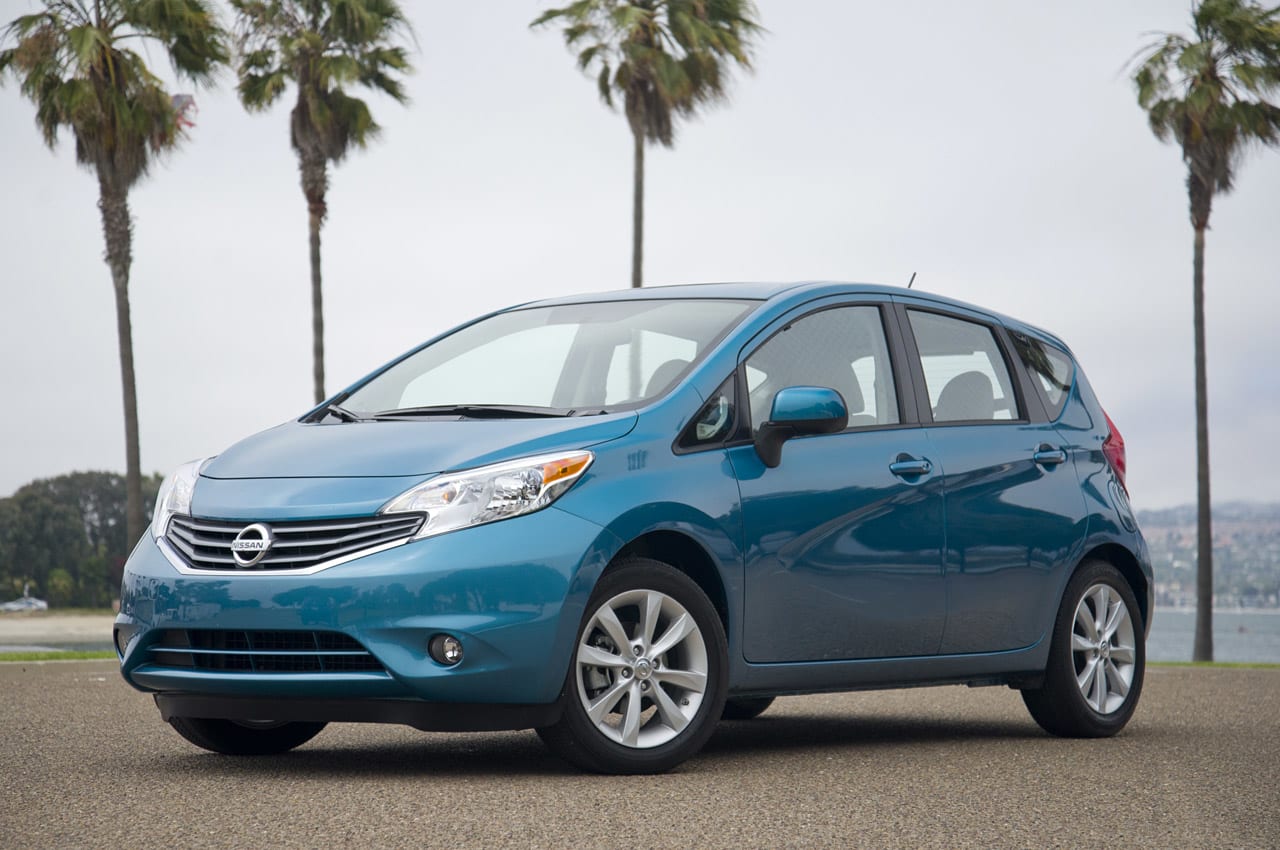
1. Nissan Versa (Note): Early Ride Quality and Wear Issues
The Nissan Versa (Note) is widely known for its problematic suspension setup in the earlier generations, particularly those fitted with rear torsion-beam systems. Drivers often described the ride as jarring, with every expansion joint and road imperfection transmitting a harsh shock into the cabin.
This lack of refinement was especially apparent on patchwork urban roads, where lateral stability suffered and driving comfort was compromised. While later versions of the Versa introduced modest improvements, the first-generation models remained a weak choice for buyers who valued smoothness and ride comfort.
Beyond comfort, the Versa also faced suspension durability problems. Coil springs, which lacked proper corrosion protection, were particularly prone to premature failure. Once these failed, they often damaged other vital suspension parts like struts, ball joints, and control arms.
Environmental factors such as road salt, high heat, and poor driving conditions accelerated this degradation. Aggressive driving habits, including frequent high-speed travel on rough terrain or carrying heavy loads, placed additional strain on the system.
Over time, normal wear compounded these issues, leaving drivers with symptoms like excessive bouncing, uneven tire wear, and drifting during normal travel.
Preventive maintenance was critical: annual inspections, prompt repairs, and replacing components such as shocks, struts, and coil springs were recommended. Without timely intervention, owners risked cascading failures that compromised safety and ride stability.
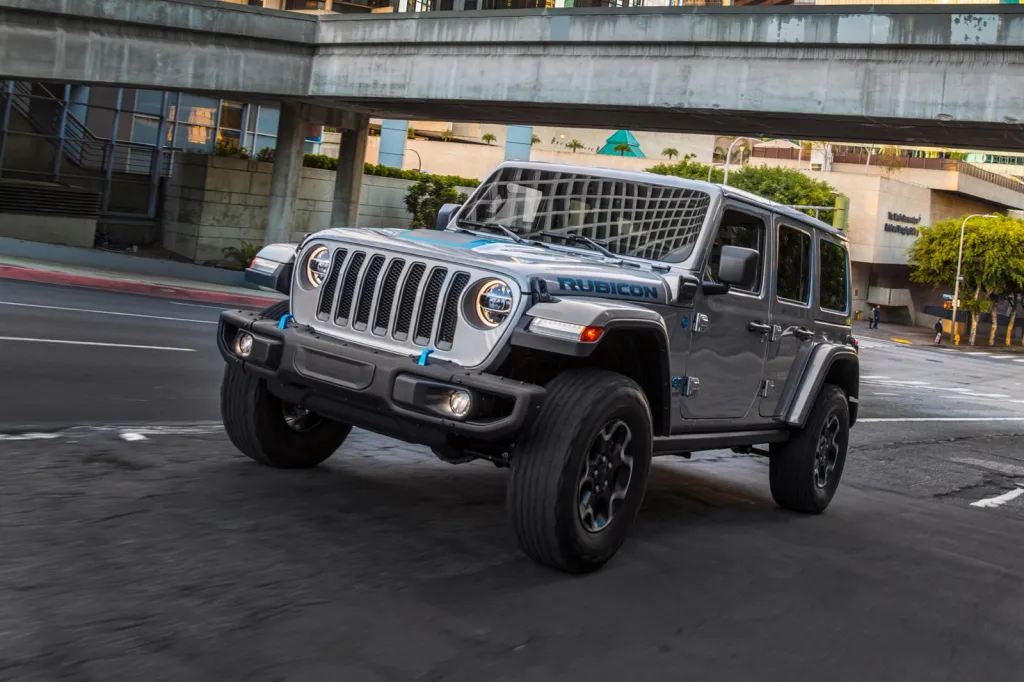
2. Jeep Wrangler (2021–2022): Off-Road Strength, On-Road Weakness
The Jeep Wrangler from the 2021–2022 model years offers legendary off-road capability thanks to its solid front and rear axles, but this same design creates significant drawbacks for on-road driving.
While solid axles allow impressive wheel articulation, they compromise ride smoothness, particularly on pavement at higher speeds. Owners often report harshness, persistent bouncing, and noticeable body lean. Even optional adaptive dampers could not fully refine the Wrangler’s stiffness.
Beyond ride comfort, durability concerns emerge as a result of aggressive off-roading and everyday driving. Ball joints, tie rods, and other steering components are under constant stress and can wear prematurely.
The Wrangler’s solid axle design, which links multiple systems together, makes it more vulnerable to compounding issues, including the infamous “death wobble.” This violent steering oscillation occurs when worn or loose suspension components interact with imperfect tire inflation or alignment.
It is self-perpetuating and potentially hazardous, making it one of the most feared problems among Wrangler owners. The key contributing factors include improper tire pressure, which destabilizes the ride, and normal aging of suspension parts.
Owners are urged to perform routine inspections, maintain proper tire inflation, and promptly address any unusual vibrations or steering instability.
If death wobble is experienced, immediate professional attention is necessary, as delaying repairs can cause further suspension and steering damage. Despite these shortcomings, Wrangler enthusiasts often accept the compromises for its unmatched off-road performance.
3. Ford Explorer (Late 1990s): A Recall-Centered Suspension Flaw
The late-1990s Ford Explorer was plagued by suspension issues rooted in a serious design flaw. The primary problem involved the cross-axis ball joint, which was prone to seizing during normal operation.
Once seized, this critical component placed excessive stress on the linked rear suspension part, often causing it to fracture. Such failures had grave consequences, as they compromised the vehicle’s steering and handling stability, dramatically raising the risk of crashes.
The symptoms included poor cornering control, increased uncertainty during sharp turns, and general instability during daily driving. Ford recognized the severity of this issue and responded with a recall campaign.
Dealers were instructed to inspect the cross-axis ball joints and related suspension components, replacing them with revised and more durable parts designed to withstand normal stress loads. For owners, the recall represented a vital opportunity to correct a dangerous flaw.
Those still driving late-1990s Explorers are strongly advised to check whether the recall repairs were completed, as unaddressed vehicles remain at high risk. In addition to recall work, regular inspections of the suspension system are necessary to ensure long-term reliability.
Preventive steps such as checking alignment, monitoring for unusual noises, and replacing worn suspension parts remain critical for safety. The late-1990s Explorer remains a cautionary tale in automotive design, demonstrating how inadequate suspension engineering can escalate into life-threatening hazards.

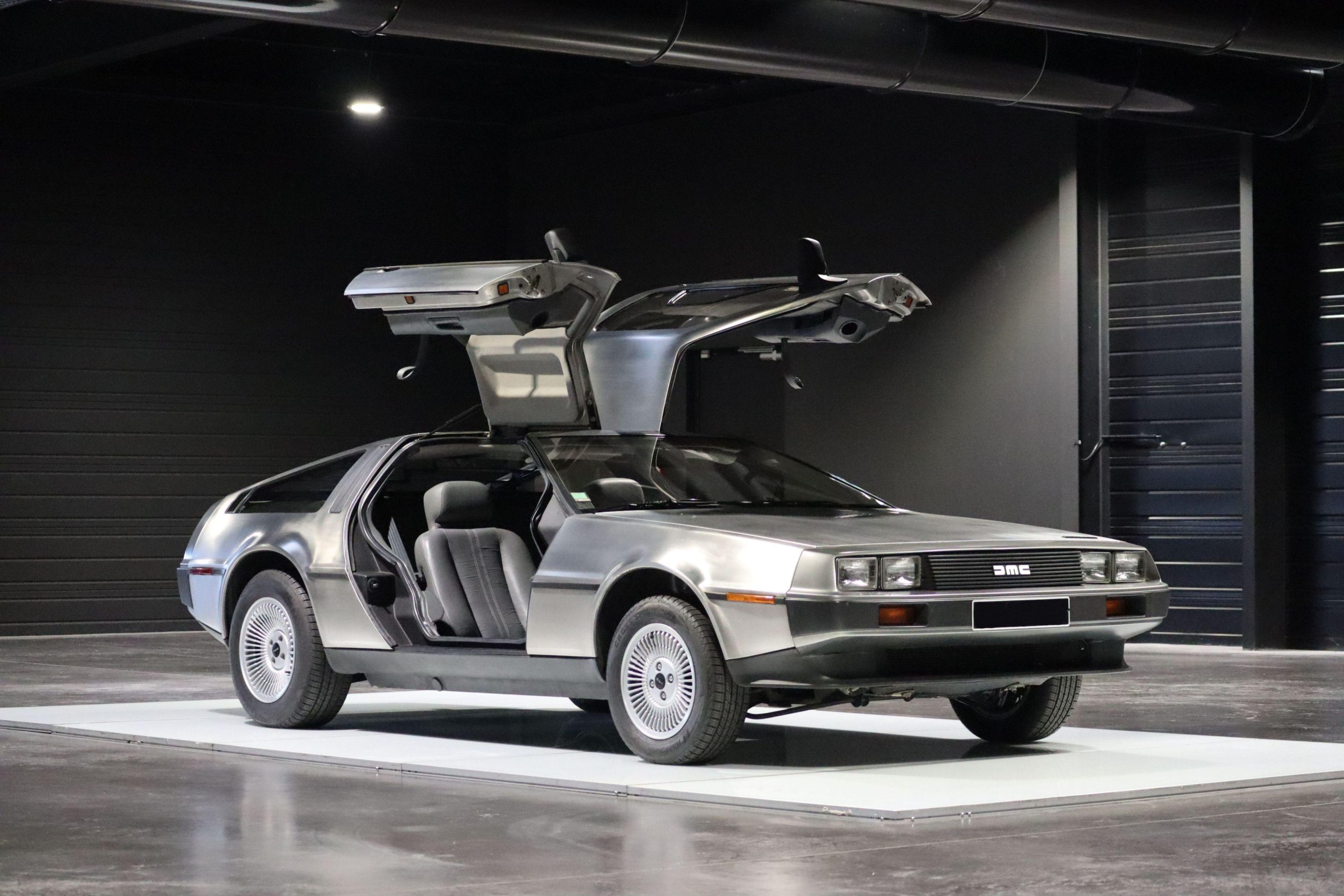
4. DeLorean DMC-12: Iconic Looks, Fragile Suspension
The DeLorean DMC-12, while immortalized in popular culture, suffered from deeply flawed suspension design. The vehicle’s mid-mounted engine and swing-axle rear suspension produced unusual weight distribution that made handling unpredictable. Weak and rust-prone front lower control arms were especially problematic.
Constructed from thin 16-gauge steel, these arms lacked the strength expected of a load-bearing suspension part. Their stamped and folded design created stress points prone to cracking and rust, while improper alignment responsibilities were placed on the sway bar, which was never intended to serve this function.
Combined with inconsistent quality control during assembly, early models were plagued with mechanical instability. To complicate matters, U.S. regulations forced a last-minute ride-height increase, which degraded suspension geometry and further strained components.
Cheap ball joints with insecure nylock nuts added another weak link, sometimes leading to catastrophic failures. Owners experienced poor ride comfort, stiff handling, and even frame damage due to weakened suspension components.
Many turned to aftermarket fixes: high-grade aluminum control arms, upgraded shocks and springs, and stronger ball joints corrected many original flaws. These solutions not only enhanced safety but also improved driving feel, making the DeLorean far more reliable than its factory configuration allowed. Still, the car’s suspension remains emblematic of rushed design decisions and cost-cutting compromises.
5. Chevrolet Spark: Lightweight Design, Heavy Consequences
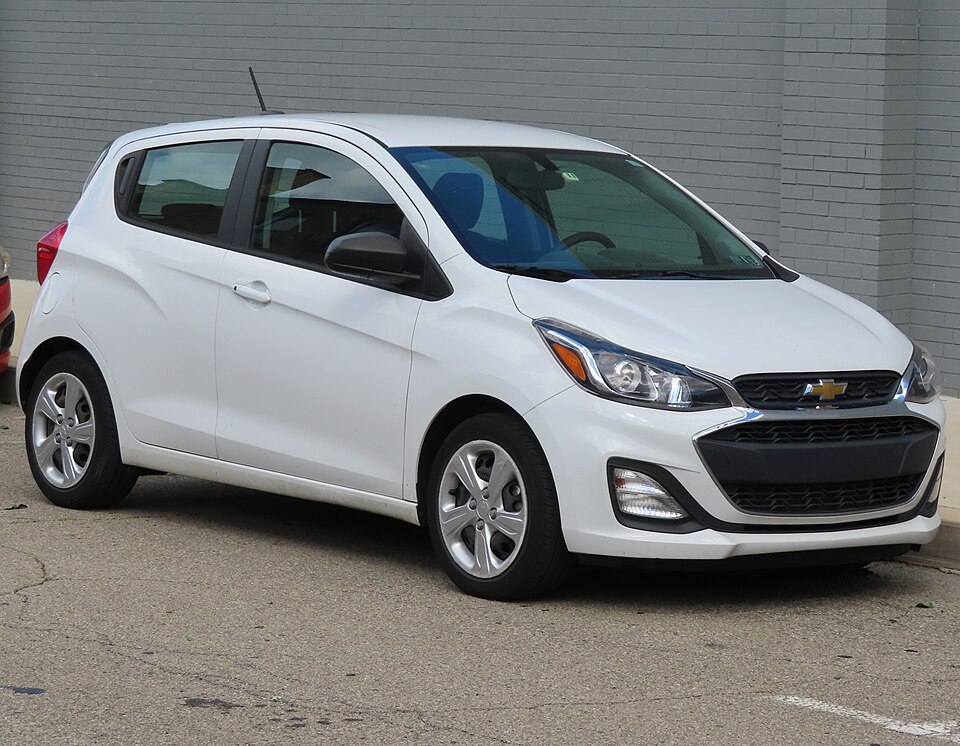
The Chevrolet Spark’s compact design and short wheelbase make it particularly vulnerable to suspension challenges. Its basic dampers and lightweight construction leave little room for absorbing road imperfections effectively. As a result, every pothole, crack, or tar strip transmits jittery vibrations into the cabin.
Over time, suspension components degrade rapidly under these stresses. Common causes include frequent impacts from potholes and heavy weight loads, which accelerate the wear of shocks, struts, and springs. Additionally, rubber bushings suffer from heat, age, and exposure to road salt or oil, causing them to crack or lose flexibility.
Leaking lubrication within the suspension system also contributes to premature failure, as metal components grind under inadequate oiling. Since suspension parts are interconnected, a single failure often cascades, putting strain on adjacent systems.
Owners can identify issues by inspecting for visible coil spring sag, uneven tire wear, fluid leaks from struts, or clunking noises when turning. Excessive bouncing during bumps is another clear warning. Preventive steps include minimizing heavy loads, avoiding rough roads when possible, and addressing leaks or noises promptly.
Regular professional inspections help catch failures before they spread across the system. Without these measures, the Spark’s suspension problems escalate quickly, compromising safety and ride comfort.
6. Jeep Compass (2021): Firm Damping and Premature Wear
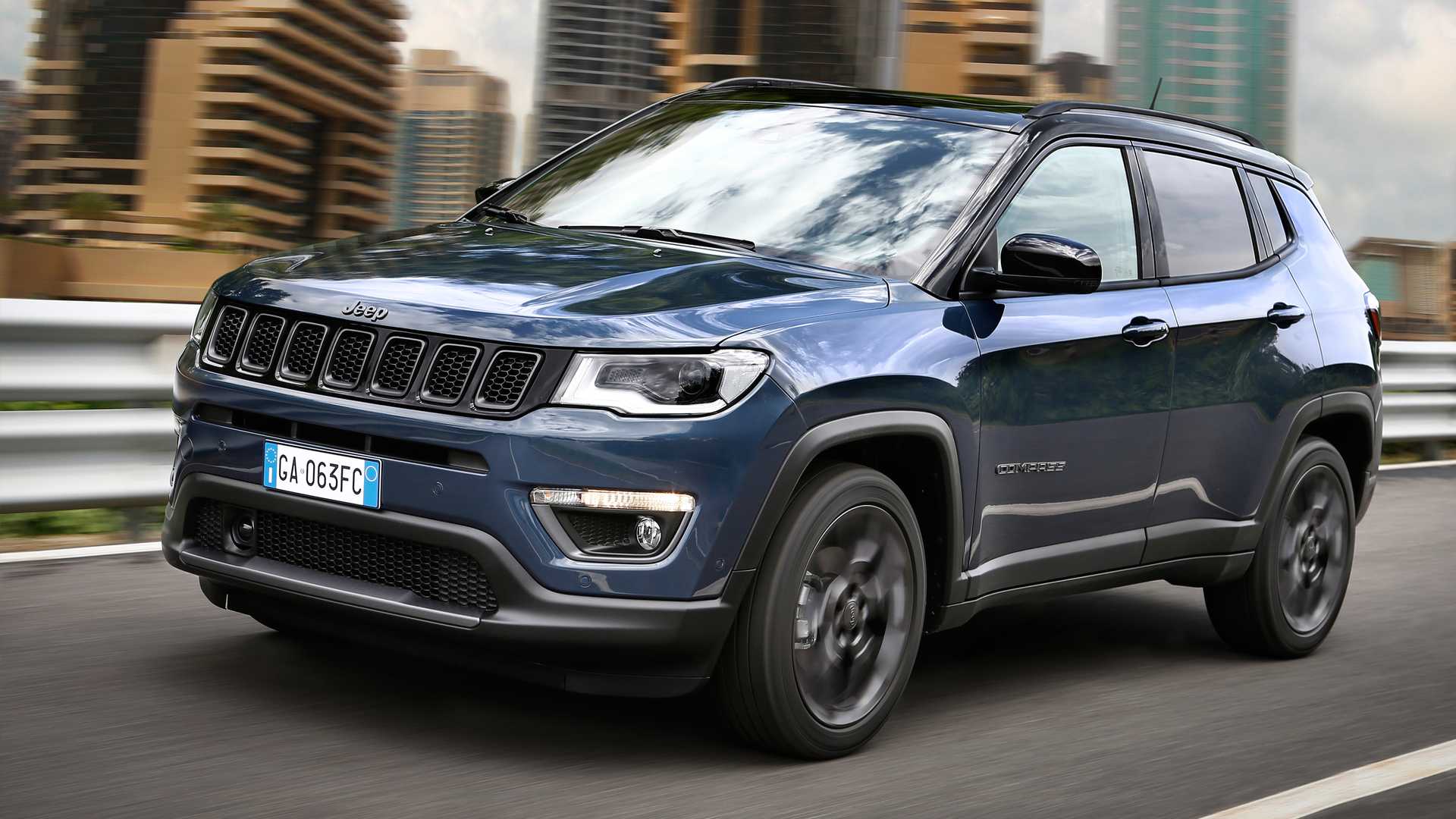
The 2021 Jeep Compass, despite modern styling, suffers from suspension tuning that emphasizes firmness over comfort. Reviewers and owners alike noted its jarring behavior over speed bumps, potholes, and manhole covers. Rear passengers reported the harshest ride quality, as rebound control felt poorly calibrated.
Over time, this stiffness contributes to premature wear of key suspension components such as control arm bushings, ball joints, and tie rods. Frequent impacts from rough roads accelerate deterioration, while improper tire pressure and poor wheel alignment add stress.
Misalignment, in particular, creates uneven tire wear and forces suspension components to compensate in ways they were not designed for. Signs of wear include clunking noises, loose steering, and noticeable instability during highway driving.
Preventive measures involve regular inspections by qualified mechanics, consistent tire pressure checks, and timely wheel alignments. When small issues are caught early, they can be resolved before escalating into expensive repairs. Replacing worn bushings or tie rods promptly helps preserve vehicle handling and comfort.
Although the Compass provides capable performance in other areas, its suspension remains a weak point, demanding consistent upkeep for long-term reliability. Owners are encouraged to take a proactive maintenance approach to extend the life of the suspension system.
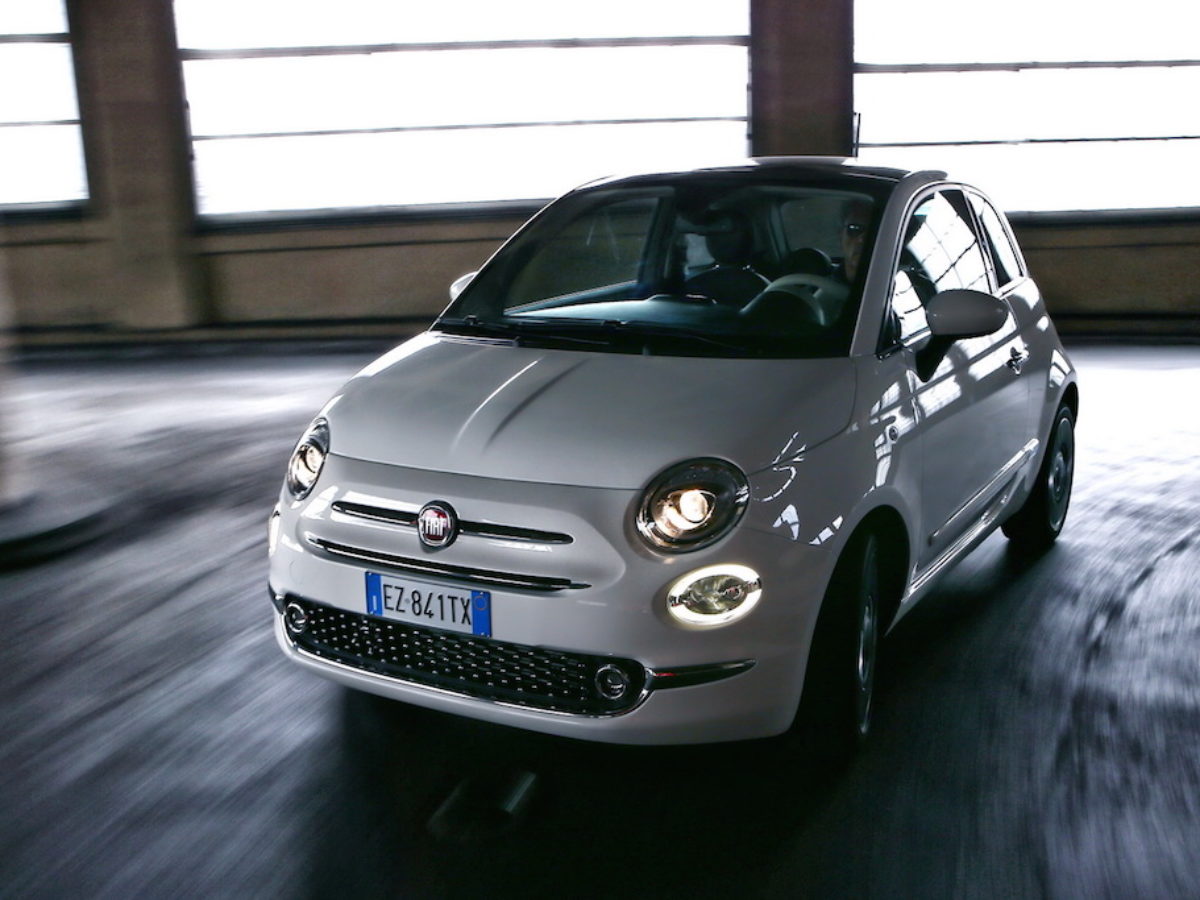
7. Fiat 500 (Pre-2016): Harshness Meets Fragility
The pre-2016 Fiat 500 models are well known for their semi-independent rear suspension, which produced harsh and uncomfortable ride quality. Drivers complained of bone-rattling impacts over uneven roads, with sport trims amplifying the problem.
Over time, suspension parts like strut mounts, drop links, and control arm bushings wore out prematurely. Harsh road conditions and frequent potholes were major contributing factors, as were improper wheel alignment and occasional curb impacts.
Strut mounts, in particular, were a common failure point, as they bore significant stress during daily driving. When these or related bushings failed, the suspension system quickly became noisy and unstable. Drivers noticed rattling or clunking noises, excessive bouncing after bumps, and uneven tire wear.
Proper maintenance involved regular inspections, particularly of the rear wheels, which required precise shim adjustments for proper alignment. Addressing noises early prevented greater damage, and replacing worn components in pairs such as shock absorbers helped maintain balance.
While newer Fiat 500 models offered improved refinement, earlier versions demanded more frequent suspension service. Owners who kept up with preventive care were able to prolong usability, but those who neglected inspections often faced costly repairs due to cascading failures.
8. VinFast VF 8: Rough Beginnings for a Newcomer
The VinFast VF 8, a relatively new entrant into the EV market, faced harsh criticism for its suspension system. Despite being an electric vehicle, it lacked the smooth and refined ride expected of modern EVs. Drivers and reviewers described the suspension response as stiff, bouncy, and even motion-sickness-inducing.
Key concerns included failed rear spring pads, questionable suspension mounting designs, and inadequate damping that made cornering and bumps particularly uncomfortable. Some owners also reported inconsistent steering feedback, further compounding handling issues.
These problems gave the VF 8 a reputation for unfinished engineering, with many reviewers labeling its ride as subpar compared to competitors. In response, VinFast introduced updates for the 2024 and 2025 models, promising improved suspension tuning and better comfort.
They also paired these changes with battery upgrades, enhancing range alongside ride quality. However, skepticism remains, as independent testers have not widely confirmed the improvements. Early models are still associated with harshness and reliability concerns.
Potential buyers are advised to research model years carefully, consult owner forums for real-world experiences, and remain cautious about suspension durability. While VinFast appears committed to addressing the issues, the VF 8’s rocky start continues to impact consumer confidence.
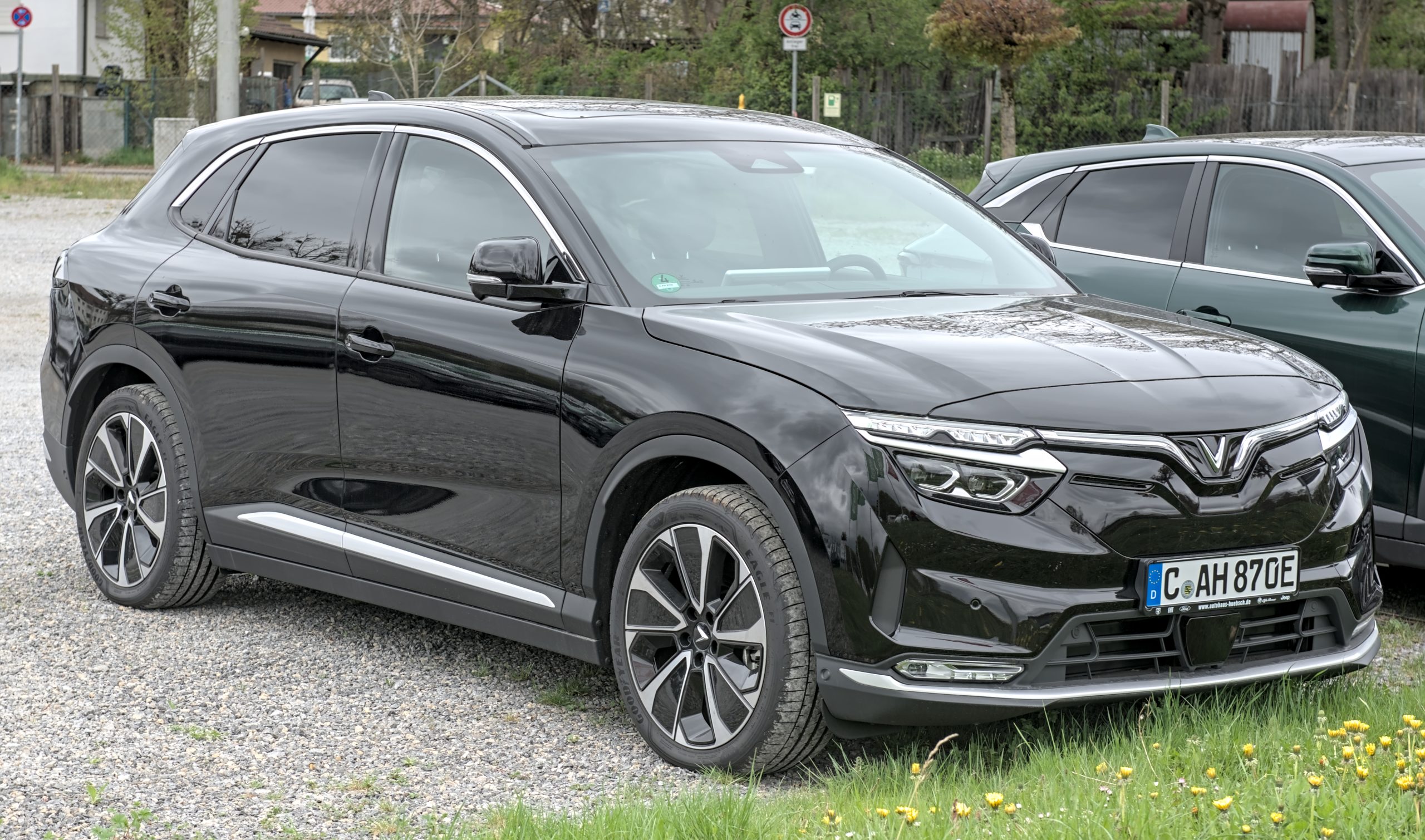
9. Hyundai Accent (2012–2017): Economy Car, Economy Suspension
The Hyundai Accent models built between 2012 and 2017 feature a rear torsion beam suspension that emphasizes simplicity and affordability over refinement. This design leaves the car vulnerable to vibrations, harshness, and poor insulation against road imperfections, particularly at highway speeds.
The most common suspension failure reported is leaking rear shocks, which produce clunking noises and allow excessive bouncing after bumps. This often leads to uneven tire wear, including chopping or cupping patterns that generate unusual driving noises.
Beyond shocks, struts, control arms, and bushings also wear out, especially under the strain of urban stop-and-go traffic and rough pavement. Owners often experience a progressively rougher ride as these parts degrade. Recognizing issues early is essential: signs include uneven tire wear, vibrations, and clunking noises.
Replacing suspension components in pairs such as shocks ensures balanced handling. Preventive measures include regular inspections, especially once the vehicle passes the five-year mark, and addressing minor problems promptly.
Although later generations of the Accent offered improved suspension tuning, the 2012–2017 models remain known for their raw, underdamped behavior. For budget-conscious buyers, the Accent provided affordability, but this came with a trade-off in suspension refinement and long-term comfort.
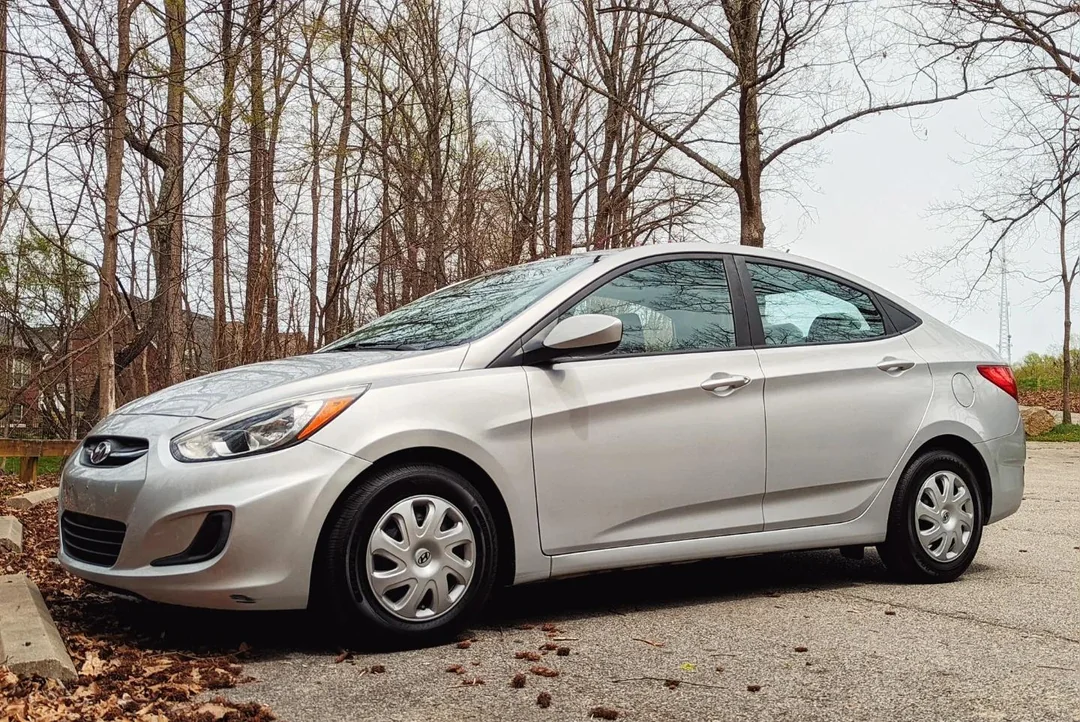
10. Lincoln Aviator (2020–2023): Luxury Undermined by Suspension Flaws
The 2020–2023 Lincoln Aviator, positioned as a luxury SUV, has disappointed some owners with recurring suspension issues. Early units suffered from failures in the Airglide air suspension system, which developed air leaks. These leaks caused sagging, erratic handling, and rougher-than-expected rides, especially in Comfort mode.
Some owners also reported unusual noises and uneven ride calibration, undermining the premium feel expected of the vehicle. Active dampers also showed signs of premature wear, forcing expensive replacements.
Beyond suspension, the Aviator experienced other reliability concerns, including infotainment malfunctions, broken shifters, cracked panels, and even engine shutdowns due to overheating impellers. Owners often identified suspension problems by noticing sagging after parking or by listening for hissing and knocking sounds.
To address these issues, Lincoln recommended regular suspension inspections and replacing worn air components before total failure occurred. Owners were also advised to check for recalls and service bulletins, as some models had updates available.
While many Aviators continued to perform well, the suspension failures left a lasting impression on the model’s reputation. Inconsistent reliability undermined its luxury positioning, leaving buyers wary despite Lincoln’s strong reputation for comfort-oriented vehicles.
Suspension reliability isn’t just about comfort it’s a matter of safety, cost, and confidence in your vehicle. The cars with dependable systems show how proper engineering, quality materials, and thoughtful design can keep a ride stable and stress-free for years.
In contrast, vehicles burdened with fragile or poorly tuned suspensions demonstrate how neglecting this critical area leads to discomfort, premature part failure, and higher ownership costs.
By comparing 10 reliable suspension performers against 10 repeat offenders, the differences become clear: durability pays off in the long run, both financially and experientially.
For car buyers, understanding these contrasts offers a valuable advantage when choosing a model that fits not just lifestyle, but also budget and expectations.
Whether your priority is smooth city driving, rugged off-road adventures, or premium luxury comfort, making an informed choice about suspension reliability ensures every journey feels like it should safe, controlled, and enjoyable.
Also Read: 10 Cars That Withstand Daily Abuse vs 10 That Break Under Pressure