
Pickup trucks carry a reputation for strength, endurance, and practicality. For many buyers, they are more than simple vehicles. They are work tools, family haulers, and long-term investments expected to last well beyond the first few years of ownership.
Because of this, high mileage becomes one of the most important tests of a truck’s true value. A model that performs well past 150,000 or even 200,000 miles proves it was built with lasting quality in mind.
The challenge is identifying which trucks can withstand years of heavy use and which ones begin to show problems as the odometer climbs. Some pickups maintain their reliability, ride comfort, and performance over time, while others face expensive mechanical failures, early wear, or declining practicality.
This guide takes a closer look at both sides of the story. First, we highlight five trucks that consistently stay strong at high mileage and provide dependable service for owners who plan to keep their vehicles long term.
Then, we compare them to five pickups that tend to struggle once the miles add up, giving prospective buyers clear insight into which trucks deserve confidence for the long haul.
5 Pickup Trucks That Stay Strong At High Mileage
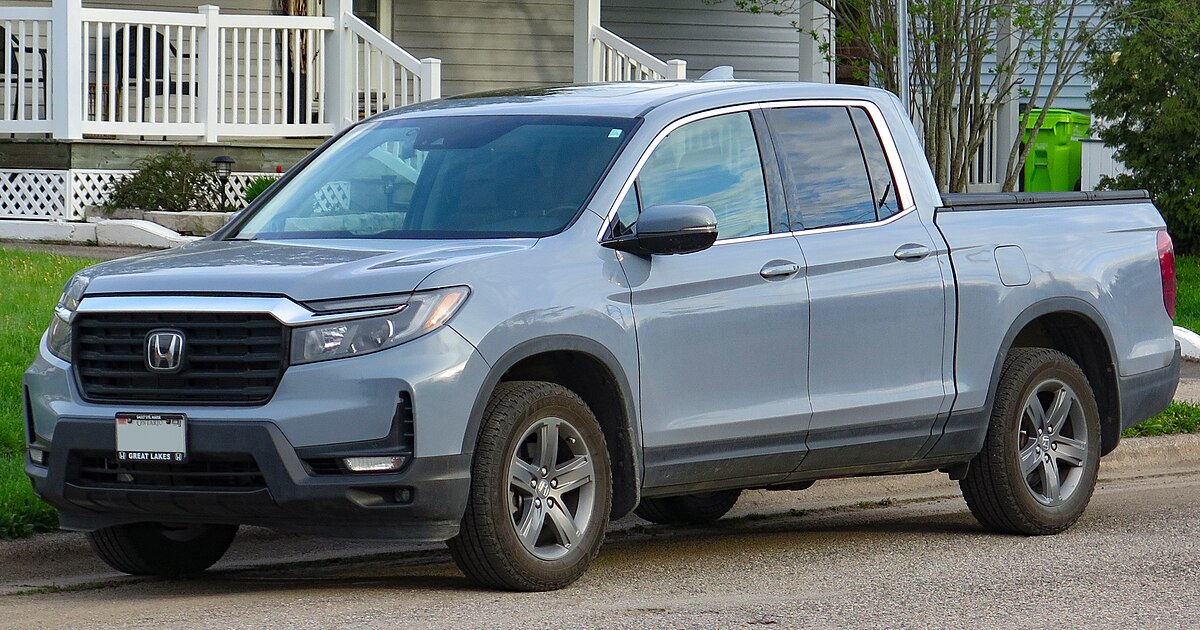
1. Honda Ridgeline: A Reliable and Comfortable Midsize Pickup
The Honda Ridgeline stands out in the midsize pickup category for its durability and long-lasting performance. Unlike traditional body-on-frame trucks, the Ridgeline features a unibody design, making it more akin to a crossover. Despite this difference, it consistently proves itself reliable, with many owners reporting their trucks surpassing the 200,000-mile mark without major issues.
A major factor behind this longevity is its 3.5-liter V6 engine, known for smooth power delivery and long service life when maintained properly. Mechanics often praise its simple, low-maintenance design, while owners highlight that the Ridgeline continues to feel strong and capable even at high mileage. Honda’s broader reputation for building dependable vehicles further reinforces the Ridgeline’s reliability.
Where the Ridgeline excels compared to traditional trucks is in comfort. Its suspension system prioritizes a smooth ride rather than heavy-duty towing, making it a family-friendly option for long commutes and road trips. Owners often note that the truck feels more like an SUV in terms of comfort, yet it retains the practicality of a light-duty pickup.
The interior quality also supports its long-term usability. Materials are durable, seating is comfortable for both short and long drives, and noise levels inside the cabin are well-controlled. This combination encourages owners to keep the truck longer, since it minimizes driver fatigue and wear-and-tear on interior components.
Maintenance plays a critical role in the Ridgeline’s durability. Routine services such as oil changes, brake checks, and transmission servicing are simple and cost-effective. Honda’s wide availability of parts and the truck’s straightforward design mean most mechanics are comfortable working on it. These factors help prevent small issues from turning into costly repairs, further extending the Ridgeline’s lifespan.
On the road, the Ridgeline distinguishes itself by not driving like a typical truck. Its SUV-like handling feels agile and stable, even on uneven surfaces. The V6 engine delivers strong performance, with a tested 0–60 mph time of 7.0 seconds in the TrailSport trim quick for its class. While the transmission can sometimes hesitate to downshift, acceleration remains competitive.
The TrailSport trim enhances off-road potential slightly, adding underbody protection, off-road-tuned suspension, and all-terrain tires. However, it still lacks the low-range gearing and articulation needed for extreme off-road use, underscoring Honda’s focus on everyday usability rather than rugged adventures.
Comfort remains one of the Ridgeline’s defining strengths. It absorbs bumps effortlessly and provides supportive seating for long-distance drives. Wide, well-cushioned seats accommodate larger passengers, while side bolsters keep smaller drivers secure.
The cabin remains quiet under most conditions, with the V6 engine only making itself heard under heavy acceleration. A tri-zone climate control system, standard across trims, ensures comfort for all passengers.
Inside, the Ridgeline offers more passenger space than most midsize pickups, with wide-opening doors and excellent visibility from the driver’s seat. Generous legroom and an easy driving position make it a standout for families.
Storage solutions are another highlight: multiple cubbies, a large center console, and under-seat storage provide exceptional practicality. The rear seat accommodates child safety seats with ease, further boosting its family-friendly appeal.
The Ridgeline’s technology package is practical, though slightly dated. Its 9-inch touchscreen is smaller than competitors’, but it remains user-friendly. Standard Apple CarPlay and Android Auto (with wireless connectivity) enhance convenience, though the stereo system is mediocre.
Honda equips the Ridgeline with a wide suite of driver-assistance features, including adaptive cruise control, forward collision mitigation, and lane-keeping assist. While these aids are generally effective, some are overly sensitive, and the adaptive cruise only works above 20 mph, limiting usefulness in stop-and-go traffic.
While not the most powerful hauler in its class, the Ridgeline still offers solid utility. It has a payload capacity of 1,583 pounds and a towing capacity of 5,000 pounds sufficient for hauling lumber, gravel, or motorcycles.
Its standout feature is the in-bed trunk and versatile two-way tailgate, offering storage and functionality unmatched by rivals. The bed also accommodates 4-foot-wide sheets of plywood, a rare capability in midsize trucks.
Fuel efficiency is competitive, with EPA estimates averaging 20 mpg combined across trims. Real-world tests confirm this figure, showing the Ridgeline matches the efficiency of competitors’ smaller turbocharged engines despite its V6.
The Ridgeline provides strong value with a comprehensive list of standard features, including driver aids and climate control, even at the base level. Build quality is solid, and upper trims are reasonably priced against rivals. Warranty coverage is average, with three years/36,000 miles basic and five years/60,000 miles powertrain protection.
One drawback is the truck’s aging design. The current generation, introduced in 2017, has seen little change, while competitors have undergone full redesigns. Although Honda has not announced a 2025 update, the Ridgeline is expected to receive a significant refresh soon, likely aligning with updates to the Pilot and Passport SUVs.
The Honda Ridgeline may not be the strongest towing machine or the most rugged off-roader, but it excels where many trucks falter: comfort, reliability, and practicality. For buyers seeking a pickup that doubles as a family-friendly, long-lasting daily driver, the Ridgeline remains one of the smartest choices in the midsize truck market.
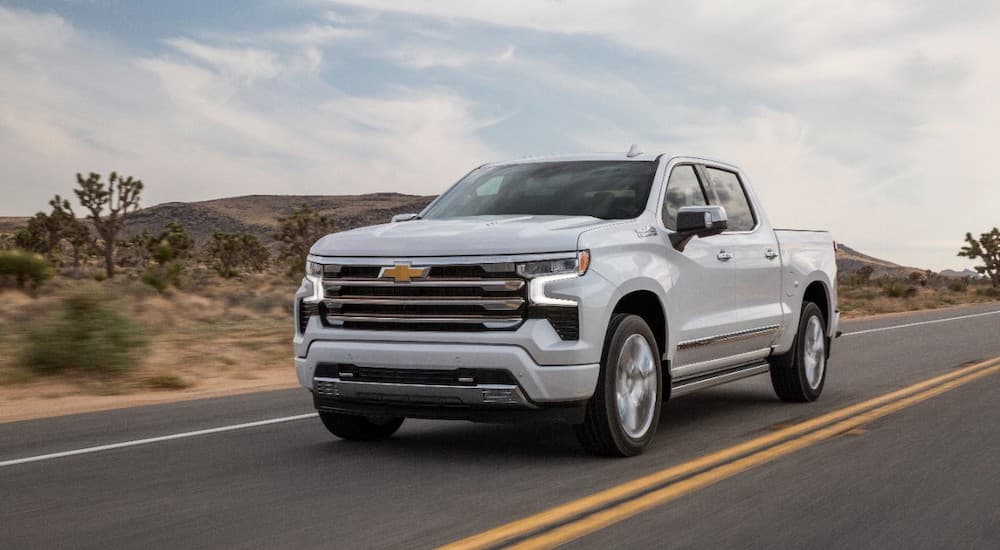
2. Chevrolet Silverado 1500: Built for Endurance and Everyday Demands
The Chevrolet Silverado 1500 has built a reputation as one of the toughest full-size pickups on the market. Many owners report their trucks lasting well over 250,000 miles, a testament to Chevrolet’s focus on durability and solid construction. Even at high mileage, drivers report that the truck continues to start reliably and perform consistently, whether it’s used for hauling, towing, or simply commuting.
At the heart of this resilience are the Silverado’s 5.3-liter and 6.2-liter V8 engines, both engineered for long service life. These powertrains are capable of handling heavy loads and long road trips with minimal wear. Combined with a robust chassis and body designed to withstand rough conditions, the Silverado has earned its place among the toughest workhorses on the road.
Beyond strength, the Silverado has been designed with practicality in mind. Maintenance is relatively stress-free thanks to the wide availability of parts and the fact that most mechanics are familiar with the model. This popularity across the U.S. makes repairs faster and often more affordable than for less common trucks.
Owners also appreciate the balance between fuel efficiency and capability. While no full-size pickup is light on fuel, the Silverado manages to reduce operating costs slightly compared to some competitors, especially when equipped with the diesel six-cylinder option. This blend of economy and strength ensures it meets the needs of both work-focused drivers and families who depend on it daily.
Behind the wheel, the Silverado delivers a confident driving experience. Acceleration is solid, with the 5.3-liter V8 reaching 60 mph in about seven seconds during testing. Power delivery is smooth, and the transmission makes effective use of low-end torque, whether in city traffic or pulling a trailer.
On highways, the truck tracks straight and handles predictably. Steering feels light, which some drivers may find less reassuring, and midcorner bumps can unsettle the ride. Body roll is well-controlled, however, giving the truck a secure feel in turns. For buyers who plan to go off-road, Chevrolet offers packages such as the Z71 or trims like the Trail Boss, which enhance suspension tuning and capability on rougher terrain.
Inside, the Silverado has come a long way in refinement. Earlier models were criticized for dated interiors, but Chevrolet has since upgraded materials and styling. Trims like the High Country offer upscale finishes, while the ZR2 adds sporty details. Importantly, the cabin layout remains intuitive, with large buttons and an easy-to-use touchscreen that make it simple to control features while driving.
Passenger comfort is another highlight, especially in the crew cab configuration, which provides expansive rear legroom. The front seats have enough padding and support to handle long trips, although they fall slightly short of the plush feel offered by some rivals.
Climate control is effective, but its small buttons may take some getting used to. An especially notable option is the ventilated and split-heated seating, unique to GM, which lets drivers adjust the seatback and cushion separately for comfort.
The Silverado has embraced technology more than many of its competitors. A standout feature is its 13.4-inch touchscreen, which displays crisp graphics and responds quickly to inputs. Integrated Google voice recognition makes it easy to adjust settings or set directions without distraction, while wireless Apple CarPlay and Android Auto keep smartphones seamlessly connected.
Safety and driver-assist features are plentiful, ranging from trailer tire pressure sensors to multiple camera views that simplify parking and towing. Adaptive cruise control is available and works well most of the time, though testers noted occasional hiccups in heavy traffic.
The Silverado also offers GM’s Super Cruise, one of the most advanced driver-assistance systems on the market, enabling hands-free highway driving. However, this feature is reserved for the top High Country trim.
The Silverado’s strength extends to its bed and storage design. Its cargo box is slightly larger than many rivals’, with extra depth and tie-downs for securing loads. Inside, the center console is functional but less versatile than what you’ll find in competitors like the Ford F-150 or Ram 1500.
For families, the truck is practical, with rear seats that accommodate up to three child safety seats using both lower anchors and top tethers. The ride height can make loading children a bit challenging, but once inside, the space is generous and comfortable.
Fuel economy varies by engine, with the 5.3-liter V8 and 4WD setup averaging about 17 mpg combined in real-world driving. While this figure doesn’t outshine the segment, it is competitive, and the diesel six-cylinder offers a better option for those prioritizing efficiency.
When it comes to pricing, the Silverado can run higher than some of its key rivals without offering significant feature advantages at every trim level. Interior plastics in certain areas also retain a basic, utilitarian feel. Warranty coverage is standard for the class, offering three years/36,000 miles basic protection and five years/60,000 miles on the powertrain. Chevrolet does add value with one free scheduled maintenance visit.
The Chevrolet Silverado 1500 remains a full-size pickup built for the long haul. Its proven engines, durable design, and range of modern technology make it appealing to both work-focused buyers and families needing a dependable truck.
While it may not match some rivals in ride refinement or luxury, its combination of strength, practicality, and cutting-edge driver aids cements its place as one of the most reliable and capable pickups available today.
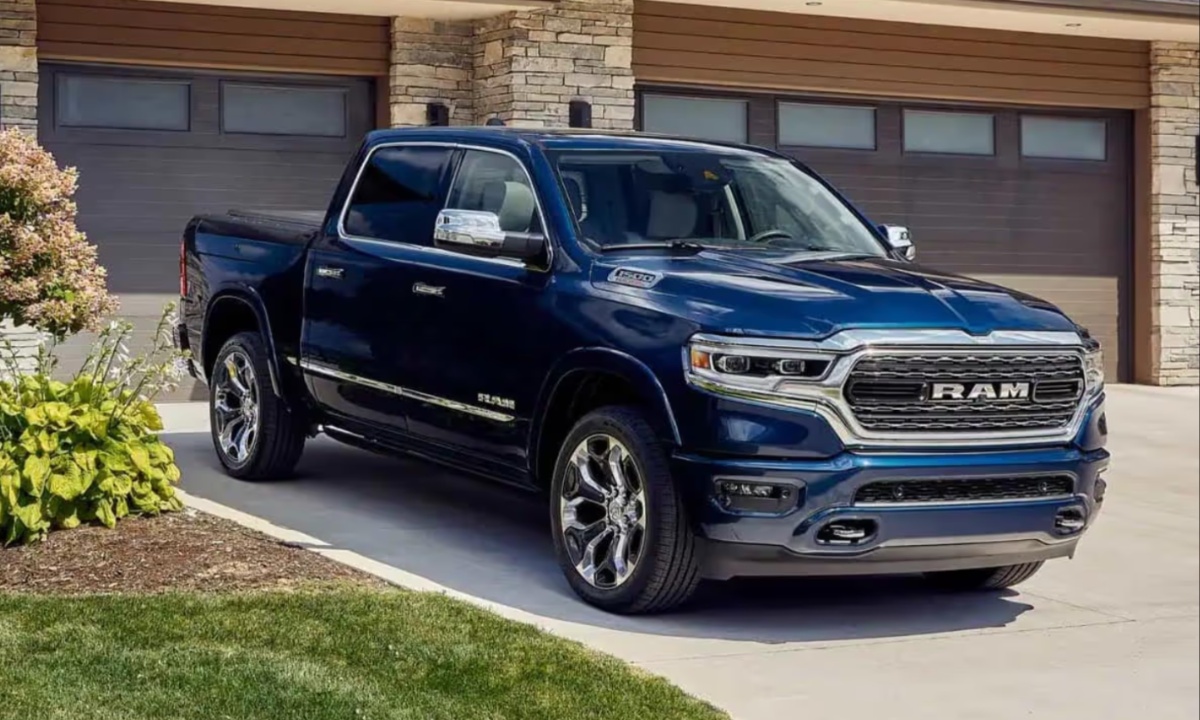
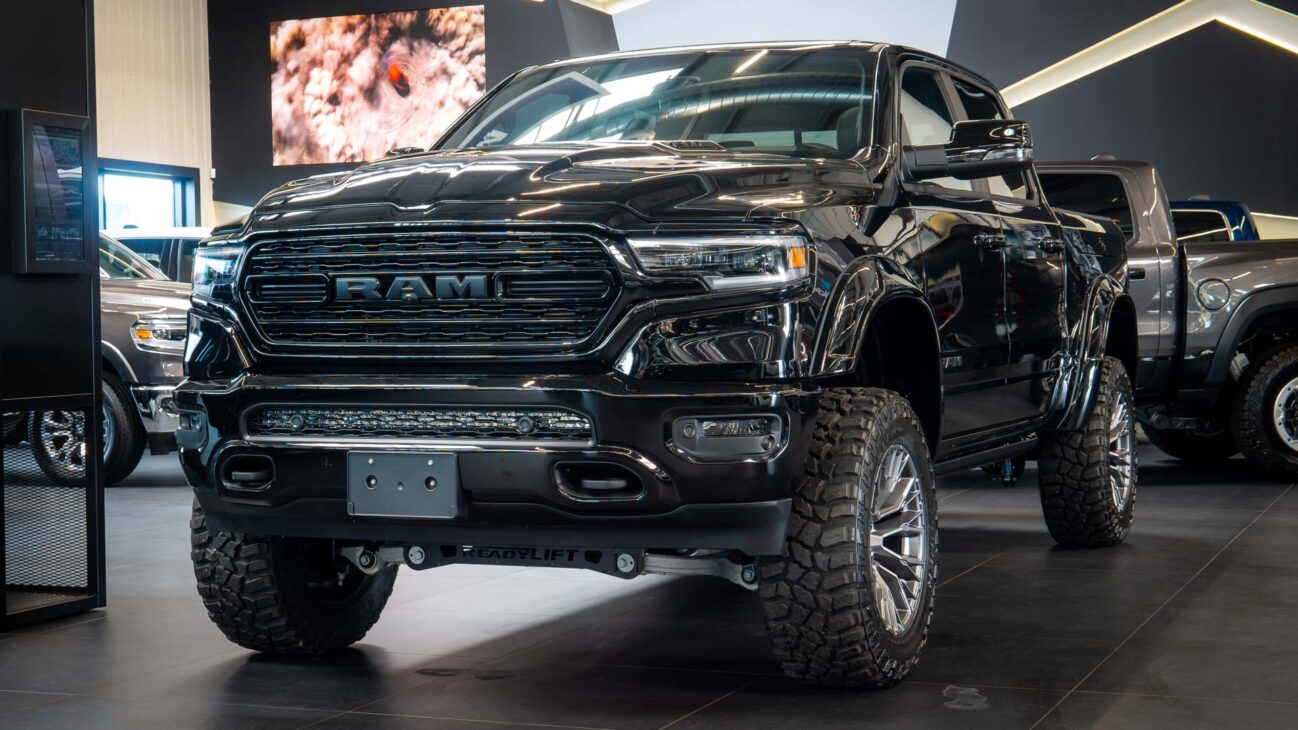
3. Ram 1500: Comfort Meets Capability
The Ram 1500 has earned its place as one of the most balanced full-size pickups on the market. Known for both toughness and comfort, it consistently proves that it can withstand high mileage without losing its strength. Many trucks on the road today have crossed 200,000 miles and continue to perform reliably.
A big part of this endurance comes from its engine lineup. The legendary 5.7-liter HEMI V8 has long been celebrated for both power and long life, while the 3.6-liter V6 provides steady performance for those who don’t need maximum towing capacity.
More recently, Ram introduced turbocharged inline-six engines, and even the standard version pushes the truck from 0–60 mph in just 5.2 seconds, making it one of the quickest trucks in its class.
What sets the Ram apart from other pickups is its suspension design. Instead of traditional leaf springs, the coil-spring rear suspension creates a smoother, more composed ride. This feature gives the Ram 1500 the best ride quality among full-size trucks, allowing it to feel calm and controlled whether you’re driving on highways, carrying heavy loads, or venturing onto rougher roads.
Steering feels light, but the truck still responds predictably, carrying its size and weight with confidence. Off-road enthusiasts will appreciate trims like the Ram RHO, which provides plenty of ground clearance and high-speed off-road ability.
Inside the cabin, comfort is one of the Ram 1500’s strongest selling points. Supportive seating, excellent noise isolation, and spacious dimensions all contribute to its reputation as one of the most family-friendly pickups available. The ride is quiet, with wind and tire noise kept well in check, which enhances the sense of refinement.
The crew cab offers generous headroom and legroom in both rows, while the interior materials hold up well over years of use. Higher trims like the Tungsten deliver genuine luxury, offering a level of refinement that surpasses most competitors in the segment.
Ram has pushed hard to modernize its interiors, and higher trims make the truck feel more like a luxury SUV than a rugged pickup. Drivers benefit from an available fully digital gauge cluster, which can be customized to show essential information clearly. Visibility is strong thanks to large windows, though the high sides of the truck may make it harder to spot shorter obstacles.
Technology is also a defining characteristic. A massive 14.5-inch vertical touchscreen is available, paired with an optional passenger-side screen. While the displays look impressive, the software can feel dated, and some features, like seat adjustment, are buried in menus, making them harder to access quickly.
Still, wireless smartphone integration, voice commands, and a wide suite of driver-assistance features keep the Ram competitive.
The debut of Ram’s hands-free driver assist system is another leap forward. It performed smoothly in testing, allowing drivers to relax on longer trips while the truck maintained speed and lane positioning.
When it comes to utility, the Ram holds its own. With a maximum payload of 2,300 pounds and towing capacity of 11,580 pounds, it isn’t class-leading but remains highly capable for most uses. The turbocharged six-cylinder engines provide plenty of muscle to move heavy trailers without strain.
Inside the cabin, storage is cleverly designed. The sliding center console allows customization depending on what you need to carry, and rear seats fold to open up additional space. While this rear storage isn’t lockable or completely flat, it adds useful flexibility.
Fuel economy varies depending on engine and drivetrain. The base engine with rear-wheel drive delivers up to 23 mpg combined, while four-wheel-drive versions with turbocharged six-cylinders average 17–19 mpg combined. These numbers are competitive, though rivals like the Ford F-150 Hybrid or Chevrolet Silverado Diesel can stretch efficiency a bit further.
The Ram 1500 isn’t the cheapest truck in its segment, especially in higher trims. For buyers who simply need a work truck, alternatives may provide similar utility at a lower cost. But for those prioritizing comfort, cabin refinement, and ride quality, the Ram becomes an appealing choice. In higher trims, it delivers luxury and performance that can justify the premium.
The Ram 1500 is a full-size pickup that blends rugged capability with class-leading comfort. Its coil-spring suspension, refined cabin, and strong engine options make it a standout for buyers who want a truck that works hard yet still delivers a smooth, quiet, and enjoyable driving experience.
With proper care, it easily holds up over hundreds of thousands of miles, proving itself as one of the most enduring and versatile pickups available today.
4. Ford F-150: America’s Best-Selling Workhorse
Few trucks have a reputation as strong as the Ford F-150. For decades, it has been the go-to pickup for both families and businesses across the United States. Longevity is a major reason for its success. It’s common to see F-150s with 200,000 miles or more still running reliably.
A key factor behind this durability is Ford’s diverse lineup of engines. From the 3.5-liter EcoBoost V6 to the 5.0-liter V8, these powerplants deliver impressive strength without wearing out prematurely. The addition of the PowerBoost hybrid V6 shows Ford’s ability to balance efficiency with capability. Owners who stick to scheduled maintenance often enjoy years of dependable performance.
The body design also contributes to the F-150’s staying power. Built from high-strength aluminum alloy, the structure is lighter than steel but remains exceptionally durable. This choice improves fuel economy, reduces corrosion, and ensures the truck holds up against heavy workloads. A suspension engineered for hauling and towing further underscores its long-lasting toughness.
The F-150 offers one of the broadest ranges of trims and configurations in the segment, from the bare-bones XL to the luxurious King Ranch and the off-road-focused Raptor. Each version provides a distinct driving character, but all share confident handling and strong performance.
At the track, a hybrid F-150 accelerated from 0–60 mph in 5.8 seconds, quick for a full-size pickup. Steering is direct, making the truck feel surprisingly nimble in parking lots and stable at highway speeds. The brakes inspire confidence, even when towing or working with the hybrid system’s regenerative functions.
The F-150 is also a leader in towing. Properly equipped, it can pull up to 13,500 pounds and carry a payload of 2,445 pounds, putting it at the top of the light-duty class. Features such as trailer backup assist, an integrated brake controller, and extended blind-spot monitoring make towing less stressful.
One of the F-150’s strengths is its ability to double as both a workhorse and a family vehicle. Ride comfort depends on configuration, but the suspension smooths out most surfaces effectively. Road and wind noise are minimal, creating a calm environment on long trips.
Seat comfort is another highlight. Options include heating, ventilation, and even a massaging function, turning the cabin into a relaxing space for drivers who spend long hours behind the wheel. Climate control works efficiently, requiring little adjustment to maintain cabin temperature.
Inside, the F-150 blends rugged utility with modern convenience. The layout is intuitive and user-friendly, with large knobs and controls that are easy to operate even while wearing work gloves. Adjustable pedals, steering wheel, and seating ensure a comfortable driving position for people of all sizes.
The crew cab provides generous space, with ample legroom for passengers in both rows. Visibility is excellent thanks to large windows and clever design features such as scalloped doors that improve sightlines around the mirrors. Optional surround-view cameras enhance awareness, especially when maneuvering with a trailer.
Ford has invested heavily in technology, making the F-150 one of the most advanced pickups available. The 12-inch touchscreen is standard on many trims and is straightforward to use. Smartphone integration with Apple CarPlay and Android Auto comes standard, along with a wide selection of driver-assistance systems.
One of the most impressive options is BlueCruise, which allows hands-free driving on designated highways. It works smoothly, reducing fatigue in traffic and long-distance travel. Another standout feature is Pro Power Onboard, which turns the truck into a mobile generator. With outputs up to 7.2 kW, it can power tools, camping gear, or even household appliances during outages.
The F-150 is built to handle real-world tasks with practical solutions. While its bed isn’t the largest in the segment, Ford makes it more useful with options like a split-opening tailgate, a built-in step, and a power up-and-down feature. The bed’s available outlets tie in with the Pro Power Onboard system, enhancing versatility for both work and leisure.
Inside, storage is abundant, with a variety of cubbies, bins, and large center-console space to keep gear organized. The flexibility of trim levels means buyers can configure the truck as a rugged job-site tool or a comfortable daily driver with premium finishes.
Fuel efficiency varies across the lineup but remains competitive. The 3.5-liter V6 averages about 19 mpg combined, while the PowerBoost hybrid reaches 23 mpg combined with rear-wheel drive. These figures are strong for a full-size pickup, though diesel-powered rivals like the Chevrolet Silverado can edge out slightly better numbers.
The F-150’s value lies in its breadth of choice. Few vehicles offer as many configurations, trims, and features, allowing buyers to tailor the truck to their exact needs. At higher trims, luxury touches rival premium SUVs, while lower trims keep things simple and affordable for work-focused buyers.
Warranty coverage is standard for the class, but Ford sweetens the deal with its extensive dealer network and the truck’s long-standing reputation for reliability. Owners also benefit from widespread availability of parts and low repair costs, thanks to its popularity.
The Ford F-150 remains the benchmark in the full-size pickup class. It blends durability, performance, comfort, and cutting-edge technology in a package that appeals to nearly every kind of truck buyer. From job sites to long family road trips, it continues to prove why it has been America’s best-selling vehicle for decades and why it will likely remain a trusted choice for years to come.
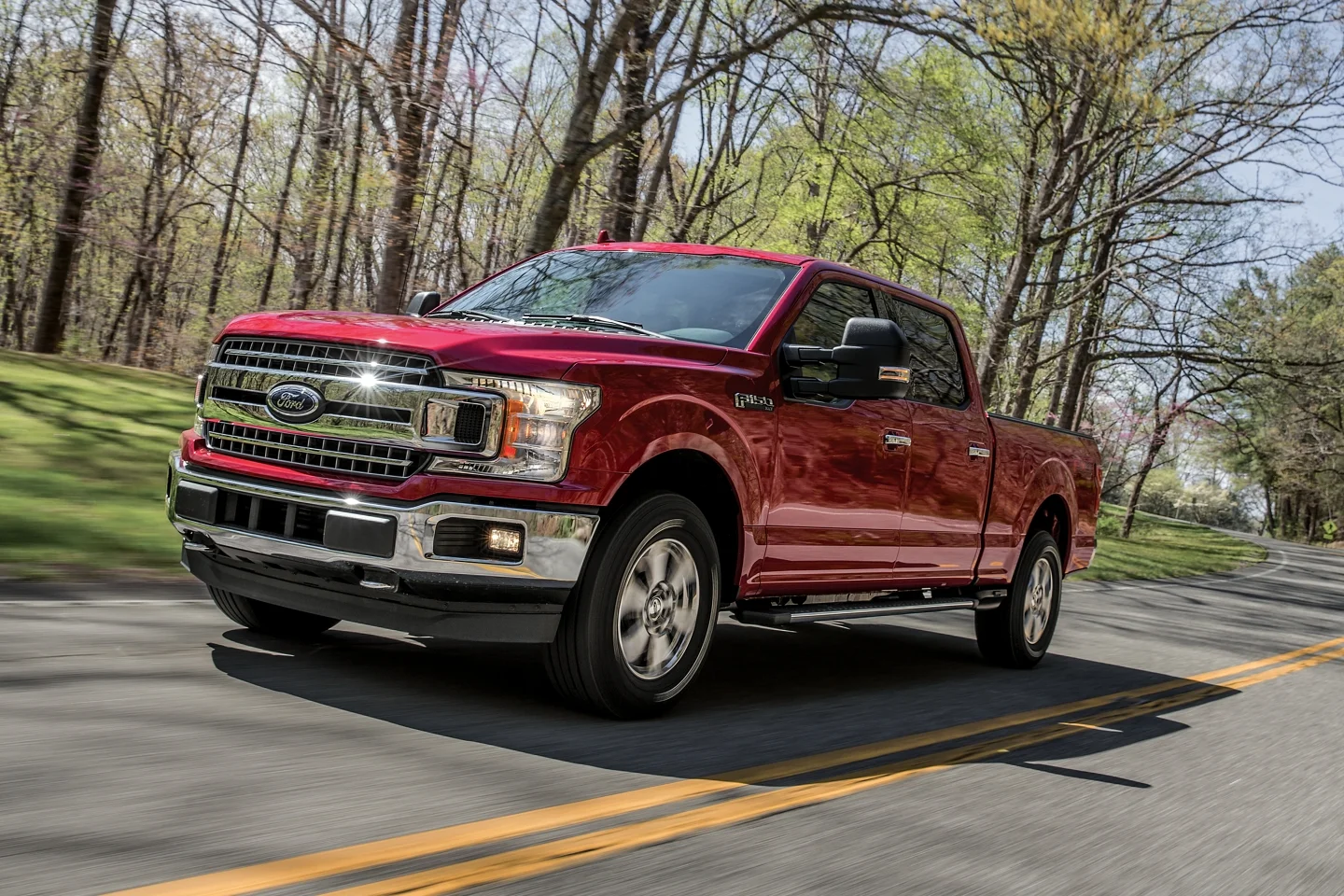
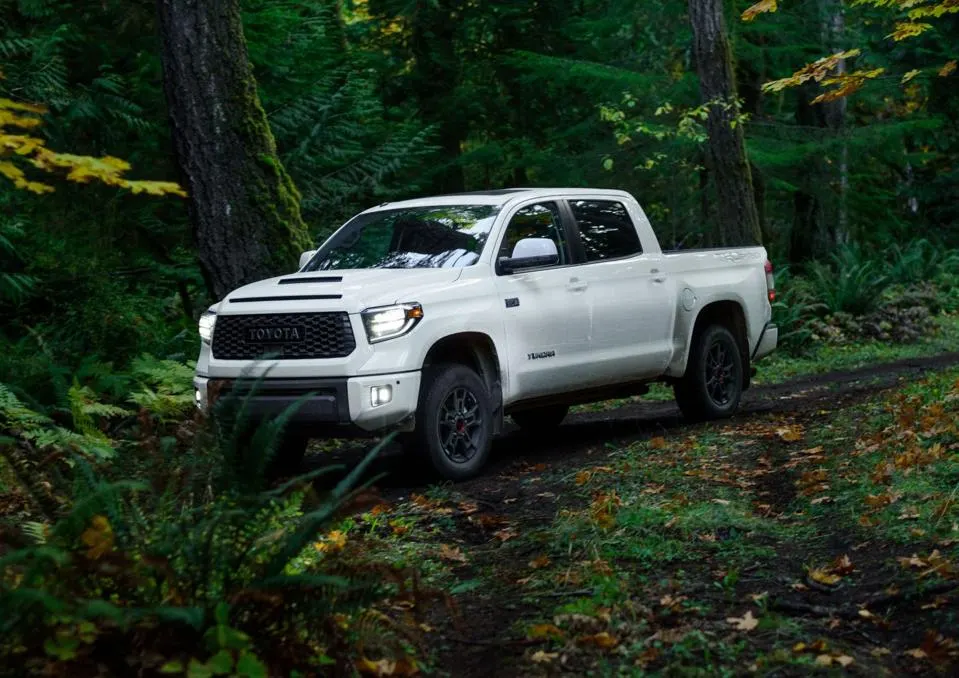
5. Toyota Tundra: Built for Endurance and Everyday Use
The Toyota Tundra has long been recognized as one of the toughest and most reliable pickups on American roads, a reputation built over decades of consistent performance and durability.
Owners frequently report their Tundras lasting well beyond 200,000 miles, with many reaching the 300,000-mile mark without major mechanical failures. This kind of longevity has helped Toyota build trust with truck buyers who value endurance, and it continues to set the Tundra apart in a fiercely competitive segment.
Part of the Tundra’s reputation for reliability comes from its powertrains. For years, the 5.7-liter V8 defined the model with its simple, rugged design that avoided unnecessary complexity. Mechanics praised it for being easy to maintain and capable of handling high-stress workloads without showing signs of weakness.
In everyday use, whether for commuting, hauling, or family duty, the V8 delivered steady strength and longevity. With the latest generation, introduced in 2022, Toyota moved away from the traditional V8 and introduced a twin-turbocharged 3.4-liter V6.
This engine is paired with a 10-speed automatic transmission that shifts quickly and smoothly, giving the truck a modern power delivery while still maintaining the toughness expected from a full-size pickup.
For those seeking even more capability, the i-Force Max hybrid powertrain adds an electric motor to the mix, resulting in a combined 437 horsepower and 583 lb-ft of torque. This hybrid setup delivers impressive torque at just 2,400 rpm, making it particularly well-suited for towing heavy trailers and handling steep climbs without strain.
On the road, the Tundra performs with confidence. The twin-turbo V6 provides strong acceleration, and in testing, a 4WD model was able to reach 60 mph in 6.6 seconds, quick for a truck of this size.
Braking performance is equally reassuring, with solid stopping power even when equipped with the rugged tires from the TRD Off-Road package. Steering feels light and accurate, which helps make the truck easier to maneuver in tight spaces and on winding backroads.
Off-road capability is available through the TRD Off-Road package and enhanced further with the TRD Pro, though the Tundra’s long wheelbase can sometimes limit its agility on more challenging trails. Still, for most light-to medium-duty off-road adventures, it performs well.
Comfort has seen a notable improvement in the latest Tundra. Toyota redesigned the cabin with supportive seats and lower noise levels, making it a more pleasant vehicle for long-distance travel. The ride is composed and stable, with only mild vibrations over rough pavement, though it does not match the Ram 1500’s class-leading refinement.
Still, for everyday driving, the Tundra strikes a good balance between ruggedness and comfort. Climate controls are simple and practical, relying on large knobs and dials that are easy to use even with gloves on, a welcome feature for work-focused owners.
Inside, the Tundra blends practicality with modern design. The optional 14-inch touchscreen stands out as a highlight, offering sharp graphics and menus that are easy to navigate. The cabin layout is driver-friendly, with gauges that are legible at a glance and controls that are logically placed.
Passenger space is generous, particularly in the CrewMax configuration, which provides ample rear legroom. Features like the panoramic sunroof and power-sliding rear window enhance the feeling of openness, though forward visibility can sometimes be obstructed by thick windshield pillars.
Technology is another area where the Tundra keeps pace with its rivals. Standard features include Apple CarPlay and Android Auto, and the native infotainment system is straightforward enough that some drivers may prefer it to smartphone mirroring.
Audio quality from the base system is solid, and the available JBL upgrade delivers a richer listening experience. Advanced safety systems come standard on most trims, including adaptive cruise control and automatic emergency braking, both of which perform smoothly in real-world use. The one weak spot is the lane-keeping assist system, which struggles to keep the truck precisely centered in its lane.
Utility remains central to the Tundra’s appeal. With a maximum towing capacity of 11,120 pounds, it may not top the charts, but it provides more than enough capability for the majority of owners. A reinforced composite bed is standard, resisting rust and offering long-term durability.
Inside, storage space is generous, though not as neatly organized as in some domestic competitors. The rear underseat compartments and multiple bins are functional, but they can quickly become cluttered without thoughtful organization.
Fuel economy has improved with the newer engines, at least on paper. The EPA estimates around 19 mpg combined for the 4WD Tundra, which is competitive with other full-size trucks.
However, real-world testing often shows lower numbers, closer to 15 to 17 mpg, depending on driving conditions. For buyers accustomed to the fuel demands of large pickups, this is not a deal breaker, though those prioritizing efficiency may find better options in hybrid or diesel-powered rivals.
From a value standpoint, the Tundra holds its ground with high build quality and attention to detail. Interior panels are tightly fitted, and materials feel durable even on mid-level trims. While it lacks some of the luxury flourishes found in higher-end domestic trucks, it never feels bare or utilitarian.
Warranty coverage is standard for the segment, offering three years or 36,000 miles bumper-to-bumper and five years or 60,000 miles for the powertrain. Toyota also provides two years or 25,000 miles of complimentary maintenance, giving it a slight edge in ownership perks compared with most rivals.
The Toyota Tundra continues to stand as a dependable, well-rounded option in the full-size pickup market. It blends Toyota’s legacy of long-term reliability with modern engines, updated technology, and improved comfort.
While it may not lead the class in towing or fuel economy, it offers a combination of toughness, livability, and durability that makes it a strong contender for anyone seeking a truck that can handle work duties and family life with equal confidence.
Also Read: 5 Cars That Run Quietly After 300k vs 5 That Don’t Last Half As Long
5 Pickup Trucks That Don’t Stay Strong At High Mileage
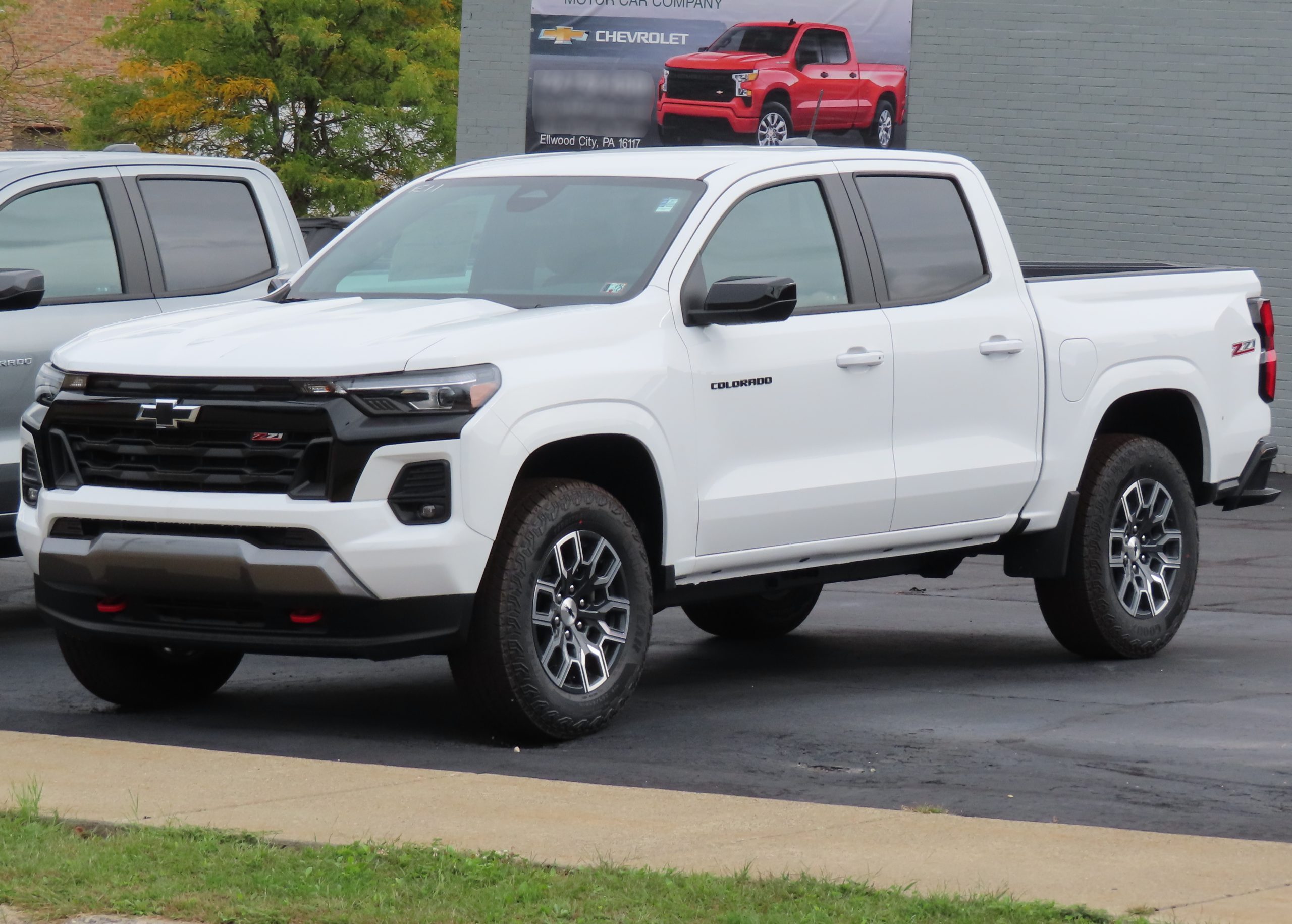
1. Chevrolet Colorado: A Midsize Pickup with Limited Longevity
The Chevrolet Colorado, though popular in the midsize truck market, struggles to build a reputation for lasting dependability. Many owners report that the Colorado runs well in its early years but begins to falter once mileage climbs beyond 100,000 miles.
Mechanical and reliability concerns dominate the feedback, reducing confidence for buyers who want a long-term truck. Engine issues stand out as one of the main culprits. The 2.9-liter four-cylinder and 3.7-liter five-cylinder engines in earlier models have a history of timing chain and head gasket problems.
These failures not only come with steep repair costs but also tend to appear earlier than most drivers would expect from a truck marketed for durability. Such concerns undermine the vehicle’s promise of long service life.
Transmission failures further add to the frustration. Owners frequently report slipping gears, rough shifting, and in some cases, complete breakdowns. For a pickup intended for tough jobs, these flaws limit trust in the truck’s capability.
Electrical problems compound the issue, with recurring complaints about malfunctioning sensors, dashboard glitches, and inaccurate fuel gauges. While these may appear minor, their persistence makes daily use inconvenient and discourages long-term ownership.
Colorado also struggles with interior quality. Seats, controls, and trim pieces wear down noticeably faster than rivals, leaving the cabin looking tired and dated before reaching higher mileage.
This cosmetic decline, paired with mechanical shortcomings, amplifies dissatisfaction among long-term owners. Consequently, the truck fails to match the longevity and value retention of full-size counterparts like the Silverado.
For buyers considering long-term ownership, particularly those aiming to push past 200,000 miles, the Colorado does not inspire confidence. It serves adequately in the short run but falters when tested by high mileage, placing it at a disadvantage against more durable competitors in the midsize truck category.
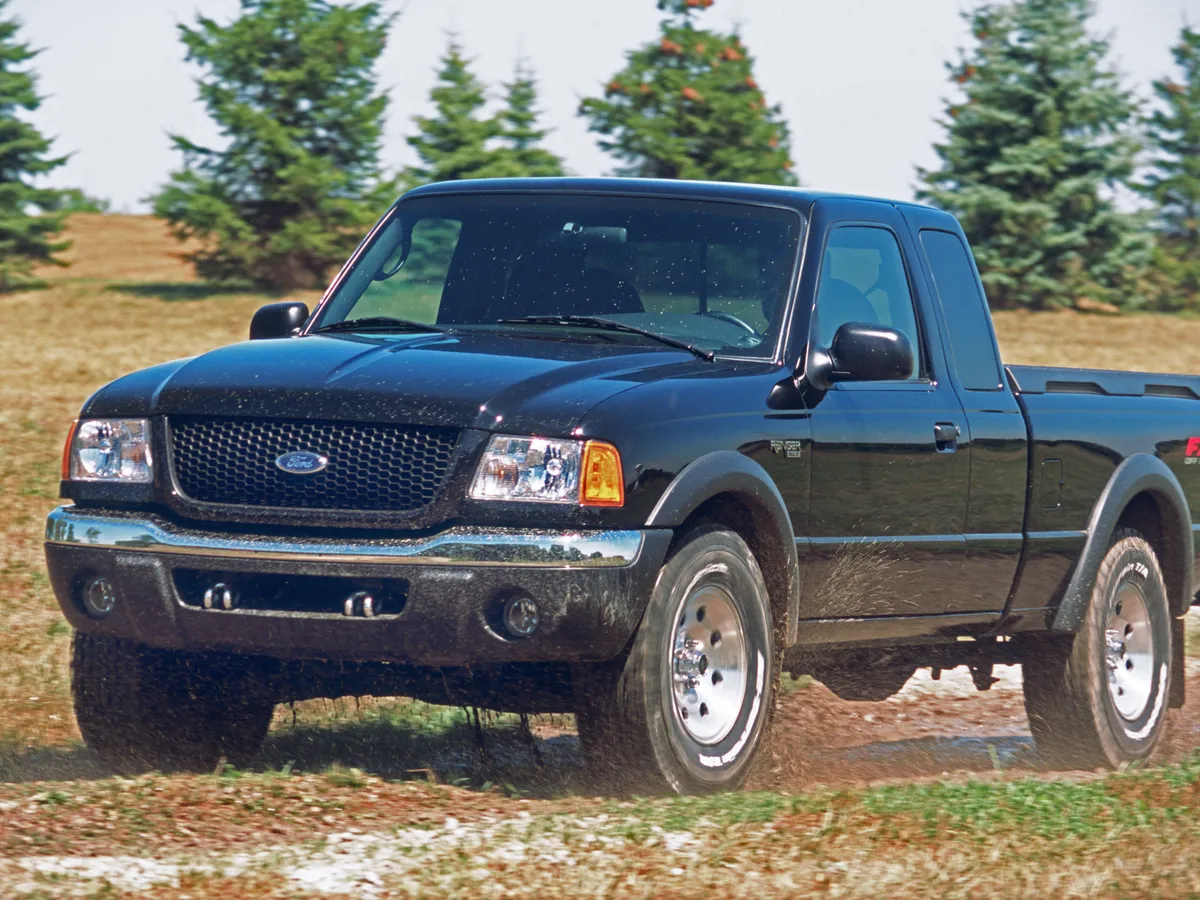
2. Ford Ranger (Older Models): Strong Start, Weak Finish
The Ford Ranger is a well-known name in the pickup segment, particularly recognized in global markets. However, U.S. models from older generations have a mixed legacy, especially in terms of long-term dependability.
While newer versions of the Ranger have improved significantly, the earlier models often disappointed once they crossed the 100,000-mile mark. Engine reliability was one of the most notable weak points. The 4.0-liter V6 engine, in particular, became infamous for timing chain issues.
Repairing or replacing a timing chain is an expensive task, and many owners felt the cost outweighed the benefit of keeping an aging truck. As a result, a large number of Rangers were retired earlier than intended.
Transmission problems compounded the frustration. Reports of slipping gears, stiff shifting, and outright failure were widespread. For a vehicle marketed as a tough workhorse, such weaknesses undermined confidence.
Many buyers expected the Ranger to withstand heavy-duty tasks, but instead found themselves spending heavily on drivetrain repairs. Rust posed another major challenge, especially in snowy regions where road salt accelerated corrosion.
Frame rust often appeared earlier than owners anticipated, affecting both safety and structural strength. Unlike minor cosmetic rust, frame corrosion is a near-death sentence for a vehicle, as it is usually too costly to fix.
The interior also failed to impress. Materials wore down quickly, and seating comfort lagged behind competitors. Dashboard plastics and controls often aged poorly, giving the truck an outdated feel long before it reached high mileage. This cosmetic decline, paired with mechanical and structural flaws, further weakened the Ranger’s appeal as a long-lasting investment.
Because of these issues, many owners sold their Rangers at the first sign of major trouble, rarely keeping them beyond 150,000 miles. Although the Ranger name has been revitalized with newer, more reliable models, older versions lack the staying power to compete with trucks known for longevity, making them less appealing to buyers who value high-mileage dependability.
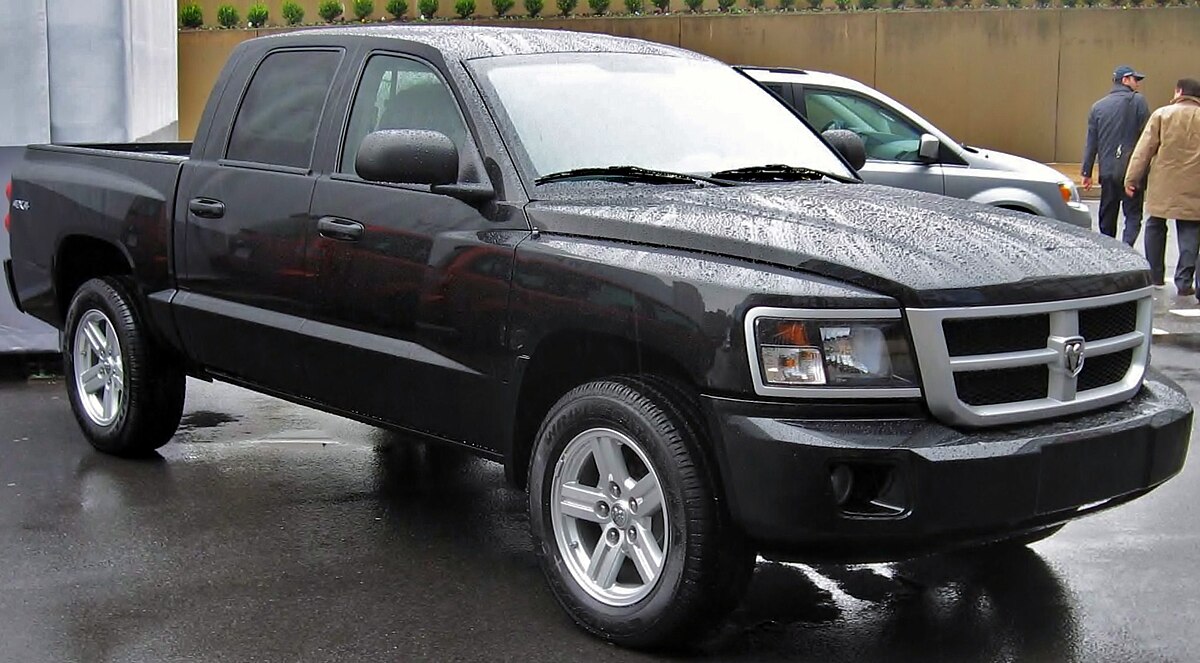
3. Dodge Dakota: A Mid-Size Truck That Falls Short
The Dodge Dakota once carved out a unique position in the pickup market, bridging the gap between compact and full-size trucks. However, when it comes to durability and longevity, the Dakota has earned a reputation for falling short.
Many owners report frequent breakdowns once mileage passes the 100,000 threshold, tarnishing the truck’s image as a reliable work companion. Engine troubles are among the most severe complaints. Both the 3.7-liter V6 and 4.7-liter V8 engines suffered from oil sludge buildup and overheating issues.
These problems led to reduced performance, costly repairs, and, in some cases, complete engine failure before hitting 150,000 miles. For a vehicle marketed to handle tough workloads, this level of unreliability was a major drawback.
Transmission reliability was another consistent weak spot. Complaints of slipping gears, jerky shifting, and total breakdowns were widespread. Since many buyers purchased the Dakota for towing or heavy-duty use, a fragile transmission greatly diminished its value. Rust also plagued the Dakota, particularly in colder climates.
Frame and suspension rust often develops much earlier than expected, threatening both the truck’s safety and longevity. Once rust set in deeply, repairs became either impractical or impossible, forcing many owners to retire their vehicles prematurely.
Interior durability was equally underwhelming. Seats wore out quickly, plastic trim cracked, and controls often broke or malfunctioned. Electrical problems, such as faulty power windows and failing sensors, added to the growing list of frustrations.
While none of these issues individually was catastrophic, their combination made long-term ownership costly and inconvenient.
Due to these persistent problems, the Dakota failed to earn a reputation as a high-mileage truck. Owners often opted to sell their vehicles rather than invest in repeated repairs.
While the Dakota had its strengths when new, its inability to age gracefully left it lagging behind more durable competitors. For buyers prioritizing long-lasting reliability, the Dakota proved to be an unwise choice.
4. GMC Canyon: Short-Term Performer, Long-Term Struggler
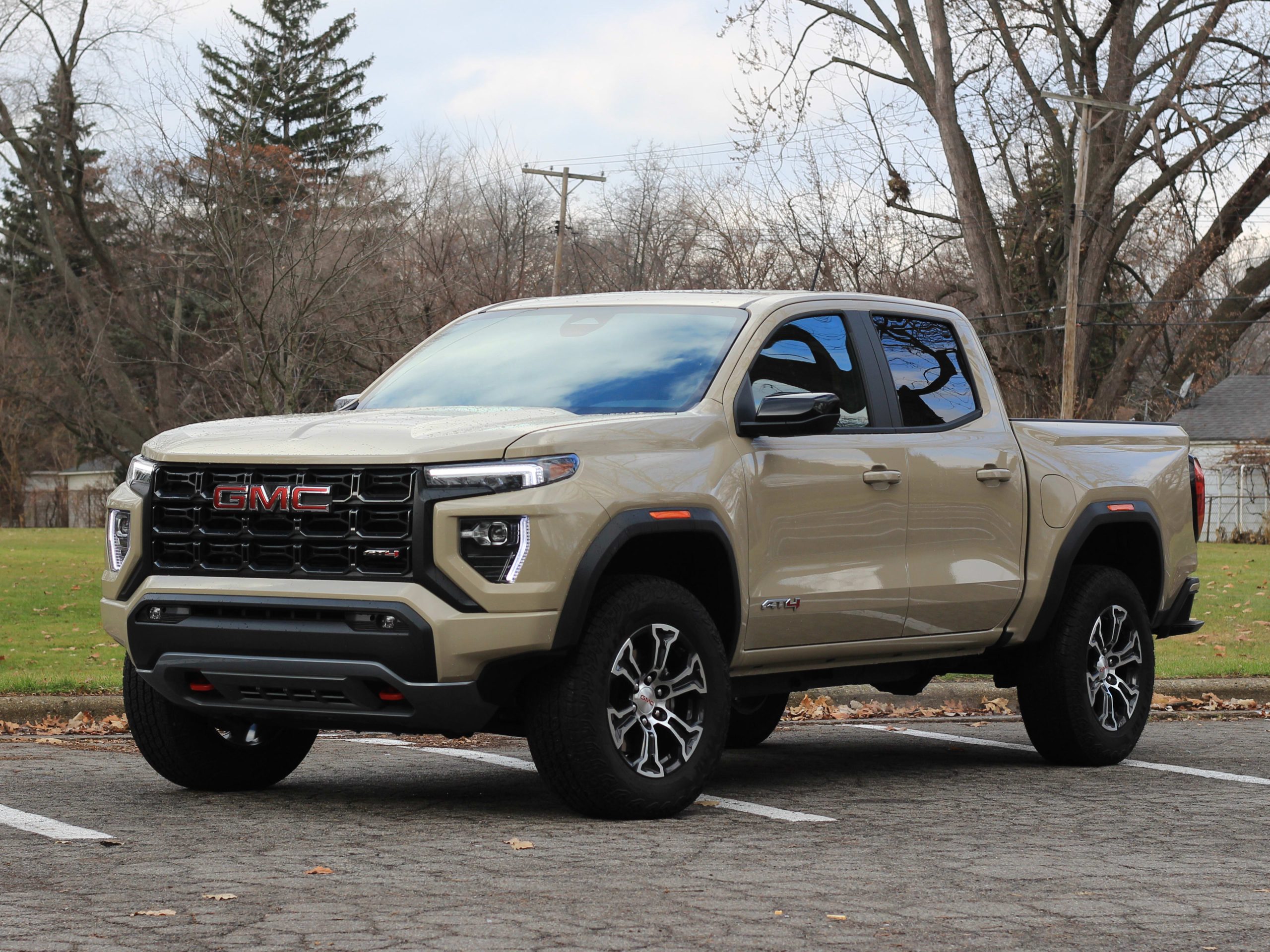
The GMC Canyon, a midsize pickup that shares roots with the Chevrolet Colorado, has enjoyed moderate popularity but falls short in the long-term reliability department. Many owners report that while the truck performs well initially, it begins to develop recurring issues past the 100,000-mile mark, discouraging drivers from keeping it for the long haul.
Transmission and electrical problems dominate owner complaints. Transmission issues often appear early, with symptoms like hard shifting, gear slipping, and premature failure. These problems come with hefty repair costs, making it difficult for owners to justify keeping the truck as mileage climbs.
Electrical reliability also leaves much to be desired. Faulty sensors, failing power locks, and dashboard malfunctions are commonly reported. While these issues may seem small, they accumulate over time, creating inconvenience and expense for long-term owners.
Combined with the transmission concerns, they significantly reduce confidence in the truck’s ability to withstand extended use. Interior durability is another weak point. Seats and interior plastics often show wear faster than competing models, giving the truck an aged look before it reaches higher mileage. Comfort and refinement levels are also lacking compared to rivals, which can reduce owner satisfaction over time.
Repair costs further undermine the Canyon’s appeal. Since it is less common than competitors like the Ford Ranger or Toyota Tacoma, parts availability can be limited, driving up repair expenses and causing delays. This makes owning the Canyon beyond its warranty years more frustrating and costly. Fuel efficiency is average for a midsize pickup, but it does not offset the repeated mechanical and interior concerns.
For buyers who prioritize high-mileage dependability, the GMC Canyon proves to be a weaker choice. While it serves adequately in the early years, its pattern of mechanical and electrical problems, combined with higher-than-average repair costs, makes it less attractive as a long-term truck compared to more reliable competitors.
5. Nissan Titan: Strong Power, Weak Longevity
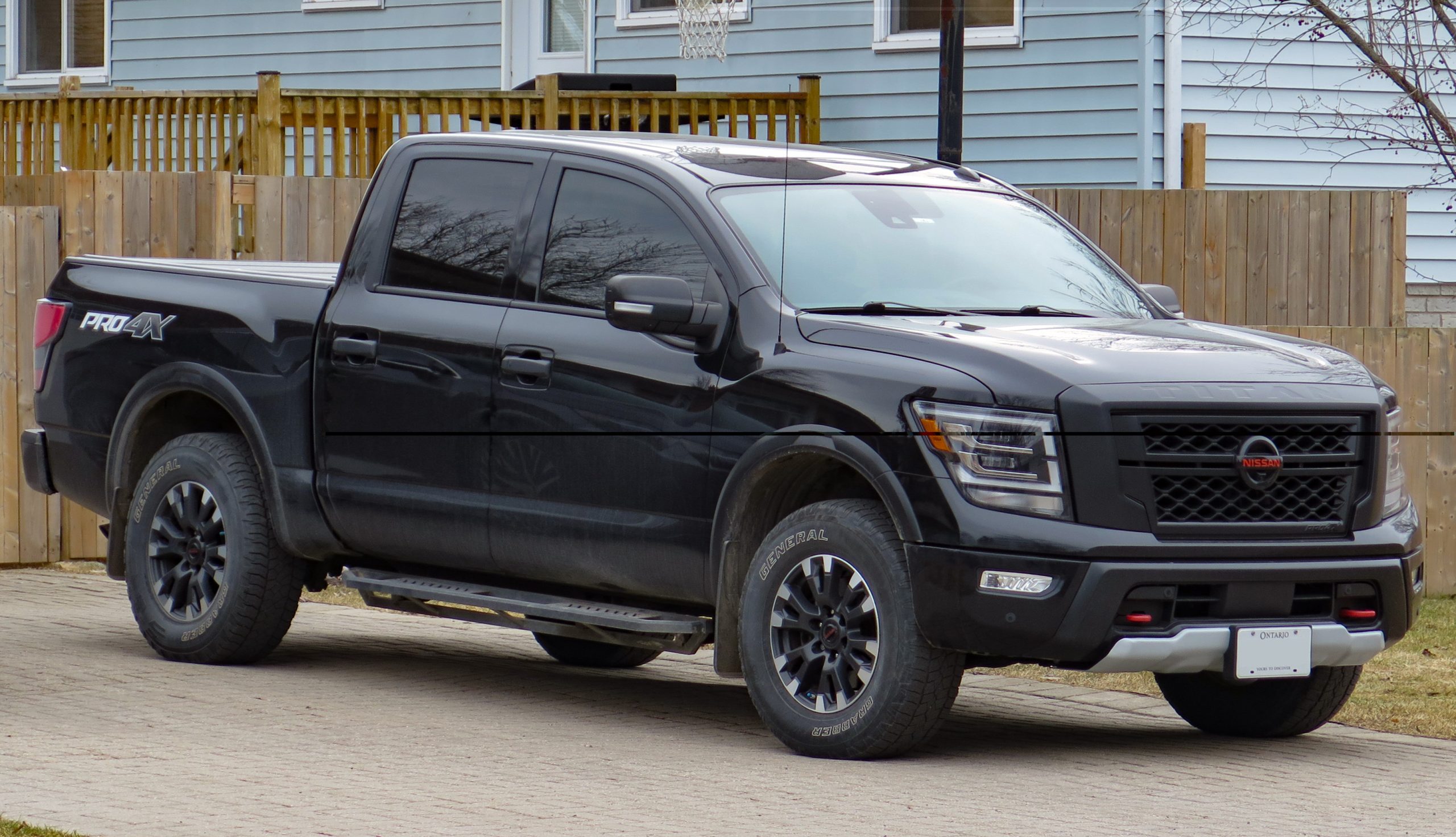
The Nissan Titan entered the U.S. truck market aiming to compete with established giants like Ford, Chevy, and Toyota. While it offered strong performance and power in its early years, its track record with long-term reliability has been disappointing.
Owners often report that once the truck surpasses 100,000 to 150,000 miles, issues begin to mount. Transmission failures are one of the most significant concerns. Many Titan owners face costly breakdowns earlier than expected, with replacement expenses often discouraging continued ownership. This single issue has been a major factor in undermining the Titan’s reputation for long-term durability.
Engine performance also declines with age. Older V8 models, while powerful when new, often experience reduced output and heavy fuel consumption as they accumulate miles. This combination of high running costs and declining efficiency makes the Titan expensive to operate long-term. Another weakness lies in resale value.
Unlike rivals such as the Ford F-150 or Toyota Tundra, which hold their value well even at higher mileage, the Titan depreciates quickly. This rapid decline signals a lack of consumer trust in its durability and further discourages potential buyers from viewing it as a long-lasting investment.
Interior quality has also been a disappointment. Materials such as seats and dashboard plastics degrade quickly, making the truck look and feel older than it is. For owners, this reduces the desire to keep the Titan for extended use.
Additionally, mechanics note that parts for the Titan are harder to source compared to more common American models. This results in longer repair times and higher costs, frustrating owners who expect a truck to be easy to maintain.
Ultimately, while the Nissan Titan delivers strong power when new, it struggles to remain dependable as mileage builds. Its combination of mechanical concerns, costly repairs, and poor resale value makes it a less appealing option for buyers who prioritize long-term reliability and high-mileage performance.
High mileage has a way of separating trucks that truly endure from those that simply appear tough at the start. A dependable pickup not only runs well after 200,000 miles but also avoids the kinds of issues that can drain an owner’s wallet and patience. Trucks that combine strong engines, thoughtful design, and durable interiors prove to be the most rewarding choices for long-term ownership.
The difference is clear when comparing the standouts to the underperformers. The Honda Ridgeline, Chevrolet Silverado 1500, Ram 1500, Ford F-150, and Toyota Tundra demonstrate how careful engineering and consistent build quality can translate into years of reliable service.
By contrast, the Chevrolet Colorado, older Ford Ranger, Dodge Dakota, GMC Canyon, and Nissan Titan often develop mechanical and structural problems that cut their lifespans short.
For buyers who depend on their pickups for both work and family life, choosing a model with proven endurance is essential. A reliable truck holds its value longer, saves on costly repairs, and continues to inspire confidence well into higher mileage. Ultimately, the smartest investment is not the truck that looks strong when new but the one that still performs reliably after years of demanding use.
Also Read: 5 Cars That Rarely Need Electrical Repairs vs 5 That Constantly Do
