
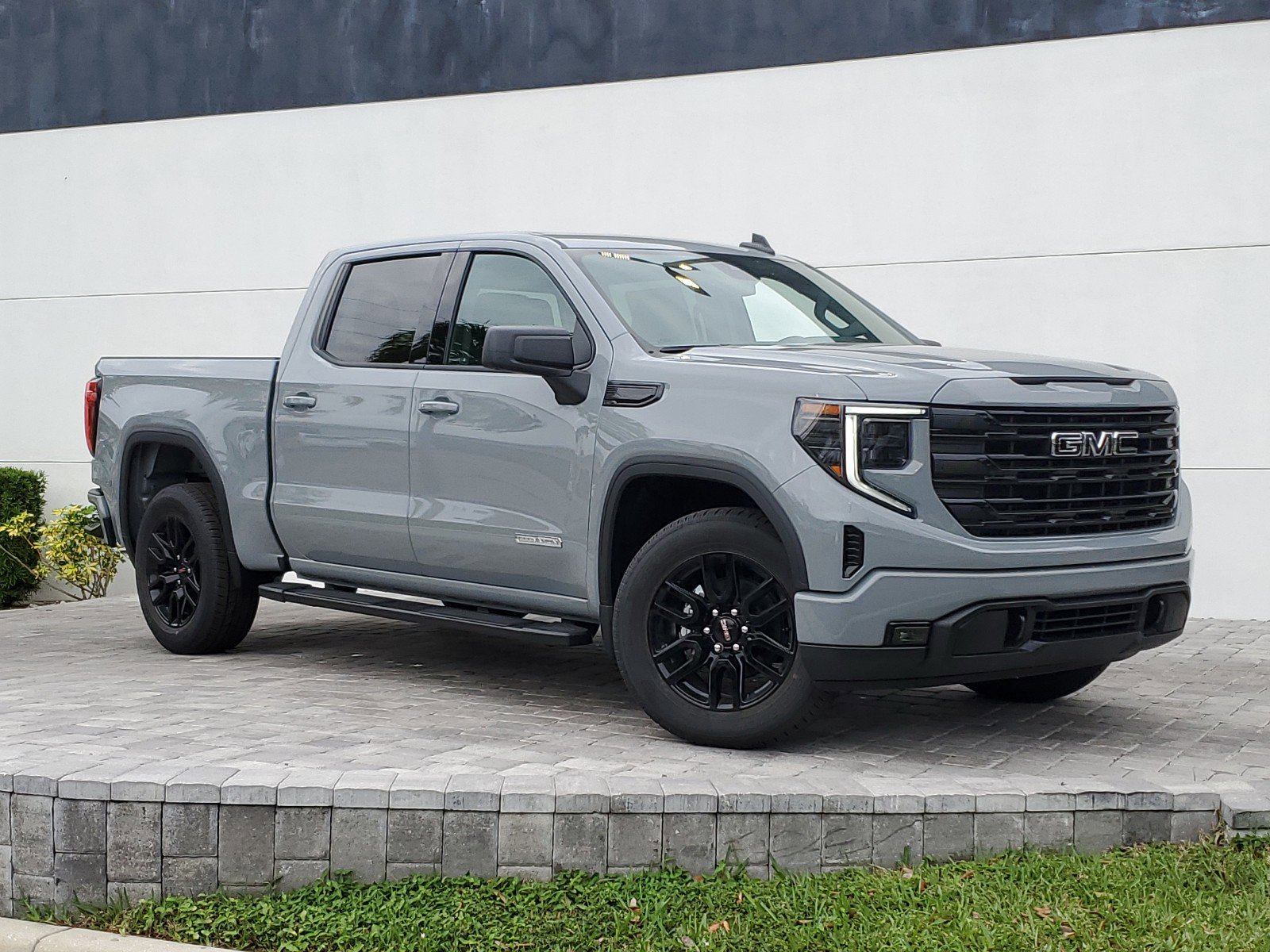
In the United States, trucks are more than just vehicles, they’re icons of durability, dependability, and grit. They’ve hauled livestock across rural farmland, pulled trailers down highways, and conquered rugged backroads for generations.
But every truck eventually reaches its end, or so it seems. A walk through any salvage yard from Texas to Ohio tells a different story. Some trucks refuse to vanish, lingering for decades, rusting away but never truly gone. Their engines, frames, and parts continue to serve long after the truck itself has been parked for good.
The presence of these trucks in junkyards across America isn’t just about nostalgia, it’s a testament to their engineering, loyal fan bases, and unmatched resilience. Below are fifteen models that consistently refuse to die, showing up again and again in salvage yards, often scavenged but rarely forgotten.
Also Read: 5 Trucks With Steel Frames Resisting Rust Vs 5 With Corrosion Issues
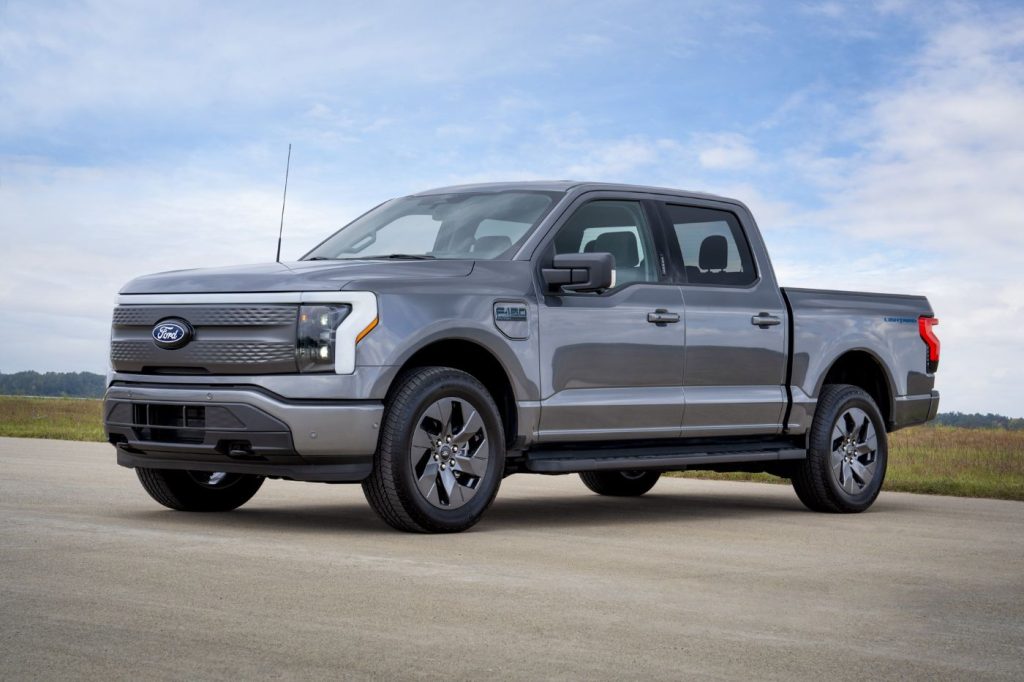
1. Ford F-150
The Ford F-150 has been America’s best-selling vehicle for more than four decades, so it’s no surprise that it dominates salvage yards too. Older models from the 1980s and 1990s are especially common, with their sturdy 4.9-liter inline-six engines and simple drivetrains.
Even when these trucks finally land in a junkyard, they don’t sit idle for long. Owners and mechanics hunt them down for doors, axles, and transmissions, keeping the F-150 alive on the road in one form or another.
2. Chevrolet C/K Series
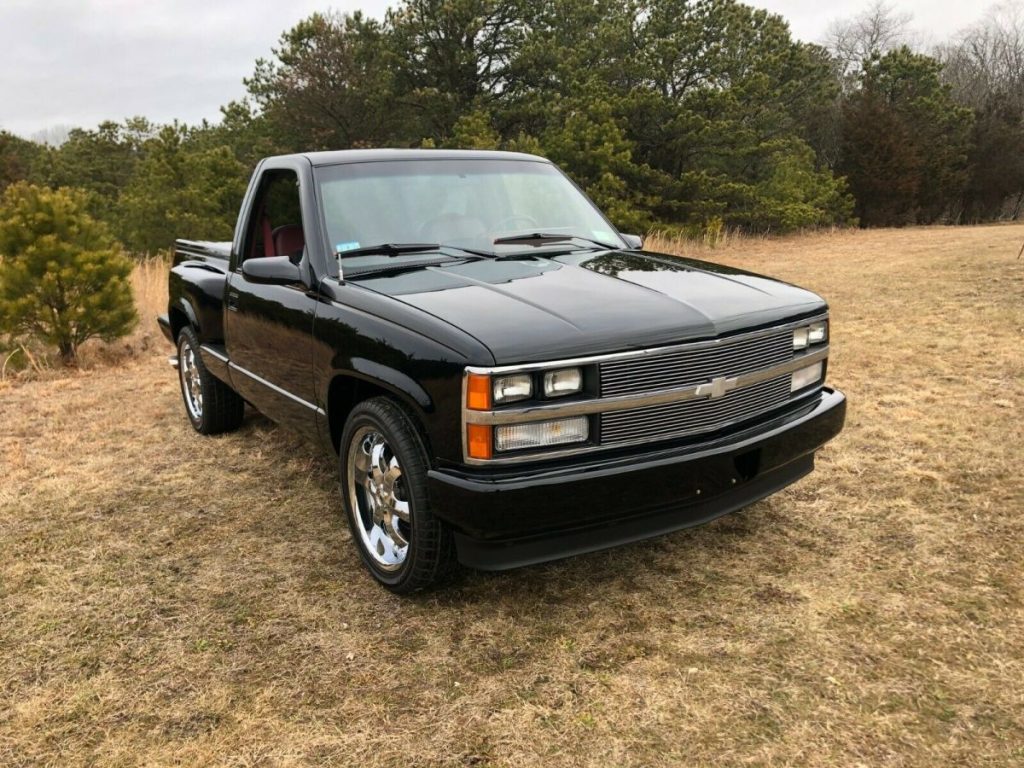
The Chevrolet C/K series, especially the “square-body” trucks built from the late 1960s through the 1990s, is a junkyard mainstay. Known for their boxy style and no-nonsense reliability, these trucks earned a devoted following.
Farmers, restorers, and off-roaders still scoop up their parts—whether it’s a tailgate, a transmission, or a whole cab. Even decades after production stopped, junkyards remain the ultimate supply chain for keeping these Chevys alive.
The Chevrolet C/K series is one of the most iconic and influential pickup lines in American automotive history. Introduced in 1960, these trucks ran through four generations before being phased out in 2002.
Chevrolet used a simple naming convention: “C” designated a two-wheel-drive model, while “K” indicated four-wheel drive. Numbers denoted weight classes, 10 for half-ton, 20 for three-quarter-ton, and 30 for one-ton trucks.
Over its four-decade run, the C/K line evolved from a utilitarian workhorse to a versatile platform that combined comfort, performance, and innovation.
The first generation (1960–1966) introduced an all-new frame with a dropped center section, making the cab more accessible without sacrificing ground clearance.
Independent front suspension replaced the solid axle, while rear coil springs and control arms improved handling. Chevrolet also debuted an in-house 4×4 system, moving away from retrofitted solutions like NAPCO’s “Power-Pack.”
The second generation (1967–1972) expanded engine options, improved 4WD systems, and enhanced overall capability. Third-generation trucks (1973–1987) introduced Crew Cab models, increasing passenger comfort.
The fourth and final generation (1988–2002) brought the 1500/2500/3500 naming system, extended cabs, and special editions like the Z71 off-road package and the 454SS performance truck. Even after light-duty C/K models were rebranded as Silverado in 2000, heavy-duty versions continued production through 2002.
C/K trucks remain highly collectible, with values varying by generation and condition. First-generation trucks average around $32,000, with pristine or restored examples reaching six figures. Second-generation models often sell for slightly more, while third-generation trucks are priced around $30,000.
Fourth-generation C/Ks are more accessible, averaging $18,000, making them a cost-conscious option for buyers seeking a piece of Chevrolet history. Restored or restomodded first three generations command significant premiums, reflecting the enduring legacy and appeal of the C/K line.
Even today, the Silverado, a direct descendant of the C/K series, continues Chevrolet’s dominance in the pickup market, proving the longevity and relevance of this legendary platform.
3. Dodge Ram (Early 1990s)
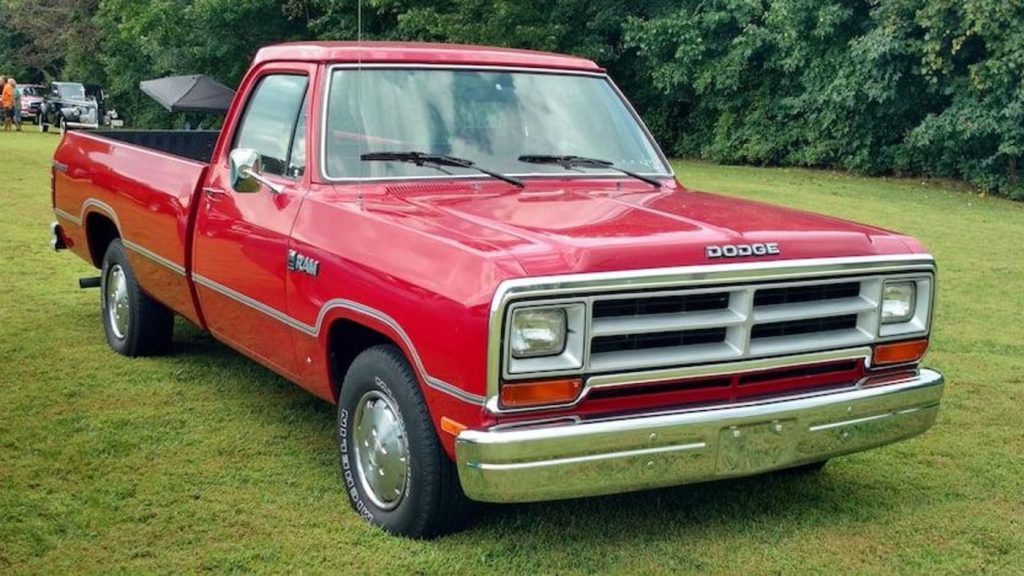
The early 1990s Dodge Ram, particularly those fitted with the 5.9-liter Cummins turbo-diesel, changed the perception of pickups in America. Their bold styling and muscular engines turned heads, and in junkyards, they remain icons.
Engines are often pulled quickly for swaps because the Cummins diesel has a reputation for outlasting the body and frame by hundreds of thousands of miles. Many junkyard Rams look battered, but the core powertrain keeps living on in other builds.
4. Toyota Hilux and Tacoma
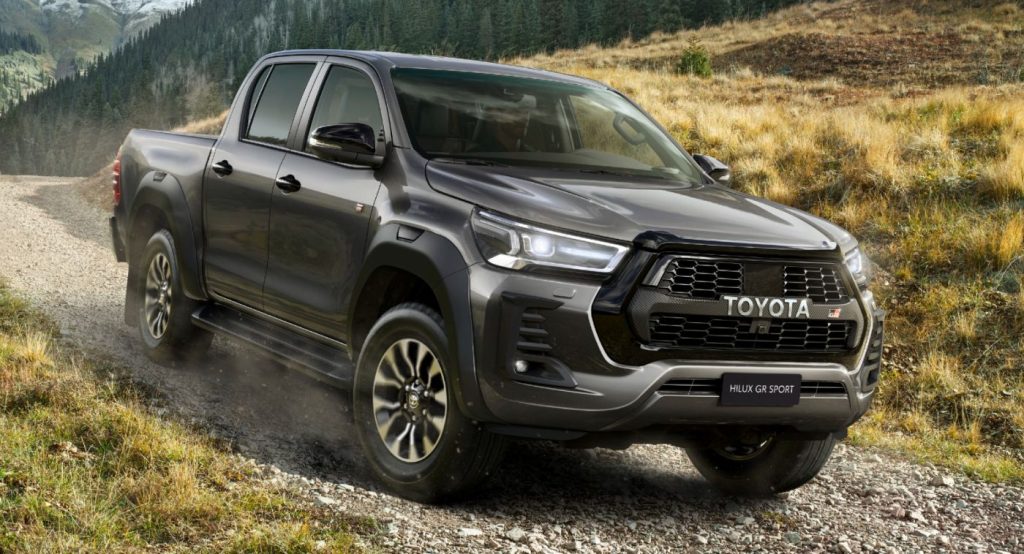
Few trucks carry the same mythic reputation as the Toyota Hilux. Globally famous for surviving extreme abuse, the Hilux and its U.S. counterpart, the Tacoma, are fixtures in American junkyards.
First-generation Tacomas and older Hilux models often arrive with odometers showing 300,000 miles or more. Their four-cylinder engines are modestly powered but almost impossible to kill, while their frames, especially in dry states, remain serviceable for decades.
Americans have long had a love affair with pickup trucks. These versatile vehicles are built to handle it all: towing trailers, hauling heavy loads, tackling off-road trails, and even serving as family haulers.
For many drivers, modern pickups have entirely replaced traditional sedans for daily duties such as commuting, school runs, and grocery trips.
To accommodate this broad range of uses, automakers have packed these trucks with creature comforts and luxury features that would have seemed unimaginable just a few decades ago.
In the United States, trucks like the Chevrolet Silverado 1500, Ford F-150, and Ram 1500 dominate the market. These vehicles are renowned not just for their capability and ruggedness but also for their immense popularity, generating substantial revenue for their manufacturers.
However, these full-size American pickups are rarely sold outside the U.S., largely because their size makes them impractical for narrower roads and tight parking spaces found in many other countries, and their fuel consumption can be prohibitive.
Yet, there is still global demand for pickup trucks, and smaller models have risen to meet that need, among them one with an almost mythical reputation: the Toyota Hilux.
The Toyota Hilux has built a legendary reputation for durability and dependability, hallmarks of the Toyota brand from its earliest days. Over its first 50 years, the Hilux was sold in an astonishing 180 countries, with nearly 18 million units delivered worldwide by 2018.
Its remarkable reliability and robust performance have made it the gold standard for midsize trucks across the globe, proving that a pickup doesn’t need to be massive to be tough, capable, and widely loved.
5. Jeep Comanche
The Jeep Comanche, built from the mid-1980s to early 1990s, was the pickup version of the beloved Cherokee. While it didn’t sell in massive numbers, its 4.0-liter inline-six engine gave it legendary staying power.
Today, Comanches are rare finds in junkyards, and those that appear usually don’t last long before enthusiasts strip them for restoration projects. It’s a truck that refuses to be forgotten, even decades after Jeep pulled the plug on its production.
The Jeep Comanche (MJ), introduced for the 1986 model year, is a compact pickup that embodies Jeep’s rich off-road and utility heritage. Developed by AMC, the Comanche was built on the Jeep Cherokee platform, using shared architecture to deliver a low-priced, fuel-efficient, and functional truck for the 1980s market.
Its unibody construction marked a departure from traditional body-on-frame pickups, yet it retained the off-road capability, durability, and utilitarian design that Jeep buyers expected.
The Comanche followed a lineage of Jeep-based pickups that helped shape its design and purpose. The first mass-produced Jeep truck was the Willys Jeep Truck (1947–1965), based on the Willys Station Wagon and CJ-2A. This was followed by the Jeep Forward Control (FC-150/190) in the mid-1950s and early 1960s, a cab-over-engine compact truck with around 30,000 units produced.
The Jeep Gladiator, produced from 1963 to 1988, was a full-size pickup based on the Wagoneer architecture and served as a clear precursor to the Comanche. Later, the Jeep CJ-8 Scrambler (1981–1986), a short-wheelbase 4×4 pickup built on the CJ-7, became America’s first small 4×4 pickup and was effectively replaced by the Comanche.
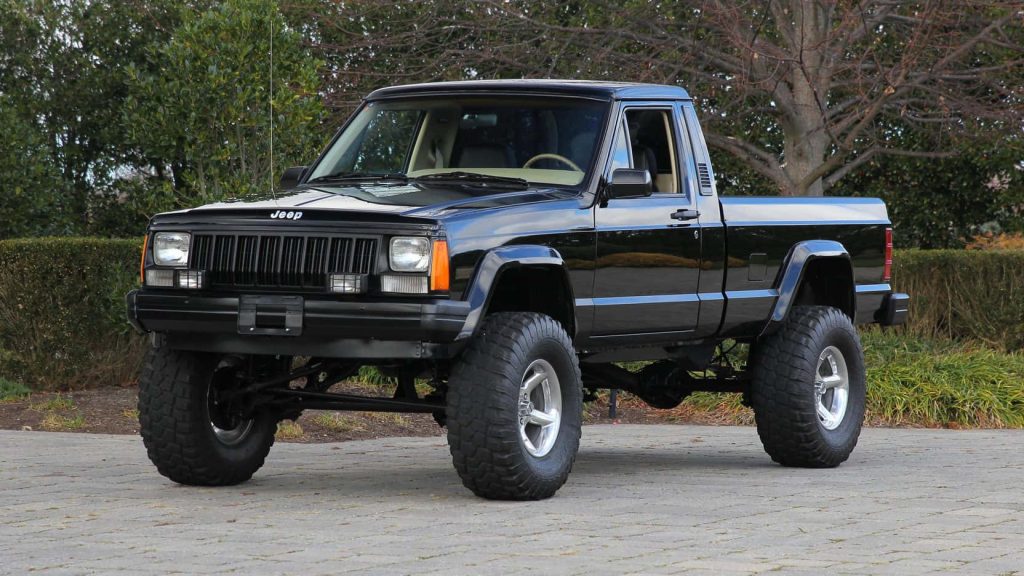
The Comanche distinguished itself by combining the compact size and efficiency of a small truck with Jeep’s rugged capability.
Its cargo bed came at the expense of cabin space, reflecting its compact design. AMC positioned the Comanche as a cash-conscious and practical alternative to larger pickups, aiming to appeal to buyers seeking a versatile vehicle that balanced utility, off-road performance, and fuel economy.
Today, the Jeep Comanche is remembered as a unique and collectible model, bridging the heritage of earlier Jeep trucks like the Gladiator and paving the way for modern Jeep pickups, including the contemporary Gladiator.
6. Chevrolet Silverado 1500 (Early 2000s)
Early 2000s Chevy Silverados are another common sight in salvage yards. These trucks worked hard, hauling boats, campers, and construction gear across the country.
While the bodies often fall victim to rust in northern states, the 5.3-liter Vortec V8 engines remain strong. Junkyard Silverados are rarely left untouched; their drivetrains are too valuable to let sit. Many parts find second lives in other GM trucks, SUVs, or even hot-rod projects.
The Chevrolet Silverado 1500 stands as an enduring symbol of the American full-size pickup. With a wide array of configurations, including different cabs, beds, engines, and trims—the Silverado 1500 caters to a broad spectrum of buyers, from those needing a hardworking workhorse to those seeking off-road capability or high-tech luxury.
After receiving a major refresh in 2022, the 2024 Silverado 1500 adds a host of updates, while continuing to compete against rivals like the Ford F-150 and Ram 1500. For drivers needing even more capability, Chevrolet also offers the heavy-duty Silverado 2500 HD and 3500 HD models, and the all-electric Silverado EV is slated for 2024.
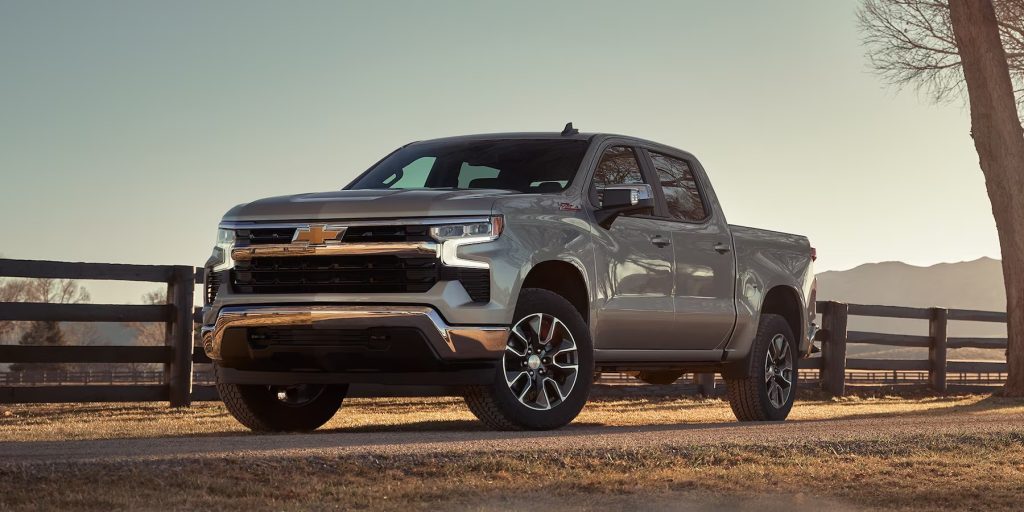
Among the updates for 2024, the turbocharged I-4 engine now carries TurboMax branding, the 6.2-liter V-8 gains a dual-mode sport exhaust, and the ZR2 model can be equipped with a 3.0-liter turbodiesel engine.
High Country trim now comes standard with adaptive cruise control, while multiple trims can opt for the Blackout Appearance package.
Additional enhancements include a new safety package with front and rear parking sensors, the WT trim now gets standard OnStar and wireless Apple CarPlay and Android Auto, a rear seatbelt indicator becomes standard, and new blue and gray exterior paint colors join the palette.
Choosing an engine for the 2024 Silverado 1500 presents few wrong options. The turbocharged I-4 delivers surprisingly strong performance, even when the truck is loaded, while the V-8 engines provide ample power and an appealing exhaust note.
The Duramax turbodiesel impresses with torque and efficiency without compromising off-road capability, particularly in the ZR2.
Chevrolet’s versatility shines through the Silverado 1500 lineup, which spans no-frills work trucks, street-focused performance variants, off-road-ready ZR2s, and long-distance luxury cruisers, some even featuring semi-autonomous driving capabilities. Practical touches like rear bumper bed steps and the six-mode tailgate underscore its readiness for work.
The 2022 redesign brought a significant upgrade to interior design and materials, creating a more upscale cabin with generous digital displays. However, entry-level models retain the older interior, which some may find unattractive.
Similarly, while many appreciate the Silverado’s bold exterior styling, its aggressive lines might not appeal to everyone. Overall, the 2024 Silverado 1500 remains a capable, versatile, and highly configurable full-size pickup for a wide range of drivers.
Also Read: 5 Engines That Handle Stop-and-Go Traffic vs 5 That Break Early
7. Ford Super Duty (Late 1990s–2000s)
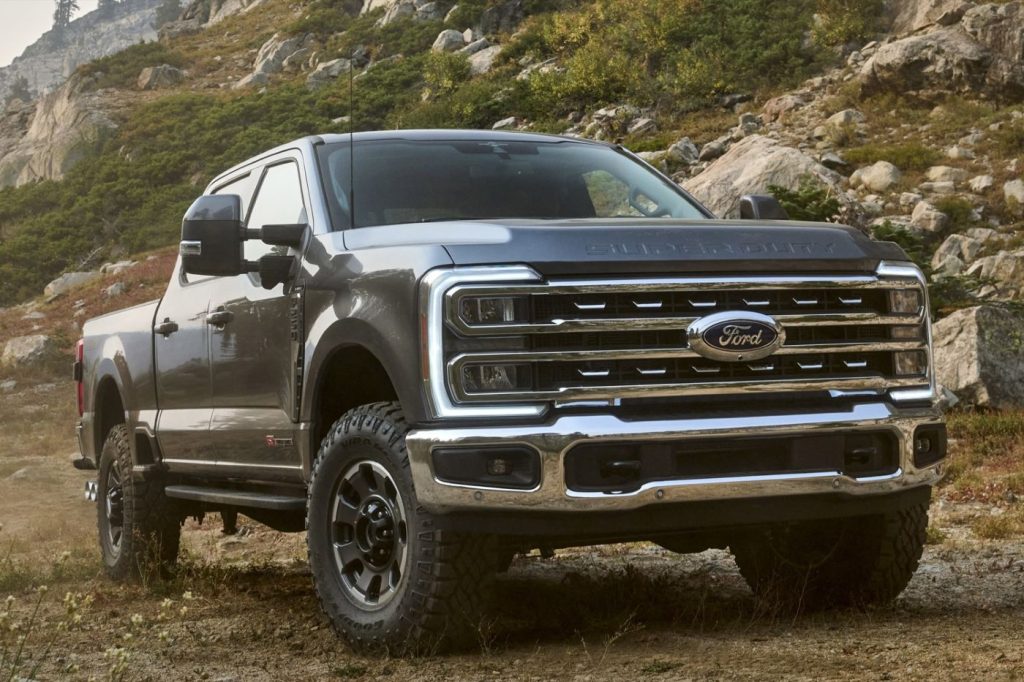
The Ford Super Duty lineup, especially the F-250 and F-350 from the late 1990s and early 2000s, is practically immortal thanks to the 7.3-liter Power Stroke diesel engine.
These trucks are highly sought after in the used market, and when they do reach salvage yards, their parts disappear almost immediately. Engines, transmissions, and heavy-duty axles are pulled to keep other workhorses on the road. Even in retirement, the Super Duty continues to serve.
8. Nissan Hardbody
The Nissan Hardbody pickup of the 1980s and early 1990s gained a reputation for toughness and simplicity. Beloved by small business owners and weekend warriors alike, it became one of the most dependable compact trucks of its era.
In junkyards, Hardbodies are often missing key parts within weeks of arrival because enthusiasts scoop them up to restore their own trucks or keep them running.
Although officially released as the Nissan D21 in 1986, this light truck quickly became known as the Hardbody, a name that appeared even in official advertising.
Introduced midway through 1986 to replace the Nissan 720, the Hardbody earned a reputation for toughness and reliability, cementing its status as one of the most dependable compact pickup trucks ever made.
Its styling also helped it stand out, featuring a bold line circling the body and a trendy lifted 4×4 design that appealed to buyers seeking both utility and aesthetics.
Performance was another strong suit. At launch, the Hardbody offered either a four-cylinder engine or a V6, with period brochures noting the 140-hp V6 as the most powerful compact pickup of its era. In 1990, Nissan upgraded to a fuel-injected V6 producing 154 hp, enhancing its capability.
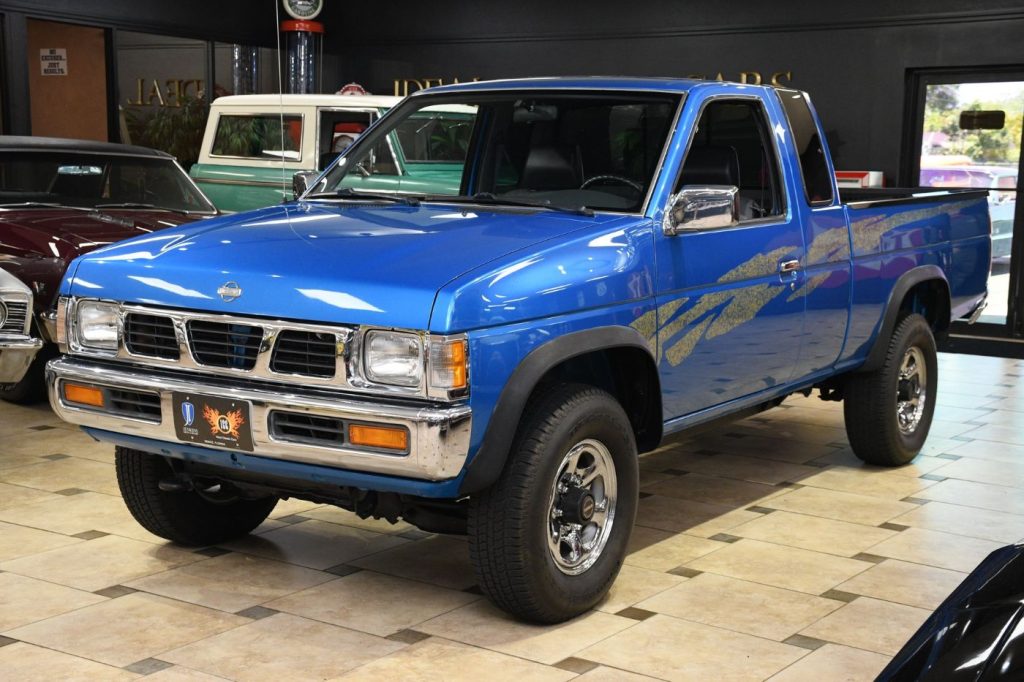
By 1996, the model was offered only with a four-cylinder engine, likely in response to new emissions regulations, and by 1997, the Hardbody was discontinued and replaced by the D22 Nissan Frontier, though its legacy remained.
The nickname “Hardbody” originated from the truck’s double-walled bed and durable paneling, which gave the D21 a solid, brick-like appearance. Nissan embraced the term in advertising and even celebrated it with the 2024 Frontier Hardbody Edition.
This tribute model features black-painted bumpers, mirrors, door handles, and grille, along with 17-inch alloy wheels and all-terrain tires, closely echoing the style of the original truck. The design team took classic elements from the D21 and updated them for modern tastes, keeping the spirit of the original Hardbody alive.
9. GMC Sierra
Closely related to the Silverado, the GMC Sierra has earned its own reputation for reliability. Models from the 1990s and 2000s are common in junkyards, but like their Chevy siblings, they don’t stay intact for long.
LS-based V8 engines, transmissions, and frames are prized by mechanics and hot-rodders alike. The Sierra continues to live on, piece by piece, even after it’s been parked in salvage yards.
The GMC Sierra 1500 is a full-size pickup truck and remains one of the most popular vehicles in the United States. Much like its corporate cousin, the Chevrolet Silverado, the Sierra excels both as a family hauler and a workhorse capable of carrying heavy loads.
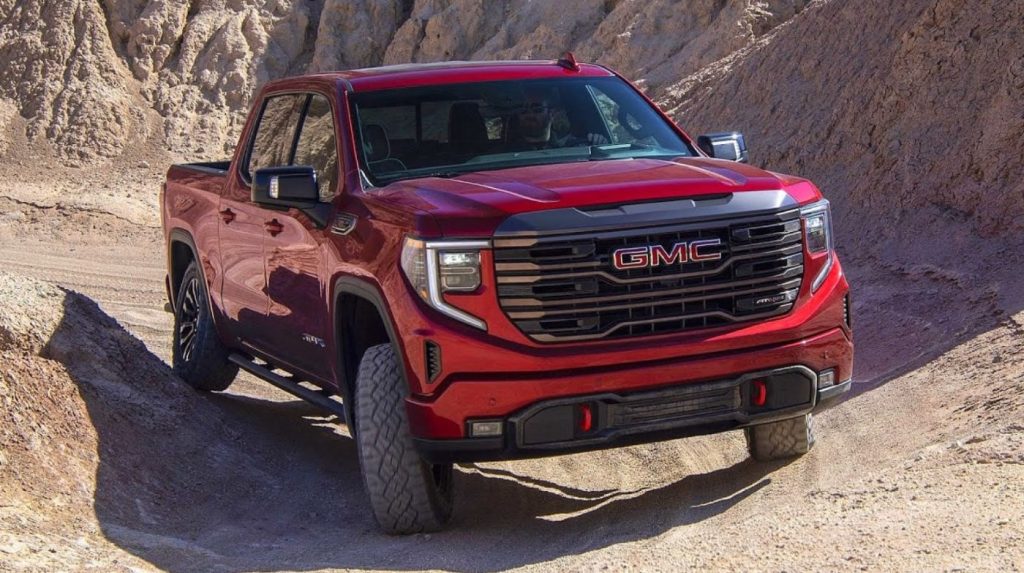
Its cabin is roomy, outfitted with a full suite of driver-assistance features, and buyers can choose from a variety of engines ranging from an efficient four-cylinder to a robust 6.2-liter V8. Among its standout features is the MultiPro tailgate, a versatile design that can function as a table, a step up to the bed, or a standard tailgate.
On the used market, the Sierra 1500 shows strong value, with well-equipped Crew Cab Denali models and base trims available at competitive prices. Its versatility extends to bed lengths, drivetrain options, and comfort features, making it appealing to a wide range of buyers.
10. Dodge Dakota
The Dodge Dakota was one of the first true mid-size pickups, offering a unique balance between compact and full-size trucks. First- and second-generation Dakotas are still found in salvage yards across the country.
Their Magnum V6 and V8 engines, while not indestructible, are durable enough to be repurposed in countless builds. The Dakota’s rugged design keeps it alive in the aftermarket long after production ceased.
The Dodge Dakota is one of Dodge’s longest-standing pickup trucks, first appearing in the mid-1980s and remaining in production until just over a decade ago, when the Ram rebranding shifted Dodge’s truck lineup under a new, separate brand.
While the Dakota is no longer manufactured, these trucks continue to be popular on the used market, which makes understanding the differences between each generation important for buyers.
Over the years, the Dakota evolved in terms of design, powertrain options, and interior amenities, adapting to the changing pickup market.
The final generation of the Dakota, spanning from 2005 to 2011, is particularly noteworthy. By 2011, Dodge had rebranded its entire pickup line under the Ram name, making the last-year Dakota a Ram Dakota rather than a Dodge. Interestingly, the Dodge emblem still adorned the rear of these trucks, and very little else changed.
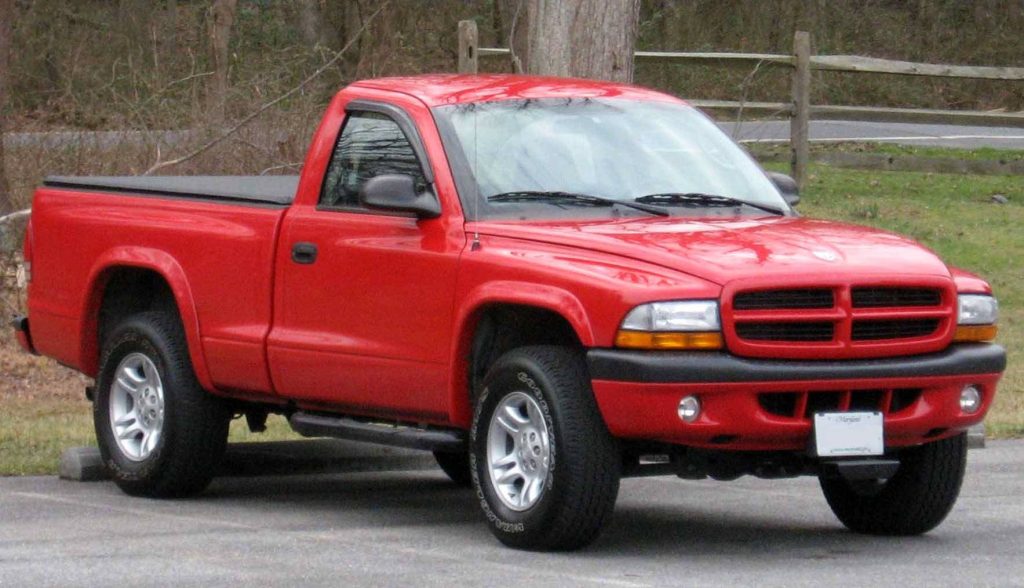
Engine offerings remained consistent, with the 3.7-liter V6 and the 4.7-liter V8 under the hood. Both engines were now paired exclusively with automatic transmissions, with the V6 mated to a 4-speed automatic and the V8 to a 5-speed automatic, and both available in rear-wheel-drive or four-wheel-drive configurations.
Despite being the last Dakota models produced under Dodge’s banner, subtle design updates kept the truck looking contemporary.
Facelifts to the front and rear fascia, along with options like satellite navigation and surround-sound audio systems, reflected the broader shift in the pickup truck market toward interior comfort and convenience without sacrificing capability.
Notably, the 4.7-liter V8, though smaller than earlier Magnum V8s, produced an impressive 310 horsepower, demonstrating that the Dakota remained a capable midsize truck even as it approached the end of its production run.
Overall, the Dakota’s final years, particularly the 2011 Ram Dakota, represent a transitional moment in Dodge’s truck history, bridging the brand’s traditional truck ethos with the modern comforts and branding strategies that would define the Ram lineup.
11. International Harvester Pickups
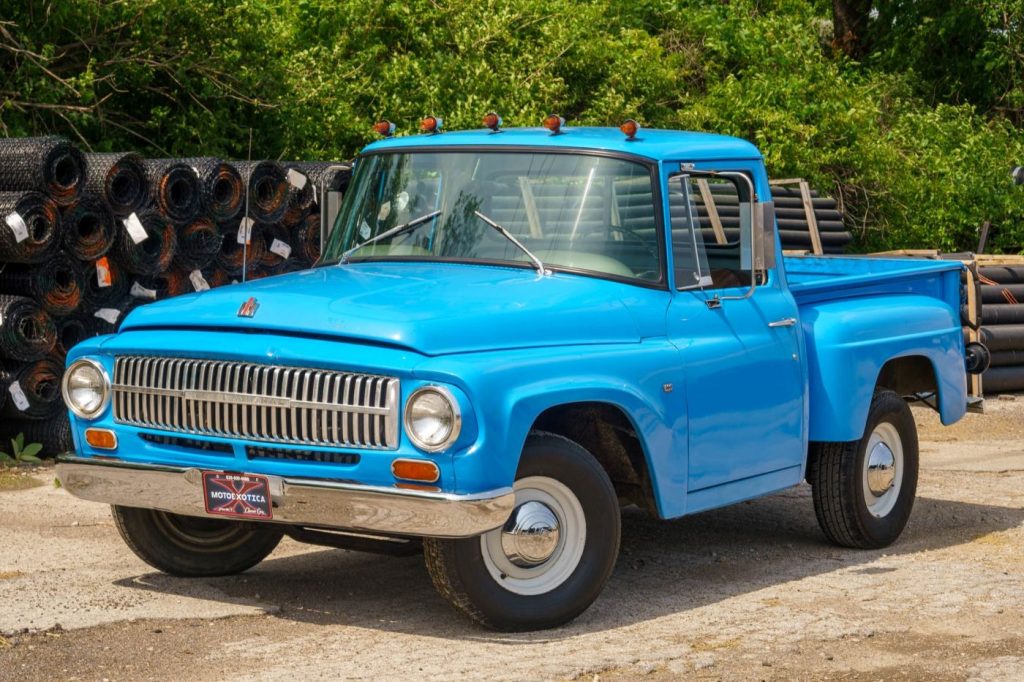
Though International Harvester stopped building pickups in the 1970s, their trucks still show up in salvage yards, especially in rural areas.
These models were designed with the same durability as farm machinery, which explains why so many lasted for decades. Collectors often hunt for their axles, frames, and body panels, giving these forgotten trucks a chance at rebirth.
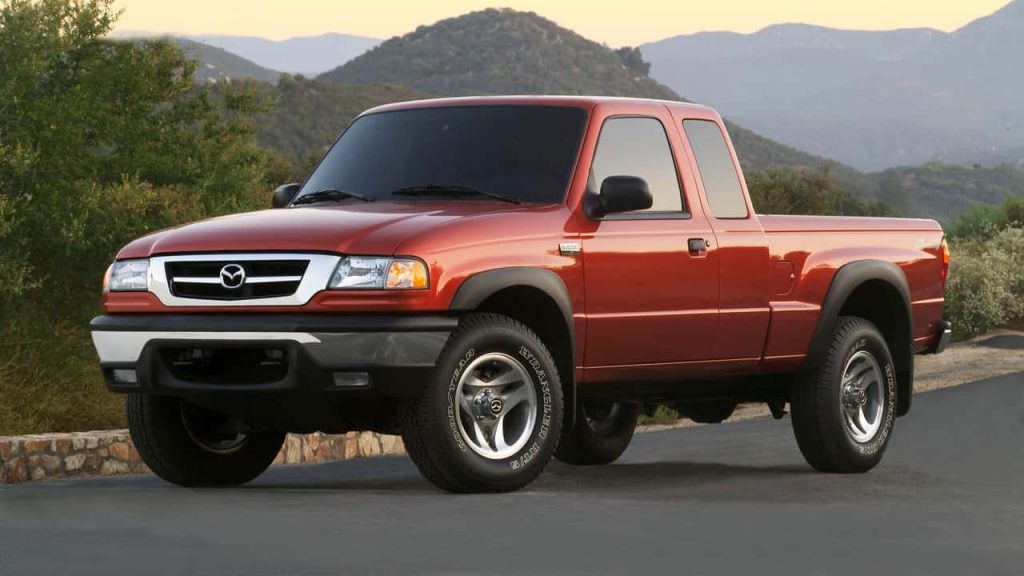
12. Mazda B-Series
The Mazda B-Series, sold in the U.S. through the 1980s and 1990s, was overshadowed by bigger American trucks. But these compact pickups were simple, cheap to maintain, and surprisingly resilient.
In junkyards, they’re often scavenged quickly because their parts remain compatible with Ford Rangers of the same era. The B-Series might not be flashy, but it’s a quiet survivor.
What unites all these trucks is more than just steel and horsepower, it’s a legacy of toughness. They were built during an era when durability mattered more than digital features, and that spirit shows in how long they’ve endured.
Even when they finally reach the salvage yard, they continue to live on, piece by piece, helping other trucks stay on the road.
Walking through an American junkyard isn’t just a look at discarded vehicles, it’s a living museum of workhorses that refuse to be forgotten. These trucks may be rusted, dented, and missing parts, but in many ways, they’re still alive. Their story is one of resilience, proving that the toughest trucks never truly die.
