
When car buyers in the United States think about reliability, they often picture models that start every morning and last well beyond 200,000 miles.
But the conversation gets even more interesting when we look at specific engines that have become legends for their toughness. These are the powerplants that shrug off neglect, endure extreme conditions, and rack up incredible mileage with little more than basic care.
Some even continue running after decades of heavy abuse, making them favorites of mechanics, taxi fleets, off-road enthusiasts, and anyone who needs an engine that simply won’t quit.
From humble four-cylinders to burly diesels, here are ten engines that have proven themselves nearly indestructible.
Toyota 1HZ Diesel Inline-Six
Few engines are as respected in the global off-road community as Toyota’s 1HZ diesel. Though it was never officially sold in large numbers in the U.S., enthusiasts who import Land Cruisers equipped with this naturally aspirated inline-six rave about its durability.
The 1HZ is a simple, low-revving engine with a cast-iron block and head, designed to run on poor-quality fuel and survive extreme heat, dust, and rough terrain.
In regions like Africa and Australia, these engines often power aid vehicles and mining trucks that go far beyond paved roads.
The fact that many are still running strong after decades in some of the harshest conditions on Earth tells you everything you need to know about their toughness.
For U.S. overlanders and off-roaders, the 1HZ has become a dream engine precisely because it’s so difficult to kill.
Automakers are constantly searching for innovations, as the highly competitive nature of the industry leaves no room for complacency.
Original equipment manufacturers must consistently introduce fresh features and frequently update their drivetrains to ensure their vehicles remain attractive to buyers and distinct in the marketplace.
Occasionally, however, a manufacturer chooses to retain a proven engine that not only outlasts one or two generations but endures for decades.
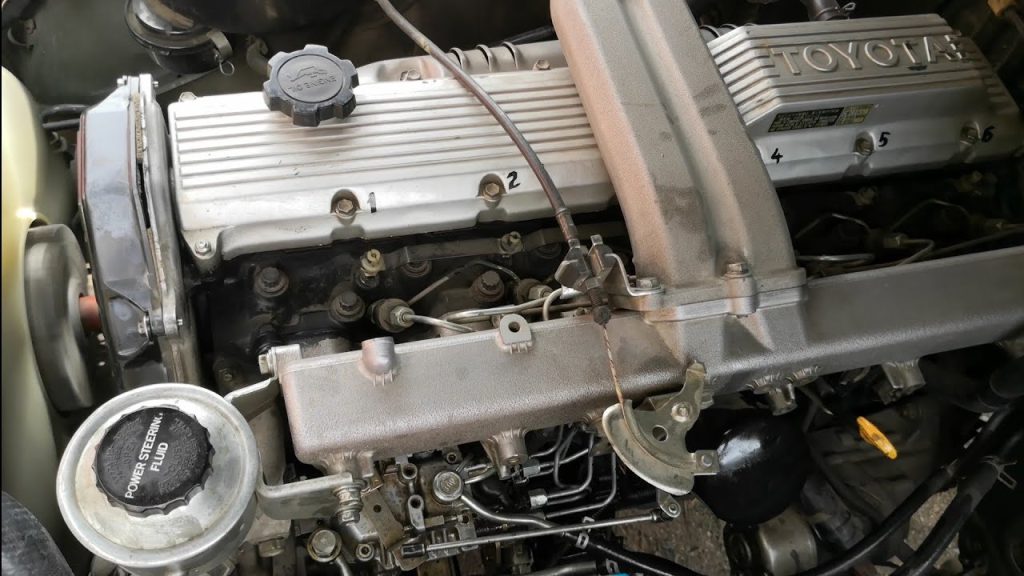
Such is the case with Toyota’s legendary 1HZ, a 4.2-liter naturally aspirated inline-six diesel that continues to roll off Land Cruiser production lines more than 35 years after it was first introduced.
The 1HZ was fitted to models such as the 1990 Toyota Land Cruiser 70 HJZ, where it was paired with a five-speed manual transmission and a 4×4 drivetrain.
On paper, the specifications appear modest, producing just 129 horsepower and 210 lb-ft of torque
By today’s standards, these figures are far from impressive, but the engine’s real strength lies in its proven reliability across the harshest environments imaginable.
The 1HZ can continue operating month after month, year after year, with only minimal maintenance. This durability is the primary reason Toyota still manufactures it.
For many commercial buyers, longevity and uptime matter far more than cutting-edge technology or convenience features.
While modern advancements such as complex turbocharging systems can certainly deliver greater efficiency and performance, they also introduce additional points of failure.
A breakdown caused by a failed sensor or fragile component can be unacceptable for companies that depend on their vehicles daily, especially in remote or demanding conditions.
The 1HZ stands as the answer to these challenges. With no turbocharger to complicate matters, mechanical fuel injection, and a robust cast-iron construction, the engine thrives in places where sophisticated machinery often struggles.
This rugged dependability has made it a favorite among mining operations in Australia, agricultural communities in the Middle East, and humanitarian organizations in Africa.
For these groups, the 1HZ is more than an engine, it is a lifeline that provides confidence and peace of mind, allowing them to focus on their mission while trusting the Land Cruiser to keep running without fail.
Also Read: 5 Diesel Engines That Last Forever vs 5 That Fail Before 150k
Ford Modular 4.6L V8
The Ford 4.6-liter “Modular” V8 may not have been the most powerful engine of its era, but it built a reputation for resilience.
Introduced in the early 1990s, it found its way into everything from the Mustang GT to Crown Victoria police interceptors and millions of F-150s.
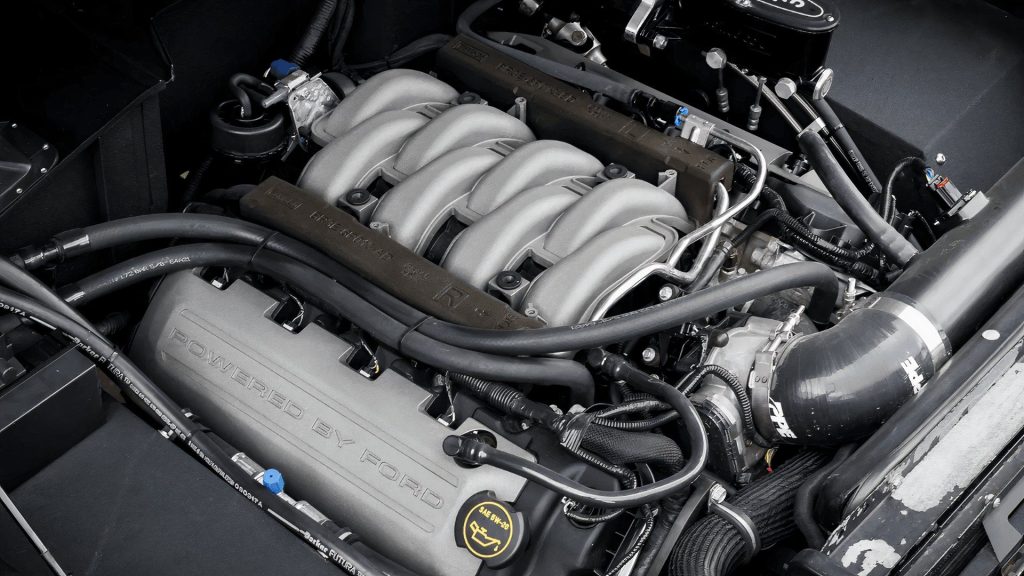
In taxi fleets and police departments across the U.S., these engines routinely surpassed 300,000 miles under grueling stop-and-go conditions.
Mechanics learned to appreciate how forgiving the 4.6 was, as long as owners kept up with regular oil changes. Even today, many Crown Victorias and Town Cars with this V8 are still on the road, proving that it’s one of Ford’s most durable designs.
Isuzu 4BD1T Diesel
Commercial vehicles demand engines that can take endless abuse, and the Isuzu 4BD1T turbo diesel is a prime example. Found in NPR trucks, buses, and even some military applications, this 3.9-liter four-cylinder diesel was engineered to last through years of heavy hauling and idling.
What sets the 4BD1T apart is its simplicity. With mechanical fuel injection and a reputation for running even when poorly maintained, it’s common to see these engines still working hard after half a million miles.
While not glamorous, this engine is a legend in industries that depend on reliability above all else, and many U.S. commercial fleets still rely on them decades after their debut.
The Isuzu 4BD1T engine has earned a strong reputation among truck owners and industrial equipment operators for its balance of reliability and power.
Known for its durability in demanding conditions, this four-cylinder diesel has become a trusted choice across various applications.
To better understand why it remains so popular, it’s important to take a closer look at its configuration, oil requirements, and recommended service intervals.
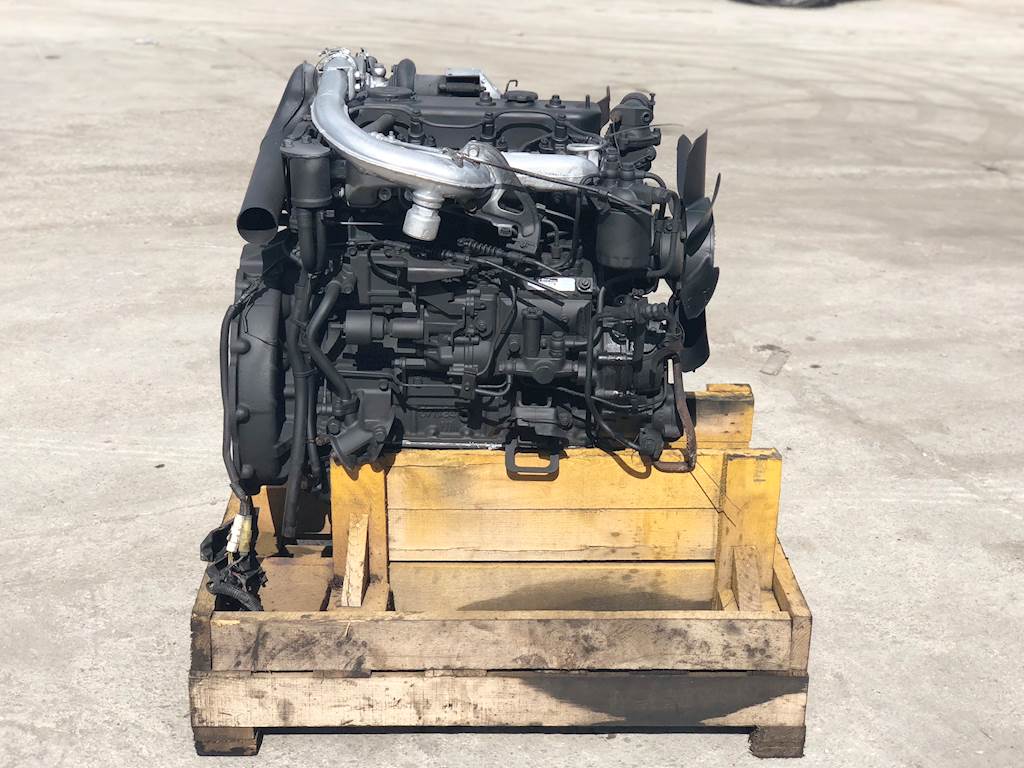
The 4BD1T is a four-stroke, direct-injection diesel engine with a displacement of 3.9 liters, or 3,856 cubic centimeters. Built with an overhead valve (OHV) design and two valves per cylinder, it delivers dependable power with efficient combustion.
Enhancing its performance is a turbocharger, which forces additional air into the combustion chamber, improving fuel burn and raising output.
Complementing the turbo system is an intercooler that lowers the temperature of compressed air before it reaches the cylinders, further boosting efficiency and overall engine performance.
As with any diesel engine, proper lubrication is essential for the longevity and performance of the Isuzu 4BD1T.
The recommended oil is a high-quality diesel formulation that meets API CF-4 or higher standards, with a viscosity grade of 15W-40 suitable for most operating conditions. The engine holds approximately 10.5 liters, or 11.1 quarts, of oil, and it is critical to replace the oil filter at every service interval.
Regular oil and filter changes not only ensure proper lubrication but also protect the engine from contaminants that could compromise performance and reliability over time.
Also Read: 10 Performance Sedans That Outlive Their Styling
Chrysler Slant-6
If you ask an old-school American mechanic about indestructible gas engines, chances are they’ll mention Chrysler’s Slant-6.
Produced from 1960 into the late 1980s, it earned its nickname, the “leaning tower of power,” thanks to its angled design. This inline-six wasn’t fast, but it was almost impossible to kill.
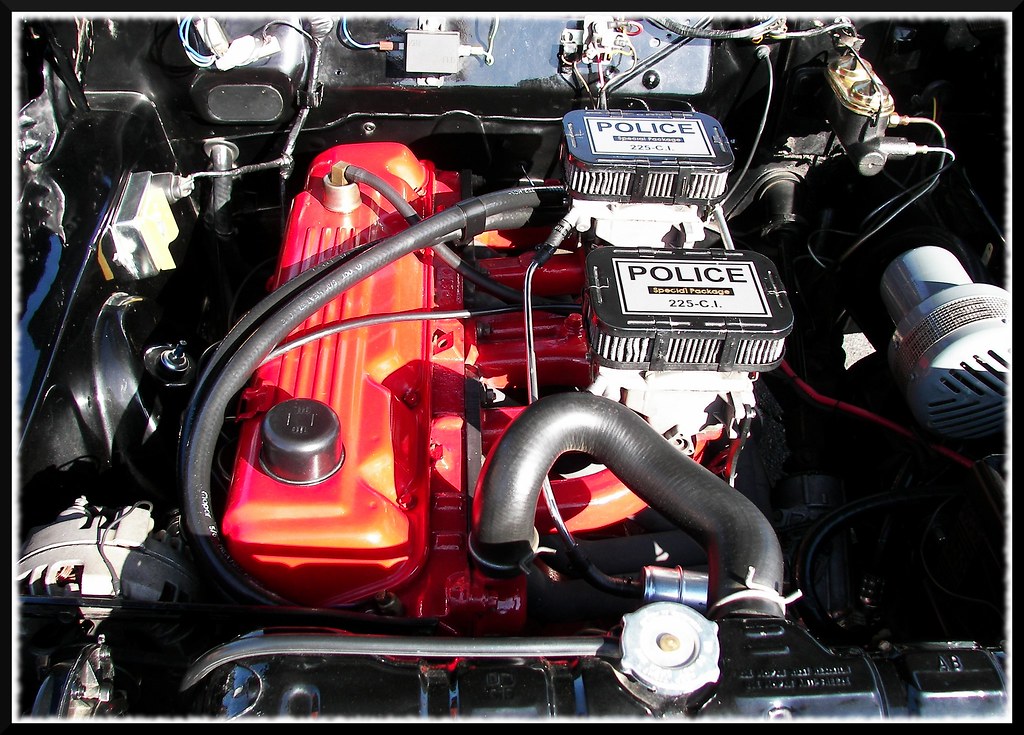
The Slant-6 could tolerate overheating, skipped oil changes, and all manner of neglect. Owners routinely racked up hundreds of thousands of miles, and even when these engines were tired, they often kept running rather than failing outright.
You’ll still find Dodge Darts, Plymouth Valiants, and early Ram pickups with Slant-6 engines humming along today, proof that durability sometimes matters more than performance.
Volkswagen 1.9 TDI (ALH)
The late 1990s and early 2000s brought America the Volkswagen Jetta, Golf, and Passat with the now-legendary ALH-code 1.9-liter TDI diesel engine. Known for its exceptional fuel economy and stout design, the ALH could easily exceed 400,000 miles with proper maintenance.
Its mechanical simplicity compared to later VW diesels made it a favorite among enthusiasts who valued both efficiency and reliability.
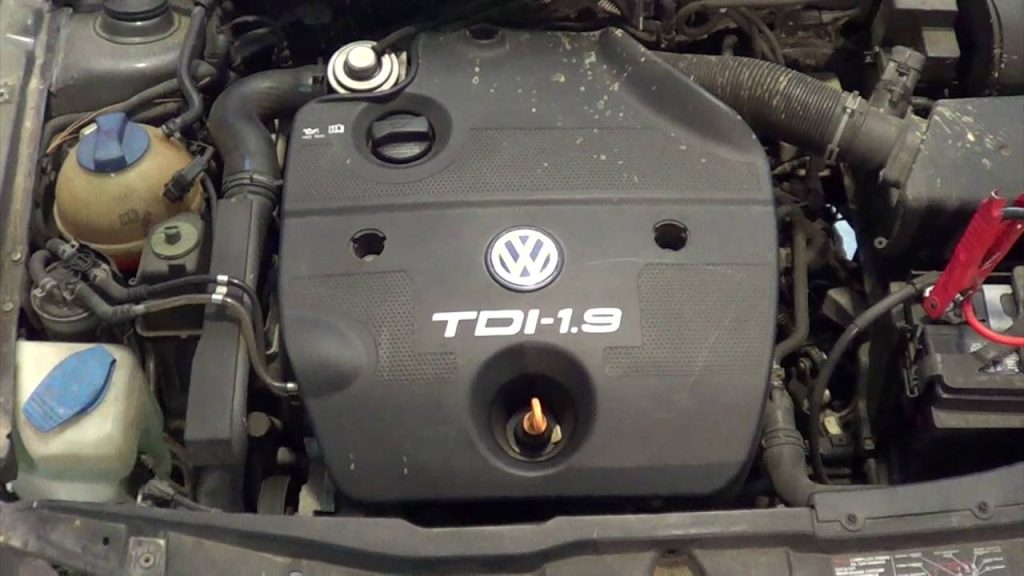
In the U.S., many of these cars became commuter legends, with owners reporting odometers rolling past half a million miles. For a compact diesel engine, that’s an incredible feat, and one that makes the ALH a standout survivor.
Pontiac Iron Duke 2.5L
Pontiac’s Iron Duke isn’t a glamorous engine, but its reputation for toughness is undeniable. Built as a budget-friendly, fuel-efficient four-cylinder, it powered everything from the Pontiac Fiero to the Chevy S-10 and even postal Jeeps used by the U.S. mail service.
While the Iron Duke was never powerful, it made up for its lack of excitement with sheer resilience.
Owners often joked that you could run it on cheap gas and minimal care, and it would still keep chugging. For countless Americans in the 1980s and 1990s, the Iron Duke was the definition of a workhorse engine.
The GM 2.5-liter Iron Duke is one of those engines that consistently stirs debate among enthusiasts and critics alike. Some regard it as a dependable workhorse, while others dismiss it as underpowered and uninspiring. Regardless of opinion, its long and varied history makes it worthy of a closer examination.
General Motors introduced the Iron Duke in 1977, basing it on the 2.2-liter four-cylinder Pontiac engine. Designed with durability and fuel efficiency in mind, it quickly became a versatile powerplant across the GM lineup.
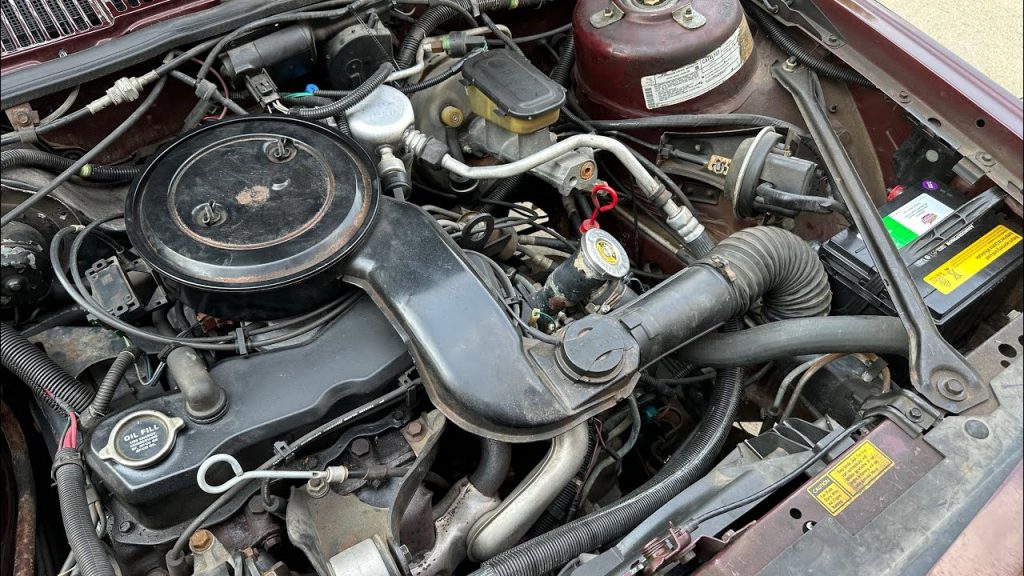
The engine was installed in compact cars, sedans, and even light trucks, and its reach extended beyond GM products as well.
American Motors Corporation adopted it for models like the Eagle and Spirit, and it was also used as the base engine for Jeep vehicles of the era. When Grumman developed the LLV postal delivery vehicle, the Iron Duke was selected as its standard engine, further cementing its reputation for reliability in demanding applications.
While it was never known for exhilarating performance, the Iron Duke delivered adequate power and respectable fuel economy for the period.
Its greatest strength lay in its durability, with many owners reporting engines that surpassed high mileage figures with only routine maintenance. Properly cared for, the 2.5-liter four-cylinder could provide hundreds of thousands of miles of dependable service.
The 1980s brought significant updates, most notably the addition of electronic fuel injection, which improved efficiency and drivability. At that point, the engine was rebranded as the Tech IV. In parallel, Pontiac engineers developed a high-performance Super Duty version, which found success in motorsports.
This variant was used in the IMSA GT Championship, the NASCAR Dash Series, and even offshore powerboat racing, proving the Iron Duke’s versatility beyond commuter vehicles. Production of the engine and its variants continued into the 21st century, leaving behind a mixed but undeniably impactful legacy.
Toyota 1UZ-FE V8
When Lexus launched in the U.S. in 1989, its flagship LS 400 luxury sedan stunned buyers not only with refinement but also with its incredible durability. Under the hood sat the 1UZ-FE V8, an all-aluminum engine engineered to rival the best from Mercedes and BMW.
Owners quickly discovered that this smooth-revving V8 could easily surpass 300,000 miles with almost no issues.
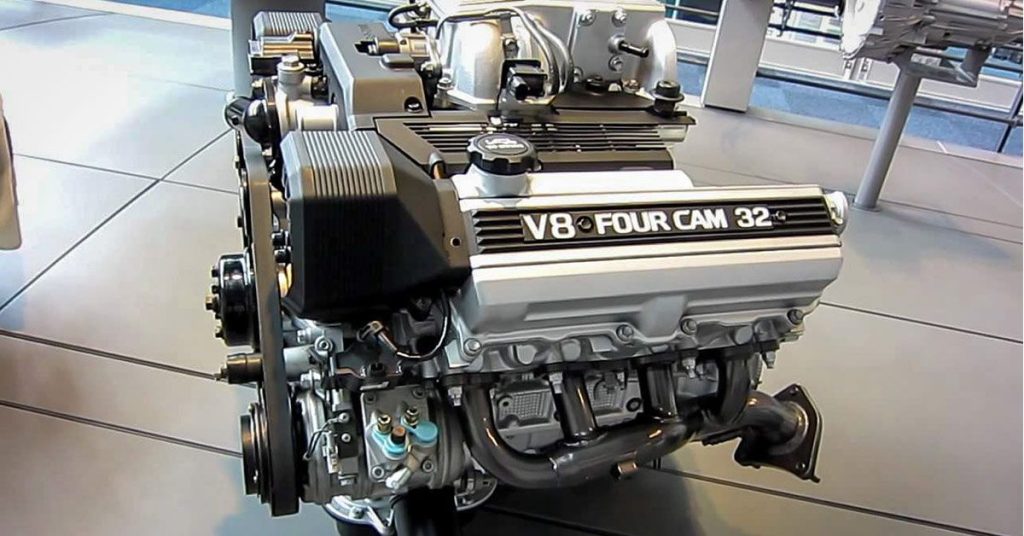
Even when pushed hard, it remained one of the most reliable V8s of its era. Today, the 1UZ-FE is a favorite for engine swaps, proving its strength and adaptability long after the original LS and SC models left showrooms.
Perkins 4.236 Diesel
Farmers, contractors, and heavy-equipment operators have long trusted Perkins diesels, and the 4.236 is one of the most celebrated. This 3.9-liter four-cylinder was used in tractors, generators, industrial machinery, and even Ford trucks.
What made it legendary was its ability to run reliably for decades, often with minimal attention. Farmers in the U.S. still use machinery powered by Perkins engines built in the 1970s, and many report them firing up without issue after long periods of inactivity. The 4.236 was never about speed, it was about staying alive in the toughest conditions.
The Perkins A4.236 is a four-stroke, direct-injection diesel engine that became well-regarded for its durability and practical design.
This in-line, four-cylinder engine features a nominal bore of 3.875 inches (98.43 mm) and a stroke of 5.0 inches (127.0 mm), giving it a total displacement of 236 cubic inches, or 3.86 liters.
It produces a maximum output of 60 kW (81 hp) and a nominal power rating of 54 kW (72 hp), with peak torque reaching 267 Nm (197 lb-ft) at 1,350 rpm.
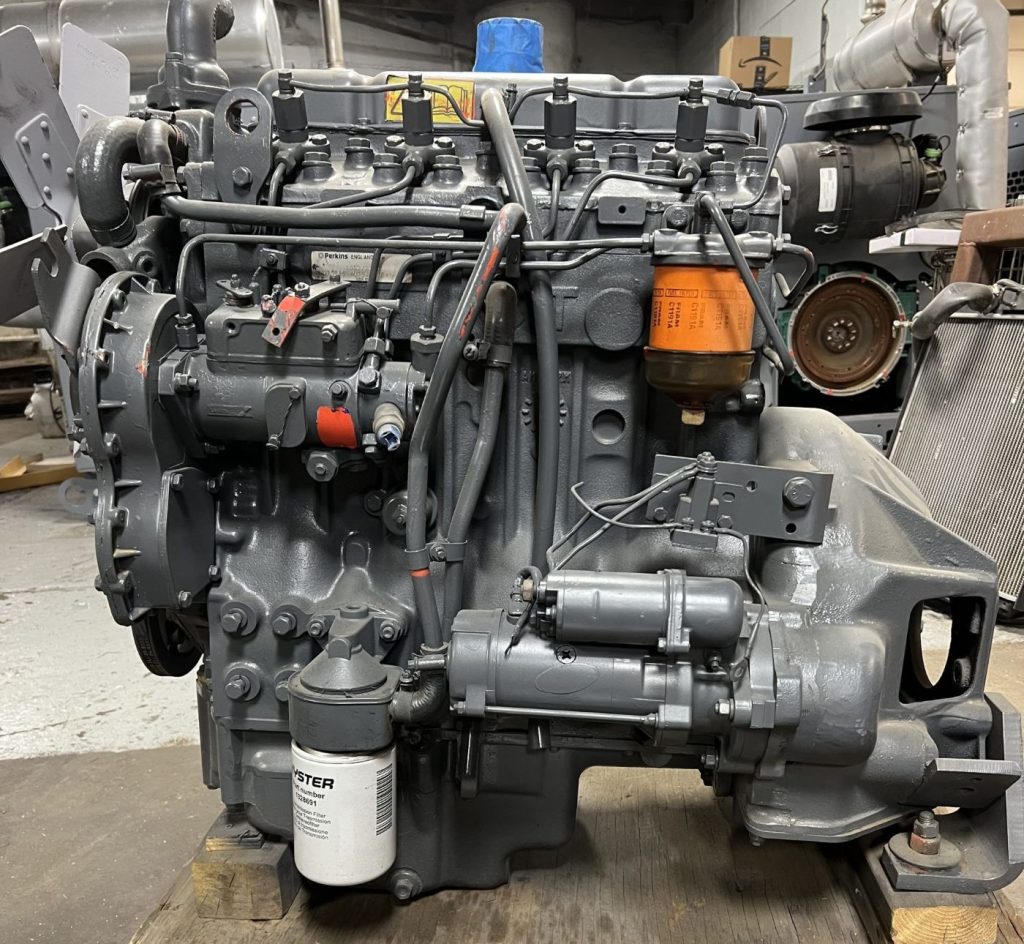
Operating at a rated speed of 2,800 rpm, the engine uses a compression ratio of 15.5:1 and runs on a naturally aspirated induction system. Like many diesel engines of its era, it follows a 1-3-4-2 firing order, utilizes a direct injection combustion system, and rotates clockwise when viewed from the front.
The A4.236 relies on a C.A.V. D.P.A. fuel injection pump, which also rotates clockwise, with an 8.5 mm plunger diameter.
Fuel is supplied through an A.C. Delco V.P. Series lift pump, driven by an eccentric on the camshaft, while filtration is handled by a paper fuel filter element combined with a gravity vent valve. Together, these components deliver consistent fuel flow and maintain combustion efficiency.
For lubrication, the engine employs a spring-loaded plunger relief valve set to 5.9 bar, paired with a rotor-type oil pump.
Oil circulation is supported by a full-flow lubricating oil filter, with the standard oil capacity measuring 8.5 quarts (8.0 liters). This system ensures the engine remains well-protected under demanding working conditions.
Cooling is achieved through a centrifugal water pump, supported by a bellows- or wax-type thermostat that opens fully between 170–180°F (77–83°C).
The system holds a coolant capacity of 13.4 quarts (12.7 liters), providing stable temperature regulation even under heavy load. Altogether, the Perkins A4.236 stands out as a robust and straightforward diesel engine, engineered to deliver dependable power across a wide range of applications.
Saab B234 Turbo
Saab may be gone as a carmaker, but its engineering legacy lives on in the B234 turbo engine. This 2.3-liter inline-four, used in the Saab 9000 and 900 models of the 1990s, is widely regarded as one of the most overbuilt turbocharged engines ever sold.
With forged internals and a stout design, the B234 could handle high boost levels, making it a favorite among tuners.
More importantly, even when left stock, these engines often outlasted the quirky cars they were installed in. Stories of B234s running past 400,000 miles are common, and many still serve as proof of Saab’s engineering brilliance.
The Swedish manufacturer produced the 2.3-liter Saab B234R turbocharged engine from 1993 to 1997, and it was fitted exclusively to the Saab 9000.
It came in two configurations, delivering 225 horsepower when paired with a manual transmission and 200 horsepower when combined with an automatic.
This engine stood out as the most powerful in the lineup, equipped with an MHI TD04HL turbocharger that generated a boost pressure of 1.08 bar.
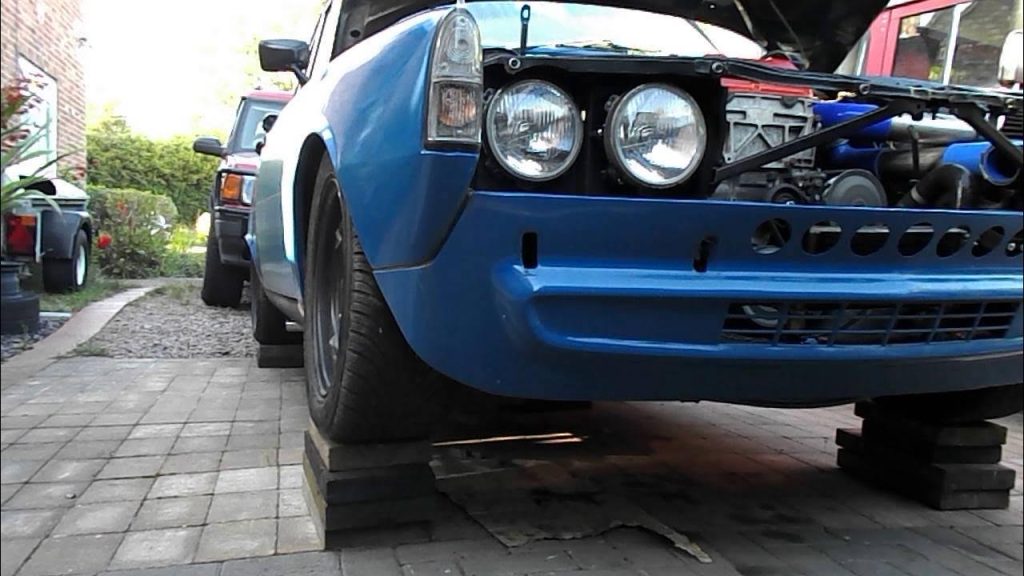
Belonging to the family of 2.3-liter H-series engines, which included the B234E, B234i, B234R, B235E, and B235R, it offered a displacement of 2290 cc and used a distributed fuel injection system.
Depending on the version, power output ranged from 200 to 225 horsepower, while torque figures varied between 294 and 342 Nm. The engine relied on a cast-iron inline-four cylinder block mated to a 16-valve aluminum cylinder head, with both bore and stroke measuring 90 mm.
Its compression ratio was set at 9.25, and it incorporated Saab’s Trionic 5 management system. Additional features included hydraulic lifters, a durable timing chain drive, and turbocharging courtesy of the MHI TD04HL unit.
For lubrication, the B234R required 5W-30 oil, with a capacity of 4.0 liters or 5.4 liters if the oil cooler was drained during servicing.
This engine was used in the Saab 9000 I from 1993 through 1997. Although the B234R earned a reputation for reliability, certain weaknesses were noted, especially at high mileage. The balance shaft assembly was the most common source of trouble, and many owners opted to remove it entirely.
If spark plugs were not replaced on schedule, the ignition cassette was prone to failure. Timing chain stretch and oil pump wear typically did not appear until after 250,000 kilometers of use. Additionally, though uncommon, some cases of engine failure were recorded due to connecting rod caps working loose.
Mitsubishi 4G63
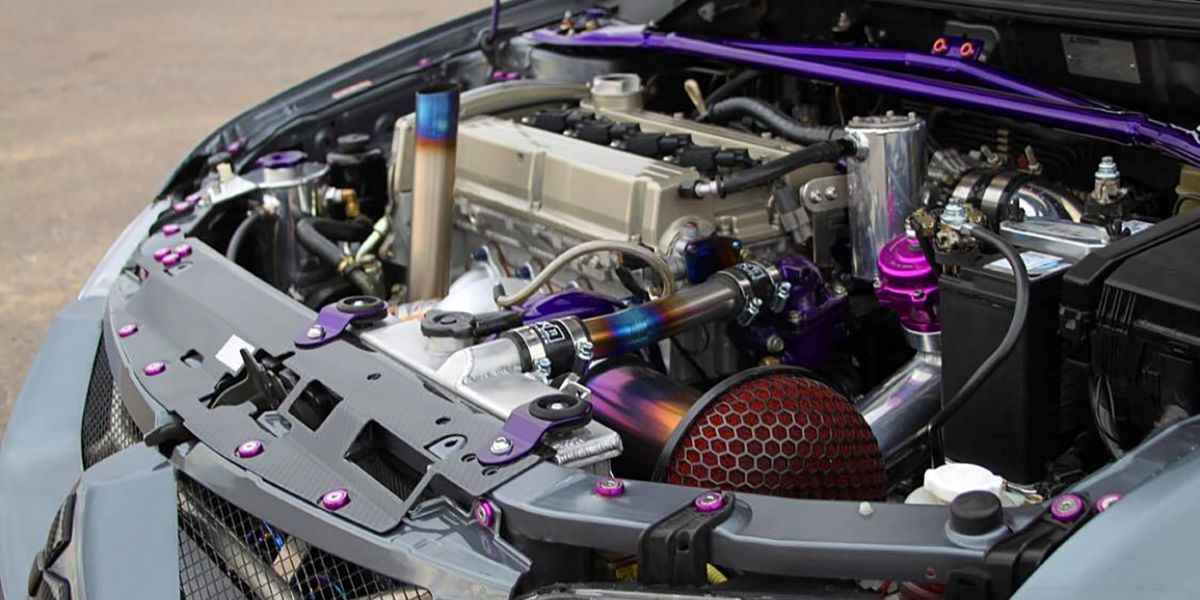
Last but not least, Mitsubishi’s 4G63 turbocharged four-cylinder cemented its reputation in rally racing and street performance. Found in the Eclipse GSX, Galant VR-4, and multiple generations of the Lancer Evolution, it became a legend for both power and resilience.
What makes the 4G63 remarkable is its ability to endure abuse. Tuners frequently double its horsepower output, yet the engine often continues running reliably.
Even under constant redline use on rally stages or drag strips, it refuses to give up. Many U.S. Evo owners proudly point to odometers showing over 250,000 miles on engines that have seen nothing but hard driving.
Few engines in automotive history have achieved the kind of reputation held by the Mitsubishi 4G63. Celebrated for its durability, impressive tuning potential, and deep motorsports pedigree, this 2.0-liter inline-four has remained a favorite among performance enthusiasts for decades.
Whether the goal is drag racing, rally competition, or simply building a spirited street car, the 4G63 has consistently delivered the blend of power and reliability that keeps enthusiasts loyal to it.
It’s no surprise that the engine has developed a cult-like following, particularly within the JDM community, among DSM tuners, and within the world of Mitsubishi Lancer Evolution builders.
From city streets to professional racing circuits, the 4G63 has proven itself time and time again, cementing its place as one of the most iconic four-cylinder engines ever produced.
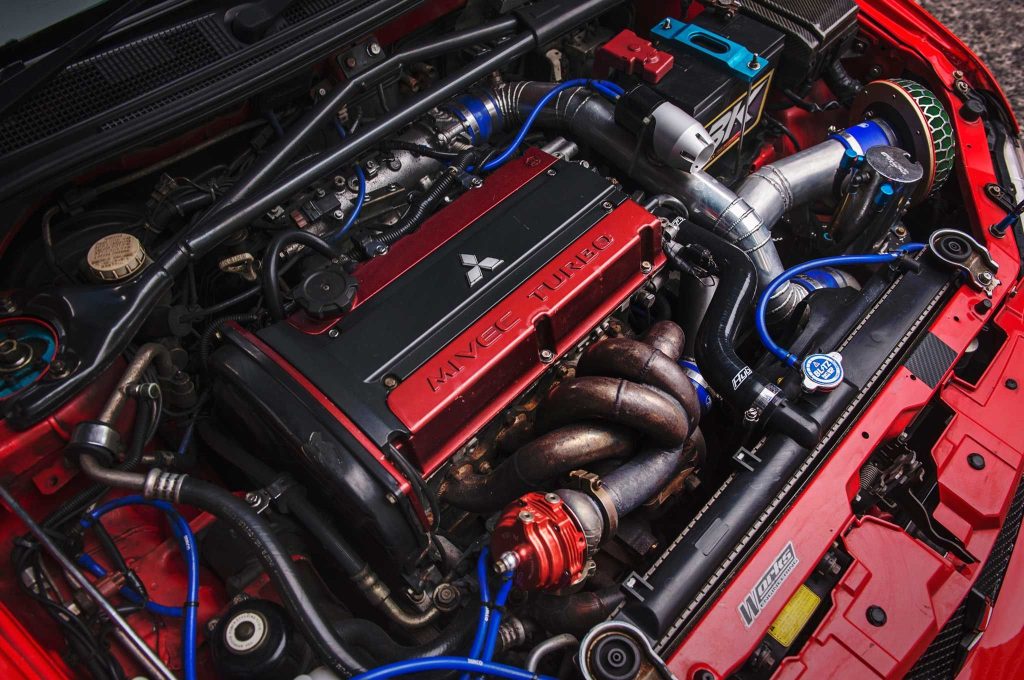
The 4G63 belongs to Mitsubishi’s Sirius engine family and was first introduced in the early 1980s. It was conceived as a performance-focused 2.0-liter inline-four and was offered in both naturally aspirated and turbocharged versions, making it versatile across a wide range of vehicles.
Its design combined a cast-iron block for strength with an aluminum cylinder head, which could be configured with either a single overhead camshaft in early versions or a dual overhead camshaft in later ones.
This setup provided an ideal balance of toughness and flexibility, allowing the engine to thrive in daily driving conditions while also supporting high-performance modifications. Over the years, the 4G63 evolved through multiple generations, continually refining its design while remaining true to its performance-driven origins.
Engines like these prove that durability comes in many forms. Some, like the Perkins 4.236 and Isuzu 4BD1T, thrive in commercial or industrial settings where uptime is critical.
Others, such as Toyota’s 1UZ-FE and Volkswagen’s ALH TDI, showed American drivers that daily comfort and long-term reliability could go hand in hand.
And still others, like Saab’s B234 and Mitsubishi’s 4G63, earned cult followings by surviving relentless high-performance abuse.
For U.S. car buyers, these engines remain a reminder that longevity is as important as horsepower. When an engine becomes known for surviving abuse like nothing else, it doesn’t just power a car, it powers a legacy.
