
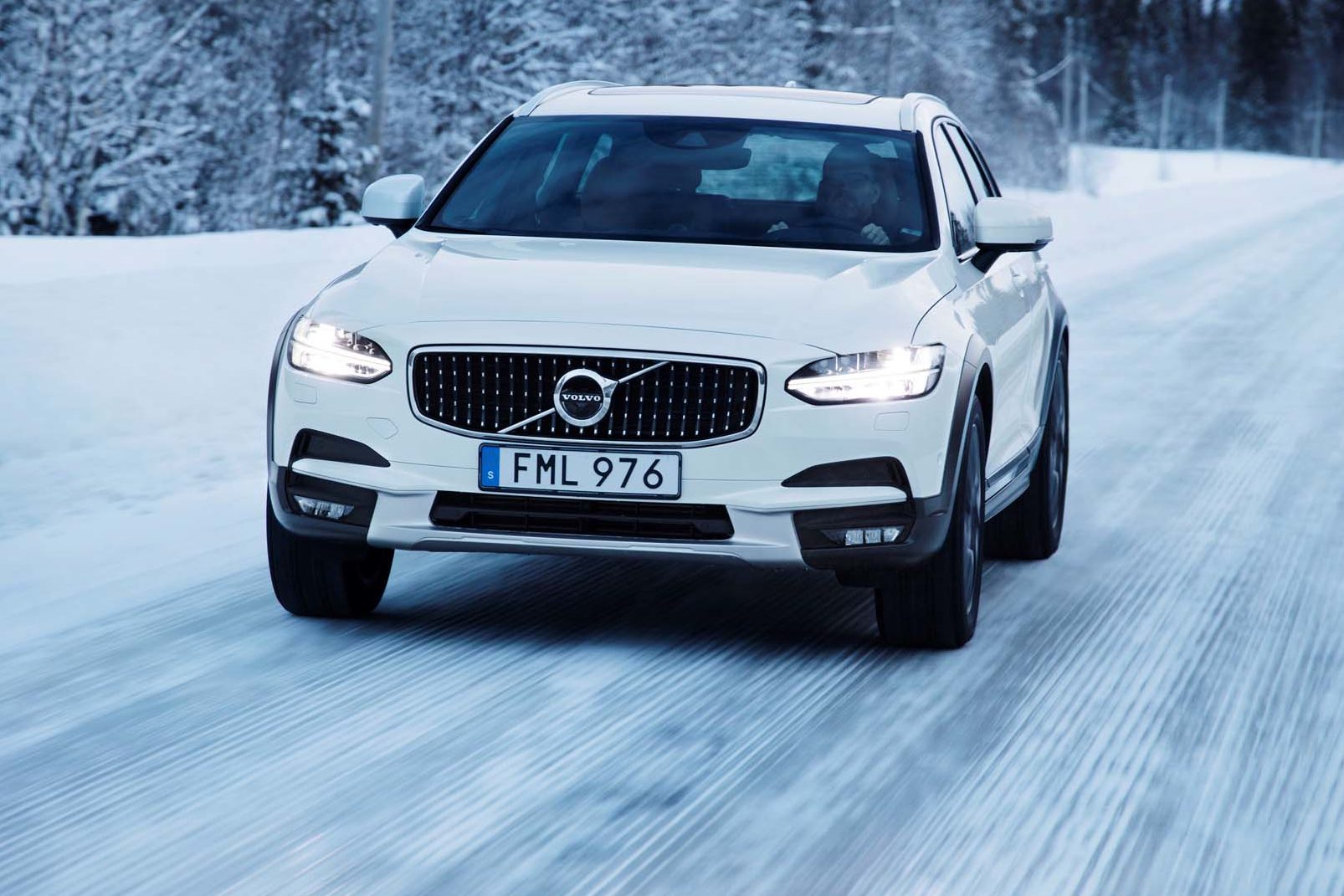
Winter driving can be unpredictable, and the right car can make all the difference between a safe, confident journey and a stressful, risky experience. Snow, ice, and cold temperatures challenge traction, braking, and handling, highlighting the importance of choosing a vehicle built to endure harsh conditions.
Some cars are engineered with features like all-wheel drive, elevated ground clearance, and winter-focused safety technology, allowing them to perform reliably in snow and ice. Others, often lightweight or rear-wheel-drive models, struggle in cold weather, leaving drivers vulnerable to slipping, spinning, or getting stuck.
This guide explores “10 Cars With Legendary Durability in Snow vs 10 That Fail in Winter,” providing a clear contrast between vehicles that rise to the challenge and those that fall short. From luxury wagons to compact SUVs, the list highlights both the engineering and design choices that impact winter performance.
Understanding which cars handle snow with confidence and which do not helps drivers make informed decisions that improve safety, comfort, and peace of mind during winter months.
10 Cars With Legendary Durability In Snow
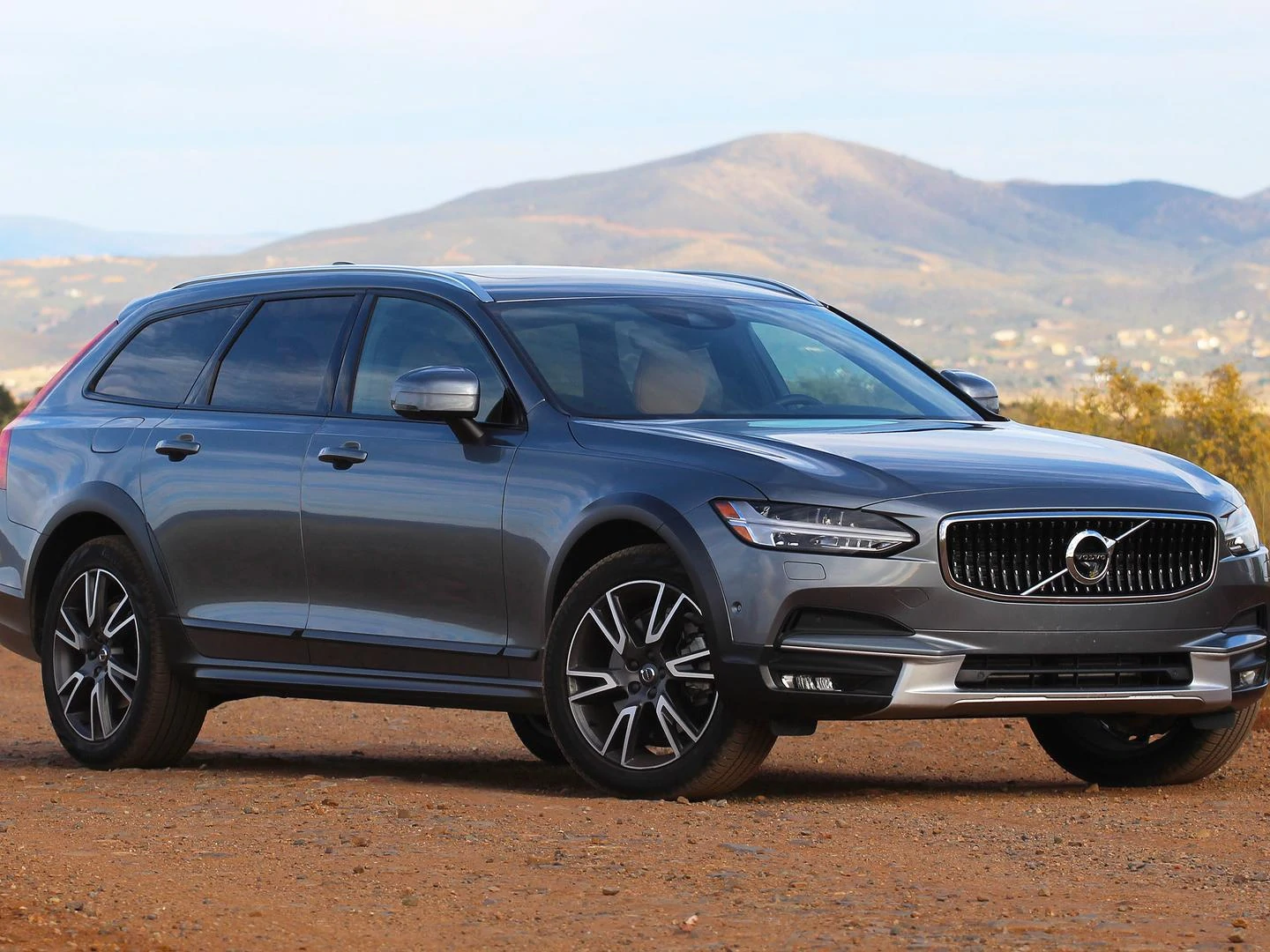
1. Volvo V90 Cross Country: A Luxury Wagon with Safety and Style
The Volvo V90 Cross Country showcases Volvo’s commitment to safety, comfort, and versatility. This elevated station wagon combines family-friendly dimensions, all-wheel drive, and SUV-level cargo capacity while maintaining the brand’s distinctive Scandinavian design.
With 8.3 inches of ground clearance, the V90 is equipped to handle rain, snow, and light off-road conditions. Weather-focused features include rain-sensing wipers, slippery road alerts, and adaptive LED headlights. The optional Climate Package adds a heated steering wheel, rear seats, and windshield washers, ensuring comfort in colder climates.
Despite its size, the V90 Cross Country is agile and responsive. Its twin-charged engine uses electric supercharging at low RPMs and a turbocharger at higher speeds. An integrated starter-generator recovers energy during braking and provides a small boost during acceleration.
The combination of nearly 300 horsepower, an eight-speed automatic transmission, and all-wheel drive allows the wagon to accelerate from 0-60 mph in approximately 6.5–6.6 seconds.
Steering is precise, and cornering is confident, while the added ground clearance and all-wheel drive allow competent handling on unpaved or slippery roads. The V90 proves that a heavy, luxury wagon can still deliver an engaging driving experience.
The cabin reflects Volvo’s minimalist Scandinavian design philosophy. Seats are supportive, adjustable, and well-suited for long drives. Climate controls operate efficiently and quietly, maintaining a comfortable interior temperature.
Vehicles equipped with the standard 19-inch wheels provide a cushier ride compared with the optional 21-inch wheels and low-profile tires, which can transmit more road bumps. Higher seating positions make entry and exit easier, particularly for taller passengers or those who prefer not to bend when getting into a vehicle.
Inside, the V90 Cross Country offers premium materials such as leather upholstery and soft-touch plastics. A panoramic sunroof enhances the sense of spaciousness, and large windows provide excellent visibility.
The central touchscreen runs on Android Automotive OS, functioning like a tablet and integrating Google Maps, Spotify, and voice controls. An optional Harman Kardon audio system delivers high-quality sound.
Advanced driver-assistance features, including lane-keeping and emergency braking systems, are included, though some can feel overly sensitive. Despite minor quirks, the technology is intuitive and user-friendly.
Cargo space rivals that of many midsize SUVs, and rear seats fold electrically for added versatility. Clever storage solutions, such as grocery bag holders, steel cargo guards, and optional integrated rear booster seats, enhance usability. Interior storage for smaller items is adequate but less generous than cargo capacity.
EPA estimates suggest 22 city/29 highway mpg, while real-world driving averages closer to 23.5 mpg. This is reasonable for a two-ton, all-wheel-drive wagon. Pricing is justified by luxury design, safety features, and ownership perks.
The V90 Cross Country is typically less expensive than comparable Audi and Mercedes-Benz wagons, and warranty coverage and complimentary services are competitive with other premium brands.
The Volvo V90 Cross Country successfully blends safety, comfort, and practicality with engaging performance. Its upscale interior, thoughtful storage solutions, and confident driving dynamics make it a strong choice for families and outdoor enthusiasts seeking a luxurious yet versatile wagon. With its combination of style, capability, and safety, the V90 Cross Country stands out in the premium wagon segment.
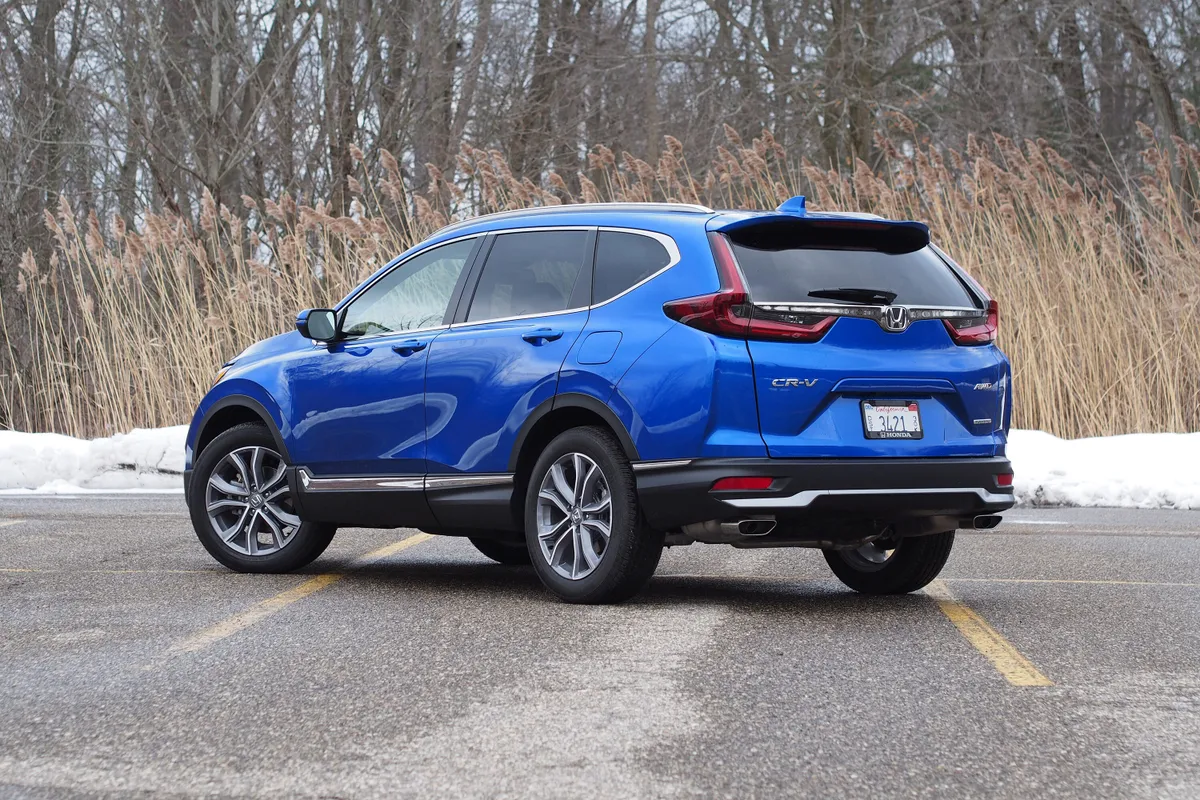
2. Honda CR-V: A Comfortable and Practical Compact SUV
The Honda CR-V is a compact SUV known for its practicality, solid construction, and dependable performance. All-wheel drive comes standard on the Sport Touring Hybrid model, while it is optional on other trims.
With 8.2 inches of ground clearance, the CR-V can handle a variety of terrains, and the Honda Sensing suite of safety features, including automatic emergency braking and forward collision warning, helps keep hazards to a minimum in challenging conditions.
The CR-V offers a composed and responsive driving experience for a small SUV, though it is not designed for sporty performance. The hybrid Sport Touring model accelerates from 0 to 60 mph in around 8.0 seconds, a typical figure for its class, with similar performance expected from the standard 1.5-liter engine.
Brakes are effective and smooth, providing confidence in emergency stops. The hybrid system operates quietly, simulating traditional gears, though sustained uphill driving can require more throttle input. Steering delivers good feedback, and the CR-V remains stable around corners.
Ride quality is a highlight, with the suspension providing a comfortable balance between control and comfort. Visibility is mixed: front windows are large, but rear sightlines are limited, partially mitigated by effective parking cameras. While the driver-assist features are competent, some competitors offer a more extensive suite.
Inside, the CR-V emphasizes practical comfort and spaciousness. Both front and rear passengers benefit from ample legroom and headroom. Rear seats are particularly suitable for car seats, and large door openings make entry and exit effortless.
Front seats are adjustable and supportive, while cabin layout and control placement are intuitive. Physical climate controls are easy to locate and operate without distraction. Large windows enhance the sense of openness, giving the interior an airy feel that complements the vehicle’s ergonomics.
The CR-V provides a functional but modest tech setup. The standard 9-inch infotainment screen is responsive and supports wireless Apple CarPlay and Android Auto, along with a wireless charging pad.
USB ports are plentiful except on the base trim. While the system works well, it is smaller than the screens offered by some competitors and lacks the high-end display options available in models like the Honda Accord. Despite this, the technology is easy to navigate and practical for everyday use.
Cargo space in the CR-V is above average for the compact SUV class, though the hybrid sacrifices some capacity and lacks a spare tire. The cargo area is wide and tall, accommodating bulky items comfortably.
Interior storage is functional, including a central bin, cupholders, door pockets, and a phone storage area, though it is less generous than some rivals. The layout balances convenience with practical organization for passengers and cargo alike.
Non-hybrid CR-V models achieve an EPA-estimated 30 mpg combined, while the hybrid model reaches up to 40 mpg (37 mpg with AWD). In real-world testing, the hybrid averaged 33.3 mpg, lower than EPA estimates but consistent with highway-biased driving conditions.
Pricing is reasonable considering build quality, comfort, and available technology, though it is slightly higher than some competitors. Warranty coverage is average for the class, with fewer extras than some rivals in terms of rust protection or complimentary maintenance.
The Honda CR-V prioritizes practicality, comfort, and dependable performance over flashy styling. Its spacious interior, smooth ride, and usable technology make it a strong choice for small SUV buyers who value functionality and reliability.
While it does not stand out in design or fuel economy, its competent handling, solid build, and thoughtful features make it a reliable and versatile compact SUV for families and commuters alike.
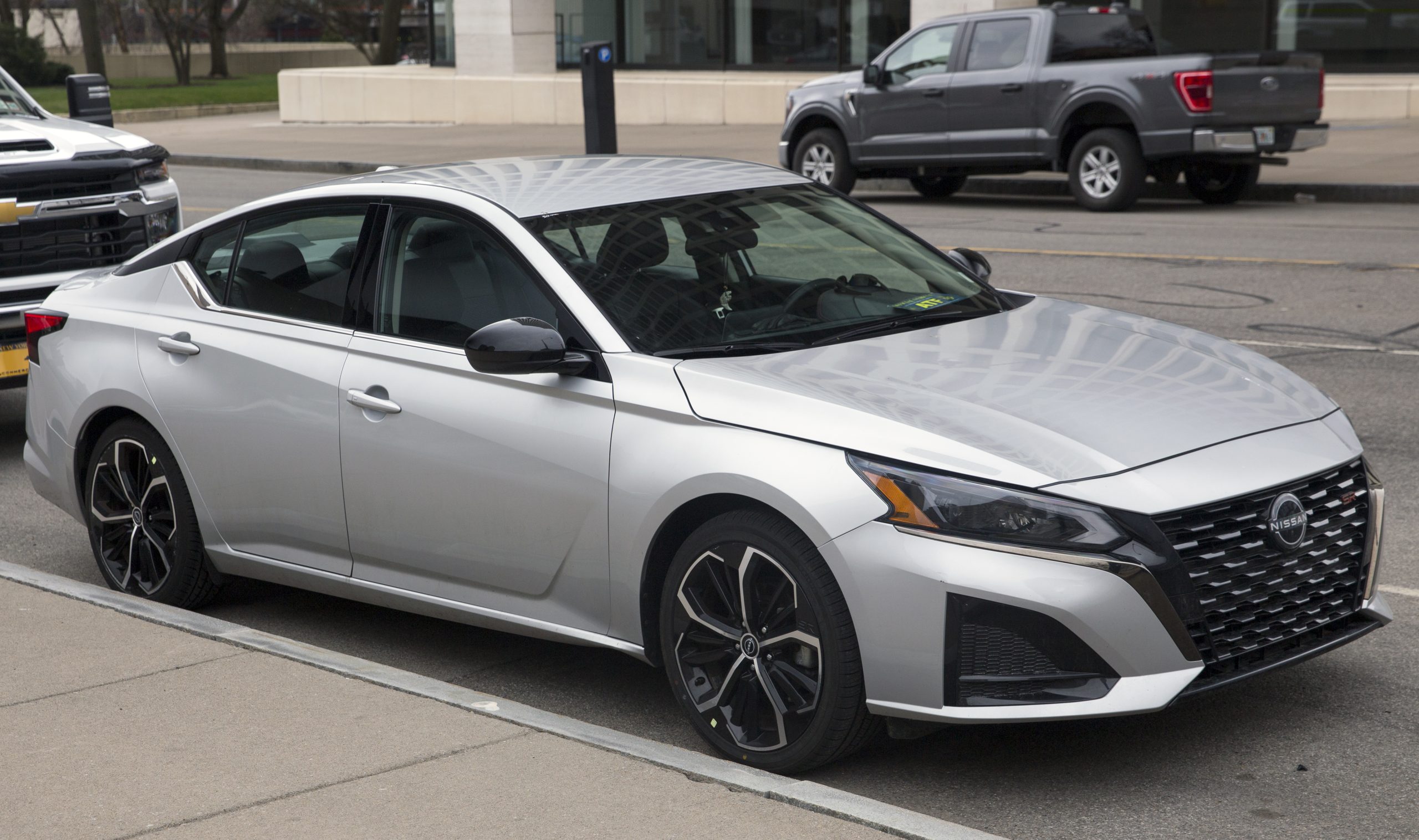
3. Nissan Altima: A Comfortable and Practical Midsize Sedan
The Nissan Altima is a midsize sedan that balances comfort, usability, and available all-wheel-drive capability. AWD is optional on most trims, except the base S model, which is front-wheel drive only. The Premium Package adds features such as heated seats, heated side mirrors, and other comfort upgrades for a modest price.
Standard safety features include automatic front and rear braking, collision warning, rear cross-traffic alert, and remote start, making the Altima a competent choice for buyers who want a practical sedan that can handle occasional winter weather.
The Altima delivers predictable, if not thrilling, performance. Our all-wheel-drive test model with the 2.5-liter engine accelerated from 0 to 60 mph in 8.4 seconds, which is typical for its class. The CVT automatic transmission is well-tuned and contributes to a smooth, quiet driving experience.
Handling is stable, providing confidence through curves, though the steering feels light and somewhat vague. The Altima is designed more for comfort and composure than sporty driving, with stable manners on highways and suburban roads.
Inside, the Altima is calm and functional. Front seats are generally comfortable, though some drivers may prefer more thigh support. Engine noise is well isolated, even under hard acceleration.
On rough roads, however, the suspension can transmit frequent small bumps, and larger impacts can feel jarring. Cabin ergonomics are sensible, with large, easy-to-reach door openings and controls placed for convenience. The Altima prioritizes a smooth ride and accessible layout, making it suitable for commuting or long-distance travel.
The Altima’s interior design prioritizes practicality over style. Climate controls and touchscreen functions are clearly labeled and intuitive. Rear visibility can be limited by the high rear decklid, and reflections from the dashboard may be distracting in bright sunlight.
Technology includes a large 12.3-inch touchscreen with wireless Apple CarPlay and Android Auto, as well as an onboard navigation system. The screen is responsive, though the software interface appears slightly outdated.
Backup and surround-view camera resolutions are low, which can make nighttime use challenging. ProPilot Assist, including lane centering and low-speed adaptive cruise control, is a valuable addition that performs reliably in traffic.
Trunk space is moderate but functional, with a squared-off shape that simplifies loading. Folding rear seats are standard, though they must be manually lowered from inside the cabin. Front cabin storage is ample for small items, but cupholders are shallow, limiting usability for taller bottles. The Altima provides practical storage solutions for passengers and luggage.
The AWD Altima is rated at 30 mpg combined by the EPA, and our real-world testing yielded 34 mpg, showing strong fuel efficiency for daily driving and highway use. Pricing is reasonable for a midsize sedan with optional AWD and premium features. Warranty coverage and roadside assistance are average for the class.
The Altima delivers good value for long-distance drivers or buyers in regions with harsh winters, though some build-quality inconsistencies, like uneven panel gaps and hood alignment, can detract from the premium feel.
The Nissan Altima is a practical midsize sedan with comfortable seating, competent handling, and available all-wheel drive. While not the most stylish or sporty option in its class, it offers a smooth ride, good fuel efficiency, and solid safety features.
Its combination of comfort, usability, and optional AWD makes it a sensible choice for commuters, families, and drivers who face varied weather conditions, though minor build-quality issues prevent it from feeling fully refined.
4. Toyota Camry: A Safe, Efficient, and Comfortable Midsize Sedan
The Toyota Camry continues to be a benchmark in the midsize sedan segment, offering a blend of safety, comfort, and fuel efficiency. The Safety Sense 2.5+ package includes automatic emergency braking, forward collision warning, and automatic high beams, enhancing confidence in snow or adverse weather.
All-wheel drive is optional on most trims, while the dedicated Cold Weather Package adds heated front seats, a heated steering wheel, and heated mirrors. Combined with standard dual-zone climate control, the Camry ensures comfort for all occupants even in harsh weather conditions.
The Camry delivers smooth, predictable performance suitable for daily driving. The XSE trim we tested accelerated from 0 to 60 mph in 7.8 seconds, slightly quicker than hybrid versions of the Honda Accord and Hyundai Sonata. Brakes are strong and smooth, providing confidence during stops.
The XSE’s sport-tuned suspension enhances handling, offering responsive steering and stability through corners. The ride strikes a balance between firmness and comfort, keeping passengers settled over bumps while maintaining a composed feel on highways. Engine noise is mostly well isolated, though rapid acceleration can produce a gritty sound.
The Camry’s interior emphasizes comfort and usability. Front seats provide good support for long trips, although they feel somewhat firm at first. Rear seating is spacious with adequate headroom due to the flat roofline.
Large windows and an upright driving position create a sense of openness, while physical climate controls and knobs below the touchscreen are intuitive to operate. Cabin quietness is excellent at highway speeds, contributing to a relaxed driving environment.
Camry interiors reflect a step up in refinement for the 2025 generation. XLE and XSE trims include a large 12.3-inch touchscreen, while wireless Apple CarPlay and Android Auto are standard on all models. Wireless charging pads are functional, and the optional nine-speaker JBL system provides solid sound quality.
Driver-assistance features excel, with systems capable of monitoring lane changes, adjusting speed, and supporting Traffic Jam Assist, which allows hands-off driving at low speeds in traffic. Controls on the steering wheel require some familiarization but are logically arranged once learned.
Trunk space measures 15.1 cubic feet, enough for large suitcases or grocery runs, though slightly smaller than some rivals. The interior provides thoughtful storage for small items, including door pockets, a bin near the wireless charging pad, and convenient phone storage locations. Rear seats accommodate child car seats easily, thanks to well-placed LATCH anchors and sufficient width for multiple seats.
Toyota offers a wide range of hybrid Camry trims, making it one of the most fuel-efficient midsize sedans without requiring plug-in hybrid technology. EPA estimates range from 44 to 51 mpg combined, depending on configuration, with real-world testing of a front-wheel-drive XSE yielding 45.9 mpg.
Camry pricing is competitive considering features, technology, and efficiency. Toyota’s warranty includes two years/25,000 miles of complimentary maintenance, eight years/100,000 miles on hybrid components, and two years of roadside assistance.
The Toyota Camry balances safety, comfort, and fuel efficiency with solid technology and refined handling. Its spacious, well-appointed interior, strong driver-assist suite, and optional all-wheel drive make it versatile for both daily commutes and long trips. For buyers seeking a dependable, efficient, and safe midsize sedan, the Camry remains a top choice in its segment.

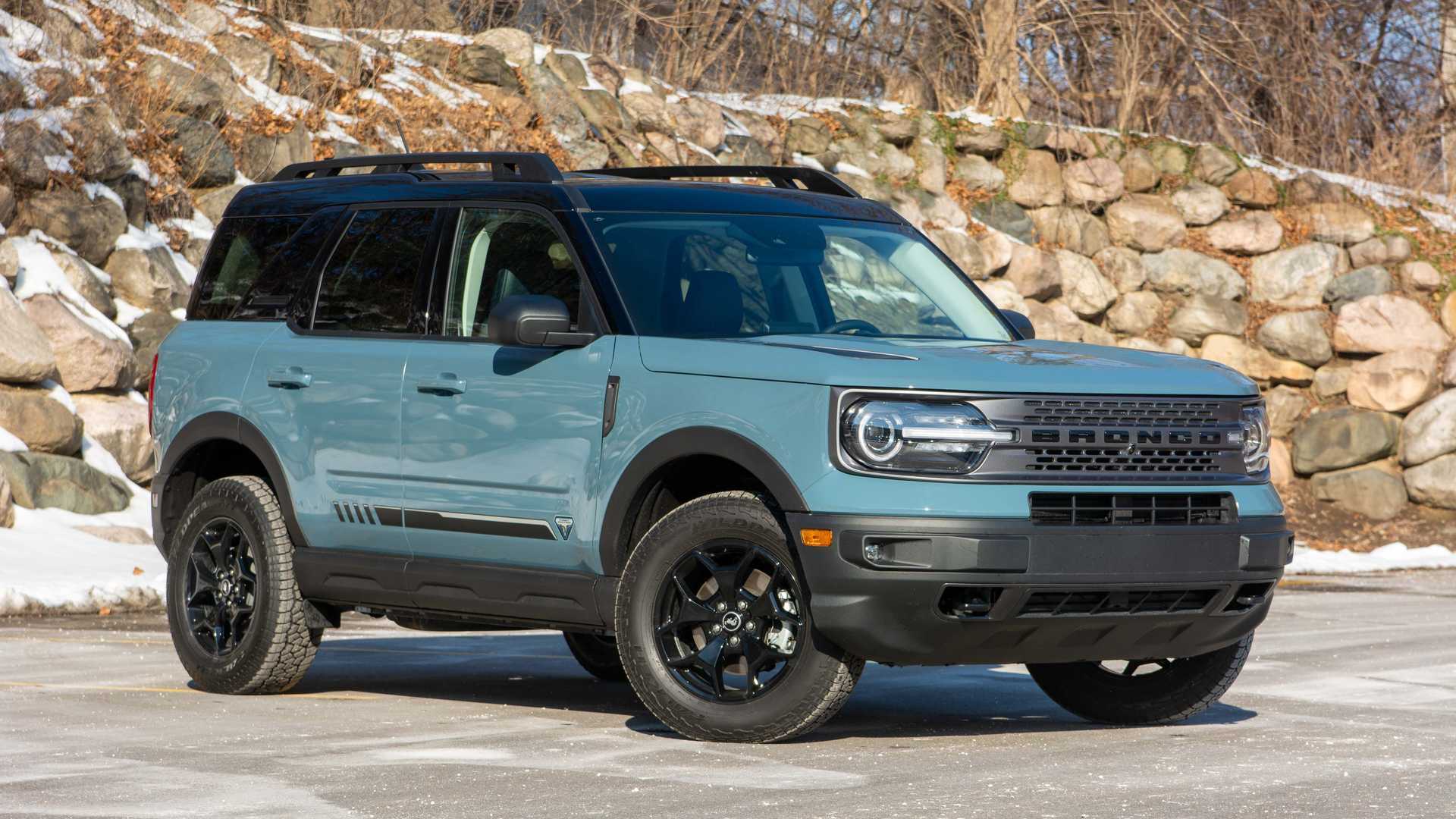
5. Ford Bronco Sport: A Rugged and Capable Compact SUV
The Ford Bronco Sport is a compact SUV designed for off-road adventure while maintaining daily usability. Standard all-wheel drive equips every model to handle varied terrain, and premium trims like the Outer Banks offer comfort-focused tech features such as heated mirrors, a heated steering wheel, heated front seats, rain-sensing wipers, and a rear-camera washer.
Ford’s CoPilot360 safety suite provides forward collision warning, automatic braking, and lane-keeping assist. With five selectable driving modes, the Bronco Sport adapts to surfaces ranging from paved roads to slippery mud, making it more capable in the dirt than most small crossovers.
The Bronco Sport delivers a competent on-road and off-road experience. The standard 1.5-liter turbocharged three-cylinder engine provides adequate city and highway power, while the top-tier Badlands trim features a more potent 2.0-liter turbo four-cylinder.
Off-road-focused tires contribute to longer stopping distances on pavement and a somewhat jiggly ride in town. However, off-road performance is a strong point, particularly with the optional Sasquatch package, which adds larger tires, underbody skid plates, and a specialized rear differential.
Handling on pavement is stable, and the Bronco Sport’s suite of driver-assist features, including adaptive cruise control and lane-keeping, works effectively without being intrusive.
The interior provides generous headroom and legroom in the front, though seat side support is limited, causing some sliding on curves or off-road. Rear space accommodates adults for shorter trips, though tighter legroom and low rooflines can make rear entry challenging.
Front door openings are wide, allowing easy access. Cabin controls are logically positioned and responsive, with most climate functions managed via the touchscreen. Wind and road noise are more noticeable than in typical compact SUVs due to the boxy shape and off-road tires.
Tech offerings are strong, including wireless Apple CarPlay and Android Auto, a 12.3-inch digital instrument cluster, and a 13.2-inch touchscreen. Audio quality is adequate even without the upgraded B&O system, and USB-C ports are plentiful.
Navigation requires a subscription after the first year. While the graphics are slightly dated compared with newer vehicles, setup and usability are straightforward, making the Bronco Sport technologically competent for daily use and off-road adventures.
Cargo space is versatile, with a high ceiling, low rubberized load floor, hooks, plugs, lights, and underseat storage in Badlands trims. A two-tier cargo organizer adds further utility. Front cabin storage is practical, though towing capacity is limited: the standard engine can pull 2,200 pounds, and the 2.0-liter engine maxes out at 2,700 pounds, below competitors like the Toyota RAV4 or Ford Escape.
Fuel efficiency is modest, with the base engine rated at 27 mpg combined and the Badlands trim dropping to 23 mpg. Unlike many rivals, the Bronco Sport does not offer a hybrid option.
Pricing is slightly higher than average, but standard AWD, robust tech, and off-road capability justify the cost. Build quality emphasizes durability over softness, and Ford’s three-year/36,000-mile basic and five-year/60,000-mile drivetrain warranties are acceptable but not generous compared with some competitors.
The Ford Bronco Sport is a rugged, fun-to-drive compact SUV with strong off-road capability, versatile cargo solutions, and practical technology.
While it compromises slightly on on-road ride refinement and fuel economy, it excels in adaptability, adventurous styling, and features designed for outdoor exploration. Buyers seeking a capable, engaging small SUV with genuine off-road credentials will find the Bronco Sport a compelling choice.
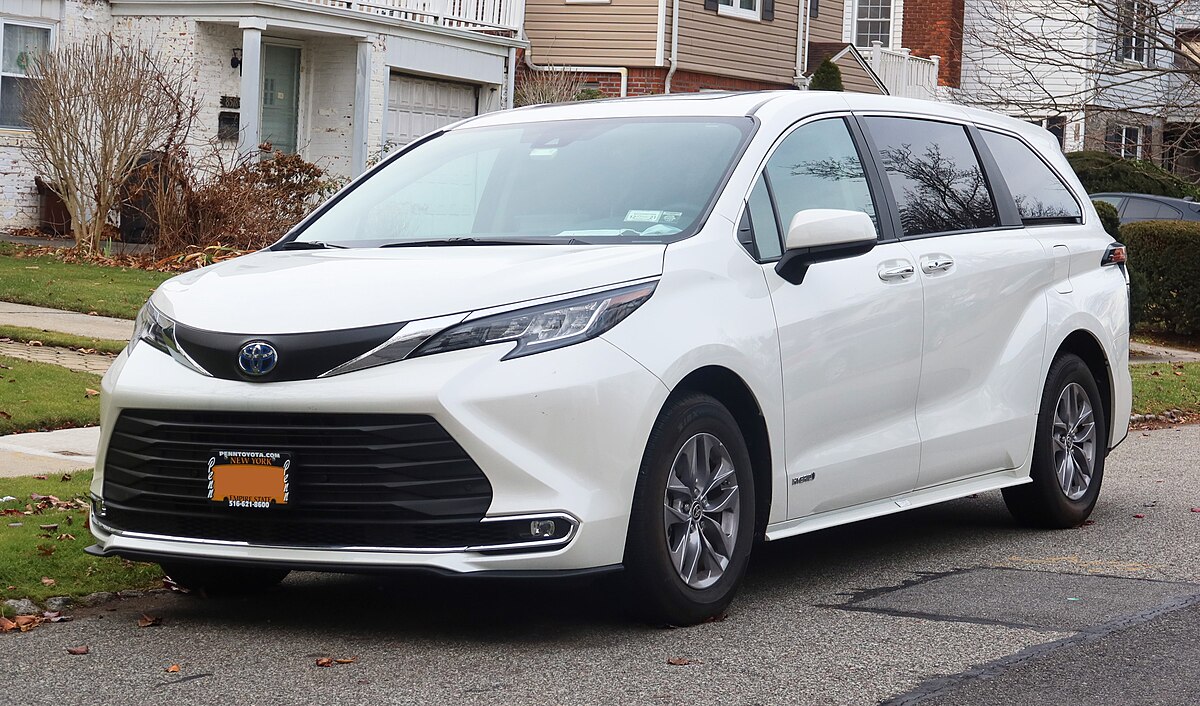
6. Toyota Sienna: A Practical and Efficient Hybrid Minivan
The Toyota Sienna is a versatile minivan designed for families who value comfort, safety, and efficiency, even in snowy or challenging conditions. Toyota Safety Sense comes standard and includes blind-spot monitoring, pre-collision detection, and lane-departure warning.
All-wheel drive is optional across all trim levels, while higher trims add conveniences such as a heated steering wheel. The Woodland Edition boosts ground clearance to 6.9 inches, helping the Sienna handle rough terrain more smoothly. Unlike most minivans, the Sienna comes standard with a hybrid powertrain, producing 245 horsepower from a combination of a four-cylinder engine and electric motor.
The Sienna accelerates smoothly but is slower than many of its competitors, taking longer to reach 60 mph, though this is generally unnoticeable during city driving. Its hybrid system contributes to excellent fuel economy, with front-wheel-drive models achieving 42.7 mpg in real-world testing, exceeding the EPA estimate of 36 mpg.
Steering is light and responsive at low speeds, making maneuvering in tight spaces easy. The minivan’s handling is more car-like than SUV-like, providing stability on highways while maintaining predictable behavior in turns.
The Sienna’s cabin is designed for long trips with multiple passengers. Front seats offer wide adjustability, and second-row ottoman-style footrests and sliding seats create a business-class feel. Rear seating accommodates adults comfortably, though rear doors and roofline may make access slightly tricky for children.
The climate control system is efficient and keeps the cabin comfortable in all conditions. Noise is generally low when cruising, though engine and CVT droning are noticeable under heavy acceleration. Optional in-car voice projection helps relay conversations to rear passengers.
The interior is practical and user-friendly. The Sienna sits high for easy entry and exit, and primary controls are logically placed. A 12.3-inch touchscreen serves as the central hub for entertainment and navigation, while wireless Apple CarPlay and Android Auto are standard.
Available features like a surround-view camera and digital rearview mirror improve visibility and convenience, particularly when carrying passengers or cargo. Advanced driver-assistance features, including adaptive cruise control, perform well and adjust smoothly in traffic.
Cargo space is excellent, with a deep well behind the third row and multiple hooks for securing items. Third-row seats fold nearly flat, and second-row seats slide forward to maximize cargo room. The second-row seats are not removable, slightly limiting maximum cargo capacity compared to competitors.
Interior storage is plentiful, with multiple cupholders, door pockets, and a center shelf for personal items. LATCH attachment points are accessible, simplifying car-seat installation for families.
The Sienna’s hybrid powertrain delivers exceptional fuel economy, with front-wheel-drive models averaging 42.7 mpg in real-world use. All-wheel drive reduces efficiency slightly, but numbers remain impressive for a minivan.
Pricing is comparable to similarly equipped competitors, and higher trims offer features like AWD that some rivals lack. Toyota provides strong warranty coverage for hybrid components, roadside assistance, and two years of complimentary scheduled maintenance.
The Toyota Sienna blends safety, comfort, efficiency, and practicality into a family-friendly minivan. Its hybrid powertrain, available AWD, and thoughtful interior features make it ideal for long trips, daily commuting, and handling challenging weather. With excellent fuel economy, a well-designed cabin, and a strong value proposition, the Sienna remains a top choice for families seeking a reliable and versatile minivan.
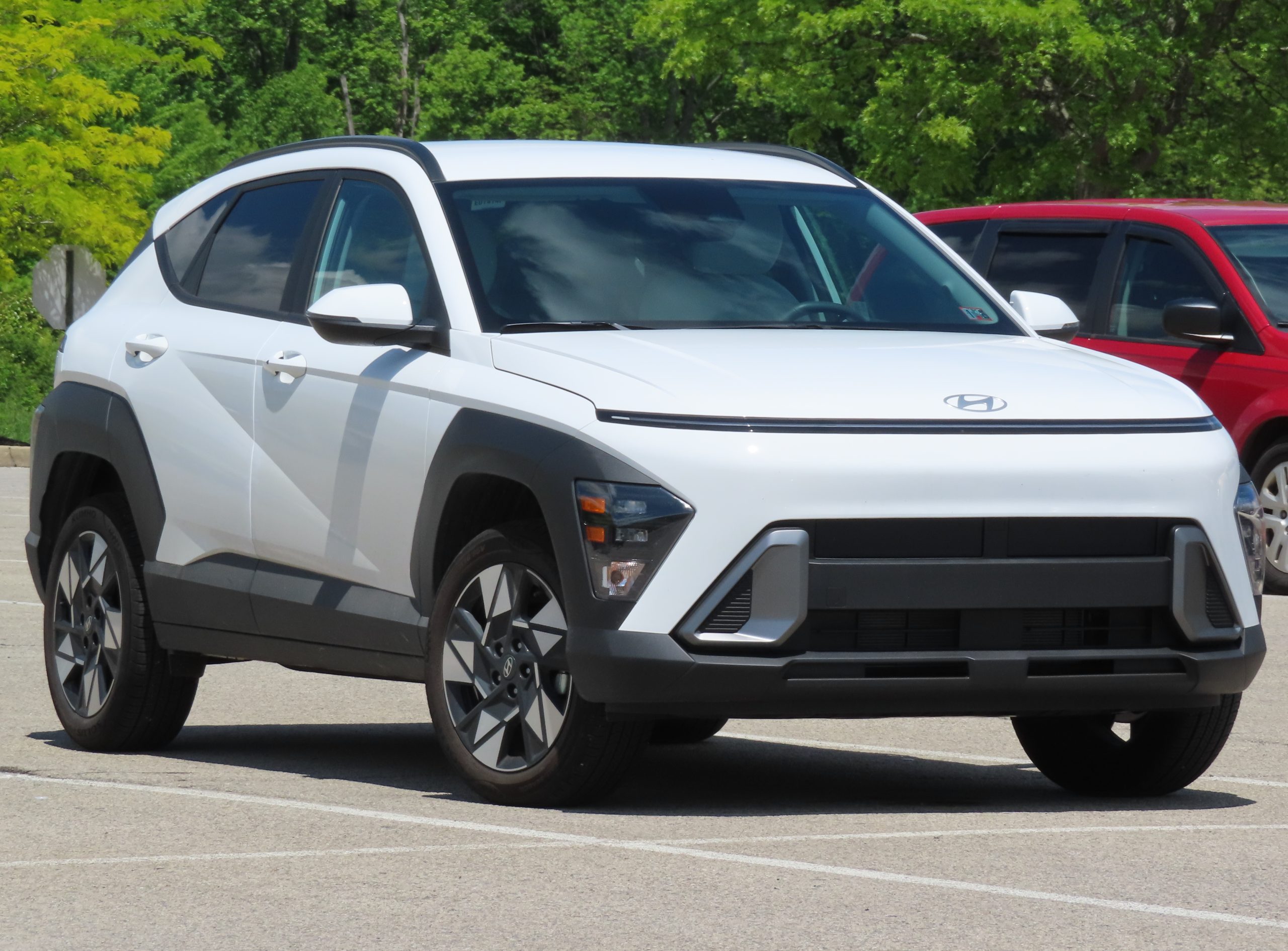
7. Hyundai Kona: A Practical and Well-Equipped Subcompact SUV
The Hyundai Kona is a small SUV that balances versatility, comfort, and technology for drivers seeking a reliable commuter or winter-ready vehicle. Standard safety features include automatic emergency braking and front collision warning, while all-wheel drive is available for an additional cost.
Higher trims, such as the SEL with Convenience Package, add heated mirrors, remote start, and heated front seats. Kona offers a variety of options to suit different driving conditions, from light snow to heavy winter commutes, making it adaptable for both city and suburban use.
The Kona comes with two four-cylinder engine options, including a turbocharged 1.6-liter producing 190 horsepower and 195 lb-ft of torque. In testing, this engine accelerated from 0 to 60 mph in 7.8 seconds, putting the Kona among the quicker choices in the subcompact SUV segment.
Braking performance is strong, providing confidence in emergency situations. Handling is less precise due to a soft suspension that allows noticeable body roll in corners, making it better suited for casual driving than aggressive maneuvering. The transmission shifts smoothly, ensuring comfortable performance in daily commuting and highway driving.
The Kona’s cabin is surprisingly roomy for its size. Road noise is minimal, even at highway speeds, and the seats are comfortable, though front-seat leg support could be improved. Rear seats offer ample headroom and legroom, making them practical for adults and larger car seats.
Features like ventilated front seats and a heated steering wheel add extra comfort, particularly in cold weather. Cabin controls are logically placed and easy to operate, ensuring convenience for both driver and passengers.
The Kona is equipped with advanced technology, including a twin 12.3-inch digital display setup, one for the instrument cluster and one for infotainment. The menus are intuitive, and wireless Android Auto and Apple CarPlay are standard. USB ports are provided in both rows, along with an optional wireless charging pad.
Higher trims also offer features like the Digital Key, which allows drivers to unlock and start the vehicle using a smartphone. The system is responsive and user-friendly, enhancing convenience and making the cabin experience more connected.
Cargo capacity is competitive for the segment, with 25.5 cubic feet behind the second row and up to 63.7 cubic feet when the rear seats are folded. The removable, rubberized cargo floor simplifies cleaning and accommodates taller items.
The center console is open and versatile, suitable for purses and medium-size items, while a small glovebox and covered center storage bin offer additional options. Clever cargo organization and flexible storage make the Kona practical for everyday errands and weekend trips.
Fuel efficiency is reasonable for a subcompact SUV. The turbocharged 1.6-liter AWD model averaged 27.6 mpg in real-world testing, slightly above the EPA estimate of 26 mpg. Base 2.0-liter FWD versions are rated at 31 mpg combined.
The Kona is priced competitively relative to rivals such as the Chevrolet Trailblazer and Volkswagen Taos, and its well-built interior adds to the perceived quality. Hyundai’s warranty is strong, offering five years/60,000 miles of basic coverage and 10 years/100,000 miles for the powertrain.
The Hyundai Kona prioritizes practicality, comfort, and technology in a small SUV package. Its roomy interior, flexible cargo solutions, advanced tech suite, and optional AWD make it a strong choice for commuters, small families, and drivers facing seasonal snowfall. While handling is not sporty, the Kona focuses on functionality, reliability, and passenger comfort, making it a well-rounded option in its class.
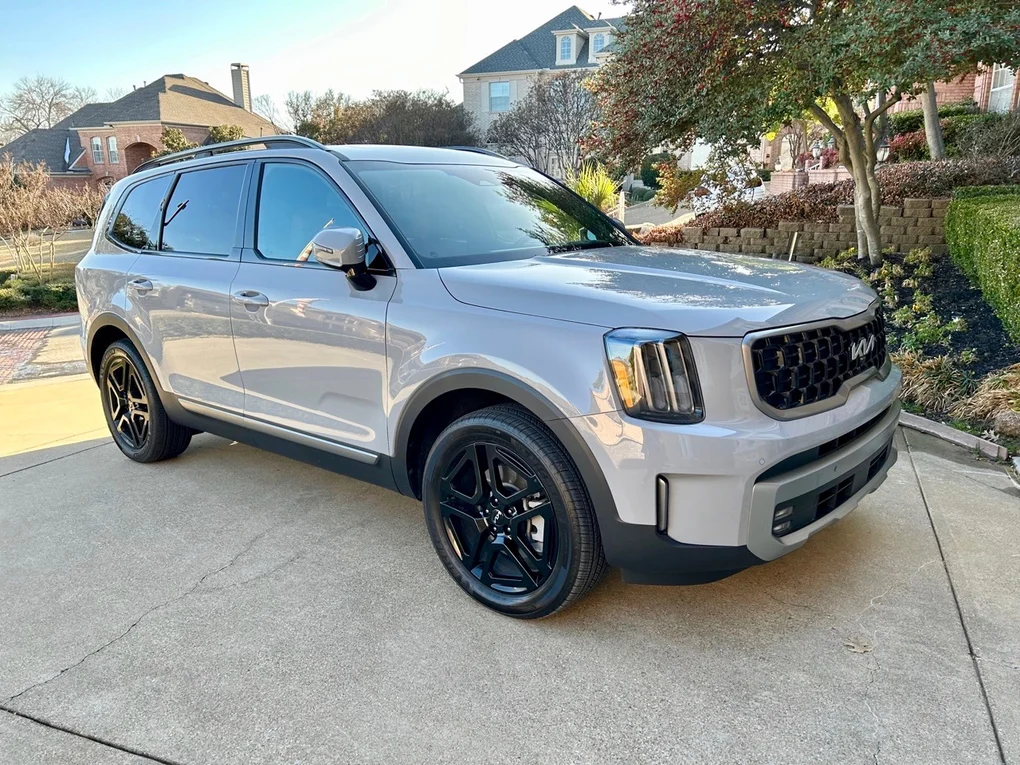
8. Kia Telluride: A Spacious and Comfortable Three-Row SUV
The Kia Telluride is a three-row SUV designed for families who need space, comfort, and capability in all weather conditions. All-wheel drive is available for a $2,000 premium, paired with a 3.6-liter V6 engine and eight-speed automatic transmission.
Winter-friendly features, including heated side mirrors, remote start, and heated seats on higher trims, make it a strong choice for colder climates. With 8 inches of ground clearance and a comprehensive safety suite including automatic emergency braking and blind spot monitoring, the Telluride is prepared for snow-covered roads and challenging conditions.
The Telluride delivers a satisfying and composed driving experience. Its V6 engine is responsive, although acceleration is average for a three-row SUV. Brakes are strong, providing consistent and smooth stopping power, while steering is light at low speeds and firm enough in turns to give drivers confidence.
Transmission shifts can be slightly rough under hard acceleration, and uphill gear selection may hunt occasionally, but these minor issues are outweighed by the Telluride’s consistently smooth handling.
The suspension is well-tuned, offering a comfortable ride even in the off-road-oriented X-Pro models. Visibility is good for a large SUV and can be further enhanced with an available surround-view camera system. Adaptive cruise control and other safety systems function reliably and seamlessly.
The Telluride’s cabin is exceptionally quiet, keeping road and engine noise to a minimum. Seats are supportive and contoured, with plush headrests enhancing comfort during long trips. Access to the second and third rows is easy, aided by low step-in height and movable captain’s chairs.
Interior space accommodates car seats efficiently, though the third row has limited LATCH options. Climate controls work effectively in all three rows, and while seat heating and ventilation are not the strongest on the market, they remain functional and convenient. Physical controls are straightforward, making adjustments intuitive.
Although the infotainment system is slightly dated compared to newer Kia models, it is highly functional and user-friendly. Wireless Android Auto and Apple CarPlay are not included, and USB-A ports are primarily used for data, with USB-C ports for charging. Higher trims include six USB ports (five Type-C) and a wireless charging pad. The infotainment interface is simple, ensuring ease of use without unnecessary complexity.
Cargo capacity is generous, with 21 cubic feet behind the third row and 87 cubic feet with the second and third rows folded. The wide hatch opening and underfloor compartment improve utility. The Telluride can tow up to 5,500 pounds, matching class leaders. Small-item storage is less robust, with limited options compared to some competitors.
The AWD Telluride achieves an EPA-estimated 20 mpg combined, while real-world testing showed approximately 23 mpg. Regular gasoline is sufficient to reach rated performance, making operation less costly than some rivals requiring premium fuel. Kia offers strong warranty coverage, with five years/60,000 miles for basic and 10 years/100,000 miles for the powertrain.
The Kia Telluride is a well-rounded three-row SUV, blending space, comfort, and capability with a near-luxury feel. Its smooth ride, generous interior, and thoughtful features make it ideal for families and long trips. While fuel economy is average, its practical design, safety features, and strong value make it a standout choice in the large SUV segment.
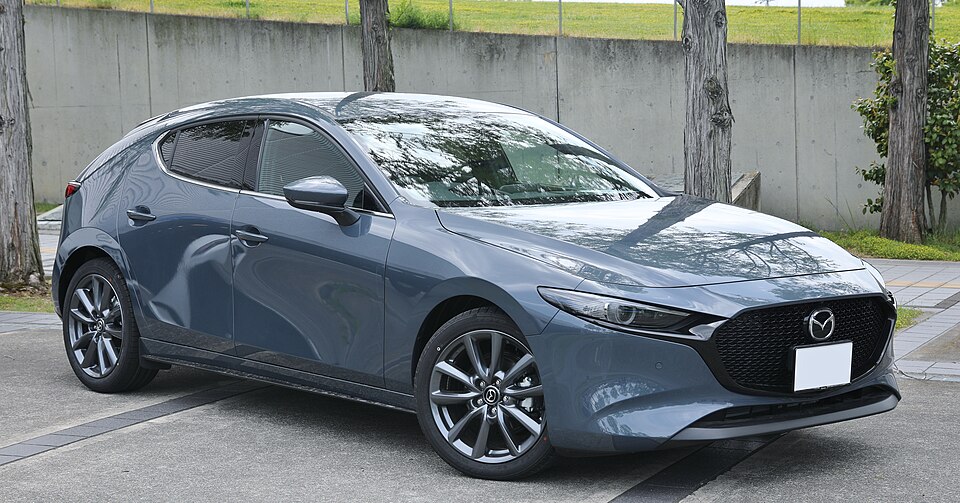
9. Mazda3 Sedan: Stylish, Refined, and Capable
The Mazda3 Sedan combines compact size with a premium feel, offering drivers a blend of style, refinement, and safety. The i-Activsense safety system includes automatic emergency braking, automatic high beams, and other driver-assist features to ensure confident driving in all weather conditions.
Higher trims either include all-wheel drive as standard (turbo models) or offer it as an option (Carbon Edition), making the Mazda3 a strong choice for buyers who want a compact car with enhanced all-weather capability. Rain-sensing wipers and heated seats on select trims further enhance winter driving comfort.
The Mazda3 Sedan is enjoyable to drive, with smooth, linear power from both the standard 2.5-liter four-cylinder engine and the turbocharged version. The turbocharged model achieves 0-60 mph in just 6.5 seconds, making it one of the quickest in its class.
The automatic transmission shifts smoothly, and the vehicle strikes a balance between responsive handling and ride comfort. While the turbocharged model adds sportiness, even the standard engine feels refined.
The ride quality is quiet, and engine and road noise are well controlled. Lane-centering features are somewhat lazy, and the surround-view camera system is limited to higher trims, but these issues do not detract from the driving experience.
The interior is one of the Mazda3’s strongest attributes. Even non-premium models offer supportive and comfortable seats with driver-focused controls. Cabin quietness and high-quality materials give the car a more upscale feel than many compact competitors.
Climate controls are physical buttons, making them simple and intuitive to use. However, the backseat is short on legroom and headroom, limiting comfort for adult passengers and large car seats. The Mazda3 is better suited for two adults and occasional rear-seat use rather than full family hauling.
The Mazda3’s infotainment system is minimalistic but functional. The screen is well integrated into the dash and controlled primarily by a knob behind the shifter. The optional Bose audio system adds a premium touch.
Apple CarPlay and Android Auto work via touchscreen only, which can be inconvenient due to the screen’s distance from the driver. While the system works well once accustomed to, the interface feels less user-friendly than some rivals.
Trunk space measures 13.2 cubic feet, which is adequate but smaller than competitors like the Honda Civic or Hyundai Elantra. Rear seats fold down to accommodate longer items, and interior storage is limited, with only small cupholders and modest center-console and door-pocket space. This makes the Mazda3 better suited for smaller cargo loads or daily commuting rather than extensive hauling.
Fuel efficiency is reasonable for a compact car: FWD models achieve 31 mpg combined, AWD drops to 30 mpg, and the turbocharged model averages 27 mpg. While more expensive than rivals like the Civic or Elantra, the Mazda3 offers superior refinement, materials, and driving enjoyment. Warranty coverage is standard, with 3 years/36,000 miles bumper-to-bumper and 5 years/60,000 miles for the powertrain.
The Mazda3 Sedan stands out with its stylish design, high-quality interior, refined engines, and available all-wheel drive. It combines sporty performance and premium touches in a compact package, appealing to buyers seeking a more sophisticated alternative to standard small cars.
Though rear-seat space and cargo capacity are limited, the Mazda3 delivers a driving experience and interior refinement that rivals some entry-level luxury sedans, making it a distinctive choice in the compact sedan segment.
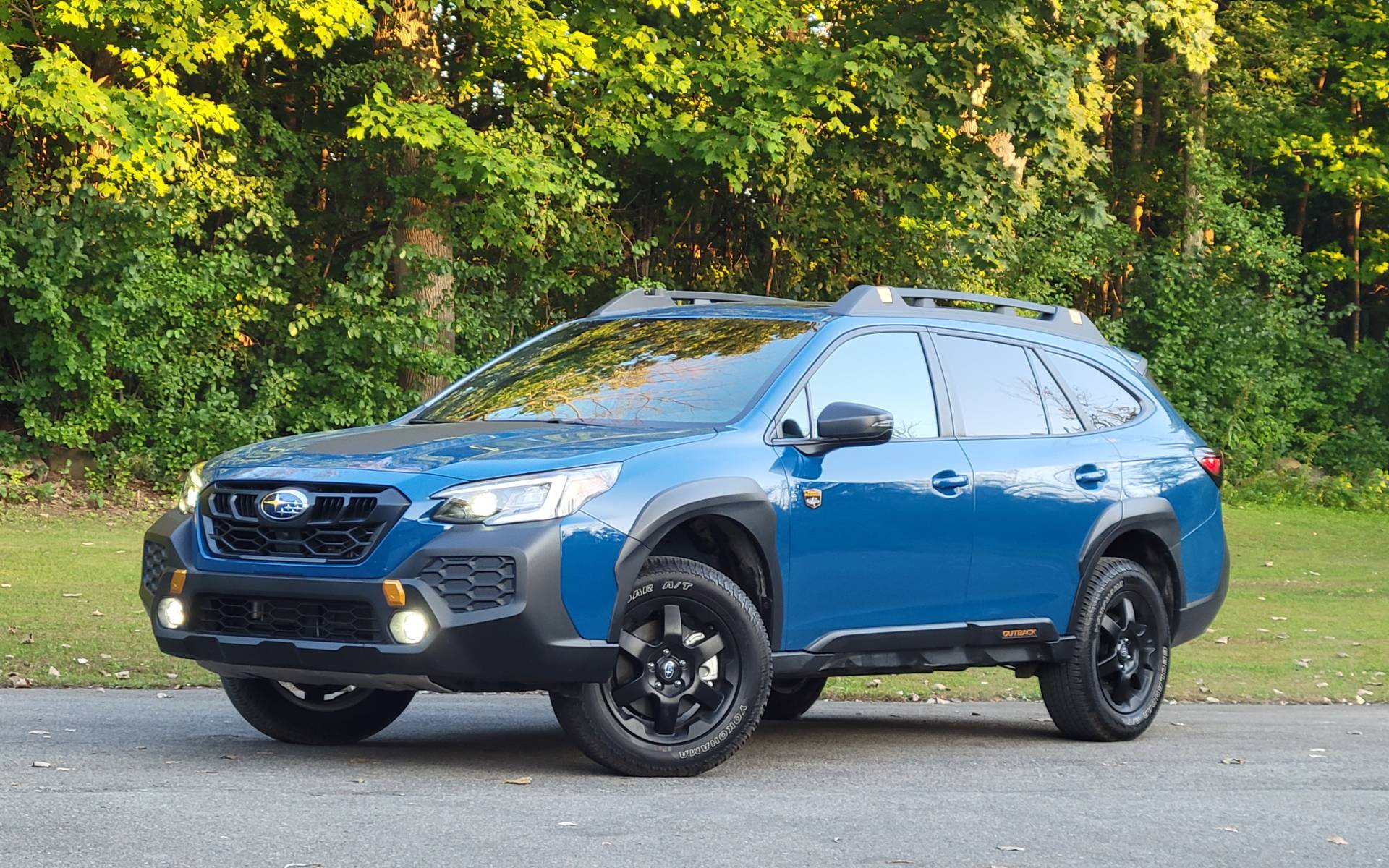
10. Subaru Outback: Rugged Versatility with Snow-Ready Capability
The Subaru Outback is a lifted station wagon with SUV capability, featuring 8.7 inches of ground clearance and standard all-wheel drive on all trims, making it well-suited for snow and rough terrain. The X-Mode system optimizes traction for slippery or uneven surfaces.
Interior comfort options include heated front seats and climate control (Premium trim), with heated rear seats available in the Limited trim. Optional packages add blind-spot monitoring and rear cross-traffic alert for extra safety.
The Wilderness edition provides off-road enhancements such as 9.5 inches of ground clearance, all-terrain tires, flared wheel arches, and water-resistant interior materials.
The Outback can be equipped with a turbocharged engine that accelerates from 0 to 60 mph in 6.5 seconds, offering solid performance for highway merging and passing. Despite this, the Outback feels less composed than many midsize SUVs, with noticeable body roll during turns and slow steering that requires more effort.
Its suspension absorbs bumps and rough surfaces well, contributing to a comfortable ride. Driver-assistance features are extensive but can be overly sensitive: lane-keeping functions intervene when not necessary, driver attention warnings trigger frequently, and automatic emergency braking may activate unexpectedly.
The ride quality is strong, with the suspension effectively handling potholes, speed bumps, and road irregularities. Front seats are soft yet supportive, and adjustments are plentiful, though some may prefer a more upright SUV-like seating position.
The climate system performs reliably, and heated seats and steering wheel enhance winter comfort, though seat ventilation is limited. Physical controls are easy to use, complementing the touchscreen functions.
Subaru emphasizes a clean cabin design, with many functions controlled through a touchscreen. While the screen is large, it can respond slowly, which may be frustrating. Apple CarPlay and Android Auto work, but their performance can lag.
Physical volume and tuning knobs remain, helping maintain usability. The stereo provides clear sound, and multiple charging ports are included throughout the cabin.
The Outback features a low, flat cargo floor that simplifies loading and unloading, though total capacity is slightly less than some SUVs due to its wagon design. Roof rails make it easy to carry larger gear.
Cabin storage is practical but limited in size, including a front phone shelf, rear bottle holders, and seatback pockets, though the center console is smaller than in many competitors. LATCH anchors and spacious rear seating make child seat installation simple.
The turbocharged Outback achieves an EPA estimate of 25 mpg combined, with testing confirming a similar real-world result. Base models provide good value, given standard AWD and practicality, while turbo models approach the pricing of traditional midsize SUVs. Warranty coverage is standard, and materials and design are solid but not particularly distinctive.
The Subaru Outback offers a combination of off-road capability, passenger comfort, and cargo flexibility. Its strengths are in ruggedness, ride quality, and all-weather confidence, while the touchscreen and driver-assistance systems can be frustrating at times. The Wilderness edition adds extra capability and durability for buyers seeking adventure without sacrificing daily usability.
Also Read: 10 Cars With Reliable Suspension vs 10 That Constantly Wear Out
10 Cars That Fail In Winter
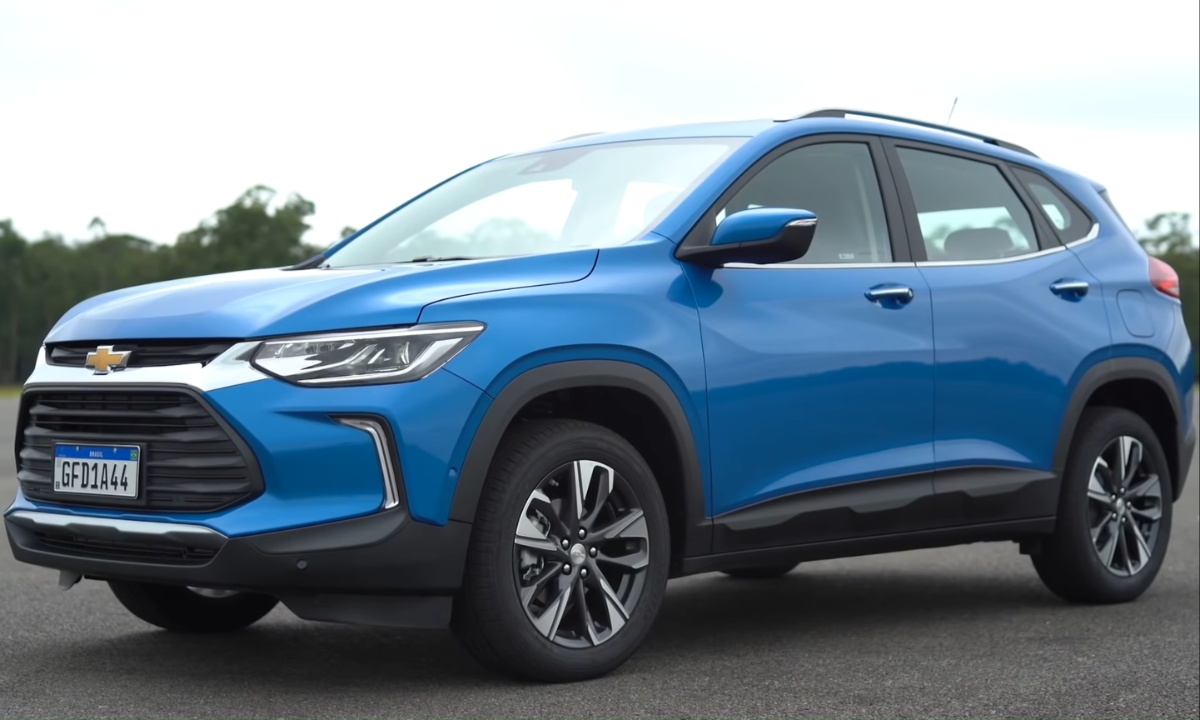
1. Chevrolet Tracker
The Chevrolet Tracker struggles in winter due to its short wheelbase, light weight, and lack of traction control. Drivers report losing control even on flat roads, with one person experiencing multiple spins at highway speed caused by a minor road imperfection. Its small size and minimal crumple zones make it particularly unsafe in snow or ice.
Similar warnings apply to the Geo Tracker. While other compact cars can handle winter with proper tires, the Tracker’s instability makes it risky even for experienced drivers. Its lightweight frame and absence of traction-enhancing systems amplify the chances of sliding, spinning, or collisions during winter driving.
Drivers emphasize that the car’s structure and low mass make it highly sensitive to loss of grip, making it a poor choice for snowy or icy climates. The Tracker is a prime example of a vehicle that trades portability and affordability for hazardous handling in cold conditions.
2. Chevrolet Camaro
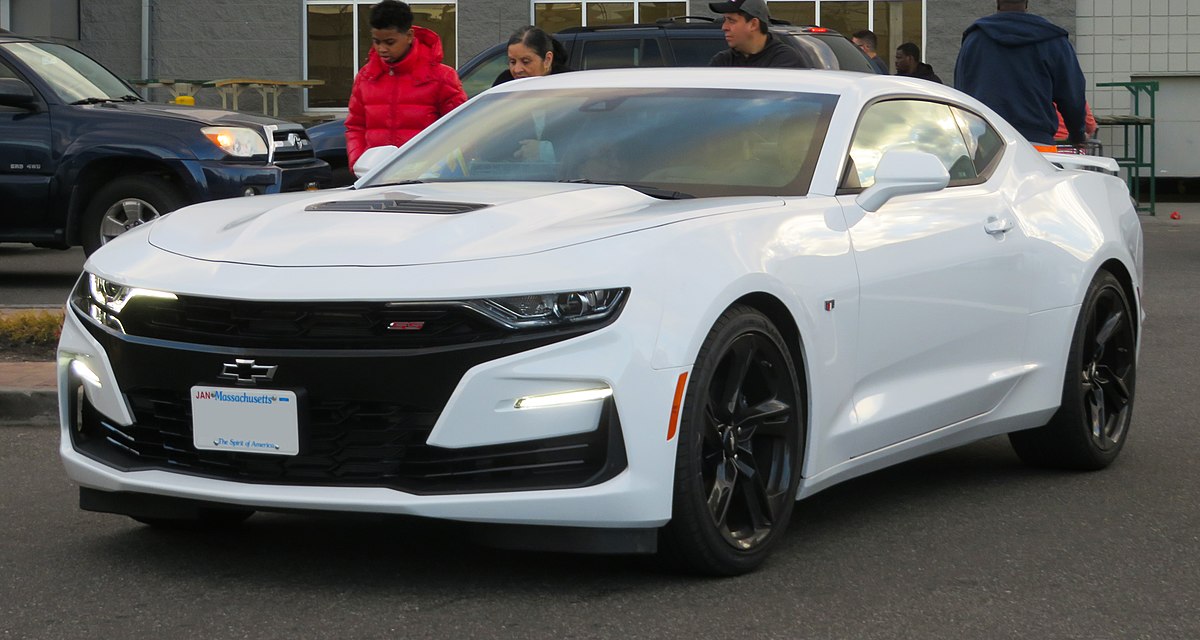
The Chevrolet Camaro is a rear-wheel-drive sports car that performs poorly in snow and icy conditions. Low ground clearance and rear-drive configuration make it easy to lose traction, requiring extremely slow speeds to move safely on snow-covered roads. Even all-season tires offer limited help without snow-specific tires.
Drivers report struggling to leave parking lots or handle minor snowfalls, emphasizing that the car is better suited for dry conditions. The Camaro’s high power and performance-oriented design increase the risk of sliding and getting stuck in deeper snow.
Installing snow tires improves grip, but the vehicle’s low clearance and rear-drive layout still limit its winter usability. Experts advise reserving the Camaro for fair-weather driving.
The 2024 base model starts at $32,495, offering performance in dry conditions but minimal reliability on snowy roads. Its sporty appeal comes at the cost of traction, stability, and safety in winter driving scenarios.
3. Lexus SC400
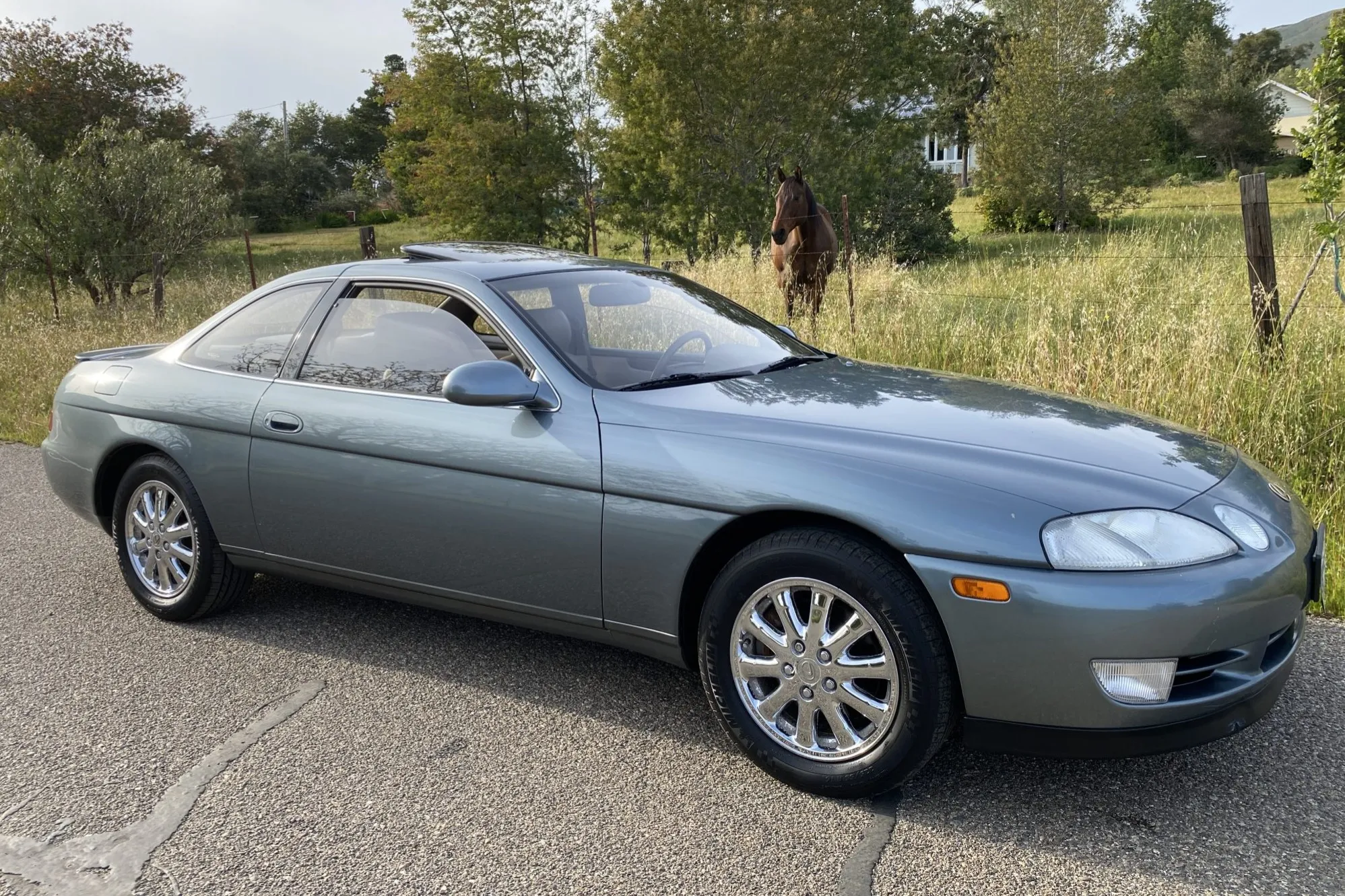
The 1992 Lexus SC400 is poorly suited for snow due to its long, low chassis, powerful V8 engine, and lack of traction or stability control. ABS brakes help somewhat, but most SC400s lack a limited-slip differential, reducing traction further.
Drivers report that it easily gets high-centered on snow drifts, and the chassis reacts sharply when grip is lost. The combination of torque, rear-wheel drive, and low ground clearance makes spins and slipping common in winter conditions.
Manual-transmission SC300 models perform slightly better because of a limited-slip differential, but the SC400 remains risky. Its sporty coupe design prioritizes performance over stability, making it unsafe for snowy roads.
Snow and ice magnify the car’s shortcomings, demanding extreme caution from drivers. Even experienced drivers can find themselves struggling to maintain control, highlighting how certain performance-focused cars are inappropriate for winter use, regardless of driving skill or tires.
4. Corvette C1
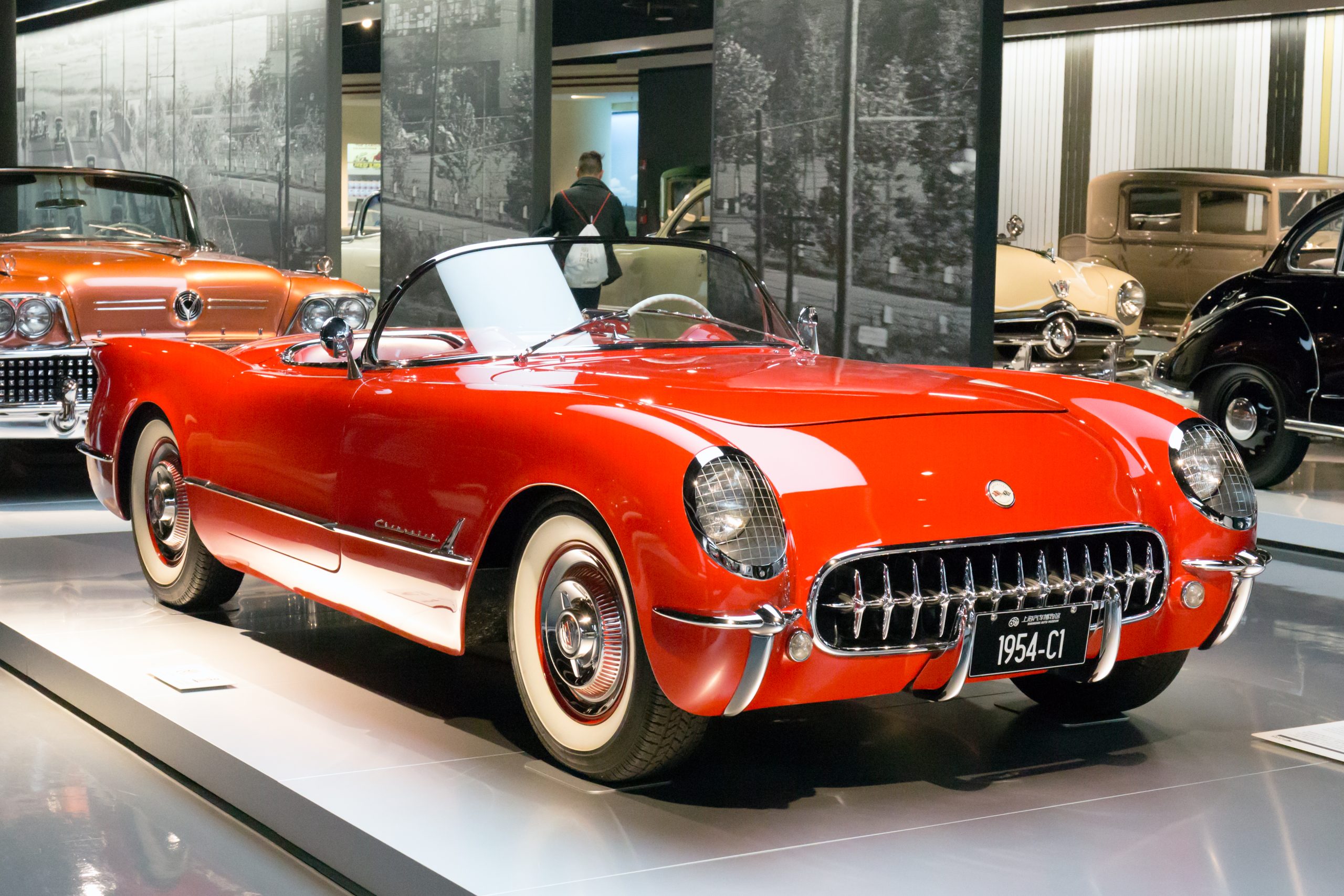
The Corvette C1, an early rear-wheel-drive sports car, is highly unsafe in snow. Its low-slung design, narrow tires, and optional hardtop make traction minimal on icy or snowy surfaces. Exposure to wet or cold conditions could damage the car, as weatherproofing was limited in early models.
Drivers report that the car is prone to sliding and spinning, with even small amounts of snow creating hazardous conditions. Light weight over the rear axle further reduces stability, and the high torque output increases the likelihood of losing control.
While visually iconic, the Corvette C1’s engineering prioritizes performance and style over winter capability. Snow or ice drastically reduces grip, making it difficult to stop, turn, or accelerate safely. Owners are advised to store the car during winter months, as attempting to drive it in adverse conditions significantly increases the risk of accidents and damage.
5. Dodge Demon
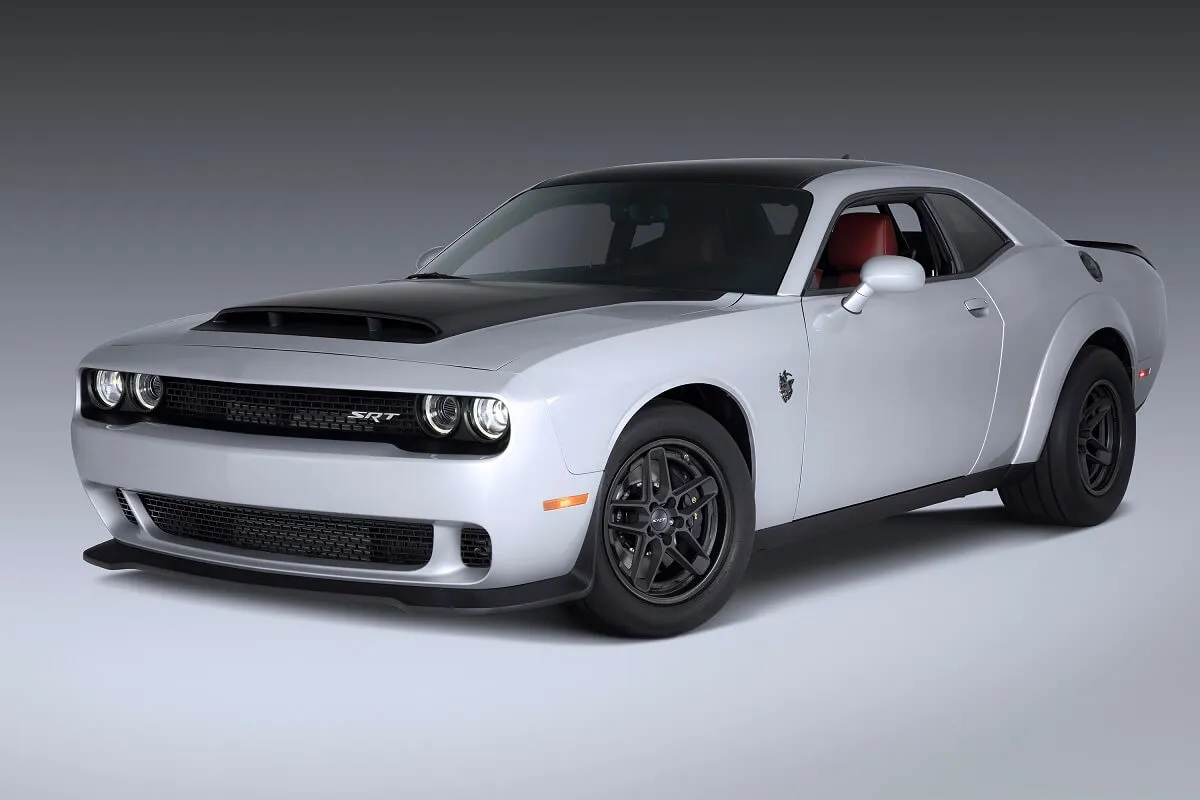
The Dodge Demon is extremely unsuitable for snow and ice due to its high power, rear-wheel drive, and limited traction control. Drivers report difficulty maintaining grip even in light snow, with slipping and spinning occurring frequently.
Its low ground clearance, high torque output, and performance-focused setup amplify the risk of losing control in winter conditions. Vehicles like the Dodge Viper face similar issues. The Demon’s design prioritizes acceleration and track performance rather than cold-weather capability, making it impractical for snowy roads.
Only extremely rare vehicles, such as the TVR Speed 12, perform worse in snow. Drivers attempting to use the Demon in winter face spinning, sliding, and getting stuck, highlighting the dangers of rear-wheel-drive, high-powered sports cars in icy or snowy conditions. The car may be thrilling in dry conditions, but its winter performance is highly limited.
6. Ford F-150 (RWD)
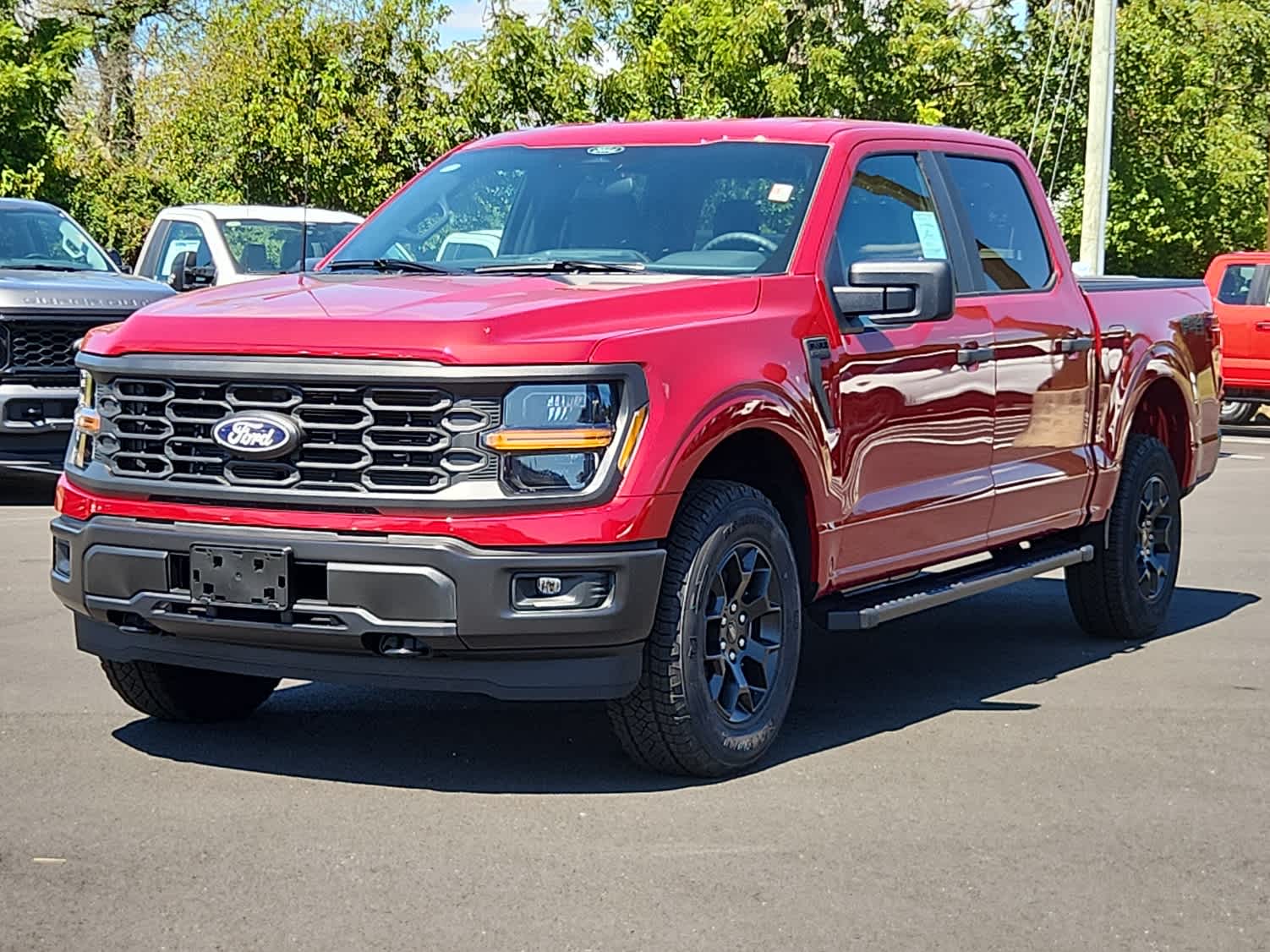
Rear-wheel-drive Ford F-150 trucks are not ideal for winter. Most weight rests over the front axle, leaving the rear light and prone to slipping on snow or ice. Drivers often place extra weight in the bed to improve traction, but spinning remains common. Older models also have mechanical reliability concerns in cold weather.
Without four-wheel drive and appropriate winter tires, rear-drive F-150s are difficult and unsafe to operate on icy roads. The 2025 base model starts at $39,345, but upgrades such as 4WD and traction enhancements are recommended for snow. Even with modifications, drivers report slipping or struggling to climb small inclines.
Trucks with rear-wheel drive may function well in dry conditions, but winter performance is poor, emphasizing the need for all-wheel or four-wheel-drive systems and proper tires for safe cold-weather driving.
7. Nissan Leaf
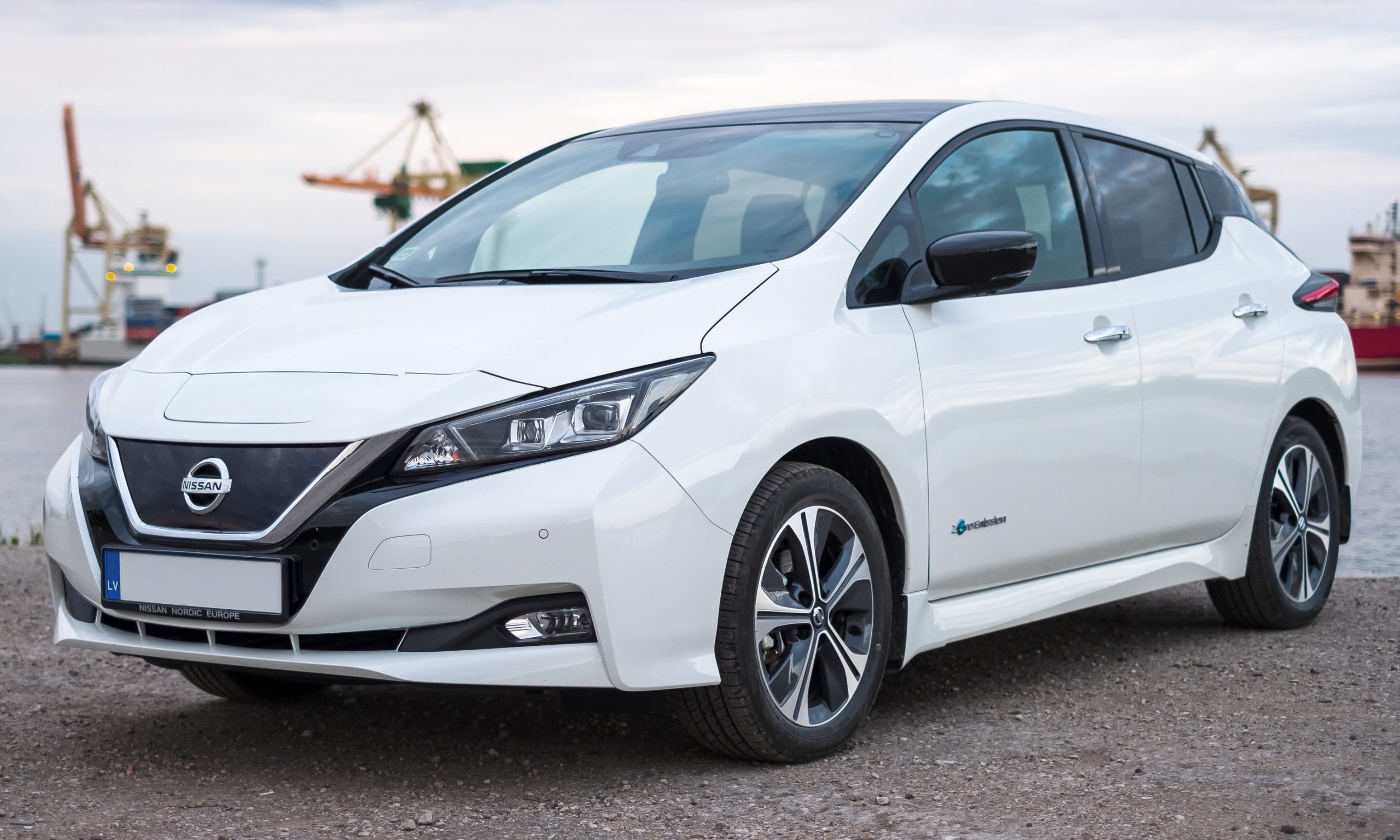
The Nissan Leaf faces challenges in winter due to reduced battery performance in cold temperatures and its light weight. Snow, ice, and slush significantly limit grip, while range loss can leave drivers stranded in harsh conditions.
Low ground clearance compounds the problem, making it harder to maintain stability on snow-covered roads. Although smooth in fair weather, winter reduces the car’s reliability. Drivers in mountainous or icy areas report struggling with traction and limited battery range, creating safety concerns.
Winter tires improve performance, but the Leaf’s inherent weight and battery limitations still compromise its winter safety. The 2025 base model starts at $29,280. Drivers who rely on this EV for daily winter commuting need to account for the loss of range and traction, emphasizing that electric cars without proper winter preparation may be unsuitable for severe snow or ice conditions.
8. Chrysler New Yorker
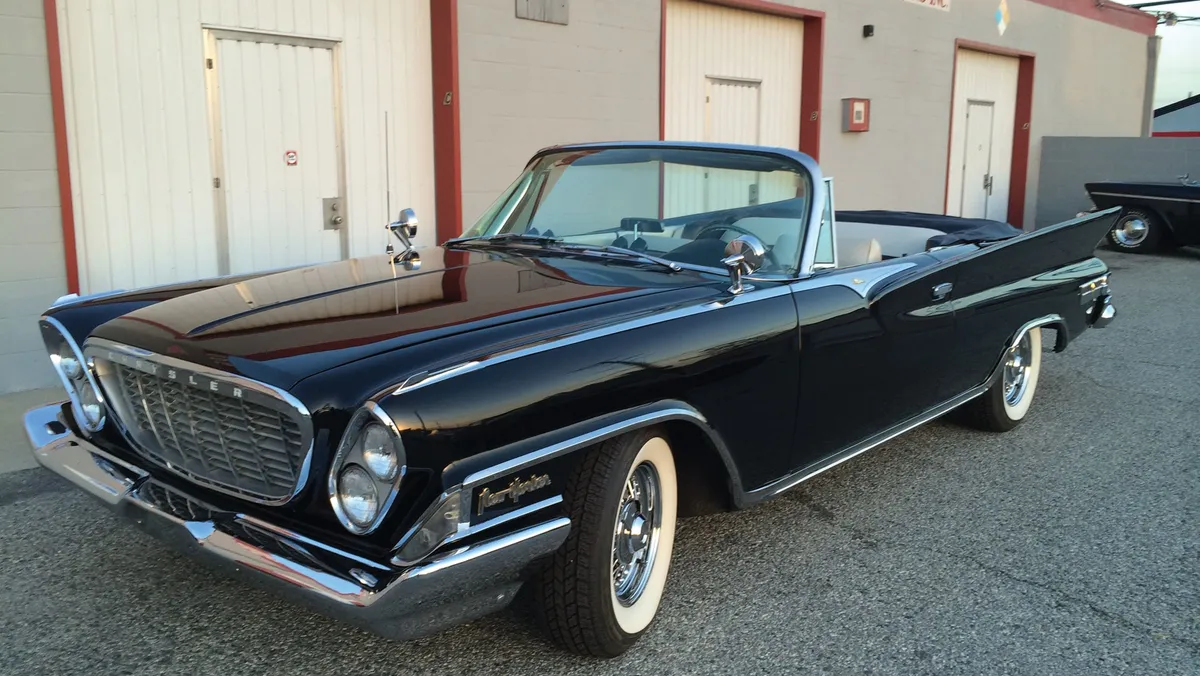
Older Chrysler New Yorker models, particularly 1982 rear-wheel-drive variants, are highly prone to winter problems. Drivers report spinning at minimal traction loss, struggling in deep snow, and even getting stuck in three-foot drifts despite snow tires. Rear-wheel drive and low rear weight increase slipping and reduce control.
HVAC systems are often inadequate for cold conditions, further reducing driver comfort. The car’s city-focused design does not provide enough stability for snow or ice. Even experienced drivers find these vehicles challenging to handle in winter.
Their low traction, rear-heavy design, and limited heating make them unsafe in snowy conditions. This vehicle demonstrates that rear-drive sedans without proper weight distribution or traction-enhancing features are poor choices for cold-weather driving, even when equipped with snow tires.
9. Ford Ranger (RWD)
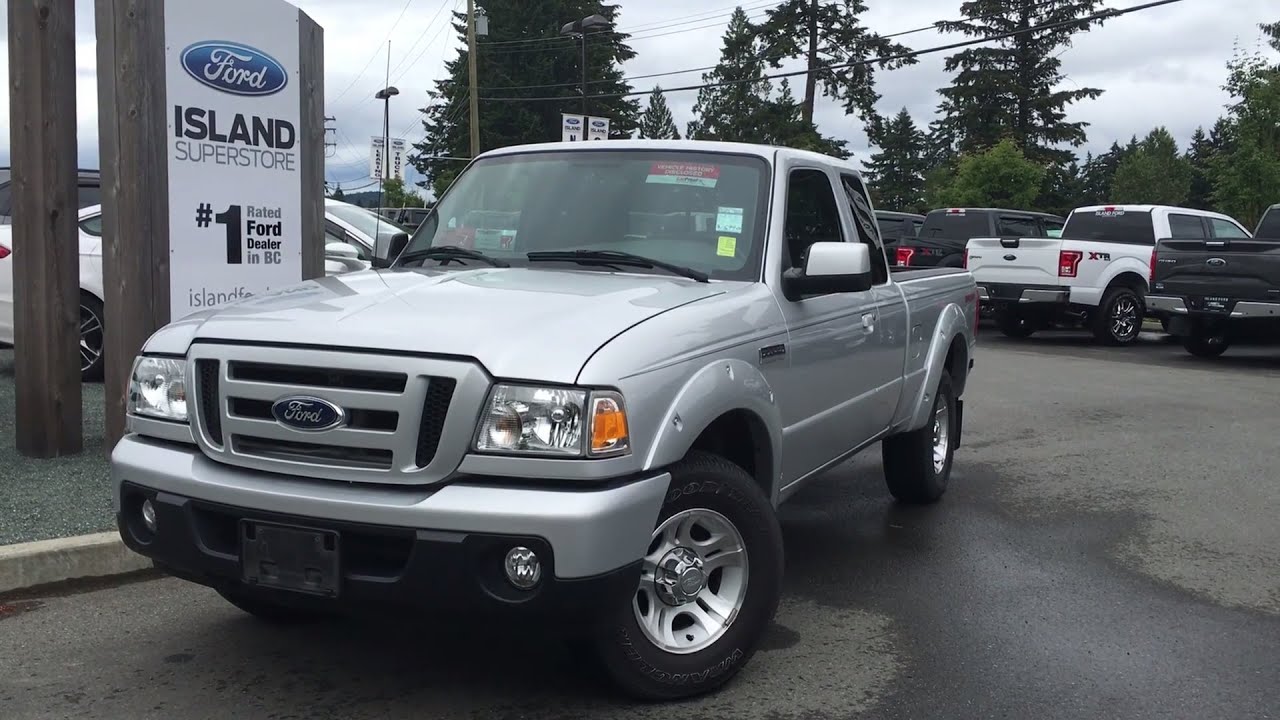
Rear-wheel-drive Ford Ranger pickups are difficult to control in snow. Light rear weight causes slipping and spinning, and drivers often place logs in the bed to improve traction. Older manual models require skill to maintain grip, while even experienced drivers can struggle on icy roads.
Rear-wheel drive reduces stability compared to 4WD trucks, especially when climbing inclines or accelerating. While functional in dry conditions, these Rangers are unreliable on snow or ice.
Their design prioritizes lightness and rear-drive performance, making winter driving unsafe without added weight or traction aids. Drivers emphasize that in snowy or icy regions, these trucks are poor choices unless converted to four-wheel drive or equipped with specialized winter tires.
10. BMW 6/8 Series (RWD)
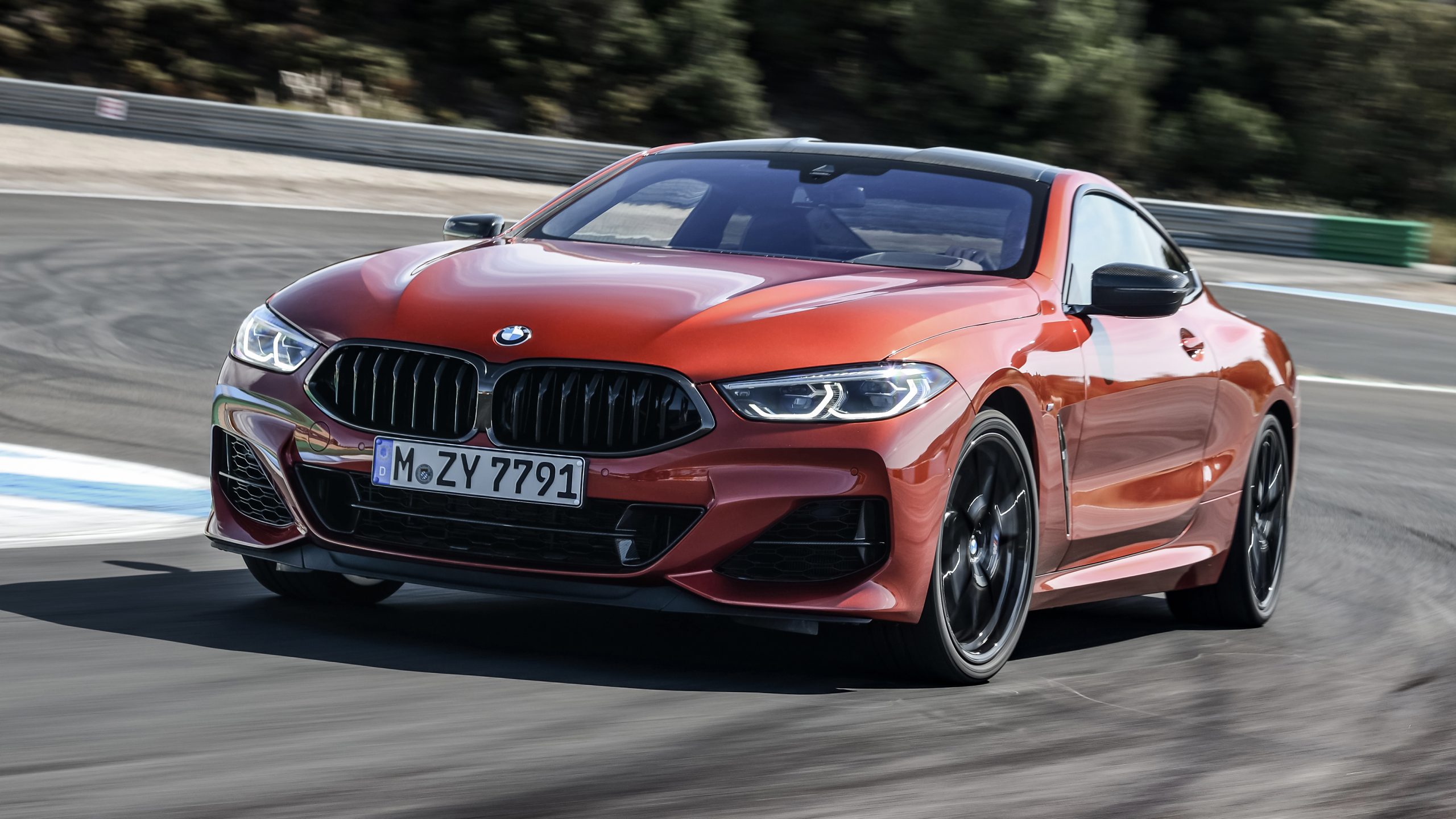
Rear-wheel-drive BMW 6 and 8 Series cars, particularly with performance summer tires, are difficult to control in snow. Wide rear tires reduce traction and cause slipping or spinning, even on minor inclines. Drivers report extended struggles to climb hills or move on icy surfaces.
Stability and traction controls help but are insufficient without winter tires. Rear-drive layout, weight distribution, and high-performance setup make these cars unsafe in snowy or icy conditions. Drivers note that summer tires worsen winter handling, making traction extremely limited.
These vehicles are designed for performance in dry conditions, not snow. Proper winter tires are essential for any control, but even then, rear-drive, heavy, high-powered coupes remain risky for winter driving.
Winter driving is a true test of both a vehicle’s design and a driver’s preparation. Cars that perform well in snow provide more than just traction they offer stability, confidence, and peace of mind when roads are slick and temperatures drop.
Vehicles like the Volvo V90 Cross Country, Subaru Outback, and Kia Telluride combine all-wheel drive, elevated ground clearance, and winter-focused features to handle icy streets, deep snow, and unpredictable conditions. These cars allow drivers to maintain control, reduce stress, and arrive safely, whether on city streets, suburban roads, or less-traveled paths.
On the other hand, some vehicles struggle in winter despite their appeal in other conditions. Rear-wheel-drive sports cars, lightweight compact models, and certain electric vehicles can face significant challenges in snow, including slipping, spinning, or reduced braking effectiveness. Awareness of these limitations is essential for anyone living in regions with harsh winters.
Ultimately, selecting the right car for winter is a combination of informed choice and preparation. Understanding which models are built for snow and which are not helps drivers prioritize safety, comfort, and reliability.
By focusing on vehicles with proven winter performance, drivers can face the season with confidence, knowing their car is equipped to handle cold, snow, and ice with resilience and consistency.
