
The 1970s was a transformative decade for the automotive industry. Fuel crises, tightening emissions standards, and the rise of performance culture all shaped the cars of this era. Yet, amid these challenges, certain vehicles emerged that continue to defy time.
Their engineering, design, and resilience have allowed them to remain on roads decades after their original production, earning them a status that goes far beyond mere nostalgia.
These are not just classic cars; they are enduring symbols of craftsmanship, mechanical simplicity, and reliability that modern vehicles often strive to replicate but seldom match.
This article highlights eight iconic cars from the 70s that continue to run strong, many with minimal modifications, proving that quality can withstand the test of time.
Each model was selected not only for its longevity but also for its ability to maintain value, performance, and desirability among collectors and enthusiasts.
While some of these cars were born for speed, others were designed with practicality in mind, yet all share a common trait: durability.
Understanding why these vehicles remain relevant requires a closer look at their engines, transmissions, chassis, and build materials.
These cars showcase a balance between simplicity and innovation, allowing them to survive decades of daily use or occasional spirited drives.
Their continued presence on streets, in shows, and in private collections speaks volumes about the foresight of their engineers and the dedication of their owners.
For enthusiasts, restorers, and those simply fascinated by cars, these eight models provide a roadmap of longevity.
They are proof that when a car is built with care and precision, it can transcend eras. The following sections will explore each car in detail, highlighting the features and qualities that make them virtually immortal in the automotive world.
Also Read: 7 EVs That Are Proving More Reliable Than Expected
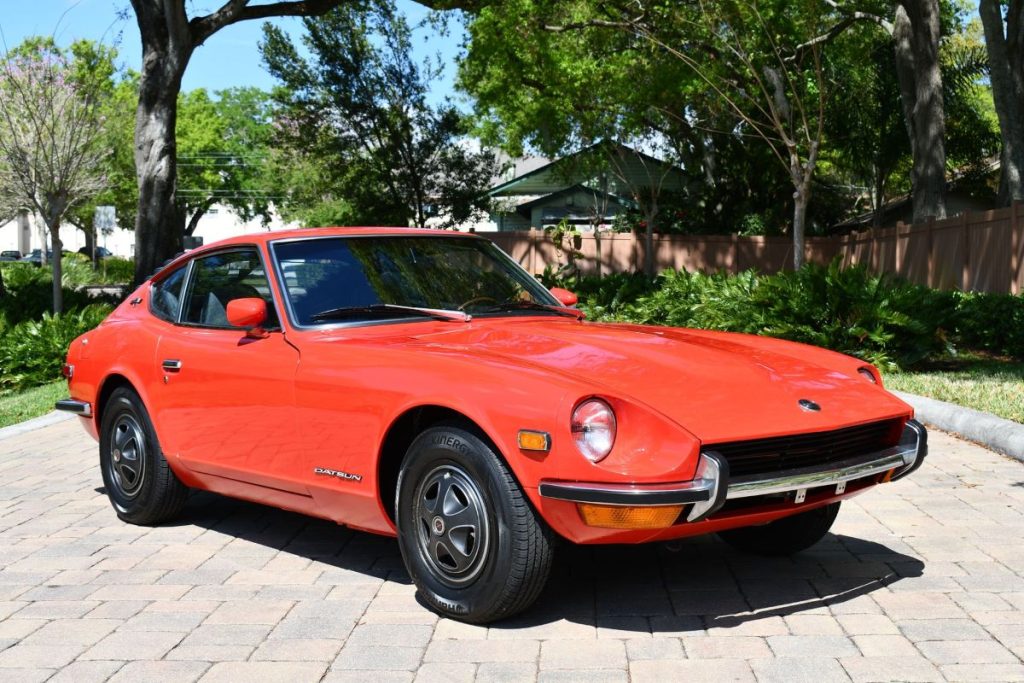
1. Datsun 240Z
The Datsun 240Z, introduced in 1969 but widely celebrated throughout the early 70s, remains a symbol of timeless Japanese engineering. It combined sports car performance with reliability and affordability, something that was rare at the time.
Its 2.4-liter inline-six engine, paired with a five-speed manual transmission, delivered spirited performance while being mechanically simple, which contributed greatly to its longevity.
Many 240Zs still operate today with engines either original or carefully rebuilt, a testament to the straightforward design and durability of its components.
The 240Z’s lightweight body and balanced chassis also played a role in its enduring appeal. While many sports cars of the 70s suffered from corrosion issues, the Datsun featured rust-resistant body panels and an undercoating that helped prevent premature deterioration.
Owners who maintained basic care regular oil changes, attention to suspension components, and addressing minor rust spots early could enjoy these vehicles for decades.
Collector communities around the world continue to cherish the 240Z. Original models are increasingly rare, but those preserved well fetch strong prices, which encourages proper maintenance and restoration.
Its combination of handling, performance, and durability makes it a car that appeals to both enthusiasts and casual drivers. Even today, the 240Z’s design feels modern, with sleek lines and a functional interior, making it both a joy to drive and admire.
The simplicity of its mechanical systems means repairs are accessible and often affordable, with parts still widely available thanks to the car’s enduring popularity.
This accessibility ensures that the Datsun 240Z remains on roads, in garages, and at car shows. Its influence on later Nissan sports cars is also a reason why it continues to receive attention.
This vehicle’s continued relevance is a reflection of thoughtful engineering and practical design, qualities that allow it to endure in a market where many of its contemporaries have disappeared.
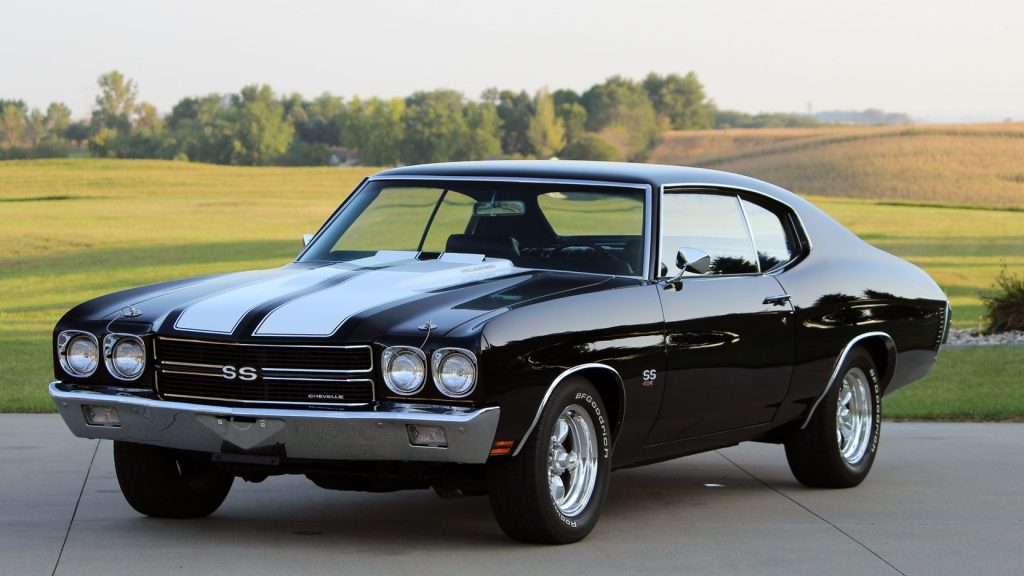
2. Chevrolet Chevelle
The Chevrolet Chevelle, especially the SS models from the early 70s, is another car that demonstrates the strength and longevity of classic American muscle. Its robust V8 engines, available in several displacements, were built to endure high mileage and spirited driving.
With proper maintenance, many Chevelles continue to perform well over 200,000 miles or more.
Unlike some muscle cars that suffered from fragile components, the Chevelle’s engine blocks, transmissions, and rear axles were over-engineered, allowing for decades of service even under demanding conditions.
The Chevelle’s body construction also contributed to its resilience. Steel panels of notable thickness and a straightforward suspension design made rust prevention and repair manageable for owners.
While many vehicles from the 70s fall victim to corrosion, Chevelles often survive when kept in dry climates or treated carefully. Its large size and strong frame make it a car that handles modern roads comfortably while retaining classic handling characteristics.
Enthusiasts appreciate that restoring or maintaining a Chevelle is relatively straightforward compared with other vehicles of the era. Replacement parts, whether OEM or aftermarket, are widely available.
The SS model, with its distinctive styling and performance packages, remains a favorite at car shows, rallies, and collector auctions. The Chevelle also has an enduring fan base, which ensures that mechanical knowledge and maintenance advice are readily accessible.
Driving a well-maintained Chevelle today demonstrates how a 70s muscle car can remain reliable for decades.
Its combination of style, performance, and toughness ensures it continues to turn heads while remaining a practical, usable classic. The Chevelle stands as proof that American muscle cars were not just about speed they were designed to last.
3. Volvo 240
The Volvo 240 series, introduced in the early 70s, quickly became a benchmark for longevity and durability. Known for its boxy styling and uncompromising safety features, the 240 was designed to survive harsh conditions and extensive use.
Its four-cylinder engines, particularly the B21 and B23 models, are renowned for their reliability. With basic maintenance such as regular oil changes, timing belt replacements, and attention to cooling systems, many Volvo 240s have reached over 300,000 miles while remaining mechanically sound.
The 240’s body construction is another reason for its enduring nature. Heavy-gauge steel, simple suspension design, and corrosion-resistant coatings allowed these cars to weather decades of exposure without the severe rust problems that plagued other vehicles.
Interiors were simple and built to last, using materials resistant to wear and tear, which means many original interiors survive today with little degradation.
Part of the 240’s appeal is also its mechanical simplicity. While not fast by modern standards, the car’s engines, transmissions, and drivetrain components are easy to maintain and repair.
This accessibility, combined with a strong enthusiast community, ensures that even decades-old models can remain on the road with proper care.
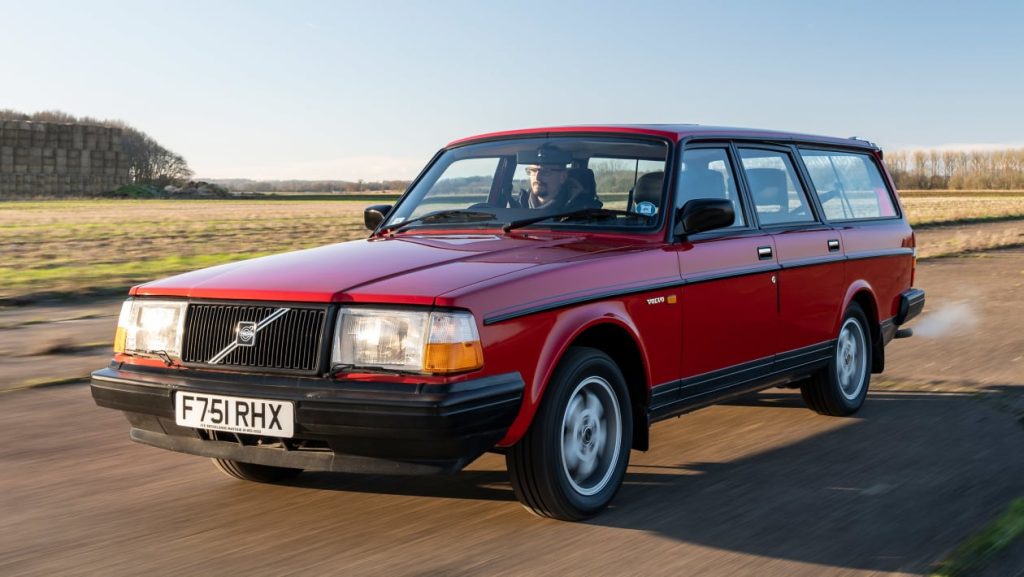
The 240’s reputation for reliability made it a staple in taxi fleets and family households across Europe and North America, further cementing its legacy as a car built to endure.
Collectors and daily drivers alike continue to appreciate the Volvo 240. Its combination of safety, mechanical resilience, and practicality means it is often seen still driving in urban and rural areas.
The 240 demonstrates that durability does not require flash or speed it comes from thoughtful engineering, solid materials, and an emphasis on lasting performance.
4. Porsche 911 (Classic 1970s Models)
The Porsche 911 from the 1970s is one of the most enduring sports cars ever produced. Its rear-engine layout, lightweight design, and reliable flat-six engines gave it a combination of performance and durability few contemporaries could match.
Early 911 models, including the 911S and 911T, were built with mechanical simplicity in mind, which allows many of these vehicles to remain fully operational today with engines that have lasted hundreds of thousands of miles.
One of the main reasons 911s have survived is their solid chassis and well-engineered suspension. The torsion bar suspension system, though unconventional by modern standards, proved extremely durable.
Rust protection was better than many European cars of the era, and those kept in moderate climates or with attentive maintenance have remained virtually rust-free.
The air-cooled engines were robust and could tolerate regular use with minimal upkeep, which contributed greatly to the 911’s longevity.
Collectors and enthusiasts continue to maintain and restore 911s from this era due to the car’s timeless design and enduring driving experience.
Parts are increasingly available thanks to strong demand, and many independent specialists focus on keeping these cars operational.
Unlike some high-performance vehicles that require constant attention, the 1970s 911 can be a reliable daily driver when serviced properly.
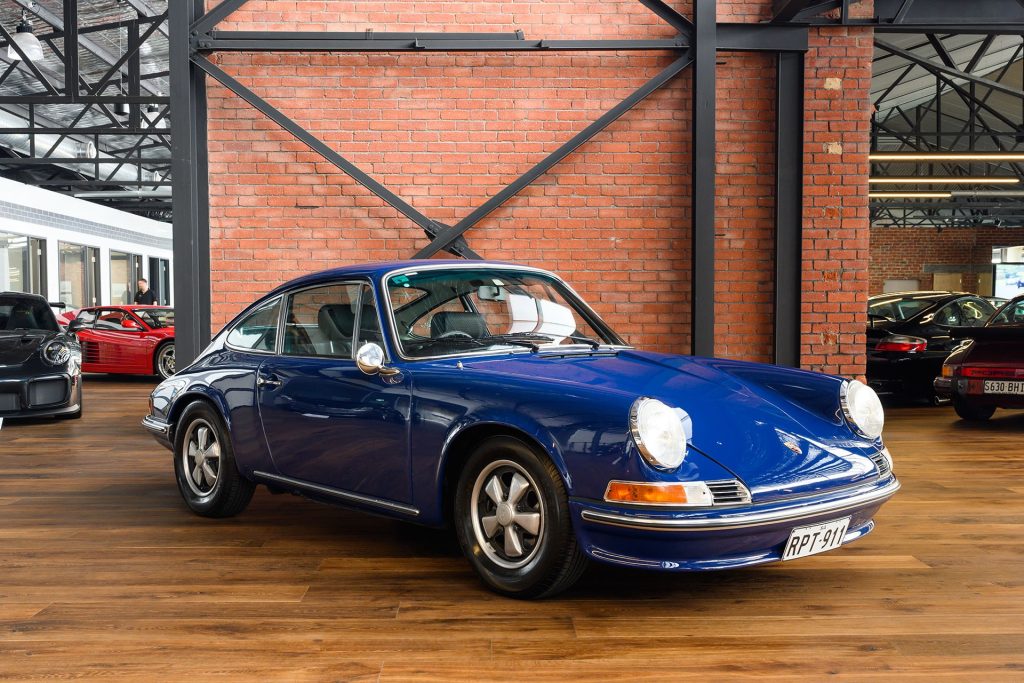
The 911’s enduring appeal is also linked to its balance of usability and excitement. It is a car that can be driven comfortably on long trips yet remains thrilling on twisty roads.
Many 911s still perform at a high level decades after their production, demonstrating that thoughtful engineering and quality materials can extend a car’s life far beyond typical expectations.
The 1970s Porsche 911 proves that performance and reliability can coexist, making it one of the most long-lasting sports cars of its time.
5. Mercedes-Benz W123
The Mercedes-Benz W123, produced from 1976 to 1985, is widely regarded as one of the most durable cars ever built.
Renowned for its over-engineered mechanical systems, robust body construction, and high-quality materials, the W123 often surpasses 500,000 miles with proper care.
Its inline-four and inline-five diesel engines are particularly famous for their longevity, while the petrol variants also benefit from strong engineering and straightforward maintenance.
The W123’s chassis was designed to withstand heavy use, and its body panels feature corrosion-resistant steel, allowing these vehicles to survive decades of road exposure.
Interiors were built with high-quality materials designed to endure daily wear, and even original upholstery frequently survives in excellent condition.
The combination of engineering foresight and reliability has led to W123s being used in demanding environments worldwide, from urban streets to rural roads, proving their robustness in real-world conditions.
Maintenance of a W123 is practical and manageable, contributing to its survival. Replacement parts remain widely available, and many mechanics specialize in these vehicles, offering both restoration and everyday servicing options.
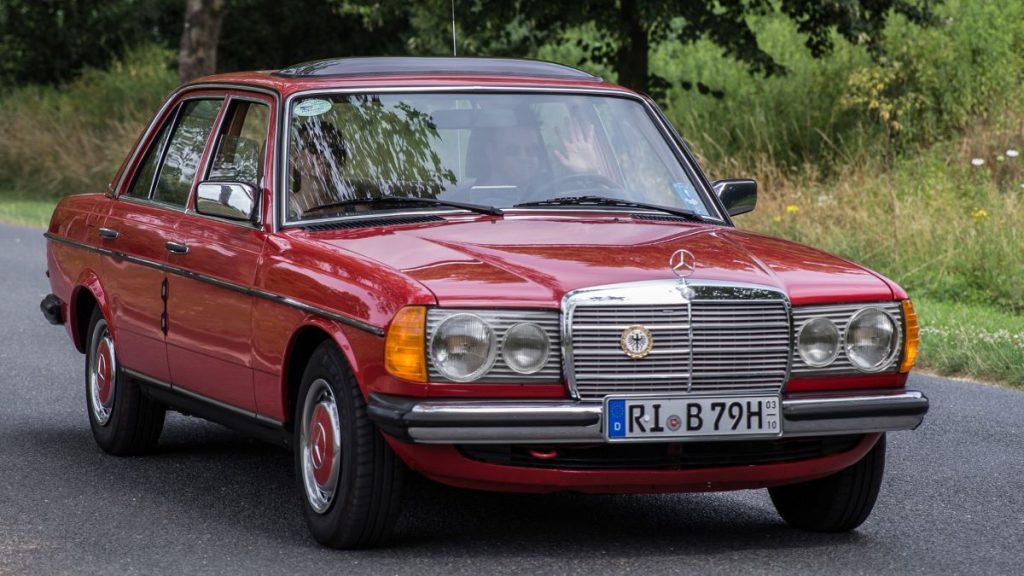
This accessibility ensures that the W123 continues to be used actively rather than merely sitting as a collectible.
The W123 also represents comfort and refinement without sacrificing durability. Its suspension delivers a smooth ride, while mechanical simplicity makes it reliable over long distances.
Owners often report decades of trouble-free driving, and these vehicles remain a common sight in countries where durability and longevity are prioritized.
The Mercedes-Benz W123 exemplifies how meticulous engineering, strong materials, and practical design can create a car capable of outlasting nearly every competitor from its era.
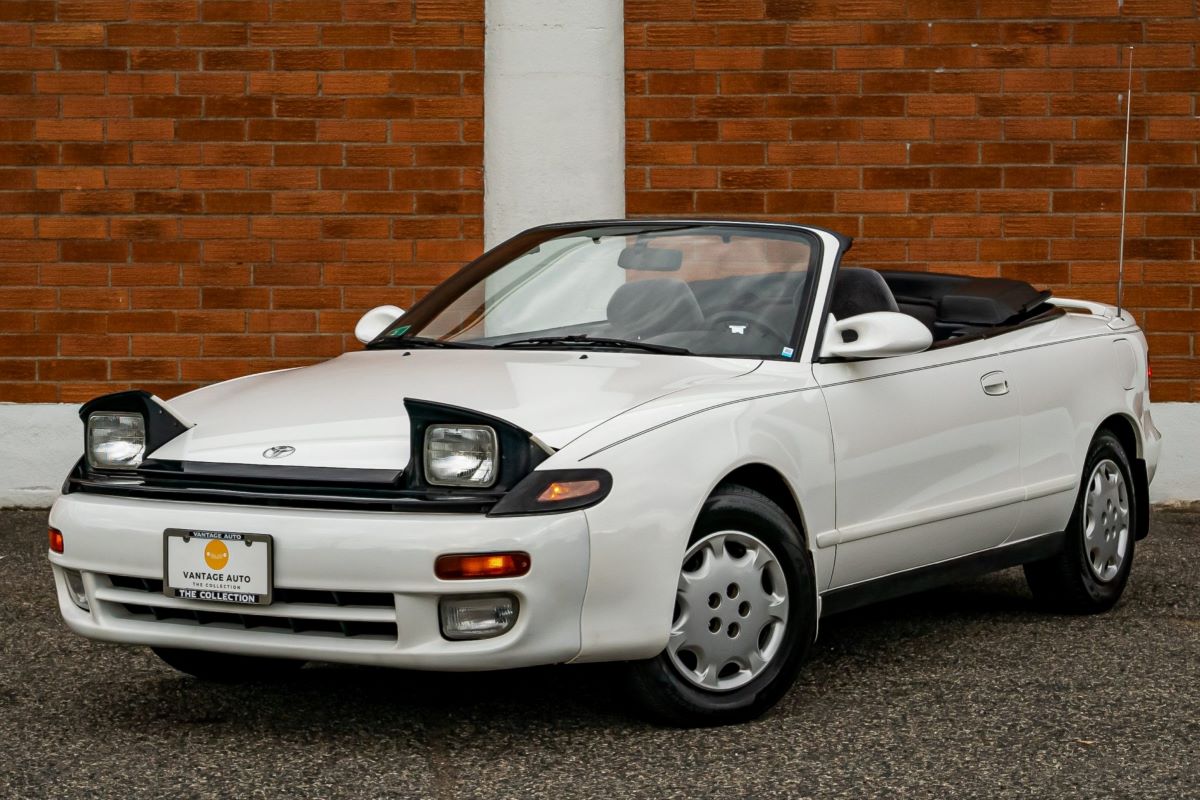
6. Toyota Celica (First-Generation)
The first-generation Toyota Celica, launched in 1970, established Toyota as a maker of reliable sports coupes. Its 1.6- to 2.0-liter engines were durable and mechanically straightforward, allowing many models to continue running decades later.
The Celica was designed with longevity in mind, featuring a lightweight body, reliable drivetrain, and straightforward suspension system. These factors made it simple to maintain and resistant to the typical wear issues that plagued other cars from the 70s.
The Celica’s durability was enhanced by Toyota’s focus on engineering consistency. Parts were built to last, with minimal complexity, which allowed owners to replace or repair components without extensive expertise.
Rust protection was above average for the time, and those maintained in moderate climates often survive nearly intact. Even original brakes, suspension components, and interiors can remain functional with routine care.
Many Celicas from the early 70s remain on the road thanks to strong aftermarket support. Replacement parts and restoration components are widely available, making it possible to return even neglected cars to reliable condition.
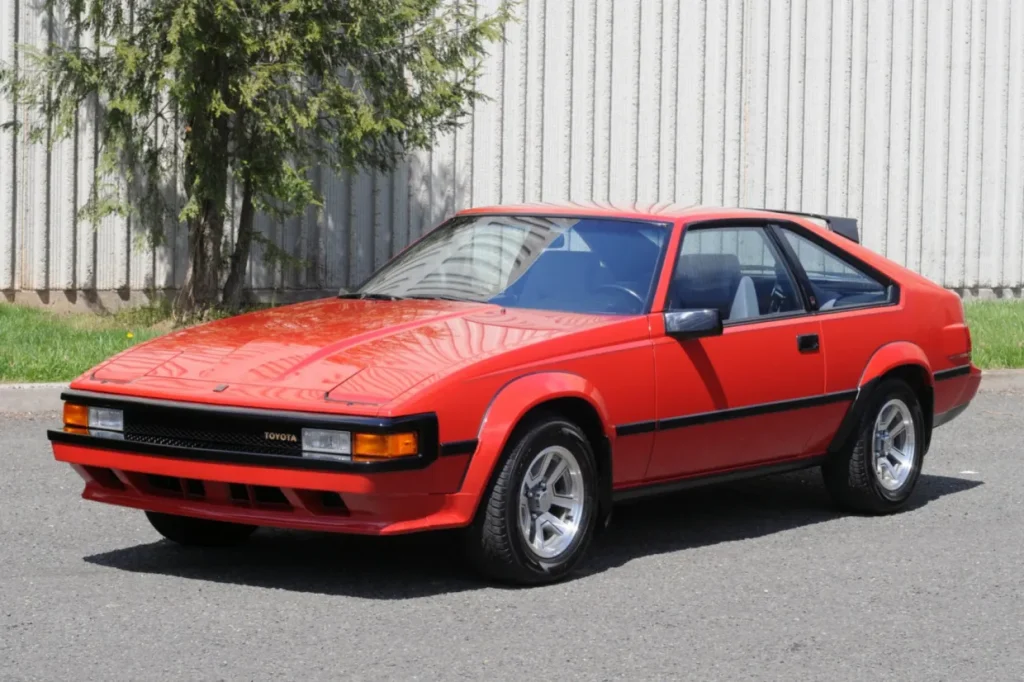
Enthusiasts also prize the first-generation Celica for its design, handling, and adaptability, ensuring continued attention and maintenance.
Beyond mechanical reliability, the Celica offered enjoyable driving characteristics. Its responsive handling, lightweight design, and modest power allowed owners to experience sporty driving without excessive strain on the vehicle.
Decades later, these cars still perform well, highlighting Toyota’s dedication to quality and practicality. The first-generation Celica proves that a well-built sports coupe can remain reliable, usable, and even fun to drive more than 50 years after its initial release.
7. Ford Mustang (1970–1973 Models)
The early 1970s Ford Mustang, particularly models produced between 1970 and 1973, is one of the most recognizable and durable American muscle cars.
These Mustangs featured a variety of inline-six and V8 engines that were built to last, provided routine maintenance was performed. The 302 and 351 V8 engines, in particular, are known for their resilience, often surpassing 200,000 miles without major issues.
The combination of a robust drivetrain and relatively simple mechanical layout contributes to their long-term survivability.
One factor in the Mustang’s longevity is its straightforward engineering. Components such as the suspension, brakes, and transmission were easy to access and maintain.
This simplicity allowed owners and mechanics to perform repairs without specialized equipment, which has helped keep many of these vehicles operational for decades.
Steel body panels, when properly cared for, resist corrosion better than many other 70s cars, allowing these Mustangs to survive long-term with minimal structural deterioration.
The Mustang’s enduring appeal is also tied to a strong enthusiast culture. Replacement parts are readily available, from OEM reproductions to aftermarket upgrades, ensuring continued maintenance and restoration.
Classic car communities provide resources, advice, and support, which encourages owners to keep their Mustangs running.
Well-maintained examples can often be seen on streets, at car shows, and even in daily driving scenarios, demonstrating that these vehicles remain both practical and enjoyable.
Beyond reliability, the Mustang offered a balance of style, performance, and versatility. Coupe and convertible body styles allowed buyers to select a car that suited personal taste, while performance packages provided spirited driving options.
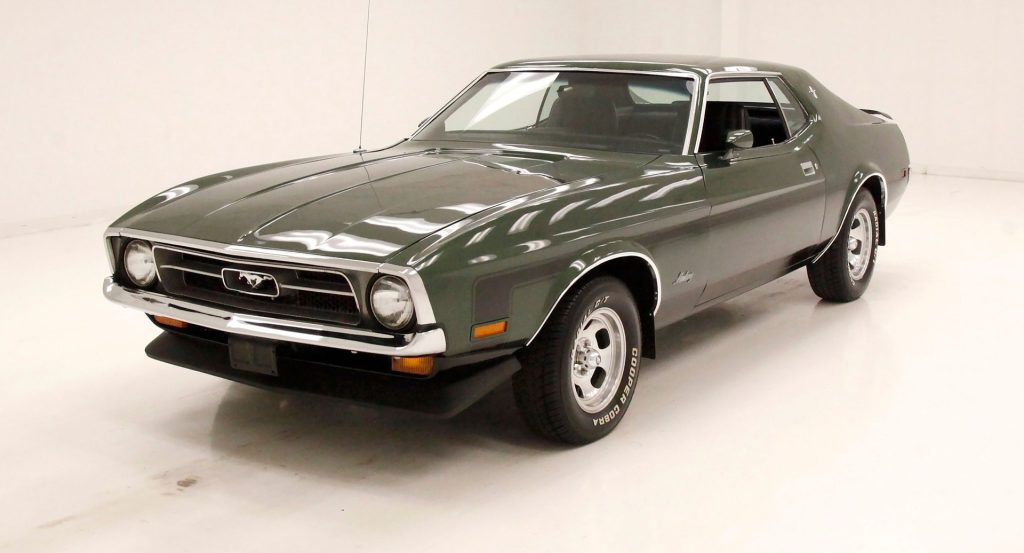
The combination of robust engineering, a simple yet effective design, and enthusiast support has allowed the early 70s Mustang to endure as a symbol of longevity in American muscle cars.
Even decades later, many owners report that these cars remain dependable and fun to drive, proving that careful design and mechanical reliability can ensure a classic car’s survival.
8. Honda Civic (First-Generation 1972–1979)
The first-generation Honda Civic, launched in 1972, redefined compact car reliability. With a simple and efficient 1.2- to 1.5-liter engine, front-wheel drive, and lightweight construction, the Civic offered remarkable durability for a small car of its time.
Its air-cooled engines were mechanically straightforward, with parts that were easy to maintain and replace. This simplicity made the Civic resistant to the typical wear and mechanical failures common in 70s vehicles, allowing many examples to remain on the road for decades.
The Civic’s body and chassis also contributed to its longevity. Lightweight but sturdy, the car was less prone to structural fatigue. Rust protection, while not perfect, was adequate, and the small size allowed owners to address issues before they became severe.
Interiors were minimalist yet functional, built with materials that could endure daily use without significant deterioration. Many first-generation Civics still feature their original seats, dashboard, and controls in remarkably good condition.
Ease of maintenance ensured that repairs were practical and affordable. Replacement parts were widely available, and the car’s simple design meant that even minor repairs could be performed by owners with basic tools.
The Civic also benefited from a growing community of enthusiasts who maintain, restore, and improve these early models. This collective attention has allowed many cars to remain reliable transportation decades after their release.
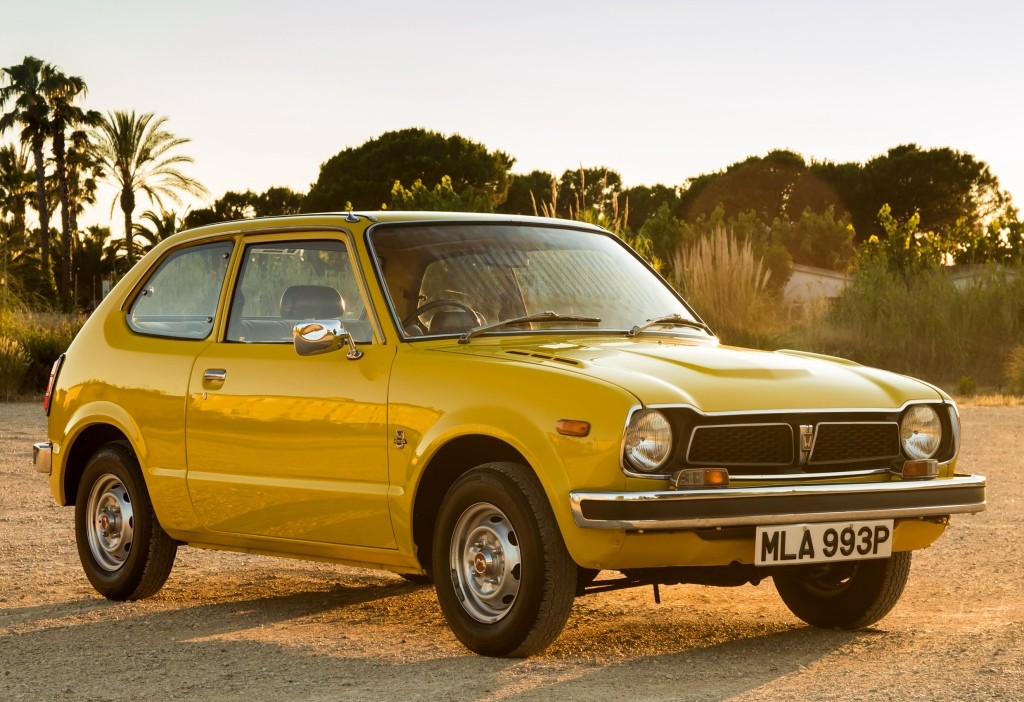
The Civic’s balance of fuel efficiency, simplicity, and durability made it popular in urban and rural settings alike.
Unlike many 70s compact cars that suffered from mechanical or rust issues, the Civic proved that thoughtful engineering and conservative design choices could result in exceptional longevity.
Today, first-generation Civics are still admired for their practicality, resilience, and the fact that they continue to operate reliably even after fifty years, cementing their place as one of the most enduring vehicles from the 1970s.
The 1970s produced a remarkable variety of cars, each reflecting the engineering philosophies, materials, and design priorities of the era.
While many vehicles from that decade have long since disappeared due to rust, mechanical failures, or neglect, certain models continue to operate decades later, highlighting the importance of robust engineering and thoughtful design.
These eight cars exemplify longevity in both form and function, demonstrating that quality and durability often outweigh fleeting trends or extreme performance claims.
The Datsun 240Z set the stage for Japanese sports cars that combined performance, affordability, and reliability. Its lightweight chassis, simple yet effective inline-six engine, and corrosion-resistant bodywork allowed it to survive daily driving and spirited use over decades.
The Chevelle, particularly in its SS iterations, proved that American muscle could be built to endure. Over-engineered V8s, thick steel body panels, and accessible mechanical systems contributed to a car that remains a collector favorite and a reliable classic on the road.
Volvo’s 240 series demonstrated that practicality and durability could coexist. With simple four-cylinder engines, corrosion-resistant construction, and robust interiors, many 240s have surpassed 300,000 miles.
Its focus on safety and mechanical simplicity ensured long-term usability, making it a popular choice among families and taxi fleets. Similarly, the Porsche 911 of the 70s combined performance and mechanical resilience.
Its air-cooled flat-six engines, durable suspension, and well-built chassis allowed these sports cars to remain fully functional while continuing to deliver engaging driving experiences.
The Mercedes-Benz W123 epitomized German engineering excellence, with over-engineered components, solid construction, and reliable diesel and petrol engines.
Many W123s have reached half a million miles, illustrating that careful engineering and high-quality materials can produce vehicles that far outlast most contemporaries.
The first-generation Toyota Celica highlighted how a small sports coupe could remain durable and enjoyable over decades, with lightweight construction, reliable engines, and straightforward maintenance ensuring longevity.
The early 70s Ford Mustang demonstrated that American muscle could combine style, performance, and durability. Robust engines, simple mechanical systems, and corrosion-resistant panels allowed these cars to remain operational for decades.
Finally, the first-generation Honda Civic proved that compact cars could be engineered to last. Lightweight construction, mechanically simple engines, and attention to functional durability allowed Civics to remain on the road fifty years later.
Across these eight models, several themes emerge. Mechanical simplicity, robust materials, corrosion resistance, and accessible maintenance are key factors in long-term survivability.
Enthusiast communities and aftermarket support further contribute by ensuring parts, knowledge, and restoration resources remain available.
Whether performance-oriented or practical, these cars demonstrate that thoughtful design, high-quality construction, and consistent care can result in vehicles that not only survive but remain usable and enjoyable decades after production.
In examining these 70s vehicles, it becomes clear that durability is not accidental. Each car represents a combination of foresight, engineering excellence, and attention to detail that allowed them to endure.
From Japanese sports cars to American muscle, European sedans, and compact economy cars, these eight examples prove that cars built with quality and reliability in mind continue to defy time, maintaining relevance, function, and admiration across generations.
Their continued presence on roads, in garages, and at shows underscores the lasting value of well-made vehicles, offering lessons for modern automotive design while preserving a tangible link to a bygone era of car manufacturing.
Also Read: 9 Cars That Stay Worth Owning Even After 20 Years
