
The automotive world has always had its fair share of comebacks. Some vehicles start life as instant icons, celebrated from the moment they roll off the assembly line.
Others take a slower path, overlooked in their prime and often dismissed as outdated before being rediscovered by a new generation of enthusiasts.
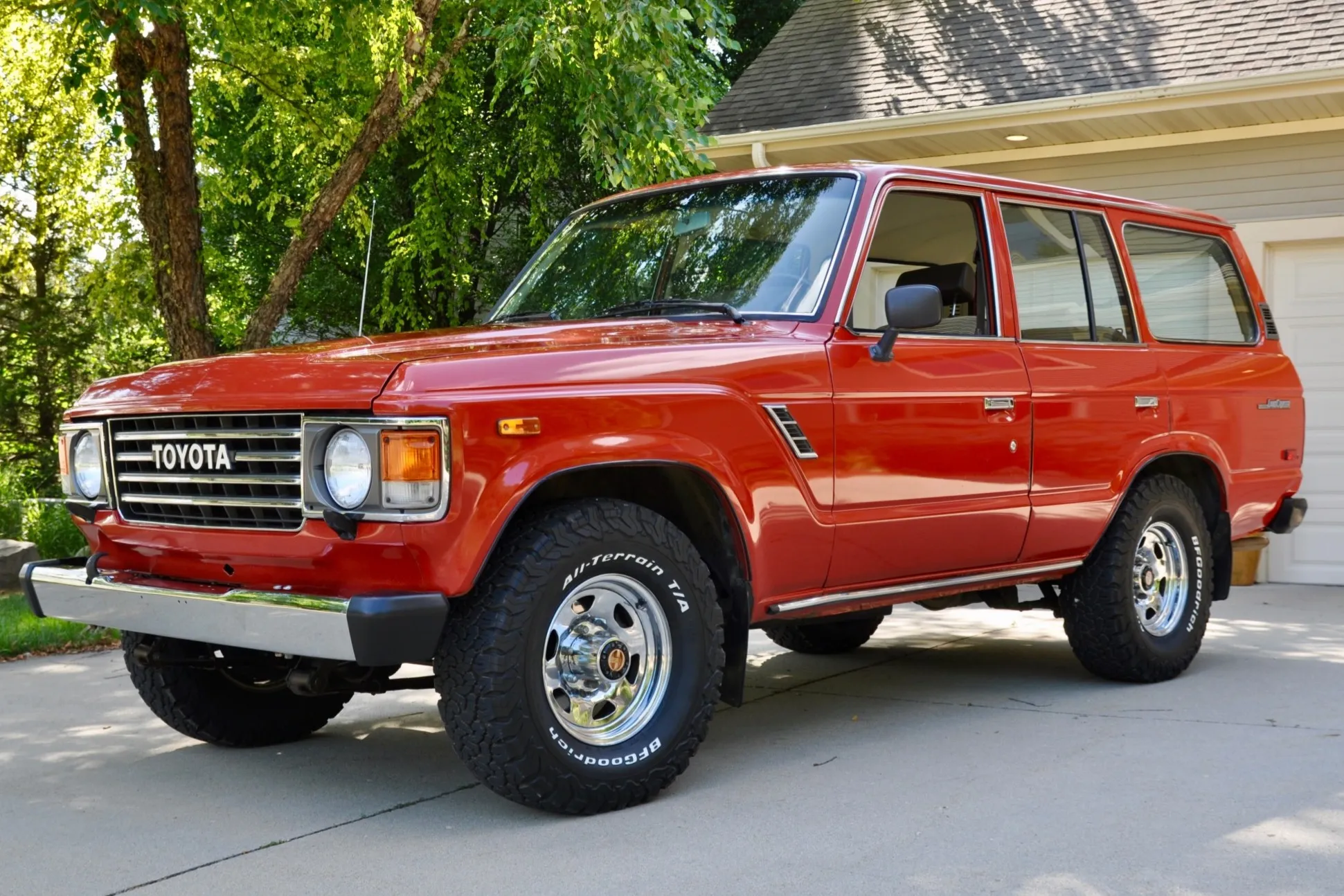
Among these late bloomers is the Toyota Land Cruiser FJ60, an SUV that once seemed destined for scrapyards but has now achieved cult status as one of the hottest collector’s items in the vintage 4×4 scene.
When it first appeared in the early 1980s, the FJ60 was Toyota’s attempt to modernize the Land Cruiser brand without abandoning its rugged roots.
It arrived as the successor to the legendary FJ40, the barebones off-roader that built Toyota’s reputation for toughness worldwide. Yet where the FJ40 was spartan and mechanical, the FJ60 was larger, heavier, and more family-oriented.
It offered more comfort and space while still retaining the durability expected of a Land Cruiser. On paper, it was a balanced package designed to bridge utility and daily usability.
However, automotive tastes change quickly. By the 1990s, when used FJ60s filled dealer lots and classifieds, buyers often dismissed them as slow, thirsty relics from another era.
Their 4.2-liter inline-six engines delivered modest power, fuel economy was poor, and compared to increasingly refined competitors like the Jeep Grand Cherokee or Range Rover, the FJ60 seemed stuck in the past.
As a result, countless examples ended up in junkyards or sold for scrap, often at values no higher than a set of new tires. For years, the FJ60’s presence was more common behind repair shops or abandoned in fields than polished in garages.
What nobody could have predicted was the cultural shift that began in the 2000s and accelerated in the 2010s.
As collectors began to embrace vintage SUVs and trucks, the qualities that once made the FJ60 seem outdated its boxy styling, mechanical simplicity, and utilitarian charm suddenly became assets.
Nostalgia collided with practicality: here was an SUV that not only looked the part of an old-school adventurer but could still drive across continents with proper care.
Today, the FJ60 is no longer disposable. Restored examples can sell for the price of a brand-new luxury SUV, and demand continues to rise among collectors who prize authenticity and mechanical honesty.
Its transformation from junkyard fodder to a hot collector’s item represents more than a change in market value; it reflects how culture, design, and nostalgia can redefine an entire class of vehicles.
In this article, we’ll trace the full story of the Land Cruiser FJ60. Part 1 will focus on its history and the reasons it was once discarded. Part 2 will break down its technical qualities, including engines, trims, and strengths and weaknesses.
Also Read: 10 Trucks That Outperform Modern SUVs in Durability
History, Junkyard Fodder, and Market Perception
The Arrival of the FJ60
The early 1980s were a turning point for SUVs. Until then, the market had been dominated by utilitarian off-roaders designed for agricultural, military, or expedition use. Models like the Toyota Land Cruiser FJ40, Jeep CJ, and Land Rover Series trucks embodied this ethos.
They were rugged, simple, and highly capable, but comfort was often an afterthought. Families seeking daily drivability usually avoided them, instead turning to station wagons.
Toyota recognized this gap in the market and introduced the Land Cruiser FJ60 in 1980. It was designed as a station wagon-style SUV, larger than the compact FJ40 and equipped with more passenger-friendly features.
Its squared-off body, high ground clearance, and large windows gave it a commanding road presence, while inside, it offered better seating, improved ergonomics, and amenities like air conditioning and a radio.
Toyota’s goal was clear: expand the Land Cruiser’s appeal beyond ranchers, explorers, and aid workers, making it suitable for suburban families who wanted a touch of adventure without sacrificing space.
The Balance Between Ruggedness and Refinement
The FJ60 was still every bit a Land Cruiser at its core. It retained the ladder frame, solid axles, and durable components that defined Toyota’s off-road reputation.
But unlike the FJ40, which was unapologetically barebones, the FJ60 aimed to provide some measure of refinement. This balance, however, was tricky. To off-road purists, it seemed too soft, while to mainstream buyers, it felt too rough.
Its 4.2-liter carbureted inline-six engine (the 2F) was legendary for reliability but criticized for being underpowered, especially when paired with the FJ60’s heavier body.
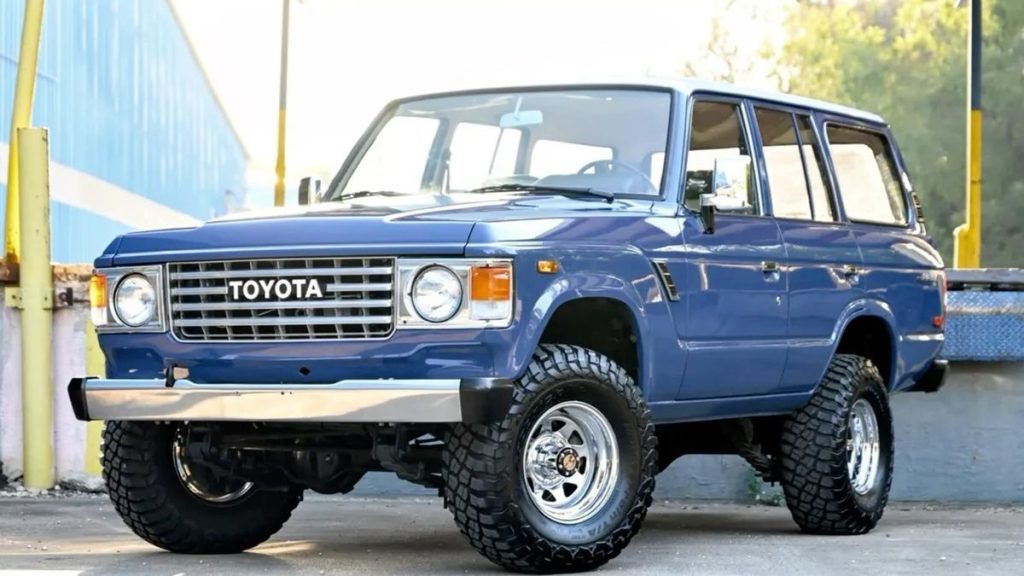
Producing only around 135 horsepower, it struggled to keep pace on highways, particularly once emissions equipment was added. Meanwhile, the three-speed automatic or four-speed manual transmissions felt outdated as competitors were offering more gears and smoother performance.
In the SUV landscape of the 1980s, the FJ60 occupied an awkward middle ground. It wasn’t as luxurious as a Range Rover, nor as cheap and utilitarian as a Jeep Cherokee. Toyota’s focus on durability was unmatched, but this came with compromises in speed, fuel efficiency, and comfort.
The Decline in Popularity
By the early 1990s, the automotive landscape had shifted dramatically. SUVs were no longer fringe vehicles; they were becoming mainstream family haulers. Jeep had launched the Grand Cherokee in 1992, offering a sleek design, fuel-injected engines, and modern interiors.
Ford’s Explorer was selling in record numbers, delivering a blend of affordability and comfort. Meanwhile, Toyota itself had moved on with the Land Cruiser 80-series, which added luxury and modern technology.
Against this backdrop, the FJ60 seemed like a dinosaur. Its boxy body looked dated compared to curvier competitors, and its carbureted engine seemed inefficient in an era when fuel injection was becoming standard. Owners began abandoning them in favor of newer, faster, and more refined SUVs.
Used FJ60s flooded the second-hand market, often selling for a few thousand dollars or less. Many went to owners who simply needed cheap transportation, not enthusiasts dedicated to maintaining them.
Maintenance was often neglected, and when expensive repairs loomed like rust remediation or engine rebuilds many owners opted to scrap them. By the mid-1990s, junkyards across North America were filled with FJ60s, their rugged frames often outlasting their neglected bodies.
Rust: The Silent Killer
One of the FJ60’s biggest vulnerabilities was rust. Toyota’s focus on mechanical durability did not extend to rust-proofing in that era, and the boxy body panels, combined with exposed underbodies, made them highly susceptible.
Road salt in northern climates devoured floor pans, rocker panels, and frames. Once rust took hold, repairs were costly and often exceeded the vehicle’s value at the time. For many owners, junking the SUV was cheaper than fixing it.
Rust also explains why surviving examples are now so valuable. Pristine, rust-free FJ60s are incredibly rare, making them prime candidates for restoration. In contrast, most junkyard FJ60s ended their life not because of mechanical failure but because corrosion rendered them structurally unsound.
Market Perception in Its Era
In its prime, the FJ60 was respected but never loved by mainstream buyers. It was considered reliable but unexciting.
Car magazines of the 1980s often praised its durability but criticized its lack of speed and refinement. Compared to the flashy Range Rover or the increasingly plush American SUVs, the FJ60 seemed plain and unambitious.
Its appeal lay in niches: outdoorsmen, missionaries, and people living in remote areas where reliability mattered more than comfort.
For these buyers, the FJ60 was a trusted companion. But in suburban neighborhoods, it often seemed out of place. Families who wanted SUVs with status gravitated elsewhere, leaving the FJ60 to those who valued utility above all else.
By the late 1990s, its image had deteriorated further. To many, it was just an old, slow truck with peeling paint and sagging leaf springs.
Classified ads often described them as “farm trucks” or “beaters,” and values plummeted accordingly. It became the kind of vehicle you bought for winter use, expecting it to rust away, not something you cherished or restored.
The Forgotten Years
The period from the mid-1990s to early 2000s represents the low point in the FJ60’s market perception. It was too old to be modern but too new to be classic.
During this awkward middle age, it had little value in the eyes of collectors. While muscle cars from the 1960s and sports cars from the 1970s were already seeing renewed interest, few people thought of SUVs as collectible.
This explains why so many FJ60s were discarded. Few owners saw them as investments, and fewer still had the foresight to preserve them.
They were used, abused, and forgotten. For a time, their destiny seemed sealed: they would be remembered as a transitional SUV, important in Toyota’s history but unremarkable in broader culture.
Seeds of a Future Revival
Even during its forgotten years, however, the seeds of the FJ60’s revival were quietly growing. Enthusiasts who had owned them in the 1980s remembered their reliability fondly.
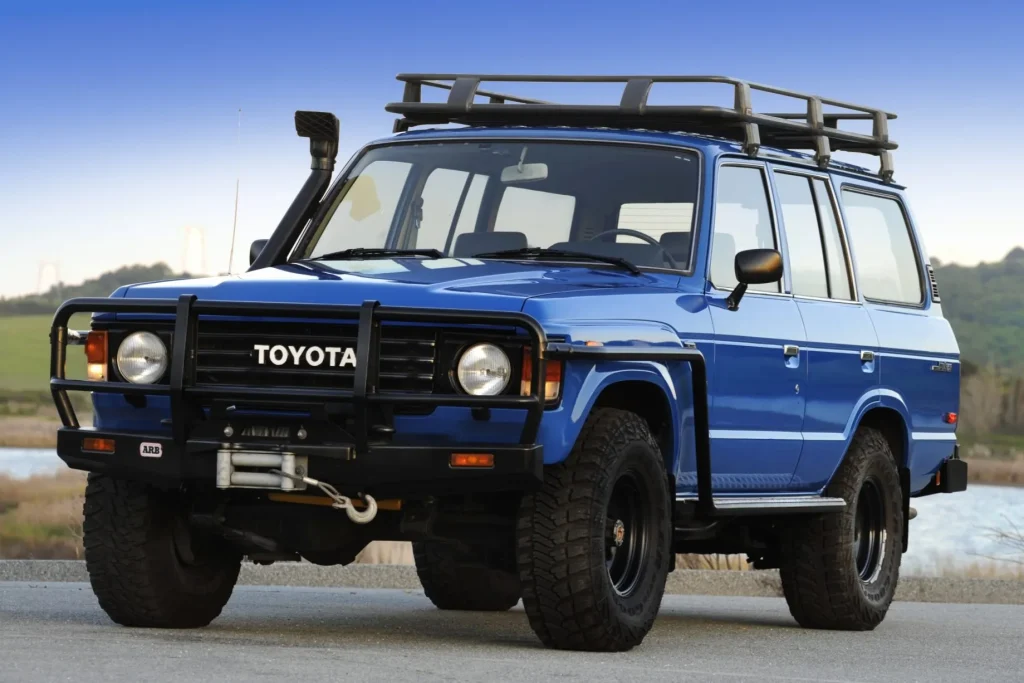
Overlanding, which would become a major trend decades later, was already practiced by adventurers who prized the FJ60’s durability.
And Toyota’s broader reputation for building vehicles that “last forever” ensured that the Land Cruiser name remained respected, even if individual models temporarily fell out of favor.
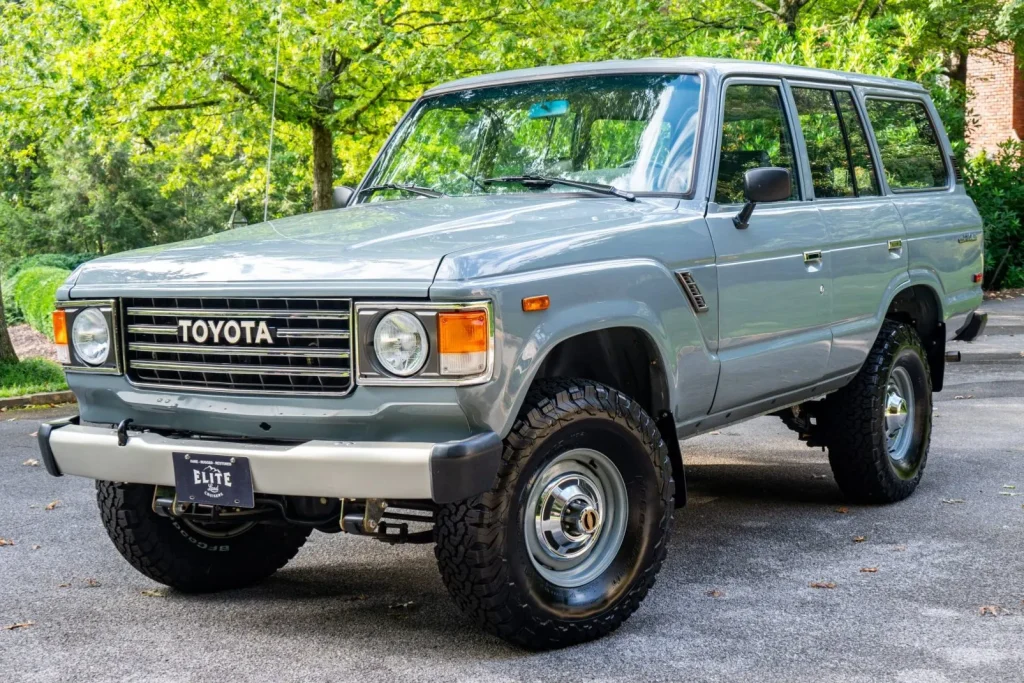
These factors would later play a crucial role in shifting the market’s perception. Once nostalgia for the 1980s and 1990s began to influence collector tastes, the FJ60’s simple, rugged character would suddenly seem charming rather than outdated.
Its boxy design would go from passé to iconic. But during its darkest years, few could have predicted this dramatic turnaround.
Technical Qualities, Engines, Trims, Strengths, and Weaknesses
The Engineering Philosophy Behind the FJ60
When Toyota designed the FJ60, it faced a challenge: how to modernize the Land Cruiser without compromising its reputation for reliability.
Toyota engineers wanted to create an SUV that appealed to families while remaining capable of crossing deserts, jungles, and mountains.
The result was a machine that combined toughness with practicality. Every mechanical choice leaned toward durability, even if it meant sacrificing refinement or efficiency.
The FJ60 wasn’t built to win races or impress with luxury; it was built to last. That design philosophy explains both its enduring strengths and its eventual weaknesses when compared to newer rivals.
The Heart of the Beast: The 2F Inline-Six Engine
The FJ60’s most defining feature was its 4.2-liter inline-six engine, known by enthusiasts as the 2F. A descendant of Toyota’s F-series engines that dated back to the 1950s, the 2F was a cast-iron workhorse.
It produced around 135 horsepower and 210 lb-ft of torque figures that were unimpressive even in the 1980s. Zero-to-sixty times hovered in the 15- to 20-second range, and highway merging often required patience.
But raw performance wasn’t the goal. What the 2F lacked in speed, it made up for in sheer reliability. Built with heavy-duty components, the engine could withstand abuse, poor fuel quality, and irregular maintenance.
Stories abound of 2F engines running 300,000 miles or more with little more than oil changes and valve adjustments. Farmers, aid workers, and off-road enthusiasts trusted it because it simply refused to die.
One downside, however, was its fuel consumption. With a carburetor feeding a thirsty straight-six in a heavy body-on-frame SUV, real-world fuel economy often dropped below 12 mpg. In an era when fuel efficiency was becoming a priority, this weakness hurt its mainstream appeal.
Transmissions and Drivetrain
The FJ60 came with two transmission options: a four-speed manual (H41 or H42) and, later in some markets, a five-speed manual (H55F).
In the United States, most models were equipped with the four-speed. There was also a three-speed automatic available in certain trims, but the manual transmission was by far the most common.
Power was delivered through a part-time four-wheel-drive system with manual locking hubs. Drivers could select two-wheel drive for normal road use, four-high for slippery conditions, and four-low for serious off-road challenges.
This setup was simple, mechanical, and highly dependable no electronics, no complex transfer cases, just levers and gears.
This straightforward drivetrain is one reason the FJ60 remains beloved by enthusiasts. In remote areas where modern vehicles with electronic all-wheel-drive systems might fail, the FJ60’s mechanical simplicity shines.
Suspension and Chassis
Underneath, the FJ60 retained traditional Land Cruiser architecture:
-
Body-on-frame construction for maximum strength.
-
Solid axles front and rear, ensuring durability and articulation off-road.
-
Leaf springs at all four corners, which gave it excellent load-carrying capacity.
This setup was ideal for rugged conditions. It allowed the FJ60 to haul gear, tow trailers, and survive punishing terrain.
However, it came with trade-offs. On pavement, the ride was stiff, and handling felt clumsy compared to coil-sprung rivals. Long road trips could feel fatiguing, especially for passengers used to more refined suspensions.
Trims and Global Variants
While the FJ60 was sold worldwide, trims and options varied by market:
-
North America (1980–1987): Models were generally well-equipped, with air conditioning, power steering, and radios becoming standard. U.S. models were limited to the 2F engine.
-
Australia and Africa: Versions here often came with fewer luxuries but were prized for their ruggedness. In some regions, diesel engines such as the 3B or 12H-T were available, making them highly sought after today for their better fuel economy.
-
Luxury-Oriented Successor: By 1988, Toyota transitioned to the Land Cruiser FJ62, which added fuel injection, an automatic transmission, and updated styling. This marked the gradual move toward luxury Land Cruisers.
The FJ60, therefore, stands out as the last “classic” Land Cruiser wagon to prioritize toughness over luxury.
Strengths of the FJ60
-
Durability: From the engine to the chassis, nearly every component was overbuilt. This was a vehicle designed for decades of service.
-
Off-Road Prowess: With low-range gearing, high ground clearance, and solid axles, the FJ60 could tackle challenging terrain.
-
Simplicity: Mechanical systems were easy to understand and repair, even in remote regions.
-
Space and Practicality: Its wagon-style body provided seating for five and ample cargo room, making it useful for families and expeditions.
-
Global Support: Because Toyota sold Land Cruisers worldwide, parts availability remained strong, and a global network of enthusiasts ensured knowledge-sharing.
Weaknesses of the FJ60
-
Fuel Economy: At 10–14 mpg, it was a gas guzzler, limiting appeal during fuel crises.
-
Underpowered Engine: The 2F engine was reliable but slow, especially at highway speeds or when towing.
-
Rust: Frames, rocker panels, and wheel arches were notorious rust spots. Many FJ60s were lost not to mechanical failure but to corrosion.
-
Ride Quality: Leaf springs and solid axles delivered toughness but also a stiff, bouncy ride that felt outdated by the 1990s.
-
Limited Luxury: By the late 1980s, consumers expected more comfort. The FJ60’s utilitarian interior lagged behind competitors offering plush leather and electronic features.
Daily Life in an FJ60
Driving an FJ60 in its era was a mixed experience. Around town, it felt big and a bit sluggish, with heavy steering and long braking distances.
On highways, it could cruise reliably but lacked the power for quick overtakes. Where it shined was off-road. Trails, mud, and rocky terrain revealed its true character it was nearly unstoppable.
Families who owned them often recall the cavernous interior and commanding view of the road. Kids loved the wide back seat and tall windows. Many FJ60s served as camping vehicles, adventure rigs, or dependable daily drivers for decades.
Why Its Flaws Became Charms
What once doomed the FJ60 in the used market is exactly what makes it appealing today. Its lack of electronics means fewer things to break.
Its boxy design, once outdated, now feels timeless and retro. Its thirsty engine is forgiven because collectors don’t buy them for efficiency but for authenticity. Even its stiff ride is now seen as part of its character.
The FJ60 embodies an era before SUVs became soft and suburban. It was unapologetically tough, and that toughness, combined with honesty in design, makes it attractive to modern collectors.
Comparison to Rivals
When new, the FJ60 competed with several SUVs:
-
Jeep Wagoneer: More luxurious and powerful, but far less reliable.
-
Range Rover Classic: Stylish and comfortable, but notorious for electrical and mechanical issues.
-
Ford Bronco: More powerful engines, but less refined and not as durable.
Against these, the FJ60 may have seemed plain, but it has aged far better. While many rivals rusted away or suffered catastrophic failures, countless FJ60s are still running today. That longevity is the foundation of its collector appeal.
The End of Production
By 1987, the FJ60 had reached the end of its production run in North America. Toyota replaced it with the FJ62, which introduced fuel injection, automatic transmissions, and more luxury.
While the FJ62 is also popular today, purists often prefer the FJ60 because it represents the last “old-school” Land Cruiser wagon built without compromise to comfort.
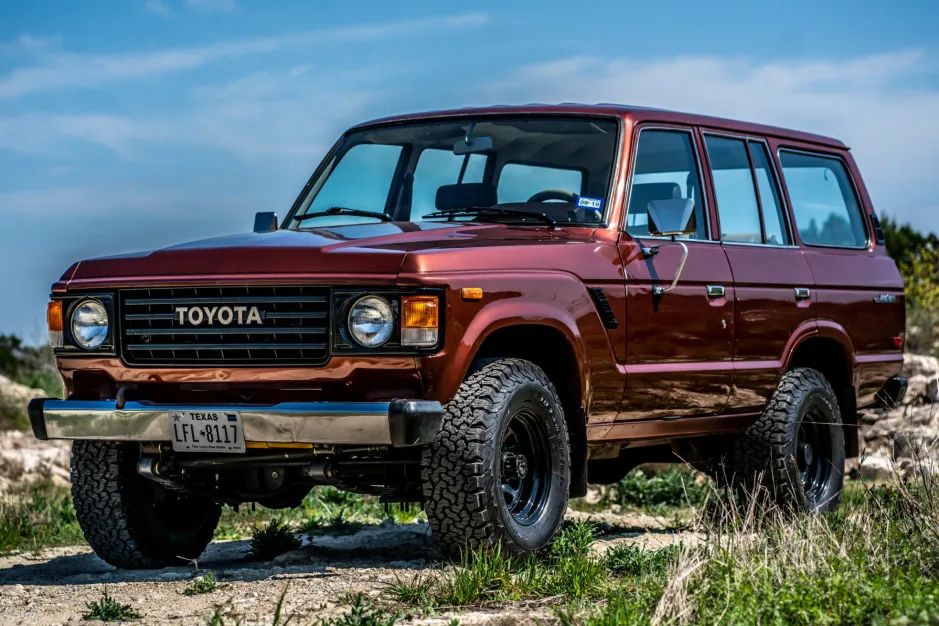
Its final years on the market were overshadowed by faster, more luxurious SUVs. But those final years would prove crucial because they preserved the Land Cruiser’s DNA long enough to be rediscovered decades later.
By the early 2000s, the FJ60 had nearly vanished from the mainstream. Used-car lots had long since cleared them out, and most examples were rusting away in backyards or languishing in scrapyards.
It was the sort of vehicle enthusiasts passed by without a second thought, assuming its best years were behind it.
But the tides of the automotive market began to shift around this time. Collectors who once focused only on muscle cars and exotic sports cars started looking at vintage SUVs.
Cultural trends played a massive role in this turnaround. Adventure travel was gaining momentum, and the concept of overlanding self-reliant vehicle-based exploration became increasingly popular.
The FJ60, with its global reputation, boxy charm, and robust mechanics, suddenly fit the bill perfectly. Where modern SUVs relied on electronics and comfort features, the FJ60 represented authenticity. It was honest, mechanical, and undeniably cool in its simplicity.
The same traits that once doomed it in the used market its slow pace, basic interior, and old-fashioned design now became its biggest selling points.
Collectors began snapping up surviving examples, restoring them to showroom condition, and rediscovering the qualities that had always made the Land Cruiser name legendary.
