

Hybrid vehicles have grown in popularity due to their combination of fuel efficiency, lower emissions, and smoother driving experience. One of the most important considerations for hybrid owners is battery longevity.
A hybrid battery is a critical component that influences performance, efficiency, and overall cost of ownership.
While many hybrids require battery replacements around the 8-10 year mark or after 100,000 to 150,000 miles, there are models known for retaining their original battery far longer, sometimes exceeding 200,000 miles without significant degradation.
The reliability of hybrid batteries depends on multiple factors, including battery chemistry, thermal management systems, driving patterns, and the manufacturer’s attention to quality control.
Automakers who design their hybrids with robust cooling systems, high-quality cells, and intelligent battery management software often produce vehicles with far fewer battery issues.
Additionally, regular maintenance and moderate driving habits can significantly extend the life of a hybrid battery, reducing the likelihood of costly replacements.
This guide highlights ten hybrids that consistently demonstrate exceptional battery durability. Each model has earned a reputation among drivers and industry reports for maintaining strong performance even after years of use.
These vehicles combine practical engineering with thoughtful design, ensuring the hybrid system remains efficient over the long term.
For prospective hybrid buyers or current owners, this list provides a useful reference for selecting a vehicle with dependable battery performance.
The following sections will explore each model in detail, describing the specific features, technologies, and engineering choices that contribute to their exceptional battery longevity.
Also Read: 7 EVs That Are Proving More Reliable Than Expected
1. Toyota Prius
The Toyota Prius has long been considered a benchmark for hybrid reliability, particularly regarding battery life.
Its high-voltage nickel-metal hydride battery is engineered for endurance and features an advanced thermal management system that maintains optimal operating temperature.
This prevents overheating, which is a common cause of early battery degradation in hybrids. Toyota’s careful attention to battery placement under the rear seats also protects it from extreme heat and physical damage, contributing to its longevity.
Owners consistently report that Prius batteries can last well beyond 150,000 miles without significant loss in performance.
One key factor is the vehicle’s sophisticated battery management system, which continuously monitors charge levels, balances individual battery cells, and adjusts energy usage between the electric motor and gasoline engine.
This intelligent system ensures that no single cell is overstressed, which significantly extends the overall life of the battery pack.
Another advantage of the Prius is Toyota’s conservative approach to hybrid technology. Unlike some automakers that push battery limits for higher performance or range, Toyota prioritizes durability and reliability.
Routine maintenance, such as keeping the cooling system in check and avoiding extreme driving conditions, further enhances the battery’s lifespan.
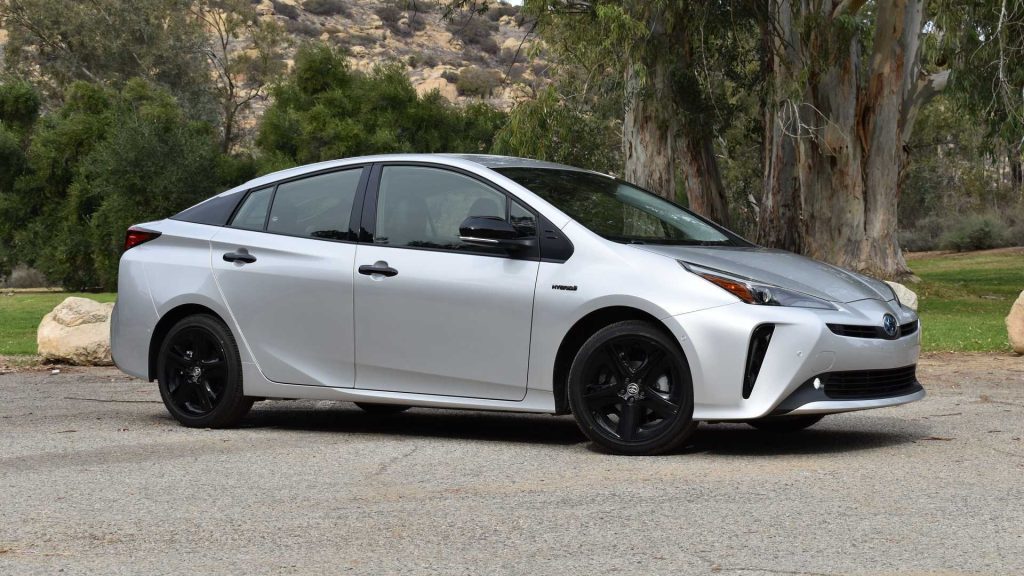
Even older Prius models, when properly maintained, remain capable of strong hybrid performance with minimal decline.
The combination of proven technology, thoughtful design, and careful engineering makes the Prius one of the most dependable hybrids for long-term ownership. For buyers seeking a hybrid where battery replacement is unlikely for many years, the Prius remains a top choice.
2. Honda Insight
The Honda Insight is another hybrid known for exceptional battery longevity. Its lithium-ion battery, available in recent models, provides a lighter and more compact energy source compared to older nickel-metal hydride batteries, while still maintaining remarkable durability.
Honda designs the battery system to operate at moderate temperatures and avoids high discharge rates that could accelerate degradation.
Insight owners often report that the battery remains functional well past 150,000 miles, with some vehicles exceeding 200,000 miles without requiring replacement.
This is partly due to Honda’s advanced battery management software, which continuously monitors the state of charge and ensures even usage of all cells.
The system also employs regenerative braking effectively, minimizing strain on the battery while enhancing overall energy efficiency.
In addition to robust hardware, Honda’s engineering focuses on reliability rather than extreme performance.
The vehicle’s hybrid components are integrated in a way that reduces heat buildup and prevents unnecessary wear. Moderate driving habits and timely maintenance, such as checking cooling systems and fluid levels, further protect the battery.
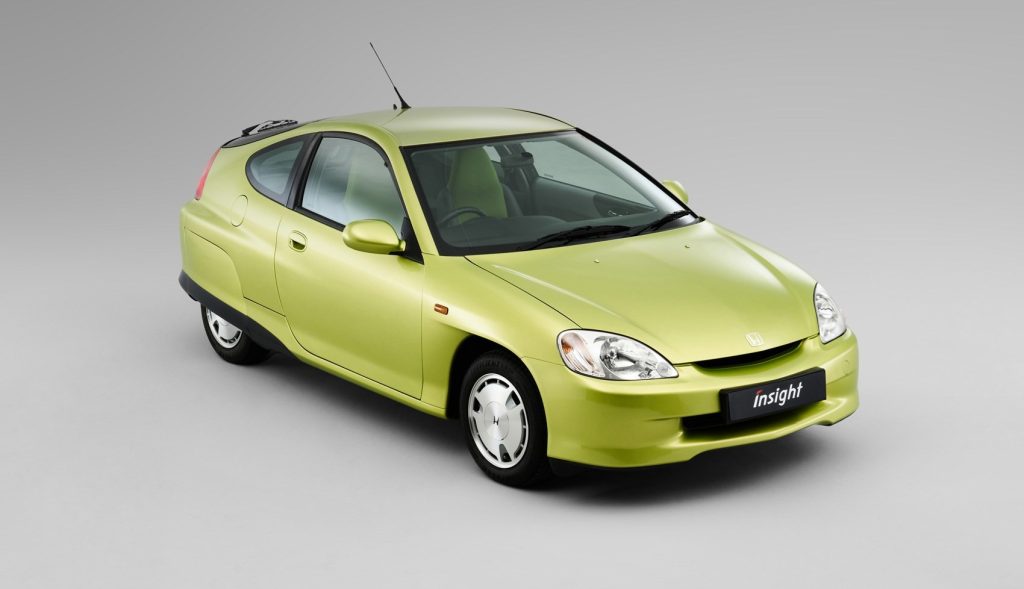
The Insight’s combination of a lightweight battery, smart energy management, and thoughtful engineering creates a hybrid that holds up over time.
Drivers who prioritize minimal maintenance and long-lasting performance will find the Insight particularly appealing. Its reputation for endurance makes it a practical choice for those concerned about battery replacement costs over the life of the vehicle.
3. Lexus ES 300h
The Lexus ES 300h hybrid merges luxury with reliability, offering a hybrid system built for longevity. Its lithium-ion battery is designed to support both fuel efficiency and sustained performance over many years.
Lexus integrates the battery with an intelligent thermal management system that maintains a stable temperature, preventing the high-heat conditions that often reduce battery lifespan.
Owners report that ES 300h batteries can last well beyond 150,000 miles, with many vehicles maintaining near-original performance even after heavy use.
The hybrid system uses a sophisticated battery management unit that balances the load across all cells, preventing overcharging or deep discharging that could shorten battery life.
This approach ensures consistent performance and energy delivery, which reduces wear on the battery over time.
The ES 300h benefits from Lexus’ meticulous engineering standards. Every aspect of the hybrid system is tested for reliability, from the electric motor to the integration with the gasoline engine.
Routine maintenance, including monitoring battery cooling and system diagnostics, helps keep the battery in excellent condition.
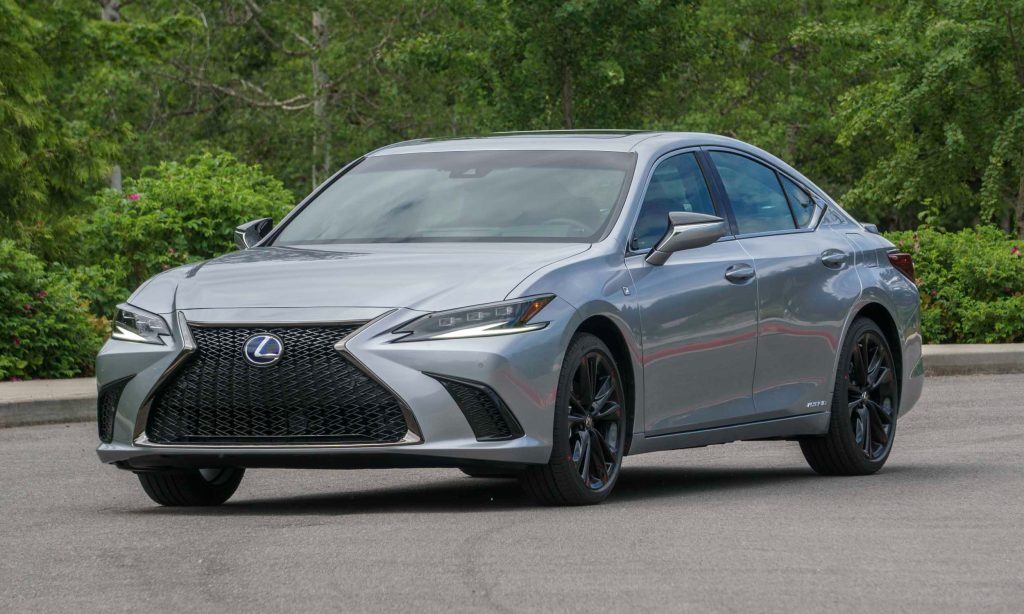
Additionally, the vehicle’s driving dynamics encourage moderate energy consumption, which is favorable for battery health.
Unlike some hybrids that push aggressive acceleration or heavy electric usage, the ES 300h balances performance with efficiency.
For buyers who want a luxurious yet dependable hybrid with minimal concern about battery replacement, the ES 300h stands out as a strong contender. Its reputation for durability and thoughtful design make it one of the most reliable luxury hybrids on the market.
4. Toyota Camry Hybrid
The Toyota Camry Hybrid combines practicality with a proven hybrid system that is well-known for battery longevity.
Its nickel-metal hydride battery, featured in many models, is engineered to withstand the rigors of daily driving while maintaining performance over extended periods.
Toyota’s hybrid system uses a carefully managed thermal regulation setup that prevents the battery from overheating during heavy use, a critical factor for durability.
Many Camry Hybrid owners report that the original battery continues to perform reliably past 150,000 miles, with minimal decline in fuel efficiency or electric motor support. This is largely due to Toyota’s balanced energy management approach.
The hybrid system carefully distributes energy between the battery and gasoline engine, avoiding deep discharges or overcharging that could stress the cells. Regenerative braking also reduces the load on the battery while simultaneously recovering energy efficiently.
In addition to advanced battery management, Toyota emphasizes reliability over pushing performance extremes. The Camry Hybrid’s engine and electric motor work together in a way that minimizes heat accumulation and mechanical strain.
This thoughtful engineering, combined with routine maintenance like cooling system inspections and fluid checks, significantly extends the life of the battery pack.
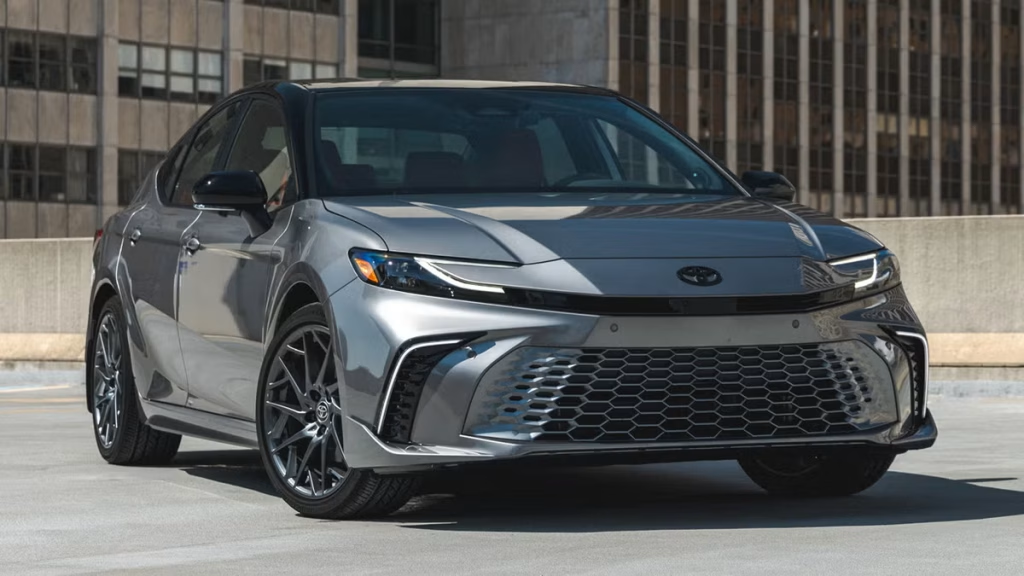
The Camry Hybrid offers drivers a comfortable, efficient, and reliable experience, with the added benefit of low long-term battery replacement risk.
Its consistent track record over multiple model years demonstrates that Toyota’s hybrid systems are designed for longevity. For those seeking a midsize sedan with dependable hybrid performance, the Camry Hybrid remains an excellent choice.
Its combination of reliability, efficiency, and smart design ensures that owners can expect many years of trouble-free operation.
5. Ford Escape Hybrid
The Ford Escape Hybrid offers a compact SUV experience with a hybrid system engineered for long-term durability. Its lithium-ion battery is positioned strategically for protection against heat and physical stress.
Ford’s hybrid management software continuously monitors cell health, ensuring balanced charge distribution and preventing overuse of individual cells.
Escape Hybrid owners often report strong battery performance even after 150,000 miles, with many vehicles showing little to no decline in electric-assist efficiency.
The hybrid system’s regenerative braking further reduces battery strain while improving overall energy efficiency. Combined with moderate driving habits, the battery’s lifespan is extended well beyond typical replacement intervals.
One of the Escape Hybrid’s strengths lies in its conservative power delivery. Ford’s system prioritizes steady efficiency over aggressive electric acceleration, which reduces stress on the battery.
Additionally, the vehicle includes cooling mechanisms and sensors to prevent overheating during heavy use. Regular maintenance, including checks on the hybrid system and battery cooling components, further ensures that the battery remains in optimal condition.
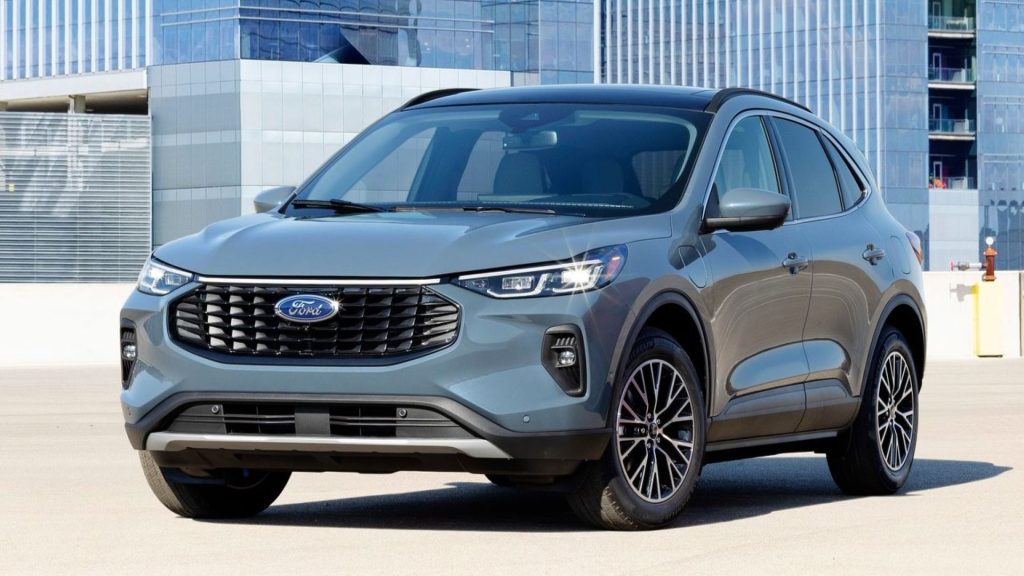
For drivers seeking a hybrid SUV where battery replacement is unlikely for many years, the Escape Hybrid provides an attractive option.
Its combination of intelligent design, moderate power output, and effective battery management contributes to a reliable long-term performance record.
With proper care, owners can expect many years of seamless hybrid operation, making it a practical and dependable choice in its segment.
6. Hyundai Ioniq Hybrid
The Hyundai Ioniq Hybrid is designed with efficiency and longevity in mind, featuring a lithium-ion polymer battery known for its stability and extended life.
Hyundai’s battery system uses advanced thermal regulation and intelligent energy management to maintain cell health and avoid the degradation issues common in other hybrids.
Ioniq Hybrid owners often report that the battery maintains strong performance well past 150,000 miles, retaining both electric assist capability and fuel efficiency.
The vehicle’s regenerative braking system and hybrid software work together to minimize stress on the battery, balancing energy use across all cells. This reduces the likelihood of premature failure and supports consistent long-term performance.
Hyundai focuses on reliability, integrating the hybrid components in a way that limits heat buildup and ensures smooth energy delivery.
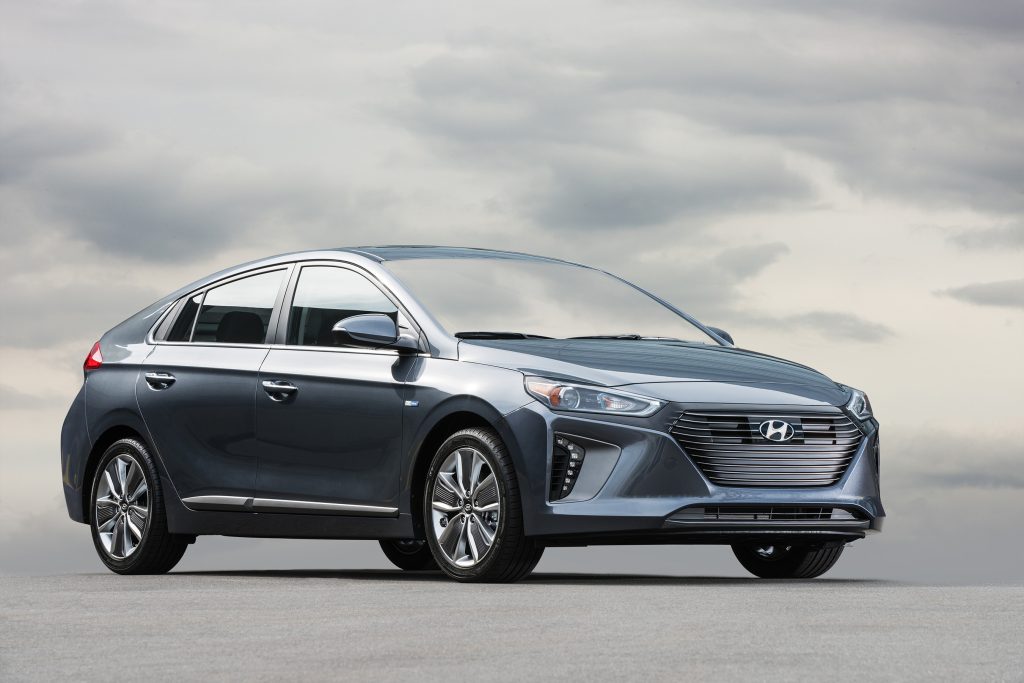
Moderate driving, along with regular maintenance such as cooling system checks and battery diagnostics, further extends the lifespan of the battery. The compact design of the Ioniq also allows for efficient heat dissipation, protecting the battery from extreme temperature fluctuations.
For buyers looking for a hybrid that combines modern technology with dependable performance, the Ioniq Hybrid delivers a practical solution.
Its battery system is robust and durable, designed to withstand years of daily driving with minimal maintenance concerns.
This makes the Ioniq Hybrid one of the most reliable options in its class for those who want to avoid costly battery replacements while enjoying the benefits of hybrid efficiency.
7. Lexus NX 300h
The Lexus NX 300h is a luxury compact SUV with a hybrid system designed for reliability and longevity. Its lithium-ion battery is engineered to maintain performance over many years, supported by a sophisticated thermal management system that prevents overheating.
Lexus carefully positions the battery to avoid heat from the engine and cabin, which contributes to its durability.
Owners frequently report that NX 300h batteries continue to perform well beyond 150,000 miles, showing minimal decline in fuel efficiency or electric assist capability.
The hybrid system balances energy use across all battery cells, preventing overstress and prolonging lifespan. Regenerative braking further reduces strain while recovering energy efficiently.
Lexus emphasizes quality in every component of the hybrid system. The electric motor, gasoline engine, and battery are integrated to reduce mechanical stress and heat accumulation.
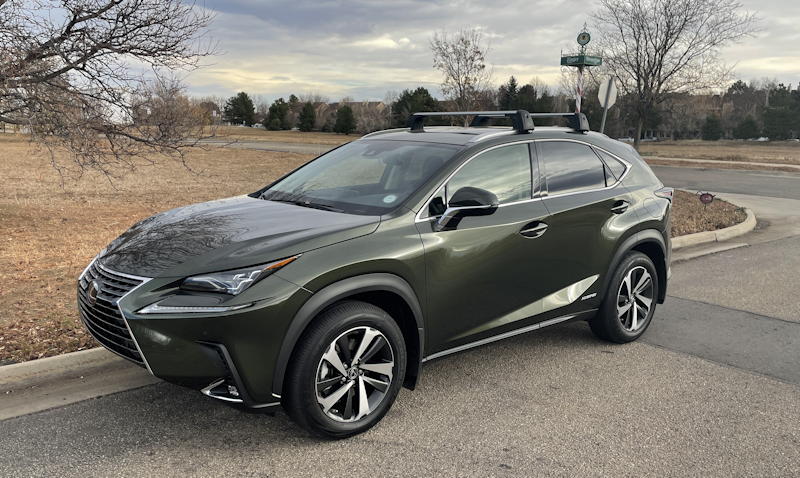
Routine maintenance, such as checking cooling components and system diagnostics, helps maintain battery health over time.
The NX 300h delivers a smooth driving experience while prioritizing battery longevity. Its moderate energy use and efficient hybrid management make it an excellent choice for drivers who want a dependable luxury hybrid.
With proper care, the battery can remain functional for well over 150,000 miles, reducing the need for replacement and supporting long-term ownership satisfaction.
8. Honda CR-Z
The Honda CR-Z, though compact and sporty, features a hybrid system built with battery longevity in mind. Its lithium-ion battery is lightweight and durable, designed to handle everyday driving stresses without significant degradation.
Honda’s thermal management system ensures the battery operates within safe temperature ranges, which is essential for maintaining performance.
CR-Z owners often report battery life extending well past 150,000 miles. The hybrid system’s management software monitors state of charge and cell balance continuously, preventing deep discharge or overcharging that could shorten lifespan. Regenerative braking reduces stress on the battery while improving efficiency.
Honda focuses on durability over pushing extreme performance in the CR-Z. The vehicle’s hybrid components are optimized for smooth energy delivery, minimizing unnecessary strain. Routine maintenance, including inspection of the cooling system and hybrid diagnostics, further enhances the battery’s longevity.
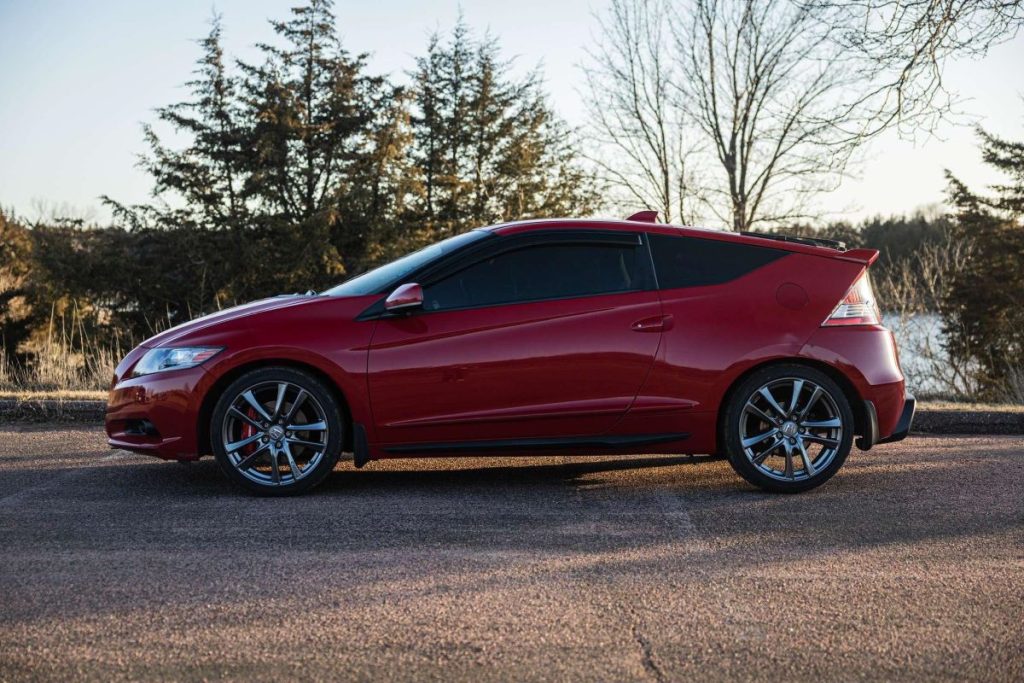
For buyers seeking a small, sporty hybrid with reliable long-term performance, the CR-Z offers a balance of efficiency, fun, and durability. Its well-designed battery system ensures that replacement is rarely needed, making it a practical choice for long-term hybrid ownership.
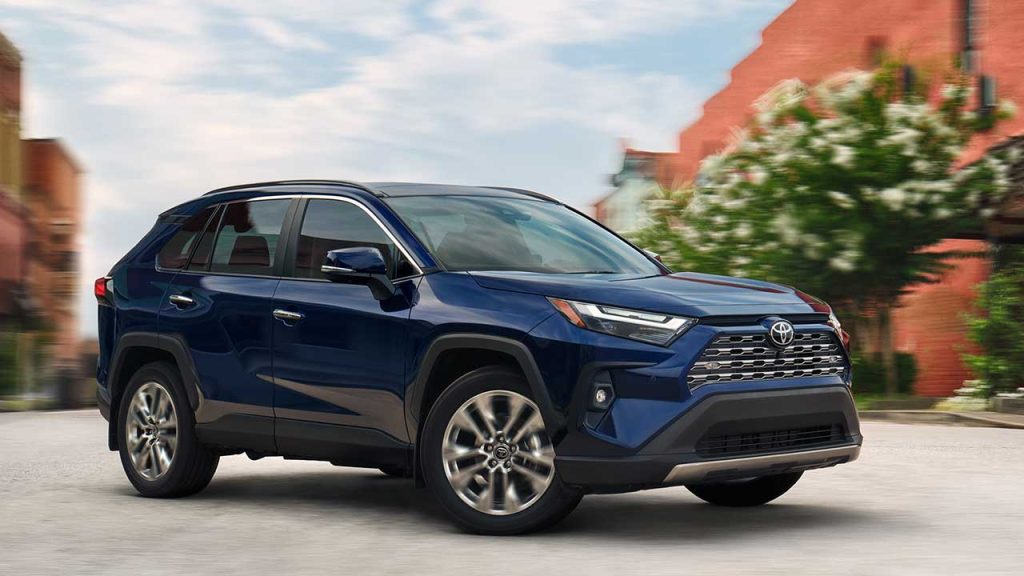
9. Toyota RAV4 Hybrid
The Toyota RAV4 Hybrid combines SUV practicality with a dependable hybrid system. Its nickel-metal hydride or lithium-ion battery, depending on the model year, is engineered for endurance and features an effective thermal management system to avoid overheating.
Toyota’s careful engineering reduces the strain on the battery even during demanding driving conditions.
RAV4 Hybrid owners report that the battery remains reliable well past 150,000 miles, maintaining performance and efficiency.
The hybrid system balances energy use between the gasoline engine and electric motor, while regenerative braking reduces battery load. These design choices significantly extend battery lifespan.
Routine maintenance, such as monitoring cooling systems and hybrid components, helps preserve battery health.
Toyota’s focus on reliability ensures the hybrid system delivers consistent performance over time, making the RAV4 Hybrid a practical choice for those concerned about long-term battery replacements.
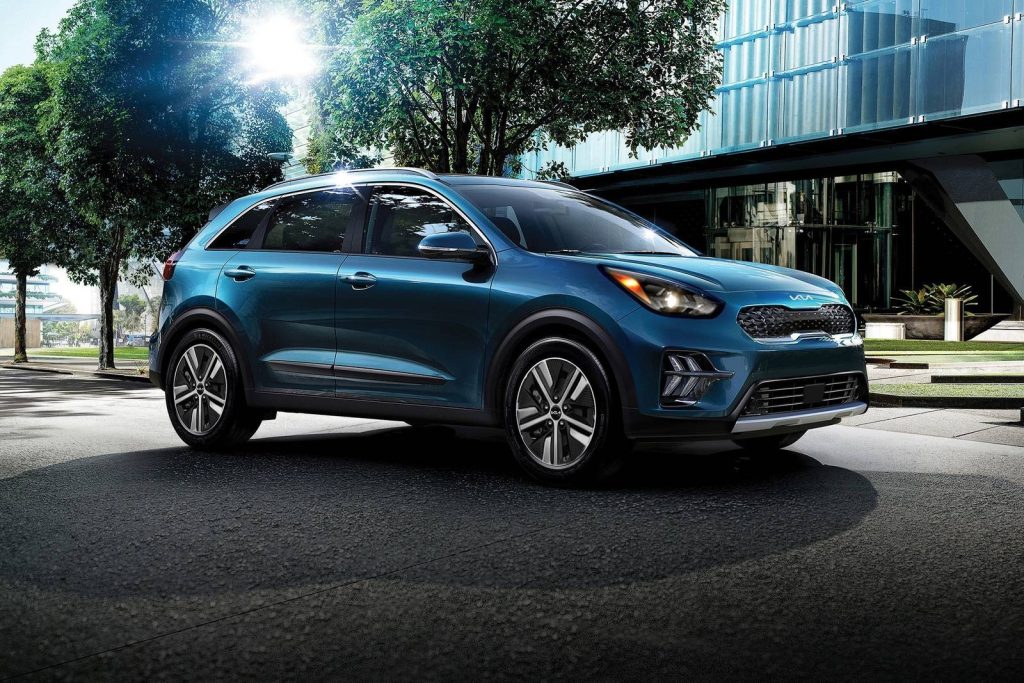
10. Kia Niro Hybrid
The Kia Niro Hybrid is designed as a small crossover that combines efficiency with long-term reliability. Its lithium-ion battery is compact, durable, and managed by intelligent software that balances energy distribution across cells, preventing overuse and extending lifespan.
Niro Hybrid owners report strong battery performance even after 150,000 miles or more. The regenerative braking system reduces strain while recovering energy efficiently, and the hybrid system’s conservative power delivery ensures minimal stress on the battery.
Hyundai-Kia engineering emphasizes reliability, including proper thermal management and thoughtful battery placement. Routine maintenance, like checking cooling components and performing diagnostics, further ensures longevity.
The Niro Hybrid remains a practical choice for buyers seeking a dependable, long-lasting hybrid with minimal battery replacement concerns.
Hybrid vehicles have become increasingly popular among drivers seeking a balance between fuel efficiency, performance, and reduced environmental impact. One of the most important aspects of hybrid ownership is the longevity of the battery.
A reliable battery can significantly reduce maintenance costs, prevent unexpected downtime, and maintain the vehicle’s efficiency over many years.
While some hybrids require battery replacements after roughly 8 to 10 years or 100,000 to 150,000 miles, certain models are known for their exceptional durability and ability to retain their original batteries for far longer periods.
The ten hybrids discussed in this article have established reputations for battery reliability. These vehicles combine thoughtful engineering, advanced battery management systems, and practical driving designs to extend the life of their battery packs.
Automakers who focus on thermal management, cell balancing, and moderate energy usage are able to produce hybrids that consistently perform well over extended mileage, often exceeding 150,000 miles without requiring costly battery replacements.
Toyota has multiple entries on this list, demonstrating the company’s long-standing commitment to hybrid durability.
The Toyota Prius remains a benchmark for hybrid battery longevity, with a nickel-metal hydride battery that benefits from careful placement and advanced thermal regulation.
Similarly, the Toyota Camry Hybrid and RAV4 Hybrid utilize well-balanced energy management systems and regenerative braking to reduce stress on their batteries, helping them last well beyond standard replacement intervals.
These models showcase Toyota’s focus on reliability and efficiency rather than pushing extreme performance limits.
Honda also provides strong options for drivers concerned about battery longevity. The Honda Insight and CR-Z both feature lithium-ion batteries designed for stability and endurance.
Honda’s intelligent battery management software monitors state of charge, balances individual cells, and ensures that the battery is not overstressed.
The Insight focuses on practicality and efficiency, while the CR-Z offers a sportier option without compromising reliability. Both models show that careful engineering and thoughtful design can preserve battery life over extended mileage.
Luxury hybrids also demonstrate remarkable durability. The Lexus ES 300h and NX 300h combine high-end comfort with long-lasting battery systems.
Lexus employs sophisticated thermal management and cell-balancing technologies to maintain performance over years of use. These vehicles are engineered for moderate energy consumption, protecting the battery while providing a refined driving experience.
Owners report minimal battery degradation even after heavy use, highlighting the advantage of combining quality engineering with hybrid technology.
Compact and practical hybrid crossovers also perform exceptionally well. The Ford Escape Hybrid, Hyundai Ioniq Hybrid, and Kia Niro Hybrid are designed to offer efficiency, moderate energy use, and robust battery management.
Lithium-ion batteries in these models are complemented by intelligent software that reduces strain, ensures balanced charging, and utilizes regenerative braking to preserve energy.
Their designs emphasize reliability, with well-placed batteries, effective cooling systems, and conservative power delivery that extends lifespan.
Across all ten models, common factors contribute to long-lasting battery life. Intelligent energy management, thermal regulation, regenerative braking, and careful battery placement all reduce stress and prevent premature degradation.
Additionally, routine maintenance, including monitoring cooling systems and hybrid diagnostics, helps sustain optimal performance.
Owners who drive moderately and maintain their vehicles properly can expect these hybrids to operate reliably for 150,000 to 200,000 miles or more without significant battery issues.
For drivers seeking long-term ownership with minimal concern about battery replacement, these ten hybrids provide strong options across sedans, compact SUVs, and luxury vehicles.
They demonstrate that with thoughtful design, effective management systems, and quality engineering, hybrid technology can deliver exceptional reliability.
These vehicles prove that hybrid ownership can be practical, economical, and stress-free, offering peace of mind for drivers who prioritize efficiency and durability.
Choosing one of these models allows drivers to enjoy the benefits of hybrid technology fuel efficiency, reduced emissions, and smooth driving without worrying about costly battery replacements.
From the reliable Toyota Prius to the versatile Kia Niro Hybrid, each vehicle on this list stands out for maintaining performance and efficiency over extended periods, reinforcing the importance of engineering and design in ensuring long-lasting hybrid operation.
Also Read: 13 Cars That Are So Reliable Owners Never Upgrade
