
Owning a car is about more than getting from point A to point B. Some vehicles are notorious for developing recurring issues, especially small components that may seem minor but carry significant replacement costs.
These parts can include sensors, electronic modules, suspension bushings, and other seemingly simple components. Over time, the cost of replacing these items adds up, making ownership frustrating and expensive.
The cars discussed here are known for exactly that: they tend to develop small but costly problems repeatedly. This does not necessarily mean they are unsafe or poorly built.
Many of them have strong engines, excellent drivetrains, or even luxurious features that make them desirable. The challenge is that their smaller systems and components can be prone to failure, and repairs are often specialized or expensive.
Owners of these vehicles often find themselves facing maintenance bills that could have been avoided with a more straightforward or reliable design.
Electrical issues, aging plastics, and intricate mechanical assemblies are common culprits. Even routine maintenance can uncover parts that fail unexpectedly, leading to extra visits to the mechanic.
This article highlights nine cars that frequently develop these small yet expensive issues. Each section explains what parts tend to break, why the failures occur, and what owners can expect when dealing with maintenance.
Understanding these recurring problems helps potential buyers make informed decisions and current owners prepare for ongoing care. By examining these vehicles carefully, it becomes clear why certain models, despite their strengths, carry a reputation for costly upkeep.
Also Read: 5 SUVs That Remain Family Favorites vs 5 Families Regret Buying
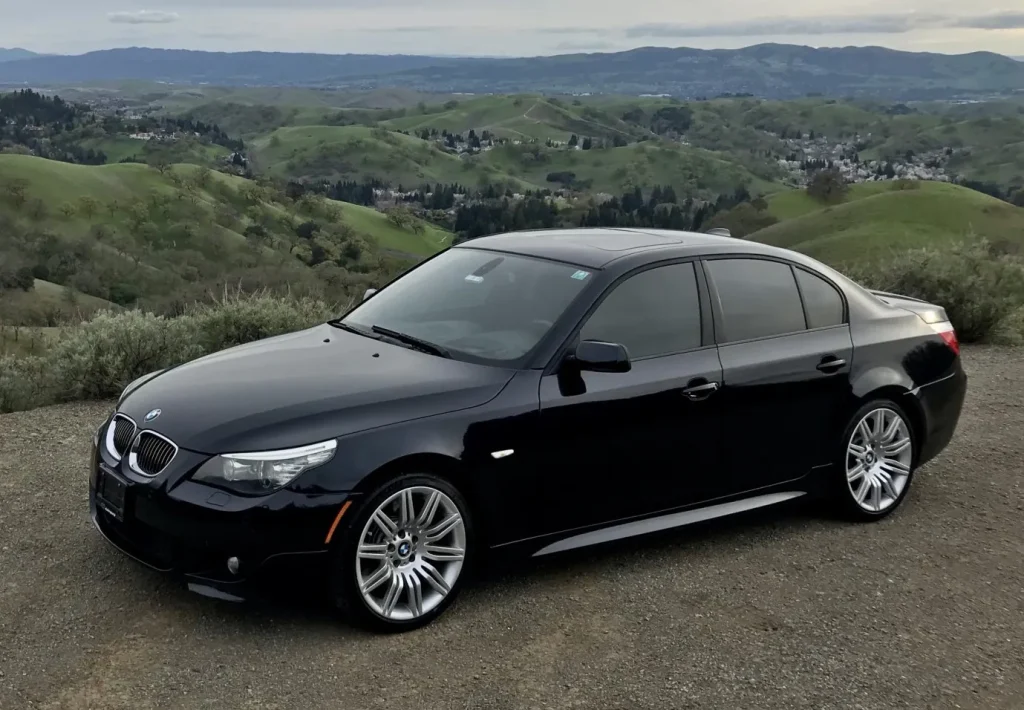
1. BMW 5 Series (E60)
The BMW 5 Series E60, produced from 2004 to 2010, is admired for its performance, luxury, and advanced technology, but it has earned a reputation for small yet costly repairs.
While the engines are generally strong and durable, components such as the electronic cooling fans, window regulators, and VANOS system can fail repeatedly.
These issues are not usually catastrophic but are expensive to repair, often requiring specialized tools or dealer-level expertise.
The E60 features a complex electrical system that controls everything from climate control to infotainment functions. Over time, relays, sensors, and modules can degrade, causing intermittent failures that frustrate owners.
For example, water pumps and thermostat housings often fail without warning, leading to overheating issues if not addressed promptly. The cost of these replacements can quickly surpass that of routine maintenance items like brakes or tires.
Owners also report problems with suspension components such as control arm bushings, ball joints, and electronic shock absorbers.
While these parts are designed to improve ride quality and handling, they tend to wear prematurely under normal driving conditions. This results in both safety concerns and unexpected repair bills.
Another area of concern is the interior electronics. Seat motors, door locks, and iDrive controllers can malfunction, often requiring expensive module replacements.
While these issues rarely render the car inoperable, they accumulate over time, making ownership expensive compared to other sedans in its class.
Despite these challenges, the E60 remains desirable due to its driving dynamics, build quality, and luxurious appointments. Many owners continue to keep them on the road because the car’s strengths outweigh the recurring small repairs.
However, prospective buyers should be prepared for ongoing maintenance costs and understand that even minor failures in this model can carry significant financial implications.
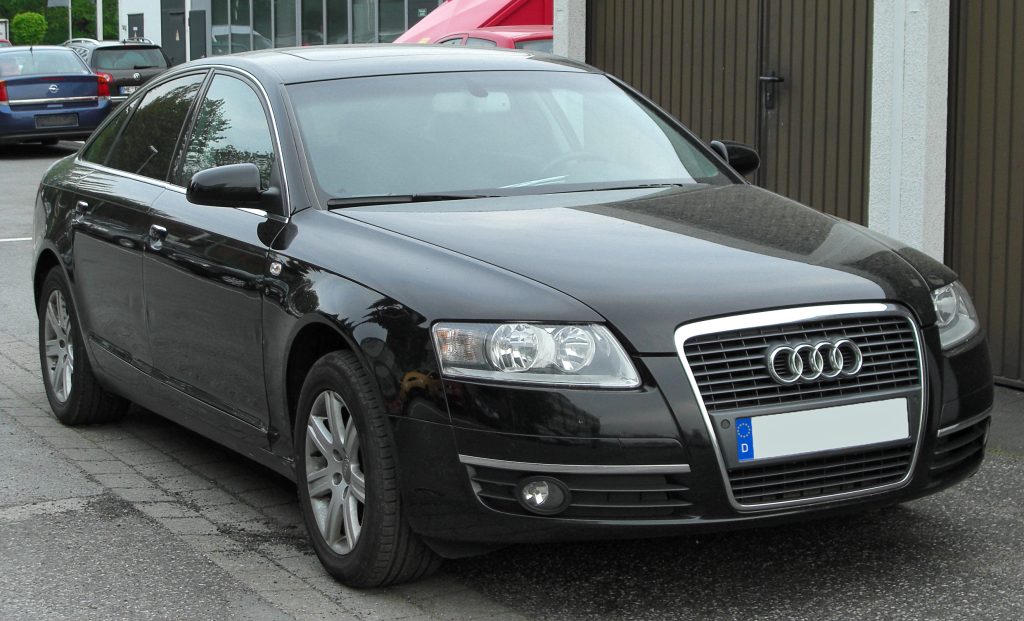
2. Audi A6 (C6)
The Audi A6 C6, produced from 2005 to 2011, is a mid-size luxury sedan known for its refined design, comfortable ride, and strong engines. Yet, it has a reputation for developing small, expensive problems that frequently inconvenience owners.
Common issues include failing air suspension components, crankshaft and camshaft sensors, and various electronic modules controlling climate, infotainment, and driver assistance systems.
The A6’s air suspension system is particularly problematic. Compressors and struts can fail without warning, leading to sagging ride height and uncomfortable handling. Replacing these parts often requires specialized labor and costly components.
Similarly, sensors for ABS, traction control, and engine management may fail, triggering warning lights and requiring replacements that are both technical and expensive.
Electrical components inside the cabin are another source of frustration. Infotainment modules, power seat motors, and door lock actuators are prone to wear, often at low mileage. These failures do not always affect drivability but can quickly add up in repair costs.
Even relatively small items like window regulators or sunroof motors tend to fail repeatedly, making ownership more expensive than initially anticipated.
Despite these drawbacks, the Audi A6 C6 retains popularity due to its blend of performance, luxury, and styling. Its engines are generally robust when properly maintained, and the car delivers a comfortable driving experience.
Many owners find that addressing recurring minor issues promptly prevents more severe failures, but it is an ongoing investment. For buyers who value comfort and technology, the A6 remains attractive, though awareness of its small, costly weaknesses is essential.
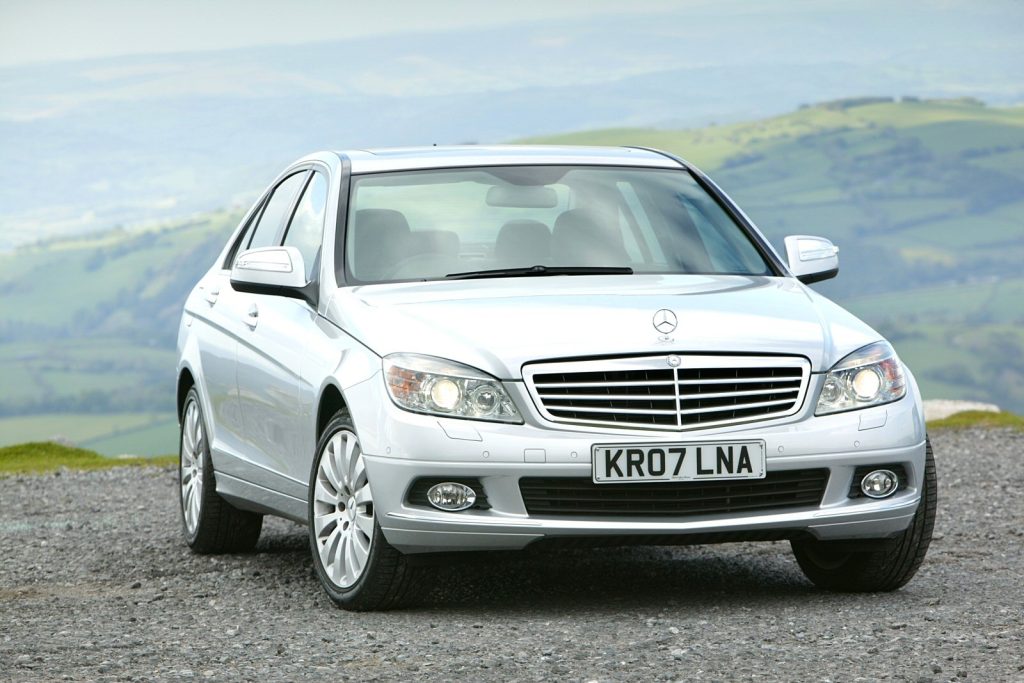
3. Mercedes-Benz C-Class (W204)
The Mercedes-Benz C-Class W204, produced from 2007 to 2014, combines premium styling, comfort, and performance, but it is also known for small, recurring repairs that can be surprisingly expensive.
While the engines and transmissions are generally reliable, owners often encounter failures in electronic modules, suspension components, and minor interior systems, which add up over time.
Suspension wear is a common complaint. Components like control arm bushings, ball joints, and electronic shock absorbers often fail earlier than expected, especially in vehicles driven in areas with poor roads or harsh winters.
Replacing these components typically requires specialized labor, making even minor repairs costly.
Additionally, the W204 features numerous sensors and electronic modules that can malfunction, triggering dashboard warnings that require diagnostics and repair at a dealer or specialized shop.
Electrical and interior issues are also prevalent. Window regulators, seat motors, and door lock actuators frequently fail, particularly in older models. Infotainment systems can develop glitches that necessitate module replacement or software updates.
Though these problems do not usually prevent the car from driving, they can significantly impact ownership costs and convenience.
Another recurring area is the cooling system. Water pumps, thermostats, and coolant sensors often need attention as the car ages.
While not catastrophic if addressed promptly, these repairs are often labor-intensive and expensive, contributing to the car’s reputation for small but costly issues.
Despite these challenges, the W204 C-Class continues to attract buyers due to its solid build quality, luxurious interior, and strong driving dynamics.
Owners who maintain their vehicles diligently often keep them for many years, but they must budget for recurring minor repairs. Awareness of these common issues is essential for both prospective buyers and current owners to manage costs effectively.
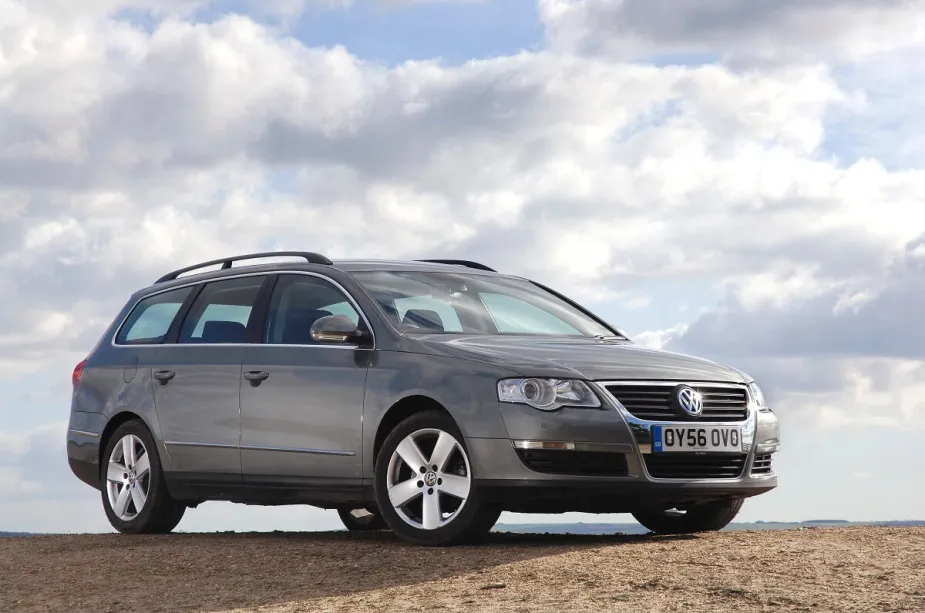
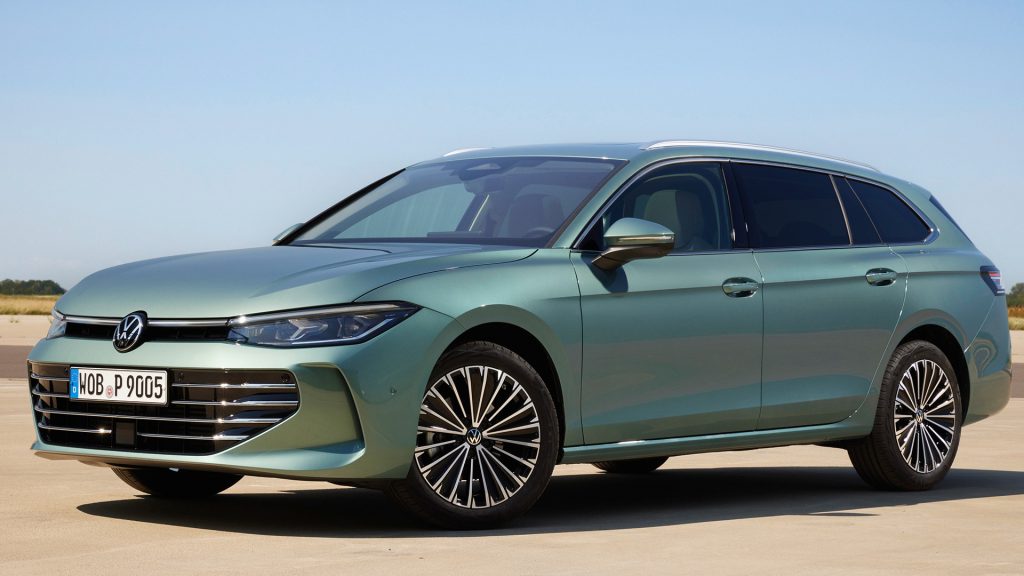
4. Volkswagen Passat (B6)
The Volkswagen Passat B6, produced from 2005 to 2010, is a mid-size sedan admired for its German engineering, refined styling, and comfortable ride. However, it has a reputation for recurring small but expensive issues.
Many owners report failures in electrical systems, cooling components, and interior electronics, which make ownership more costly than expected.
One of the most common problems in the B6 Passat is with the water pump and thermostat. These components can fail prematurely, leading to overheating or engine performance issues.
While not catastrophic if addressed promptly, replacement involves significant labor, which adds to repair costs.
Timing chain tensioners and camshaft actuators can also wear prematurely on certain engines, contributing to the car’s reputation for ongoing maintenance expenses.
Electrical systems pose another challenge. Door locks, window regulators, and sunroof mechanisms frequently malfunction.
Many owners also experience issues with central electronics modules that control climate, lighting, and other accessories. These small failures often require dealer diagnostics and specialized parts, which makes repairs expensive.
The Passat’s suspension is also prone to wear. Control arm bushings, ball joints, and sway bar links can fail, particularly in vehicles driven on rough roads. Replacing these components can be costly and time-consuming, despite the relatively minor nature of the parts themselves.
Despite these issues, the Passat B6 remains popular because of its strong engine performance, comfortable interior, and European styling.
Owners often accept the higher maintenance costs for a vehicle that delivers enjoyable driving dynamics and a refined experience.
Awareness of recurring small problems helps owners plan maintenance and budget appropriately, ensuring the vehicle remains reliable over time.
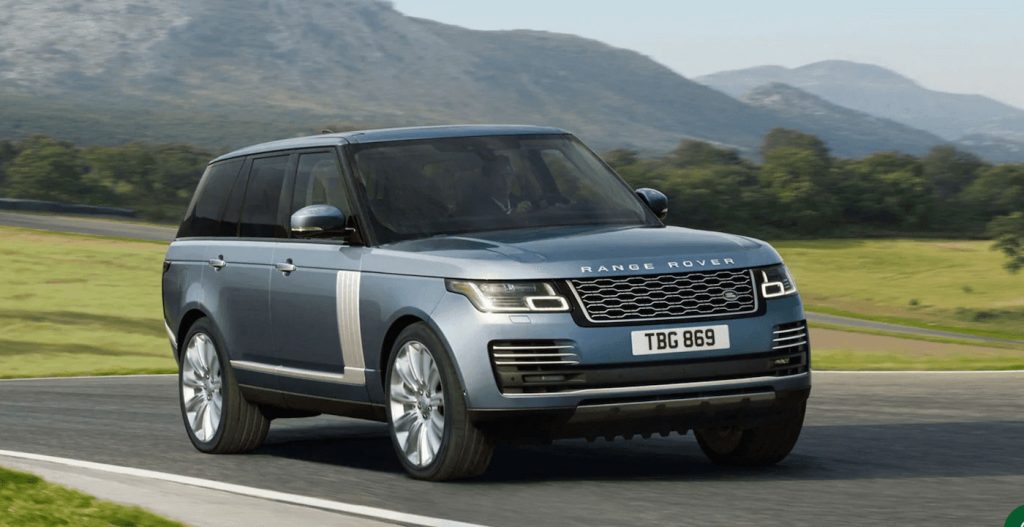
5. Land Rover Range Rover (L322)
The Range Rover L322, produced from 2002 to 2012, is known for luxury, off-road capability, and comfort, but it has a well-documented history of small, expensive problems.
While the engines are generally robust, numerous electrical and suspension components tend to fail repeatedly, resulting in costly repairs that can frustrate owners.
Air suspension components are a primary source of recurring issues. Compressors, struts, and height sensors often fail, leading to sagging or uneven ride height. Replacing these parts is expensive due to both the cost of components and labor-intensive installation.
Owners also report failures in electronic modules controlling climate, infotainment, and seat adjustments, which require specialized diagnostics and repair.
Other common problems include cooling system components, such as water pumps, thermostats, and radiator hoses. Even relatively minor leaks or sensor failures can escalate into larger, costly repairs if not addressed promptly.
Electrical gremlins, like malfunctioning window motors or central locking systems, are frequent as well, adding to the vehicle’s reputation for expensive upkeep.
Despite these challenges, the L322 remains desirable for its luxury and off-road prowess. Owners who stay on top of maintenance and address minor issues as they arise often enjoy long-term reliability, but they must accept that these small but costly repairs are part of ownership.
The combination of advanced systems and high-quality features means the Range Rover delivers a premium experience, though at an upkeep price.
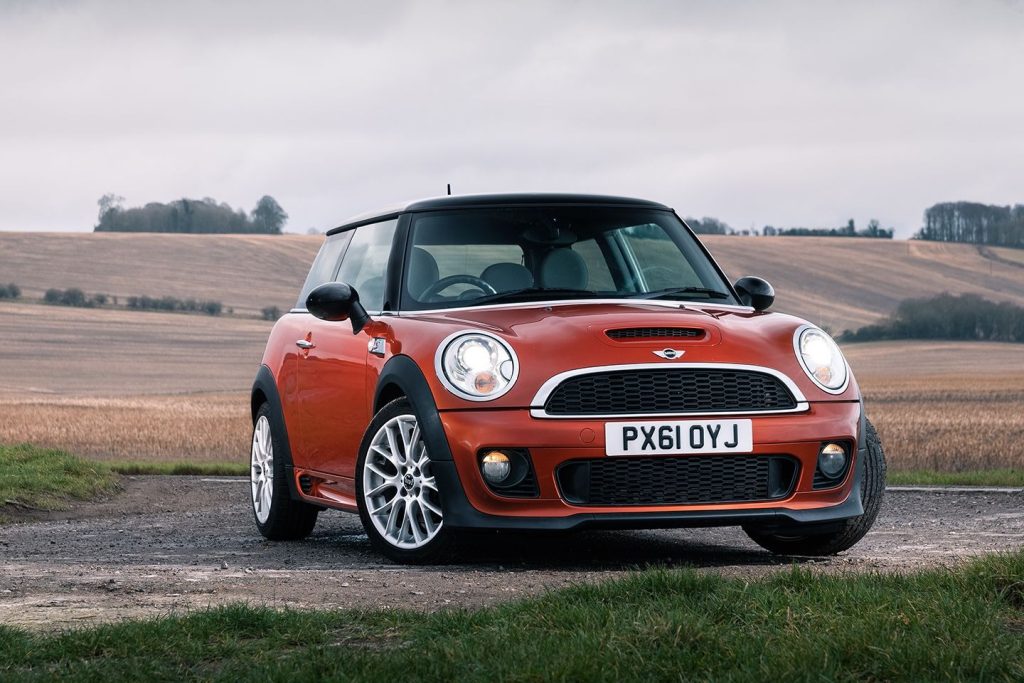
6. Mini Cooper (R56)
The Mini Cooper R56, produced from 2006 to 2013, is a small, sporty car with European styling and engaging driving dynamics.
Despite its popularity, it has a reputation for frequent small repairs that carry high costs, particularly in electrical and engine-related components.
Turbocharged engines in the R56, especially the 1.6-liter variants, can develop issues with the high-pressure fuel pump, water pump, and thermostat.
These components are critical for proper engine function, and their failure often requires labor-intensive replacement. Even routine maintenance sometimes uncovers additional worn components, increasing repair costs.
Electrical and interior systems are another area of concern. Window regulators, central locking mechanisms, and infotainment modules can fail repeatedly.
While these issues do not usually prevent the car from operating, they are expensive to fix and often require dealership intervention due to specialized programming or parts.
Suspension components, including control arms, bushings, and strut mounts, also wear faster than expected.
Replacement can be costly because of the car’s compact design and tight packaging, which increases labor time. Many owners find that these recurring minor repairs add up, making the Mini more expensive to maintain than comparable small cars.
Despite the frequent small issues, the R56 is praised for its fun-to-drive nature, stylish interior, and compact design.
Enthusiasts often accept higher maintenance costs for the rewarding driving experience. However, potential buyers should be aware that ownership may involve ongoing repairs that are individually minor but cumulatively costly.
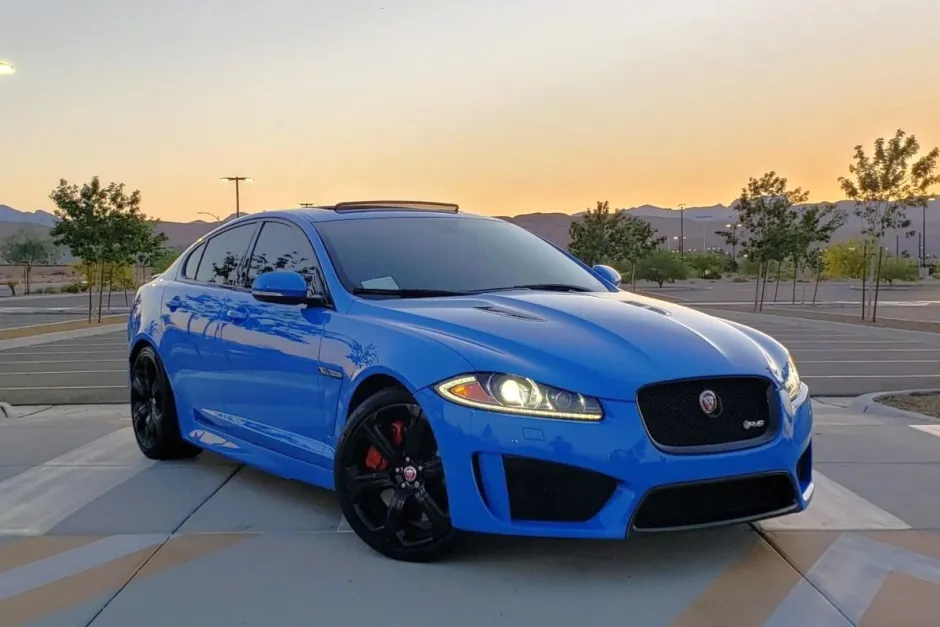
7. Jaguar XF (X250)
The Jaguar XF X250, produced from 2007 to 2015, is a luxury sedan that delivers style, comfort, and performance, but it has a reputation for recurring small and costly problems.
While its engines are generally reliable when maintained, many electrical components, sensors, and interior mechanisms tend to fail, resulting in expensive repairs that frustrate owners.
The XF’s complex electronic systems are a common source of recurring issues. Climate control modules, infotainment units, and window regulators frequently fail, requiring dealer-level diagnostics and specialized parts.
Even minor failures can carry high costs due to the intricate design of these systems. Owners often report that small issues, such as faulty seat motors or sunroof mechanisms, reappear over time, increasing maintenance expenses.
Cooling system components are another weak point. Water pumps, thermostats, and radiator hoses may develop leaks or fail, and replacement is labor-intensive. These small failures, if ignored, can lead to engine overheating, further compounding repair costs.
Electrical sensors controlling ABS, traction control, and engine management also occasionally fail, triggering warning lights and requiring professional intervention.
Suspension components, including bushings and shock absorbers, can wear faster than expected, particularly in regions with rough roads.
Replacement of these parts is expensive due to the car’s complex chassis and need for precise alignment. Even minor interior electronics, like door lock actuators, can fail repeatedly, adding to the cost of ownership.
Despite these recurring problems, the Jaguar XF X250 remains attractive for its driving dynamics, luxurious interior, and elegant styling.
Owners often choose to maintain these vehicles meticulously, knowing the small but costly issues are part of the ownership experience.
Awareness of common failures allows owners to budget accordingly and prolong the car’s life. While the XF can be expensive to maintain, it continues to appeal to those seeking a balance of performance, comfort, and prestige.
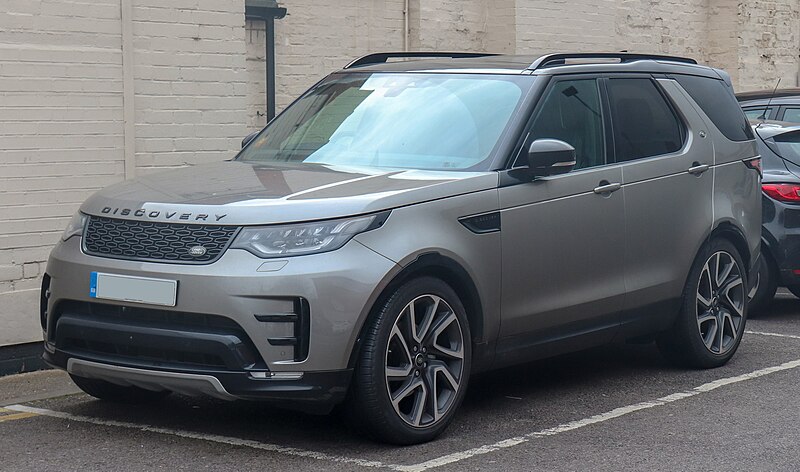
8. Land Rover Discovery 3 (LR3)
The Land Rover Discovery 3, produced from 2004 to 2009, is known for off-road capability and luxury features but is infamous for small, recurring, and expensive maintenance issues.
While the engines and drivetrains are generally durable, the vehicle’s air suspension, electronics, and cooling systems frequently fail, making ownership costly.
Air suspension is one of the most notorious areas of concern. Compressors, air springs, and height sensors often fail over time, leading to sagging, uneven ride height, and handling issues.
Replacing these components is expensive, requiring specialized tools and considerable labor. Owners also report recurring failures in interior electronics, including infotainment modules, climate control systems, and power seat motors.
Cooling system components such as thermostats, water pumps, and radiator hoses can also fail. Even minor leaks often result in labor-intensive repairs.
Electrical sensors for ABS, traction control, and engine management can malfunction intermittently, causing dashboard warnings and necessitating dealer diagnostics.
Suspension bushings, control arms, and other chassis components wear faster than in simpler SUVs. Repair costs accumulate as multiple small parts fail, even though each individual component might seem minor.
Owners frequently note that addressing issues promptly prevents further damage but requires an ongoing investment.
Despite these drawbacks, the Discovery 3 remains a sought-after vehicle due to its off-road ability, comfort, and versatility.
Owners who accept the higher maintenance costs often enjoy years of reliable service, especially if they address failures quickly and perform preventive maintenance.
Understanding the recurring small problems is essential for anyone considering ownership, as these issues define the Discovery 3’s reputation for costly upkeep.
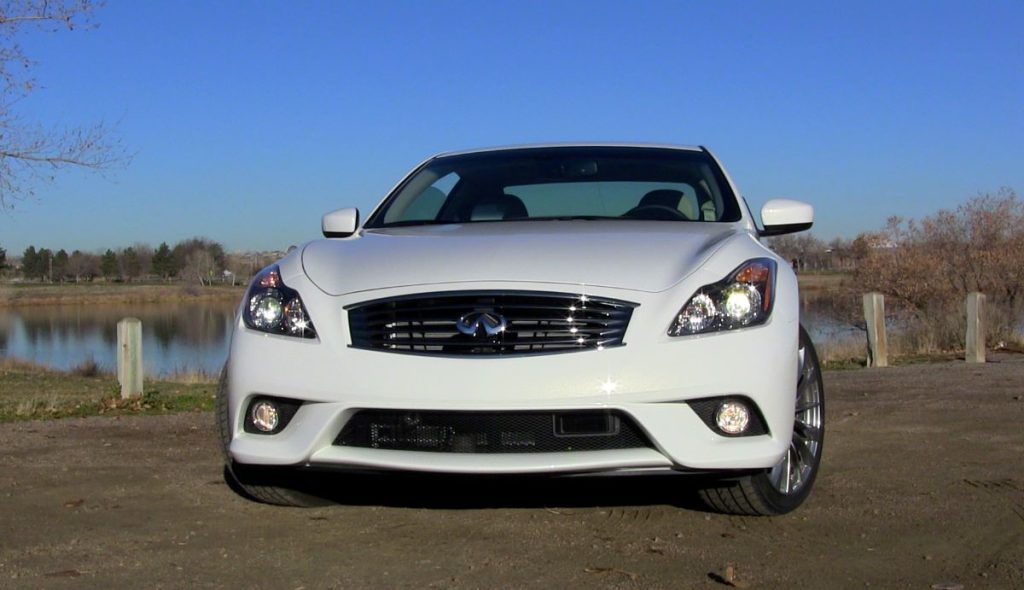
9. Infiniti G37 (V36)
The Infiniti G37 V36, produced from 2008 to 2013, is a luxury sports sedan and coupe praised for performance and design but known for small, expensive recurring issues.
While the VQ-series engine is robust, many minor components, particularly electrical and suspension parts, can fail repeatedly, leading to costly repairs that accumulate over time.
Owners commonly report problems with electronic systems, including power seat motors, window regulators, and climate control modules.
These failures are often intermittent, making diagnosis tricky and repair costly. Infotainment systems and electronic control modules occasionally malfunction, requiring replacement or reprogramming. While these issues rarely prevent driving, they significantly impact ownership costs and convenience.
Suspension components are another frequent concern. Control arm bushings, sway bar links, and strut mounts can wear faster than expected, particularly in areas with rough roads or aggressive driving. Replacing these parts requires labor-intensive work, adding to cumulative costs even for relatively minor components.
Cooling system components, including thermostats and water pumps, are prone to failure over time. Though not catastrophic if addressed promptly, replacement often involves significant labor, contributing to the car’s reputation for costly minor repairs.
Even relatively small electrical gremlins, such as faulty sensors or actuator motors, can result in dealer visits and specialized service.
Despite these recurring issues, the G37 remains appealing for its powerful V6 engine, balanced handling, and luxurious interior.
Owners who maintain the vehicle diligently can enjoy many years of performance and comfort, but they must accept the inevitability of small, expensive repairs.
Understanding these issues allows prospective buyers to budget properly and avoid surprises while appreciating the car’s many strengths.
The nine cars highlighted in this article share a common thread: while they often offer strong engines, attractive styling, or luxury features, they also tend to develop small, recurring issues that can be surprisingly expensive to repair.
These problems are usually not catastrophic but involve components such as electronic modules, suspension parts, window regulators, sensors, and cooling system elements.
Individually, these components may seem minor, but their repeated failure adds up over time, creating a significant cost of ownership.
Luxury and European vehicles, such as the BMW 5 Series E60, Audi A6 C6, and Mercedes-Benz C-Class W204, are particularly prone to these issues due to their advanced electronics and complex mechanical systems.
While the driving experience, comfort, and performance of these cars are highly praised, owners frequently encounter repairs involving electronic modules, sensors, or interior mechanisms.
These failures, although small, require specialized diagnostics and labor-intensive repairs, which make them costly despite their limited impact on drivability.
Similarly, vehicles like the Volkswagen Passat B6, Mini Cooper R56, and Infiniti G37 V36 show that even reliable engines cannot fully offset issues in supporting systems.
Water pumps, thermostats, suspension bushings, and electronic actuators often fail earlier than expected, requiring repeated attention.
Owners must be prepared for ongoing maintenance expenses and should consider preventive care and careful inspections to minimize surprises.
Off-road and luxury SUVs, including the Land Rover Discovery 3 (LR3) and Range Rover L322, further demonstrate that advanced features such as air suspension, climate control modules, and electronic drivetrains contribute to frequent minor failures.
While these vehicles deliver impressive performance, comfort, and versatility, the cost of maintaining complex systems over time can be significant.
Owners who stay on top of preventive maintenance often enjoy long-term reliability, but they must accept that expensive small repairs are a normal part of ownership.
Understanding these recurring issues is essential for prospective buyers and current owners. Awareness allows for better budgeting, timely repairs, and realistic expectations about ownership costs.
While these vehicles offer exceptional features, style, and driving enjoyment, the financial impact of repeated minor repairs can be substantial.
Choosing to own one of these cars requires balancing their strengths against the likelihood of costly maintenance, ensuring that owners can enjoy the benefits while managing the challenges effectively.
