Pickup trucks have always been judged by their ability to handle tough terrain, heavy loads, and unpredictable conditions. But not all trucks are created equal some are built to thrive where the pavement ends, while others struggle to live up to their off-road image.
In today’s market, buyers expect more than raw power; they want durability, advanced technology, and proven reliability that holds up both on the job site and on rugged trails. That’s why understanding which trucks truly deliver off-road strength and which ones fall short is critical before making a purchase.
In this breakdown, we’ll compare 5 trucks with strong off-road reputations against 5 that can’t compete, drawing on performance, reliability, and long-term value.
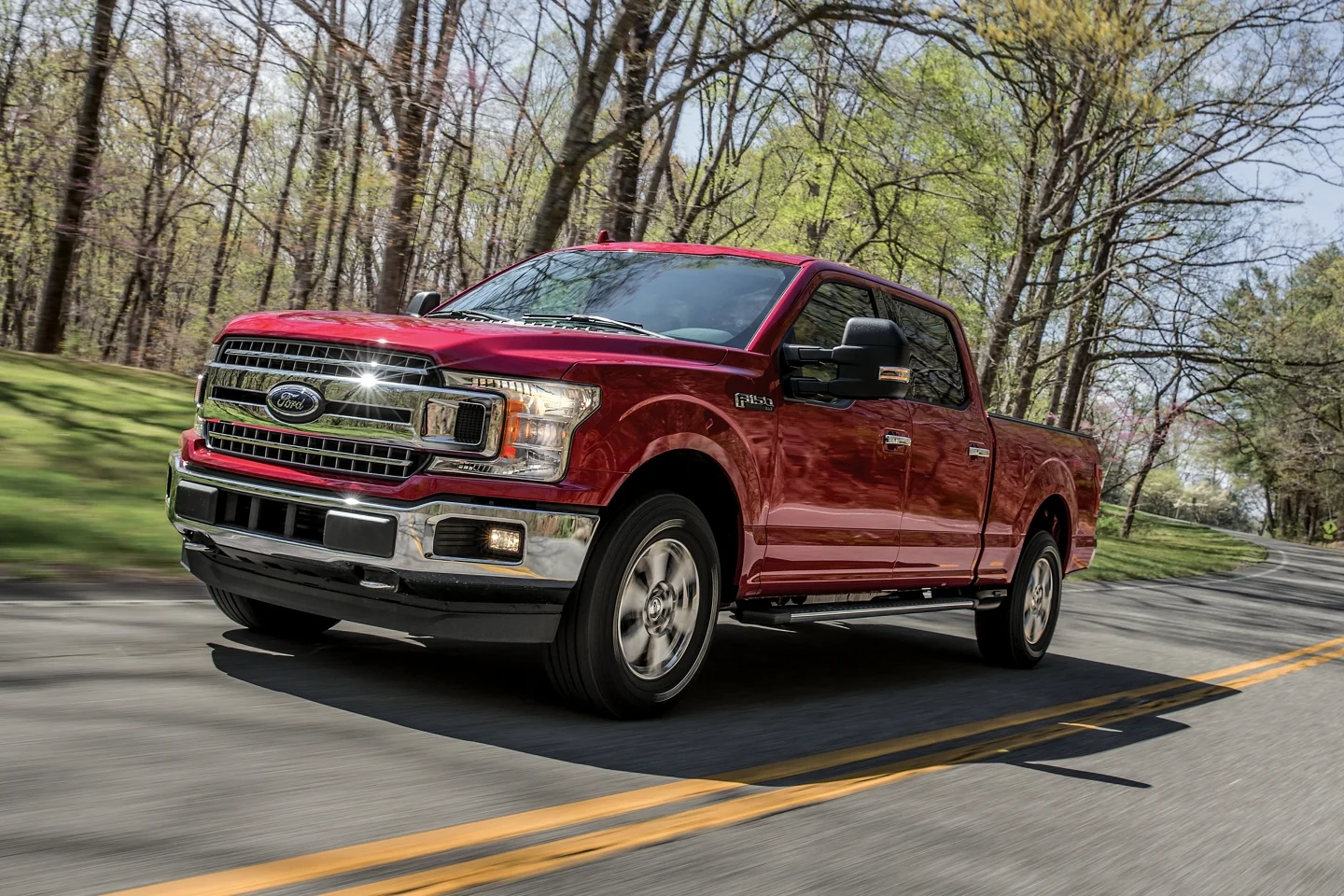
Legendary names like the Chevrolet Silverado, Toyota Tacoma, and Ford F-150 have earned their reputations over decades of refinement, while others, such as the Jeep Gladiator and Rivian R1T, reveal how inconsistency and reliability issues can undermine even the most promising designs.
Whether you’re shopping for a trail-ready pickup or simply curious about which models stand out in the crowded truck segment, this guide separates the proven performers from those still trying to catch up.
5 Trucks With Strong Off-Road Reputations
1. Chevrolet Silverado 1500
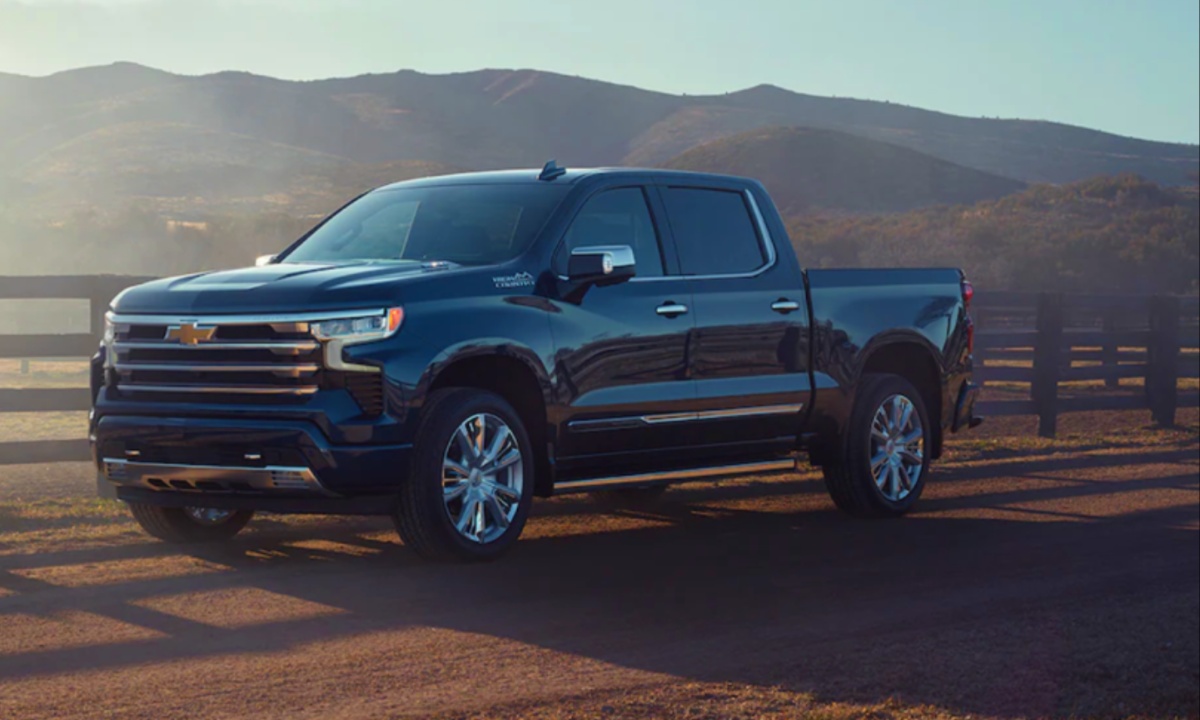
The Chevrolet Silverado 1500 continues to be a trusted full-size pickup, balancing rugged durability with modern refinement. Designed for both job sites and daily life, it offers trims that range from the no-frills WT (Work Truck) to the premium High Country, giving buyers plenty of choice.
With bold exterior styling, a comfortable cabin, and advanced features, the Silverado appeals to drivers who need strength without sacrificing convenience.
Chevrolet equips the Silverado 1500 with a variety of engines tailored to different needs. The 5.3L EcoTec3 V8 delivers 355 horsepower and 383 lb.-ft. of torque, making it a dependable option for most tasks.
For maximum output, the 6.2L EcoTec3 V8 produces 420 horsepower and 460 lb.-ft. of torque, available on trims like the RST 4×4, Trail Boss, and ZR2. Those prioritizing efficiency can opt for the Duramax 3.0L Turbo-Diesel, which generates 305 horsepower and a massive 495 lb.-ft. of torque, enabling towing of up to 13,300 pounds with 2WD.
On the road, the Silverado accelerates confidently, hitting 60 mph in about seven seconds with the 5.3L V8. Smooth transmission shifts help with towing and city driving, while light steering makes highway travel easy, though it can reduce precision.
Handling feels stable, but sharp bumps in the middle of a turn may unsettle the truck. Off-road packages such as Z71 or Trail Boss improve ground clearance, suspension, and traction for drivers who spend time away from pavement.
The Silverado 1500 provides a balance of ride comfort and durability. Seating is supportive enough for long trips but not as plush as what’s found in the Ford F-150 or Ram 1500.
Highway cruising is composed, with good noise suppression until the throttle is pushed aggressively. On uneven surfaces, the truck can feel bouncy, which is common for body-on-frame pickups.
Convenience features enhance the driving experience, including available ventilated front seats with separate controls for the cushion and backrest, a feature unique to GM.
The climate system keeps the cabin comfortable, though its small buttons take some getting used to. These touches make the Silverado a capable companion for both long-distance travel and demanding workdays.
Chevrolet has modernized the Silverado’s interior, addressing past criticism of outdated design. The dashboard features a more contemporary look with upgraded materials, particularly on trims like the High Country and ZR2. Controls remain large and easy to use, preserving the practicality Silverado owners value.
Crew cab models shine in terms of passenger space, especially in the rear seat, which provides ample legroom. Wide door openings and thoughtful seat placement improve accessibility despite the truck’s height.
Storage is practical, with multiple compartments in the center console, though rivals such as the Ram 1500 and Ford F-150 offer more flexible layouts. Families benefit from rear seats that can accommodate three child safety seats, though loading them requires effort due to the truck’s tall stance.
Technology is one of Silverado’s strongest assets. The available 13.4-inch touchscreen is responsive and clear, supporting wireless Apple CarPlay and Android Auto. Google-based voice recognition allows natural speech for commands like adjusting the climate or changing radio stations. Wireless charging and dedicated smartphone storage further add to convenience.
Safety and driver-assist features include multiple exterior cameras, rear cross-traffic alert, and trailer tire pressure monitoring. Adaptive cruise control works well in most conditions, though testers noted a single instance of unexpected lurching in stop-and-go traffic. Chevrolet’s Super Cruise, a hands-free driving system, is offered on the High Country trim, competing with Ford’s BlueCruise.
With powerful engine options, the Silverado excels at towing and hauling. The diesel engine, in particular, provides unmatched torque for heavy loads. The bed is larger than many rivals, featuring more tie-downs for securing cargo.
Inside, storage solutions are functional but less versatile than those in competing models. For families, the crew cab’s rear space is flexible and car seat–friendly, though the truck’s height can present challenges during loading.
Fuel efficiency varies by engine. The 5.3L V8 with 4WD achieves an EPA-estimated 17 mpg combined, a figure that matches real-world driving. The diesel option stands out for long-distance drivers thanks to its superior mileage.
Pricing is competitive but slightly above rivals in some trims, without significant gains in premium materials. Interior plastics remain sturdy but lack refinement compared to competitors. Chevrolet’s warranty coverage is average, though the first scheduled maintenance visit is complimentary.
The Chevrolet Silverado 1500 remains a dependable pickup with strong performance, versatile trims, and advanced technology. It doesn’t surpass the Ford F-150 or Ram 1500 in luxury or ride comfort, but it delivers on capability, towing strength, and innovative features like Super Cruise. For drivers seeking a truck that blends power with practicality, the Silverado continues to be a reliable and modern choice.
2. Toyota Tacoma
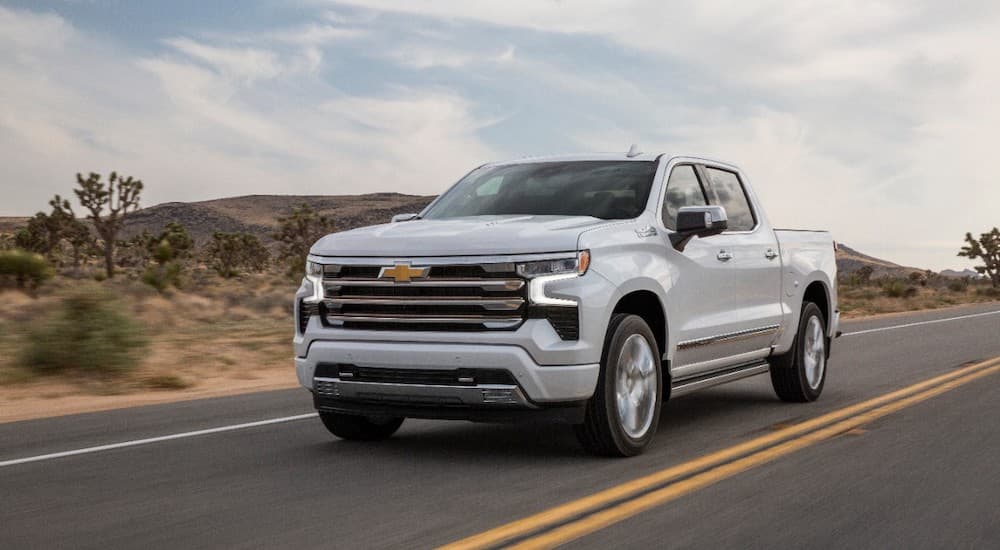
The Toyota Tacoma solidifies its place as a leading midsize truck, offering rugged off-road ability, a versatile range of trims, and Toyota’s hallmark reliability. With high ground clearance, adventurous styling, and smart interior updates, the Tacoma appeals to drivers who want a truck equally capable on mountain trails and in daily commutes.
Trims range from the budget-friendly SR to the trail-conquering TRD Pro, giving buyers flexibility based on needs and budget. Inside, the Tacoma balances function and comfort with a driver-focused layout, durable materials, and plenty of storage solutions.
Toyota introduces the I-FORCE 2.4L turbocharged engine, producing up to 326 horsepower and 465 lb.-ft. of torque. This significant upgrade replaces older engines and boosts towing capacity to 6,500 pounds.
Fuel economy remains competitive, with an estimated 21 mpg city and 26 mpg highway. Buyers can also opt for the i-Force Max hybrid powertrain, which delivers more power while maintaining similar efficiency.
Testing showed the Tacoma to be energetic and well-balanced. A TRD Sport with 278 horsepower reached 60 mph in 7.6 seconds, while the hybrid-powered TRD Pro managed 7.4 seconds despite its extra weight and off-road equipment.
Both powertrains pair with a responsive transmission that shifts smoothly without gear-hunting on inclines. Braking performance is equally commendable, providing predictable stopping power across speeds. Steering is light yet accurate, allowing for stable highway travel and maneuverability in tight spots.
Off-road trims boost capability with advanced shocks, traction control, and clever suspension systems, making the Tacoma one of the most capable off-roaders in its class.
Comfort levels vary with trim. Base models such as the SR ride firmly, reflecting their utilitarian nature. Higher trims benefit from upgraded suspension setups that absorb rougher terrain more effectively.
Seating is wide and supportive, though base cloth seats feel coarse compared with available synthetic leather. Rear-seat comfort remains limited, with low cushions and tighter legroom typical for midsize trucks.
TRD Pro models feature IsoDynamic performance seats designed for off-road stability, but these heavily bolstered seats compromise rear passenger space.
Climate control systems are simple and highly functional, with large knobs and buttons that can be operated even while wearing gloves. Ride quality may not match the refinement of larger trucks, but comfort is respectable for the segment.
The Tacoma’s cabin emphasizes ruggedness and practicality. Standard is an 8-inch touchscreen, while higher trims can be equipped with a 14-inch display.
Both systems are sharp, intuitive, and enhance the usefulness of features like the optional surround-view camera. Unlike many modern trucks, the Tacoma retains physical buttons and switches, which drivers will appreciate for quick adjustments in demanding environments.
Space in the Double Cab provides adequate room for front passengers, with adjustable seating and steering making it easy for drivers to find a comfortable position. Rear seats are less accommodating, particularly in the TRD Pro, due to its specialized seats.
The XtraCab configuration, however, eliminates rear seating in favor of expanded storage behind the front seats, appealing to those prioritizing cargo over passengers.
Technology has become a stronger point for the Tacoma. The available 14-inch screen dominates the dashboard with wireless smartphone connectivity, voice controls, and multiple USB-C ports. Wireless charging is optional, though the upright design of the charging pad raises minor usability concerns.
Toyota equips every Tacoma with a comprehensive suite of driver aids, including adaptive cruise control, lane departure warning, and automatic emergency braking. These systems are well-calibrated, avoiding the over-sensitivity often seen in competitors’ systems.
The Tacoma offers two bed lengths and practical features such as a 400-watt power outlet, with hybrid models boosting that output to 2,400 watts. Payload capacity reaches 1,710 pounds, while towing tops out at 6,500 pounds. While not segment-leading, these numbers cover most recreational trailers and small work needs.
Inside, storage is thoughtful, with numerous cubbies in the doors and center console, as well as a tray above the glovebox. Double Cab models add folding rear seatbacks and flip-up cushions for extra hidden storage. The XtraCab layout provides even more cargo space, replacing rear seating entirely with dedicated storage.
Fuel economy figures are consistent across trims, with most Tacoma models achieving around 21–22 mpg. The i-Force Max hybrid delivers significantly more power without compromising efficiency, giving buyers a strong reason to consider it. Unlike some rivals, the Tacoma doesn’t require premium gasoline, keeping running costs reasonable.
In terms of value, lower trims lean toward utilitarian with blank switchgear and limited amenities, but higher trims bring technology and comfort closer to class leaders.
Warranty coverage is competitive at three years/36,000 miles for bumper-to-bumper and six years/60,000 miles for the powertrain. Toyota also includes two years of free scheduled maintenance and roadside assistance, an added advantage over many rivals.
The Toyota Tacoma remains a standout midsize truck, blending off-road strength with practicality and Toyota’s long-standing reputation for dependability. While rear-seat comfort and towing capacity fall short of some competitors, the Tacoma excels in maneuverability, storage solutions, and off-road performance.
With modernized engines, upgraded technology, and multiple trims to suit different needs, it continues to be the go-to option for drivers seeking adventure-ready capability in a midsize package.
3. GMC Sierra 1500
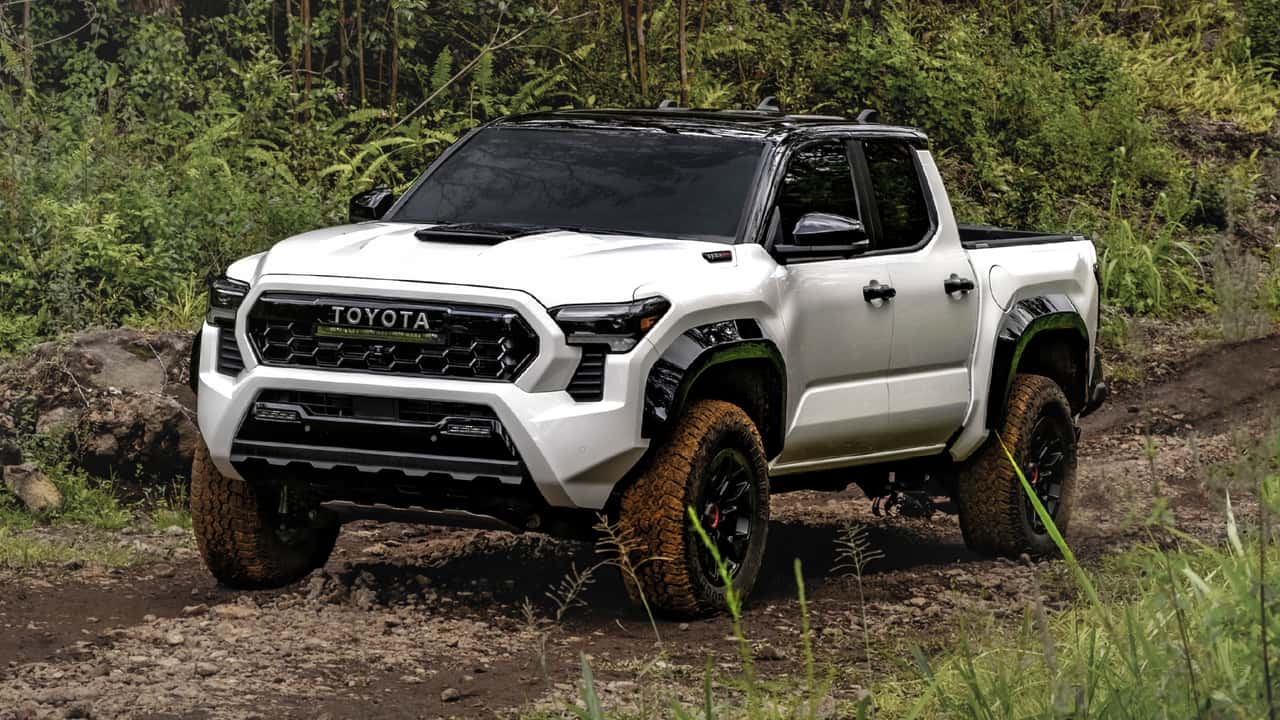
The GMC Sierra 1500 positions itself as a premium full-size pickup that blends strength with refinement. With a commanding exterior design, spacious and upscale cabin, and advanced technology, it appeals to drivers who want both capability and comfort.
Offered in trims ranging from the rugged AT4 to the ultra-luxurious Denali Ultimate, the Sierra 1500 caters to those who value performance, luxury, and versatility in equal measure.
The Sierra 1500 comes with three engine options to suit different needs. The 5.3L V8, standard on SLT and Denali, generates 355 horsepower and 383 lb.-ft. of torque, allowing for a towing capacity of up to 11,200 pounds.
For efficiency and torque, the 3.0L Duramax Turbo-Diesel delivers 305 horsepower and 495 lb.-ft. of torque, with a maximum tow rating of 13,300 pounds. At the top of the range, the 6.2L V8, standard on the Denali Ultimate and available on AT4X, produces 420 horsepower and 460 lb.-ft. of torque while towing up to 13,100 pounds. All engines pair with a smooth 10-speed automatic transmission.
During testing, a crew cab 6.2L V8 Sierra reached 60 mph in 6.2 seconds, quick for its size. Braking was strong, though the pedal feel could be more refined. Handling leans toward the heavy side, with noticeable body roll around turns and a numb steering response. The Traction Select system helps improve control in low-traction scenarios, though off-road capability is average compared with specialized rivals.
The Sierra 1500 emphasizes comfort without sacrificing toughness. Front seats are supportive for long trips, though rivals like the Ford F-150 and Ram 1500 provide slightly more plush padding. Highway rides are smooth and quiet, with the suspension soaking up smaller imperfections, though bumpy roads can create noticeable bounce.
Climate control is effective but less intuitive due to small buttons. A standout feature is GMC’s heated split front seats, which allow independent adjustment for the cushion and backrest. Cabin noise is well suppressed, and the 6.2L V8 produces a pleasing growl when pushed hard.
Inside, the Sierra delivers a premium feel with durable, high-quality materials and ample space. The crew cab configuration offers generous headroom and legroom, with the rear bench accommodating three adults comfortably. Both the driver’s seat and steering wheel provide broad adjustment ranges, making it easy to find an ideal driving position.
The interior control layout is straightforward, with well-placed knobs and switches that feel sturdy. The 13.4-inch touchscreen boots quickly and is responsive, though visibility is limited by the large hood and thick pillars. To address this, GMC includes an excellent surround-view camera system.
Technology is one of the Sierra’s highlights. The 13.4-inch touchscreen offers crisp graphics and fast response times. Navigation is clear, and the Google-powered voice recognition system allows natural commands for tasks like adjusting climate or selecting music. Wireless Apple CarPlay and Android Auto come standard, complemented by available wireless charging and dedicated phone storage.
Driver-assist features include multiple camera views, rear cross-traffic alert with seat vibration warnings, and adaptive cruise control. Testers noted that adaptive cruise sometimes braked too abruptly in stop-and-go traffic. GMC’s Super Cruise hands-free driving system is available, but only on Denali trims, whereas Ford’s comparable BlueCruise appears on more F-150 models.
Towing capacity peaks at 13,300 pounds with the diesel engine, placing the Sierra among the strongest in its class. GMC’s exclusive MultiPro tailgate offers six configurations, making loading, unloading, and access easier. Trailer technology includes memory settings, trailer-specific camera angles, and an integrated brake controller on higher trims.
Inside, the large center console provides substantial storage, supported by numerous cupholders and door pockets. The crew cab’s spacious rear seat accommodates child safety seats with ease, thanks to wide space and accessible anchor points.
With the 6.2L V8 and 4WD, the Sierra is rated at 17 mpg combined, a figure confirmed in real-world testing. The diesel improves efficiency significantly, with an estimated 26 mpg combined. These options give buyers flexibility depending on priorities for performance or economy.
Value is where the Sierra faces challenges. While its upscale interior and innovative tailgate justify part of the premium price, rivals often deliver similar features for less. Warranty coverage includes three years/36,000 miles bumper-to-bumper and five years/60,000 miles on the powertrain. GMC also offers one free scheduled maintenance visit, giving it a slight edge over Ford and Ram.
The GMC Sierra 1500 stands out for its combination of luxury and strength. With powerful engine choices, innovative features like the MultiPro tailgate, and a refined interior, it appeals to buyers who want more sophistication in their pickup.
While pricing is higher than some competitors and handling isn’t its strongest suit, the Sierra excels in comfort, towing ability, and technology. For drivers seeking a truck that blends capability with premium amenities, the Sierra 1500 remains one of the most attractive options in the full-size segment.
4. Ford F-150
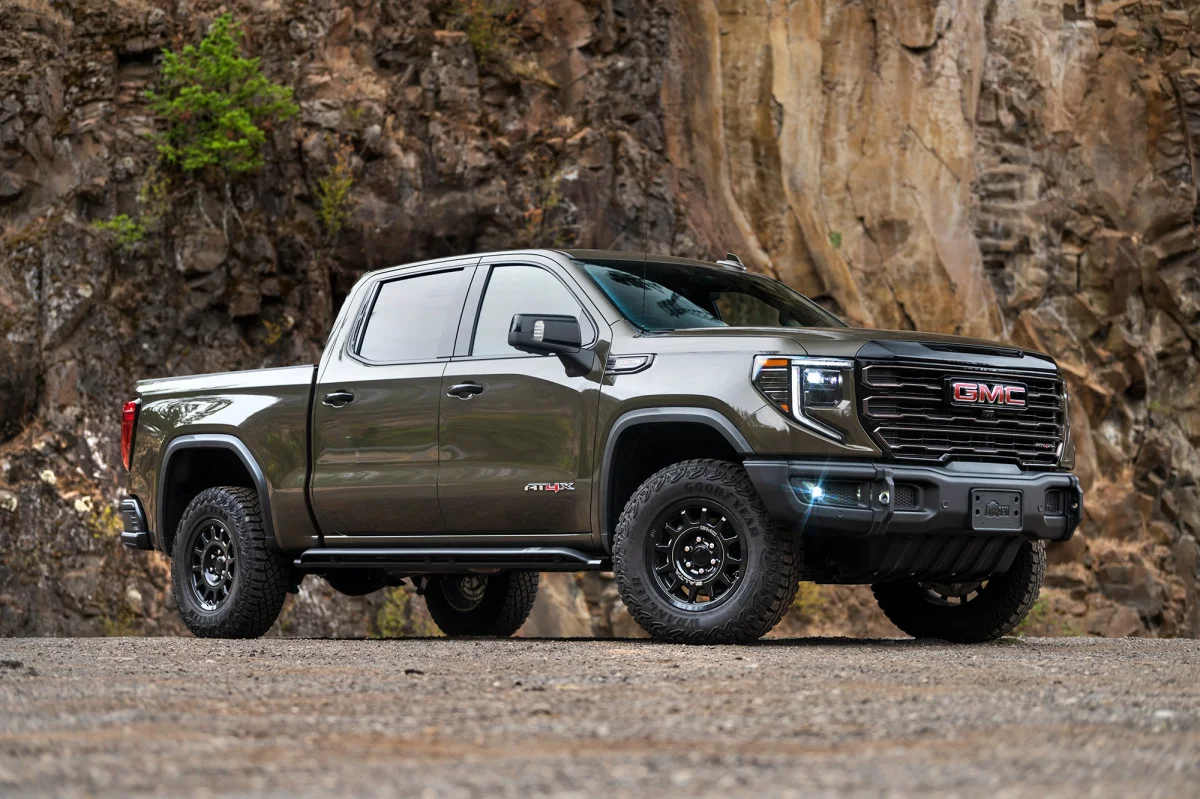
The Ford F-150 remains the benchmark in the full-size truck market, offering unmatched versatility, powerful engine choices, and advanced technology. With a lineup that stretches from the practical XL to the luxury-focused King Ranch and the high-performance Raptor R, there is a version of the F-150 for every buyer.
Its bold design commands attention, while the cabin emphasizes comfort, utility, and innovation. Whether hauling heavy loads, tackling off-road trails, or serving as a daily driver, the F-150 continues to set the standard for what a modern pickup can deliver.
Few trucks offer the breadth of engine options available in the F-150. The 2.7L EcoBoost V6 produces 325 horsepower and 400 lb.-ft. of torque, while the 3.5L EcoBoost V6 ups the ante with 400 horsepower and 500 lb.-ft. of torque, allowing for a class-leading towing capacity of 13,500 pounds. For those preferring traditional V8 muscle, the 5.0L Ti-VCT V8 generates 400 horsepower and 410 lb.-ft. of torque.
Ford also offers electrified options. The 3.5L PowerBoost Hybrid V6 combines strong performance with efficiency, delivering 430 horsepower and 570 lb.-ft. of torque along with an 11,200-pound towing capacity.
At the extreme end, the 3.5L High-Output EcoBoost V6 produces 450 horsepower, while the 5.2L Supercharged V8 in the Raptor R unleashes an astonishing 720 horsepower and 640 lb.-ft. of torque, cementing the F-150 as a powerhouse in its class.
On the road, the F-150 feels confident. The PowerBoost hybrid version reached 60 mph in 5.8 seconds during testing, a strong result for a full-size pickup. Steering is direct and quick, giving the truck a more maneuverable feel in tight spaces. Braking performance is equally impressive, with strong stopping power even when the hybrid system is recapturing energy.
The F-150 is as comfortable as it is capable, especially when equipped with premium options. Front seats can be fitted with heating, ventilation, and even massaging functions, creating a luxury-like experience on long drives. The climate control system maintains cabin temperature with minimal fuss, and available dual-zone controls add further convenience.
Ride quality is smooth for a truck of this size, with road and wind noise kept to a minimum. Most of the engine options sound refined, though the hybrid can produce a less appealing generator-like note when charging its battery.
Ford has designed the F-150’s cabin to balance functionality with comfort. The controls are large and logically placed, ensuring usability even while wearing gloves. The crew cab configuration provides generous legroom and headroom for both front and rear passengers.
Driver adjustments are extensive, with customizable seating, steering wheel, and even pedal positions to suit a wide range of drivers. Visibility is excellent thanks to large windows and smartly sculpted door panels that improve sightlines. For added confidence, buyers can opt for a surround-view camera system that makes maneuvering this large truck much easier.
The 12-inch touchscreen is standard on most trims and delivers sharp graphics with a user-friendly interface. Apple CarPlay and Android Auto come standard, while Ford’s BlueCruise hands-free driving system is optional, enabling highway driving without the need to keep your hands on the wheel. Testers found it effective in traffic, reducing fatigue during long commutes.
Another standout feature is Pro Power Onboard, which transforms the truck into a mobile generator. Depending on configuration, it can supply 2.0, 2.4, or an impressive 7.2 kW of power, making it invaluable for work sites, camping, or tailgating.
When properly equipped, the F-150 leads the class with a 13,500-pound towing capacity and up to 2,445 pounds of payload. Helpful technologies such as trailer backup assist, an integrated brake controller, and extended blind-spot monitoring simplify hauling duties.
Ford also offers a split-opening tailgate and optional power-operated functions, along with an integrated step for easier access. While the bed size isn’t the largest in the segment, its thoughtful design and available features make it one of the most functional.
Fuel economy varies depending on configuration, ranging from 19 mpg combined with the 3.5L EcoBoost V6 to 23 mpg combined with the hybrid. While these figures are competitive, some rivals like the diesel-powered Silverado achieve better efficiency.
Value lies in the F-150’s ability to be configured for nearly any purpose. Whether you want a basic work truck, a tech-heavy family hauler, or a luxury-adjacent pickup, the lineup provides plenty of flexibility. Warranty coverage is standard for the segment, though Ford doesn’t offer additional perks beyond what its competitors provide.
The Ford F-150 remains a dominant force in the full-size pickup market. With its diverse lineup, cutting-edge features like Pro Power Onboard, and unmatched towing capabilities, it continues to meet the needs of a broad range of drivers.
While some rivals may edge it out in interior plushness or fuel efficiency, the F-150’s versatility, capability, and innovative options make it one of the most compelling choices for anyone in the market for a 4×4 truck.
5. Ram 1500
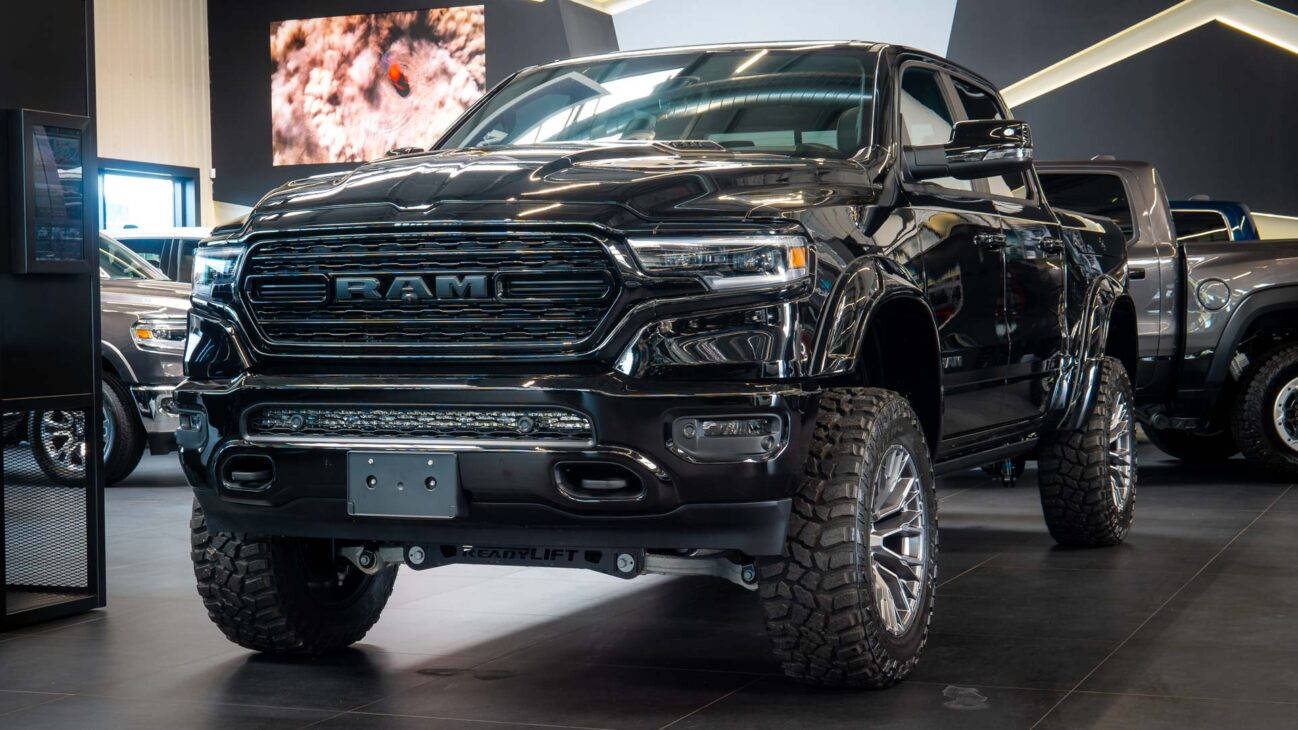
The Ram 1500 raises the bar for full-size trucks by blending power, comfort, and refinement like no other. Known for its luxurious interior, class-leading ride quality, and broad lineup of trims, the Ram 1500 strikes a balance between rugged strength and everyday usability.
From the adventurous Rebel to the ultra-premium Limited and Tungsten trims, this truck offers a model for nearly every driver, whether your priority is work, play, or premium comfort.
Ram gives buyers a versatile set of engines for 2024. The 3.6L Pentastar® V6 with eTorque delivers 305 horsepower and 269 lb.-ft. of torque, with a towing capacity of up to 8,110 pounds.
For stronger pulling power, the 5.7L HEMI® V8 with eTorque produces 395 horsepower and 410 lb.-ft. of torque, allowing for towing up to 12,750 pounds. At the extreme end, the supercharged 6.2L HEMI® V8 unleashes 702 horsepower and 650 lb.-ft. of torque, making it one of the most powerful engines in any production truck.
Ram has also replaced its traditional V8 in many trims with a new pair of inline-six turbo engines, both of which impress. The standard-output version hits 60 mph in just 5.2 seconds, while the high-output engine drops that time to 4.7 seconds quicker than most rivals.
Even the off-road-oriented RHO trim manages 0–60 mph in 4.9 seconds despite its heavy-duty tires. Power delivery is smooth, and the 10-speed automatic transmission makes smart, seamless shifts.
On the road, the Ram 1500 feels stable and composed. Steering is light, which reduces road feel but makes maneuvering easier. While not the sportiest truck in corners, it maintains a sense of predictability that inspires confidence. The RHO and Rebel trims add serious off-road capability, with ground clearance and suspension setups designed for high-speed desert running or rock crawling.
Ride quality has long been the Ram 1500’s signature strength. Unlike most full-size trucks that use leaf springs, Ram equips the 1500 with coil-spring rear suspension. The result is a smoother, more composed ride that sets it apart from rivals like the F-150 and Silverado. Road imperfections are absorbed with ease, creating a comfortable experience whether you’re commuting or towing a heavy load.
The seats further enhance comfort, providing excellent support for long drives. Premium trims offer heating, ventilation, and premium upholstery, making the Ram 1500 feel more like a luxury SUV than a work truck. Cabin noise is also kept impressively low, adding to the refined atmosphere.
Inside, the Ram 1500 delivers one of the most upscale cabins in the segment. Crew cab models provide generous legroom and headroom for both front and rear passengers. Entry-level trims are functional and work-focused, while higher trims like Limited and Tungsten rival luxury vehicles with real wood, premium leather, and advanced digital displays.
Finding the right driving position is easy thanks to extensive seat and steering adjustments. A fully digital driver display adds customization and clarity, while large windows help with outward visibility. That said, the high beltline can make it harder to see shorter obstacles near the truck.
Tech features are abundant in the Ram 1500. The available 14.5-inch vertically oriented touchscreen dominates the dashboard, supported by crisp graphics and a customizable digital gauge cluster. Some functions such as climate controls and seat adjustments are buried in menus, which can slow usability, but the system offers extensive connectivity with Apple CarPlay, Android Auto, and optional navigation.
Higher trims add a passenger-side display screen and Ram’s debut hands-free driver-assist system, which performed reliably during testing. Additional driver aids include adaptive cruise control, lane centering, and automatic emergency braking, making the 1500 both safer and less fatiguing on long drives.
With a maximum towing capacity of 12,750 pounds and a payload rating of up to 2,300 pounds, the Ram 1500 is more than capable for most jobs. While it doesn’t match the F-150’s maximums, its engines and suspension provide plenty of strength and stability for hauling trailers or equipment.
Cabin storage is another highlight. The center console is highly versatile, with a sliding design that can create space for larger items. Rear seats fold up to reveal additional cargo room, though the floor isn’t flat and the space isn’t lockable. Bed utility is also strong, with features like RamBox storage compartments available on certain trims.
Efficiency varies by powertrain. The base V6 with eTorque achieves up to 23 mpg combined in rear-wheel-drive form. The inline-six turbo engines average between 17 and 19 mpg combined depending on output level and drivetrain.
These numbers are competitive but fall slightly behind the hybrid F-150 and the diesel Silverado in fuel savings. In real-world testing, the high-output inline-six returned 19 mpg, matching EPA estimates.
The Ram 1500 is priced higher than some competitors, especially in its more luxurious trims. Buyers prioritizing work-focused value may find better deals with Ford or Chevy. But for those who care about ride quality, interior refinement, and comfort, the Ram 1500 makes a compelling case. Its premium feel and smooth driving dynamics are unmatched, justifying the higher cost for many buyers.
The Ram 1500 continues to lead the way in refinement, combining strong performance, plush comfort, and innovative features. While it may not top the charts in towing or efficiency, no other full-size pickup matches its ride quality or upscale interior. For drivers who want a truck that works hard during the day and pampers them on the drive home, the Ram 1500 is one of the best choices in the segment.
Also Read: 5 Cars With Trusted AWD Systems and 5 With Systems That Fail
5 Trucks That Can’t Compete
1. Jeep Gladiator
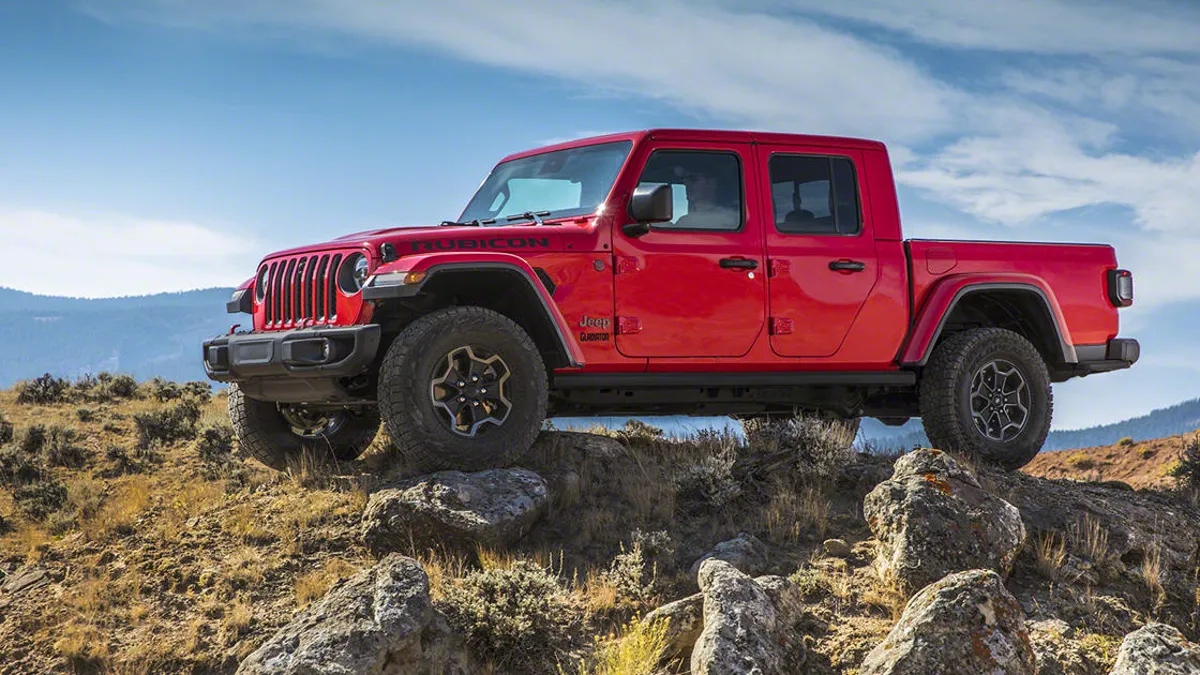
The Jeep Gladiator was introduced as a midsize pickup aimed at blending the off-road toughness of the Wrangler with the practicality of a truck bed. Its styling and brand heritage made it stand out immediately, but reliability problems defined its first years on the market.
According to the National Highway Traffic Safety Administration (NHTSA), the 2020 and 2021 Gladiators were especially troublesome, each recording seven recalls and hundreds of customer complaints.
Among the most serious issues was the clutch pressure plate in manual transmission models, which could overheat and even lead to fires. The March 2020 recall covered more than 33,000 vehicles, and another recall in January 2021 expanded the problem to over 42,000 units across both model years.
Adding to that, a software error caused the rearview camera to remain on the screen while driving, a distraction that could reduce road awareness.
These repeated issues left early buyers with doubts about Jeep’s ability to deliver a dependable pickup, despite its strong reputation in the off-road space. For customers who wanted a truck that could work as hard as it could play, the frequent recalls damaged trust and created skepticism toward the Gladiator brand.
Recent versions of the Gladiator have shown a sharp contrast to the rocky beginning. The 2024 model had only one minor recall, and the 2025 Gladiator currently has no recalls on record, a major step forward in Jeep’s quality control.
Buyers today may feel more confident in the reliability of newer Gladiators, but concerns remain because of the significant problems with early models. Competition in the midsize pickup market is strong, with rivals like the Ford F-150 Lightning, Chevrolet Colorado, and GMC Canyon attracting buyers who want proven reliability and fewer repair costs.
Jeep continues to emphasize the Gladiator’s unique qualities removable doors, trail-rated capability, and Jeep’s signature rugged styling but many buyers still weigh those traits against the risk of mechanical or electronic issues.
The progress made by Jeep with its most recent Gladiator is promising, though it will take sustained performance across multiple years to erase memories of the early recalls that defined the model’s launch.
2. Rivian R1T
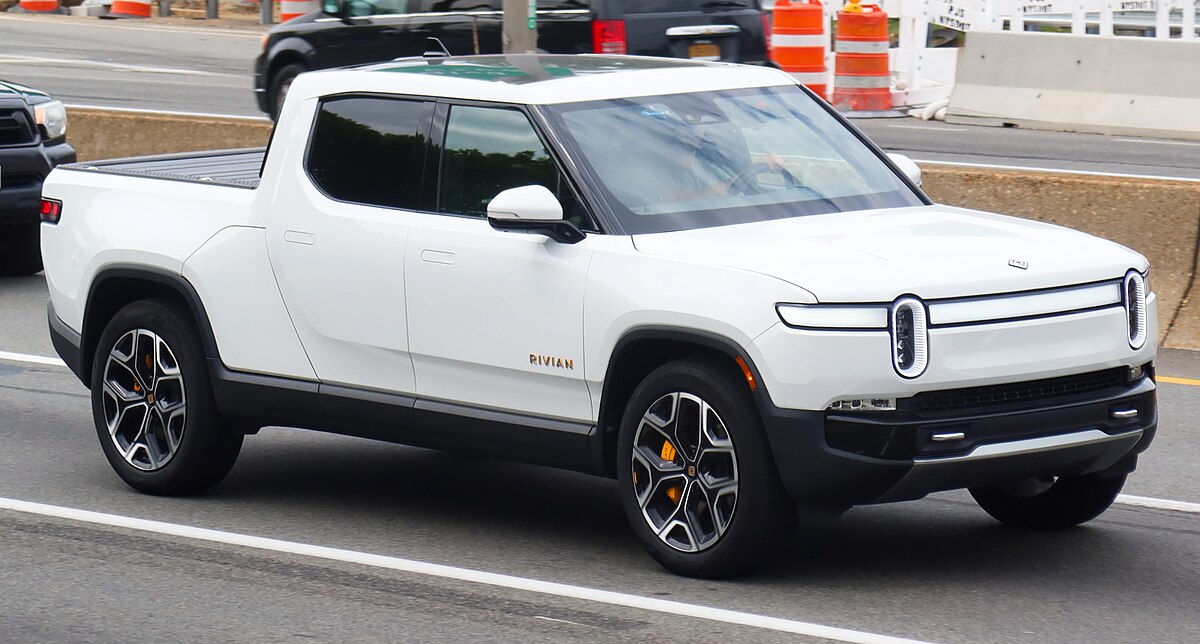
The Rivian R1T made history as the first mass-produced electric pickup truck and quickly attracted attention from environmentally conscious consumers and adventure seekers.
Early reviews praised the dual-motor 2024 version and the 2025 R1T Tri for their strong towing capacity, practicality, and spacious design. Rivian marketed the truck as a bold alternative to traditional pickups, emphasizing its electric powertrain, versatile storage, and adventurous image.
Despite these strengths, the R1T has faced significant criticism for reliability. Consumer Reports, after analyzing survey data from more than 300,000 vehicles spanning 2000 through 2024 models, ranked the R1T among the least reliable vehicles of 2024.
Issues were not limited to minor inconveniences but extended into critical areas such as brakes, transmission, engine performance, and the electrical system. For a company entering the market with ambitious goals, these flaws highlighted the growing pains Rivian faced in transitioning from concept to mass production.
Buyers who expected the dependability of traditional truck manufacturers found themselves dealing with recalls and unexpected breakdowns that tempered enthusiasm for Rivian’s otherwise groundbreaking pickup.
NHTSA recall data reinforces the pattern of reliability challenges. The 2025 R1T has been affected by external lighting failures, such as problems with low-beam headlights and front turn signals, which reduce visibility and create safety risks.
More serious issues appeared in the 2022 R1T, which holds the highest number of recalls for the model. That year, recalls involved airbags failing to deploy properly and failures in the automatic hold or park systems that could result in vehicles rolling unintentionally.
These types of problems directly impact safety, eroding trust in Rivian’s quality control. Yet, the R1T remains attractive to buyers who want an electric truck with cutting-edge technology, premium features, and significant towing and cargo capabilities.
Rivian has set a new standard for what an EV pickup can look like, but dependability has not caught up with innovation. Potential owners must weigh the appeal of owning a pioneering electric truck against the risks of mechanical and software issues that continue to affect its track record.
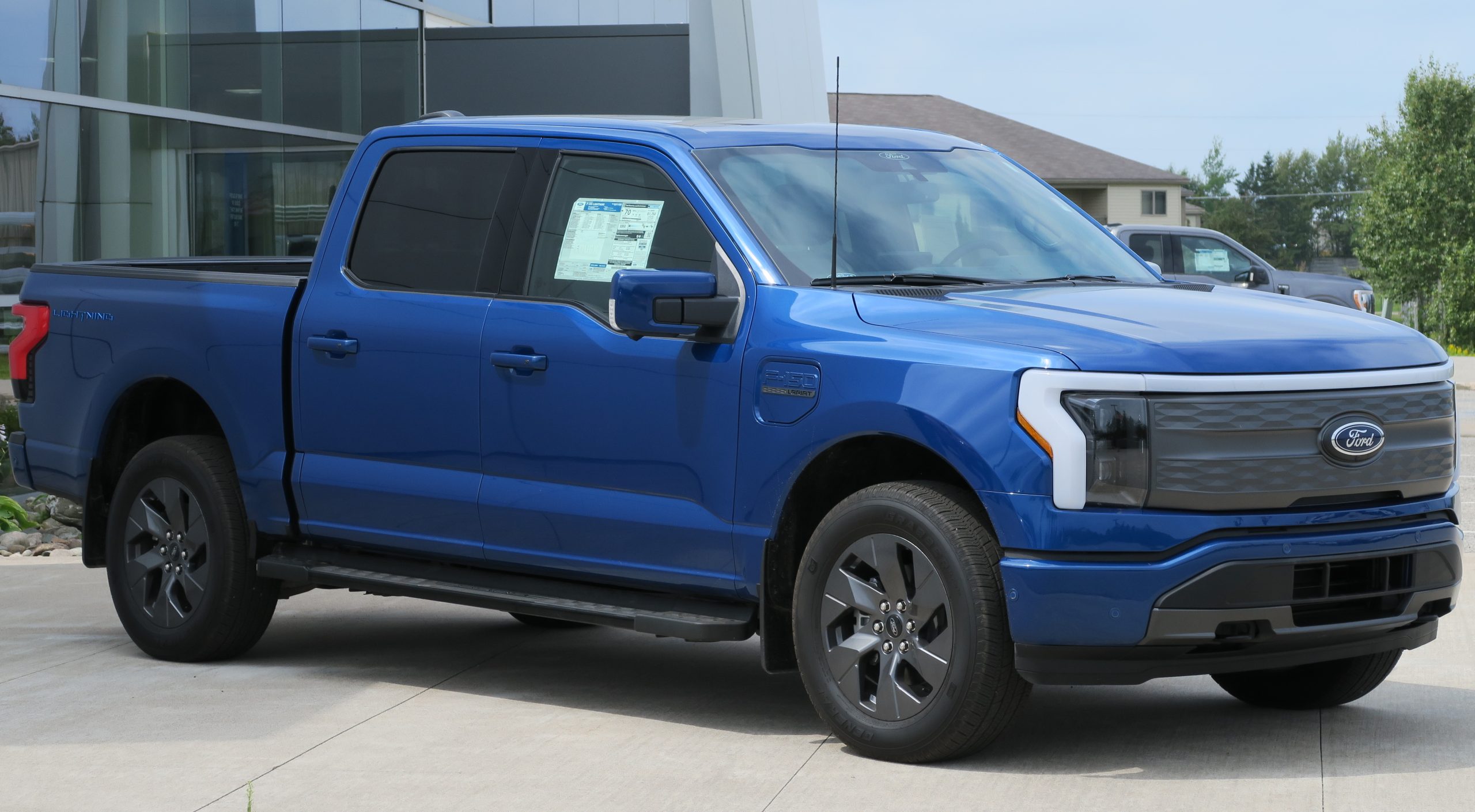
3. Ford F-150 Lightning
Ford’s F-150 has been a household name in the pickup market for decades, known for durability and widespread popularity. The F-150 Lightning, its electric counterpart, aimed to build on that legacy while introducing advanced technology and sustainable performance.
However, reliability ratings have not matched the truck’s strong brand reputation. Consumer Reports placed the F-150 Lightning among the least reliable vehicles of 2024, citing widespread issues drawn from surveys of over 300,000 vehicles.
Owners reported problems in electrical and mechanical systems, showing that Ford faced challenges in its effort to electrify its most iconic product. Data from the NHTSA confirms these issues, particularly in the 2022 and 2023 models.
The 2022 F-150 Lightning was burdened with six recalls and 242 consumer complaints, with the most common issue being a faulty rear lightbar impacting approximately 16,000 trucks.
The 2023 model added nine recalls and 154 complaints, one of which was especially concerning: a potential loss of steering control affecting nearly 12,000 vehicles. These recurring problems weakened trust in a truck that otherwise could have been a reliable alternative to gas-powered pickups.
Encouragingly, the 2025 Lightning has shown marked improvement, with only two recalls and no consumer complaints recorded to date. This suggests Ford has responded to earlier concerns by refining manufacturing processes and addressing major flaws.
Buyers considering the Lightning today may find it a more attractive choice, though questions linger due to the high rate of recalls in earlier versions. The Lightning occupies a unique position in the electric pickup market: more established than newer entrants like the Rivian R1T, yet still not as consistent as traditional internal-combustion rivals.
For those committed to electric vehicles, the Lightning offers a balance of practicality, performance, and brand familiarity. Still, its journey has been uneven, and cautious buyers may prefer to wait until Ford demonstrates a longer track record of reliable electric truck production.
The improvements are encouraging, but the Lightning must continue to prove itself across multiple model years before it can earn the same reputation for dependability as its gas-powered predecessor.
4. Chevrolet Colorado
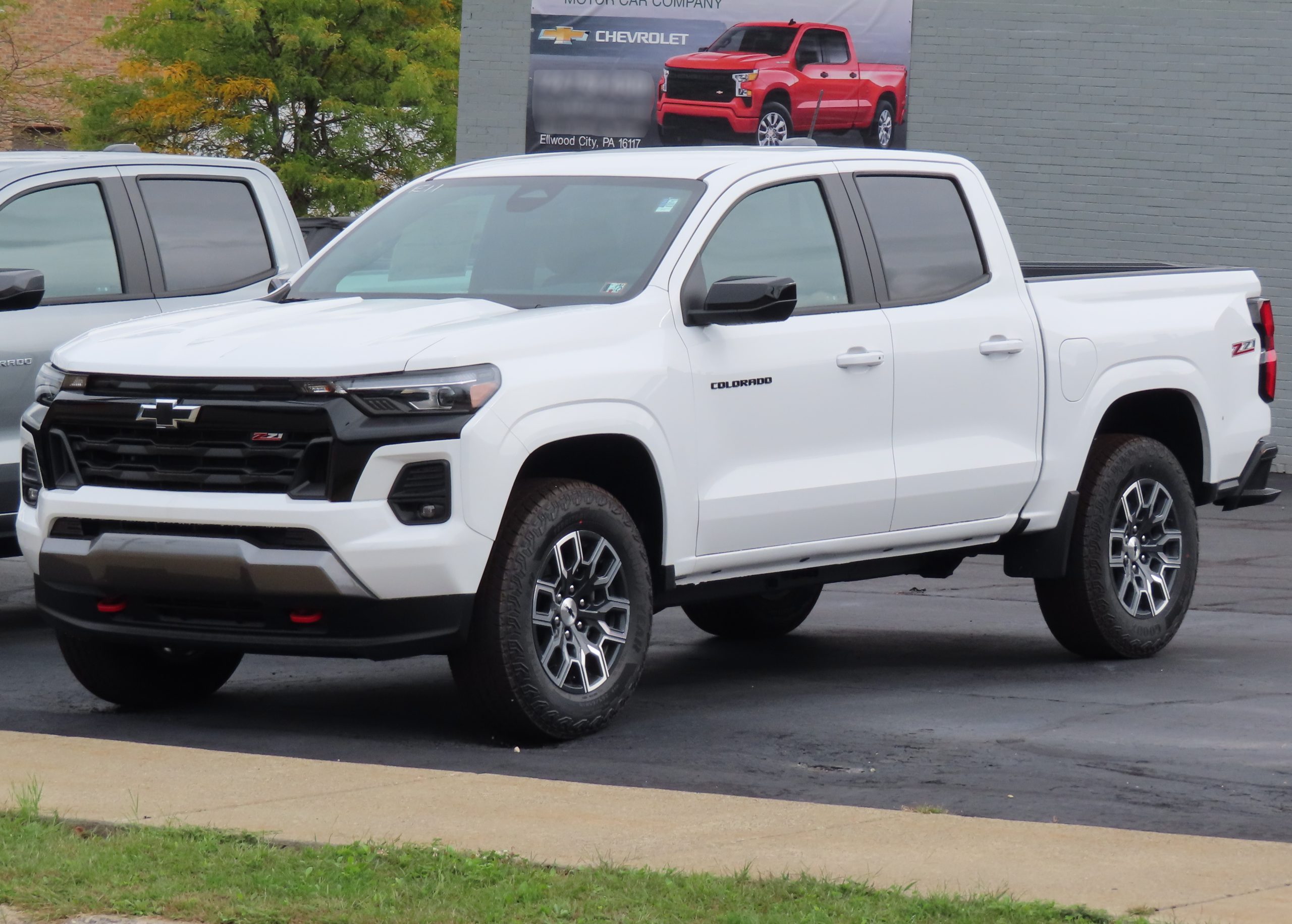
The Chevrolet Colorado has served as a midsize pickup option since 2004, marketed as a versatile choice for buyers who wanted something smaller than the full-size Silverado. While recent reviews, such as the 2025 Colorado ZR2 Bison, highlight the truck’s rugged performance and capability, the Colorado’s reliability record is inconsistent at best.
Consumer Reports ranked the 2024 Colorado among the least reliable vehicles available, citing systemic problems that extend across electrical, mechanical, and safety systems.
The 2023 model year was particularly concerning due to a recall involving approximately 55,000 vehicles where automatic emergency braking could engage unexpectedly at high speeds, creating a heightened risk of crashes.
Problems like these are more than just minor defects; they directly threaten driver and passenger safety, undermining confidence in the vehicle. For buyers considering the Colorado, the mixed record creates uncertainty, as some years deliver strong performance while others have glaring reliability concerns.
Looking back further, the Colorado has a history of problematic years. The 2015 Colorado remains the worst in terms of recalls and complaints, recording seven recalls and 458 consumer reports filed with the NHTSA.
Failures included electrical system malfunctions, powertrain issues, and recurring reliability problems that made ownership frustrating. The 2011 model also suffered with five recalls and 42 complaints, highlighting a long-standing pattern of inconsistency.
Buyers today must do careful research before purchasing, as choosing the wrong model year could lead to ongoing maintenance issues and diminished safety. While the latest versions demonstrate improvements and offer appealing features, the shadow of earlier recalls still affects consumer perception.
Chevrolet has clearly invested in making the Colorado more competitive, but until its quality becomes more consistent across all model years, many buyers may hesitate. For those willing to take the risk, the 2025 Colorado ZR2 Bison stands as a capable option, but reliability remains a lingering question mark in the truck’s long history.
5. GMC Canyon
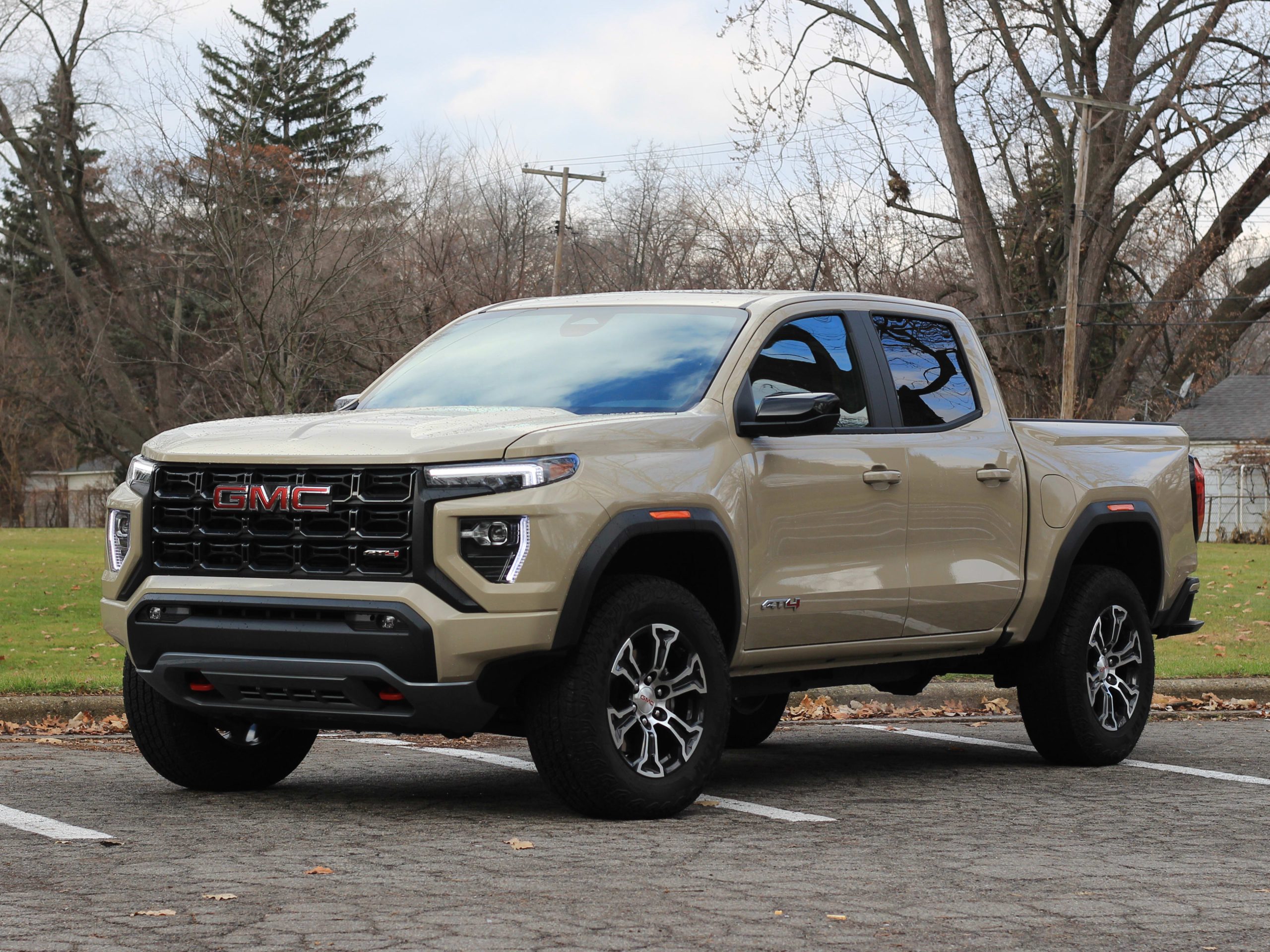
The GMC Canyon mirrors the Chevrolet Colorado in many respects, as both trucks are built under the same parent company and share a large portion of their components. This shared design means that the Canyon, like the Colorado, has faced recurring reliability challenges over the years.
Consumer Reports included the Canyon among the least reliable vehicles of 2024, echoing the reputation of its sibling. The most troublesome years were 2015 and 2011, which mirror Colorado’s problem years almost exactly.
In 2015, the Canyon recorded 302 consumer complaints and eight recalls, the most serious involving a poor electrical connection that caused the loss of power steering assist, affecting around 60,000 trucks.
The 2011 Canyon faced five recalls and 23 complaints, with the most alarming problem being a missing secondary hood latch that could allow the hood to fly open while driving, affecting about 118,000 vehicles.
These issues represent not only inconveniences but significant safety hazards, showing that GMC’s midsize pickup had serious flaws in design and quality assurance during those years.
Recent model years have been less problematic, as the 2024 and 2025 Canyons currently have no recorded recalls or complaints. This indicates that GMC has made strides toward improving quality and consistency, though questions remain about whether these improvements will last.
Reviews of the 2025 Canyon AT4 highlighted positives such as its rugged capability and appealing styling, but also noted drawbacks including an engine that feels harsh when pushed and a rear seating area that can feel cramped.
For buyers, the Canyon presents a familiar choice with some premium styling touches compared to the Colorado, but reliability concerns remain a deciding factor. Those interested in the Canyon must carefully weigh its current improvements against its long-standing record of recalls and consumer complaints.
For now, it appears to be a safer option than in the past, but it will need multiple years of sustained reliability before it can fully restore consumer confidence.
The truck market is more competitive than ever, with manufacturers pushing boundaries in performance, technology, and design. But as this comparison shows, capability doesn’t always equal consistency.
Trucks like the Ram 1500 and Toyota Tacoma continue to prove their worth with strong off-road credentials, dependable engineering, and features that make them practical for everyday use.
In contrast, models such as the Chevrolet Colorado and Ford F-150 Lightning remind us that even big names can stumble when reliability or execution doesn’t match expectations.
For buyers, the key is to look beyond marketing promises and focus on real-world performance and long-term dependability. A truck may impress on paper, but if it can’t handle the demands of rough terrain, towing, or day-to-day reliability, it risks becoming more of a liability than an asset.
Ultimately, the best off-road trucks strike a balance between strength, comfort, and proven trustworthiness. Whether you need a rugged workhorse or a trail-conquering adventure vehicle, choosing wisely ensures that your investment pays off for years to come. The trucks that lead the pack have earned their reputations and the ones that can’t compete show why not every pickup is built for the challenge.
Also Read: 5 Cars That Rarely Need Alternator Replacement vs 5 That Constantly Do