
Choosing the right SUV for a family is never just about style or horsepower; it’s about finding a vehicle that fits seamlessly into everyday life. From school runs and weekend getaways to long road trips, families need SUVs that combine safety, reliability, comfort, and practicality. Yet, not all SUVs live up to the hype.
Some models become instant family favorites, praised for roomy interiors, thoughtful features, and dependable performance. Others, despite appealing designs or initial affordability, reveal hidden flaws that make ownership a constant challenge.
In this guide, we highlight five SUVs that continue to win over families in 2025, including the Kia Telluride, Honda Odyssey, and Hyundai Ioniq 5 vehicles, celebrated for their safety, versatility, and family-first features.
We contrast them with five SUVs that have disappointed owners, such as the Ford Explorer and Nissan Pathfinder, which are plagued by mechanical or design issues that often lead to regret. By examining the successes and missteps in family SUV design, this article provides insight into what truly matters for busy households.
Whether you prioritize comfort, tech, efficiency, or durability, understanding these contrasting examples will help families make smarter, stress-free choices when investing in their next SUV.
5 SUVs That Remain Family Favorites
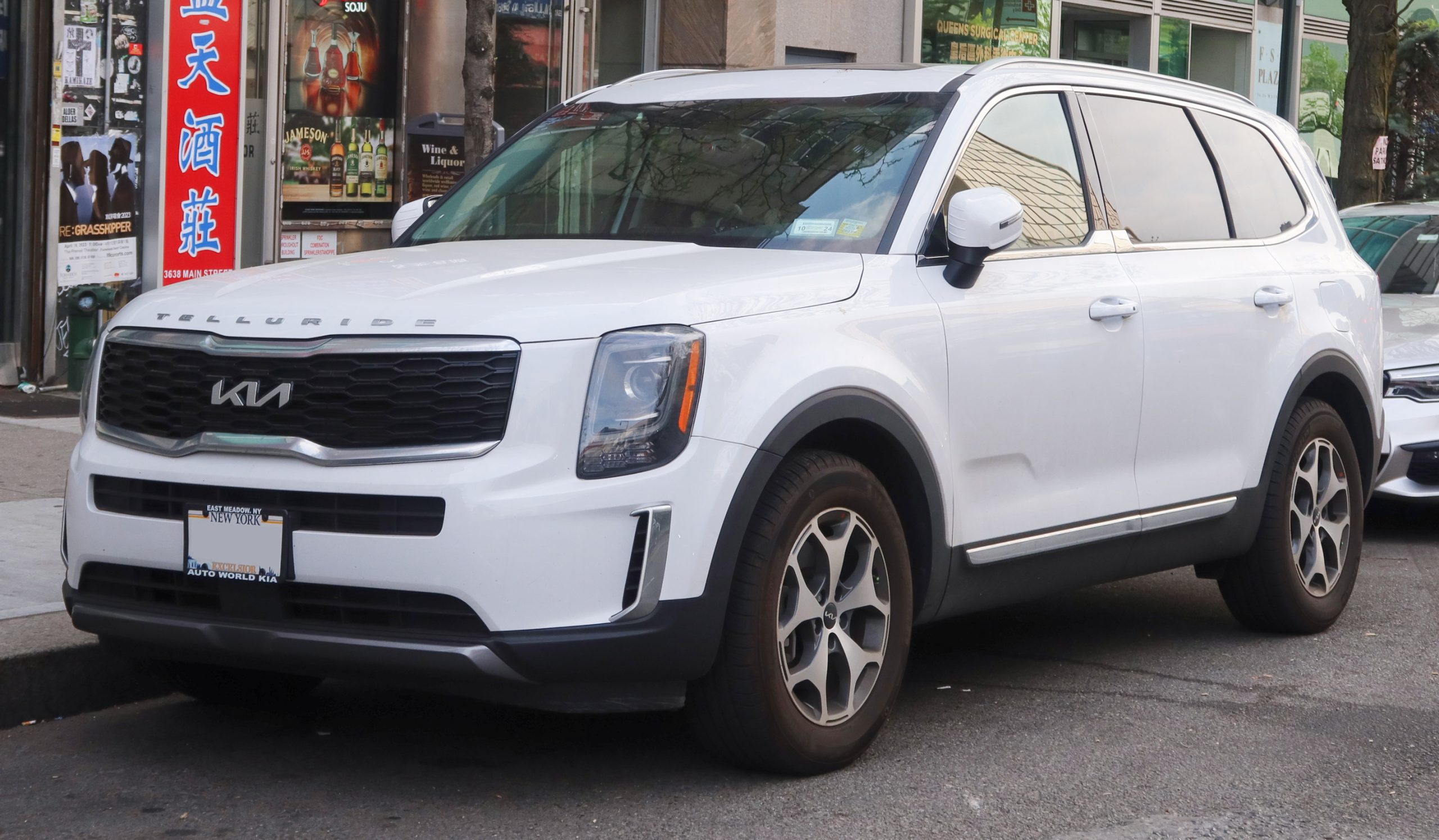
1. Kia Telluride: A Family-Friendly SUV That Redefines Value
Since its debut in 2020, the Kia Telluride has consistently topped charts in the three-row SUV category, competing against stalwarts like the Toyota Highlander, Subaru Ascent, and Honda Pilot.
With its blend of spaciousness, comfort, premium feel, and family-focused features, the Telluride has quickly established itself as a class leader. Priced from $36,190 and boasting a five-star safety rating, it has become a go-to choice for families who want practicality without sacrificing style.
The Telluride strikes a balance between rugged SUV appeal and upscale sophistication. Inside, the cabin rivals luxury SUVs that cost twice as much. High-quality materials, tight panel gaps, and a solid build create an impression of durability and refinement. Kia has designed the Telluride to feel premium yet practical, with ample storage space and family-friendly functionality.
The SUV can seat seven or eight passengers, depending on configuration. Its third row, though best suited for kids, offers class-leading legroom compared to rivals. Car seat installation is straightforward, with ample space in the first two rows and available LATCH anchors in the third.
On the road, the 3.8-liter V6 engine provides adequate power. While acceleration is average for the segment, the Telluride delivers a smooth and satisfying drive. The steering is light at low speeds and naturally weights up during cornering, making it easy to maneuver despite its size.
The braking system is strong and responsive, ensuring smooth stops. Transmission performance has occasional hiccups, such as rough upshifts under hard acceleration or hesitation on inclines, but these issues are minor in day-to-day driving. The suspension is particularly well-tuned, delivering comfort across trims, including the off-road-oriented X-Pro models.
Visibility is excellent, enhanced further by available surround-view cameras. Advanced safety systems like adaptive cruise control and lane-change assist add to driver confidence.
Kia has engineered the Telluride for long-haul comfort. The cabin remains impressively quiet even at highway speeds, with minimal intrusion of outside or engine noise. Seats are well-contoured and supportive, featuring plush headrests and heating/ventilation options for both first and second rows.
Accessibility is a strong suit: the low step-in height and sliding captain’s chairs make third-row entry easier than in many competitors. Climate control works effectively across all three rows, and Kia retains physical buttons for ease of use, something many families appreciate over touchscreen-heavy controls.
The infotainment system, though user-friendly, is starting to show its age compared to newer Kia models like the EV9. It lacks wireless Apple CarPlay and Android Auto, and only the USB-A port supports data transfer. However, higher trims offer six USB ports, multiple charging options, and a wireless charging pad, which mitigate some shortcomings.
Driver-centric features like Driver Talk, which projects the driver’s voice to the rear rows, enhance family communication. The tech package is practical and easy to use, even if it could use a refresh.
Practicality is a hallmark of the Telluride. With 21 cubic feet of cargo space behind the third row and up to 87 cubic feet with rows folded, it rivals top players in the segment. A wide hatch opening and underfloor storage add versatility, while its 5,500-pound towing capacity matches class leaders.
Where it falls short is in small-item storage, with fewer cubbies and compartments than some rivals. Still, for larger loads, it excels.
Fuel economy is one of the Telluride’s weaker points. The all-wheel-drive version averages 20 mpg combined (20 city / 26 highway), which is below average for a three-row SUV. On the positive side, real-world testing has shown slightly better results at around 23 mpg. It also runs on regular gasoline, unlike some competitors that require premium fuel.
The Kia Telluride shines in terms of value for money. Even at base trims, it offers a strong mix of features, space, and safety. Higher trims deliver a near-luxury feel without the premium price tag. Combined with Kia’s five-year/60,000-mile basic warranty and 10-year/100,000-mile powertrain coverage, the Telluride represents one of the best deals in the three-row SUV segment.
Beyond the numbers, the Telluride offers an intangible “baby Land Rover” vibe, combining rugged good looks with upscale features. It manages to feel luxurious without being pretentious, making it a standout choice for families seeking space, safety, and refinement at a reasonable price.
The Kia Telluride continues to dominate its class by blending practicality, comfort, and style. While its fuel economy and infotainment tech could use improvement, its roomy interior, refined driving experience, premium design, and strong value proposition make it hard to beat. For families seeking a reliable and upscale three-row SUV, the Telluride remains a top recommendation in 2025.
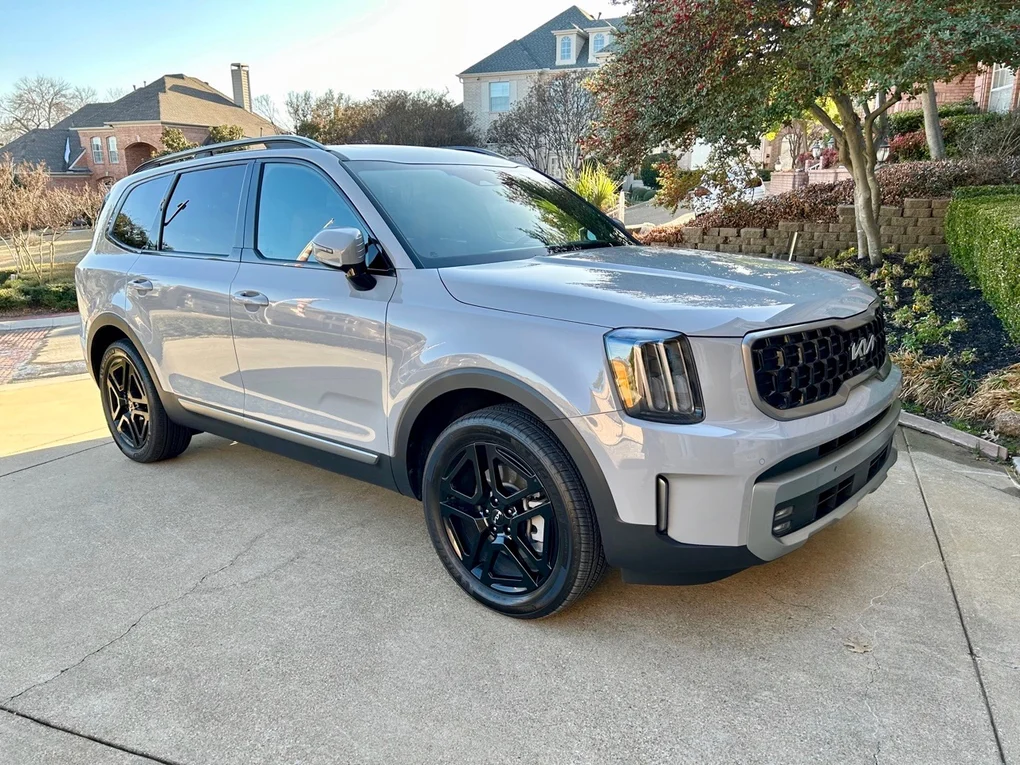
2. Chrysler Pacifica: A Versatile Minivan with Family-First Features
The Chrysler Pacifica has carved a niche as one of the most versatile and family-friendly minivans on the market. Since its debut in 2017, it has distinguished itself through clever storage solutions, family-focused technologies, and the availability of a plug-in hybrid powertrain.
While the 2025 model brings only minor updates, such as a new base Select trim, the Pacifica remains a strong contender in a segment dominated by the Toyota Sienna and Honda Odyssey.
Chrysler designed the Pacifica with families in mind. Notable amenities include a conversation mirror for monitoring children in rear seats, rear-seat entertainment systems, and full LATCH anchors in the third row, making it possible to fit three car seats without squeezing them together. A built-in vacuum cleaner is another thoughtful touch, appealing to parents juggling kids and daily messes.
The Pacifica’s most unique feature is its Stow ’n Go seating system. While most minivans allow third-row seats to fold flat into the floor, Chrysler is the only brand that offers this for the second row as well, maximizing cargo space without the need to remove heavy seats. This function is exclusive to the gas model, as the hybrid’s battery pack takes up the underfloor space.
Performance in the Pacifica is best described as adequate but unremarkable. Its V6 engine provides average acceleration and braking, while steering and handling are serviceable but not particularly engaging. Drivers looking for sharper dynamics may prefer the Honda Odyssey or Toyota Sienna.
The nine-speed automatic transmission works well under most conditions but can become inconsistent on steep inclines, sometimes selecting gears that don’t match driving needs. While not a deal-breaker, this quirk makes driving feel less refined compared to rivals.
Comfort in the Pacifica is a mixed bag. Front seats are supportive and well-suited for long drives, with excellent heating and cooling options. However, the second-row Stow ’n Go seats sacrifice comfort for utility, offering less cushioning and adjustability compared to competitors. This also reduces available legroom slightly. The third row is snug but serviceable for adults on short trips.
Ride quality is generally smooth, handling uneven roads with composure. Body lean is present during cornering, but no more so than in competing minivans. Engine noise in the gas model is modest, though the transmission occasionally makes the V6 sound louder than necessary during aggressive downshifts.
The Pacifica’s interior design emphasizes practicality. Controls are intuitive, with physical knobs for climate and radio functions placed within easy reach. Chrysler’s clever addition of radio controls on the back of the steering wheel is another usability win.
Accessing the cabin is effortless thanks to wide door openings, a tall roofline, and low step-in height. Visibility is excellent, aided by large windows and an optional 360-degree camera system that makes parking stress-free.
However, while visually attractive, the cabin uses a mix of soft-touch materials and hard plastics, which reduces the upscale feel. Fit and finish are not always consistent, with some models showing minor electronic issues during testing.
The Pacifica excels in infotainment. The Uconnect system is intuitive, fast, and supported by a large, high-resolution touchscreen. Wireless Android Auto and Apple CarPlay are standard, and multiple USB ports ensure devices stay charged. Optional tech features include a seatback entertainment system, Alexa integration, and remote vehicle control via the Uconnect app.
On the safety front, the Pacifica shines. Standard driver aids include forward collision warning, adaptive cruise control with stop-and-go, lane keeping assist, and pedestrian detection. These systems work reliably and enhance confidence on busy roads.
Storage versatility is where the Pacifica dominates. Behind the third row lies a deep cargo well, with the option of manual or power-folding seats for convenience. The second-row Stow ’n Go seats fold flat into the floor, freeing up a vast, unobstructed space for hauling. When not stowed, the underfloor compartments double as hidden storage bins.
Numerous cubbies, cupholders, and small-item storage solutions add to the minivan’s family practicality. Car seat installation is straightforward, with accessible LATCH anchors and kid-friendly buckles. The Pacifica can tow up to 3,600 pounds, aligning with class standards.
Fuel efficiency is one of the Pacifica’s weaker points. The all-wheel-drive version averages 20 mpg combined (17 city / 25 highway), placing it at the lower end of its segment. Front-wheel-drive models perform slightly better at 22 mpg combined (19 city / 28 highway). Real-world testing confirms the EPA ratings, though extended mixed driving showed results closer to 18 mpg.
The plug-in hybrid version significantly improves efficiency, making it a compelling option for families prioritizing fuel savings.
Pricing for the Pacifica starts at $39,400, with higher trims reaching into the $55,000 range. While the minivan impresses with technology and versatility, interior materials and inconsistent build quality detract from its value at the top end. Chrysler offers a five-year roadside assistance plan and warranties that are average for the class.
The Chrysler Pacifica remains one of the most family-friendly minivans available, thanks to its Stow ’n Go seating, intuitive tech, and abundance of safety features. While its driving performance and second-row comfort lag behind competitors, its cargo versatility and hybrid option make it stand out. For families prioritizing space, practicality, and innovation, the Pacifica is a solid, if not flawless, choice in 2025.
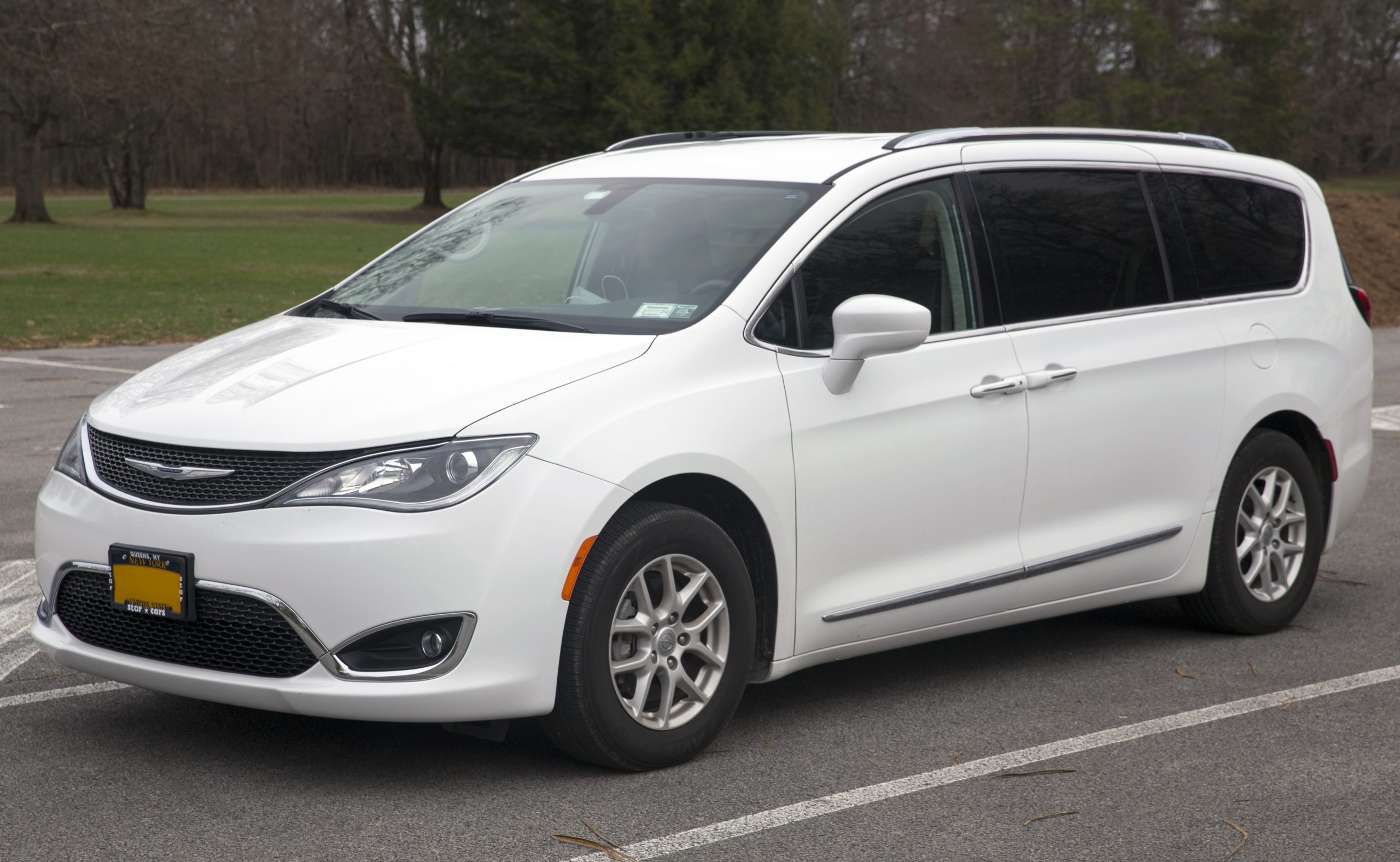
3. Hyundai Ioniq 5: A Stylish and Family-Friendly Electric SUV
The Hyundai Ioniq 5 stands out as one of the most versatile and family-oriented electric SUVs on the market. With a starting MSRP of $44,000 and an estimated range of up to 325 miles, it combines futuristic design, cutting-edge technology, and practicality.
Families appreciate its spacious rear seat, ability to accommodate three car seats across, and intuitive in-cabin tech. The Ioniq 5 also offers exceptionally quick DC fast-charging and, beginning in 2025, access to Tesla’s Supercharger network thanks to its new NACS charging port.
The Ioniq 5 looks unlike most SUVs, leaning more toward a retro-inspired hatchback aesthetic with modern flourishes. Despite its sleek design, it provides a spacious and family-friendly cabin. The rear seat is expansive, offering legroom that rivals larger SUVs, and it can comfortably fit three children or even three car seats. The reclining and sliding functions of the rear bench further enhance accessibility and comfort.
Cargo space, however, is a limitation. With 27.2 cubic feet behind the second row, it trails rivals like the Ford Mustang Mach-E and Tesla Model Y. Its front trunk is small, barely accommodating the included charging cable. On the plus side, folding rear seats provide flexibility for longer items, and the cabin is filled with clever cubbies and a movable center console that adds storage versatility.
The Ioniq 5 may not be sport-tuned like its sibling, the high-performance Ioniq 5 N, but it still delivers impressive driving dynamics. A dual-motor version can sprint from 0 to 60 mph in just 4.7 seconds, while the single-motor setup still offers smooth and confident acceleration.
Handling is agile, making the Ioniq 5 enjoyable on twisty roads. Adjustable regenerative braking allows drivers to tailor responsiveness, while braking performance is firm and reassuring. The new XRT trim brings a touch of off-road capability, adding ground clearance and all-terrain tires without sacrificing comfort.
The ride is supple, absorbing bumps without fuss, and visibility out front is excellent, though thick rear pillars create blind spots. Fortunately, the optional surround-view camera helps mitigate this issue. Hyundai’s SmartSense driver-assist suite adds confidence with features such as adaptive cruise control, blind-spot monitoring, and lane centering.
Comfort is a highlight of the Ioniq 5. The front seats are soft, supportive, and designed for long drives, while rear passengers benefit from reclining and sliding functions. Road and wind noise are impressively subdued, even on the rugged XRT trim with all-terrain tires.
The EV powertrain ensures a quiet cabin, where the most noticeable sound is the whirring of climate control fans. For families, the car seat installation process is straightforward thanks to accessible anchors and spacious rear legroom that avoids compromising front passenger comfort.
Hyundai equips the Ioniq 5 with a large touchscreen system that has been upgraded for 2025 with sharper graphics, improved navigation, and greater customization. Wireless Apple CarPlay and Android Auto come standard, and the system can connect to two devices simultaneously.
Plenty of USB-C ports and a wireless charging pad ensure devices remain powered, while the available Bose premium audio system delivers excellent sound. Family-friendly touches include Quiet Mode, which limits rear speakers so children can rest while adults enjoy audio in the front.
Advanced tech features also include remote parking assist (in higher trims) and seamless integration with driver-assist systems. The Ioniq 5’s infotainment setup is both modern and easy to use.
Efficiency is one of the Ioniq 5’s strongest assets. The 2025 model benefits from a larger battery, offering up to 310 miles of range in the single-motor version. In Edmunds’ independent testing, dual-motor trims exceeded expectations with 259–282 miles of range.
Charging is another standout. The Ioniq 5 supports 350-kW fast-charging, among the fastest in the market, enabling a 10%–80% charge in as little as 18 minutes under ideal conditions. The switch to a NACS port ensures access to Tesla’s nationwide Supercharger network, dramatically expanding charging convenience.
While its $44,000 starting price makes it more expensive than some gas-powered SUVs, the Ioniq 5 delivers excellent value for an EV. It combines premium build quality, advanced tech, and family-oriented features at a competitive price point. Hyundai’s long warranty adds peace of mind, covering the powertrain for 10 years or 100,000 miles.
The Ioniq 5 isn’t just another electric SUV; it brings character. Its retro-futuristic styling, playful handling, and quiet comfort set it apart from mainstream rivals. For families, it blends practicality with innovation, offering quick charging, kid-friendly features, and standout design.
The Hyundai Ioniq 5 is one of the most well-rounded EVs available today. While cargo space is limited compared to some competitors, it excels in driving enjoyment, passenger comfort, cutting-edge technology, and charging convenience.
With the 2025 upgrades, including access to Tesla’s Superchargers and an improved battery, the Ioniq 5 cements itself as a top choice for families seeking an electric SUV that doesn’t compromise on style or substance.
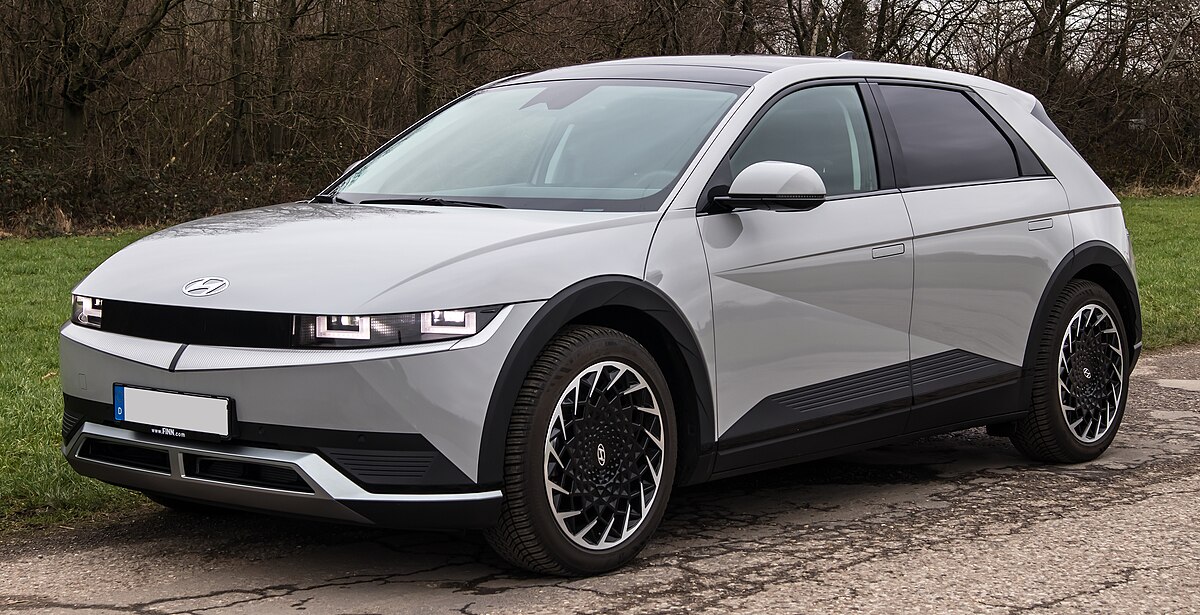
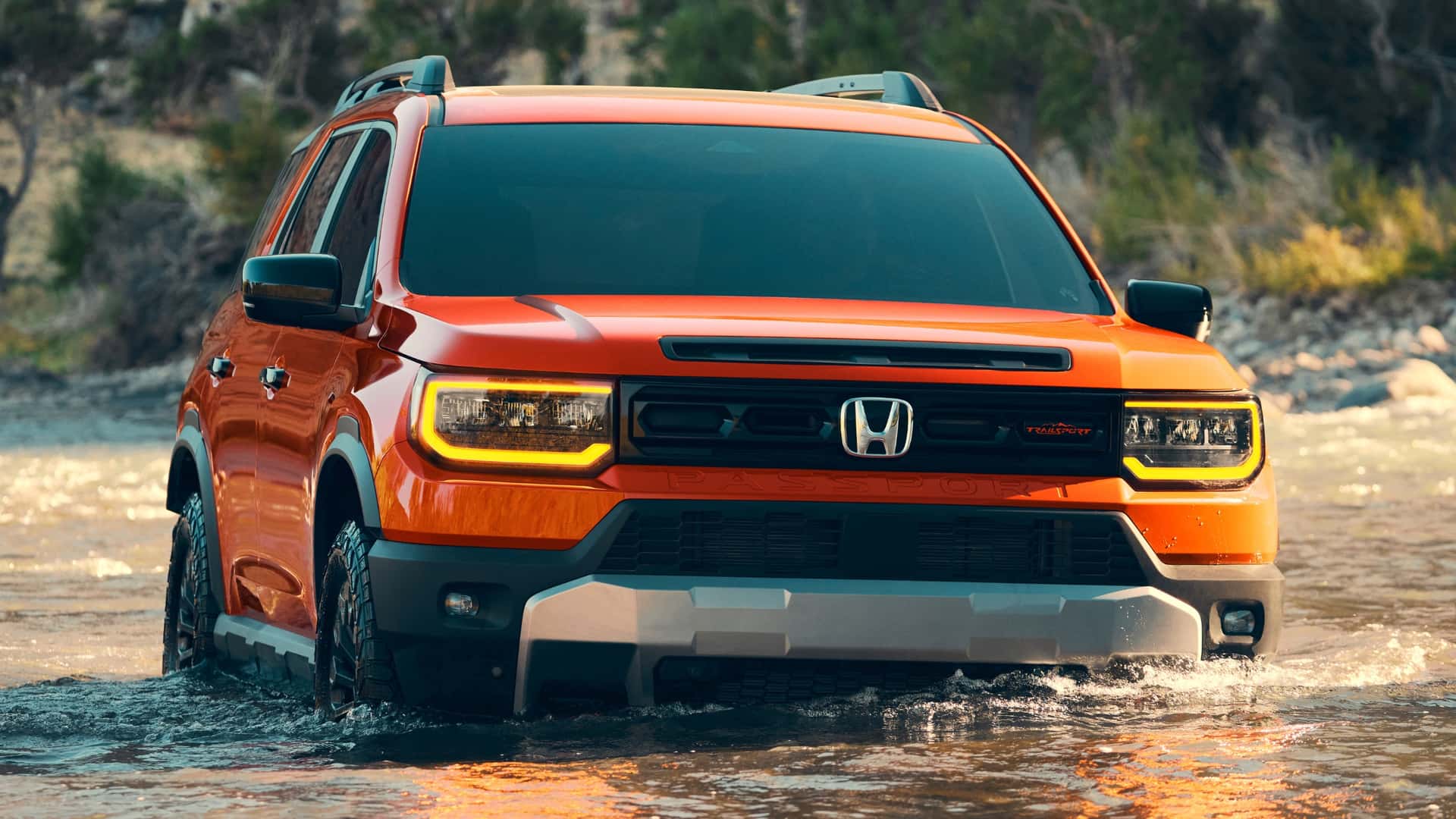
4. Honda Passport: A Rugged Yet Family-Friendly Two-Row SUV
The Honda Passport is a midsize SUV designed for families who want capability without stepping into a three-row vehicle. Starting at $41,900, it blends rugged performance with everyday comfort and practicality.
It received U.S. News’ Best Midsize Two-Row SUV for 2024 and is well-suited for families of five who need flexibility, off-road capability, and a roomy cabin. While limited to two rows, the Passport still offers three sets of LATCH anchors in the back seat, making it possible to install three child seats across.
The Passport’s design leans toward rugged utility, with a bold stance and generous proportions. Inside, the cabin is spacious and thoughtfully laid out, with ample headroom and legroom for both rows. The wide rear bench is particularly accommodating, with enough space to make installing child seats straightforward. Large door openings help with loading kids or bulky gear.
One drawback is the absence of a rear seat recline function, which reduces long-distance comfort for backseat passengers. Otherwise, the cabin is comfortable and practical, with simple physical controls that are easy to reach and operate.
Powered by a 3.5-liter V6, the Passport delivers ample power for daily driving. It feels lively around town, though highway passing power can feel a bit sluggish compared with turbocharged rivals. The 0–60 mph time of 7.9 seconds is average for the class.
The Passport inspires confidence with stable handling and effective braking, even in panic stops. Steering lacks feedback but remains predictable. Large windows provide excellent forward visibility, though wide rear pillars create blind spots.
Standard blind-spot monitoring and available surround-view cameras help counter this issue. Honda’s driver-assist features, including adaptive cruise control and lane keeping, function smoothly and add confidence on long drives.
Passenger comfort is a strong point, with well-cushioned front seats and rear seats that remain supportive even in the middle position. Rear seat space benefits families needing car seats, as the ample legroom avoids compromising front passengers.
Road noise becomes noticeable at highway speeds, but the cabin is otherwise quiet and serene. Climate controls are simple and accessible, enhancing ease of use for families.
The Passport now offers its best tech features across all trims. Standard equipment includes a 12.3-inch touchscreen, a 10.2-inch digital instrument cluster, wireless Apple CarPlay/Android Auto, wireless charging, and four USB-C ports. Google integration brings native maps and voice assistance for a more intuitive experience.
The digital cluster is cleverly designed, with the ability to display Google Maps on one side while the infotainment screen handles other tasks. This makes navigation and multitasking more convenient.
Practicality is one of the Passport’s biggest strengths. The rear cargo area measures 44 cubic feet behind the second row and expands to 83.8 cubic feet with the seats folded. Families will appreciate clever solutions such as a removable underfloor bin for dirty gear, side pockets to keep small items secure, and a walkaway close liftgate that shuts automatically once you step away.
Up front, storage is equally abundant, with a massive center console bin, large cupholders, and a shelf for small items. Rear passengers also get generously sized door pockets for water bottles and other necessities.
The Passport provides strong value by including a robust set of standard features across trims, such as heated and power-adjustable front seats, front and rear parking sensors, and standard all-wheel drive. Build quality is solid, and Honda’s attention to detail in high-touch areas stands out.
Warranty coverage is average for the segment: 3 years/36,000 miles basic and 5 years/60,000 miles powertrain.
Fuel efficiency is competitive for its class, with EPA ratings of 21 mpg combined (19 city / 25 highway) for most trims. TrailSport models drop slightly due to their all-terrain tires. Real-world testing confirmed figures close to 20 mpg, which aligns well with expectations for a V6-powered SUV of this size.
The Honda Passport is more than just utilitarian; it manages to feel rugged, capable, and versatile while maintaining family comfort. With its blend of interior space, smart cargo solutions, and adventurous styling, the Passport appeals to drivers who want an SUV that can handle both daily school runs and weekend getaways into the outdoors.
5. Honda Odyssey: The Family-Friendly Minivan
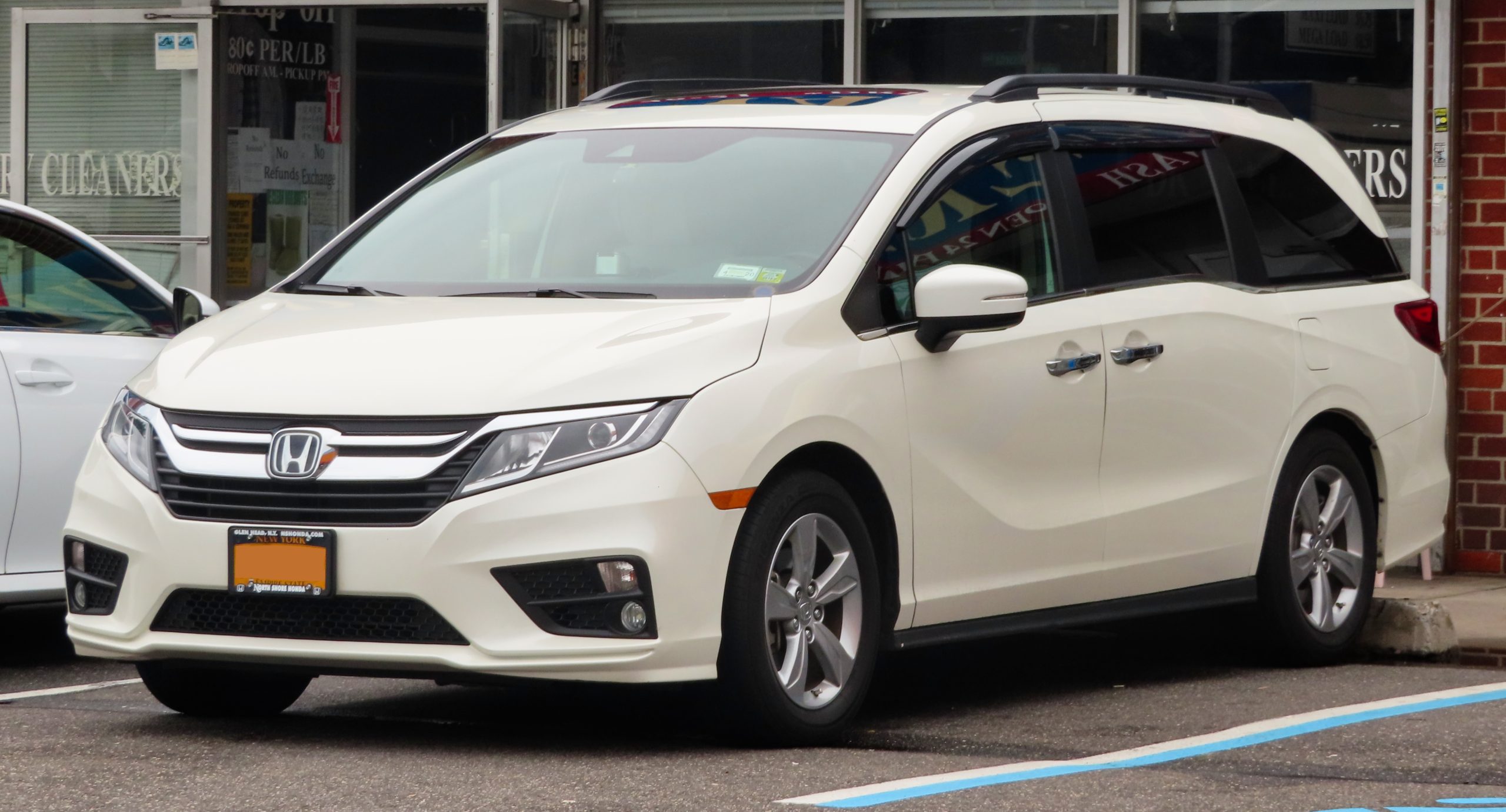
The Honda Odyssey is a flagship minivan designed for families who need maximum seating, flexibility, and convenience. Starting at $38,240, it seats up to eight passengers and features Honda’s Magic Slide second-row seats, which can adjust sideways or be removed to improve access to the third row.
The Odyssey’s third row folds flat into a deep cargo area, providing ample space for groceries, sports gear, or luggage. Safety features include a 5-star rating across the board, a rearview camera, and an available cabin intercom system to communicate with rear passengers.
The Odyssey is powered by a V6 engine that provides sufficient acceleration for merging and passing, achieving 0–60 mph in 7.6 seconds in Elite trim. Handling is confident, with stable braking and precise steering, although the vehicle isn’t sporty.
The 10-speed automatic transmission shifts smoothly and can be manually controlled via steering wheel-mounted paddles. The stop-start system may feel slightly rough, but it can be disabled.
Passenger comfort is a strength. The front seats are supportive for long drives, the second-row seats are adaptable for adults or children, and the third row accommodates two adults for shorter trips. Ride quality is generally smooth, absorbing bumps well, with minimal intrusive road or wind noise. Sliding doors and adjustable seating enhance accessibility, especially for families with car seats.
The Odyssey comes with a 9-inch touchscreen, wireless Apple CarPlay and Android Auto, and multiple USB-C ports throughout the cabin, including three in the third row.
While the infotainment system lacks the newer Google-based interface, the rear-seat camera monitor and intercom system are practical for monitoring children. Some advanced driver-assist features, such as adaptive cruise control, can respond slowly or produce false positives.
Cargo space is impressive, with 144.9 cubic feet of storage when the second and third rows are folded or removed. The Magic Slide system allows flexible second-row arrangements, and third-row seats fold easily using strap handles. Car seat installation is user-friendly, with accessible LATCH anchors and easy-to-use belts for booster-age children.
EPA estimates for the Odyssey Elite are 22 mpg combined, while real-world testing returned about 21 mpg, indicating practical alignment with official figures for a V6 minivan.
The Odyssey delivers strong value by combining spacious seating, practical cargo solutions, and family-friendly technology. Even the base trim captures its key strengths, including smooth power delivery, comfortable seating, and a versatile cabin. Warranty coverage is standard for the segment: 3 years/36,000 miles basic and 5 years/60,000 miles powertrain, with roadside assistance included.
The Honda Odyssey excels in flexibility, convenience, and family-focused features. Magic Slide seats, the One-Motion third-row system, and thoughtful tech make it ideal for families managing multiple passengers and gear. For long road trips or daily carpool duties, it stands out as one of the most practical and accommodating minivans on the market.
Also Read: 5 Cars That Rarely Need Alternator Replacement vs 5 That Constantly Do
5 SUVs That Families Regret Buying
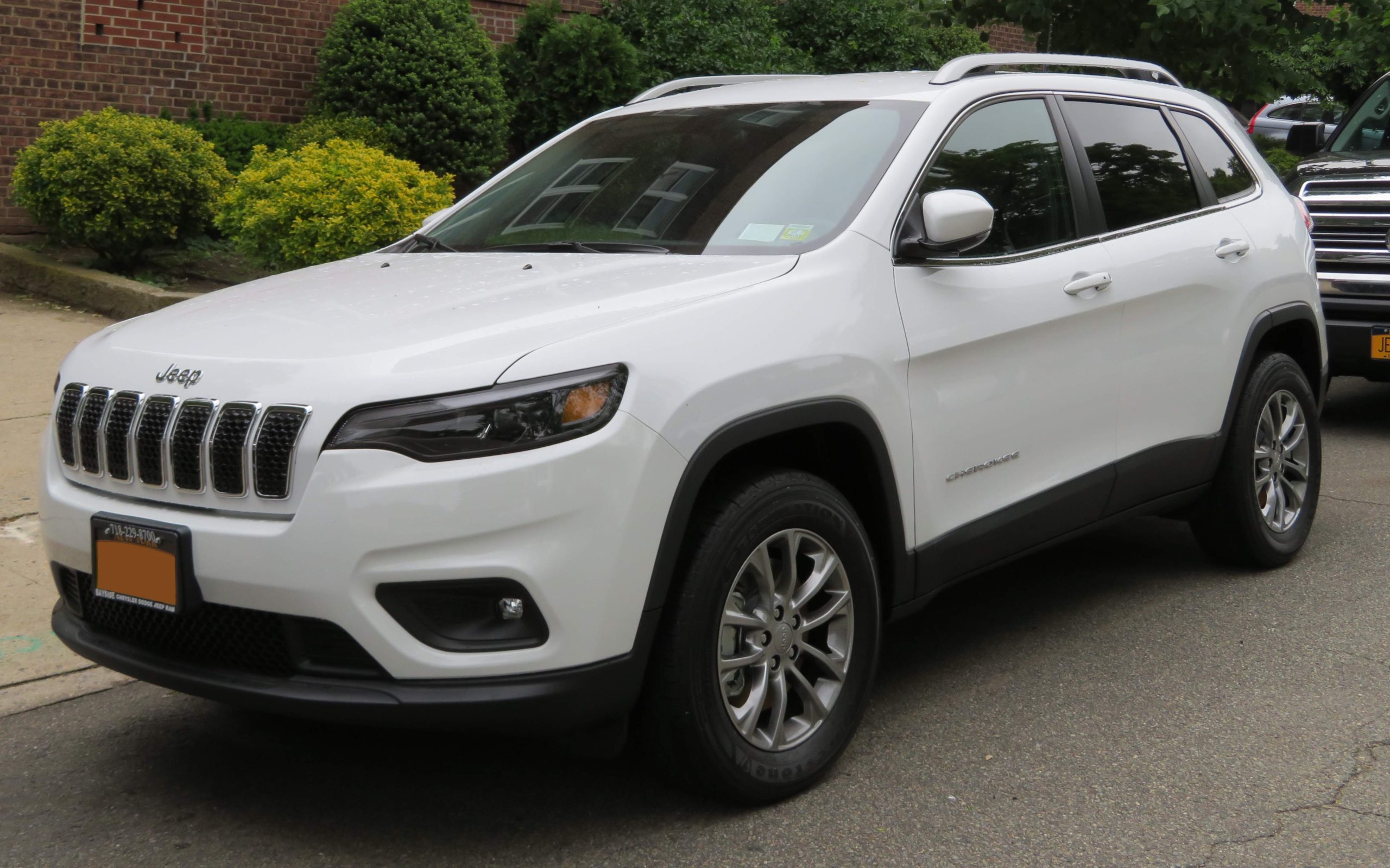
1. Jeep Cherokee (2014–2019): Style Over Reliability
The 2014–2019 Jeep Cherokee initially attracts buyers with rugged styling, off-road capability cues, and a tech-forward interior. On the surface, it seems like a solid used SUV option for modern drivers seeking both aesthetics and features.
However, underneath the appealing exterior lies a host of mechanical and reliability problems, chief among them the 9-speed automatic transmission. While intended as an innovative feature, this transmission became infamous for software glitches, jerky shifts, delayed acceleration, and premature failures, often requiring replacement before 60,000 miles.
Compounding these issues, the base 2.4-liter Tigershark inline-4 engine proved underpowered and prone to excessive oil consumption, burning through a quart every 1,000 miles. Even with Jeep-issued software updates and service bulletins, owners faced expensive repairs and contentious warranty battles, making ownership stressful and unpredictable.
The interior, while visually impressive in higher trims like the Limited or Trailhawk, suffered from low-quality buttons, software glitches, and rattling components, detracting from the otherwise appealing cabin experience.
Electronic systems, including the Uconnect infotainment, power liftgate, and climate controls, became prone to freezing and malfunctioning over time. This combination of mechanical, electronic, and design flaws severely diminishes resale value and leaves the 2014–2019 Cherokee widely regarded as a misstep for the brand, making it a high-risk used SUV purchase for prospective buyers seeking dependability.
2. Ford Explorer (2011–2016): Family SUV With Hidden Costs
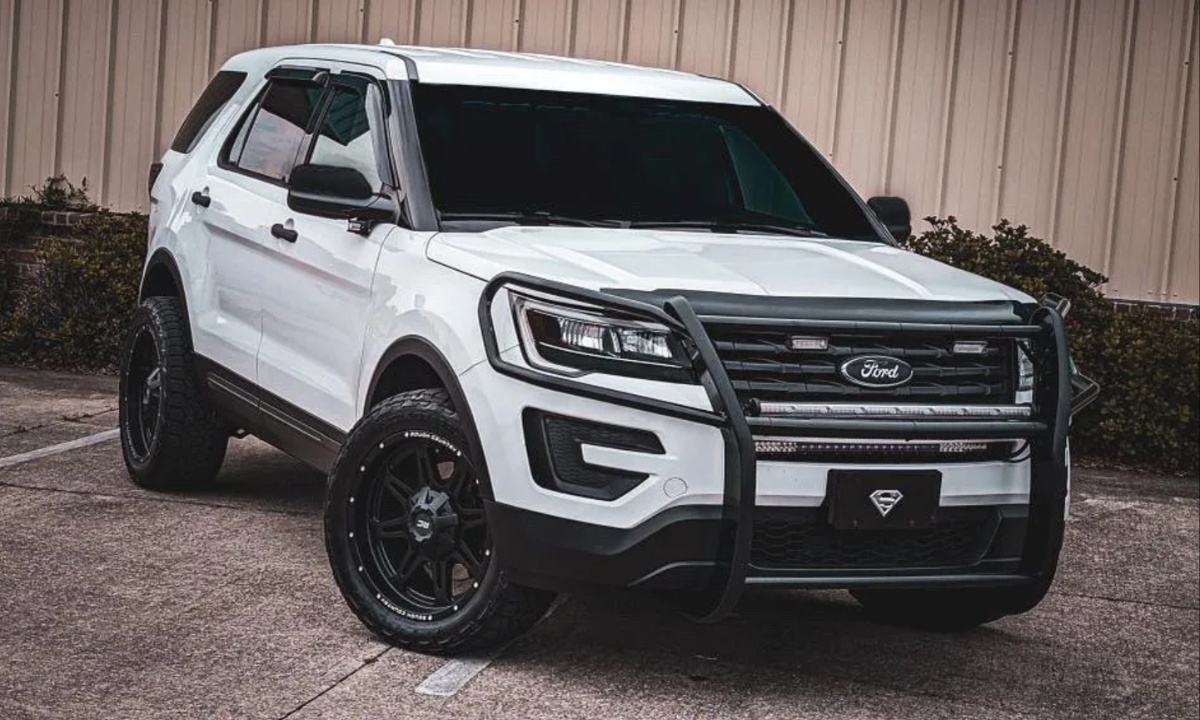
The 2011–2016 Ford Explorer presents itself as a spacious and stylish family SUV with three-row seating and reasonable towing capabilities, making it initially appealing for parents and adventure-minded buyers. Yet, beneath the surface, it suffers from serious reliability concerns, particularly with the drivetrain.
The 3.5-liter EcoBoost V6 engine, though powerful, is prone to carbon buildup, internal water pump failures, and timing chain problems, often leading to catastrophic failures around 80,000 to 100,000 miles, sometimes outside of warranty coverage.
Its 6-speed automatic transmission also drew frequent complaints, including hard downshifts, gear hunting, and shifting delays, with some units requiring complete replacement.
Electrical reliability compounds the problem, with issues in infotainment, Bluetooth connectivity, and backup cameras adding ongoing frustration. Interior materials degrade quickly, as leather cracks, plastic panels rattle, and headliners sag, creating a cabin that fails to match the Explorer’s premium appearance.
Additional concerns, such as rear HVAC system failures, steering rack issues, and leaking exhaust fumes, further tarnish the Explorer’s reputation. Despite a strong initial appeal, the Explorer’s persistent mechanical and electronic failures make it a risky choice in the used market, where maintenance costs can outpace the vehicle’s value.
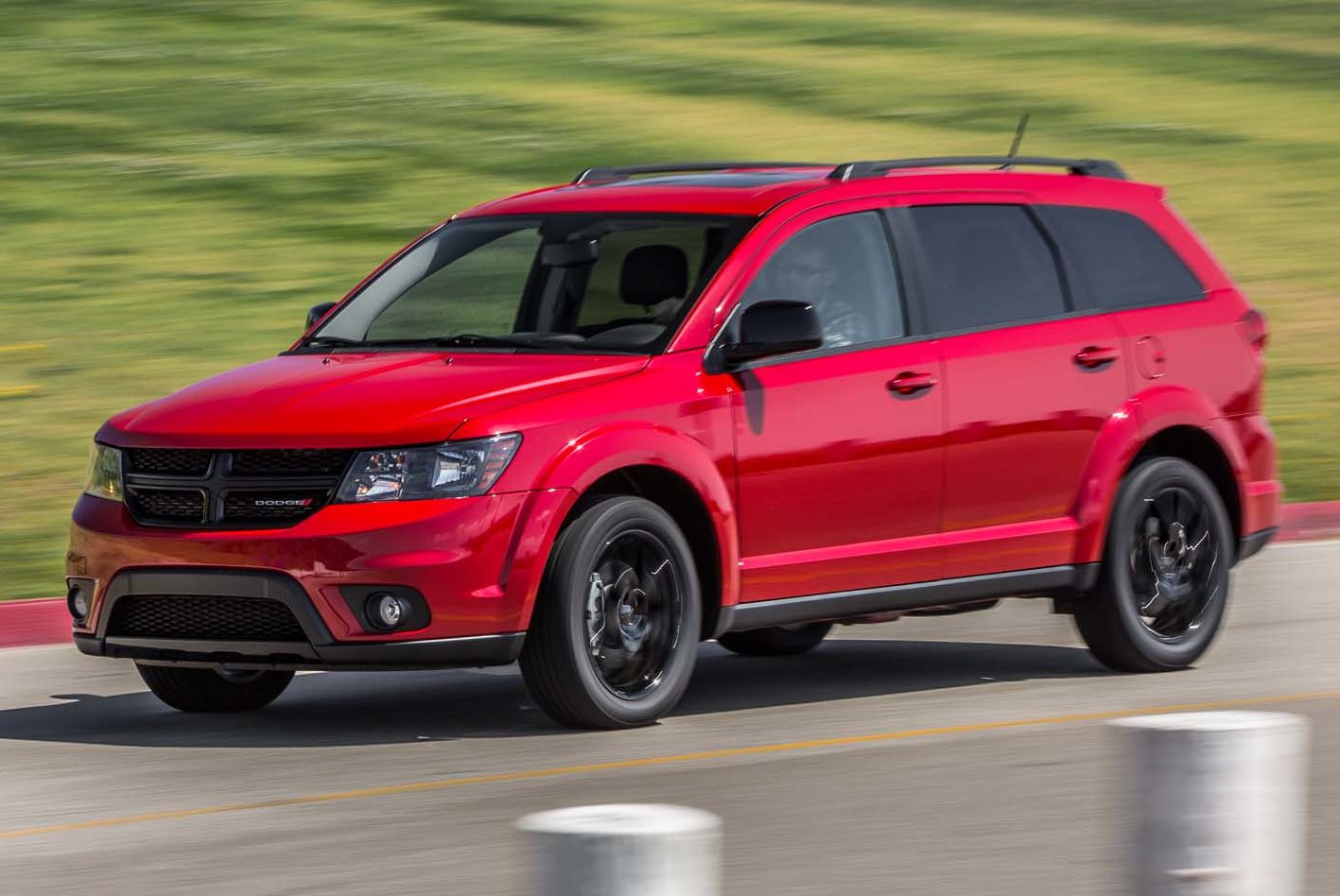
3. Dodge Journey (2009–2020): Budget-Friendly but Flawed
The Dodge Journey is a cautionary tale about the dangers of low sticker prices over quality. Produced with minimal updates over more than a decade, it struggled to stay competitive in the crossover segment.
The base 2.4-liter four-cylinder engine offered underwhelming performance, paired with a clunky 4-speed automatic transmission that felt outdated. While the later 3.6-liter Pentastar V6 improved power, the Journey still suffered from an outdated chassis, inefficient fuel economy, and limited towing capacity.
Interior quality is equally disappointing, dominated by hard plastics and low-grade switchgear, with inconsistent availability of modern tech features. Third-row seating, marketed as a key advantage, remains cramped and uncomfortable for older passengers.
Electrical failures, suspension wear, and deteriorating ride quality added to long-term ownership headaches, making the vehicle unreliable and frustrating. Resale values dropped quickly, leaving owners with minimal recovery on their investment.
Despite its low purchase price and roomy design, the Dodge Journey’s mechanical deficiencies and outdated technology render it a vehicle that often costs more in maintenance and stress than initially anticipated.
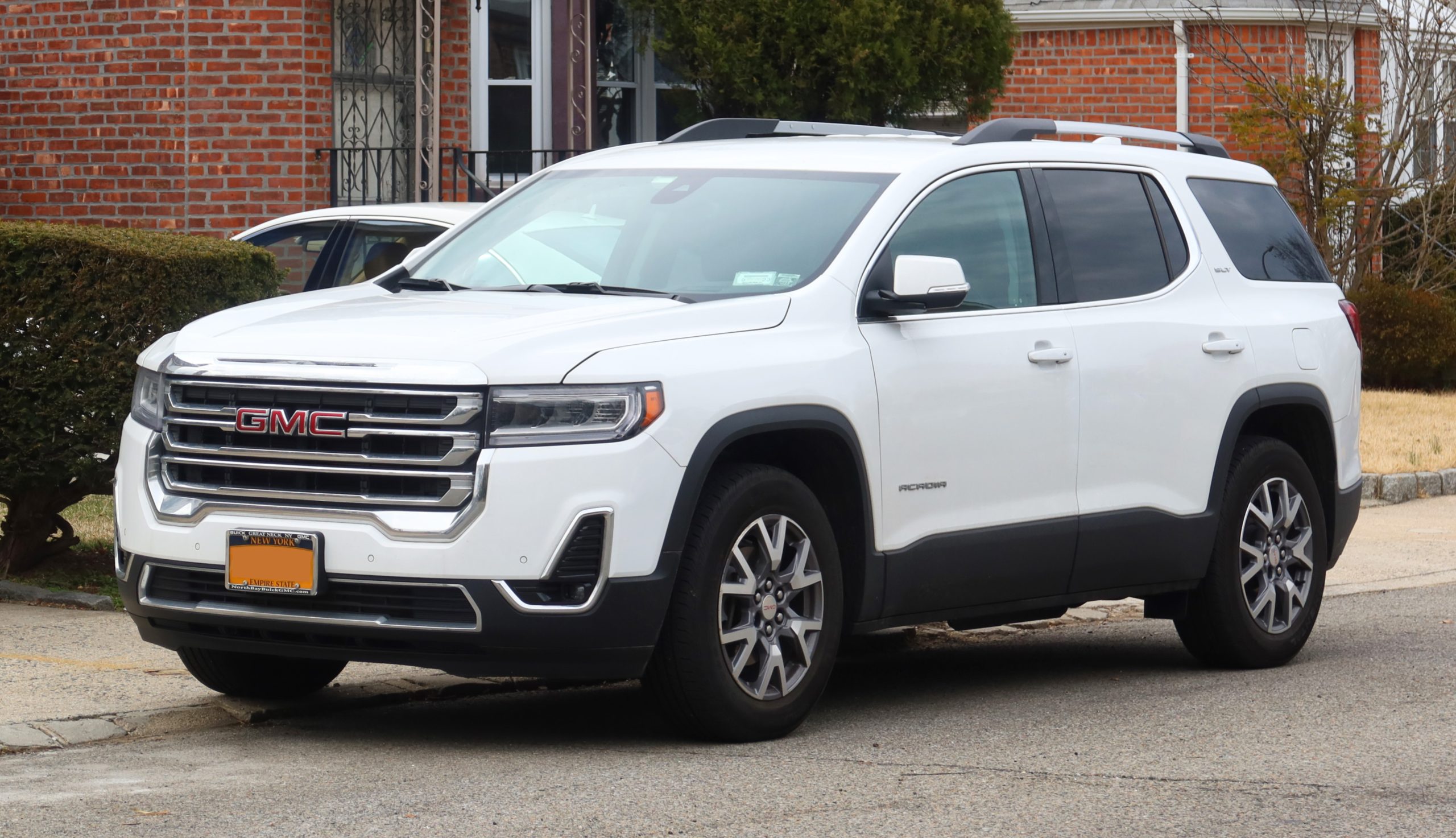
4. GMC Acadia (2007–2016): Roomy but Mechanically Unreliable
GM’s first-generation GMC Acadia promised a family-friendly, full-sized crossover with minivan practicality and SUV style, yet reliability issues undermined its appeal.
The 3.6-liter V6 engine commonly experienced timing chain wear before 100,000 miles, causing misfires and potential catastrophic failures with expensive repairs often exceeding $2,000.
The 6-speed automatic transmission also developed shifting problems and complete failures, frequently requiring early replacements. Power steering systems suffered leaks and component wear, while interior materials fell short for a premium-branded SUV, plastic trim cracked, leather seats wore quickly, and infotainment systems dated rapidly.
Third-row seating, though present, was uncomfortable and poorly integrated. Despite a bold exterior and spacious interior, the Acadia required constant maintenance to remain functional, with owners facing recurring, expensive repairs.
On the used market, low prices reflect the vehicle’s hidden costs rather than offering a bargain, making the first-generation Acadia a challenging and often regrettable choice for buyers seeking a dependable SUV with minimal upkeep.
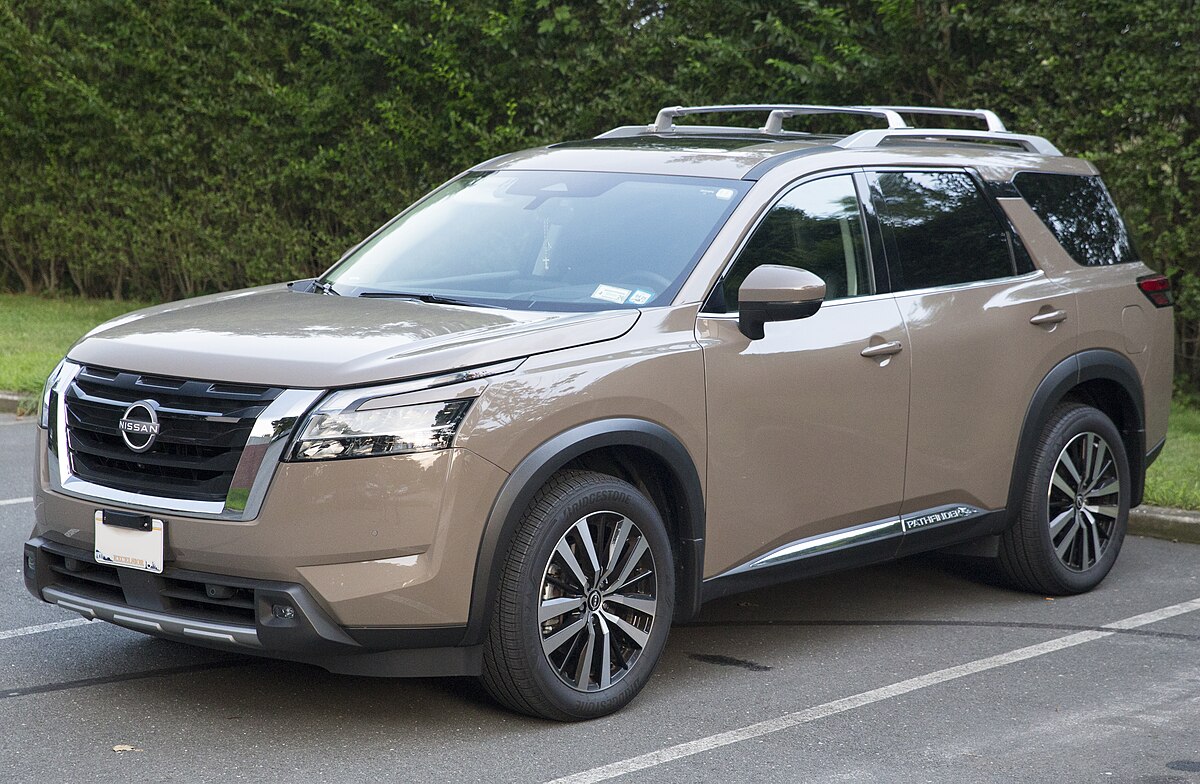
5. Nissan Pathfinder (2013–2020): CVT Woes Overshadow Appeal
The 2013–2020 Nissan Pathfinder initially presents as a capable family SUV with three rows, reasonable towing, and modern styling, but its reputation is marred by the CVT (Continuously Variable Transmission).
Heavier than most sedans, the Pathfinder places significant strain on the CVT, leading to failures often before 70,000 miles and replacement costs exceeding $4,000. While the 3.5-liter V6 engine is reliable in isolation, pairing it with the CVT creates sluggish acceleration, inconsistent throttle response, and a notorious “rubber band” effect that grows worse with mileage.
Transmission overheating, jerking, and sudden limp mode events further compromise drivability and driver confidence. Interior durability is also disappointing: plastic panels scratch easily, leather cracks prematurely, and electrical components, including the power liftgate, infotainment system, and backup cameras, frequently malfunction.
Limited third-row space and minimal cargo behind the last row add practicality concerns. Combined with poor fuel economy, weak resale value, and ongoing repair costs, the Pathfinder emerges as a risky used SUV that can quickly become an expensive and frustrating ownership experience. Buyers seeking reliability and peace of mind would be well advised to avoid this generation.
The world of family SUVs offers plenty of choices, but the difference between satisfaction and regret often lies in the details. Vehicles like the Kia Telluride, Chrysler Pacifica, and Hyundai Ioniq 5 show that careful engineering, thoughtful layouts, and safety-focused design can make an SUV a reliable and enjoyable companion for daily use and long journeys.
Features such as ample cargo space, versatile seating arrangements, and intuitive technology ensure that families feel supported and comfortable on every trip. Reliability, practicality, and ease of use consistently separate winners from the disappointments.
Conversely, SUVs such as the Jeep Cherokee, Ford Explorer, and Nissan Pathfinder serve as cautionary tales. Whether due to problematic transmissions, engine issues, or unreliable electronics, these models demonstrate how appealing looks and low prices cannot compensate for ongoing maintenance challenges and frustration.
Families who overlook these details often find themselves burdened by unexpected costs, limited functionality, and general dissatisfaction.
Ultimately, selecting a family SUV requires balancing style, comfort, and reliability. By learning from both favorites and regrets, parents can make informed decisions that prioritize long-term happiness, safety, and practicality. The right SUV becomes more than just a vehicle; it becomes a trusted companion for years of family adventures.
Also Read: 5 Cars That Rarely Need Electrical Repairs vs 5 That Constantly Do
