When it comes to buying a car, one of the biggest questions drivers ask is: How well will it hold its value? Some vehicles are built with long-term dependability in mind, making them smart financial choices that retain much of their worth even years down the road.
Others, however, lose their shine quickly plummeting in value despite stylish looks, advanced features, or high price tags. In this list of 10 Cars With the Best Resale Reliability vs 10 That Drop Quickly, we explore both sides of the automotive market.
You’ll see which models reward owners with strong resale performance and which ones leave them with heavy depreciation losses. Whether you’re shopping for a new ride or considering your next used-car investment, understanding resale reliability can save you thousands and help you make a smarter, more confident choice.
10 Cars With The Best Resale Reliability
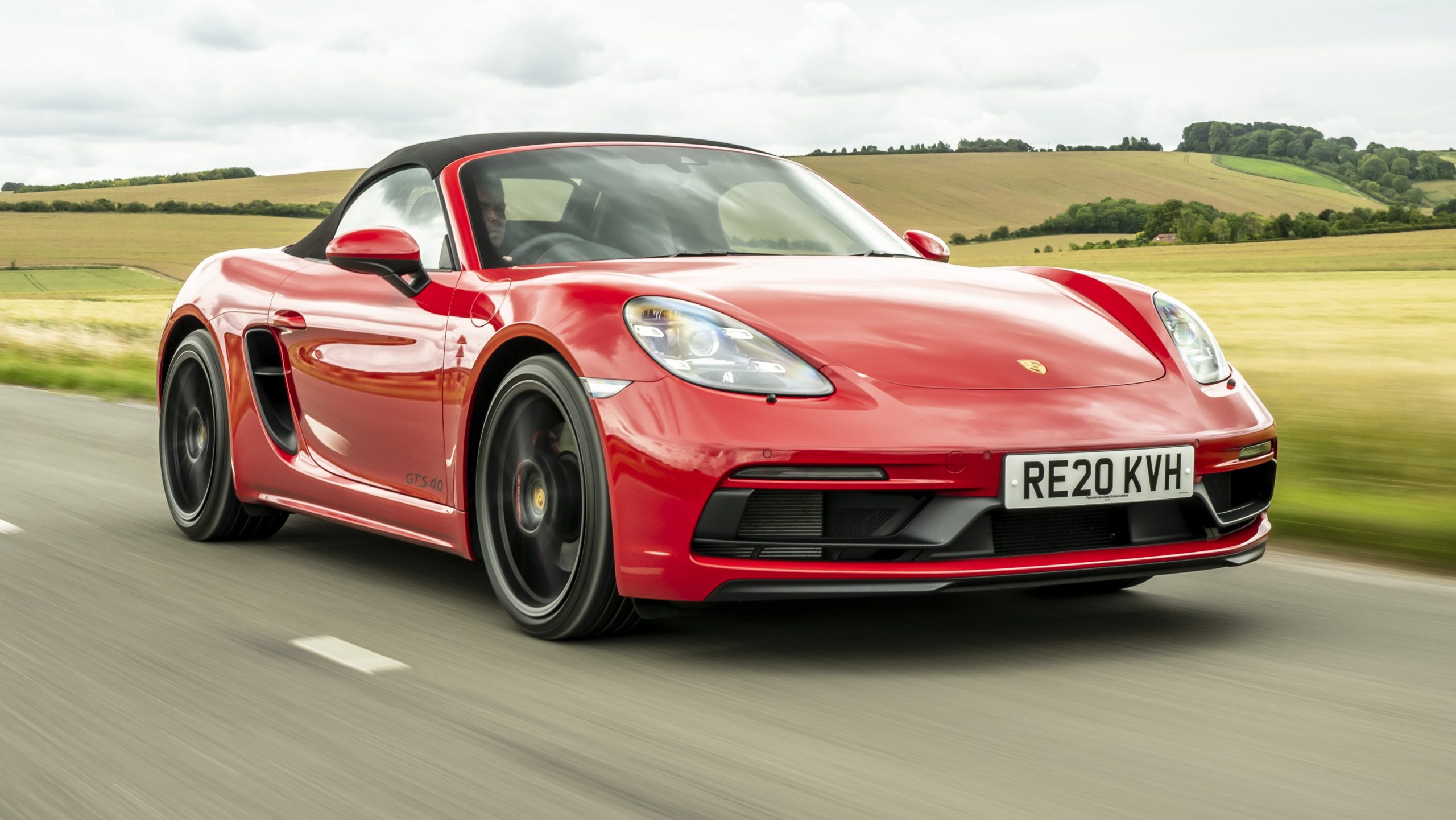
1. Toyota Corolla Hatchback: A Balanced Compact Choice
The Toyota Corolla Hatchback ranks in the top ten for vehicles with relatively low depreciation, averaging 30.1% over five years. This translates to an average price difference of $7,156 from MSRP, making it one of the more financially sound options in the compact car segment. Beyond affordability, it combines Toyota’s reliability with a sportier, more stylish hatchback design.
The Corolla Hatchback is designed to balance comfort with composure. Over highway undulations, the suspension can feel a bit soft, yet body control remains steady.
The SE trim, with its 16-inch wheels, provides the smoothest ride, while the sportier XSE sacrifices some comfort due to larger wheels and thinner tires. Inside, drivers benefit from a quiet cabin and supportive front seats that remain comfortable even during long drives. Climate control airflow is efficient, maintaining cabin comfort in varying weather conditions.
Step inside, and the Corolla Hatchback offers user-friendly ergonomics with minor drawbacks. While some climate control buttons are crowded and infotainment controls are slightly small, the layout remains intuitive after brief use.
Wide door openings and ideal seat height make entry and exit easy, while the tilt-and-telescoping steering wheel ensures drivers of different sizes find a good position. Visibility is excellent, aided by a low hoodline and large side windows, making maneuvering and lane changes stress-free. Rear passenger space is adequate, though taller riders may find legroom limited.
Toyota equips the Corolla Hatchback with an impressive suite of safety features for its class. Standard systems include automated emergency braking, adaptive cruise control, auto high-beam assist, and lane keeping assist. An 8-inch touchscreen provides clear visuals, but the interface suffers from speed-related lockouts and lacks a built-in navigation system.
Fortunately, Apple CarPlay and Android Auto are standard, offering reliable alternatives for navigation and voice control. The onboard voice recognition system performs reasonably well when properly configured, and the audio system is decent, though not best-in-class.
Despite being a hatchback, the Corolla’s storage space is limited due to a high cargo floor. It provides 17.8 cubic feet behind the rear seats, falling short compared to rivals like the Honda Civic or Hyundai Elantra GT.
Interior storage is modest, with usable door pockets, cupholders, and a small shelf near the shifter, though the latter is awkwardly sized for smartphones. The center console bin is compact and not particularly convenient. On the plus side, the car accommodates rear-facing child safety seats easily, thanks to accessible anchors.
Efficiency is one of the Corolla Hatchback’s strengths. With the manual transmission, the EPA estimates 31 mpg combined, while the automatic boosts that to 35 mpg combined. In real-world testing, results varied, ranging from 30 mpg on evaluation routes to 25.9 mpg with mixed driving, yet most drivers can reasonably achieve EPA figures with mindful driving.
The Toyota Corolla Hatchback blends affordability, strong fuel efficiency, and robust safety features with Toyota’s reputation for reliability. Though its cargo space and infotainment quirks may deter some buyers, it remains a solid compact car choice. Warranty coverage is average, but Toyota adds value with two years/25,000 miles of free scheduled maintenance, making ownership both practical and economical.
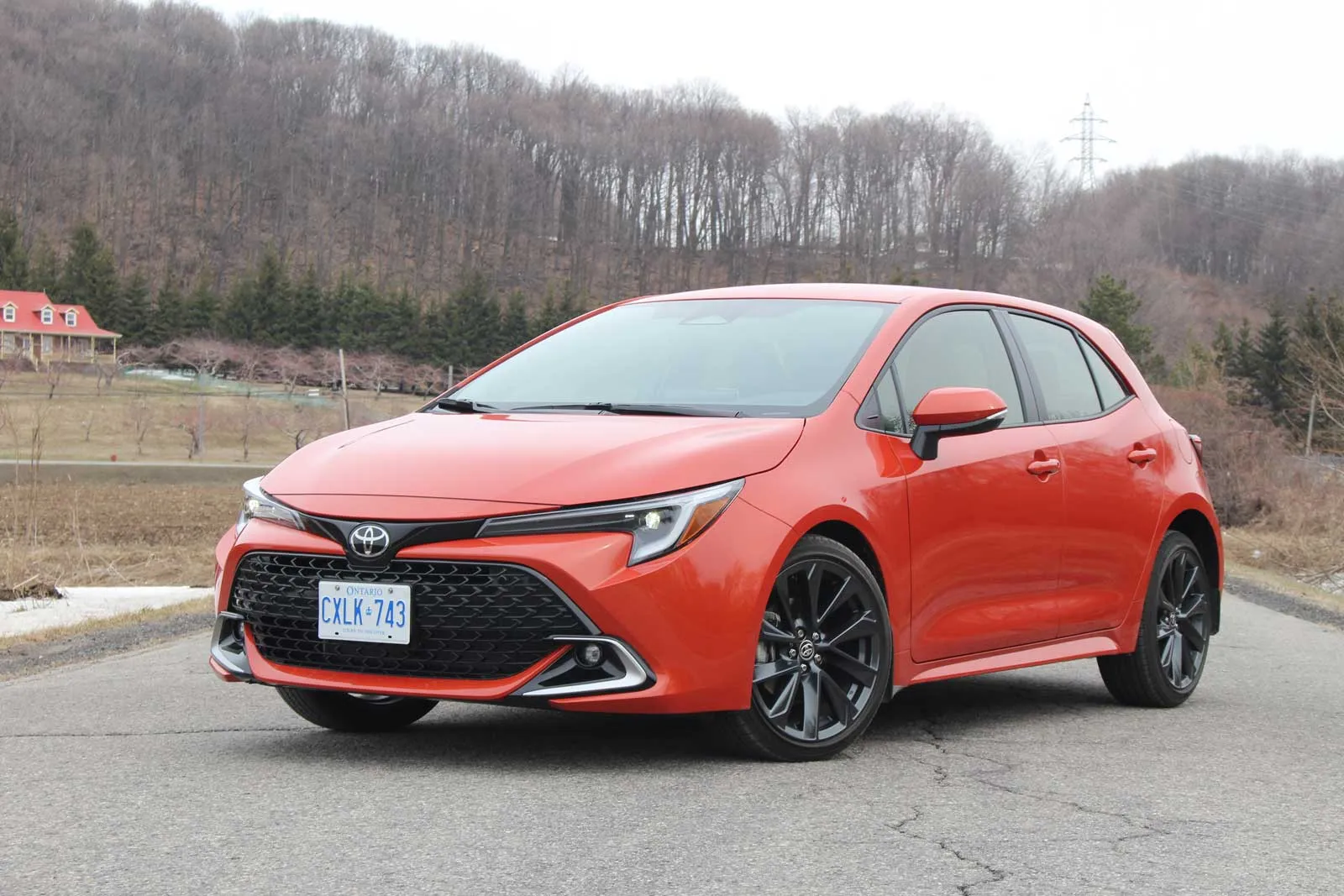
2. Porsche 718 Boxster: Entry-Level Porsche, World-Class Thrills
The Porsche 718 Boxster is one of the most value-retaining sports cars on the market today. With an average five-year depreciation of just 29.6 percent, it outperforms many luxury competitors in terms of long-term worth.
On average, resale prices remain only $22,155 below MSRP, which is impressive considering this is a premium roadster. Buyers of the Boxster benefit not only from Porsche’s legendary reputation for performance but also from an investment that does not diminish as rapidly as many other high-performance vehicles.
Behind the wheel, the Porsche 718 Boxster GTS demonstrates why it is consistently regarded as one of the finest sports cars in its class. Equipped with a turbocharged 2.5-liter flat-four engine, a seven-speed dual-clutch automatic transmission, and rear-wheel drive, the car delivers breathtaking performance.
Acceleration is immediate and exhilarating, with Edmunds testing showing a 0–60 mph time of just 3.9 seconds. Braking is equally exceptional, stopping from 60 mph in only 99 feet, with a firm and progressive pedal feel that inspires confidence.
Steering precision is unmatched, as the electrically assisted system responds instantly and directly, making the car feel like an extension of the driver’s own hands. Handling is agile and rewarding, especially with the optional adaptive suspension, though the standard setup is more than enough for spirited canyon drives.
Despite its performance potential, the Boxster is surprisingly easy to live with day to day, combining thrilling dynamics with the refinement and smoothness of a mainstream sedan.
The Boxster balances its sporting focus with an admirable degree of comfort. The seats, though narrow and firm in bolstering, are exceptionally supportive even without adjustable lumbar features. For most drivers and passengers, they provide comfort that holds up well over long drives.
Ride quality is predictably firmer in the GTS, particularly with its lowered suspension and 20-inch wheels, yet it never crosses into harshness. Engine noise is present but not overwhelming, and opinions differ on whether the four-cylinder engine note is as pleasing as the older six-cylinder’s sound.
The soft-top roof is effective at blocking wind and road noise, creating a cabin environment quiet enough for phone conversations. Climate control functions quickly, with heating and cooling systems that keep occupants comfortable, though the system’s unconventional design may take some getting used to.
Inside, the Boxster’s cabin is intimate but crafted with premium attention to detail. High-quality materials such as suede coverings and soft-touch surfaces dominate, and the fit and finish are world-class, rivaled only by a few luxury brands like Mercedes-Benz.
The ergonomics are straightforward once learned, with primary controls blending seamlessly with convenience features. The low seating position and tilt-and-telescoping steering wheel allow drivers of all sizes to find an ideal posture, while forward visibility is excellent.
Rear and side visibility, however, are compromised when the top is raised, and lane changes require extra care. Space is predictably limited in a roadster, yet it avoids feeling claustrophobic even for taller drivers.
Practicality is not the primary reason to buy a Boxster, but it offers more than one might expect. Its mid-engine layout allows for two trunks, with 4.6 cubic feet of space in the rear and 5.3 cubic feet in the front.
This combined 9.9 cubic feet is more than some competitors, though the split design limits the size of items that can be carried. Interior storage is modest, with small compartments in the doors, a shallow center console, and a space for a phone. Child seat compatibility technically exists, but it is impractical for a two-seat sports car.
The Boxster is not overloaded with technology, but it offers the essentials expected in a modern sports car. The navigation system is responsive, features sharp 3D graphics, and can project maps onto the gauge cluster.
The standard audio system delivers decent sound but tends toward bass-heavy tones, with upgraded options available for audiophiles. Apple CarPlay is optional and integrates seamlessly for smartphone users, while Bluetooth connectivity comes standard.
Driver-assistance features are minimal, with parking sensors included but sometimes overly sensitive. Disappointingly, blind-spot monitoring is not standard, which is a surprising omission given the car’s limited rear visibility.
The Porsche 718 Boxster GTS represents an ideal balance of performance, luxury, and refinement in an “entry-level” Porsche package. It is exhilarating to drive at its limits, yet forgiving and composed when used for daily commuting.
While it makes compromises in cargo space, visibility, and some technology features, its world-class handling, strong resale value, and impeccable build quality make it one of the most compelling sports cars in its segment. For enthusiasts seeking thrills without sacrificing everyday usability, the Boxster stands as one of the most rewarding choices available.
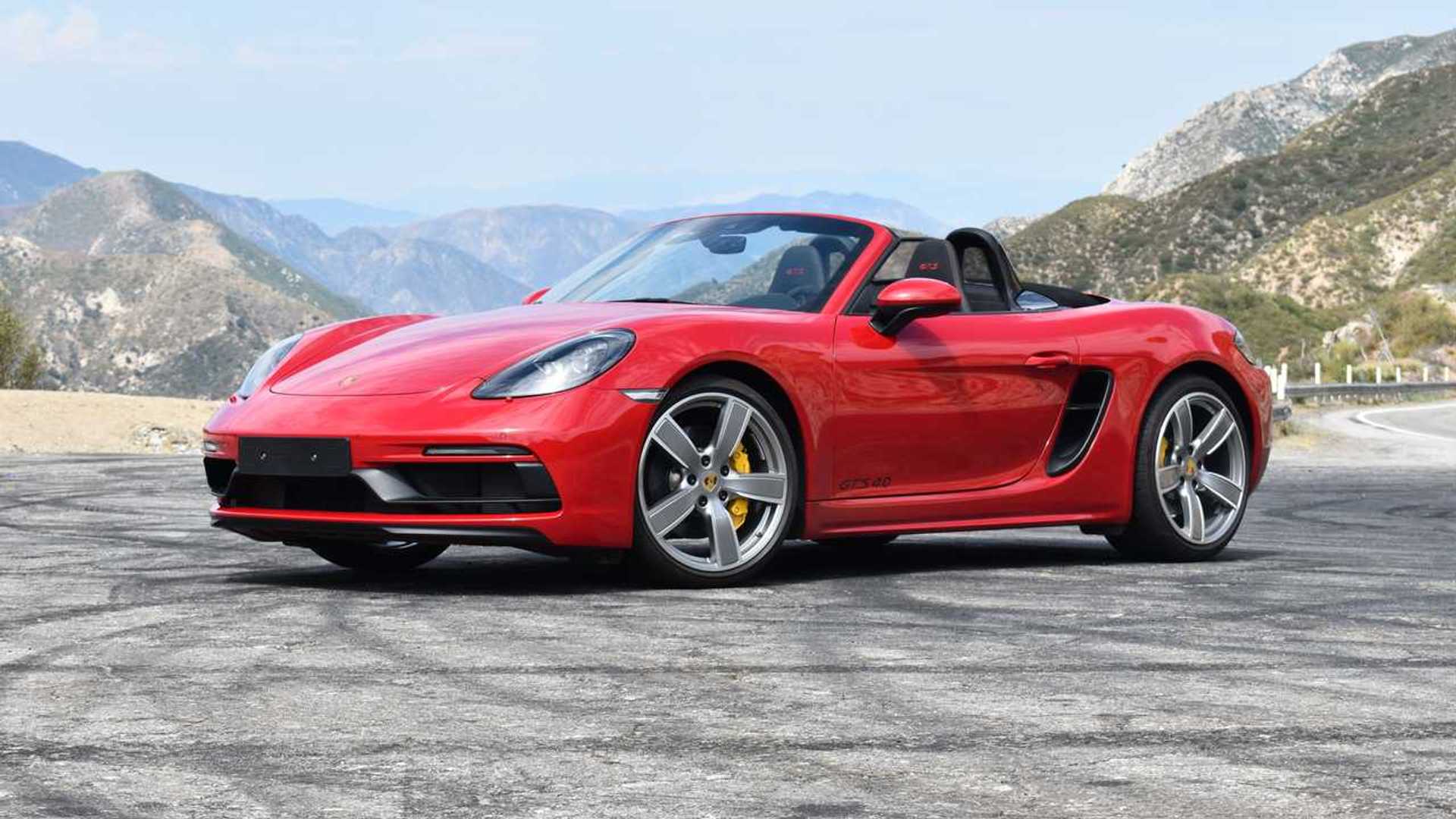
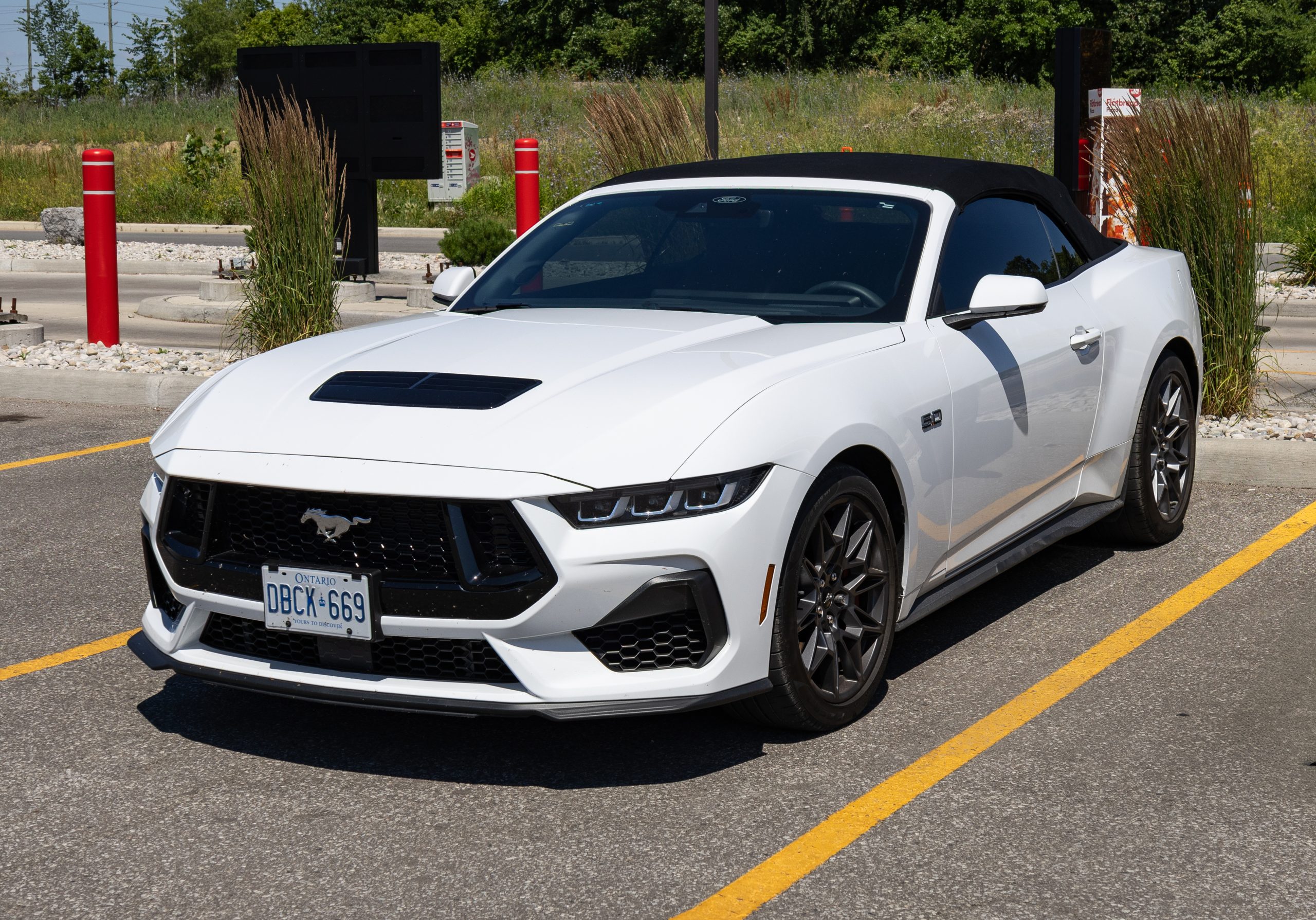
3. Ford Mustang: America’s Last Pony Car
The Ford Mustang continues to stand tall as America’s last pony car, now carrying the legacy on its own after the discontinuation of the Dodge Challenger and Chevrolet Camaro. Its strong appeal as both a performance icon and a practical daily driver helps it retain its worth, with an average five-year depreciation of just 29.2 percent.
On average, the Mustang’s resale value falls by $9,325 from its original MSRP, which is respectable for a sports coupe in its class. With multiple trims, drivetrains, and customization options, the Mustang offers broad appeal for a wide range of buyers.
The Mustang’s greatest strength lies in its performance versatility. Whether buyers opt for the turbocharged four-cylinder EcoBoost or the classic 5.0-liter V8 GT, there is ample power to satisfy.
In testing, the EcoBoost accelerated from zero to 60 mph in 5.6 seconds, while the GT equipped with a six-speed manual transmission clocked in at 4.8 seconds. The GT fitted with the 10-speed automatic transmission proved the quickest, reaching the benchmark in just 4.3 seconds.
Quarter-mile times followed the same hierarchy, showcasing the Mustang’s accessible performance across trims. Braking performance is equally impressive, with all variants stopping from 60 mph in about 100 feet while maintaining excellent pedal feel and stability.
Handling is sharp and composed, with the Mustang pulling close to 1 g on the skidpad thanks to its performance tires. Beyond track numbers, the Mustang is equally at ease during daily commuting.
The EcoBoost offers enough pep for city driving, while the V8 delivers effortless torque for cruising and highway climbs. Both the manual and the smooth-shifting 10-speed automatic make for satisfying transmissions, giving drivers the choice between engagement and convenience.
The Mustang balances comfort and sportiness surprisingly well. The standard suspension provides a compliant ride, while the optional MagneRide adaptive suspension leans toward stiffness without becoming punishing, making it an attractive upgrade for enthusiasts.
Recaro sport seats offer excellent support for spirited driving, although larger drivers may find them restrictive, while more relaxed seat options cater to comfort-oriented buyers.
Road and tire noise are present, particularly with wide performance tires, but the cabin remains insulated enough for long drives, even in the convertible. Climate controls, however, are a weak point, with fully digital menus replacing physical knobs and vents that do not provide adequate adjustment.
Inside, the Mustang offers a mix of retro styling cues and modern technology. The cabin is generally comfortable, with supportive standard seats and a driving position that works well on both road and track.
Rear seats remain cramped and suitable only for short trips, and long coupe doors make access more challenging in tight spaces. Convertible models alleviate this issue by providing easier rear-seat entry.
Visibility is generally good over the long, flat hood, though thick windshield pillars and small mirrors limit views in certain situations. The fully digital dashboard pairs well with a large central touchscreen, both of which are intuitive and responsive, though the reliance on screen-based controls may not appeal to everyone.
The Mustang is equipped with modern technology, headlined by a customizable digital instrument panel and a 13.2-inch touchscreen powered by Ford’s Sync 4 system. The infotainment interface is quick and straightforward, with an efficient navigation system.
An optional 12-speaker B&O audio system is available, though its sound quality lacks refinement at higher volumes. The Mustang also comes with a suite of driver-assist features, including automatic emergency braking and blind-spot monitoring, though its lane-keeping assist system is less polished and tends to wander within the lane.
Despite its sporty nature, the Mustang is a practical daily driver. The fastback offers 13.5 cubic feet of trunk space, while the convertible provides 11.4 cubic feet, both of which are sufficient for luggage or golf bags.
Unlike many hatchback competitors, the Mustang’s traditional trunk design provides secure and isolated storage. Cabin storage includes enough space for essentials like phones, drinks, and sunglasses, and while there are provisions for car seats, fitting them inside is a challenge due to the limited rear space.
Fuel efficiency varies by model. The EcoBoost version matches the EPA estimate with a combined 26 mpg in real-world driving, while the V8-powered GT averages 18 mpg, which is on par with EPA figures but trails more efficient turbocharged rivals. This trade-off is expected, given the Mustang’s performance focus and large displacement V8 option.
The Ford Mustang remains one of the most iconic and accessible sports coupes available. While the EcoBoost model offers an affordable entry point with respectable performance, the GT provides the full muscle car experience at a still reasonable price.
Compared to rivals such as the Toyota GR Supra, BMW M240i, and Nissan Z, the Mustang stands out for its customization options, performance variety, and classic pony car identity, though its interior quality and tech refinements fall short in places.
Warranty coverage is average, offering three years or 36,000 miles of basic coverage and five years or 60,000 miles of powertrain coverage, without free maintenance. Still, with its blend of performance, heritage, and everyday usability, the Mustang secures its place as a compelling choice for sports car enthusiasts.
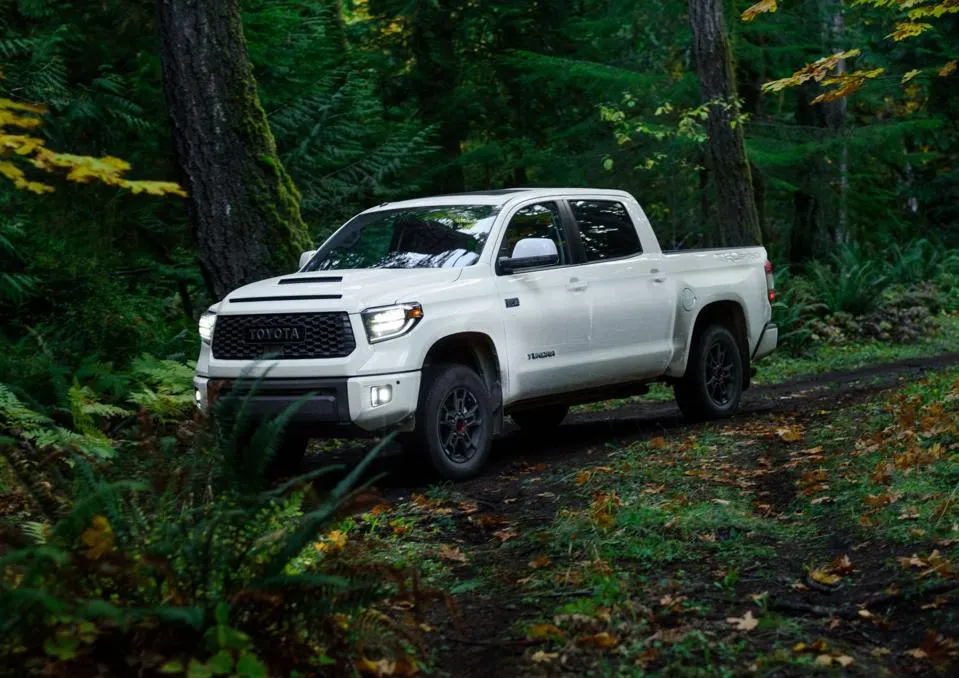
4. Toyota Tundra: Dependable Workhorse with Modern Touches
The Toyota Tundra holds its position as a reliable choice in the full-size truck market, with an average five-year depreciation of 29.1 percent. On average, resale values fall $11,659 from MSRP, which is competitive for a vehicle of its size and utility.
The newest generation faced initial bearing issues in its twin-turbo V6 engine, but Toyota resolved the matter and supported affected customers. Despite that early stumble, the Tundra continues to represent Toyota’s reputation for durability, making the higher fuel bills more of a temporary inconvenience than a long-term concern.
Power comes from a turbocharged 3.4-liter V6 paired with a 10-speed automatic transmission. This combination delivers ample torque at low rpm, giving the Tundra confident passing power and steady highway performance.
In testing, a four-wheel-drive model reached 60 mph in 6.6 seconds, which is quick for a full-size pickup. Braking strength is also reassuring, stopping from 60 mph in 131 feet despite the added weight of the TRD Off-Road package’s more aggressive tires.
Steering feels light and precise, making the truck easier to handle on narrow roads. The TRD Off-Road package adds useful features like a locking rear differential, but the Tundra’s sheer size and long wheelbase limit how far it can go on tight trails. Those seeking more rugged off-road performance will find the TRD Pro better suited.
Ride quality has improved significantly compared to earlier models. Seats are supportive, interior noise levels are low, and long-distance drives are pleasant for both front and rear passengers. While the V6 engine lacks the rich tone of the discontinued V8, it produces a deep and satisfying growl under throttle.
The suspension is composed, with the Ram 1500 still setting the standard for plushness, but the Tundra is not far behind. Climate controls are simple and effective, with large knobs and buttons that are easy to use, though some markings can be difficult to see in bright conditions.
The cabin emphasizes functionality while offering modern conveniences. The available 14-inch touchscreen immediately draws attention with its sharp graphics and quick response, while the rest of the interior features a straightforward layout that is easy to adapt to.
The CrewMax cab provides generous space for all passengers, and the driving position is high and commanding, which reduces the challenge of piloting such a large truck. Available features like the panoramic sunroof and full-width power rear window enhance the sense of openness.
Visibility is strong looking forward, though thick windshield pillars can block views on winding roads. The available surround-view camera system makes maneuvering in tight spaces far easier.
Infotainment is a strength, with Toyota’s native system providing crisp visuals and intuitive menus. Many drivers may prefer it to smartphone mirroring via Apple CarPlay or Android Auto, both of which are standard.
A JBL audio upgrade is available, but the standard system offers good sound quality for most users. Standard driver assistance features such as automatic emergency braking and blind-spot monitoring work effectively, though the lane-keeping system often struggles to keep the truck centered within lane markings.
The Tundra is well suited for work duty and recreation. Properly configured, the four-wheel-drive CrewMax version can tow up to 11,120 pounds, which is enough for boats, trailers, and light construction loads, even if rivals offer slightly higher ratings.
The reinforced composite bed is standard and built for durability. Inside, rear underseat storage and multiple bins provide useful places for smaller items, but the organization is less refined than in domestic competitors, which may lead to clutter over time.
Efficiency is not the Tundra’s strong point. EPA estimates for the four-wheel-drive model come in at 19 mpg combined, yet real-world testing tells a different story.
On evaluation routes, the truck returned only 15.2 mpg, while extended highway trips yielded just 16.9 mpg. These results trail behind what has been observed from competing full-size pickups, meaning fuel costs will add up quickly for heavy drivers.
The Tundra balances rugged strength with Toyota’s signature build quality. Materials are well-fitted, trim elements line up precisely, and the cabin feels well crafted even without luxury touches like wood or chrome.
Pricing is in line with other full-size trucks, and Toyota includes three years or 36,000 miles of bumper-to-bumper coverage along with five years or 60,000 miles of powertrain protection.
An additional benefit is two years or 25,000 miles of complimentary maintenance, which helps distinguish it from some competitors. For buyers seeking a dependable, capable, and refined truck that is likely to deliver years of service, the Tundra is a worthy choice.
5. Chevrolet Camaro: A Driver’s Car with Lasting Appeal
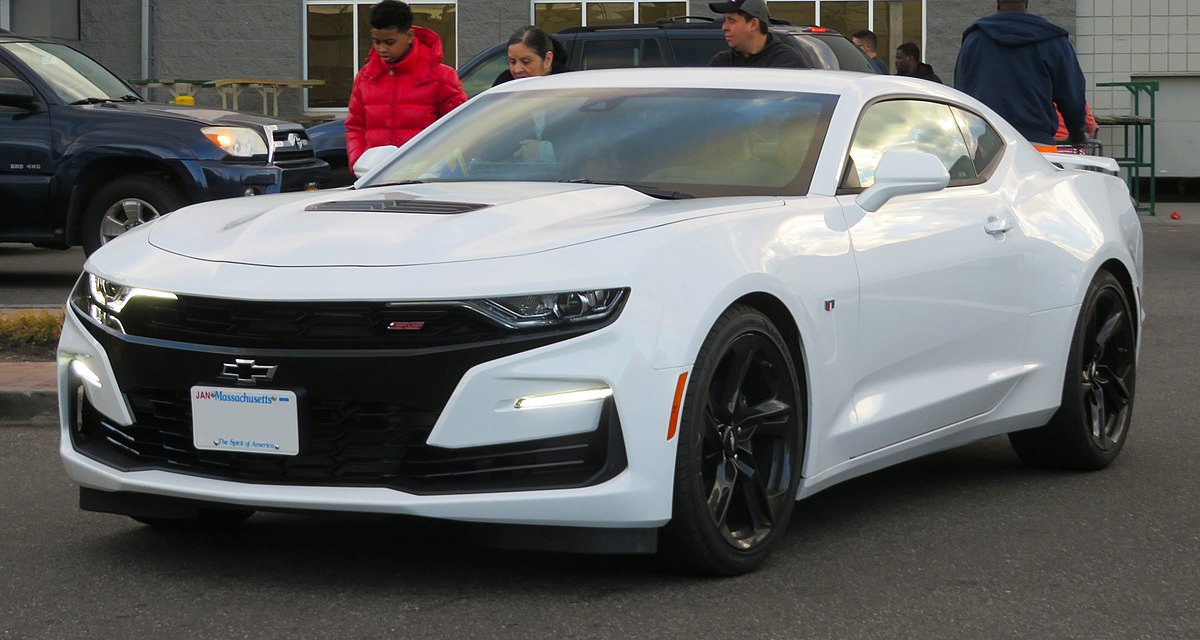
The sixth-generation Chevrolet Camaro has proven to be a strong value in the used-car market, with an average five-year depreciation of 28 percent and a price difference from MSRP of $8,653. Despite its excellence as a performance coupe, the Camaro was never a strong seller, often being outsold by the more expensive Corvette.
Chevrolet ended production in 2023, and the limited supply of used models has helped keep resale values high. The Camaro’s discontinuation also adds a degree of collectability, especially with the 2024 Collector’s Edition package, which celebrates the car’s history.
Though the Mustang remains its main rival, the Camaro has long been praised for sharper handling and, in some trims, greater power, even if packaging drawbacks turned some buyers toward the competition.
The Camaro delivers impressive performance across its range of engines, from the base turbocharged four-cylinder to the potent supercharged V8. The V6 and four-cylinder options provide lively acceleration and feel lighter and more nimble, while the V8 models supply the full muscle-car experience with commanding power and grip.
Manual transmissions are particularly engaging, with precise gates and rev-matching technology that makes downshifts seamless. Braking capability is equally strong, offering short stopping distances that inspire confidence.
Handling is a standout feature, with the Camaro feeling precise and responsive whether equipped with smaller engines or the range-topping V8.
Despite its performance orientation, the Camaro manages respectable comfort. The base suspension absorbs bumps well, while the available Magnetic Ride Control system further enhances ride quality across different road conditions.
Engine refinement is notable, with the four-cylinder and V6 remaining quiet during cruising, while the V8 provides the throaty soundtrack enthusiasts expect when pushed hard. Front seats are supportive and designed for spirited driving, though the lower cushions may feel snug to some.
Rear seating is cramped and best reserved for short trips or children, reflecting the coupe’s focus on driver engagement rather than passenger comfort. The climate control system functions well but suffers from oddly placed vents near the shifter that can make long drives less pleasant.
The Camaro’s cabin reflects its performance-first philosophy, but it comes with compromises. Visibility is a recurring weakness, with forward and side sightlines obstructed by the high beltline and thick pillars, making city driving and tight maneuvering challenging.
The front portion of the cabin feels spacious if the sunroof is avoided, but rear passengers will struggle with limited head- and legroom. Interior controls are uniquely arranged, requiring some acclimation, though they become intuitive with use. Materials are generally solid, though some harder plastics detract from the premium feel in certain trims.
Infotainment features are modern and responsive, with quick menus and a user-friendly design. The base touchscreen is small and angled awkwardly, making the optional larger unit a worthwhile upgrade.
Higher trims also unlock essential driver aids such as blind-spot warning, rear parking sensors, and rear cross-traffic alert features that are especially valuable given the Camaro’s poor rearward visibility. The available navigation system and audio upgrades add to the appeal, though buyers must spend more to access them.
Practicality is the Camaro’s weakest area. The coupe’s trunk measures just 9.1 cubic feet, making it the smallest in its class, and the narrow opening with a high liftover adds inconvenience.
Many convertible owners resort to placing luggage in the back seat, which, while cramped for passengers, provides some utility for carrying extra cargo. Cabin storage is equally limited, with small bins and door pockets, though the cupholders are well placed and functional.
Fuel economy aligns with expectations for the segment, with the four-cylinder automatic achieving an EPA-rated 25 mpg combined, the V6 automatic rated at 22 mpg combined, and the V8 automatic returning 20 mpg combined. These figures mirror those of direct rivals, providing buyers with predictable efficiency given the Camaro’s performance focus.
The Camaro’s greatest strength lies in its driving experience. Across its trims, it consistently feels like the sharpest driver’s car in the segment, with engaging handling and strong acceleration. Pricing remains competitive with the Mustang, offering a similar range from affordable entry-level models to track-focused trims like the ZL1.
While some interior materials could be improved, build quality is solid, with few squeaks or rattles reported. For enthusiasts seeking a muscle car that prioritizes performance precision over practicality, the Camaro stands out as a compelling choice, especially now that production has ended and availability is limited.
6. Honda Civic: Practicality Meets Performance
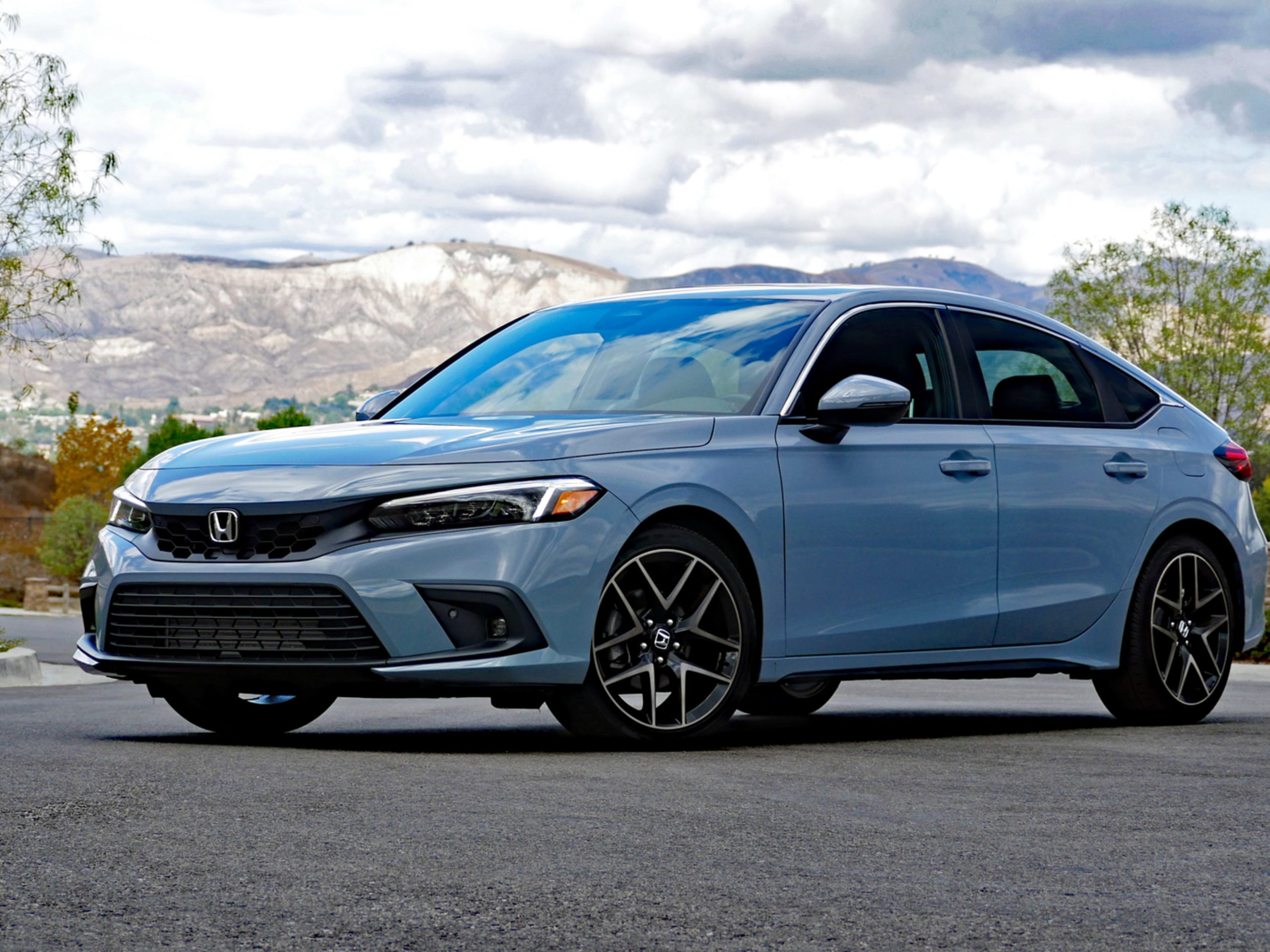
Despite being one of the best-selling cars in America, the Honda Civic resists steep depreciation. With a five-year average depreciation rate of just 28 percent and an average price difference from MSRP of $6,987, it holds value better than many rivals.
The Civic’s broad appeal comes from its wide variety of trims and powertrains, from the efficient base model to the sporty Si and the coveted Type R. More recently, the introduction of a hybrid powertrain has further strengthened its reputation, blending strong fuel economy with performance that rivals or even surpasses sportier trims.
The Civic delivers a range of driving experiences depending on the powertrain. The hybrid version is particularly impressive, producing 200 horsepower and ample low-end torque. At the test track, it accelerated to 60 mph in just 6.6 seconds, making it quicker than many small sedans and even the sporty Civic Si.
By contrast, the base gas engine feels much more modest, taking close to 10 seconds for the same sprint. Regardless of engine choice, Civics are consistently enjoyable to drive thanks to sharp steering, composed handling, and a balance that encourages spirited driving without sacrificing daily usability.
Ride quality is another Civic strength. The hybrid’s additional weight smooths out the ride, while gas models remain among the best in class for composure and handling balance. Unlike softer competitors, the Civic emphasizes control over cushiness, which contributes to its engaging road manners.
Road noise is present but not intrusive, and the aerodynamic shape keeps wind noise down at highway speeds. This refinement places the Civic a step above most small cars, offering comfort on long trips and confidence on winding roads.
Inside, the Civic impresses with a clean, modern design. Controls are intuitive and placed within easy reach, making it easy to adjust settings while driving. Space is generous up front, accommodating both tall and short drivers comfortably.
Rear passengers benefit from good legroom and shoulder space, though the sloping roofline compromises headroom for taller occupants. Outward visibility is generally good thanks to narrow roof pillars and door-mounted mirrors, though the sloped rear and short back window require extra attention when reversing. A multi-angle rearview camera helps address those blind spots.
Honda equips the Civic with a full suite of driver-assist features as standard, including adaptive cruise control, lane keeping assist, and automatic emergency braking. While functional, Honda’s adaptive cruise isn’t as smooth as Toyota’s system, particularly during braking.
The infotainment system is straightforward, with a responsive touchscreen and a logical menu layout. The available 9-inch display adds Google Built-In software, providing integrated maps and voice commands, though it is limited to higher trims. Apple CarPlay and Android Auto are standard across the lineup, but only the larger screen supports wireless connectivity.
Practicality has long been one of the Civic’s strengths. The sedan’s trunk offers 14.8 cubic feet of space, and the hybrid system doesn’t reduce cargo room. This capacity beats hybrid rivals such as the Corolla and Elantra.
Small-item storage is equally useful, with a large armrest and removable tray. For maximum versatility, the Civic hatchback expands capacity to 24.5 cubic feet, more than even the Toyota Prius, and provides fold-flat rear seats for larger items.
The Civic balances performance with efficiency. The base gas engine achieves up to 36 mpg combined, competitive with other small sedans. The hybrid raises the bar with an EPA-estimated 49 mpg combined, nearly matching dedicated hybrids like the Prius and Elantra Hybrid. Importantly, these figures are realistic in real-world driving, as testers consistently matched the EPA numbers during evaluation.
The Civic carries a slightly higher starting price than rivals such as the Corolla or Elantra, but it justifies the premium with a stronger mix of performance, refinement, and interior quality.
Honda’s warranty coverage is average for the segment, at three years/36,000 miles for basic coverage and five years/60,000 miles for the powertrain. Even so, the Civic’s durability, strong resale value, and efficient hybrid option make it one of the most compelling choices in the compact car class.
7. Chevrolet Corvette: America’s Supercar
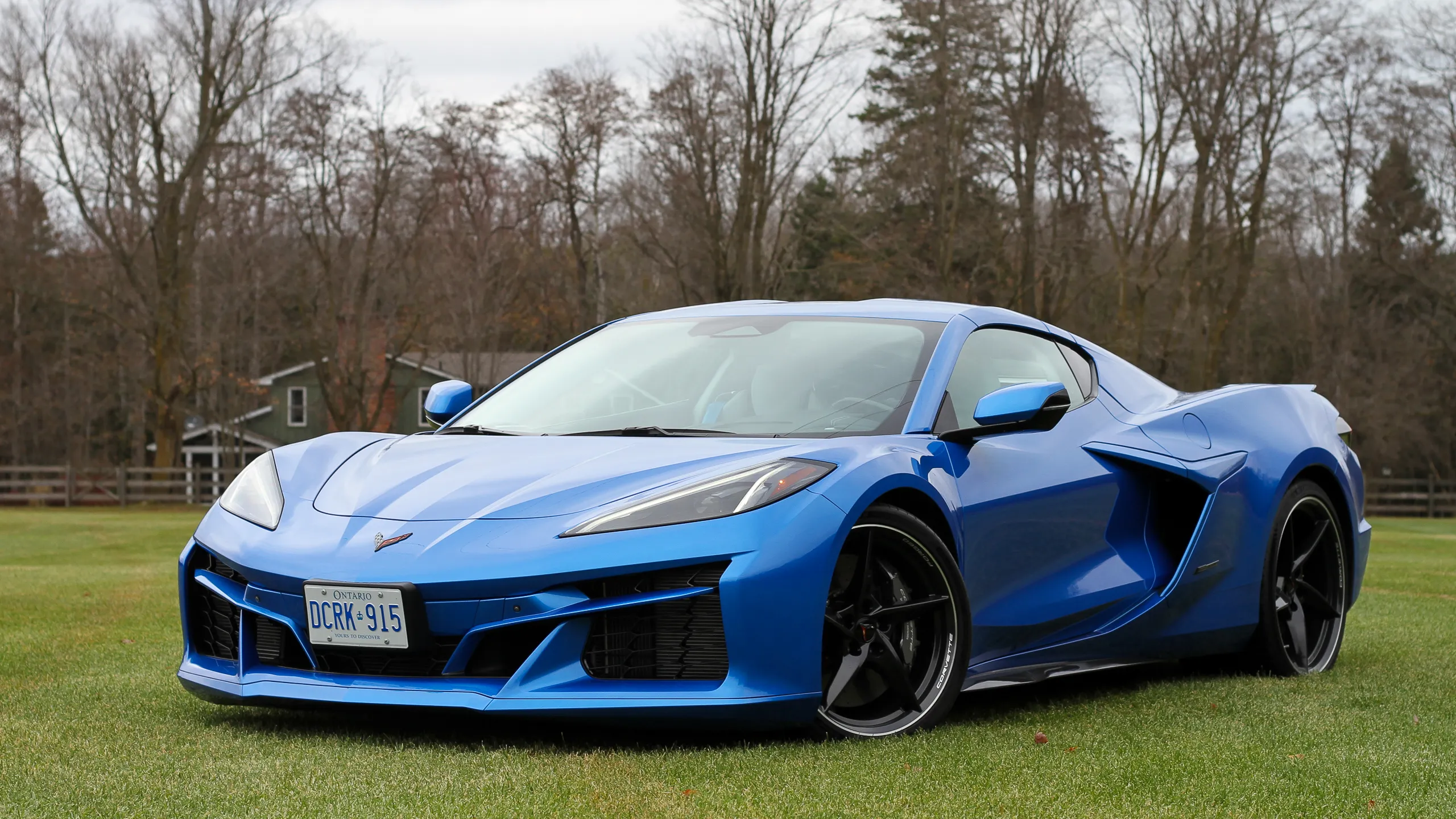
The Corvette’s reputation as one of America’s most iconic sports cars helps it retain value exceptionally well. With a five-year average depreciation of just 27.2 percent and an average price difference from MSRP of $18,557, it stands out among high-performance cars that typically lose value quickly.
The C8 generation marked a turning point with its mid-engine design, offering a blend of performance and usability that rivals cars costing far more. Chevrolet has continued to expand the lineup with models such as the hybrid E-Ray, the track-focused Z06, and the outrageous ZR1 and ZR1X, ensuring the Corvette stays competitive against world-class performance machines.
Few cars combine speed, balance, and accessibility like the Corvette. Using launch control, the 3LT coupe accelerates to 60 mph in just 3.6 seconds on all-season tires, or 3.4 seconds with the Z51 Performance package.
Quarter-mile times dip as low as 11.5 seconds at 120 mph, and braking distances are equally strong, with as little as 105 feet needed to stop from 60 mph on performance tires. The eight-speed automatic shifts smoothly and quickly, while handling remains approachable for drivers of all skill levels.
With the addition of the ZR1X’s hybrid all-wheel-drive system and 1,250 horsepower, the Corvette now reaches supercar territory in both acceleration and cornering ability.
For a car with this level of capability, the Corvette surprises with its comfort. The MagneRide adaptive suspension provides excellent compliance across a wide range of surfaces, keeping the ride smooth even during spirited driving. Noise levels are relatively low, with only tire roar intruding on rough pavement.
The GT2 bucket seats strike a balance between support and long-distance comfort, while the optional Competition seats provide a more aggressive fit for track days. Climate control is effective, and heated and ventilated seats add extra convenience, making the Corvette suitable for both daily use and long road trips.
The interior design is striking and driver-focused, with premium materials that push the Corvette into territory once reserved for European sports cars. Getting in and out can be tricky due to the low seating position, and visibility is limited by thick rear pillars.
To compensate, Chevrolet includes a camera-based rearview mirror that helps mitigate blind spots. Once inside, the Corvette feels modern and distinctive, with intuitive controls and a cockpit-like layout that reinforces its performance nature.
Technology in the Corvette blends performance and convenience. The infotainment system’s graphics are crisp, the touchscreen is angled toward the driver for easy access, and wireless Apple CarPlay and Android Auto come standard. The available Bose audio system delivers impressive sound quality despite the small cabin.
Features such as the GPS-enabled nose-lift system, which automatically remembers steep driveways, highlight the Corvette’s blend of practicality and performance focus. Performance Traction Management software remains a standout, offering advanced driving modes that maximize grip and control on track or twisty roads.
Practicality isn’t the Corvette’s primary mission, yet it offers more usability than many rivals. The mid-engine layout provides two trunks: a small front space for groceries and a larger rear compartment that can even fit two golf bags.
The caveat is that storing the removable roof panel in the rear trunk eliminates most of that space. Inside, storage is minimal, limited to a small center console, modest cupholders, and narrow door pockets, but this is expected in a car of this type.
Efficiency is competitive for the class. The Corvette earns an EPA estimate of 19 mpg combined, and real-world testing has shown it capable of exceeding that figure, returning up to 21.8 mpg on mixed routes. Of course, aggressive driving will drop those numbers significantly, but for a car with this level of performance, the fuel economy is respectable.
Perhaps the Corvette’s strongest selling point is its value. Even when equipped with performance upgrades like the Z51 package or luxury features in the 3LT trim, it remains far more affordable than European sports cars offering similar performance.
Build quality has improved substantially in this generation, with tight panel gaps, quality materials, and a refined finish throughout.
Warranty coverage is average, with three years/36,000 miles for basic protection and five years/50,000 miles for the powertrain, along with five years of roadside assistance and a complimentary first service visit.
8. Toyota Tacoma: The Midsize Workhorse That Holds Its Value
The Toyota Tacoma continues to be one of the most desirable midsize trucks on the market, showing remarkable resilience in resale value. With an average five-year depreciation of 26 percent and a price difference from MSRP of $8,217, it underscores Toyota’s strong reputation for reliability.
Even as a new generation arrived in 2023 with more technology and modern features, demand for the older model remains robust. Buyers appreciate the Tacoma’s balance between utility, manageable size, and rugged character, especially for those who find full-size trucks like the Tundra too large or costly.
Driving the Tacoma reveals a truck designed for both daily duty and adventure. Tested in TRD Sport trim with 278 horsepower, the Tacoma reached 60 mph in 7.6 seconds, while the TRD Pro with the i-Force Max hybrid managed a similar 7.4 seconds despite its extra weight.
Both setups delivered smooth and decisive shifts, with no gear-hunting on hills. Braking was equally impressive, combining responsiveness with smooth engagement. Steering is light yet precise, keeping the Tacoma composed on highways. Off-road performance varies by trim, but specialized versions such as the TRD Pro excel with shock absorbers, traction control, and hardware tailored for rugged terrain.
Comfort in the Tacoma depends on trim level. The front seats are wide and functional, though the cloth upholstery feels coarse compared to available synthetic leather. Taller passengers may find the rear seats tight, with cushions that sit too low for extended trips.
The IsoDynamic seats in the TRD Pro further reduce rear legroom, making it less suitable for carrying passengers. Ride quality also varies: entry-level trims feel stiff and trucklike, while higher trims benefit from more advanced suspension setups that smooth out rougher roads. Climate control is intuitive, with large, glove-friendly knobs and buttons that fit the Tacoma’s utilitarian nature.
Inside, the Tacoma mixes rugged design with modern convenience. The standard 8-inch touchscreen offers crisp menus, but the available 14-inch display dominates the dashboard and provides sharp resolution, particularly useful for the surround-view camera system.
Unlike many competitors, the Tacoma keeps physical buttons and switches, which many drivers prefer. Accessing the rear seats can be challenging due to limited space, though drivers benefit from generous headroom and adjustability. The design emphasizes function without losing sight of durability.
Technology is a strong point in the latest Tacoma. The optional 14-inch screen supports wireless smartphone connectivity and offers effective voice controls. USB-C ports and optional wireless charging pads are plentiful, though the steep angle of the charging trays raises questions about stability.
Toyota equips every Tacoma with standard driver assistance features, including adaptive cruise control, automatic emergency braking, and lane departure alert. These systems are well-calibrated, avoiding the over-sensitivity sometimes found in rivals.
The Tacoma delivers versatility in both towing and storage. Payload capacity tops out at 1,710 pounds, while towing reaches 6,500 pounds, enough for most small to midsize trailers. The truck bed comes in two sizes, with available power outlets ranging from 400 to 2,400 watts depending on trim.
Interior storage is abundant, with cubbies in the doors, a large center console, and a tray above the glovebox. Configurations like the XtraCab expand storage space behind the seats, while the Double Cab offers folding and flipping rear seats for added practicality.
Fuel efficiency is competitive within the midsize truck class. A four-wheel-drive TRD Sport delivered 22.6 mpg in real-world testing, slightly better than Toyota’s own estimate of 21 mpg. The hybrid i-Force Max powertrain offers more power without sacrificing efficiency, and importantly, the Tacoma does not require premium fuel, keeping running costs reasonable.
Toyota offers a broad range of Tacoma trims, from basic work trucks to highly capable off-roaders. Lower trims reveal their budget-friendly nature with fewer features and visible blank buttons, while higher trims bring greater refinement and technology.
Warranty coverage is typical for the class at three years/36,000 miles for basic coverage and six years/60,000 miles for the powertrain. Buyers also benefit from two years of free maintenance and roadside assistance, adding further appeal to this dependable midsize pickup.
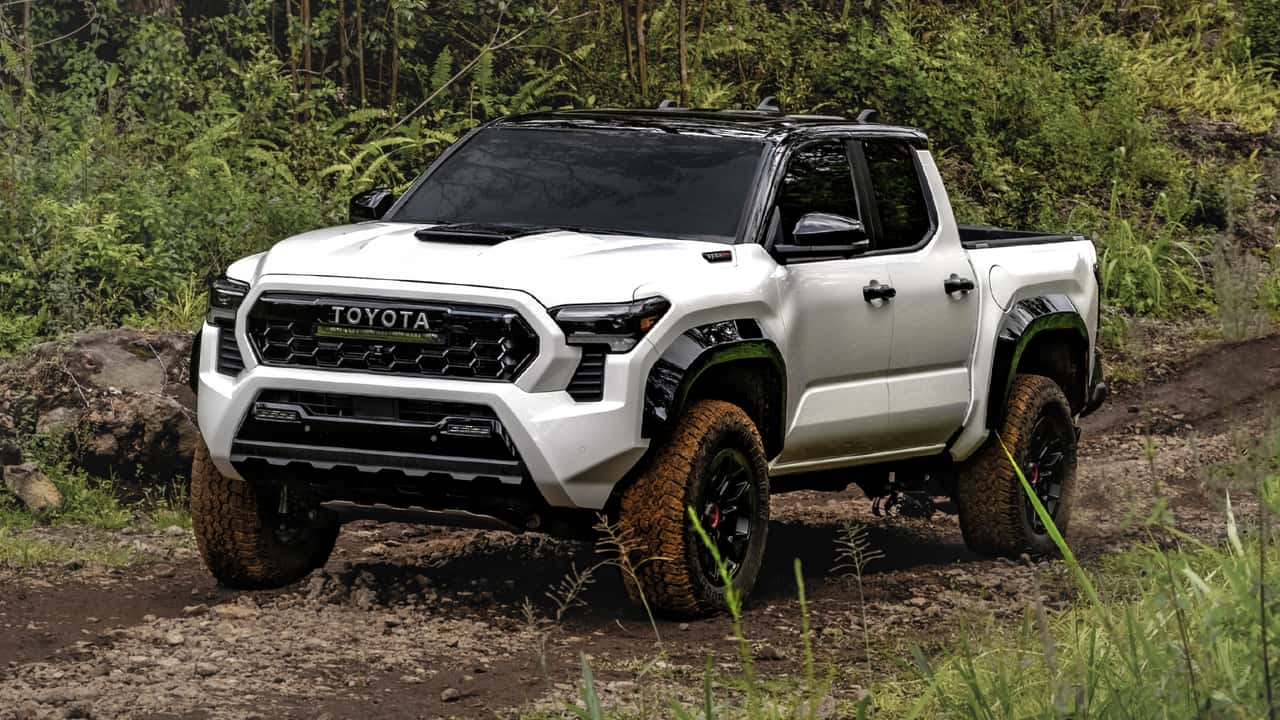
9. Porsche 718 Cayman: A Sports Car That Defies Depreciation
The Porsche 718 Cayman stands out not just for its driving dynamics but also for its remarkable ability to hold value. With an average five-year depreciation of just 21.8 percent and an average price difference from MSRP of $15,851, it proves that sports cars can be more than indulgent purchases they can be smart ones, too.
The Cayman shares much with its sibling, the 718 Boxster, but its coupe form emphasizes precision, agility, and balance. Enthusiasts continue to value its naturally aspirated 4.0-liter flat-six, introduced after purists pushed back against Porsche’s initial decision to use turbocharged four-cylinder engines.
That change alone has helped cement the Cayman’s reputation as a future classic. With an electric replacement rumored to be on the horizon, this may be the best time to secure one of the last great gas-powered mid-engine Porsches.
Driving the 718 Cayman is an experience that lives up to the Porsche name. The car thrives on being pushed hard, especially on winding roads where its steering feels perfectly weighted and its chassis delivers precise, confident handling. Our test Cayman S with a manual transmission reached 60 mph in 4.6 seconds.
While that’s not blistering by modern standards, the PDK dual-clutch automatic shaves significant time off that figure. The base 2.0-liter turbo engine is less inspiring, with tall gearing that mutes acceleration, and the dual-clutch can feel abrupt at low speeds. Still, braking power is outstanding and inspires confidence even during aggressive driving.
Despite its sporting mission, the Cayman is more comfortable than many expect. Optional sport seats, though minimally adjustable, provide long-distance support, and available ventilation makes them pleasant in warmer climates. The PASM sport suspension manages to smooth over small imperfections in the road, though larger bumps can unsettle the ride.
Cabin noise is more divisive. With the optional sport exhaust, the four-cylinder engine note can be harsh and unrefined, while the six-cylinder options sound more engaging. Road noise is intrusive on coarse pavement, which may detract from the Cayman’s long-distance appeal.
The Cayman’s cabin is a lesson in driver-focused design. The seating position is nearly perfect, placing the driver low in the car with all essential gauges in clear view. The compact space is surprisingly accommodating, with enough adjustment to suit a range of body types.
Visibility is strong in most directions thanks to slim roof pillars, though backing up is best done with assistance from the rearview camera. Entry and exit require some effort, especially for taller drivers, but once inside the cockpit feels intimate without being cramped.
Technology is not where the Cayman shines. The infotainment system requires patience, with numerous buttons and a lack of Android Auto compatibility. Apple CarPlay is available, but advanced driver aids such as adaptive cruise control and lane keeping assistance are optional rather than standard.
Stability control is subtle and effective, while standard parking sensors can become bothersome in heavy traffic. Porsche prioritizes the driving experience above convenience tech, and it shows here.
The Cayman makes the most of its mid-engine layout by offering two trunks. The rear compartment provides useful vertical space for duffel bags, while the front trunk is smaller but still practical for a carry-on or groceries.
Combined capacity is surprisingly generous for a sports car, though the split configuration means larger items are out of the question. Interior storage is minimal, with only a few shallow bins and the trademark Porsche cupholders, which remain awkwardly positioned.
For a performance-oriented car, the Cayman is relatively efficient. Depending on engine and transmission, the EPA estimates between 19 and 24 mpg combined. In testing, a manual-equipped Cayman S achieved 28 mpg, exceeding expectations. This makes the car one of the more economical options among high-performance coupes, adding a layer of practicality to its thrills.
The 718 Cayman offers impeccable build quality, from premium materials to precise fit and finish. Its high base price is difficult to ignore, especially when competitors deliver stronger performance for less money.
Yet for buyers seeking a true driver’s car with balance, agility, and character that few rivals can match, the Cayman justifies its cost. With its depreciation resistance and looming transition to electrification, the current Cayman may well prove to be one of Porsche’s most collectible modern sports cars.
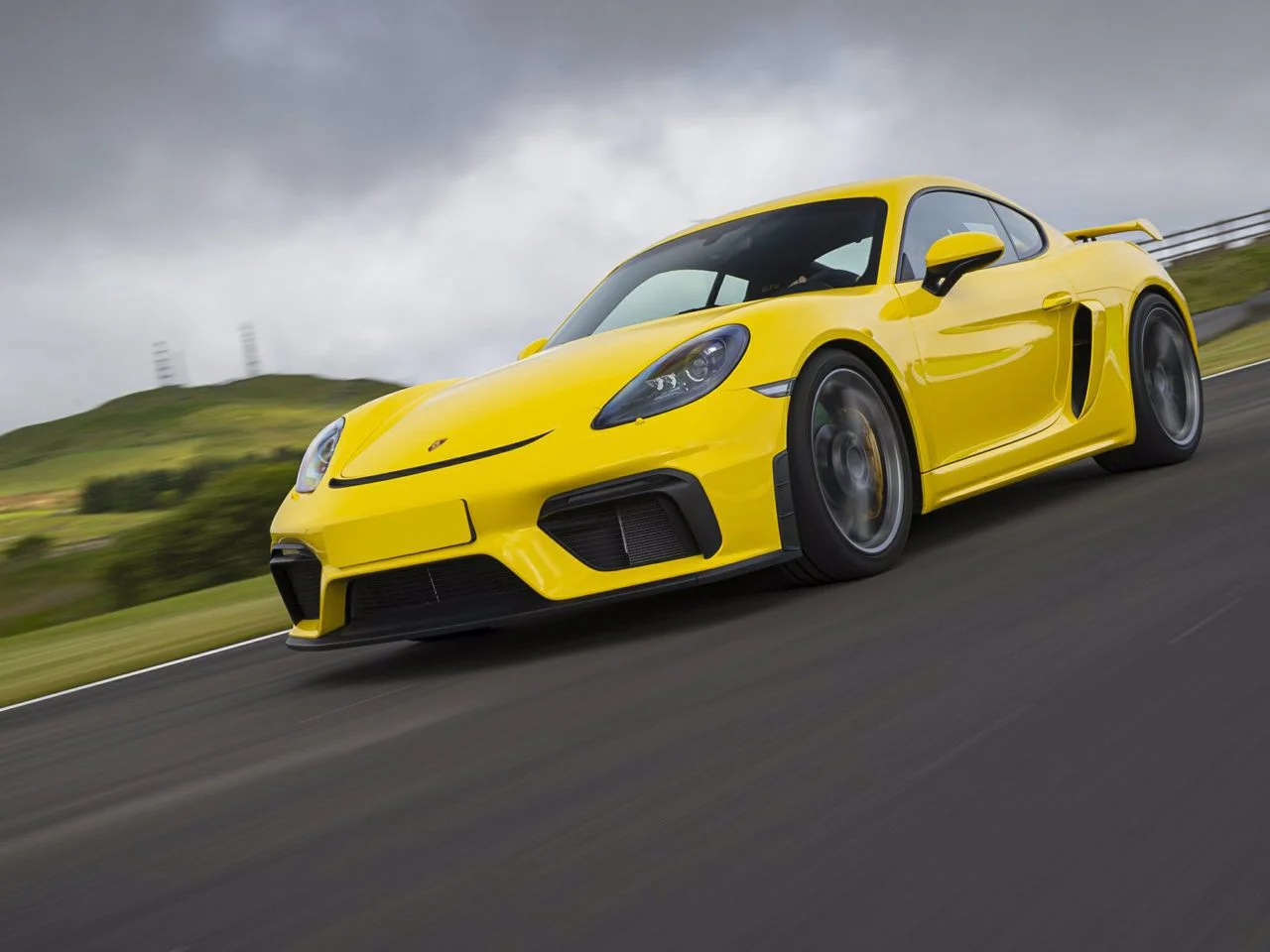
10. Porsche 911: The Benchmark for Sports Cars
The Porsche 911 earns its place at the top of the list with an average five-year depreciation of just 19.5 percent and a price difference from MSRP of $24,428. That number may look high, but compared to the car’s total value, it represents a smaller share than almost any rival in the performance world.
The 911 has long been a sports car hall-of-famer, combining heritage, innovation, and adaptability like no other. Today’s lineup spans from track-ready variants to comfortable grand tourers, all unified by Porsche’s attention to balance and precision. The cost of entry has risen sharply in recent years, but for many buyers, the experience more than justifies the expense.
Driving the 911 reveals why it has inspired loyalty for decades. We tested the base Carrera coupe, which sprinted from 0 to 60 mph in 3.5 seconds and cleared the quarter mile in 11.7 seconds at the Edmunds test track. Launch control makes repeat runs effortless, and the eight-speed dual-clutch automatic shifts quickly yet smoothly. Those who prefer more involvement can still opt for a manual in the Carrera T.
While acceleration is impressive, it’s the 911’s handling that leaves the deepest impression. The rear-engine layout ensures traction is always plentiful, and the steering communicates every nuance of the road with confidence. Strong brakes allow for shorter emergency stops than most vehicles, giving the car an edge in both performance driving and daily security.
The 911 delivers a surprisingly livable ride for such a capable sports car. The adaptive suspension system keeps the car composed without punishing the driver on rougher pavement.
Standard sport seats are well padded and supportive, though they lack extensive adjustability unless you upgrade. Road and wind noise are minimal, but the flat-six engine’s signature growl is always present. With the optional sport exhaust, it adds character without ever becoming intrusive.
Inside, the 911 blends tradition with modern touches. The driving position is exactly as it should be, with excellent forward visibility thanks to the low hood and slender roof pillars. Rear seating is now optional, though it remains more symbolic than practical, fitting only small children or luggage.
For 2025, Porsche transitioned to a fully digital instrument cluster. It’s sharp and versatile, though longtime fans may miss the analog tachometer. Controls are a mix of touchscreen functions and physical switches, offering a balance of usability and modern design.
Connectivity has improved, with both Apple CarPlay and Android Auto available wirelessly. USB-C ports provide fast charging, and the digital cluster can display navigation or media information seamlessly.
Standard driver aids are limited, but Porsche offers adaptive cruise control and parking assist as options. For some buyers, paying extra for these basics may feel excessive, but customization is part of the 911’s identity.
As with any rear-engine car, cargo space is limited. A 4.6-cubic-foot trunk under the hood holds a pair of soft-sided carry-ons, and the optional rear seats can double as storage for smaller bags. Interior cubbies are shallow, cupholders are modest, and larger items are best left at home. The 911 isn’t about utility, though—it’s about driving purity.
The Carrera’s EPA rating of 21 mpg combined places it ahead of many rivals. Our testing confirmed those numbers, with no trouble matching or exceeding estimates. For a performance coupe, this makes the 911 relatively efficient for daily use.
Few sports cars deliver the blend of craftsmanship, performance, and heritage that the 911 offers. Fit and finish are excellent, with tight tolerances and premium materials throughout. Pricing can climb quickly with options, but that freedom to personalize is part of Porsche’s draw. Warranty coverage is average at four years or 50,000 miles, with roadside assistance included for the same term.
The 911 may no longer be the bargain it once was, but it remains the gold standard for sports cars one that continues to set the pace for value retention and driving excellence.
Also Read: 10 Cars With The Most Reliable AWD Systems vs 10 That Fail Often
10 Cars With Resale Values That Drop Quickly
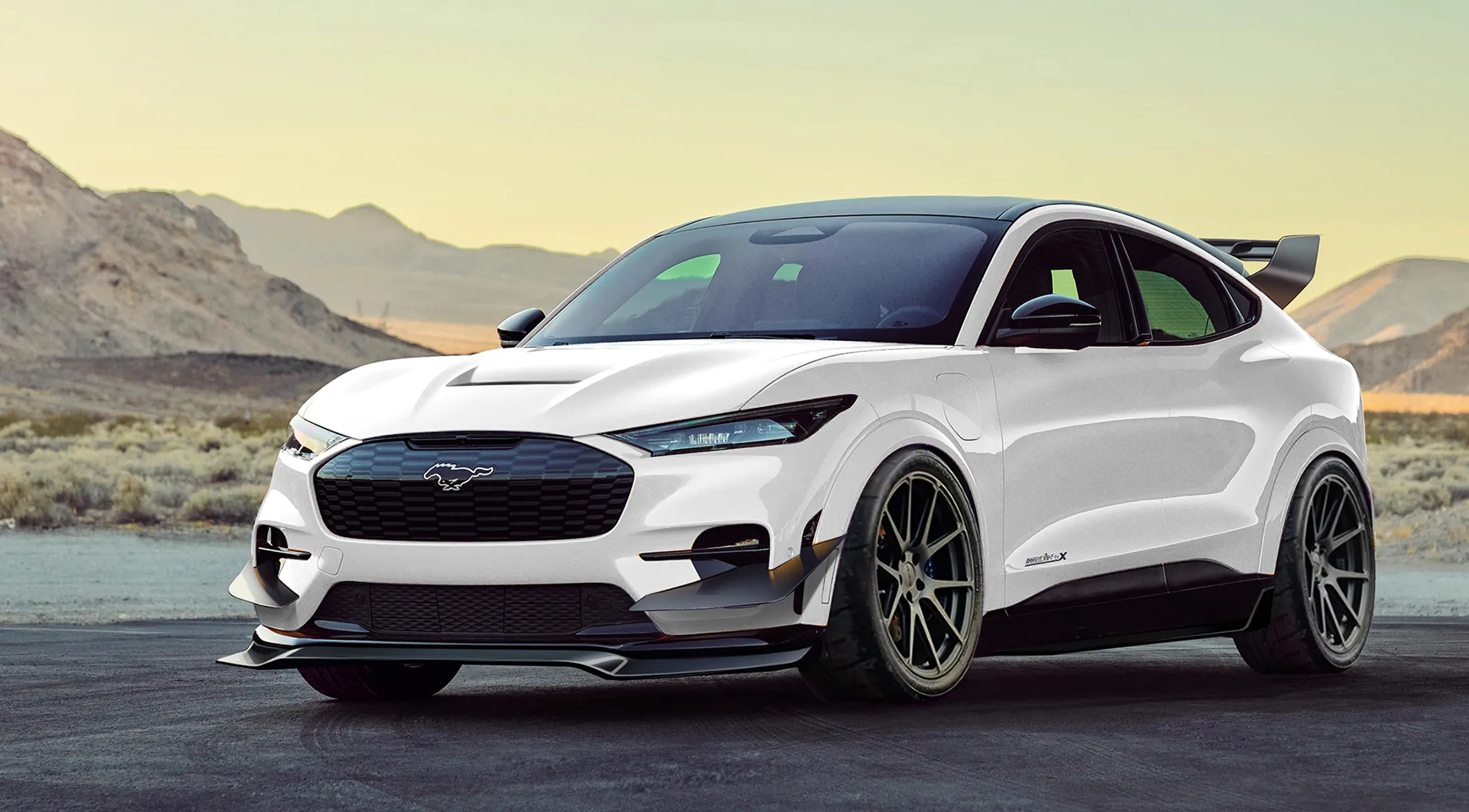
1. Mustang Mach-E: Image and Value Drop
The 2022 Ford Mustang Mach-E entered the market with high expectations, but its depreciation figures tell a sobering story. With a depreciation rate of 46.13%, this vehicle lost about $24,422.50 in value, dropping from an average new price of $52,945 to a used market price of just $28,522.50.
What makes this decline particularly striking is that the Mach-E is not a poorly designed car far from it. It boasts sharp styling, nimble handling, and the type of acceleration expected from a modern EV.
Yet, despite these strengths, the crossover faced an uphill battle in perception. Ford chose to attach the revered Mustang nameplate, a move that alienated many Mustang purists. For traditionalists, the idea of a battery-powered crossover sharing the Mustang’s iconic badge felt like heresy.
This branding controversy meant that the Mach-E was never going to appeal to that base, regardless of its merits. On the used market, however, the Mach-E suddenly looks far more attractive, especially when buyers can benefit from heavy depreciation without suffering the initial financial blow.
For practical shoppers, it represents a strong value proposition today, even though its initial reception was muddied by brand identity issues.
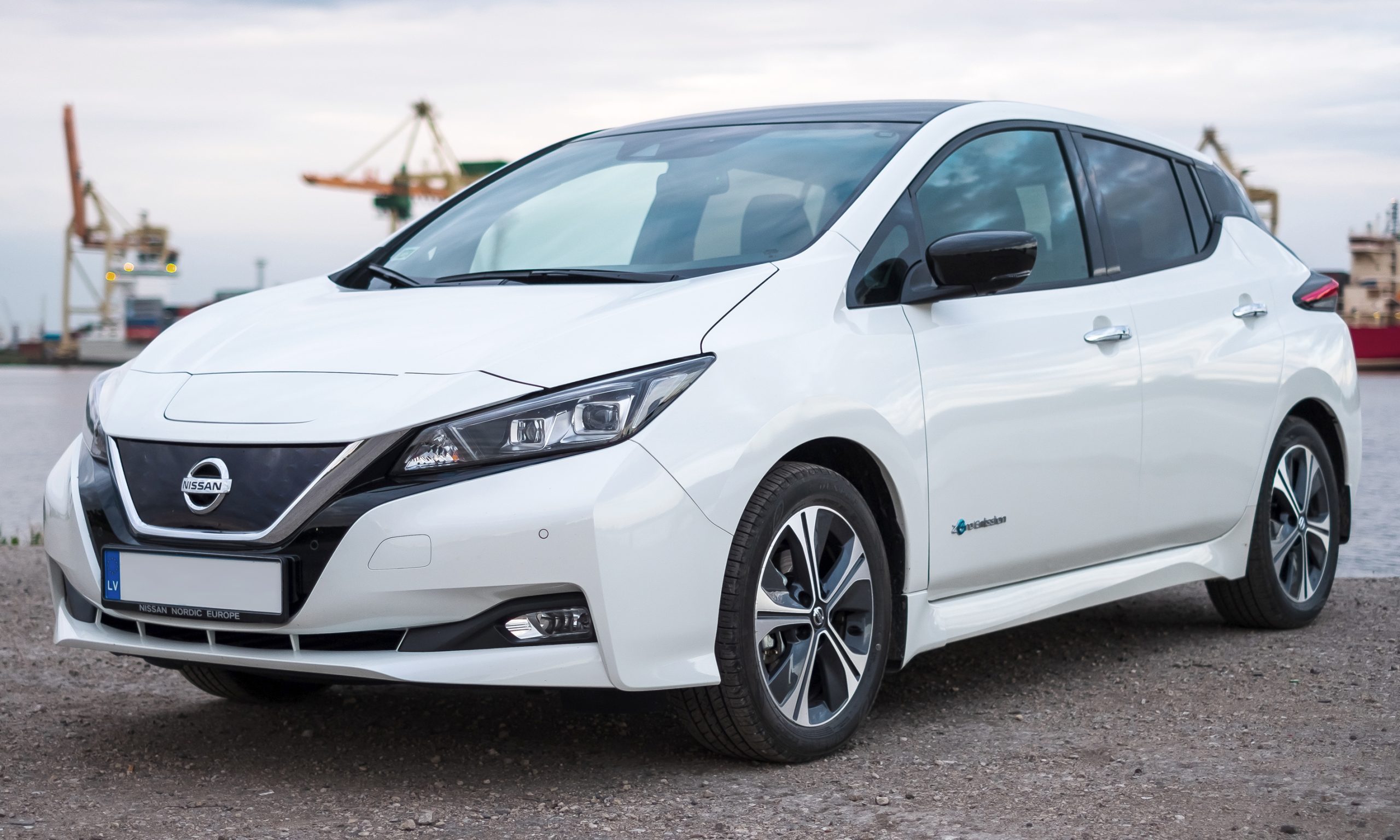
2. Nissan Leaf: Accessible but Quickly Outpaced
The 2022 Nissan Leaf, one of the earliest affordable mass-market EVs, also landed on the list of vehicles with steep depreciation. With a loss of 46.29% in value, the Leaf shed about $14,999, dropping from $32,400 new to $17,401 used. The Leaf has always represented an entry-level gateway into electric mobility, targeting buyers who wanted a practical EV at a modest price point.
However, its Achilles’ heel has been range limitations, especially as competitors consistently pushed the boundaries of efficiency and battery capacity. By 2022, several EVs with far better ranges and more advanced charging capabilities had emerged, leaving the Leaf looking outdated in comparison.
While Nissan deserves credit for democratizing EV ownership and keeping costs low, the trade-offs are clear in resale values. Depreciation happens faster when a vehicle falls behind in performance benchmarks, and the Leaf has struggled to keep up with more modern rivals.
For budget-conscious used buyers, however, the Leaf still offers a way into EV ownership at a fraction of the cost, provided they can live with shorter driving ranges and fewer bells and whistles compared to newer alternatives.
3. Jaguar I-Pace: Luxury Meets Fast Depreciation
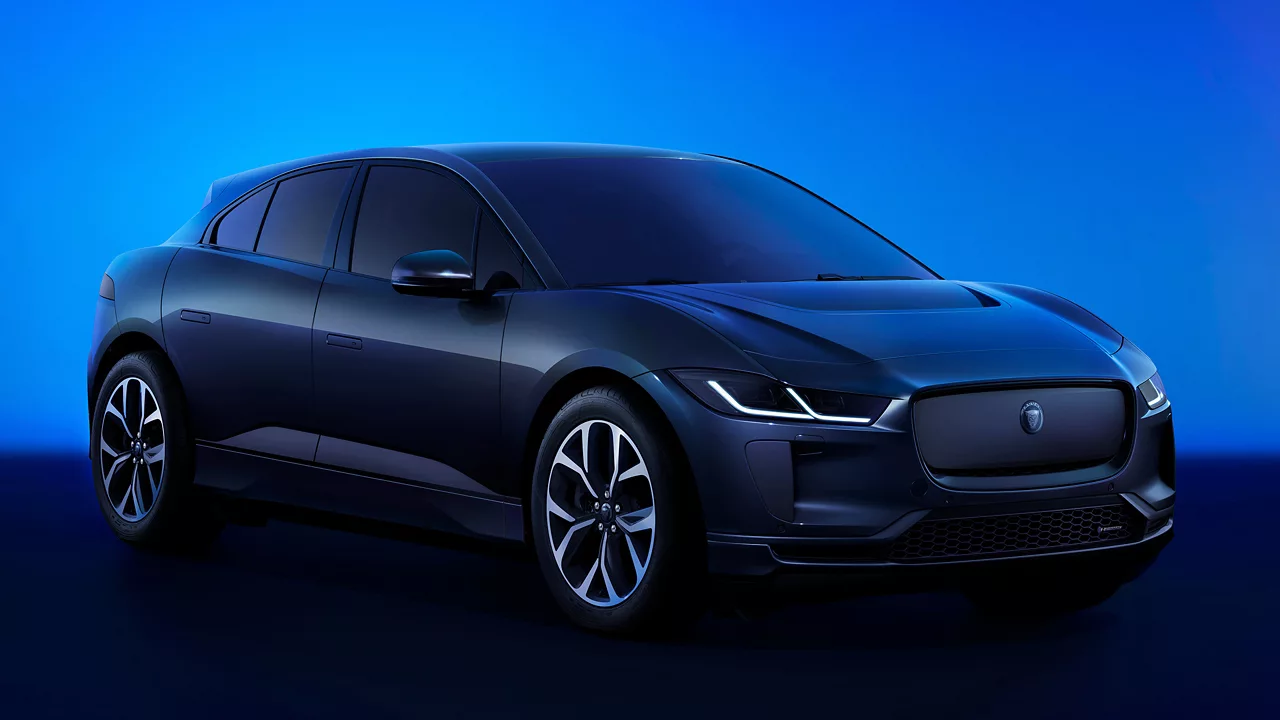
Depreciation has long plagued Jaguar vehicles, and the brand’s sole EV in 2022, the I-Pace, was no exception. Priced new at $69,900, the I-Pace tumbled by 47.36% in value, losing $33,107 and settling around $36,793 on the used market.
Despite its gorgeous styling and engaging driving dynamics, the I-Pace never managed to secure a strong foothold in the luxury EV segment. One of the reasons lies in Jaguar’s broader reputation for reliability concerns and steep value declines across its lineup.
For buyers hesitant to gamble on resale value, these issues loomed large. Still, the I-Pace’s sharp design, high-end interior, and spirited performance make it an appealing used purchase, especially given its heavily discounted prices today. However, the future of Jaguar as a brand complicates matters further.
With the company transitioning to an all-electric lineup, older models like the I-Pace could either become overlooked relics or rare collectibles.
Buyers entering the used market must weigh whether they see the I-Pace as a depreciating asset or a niche luxury EV with long-term potential. For now, it remains a strong value proposition for enthusiasts who prioritize style and driving pleasure over financial retention.
4. BMW iX: The Luxury EV With Divisive Design
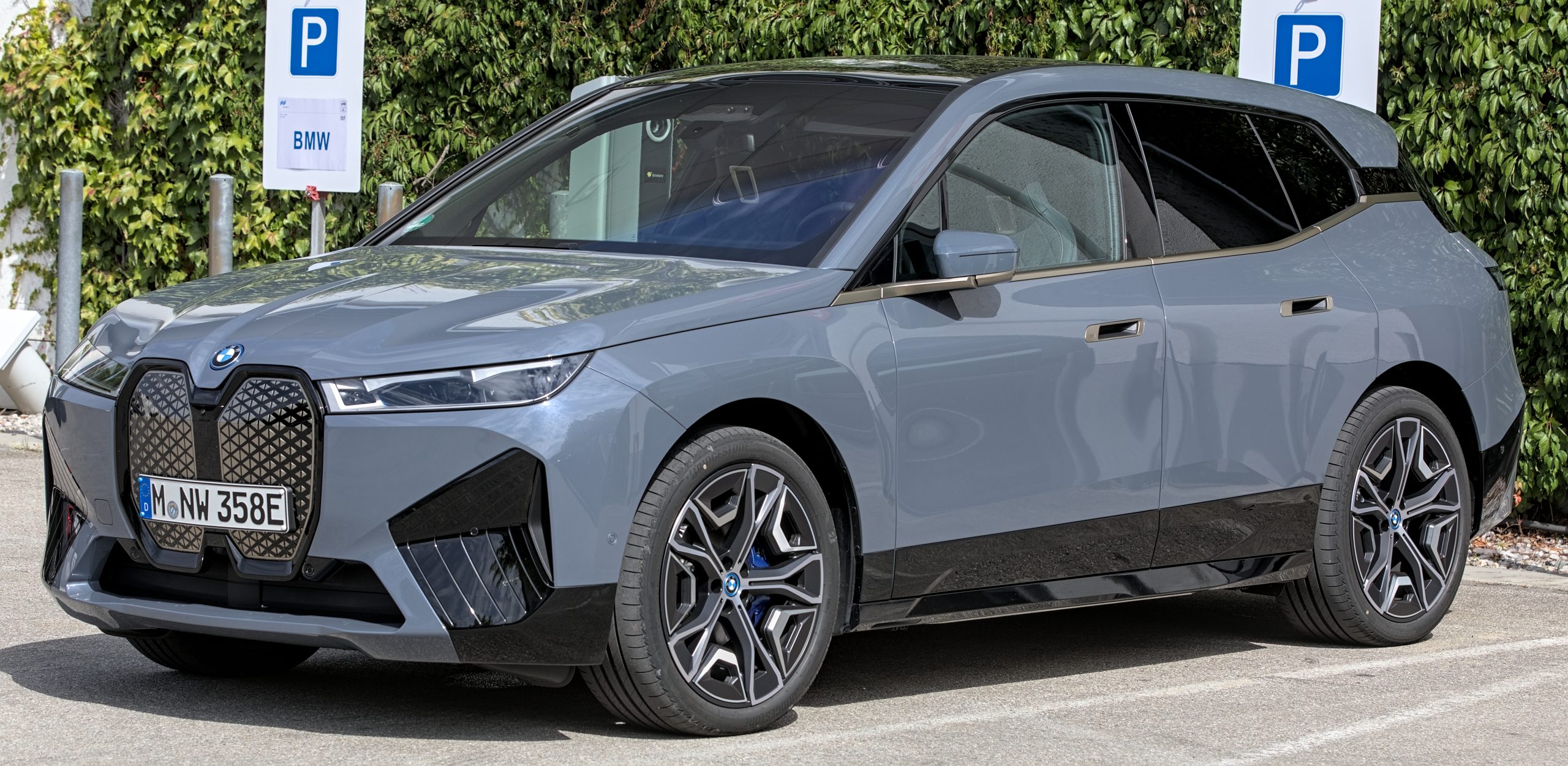
The 2022 BMW iX marked a significant step in the brand’s electrification journey, but depreciation figures reveal that buyers paid a steep price for early adoption. With a new price of $83,200, the iX lost $39,443, dropping 47.41% in value to $43,757 used.
While technologically advanced and luxurious, the iX debuted with controversial design choices particularly its oversized kidney grille, which many felt looked out of place on an EV that didn’t need extensive cooling. Beyond aesthetics, the iX’s value has also been undercut by rapid advancements in EV technology.
Features such as longer range, faster charging, and enhanced software have appeared in newer competitors, making early iX models less attractive. BMW’s reputation for expensive maintenance and repair costs likely adds another layer of caution for used buyers.
Despite these drawbacks, the iX does deliver a plush driving experience, advanced tech, and a spacious interior that rivals top competitors. For those who can overlook its styling quirks, the depreciation offers a chance to buy into luxury EV ownership at nearly half the original price, but long-term value remains questionable.
5. Audi e-tron GT: Beauty With Practical Trade-offs
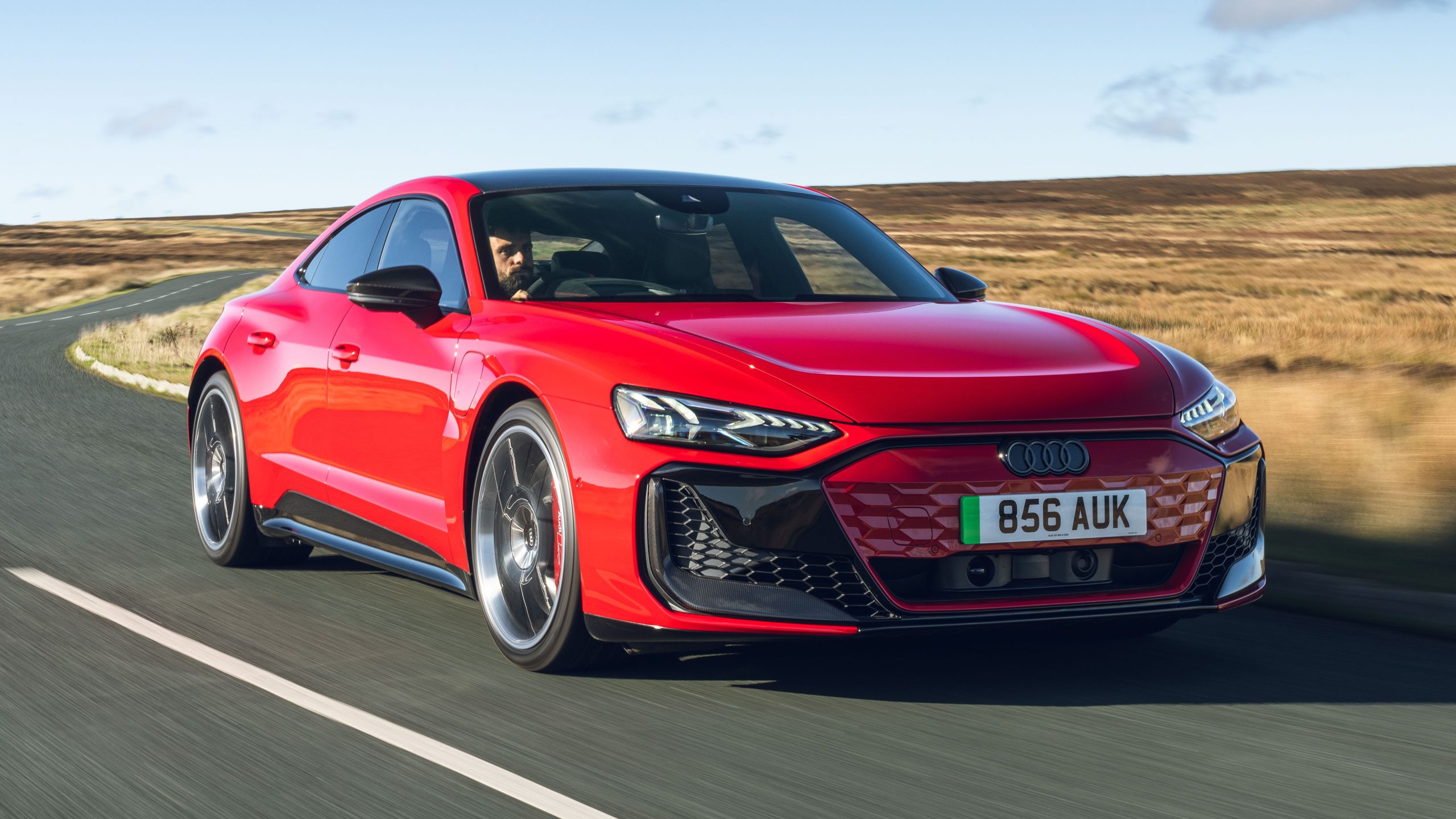
When it debuted in 2022, the Audi e-tron GT captured attention with its breathtaking design and exhilarating performance. Yet, despite its strengths, it also endured heavy depreciation. Originally priced at $122,400, it lost $58,832.50 or 48.07% dropping to $63,567.50 on the used market.
The e-tron GT embodies Audi’s reputation for refinement, but its practicality limitations held it back. While technically a five-seater, its cramped rear seating and minuscule trunk space limited its appeal as an everyday car. Buyers at this price point often expect versatility alongside performance, and rivals delivered stronger all-around packages.
Furthermore, luxury EV buyers tend to prioritize cutting-edge technology, and competitors like Tesla or Porsche offered stronger ecosystems of range, software, and charging infrastructure. On the used market, though, the e-tron GT represents a relative bargain for those seeking an electric sports car experience at half the price.
Its stunning aesthetics and exhilarating driving feel remain intact, but the compromises in practicality and the financial hit of depreciation have relegated it to a niche market of enthusiasts rather than mainstream EV buyers.
6. Maserati Levante: A Luxury SUV That Missed the Mark
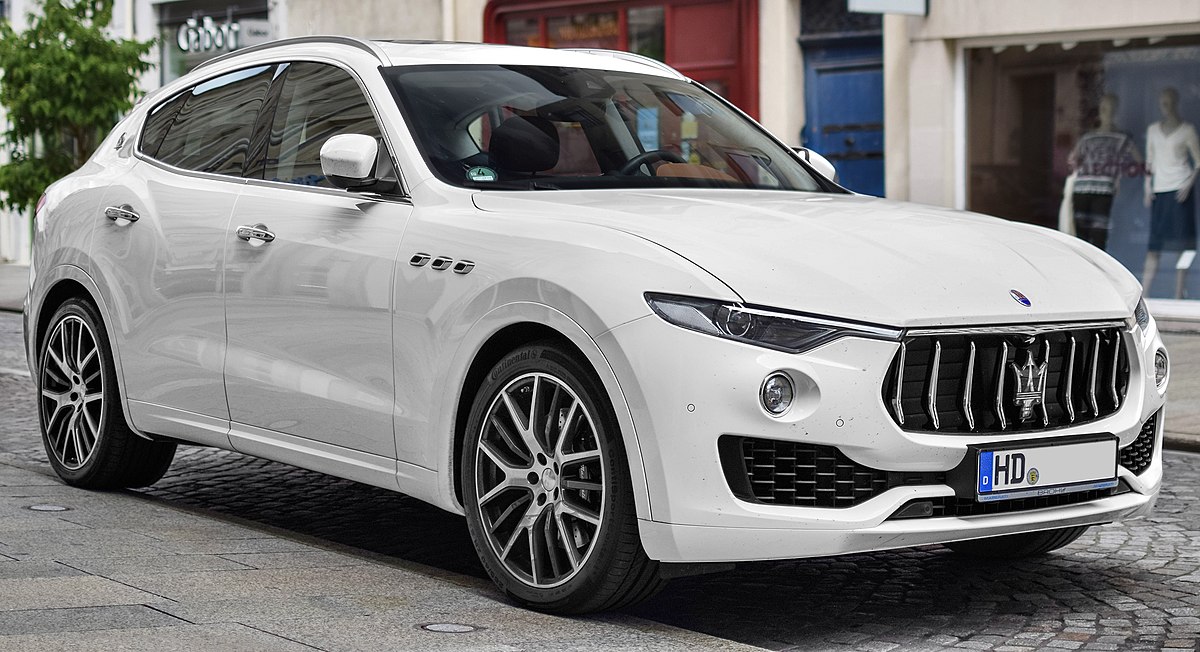
Unlike most cars on this depreciation list, the 2022 Maserati Levante is powered by gasoline rather than electricity, but that didn’t save it from massive value loss. Priced new at $116,250, the Levante dropped 48.17% in value, losing $55,999 to sit at $60,251 used.
Maserati is known for exotic sports cars, but the Levante’s styling and execution struggled to translate that heritage into the SUV segment. While sleek on the outside, its interior quality failed to justify its price tag, leaving many buyers underwhelmed.
The luxury SUV market is highly competitive, with models from Porsche, BMW, and Mercedes-Benz often delivering more refinement, performance, and technology for the same or less money. As a result, the Levante’s shortcomings made it vulnerable to depreciation.
Buyers seeking the Maserati badge were left questioning whether the SUV delivered enough exclusivity or desirability to warrant its high cost. Today, the Levante represents a steep discount in the used market, but it remains more of a curiosity than a compelling choice. Unless someone is specifically drawn to its Italian badge, competitors often offer better-rounded packages at similar or lower used prices.
7. Mercedes-Benz EQS: Luxury Innovation With a Cost
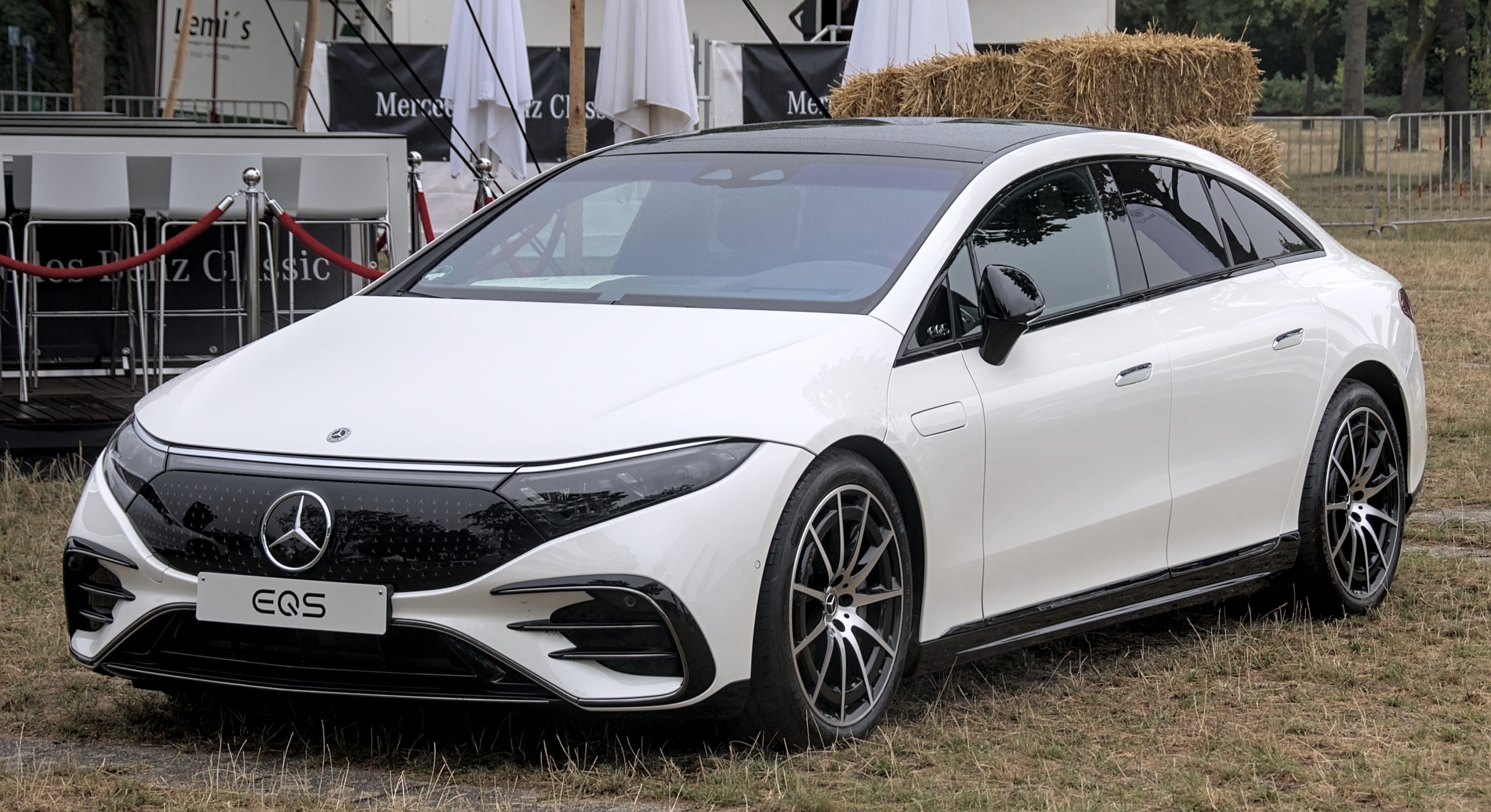
The 2022 Mercedes-Benz EQS Sedan entered the market as a technological marvel, offering advanced EV range, a sumptuous interior, and hallmark luxury. However, its price tag of $125,950 proved too steep for many, and its depreciation reflects that.
Losing 50.81% in value, the EQS dropped nearly $63,990 to $61,960 on the used market. Despite its groundbreaking design and comfort features including massaging seats and futuristic tech the EQS faced hurdles in practicality.
Its infotainment system, driven by an expansive touchscreen, proved cumbersome for even simple functions, frustrating buyers who expected intuitive luxury. Additionally, rapid advancements in EV technology meant that later models quickly outpaced the 2022 version in efficiency and features.
Still, on the used market, the EQS represents an intriguing value: it offers the same luxury ambiance and smooth ride as newer models but at half the cost.
Buyers, however, must accept that luxury tech ages quickly, and what once seemed cutting-edge can feel outdated within a few short years. For status-driven buyers, depreciation may be too big a pill to swallow, but value hunters can find a compelling deal in the EQS today.
8. Volkswagen ID.4: Early Promise, Early Decline
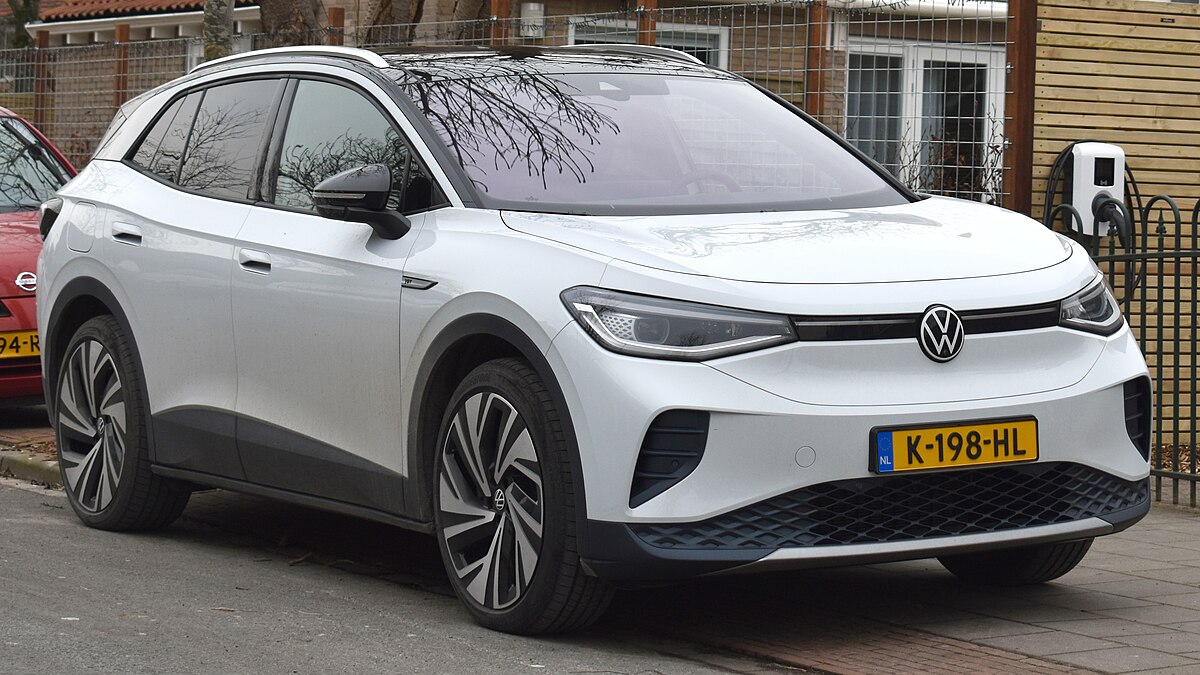
Volkswagen’s 2022 ID.4 represented the brand’s first ground-up EV, arriving with hopes of establishing a strong presence in the electric crossover segment. Yet, it too suffered steep depreciation. Priced at $45,320 new, it lost $23,263.50 or 51.33% dropping to $22,056.50 used.
This sharp decline is puzzling at first glance since the ID.4 was relatively affordable and practical. However, its value loss can be attributed to timing and competition. By the time the ID.4 was just a year or two old, newer rivals offered more range, faster charging, and better tech for similar or lower prices.
Early adopters essentially paid a premium for a product that was quickly outclassed. Nevertheless, Volkswagen deserves credit for pushing forward with EV innovation, as the ID lineup has since expanded into models like the ID.7 and ID.Buzz.
For used buyers, the ID.4’s depreciation represents an opportunity to get an EV crossover at nearly half its price. The trade-off is that buyers must accept slightly dated features compared to the latest models, but for those prioritizing affordability and practicality, the ID.4 remains a reasonable choice.
9. Chevrolet Trailblazer: Mainstream Gasoline Depreciator
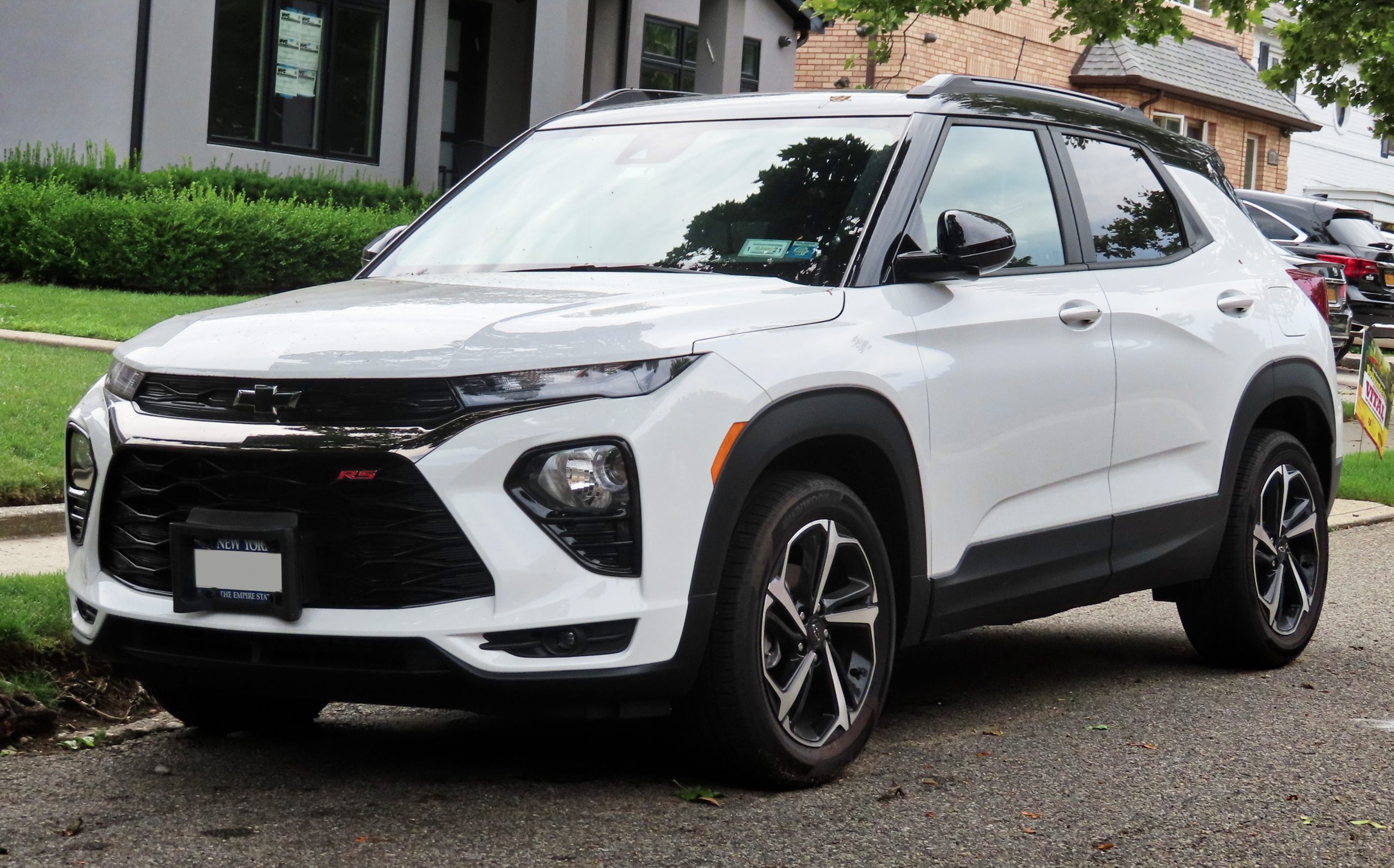
Surprisingly, the 2022 Chevrolet Trailblazer made the list as one of the few gasoline-powered vehicles to experience extreme depreciation. Priced at $24,600 new, the Trailblazer lost $12,789, 51.99% to land at $11,811 used.
As a subcompact crossover from a mainstream brand, its inclusion raises questions about why it depreciated so much compared to similar vehicles in its class. The Trailblazer was comfortable, reasonably priced, and carried no major reliability issues, making its sharp decline difficult to fully explain.
One possibility is market oversaturation: with countless small crossovers flooding the market, competition drove down resale values. Another factor may be consumer preferences shifting toward EVs, leaving gasoline crossovers less desirable in the long term.
For used buyers, however, the Trailblazer is a bargain. It delivers practicality and comfort for a fraction of its original price, making it an attractive option for budget-minded families or first-time car buyers.
Its rapid depreciation may be a disappointment for original owners, but it represents significant savings for those entering the used-car market.
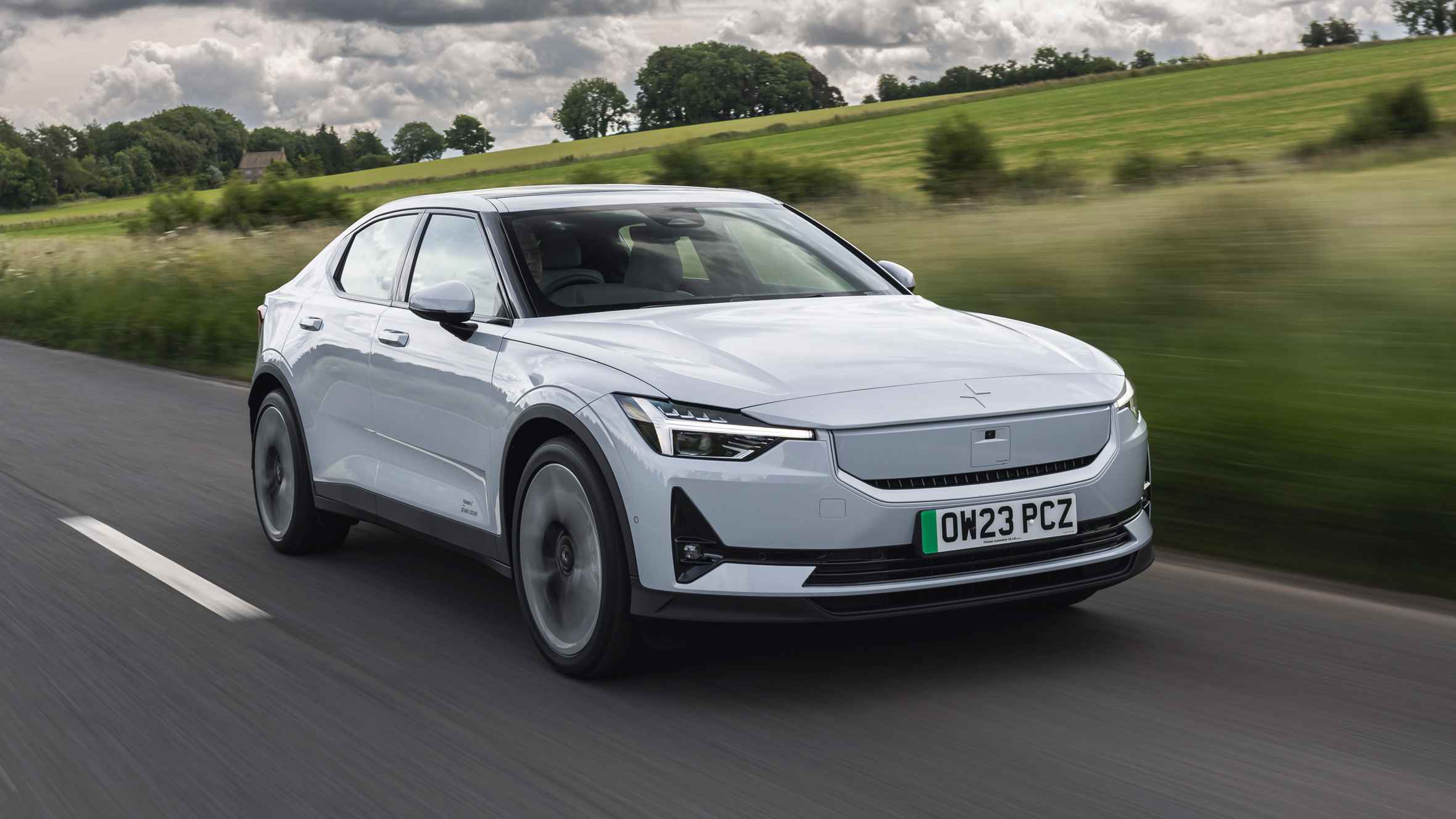
10. Polestar 2: A Stylish Yet Volatile Performer
Rounding out the list is the 2022 Polestar 2, a compact electric hatchback that lost 52.48% of its value, shedding $25,140. Originally priced at $47,900, it now sells for around $22,760 used.
As an offshoot of Volvo, Polestar launched with the promise of Scandinavian design and build quality, and the Polestar 2 largely delivered on that front. However, it struggled to compete in efficiency and range, particularly as more affordable EVs closed the gap in performance.
Additionally, Polestar’s relatively low sales volumes contributed to unpredictable resale values, with limited market awareness making it harder to retain value. Reports suggest that pricing volatility is common with Polestar vehicles, with sharp fluctuations in resale values due to limited supply and inconsistent demand.
On the used market, however, the Polestar 2 presents a stylish and distinctive alternative to mainstream EVs. Buyers can enjoy Volvo-like quality at a significant discount, though they must be prepared for uncertain long-term value. For enthusiasts of design-driven cars, the Polestar 2 offers strong appeal, but for those concerned about resale, its instability may be a deterrent.
The car you choose isn’t just about performance, comfort, or style it’s also a financial decision that can affect your long-term budget. Vehicles with the best resale reliability offer peace of mind, giving owners confidence that their investment will hold steady even after years of use.
On the other hand, cars that drop quickly in value may still offer enjoyment, but they demand acceptance of steep depreciation and the financial trade-offs that come with it. By comparing these two lists side by side, you gain a clearer picture of how different brands and models perform over time.
Ultimately, knowing which vehicles stand strong and which falter allows you to buy smarter, protect your wallet, and enjoy your car ownership journey with fewer surprises. Resale value may not be everything but it’s an important factor you can’t afford to ignore.
Also Read: 10 Cars With Long-Lasting Paint Quality vs 10 That Fade Too Soon