Hatchbacks have always held a special place in the automotive world. They promise practicality, city-friendly size, and the kind of personality that makes everyday driving enjoyable.
Unlike sedans, which can feel plain, or SUVs, which can feel oversized, hatchbacks strike a balance: compact on the outside, versatile on the inside, and often surprisingly fun behind the wheel. Over the decades, automakers have used the hatchback formula to create everything from practical family haulers to genuine driver’s cars.
But not all hatchbacks live up to their promise. Some become beloved icons, remembered for their reliability, agility, and character. Others, however, stumble with costly recalls, reliability headaches, or poorly thought-out engineering that leaves owners frustrated.
For every hot hatch legend like the Ford Fiesta ST or Subaru WRX STI, there’s a cautionary tale like the Chevrolet Bolt or Hyundai Ioniq that highlights the risks of rushed execution or overlooked flaws.
In this list, we’ll explore two sides of the hatchback story: five models that remain fun, engaging, and reliable long after their launch, and five that turned into ownership nightmares. Whether you’re a driving enthusiast or a shopper looking for a dependable daily driver, knowing the difference can save both money and headaches.
5 Hatchbacks That Stay Fun And Reliable
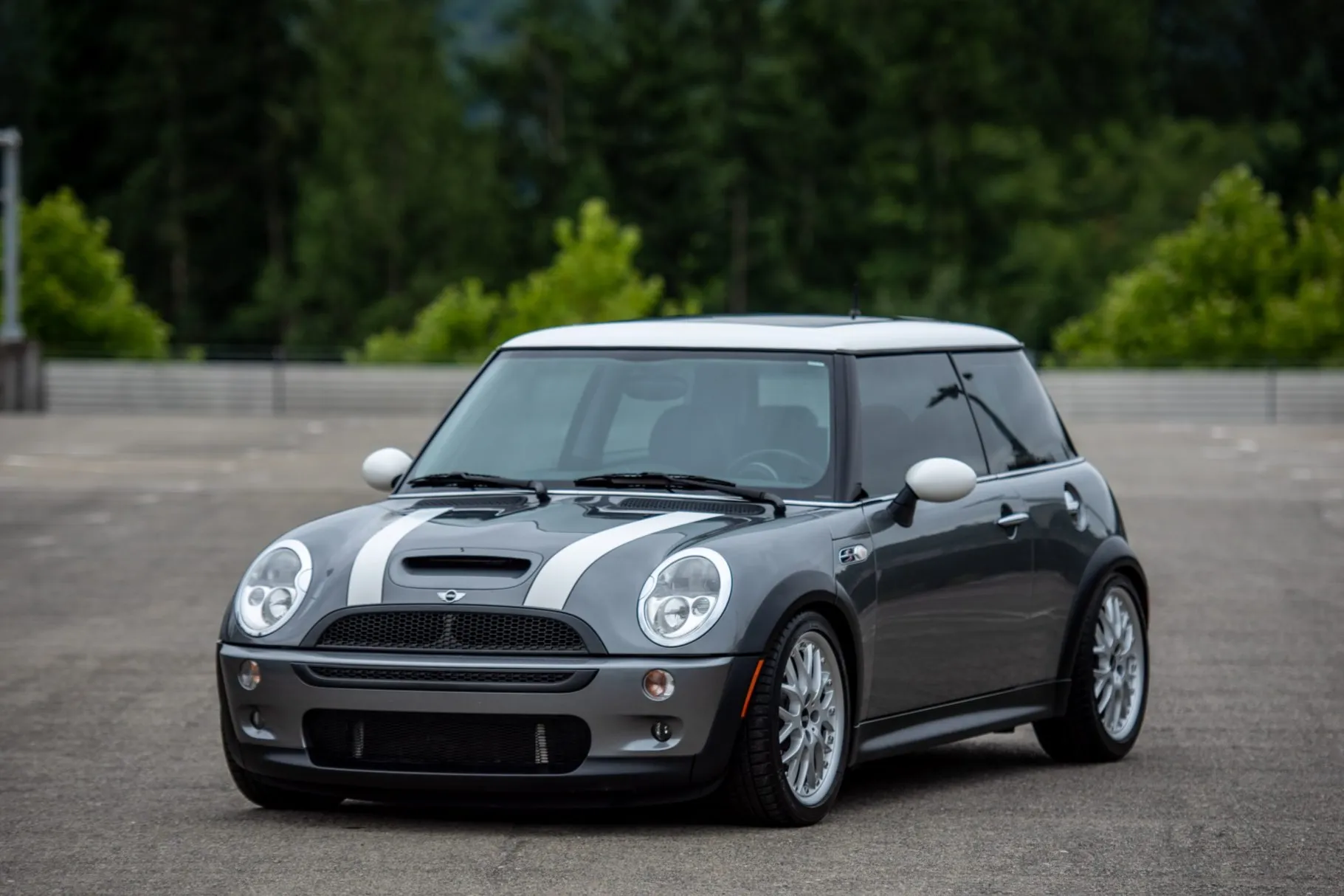
1. 2002 Mini Cooper: A Modern Take on a Classic Icon
When BMW revived the Mini Cooper in 2002, it marked the return of one of the most charismatic small cars in automotive history. The new Mini didn’t share much mechanically with the original, but it retained its playful silhouette, cheeky personality, and agile driving spirit. BMW’s engineering know-how brought modern refinement, safety, and technology to a model that was last seen in the U.S. during the 1960s.
The 2002 Mini Cooper came in two versions: the standard Cooper and the sportier Cooper S. Both were three-door hatchbacks, engineered to blend nostalgia with modern practicality. Compact in size yet surprisingly roomy inside, the Mini instantly attracted drivers who wanted personality and fun in a small package.
At launch, the base Cooper carried a 1.6-liter, 16-valve inline-four producing 115 horsepower and 110 lb-ft of torque. Weighing just over 2,300 pounds, it wasn’t built for speed. 0 to 60 mph took around 9 seconds, but straight-line acceleration wasn’t its focus. Instead, it embodied the spirit of the original hot hatch, similar to the early VW GTI, emphasizing agility and driver engagement over brute force.
For those seeking more punch, the Cooper S introduced an intercooled supercharged version of the same engine. With 163 horsepower and 155 lb-ft of torque, it provided sharper acceleration and a more dynamic driving experience, paired exclusively with a six-speed manual transmission. Both models recommended premium fuel, reflecting their performance orientation.
BMW engineered the Mini’s suspension to deliver sharp, precise handling. Borrowing a multilink independent rear suspension from the BMW 3 Series and pairing it with MacPherson struts up front, the car cornered flat and inspired confidence. Test drives at the time praised its neutral handling balance, responsive steering, and stability at both low and high speeds.
The Cooper S added reinforced antiroll bars, firmer springs, and sportier tuning, though some drivers found its suspension a bit too stiff for everyday comfort. Still, both versions offered one of the most entertaining front-wheel-drive driving experiences of their time.
Despite its small footprint, the 2002 Mini came with an impressive safety package. Standard equipment included four-wheel antilock disc brakes, Electronic Brake Distribution, Cornering Brake Control, and multiple airbags, including head-protection units. Traction control was standard on the Cooper S and optional on the base Cooper, while the Sport package added Dynamic Stability Control.
The Mini also featured modern conveniences such as a flat-tire monitor and crash sensor, which automatically activated hazards, interior lights, and door unlocking in the event of a collision.
Inside, the Mini balanced retro styling with modern functionality. A centrally mounted speedometer paid homage to the original design, while standard features included air conditioning, six-speaker stereo wiring for a CD changer, power windows, and power mirrors. The Cooper S added upgrades like 16-inch wheels, run-flat tires, and a leather-wrapped steering wheel.
Options were extensive, ranging from leather upholstery to a premium sound system and even onboard navigation. However, piling on extras could push the Mini’s base price of $16,850 well into the mid-$20,000s, making it as costly as some luxury sedans.
The 2002 Mini Cooper successfully reintroduced an automotive icon to a new generation. While not the fastest hatchback, it offered exceptional handling, quirky charm, and a strong dose of nostalgia wrapped in a modern package. Whether chosen in base form for its simplicity or as a Cooper S for added performance, the Mini captured the essence of driving fun in a compact, stylish, and cleverly engineered car.
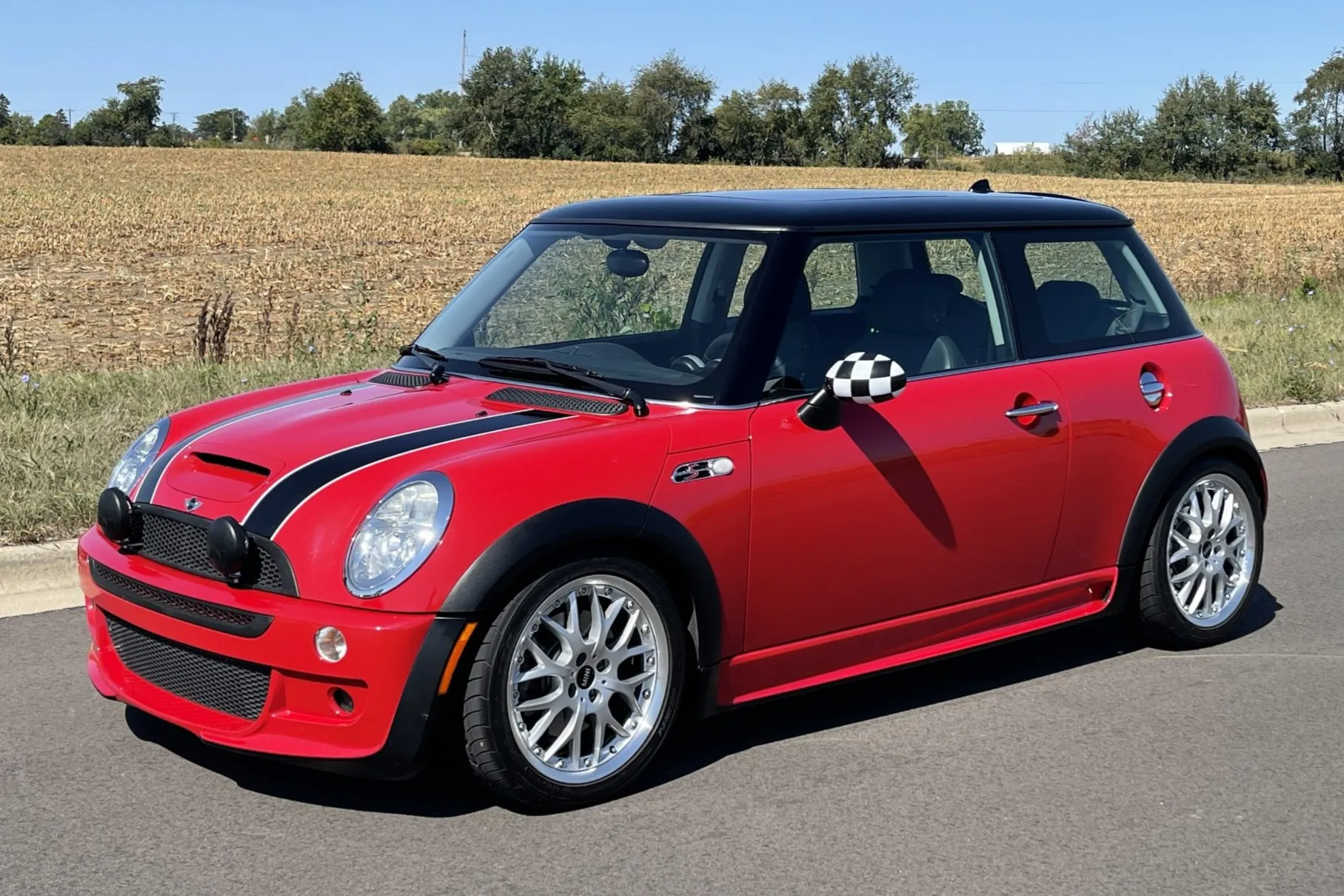
2. 2008 Subaru Impreza WRX STI: A Grown-Up Hot Hatch
The Subaru Impreza WRX STI first hit U.S. shores in 2004 as a flamboyant sedan, bristling with oversized wings, golden Brembo calipers, and a massive hood scoop. It was a brash, uncompromising rally car for the road. By 2008, Subaru refined the formula, introducing the second-generation STI as a hatchback.
The styling became more subdued retaining aggressive flares and a hood scoop, but scaling back the cartoonish proportions. This shift reflected Subaru’s intent to capture a broader audience, including European hot-hatch buyers, while keeping its rally-bred DNA intact.
At the heart of the 2008 STI was Subaru’s turbocharged 2.5-liter flat-four engine, delivering 305 horsepower and 290 lb-ft of torque. Paired exclusively with a six-speed manual transmission, it offered strong performance: 0–60 mph in 4.7 seconds and a quarter-mile time of 13.4 seconds at just over 100 mph.
The STI’s power delivery was notably linear for a turbocharged engine, with boost building smoothly rather than hitting suddenly. Drivers praised its responsiveness both on winding roads and in daily traffic.
Subaru complemented the engine with advanced all-wheel-drive technology. The Driver Controlled Center Differential (DCCD) offered multiple settings three automatic and six manual for adjusting torque distribution.
Coupled with front helical and rear Torsen limited-slip differentials, the STI delivered formidable grip and balance. Lateral acceleration reached 0.90 g, while braking performance from its Brembo system was equally impressive.
From the driver’s seat, the STI felt immediate and precise. The firm steering, strong Brembo brakes, and short-throw shifter combined to create an engaging, connected experience. Compared to the regular WRX, the STI’s controls were sharper and more communicative, making it a true enthusiast’s machine.
Despite its performance focus, the hatchback body added practicality. Reviewers lauded its ability to haul everything from televisions to Costco runs, making it both a track-capable car and a useful daily driver. This versatility gave the STI an edge over rivals like the Mitsubishi Lancer Evolution X, which offered sharper dynamics but fell short on comfort and usability.
The STI’s base price started at $35,640, but options could push it past $40,000. Standard equipment was generous: HID headlamps, leather/Alcantara-trimmed interior, forged 18-inch wheels, Dunlop summer tires, and the full suite of Subaru’s AWD systems. Optional packages added navigation, upgraded audio, and premium touches like auto-dimming mirrors.
During extended testing, the STI impressed with reliability and low ownership costs. Beyond a minor recall to reprogram the engine control module and a burned-out turn signal bulb, it required little beyond regular servicing and new tires. Observed fuel economy averaged 19.5 mpg reasonable for a 305-hp performance hatch.
Criticism was minor: some disliked the toned-down styling, the navigation screen was difficult to read in sunlight, and the Hill Hold feature proved frustrating to a few drivers. Still, the overwhelming consensus was positive.
The 2008 Subaru Impreza WRX STI balanced raw performance with everyday livability in a way few rivals could match. With its strong turbo engine, sophisticated AWD system, and practical hatchback body, it delivered both thrills and versatility. More mature than its predecessor but no less exciting, the second-generation STI proved that a hot hatch could be both sensible and sensational.
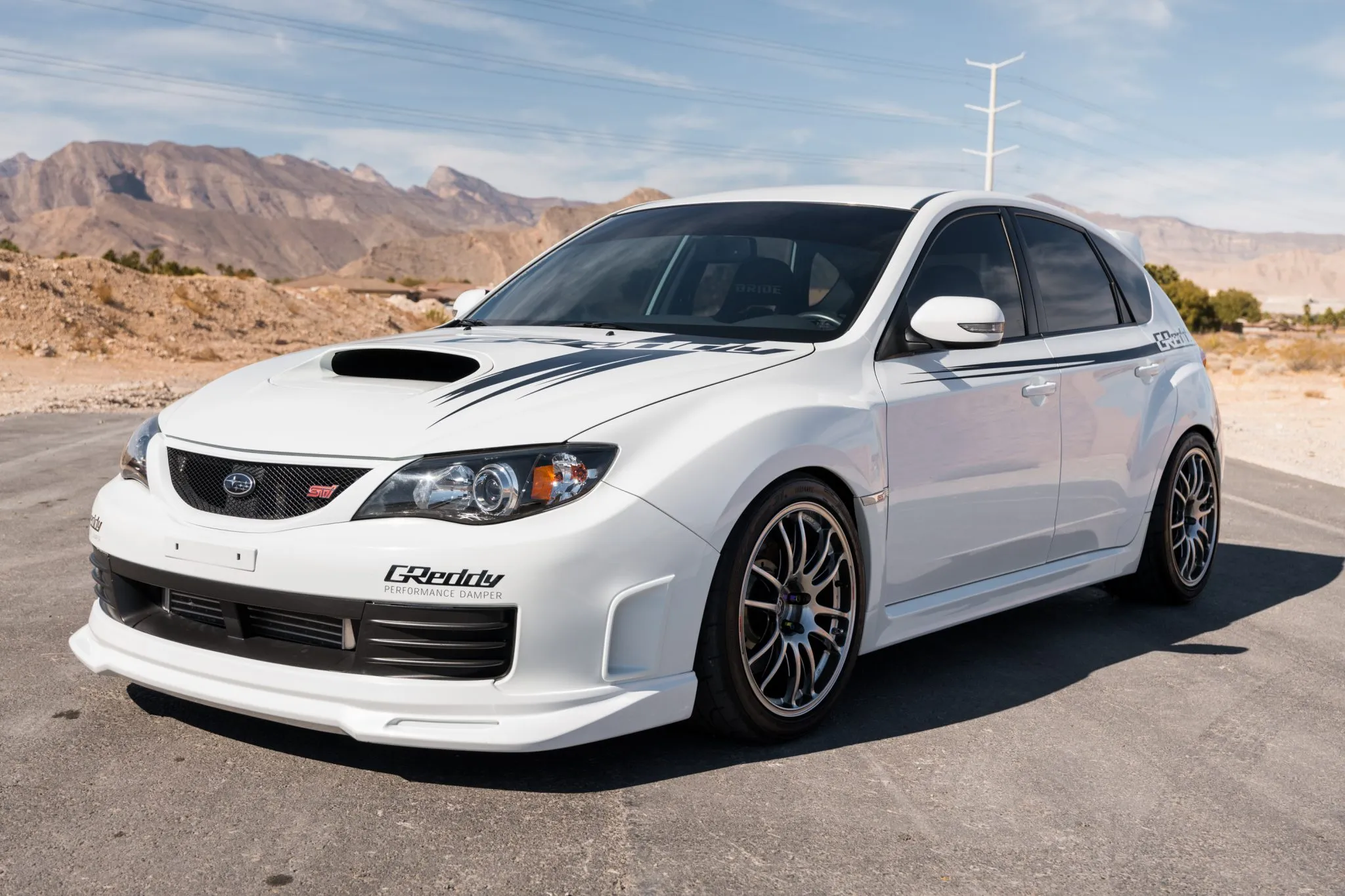
3. 2010 Mazda Mazdaspeed 3: The Hot Hatch with Character
Mazda has long been associated with driving joy, and in 2010, the Mazdaspeed 3 (MS3) carried that torch in hot-hatch form. Based on the redesigned Mazda 3, the Mazdaspeed variant built on its predecessor’s formula of big turbocharged power, front-wheel-drive rowdiness, and hatchback practicality.
At a starting price of $23,340, it offered outstanding value against rivals like the VW GTI, Subaru WRX, and Mitsubishi Lancer Ralliart.
What set the MS3 apart wasn’t just numbers it was its wild personality. From its torque steer to its stiff clutch and exhaust drone, the car felt like a tuner project brought to life by the factory. While those quirks frustrated some, enthusiasts embraced them as authentic character traits missing from more polished modern hatches.
Under the hood, the MS3 retained its 2.3-liter turbocharged inline-four, producing 263 horsepower and 280 lb-ft of torque. All power was routed to the front wheels through a six-speed manual transmission and limited-slip differential. The result: comical levels of torque steer, even after Mazda revised its torque-limiting software for 2010.
Performance figures were impressive for a front-drive hatch. Testing showed 0–60 mph in 5.6 seconds and the quarter-mile in 14.1 seconds at nearly 100 mph. With a power-to-weight ratio of 12.3 lb/hp, the MS3 could hang with many rear-drive coupes, even beating a Hyundai Genesis Coupe in comparison testing. Fuel economy, at 18/25/21 mpg (city/highway/combined), was less stellar but acceptable for the class.
Mazda engineers addressed one of the previous model’s key weaknesses an overly stiff and unsettled suspension. The 2010 MS3 rode more smoothly over bumps yet managed sharper handling, slicing through slalom cones nearly 5 mph faster than before.
Steering was a highlight, with excellent communication and precision rare among front-wheel-drive cars. Combined with its stiff chassis and strong brakes, the MS3 delivered one of the most engaging hot-hatch driving experiences of its era. It wasn’t as refined as European rivals, but its rawness made it feel alive on twisty roads.
Inside, the Mazdaspeed 3 differentiated itself from the standard Mazda 3 with upgraded gauges, black leather with red cloth inserts, and sport seats. Build quality was solid, with improved materials and modern styling compared to the outgoing model.
Standard equipment was generous, while options like keyless ignition, a Bose surround-sound system, and navigation were available. The nav unit’s screen was small but intuitive and well-placed. Seating was comfortable with plenty of adjustment, and the hatchback layout added versatility 17 cubic feet of cargo space with seats up, expanding to 42.8 cubic feet when folded.
Safety was another strong suit. While the Mazdaspeed 3 itself hadn’t been crash tested, the regular Mazda 3 earned top marks from both the NHTSA and IIHS, including a Top Safety Pick designation. Standard safety equipment included antilock brakes, stability control, traction control, and a full suite of airbags.
Reliability was generally solid, though the MS3 was more about thrills than bulletproof dependability. Still, ownership costs remained reasonable compared to higher-end competitors.
The 2010 Mazdaspeed 3 struck a perfect balance of performance, practicality, and affordability, with just enough rough edges to make it memorable. It wasn’t the most refined hot hatch, but it was among the most exciting.
With 263 horsepower, rowdy torque steer, communicative steering, and hatchback versatility, it offered more character than many rivals. A decade later, enthusiasts look back on the MS3 fondly as one of Mazda’s boldest and most entertaining creations.
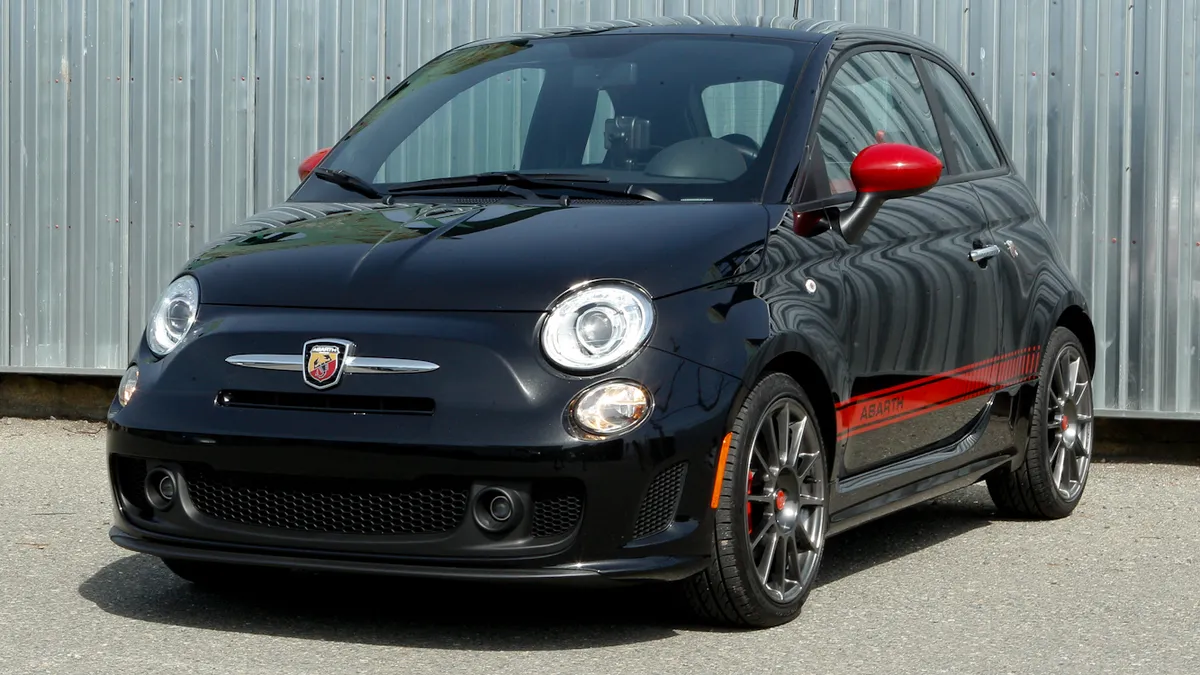
4. 2012 Fiat 500 Abarth: A Retro Hot Hatch with Attitude
Few hot hatches pack as much personality into such a small frame as the 2012 Fiat 500 Abarth. Distinguished by bold styling elements like bigger air ducts, red brake calipers, sport stripes, and oversized Abarth badging, the car signaled its intent before it even moved.
Fiat’s formula was simple: take its charming city car and give it performance upgrades worthy of the legendary Abarth name. The result was a pocket rocket that blended style, heritage, and a surprising dose of fun.
At its core, the 500 Abarth featured a Garrett-turbocharged 1.4-liter inline-four, delivering 160 horsepower and 170 lb-ft of torque, paired exclusively with a five-speed manual transmission.
In testing, it sprinted to 60 mph in 6.8 seconds and completed the quarter mile in 15.3 seconds at 89.8 mph. While not blisteringly fast, the engine’s raspy, aggressive exhaust note likened to a “pissed-off little Ferrari” added character that far exceeded the numbers.
The drivetrain used equal-length driveshafts to help tame torque steer, but the five-speed manual drew some criticism for feeling dated compared to the six-speeds offered by rivals. Still, the Abarth provided enough thrust for stress-free highway merging and lively city driving, while fuel economy reached up to 34 mpg on the highway.
Fiat made extensive changes to ensure the Abarth wasn’t just a cosmetic upgrade. The car gained upgraded control arms, reinforced spring mounts, stiffer anti-roll bars, and Koni front shocks. Camber was increased to -1.5 degrees up front, enhancing grip but shortening tire life.
On the road, the suspension improvements translated to greater stability and flatter cornering. However, compared to the more playful standard 500 Sport, the Abarth leaned toward understeer, making it less mischievous in tight corners.
On track, the short wheelbase allowed lively behavior under trail braking, with the rear end sliding enough to keep things interesting. Still, the absence of a true limited-slip differential and reliance on electronic torque management meant power-on corner exits could feel less composed.
The 500 Abarth featured two driving modes: Normal and Sport. In Normal, throttle response was dulled, creating frustrating lag that made rev-matching nearly impossible. Sport mode restored sharper throttle mapping and allowed the car to deliver its full torque output, but the distinction between the two modes felt like an artificial way to emphasize the “performance” setting.
Other quirks included a poorly designed instrument cluster, which used concentric gauges for speed and revs that were hard to read. A shift light was added but often difficult to see in varying light conditions, leaving many drivers to rely on the loud exhaust note as a shift indicator.
Inside, the Abarth improved on the standard 500 with sportier touches, including a thick steering wheel and a shifter that felt surprisingly premium for the price point. Seating was upright but comfortable, and visibility was good thanks to the car’s compact dimensions. Cargo space was limited, but adequate for city errands.
Despite its tiny size, the Abarth proved livable even on longer highway stints. Crosswinds didn’t upset it, and the high seating position was an asset. A sixth gear would have been welcome for quieter, more economical cruising, but the five-speed sufficed.
On track, the 500 Abarth felt playful but not especially fast. Its lap times were competitive with older sports cars like the first-generation Porsche Boxster, but the modest 160 hp left it feeling underwhelming on long straights.
Still, its light weight and eagerness to rotate under braking made it a fun, forgiving entry-level track car. Compared to rivals, it fell behind the Mini Cooper S in outright pace but stood ahead of options like the VW Beetle Turbo.
The 2012 Fiat 500 Abarth wasn’t about dominating lap times or delivering class-leading specs. Instead, it was about style, sound, and character. With aggressive looks, a snarling exhaust, and a lively chassis, it offered an emotional driving experience wrapped in a $21,500 package. Its quirks like throttle lag in Normal mode and a finicky instrument panel added to its charm rather than diminishing it.
For enthusiasts seeking practicality and refinement, rivals like the Mini Cooper S offered a stronger case. But for drivers who valued individuality and fun over logic, the Fiat 500 Abarth stood out as a bold and entertaining choice in the retro hot-hatch segment.
5. 2014 Ford Fiesta ST: Small Car, Big Thrills
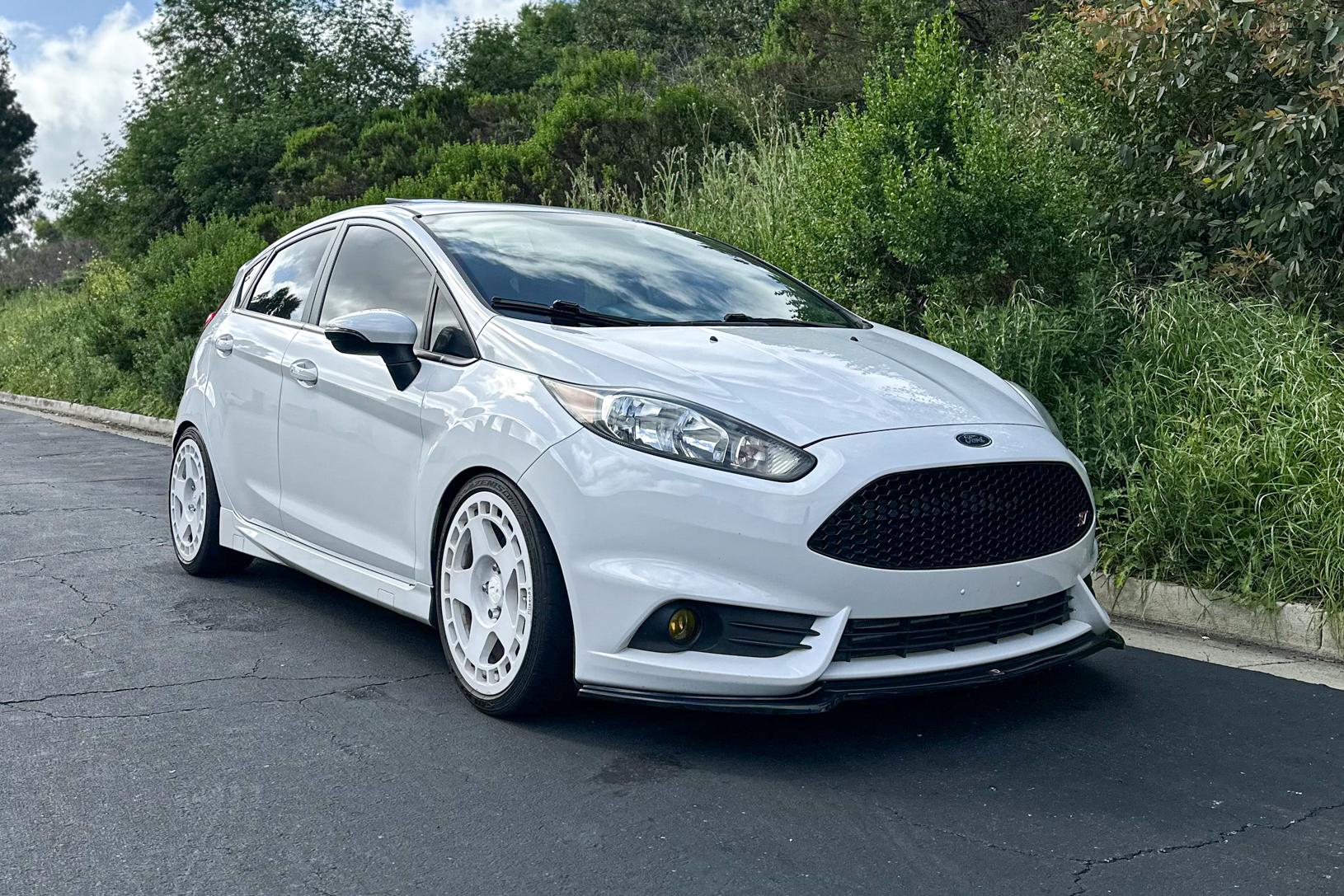
In 2014, Ford did something enthusiasts rarely see: it offered two hot hatches at the same time, the larger Focus ST and the smaller Fiesta ST. While the Focus leaned toward brute strength, the Fiesta emphasized agility and character. Lightweight, compact, and endlessly playful, the Fiesta ST quickly earned a reputation as one of the most engaging budget performance cars available in North America.
Under the hood sat a 1.6-liter turbocharged inline-four, delivering 197 horsepower and 202 lb-ft of torque (214 lb-ft with temporary overboost). Power went exclusively to the front wheels through a six-speed manual transmission, reinforcing its driver-focused personality.
In testing, the Fiesta ST reached 0–60 mph in 6.4 seconds and ran the quarter mile in 14.9 seconds at 94.6 mph. Later tests recorded 7.1 seconds to 60, but in practice the car’s punchy torque curve made it feel lively at any speed. Despite its performance focus, fuel efficiency was commendable at 29 mpg combined (26 city/35 highway).
Crucially, Ford engineered the Fiesta ST to avoid the typical drawbacks of front-wheel-drive performance cars. Torque steer was minimal, and understeer nearly absent. Instead, the hatchback rotated willingly through corners, often with a tail-happy attitude that made spirited drives especially rewarding.
The Fiesta ST’s compact 160.1-inch body and finely tuned suspension made it a nimble companion on winding roads. Upgrades over the standard Fiesta included stiffer suspension, quicker steering, four-wheel disc brakes, and 17-inch wheels.
On the skidpad and slalom, the ST felt composed yet eager, giving drivers confidence to push harder. In brake testing, it came to a stop from 60 mph in just 112 feet, a figure that put it among the best in its segment. The combination of agility, stability, and stopping power helped the Fiesta ST stand out as one of the most rewarding hot hatches of its era.
The Fiesta ST carried a suite of safety equipment, including stability and traction control, antilock brakes, hill-start assist, and seven airbags. Ford’s Sync system also included 911 Assist, automatically connecting to emergency services in the event of a crash.
Crash test scores were mixed. The National Highway Traffic Safety Administration awarded four out of five stars for combined protection, while the Insurance Institute for Highway Safety rated the Fiesta “Good” in most tests but “Marginal” in the small-overlap frontal crash. Rear side-impact protection was weaker, showing cabin intrusion in certain tests.
Despite its small footprint, the Fiesta ST’s cabin delivered a sense of quality rare in subcompacts. Soft-touch surfaces, metallic trim, and available ambient lighting created an upscale feel. Higher trims featured Ford’s MyFord Touch system with a 6.5-inch touchscreen, though the glossy black frame surrounding it showed smudges easily.
The ST trim added performance-focused touches. Optional Recaro sport seats provided excellent lateral support during spirited driving, though their aggressive bolsters made ingress and egress more difficult. Larger drivers sometimes found them tight on long trips, but for most, they enhanced the driving experience.
The cabin offered surprising space up front, with even tall drivers fitting comfortably. Cargo room was less impressive: the hatchback offered 26 cubic feet with seats folded, though they did not lay flat. The sedan version provided 12.8 cubic feet of trunk space, competitive for its class.
Beyond the ST, Ford broadened the Fiesta lineup with several new options. The base 1.6-liter engine produced 120 horsepower, available with either a five-speed manual or a dual-clutch automatic. New for 2014 was a 1.0-liter EcoBoost three-cylinder, producing 123 horsepower and 125 lb-ft of torque. This engine delivered up to 36 mpg combined while still providing peppy performance, reaching 60 mph in 8.9 seconds.
This variety allowed buyers to choose between efficiency and performance while enjoying the Fiesta’s sharp handling and refined cabin.
What made the Fiesta ST special was the way it connected with its driver. Its responsive steering, balanced chassis, and broad torque band encouraged spirited driving. The suspension tuning was firm but not punishing, making it comfortable enough for daily use while still sharp on twisty backroads.
On city streets, the Fiesta ST was easy to maneuver, while highway cruising revealed respectable stability for such a small car. Merging and passing were effortless, thanks to the turbocharged engine’s midrange pull. Drivers who valued engagement over isolation found the Fiesta ST uniquely satisfying.
The 2014 Ford Fiesta ST delivered a rare combination of affordability, practicality, and sheer driving joy. At just $22,195, it undercut rivals like the Mini Cooper S and Fiat 500 Abarth while providing sharper handling and a more refined interior.
Its modest cargo space and mixed crash test results limited its appeal for some, but for enthusiasts, the Fiesta ST represented one of the purest hot hatch experiences available in the U.S. Compact, playful, and eager to be driven hard, it remains a standout in the modern hot hatch era a true pocket rocket that turned every drive into an adventure.
Also Read: 5 Cars That Rarely Need Alternator Replacement vs 5 That Constantly Do
5 Hatchbacks That Become Problems
1. 2019 Chevrolet Bolt: Battery Risks and Reliability Concerns
The 2019 Chevrolet Bolt, GM’s flagship electric hatchback, continued to face significant reliability concerns despite its promise of affordable, long-range EV driving. While the model year brought refreshed styling, it carried forward critical mechanical and software issues that left many owners dissatisfied.
The most serious issue involved the high-voltage battery pack, which posed a fire risk due to two rare manufacturing defects in the battery cells. Several incidents of overheating and potential ignition prompted a sweeping recall covering 2017–2022 Bolt EVs.
General Motors ultimately issued a remedy involving battery module replacements and software updates to monitor charging behavior. Until repairs were completed, owners were advised to limit charging to 90% and park vehicles outdoors, away from homes or structures.
Beyond the high-profile battery recall, owners cited multiple electronic and mechanical frustrations. The infotainment system frequently froze or displayed glitches, while some vehicles suffered from blank or unresponsive displays.
In one case, the backup camera failed to switch off when driving, creating a safety distraction that required dealer intervention. Additional complaints included potential steering rack and pinion issues and failures in the cabin heating water pump, suggesting mechanical durability was also inconsistent.
For Bolt owners, the battery recall remains the most urgent concern, making dealership service appointments essential for long-term safety and reliability. However, even after battery modules are replaced, drivers should remain attentive to potential infotainment malfunctions, cooling system issues, and other mechanical faults.
In the competitive EV market, the 2019 Bolt’s combination of strong range and practicality was overshadowed by serious reliability setbacks, leaving many to question Chevrolet’s execution of its pioneering electric hatchback.
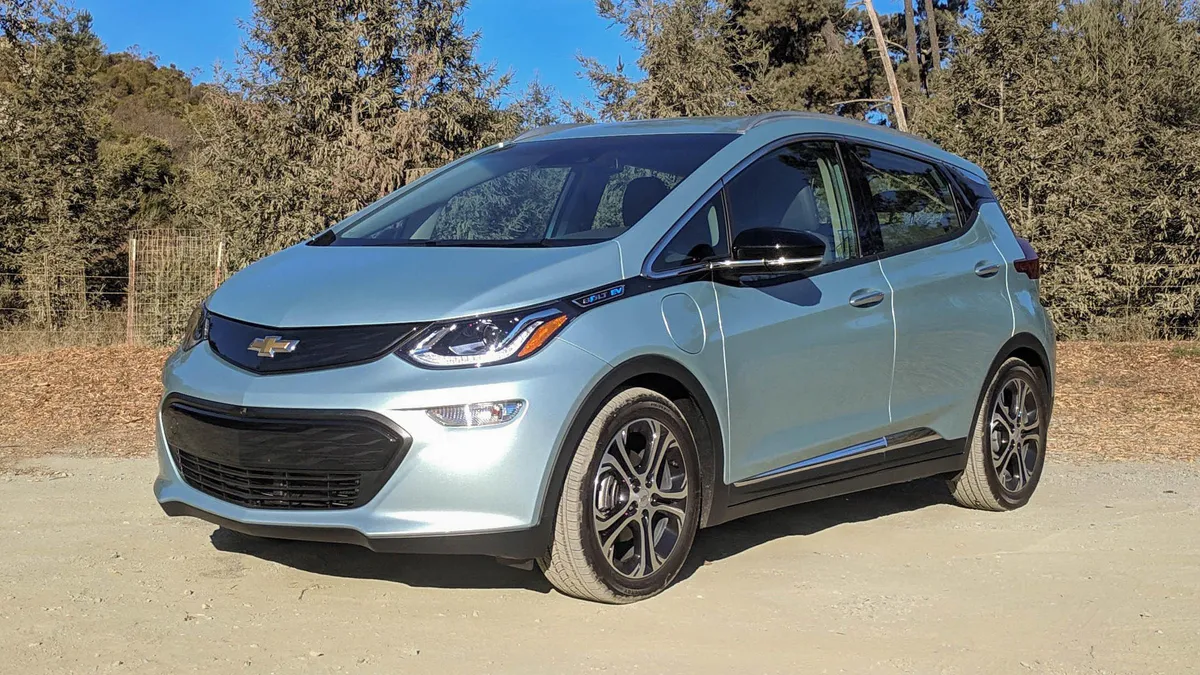
2. 2020 Chevrolet Bolt: Persistent Battery Defects and Safety Risks
The 2020 Chevrolet Bolt continued to suffer from serious reliability concerns, with many of the same problems seen in earlier model years. Despite being positioned as a practical American EV hatchback, reports of engine failure, electrical issues, and major battery defects made it a troubling choice for many owners.
The most significant issue was a defect in the LG Chem-supplied high-voltage batteries, which carried a risk of overheating and fire. The danger was particularly high when the battery was charged to near or full capacity. This prompted General Motors to issue recalls for all 2017–2022 Bolt EVs, including the 2020 model.
At first, GM attempted to address the issue through software updates, limiting charging to 80% and adding diagnostic warnings. However, these measures proved insufficient, as additional fires and failures were reported. Ultimately, the only long-term fix was the complete replacement of defective lithium-ion battery modules across the affected fleet.
The scope of the defect led to one of the most extensive EV recalls to date. GM’s decision to replace battery modules came alongside a $150 million class action settlement, compensating owners for financial losses and diminished vehicle value.
Beyond the battery crisis, some owners experienced infotainment and GPS malfunctions, with screens freezing or becoming unresponsive. A minor but frustrating issue involved frequent key fob battery replacements, adding to the inconvenience.
For 2020 Bolt drivers, addressing the recall through full battery module replacement remains the top priority for safety. Yet even with fixes, the combination of persistent reliability problems and the high-profile fire risk pushed many buyers to consider alternatives such as the Nissan Leaf or even used internal combustion hatchbacks like the Ford Focus.
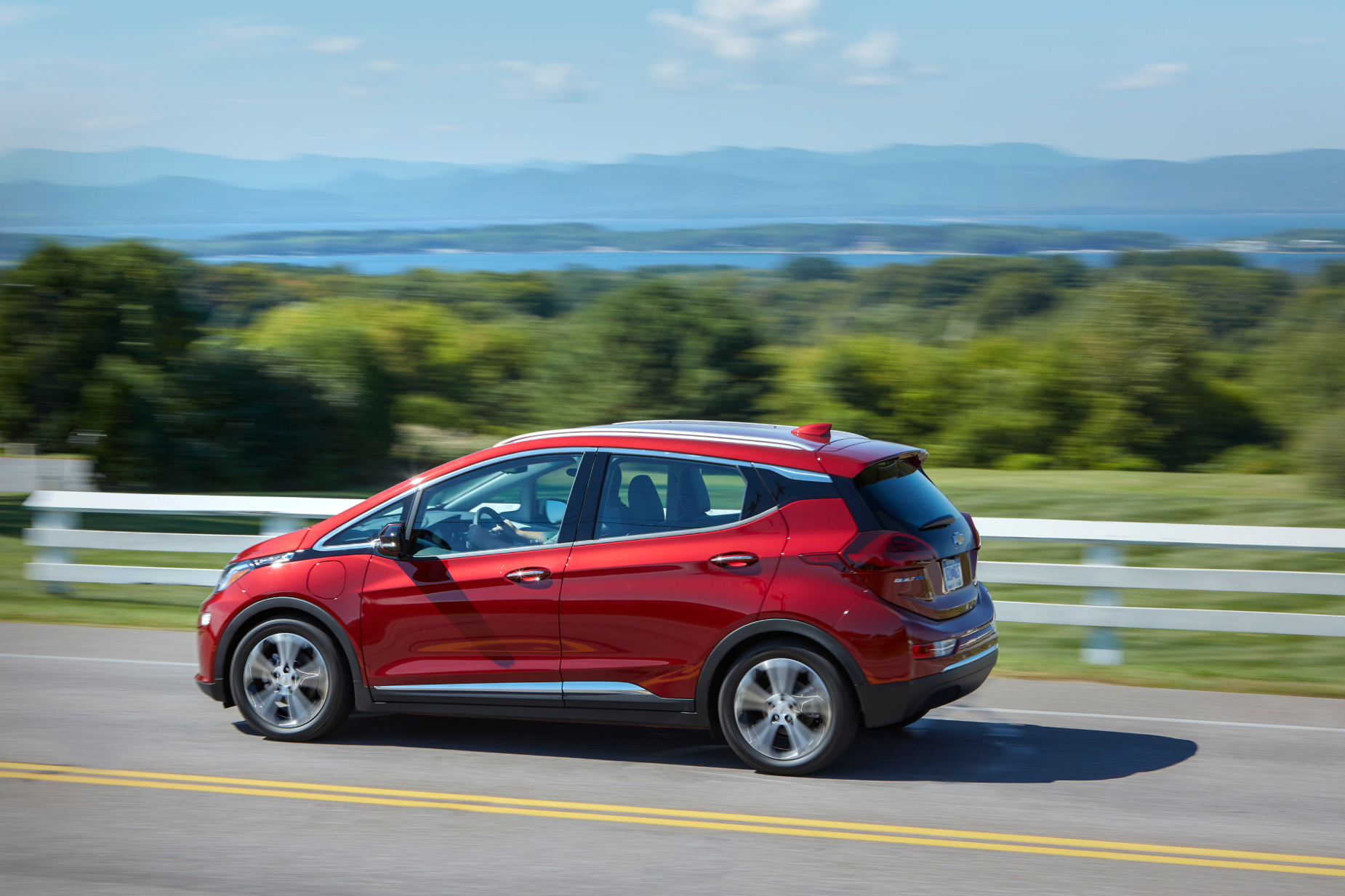
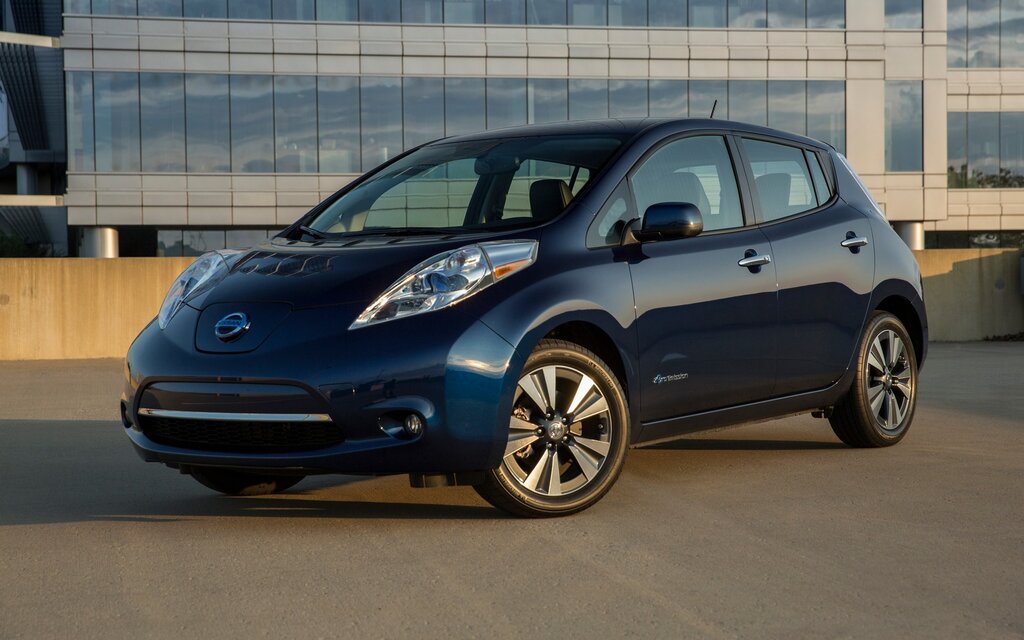
3. 2017 Nissan Leaf: Battery Degradation and Hardware Shortcomings
The 2017 Nissan Leaf, while marketed as an affordable entry into electric mobility, faced several issues that frustrated owners. Reports included electrical faults, body hardware failures, and engine-related concerns, with one owner noting that they had to replace door handles twice within six months. These recurring problems made alternatives like the Toyota Prius or Yaris more appealing for buyers seeking reliability.
The air-cooled battery pack in the 2017 Leaf lacked a proper thermal management system, creating several long-term issues. Without liquid cooling, the battery was prone to overheating, especially during repeated DC fast charging or in hot climates.
This design flaw accelerated battery degradation, leading to a noticeable loss of capacity and a shorter driving range over time. In addition, overheating limited DC fast-charging speeds, making road trips more inconvenient.
The Leaf also struggled with safety-related software flaws. Models from 2011 to 2017 had an outdated automatic braking system program that could cause the brakes to engage unexpectedly, creating unnecessary hazards. In some cases, a high-voltage insulation fault was reported, where the system detected an electrical leak into the chassis a serious and costly repair.
Beyond the battery and safety concerns, owners reported problems with the Leaf’s climate control system, including heaters failing to produce warmth and refrigerant leaks in the air conditioning. Some models also experienced charging cord failures, further complicating daily use.
The 2017 Leaf demonstrated the drawbacks of early EV design choices, particularly its lack of battery cooling. With added issues ranging from unreliable hardware to safety software flaws, the model underscored the risks of premature EV adoption. For buyers, the persistent problems made competing hybrids and EVs a more dependable option.
4. 2017 Hyundai Ioniq: Recalls, Engine Trouble, and Reliability Concerns
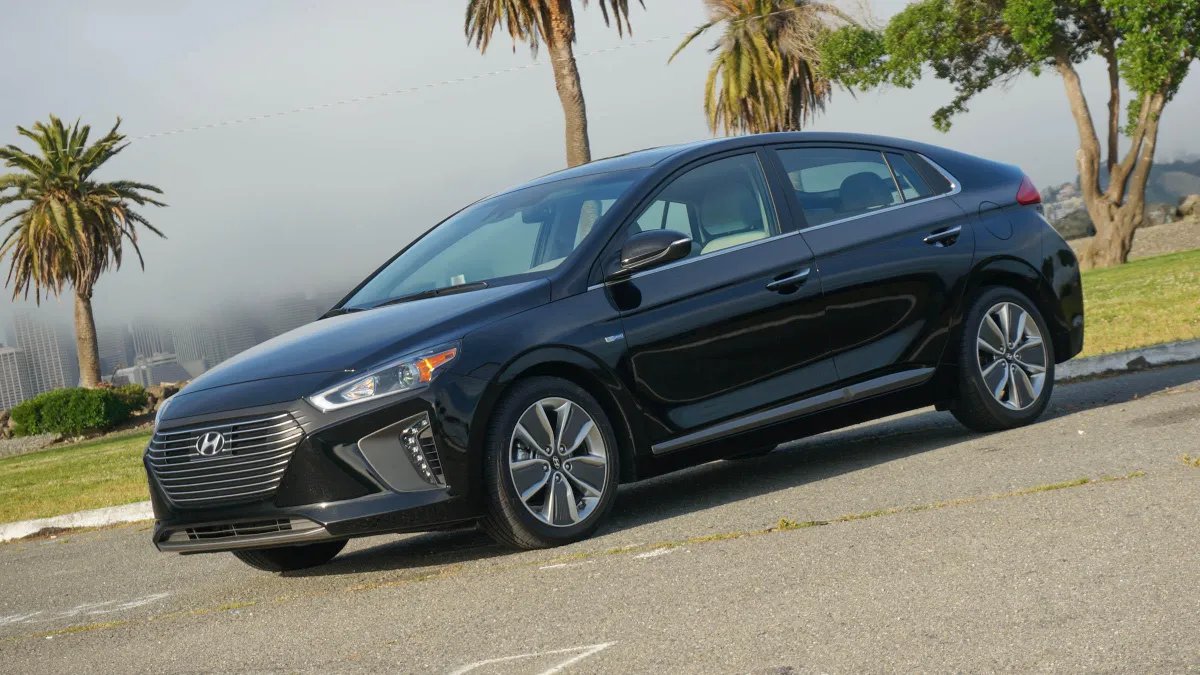
The 2017 Hyundai Ioniq entered the market with sleek styling and the promise of efficient hybrid and electric options. However, reliability issues quickly overshadowed its potential.
Owners reported major engine failures, brake problems within weeks of ownership, and widespread concerns about the hybrid propulsion system. These problems led to multiple recalls and tarnished the Ioniq’s early reputation.
One of the most alarming issues involved blown head gaskets and cylinder head problems in the 1.6L hybrid engine, sometimes leading to complete engine failure. Hyundai issued recalls for the Power Relay Assembly (PRA), a component that could overheat due to loose connections. This defect carried a fire risk, signaled by a hybrid system warning light or failure to start.
Additionally, the Hydraulic Clutch Actuator (HCA) in hybrids was prone to oil leaks. These leaks could cause electrical shorts, stalling, or in severe cases, fire hazards.
Some owners of the hybrid model reported slipping transmissions, harsh or inconsistent shifting, and poor regenerative braking behavior. These problems were linked to low or dirty transmission fluid, clutch wear, or transmission control module faults. Combined with a ride quality described as busy and unsettled, these issues made the driving experience less refined than expected.
Electric Ioniq owners highlighted problems with battery management systems, while both hybrid and electric drivers reported glitches with the infotainment system. Connectivity problems and screen malfunctions added to daily frustrations.
Current owners are urged to check for active recalls through Hyundai or the NHTSA, inspect for oil leaks near the HCA, and address shifting concerns promptly to prevent further drivetrain damage. For electronic or battery issues, consulting a Hyundai dealership remains the safest option.
5. 2019 Mazda3: Recalls, Drive System Problems, and Reliability Concerns
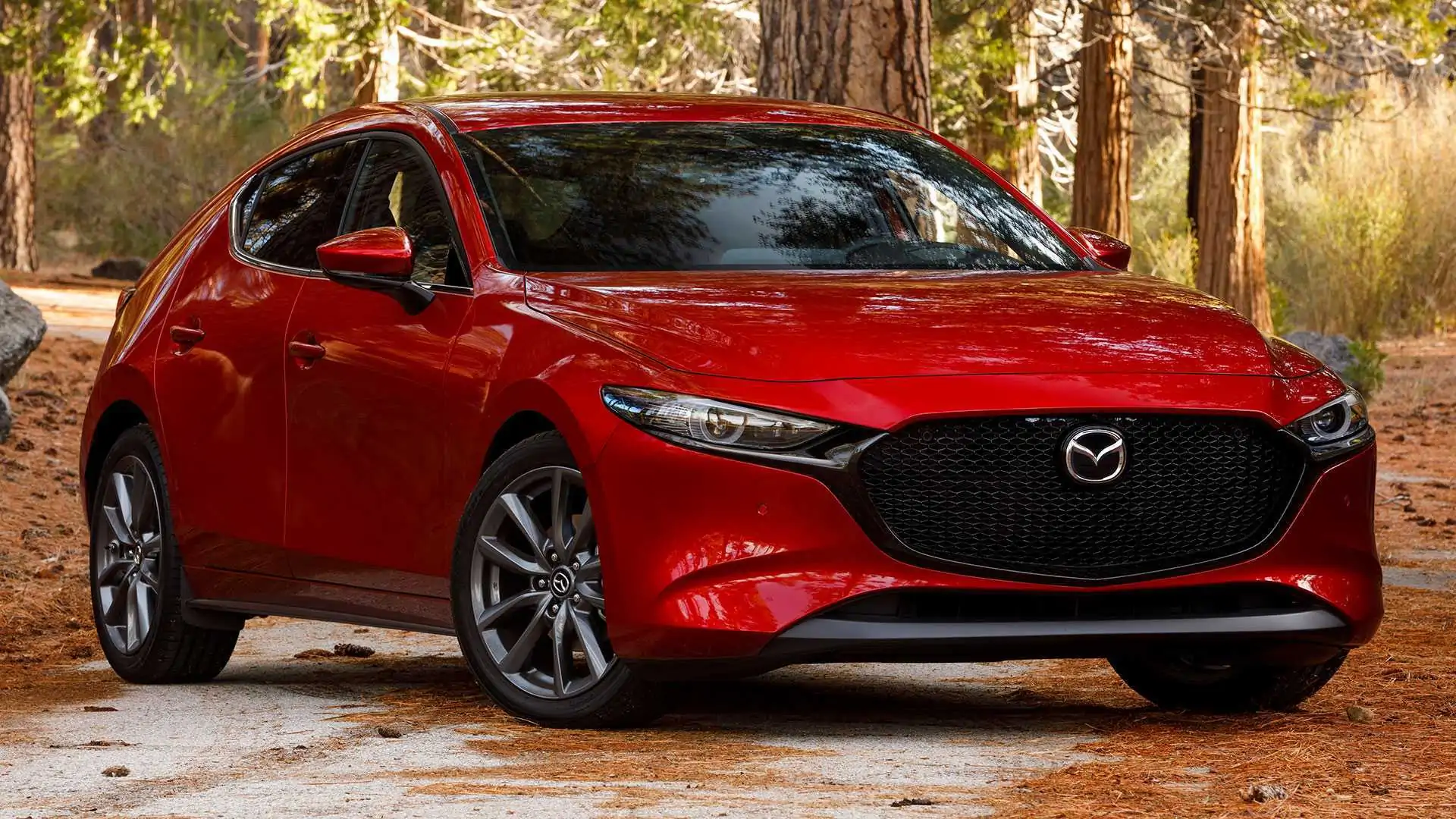
The 2019 Mazda3, known for its sleek design and sporty handling, unfortunately faced significant reliability challenges. Despite Mazda’s reputation for dependability, this model year has six active recalls that include risks of random engine stalling, faulty headrests, wheel separation, and malfunctioning seat belts all carrying potential safety hazards.
One of the most critical problems involved the Smart Brake System (SBS). A recall was issued after the system could falsely detect obstacles and apply emergency braking unexpectedly, creating a risk of rear-end collisions. In addition, over 260,000 vehicles were recalled for incorrect software in the powertrain control module (PCM), which could cause the engine to stall or shut off while driving.
Owners also reported fragile paint that chips easily, particularly in premium colors like Machine Gray and Soul Red Metallic. The interior suffered from scratch-prone plastics and misaligned trim pieces, such as door panels or dashboard surrounds. Loose trim was another recurring complaint, affecting both aesthetics and durability.
The 2019 Mazda3 experienced multiple electrical glitches. Key fobs were prone to disconnecting, leaving vehicles unlocked, while infotainment systems sometimes froze or displayed a black screen, requiring manual resets. A separate issue involved a loose seat wire triggering the airbag warning light, raising concerns about safety system reliability.
While the engine itself performed decently, mechanics noted oil system issues and rattles in some units. Being direct-injection, the Mazda3 was also prone to carbon buildup, often needing fuel system cleaning around every 25,000 miles. Additional owner complaints included AC malfunctions and poor engagement in the drive system due to underlying electrical faults.
Hatchbacks continue to thrive because they represent more than just a practical body style they embody a driving philosophy. Done right, they prove that compact cars can deliver excitement without sacrificing usability.
The 2002 Mini Cooper, 2008 Subaru WRX STI, and 2014 Ford Fiesta ST all remind us that the best hatchbacks inspire smiles as much as they handle grocery runs. These models became lasting favorites because they combined reliability with engaging dynamics and memorable personality.
On the other side of the spectrum, models like the Chevrolet Bolt or Nissan Leaf highlight how innovation can sometimes outpace durability. Battery recalls, software glitches, and design oversights remind us that not every hatchback can withstand the test of time. For owners, that means higher costs, reduced trust, and ultimately a car that fails to deliver on its initial promise.
The lesson here is simple: hatchbacks can be among the most rewarding vehicles to own, but research matters. A fun test drive isn’t enough you want a car that stays fun and dependable years down the road. By learning from both the winners and the cautionary tales, buyers can find a hatchback that brings joy without becoming a burden.
Also Read: 5 Cars That Rarely Need Electrical Repairs vs 5 That Constantly Do