When it comes to trucks, most buyers focus on horsepower, towing capacity, and rugged durability. But one of the most overlooked and most critical factors is the braking system.
A truck can boast impressive pulling power and off-road capability, but without dependable brakes, safety, and performance, it quickly falls apart. In fact, brake reliability is one of the clearest indicators of how well a truck is engineered for long-term use.
Some manufacturers invest heavily in advanced braking technologies, pairing ventilated disc brakes with electronic aids like ABS, EBD, and Brake Assist. These features ensure smooth stops, prevent dangerous brake fade under load, and inspire confidence whether towing, hauling, or cruising the highway. Trucks in this category often provide years of consistent stopping power with minimal repair costs.
On the other side, there are trucks whose braking systems repeatedly disappoint. From premature pad wear and warped rotors to fluid leaks and master cylinder failures, these issues don’t just add maintenance expenses; they create serious safety concerns.
In this breakdown, we’ll look at five trucks praised for their excellent braking systems and five trucks notorious for frequent brake failures. Whether you’re shopping for a workhorse or a daily driver, knowing where each truck stands could make the difference between confidence and constant trips to the mechanic.
5 Trucks That Keep Great Braking Systems
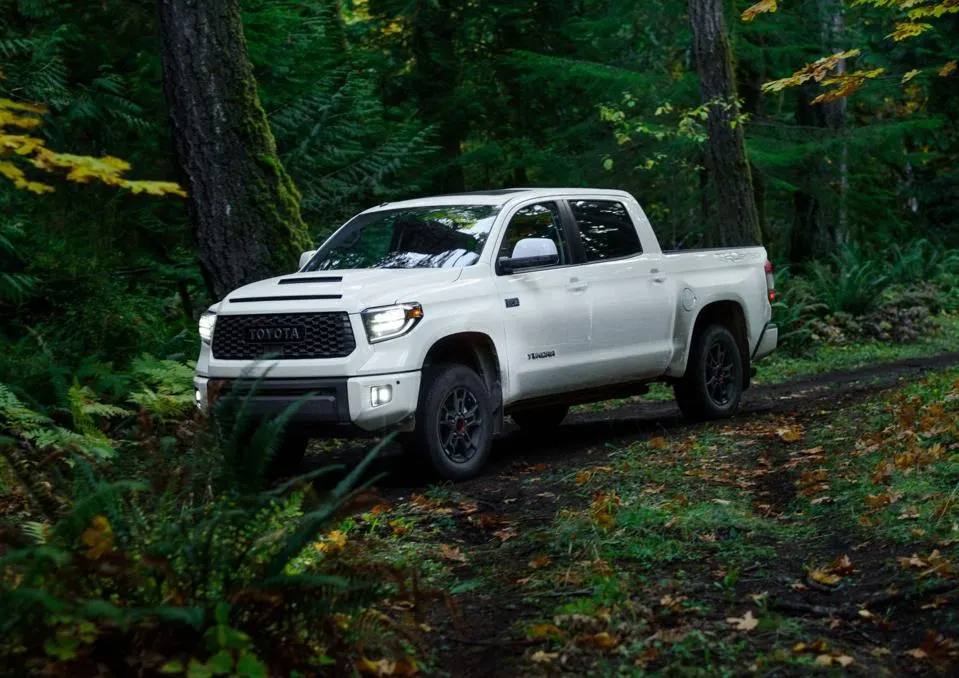
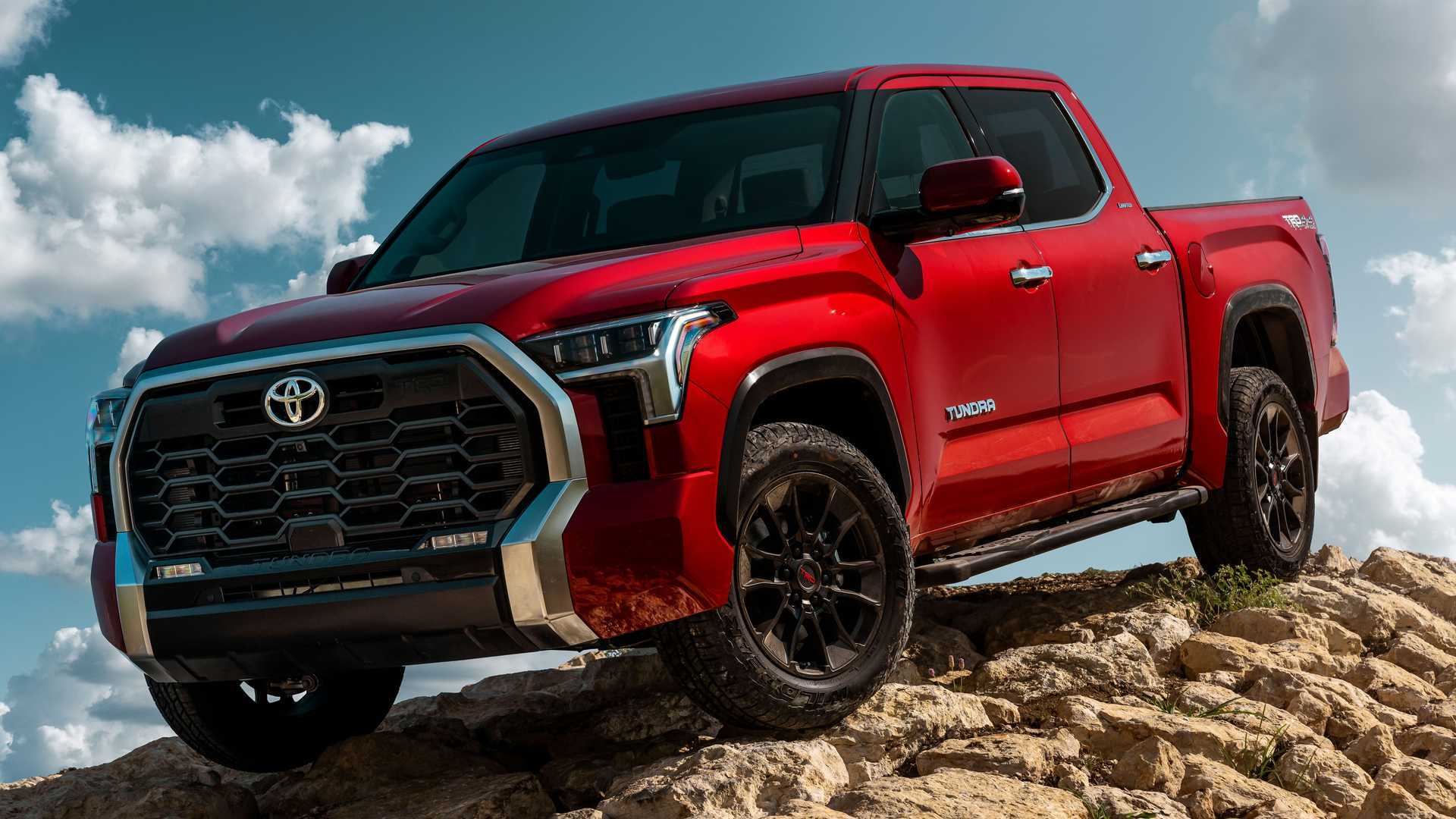
1. Toyota Tundra: A Blend of Strength, Comfort, and Reliability
The Toyota Tundra has built a reputation for durability, and its braking system stands as a core strength. Equipped with ventilated disc brakes, the truck effectively manages heat buildup during demanding conditions such as towing or mountain driving. This prevents brake fade and ensures consistent stopping power.
The braking package is enhanced by safety technologies like Anti-lock Braking System (ABS), Electronic Brake-force Distribution (EBD), and Brake Assist.
These systems improve control during sudden stops, especially on slippery surfaces, and allow drivers to maintain steering control under heavy braking. Owners frequently report fewer brake-related repairs compared to rival trucks, further underscoring the system’s long-term reliability.
Toyota’s engineering also makes the Tundra resilient in extreme climates, whether in desert heat or snowy winters. The combination of strong components and advanced safety aids makes the Tundra’s braking system one of the most dependable in the full-size truck market.
The latest Tundra, redesigned in 2022, is powered by a twin-turbocharged 3.4-liter V6 engine. Standard models deliver impressive torque and smooth shifts through a 10-speed automatic transmission, while the optional i-Force Max hybrid adds an electric motor for a combined 437 horsepower and 583 lb-ft of torque. This setup is particularly well-suited for towing thanks to its low-end torque delivery.
In performance testing, a 4WD Tundra accelerated from 0–60 mph in 6.6 seconds, a solid result for a full-size truck. Braking performance is equally strong, with a stopping distance of 131 feet from 60 mph.
Steering is light and accurate, making the large truck easier to maneuver than expected. While the TRD Off-Road package adds features like a locking rear differential, the Tundra’s size and wheelbase limit its trail capability compared to smaller off-road vehicles.
Compared to previous generations, the Tundra offers significant improvements in comfort. Seats are supportive, cabin noise is reduced, and the truck feels composed over long distances. While the V6 lacks the throaty note of the older V8, it still delivers a satisfying growl under acceleration.
Ride quality is stable and controlled, though the Ram 1500 still leads in smoothness. The Tundra’s climate control system is user-friendly, with large physical buttons that are practical even if labeling can sometimes be hard to read in bright light.
Inside, the Tundra combines practicality with modern features. The available 14-inch touchscreen is crisp and easy to navigate, while the straightforward layout ensures usability. A high driving position provides good forward visibility, though thick windshield pillars may obstruct side views. For ease of maneuvering, the surround-view camera system is recommended.
Cabin space is abundant, especially in the CrewMax configuration, which maximizes rear passenger room. Options like a panoramic sunroof and full-width power rear window make the interior feel airy and open. Storage is plentiful, though not as well organized as some rivals, and the potential for clutter exists.
Toyota equips the Tundra with a comprehensive set of tech features. Apple CarPlay and Android Auto are standard, but the truck’s native infotainment system is user-friendly enough to compete with smartphone interfaces. Audio quality is solid across trims, and available JBL upgrades enhance the experience further.
Driver-assist systems come standard, with adaptive cruise control, collision mitigation, and more. Most aids work seamlessly, though the lane-keeping system is less effective at managing the truck’s large footprint.
The Tundra is a capable workhorse, with towing capacities up to 11,120 pounds when properly equipped. While not class-leading, this rating is sufficient for most owners’ needs. A reinforced composite bed provides durability, and interior storage adds versatility for smaller items.
Fuel economy is average for the segment. EPA ratings estimate 19 mpg combined for 4WD models, but real-world testing often shows lower results, with averages closer to 15–17 mpg.
Build quality in the Tundra is excellent, with precise panel fitment and durable materials. Even in mid-level trims, the cabin feels refined. Warranty coverage matches competitors, but Toyota’s inclusion of two years or 25,000 miles of free maintenance offers an extra advantage.
When considering its strong reliability, advanced safety features, and long-lasting braking system, the Toyota Tundra delivers excellent value. It may not dominate every metric, but it provides a balanced mix of performance, comfort, and durability that appeals to a wide range of truck buyers.
2. Ford F-150: America’s Best-Selling Pickup
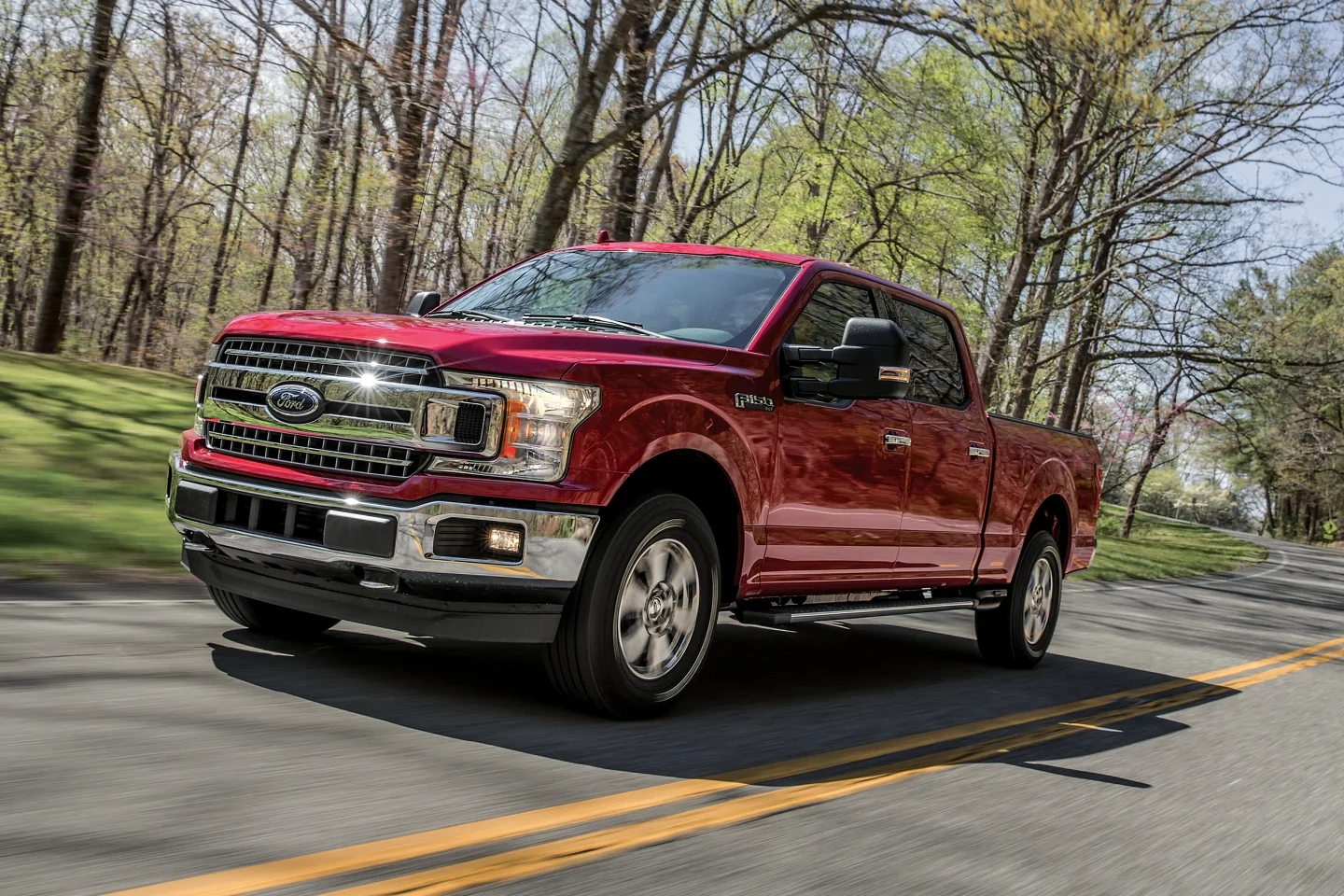
The Ford F-150 combines power with dependable safety, and its braking system is engineered for both everyday use and demanding tasks. Large ventilated disc brakes on all four wheels provide strong stopping power and effective heat dissipation, which is essential during towing or extended highway driving. This design minimizes brake fade and ensures consistent performance.
Safety features further enhance confidence behind the wheel. Adaptive Cruise Control, Traction Control, and Trailer Sway Control support stability and braking efficiency. The sway control system is especially useful for heavy towing, preventing dangerous trailer movements.
Electronic Brake-Force Distribution (EBD) adjusts braking force according to the truck’s load, delivering balanced stops while reducing wear on components. Combined with ABS, these systems make the F-150’s braking reliable across varied conditions.
Owners appreciate the truck’s long-term reliability, with rotors and pads typically lasting longer than many rivals. Ford’s durable components and safety technologies create a brake system trusted by work-focused drivers and families alike.
Few trucks match the Ford F-150’s range of powertrain choices. Buyers can select from turbocharged V6 engines, a V8, or the PowerBoost hybrid. The hybrid setup blends efficiency with strength, delivering a 0–60 mph time of 5.8 seconds in testing. That level of acceleration makes merging, passing, and towing feel effortless.
Steering is direct and responsive, giving the large truck a surprisingly nimble feel in tight spaces while maintaining stability at highway speeds. The brakes inspire confidence, even when blending regenerative energy recovery with traditional stopping power in hybrid models. With towing ratings up to 13,500 pounds and payload capacities of 2,445 pounds, the F-150 provides serious muscle for heavy work.
Comfort in the F-150 depends on configuration, but higher trims deliver amenities that rival luxury vehicles. Front seats are supportive and available with heating, ventilation, and even massage functions. The climate control system works efficiently, maintaining consistent cabin comfort with minimal adjustments.
Ride quality is refined for a full-size truck, with reduced road, wind, and tire noise. Engine notes are satisfying without being intrusive, though the PowerBoost hybrid can sound rough when charging the battery. The F-150 remains pleasant on long journeys, offering a balance of utility and comfort.
The interior is designed with both practicality and convenience in mind. Large knobs and buttons are easy to use, even with gloves on, and the layout avoids confusion despite the wide range of features available. Adjustable seating, pedals, and steering allow drivers of different sizes to find a comfortable position.
Crew cab models provide abundant rear legroom and headroom, making them ideal for passengers on extended trips. Visibility benefits from large windows and smart design touches, while an optional surround-view camera system assists with maneuvering in tight areas. Depending on trim, interiors range from durable and work-ready to upscale with premium finishes.
Technology is a strong point for the F-150. A standard 12-inch touchscreen delivers sharp graphics and intuitive menus. Apple CarPlay and Android Auto are included, while BlueCruise offers hands-free highway driving when conditions allow. This feature reduces fatigue during long stretches of traffic or travel.
One of the most innovative options is Pro Power Onboard, which transforms the truck into a mobile generator. Offering power outputs of 2.0 kW, 2.4 kW, or 7.2 kW, depending on the setup, it provides electricity for worksites, camping, or tailgating.
The F-150 shines in towing and hauling. With proper equipment, it can tow 13,500 pounds and haul 2,445 pounds, putting it at the top of the light-duty pickup class. The bed includes smart features such as a split-opening tailgate, optional power operation, and an integrated step for easier access.
Fuel economy varies by engine, ranging from 19 mpg combined for certain V6 models to 23 mpg combined with the hybrid and rear-wheel drive. These ratings are competitive, though some diesel-powered rivals offer slightly better efficiency.
The F-150 provides value through its unmatched variety of trims and configurations. From the entry-level XL work truck to the high-end King Ranch and performance-focused Raptor, there is a version for nearly every buyer. Luxury appointments on higher trims add refinement, while base models focus on durability and practicality.
Build quality is consistently high, with solid materials and precise fitment. Warranty coverage aligns with competitors, but the breadth of customization and strong resale value enhance the truck’s long-term appeal. Its combination of capability, comfort, and versatility helps explain why the F-150 remains America’s best-selling vehicle.
3. Chevrolet Silverado 1500: Strength, Safety, and Modern Tech
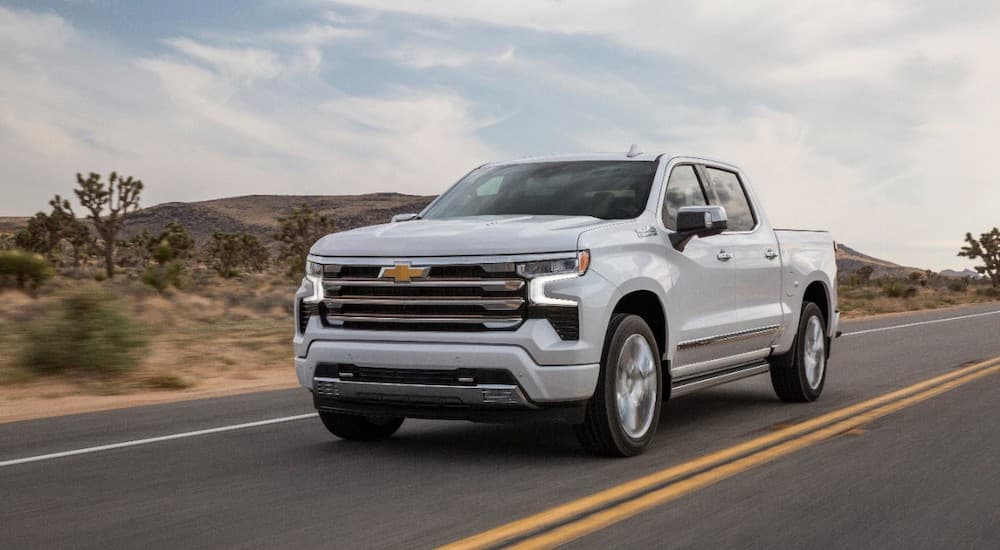
The Chevrolet Silverado 1500 is designed with a dependable braking system that complements its reputation for strength and versatility. Equipped with four-wheel disc brakes, the system distributes stopping power evenly across all wheels, ensuring balance and control during hard braking.
This is especially valuable when towing or carrying heavy loads, as it minimizes instability and provides consistent stopping distances.
One of the Silverado’s standout qualities is its smooth and progressive brake feel. Drivers benefit from consistent pressure whether the truck is empty or fully loaded, reducing the risk of abrupt stops.
Stability control and traction control are integrated, preventing wheel spin and brake lock-up during emergency maneuvers. High-quality pads and rotors further enhance durability, with many owners reporting fewer brake-related repairs compared to competitors.
The braking system’s consistency, coupled with Chevrolet’s safety engineering, makes the Silverado 1500 a reliable partner for demanding work environments and daily driving alike.
The Silverado offers a wide range of trims and engines, but our focus is on the tested High Country trim with a 5.3-liter V8 and four-wheel drive. Acceleration is strong enough for both highway merging and towing, with a 0–60 mph time of around 7 seconds. While slightly behind the F-150 in speed, the Silverado delivers confident performance.
Handling is secure, with body roll kept in check during turns, though steering effort can feel overly light. On highways, the truck tracks straight, giving drivers confidence on long trips.
However, midcorner bumps may unsettle the ride, reminding drivers of its size. For off-road use, the standard 4WD system is competent, but buyers seeking more rugged capability should consider the Z71 package or Trail Boss trim.
Comfort is a strong suit for the Silverado, though it trails slightly behind rivals like the Ram 1500 and Ford F-150 in seat plushness. Seating offers adequate support for long trips, and optional ventilated and split-heated seats provide additional convenience, allowing separate control of cushion and backrest heating. This feature is exclusive to GM trucks.
On highways, the Silverado provides a smooth ride, absorbing most small bumps effectively. However, roads with frequent dips or uneven surfaces can cause a bouncy experience. Cabin noise is well managed until the throttle is pushed hard, at which point the V8 produces a less refined note. The climate control system is efficient but hindered by small, tightly packed buttons that may take time to adjust comfortably.
Chevrolet recently updated the Silverado’s interior, delivering a significant improvement over previous models. The cabin now looks modern, with sporty styling in trims like the ZR2 and upscale materials in the High Country. Large buttons and a responsive touchscreen keep controls intuitive.
The crew cab configuration offers abundant passenger space, particularly in the rear, where legroom is generous. Large door openings aid entry and exit, though the truck’s height can make climbing in more challenging.
Storage options are plentiful, though not as versatile as those found in the F-150 or Ram 1500. For families, rear car seat anchors are provided across all seating positions, though installing child seats can be tricky due to ride height.
Technology is one of Silverado’s strongest areas. The available 13.4-inch touchscreen delivers crisp graphics and quick response times, while Google-powered voice recognition enables natural voice commands. Apple CarPlay and Android Auto are standard, with wireless connectivity included.
Safety and driver-assist features are extensive. Multiple camera angles assist with towing and parking, while cross-traffic alerts provide tactile seat vibrations for warnings. Adaptive cruise control performs well, though there was an isolated issue of lurching in stop-and-go traffic during testing. GM’s advanced hands-free driving system, Super Cruise, is offered but limited to the High Country trim.
The Silverado’s box dimensions are slightly larger than rivals, offering more tie-down points and ample bed capacity. Towing strength depends on engine and configuration, with the tested 5.3-liter V8 setup providing strong hauling ability. While center console storage is functional, Ford and Ram provide more versatile designs.
Fuel efficiency for the 5.3-liter V8 with 4WD is rated at 17 mpg combined, a figure confirmed in real-world testing. The most fuel-efficient option is the available diesel six-cylinder, which delivers better mileage for long-distance drivers.
Pricing for the Silverado tends to be higher than some competitors without offering clear advantages in standard features or interior quality at lower trims. The latest updates improve style and usability, but certain interior plastics remain less refined compared to rivals.
Warranty coverage is industry standard, with three years/36,000 miles for basic coverage and five years/60,000 miles for the powertrain. Chevrolet includes the first scheduled maintenance visit for free, providing a slight ownership perk. Despite a few drawbacks, the Silverado’s blend of braking reliability, technology, and versatility ensures it remains a strong option in the full-size pickup market.
4. Ram 1500: Comfort, Performance, and Dependable Braking
The Ram 1500 earns strong marks for braking reliability, with ventilated disc brakes on all four wheels that quickly dissipate heat and reduce the risk of fade during long drives or towing. The truck’s brake system provides smooth, predictable stopping power whether the bed is empty, fully loaded, or hauling a trailer.
Anti-lock brakes, traction control, and electronic stability control are standard, adding an extra layer of safety by keeping the truck composed during emergency stops or slick road conditions. What stands out is the Ram’s ability to maintain consistent brake force under load, which is crucial for drivers who frequently tow or haul heavy gear.
Brake components are built to last, with pads and rotors made from durable materials that resist wear and corrosion. Owners frequently report that, with regular maintenance, the Ram’s braking system remains strong throughout the truck’s life, requiring fewer repairs compared to some competitors.
The harmony between the suspension and brakes also plays a role in driver confidence. By reducing road vibrations and maintaining composure during sudden stops, the Ram 1500 reinforces its reputation as a safe, reliable choice for both work and family duties.
The Ram 1500’s performance has only improved with the shift to a new generation of turbocharged straight-six engines. The standard-output version reaches 60 mph in just 5.2 seconds, while the high-output variant cuts that time to an impressive 4.7 seconds, quicker than most full-size trucks in the segment. Even the off-road-focused RHO version posts a 4.9-second sprint despite its heavy-duty tires and wheels.
On the road, steering feels light with limited feedback, but the truck’s predictable nature makes it easy to drive in all conditions. It carries its size with surprising poise, staying stable around corners and composed during lane changes. Off-road, the RHO trim showcases excellent ground clearance and capability, excelling in high-speed dirt and trail driving.
Where the Ram 1500 truly distinguishes itself is in ride comfort. Thanks to coil-spring rear suspension rather than the leaf springs found on most rivals, the Ram delivers a remarkably smooth and composed ride. It handles rough pavement with ease, reducing jolts and vibrations better than the F-150 or Silverado.
The seats are another highlight, offering excellent support and comfort for long drives. Noise isolation is well managed, with road and wind noise kept to a minimum, contributing to a tranquil cabin experience. These elements combine to make the Ram 1500 the most comfortable full-size truck on the market for both driver and passengers.
The Ram 1500’s cabin varies widely by trim, but higher-end models like the Tungsten showcase a level of refinement unmatched by competitors. Premium materials, soft-touch surfaces, and thoughtful design touches give the truck an upscale feel closer to a luxury SUV than a traditional pickup. Lower trims are more work-focused, but still provide practical layouts and durable finishes.
Space is abundant in the crew cab configuration, with generous headroom and legroom in both rows. Finding a comfortable driving position is easy thanks to multiple adjustments for the seat and steering wheel. Visibility is strong, aided by large windows, though the truck’s high sides can make shorter obstacles harder to spot.
Technology is a mixed experience. The available 14.5-inch vertical touchscreen provides ample space, and a passenger-side screen is also available. However, the software feels dated, with confusing menus and occasional lag in responsiveness. This can be frustrating when trying to adjust settings like heated seats that are only accessible via the screen.
Driver-assist technology is where the Ram 1500 shines. A hands-free driving system debuts in this generation and performs well in testing, rarely requiring driver intervention. Lane-centering and adaptive cruise control add further confidence for long highway drives.
The Ram offers plenty of utility, with a maximum payload capacity of 2,300 pounds and towing capacity of up to 11,580 pounds. While these figures fall short of the F-150’s maximums, they remain competitive for most buyers’ needs. The powertrains are well-suited for towing, delivering ample torque and stability.
Interior storage is versatile, with a movable center console section that can slide forward or back to create more space. The rear seat also folds to reveal a secondary cargo area, though it lacks a flat floor or secure locking options available in some rivals.
Fuel economy is competitive, with the base rear-wheel-drive engine achieving an estimated 23 mpg combined. Four-wheel-drive versions dip to 19 mpg for the standard-output engine and 17 mpg for the high-output model. Testing confirmed these numbers, with a high-output Tungsten achieving 19 mpg on evaluation routes.
The Ram 1500 is priced above some rivals, particularly at higher trims, but it justifies the premium with ride comfort, interior refinement, and standout performance. Warranty coverage is typical for the class, though not exceptional.
For buyers seeking a truck that prioritizes comfort and luxury without sacrificing towing and hauling ability, the Ram 1500 is a standout. While work-focused buyers may prefer less expensive alternatives, those who value daily driving quality and upscale features will find the Ram an exceptional choice.
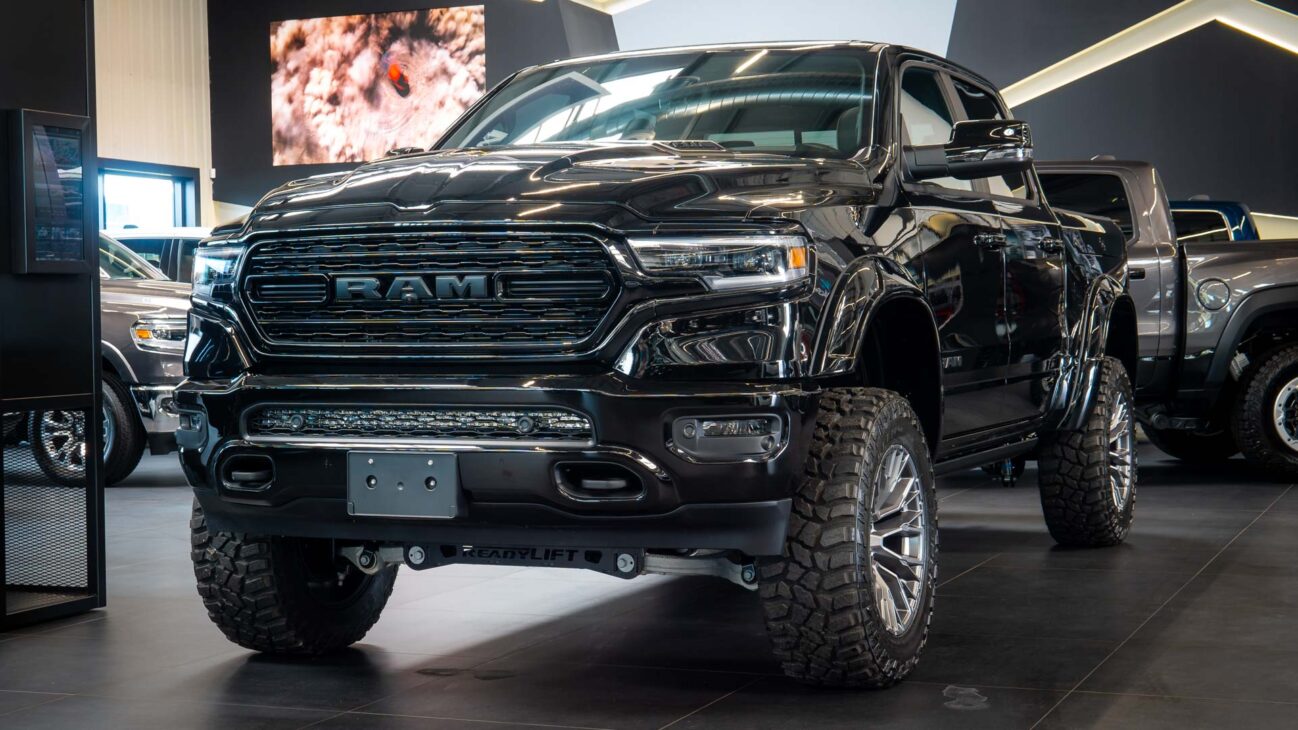
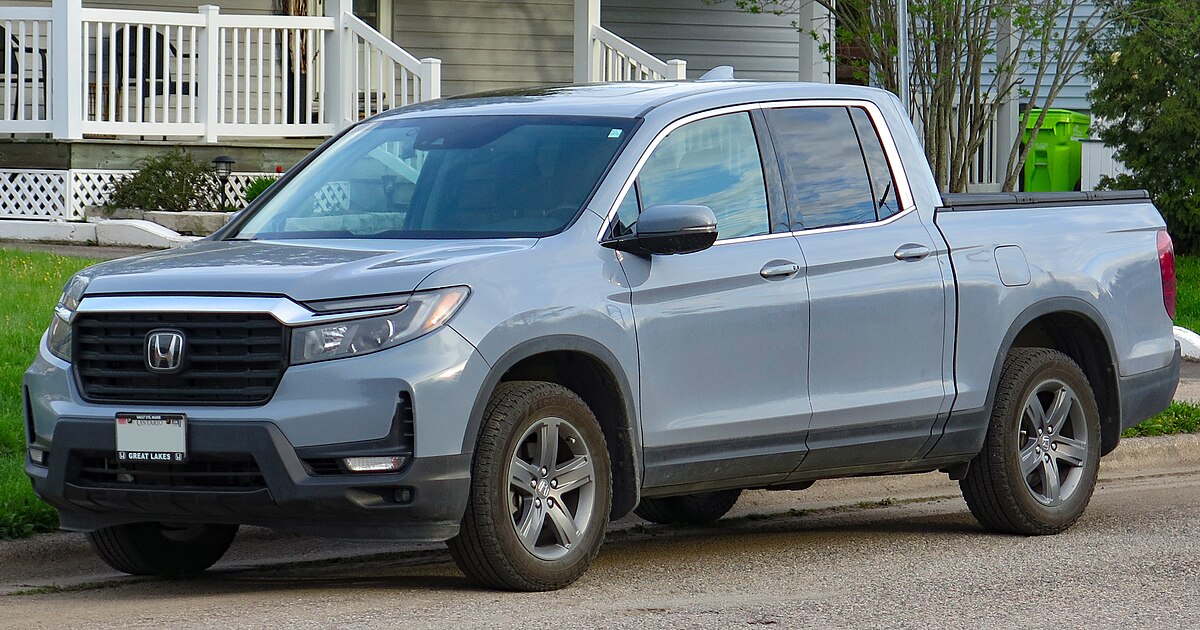
5. Honda Ridgeline: A Unique Blend of Comfort, Utility, and Reliability
The Honda Ridgeline sets itself apart in the midsize truck segment with a braking system designed for consistency and dependability. Equipped with four-wheel disc brakes, it delivers smooth stopping performance whether used in city streets, highway commutes, or light towing tasks.
The system’s balanced feel ensures even pressure distribution, providing safe and predictable stops whether the truck is empty or carrying a load.
Standard safety features such as Anti-lock Braking System (ABS) and traction control enhance braking reliability, particularly in emergency situations or on slick surfaces. These systems keep the truck stable by preventing wheel lockup and loss of control. Brake components are durable, resisting premature wear and extending service life compared to other midsize competitors.
The Ridgeline’s unibody construction also contributes to braking reliability by distributing forces evenly across the chassis. Combined with Honda’s reputation for engineering long-lasting parts, this design makes the Ridgeline a low-maintenance option for drivers who want confidence in their truck’s stopping ability.
For drivers who dislike the heavy, sometimes cumbersome feel of traditional pickups, the Ridgeline offers a refreshing alternative. Its unibody design gives it carlike agility and responsive steering, making it easy to handle in tight spaces and comfortable on winding roads. Body motions are well controlled, and the suspension absorbs bumps with composure, adding to driver confidence.
Powered by a 3.5-liter V6, the Ridgeline produces ample power for daily driving and light towing. In testing, the TrailSport trim accelerated from 0 to 60 mph in 7.0 seconds, quick for the midsize segment. The engine feels smooth under normal conditions, though the transmission can be slow to downshift under sudden throttle demands.
The TrailSport trim enhances off-road ability with an off-road-tuned suspension, underbody protection, and all-terrain tires. While capable of light trails, the lack of low-range gearing and wheel articulation limits its performance in more extreme off-road scenarios compared to body-on-frame rivals.
Ride comfort is one of the Ridgeline’s strongest qualities. The suspension tuning, derived from Honda’s SUV lineup, allows the truck to glide over road imperfections with ease. Passengers experience minimal vibration or harshness, a rare trait in this segment.
Front seats are supportive with broad cushions that work well for larger drivers, while side bolsters provide enough structure for slimmer frames. Long-distance comfort is excellent, aided by low levels of road and wind noise. A standard tri-zone automatic climate control system ensures passengers across both rows remain comfortable, an uncommon feature in midsize pickups.
The Ridgeline borrows much of its interior design from Honda’s family SUVs, making it more practical and comfortable than most trucks. Wide-opening doors and low step-in height simplify entry and exit. Once inside, drivers benefit from excellent visibility, thanks to large windows and a squared-off hood that makes it easy to judge the truck’s dimensions.
Cabin space is generous, particularly in the second row, where passengers enjoy ample legroom and headroom. Storage solutions are thoughtful, including a large center console bin, multiple cubbies, and flat-folding rear seats that reveal additional cargo space.
The Ridgeline’s standard 9-inch touchscreen may appear modest next to the oversized displays in newer rivals, but it is simple to operate. Apple CarPlay and Android Auto are included, with wireless functionality for added convenience. While the audio system is underwhelming, the user interface is clean and responsive.
Honda includes nearly all advanced driver aids as standard, such as adaptive cruise control, lane keeping assist, and forward collision mitigation. Some of these features can feel overly sensitive, and adaptive cruise only works above 20 mph, reducing its usefulness in stop-and-go traffic. Still, the breadth of safety features places the Ridgeline ahead of most competitors in its class.
The Ridgeline’s towing capacity maxes out at 5,000 pounds, lower than other midsize trucks but sufficient for small trailers, boats, or recreational gear. Payload capacity reaches 1,583 pounds, enough for heavy supplies or a pair of motorcycles.
Its bed stands out as one of the most versatile in the segment. It can hold 4-foot-wide sheets of plywood flat between the wheel wells, and it includes a lockable in-bed trunk for secure storage. The dual-action tailgate adds flexibility by folding down or swinging open sideways.
Fuel economy is competitive, with EPA estimates of 20 mpg combined for most trims. Real-world testing confirms these figures, aligning the Ridgeline with turbocharged four-cylinder rivals despite its V6 engine.
The Ridgeline delivers strong value by combining SUV-like comfort with truck utility. Even the base Sport trim includes a full suite of driver aids, smartphone integration, and tri-zone climate control. Higher trims add features without pushing into the steep pricing seen elsewhere in the segment.
Warranty coverage is typical at three years/36,000 miles for basic coverage and five years/60,000 miles for the powertrain. Build quality and Honda’s reputation for reliability further strengthen the Ridgeline’s appeal as a practical, long-lasting midsize truck.
Also Read: 5 Cars That Rarely Need Alternator Replacement vs 5 That Constantly Do
5 Trucks with Braking Systems That Constantly Fail
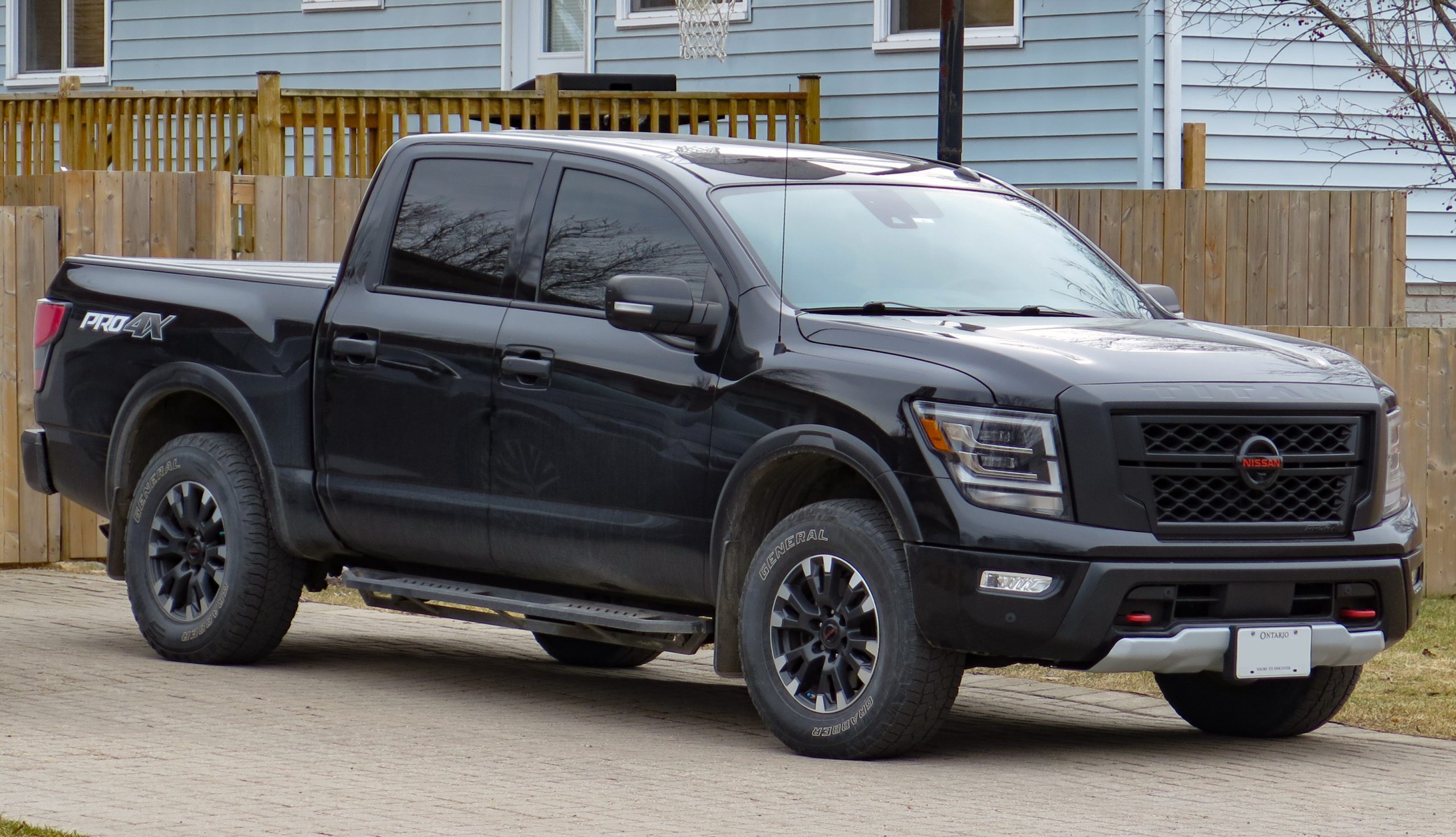
1. Nissan Titan: Strong but Undermined by Brake Flaws
The Nissan Titan entered the market as a competitor in the full-size pickup segment, built for towing, hauling, and rugged performance. While its V8 powertrain and towing capacity earned praise, the Titan’s braking system has remained a recurring point of criticism.
Premature brake pad wear is the most common issue, with owners reporting replacements required far earlier than expected, even under normal driving. This makes the truck expensive to maintain and inconvenient for those who rely on it for daily work.
Rotor warping compounds the issue, as drivers frequently experience vibrations and extended stopping distances when the brakes are applied. For a vehicle designed to tackle heavy loads, these weaknesses compromise confidence in its reliability.
Adding to the concern, brake fluid leaks in some models reduce hydraulic pressure, leading to diminished braking power and potential safety hazards. While Nissan has introduced improvements in newer generations, the Titan retains a reputation for brake-related vulnerabilities that affect its appeal.
Buyers considering the Titan must weigh its strong performance capabilities against the higher maintenance demands of its braking system. Routine inspections of pads, rotors, and fluid levels are essential, but even with consistent care, the Titan tends to require more brake-related attention than many of its rivals in the full-size truck category.
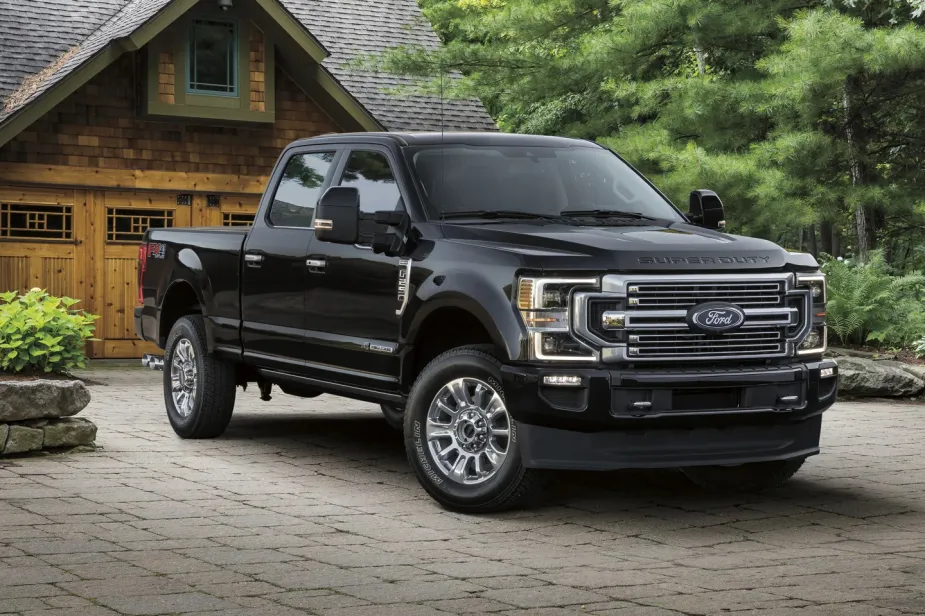
2. Ford Super Duty F-250: Power Meets Brake Challenges
The Ford Super Duty F-250 is built for heavy-duty workloads, excelling in towing capacity and raw strength. It is a favorite among drivers who need a truck capable of handling extreme tasks. Despite these strengths, its braking system has drawn steady criticism.
Brake pad wear occurs much faster than in lighter-duty trucks, especially when towing or carrying large payloads. For owners using the truck as intended, this means frequent replacements and additional maintenance costs. Rotor warping is another issue, caused by repeated heavy braking under demanding conditions.
Warped rotors create vibrations, reduce braking efficiency, and can lead to uneven pad wear, making the system less effective. Additionally, corrosion has proven troublesome, particularly in regions with harsh winters or high humidity.
Brake lines and components are prone to rust, which increases the risk of leaks and reduced braking power. These vulnerabilities can compromise safety and force owners to replace components earlier than expected.
Although Ford has worked to improve the F-250’s brakes in newer models, the truck still requires vigilant maintenance to remain dependable. Owners are advised to conduct regular brake inspections, especially if they frequently tow or haul.
While the F-250 delivers unmatched strength in its class, its braking system is one of the aspects that demands the most consistent attention to ensure long-term performance and safety.
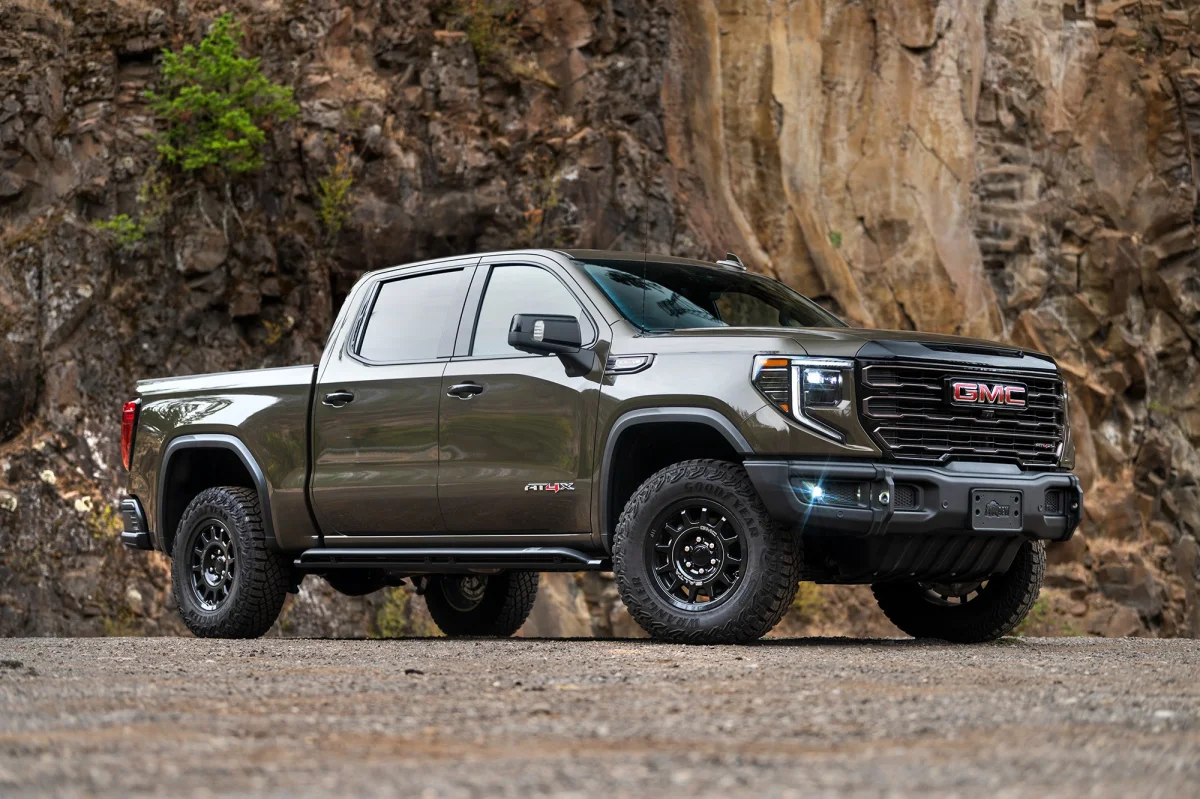
3. GMC Sierra 1500: Capable Yet Brake-Sensitive
The GMC Sierra 1500 is often compared to the Chevrolet Silverado, but it has established its own identity as a capable and stylish full-size pickup. Despite strong performance and refinement, the Sierra 1500 has struggled with braking reliability. The most common issue reported by owners is accelerated brake pad wear.
Even under everyday driving conditions, pads wear out much quicker than expected, leading to frequent replacements and higher ownership costs. For those who tow or haul regularly, this problem becomes even more noticeable, as increased strain on the system speeds up deterioration.
Rotor warping is another recurring issue, particularly in older models. Warped rotors result in vibrations during braking and can significantly extend stopping distances, which is particularly dangerous at high speeds or during emergencies.
Beyond pads and rotors, the Sierra has also faced failures in the brake master cylinder, a critical component responsible for generating hydraulic pressure. A malfunction in this system reduces braking force and can create dangerous driving situations if not addressed promptly.
While GMC has improved certain aspects of its trucks over time, the Sierra 1500 remains more brake-sensitive than some competitors. Buyers drawn to its comfort, power, and towing ability should account for the likelihood of higher brake maintenance. Consistent checks and timely repairs are crucial to ensure safety and performance, making brake upkeep a central part of Sierra 1500 ownership.
4. Ram 2500: Heavy-Duty Strength with Brake Concerns
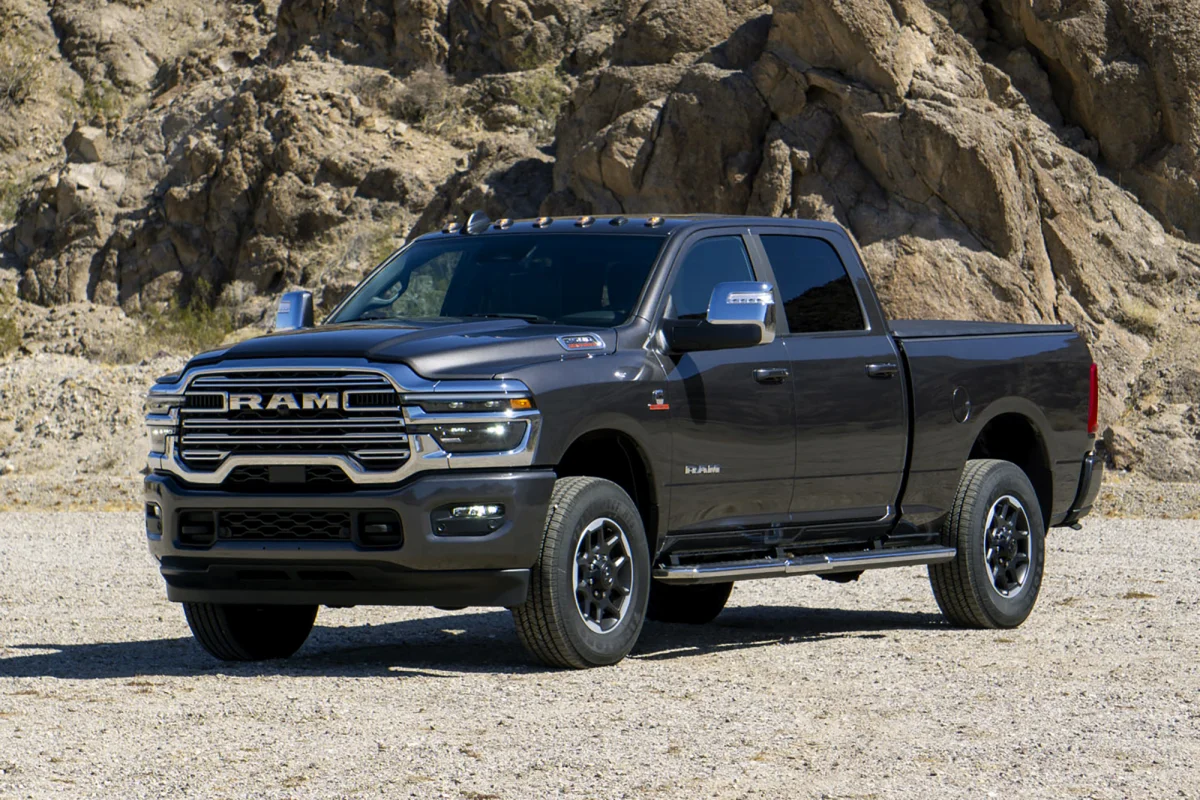
The Ram 2500 is well-regarded for its power, durability, and ability to handle demanding jobs. With strong towing capacity and performance, it appeals to drivers who need a workhorse truck. However, its braking system has been identified as one of its weak points. Like the Ford F-250, the Ram 2500 experiences premature brake pad wear due to the stress created by its weight and the heavy loads it often carries.
For owners who tow regularly, pads wear down at an accelerated rate, requiring more frequent replacements than expected. Rotor warping adds to the frustration, as repeated heavy braking or downhill driving with loads can distort the rotors.
Warped rotors cause vibrations and extended stopping distances, both of which compromise safety. Another issue is brake line leaks, which reduce hydraulic pressure and braking force. In emergency situations, this can be particularly hazardous, as it limits the truck’s ability to stop quickly.
These combined problems make the Ram 2500 more maintenance-intensive when it comes to its braking system. Regular inspections, especially for pads, rotors, and fluid lines, are critical for keeping the truck in working order.
While it continues to deliver reliable power and towing performance, owners must remain vigilant about brake maintenance to avoid costly repairs and potential safety risks. The Ram 2500 shines as a durable truck, but its braking system remains an area requiring consistent attention from drivers.
5. Nissan Frontier: Compact Utility with Brake Limitations
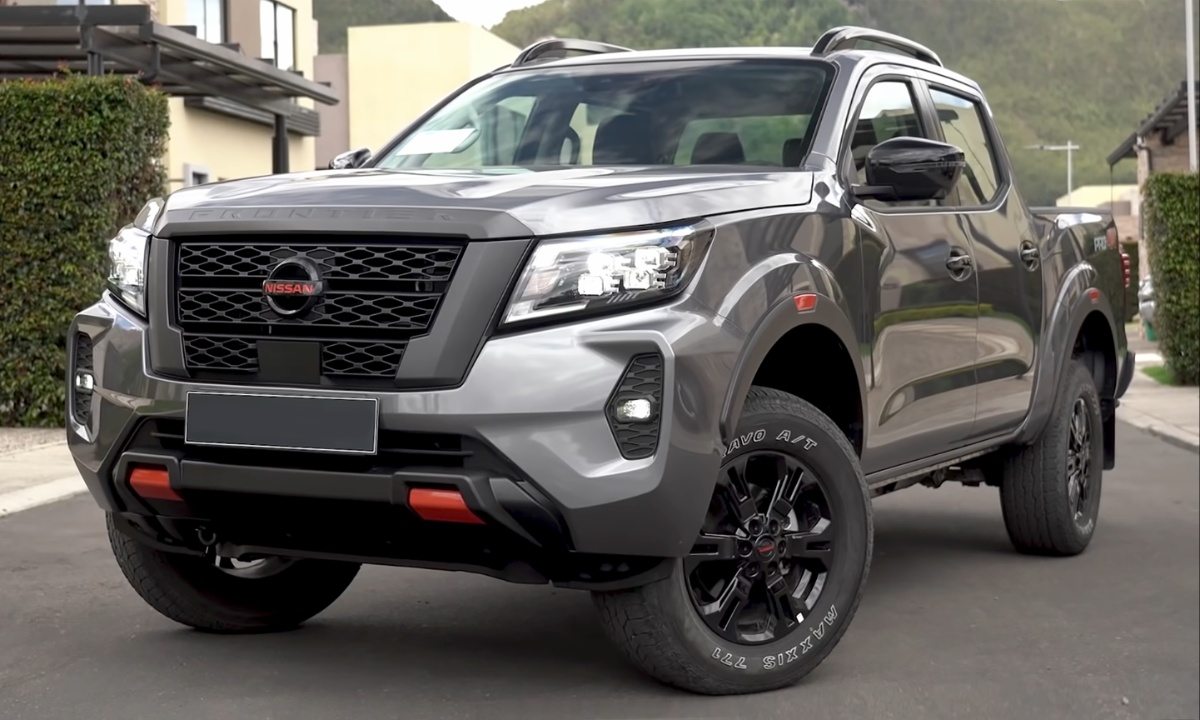
The Nissan Frontier, positioned as a midsize pickup, delivers dependable performance for daily tasks and light towing. It is valued for affordability and practicality, but has been linked to persistent brake-related challenges.
Premature pad wear is one of the most common complaints, with owners often needing replacements far sooner than expected. Excessive heat buildup from worn pads can lead to rotor warping, which creates vibrations during braking and reduces stopping power.
This becomes particularly problematic during emergency stops or high-speed driving, where effective braking is critical. The Frontier has also been associated with failures in the brake master cylinder, a component essential for hydraulic pressure and safe braking.
A failed master cylinder can result in a dangerous loss of braking ability, leaving drivers vulnerable in critical situations. These recurring issues place additional maintenance demands on Frontier owners, who must budget for more frequent brake repairs compared to some rivals.
While the truck remains a practical choice for midsize buyers seeking utility at a lower price point, its braking system is less dependable than many competitors. Regular maintenance, including brake inspections and timely replacements, is necessary to keep the Frontier safe on the road.
Despite its appeal in cost and size, the Frontier’s brake limitations stand as a reminder that buyers may face recurring challenges if long-term reliability is a priority.
Braking performance is more than just a mechanical detail; it’s the backbone of safety, stability, and trust in a truck. As we’ve seen, models like the Toyota Tundra, Ford F-150, and Ram 1500 excel by combining strong components with advanced driver-assist features, creating braking systems that hold up under pressure.
These trucks not only stop reliably but also reduce long-term maintenance demands, making them smart choices for owners who depend on their vehicles day in and day out.
In contrast, trucks such as the Nissan Titan, Ford F-250 Super Duty, and Ram 2500 illustrate the challenges of poor brake engineering. Frequent pad wear, rotor warping, and hydraulic issues compromise both the driving experience and the safety of these trucks. While they still deliver power and utility, their braking weaknesses make ownership more expensive and stressful in the long run.
For buyers, the takeaway is clear: horsepower and towing numbers may turn heads, but reliable brakes are what truly keep a truck dependable in the real world. If you’re investing in a pickup for work, family, or recreation, prioritize models with proven braking systems. It’s the difference between a truck that earns your confidence and one that constantly leaves you second-guessing.
Also Read: 5 Cars That Rarely Need Electrical Repairs vs 5 That Constantly Do