
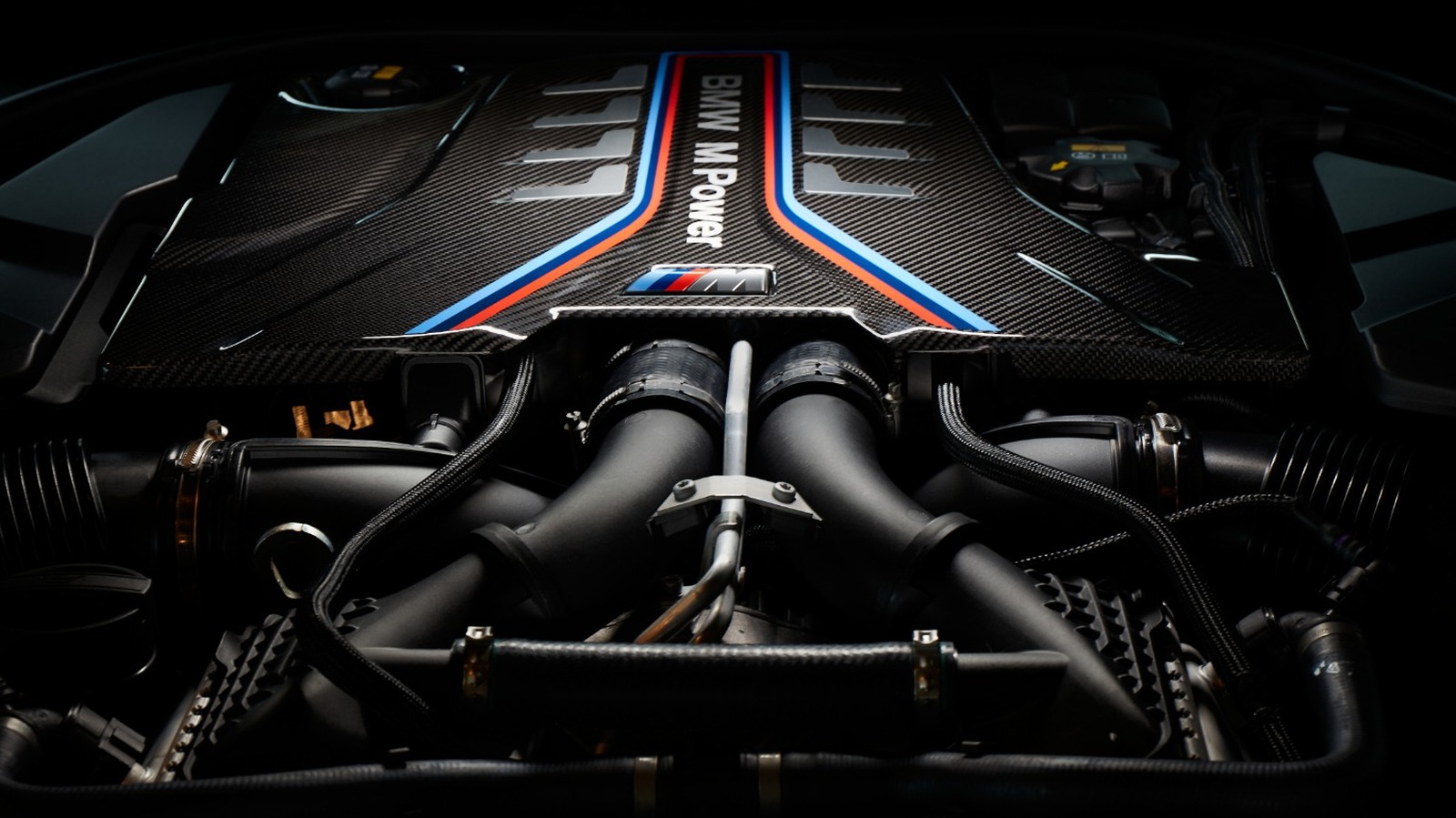
Some engines achieve a level of durability that allows them to outlast the cars they power. These power plants have earned legendary status, not through flashy appearances but through decades of reliability, adaptability, and sheer mechanical resilience.
From diesel workhorses like the Mercedes-Benz OM617 to high-revving Japanese icons such as the Toyota 2JZ, these engines have proven themselves under extreme conditions, heavy use, and spirited driving. What sets them apart is careful engineering, overbuilt components, and a balance between performance and simplicity.
They have been deployed across sedans, trucks, performance cars, and even industrial machinery, demonstrating versatility beyond their original designs. Enthusiasts, mechanics, and collectors alike revere these engines for their ability to accumulate hundreds of thousands of miles while maintaining strength and efficiency.
These twelve powerplants highlight a rare level of endurance and reliability, showing that some engines are built to last far longer than the vehicles they inhabit.
1. Chrysler Slant-Six (G-Engine): A Legacy of Durability and Versatility
The Chrysler Slant-Six, also known as the G-Engine, is an iconic inline-six engine renowned for its durability, versatility, and longevity.
Produced from 1959 to 2000, the Slant-Six was deployed across 31 different Chrysler, Dodge, and Plymouth models, including the Chrysler Cordoba, LeBaron, Fifth Avenue, Dodge Dart, Charger, Challenger, Ram Van, Ram Pickup, Plymouth Barracuda, Belvedere, Duster, and Gran Fury.
Its broad application across sedans, performance cars, and light trucks cemented its reputation as an engine that “just works” in virtually any scenario.
The engine is distinguished by its unique 30-degree canted design, which contributed to a lower center of gravity, improved under-hood clearance, and better cooling efficiency. It was offered in three main displacements: 170, 198, and 225 cubic inches (2.8, 3.2, and 3.7 liters).
Despite these variations, the core engineering remained consistent, featuring robust construction, excellent thermal management, and adaptability for motorsport use in certain configurations.
Within these displacements, Chrysler produced multiple iterations with differences in block height, number of main bearings, and other refinements, but the engine’s hallmark reliability was never compromised.
The Slant-Six utilized both cast iron and aluminum blocks throughout its production, offering options that balanced durability with weight savings. Its simple yet effective design made it capable of enduring high mileage and tough conditions without significant mechanical issues.
Performance variants, while not the primary focus, demonstrated the engine’s flexibility, showing that it could handle more demanding applications with ease.
The Chrysler Slant-Six is celebrated as one of the most dependable and adaptable engines in automotive history, a testament to thoughtful engineering that allowed a single engine design to thrive across multiple decades, body styles, and performance demands. Its legacy endures as a symbol of mechanical resilience and versatility.
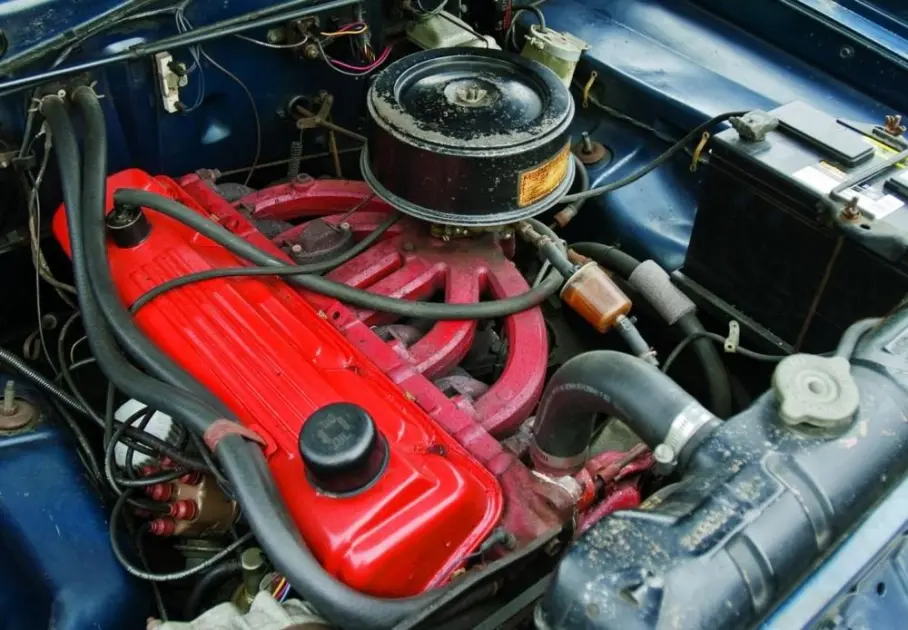
2. Ford 300 Straight-6: The Legendary Workhorse Engine
The Ford 300 Straight-6, introduced in 1965 as part of Ford’s fourth-generation inline-six lineup, is celebrated for its durability, simplicity, and unmatched low-end torque. A 300 cubic inch (4.9-liter) long-stroke engine derived from the earlier 240 six-cylinder, it initially produced 170 horsepower.
Due to changes in rating standards, its net output was listed as 114 hp in 1978 when it became the base engine for the F-Series pickup. Over time, its performance steadily improved, reaching 122 hp in the 1980s and 150 hp in 1987 with the introduction of fuel injection.
The Ford 300 earned a reputation as nearly indestructible, powering everything from full-size pickups to 20,000-pound dump trucks, tractors, wood chippers, water pumps, ski lifts, and even UPS delivery vehicles. Its robustness was proven in motorsport, winning the Baja 1000 three times in trucks driven by Scott Donohue.
Countless anecdotes highlight the engine’s resilience, often running reliably under low oil conditions or with minimal maintenance. Its overbuilt design, simple construction, and cast-iron block contributed to exceptional longevity, with many engines surpassing hundreds of thousands of miles.
Key characteristics of the 300 Straight-6 include high torque at low RPMs, making it ideal for towing and heavy-duty work, and mechanical simplicity, which facilitates easy maintenance and repair. Its weight, resulting from the cast-iron construction, adds to its strength but limits its suitability for lightweight or high-performance applications.
The engine’s versatility made it a mainstay in Ford trucks and industrial equipment globally, and even after production ended in North America in 1996, it continued to be manufactured abroad.
Enthusiasts have embraced the 300 for its potential in performance upgrades, including cylinder head porting, camshaft enhancements, and improved exhaust systems, allowing modest stock horsepower to transform into impressive output while retaining the engine’s legendary reliability.
Ultimately, the Ford 300 Straight-6 stands as an icon of rugged engineering. Its combination of simplicity, torque, and extreme durability ensures it remains a favorite for heavy-duty applications, off-road enthusiasts, and industrial users alike, proving that some engines are built to outlast generations of vehicles.
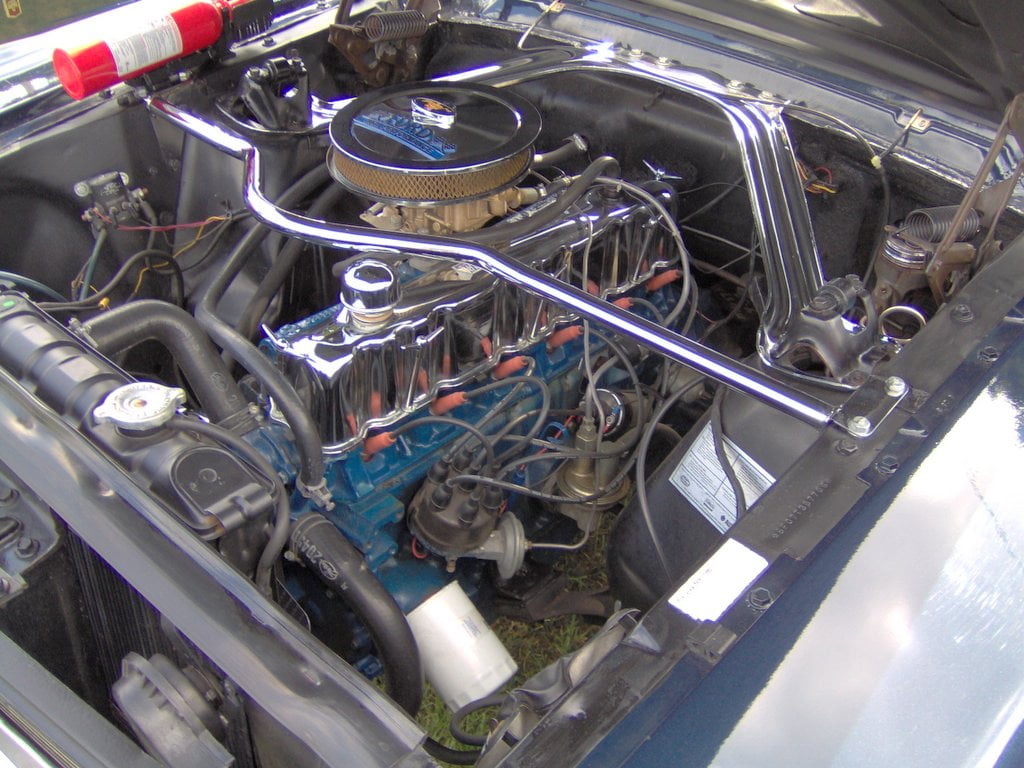
3. Mercedes-Benz OM617: The Quintessential Durable Diesel
The Mercedes-Benz OM617 is a legendary five-cylinder diesel engine renowned for its exceptional reliability and longevity. Produced from 1974 to 1991, the 3.0-liter engine featured a cast-iron block and head with a chain-driven single overhead camshaft, making it a cornerstone of Mercedes’ reputation for mechanical durability.
Its simplicity, combined with robust construction, allowed many OM617-powered vehicles, particularly taxis in Germany, to surpass 600,000 miles without ever requiring an engine rebuild, a feat rarely matched in automotive history.
The OM617 evolved from the four-cylinder OM616 and debuted in the W115 chassis with a modest 79 hp and 127 lb-ft of torque in naturally aspirated form. A turbo-diesel variant soon followed, producing 187 hp and powering the iconic Mercedes C111-IID concept car, which set 16 world land speed records.
By 1978, output increased to 227 hp, adding nine more records to the C111’s resume. Notably, the engine powered the W116 300SD, North America’s first turbodiesel production sedan, balancing reliability with respectable performance.
The engine’s mechanical simplicity with indirect injection, a purely mechanical fuel system, and no complex electronics makes it straightforward to maintain, repair, and modify. Its cast-iron construction ensures resilience to heat and stress, and replacement parts are generally affordable.
However, it is not designed for high horsepower, with rods at risk of bending around 300 hp, and its early turbo variants can feel sluggish at low RPMs. Fuel efficiency and modern performance metrics lag behind contemporary engines, reflecting their focus on durability over speed.
The OM617 appeals to classic car enthusiasts, DIY mechanics, and off-roaders who prioritize longevity and ease of maintenance over modern technology. Its legendary robustness, straightforward mechanical design, and proven track record make it an ideal choice for anyone seeking a durable diesel engine for decades of reliable service.
Even decades after production ended, the OM617 continues to symbolize the durability, reliability, and engineering excellence that Mercedes-Benz is known for worldwide.
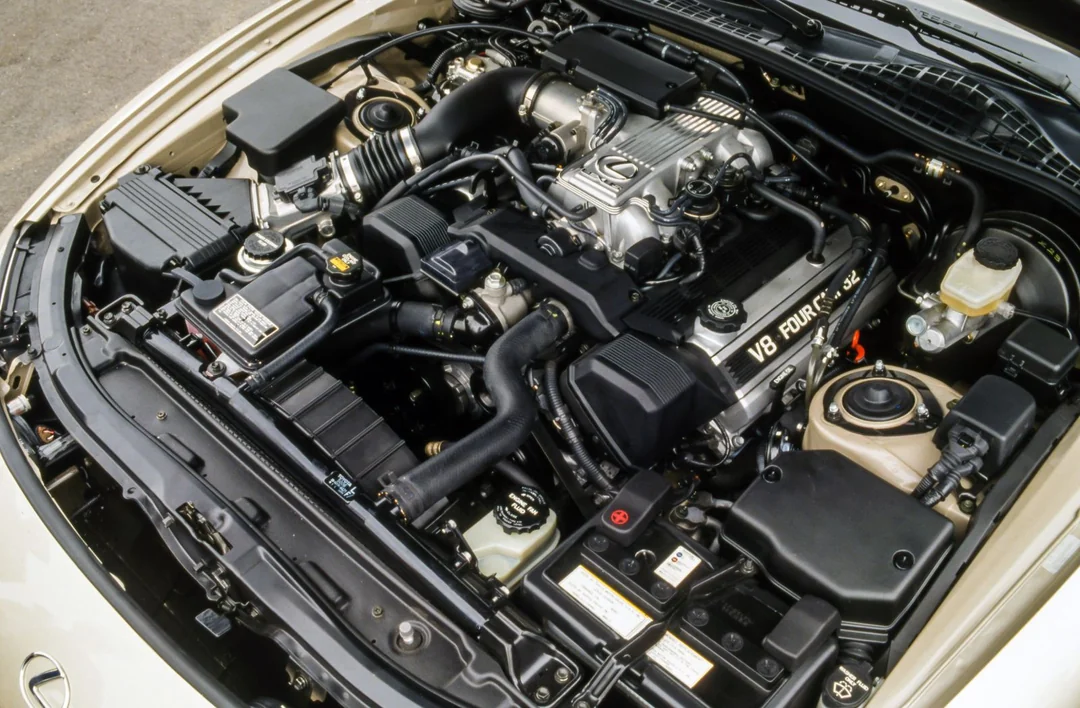
4. Toyota UZ-FE V8: Bulletproof Power and Reliability
The Toyota UZ-FE engine family is a renowned series of 90-degree V8s celebrated for reliability, refinement, and versatile performance. Produced from 1989 to 2013, the UZ family powered a wide range of vehicles, from luxury sedans to SUVs, pickup trucks, and even marine and aviation applications. Its reputation for durability and smooth power delivery has made it a global benchmark for dependable V8 engines.
The UZ series includes three primary variants: the 1UZ-FE (4.0 liters), the 2UZ-FE (4.7 liters), and the 3UZ-FE (4.3 liters). The 1UZ debuted in the Lexus LS 400, establishing a reputation for quiet, refined performance with outputs starting at 256 hp.
The 2UZ, a heavier-duty version with a cast-iron block, powers SUVs and pickup trucks like the Toyota Tundra, Land Cruiser, and Lexus GX/LX, offering reliability and torque for utility and off-road applications.
The 3UZ evolved the series with enhanced power, refinement, and racing variants ranging up to 5.0 liters, delivering up to 500 hp in select motorsports applications such as Japanese Super GT and Grand-Am racing.
All UZ engines are under-stressed, robustly built with steel connecting rods, durable crankshafts, and multi-bolt main bearings, giving them a “bomb-proof” reputation.
They combine smooth operation with exceptional long-term durability, routinely exceeding 400,000–600,000 miles with proper maintenance. This strength also enables extensive tuning potential, allowing enthusiasts to safely extract significant horsepower gains beyond stock specifications.
The UZ-FE family is characterized by its refinement, smooth power delivery, and mechanical integrity, making it ideal for luxury vehicles, off-road trucks, and high-mileage applications. The series’ versatility is reflected in its adaptation for marine engines and even twin-turbo derivatives for aviation use.
The Toyota UZ-FE V8 engines represent a pinnacle of engineering within Toyota’s powertrain history. Whether in a Lexus sedan, a Land Cruiser SUV, or a modified performance application, these engines offer a rare combination of reliability, durability, smoothness, and tuning potential, earning them a lasting reputation as some of the most dependable V8s in automotive history.
5. BMW M50: The Benchmark Inline-Six
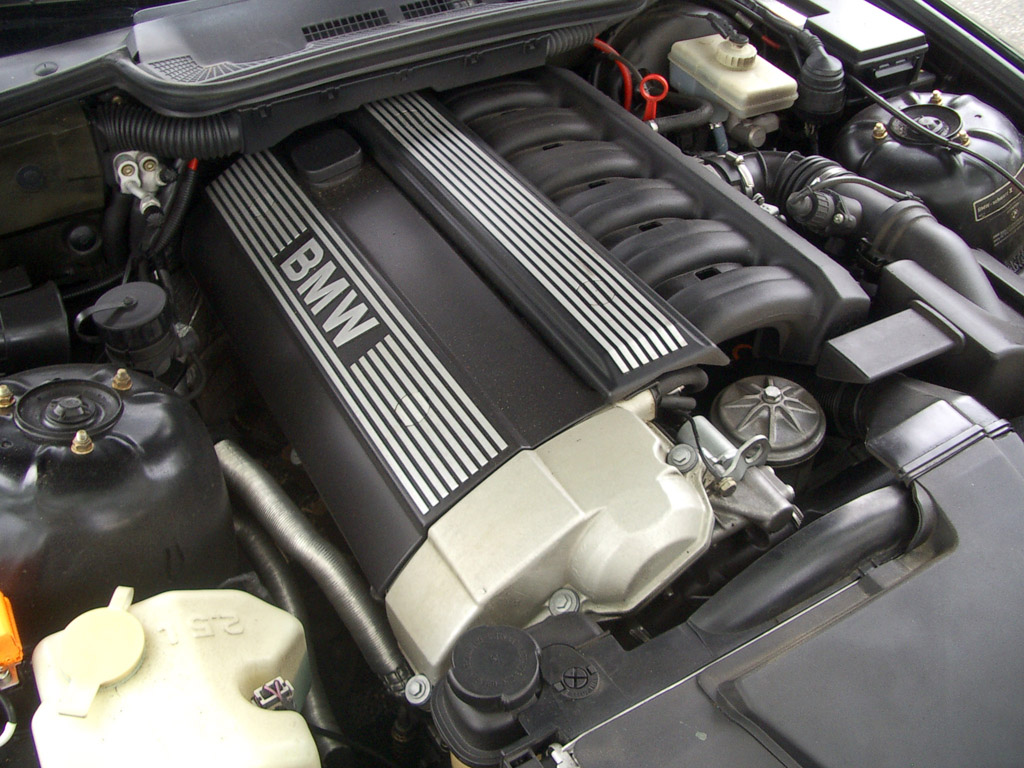
The BMW M50 is a legendary inline-six engine that marked a key evolution in BMW’s powertrain history. Produced from 1990 to 1996, it replaced the M20 in the E34 5 Series and offered displacements from 2.0 to 2.5 liters, producing between 148 and 189 horsepower.
The M50 became BMW’s first engine to feature variable valve timing with the introduction of a single VANOS on the intake cam in 1992, improving both efficiency and performance. Its design set the stage for several subsequent generations of BMW six-cylinders, combining mechanical soundness with tuning potential.
The M50 also formed the foundation for the high-performance S50 engine in the E36 M3, with outputs ranging from 282 to 316 horsepower.
The cast-iron block of the M50 is renowned for handling forced induction, making it a favorite among enthusiasts seeking boosted setups. Its combination of reliability, smooth operation, and responsiveness has cemented the M50 as one of BMW’s most enduring and versatile inline-sixes.
Key strengths of the M50 include its balance of power and refinement, exceptional mechanical robustness, and adaptability for performance upgrades. The engine’s smooth torque delivery and high-revving nature make it suitable for both daily driving and spirited performance applications.
Additionally, the inclusion of VANOS technology was a significant step forward in variable valve timing for BMW, enhancing low-end torque without sacrificing high-end power.
The M50’s legacy extends beyond stock applications, influencing BMW’s engine philosophy for decades and serving as a reliable base for tuning and forced-induction projects. Its reputation for durability, engineering precision, and adaptability ensures that even decades after production ended, it remains highly sought after by enthusiasts.
The BMW M50 is not just a milestone inline-six; it is a versatile, robust, and performance-capable engine that blends classic BMW smoothness with modern technological innovations. Its balance of reliability, tuning potential, and historical significance continues to make it a favorite among BMW fans and automotive enthusiasts worldwide.
Also Read: 12 Engines That Ignore Mileage Like It’s Nothing
6. Toyota 1JZ/2JZ: Bulletproof Inline-Six Legends
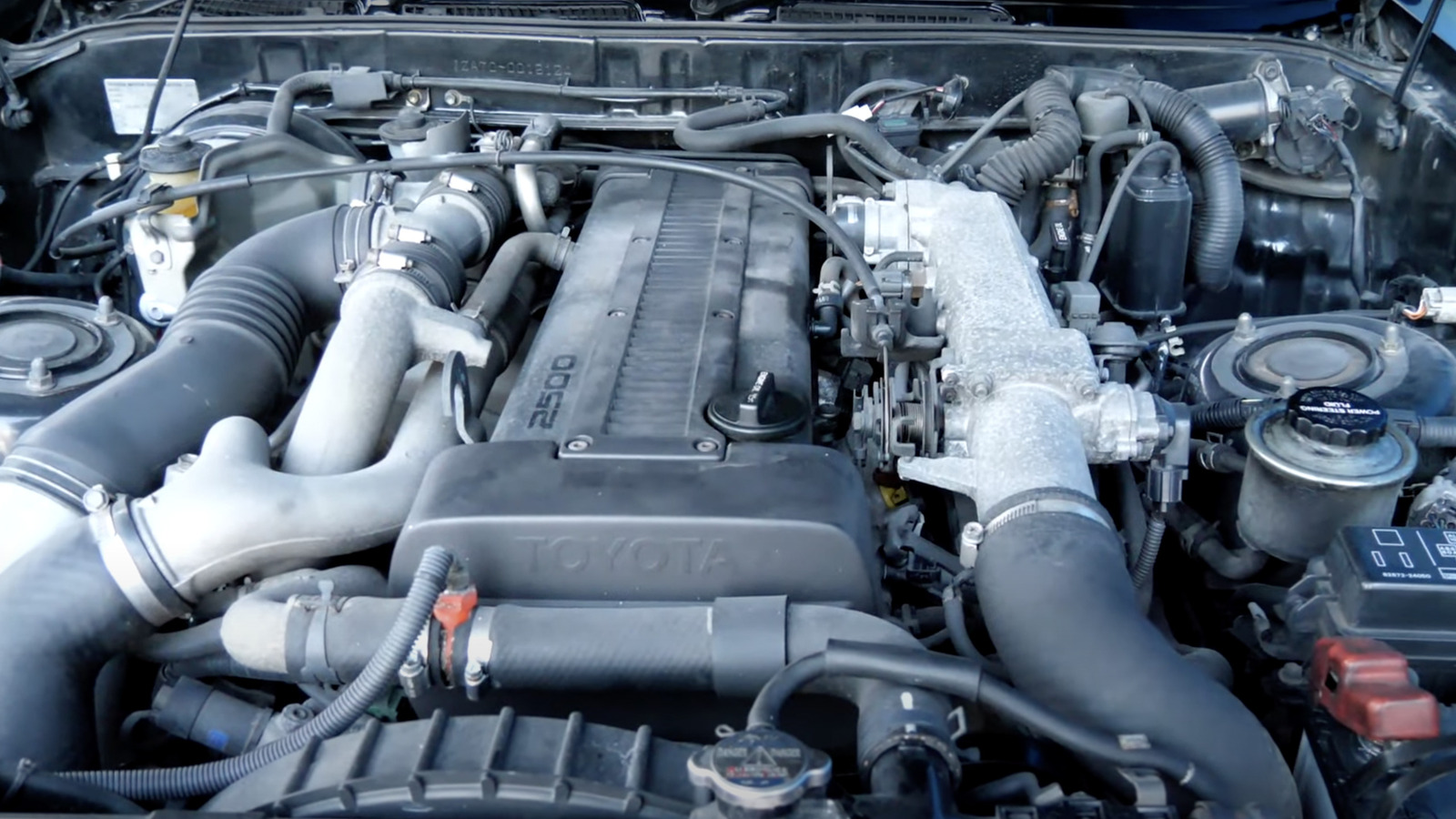
The Toyota 1JZ and 2JZ engines are legendary inline-six powerplants renowned for their reliability, strength, and immense tuning potential. Produced from 1990 to 2007, these engines powered a range of Toyota sports cars and sedans, including the iconic Mk IV Supra, Lexus SC300, Toyota Chaser, and Aristo.
Both engines feature a robust cast-iron block paired with an aluminum cylinder head, ensuring durability under both stock and highly modified conditions.
The 1JZ, a 2.5-liter engine, is celebrated for its rev-happy nature, smooth sound, and responsiveness, making it a favorite in drift builds and high-rev performance applications. Stock outputs ranged from 168 hp, but its strong internals allow tuners to extract 650–700 hp reliably with forced induction.
The 2JZ, a 3.0-liter variant, offers more low-end torque and a wider powerband, enhancing street usability and making it ideal for drag racing and high-performance street cars. Its stock bottom end can handle around 800 hp, and tuned examples have surpassed 1,000 hp while maintaining reliability.
Both engines benefit from the naturally balanced inline-six layout, delivering smooth operation even under extreme stress. Extensive aftermarket support ensures parts, performance upgrades, and modifications are readily available, contributing to their enduring popularity among automotive enthusiasts.
Key differences between the engines include the 1JZ’s higher-revving character compared with the 2JZ’s stronger low-end torque and greater durability. While the 2JZ is slightly less willing to rev to redline than the 1JZ, it provides greater versatility for street and drag applications.
Both engines have earned a reputation as bulletproof platforms capable of sustaining high horsepower, aggressive tuning, and prolonged high-mileage use with routine maintenance.
The Toyota 1JZ and 2JZ engines exemplify the perfect balance of reliability, performance, and tunability. Their strong construction, smooth power delivery, and vast aftermarket support make them some of the most sought-after inline-six engines in automotive history, revered by enthusiasts worldwide for their ability to handle extreme modifications while remaining remarkably dependable.
7. Volkswagen ABF: Compact Powerhouse for Enthusiasts
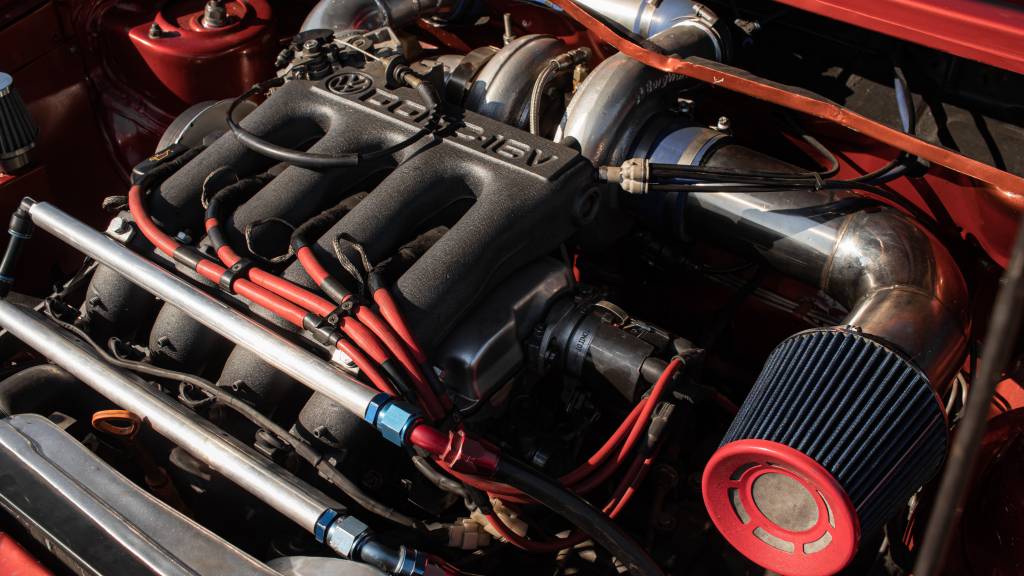
The Volkswagen ABF is a 2.0-liter, 16-valve inline-four engine produced from 1992 to 1999, most notably found in the Mk III Golf GTI and select fourth-generation Passat models. It delivers 148 horsepower at 6,000 rpm and 133 lb-ft of torque at 4,800 rpm.
Designed with a cast-iron block, aluminum head, hydraulic lifters, and fuel injection, the ABF balances durability with spirited performance, making it a preferred engine for both daily driving and performance projects.
Performance characteristics define the ABF. Its rev-happy nature allows it to reach high RPMs without strain, while strong low-end torque improves drivability and overtaking capability.
These traits make it especially popular for engine swaps into older Mk1 and Mk2 Golf models, providing a significant power upgrade without requiring a complete chassis overhaul. Enthusiasts also appreciate its distinctive intake and exhaust sound, which gives the engine both character and presence.
Maintenance and reliability are key strengths, though certain issues are known to appear with age. Common concerns include oil leaks from the rocker cover or distributor O-rings, idle stabilization problems, crank sensor corrosion, coil pack failures, and water pump leaks if not properly installed.
Preventive care, such as replacing O-rings, monitoring sensor wiring, and keeping a spare coil pack, helps maintain long-term reliability. The engine also benefits from a 2.2-liter conversion, which enhances low-end torque and provides even greater performance for swaps or tuning projects.
Durability is a hallmark of the ABF. Engines frequently reach 250,000 miles or more, even under aggressive driving conditions, reflecting the robust design and strong internal components. Its combination of reliability, tuning potential, and performance-friendly characteristics has established it as a standout choice for Volkswagen enthusiasts seeking a compact engine that delivers both fun and dependability.
With its balance of power, longevity, and character, the ABF engine continues to be highly regarded for performance builds, engine swaps, and spirited driving, proving that a small four-cylinder can pack both reliability and excitement into a compact package.
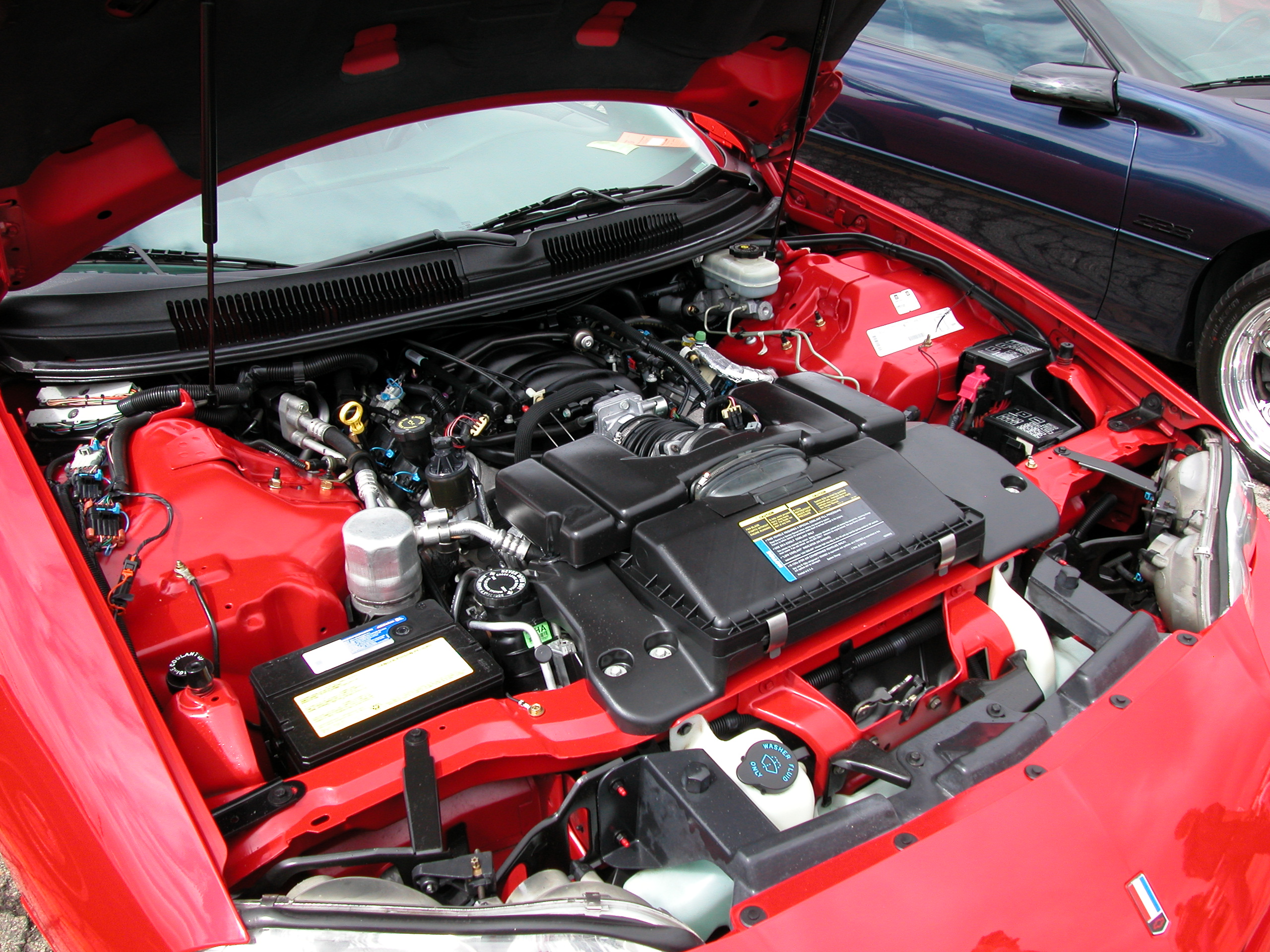
8. GM LS V8: The Modern Small-Block Workhorse
The GM LS family of small-block V8 engines has been a cornerstone of General Motors’ performance and reliability since 1997. Spanning multiple generations with a fourth generation on the way, the LS powers a wide variety of vehicles, from the Chevrolet Silverado and Camaro to the Corvette and performance trucks.
Displacements range from 4.8 liters (Vortec 4800 LR4) to 7.4 liters, producing outputs from 255 hp to an astonishing 1,250 hp in highly modified versions based on the LT7 platform with twin turbochargers.
The LS V8 is renowned for its combination of compact size, lightweight construction, and strong low-end torque. Many engines use an aluminum block with a Y-block design and six-bolt main bearings, providing exceptional rigidity and a robust foundation for high-performance applications.
Its pushrod layout contributes to low-end power and efficient packaging, making it ideal for engine swaps and tuning projects across a broad range of vehicles.
Reliability and longevity are hallmarks of the LS family. Naturally aspirated LS engines have routinely delivered hundreds of thousands of miles with minimal issues, whether in trucks, sports cars, or high-performance builds.
Specific models do present potential drawbacks, such as valve spring fatigue in the LS6 or high oil temperatures in track applications, but these issues are generally manageable with proper maintenance and cooling upgrades. Fuel requirements for certain high-output variants may also necessitate premium gasoline.
One of the LS V8’s defining advantages is the immense aftermarket support available. Enthusiasts can access camshafts, intake and exhaust upgrades, supercharger and turbo kits, and complete swap packages, making it one of the most versatile V8 platforms ever produced. Its combination of modularity, reliability, and tunable power has made it a favorite among performance builders, racers, and everyday drivers alike.
The LS V8’s adaptability allows it to thrive in sports cars, trucks, SUVs, and custom builds. Its blend of strength, compact design, and performance potential ensures that it remains one of the most sought-after and respected V8 engines in the automotive world, continuing the legacy of GM’s small-block engineering.
9. Honda K-Series: High-Rev, Reliable Inline-Four
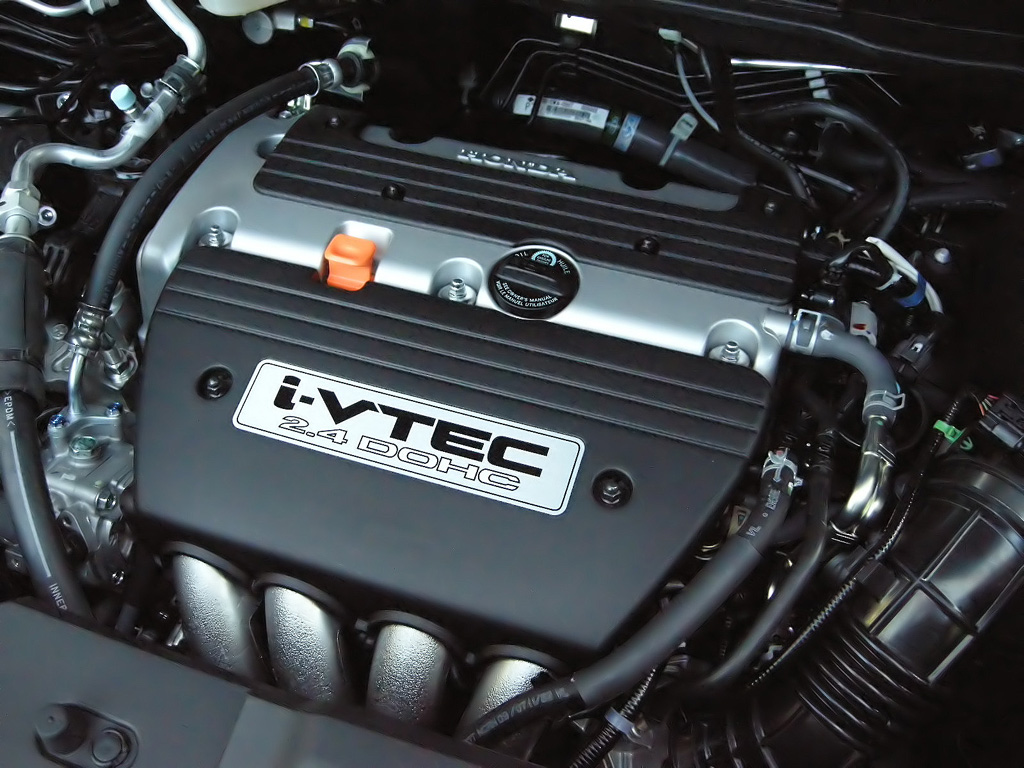
The Honda K-Series is a widely acclaimed family of dual-overhead camshaft (DOHC) inline-four engines launched in 2001. With displacements ranging from 2.0 to 2.4 liters, the K-Series has powered a variety of Honda and Acura models, including the Civic Type R, Integra, Accord, CR-V, and RDX.
Its combination of high-revving capability, reliability, and versatility has made it a favorite among enthusiasts for performance builds and engine swaps.
The K-Series is available in naturally aspirated and turbocharged forms, with turbo variants like the K20C1 delivering substantial power while maintaining the engine’s renowned durability. The K20 and K24 variants are especially popular, with the K20 known for its rev-happy nature and smooth performance, and the K24 providing stronger low-end torque suitable for larger vehicles or street builds.
All engines feature Honda’s i-VTEC technology, allowing a balance between fuel economy and high-end performance. The transition between VTEC profiles provides both performance gains and a distinctive engine note, contributing to the K-Series’ reputation as one of the better-sounding four-cylinder engines of its era.
Reliability is a key strength. The engine’s aluminum block, ladder-frame main bearings, and robust internals allow many K-Series motors to exceed 200,000 miles with proper maintenance. The design also accommodates significant performance modifications, including forced induction, high-rev builds, and full race setups, with minimal risk to the stock bottom end.
Common issues include oil leaks from the front crankshaft seal, camshaft galling on engines with poor maintenance, and vibrations from worn engine mounts. Preventive care regular oil changes, monitoring oil levels, and checking engine mounts, helps ensure long-term reliability.
The K-Series benefits from a thriving aftermarket ecosystem, offering extensive support for performance upgrades, engine swaps, and tuning. Its combination of high-revving performance, durability, and adaptability has solidified its status as one of Honda’s most versatile and respected engine families, capable of delivering both reliability for daily driving and excitement for high-performance builds.
10. Toyota 2GR: Robust and Versatile V6
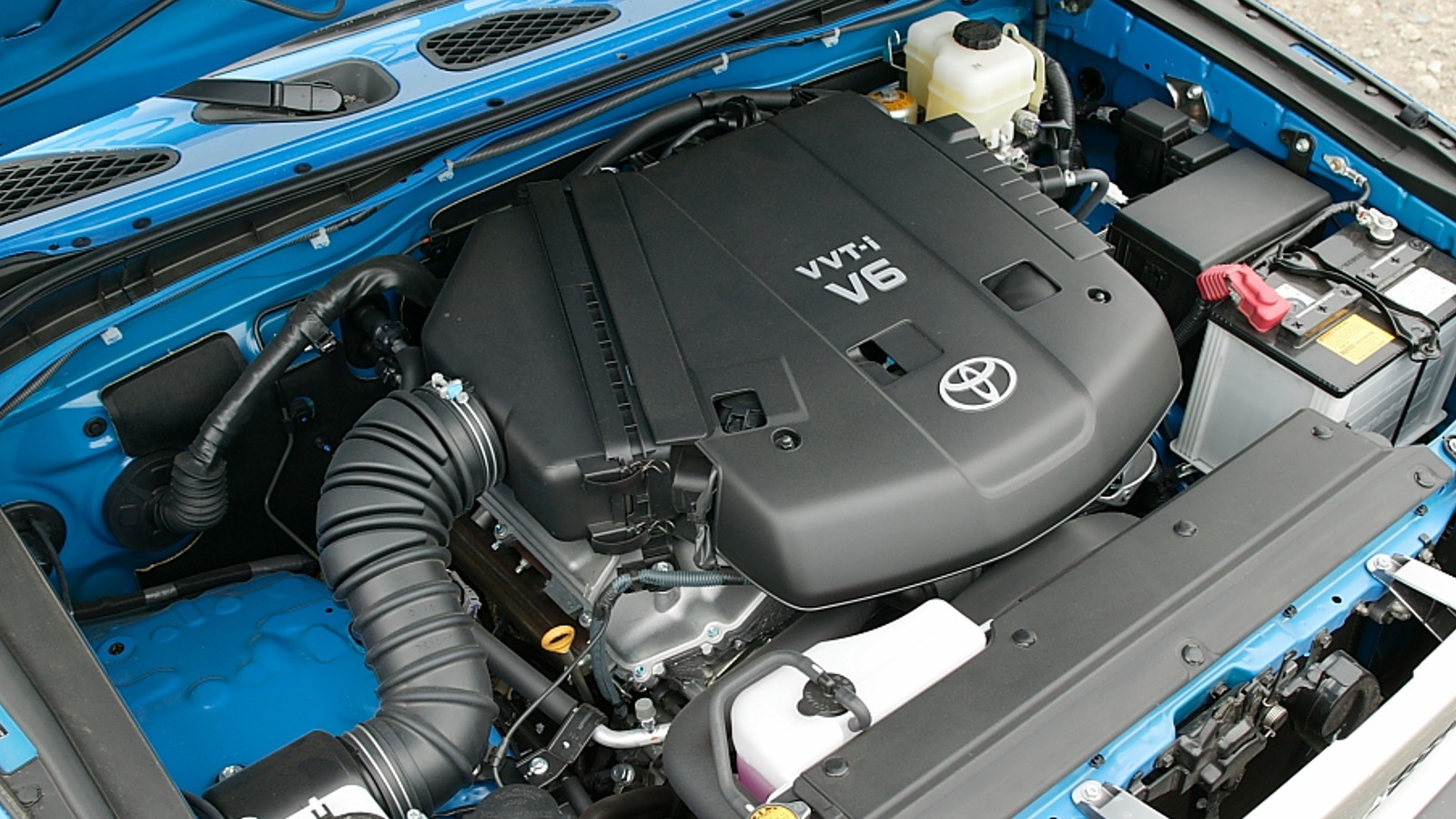
The Toyota 2GR is a 3.5-liter, 60-degree V6 engine launched in 2005 and remains in production today. Part of Toyota’s GR engine family, the 2GR has powered a wide range of vehicles globally, including the Toyota Camry, Tacoma, Highlander, Avalon, and Lexus ES, GS, IS, and RX models.
It has even found its way into the Lotus Evora and served as a racing engine for the Corolla. Known for its reliability, smooth operation, and strong power output, the 2GR ranges from 237 to 316 horsepower depending on application.
Constructed with a die-cast aluminum block and aluminum head, the 2GR combines modern engineering with durability. Its naturally aspirated design contributes to fewer potential failure points compared to turbocharged engines, while later versions incorporating D4S dual injection improve efficiency and reduce carbon buildup.
The engine’s power-to-weight ratio is well-balanced, making it responsive in city driving and capable on highways, while maintaining quiet and refined operation, particularly in Lexus models.
Owners frequently report long-term durability, with many 2GR engines surpassing 200,000 miles with proper maintenance. Early versions experienced issues with water pumps, timing cover oil leaks, and brittle rubber oil lines, which Toyota later addressed with updated metal oil lines and revised components.
Common service considerations include cooling system plastic components and the occasional complex repair due to engine layout.
The 2GR’s versatility is one of its strongest attributes. It adapts easily across sedans, SUVs, minivans, and even sports cars, showcasing a design capable of handling varying demands while retaining reliability.
Its robustness, combined with a proven track record in both consumer and performance applications, makes it a highly regarded engine among Toyota and Lexus owners.
Drivers appreciate the 2GR for its smooth, lively power delivery, refinement, and reliability. Its design demonstrates Toyota’s focus on long-lasting performance, addressing early flaws while maintaining simplicity and efficiency.
Whether used in daily commuting, family vehicles, or light performance applications, the 2GR exemplifies a modern, dependable, and versatile V6 engine capable of meeting diverse automotive needs.
11. Mitsubishi 4G63T: The Underdog Turbo-Four That Redefined Performance
In the 1990s, while big-block V8s and legendary Japanese straight-sixes dominated the automotive spotlight, a humble 2.0-liter turbocharged four-cylinder quietly carved out its own legacy. This engine, the Mitsubishi 4G63T, powered everything from everyday coupes to rally-bred machines, proving that size isn’t always everything when it comes to performance.
Its combination of durability, tunability, and all-wheel-drive traction made it an underdog engine capable of competing with much larger engines, earning the respect of gearheads worldwide.
The 4G63 was part of Mitsubishi’s Sirius engine family, introduced in the early 1980s. The turbocharged variant, the 4G63T, debuted in 1987 with the Galant VR-4, setting the stage for a legacy that would culminate in the Lancer Evolution series.
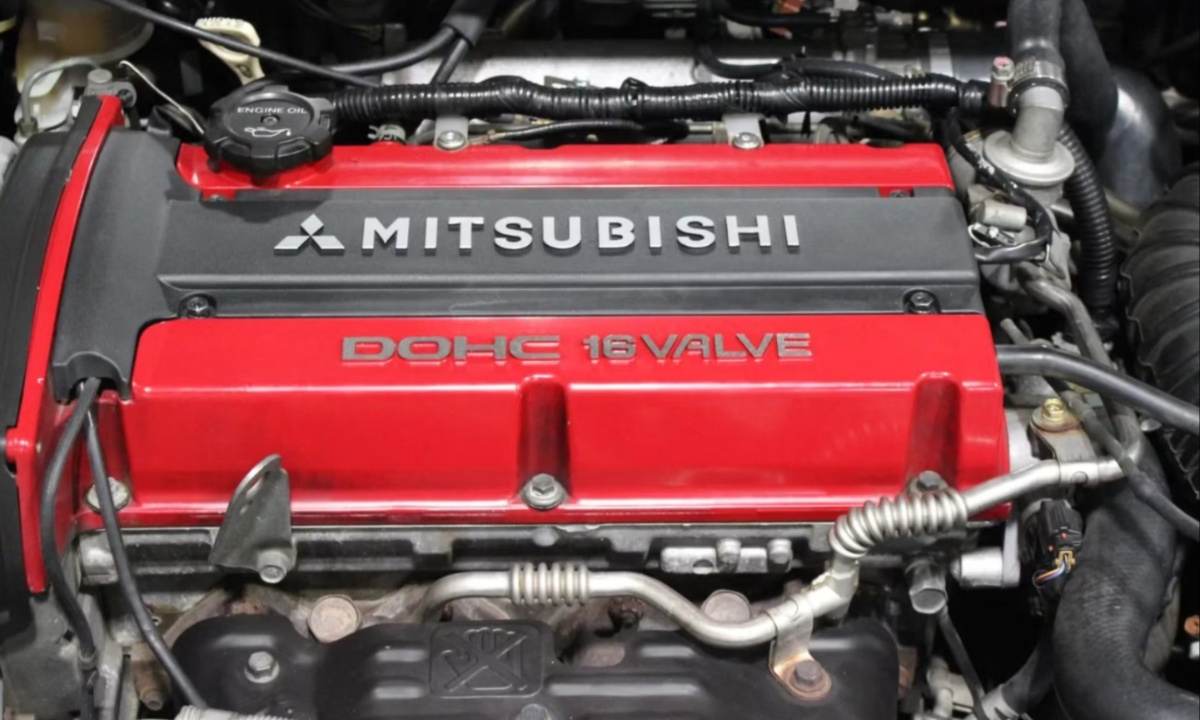
The engine’s design was purpose-built for performance: a rugged cast-iron block paired with an aluminum DOHC head, forged steel internals, and oil squirters engineered for longevity under serious boost.
Compression ratios varied across generations from 7.8:1 in the earliest models to 8.8:1 in later iterations, while turbocharger sizes evolved from TD05-series units to larger variants in higher-generation Evos.
Over its lifespan, the 4G63T-powered models such as the Mitsubishi Galant VR-4, first- and second-generation Eclipse, Lancer Evolution I through IX, Outlander, Space Runner/RVR, and badge-engineered vehicles like the Eagle Talon and Plymouth Laser.
Horsepower ranged from 200-280 hp, with torque around 200-290 lb-ft depending on the model and generation. This compact turbo-four was engineered to handle abuse, from high-speed rallies to drag-strip launches, thanks to its overbuilt internals and turbo-friendly design.
In the American market, the 4G63T gained fame through the DSM trio: the Mitsubishi Eclipse GSX, Eagle Talon TSi AWD, and Plymouth Laser RS Turbo. Despite modest stock outputs of roughly 195 hp, these lightweight AWD coupes could outperform much heavier V8-powered muscle cars thanks to turbo boost and superior traction.
Curbing wheelspin at launch allowed the DSMs to run 0-60 mph in the low six-second range and quarter-mile times in the mid-14s to low 15s, putting Detroit’s muscle on notice. The partnership between Mitsubishi and Chrysler allowed the Talon and Laser to share the Eclipse’s engineering under different badges, creating a widespread impact for the engine without the halo-car status of its competitors.
Before the Lancer Evolution, the Galant VR-4 laid the groundwork for rally success. Equipped with AWD and the 4G63T engine producing 195 hp, the Galant achieved 0-60 mph in 7.3 seconds and a quarter-mile in 15.6 seconds, advanced performance for its time.
When the Lancer Evolution I debuted in 1992, the engine output jumped to 250 hp with 228 lb-ft of torque, combined with aggressive tuning, lighter weight, and AWD traction. The Evo I could sprint to 60 mph in approximately 5.7 seconds, demonstrating the engine’s capability to excel in rally conditions and competitive motorsport.
Over successive Evo generations, the 4G63T evolved with reinforced rods, larger turbos, and eventually MIVEC variable valve timing, cementing its status as a rally legend.
While the 4G63T is revered among enthusiasts, it never achieved the global fame of the Toyota 2JZ-GTE or Nissan RB26DETT. The 2JZ’s twin-turbo inline-six powered the Supra Mk4, becoming a Hollywood icon, while the RB26DETT in the Skyline GT-R captured international mystique.
By contrast, the 4G63T was more of a workhorse, appearing in everyday coupes and rally-oriented sedans rather than halo cars. Yet, tuners appreciated its iron-block durability and potential to reliably produce 700-1000+ hp, proving its engineering excellence even without mainstream hype.
Today, the 4G63T is remembered as an underdog’s engine, a people’s weapon that gave gearheads access to high performance without the need for exotic platforms. It continues to be celebrated in DSM builds, Lancer Evo restorations, and the tuner community for its robustness, tunability, and all-wheel-drive synergy.
Though overshadowed in popular culture by more glamorous engines, the 4G63T remains a testament to smart engineering: a compact, turbocharged powerhouse capable of rally domination, drag-strip victories, and enduring reliability. For enthusiasts, it’s proof that with solid engineering, a well-designed platform, and careful tuning, a “humble” engine can achieve legendary status.
12. Ford Barra Inline-Six: Australia’s High-Power Workhorse
The Ford Barra Inline-Six is one of the most celebrated engines to come out of Australia, yet it remains relatively unknown outside its home markets. Developed and produced by Ford Australia, the Barra became the backbone of both everyday and high-performance vehicles, offering exceptional robustness, power potential, and reliability.
Despite limited availability in regions like the United States, it has earned a reputation among enthusiasts for its adaptability, strength, and tunability, particularly in turbocharged forms.
The Barra engine evolved from Ford Australia’s earlier Intech inline-six range, which had served as the foundation for numerous vehicles throughout the late 1990s. By the early 2000s, Ford recognized the need for a modern replacement that could deliver higher performance and efficiency.
This led to the debut of the Barra in the BA generation Ford Falcon, a major redesign of Australia’s flagship sedan. With a 4.0-liter displacement, dual overhead camshaft configuration, and 24 valves, the Barra represented a significant technological advancement over its predecessors.
It was engineered to offer both naturally aspirated and turbocharged configurations, as well as a variant running on liquefied petroleum gas (E-Gas), providing a wide spectrum of performance options depending on the model and application.
The naturally aspirated Barra produced around 244 horsepower in entry-level Falcons, providing strong low-end torque and smooth power delivery suitable for daily driving. The E-Gas variant balanced performance and efficiency while maintaining reliability and low maintenance requirements.
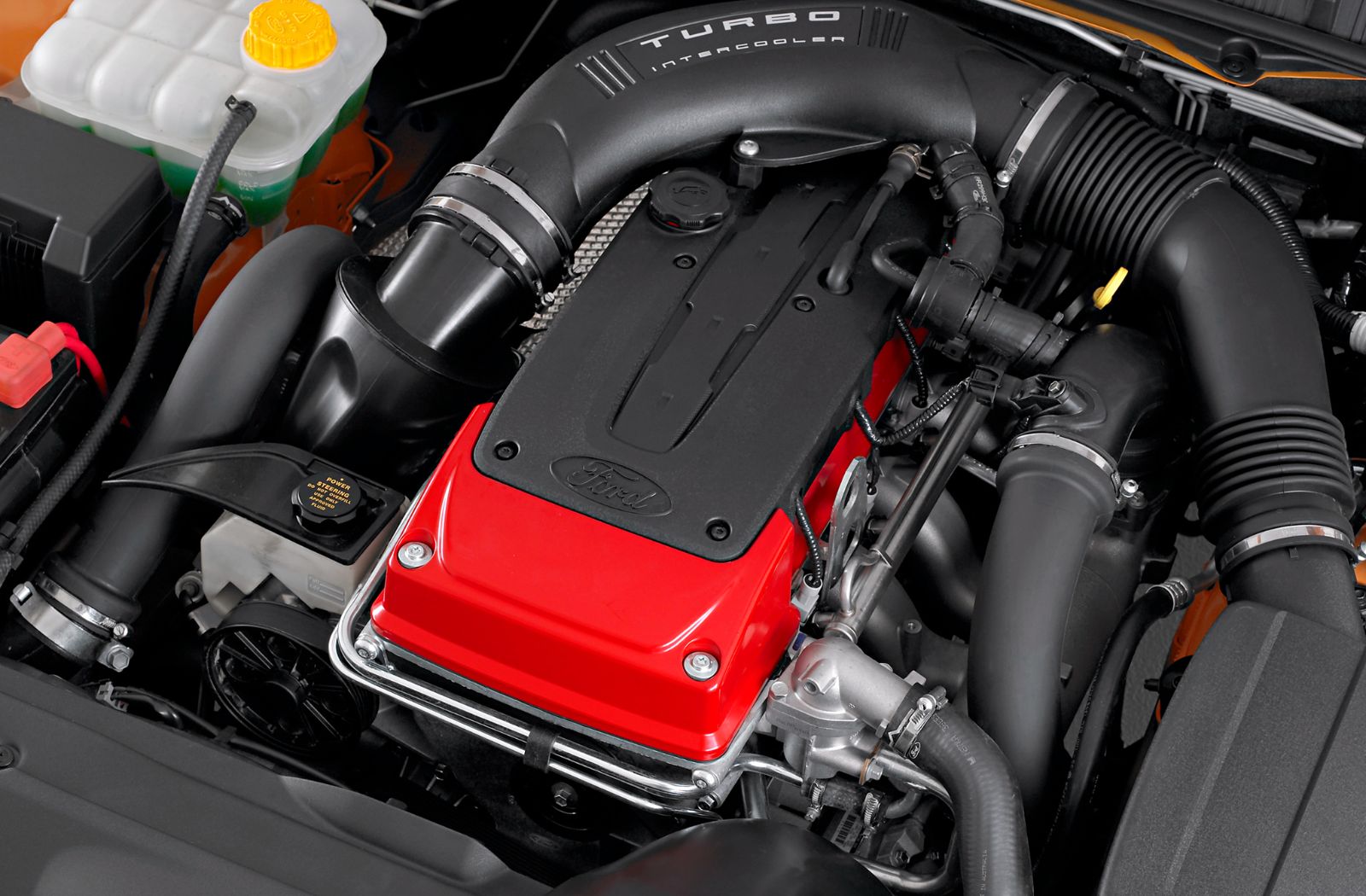
However, the most celebrated version was the turbocharged Barra found in the Falcon XR6 Turbo, which produced 322 horsepower and 332 lb-ft of torque through a Garrett turbocharger, higher compression ratio, and reinforced internals. This engine quickly became the performance icon of the lineup, demonstrating the Barra’s capability as a high-power platform.
Engineered for longevity and high-stress performance, the Barra features a strong cast iron block paired with an aluminum DOHC cylinder head. Its robust internals, including forged pistons and strengthened rods in turbocharged variants, allow it to handle significant horsepower increases.
Variable Cam Timing (VCT) provides efficiency and performance across the rev range, while the 24-valve design optimizes airflow for both naturally aspirated and turbocharged operation. Over the years, the Barra turbo variants underwent further refinements, such as revised camshaft profiles, intercoolers, and overboost functionality, pushing the engine to new levels of power and responsiveness.
Some highly modified Barra engines have exceeded 2,000 horsepower while retaining factory blocks and heads, highlighting the engine’s exceptional durability and tuning potential.
The Barra Inline-Six powered a range of Ford Australia vehicles beyond the Falcon. It was used in performance-oriented models like the XR6 Turbo, as well as SUVs such as the Ford Territory, demonstrating its versatility across vehicle types.
Over time, the engine underwent revisions that improved power, efficiency, and reliability, including changes to turbochargers, cylinder heads, and electronic controls. The high-performance 325T variant, for instance, incorporated overboost technology, a high compression ratio, and was limited to just 500 units, making it particularly desirable among enthusiasts.
Despite its strengths, the Barra is not without challenges. Its large size and weight can complicate swaps into smaller engine bays, and early turbocharged models were prone to oil pump gear failures under high RPM or boost, requiring replacement with billet components.
Turbocharged versions also demand careful tuning and maintenance to ensure reliability and longevity, particularly in high-performance applications. Nevertheless, the Barra’s robustness, high torque output, and potential for extreme horsepower make it a standout engine for performance enthusiasts.
The Ford Barra Inline-Six has left a lasting legacy in Australian automotive engineering. While it may not have the international recognition of Ford’s American V8s, such as the Coyote, Voodoo, or Predator engines, the Barra demonstrates that an inline-six can combine reliability, power, and adaptability in a modern design.
From naturally aspirated daily drivers to turbocharged high-performance Falcons and Territories, the Barra has proven itself as a versatile and capable engine.
Its ongoing popularity in engine swaps, high-performance builds, and motorsport further cements its status as a remarkable achievement in inline-six engineering, offering a combination of durability, tunability, and performance that continues to impress enthusiasts worldwide.
These twelve engines represent more than mechanical components; they symbolize resilience, innovation, and engineering excellence. From the dependable Ford 300 Straight-6 to the performance-driven Toyota 2JZ, each has proven capable of surviving decades of use while maintaining reliability and performance.
They have powered countless vehicles, endured extreme conditions, and continued to deliver beyond the lifespan of their original cars. Their lasting appeal highlights the importance of thoughtful design, robust construction, and adaptability. Celebrating these engines is a celebration of engineering that stands the test of time.
They remind enthusiasts and professionals alike that while cars may fade, exceptional engines continue to inspire, perform, and endure long after their vehicles have left the road.
Also Read: 5 Diesel Engines That Last Forever vs 5 That Fail Before 150k
