For many American drivers, one of the most frustrating maintenance issues isn’t a blown gasket or even a failed transmission it’s an engine that constantly burns oil.
Excessive oil consumption not only eats into your wallet but can also signal underlying design flaws or accelerated wear that shorten an engine’s lifespan.
That’s why mechanics and enthusiasts often hold in high regard engines that avoid this problem. While no motor is completely immune to wear, certain designs stand out for their ability to maintain consistent oil control well into high mileage.
From Toyota’s bulletproof four-cylinders to Honda’s precision engineering, the following 13 engines have proven reputations for running clean without guzzling oil between changes.
Each one has earned its place by combining sound engineering, robust materials, and real-world track records of durability.
1. Toyota 2UZ-FE V8
The 4.7-liter Toyota 2UZ-FE V8, used in the Land Cruiser, Sequoia, and Lexus LX470, is one of the most respected engines in Toyota’s lineup.
Unlike some Toyota four-cylinders that developed oil-burning issues in the 2000s, the 2UZ-FE uses a cast-iron block, conservative compression ratios, and an overbuilt bottom end.
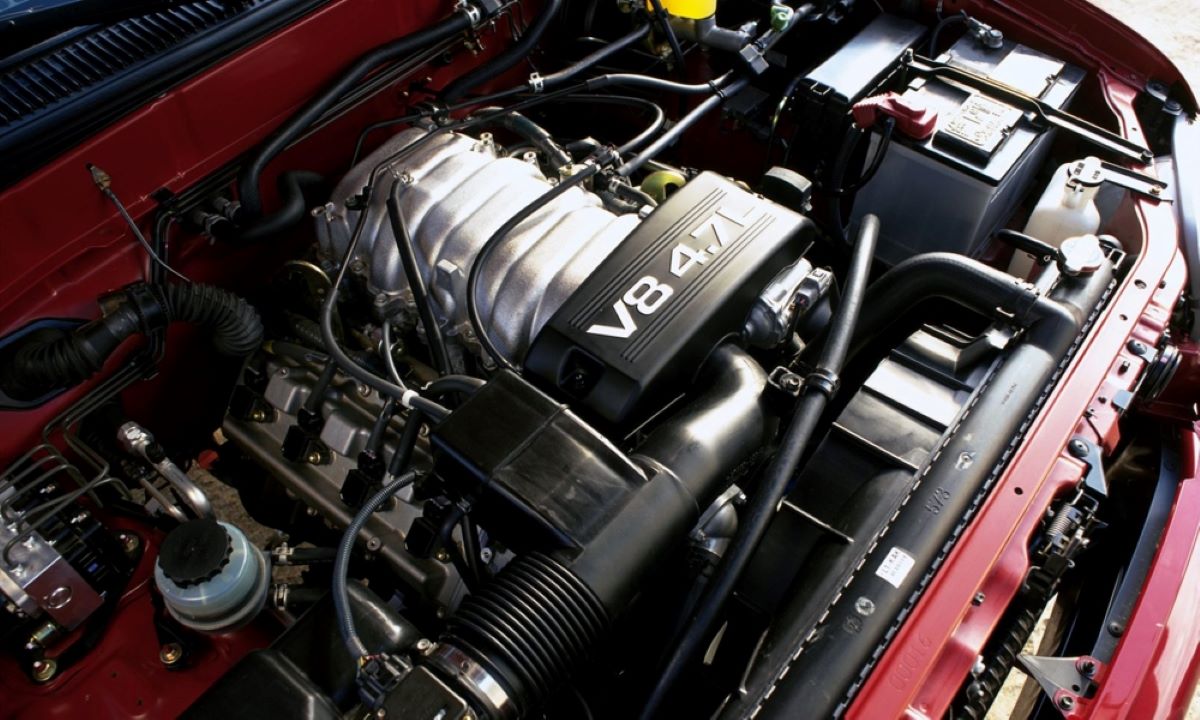
The result is an engine that doesn’t just resist oil consumption but also runs well past 300,000 miles with proper maintenance. It’s a favorite among off-roaders and overlanders who need reliability in extreme conditions.
2. Honda K24
Honda’s K-series four-cylinder is legendary for its balance of performance and reliability, but the K24 in particular stands out for its clean operation. Found in vehicles like the Accord, CR-V, and Element, the K24 rarely consumes oil excessively, even when driven hard.
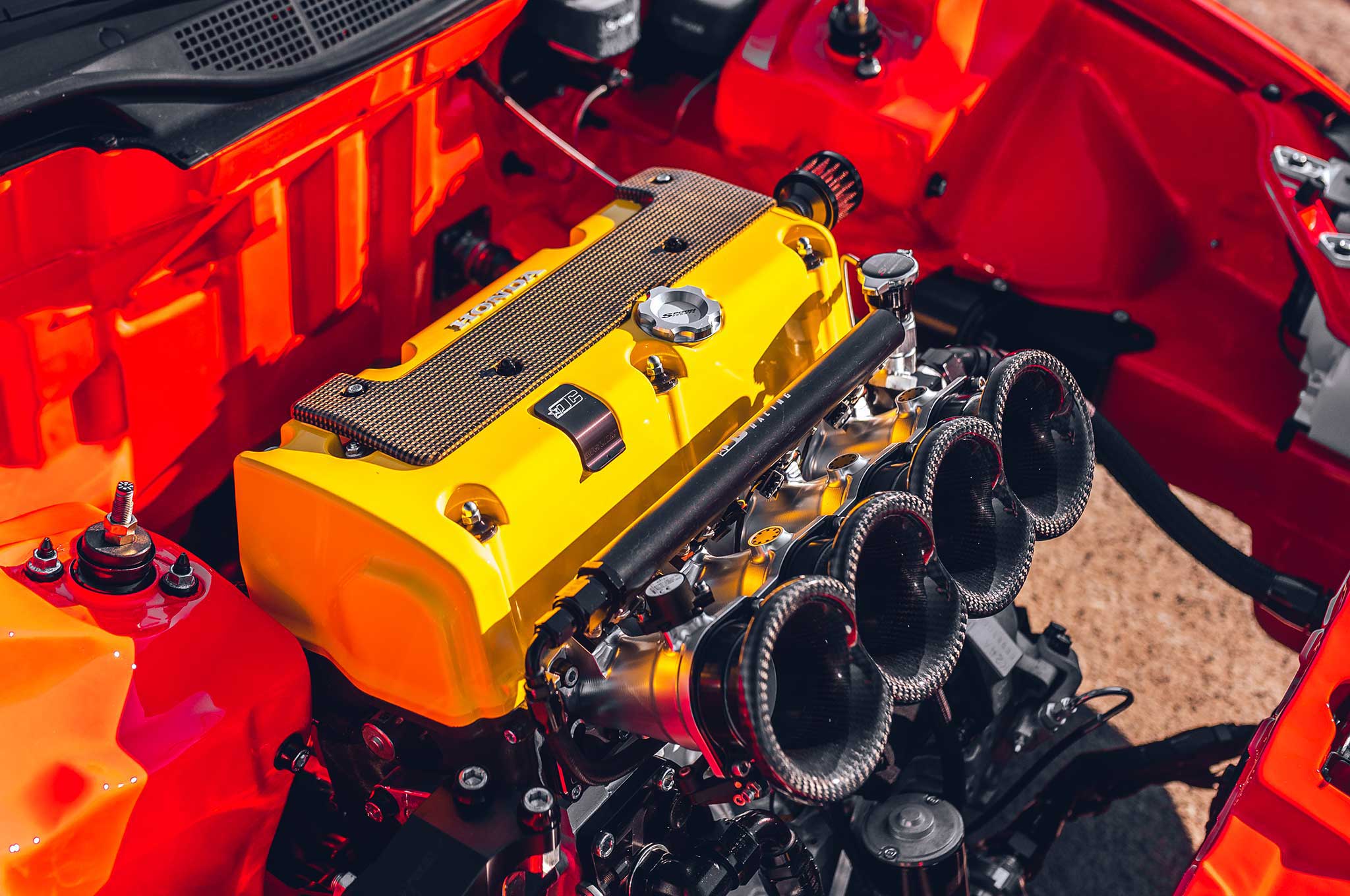
With a robust piston ring design and excellent cylinder wall finish from the factory, the K24 maintains tight oil control while still revving freely a hallmark of Honda engineering.
Also Read: Top 10 Pickups That Rarely Need Engine Swaps
3. Toyota 1GR-FE V6
The 4.0-liter 1GR-FE V6, powering Toyota trucks like the Tacoma, 4Runner, and FJ Cruiser, is another example of bulletproof engineering.
Unlike some smaller Toyota four-cylinders, this V6 has an excellent reputation for avoiding oil consumption, even under heavy towing or off-road loads. Its dual-overhead-cam design, large oil capacity, and strong piston ring seals make it a low-maintenance workhorse for adventure seekers.
The 1GR-FE is a 4.0-liter V6 gasoline engine developed by Toyota for use in SUVs and rear- or four-wheel-drive pickups. Part of Toyota’s GR engine family, it was introduced alongside the 3.5-liter 2GR-FE as a successor to the older MZ-series V6 engines.
The 1GR-FE first appeared in 2002, powering models such as the Toyota 4Runner and Land Cruiser Prado. In 2009, it received an update with Dual VVT-i technology, and to this day, it remains in service in several Toyota and Lexus four-wheel-drive models, including the Toyota Tundra and Lexus GX 400.
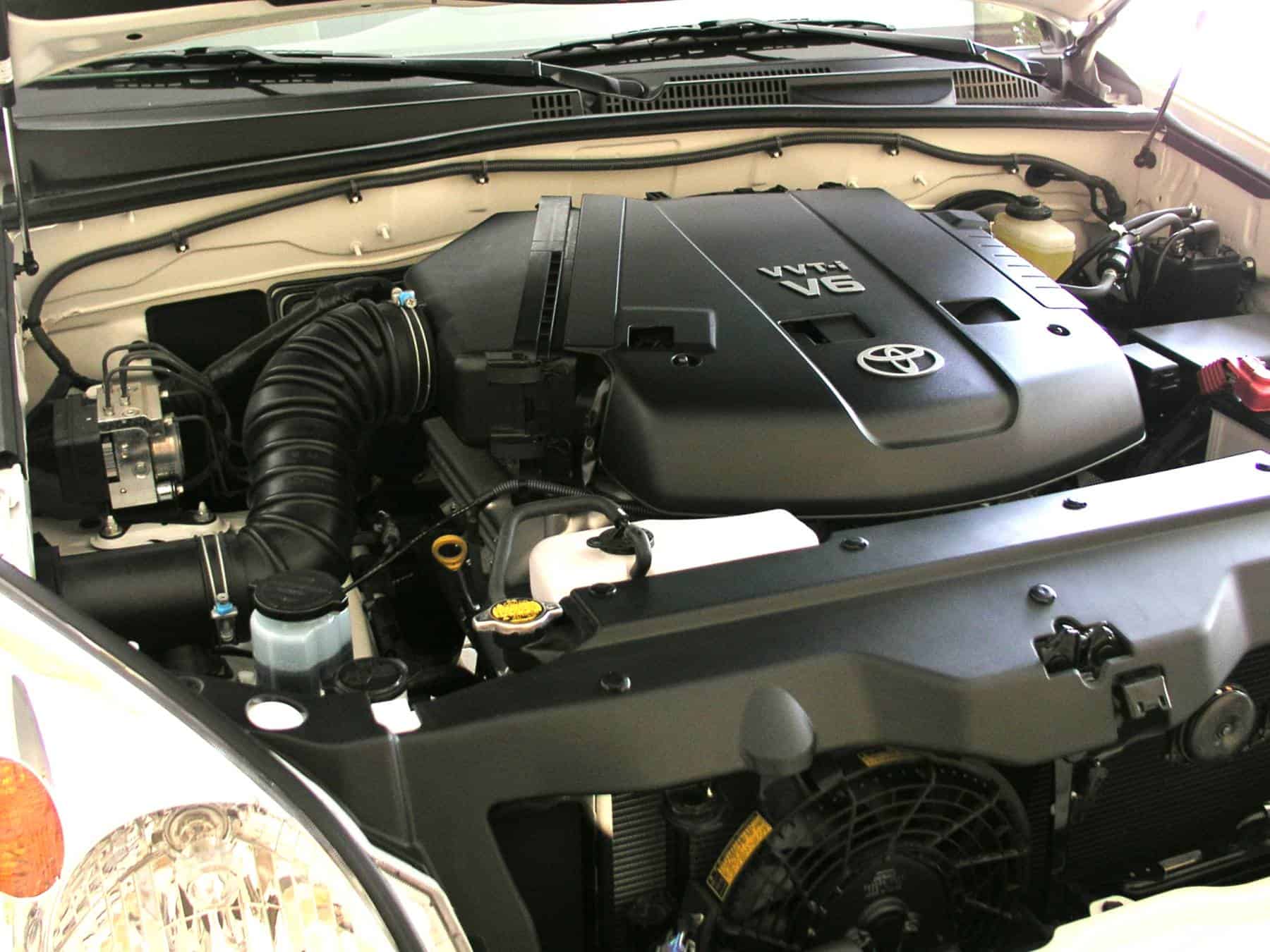
At its core, the 1GR-FE features an open-deck aluminum cylinder block with a 60-degree V-angle and cast-iron cylinder liners. It houses a forged steel crankshaft with nine counterweights and four main journals, along with forged connecting rods and lightweight aluminum alloy pistons.
To aid in cooling, oil jets are mounted in the block to spray the undersides of the pistons, helping to manage temperatures under load. Additionally, the piston skirts are resin-coated to reduce friction and enhance durability.
The cylinder heads are made of aluminum and use a double overhead camshaft (DOHC) design. The camshafts are chain-driven: the primary timing chain drives the intake cams, while each intake cam then transfers motion to the exhaust cam via a secondary chain.
Early versions of the engine (pre-2009) featured Toyota’s VVT-i system only on the intake side. Each head is fitted with four valves per cylinder, actuated by shimless valve lifters, and is protected by aluminum head covers.
On top of the engine sits a plastic intake manifold equipped with Toyota’s Acoustic Control Induction System (ACIS). This system uses a special air control valve that adjusts the intake runner length depending on engine speed, optimizing torque and power delivery. Throttle response is managed by Toyota’s Electronic Throttle Control System-intelligent (ETCS-i).
Fuel is delivered through a sequential multi-port injection system, with each cylinder receiving fuel through twelve-hole injectors for better atomization. Ignition is handled by Toyota’s Direct Ignition System (DIS), with individual coil-on-plug units mounted directly above each spark plug.
Exhaust gases are expelled through stainless-steel exhaust manifolds, each integrating a ceramic-type three-way catalytic converter to meet emissions standards while maintaining durability.
4. GM LS3 V8
General Motors’ LS family is famous for its performance potential, but the LS3 6.2-liter V8 also earns high marks for oil control. Used in the Corvette, Camaro SS, and Cadillac CTS-V, the LS3 is surprisingly low-maintenance for such a high-output engine.
With strong internals and efficient ring pack design, it rarely suffers from the oil-burning issues seen in some smaller GM four-cylinders. For enthusiasts who want big power without constant top-offs, the LS3 is a dependable choice.
The 6.2L LS3 is a modern evolution of Chevrolet’s legendary Small Block V8, blending traditional design strengths with advanced engineering for performance, durability, and efficiency.
Like its predecessors, the LS3 emphasizes airflow and combustion efficiency, which not only enhances power but also contributes to reduced emissions.
Compared to earlier LS engines, the LS3 benefits from optimized intake and exhaust port geometry, improving airflow at both low and high rpm. This balance of breathing efficiency, structural strength, and modern electronic controls makes the LS3 one of the most respected naturally aspirated V8s of its era.
The LS3’s aluminum cylinder block was engineered with computer-aided design tools and insights from GM’s motorsports programs. Its deep-skirt architecture enhances rigidity, while cross-bolted six-bolt main bearing caps minimize crankshaft flex. A structural oil pan adds further stiffness to the powertrain.
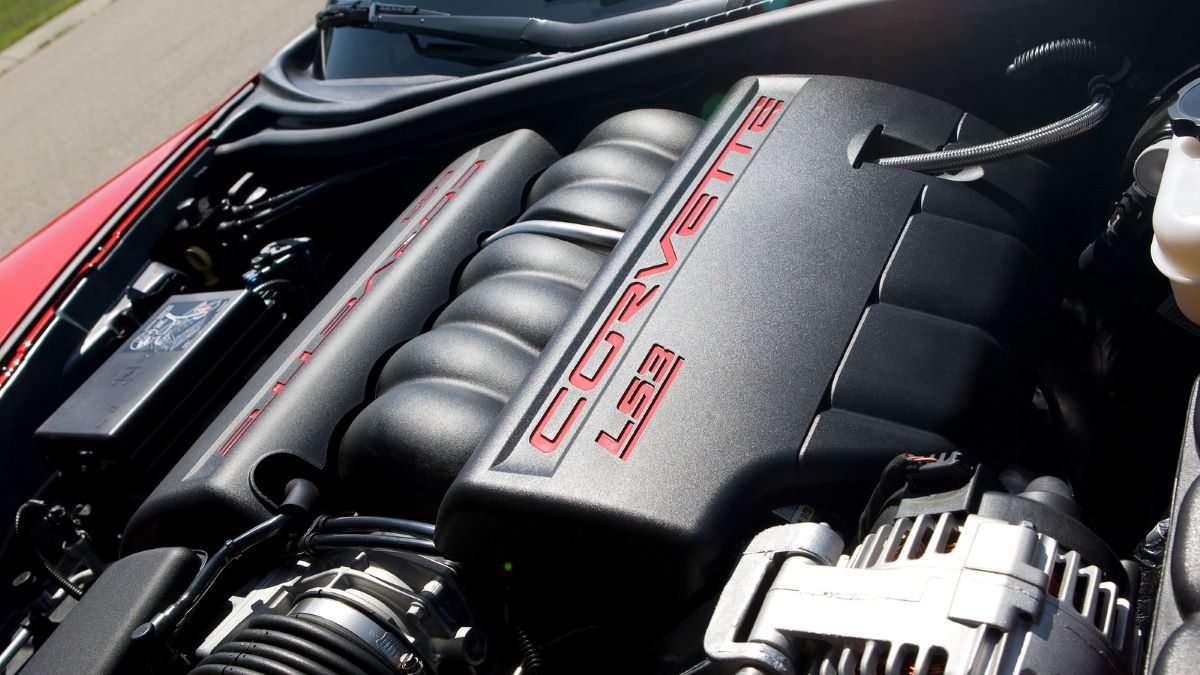
Inside, the LS3 employs a robust rotating assembly featuring a steel crankshaft, forged-steel connecting rods, and high-strength aluminum-alloy pistons. Lightweight flat-top pistons improve throttle response and allow the engine to rev freely, supporting strong high-rpm performance.
The LS3 cylinder heads feature rectangular intake ports, designed to maximize airflow into the combustion chambers. They deliver strong torque at lower rpm while sustaining excellent horsepower at the top end.
The D-shaped exhaust ports further enhance efficiency and flow at higher engine speeds, giving the LS3 a broad and usable power band.
The composite intake manifold is built using a lost-core manufacturing process that reduces runner variation and minimizes flow losses. Its ports are perfectly matched to the cylinder heads, ensuring optimal air delivery. To manage noise, GM added an acoustic “skull cap” shell with foam insulation, reducing radiated engine sound without affecting performance.
On Corvette applications equipped with a manual transmission, the LS3 features a dry-sump lubrication system. This setup ensures consistent oil delivery even under extended high-rpm operation and during extreme cornering loads, a benefit inherited from GM’s racing efforts.
The LS3 replaces traditional throttle cables with an electronically controlled throttle body. A pedal sensor communicates with the ECM, which commands an electric motor to adjust throttle position.
This system delivers precise throttle response, smoother operation, and improved reliability compared to mechanical linkages.
Ignition precision is enhanced by a 58X crankshaft position encoder. The system provides highly accurate real-time data on crankshaft position, allowing the ECM to control ignition timing with greater accuracy. The result is improved fuel economy, consistent performance across all operating conditions, and more reliable cold starts.
5. Ford Modular 4.6 V8 (Non-3-Valve)
The Ford 4.6-liter Modular V8, particularly in its two-valve and four-valve configurations, is known for solid oil control. Found in vehicles like the Crown Victoria, Mustang GT, and F-150, these engines rack up high mileage without burning through oil at alarming rates.
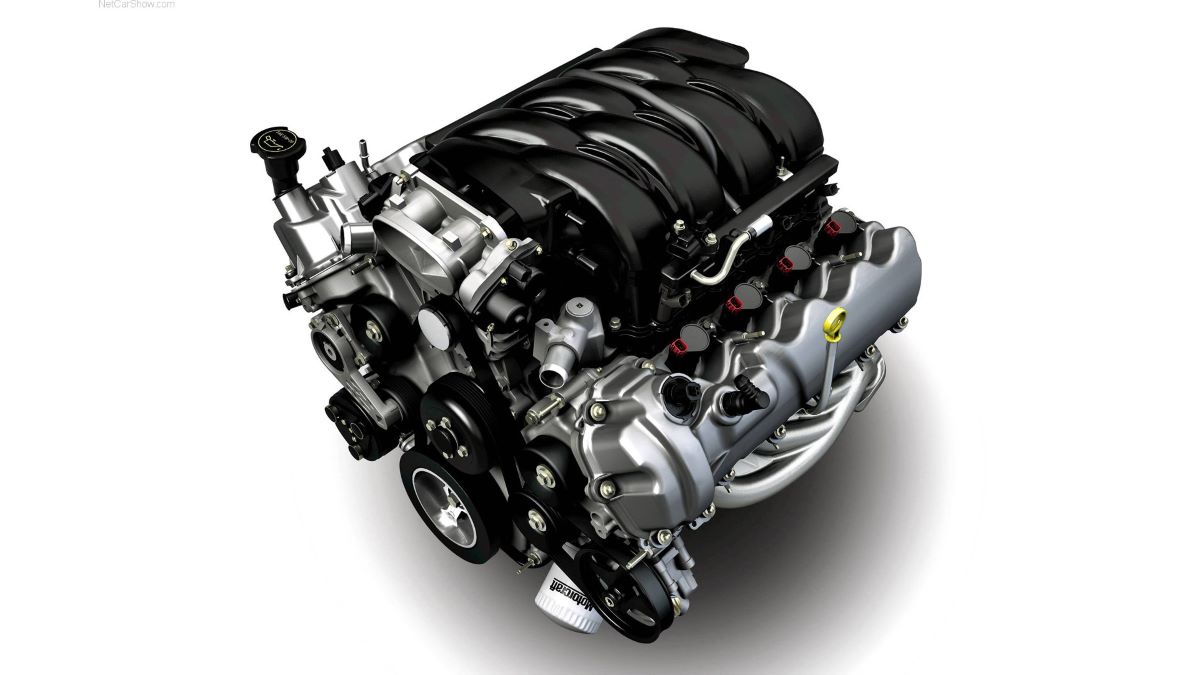
While the later 5.4-liter 3-valve Modular engines developed issues with cam phasers and sometimes consumption, the 4.6 remains a reliable and relatively clean-running motor.
Also Read: 10 Pickup Trucks That Are Safer Investments Than Stocks
6. Toyota 2AR-FE
Toyota corrected many of its early-2000s oil consumption flaws with the 2.5-liter 2AR-FE engine, found in Camrys, RAV4s, and Scions. Featuring improved piston ring design and better oil return passages, the 2AR-FE maintains consistent oil levels even with long intervals.
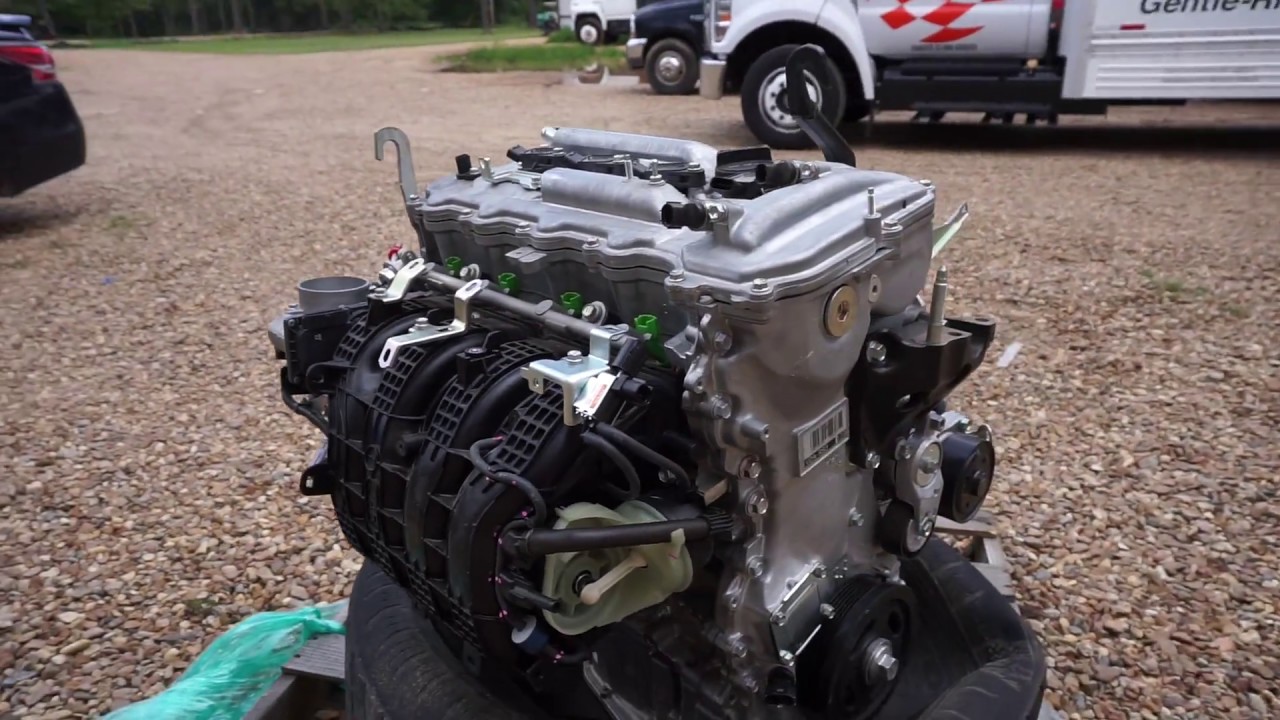
It’s a modern four-cylinder that proves Toyota learned from its past mistakes, making it one of the best commuter engines for Americans looking for low-maintenance daily drivers.
7. BMW M54 (Properly Maintained)
Although BMW has a mixed reputation for reliability, the M54 straight-six, used in early 2000s 3-Series and 5-Series models, is surprisingly resistant to oil burning when maintained correctly.
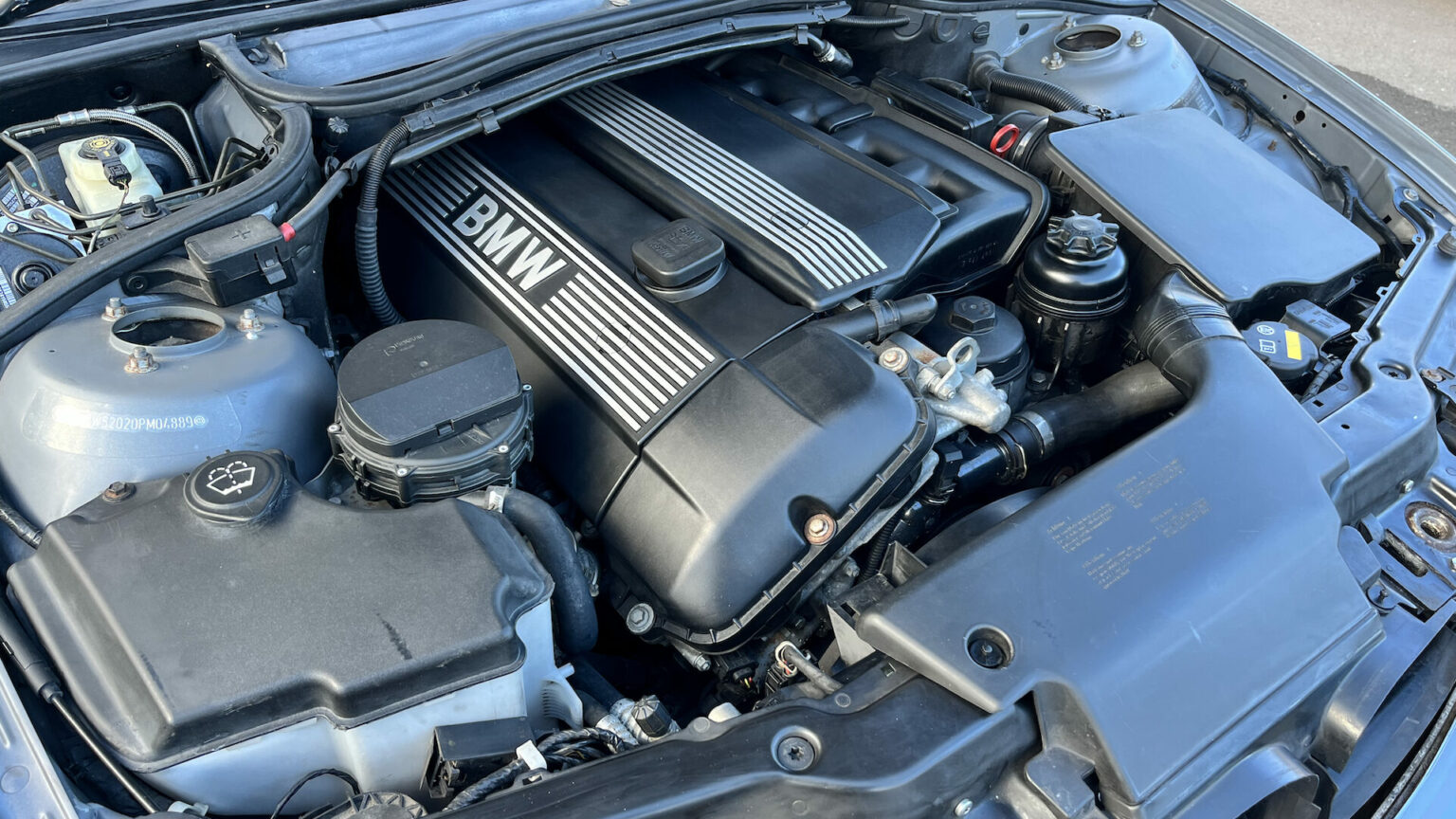
With a strong block, forged internals, and well-engineered piston rings, the M54 doesn’t suffer the same level of oil consumption that plagued later BMW N-series engines. Enthusiasts still seek out M54-powered cars as a “sweet spot” between performance and durability.
8. Honda J35 V6
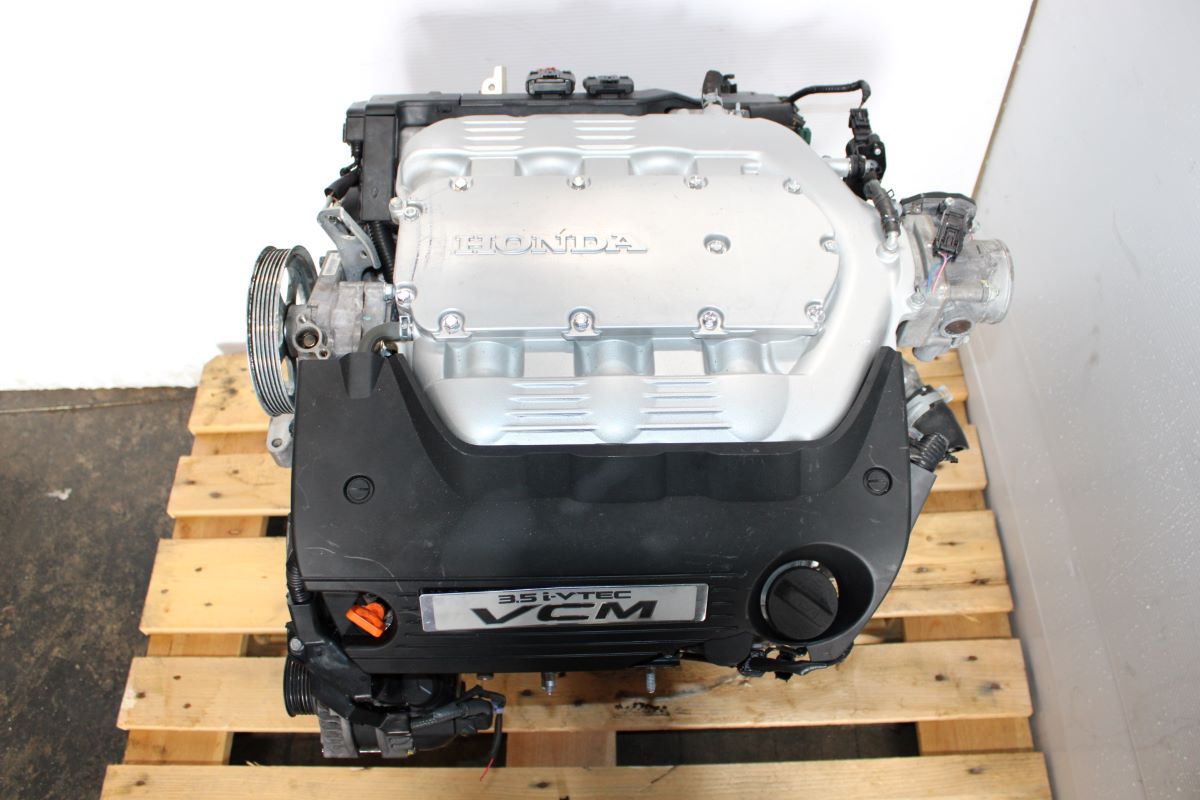
The Honda J35 3.5-liter V6 is a mainstay in Odysseys, Pilots, and Accords, and it’s one of the cleanest-running family hauler engines on the market.
Known for smooth operation and a robust block, the J35 avoids the oil-burning issues that plagued some smaller Honda four-cylinders of the early 2010s. With routine oil changes, it’s not uncommon for these engines to exceed 250,000 miles without significant oil loss.
Honda’s reputation among car enthusiasts is a complicated one. Some critics dismiss the brand because of its association with loud, modified Civics often driven by teenagers at odd hours.
On the other hand, countless enthusiasts admire Honda for its ability to build genuinely great vehicles, from practical daily drivers to cars designed with performance in mind.
What no one can dispute, however, is Honda’s skill in engine building. Its powertrains have been a cornerstone of the tuning community for decades.
While Honda is most often celebrated for its four-cylinder engines, the company has also proven its talent with V6 designs, despite its shorter history in that space. Among these, the J35 stands out as one of Honda’s most enduring and versatile V6s, powering a wide variety of models for more than 15 years.
The story of the J35 in North America begins with the Odyssey. When Honda introduced the second generation of its minivan in 1998 for the 1999 model year, it became the first Honda sold in the region to receive a J-series engine, which had been developed to replace the outgoing C-series.
Unlike the original Odyssey, which relied on a four-cylinder, the updated version debuted with a V6 that offered far more muscle.
While Honda is pushing electrification across its lineup today, some of its mainstream U.S. models still rely on traditional V6 power. A prime example is the Honda Pilot, which continues to use the J35.
The modern iteration of the engine in the Pilot differs significantly from earlier versions. Notably, it does away with VTEC and adopts a dual overhead camshaft design, something Honda hadn’t used since the original NSX.
Despite these changes, performance remains solid. The latest Pilot generates 285 horsepower and 262 lb-ft of torque without any forced induction.
While the Odyssey was the first North American Honda to feature the J35, the story of Honda’s V6 engines stretches back further with the Legend. This model not only introduced many buyers to Honda’s premium arm, Acura, but was also the first Honda production car to use a V6, predating even the iconic NSX.
Early Legends used the C-series V6, but by the time the fourth-generation model arrived, Honda transitioned to the J-series. Though Acura rebranded the car as the RL in North America, much of the world continued to know it as the Legend.
If there’s one vehicle type that defines the North American market, it’s the pickup truck. Honda entered the segment with the Ridgeline, a unique model that broke conventions with its unibody construction, integrated ladder frame, and combined cab-and-bed design.
The J35 wasn’t reserved only for Honda’s niche or premium models, it also found its way into the brand’s bread-and-butter sedan, the Accord. While quirky Hondas often attract cult followings, the Accord represents the brand’s core identity, rivaling the Toyota Camry as one of the quintessential family cars.
In the U.S., the Accord was developed differently than its Japanese counterpart, the Inspire. The American version was larger and better equipped to suit local tastes, and by the eighth generation, it featured the J35 V6.
This version delivered 268 horsepower and 248 lb-ft of torque, paired with a five-speed automatic transmission. To balance performance with efficiency, Honda introduced cylinder deactivation technology to the J35 in this application.
The Passport name first appeared in the 1990s on a rebadged Isuzu MU, but Honda revived it in 2019 as a model fully developed in-house. Unlike the three-row Pilot it’s based on, the modern Passport offers two-row seating, making it slightly more compact.
9. Toyota 1ZZ-FE (Post-2005 Updates)
While early versions of Toyota’s 1ZZ-FE 1.8-liter four-cylinder were notorious for oil consumption, the updated post-2005 versions solved the issue with redesigned piston rings and oil return holes.
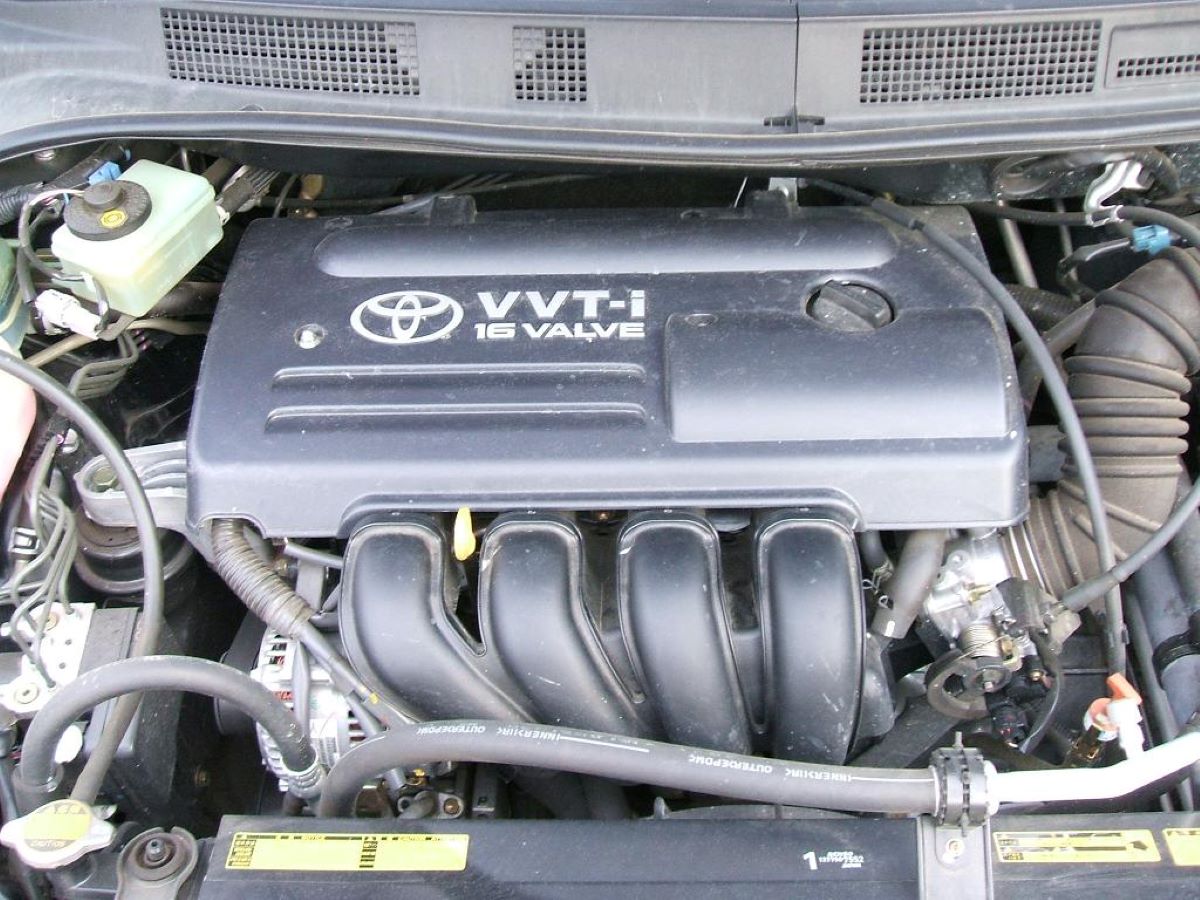
Found in Corollas and Matrix models, the later 1ZZ-FE has earned a second life as a reliable commuter motor. Many owners report minimal oil usage between 5,000–7,500 mile service intervals, proving that Toyota’s updates worked.
10. Subaru EJ22
Before Subaru’s later EJ25 engines became infamous for head gasket and oil consumption issues, the smaller EJ22 flat-four was a paragon of reliability.
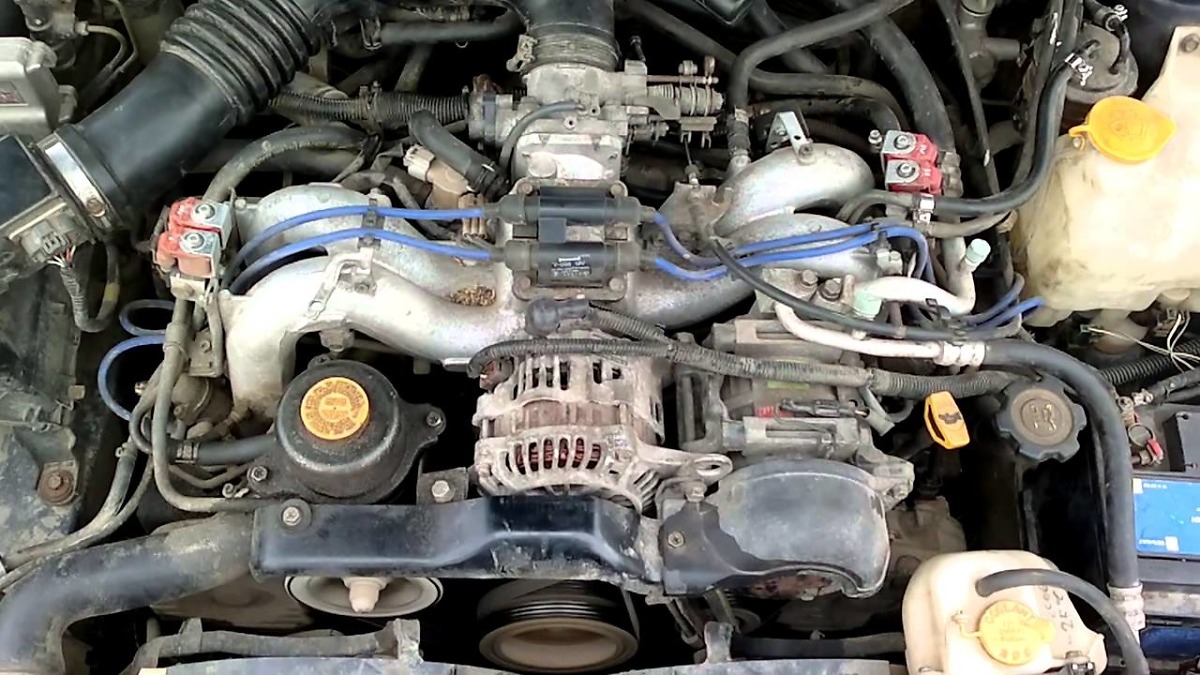
Found in early Legacys, Imprezas, and Outbacks, the EJ22 has an iron-clad reputation for running clean and lasting forever. With proper maintenance, these engines can exceed 300,000 miles while maintaining consistent oil control, making them a beloved choice among Subaru enthusiasts.
Subaru launched the EJ22 engine as the successor to its aging EA-series platform. Offered in both naturally aspirated and turbocharged forms, the EJ22 found its way into several key models, including the Subaru Legacy (1990–1999), Subaru Impreza (1995–2001), and Subaru Outback (1995–1996).
Drawing on the engineering lessons learned from the smaller EJ18 and the more advanced EJ20, Subaru designed the EJ22 to deliver a balance of power, durability, and everyday usability.
This 2.2-liter engine represented a step forward in output and longevity compared to its predecessors. Over time, it received a series of refinements aimed at improving fuel efficiency and ensuring compliance with evolving emissions standards.
11. Nissan VQ35DE
The VQ-series six-cylinder from Nissan is another engine family with a strong reputation for resisting oil consumption. The 3.5-liter VQ35DE, powering Maximas, 350Zs, and Pathfinders, is particularly solid.
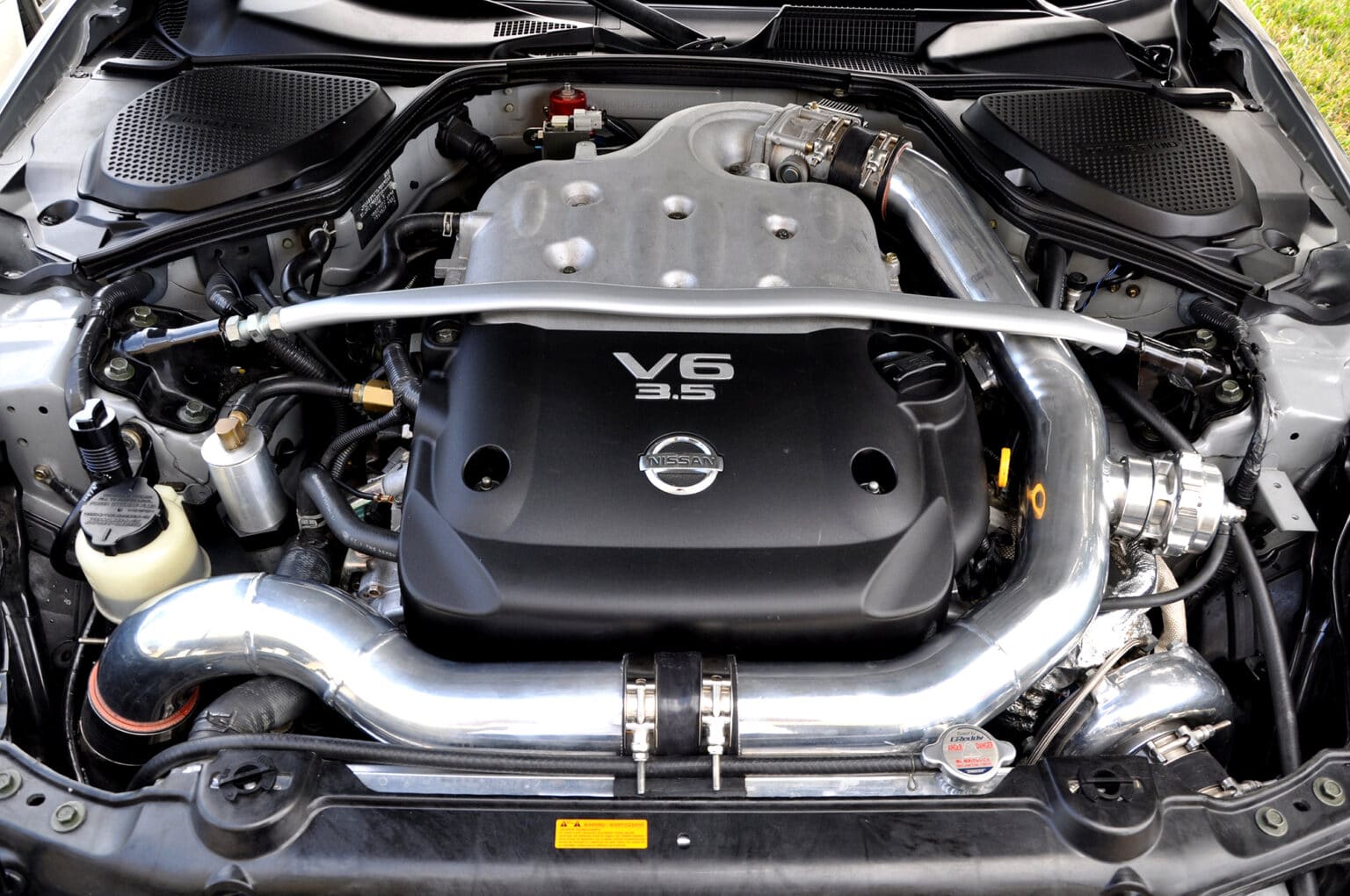
Nissan engineered the VQ with durable rings and a smooth-running block, making it a staple for both performance cars and family SUVs. While some later VQ variants developed minor oil issues, the DE remains a safe bet.
The Nissan VQ35DE is among the most well-known and widely used engines in Nissan’s lineup. Introduced in 2000 as the successor to the VQ30DE, the first generation of the VQ series, it quickly earned recognition, winning multiple “Engine of the Year” awards.
Built for strength and efficiency, the VQ35DE features a forged crankshaft along with forged connecting rods measuring 144.2 mm in length. Its pistons are coated with molybdenum, with a compression height of 30.1 mm, helping reduce friction and improve durability
. The engine is equipped with Nissan’s CVTC (Continuous Variable Valve Timing Control) system, but only on the intake camshafts. A key highlight of the design is its durable timing chain and the absence of hydraulic lifters, which contributes to more efficient power delivery.
Over its production run, Nissan produced both second and third-generation versions of the VQ35DE. These iterations differed in several ways, including intake manifold design, cylinder head porting, block reinforcement, and valve spring stiffness. As a result, power output varied across applications.
Nissan also engineered a special high-performance version known as the VQ35DE Rev-Up, created for the Nissan 350Z 35th Anniversary Edition and select Infiniti G35 V35 models.
This variant added CVTC to the exhaust camshaft and featured a shorter intake manifold. With a 7,000 rpm redline, it delivered up to 298 horsepower at 6,400 rpm, making it one of the most spirited versions of the VQ35DE.
12. Chrysler 3.6 Pentastar V6 (Post-2013)
Chrysler’s Pentastar 3.6-liter V6 had teething issues in its early years, but by 2013, revisions to its piston ring design and cylinder head addressed oil-burning complaints. Found in Jeeps, minivans, and Chrysler sedans, the updated Pentastar now has a strong reputation for clean operation.
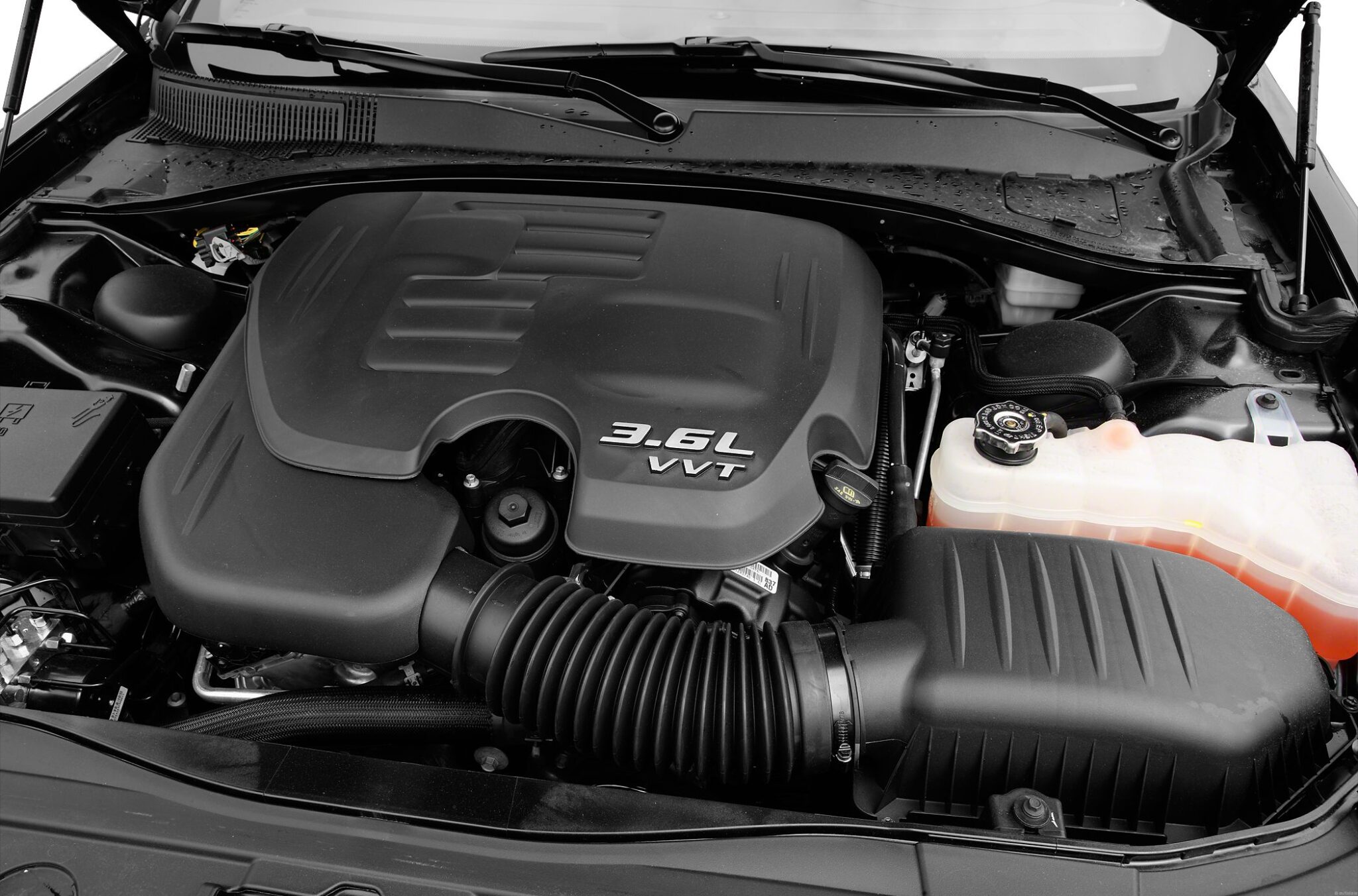
With millions of units produced, it’s become one of Stellantis’ most successful and reliable modern engines.
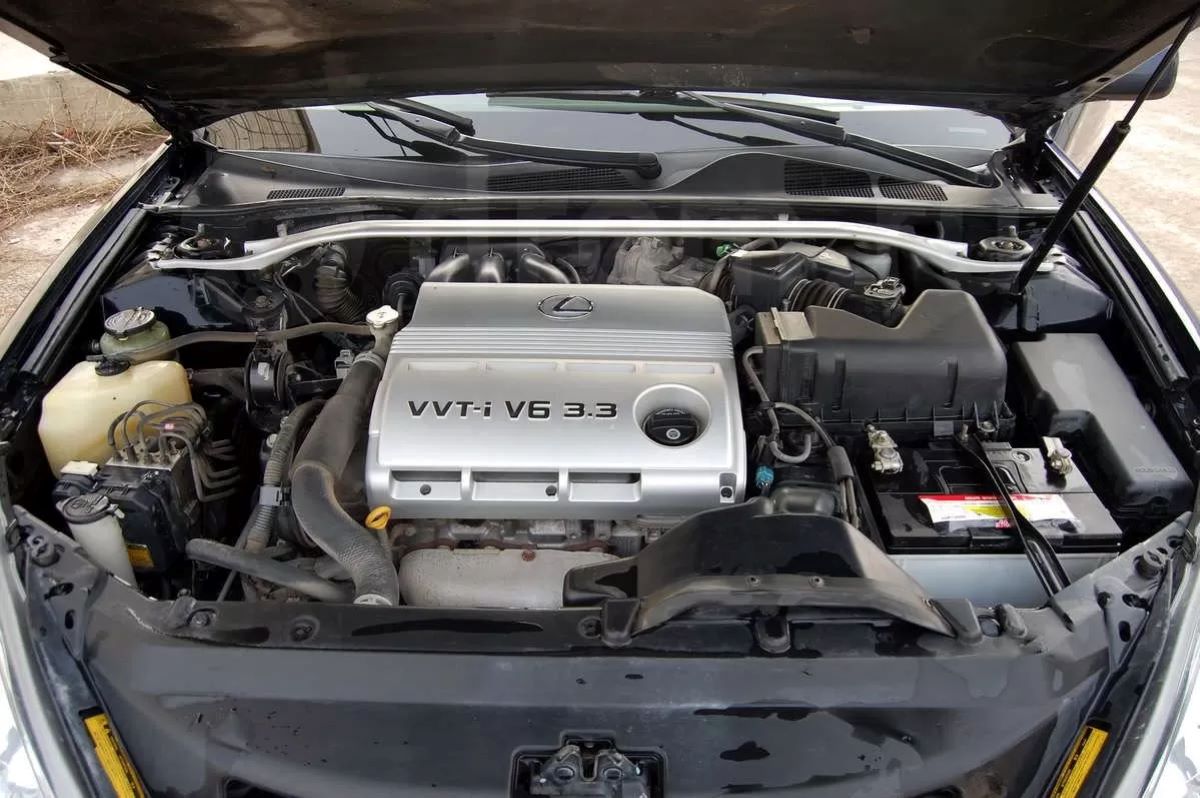
13. Toyota 3MZ-FE V6
The 3.3-liter 3MZ-FE V6, used in the Toyota Camry, Highlander, and Lexus ES330, is one of Toyota’s most underrated engines. Unlike some of its contemporaries, it doesn’t suffer from oil-burning issues and is known for buttery-smooth operation.
Thanks to a refined valvetrain and solid oil control, the 3MZ-FE is often called a “hidden gem” among Toyota V6s, offering quiet reliability for families who don’t want to deal with constant oil top-offs.
Excessive oil consumption may seem like an unavoidable part of owning an aging car, but certain engines prove otherwise.
Toyota introduced the 3MZ-FE in 2002 as the successor to the 1MZ-FE in select models, though for some vehicles both engines were offered side by side.
This 3.3-liter V6 is a DOHC unit featuring Toyota’s VVT-i technology. While it shares the same fundamental architecture as the 1MZ, the 3MZ distinguishes itself with a slightly larger displacement and a higher compression ratio. Output comes in at a respectable 230 horsepower and 242 lb-ft of torque.
Like many Toyota engines, the 3MZ-FE has a reputation for being robust and well-engineered, though no powerplant is without its shortcomings. In this overview, we’ll take a closer look at the specs, common issues, and overall reliability of Toyota’s 3.3L V6.
The 3MZ’s design is closely tied to that of the 1MZ, with Toyota increasing displacement by enlarging the bore while keeping the stroke the same. This change gave the engine improved top-end performance. A bump in compression, from 10.5:1 to 10.8:1, also contributed to stronger torque delivery.
In addition, the 3MZ-FE incorporated VVT-i, adapted from later versions of the 1MZ-FE, which further enhanced overall performance. Power figures between 225 and 250 horsepower may not seem particularly high by modern standards, but for its time, the 3MZ-FE offered a balanced mix of performance, efficiency, and reliability.
By focusing on strong engineering fundamentals robust piston rings, proper oil return design, and conservative operating parameters manufacturers have created motors that maintain consistent oil control well past 200,000 miles.
For US drivers, that means fewer trips under the hood with a quart of oil and more confidence in long road trips. Whether it’s Toyota’s unkillable truck V6s, Honda’s precise four- and six-cylinders, or even GM’s high-powered LS3, these 13 engines prove that not all motors are destined to burn oil as they age.
For anyone shopping for a used car or just curious about which engines will go the distance, this list is a reminder that careful design still matters.